This is a reminder that nominations for the 2026 Right Livelihood Award are open, and the deadline is January 16, 2026 . They are seeking new nominees for the Award who are leading change-makers in their field. Nominations are fully open to the public; therefore, anyone can nominate an individual or organisation creating change through their innovative and life-changing work. To nominate a candidate (preferably in English, but French and Spanish are also accepted), please submit nominations through our online nominations form. Read more about the Award https://www.trueheroesfilms.org/thedigest/awards/97238E26-A05A-4A7C-8A98-0D267FDDAD59.
The Right Livelihood Award recognizes and supports outstanding individuals and organizations driving social, environmental, and human rights change. Winners receive financial or honorary awards, lifelong access to a global network, and international recognition to amplify their impact and protect their work.
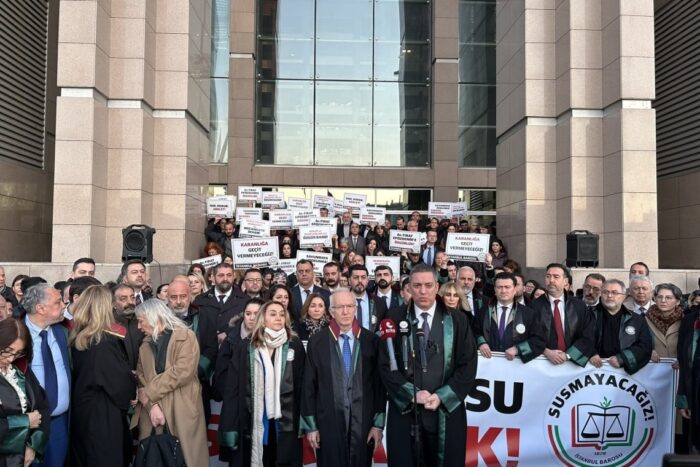
On 5 January 2026 the International Commission of Jurists and many other NGOs issued a joint statement calling on the authorities to immediately terminate the abusive criminal proceedings and drop charges ahead of the 26 Istanbul Heavy Penal Court’s expected final hearing scheduled for 5 to 9 January 2026.
The continued prosecution of the president and 10 executive board members of the Istanbul Bar Association, and the prosecutor’s request for their conviction on terrorism charges are a damning reflection of the troubled state of the rule of law and democratic norms in Turkey.
The prosecutor seeks the criminal conviction of all eleven members of the Bar’s elected leadership – President Prof. İbrahim Özden Kaboğlu, Ahmet Ergin, Bengisu Kadı Çavdar, Ekim Bilen Selimoğlu, Ezgi Şahin Yalvarici, Fırat Epözdemir, Hürrem Sönmez, Mehmedali Barış Beşli, Metin İriz, Rukiye Leyla Süren, and Yelde Koçak Urfa – on the charge of “spreading terrorist propaganda” under Article 7/2 of the Anti-Terrorism Law, solely for issuing a public statement on 21 December 2024 concerning the killing of two journalists in northern Syria and the arrest of journalists and lawyers at a related peaceful protest in Istanbul the day before.
The trial prosecutor’s final opinion confirms and deepens the concerns raised by 56 international organisations in the joint statement of January 2025, condemning the initiation of criminal and civil proceedings against the Bar’s leadership, and in the April 2025 joint statement, which deplored the removal of the elected board and the escalating attacks on lawyers across Turkey. A group of the organisations also submitted a joint amicus curiae brief in which they concluded that the proceedings violate Turkey’s obligations under international human rights law and constitute an unjustified interference with the independence of the legal profession.
A clear misuse of criminal law
In his final opinion, the prosecutor alleges that by referring to the two individuals killed in Syria as journalists and by citing international humanitarian law applicable to the protection of civilians and media workers in conflict zones, the Bar leadership “treated as a war crime” an operation carried out by security forces, thereby intentionally legitimising and disseminating the ultimate separatist aims of the Kurdistan Workers’ Party (PKK). The prosecutor further asserts that describing those killed as journalists “encouraged” membership of the PKK and “made its methods appear legitimate”, amounting to “press and media–based terrorist propaganda” under Article 7/2 of the Anti-Terrorism Law. These allegations, which claim that a lawful, rights-based statement consciously advanced the objectives of an armed organisation, are wholly unfounded and legally unsustainable.
As emphasised in both joint statements in January and April 2025 and the amicus curiae brief in September 2025, the Istanbul Bar Association has a statutory and ethical duty to speak out on violations of human rights and the rule of law. The prosecutor’s position effectively criminalises the Bar Association’s discharge of this duty protected under both domestic law and international human rights law and standards. The prosecutor’s construal of a legitimate exercise of the right to freedom of expression as a terrorism offence amounts to a misuse of criminal law and judicial harassment.
Violations of international standards and the Bar’s statutory mandate
International and regional human rights standards, including the UN Basic Principles on the Role of Lawyers, the Council of Europe Convention for the Protection of the Profession of Lawyer, and consistent jurisprudence of the European Court of Human Rights, affirm that lawyers and their associations must be able to engage in public debate on matters of justice and human rights without fear of reprisals.
Criminalising their exercise of the rights to freedom of expression and association contravenes the provisions of these instruments safeguarding the rights and role of lawyers and their professional organisations, as well as Articles 10 and 11 of the European Convention on Human Rights, Articles 19 and 22 of the International Covenant on Civil and Political Rights, and Articles 26, 27 and 33 of the Constitution of Türkiye.
The criminal proceedings strike at the heart of the independence of the legal profession and amount to a misuse of counter-terrorism laws to silence criticism, suppress human rights monitoring, and undermine self-governance of bar associations.
Signatories (in alphabetical order):
Amnesty International
Center of Elaboration and Research on Democracy (CRED)
Council of Bars and Law Societies of Europe (Le Conseil des barreaux européens, CCBE)
Defense Commission of the Barcelona Bar Association (Spain)
Deutscher Anwaltverein (German Bar Association, Germany)
Eşit Haklar İçin İzleme Derneği (Association for Monitoring Equal Rights, Türkiye)
European Association of Lawyers for Democracy and World Human Rights (ELDH)
The European Criminal Bar Association (ECBA)
Fédération des Barreaux d’Europe (European Bars Federation, FBE)
Foundation Day of the Endangered Lawyer
Hak İnsiyatifi Derneği (Rights Initiative Association, Türkiye)
Hakikat Adalet Hafıza Merkezi (Truth Justice Memory Center, Türkiye)
Haldane Society of Socialist Lawyers (UK)
Human Rights Institute of the Brussels Bar (Belgium)
Human Rights Watch
İnsan Hakları Derneği (Human Rights Association, Türkiye)
The International Association of Democratic Lawyers (IADL)
International Bar Association’s Human Rights Institute (IBAHRI)
The International Commission of Jurists (ICJ)
International Federation for Human Rights (FIDH), within the framework of the Observatory for the Protection of Human Rights Defenders
Kaos GL Derneği (Kaos GL Association, Türkiye)
The Law Society of England and Wales (LSEW, UK)
Lawyers for Lawyers (Netherlands)
Lawyers’ Rights Watch Canada (LRWC, Canada)
Lyon Bar Association (France)
National Union of Peoples Lawyers (NUPL, Philippines)
PEN Norway (Norway)
Turkey Litigation Support Project (TLSP, UK)
Türkiye İnsan Hakları Vakfı (Human Rights Foundation of Turkey, Türkiye)
Vereinigung Demokratischer Jurist:innen VDJ (Association of Democratic Jurists, Germany)
World Organisation Against Torture (OMCT), within the framework of the Observatory for the Protection of Human Rights Defenders
then on 9 January 2026 Amnesty stated “The decision to acquit the Istanbul Bar Association leadership of these unfounded charges is welcome news. This case was a clear misuse of criminal law and should never have been brought in the first place.” https://www.amnesty.org/en/latest/news/
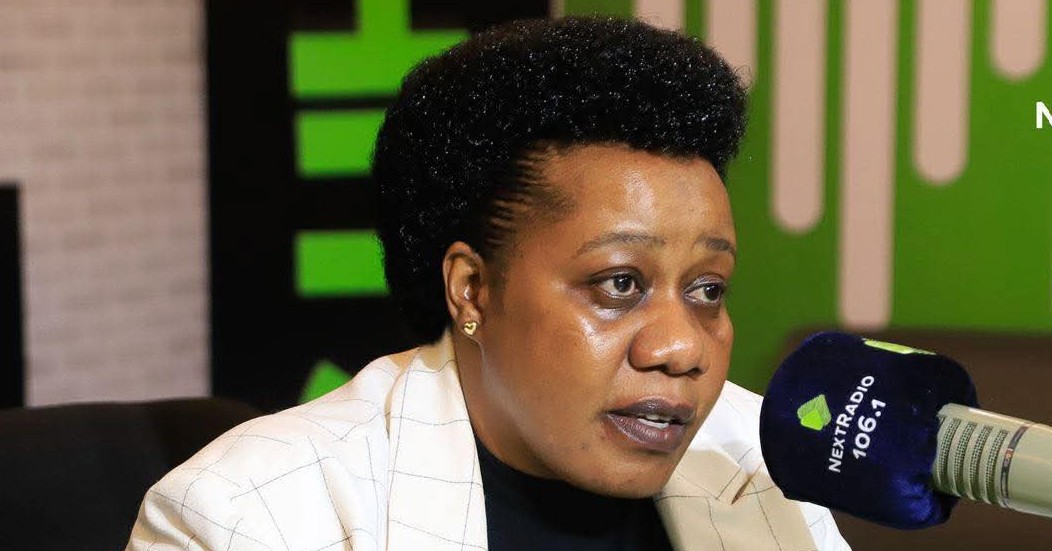
Sarah Bireete was arrested on December 30, 2025, after police and military personnel surrounded her home in Kampala. Shortly before her arrest, she posted on X, “My house is under siege by police and army”. As reported by East and Horn of Africa Election Observation Network (E-HORN) on 2 January 2026
The Police Reforms Working Group (PRWG) Kenya has called for the immediate release of Uganda’s human rights lawyer and civil society leader, Dr Sarah Bireete, warning that her detention ahead of the January elections threatens civic space and undermines democratic processes.
The Uganda Police confirmed her arrest in a brief social media post, stating she would be produced in court “in due course”. Police spokesperson Rachel Kawaala described the detention as part of “ongoing operations” but offered no further details.
“Dr Bireete is widely recognised for her unwavering passion for the protection of civil liberties, her lifelong quest for justice, and her steadfast commitment to democracy, a clarion call that has consistently advanced accountable governance across the region,” the Group said.
Bireete currently serves as Executive Director of the Centre for Constitutional Governance (CCG), Chairperson of the East Africa Civil Society Forum (EACSOF), and Chairperson of the Horn of Africa Election Observers Network (E-HORN).
PRWG Kenya described these roles as reflective of her integrity, credibility and long-standing contributions to human rights, electoral integrity and democratic governance.
The group urged Ugandan authorities to respect civil liberties, the rule of law and democratic processes.
“Respect for civil liberties, rule of law and democratic processes is fundamental to ensuring free, fair, and transparent elections,” PRWG Kenya said.
The statement also highlighted that Uganda’s constitution, under Article 23, guarantees that anyone arrested must be promptly informed of the reasons for their detention, a step that has not been followed in Dr Bireete’s case.
Bireete’s arrest follows her recent advocacy for Starlink, a satellite internet service operated by SpaceX, as a safeguard against potential internet shutdowns during the elections.
In a post dated December 23, 2025, she wrote, “Dear Ugandans, are you thinking of ways to navigate internet shutdown during elections? Starlink got you covered.”
As the country approaches general elections on 15 January 2026, UN experts* today warned that the pervasive climate of fear in Uganda, marked by allegations of enforced disappearance, the use of disproportionate force against political opposition supporters, and the intensified suppression of civil society and independent media, is not conducive to peaceful elections.
but on 28 June 2026, Dr. Sarah Bireete was abducted for approximately three hours and subsequently released without explanation. This abduction was preceded by two separate military raids on her home, first on 28 December 2025, and then again on 25 June 2026. Front Line Defenders believes these acts are directly linked to her legitimate and peaceful human rights work, and is gravely concerned about the repeated targeting of the women human rights defender.
This opportunity allows human rights defenders to develop their projects and take part in an academic and cultural exchange in a safe space. Apply before January 21. Are you a human rights defender from a country in the Global South who must carry out your work in an emergency or high-risk context? Our fellowship program could offer you a calm and safe space to work; provide you with the opportunity to build bonds of solidarity and companionship; and exchange knowledge with our researchers on tools and strategies for action-oriented research.
We are looking for people with different profiles:
Those who come from an emergency or high-risk context. An emergency or high-risk context may include any of the following:
The country/city where the fellow works is experiencing armed conflict, civil unrest, or is under an authoritarian government with an imminent threat to the individual security of the candidate.
The fellow and/or their organization has been the target of threats, intimidation, or populist propaganda that poses a risk to their human rights defense work or to their family’s safety.
The fellow or their organization has been excluded from funding due to government or private sector influence, or has been subjected to pressure aimed at obstructing the work of the individual/organization.
Those who are at risk of burnout and are seeking a quiet place to continue working on human rights issues, but in a different context.
Those who belong to human rights organizations in the Global South and wish to engage in exchanges and joint research or advocacy work with Dejusticia.
Those who intend to build long-term relationships with other fellows and with Dejusticia. This ensures that our fellowships function as accelerating nodes for connections that will make the human rights movement more coordinated and generate greater impact.
What will fellows receive from Dejusticia?
Dejusticia will cover travel expenses (visa, airfare) and provide a monthly stipend based on the fellow’s profile and experience. While Dejusticia will provide initial support at the beginning of the process—including, during the first two weeks of work, a training space on amphibious research and on Dejusticia’s work—it is important to note that selected fellows will be responsible for managing their stipend to cover their housing, transportation, and food needs.
What will be the commitments of fellows from the Global South?
The fellow will allocate their time at Dejusticia as follows:
65% to develop and implement work associated with a broader project of the host area/line.
25% to continue supporting the work of their home organization remotely.
10% to develop at least one blog post reflecting on their experience or work, to be published on Dejusticia’s Global Blog.
How to apply to the fellowship program
The call will be open until January 21, 2026
Dejusticia will cover travel expenses (visa, airfare) and provide a monthly stipend based on the fellow’s profile and experience. While Dejusticia will provide initial support at the beginning of the process, it is important to note that selected fellows will be responsible for managing their stipend to cover housing, transportation, and food needs. The program also includes one week of in-person training at Dejusticia on action-oriented research tools, writing, among others, as well as an organizational induction.
Are you a human rights defender working on democratic backsliding and/or racial justice, keen to use the UN to push for change at home? If so, apply for the 2026 edition of ISHR’s flagship training, the Human Rights Defender Advocacy Programme (HRDAP)!
After a successful edition in 2025, ISHR is pleased to launch the new call for applications for the 2026 Human Rights Defender Advocacy Programme (HRDAP26), which will take place both remotely and in Geneva and will be focused on thematic and context area! Below are some important dates to consider before applying:
Mandatory distance learning course: 13 April – 8 June 2026 (part time)
In-person course in Geneva: 10- 20 June 2026 (full time)
Deadline to apply: 15 January 2026, midnight CET (Geneva Time)
Programme description with all related information can be downloaded here.
For the last 10 years, this flagship training has equipped human rights defenders with the knowledge and skills to integrate the UN human rights system into their existing work at the national level in a strategic manner.
Following an external review of the programme in 2024, as well as to maximise impact and enhance follow-up, for 2026 the HRDAP selection criteria are evolving: they are based on 2 themes focused on context area and thematic advocacy, according to ISHR’ strategic priorities and opportunities at the UN: democratic backsliding and racial justice. The HRDAP themes will change annually (see the criteria below and the programme description for more details).[see: https://humanrightsdefenders.blog/2024/11/27/ishrs-training-for-human-rights-defenders-2025/]
12 participants will be selected for the 2026 edition of HRDAP.
What are HRDAP objectives?
By participating in the programme, defenders will:
gain knowledge and tools, which they can use to ensure their voice is central in international human rights decision-making
explore and compare the benefits of engagement with the Human Rights Council, the Special Procedures, the OHCHR, the Universal Periodic Review and the Treaty Bodies, and examine how they can use them to bolster their work at the national level
develop networks, strategies and advocacy techniques to increase the potential of their national and regional advocacy work.
How is HRDAP organised?
HRDAP topics
Defenders will complete a 10-week hybrid learning programme through a participatory approach, which will include:
accessing the HRDAP Platform, where they can complete e-learning courses on each key UN human rights mechanism and on advocacy strategies, and access interactive learning materials and case studies on the ISHR Academy
taking part in live Q&A sessions with human rights experts
receiving continuous advocacy support and personalised coaching in order to develop concrete advocacy objectives to make strategic use of the international human rights system
building networks around the world, and learning from peers from a range of regions working on a range of human rights issues
applying their knowledge to case-studies scenarios and enhancing their advocacy toolbox according to their specific needs
receiving support and advocacy accompaniment to conduct activities during the 62nd and 63rd Human Rights Council sessions and other relevant opportunities.
Participants will have the unique opportunity to apply their knowledge and skills while being in Geneva as well as to meet and share with their peers and experts. The blended format of the course allows defenders to continue their vital work on the ground, while diving into the inner workings of each key UN human rights mechanism and gaining first-hand experience from advocates and UN staff on how civil society can strategically engage in the international human rights space.
What are the criteria and themes for selection?
This programme is directed at experienced human rights defenders working in non-governmental organisations, with existing advocacy experience at the national level and some prior knowledge of the international human rights system. In 2026, we will select human rights defenders working on democratic backsliding and racial justice.
Defenders working in contexts of democratic backsliding
This theme is for human rights defenders working in democratic countries where authoritarian practices are gaining ground.
We particularly welcome applications from defenders who are:
pushing back against repressive laws, attacks on free expression, or restrictions on the freedom of peaceful assembly and association
documenting abuses linked to police and military violence, arbitrary arrests, surveillance, or harassment
fighting for justice, transparency, and the rule of law, and refusing to let democratic institutions be dismantled without accountability.
Defenders working on racial justice
This thematic is for defenders working to dismantle systemic racism and build societies rooted in equality and dignity. We will select applications from defenders focusing on anti-racism, exclusion and police violence, including anti-Black racism as experienced through legacies of colonialism and the Transatlantic Trade in Enslaved Africans, Indigenous (including Afro-Indigenous) communities working on historical injustice and reparations, as well as defenders of migrants and asylum seekers. We also welcome applications from mothers working for accountability for their children, victims of police violence.
On 23 December 2025, the Special Rapporteur on human rights defenders, Mary Lawlor, renewed her call on authorities in Togo to release Togolese-Irish citizen and human rights defender Abdoul Aziz Goma from prison on the seventh anniversary of his arrest.
“Abdoul has now been arbitrarily detained for seven years and has been on hunger strike since 8 November 2025, protesting against the injustices he has faced. As he marks his 44th day without food, I am seriously concerned for his life,” Lawlor said.
Abdoul Aziz Goma was arrested in Lomé in 2018 after providing shelter to a group of young people who had travelled to the capital to demonstrate. Although he did not participate in any protests himself, Aziz Goma offered help to the youths when approached by an acquaintance.
Aziz Goma was initially held in secret for a number of years before being transferred to Togo’s formal prison system in 2022. He has been reportedly subjected to ill-treatment and denial of adequate medical care in prison, which have left him with a debilitating health condition.
In February 2025, when he was finally tried, Aziz Goma was convicted on multiple charges, including undermining national security, in a single day procedure and sentenced to ten years in prison.
Aziz Goma is reportedly very weak from hunger and reduced to spending much of the day lying down.
In September 2023, the UN Working Group on Arbitrary Detention determined that Aziz Goma’s ongoing detention was arbitrary.
The Special Rapporteur has also raised her concerns about Aziz Goma’s treatment and ongoing detention with Togolese authorities in 2021 and 2024.
On 15 December 2025 Emma Woollacott, in Forbes, referred to a new study that shows that 7 in 10 women human rights defenders, activists and journalists have experienced online violence in the course of their work. Produced through the UN Women’s ACT to End Violence against Women program and supported by the European Commission, “Tipping point: The chilling escalation of violence against women in the public sphere” draws on a global survey of women from 119 countries.
Along with online threats and harassment, more than 4 in 10 have experienced offline harm linked to online abuse — more than twice as many as in 2020, the researchers found. This can range from verbal harassment right up to physical assault, stalking and swatting.
“These figures confirm that digital violence is not virtual — it’s real violence with real-world consequences,” said Sarah Hendricks, director of policy, programme and intergovernmental division at UN Women.
“Women who speak up for our human rights, report the news or lead social movements are being targeted with abuse designed to shame, silence and push them out of public debate. Increasingly, those attacks do not stop at the screen — they end at women’s front doors. We cannot allow online spaces to become platforms for intimidation that silence women and undermine democracy.”
And AI is only making things worse, with almost 1 in 4 women human rights defenders, activists and journalists having experienced AI-assisted online violence, such as deepfake imagery and manipulated content. This is most often the case for writers and public communicators who focus on human rights issues, such as social media content creators and influencers, for whom the figure reaches 30%.
“Gender-based online violence is not a new phenomenon, but its scale certainly is,” said report co-author Lea Hellmueller, associate professor in journalism at City St George’s and associate dean for research in the School of Communication and Creativity.
“AI tools enable the production of cheaper and faster abusive content, which is detrimental to women in public life — and beyond,” Hellmueller added.
Tech firms are partly responsible, the researchers said, with the report calling for better tools to identify, monitor, report and fend off AI-assisted online violence. The researchers also want to see more legal and regulatory mechanisms to force tech firms to prevent their technologies being deployed against women in the public sphere.
“Our next steps include publishing data from the survey about the opportunities for, and barriers to, law enforcement and legal redress for survivors of online violence,” said Julie Posetti, chair of the Centre for Journalism and Democracy at City St George’s, University of London, one of the authors of the report. “We will also focus on creative efforts to counter gender-based online violence and policy recommendations to help hold the Big Tech facilitators of this dangerous phenomenon accountable.”
In the aftermath of conflict, dictatorship, or mass human rights violations, societies face the challenge of addressing past atrocities while rebuilding for the future. Transitional justice refers to a set of legal and social mechanisms designed to achieve justice, accountability, and reconciliation in such contexts. These processes include truth commissions, criminal prosecutions, reparations for victims, and institutional reforms aimed at preventing future abuses. Rooted in the principles of human rights and international law, transitional justice seeks to balance the need for justice and survivor healing with the complexities of political and social stability.
Across the world, many charities and non-governmental organisations (NGOs) play a crucial role in supporting transitional justice efforts. Whether by documenting human rights abuses, advocating for victims, or facilitating truth and reconciliation initiatives, these organisations help societies navigate the difficult journey toward justice and peace. This article by Barbara Listek explores some of the key NGOs working in the field, highlighting their impact in post-conflict and post-authoritarian contexts.
The International Center for Transitional Justice (ICTJ) supports societies recovering from mass human rights violations by helping them confront the past and build more just and inclusive futures. Working alongside victims, local communities, and institutions, ICTJ provides expertise on truth commissions, reparations, criminal accountability, and institutional reform. Whether advising on the creation of truth-seeking bodies or supporting prosecutions of those responsible for serious crimes, the organisation’s work is rooted in the belief that acknowledging harm and delivering justice are essential for healing and long-term peace.
Since its founding, ICTJ has played a key role in transitional justice processes across the globe, including in Colombia, Tunisia, and The Gambia. Its approach is deeply grounded in the lived experiences of survivors, ensuring that justice efforts are not only technically sound but also meaningful to those most affected. By focusing on systemic change and survivor-centred solutions, ICTJ works to prevent the recurrence of violence and strengthen democratic institutions in countries emerging from repression and conflict.
Redress is a London-based organisation founded by British businessman Keith Carmichael after he was unlawfully detained and tortured in Saudi Arabia. Frustrated by the lack of legal support and accountability available to survivors like himself, Carmichael launched REDRESS to fill a critical gap in access to justice. His personal experience became the driving force behind the charity’s mission: to secure justice and reparation for victims of torture and other grave human rights violations.
Now more than 30 years old, REDRESS continues to lead efforts globally to end impunity for torture. The organisation provides legal representation to survivors, supports strategic litigation before national and international courts, and advocates for stronger laws and policies that prevent torture and ensure reparations. By working directly with survivors, while also influencing governments and international institutions, REDRESS helps ensure that survivors’ voices are heard and that justice becomes a meaningful reality, central to any process of healing and transitional justice.
The Center for Justice and Accountability (CJA) is an organisation founded in 1998 on the principle, first used during the Nuremberg trials after World War II, that certain crimes are so egregious that they represent offences against all humankind. These crimes include genocide, crimes against humanity, extrajudicial killing and torture, and as CJA argues, they should never go unanswered.
CJA’s approach is survivor-led and collaborative. The organisation works closely with local partners and in-country prosecutors to build cases that centre the voices and experiences of those most affected. Alongside this, CJA advocates for stronger laws and policies that make it harder for abusers to escape justice and hold everyone accountable to the human rights standards.
The African Transitional Justice Legacy Fund (ATJLF) is an organisation launched in 2019 to support African-led responses to past atrocities, rooted in the belief that sustainable peace and justice must be shaped by those directly affected. Backed by the MacArthur Foundation and WellSpring Philanthropic Fund, the ATJLF emerged alongside the African Union’s Transitional Justice Policy, helping translate its goals into practical, community-driven action. Managed initially by the Ghana-based Institute for Democratic Governance, the Fund has since become a nine-year institutionalised effort supporting civil society across West Africa.
By empowering survivor-led groups and grassroots initiatives, the ATJLF has helped amplify voices often excluded from transitional justice processes. Since its inception, over $2.5 million has been distributed to 46 organisations working in countries including Guinea, Liberia, and The Gambia. As it enters its legacy phase (2024–2026), the Fund is scaling its efforts beyond West Africa and focusing on deeper, long-term partnerships to ensure the impact of its work endures well beyond its closure.
Impunity Watch is an international non-profit organisation working with victims of violence to deliver redress for grave human rights violations and to promote justice and peace. The organisation approaches transitional justice work through a victim-centred approach, taking into account the long-standing criticism of transitional justice not being sufficiently victim-centred. It is also their aim to overcome systemic impunity and its root causes in order to achieve transformative justice (here we could link the article I wrote on transformative justice, but it is not published yet).
For more information about the organisation, we recommend visiting their website for an abundant collection of resources and information, such as the charity’s 2023-2027 Strategic Plan, information about the complex work Impunity Watch does, as well as their multimedia resources section.
The Global Survivors Fund (GSF) is an international charity organisation based in Switzerland, that has it as its mission to enhance the access to reparations for survivors of conflict-related sexual violence around the globe. It was founded in 2019 by Dr Denis Mukwege and Nadia Murad – 2018 Nobel Peace Prize laureates.
The organisation’s work is centred around three core pillars: acting to provide interim reparative measures in situations where States or other parties are unable or unwilling to meet their responsibilities; advocating for the legally responsible parties (duty-bearers) and the international community to develop reparation programmes; and guiding States and civil society by providing expertise and technical support for designing reparation programmes.
To learn more about the organisation’s transformative work, donate or find information about positions openings, visit their website.
Founded in 2014, the Global Initiative for Justice, Truth and Reconciliation (GIJTR) is a consortium of nine global organisations dedicated to addressing the transitional justice needs of societies emerging from conflict or periods of authoritarian rule. The initiative collaborates with communities worldwide to amplify survivors’ voices and inspire collective action in confronting human rights violations. By addressing past traumas, GIJTR aims to pave the way for a more just and peaceful future.
Over the past decade, GIJTR has engaged with communities in over 70 countries, collaborating with more than 800 local civil society organisations and supporting over 500 grassroots projects. Its initiatives include documenting human rights abuses, providing technical assistance to civil society activists, and promoting reparative justice efforts. Notably, the organisation has worked alongside survivors of conflict-related sexual violence in contexts such as Bangladesh, Colombia, and Guinea, supporting them in advocating for their rights and developing community-based programs aimed at meeting survivors’ needs.
The International Coalition of Sites of Conscience is the only global network of historic sites, museums, and memory initiatives that connects past struggles to today’s human rights movements. With over 350 members in 65 countries, its mission is to ensure that the sites preserve the memory of past injustices while fostering dialogue and learning that prevent future violations.
Their slogan being “Remembering is a Form of Resistance,” the Coalition works with local communities, governments, and international partners to ensure that these sites serve as platforms for reconciliation, education, and activism. It convenes impactful projects and initiatives as well as training events that bring together site professionals, historians, and activists to develop best practices for memory‑based reconciliation and community empowerment
If you are interested in how museums can contribute to upholding human rights, or would like to visit one of such sites, we recommend checking out our article on “20 Human Rights Museums Around The World” to discover inspiring spaces that might be worth visiting (perhaps on your next trip!).
The Post-Conflict Research Center (PCRC) is a Sarajevo-based, women-led research centre and NGO, dedicated to advancing transitional justice and promoting peace in post-conflict societies. Founded in 2011 in Bosnia and Herzegovina, PCRC works on issues related to justice, accountability, reconciliation, and human rights. Its efforts include conducting research, providing education, and supporting projects aimed at improving social cohesion and fostering sustainable peace. PCRC is also involved in advocacy and works with local and international organisations to develop and implement policies that address the needs of survivors of conflict and promote justice for atrocities.
PCRC’s signature programmes include Balkan Diskurs, an online platform empowering young journalists to report on regional issues, and Ordinary Heroes, a multimedia project showcasing stories of rescue and courage to promote tolerance and reconciliation. Its work has earned international recognition, including the 2014–15 Intercultural Innovation Award from the UN Alliance of Civilizations and the BMW Group, and praise from the Council of Europe for its exemplary peace education model.
Are you inspired by PCRC’s blend of research and action? Learn what it takes to follow in their footsteps by reading our guide on “How to Become a Human Rights Researcher.”
Rights for Peace is a London-based international organisation that seeks to address the root causes of violence and promote peace through human rights advocacy and transitional justice. Focusing on countries in transition from conflict or repression, Rights for Peace engages with local communities to ensure that victims of violence are heard and that justice mechanisms are effective. It works to strengthen the rule of law, promote accountability, and support processes of social healing through legal reforms and community-led initiatives. By fostering a culture of peace and justice, the organisation aims to prevent the recurrence of violence and contribute to long-term stability.
Currently active in Sudan and South Sudan, Rights for Peace collaborates with local partners to strengthen rule‑of‑law institutions and ensure that victims’ voices shape accountability processes. Its casework includes monitoring identity‑based violations and developing strategic litigation to hold perpetrators accountable, reflecting the organisation’s commitment to survivor‑centred justice.
The issuance of Interpol red notices against two Salvadoran human rights defenders currently in exile in Spain constitutes a grave misuse of the law enforcement mechanism, UN experts warned on 19 November 2025
“This move amounts to an act of transnational repression, as it extends the harassment of human rights defenders beyond borders, targeting them in a country where they are seeking safety,” the experts said.
Ivania Cruz and Rudy Joya have applied for asylum in Spain, fleeing legal harassment in El Salvador stemming from their legitimate human rights work. Both human rights defenders work for the non-governmental organisation UNIDEHC, which has been targeted by the Salvadoran authorities since February 2025 for its support to the La Floresta community, who have been facing attempts of forced eviction since 2024.
“The charges brought against Ivania Cruz and Rudy Joya in El Salvador and related arrest warrants issued by the authorities appear to be without basis and in direct connection with their legitimate human rights work for UNIDEHC to support communities under threat and denounce the actions of the Government under the state of emergency declared in 2022,” the experts said.
In May 2025, the court presiding over their case in El Salvador ordered the Interpol National Central Bureau to submit a request for the issuance of a red notice to the Interpol General Secretariat. Interpol confirmed the issuance in July 2025.
The experts pointed to Articles 2 and 3 of the Constitution of Interpol, which state that the organisation is “strictly forbidden” from undertaking “any intervention or activities of a political nature”, and that the organisation’s activities will be conducted “in the spirit of the Universal Declaration on Human Rights.”
In September 2025, Rudy Joya was summoned by police under the pretext of his asylum application in Spain. Upon presenting himself to the authorities, he was detained and presented before a Spanish specialised court. Ivania Cruz was also summoned and appeared before the same court, which ordered that both defenders sign-in at a local court every 15 days, not leave the country, surrender their passports and report any change of address.
“We call on Interpol to immediately revoke the red notices and judicial sanctions against Ivania Cruz and Rudy Joya, and on Spain to refuse to accede to the red notice and to ensure their safety by rejecting their forcible return to El Salvador,” the experts said.
The experts are in contact with Interpol and the governments of Spain and El Salvador on these concerns.
Ganna Yudkivska (Chair-Rapporteur), Matthew Gillett (Vice-Chair on Communications), Miriam Estrada Castillo (Vice-Chair on Follow-Up), Mumba Malila, and Ethan Hee-Seok Shin,Working Group on Arbitrary Detent
On 14 November 2025, Scilla Alecci of the International Consortium of Investigative Journalists, Inc. (ICIJ) wrote about a parliamentary report which identified China and other authoritarian regimes as harassing and attacking dissidents abroad, echoing findings from ICIJ’s China Targets.
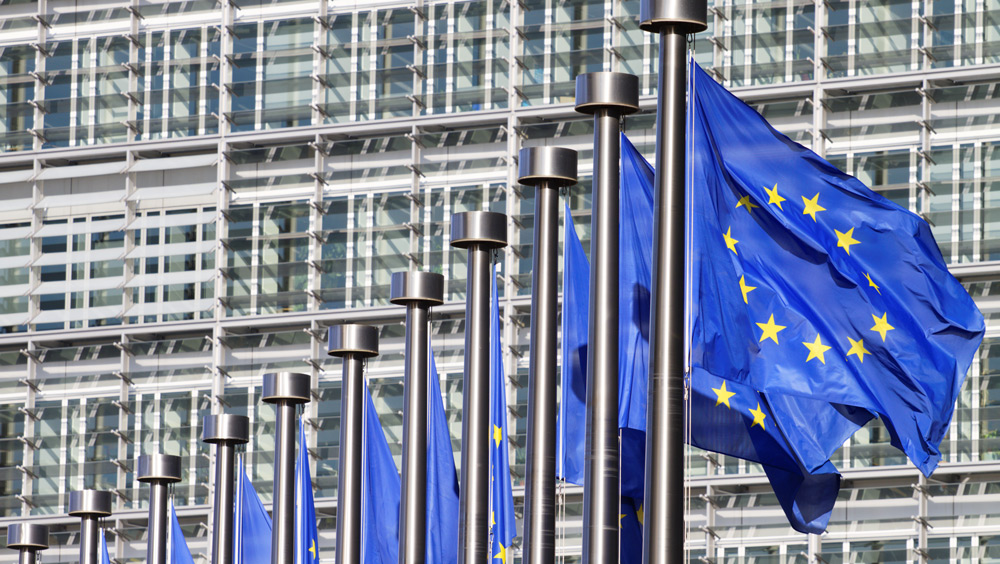
European Parliament in Brussels, Belgium.
The European Parliament has adopted a resolution urging member states to confront efforts by authoritarian regimes to coerce, control or silence political opponents and dissidents living in Europe. “Human rights defenders are a key pillar of democracy and the rule of law, and they are insufficiently protected,” a statement from the parliament said.
The resolution, adopted with a majority of 512 votes (to 76 against and 52 abstentions), called for targeted sanctions against perpetrators, market surveillance of spyware and better coordination among European authorities to counter what lawmakers labeled “transnational repression.”
The resolution is not legally binding but signals that European lawmakers want to take a clear position on the issue and draw attention to it, Elodie Laborie, a spokesperson for the Parliament’s Subcommittee on Human Rights, told the International Consortium of Investigative Journalists in an email.
It confirms findings by ICIJ’s China Targets investigation, which revealed how Beijing continues to use surveillance, hacking and threats against Chinese and Hong Kong dissidents, Uyghur and Tibetan advocates and their families to quash any criticism of the regime abroad.