On 29 June 2026, Amnesty published a roundup of what can be achieved when we stand together in solidarity. Despite the increasingly fractious state of the world, governments and civil society have come together to pass important laws and resolutions to tackle human rights harms, following protests and petitions from activists and campaigners.
Here a few examples but the list is worth reading in total:
In January, human rights defender Sean Binder and 23 others connected to a Search and Rescue NGO were acquitted in Greece after years on trial. Amnesty International has been campaigning in support of Sean’s case since 2018.
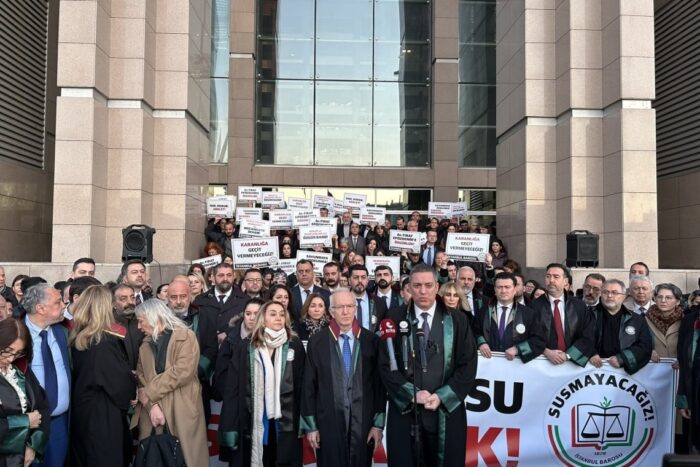
Eleven members of the Istanbul Bar Association’s executive committee were acquitted on 9 January, after facing charges for “spreading terrorist propaganda” and “publicly disseminating misleading information”. The 11 had been on trial over a statement issued by the Bar Association on 21 December 2024 about the killing of two journalists in northern Syria and the arrest of journalists and lawyers at a related peaceful protest in Istanbul the day before.
Human rights defenders who had been arbitrarily detained in Venezuela were released between January and May 2026. They included Javier Tarazona, Rocío San Miguel, Kennedy Tejeda, Carlos Julio Rojas and Eduardo Torres, Darío Estrada, Rosa Chirinos, and Yevhenii Trush.
Eight years after the murder of human rights defender Marielle Franco and her driver Anderson Gomes in Rio de Janeiro, and the attempted murder of Fernanda Chaves, a press officer working for Marielle, those responsible for orchestrating these crimes have finally been convicted. The conviction is a major step forward in the fight against political violence and impunity in Brazil. It is also a testament to the persistence of Marielle’s family, social movements and civil society organizations, such as Amnesty International, in demanding truth and justice over the years. Amnesty International Brazil is continuing to call for broader measures to prevent political violence and ensure effective protection for human rights defenders, especially Black leaders, women and those who challenge entrenched systems of inequality and discrimination.
Adamu Oseni (aka Hussaini Oseni) was released on 18 February 2026 after years of campaigning by Amnesty International Nigeria. Oseni had been sentenced to life imprisonment by the Ondo State High Court, for possessing a phone linked to an armed robbery, despite evidence he was not involved in the crime. After Amnesty International Nigeria submitted a pardon request on his behalf in 2024, his sentence was reduced to 20 years before he was finally released.
Million Beyene, a journalist and managing editor at Addis Standard, was abducted from the newsroom in on 15 April, by three men wearing plain clothes. It is believed he was targeted because of his work as a journalist. Amnesty International launched an Urgent Action on 27 April and he was released to his family on 28 April. Upon his release, he said: ”I am currently receiving medical treatment and doing my best to recover. The experience has been difficult, and I am still coping with its impact, but I remain strong. I am deeply grateful for all your support and efforts on my behalf. It truly means a lot to me.”
A Norwegian court rejected Greece’s request to extradite Tommy Olsen, founder of the NGO Aegean Boat Report, who is wanted on criminal charges connected to his work documenting human rights violations against refugees and migrants at Europe’s borders. Following his initial arrest in Norway, Amnesty launched an Urgent Action calling on Norway to reject his extradition and stating that the charges against him were not supported by evidence and were an abuse of anti-smuggling legislation. Olsen still faces criminal proceedings against him in Greece and is subject to a European arrest warrant. Amnesty International will continue to campaign against the criminalization of solidarity with refugees and migrants.