Archive for the 'awards' Category

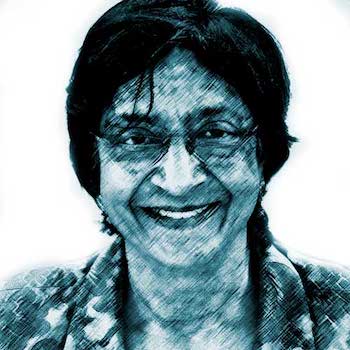
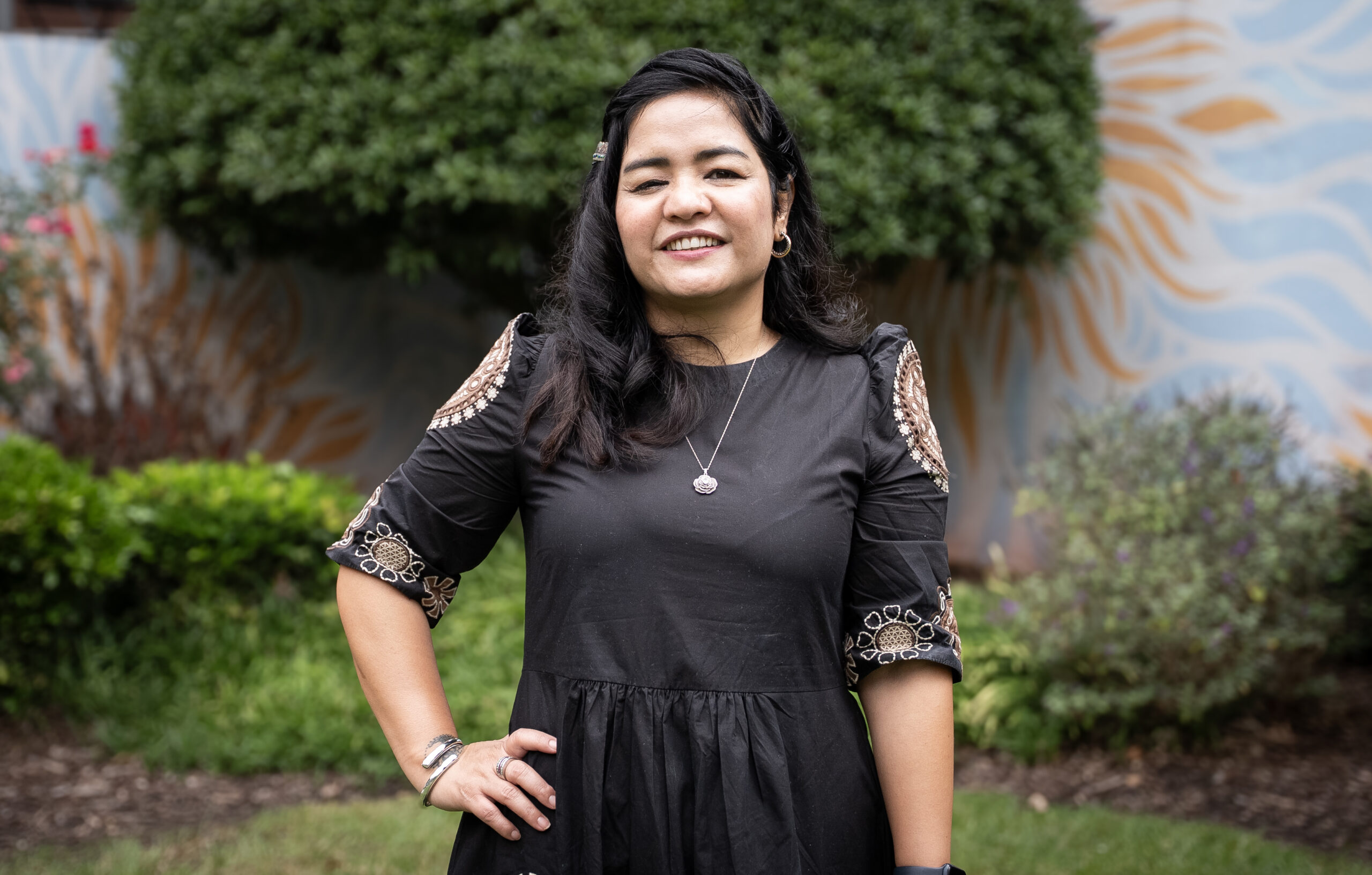
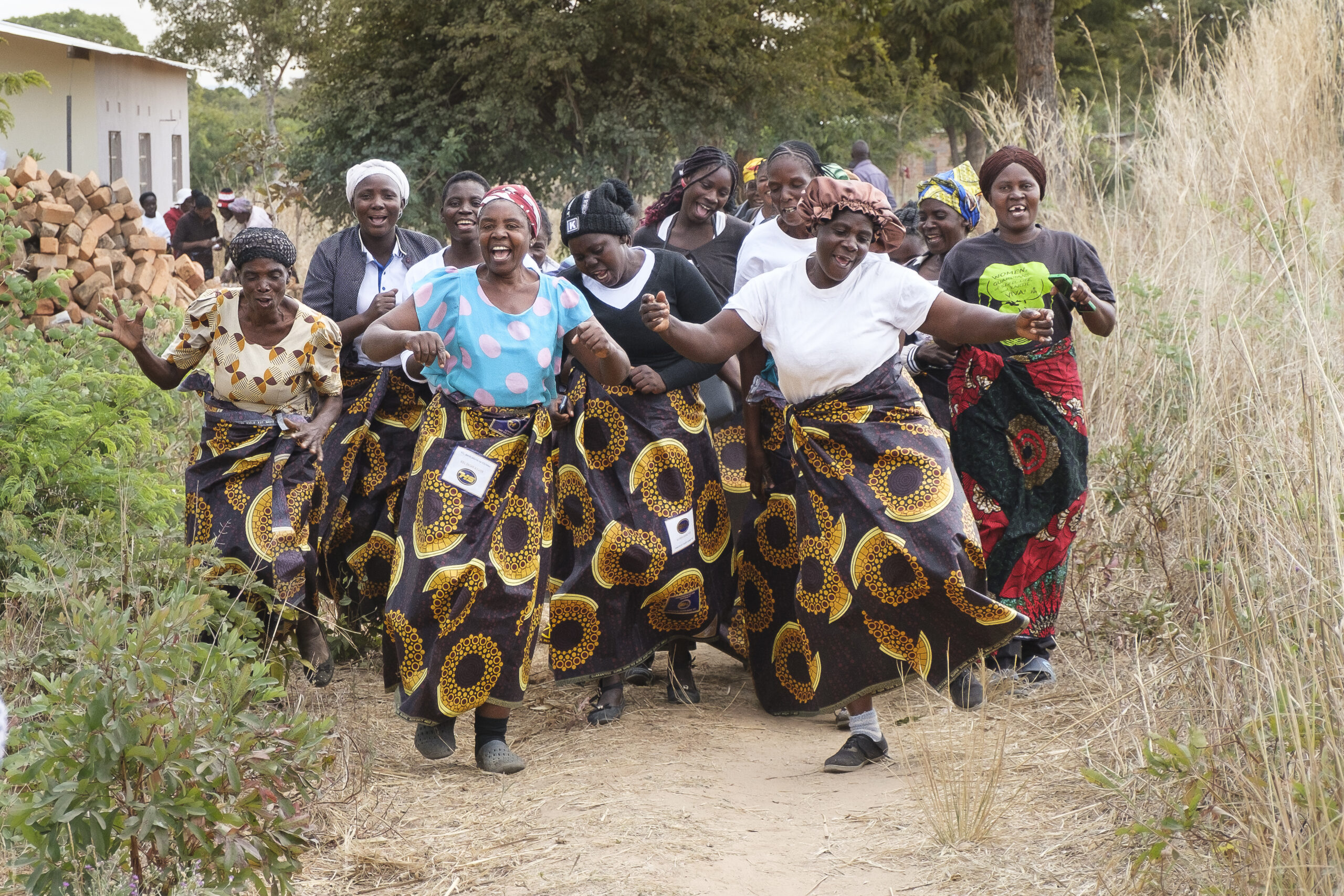
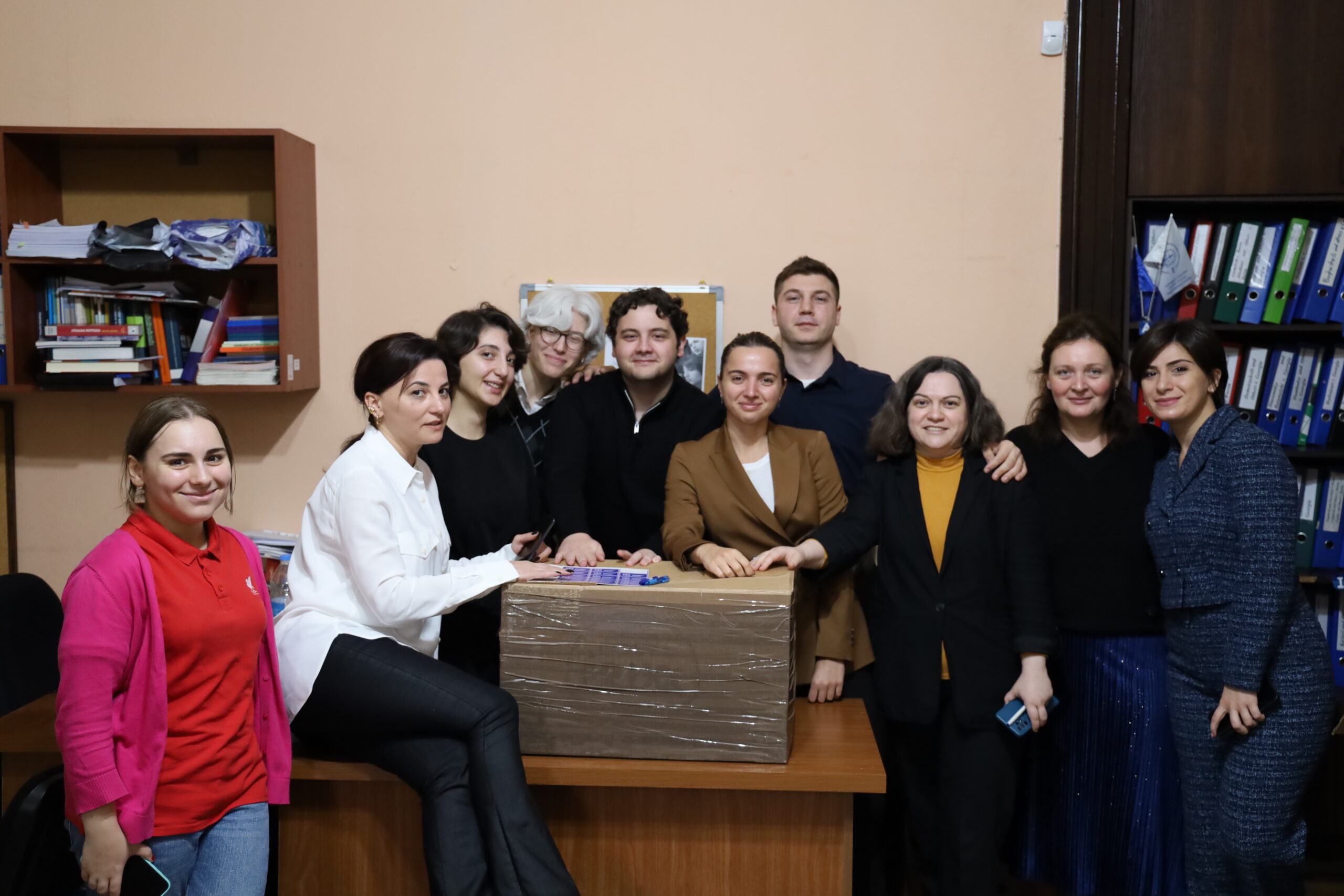
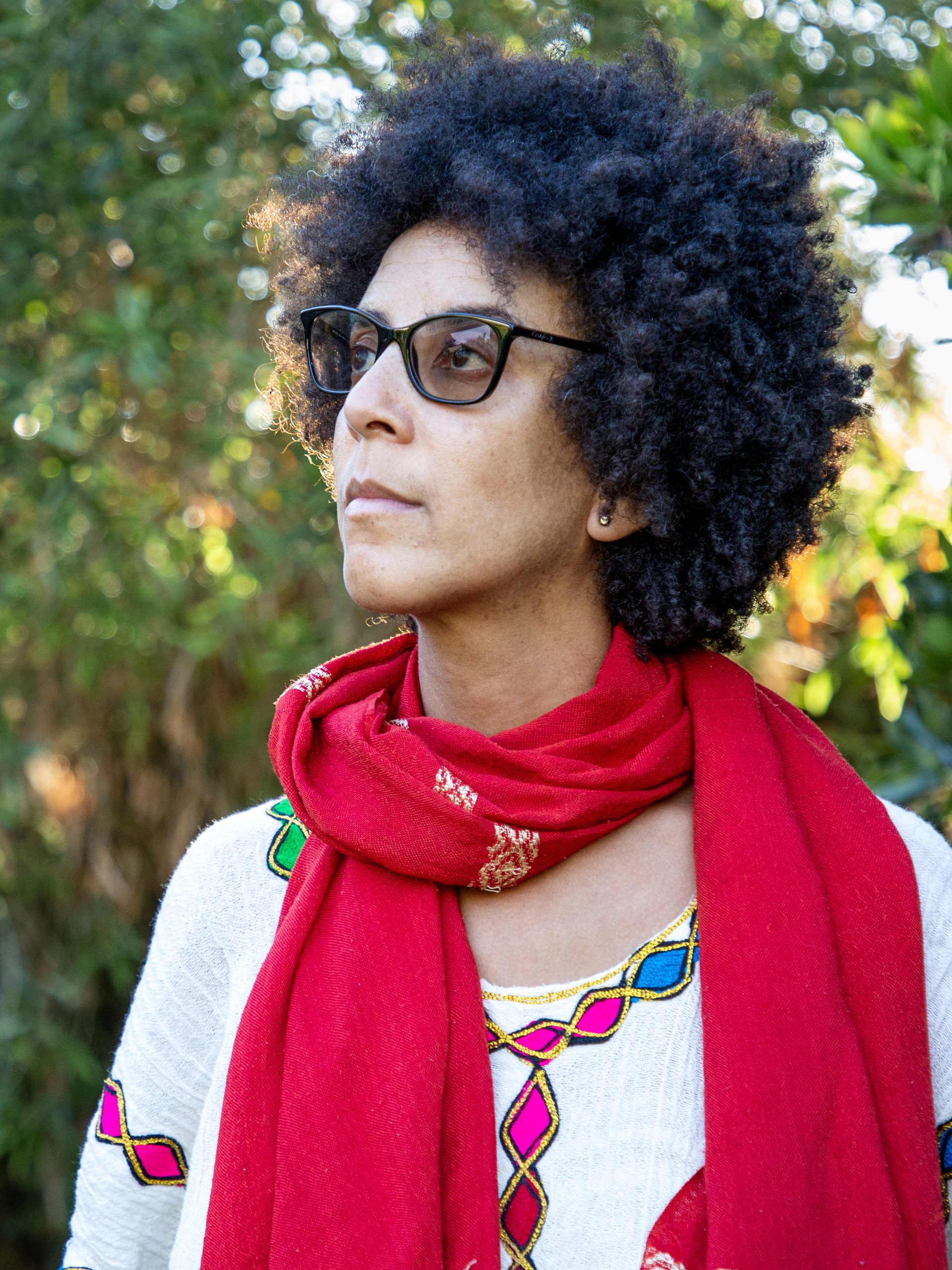
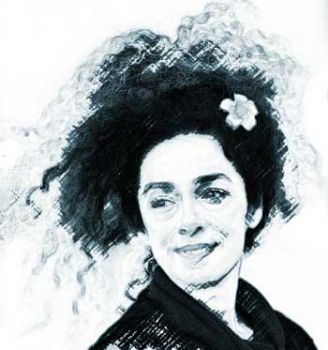
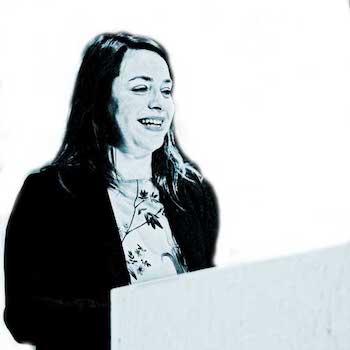
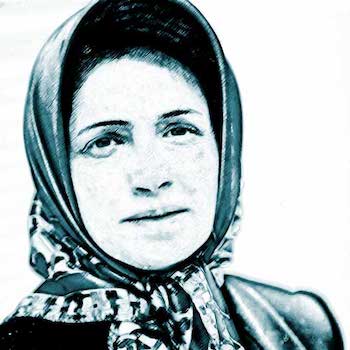
Six women win 2026 Goldman environmental defenders prize

April 21, 2026

Celebrating grassroots leaders who prove that ordinary people can have an extraordinary impact on the environment

2026 Goldman Environmental Prize Winners

For more on this award and its many laureates, see: https://www.trueheroesfilms.org/thedigest/awards/928A7FD2-4E3D-400E-BCE9-488658DA3BAF

https://www.aljazeera.com/amp/news/2026/4/21/six-women-win-2026-goldman-prize-worlds-top-environmental-award

Today, 16 April 2026, the Four Freedoms Awards are awarded in Middelburg

April 16, 2026

President Volodymyr Zelensky and the people of Ukraine were named recipients of the International Four Freedoms Award 2026

This award is part of an annual tradition commemorating the “Four Freedoms” articulated by U.S. President Franklin D. Roosevelt in his State of the Union address on January 6, 1941. For more on this award and its laureates see: https://www.trueheroesfilms.org/thedigest/awards/CC8B97CB-FAE1-5A1F-68DB-0CE63E3306D0

  • International Award 2026: Awarded to President Zelensky and the Ukrainian people

Gisèle Pelicot – the Freedom from Fear Award

Isidora Uribe Silva – Freedom from Want Award

Committee to Protect Journalists – Freedom of Speech Award

Laureate of Freedom of Worship was not publicly named

https://www.fourfreedoms.nl/en/news

Sri Lankan human rights defender Brito Fernando awarded the Per Anger Prize 2026

March 26, 2026
Brito Fernando in front of a monument displaying hundreds of portraits of disappeared people in Seeduwa, outside Colombo. Photo: The Living History Forum/Splendid

On 24 March 2026 it was announced that Brito Fernando from Sri Lanka has been awarded the Per Anger Prize 2026 for his work seeking truth and justice for the tens of thousands of people who have disappeared involuntarily in Sri Lanka. The Per Anger Prize is the Swedish Government’s international prize for human rights and democracy.

Brito Fernando is the founder and chair of Families of the Disappeared (FoD), which represents more than 20,000 families across Sri Lanka. Since the late 1980s, he has campaigned to establish what happened to those who vanished during periods of political violence and civil war in the country, and to secure accountability and justice.

According to the UN Working Group on Enforced or Involuntary Disappearances (WGEID), Sri Lanka has among the highest numbers of unresolved cases of enforced disappearance in the world. During various armed conflicts and the civil war in Sri Lanka, which ended in 2009, tens of thousands of people were taken by state actors, armed groups or paramilitary organisations. Most of these cases remain unresolved.

In 2004, Brito Fernando founded FoD, which today is the only organisation in Sri Lanka working across all communities on the issue of disappearances. Various ethnic and religious groups in Sri Lanka have historically been pitted against each other. Even today, violence and discrimination against minority groups remain widespread.

Through his work, Brito Fernando has brought together families from Sinhalese, Tamil and Muslim communities across much of the country in a common fight for truth, justice and accountability.

Brito Fernando’s work has entailed significant personal risk. He has been detained and arrested on several occasions, questioned over alleged links to terrorism and had his home attacked. Despite this, he and the families in FoD continue their pursuit of truth and justice.

Right Livelihood on Human rights defenders in exile

March 19, 2026

The Right Livelihood Foundation and partners have gone into the problems faced by Human Rights Defenders in exile:

Leaving your country means more than crossing a border. It means stepping into uncertainty, a place where language falters, futures blur and belonging must be rebuilt. But exile can also open doors. It can broaden perspectives, forge new alliances and inspire people to rebuild on their own terms.

Through the project “Reconceptualising exile”, Right Livelihood together with the Global Campus of Human Rights, work with a group of 14 fellows living in exile to rebuild life, regain identity and purpose while the ground they left behind remains too dangerous to return to. This visual story challenges what you think exile means. It invites you to see how it feels and how people rebuild from fragments, carrying language, memory and conviction across borders.

What forces someone into exile? Behind those numbers are real people punished for what they believe in:

For Natallia Satsunkevich, a human rights defender from Belarus, it was fighting for democracy in the face of the dictatorship.

For Viacheslav (Slava) Samonov, a Russian lawyer and LGBTQ+ activist, the dissolution of his NGO amid the post-invasion crackdown and the rapidly escalating repression against LGBTQ+ people.

For Askold Kurov, a Russian documentary filmmaker, it was promoting free media and LGBTQ+ rights.

For Helen Mack Chang, it was challenging the rampant corruption in Guatemala.  

For Abdul Rahman Yasa, it was standing up for human rights, women’s issues and youth advocacy under the Taliban. 

TAKE A DEEP DIVE INTO THEIR FULL STORIES

Kyrgyz human-rights defender Aziza Abdirasulova awarded 2026 Raoul Wallenberg prize of CoE

March 3, 2026

Aziza Abdirasulova has displayed great courage and determination in defending human rights

Aziza Abdirasulova has displayed great courage and determination in defending human rights

Aziza Abdirasulova, a prominent human-rights defender and a pioneering independent civil society activist from Kyrgyzstan, has been awarded the 2026 Council of Europe Raoul Wallenberg prize in recognition of her efforts to protect fundamental rights with a particular focus on prisoners’ rights, freedom from torture, and the right to peaceful assembly.

At the award ceremony in Strasbourg, on 21 January 2026, Council of Europe Secretary General Alain Berset recognised the great courage and determination of Ms Abdirasulova making an outstanding contribution to fundamental rights in Kyrgyzstan, often at great personal and physical risk.

“As one of the first independent human-rights defenders in Kyrgyzstan to document torture and arbitrary detention systematically, Aziza Abdirasulova has kept facts on the record when silence would have been easier. At a time when attention is drawn to geopolitical shifts and crises at the top, she reminds us that the Raoul Wallenberg prize brings the focus back to human-rights defenders.”

In the spirit of Raoul Wallenberg’s work, notably his single-minded determination and extraordinary courage in standing up to protect fundamental rights, the jury emphasised that Aziza Abdirasulova refused to be silenced by intimidation and harassment. Underlining the essential role of human-rights defenders in challenging times, including backsliding on human rights, the jury stressed that “her organisation Kylym Shamy has played a key role in exposing systemic human-rights violations providing legal support to victims and mobilising public opinion nationally and internationally. It has also been a vital source of credible information for the international community on human-rights issues in Central Asia. She has worked indefatigably to promote and protect freedom of assembly and the right to peaceful protest in the face of severe official restrictions on protests and public gatherings.”

Receiving the prize, Aziza Abdirasulova said: “For me, like for Raoul Wallenberg, every human life saved had and has the ultimate value. Over the years of my work, I have consistently defended fundamental human rights: freedom of peaceful assembly, freedom from torture and cruel treatment, freedom of speech and opinion. This work required not only professional knowledge but also great personal courage. I happened to witness hundreds of cases of torture, and in each case, I have tried to provide whatever support I could to the victims.”

For more on this award and its laureates, see: https://www.trueheroesfilms.org/thedigest/awards/730A3159-B93A-4782-830F-3C697B0EC7A0

https://www.coe.int/en/web/portal/-/kyrgyz-human-rights-defender-awarded-2026-raoul-wallenberg-prize

https://www.frontlinedefenders.org/en/case/public-insult-human-rights-defenders-tolekan-ismailova-and-aziza-abdirasulova

FairSquare and Human Rights Watch have filed complaints re the selection process for FIFA’s peace prize”

January 19, 2026

FIFA president Gianni Infantino presents President Donald Trump with the FIFA Peace Prize during the FIFA World Cup 2026 Final Draw at John F. Kennedy  IMAGES via Reuters Connect…Show more 

This blog has a special interest in human rights awards, so it should not fail to mention the big surprise which occurred when FIFA (Fédération Internationale de Football Association), the worldwide governing body of soccer, gave President Donald Trump its first-ever prize for global peace. An investigation by the Times of London has revealed that the White House not only knew well in advance the honor was coming but also made demands about its size and style of presentation.

There has been no transparency around FIFA’s Peace Prize process. Human Rights Watch and FairSquare have written to FIFA on 11 November 2025 to request a list of the nominees, the judges, the criteria, and the process for the Peace Prize. Human Rights Watch received no response.In his haste to ingratiate himself to Trump, Infantino neglected to inform FIFA bigwigs about the “peace prize”. That flies in the face of FIFA’s code of ethics which states that officials are expected to maintain political neutrality. [https://www.hrw.org/sites/default/files/media_2025/12/FIFA%20Peace%20Prize%20letter%20from%20Human%20Rights%20Watch%20.pdf]

FIFA’s so-called peace prize is being awarded against a backdrop of violent detentions of immigrants, national guard deployments in US cities, and the obsequious cancellation of FIFA’s own anti-racism and anti-discrimination campaigns,” said Minky Worden, who oversees sport for Human Rights Watch. “There is still time to honor FIFA’s promises for a World Cup not tainted by human rights abuses, but the clock is ticking.

Now the issue of not getting the Nobel Peace prize [see also: https://humanrightsdefenders.blog/2025/07/24/nobel-peace-prize-choice-between-trump-and-albanese/] became even more relevant as U.S. President Donald Trump linked his aggressive stance on Greenland to last year’s decision not to award him the Nobel Peace Prize, telling Norway’s prime minister that he no longer felt “an obligation to think purely of Peace,” two European officials said Monday.

Trump’s message to Jonas Gahr Støre appears to ratchet up a standoff between Washington and its closest allies over his threats to take over Greenland, a self-governing territory of NATO member Denmark. On Saturday, Trump announced a 10% import tax starting in February on goods from eight nations that have rallied around Denmark and Greenland, including Norway.

https://www.wsls.com/news/world/2026/01/19/trump-ties-his-stance-on-greenland-to-not-getting-nobel-peace-prize-european-officials-say/

https://eu.knoxnews.com/story/entertainment/columnists/sam-venable/2026/01/07/sam-venable-forget-fifa-if-you-want-an-award-make-it-a-fafi/87993522007/

https://www.msn.com/en-my/news/other/trump-s-fifa-peace-prize-breached-neutrality-claims-rights-group/ar-AA1S1TnG

https://www.thetimes.com/sport/football/article/donald-trump-gianni-infantino-fifa-world-cup-bz0qhlskg

https://www.hrw.org/news/2025/12/03/world-cup-2026-fifa-needs-to-act-on-human-rights

Call for nominations for the PACE Václav Havel Human Rights Prize 2026

January 19, 2026

The Parliamentary Assembly of the Council of Europe (PACE), in partnership with the Václav Havel Library and the Charta 77 Foundation, has issued a call for nominations for the 2026 Václav Havel Human Rights Prize.

For more on this and other awards see: https://www.trueheroesfilms.org/thedigest/awards/7A8B4A4A-0521-AA58-2BF0-DD1B71A25C8D

The deadline for submitting nominations for the 2026 edition of the Prize is 30 April 2026.

Nominations should be sent to the Parliamentary Assembly by e-mail to the following address: hrprize.pace@coe.int, using the form available on the Prize web page. They should be signed by at least five sponsors and submitted in either English or French.

Nomination form Václav Havel Human Rights Prize web page Video: “It’s time to run”

Nominations open for the Right Livelihood Award 2026 – Reminder: extended to January 30

January 12, 2026

This is a reminder that nominations for the 2026 Right Livelihood Award are open, and the deadline is January 16, 2026 . They are seeking new nominees for the Award who are leading change-makers in their field. Nominations are fully open to the public; therefore, anyone can nominate an individual or organisation creating change through their innovative and life-changing work. To nominate a candidate (preferably in English, but French and Spanish are also accepted), please submit nominations through our online nominations form. Read more about the Award https://www.trueheroesfilms.org/thedigest/awards/97238E26-A05A-4A7C-8A98-0D267FDDAD59.

The Right Livelihood Award recognizes and supports outstanding individuals and organizations driving social, environmental, and human rights change. Winners receive financial or honorary awards, lifelong access to a global network, and international recognition to amplify their impact and protect their work.

For more information, visit Right Livelihood.

https://www2.fundsforngos.org/livelihood-2/nominations-open-for-the-right-livelihood-award-program/

Salvino Oliveira – how education helped him to go from a Rio Favela to City Hall

December 22, 2025

Salvino Oliveira was honored as a 2025 Young Activist Summit Laureate. | Courtesy of Jefferson Teófilo

On 22 December 2025, Global Citizen published the story of how at 27, Salvino Oliveira went from being a street vendor in Rio’s Cidade de Deus to a city councilor leading education reform. This was followed by him starting his first social project: making tuition free for poor children at 15 years old. In recognition of his efforts towards making education more accessible, Oliveira has been honored as a 2025 Young Activist Summit Laureate. Here, Oliveira shares how education transformed his life,  and why he’s committed to making that transformation accessible to every young person in Brazil’s favelas.

My name is Salvino Oliveira, and I am everything I’ve been.

I say this because my story begins in a tiny house in Cidade de Deus, meaning City of God, a favela in Rio de Janeiro. At 13, I started working to help my family survive: selling water bottles at traffic lights, candy on buses, working as a street vendor, upholsterer, construction helper — anything honest that could put food on the table.​

But Cidade de Deus is more than poverty. It’s the Rio neighborhood with the most public squares, making it a natural place for culture, leisure, and community gathering. It’s the birthplace of funk carioca — the soundtrack of favela resistance and joy. It’s also home to Olympic athletes and artists. These public spaces and that cultural richness shaped who I became, the friends I made, my first loves, the things I believe in.​

Then I got lucky. I was selected by lottery to study at Colégio Pedro II, one of Brazil’s most prestigious tuition-free public schools. In Brazil, elite families typically send their children to private schools, while public schools serve the poor; a few exceptional public institutions, like Pedro II, offer quality education through competitive lottery systems. That education changed everything. It opened a door that seemed permanently locked for someone from my background. At 15, even while working and living with gun violence all around me, I understood that if this access had reached me, I had a responsibility to give it back.​​

At 15, I created my first social project: free tutoring for children in Cidade de Deus.

When I entered Brazil’s federal university system to study Public Administration at Universidade Federal do Rio de Janeiro (UFRJ), a tuition-free institution, like all public universities in Brazil, that social project grew into AfroEducando (later renamed Mais Nós), a community prep course for university entrance exams. Within one year, we had 22 units across Rio’s metropolitan region, all volunteer-run, helping first-generation Black students from favelas access higher education.​​

When the “social bug” bites you, there’s no going back — and so the projects continued. I co-founded Projeto Manivela to train community leaders to engage with the government and turn demands into policies. Then came PerifaConnection, a media platform where young people from favelas across Brazil write columns in major national newspapers about politics, economics, culture, climate, and human rights. The idea was simple and radical: we refuse to let other people tell our story for us. Mainstream Brazilian media have historically portrayed favelas primarily through the lens of crime and poverty. Today, favela youth occupy editorial space in national media, changing how Brazil sees its peripheries.​​

I became an activist in 2018 during the federal military intervention in Rio’s security forces. Working at the Public Security Observatory, I saw firsthand how policies treated favelas like war zones, with heavily armed police operations causing civilian casualties. As I became more visible in my community, friends warned me: “Be careful, you’re an activist now. This can put you at risk.” That’s when I understood that fighting for education and rights in Rio means challenging power structures involving politics, money, and organized crime that often operate in contested urban territories.

https://www.globalcitizen.org/en/content/rio-favela-to-city-hall-education-oliveira-yas/

Ales Bialiatski free but more human rights defenders must be released in Belarus

December 16, 2025
Belarus: All arbitrarily detained human rights defenders must be released - Civic Space

On 13 December, Belarus dictator Aliaksandr Lukashenko released over 100 political prisoners following an agreement with the United States to lift sanctions on Belarusian potash. Among the released are prominent human rights defenders and Viasna members Ales Bialiatski [Nobel Peace prize and 10 others: https://www.trueheroesfilms.org/thedigest/laureates/72682FFF-628F-4A5D-B6B3-52A776FF0E47] and Uladzimir Labkovich, as well as key opposition figures, such as Maryia Kalesnikava [see https://www.trueheroesfilms.org/thedigest/laureates/beff3c8d-0e20-4e88-9efb-cdfcb4c26f40], Viktar Babaryka and lawyer Maksim Znak [https://www.trueheroesfilms.org/thedigest/laureates/cbaf0097-1062-4a82-98ea-f5221f53c3fd]. This positive development, however, constitutes a necessary but insufficient step, as all arbitrarily detained human rights defenders, including former FIDH Vice President and Viasna colleague Valiantsin Stefanovic, Viasna team member Marfa Rabkova [https://humanrightsdefenders.blog/2024/12/10/10-december-2024-human-rights-day/], and woman human rights defender Nasta Loika [https://humanrightsdefenders.blog/2025/08/12/harsh-detention-conditions-of-nasta-loika-in-belarus/]must be released now. 

The undersigned organisations recall that Ales Bialiatski, and Uladzimir Labkovich were arbitrarily detained on 14 July 2021, prosecuted, and sentenced to 10 and 7 years in prison respectively on 3 March 2023 in retaliation for their legitimate and peaceful human rights activities. Their imprisonment constituted a grave violation of Belarus’ international human rights obligations, including the rights to freedom of expression, association, and fair trial.

While their release brings long-overdue relief to them, their families, their colleagues and the human rights community around the world, we stress that this step remains insufficient as long as hundreds of human rights defenders, journalists, lawyers, activists, and political opponents remain arbitrarily detained in Belarus on politically motivated charges solely for exercising their fundamental freedoms, and repressions against Belarusian dissidents continue unabated. In particular, Valiantsin Stefanovic, former Vice President of FIDH arrested along Ales Bialiatski and Uladzimir Labkovic in July 2021, women human rights defender and Viasna member Marfa Rabkova, detained since September 2020, and founder of Human Constanta woman human rights defender Nasta Loika, arbitrarily detained since September 2022, were not among the released political prisoners. Alongside them, numerous human rights journalists, lawyers, and trade union activists remain arbitrarily detained, including Andrzej Poczobut, Katsiaryna Andreyeva, Ihar Ilyash, Danil Palianski, Pavel Dabravolski, Andrei Aliaksandrau, and many others. 

The undersigned organisations call on the Belarusian authorities to immediately and unconditionally release all political prisoners and all those arbitrarily detained, to put an end to judicial harassment and reprisals against civil society, and to repeal repressive legislation used to criminalise peaceful dissent and freedom of expression. The authorities must also ensure full rehabilitation, including the quashing of convictions and restoration of civil and political rights, for all those unlawfully detained for years.

The undersigned organisations further urge the international community to continue to closely monitor the situation in Belarus and to take all available legal, political, and diplomatic measures to ensure accountability for the grave human rights violations and international crimes, including by referring the situation to the International Criminal Court. 

Signatories:

International Federation for Human Rights (FIDH), in the framework of the Observatory for the Protection of Human Rights Defenders

World Organisation Against Torture (OMCT),  in the framework of the Observatory for the Protection of Human Rights Defenders

Human Rights Center Viasna

Human Rights Center, Georgia

ILI Foundation, Kazakhstan

Civil Society Institute, Armeniaia

Public Association “Dignity”, Kazakhstan

Promo-LEX Association, Moldova

Norwegian Helsinki Committee, Norway

Östgruppen (Swedish Initiative for Democracy and Human Rights)

Austausch e.V., Germany

Belarusian Helsinki Committee (BHC) 

Hungarian Helsinki Committee, Hungary

Human Rights Center of Azerbaijan, Azerbaijan

aditus foundation, Malta

LIBERECO – Partnership for Human Rights, Germany/Switzerland

Redress

The International Bar Association’s Human Rights Institute (IBAHRI) 

ARTICLE 19

People In Need

aditus foundation

Front Line Defenders

Bir Duino-Kyrgyzstan

European Platform for Democratic Elections (EPDE)

International Society for Fair Elections and Democracy (ISFED)

Human Rights Centre ZMINA, Ukraine

Center for Civil Liberties, Ukraine

https://www.article19.org/resources/belarus-all-arbitrarily-detained-human-rights-defenders-must-be-released/

https://uk.news.yahoo.com/freed-nobel-laureate-bialiatski-sees-121508187.html

https://nashaniva.com/en/383735

https://spring96.org/en/news/119315

https://spring96.org/en/news/119966