The Ginetta Sagan Award honors women who are courageously defending the liberty, safety, and human rights of women and children in regions affected by serious abuses. The award provides $20,000 directly to the recipient, with unrestricted use. It recognizes women leaders who have created meaningful impact, often at great personal risk, and helps increase international visibility and protection for their work.
The award celebrates leadership, courage, and effective non-violent activism in difficult or dangerous environments
Now criticism within European football circles of FIFA has intensified after the president of the Norwegian Football Association, Liz Klavenes, called for the cancellation of the ‘Peace Prize’ arguing that the move constitutes a clear breach of the principle of political neutrality. Klavénes, who also sits on the Executive Committee of the Union of European Football Associations (UEFA), confirmed that she would raise this issue during the FIFA Congress, stressing the need for world football’s governing body to maintain a “distance” from political leaders.
In a notable escalation, Klavenis announced her support for an ethics complaint filed against FIFA President Gianni Infantino, over his role in awarding the trophy, amid accusations of breaching neutrality rules. According to The Athletic, the complaint — filed by the human rights organisation Fair Square — alleges that Infantino politically promoted a public figure whilst in office, as well as awarding a politically charged prize without a clear institutional process and bypassing official structures within FIFA, including the Congress. These findings suggest a possible breach of FIFA’s Code of Ethics, which requires its officials to maintain complete neutrality regarding political matters.
Klavinis believes that introducing politically charged awards into the global football system threatens the independence of the game, stressing that such initiatives must be carried out within clear institutional frameworks and free from personalisation or political agendas. She also stressed that FIFA’s credibility is linked to the extent of its commitment to the principles of transparency and governance, particularly in light of increasing international scrutiny of its decisions..
This issue is becoming increasingly sensitive as the 2026 World Cup in the United States, Canada and Mexico approaches, placing the relationship between politics and football under the microscope.
Australian footballer Jackson Irvine said football’s credibility as a force for good has been undermined by FIFA, accusing it of making a mockery of its own Human Rights Policy. Irvine took aim at FIFA’s decision to give the Peace Prize to US President Trump. “As an organisation, you would have to say decisions like the one that we saw awarding this peace prize make a mockery of what they’re trying to do with the human rights charter and trying to use football as a global driving force for good and positive change in the world,” Irvine told the Reuters news agency.
The White House has pushed back strongly against criticism of Donald Trump receiving FIFA’s inaugural Peace Prize, awarded in December for what FIFA described as “exceptional and extraordinary actions for peace.” Spokesperson Davis Ingle declared that “no one else is more deserving” and dismissed detractors as suffering from “Trump Derangement Syndrome.”
and also: Fifty members of the European Parliament are demanding that FIFA investigate its president, Gianni Infantino, over alleged violations of the football federation’s own political neutrality rules.
FairSquare announced a major public campaign tin July aimed at serious reform of football’s world governing body, offering the public the opportunity to add their names to an updated ethics complaint against the federation’s president.
On 20 April 2026, DW has awarded its 12th Freedom of Speech Award to Jimmy Lai. A prominent advocate for press freedom & democracy in Hong Kong, the founder of the Apple Daily newspaper has been detained in solitary confinement since 2020.
Image: Anthony Wallace/AFP
On honoring Jimmy Lai, DW Director General Barbara Massing said: “Jimmy Lai has stood unwaveringly for press freedom in Hong Kong at great personal risk, even as space for independent journalism became increasingly limited. With Apple Daily, he gave journalists a platform for free reporting and a voice to the democracy movement in Hong Kong. His commitment reminds us that press freedom is never a given – it must be constantly defended. With the DW Freedom of Speech Award, we honour his indispensable dedication to democratic values.”
The DW Freedom of Speech Award will be presented on June 23, 2026, at the DW Global Media Forum, DW’s international media conference, in Bonn.
Jimmy Lai was born in southern China in 1947 and, as a young child, fled to Hong Kong in 1960. The British citizen founded the pro-democracy newspaper Apple Daily in 1995 and later became one of the city’s most prominent advocates for democracy, financially supporting democratic parties and politicians and taking part in the mass protests of 2019 and 2020. Following the introduction of China’s national security law in Hong Kong in June 2020, Lai was later arrested and has remained in custody, and in prolonged solitary confinement, since December 2020. Regardless of his British citizenship, the Hong Kong authorities continue to deny the United Kingdom consular access to him.
In early 2026, a Hong Kong court sentenced Jimmy Lai to 20 years in prison. He had been convicted in December 2025, following a two-year trial, on charges including “conspiracy to collude with foreign forces” and conspiracy to publish “seditious material.”
“One of the reasons why they put you in solitary confinement, of which my father has been for more than five years now, is to tell you that nobody cares about you, that you’re going to die alone. And all the support and this award show that that is not the case. That people who fight for freedom, people who fight for the freedom of others, are never alone,” Jimmy Lai’s son Sebastien told DW in an exclusive interview.
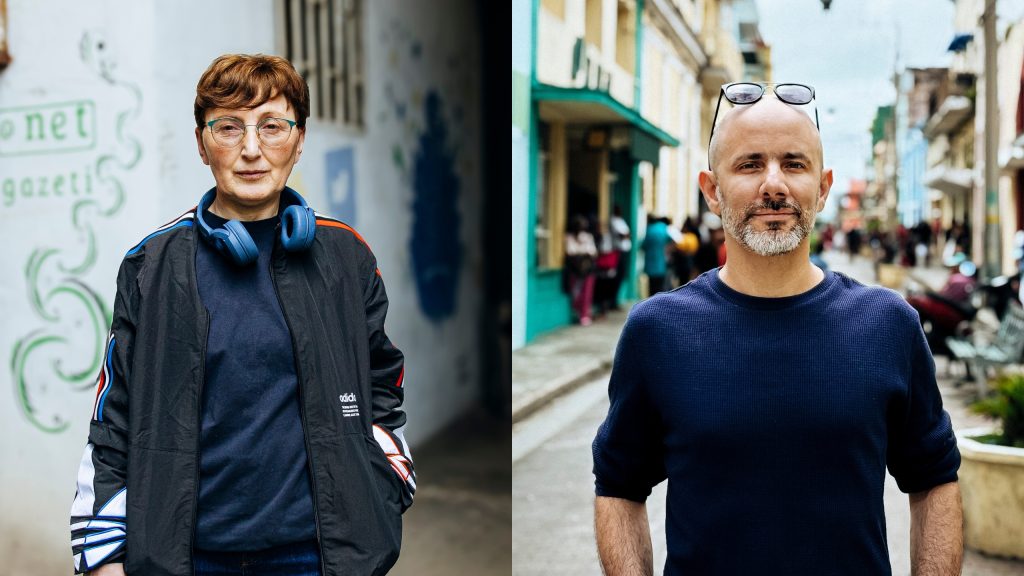
For their exceptional resilience and courage in defence of freedom of expression, free and independent journalism and democracy, Netgazeti and La Hora de Cuba are awarded the Civil Rights Defender of the Year Award 2026,” says the Board of Civil Rights Defenders in its motivation for the prize on 29 April 2026
“Independent media are often among the first targets when governments become more authoritarian. Yet the Georgian and Cuban news platforms, Netgazeti and La Hora de Cuba, have refused to be silenced. Despite threats, imprisonment and repression, both news platforms continue their work with integrity and determination. Through courageous journalism, they expose abuses of power, document human rights violations and ensure that people have access to independent information that is essential for holding those in power to account.
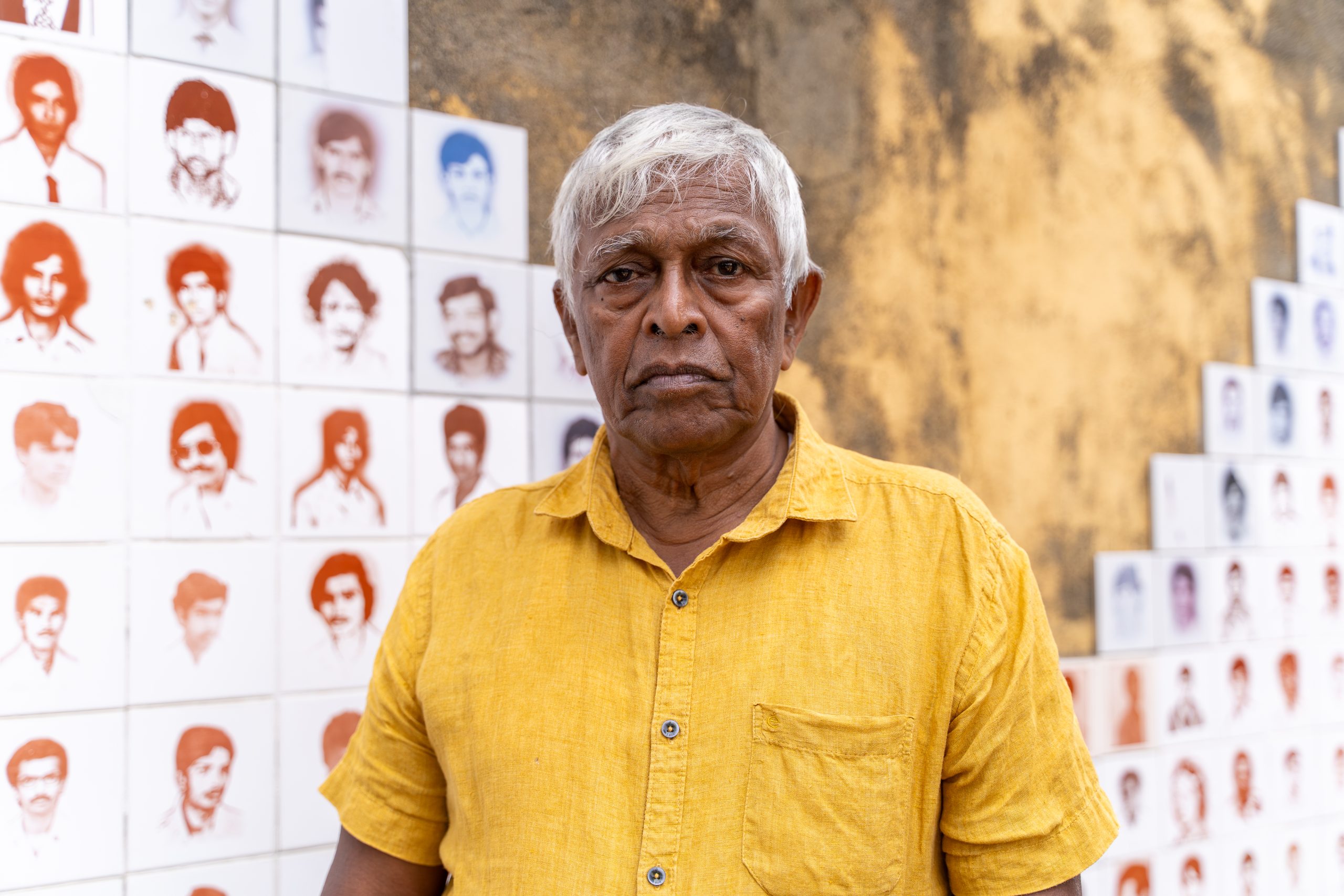
Brito Fernando in front of a monument displaying hundreds of portraits of disappeared people in Seeduwa, outside Colombo. Photo: The Living History Forum/Splendid
On 24 March 2026 it was announced that Brito Fernando from Sri Lanka has been awarded the Per Anger Prize 2026 for his work seeking truth and justice for the tens of thousands of people who have disappeared involuntarily in Sri Lanka. The Per Anger Prize is the Swedish Government’s international prize for human rights and democracy.
Brito Fernando is the founder and chair of Families of the Disappeared (FoD), which represents more than 20,000 families across Sri Lanka. Since the late 1980s, he has campaigned to establish what happened to those who vanished during periods of political violence and civil war in the country, and to secure accountability and justice.
According to the UN Working Group on Enforced or Involuntary Disappearances (WGEID), Sri Lanka has among the highest numbers of unresolved cases of enforced disappearance in the world. During various armed conflicts and the civil war in Sri Lanka, which ended in 2009, tens of thousands of people were taken by state actors, armed groups or paramilitary organisations. Most of these cases remain unresolved.
In 2004, Brito Fernando founded FoD, which today is the only organisation in Sri Lanka working across all communities on the issue of disappearances. Various ethnic and religious groups in Sri Lanka have historically been pitted against each other. Even today, violence and discrimination against minority groups remain widespread.
Through his work, Brito Fernando has brought together families from Sinhalese, Tamil and Muslim communities across much of the country in a common fight for truth, justice and accountability.
Brito Fernando’s work has entailed significant personal risk. He has been detained and arrested on several occasions, questioned over alleged links to terrorism and had his home attacked. Despite this, he and the families in FoD continue their pursuit of truth and justice.
The Right Livelihood Foundation and partners have gone into the problems faced by Human Rights Defenders in exile:
Leaving your country means more than crossing a border. It means stepping into uncertainty, a place where language falters, futures blur and belonging must be rebuilt. But exile can also open doors. It can broaden perspectives, forge new alliances and inspire people to rebuild on their own terms.
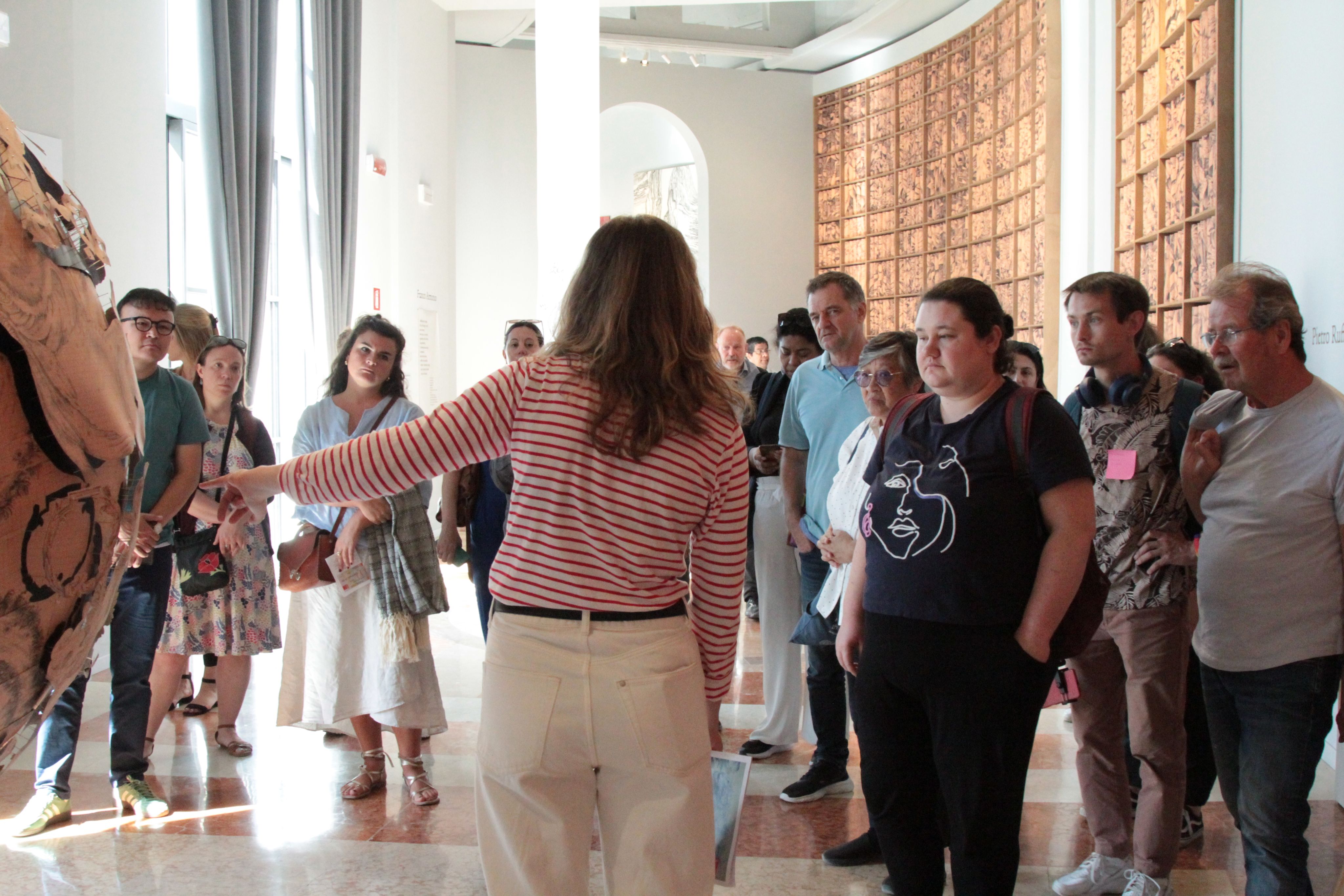
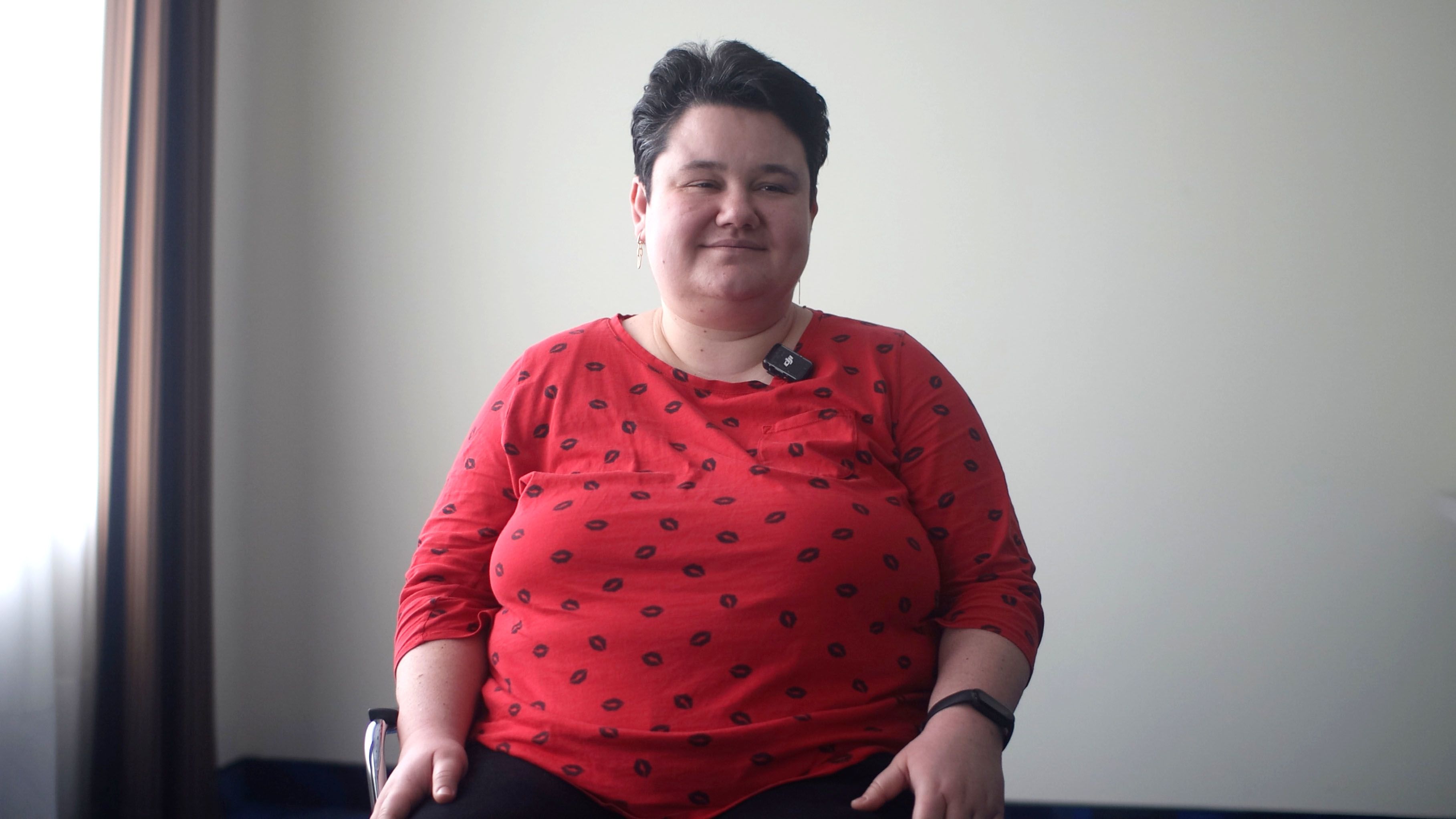
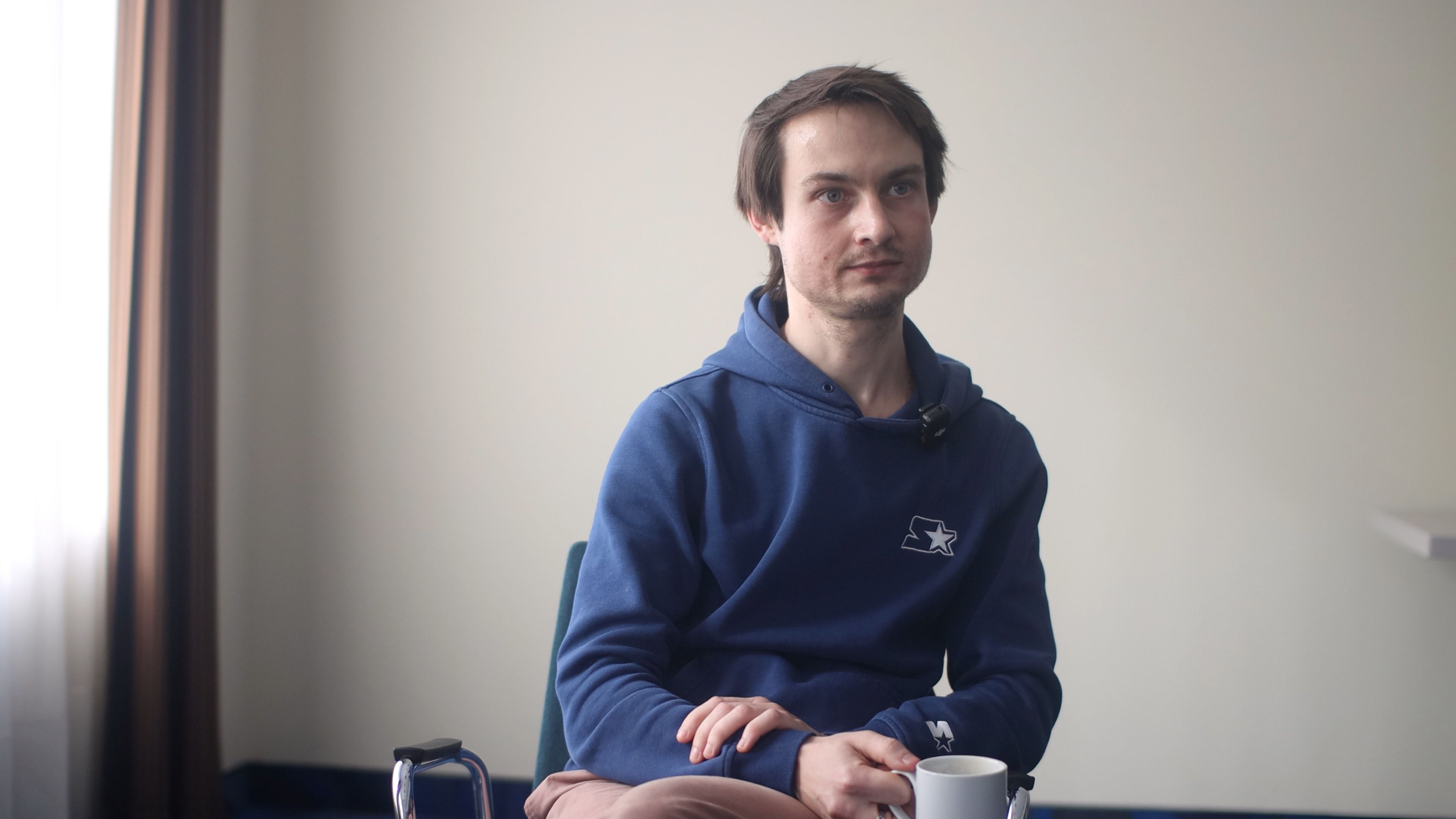
Through the project “Reconceptualising exile”, Right Livelihood together with theGlobal Campus of Human Rights, work with a group of 14 fellows living in exile to rebuild life, regain identity and purpose while the ground they left behind remains too dangerous to return to. This visual story challenges what you think exile means. It invites you to see how it feels and how people rebuild from fragments, carrying language, memory and conviction across borders.
What forces someone into exile? Behind those numbers are real people punished for what they believe in:
For Natallia Satsunkevich, a human rights defender from Belarus, it was fighting for democracy in the face of the dictatorship.
For Viacheslav (Slava) Samonov, a Russian lawyer and LGBTQ+ activist, the dissolution of his NGO amid the post-invasion crackdown and the rapidly escalating repression against LGBTQ+ people.
For Askold Kurov, a Russian documentary filmmaker, it was promoting free media and LGBTQ+ rights.
For Helen Mack Chang, it was challenging the rampant corruption in Guatemala.
For Abdul Rahman Yasa, it was standing up for human rights, women’s issues and youth advocacy under the Taliban.
Aziza Abdirasulova has displayed great courage and determination in defending human rights
Aziza Abdirasulova, a prominent human-rights defender and a pioneering independent civil society activist from Kyrgyzstan, has been awarded the 2026 Council of Europe Raoul Wallenberg prize in recognition of her efforts to protect fundamental rights with a particular focus on prisoners’ rights, freedom from torture, and the right to peaceful assembly.
At the award ceremony in Strasbourg, on 21 January 2026, Council of Europe Secretary GeneralAlain Berset recognised the great courage and determination of Ms Abdirasulova making an outstanding contribution to fundamental rights in Kyrgyzstan, often at great personal and physical risk.
“As one of the first independent human-rights defenders in Kyrgyzstan to document torture and arbitrary detention systematically, Aziza Abdirasulova has kept facts on the record when silence would have been easier. At a time when attention is drawn to geopolitical shifts and crises at the top, she reminds us that the Raoul Wallenberg prize brings the focus back to human-rights defenders.”
In the spirit of Raoul Wallenberg’s work, notably his single-minded determination and extraordinary courage in standing up to protect fundamental rights, the jury emphasised that Aziza Abdirasulova refused to be silenced by intimidation and harassment. Underlining the essential role of human-rights defenders in challenging times, including backsliding on human rights, the jury stressed that “her organisation Kylym Shamy has played a key role in exposing systemic human-rights violations providing legal support to victims and mobilising public opinion nationally and internationally. It has also been a vital source of credible information for the international community on human-rights issues in Central Asia. She has worked indefatigably to promote and protect freedom of assembly and the right to peaceful protest in the face of severe official restrictions on protests and public gatherings.”
Receiving the prize, Aziza Abdirasulova said: “For me, like for Raoul Wallenberg, every human life saved had and has the ultimate value. Over the years of my work, I have consistently defended fundamental human rights: freedom of peaceful assembly, freedom from torture and cruel treatment, freedom of speech and opinion. This work required not only professional knowledge but also great personal courage. I happened to witness hundreds of cases of torture, and in each case, I have tried to provide whatever support I could to the victims.”
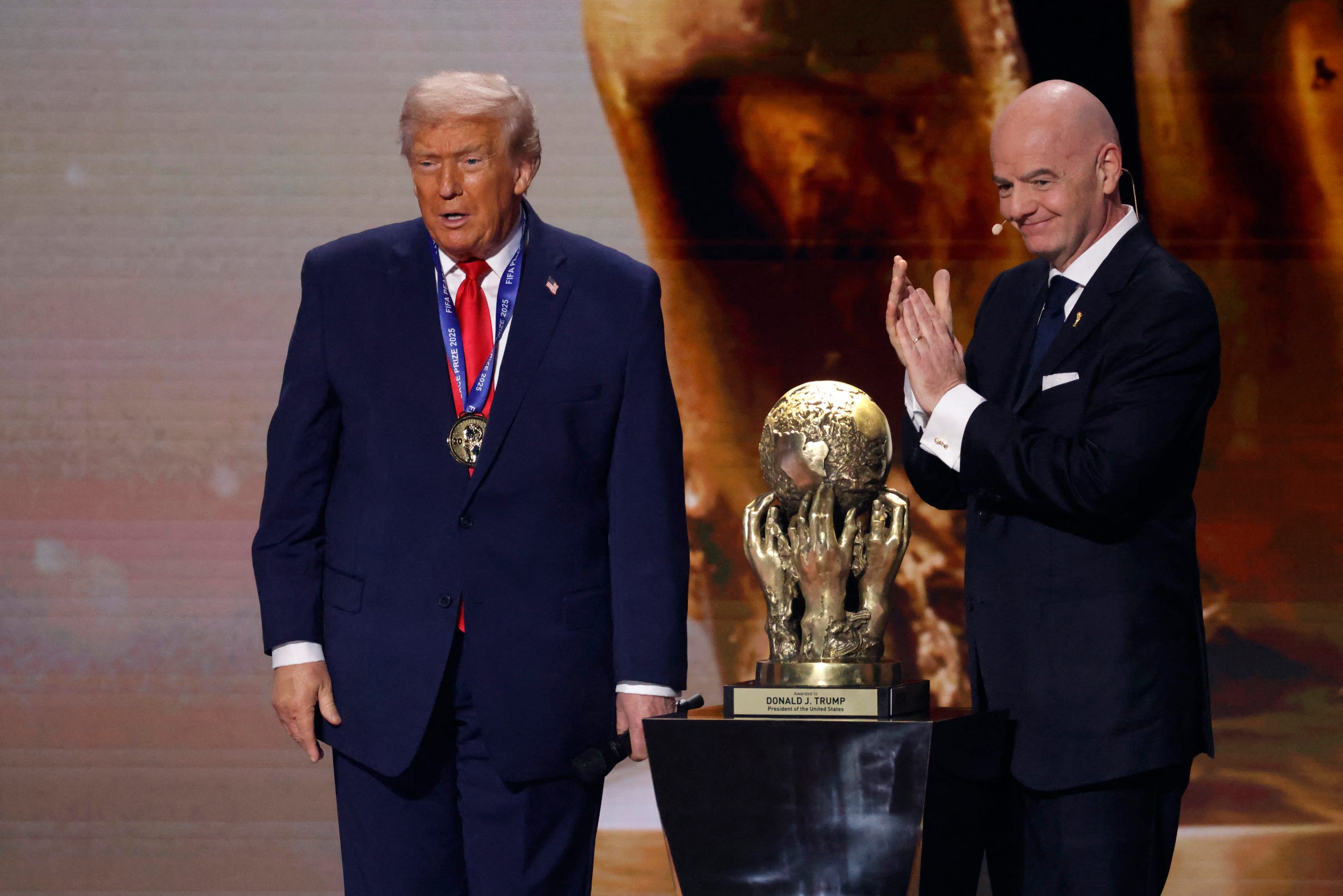
FIFA president Gianni Infantino presents President Donald Trump with the FIFA Peace Prize during the FIFA World Cup 2026 Final Draw at John F. Kennedy IMAGES via Reuters Connect…Show more
This blog has a special interest in human rights awards, so it should not fail to mention the big surprise which occurred when FIFA (Fédération Internationale de Football Association), the worldwide governing body of soccer, gave President Donald Trump its first-ever prize for global peace. An investigation by the Times of London has revealed that the White House not only knew well in advance the honor was coming but also made demands about its size and style of presentation.
“FIFA’s so-called peace prize is being awarded against a backdrop of violent detentions of immigrants, national guard deployments in US cities, and the obsequious cancellation of FIFA’s own anti-racism and anti-discrimination campaigns,” said Minky Worden, who oversees sport for Human Rights Watch. “There is still time to honor FIFA’s promises for a World Cup not tainted by human rights abuses, but the clock is ticking.”
Trump’s message to Jonas Gahr Støre appears to ratchet up a standoff between Washington and its closest allies over his threats to take over Greenland, a self-governing territory of NATO member Denmark. On Saturday, Trump announced a 10% import tax starting in February on goods from eight nations that have rallied around Denmark and Greenland, including Norway.