Archive for the 'organisations' Category

HRW’s annual report: Global system of human rights in ‘peril’ – Will Human Rights Survive a Trumpian World?

February 5, 2026

Philippe Bolopion, Executive Director of HRW, starts the annual report of 2026 with the following words: “The global human rights system is in peril. Under relentless pressure from US President Donald Trump, and persistently undermined by China and Russia, the rules-based international order is being crushed, threatening to take with it the architecture human rights defenders have come to rely on to advance norms and protect freedoms. To defy this trend, governments that still value human rights, alongside social movements, civil society, and international institutions, need to form a strategic alliance to push back.

…In this context, 2025 may be seen as a tipping point. In just 12 months, the Trump administration has carried out a broad assault on key pillars of US democracy and the global rules-based order, which the US, despite inconsistencies, was, with other states, instrumental in helping to establish.

In short order, Trump’s second-term administration has undermined trust in the sanctity of elections, reduced government accountability, gutted food assistance and healthcare subsidies, attacked judicial independence, defied court orders, rolled back women’s rights, obstructed access to abortion care, undermined remedies for racial harm, terminated programs mandating accessibility for people with disabilities, punished free speech, stripped protections from trans and intersex people, eroded privacy, and used government power to intimidate political opponents, the media, law firms, universities, civil society, and even comedians.

Claiming a risk of “civilizational erasure” in Europe and leaning on racist tropes to cast entire populations as unwelcome in the US, the Trump administration has embraced policies and rhetoric that align with white nationalist ideology. Immigrants and asylum seekers have been subjected to inhumane conditions and degrading treatment; 32 died in US Immigration and Customs Enforcement custody in 2025, and as of mid-January 2026, an additional 4 have died.

The US president of course has the authority to tighten US borders and enforce stricter immigration policies. The administration is not, however, entitled to deny legal process to asylum seekers, mistreat undocumented migrants, or unlawfully discriminate. In a well-functioning democracy, no electoral mandate should supersede domestic legislation, constitutional protections, or international human rights law. Trump’s team has repeatedly bypassed these guardrails.

The violations have not stopped at the border. The Trump administration used a 1798 law to send hundreds of Venezuelan migrants to an infamous prison in El Salvador, where they were tortured and sexually abused. Its blatantly unlawful strikes on boats in the Caribbean and the Pacific extrajudicially killed more than 120 people whom Trump claims were drug traffickers…

A summary can be found in Al-Jazeera of 4 February 2026

https://www.hrw.org/world-report/2026

https://www.aljazeera.com/news/2026/2/4/global-system-of-human-rights-in-peril-warns-hrw-in-its-annual-report

A network of legal professionals for the protection of human rights defenders in Africa

February 4, 2026

On 29 January 2026 ISHR, in collaboration with its various partners, announced that it has established a network of legal professionals for the protection of human rights defenders in Africa

Legal professionals and human rights defenders from several African countries came together to finalise the establishment of a network for the protection of human rights defenders in Africa.

This Network aims to be a space for collaboration, solidarity and strategic legal action, with a view to strengthening the collective response to violations of the rights of human rights defenders in Africa. Its establishment is part of a project implemented by the International Service for Human Rights with the support of Open Society Foundations, and in collaboration with national and regional human rights networks.

Participants at this regional meeting reviewed the Network’s founding charter, defining its principles, governance and operating procedures, and identifying common priorities for strengthening the legal protection of human rights defenders on the continent.

Participants noted that in some African countries, violations, criminalisation and impunity persist, even in contexts with specific legal frameworks. Emphasising the need to move beyond isolated approaches, participants agreed to strengthen regional coordination among legal professionals.

During the meeting, the Network members agreed on a set of common principles and values, including a defender-centred approach, commitment, solidarity, independence, apoliticality, professionalism, integrity, and confidentiality. They also defined clear criteria for the Network’s engagement in situations of violations, in order to ensure responsible, strategic actions that respect the safety of defenders.

The meeting also served as an opportunity to discuss the legal challenges faced by defenders in different national contexts, as well as regional and international mechanisms that could strengthen their access to justice and protection.

The members of the Network committed to continuing the work begun at this meeting and to translating the adopted recommendations into concrete actions:

  1. For countries that have not yet adopted an act on the recognition and protection of human rights defenders, to adopt such legislation.
  2. For countries that have adopted such legislation, to implement it and establish national mechanisms for the protection of human rights defenders.

https://ishr.ch/latest-updates/launch-of-the-network-of-legal-professionals-for-the-protection-of-human-rights-defenders-in-africa

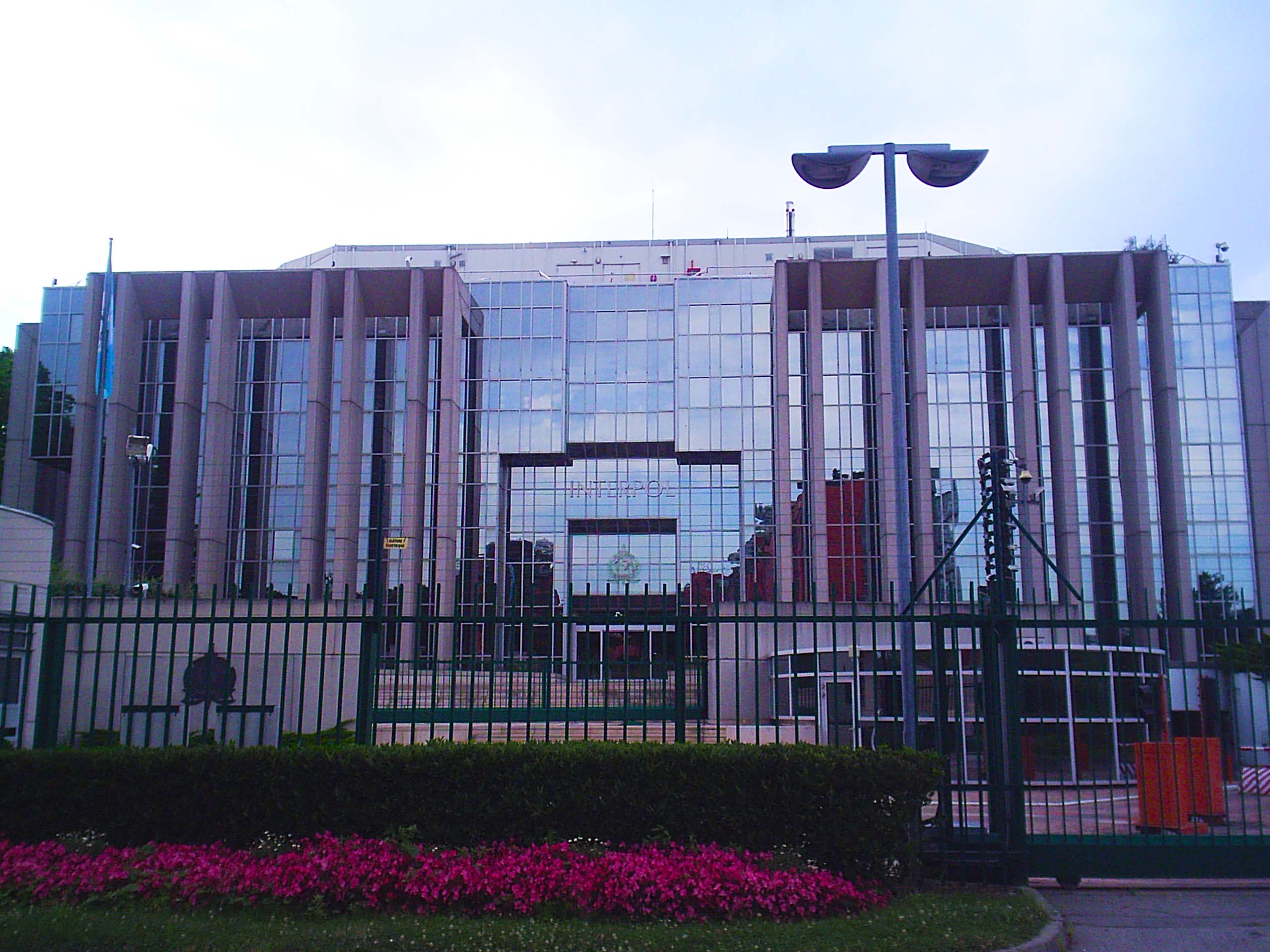
Interpol leaked files reveal states abuse red notices to target dissidents

January 31, 2026

Interpol leaked files reveal states abuse red notices to target dissidents

Derren Chan od JURIST.org wrote on 27 January 2026 about this worrying issue:

Two media outlets reported on states’ abuses of Interpol red notices to target political dissidents and human rights defenders on Monday. Amnesty International urged Interpol to address this “grave institutional failure” and improve its transparency.

Disclose, a French investigative media outlet, reported that Interpol has disclosed to the public less than 10 percent of the 86,000 active red notices. As of September 2024, Russia (4,817), Peru (4,457), and Tajikistan (3,493) are the countries with the most active red notices. The report also revealed that Interpol’s Commission for the Control of Files (CCF) removed at least 322 notices in 2024 alone after deeming them unjustified. In March 2024 an HRW report also highlights cases of governments misusing Interpol, see https://humanrightsdefenders.blog/2024/03/19/transnational-repression-human-rights-watch-and-other-reports/

At the same time, the BBC revealed that Interpol quietly dropped some initial measures that prevented Russia from abusing the red notices in 2025. The BBC also reported the phenomenon of countries using Interpol’s messaging systems to trace people abroad instead of issuing a notice that can be challenged by the target.

The BBC’s report also outlined how the abuse of the red notice system impacted the life of an exiled Russian dissident, Igor Pestrikov. He fled the country with his family after he refused to supply metal products to government-designated buyers in 2022. During the two years when a red diffusion against him was active, he was unable to rent an apartment, and his bank accounts were frozen. CCF removed his case after he challenged that Russia’s case against him was politically motivated.

Interpol is an intergovernmental organization that coordinates law enforcement of over 196 member countries. When a member state issues a red notice, law enforcement in other member states will assist in locating and arresting the wanted persons. However, Article 3 of Interpol’s constitution prohibits it from participating in any political interventions.

Reacting to the reports, Senior Director for Research, Advocacy, Policy and Campaigns of Amnesty International, Erika Guevara Rosas, questioned Interpol’s credibility since it failed repeatedly to challenge whether the states use red notices legitimately. She urged Interpol to improve its transparency and “stop serving states’ political interest.” Conversely, Interpol told the BBC that some accusations misunderstood how Interpol and its CCF system work, or are based on factual errors. 

Relatedly, in November 2025, UN experts also flagged El Salvador’s misuse of the red notices to target two exiled Salvadoran human rights defenders, denouncing the country’s use of red notices as a means “to pursue its political agenda to harass and persecute human rights defenders beyond its borders.” According to international lawyer Kate McInnes, this marks the first time that UN Special Rapporteurs have issued a communication to Interpol. The communication warned that the red notices against the human rights offenders constituted transnational repression, violating Interpol’s constitution to uphold the Universal Declaration on Human Rights and to maintain political neutrality.

SEE:

https://www.jurist.org/news/2026/01/interpol-leaked-files-reveal-states-abuse-red-notices-to-target-dissidents/

FIDH seeks Representative to EU office in Brussels

January 30, 2026

The International Federation for Human Rights (FIDH) office in Brussels represents FIDH before the institutions of the European Union (Council, Commission, European Parliament, and other associated bodies), as well as to the representations of its member states. It ensures the visibility of FIDH’s actions and those of its member organisations to the European Union and develops advocacy strategies to effectively mobilise the EU on human rights issues worldwide, while identifying ways to strengthen its lever.

FIDH is recruiting a : REPRESENTATIVE TO THE EUROPEAN UNION IN BRUSSELS – FULL-TIME PERMANENT CONTRACT

MAIN RESPONSIBILITIES
Under the responsibility of the Advocacy Director based in Paris, your main responsibilities will be :

A / Define EU advocacy strategies in consultation with internal stakeholders, to support the implementation and strengthening of EU human rights policies, including :

  • Supporting FIDH member organisations and the FIDH Operations Directorate teams in defining and guiding FIDH recommendations targeting EU institutions;
  • Developing advocacy directions, the annual activity program, and implementing specific action programs led by FIDH offices, in coordination with the Operations Directorate and member organizations, and monitoring their progress;
  • Analysing the effectiveness and impact of EU human rights policies and proposing ways to strengthen them;
  • Developing the delegation’s communication strategy towards the EU, in collaboration with the Communications Directorate.

B / Implement the delegation’s activities:

  • Coordinate and supervise the participation of FIDH member NGOs or partners in various EU institutions;
  • Coordinate and supervise the provision of information to EU institutions based on inputs from FIDH, its members, and partners;
  • Represent FIDH before EU institutions, member state representations, and other stakeholders (funders, NGOs, media), ensuring strong relationships;
  • Oversee the strategy for promoting FIDH’s activities to the public;
  • Ensure reporting and evaluation of delegation activities, including advocacy actions and other reporting requirements (internal monthly and annual reports, narrative reports for other funders).

C / Foster and strengthen interaction with internal and external actors, ensuring quality support for FIDH member organisations during interfaces, sharing information on delegation strategies and activities, and developing partnerships with other NGOs.

D / Manage a team (currently one staff member + one intern).

E / Oversee the delegation’s day-to-day logistical and administrative management, with the support of delegation staff.

SKILLS REQUIRED

Education & Experience:

  • Master’s degree in law, political science, or international relations, with at least 5 years of professional experience in a similar role, including 3 years in human rights advocacy;
  • Excellent knowledge of EU human rights policies, allowing you to identify and mobilise the most effective levers to achieve concrete results;
  • Strong understanding of international human rights standards and mechanisms.

TERMS AND CONDITIONS OF EMPLOYMENT :

  • Full-time permanent contract – 39 hours/week
  • Based in Brussels – FIDH recognises the importance of flexible working arrangements for work-life balance and offers remote work options after the probationary period.
  • Salary: €57,000 gross per year
  • FIDH contribution to health insurance: €80/month; public transport subscription reimbursement in Brussels; meal vouchers of €8/meal (employee contribution: €1.09)
  • Leave and RTT: 25 days of paid leave per year, 24 compensatory rest days per year

Position to be filled : As soon as possible

How to apply

Send your CV AND cover letter to recrutement@fidh.org quoting reference DOIG-UE-0126 in the subject line no later than Friday, February 6, 2026.

Interviews will take place as applications are received.

FIDH reserves the right to close the recruitment process before the deadline for applications.

https://reliefweb.int/job/4196203/representative-european-union-brussels-full-time-permanent-contract

Online roundtable discussion about the next Special Rapporteur on human rights defenders

January 29, 2026

The mandate of the United Nations Special Rapporteur on the situation of Human Rights Defenders plays a critical role in promoting the protection of individuals and groups who peacefully work to advance human rights worldwide. As the current mandate-holder, Mary Lawlor, approaches the end of her tenure (March 2026), the UN Human Rights Council is in the process of appointing a successor. 

Together with partner organisations, ISHR is campaigning for the appointment of a mandate holder who is independent, impartial, highly competent, and whose backgrounds reflect the diversity of our world. Such appointments are essential to ensuring a strong and effective system of Special Procedures, which is fundamental to the proper functioning of the Human Rights Council.

As the appointment process for the next Special Rapporteur reaches its final stages, the ISHR would like to create a space for meaningful exchange between shortlisted candidates and civil society organisations and human rights defenders. 

In this context, there will be an online roundtable with the shortlisted candidates:

Ms Andrea BOLANOS VARGAS (Colombia)

Mr Onesmo OLE NGURUMWA (Tanzania) 

Ms Sarah Leah WHITSON (United States of America) [see https://humanrightsdefenders.blog/tag/sarah-leah-whitson/]

The discussion aims to provide shortlisted candidates with an opportunity to present their background, experience, and vision for the mandate Facilitate a safe and inclusive space for dialogue between candidates, civil society organisations, and human rights defenders Enable human rights defenders to share priorities, concerns, and expectations regarding the future direction of the mandate

The roundtable will take place on 10 February, from 3:00 to 5:00 PM (CET). Interpretation will be available in English and Spanish.

Confirm your participation by 9 February EOD using this form. A link to the meeting will be shared later.  Important: At the end of the form, there is a section where you can write any questions you would like the candidates to answer. The organisers will review these questions and choose some of them in advance, and those selected questions will be asked during the meeting. Because many people are expected to attend, participants will not be able to ask their own questions directly to the candidates during the meeting. We very much look forward to your participation., ISHR Team

Iran – enough attention?

January 29, 2026

Several readers of this blog, who are very concerned with the situation in Iran, wonder whether the human rights world is paying enough attention. There is no agreed criterion for measuring and – for sure – what the UN and NGOs can do is anyway limited. Still, just to give an idea here a list of recent links:

https://ifex.org/iran-women-human-rights-defenders-targeted-amid-intensifying-repression/

https://www.meforum.org/mef-reports/after-the-protests-who-can-lead-iran

https://www.article19.org/resources/iran-20-days-of-shutdown-hides-full-scale-of-human-rights-abuses/

https://iranwire.com/en/news/148285-prominent-activist-warns-of-regime-scorched-earth-strategy/

https://www.iranintl.com/en/202601236526
https://www.eeas.europa.eu/delegations/un-geneva/eu-statement-special-session-human-rights-situation-iran_en
https://freedomhouse.org/article/tipping-balance-how-support-iranians-their-tireless-struggle-freedom
https://www.fidh.org/en/region/asia/iran/iran-must-be-held-accountable-for-mass-killings-of-protesters-and
https://www.ohchr.org/en/statements-and-speeches/2026/01/high-commissioner-turk-calls-iranian-authorities-end-their-brutal
https://www.ohchr.org/en/press-releases/2026/01/iran-after-unprecedented-violence-priority-must-be-gathering-evidence-hold

https://www.bbc.com/news/articles/c20gypw8enjo

https://www.pravda.com.ua/eng/news/2026/01/29/8018512/

https://www.frontlinedefenders.org/en/statement-report/iran-mass-arrest-human-rights-defenders-amid-escalating-repression-civil-society

https://www.cfr.org/articles/what-are-the-global-options-for-defending-iranians-rights

https://www.rferl.org/a/iran-protest-death-toll-ofogh-tv/33666963.html

https://tomdispatch.com/why-trumps-denunciations-of-the-iranian-killings-ring-fatally-hollow

https://www.aljazeera.com/news/2026/2/3/game-is-over-irans-ex-leaders-hardliners-clash-after-protest-killings

https://www.eurasiareview.com/03022026-iran-publishes-protest-death-list-but-rights-groups-say-toll-is-far-higher/

https://www.eurasiareview.com/05022026-iran-human-rights-situation-spirals-deeper-into-crisis-hrw-says/

https://www.israelhayom.com/2026/02/09/power-struggle-in-iran-as-revolutionary-guards-arrest-presidents-allies/

https://www.ukrinform.net/amp/rubric-economy/4091781-canada-expands-sanctions-on-iran-over-crackdown-on-protesters.html

https://www.iranintl.com/en/202602173504

https://english.elpais.com/international/2026-02-18/mai-sato-un-special-rapporteur-on-iran-military-action-is-not-a-magic-solution.html

https://newlinesinstitute.org/middle-east-center/punishing-vulnerability-irans-minority-crackdown-after-the-12-day-war/

https://www.goodgoodgood.co/articles/iran-war-womens-rights-democracy

Human rights lawyers couple Imaan Mazari and Hadi Ali Chattha sentenced to jail in Pakistan

January 27, 2026

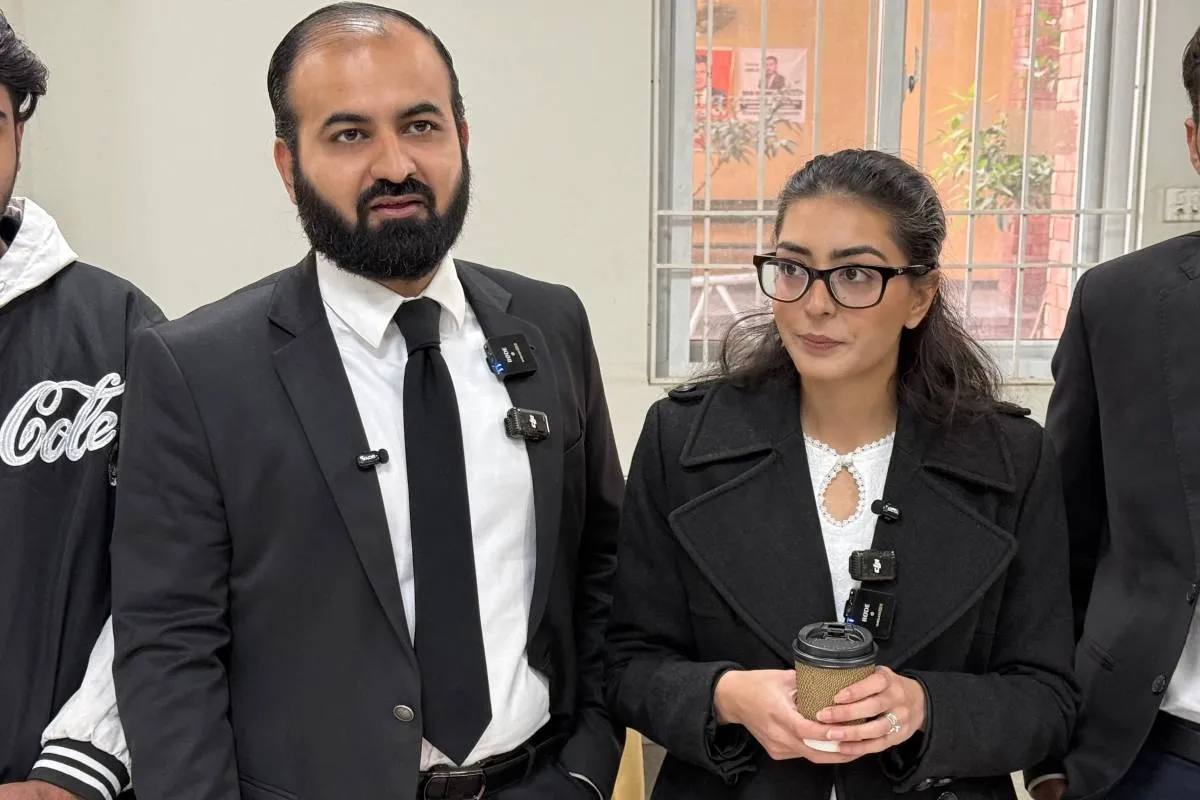
Several media (such as the CSR Journal and Barrons) and NGO (Frontline) talk about the case of human rights lawyer Imaan Mazari and her husband and fellow lawyer Hadi Ali Chattha who were sentenced 10-year-jail by an Islamabad court on 24 January 2026 over anti-state social media posts. However, the pressure and arrest haven’t been able to silence her voice. She said to media agencies, “We will not back down. Truth seems overwhelmingly difficult in this country. But we knew that when we got into this work, we’re ready to face that,”. Mazari noted that the prison term won’t dent her resolve.

Imaan Mazari is a 32-year-old human rights lawyer from Pakistan who rose to fame for fighting some of the most sensitive cases and she has been defending ethnic minorities, journalists facing defamation charges and some of her clients have been branded blasphemers. With Mazari’s coming to prominence, so did the charges by the Pakistani government for cyber terrorism and hate speech. As per a court document, Mazari has been disseminating highly offensive content.

Mazari comes from a well-known family, she is the daughter of former minister for human rights, Shireen Mazari, and her late father was one of the top paediatricians of South Asia. Because of her strong determination of fighting back despite all odds, she is being compared to Pakistan’s one of the popular human rights lawyers, late Asma Jahangir. [see: https://www.trueheroesfilms.org/thedigest/laureates/14CC52FE-5F1B-4EF8-B1F5-607ED173AACC]

Mazari is a pro bono lawyer, she has handled some of the most sensitive cases in Pakistan, e.g. enforced disappearances of ethnic Balochs, she defended Mahrang Baloch. She has also taken up blasphemy cases.

Last year, the UN special rapporteur for human rights defenders said, “Cases against her appear to reflect an arbitrary use of the legal system to harass and intimidate”. She was first targeted in a press conference held sometime in early January, where a military spokesman Lieutenant General Ahmed Sharif Chaudhry, shared Mazari’s post on X posts and filed a case against her, stating her as, “hidden elements committing subtle crimes. They operate under the guise of democracy and human rights to promote terrorism,”.

https://thecsrjournal.in/from-courtroom-prison-who-imaan-mazari-pakistan-human-rights-lawyer/

https://www.barrons.com/news/defiance-as-a-profession-pakistan-s-jailed-lawyer-imaan-mazari-07a01d94

https://www.frontlinedefenders.org/en/case/imaan-zainab-mazari-and-hadi-ali-chattha-violently-arrested-despite-court-order

https://ommcomnews.com/world-news/un-experts-alarmed-by-conviction-of-pakistani-lawyers-and-human-rights-defenders

https://www.civicus.org/index.php/fr/medias-ressources/112-news/8102-pakistan-overturn-conviction-and-release-human-rights-lawyers-imaan-zainab-mazari-and-hadi-ali-chattha

FairSquare and Human Rights Watch have filed complaints re the selection process for FIFA’s peace prize”

January 19, 2026

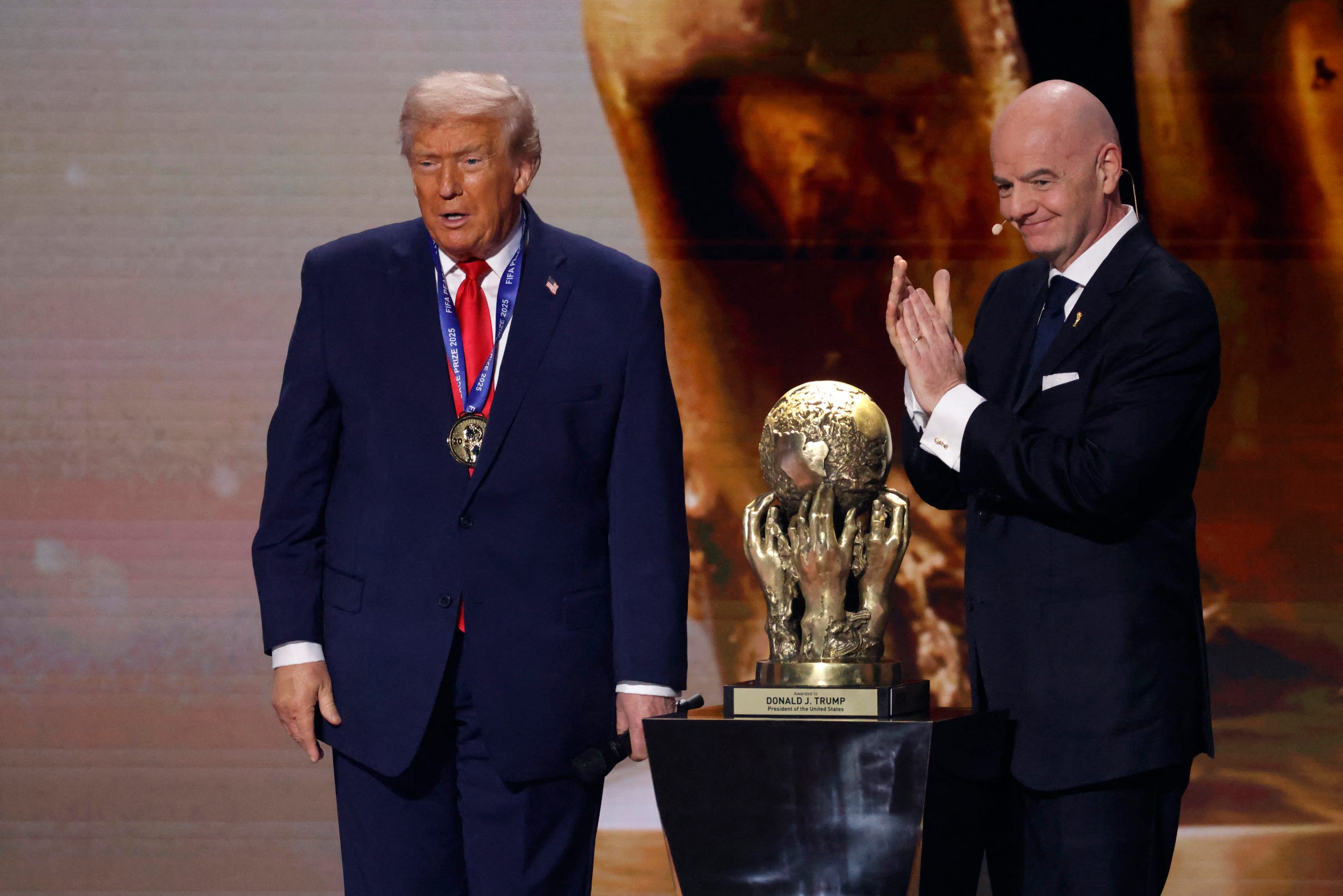
FIFA president Gianni Infantino presents President Donald Trump with the FIFA Peace Prize during the FIFA World Cup 2026 Final Draw at John F. Kennedy  IMAGES via Reuters Connect…Show more 

This blog has a special interest in human rights awards, so it should not fail to mention the big surprise which occurred when FIFA (Fédération Internationale de Football Association), the worldwide governing body of soccer, gave President Donald Trump its first-ever prize for global peace. An investigation by the Times of London has revealed that the White House not only knew well in advance the honor was coming but also made demands about its size and style of presentation.

There has been no transparency around FIFA’s Peace Prize process. Human Rights Watch and FairSquare have written to FIFA on 11 November 2025 to request a list of the nominees, the judges, the criteria, and the process for the Peace Prize. Human Rights Watch received no response.In his haste to ingratiate himself to Trump, Infantino neglected to inform FIFA bigwigs about the “peace prize”. That flies in the face of FIFA’s code of ethics which states that officials are expected to maintain political neutrality. [https://www.hrw.org/sites/default/files/media_2025/12/FIFA%20Peace%20Prize%20letter%20from%20Human%20Rights%20Watch%20.pdf]

FIFA’s so-called peace prize is being awarded against a backdrop of violent detentions of immigrants, national guard deployments in US cities, and the obsequious cancellation of FIFA’s own anti-racism and anti-discrimination campaigns,” said Minky Worden, who oversees sport for Human Rights Watch. “There is still time to honor FIFA’s promises for a World Cup not tainted by human rights abuses, but the clock is ticking.

Now the issue of not getting the Nobel Peace prize [see also: https://humanrightsdefenders.blog/2025/07/24/nobel-peace-prize-choice-between-trump-and-albanese/] became even more relevant as U.S. President Donald Trump linked his aggressive stance on Greenland to last year’s decision not to award him the Nobel Peace Prize, telling Norway’s prime minister that he no longer felt “an obligation to think purely of Peace,” two European officials said Monday.

Trump’s message to Jonas Gahr Støre appears to ratchet up a standoff between Washington and its closest allies over his threats to take over Greenland, a self-governing territory of NATO member Denmark. On Saturday, Trump announced a 10% import tax starting in February on goods from eight nations that have rallied around Denmark and Greenland, including Norway.

https://www.wsls.com/news/world/2026/01/19/trump-ties-his-stance-on-greenland-to-not-getting-nobel-peace-prize-european-officials-say/

https://eu.knoxnews.com/story/entertainment/columnists/sam-venable/2026/01/07/sam-venable-forget-fifa-if-you-want-an-award-make-it-a-fafi/87993522007/

https://www.msn.com/en-my/news/other/trump-s-fifa-peace-prize-breached-neutrality-claims-rights-group/ar-AA1S1TnG

https://www.thetimes.com/sport/football/article/donald-trump-gianni-infantino-fifa-world-cup-bz0qhlskg

https://www.hrw.org/news/2025/12/03/world-cup-2026-fifa-needs-to-act-on-human-rights

NGOs such as the International Federation for Human Rights (FIDH) and Human Rights Watch declared “undesirable” by the Russia

January 18, 2026

Kirill KUDRYAVTSEV / AFP

At the end of 2025 the International Federation for Human Rights (FIDH), one of the world’s oldest human rights movements and Human Rights Watch were declared “undesirable” by the Russian Federation. For FIDH the designation was made by the Prosecutor General of Russia on 13 November, and on 1 December, Russia’s Ministry of Justice included FIDH in its register of “undesirable organizations“, which currently contains 281 entities, including several FIDH members, such as the Center for Civil Liberties (CCL), the Norwegian Helsinki Committee (NHC), the Helsinki Foundation for Human Rights (HFHR), and Truth Hounds.

This ignoble move not only further threatens and endangers our Russian members, partners, their staff, and ordinary Russian citizens supporting our human rights work. It also sends a clear message that Russia is no friend of the global human rights movement“, said Alexis Deswaef, FIDH President. “This designation of FIDH as an ‘undesirable organisation’ demonstrates the importance of our commitment to supporting those who defend human rights, whether in Russia or in exile. FIDH will continue to pursue this commitment more than ever.”

Under the “undesirable organisations” law, adopted in 2015 and further tightened in 2021 and 2024, the Prosecutor General’s Office has the power to declare as “undesirable” any foreign or international organisation that is deemed “a threat to the foundations of the constitutional order of the Russian Federation, the defense capability of the country or the security of the state“.

Concretely, “undesirable organisations” are banned from engaging in any activities inside Russia, including the publication or dissemination of any information, carrying out financial transactions, and providing financial or other assistance to local organisations and individuals. The “participation in the activities” of an “undesirable organisation” is subject to administrative and criminal liability, including up to four years of imprisonment. Any Russian citizen or organisation cooperating with an “undesirable organisation“, even if residing outside Russia, faces administrative penalties and, in the case of individuals, criminal liability. In practice, the vague wording of the law has led to the punishment of individuals simply for reposting information disseminated by an “undesirable organisation” on social media platforms, even if the original posts predated the organisation’s designation as “undesirable“.

https://www.fidh.org/en/region/europe-central-asia/russia/russia-bans-the-oldest-worldwide-human-rights-movement

“For over three decades, Human Rights Watch’s work on post-Soviet Russia has pressed the government to uphold human rights and freedoms,” said Philippe Bolopion, executive director at Human Rights Watch. “Our work hasn’t changed, but what’s changed, dramatically, is the government’s full-throttled embrace of dictatorial policies, its staggering rise in repression, and the scope of the war crimes its forces are committing in Ukraine.” 

The Prosecutor General’s Office made the decision to ban Human Rights Watch on November 10, as follows from the Ministry of Justice’s register of “undesirable” organizations updated today. The official reasons for the designation are not known.

https://www.hrw.org/news/2025/11/28/russia-government-designates-human-rights-watch-undesirable

and https://ilga.org/news/russia-ilga-world-undesirable/

Many NGOs raise alarm over situation of detained human rights defenders in Iran and urge UN Human Rights Council to convene a special session

January 16, 2026

As mass repression of protests and dissent dramatically intensifies in Iran amidst an almost complete communications shutdown, the Free Narges Coalition and more than 30 undersigned organisations (including FIDH and OMCT in the framework of the Observatory for the Protection of Humans Rights Defenders) called on 15 January 2026 for urgent and concrete actions to circumvent internet censorship, as well as raising alarm regarding the grave threats to existing and newly-arrested detainees, particularly those jailed for their human rights work, journalism, expression, activism, or peaceful assembly.

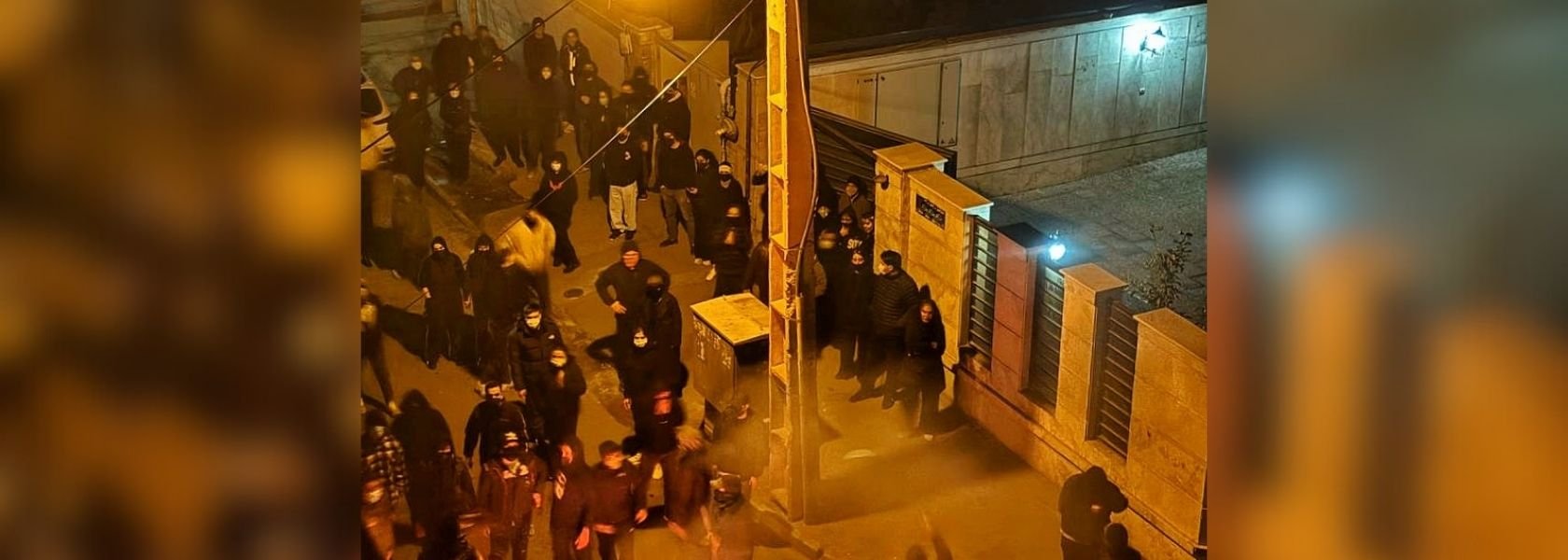
Iran is facing one of the most severe periods of repression in its recent history. Protests that began in Tehran’s Grand Bazar on December 28 against the collapse of the national currency grew in size and scope until authorities completely turned off Iran’s internet access to the outside world and began a more severe crackdown on January 8. Shocking images of dead protesters, doctors’ reports of overflowing hospitals and the lethal use of military-grade weapons and live ammunition, and the absence of access for journalists and independent media, have led to desperation of families missing loved ones, as well as grave concerns around the safety of thousands of those injured or detained. Human rights organisations and international media have been able to verify the killing of over 2,500 protesters, including children under the age of 18, and thousands injured, some severely while almost twenty thousand confirmed arrested. With the majority of the killings occurring since 8 January, amid a full-blown digital blackout that has made further verification impossible, current reports estimate the number of killings to be much higher, likely amounting to more than 6,000.

Meanwhile, in official statements, Tehran’s Prosecutor General has described protesters as vandals and threatened they will face moharebe (waging war against God), a charge that is punishable by death under Islamic Penal law. State media have also reported mass arrests of individuals they label as “rioters.”

According to NetBlocks, Iran has now experienced more than 140 hours of near-total internet shutdown since January 8. Such communications blackouts severely restrict access to independent reporting and sharing of essential and life-saving information, and create conditions in which grave human rights violations can be committed with impunity. Prior to the shutdown, human rights defenders and known dissidents both inside and outside of Iran had reported receiving threats, as authorities have attempted to suppress expressions of support for the protests online.

In this context, both recent and long-standing detainees–including human rights defenders, journalists, writers, and artists–face an acute and often overlooked risk. Past patterns in Iran demonstrate that periods of widespread unrest are accompanied by heightened abuses inside detention facilities, where these groups are particularly vulnerable to extrajudicial killing, enforced disappearance, torture, and other forms of ill-treatment. Those held in solitary confinement and denied contact with the outside world are at especially high risk.

Among those recently detained are prominent figures from Iran’s civil society, including Nobel Peace Prize Laureate Narges Mohammadi, Sepideh Gholian, Alieh Motalebzadeh, Javad Alikordi, Hasti Amiri, Pooran Nazemi, and other human rights defenders and journalists. They were violently arrested following the memorial ceremony for lawyer Khosrow Alikordi on 12 December in Mashhad, and have been held in solitary confinement, their whereabouts and condition unknown, for more than one month. Narges Mohammadi has been denied access to legal counsel and contact with her family, apart from a brief phone call on 14 December when she reported severe ill-treatment, including beatings to her head and neck with batons, as well as threats of further violence. On January 6, before the total internet shutdown, journalist and human rights defender Alieh Motalebzadeh, who has been diagnosed with cancer, was able to call her family. Her daughter reported in a video message that she did not sound well, stating that the detainees are under severe pressure. She was released on bail following deterioration of her health on 12 January. The health condition of Pouran Nazemi is reported to be dire while she remains detained. Narges Mohammadi has been hospitalized for three days after her violent arrest and arbitrary detention since 12 December. Due to the ongoing communications blackout, the families and lawyers have not been able to be in contact with them, including to inquire if their 30 day arbitrary detention order has been extended or not.

We, the undersigned organisations, express our deep concern over the escalation of the killing of protesters, as well as the serious risk of arbitrary legal charges, punishable by the death penalty, against those detained. We stress that the lives and safety of those more vulnerable under detention in Iran must not be forgotten. Human rights defenders, journalists, writers, artists, and those prosecuted due their exercise of freedom of assembly and expression are at the forefront of the peaceful struggle for fundamental human rights. They must be protected and immediately and unconditionally released, and we call for immediate actions from the international community to halt the escalating violations of human rights and humanity.

As reports of mass arrests, killings, and widespread violence continue to escalate, we stand in full solidarity with the people of Iran in their legitimate struggle for fundamental freedoms and democratic rights. We urge the international community to take urgent and concrete actions to prevent further loss of life and to ensure that Iran uphold its international human rights obligations, including through:

 Immediate and unconditional release of all those jailed in Iran for their peaceful activism or expression, including Nobel Peace Prize Laureate Narges Mohammadi, as well as human rights and women’s rights defenders, civil society activists, journalists, lawyers, writers, artists, representatives of religious and ethnic minorities, environmental and labour defenders, students, and all others detained or at risk for exercising their fundamental rights.

 Immediate restoration of full and unrestricted access to internet and telecommunications services, and an end to nationwide information blackouts that censor news reporting, facilitate repression, block the transmission of essential and life-saving communications including for medical personnel, and impede documentation of human rights violations.

 Independent, impartial, and transparent investigations into killings, torture, lethal use of force by security agents, enforced disappearances, and other serious human rights violations committed in the context of the ongoing protests, with a view to ensuring accountability in line with international law.

As every hour of inaction increases the risk of irreversible loss of human life and gross violations of human rights. The international community must act urgently to protect the detainees, ensure their safety and rights, and prevent further violations under international law.

https://www.fidh.org/en/region/asia/iran/iran-over-30-ngos-raise-alarm-over-dire-situation-for-detained-human

50 civil society organizations, urge the UN Human Rights Council to urgently convene a special session to address an unprecedented escalation in mass unlawful killings of protesters, amidst an ongoing internet shutdown imposed since 8 January to conceal grave human rights violations and crimes under international law by Iranian authorities. see:

https://ishr.ch/latest-updates/iran-calling-the-human-rights-council-to-convene-a-special-session

https://www.article19.org/resources/iran-joint-civil-society-call-for-a-hrc-special-session/

https://www.hrw.org/news/2026/01/16/joint-statement-to-member-states-of-the-united-nations-human-rights-council