Archive for the 'Human Rights Defenders' Category

First European Forum on Environmental Human Rights Defenders 3-4 June 2026

May 12, 2026

The First European Forum on Environmental Human Rights Defenders (EHRDs) invites individuals and organizations committed to the promotion, protection, and respect of environmental and human rights across Europe to express their interest in participation. This landmark Forum represents a significant opportunity for Environmental Human Rights Defenders, civil society organizations, institutions, policymakers, and advocates to engage in meaningful dialogue, collaboration, and knowledge exchange on pressing environmental and human rights challenges affecting the European region.

The Forum will be held on 3–4 June 2026 at the headquarters of the Council of Europe in Strasbourg. The event is jointly organized by the Council of Europe, the Office of the United Nations High Commissioner for Human Rights, the European Union Agency for Fundamental Rights, and the mandate of the Special Rapporteur on Environmental Defenders under the Aarhus Convention. Additional collaboration is provided by the UNECE Aarhus Convention Secretariat, several Human Rights Council Special Procedure mandate holders, and a range of civil society organizations actively working throughout Europe.

Purpose of the Forum

The Forum aims to strengthen networks among Environmental Human Rights Defenders and supporting organizations while fostering regional cooperation and advocacy. Participants will have the opportunity to:

  • Share experiences and best practices
  • Discuss emerging environmental and human rights issues
  • Explore strategies for protection and advocacy
  • Build partnerships across sectors and countries
  • Contribute to discussions on policy and accountability mechanisms

The gathering is expected to attract a diverse range of participants from across the Council of Europe member states, including grassroots defenders, activists, indigenous representatives, youth leaders, academics, legal experts, international organizations, and civil society actors.

Event Format and Languages

The Forum will be conducted exclusively as an in-person event. Online participation or virtual attendance options will not be available. Participants are therefore encouraged to prepare for travel and related logistical arrangements should their participation be approved.

Registration and Selection Process

Submitting an Expression of Interest does not automatically guarantee participation in the Forum. All applications will undergo a comprehensive review and selection process conducted by the organizers. Applicants whose participation is approved will receive an official registration confirmation letter. The review process will take place on a rolling basis to allow selected participants sufficient time to make necessary arrangements, including:

  • Visa applications
  • Travel planning
  • Accommodation bookings
  • Administrative preparations

Interested individuals are therefore strongly encouraged to submit their applications as early as possible.

Funding and Financial Support

Due to limited available resources, the organizers will only be able to provide financial support to a select number of Environmental Human Rights Defenders. Funding decisions will be based on several factors, including:

  • Resource availability
  • Geographic diversity
  • Gender balance
  • Inclusion and representation criteria
  • Nature of environmental and human rights work

Applicants who meet the general participation criteria but are not selected for financial support may still receive an invitation to attend the Forum through self-funded participation.

The organizers anticipate that the majority of participants will need to finance their own attendance. Institutions, donor organizations, and networks that support Environmental Human Rights Defenders are encouraged to assist participants financially where possible.

NGOs critical of Indonesia government’s plan to vet human rights defenders

May 11, 2026

On 2 May 2026, several newspapers reported on plans to vet human rights defenders in Indonesia :

The government’s plan to screen and determine who qualifies as a human rights activist to decide who receives legal safeguards has met with backlash from civil society groups, who warn the move risks state interference in rights protections.

The plan came as the Human Rights Ministry is seeking to introduce changes to the 1999 Human Rights Law and issue a new ministerial regulation to strengthen legal protections for human rights activists, citing concerns over criminalisation against those involved in advocacy works.

To ensure legal safeguards can be provided for activists, Human Rights Minister Natalius Pigai said his ministry would form an assessor team to evaluate whether detained individuals meet the criteria as human rights defenders.

The assessment will be based on strict criteria focusing on the individual’s actions at the time of the incident rather than self-declared status or public recognition. The team will review each case individually to ensure decisions are made based on the context of ongoing legal cases.

Legal protection, the minister stressed, would only be extended to those defending public interests, particularly vulnerable or marginalised groups. Those who are proven to have acted with personal or financial motives would be excluded.

“It’s possible that someone widely known as a human rights activist, at a certain moment, may be found by the assessor team to be acting for (financial gain). In such cases, they can’t be considered a human rights activist,” Mr Pigai said on April 29, as quoted by Antara.

He added those meeting the criteria would be shielded from prosecution from the earliest stages of legal proceedings.

see also: https://humanrightsdefenders.blog/2026/03/14/acid-attack-against-human-rights-defender-andrie-yunus-in-indonesia/

https://www.straitstimes.com/asia/se-asia/civil-groups-slam-indonesia-governments-plan-to-vet-human-rights-defenders

https://impactpolicies.org/news/897/why-government-vetting-of-rights-defenders-threatens-fundamental-democratic-freedoms

https://www.thejakartapost.com/world/2026/05/02/panel-warns-of-narrowing-dissent-in-indonesia.html

https://en.antaranews.com/news/415455/indonesia-revises-human-rights-law-to-strengthen-institutions-pigai

https://www.amnesty.org/en/latest/news/2026/05/indonesia-military-silences-dissent-disinformation-campaigns-branding-activists-journalists-foreign-agents

https://www.reuters.com/business/media-telecom/indonesian-authorities-using-online-disinformation-campaigns-target-critics-2026-05-19

https://frontlinedefenders.org/pl/node/9131

https://www.occrp.org/en/news/amnesty-international-indonesia-is-using-online-disinformation-campaigns-to-brand-critics-as-foreign-agents

Mahshid Nazemi, Iranian human rights defender, continues in spite of transnational threats

May 10, 2026

On 15 October 2025, Fariba Nawa wrote about Mahshid Nazemi, Iranian human rights defender.

Mahshid Nazemi, an Iranian human rights activist, left her home one day in the fall of 2022 to walk to the corner store to buy yogurt for dinner. The sun had set in the valley in Isparta, a city in southwestern Turkey, and the air was crisp. Nazemi pulled the hat of her coat over her head. The streets were empty. She was tired and hungry. Suddenly, she saw two cars turn on their lights. A dated, navy-colored sedan with tinted windows drove behind her slowly as she walked. Nazemi became suspicious and stopped. The car braked and a pudgy, bearded man with a khaki shirt exited, cursing at her, calling her a prostitute. “Shut your mouth or we’ll send you to Iran in a suitcase,” Nazemi recounted the man saying. “Your sister is on death row. You want to go to Iran in a suitcase?”

A year later, she stood at the exact spot in Isparta, known for its roses and lavenders, as she retold her ordeal.

Nazemi’s case underscores a broader pattern of Iranian activists abroad facing intimidation and pressure from Tehran, despite the regime’s public denials of involvement.

For Nazemi, she says her plight began long ago as a woman in Iran, where women don’t have equal rights, and the situation has been likened to gender apartheid. Women can’t sing in public, their supreme leader has said riding a bike is shameful — though some women defy the taboo and ride bikes — their testimony is considered half of a man’s in court and their right to inheritance is less than men. Nazemi has survived a lot — imprisonment, sexual harassment, death threats and a deportation camp.

The night she was followed and harassed in the street would be a prelude to a series of dubious events terrorizing her life as a dissident in exile.

During the Woman, Life, Freedom movement in fall 2022, protests erupted in Iran and in the diaspora after Mahsa Jina Amini, a 22-year-old Kurdish Iranian woman, was arrested on charges of breaking Iran’s modest dress code. Amini was then beaten to death while in custody. [https://humanrightsdefenders.blog/2023/10/19/mahsa-amini-and-woman-life-and-freedom-movement-in-iran-awarded-eus-sakharov-prize/]

At that time, Nazemi was in Turkey, which has become an opposition haven for many Iranians. She was speaking out about political prisoners and crackdowns on protesters, while also helping dissidents in Turkey get legal aid and financial support. She’s been a dogged activist on behalf of women in her native Iran. Nazemi wasn’t doing that work alone. Her oldest sister Pouran Nazemi was at the forefront of the movement in Tehran. The renowned human rights defender has been in and out of Iranian prisons throughout her life. Nazemi said it was Pouran’s sacrifices that encouraged her to become an activist, too.

A selfie of Pouran (left) and Mahshid Nazemi nine years ago in Iran. The sisters haven’t seen each other in-person for a decade.Courtesy of Mahshid Nazemi

The sisters participated in previous uprisings in Iran, demanding democratic rights for women and minorities. They were both arrested in 2016, but Mahshid Nazemi was released. Her family told her to flee, so she went to neighboring Turkey and applied for asylum to a third country. When Pouran was also released from jail, she remained in Iran. But the sisters worked as a team online across the border. They talked to the opposition media, like Voice of America Farsi, making a case for regime change and a revolution.

Instead, the hardline clerical government arrested 22,000 protesters, including Pouran once again in 2022. The government also killed about 550 people inside Iran, calling them traitors and agitators. Then the regime came for those in the diaspora.

Iran continues to target women human rights defenders abroad, and among the typical and easy-to-use methods are digital threats, such as phishing and hacking attempts, smear and defamation campaigns, as well as threats against family members in Iran,” said Michael Michaelsen, who studies Iran and transnational repression at the Citizen Lab at the University of Toronto.

Nazemi has been the victim of all these tactics but she said the regime went a step further in sending their thugs to threaten her in person that evening in 2022. She reported the incident to the Turkish police, but they didn’t believe her until they found CCTV footage of the incident. A few days later, a Turkish immigration agent called and asked her to come to their office. She thought she might be getting asylum to a third country, somewhere safer than Turkey. But instead, the agent accused her of making a fake ID card, which Nazemi denied. It’s a scene she remembers vividly.

“I didn’t make a fake card. I’m not going to admit to something I didn’t do. If you want to deport me, do so,” Nazemi told the agent. Nazemi was detained and moved into a deportation camp. “The Islamic Republic must have informants in Turkish immigration offices. Otherwise, how would I have ended up in a deportation camp, right after reporting what happened about that night,” she said.

In the camp, Nazemi said the guards beat her, pulling out half of her hair. Another Iranian migrant, who was also detained, accused her of being transgender and threw soup in her face. Nazemi said she had to disrobe in front of the other detainees to prove she was a biological woman to prevent more abuse. She said the camp almost broke her. She had medication with her and one day she took a lot of pills at once. “I didn’t take them to die, actually, but to prove something, how badly they treated us that it got me to this point,” Nazemi said. Nazemi was hospitalized outside the camp, doctors pumped her stomach and she recovered. Police released her and she returned to Isparta and appealed the deportation. Turkey denied the appeal again, but by this time Nazemi’s story was out in the Western press.

The World shared her story, along with press coverage she received in the French newspaper Le Monde — that attention helped her get a visa to France after eight years of being stuck in the Turkish asylum system. She resettled in a French village in December 2023, and continued her activism — Nazemi has expanded her cause to advocate for Afghan migrants as well.

She still gets death threats on social media. Many of the senders say they are the “soldiers of the Islamic Republic.” The direct messages in her inbox on Instagram threaten her with execution, drowning, even rape. Nazemi is under French police protection and reports all the threats.

Her sister Pouran, was released from Evin prison, and is awaiting trial on charges of moral corruption. She continues to protest the regime’s brutality against dissidents inside Iran with Nazemi. [https://humanrightsdefenders.blog/2026/01/16/many-ngos-raise-alarm-over-situation-of-detained-human-rights-defenders-in-iran-and-urge-un-human-rights-council-to-convene-a-special-session/]

https://theworld.org/stories/2025/10/15/from-turkey-to-france-iranian-womens-rights-activist-continues-her-work-despite-ongoing-threats-from-iranian-regime

Cyrille Traoré Ndembi, from survivor to human rights defender in DRC

May 7, 2026

19 December 2025

Cyrille Traoré Ndembi, 61, is the President of the Vindoulou Residents’ Collective, a neighbourhood on the outskirts of Pointe-Noire in the Republic of Congo. This retired community development specialist has been fighting to defend the residents’ right to a healthy environment since he moved there in 2019.

His house is located just ten metres from the Metssa Congo plant run by a subsidiary of the India-based Metssa Group. This recycling plant produced lead bars for export from 2013 to 2024, 50 metres from a school and in the middle of a residential area. Cyrille noticed severe health problems in his family including respiratory and digestive disorders. Blood tests on some residents showed lead levels far above the alert level set by the WHO.

Following Cyrille’s campaigning, and with the help of Amnesty International, the authorities ordered the plant’s closure in December 2024. Cyrille continues to fight for justice for his community.

“When I arrived in Vindoulou, I quickly realized the danger we were in. The air was unbreathable!

Black dust and fumes were spreading and invading our homes. Sometimes, when we went out, we couldn’t even see our nearest neighbour. The plant staff discharged oil and wastewater in front of our houses. Metal debris from the plant’s chimney fell onto our roofs. Once, I went to walk along the wall of the plant and debris fell on me like hail.

Right from the start, I had doubts about the legality of this activity in the middle of a populated area. I couldn’t understand how a substance as dangerous as lead could be recycled using processes that were, in my view, contrary to the standards and regulations in force.

‘My whole family was ill’

We arrived in Vindoulou in August 2019 and by January 2020 my whole family was ill. Our children were found to have the beginnings of pneumonia, bronchitis and bronchopneumonia. We also had diarrhoea and abdominal pains.

Across the neighbourhood, people had the same problems. I was told that the children who had moved away from Vindoulou no longer suffered from those symptoms.

The residents believed that nothing could make this company leave. For the community, it was David against Goliath. Some even called me King David.

I went door-to-door to convince people that something serious was going on. Everywhere I went, I reminded people of article 41 of our Constitution: every citizen has the right to live in a healthy environment.

I explained to people the benefits of getting organized together and taking up the fight. Today, our collective has over a hundred members.

From survivor to human rights defender

We tried to meet the directors of Metssa Congo. We met the plant’s manager, who said he was not authorized to comment on the subject. He promised us an audience with the CEO, but it never took place. They wouldn’t talk to us, simply saying that they had authorization to operate. We couldn’t even consult their environmental impact report, which is a document that we were entitled to access under the current legislation. After calling in a bailiff, I was finally able to consult another type of document, their environmental audit report produced after they had already begun operations.

In 2022, I went to meet Amnesty International’s representatives to alert them. From 2023 onwards, Amnesty investigated and provided funds to carry out blood tests on a sample of the population. We then had proof that people tested had high levels of lead in their blood.

At the time, the workers were against what I was doing. Now, most of them have joined us in our fight.Cyrille Traoré Ndembi

I took two blood tests, in March and September 2023. They showed blood lead levels above 400 µg/L. For the 17 other people tested, the levels were alarming. When the ministry carried out other tests in 2024, some ex-workers had levels of 1,000 µg/L – that’s enormous!

My youngest daughter just turned four. Of the nine children tested, she had the highest lead level, above 530 µg/L. I’m worried about her. She’s running fevers even though she has no infection.

Amnesty also helped us take legal action in 2023, to publicize our situation and, in the face of the administration’s inaction, to make a plea to the authorities. As a result, the minister [of Environment] came here and spoke to the population in December 2024. We as a collective did not have a formal audience with the minister. The authorities received Metssa Congo’s managers for an audience in Brazzaville [the Republic of Congo’s capital] several times, but never our collective! I’m not being heard. Ideally, we should be able to talk directly to the authorities.

I’ve been under pressure. Metssa filed a complaint against me alleging defamation in May 2024. I went to court, but Metssa didn’t show up. They were bolstered by the decision of the Supreme Court’s public prosecutor that allowed them to resume their activities after a suspension ordered by an administrative judge in April 2024.

One night, some young people came and threatened me. It was stressful, but I didn’t back down. At the time, the workers were against what I was doing. Now, most of them have joined us in our fight.

When the company’s operations were suspended again in June 2024 by the Ministry of Environment, we continued to fight because the word suspension meant nothing to us. We wanted to hear the word closure. When the decision was taken on 11 December 2024 to close and dismantle the plant, we were relieved, but the fight was far from over.

Guatemalan government formally accepts responsibility for 1989 disappearance of four human rights defenders

May 5, 2026

With delay but for the record:

On 12 December 2025, the government of Guatemala formally acknowledged responsibility for the 1989 enforced disappearance of human rights defenders Agapito Pérez Lucas, Nicolás Mateo, Macario Pú Chivalán, and Luis Ruiz Luis, whose whereabouts remain unknown to this day. President Bernardo Arévalo will join the victims’ families, representatives from the Robert & Ethel Kennedy Human Rights Center (Kennedy Human Rights) and Consejo de Comunidades Étnicas Runujel Junam (CERJ), state officials, and special guests for a public Act of Recognition of Responsibility ceremony at the Palacio de la Cultura in Guatemala City.

Pérez Lucas, Mateo, Pú Chivalán, and Ruiz Luis were active members of CERJ during the armed conflict in Guatemala, helping protect rural Guatemalans from unlawful conscription into the army. Targeted for their human rights work, the four defenders were subjected to threats and persecution, which ultimately culminated in their arbitrary detention and forced disappearance by members of the Guatemalan Army. Despite repeated pleas from their families, the Guatemalan government failed to conduct an effective investigation or provide information about their whereabouts.

“For decades, the families of the disappeared lived with silence, fear, and impunity,” said Kerry Kennedy, president of Kennedy Human Rights. “The State’s failure to investigate and respond not only deepened the pain of those who lost loved ones, but it denied entire communities the right to truth, justice, and memory. This public recognition of responsibility is therefore not simply a symbolic act. It is the State’s formal acknowledgment, before its people and before the world, of the grave human rights violations committed against these communities.”

In September 2024, after years of litigation by CERJ and Kennedy Human Rights, the Inter-American Court of Human Rights (IACtHR) concluded that the Guatemalan government was responsible for forcibly disappearing the four defenders in direct retaliation for their human rights work, failing to search for the defenders’ whereabouts, and failing to investigate the facts. As part of its verdict, the Court ordered Guatemala to uphold several reparation measures in favor of the victims, including a thorough investigation of the disappearances. The Court also ordered the Guatemalan government to implement a series of non-repetition measures, including declassifying archives related to the internal armed conflict and creating a national mechanism to search for forcibly disappeared individuals. It also ordered the State to adopt a public policy to protect human rights defenders. In response to this Court order, the Government recently announced the adoption of such a policy for the period 2025-2035.

https://rfkhumanrights.org/press/guatemalan-government-formally-accepts-responsibility-for-1989-disappearance-of-four-human-rights-defenders

Freedom House interview with Abdulhakim Idris, head of the Center for Uyghur Studies

May 4, 2026

In a Q&A on 16 April 2026 with Abdulhakim Idris, head of the Center for Uyghur Studies, Freedom House discusses his work exposing the Chinese Communist Party’s repression and how Chinese authorities have menaced him and his family in an attempt to prevent him from speaking out. Here some excerpts:

Abdulhakim Idris

Abdulhakim Idris (Photo Credit: Center for Uyghur Studies)

The People’s Republic of China conducts the world’s most sophisticated and comprehensive campaign of transnational repression, targeting human rights defenders, journalists, students, artists, and members of religious and ethnic minorities. Uyghurs, an ethnic group from the Xinjiang Uyghur Autonomous Region, have fled repression in China for decades. Abroad, many members of the group face the threat of transnational repression via detention, unlawful deportation, rendition, coercion by proxy, surveillance, and digital harassment. Uyghur individuals are involved in over 20 percent of the incidents in Freedom House’s transnational repression database, which catalogues direct, physical cases around the world from 2014 to 2025.

Last month, Abdulhakim Idris, head of the Center for Uyghur Studies in Washington, DC, and a leading Uyghur scholar and advocate, was detained for nearly a day and subsequently expelled from Malaysia at the behest of Chinese authorities, preventing him from launching the Malay-language edition of his book about how the Chinese Communist Party (CCP) pressures governments in the Islamic world to remain silent about its persecution of Uyghurs. As Idris explains, this act of transnational repression sets a dangerous precedent for every other American advocate, journalist, and researcher operating abroad. Below, Idris describes his work exposing CCP abuses, and how they sought to silence him—in Malaysia and elsewhere.

Freedom House: Could you describe your work as executive director of the Center for Uyghur Studies?

Abdulhakim Idris: As executive director of the Center for Uyghur Studies (CUS), I lead a mission at the intersection of human rights advocacy, academic research, and diplomatic engagement to address the crisis in East Turkistan (known formally as the Xinjiang Uyghur Autonomous Region). By producing rigorous, evidence-based reports and briefing global lawmakers, I work to expose Chinese Communist Party narratives and ensure the international conversation on its persecution of Uyghurs remains rooted in scholarly data and cultural expertise. My work translates this research into action, raising awareness through media advocacy and high-level briefings to reach the audiences most capable of effectuating change. I also work to engage Muslim-majority countries where Chinese economic pressure often buys silence. By briefing religious leaders and civil society across the Middle East, Africa, and Asia, I demonstrate that the persecution of Uyghurs is an assault on our shared faith and part of China’s war on religious beliefs.

My advocacy is deeply personal: 24 of my family members have been missing since 2017, including my mother, Habibehan Idris; my brother Abdurehim; my sister Buhedichehan; and all of my nieces and nephews. In August 2023, I learned about my father’s passing in Hotan seven months earlier in January 2023.

As a bridge between the diaspora and the international community, I provide the strategic recommendations and testimony needed to transform our personal data into global action.

How long have you been involved in advocacy on behalf of the Uyghur people?

I was born in Hotan, East Turkistan, in 1968. My journey began with a foundation in faith and scholarship; I studied Islamic Sciences and Arabic in underground madrasas in Hotan before leaving in 1986 to study at Al-Azhar University in Egypt. This background gave me a profound understanding of the religious identity that the CCP is currently attempting to erase.

In 1990, I became one of the first Uyghurs to seek asylum in Germany. Settling in Munich, I balanced my studies in Industrial Management with a mission to organize our people. I am one of the founders of the East Turkistan Union in Europe (1991), the very first Uyghur organization on the continent. Over the next two decades, I focused on building the institutional architecture of our struggle. I am proud to be one of the founders of both the World Uyghur Youth Congress (1996), where I served as chairman of the executive committee, and the World Uyghur Congress (2004), where I have held different leadership roles.

Since moving to the United States in 2009, I have continued this work in Washington, DC, serving on the board of the Uyghur American Association. In 2017, my wife, Rushan Abbas, and I cofounded Campaign for Uyghurs (CFU) to bring more urgent awareness to CCP abuses against Uyghurs.

In recent years, the nature of the struggle has changed. As the Chinese government intensified its repression campaign, our response needed to become more robust. This led me to establish the Center for Uyghur Studies, where I have combined advocacy with the intellectual and scholarly dimension necessary to challenge China’s influence, particularly in the Muslim-majority countries.

Why were you traveling to Malaysia? Can you describe what happened when you arrived?

We have been engaging in Uyghur advocacy in Malaysia since 2022, and since then, I have been there several times, including for a meeting with Malaysian Prime Minister Anwar Ibrahim.

The CCP considers me one of the foremost experts on its influence in Muslim-majority countries. My book is now translated into Turkish, Arabic, Malay, and Bahasa Indonesia. It has been an eye-opener about Chinese infiltration into Muslim-majority countries. Following its publication, both my wife and I were subjected to coordinated death threats and digital harassment. When I traveled to Jakarta for the Indonesian launch of the book, the Chinese embassy mobilized local proxies to stage public protests, including the burning of my picture and copies of my book.

Our Malaysian partner planned this advocacy trip and invited me to join. We were well prepared with reports and planned to launch the Malay-language edition of my book alongside several new reports from the Center for Uyghur Studies. My arrival in Kuala Lumpur was on March 29, 2026, and my departure was scheduled for April 8, 2026.

I arrived in Kuala Lumpur on March 29 at 7:00 am local time. When I came to the immigration hall, a Malaysian immigration officer pulled me aside, took my passport, and brought me to his office. An officer introduced himself as a Royal Malaysia Police officer and said that I would be denied entry and be deported. Five hours into this conversation, they put me in a temporary detention center at the airport. [Note: US citizens are not required to apply for a visa for a business or tourism stay in Malaysia of less than 90 days.]

My US passport was seized, and I was held without justification for 21 hours in detention, given only one small meal and one small bottle of water, before being escorted by four police officers onto a deportation flight.

After approximately 70 hours of continuous travel and detention, I arrived safely back in the United States. Our partner in Kuala Lumpur confirmed to me that my denied entry was the result of pressure directly from Beijing.

This is not an isolated incident but a pattern of Chinese intimidation. Last year, I was similarly denied entry to Indonesia under pressure from the Chinese embassy in Jakarta, but that time, after intervention by the US government, I was able to secure entry. This time, despite the State Department and the US embassy in Kuala Lumpur escalating the matter to Malaysian immigration, Beijing prevailed. The escalation is alarming.

Beijing’s goal is to silence my research before it reaches Malay-speaking communities. My only “crime” is being a dissident from a community persecuted by the Chinese government and exposing China’s broader threats to humanity, freedom, and democracy. China has now successfully used a third country to detain and expel a US citizen. If this stands, it sets a dangerous precedent for every American advocate, journalist, and researcher operating abroad. This is a clear case of Chinese transnational repression, specifically targeting me as a US citizen.

Has anything like this happened before?

Yes. We held an advocacy trip to Indonesia between July 11, 2024, and July 20, 2024. Our partner in Indonesia organized the events and invited me. The trip involved multiple meetings, seminars, and roundtable discussions with key Indonesian stakeholders, including politicians, NGO leaders, and religious figures. In total, we visited and held activities in five cities, including Jakarta, Pontianak, Surabaya, Yogyakarta, and remotely in Medan.

There were several challenges we faced during this trip. The CCP propaganda campaign is now widespread across Indonesia, including among NGOs and social media platforms such as TikTok, X, and Facebook. The Chinese government’s extensive propaganda campaigns, including social media advertisements and influence on local leaders, have created a significant hurdle.

When we held our event in Pontianak, Indonesian immigration officials showed up, checked my visa, and told me I was not allowed to speak at events on a tourist visa and that I would need a C10 visa for that purpose. We then changed our approach: I gave all my presentations to our Indonesian partners, who then proceeded with the seminars. We could adapt because our Indonesian colleagues were trained and experienced on the Uyghur issue after two years of working together.

On a subsequent trip between April 26, 2025, and May 6, 2025 to Indonesia, I traveled on a speaker visa and was detained at the airport for three hours before being allowed to enter the country after the intervention of the US government.

In both cases, as in Malaysia, the pressure traced back to Beijing. The difference is that in Indonesia, I was eventually able to seek clarity and secure entry. In Malaysia, I was not.

Have you ever experienced any other forms of transnational repression, such as threats, harassment, or coercion of your family?

Transnational repression is not an abstract concept for me. It is a painful, daily reality that has fundamentally reshaped my family’s life. The Chinese government frequently uses the safety and freedom of our loved ones back home as leverage to silence our advocacy in the West. Since repression of Uyghurs has intensified deeply since 2017, I have lost all contact with my relatives in Hotan. In Uyghur culture, family is everything. Being severed from one’s roots is a form of psychological warfare.

In August 2023, I received a devastating message from an anonymous source. I was informed that my father, Abdulkarim Zikrullah Idris, had passed away seven months earlier, in January 2023, in our hometown of Hotan. Because the CCP has cut all lines of communication between the diaspora and our families in East Turkistan, I was not able to be with him, speak to him, or even know he was gone when it happened. The last time I heard my father’s voice was in April 2017. Shortly after that phone call, the mass detentions began, and contact was severed entirely. For six years, I lived with the agonizing uncertainty of not knowing if he was safe, if he was in a camp, or if he was even alive.

This is a form of psychological torture that hundreds of thousands of Uyghurs in the diaspora face every day. Because of the total lack of transparency in the region, the exact circumstances of his death remain unclear. We do not know if he had access to medical care, or if the stress of the ongoing persecution contributed to his passing. What we do know is that he died in a police-state environment where his children were unable to fulfill their final duties to him.

My family was not the only one targeted. In September 2018, just six days after my wife Rushan Abbas spoke publicly about my families’ disappearance while highlighting the Chinese government’s mass detention of Uyghurs, her sister Dr. Gulshan Abbas was forcibly disappeared from her home in Urumqi. The spokesperson of China’s Foreign Ministry officially confirmed on December 31, 2020, that she had been sentenced to 20 years in prison on baseless charges in connection with terrorism. Dr. Gulshan Abbas was a retired medical doctor who had never been involved in politics. Her imprisonment remains an act of transnational repression, intended to terrorize our family, silence us, and force us to stop advocating for our people.

The CCP’s tactics of transnational repression have taken other forms as well. After I gave testimony before the Uyghur Tribunal in London in 2021, which concluded that China was committing crimes against humanity against the Uyghur people, Chinese state television broadcast my photograph and denounced me for testifying. This was meant to intimidate me publicly and to warn others of the consequences of speaking the truth. Before the 2024 General Assembly of the World Uyghur Congress in Sarajevo, my wife and I received an online video message containing direct death threats. The Federal Bureau of Investigation (FBI) contacted me and confirmed they were aware of the threat.

We have become targets of dehumanization, smear campaigns, character assassination, and threats against our lives. Even outside China, we live under constant fear and intimidation. Through these tactics, the Chinese government seeks not only to punish individuals but to spread fear across entire families and communities.

https://freedomhouse.org/article/detained-denied-deported-how-chinese-authorities-attempted-silence-uyghur-scholar-and

see also https://ishr.ch/defender-stories/human-rights-defenders-story-rizwangul-nurmuhammad

Human Rights Focus Pakistan (HRFP), in partnership with the Taiwan Foundation for Democracy (TFD), started activities aimed at strengthening human rights advocacy

May 3, 2026

On 25 April 2026 ANI reported on a project aimed at strengthening human rights advocacy across Pakistan. Titled ‘Human Rights Documentation, Fact-Finding, and Advocacy for the Marginalised-II,’ the initiative seeks to advance human rights, democratic values, and the rule of law, according to an official statement. The event brought together members of the Human Rights Defenders (HRDs) Network, including civil society representatives, community leaders, and activists. Participants discussed the project’s goals, strategies, and anticipated impact.

The session focused on planning key activities under the project, defining roles and responsibilities, and identifying practical interventions to ensure effective outcomes. Attendees also shared field experiences, highlighted challenges, and explored ways to address them during implementation.

HRFP, in collaboration with TFD and the HRDs Network, plans to hold monthly meetings to review progress, share case updates, and tackle emerging challenges. These regular engagements will also facilitate legal assistance, address urgent needs, and strengthen advocacy efforts to ensure justice for affected individuals and communities.

Cases requiring in-depth inquiry will be examined through dedicated fact-finding missions conducted by trained teams of volunteers, staff, and network members. The project will also include capacity-building initiatives and awareness sessions to enhance advocacy skills and knowledge….

Naveed Walter reiterated that the project is designed to uphold fundamental rights, protect vulnerable populations, and advocate for freedoms such as expression, religion, and equal access to opportunities, education, and a healthy environment. He also stressed the importance of accountability and the fulfilment of basic human needs.

Members of the HRDs Network, including Naseem Haroon, Nusrat Samuel, John Victor, Ejaz Ghauri, James Lal, Lawrance Thomas, and Sohail Emmanuel, expressed their commitment to collaborative action. They emphasised the need to strengthen democratic practices and condemned human rights violations and undemocratic tendencies that undermine the rule of law.

In 2025, REAT Helpline recorded above 1200 and in 2024, 1198 complaints related to human rights violations, with a particular focus on issues concerning religion, belief, and democratic freedoms.

https://www.bignewsnetwork.com/news/279010495/hrfp-tfd-organized-event-on-human-rights-documentation-fact-finding-and-advocacy-for-the-marginalized-ii

Jimmy Lai receives DW Freedom of Speech Award 2026

May 1, 2026

On 20 April 2026, DW has awarded its 12th Freedom of Speech Award to Jimmy Lai. A prominent advocate for press freedom & democracy in Hong Kong, the founder of the Apple Daily newspaper has been detained in solitary confinement since 2020.

Prozess gegen Verleger Jimmy Lai in Hongkong
Image: Anthony Wallace/AFP

On honoring Jimmy Lai, DW Director General Barbara Massing said: “Jimmy Lai has stood unwaveringly for press freedom in Hong Kong at great personal risk, even as space for independent journalism became increasingly limited. With Apple Daily, he gave journalists a platform for free reporting and a voice to the democracy movement in Hong Kong. His commitment reminds us that press freedom is never a given – it must be constantly defended. With the DW Freedom of Speech Award, we honour his indispensable dedication to democratic values.”

The DW Freedom of Speech Award will be presented on June 23, 2026, at the DW Global Media Forum, DW’s international media conference, in Bonn.

Jimmy Lai was born in southern China in 1947 and, as a young child, fled to Hong Kong in 1960. The British citizen founded the pro-democracy newspaper Apple Daily in 1995 and later became one of the city’s most prominent advocates for democracy, financially supporting democratic parties and politicians and taking part in the mass protests of 2019 and 2020. Following the introduction of China’s national security law in Hong Kong in June 2020, Lai was later arrested and has remained in custody, and in prolonged solitary confinement, since December 2020. Regardless of his British citizenship, the Hong Kong authorities continue to deny the United Kingdom consular access to him.

In early 2026, a Hong Kong court sentenced Jimmy Lai to 20 years in prison. He had been convicted in December 2025, following a two-year trial, on charges including “conspiracy to collude with foreign forces” and conspiracy to publish “seditious material.”

“One of the reasons why they put you in solitary confinement, of which my father has been for more than five years now, is to tell you that nobody cares about you, that you’re going to die alone. And all the support and this award show that that is not the case. That people who fight for freedom, people who fight for the freedom of others, are never alone,” Jimmy Lai’s son Sebastien told DW in an exclusive interview.

For more on the Freedom of Speech Award and its laureates, see: https://www.trueheroesfilms.org/thedigest/awards/b9e2c660-8e41-11ea-b31d-31ce896d8282

https://corporate.dw.com/en/jimmy-lai-receives-dw-freedom-of-speech-award-2026/a-76968037

https://amp.dw.com/en/hong-kong-pro-democracy-publisher-jimmy-lai-honored-by-dw/a-76991604

https://www.theguardian.com/world/2026/apr/30/jailed-hong-kong-pro-democracy-activist-jimmy-lai-wins-freedom-of-speech-award-in-germany

JFK Study: At the Frontlines of Environmental Justice: Indigenous Environmental Human Rights Defenders in Latin America

May 1, 2026

Indigenous environmental human rights defenders (IEHRDs) across Latin America face disproportionate levels of violence for protecting land, water, and territory. Of the 146 environmental defenders killed or disappeared in 2024, approximately one-third were Indigenous. This overrepresentation reveals the structural risks faced by Indigenous Peoples at the forefront of environmental defense.

A study by Nefeli Poulopati, Ezihe Chikwere and Paulina Macías Ortega for Kennedy Human Rights Centre published on 30 April 2026 explores who IEHRDs are, the legal protections available to them, the challenges they face, and cases that reflect their ongoing resistance and struggle across Latin America.

The study looks at Legal Frameworks, Violence against IEHRDs, Impacts of Extractivism, and looks Ahead: A Differentiated Approach…

States must adopt an intersectional approach in all measures taken to protect the rights of IEHRDs. A differentiated, preventive, and collective approach to protecting IEHRDs requires applying a gender, ethno-racial, and cultural perspective when determining the level of risk faced by an IEHRD. The ethnic reality of the territory and the traditional ways of Indigenous peoples need to be taken into account when designing protection schemes, to ensure they align with these communities’ practices. The special relationship of Indigenous Peoples to the land reinforces States’ obligation to protect IEDHRs. 

One way to fulfill this obligation is to decide on protective measures for IEHRDs in consultation with Indigenous communities, a practice that is often not followed by States. It is particularly important for governments to consider the heightened risk that IEHRDs face when they oppose development megaprojects. States should adopt the necessary measures to establish or strengthen systems to monitor and control these practices in a manner consistent with their legal obligations. 

However, as the cases above illustrate, formal recognition does not equal protection. Instead, it is the first step to rethink the colonial origins of the extractivist system that perpetuates power imbalances, thereby weakening safeguards at the regional and local levels.

To learn more about this work, visit the Civic Space Case Tracker, which maps leading ongoing judicial cases litigated by local organizations and lawyers in Asia, Africa, and the Americas.  

Civil Rights Defender of the Year Award 2026 goes to news outlets Netgazeti and La Hora de Cuba

April 29, 2026
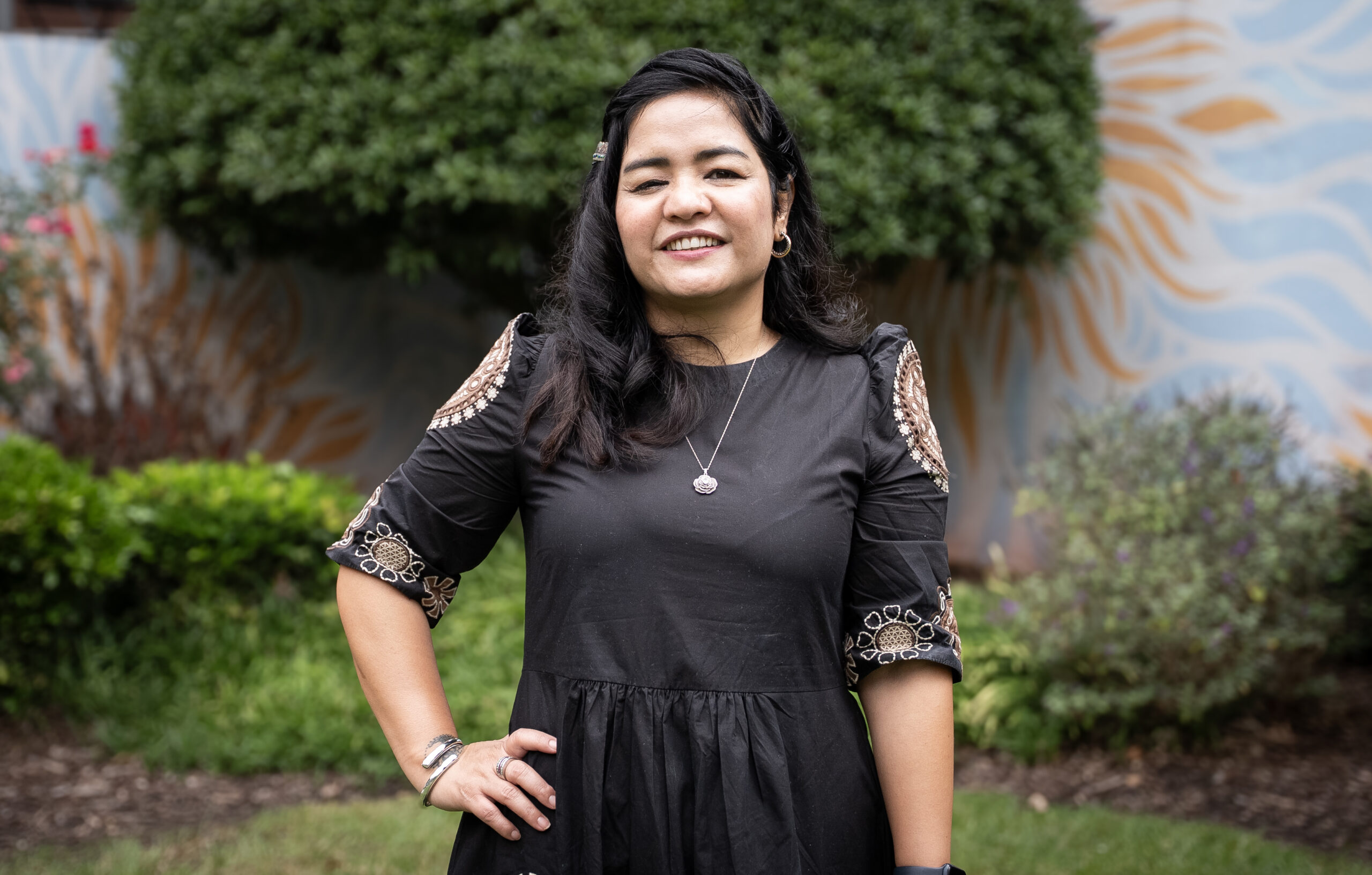
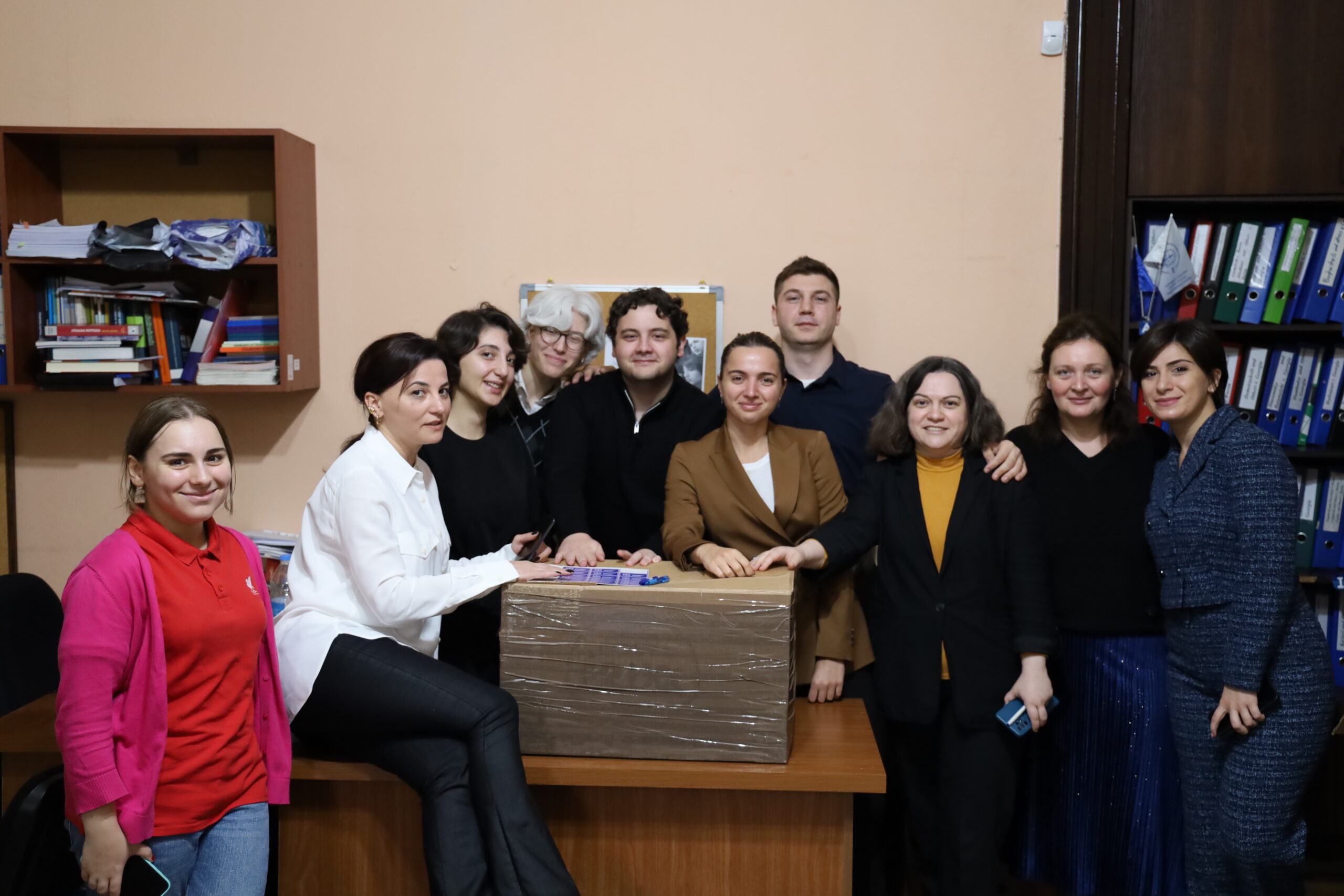
A two part image with the Civil Rights Defender of the Year Awardees Nestan, Netgazeti and Henry, La Hora de Cuba.

Two news platforms that refuse to be silenced 

For their exceptional resilience and courage in defence of freedom of expression, free and independent journalism and democracy, Netgazeti and La Hora de Cuba are awarded the Civil Rights Defender of the Year Award 2026,” says the Board of Civil Rights Defenders in its motivation for the prize on 29 April 2026 

“Independent media are often among the first targets when governments become more authoritarian. Yet the Georgian and Cuban news platforms, Netgazeti and La Hora de Cuba, have refused to be silenced. Despite threats, imprisonment and repression, both news platforms continue their work with integrity and determination. Through courageous journalism, they expose abuses of power, document human rights violations and ensure that people have access to independent information that is essential for holding those in power to account.

The award will be presented at a ceremony in Stockholm on 18 May.  For more on this award and its laureates, see: https://www.trueheroesfilms.org/thedigest/awards/F2D9088D-2A4E-4FFF-8EC8-7AF252D5B5E7