On 29 April 2025 (last year) Amnesty International Indonesia raised concerns over the persistent violence and intimidation targeting human rights defenders in the country, recording at least 123 cases involving physical assaults, digital attacks, threats, and other retaliatory actions against 288 individuals throughout 2024.
Usman Hamid, Executive Director of Amnesty International Indonesia, attributed the frequency of such incidents to a lack of strong legal safeguards. “This makes human rights defenders vulnerable to threats and intimidation,” Usman said.
He added that the absence of robust legal frameworks also results in weak law enforcement, with only a few perpetrators of violence against human rights defenders in 2024 being brought to justice. Among the cases highlighted was the shooting of lawyer and human rights advocate Yan Christian Warinussy in Manokwari, West Papua, on July 17, 2024, after attending a corruption trial. [see https://www.hrw.org/news/2024/07/25/prominent-rights-lawyer-shot-west-papua-indonesia] “As of the end of the year, there has been no progress known in the police investigation,” Usman stated.
It was not until February 2025 that police arrested a suspect, ZT, in connection with the shooting. The arrest took place at a residence in Manokwari Regency and was carried out by the Manokwari City Police Special Team. ZT’s testimony led investigators to identify four additional suspects, including the alleged mastermind, OU, who is still at large. According to Manokwari City Police Chief Commissioner Rivadin B. Simangunsong, the attack on Yan was linked to a separate legal case: the murder of Yahya Sayori, for which Yan had been providing legal assistance. “It is motivated by another issue currently being processed in court, namely the murder case of the late Yahya Sayori, who was accompanied by lawyer Yan Christian Warinussy,” said Rivadin.
Then on 6 March 2026 came the good news that an Indonesian court acquitted four other activists after judges find no link to protest violence, prompting renewed scrutiny of policing and restrictions on civic space.
Responding to the acquittal of four activists – Delpedro Marhaen, Muzaffar Salim, Syahdan Husein and dan Khariq Anhar – accused by the authorities of inciting people to commit violent acts during the August 2025 protests, Usman Hamid, Amnesty International Indonesia’s Executive Director, said: “This brings new hope amid an creasingly shrinking civic space in Indonesia. The acquittal sends a clear message to law enforcement authorities that they should stop criminalising human rights defenders and anyone who peacefully exercises their right to protest. This is a significant victory for justice and human rights in Indonesia.
So maybe there will be progress also on the case of Yan Christian Warinussy ?
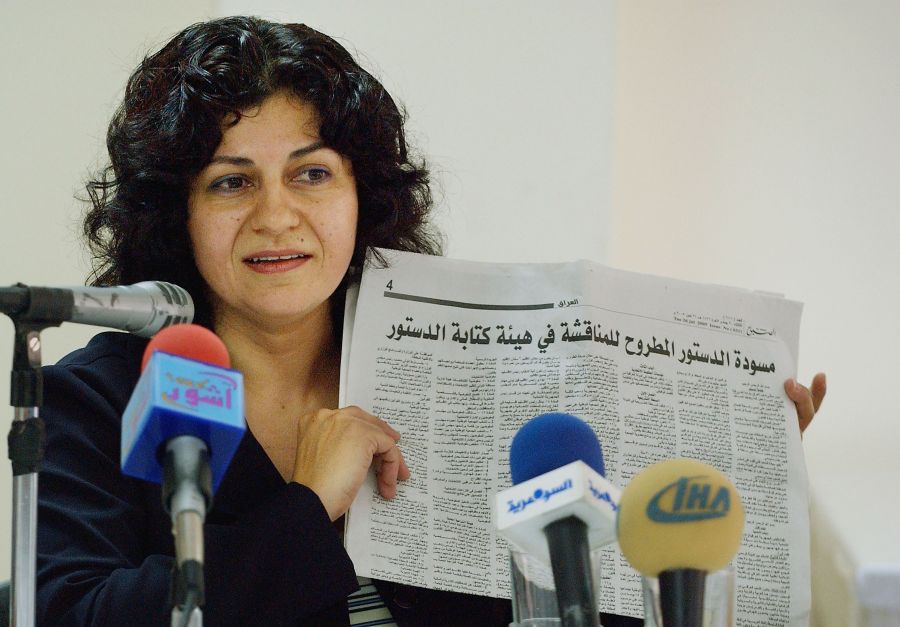
On 2 March 2026, woman human rights defender and feminist Yanar Mohammed was killed in an armed attack in front of her residence in northern Baghdad.
Yanar Mohammed was a prominent Iraqi woman human rights defender and feminist, and the co-founder and director of the Organisation of Women’s Freedom in Iraq (OWFI). Since 2003, she had worked to protect women facing gender-based violence, including domestic abuse, trafficking, and so-called ‘honour killings.’ Under her leadership, OWFI established a network of safe houses across several Iraqi cities, providing protection and support to hundreds of women. Yanar Mohammed led these efforts despite all the ongoing impediments and risks. She was a strong advocate for secularism and women’s equality. Throughout her activism, Yanar Mohammed faced death threats and, at times, was forced to restrict her movement. {see also: https://humanrightsdefenders.blog/2019/01/07/women-human-rights-defenders-in-iraq-have-to-live-dangerously/]
According to an offical statement from OWFI, on 2 March 2026 at 9:00, two unidentified gunmen on motorcycles opened fire on Yanar Mohammed as she stood outside her home. She was quickly transported to the hospital, however, despite the effort of medical personnel, she succumbed to her injuries.
Reportedly, Yanar Mohammed had returned to Baghdad from Canada just a few days prior to her assassination, raising concerns about the potential surveillance and monitoring of her movements.
On 24 April 2026 UN experts condemned the murder of Iraqi human rights defender Yanar Mohamed in March by unknown perpetrators and urged the government to act swiftly to ensure accountability.
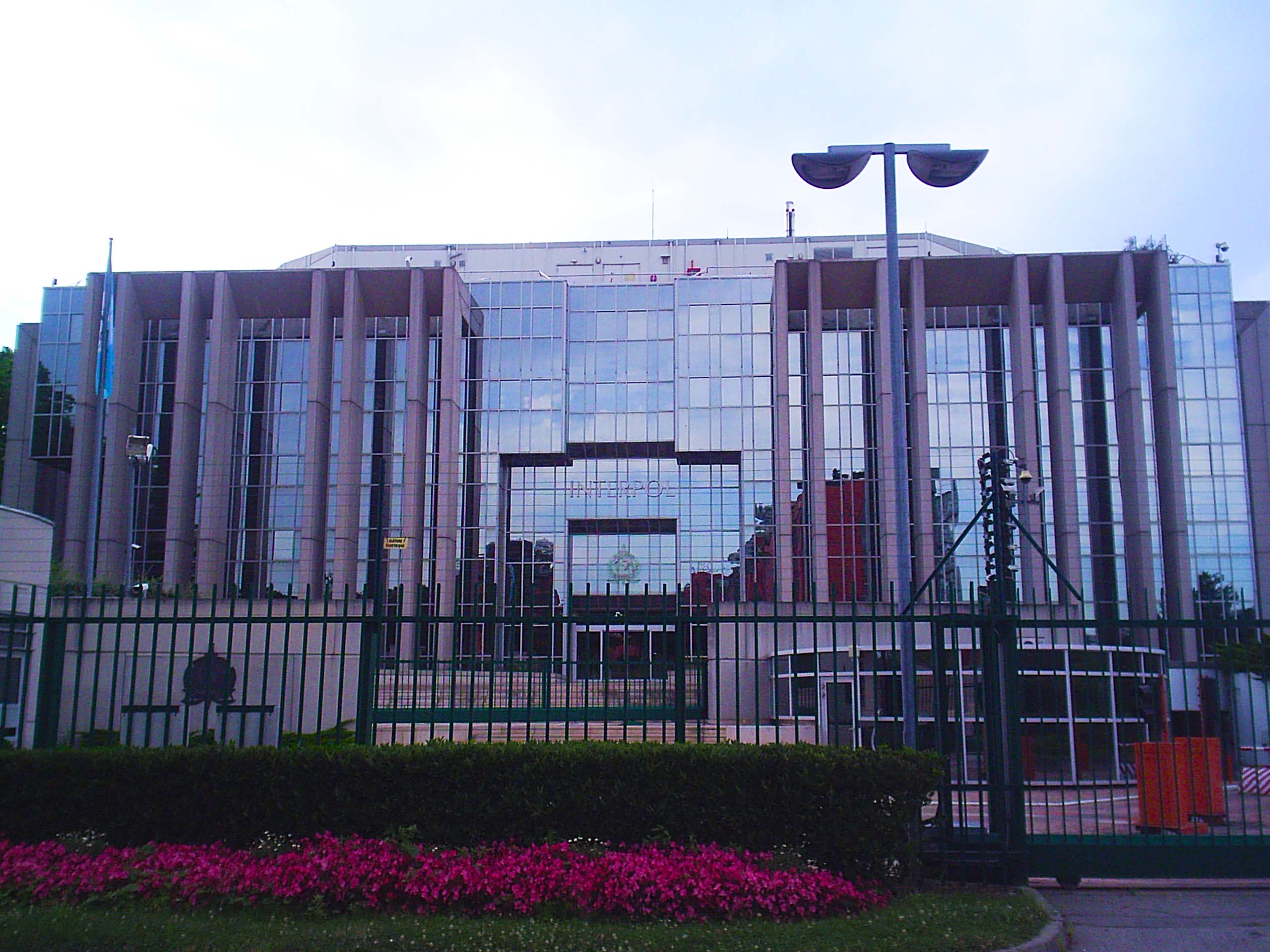
Two media outlets reported on states’ abuses of Interpol red notices to target political dissidents and human rights defenders on Monday. Amnesty International urged Interpol to address this “grave institutional failure” and improve its transparency.
Disclose, a French investigative media outlet, reported that Interpol has disclosed to the public less than 10 percent of the 86,000 active red notices. As of September 2024, Russia (4,817), Peru (4,457), and Tajikistan (3,493) are the countries with the most active red notices. The report also revealed that Interpol’s Commission for the Control of Files (CCF) removed at least 322 notices in 2024 alone after deeming them unjustified. In March 2024 an HRW report also highlights cases of governments misusing Interpol, see https://humanrightsdefenders.blog/2024/03/19/transnational-repression-human-rights-watch-and-other-reports/
At the same time, the BBC revealed that Interpol quietly dropped some initial measures that prevented Russia from abusing the red notices in 2025. The BBC also reported the phenomenon of countries using Interpol’s messaging systems to trace people abroad instead of issuing a notice that can be challenged by the target.
The BBC’s report also outlined how the abuse of the red notice system impacted the life of an exiled Russian dissident, Igor Pestrikov. He fled the country with his family after he refused to supply metal products to government-designated buyers in 2022. During the two years when a red diffusion against him was active, he was unable to rent an apartment, and his bank accounts were frozen. CCF removed his case after he challenged that Russia’s case against him was politically motivated.
Interpol is an intergovernmental organization that coordinates law enforcement of over 196 member countries. When a member state issues a red notice, law enforcement in other member states will assist in locating and arresting the wanted persons. However, Article 3 of Interpol’s constitution prohibits it from participating in any political interventions.
Reacting to the reports, Senior Director for Research, Advocacy, Policy and Campaigns of Amnesty International, Erika Guevara Rosas, questioned Interpol’s credibility since it failed repeatedly to challenge whether the states use red notices legitimately. She urged Interpol to improve its transparency and “stop serving states’ political interest.” Conversely, Interpol told the BBC that some accusations misunderstood how Interpol and its CCF system work, or are based on factual errors.
Relatedly, in November 2025, UN experts also flagged El Salvador’s misuse of the red notices to target two exiled Salvadoran human rights defenders, denouncing the country’s use of red notices as a means “to pursue its political agenda to harass and persecute human rights defenders beyond its borders.” According to international lawyer Kate McInnes, this marks the first time that UN Special Rapporteurs have issued a communication to Interpol. The communication warned that the red notices against the human rights offenders constituted transnational repression, violating Interpol’s constitution to uphold the Universal Declaration on Human Rights and to maintain political neutrality.
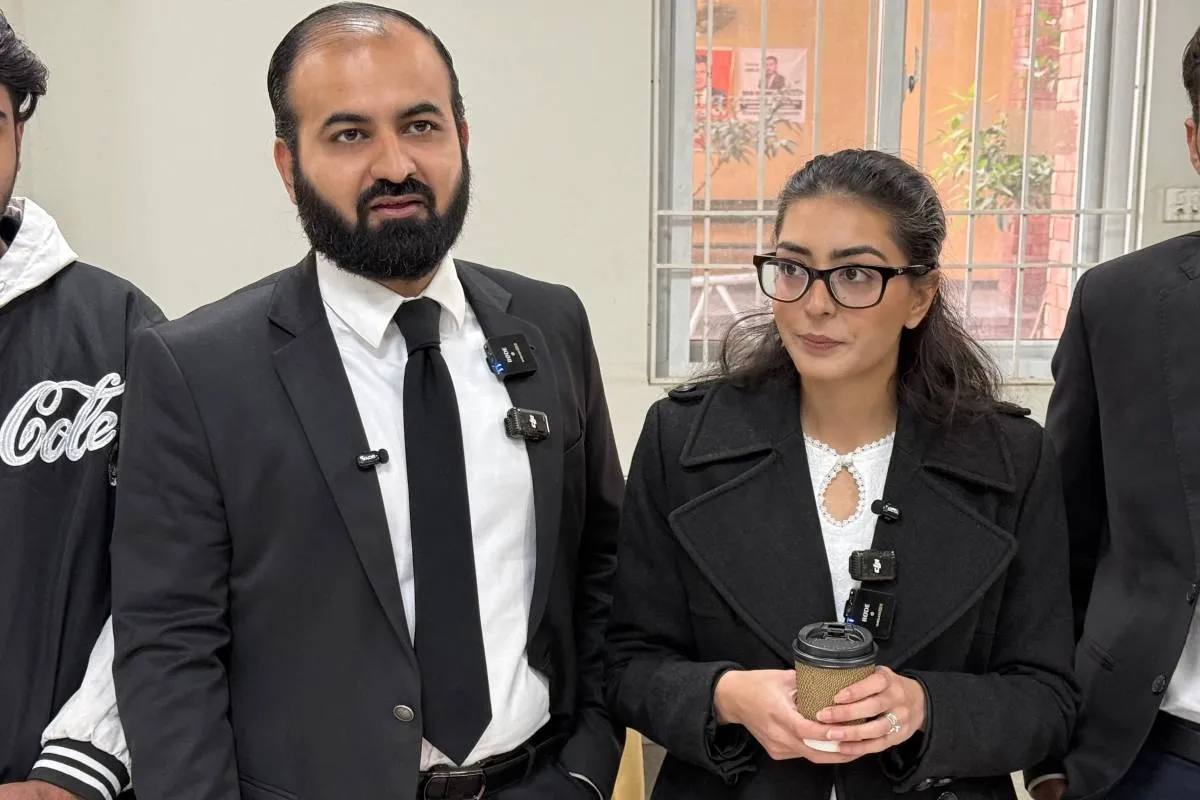
Several media (such as the CSR Journal and Barrons) and NGO (Frontline) talk about the case of human rights lawyer Imaan Mazari and her husband and fellow lawyer Hadi Ali Chattha who were sentenced 10-year-jail by an Islamabad court on 24 January 2026 over anti-state social media posts. However, the pressure and arrest haven’t been able to silence her voice. She said to media agencies, “We will not back down. Truth seems overwhelmingly difficult in this country. But we knew that when we got into this work, we’re ready to face that,”. Mazari noted that the prison term won’t dent her resolve.
Imaan Mazari is a 32-year-old human rights lawyer from Pakistan who rose to fame for fighting some of the most sensitive cases and she has been defending ethnic minorities, journalists facing defamation charges and some of her clients have been branded blasphemers. With Mazari’s coming to prominence, so did the charges by the Pakistani government for cyber terrorism and hate speech. As per a court document, Mazari has been disseminating highly offensive content.
Mazari comes from a well-known family, she is the daughter of former minister for human rights, Shireen Mazari, and her late father was one of the top paediatricians of South Asia. Because of her strong determination of fighting back despite all odds, she is being compared to Pakistan’s one of the popular human rights lawyers, late Asma Jahangir. [see: https://www.trueheroesfilms.org/thedigest/laureates/14CC52FE-5F1B-4EF8-B1F5-607ED173AACC]
Mazari is a pro bono lawyer, she has handled some of the most sensitive cases in Pakistan, e.g. enforced disappearances of ethnic Balochs, she defended Mahrang Baloch. She has also taken up blasphemy cases.
Last year, the UN special rapporteur for human rights defenders said, “Cases against her appear to reflect an arbitrary use of the legal system to harass and intimidate”. She was first targeted in a press conference held sometime in early January, where a military spokesman Lieutenant General Ahmed Sharif Chaudhry, shared Mazari’s post on X posts and filed a case against her, stating her as, “hidden elements committing subtle crimes. They operate under the guise of democracy and human rights to promote terrorism,”.
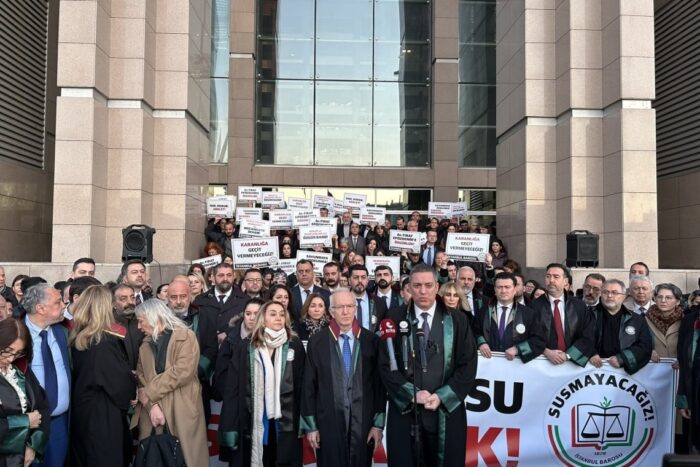
On 5 January 2026 the International Commission of Jurists and many other NGOs issued a joint statement calling on the authorities to immediately terminate the abusive criminal proceedings and drop charges ahead of the 26 Istanbul Heavy Penal Court’s expected final hearing scheduled for 5 to 9 January 2026.
The continued prosecution of the president and 10 executive board members of the Istanbul Bar Association, and the prosecutor’s request for their conviction on terrorism charges are a damning reflection of the troubled state of the rule of law and democratic norms in Turkey.
The prosecutor seeks the criminal conviction of all eleven members of the Bar’s elected leadership – President Prof. İbrahim Özden Kaboğlu, Ahmet Ergin, Bengisu Kadı Çavdar, Ekim Bilen Selimoğlu, Ezgi Şahin Yalvarici, Fırat Epözdemir, Hürrem Sönmez, Mehmedali Barış Beşli, Metin İriz, Rukiye Leyla Süren, and Yelde Koçak Urfa – on the charge of “spreading terrorist propaganda” under Article 7/2 of the Anti-Terrorism Law, solely for issuing a public statement on 21 December 2024 concerning the killing of two journalists in northern Syria and the arrest of journalists and lawyers at a related peaceful protest in Istanbul the day before.
The trial prosecutor’s final opinion confirms and deepens the concerns raised by 56 international organisations in the joint statement of January 2025, condemning the initiation of criminal and civil proceedings against the Bar’s leadership, and in the April 2025 joint statement, which deplored the removal of the elected board and the escalating attacks on lawyers across Turkey. A group of the organisations also submitted a joint amicus curiae brief in which they concluded that the proceedings violate Turkey’s obligations under international human rights law and constitute an unjustified interference with the independence of the legal profession.
A clear misuse of criminal law
In his final opinion, the prosecutor alleges that by referring to the two individuals killed in Syria as journalists and by citing international humanitarian law applicable to the protection of civilians and media workers in conflict zones, the Bar leadership “treated as a war crime” an operation carried out by security forces, thereby intentionally legitimising and disseminating the ultimate separatist aims of the Kurdistan Workers’ Party (PKK). The prosecutor further asserts that describing those killed as journalists “encouraged” membership of the PKK and “made its methods appear legitimate”, amounting to “press and media–based terrorist propaganda” under Article 7/2 of the Anti-Terrorism Law. These allegations, which claim that a lawful, rights-based statement consciously advanced the objectives of an armed organisation, are wholly unfounded and legally unsustainable.
As emphasised in both joint statements in January and April 2025 and the amicus curiae brief in September 2025, the Istanbul Bar Association has a statutory and ethical duty to speak out on violations of human rights and the rule of law. The prosecutor’s position effectively criminalises the Bar Association’s discharge of this duty protected under both domestic law and international human rights law and standards. The prosecutor’s construal of a legitimate exercise of the right to freedom of expression as a terrorism offence amounts to a misuse of criminal law and judicial harassment.
Violations of international standards and the Bar’s statutory mandate
International and regional human rights standards, including the UN Basic Principles on the Role of Lawyers, the Council of Europe Convention for the Protection of the Profession of Lawyer, and consistent jurisprudence of the European Court of Human Rights, affirm that lawyers and their associations must be able to engage in public debate on matters of justice and human rights without fear of reprisals.
Criminalising their exercise of the rights to freedom of expression and association contravenes the provisions of these instruments safeguarding the rights and role of lawyers and their professional organisations, as well as Articles 10 and 11 of the European Convention on Human Rights, Articles 19 and 22 of the International Covenant on Civil and Political Rights, and Articles 26, 27 and 33 of the Constitution of Türkiye.
The criminal proceedings strike at the heart of the independence of the legal profession and amount to a misuse of counter-terrorism laws to silence criticism, suppress human rights monitoring, and undermine self-governance of bar associations.
Signatories (in alphabetical order):
Amnesty International
Center of Elaboration and Research on Democracy (CRED)
Council of Bars and Law Societies of Europe (Le Conseil des barreaux européens, CCBE)
Defense Commission of the Barcelona Bar Association (Spain)
Deutscher Anwaltverein (German Bar Association, Germany)
Eşit Haklar İçin İzleme Derneği (Association for Monitoring Equal Rights, Türkiye)
European Association of Lawyers for Democracy and World Human Rights (ELDH)
The European Criminal Bar Association (ECBA)
Fédération des Barreaux d’Europe (European Bars Federation, FBE)
Foundation Day of the Endangered Lawyer
Hak İnsiyatifi Derneği (Rights Initiative Association, Türkiye)
Hakikat Adalet Hafıza Merkezi (Truth Justice Memory Center, Türkiye)
Haldane Society of Socialist Lawyers (UK)
Human Rights Institute of the Brussels Bar (Belgium)
Human Rights Watch
İnsan Hakları Derneği (Human Rights Association, Türkiye)
The International Association of Democratic Lawyers (IADL)
International Bar Association’s Human Rights Institute (IBAHRI)
The International Commission of Jurists (ICJ)
International Federation for Human Rights (FIDH), within the framework of the Observatory for the Protection of Human Rights Defenders
Kaos GL Derneği (Kaos GL Association, Türkiye)
The Law Society of England and Wales (LSEW, UK)
Lawyers for Lawyers (Netherlands)
Lawyers’ Rights Watch Canada (LRWC, Canada)
Lyon Bar Association (France)
National Union of Peoples Lawyers (NUPL, Philippines)
PEN Norway (Norway)
Turkey Litigation Support Project (TLSP, UK)
Türkiye İnsan Hakları Vakfı (Human Rights Foundation of Turkey, Türkiye)
Vereinigung Demokratischer Jurist:innen VDJ (Association of Democratic Jurists, Germany)
World Organisation Against Torture (OMCT), within the framework of the Observatory for the Protection of Human Rights Defenders
then on 9 January 2026 Amnesty stated “The decision to acquit the Istanbul Bar Association leadership of these unfounded charges is welcome news. This case was a clear misuse of criminal law and should never have been brought in the first place.” https://www.amnesty.org/en/latest/news/
On 14 November 2025, Al Jazeera (Mariamne Everett) and other media reported that international NGOs, such as Human Rights Watch and Amnesty International, have decried a sharp decline in civil liberties and a pervading “injustice” in Tunisia since President Kais Saied came to power in 2019, as authorities escalate their crackdown on the opposition, activists and foreign nongovernmental organisations.
“Tunisian authorities have increasingly escalated their crackdown on human rights defenders and independent non-governmental organizations (NGOs) through arbitrary arrests, detention, asset freezes, bank restrictions and court-ordered suspensions, all under the pretext of fighting ‘suspicious’ foreign funding and shielding ‘national interests’,” Amnesty International said in a statement on Friday.
Tunisia’s crackdown on civil society has reached an unprecedented level, according to Amnesty, as six NGO workers and human rights defenders from the Tunisian Council for Refugees are “being criminally prosecuted on charges solely related to their legitimate work supporting refugees and asylum seekers”. The trial’s opening session, initially scheduled for October 16, has been adjourned to November 24.
Within the past four months, Tunisia has temporarily suspended the activities of at least 14 Tunisian and international NGOs, said Amnesty, including the Tunisian Association of Democratic Women and the World Organisation against Torture.
Human Rights Watch said in a statement on Friday that Tunis’s Court of Appeal will hear on November 17 the appeal of more than 30 people “unjustly sentenced to heavy prison terms in a politically motivated ‘Conspiracy Case’” mass trial in April.
“Four of those detained are on hunger strike, including one who, according to his lawyers, was subjected to physical violence in prison on November 11.”
The 37 people detained include opponents of Saied, lawyers, activists and researchers. Their prison terms range from four to 66 years for “conspiracy against state security” and terrorism offences. Jawhar Ben Mbarek – cofounder of Tunisia’s main opposition alliance, the National Salvation Front – began a hunger strike on October 29 to protest his arbitrary detention. Ben Mbarek was sentenced to 18 years behind bars on charges of “conspiracy against state security” and “belonging to a terrorist group”.
For this 31st edition, ten of the world’s leading human rights NGOs composing the Jury of the Martin Ennals Award – Amnesty International, Human Rights Watch, FIDH, HURIDOCS, Bread for the World, Human Rights First, World Organisation Against Torture, International Commission of Jurists (ICJ), International Service for Human Rights (ISHR), and Front Line Defenders – have selected, after much deliberation, three human rights defenders for their exceptional contribution to the human rights movement. [se also https://www.trueheroesfilms.org/thedigest/awards/043F9D13-640A-412C-90E8-99952CA56DCE]
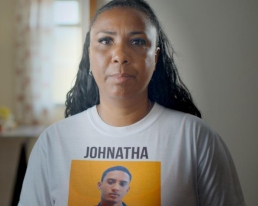
The 2025 Laureate is Ana Paula Gomes de Oliveira (Brazil), who co-founded the collective ‘Mothers of Manguinhos’ to fight for justice after the killing of her son, a 19-year-old Black man, who was shot in the back by a military police officer in the favelas of Rio on his way back from his girlfriend’s house in May 2014. The collective serves as a front for resistance and advocacy, but also as a network of emotional support and solidarity between women who share stories of similar loss. These women, in their majority Black, many of whom have lost children and other family members to violent actions by law enforcement officials, came together to denounce violence in the favelas, especially police violence that disproportionately affects poor Black youth. ‘When we are born Black and raised in the favelas, we are targeted by a racist system that is also reinforced by public security policies based on death and imprisonment,’ says Ana Paula. According to the UN, killings by the police have more than doubled in the last ten years in Brazil, with more than 6000 killings every year over the past six years. Black people, overwhelmingly men, represent a shocking rate of 82,7% of the killings by police officers in 2023. ‘The racist violence in Brazilian streets merits the full attention of the federal government and the international community,’ says Hans Thoolen, Chair of the Martin Ennals Award Jury. The collective ‘Mothers of Manguinhos’ fights for truth, memory, justice, freedom and the human rights of Black, poor, and peripheral lives. The collective is a member of the UN Antiracism Coalition (UNARC) and during the 57th session of the Human Rights Council, Ana Paula delivered a powerful message at a side event organised by UNARC on the perspectives of the Afro-Brazilian community directly affected by police violence in Brazil.
The Jury also recognised two finalists: Aloikin Praise Opoloje (Uganda) and Saadia Mosbah (Tunisia).
Aloikin Praise Opoloje is a 26-year-old Ugandan student who has become a leading voice against corruption, social injustice, and human rights abuses in Uganda. Inspired by the dire living and educational conditions in her home district of Palisa, she has mobilised thousands through social media and organised major peaceful protests, including the March to Parliament and the Nude Protest against government mismanagement, which prompted official accountability for the Kiteezi landfill tragedy. Despite repeated arrests in 2024 and ongoing legal charges, Aloikin went on to create the WeThePeople movement, which informs young Ugandans about their civic rights and non-violent resistance.
Saadia Mosbah is a leading Tunisian human rights activist and co-founder of Mnemty (‘My Dream’), the main organisation dedicated to fighting racism and racial discrimination in Tunisia. She has spearheaded initiatives through education, awareness raising and legislative advocacy, which have led to the 2016 national debate on systemic racism, the adoption of the Anti-Racism Law No. 50 (2018), and the declaration of 23 January as the National Day for the Abolition of Slavery for Tunisia (since 2019). Her work has also focused on combatting prejudice against migrant people and promoting migrant and refugee rights. Despite her legitimate activism, Saadia Mosbah and Mnemty have faced intense smear campaigns. She was arrested on 6 May 2024 on false accusations of financial crimes and remains in pre-trial detention without a set trial date. [https://www.amnesty.org/en/documents/mde30/0846/2026/en/]
The UN High Commissioner for human rights will award the selected laureate during the ceremony to take place on 26 November 2025 in Geneva, Switzerland. [https://www.martinennalsaward.org/2025-edition/]
On 5 November, 2025Camilla Pollera, Human Rights and Climate Change Program Associate at the Center for International Environmental Law published a blog post about the upcoming COP30 and the role of human rights defenders:
There is no climate justice in a climate of fear. As governments prepare to meet in Belém, Brazil for, COP30, attention turns to a country where defending nature still comes at a high cost. Deep-rooted and intertwined impunity and violence against environmental human rights defenders (EHRDs) — including Indigenous defenders, Afro-descendent communities, women, and defenders from LGBTQIA+ —persist in Brazil.
COP30 decisions must recognize the efforts of those protecting the planet, in Brazil and beyond, and ensure that they can do so safely, freely, and without fear.
Around the world, EHRDs are on the frontlines of the climate crisis — protecting land, water, communities, and their rights, often at great personal risk. Faced with an escalating climate crisis and the inaction of governments, a growing number of people are stepping up to defend their rights, the rights of future generations and the right to a clean, healthy and sustainable environment, exercising their fundamental freedoms of expression, peaceful assembly, and association, guaranteed under international human rights law.
…The violence and repression faced by defenders are intensified by intersecting forms of marginalization, especially affecting women defending the environment, who often suffer gender-based violence that rarely appears in the data, including sexual violence, harassment, and rejection within their families and communities. They are targeted not only as defenders of rights and natural resources but also as women, in all their diversity, challenging discriminatory societal norms, a combination that makes their work particularly dangerous and invisible. …The persistent violence and lack of effective guarantees for human rights protection are a stark reminder of what is at stake as COP30 comes to Belém.
The Advisory Opinion of the Inter-American Court of Human Rights on the climate emergency and human rights made it clear: States must take proactive steps to ensure the effective protection of environmental defenders — including for those such as Indigenous and women EHRDs who are most at risk of retaliation. The Court recognized EHRDs are “allies of democracy”, whose work takes on even greater importance amid the urgency and complexity of the climate emergency. It reaffirmed the right to defend human rights as an autonomous right and declared that States have a special duty of protection toward those who exercise it, and recognized the double layer of risk faced by women environmental defenders, requiring an even higher duty of care. The Court also formulated very concrete recommendations on what this means at the national level.
The Escazú Agreement and the Aarhus Convention both enshrine explicit provisions on the protection of EHRDs, setting legal and institutional frameworks to operationalize these duties. Recent work under these instruments has provided concrete guidance for States and businesses to uphold their obligations, safeguard civic space, and ensure defenders are protected and not penalized. The recent Action Plan under Escazú and the ad hoc rapid response mechanism under Aarhus are just a few examples marking concrete advances in protecting those facing threats.
At COP30, Parties can no longer ignore their human rights obligations. They have a duty to ensure that the UN Framework Convention on Climate Change (UNFCCC)—the central forum for global cooperation on climate action—and its outcomes align with legal standards. Rightsholders have been obstructed from participating and silenced the climate talks, a process that is deciding on their future. Restrictions on the rights to freedom of expression and assembly, lack of transparency in the host country agreements, persistent visa barriers and financial burdens, continue to limit access. In recent COPs, civic space has continued to shrink, with obstruction often led by the very States hosting the negotiations.
Brazil has a chance to do things differently, by making civic space at COP30 and the protection of environmental defenders a true priority. This includes guaranteeing safe conditions for the meaningful participation before, during, and after COP30 and beyond. And it also means taking steps domestically, starting with the urgent ratification of the Escazú Agreement. Brazil has a key role to play in building upon its legacy of international environmental leadership and steering negotiations at the COP towards rights-based outcomes.
COP30 indeed offers a crucial moment to enhance the protection of defenders through critical decisions expected in Belém: the Just Transition Work Programme (JTWP) and the Gender Action Plan (GAP).
As highlighted by the recent report of the UN Special Rapporteur on Human Rights Defenders, Mary Lawlor, a just transition should be grounded in the protection of those who defend rights and call out false climate solutions, from Indigenous Peoples and land defenders opposing harmful mining projects to workers’ advocates demanding fair and equitable transitions. All decisions, measures, and mechanisms designed to enable a just transition from the fossil fuel economy must protect a safe and enabling civic space, and ensure the meaningful participation of EHRDs.
..
There is no climate justice without human rights and without protecting those on the frontlines. EHRDs step in to protect what governments have neglected, and their courage exposes States’ failure to meet their climate and human rights obligations. Despite the risk, around the world, defenders continue to organize, resist, and demand climate justice, leading the way forward. In their resistance lies the chance of a just and sustainable future.
Since 1989, CIEL has used the power of law to protect the environment, promote human rights, and ensure a just and sustainable society.
With offices in Washington, DC, and Geneva, Switzerland, CIEL’s team of attorneys, policy experts, and support staff works to provide legal counsel and advocacy, policy research, and capacity building across our four program areas: Climate & Energy, Environmental Health, Fossil Economy, and People, Land & Resources.
On 5 November 2025 Amnesty international endorsed this kind of view under the title “What is COP and why is this year’s meeting in Brazil so important?”
On 29 October, 2025 Amnesty International came with a report: “Closing the door – How Europe’s Schengen area visa policies fail human rights defenders“. International travel is crucial for human rights defenders (HRDs), and the Schengen area is a key destination, offering many opportunities for human rights advocacy, networking, learning, and for temporary respite for those facing threats and burnout. The importance of mobility for HRDs has been recognized by EU institutions and Schengen states. However, gaps remain between commitments and practice.
HRDs who are nationals of the 104 visa-restricted countries and who are in their vast majority racialized as Black, Asian and/or Muslim, continue to encounter huge barriers in obtaining a visa.
The report brings together real-life cases showing the impact of these obstacles on racialized HRDs, including many examples of visa denials because HRDs were not believed for the purpose of their travel. These experiences occur within a broader context of systemic racism, a legacy of colonial practices that shape visa policies and practices to this day. The report calls on authorities to ensure the full implementation of existing flexible arrangements for HRDs applying for visas, to develop a new visa procedure specifically designed to facilitate the process for HRDs, and to eliminate and prevent racial discrimination in the context of visa policies and processes.
Every journalist who dares to speak the truth faces danger, yet their courage lights the path for all of us. Remembering those killed is not enough; we must demand justice, protection, and a world where truth can be spoken without fear”. Burhan Sonmez, PEN International President
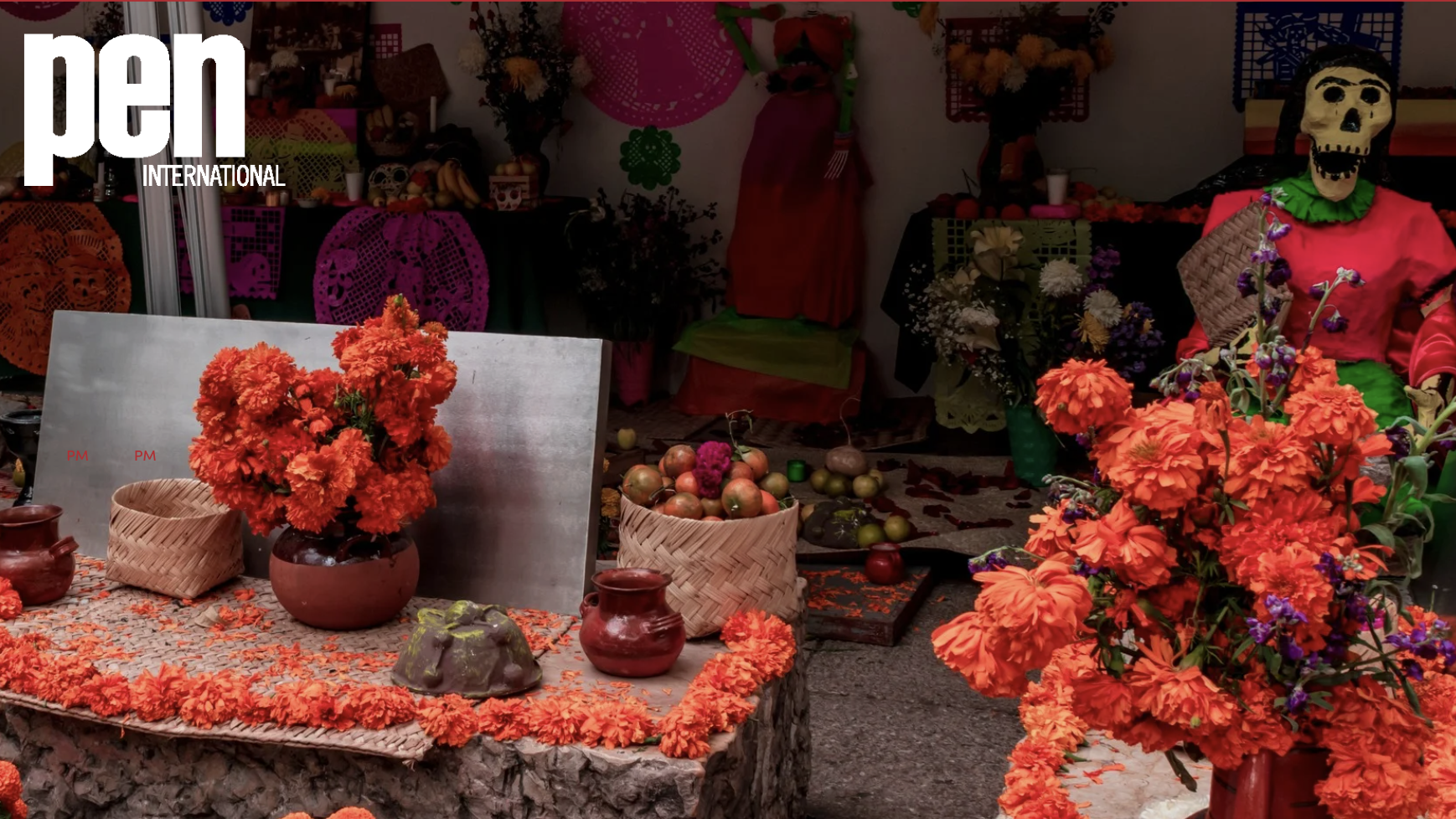
31 October 2025: On the Day of the Dead, we the undersigned, honour the journalists in Mexico who have been killed for their work. This act of remembrance is also an urgent appeal: violence against the press has reached alarming levels in the region. In Mexico, practicing journalism carries deadly risks. The Mexican State must acknowledge this reality and take immediate action.
PEN International and Article 19’s Mexico and Central America office have documented the killing of at least ten journalists over the past twelve months in Mexico. Seven of these cases are believed to be directly linked to their work, while the motives behind the remaining three killings are still under investigation. The past year, UNESCO, PEN, CPJ, RSF also recorded the murder of journalists in Brazil (1), Colombia (3), Ecuador (2), Honduras (1), Guatemala (1), Haiti (2), and Peru (2), positioning Mexico once again as the country with the highest number of journalists murdered in the continent. The murders of journalists are closely linked to their reporting on matters of high public interest, including corruption, organised crime, drug trafficking, human rights violations, environmental concerns, and abuses of power.
The brutality of the attacks, combined with entrenched impunity, has created a perpetual cycle of violence that undermines not only the right to freedom of expression but also the public’s right to be informed.
Despite its international obligations, the Mexican State continues to fail to ensure the protection of journalists and a safe environment for journalism, and to deliver effective justice for victims and their families.
This reflects a reality that cannot be ignored: Mexico faces not only a crisis of violence, but also a crisis of structural impunity that enables attacks to continue without consequence. Such impunity creates a chilling effect of self-censorship, restraint, and fear among journalists.
Emblematic cases
We remember the journalists Kristian Uriel Martínez Zavala andCalletano de Jesús Guerrero, killed in Mexico in 2025. …
Mexico’s ongoing crisis is no accident. It is the result of entrenched impunity and a state either unable or unwilling to protect those who bring truth to light.
We urge the Mexican State to:
Take concrete steps to guarantee that journalists in Mexico can exercise their right to freedom of expression without fear of reprisals.
Review and strengthen the Protection Mechanism for Human Rights Defenders and Journalists, ensuring that effective measures are deployed swiftly.
Undertake thorough, impartial, and independent investigations into the killings of and attacks on journalists, and deliver effective justice for victims and their families.