The Israeli authorities continue to target human rights defenders in the Occupied West Bank, including East Jerusalem, through prolonged administrative detention without charge, humiliation and ill treatment, an independent expert said calling for an end to such treatment.
“UN Special Procedures experts, including myself, have raised similar concerns multiple times, and this time I want to bring to the attention of the Israeli government the recent cases of Mr. Bassem Tamimi, Mr. Omar al-Khatib, Ms. Baraa Odeh, Ms. Sumoud Mtair and Ms. Diala Ayesh,” said Mary Lawlor, UN Special Rapporteur on the situation of human rights defenders.
The five human rights defenders were arrested between October 2023 and March 2024, either from their home or as they returned from abroad. They were ordered to be held in administrative detention for periods ranging from four to six months, subject to unlimited renewal. Two of them have yet to be released.
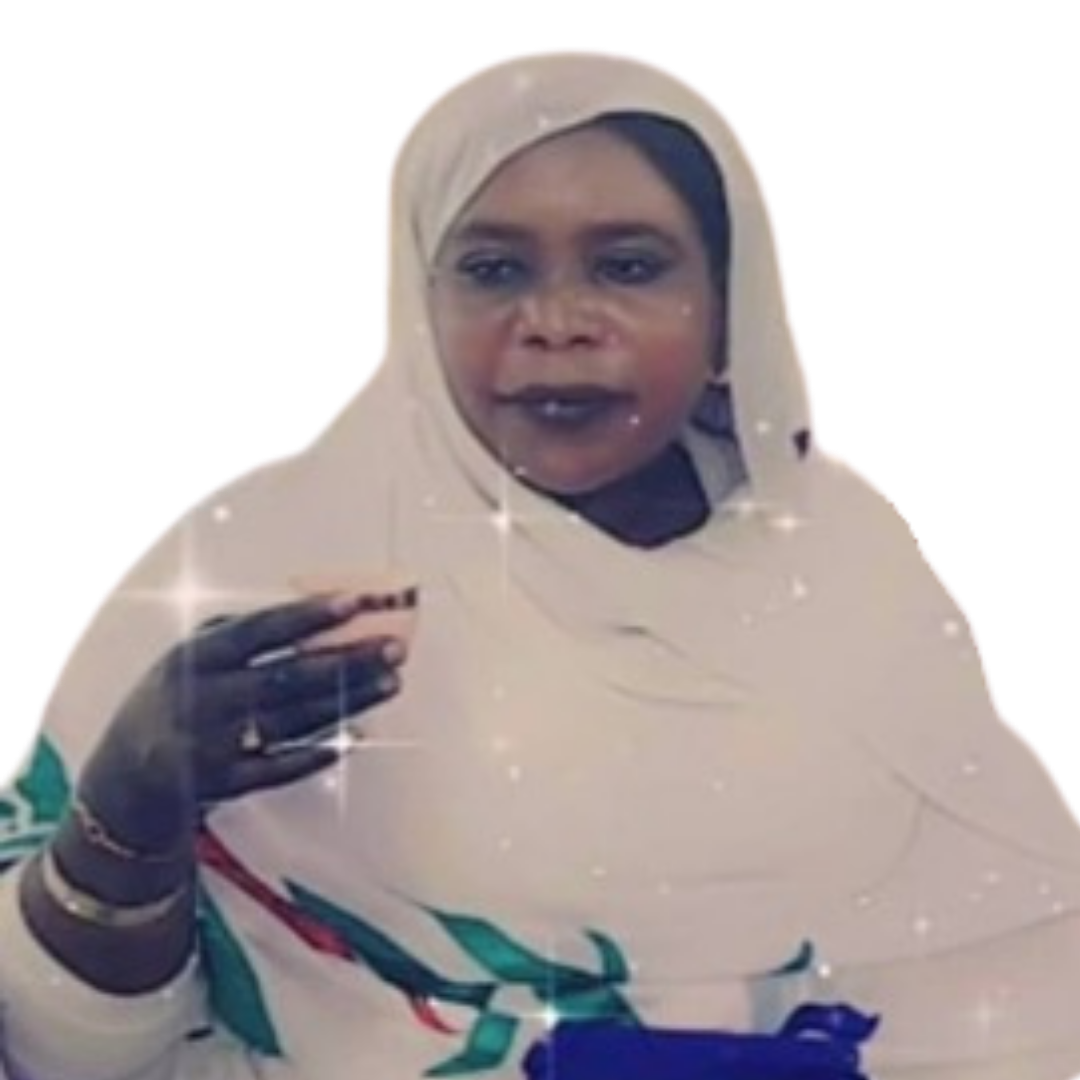
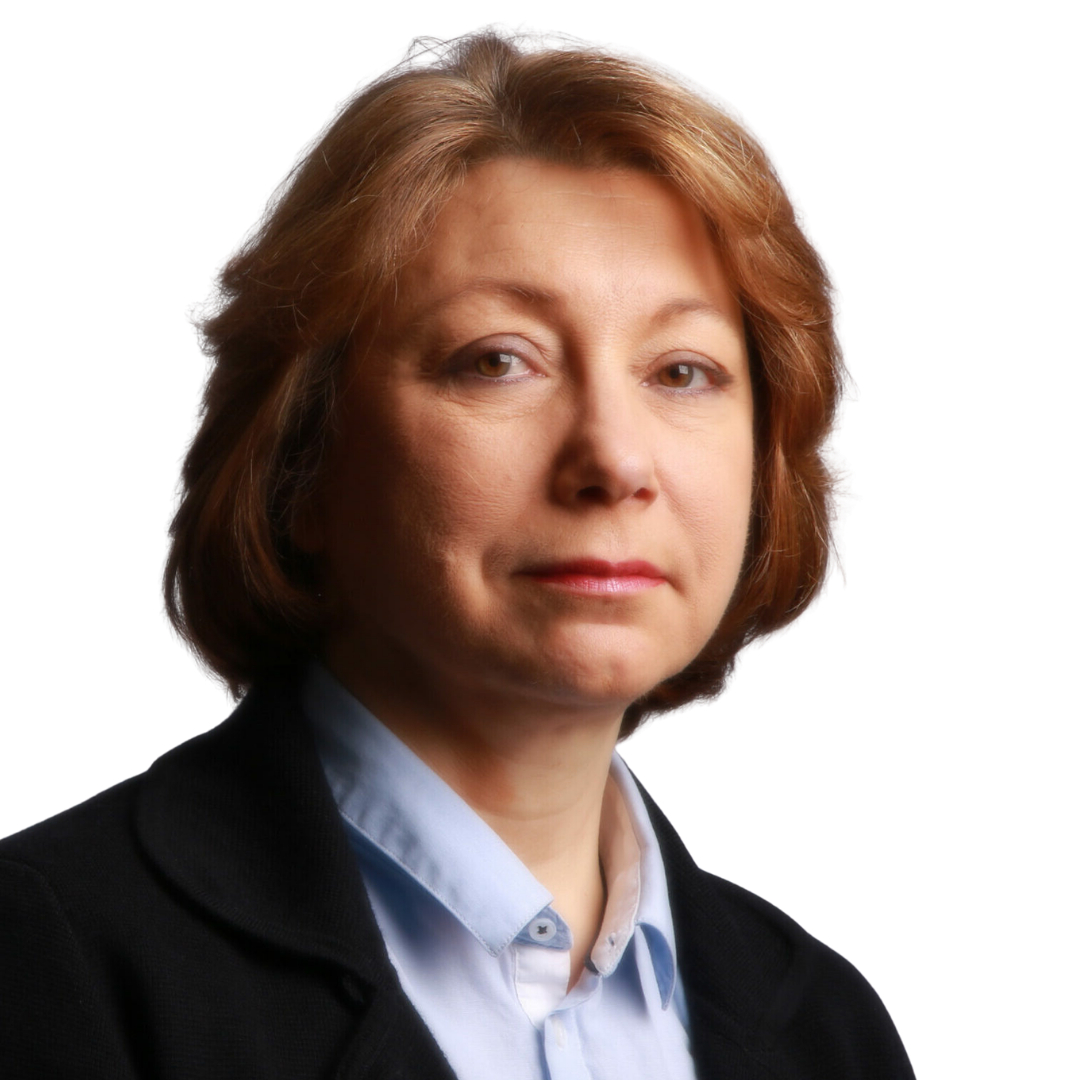
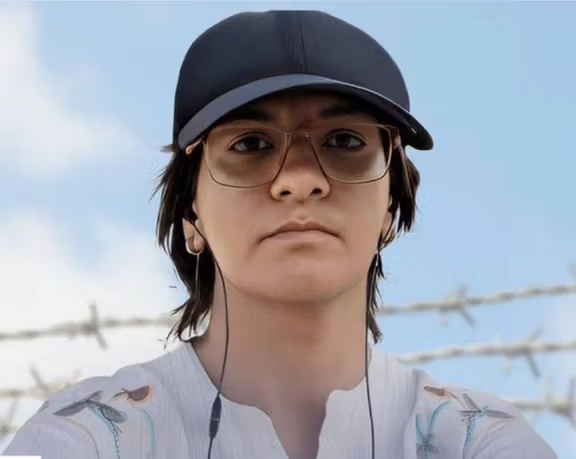
Bassem Tamimi, from Ramallah, is an organiser of peaceful protests against the illegal occupation of Palestinian lands; Omar al-Khatib, from Jerusalem, campaigns against the forced eviction of Palestinian families from the Jerusalem neighbourhood of Sheikh Jarrah; Baraa Odeh, from Bethlehem promotes youth rights; Sumoud Mtair, from Hebron, is active in the Palestinian Anti-Apartheid Wall Campaign; and Diala Ayesh is a human rights lawyer who documents the detention conditions of Palestinian prisoners detained in Israel. All but al-Khatib and Ayesh were released at the end of their administrative detention periods.
“All five human rights defenders were arrested without warrant. They were not given any reason as to why there were being detained. They were all interrogated without the presence of a lawyer. They were not allowed contact with their families,” Lawlor said.
“Four of them were reportedly slapped, beaten, humiliated, sent from one prison to another in the space of one or two days, and made to sign documents in Hebrew they could not understand. The three women detainees have been held in deplorable conditions, in dirty cells and given insufficient and poor-quality meals.”
Hossam Bahgat is demanding an apology and remedy after a travel ban and freeze on his assets was reversed on 20 March 2024 (AFP/Mada Masr/file photo)
On 22 March 2024 MEE reported on a very interesting development in Egypt, where dozens of rights defenders have been affected by travel bans and asset freezes for over decade in a ‘politically motivated’ case [see also: https://humanrightsdefenders.blog/tag/hossam-bahgat/].
Egypt has announced the closure of a 13-year landmark case in which human rights defenders were accused of receiving illicit foreign funding – but those affected by the allegations are demanding justice. An investigative judge on Wednesday declared the closure of case 173/2011, known in the media as the “foreign funding case”, due to what he described as “insufficient evidence”.
The case has been widely denounced as a politically-motivated attack on Egypt’s civil society. Judge Ahmed Abdel Aziz Qatlan’s decision marks the end of a probe against 85 organisations. It also means an end to asset freezes and travel bans imposed on members of these organisations, he added.
Before the decision on Wednesday, accusations against most of the organisations implicated had already been dropped and this week’s decision only affects five organisations.
These were the Egyptian Initiative for Personal Rights (EIPR); the Arabic Network for Human Rights Information (ANHRI); the Arab Penal Reform Organisation; the Cairo Institute For Human Rights Studies; and Al-Nadeem Center for Rehabilitation of Victims of Violence.
Rights groups and human rights defenders have called for an apology and compensation for the defendants. Hussein Baoumi, foreign policy advocacy officer at Amnesty International, who had previously monitored the case as Amnesty’s Egypt researcher, said the closure of the case is a welcome step but is “long overdue”.
“The government must issue a public apology and compensate the human rights defenders for years of smearing and punitive measures, merely because they defended the rights of millions of people,” he told Middle East Eye.
Baoumi expressed cautious optimism about the government’s respect for the court decision. “It is too early to say if this marks a serious shift in the government’s crackdown on civil society,” he said. “Closing case 173 must be followed by lifting all travel bans and asset freezes against human rights defenders, all those arbitrarily detained must be released and the NGO law must be amended to bring it in line with Egypt’s obligations.”
Hossam Bahgat, director of the EIPR, has been under a travel ban and barred from accessing his bank account for eight years. Following the closure of the case, he said he felt “vindicated but not relieved”.
He demanded “an official and public apology and restitution for the psychological and material damage resulting from this bogus case”. Gamal Eid, the founder of the ANHRI, welcomed the decision to lift his travel ban but said he still hopes for “the return of all the innocent and oppressed people to their families and loved ones”, referring to the estimated 65,000 political prisoners still languishing in Egyptian jails.
The Cairo Institute for Human Rights (CIHRs) said on Friday: “The decision does not remedy the injustices suffered by the dozens of human rights defenders targeted by the case over the course of the previous decade. Egyptian authorities must issue a formal apology to the victims of this persecution and compensate them for the losses and hardship they have been forced to endure.“
Bahey eldin Hassan, CIHRs director, has been sentenced to 18 years in jail in absentia and his sentence remains in effect, the group said. Hassan and dozens of other human rights defenders are currently living in exile because they fear arrest if they return to Egypt.
CIHR also called on Egypt to put an end to its ongoing crackdown on civil society and human rights defenders, including Ibrahim Metwally, Ezzat Ghoneim, and Hoda Abdelmoniem, who are still behind bars in connection with their work.
CIHR is calling for a review of Egypt’s counter-terrorism legislation and penal code to safeguard the freedom of human rights defenders to carry out their jobs without fear of reprisals.
“Only through a comprehensive review of repressive Egyptian legislation, the releasing of the tens of thousands of peaceful political prisoners, and a genuine opening of public space, can Egyptian authorities demonstrate genuine political will to reform,” it said.
Their key point is worth noting: The problem for human rights defenders in the Gulf region and neighbouring countries is that states have exploited the opportunity to align their cybercrime laws with European standards to double-down on laws restricting legitimate online expression BUT without any of the judicial safeguards that exist in that region.
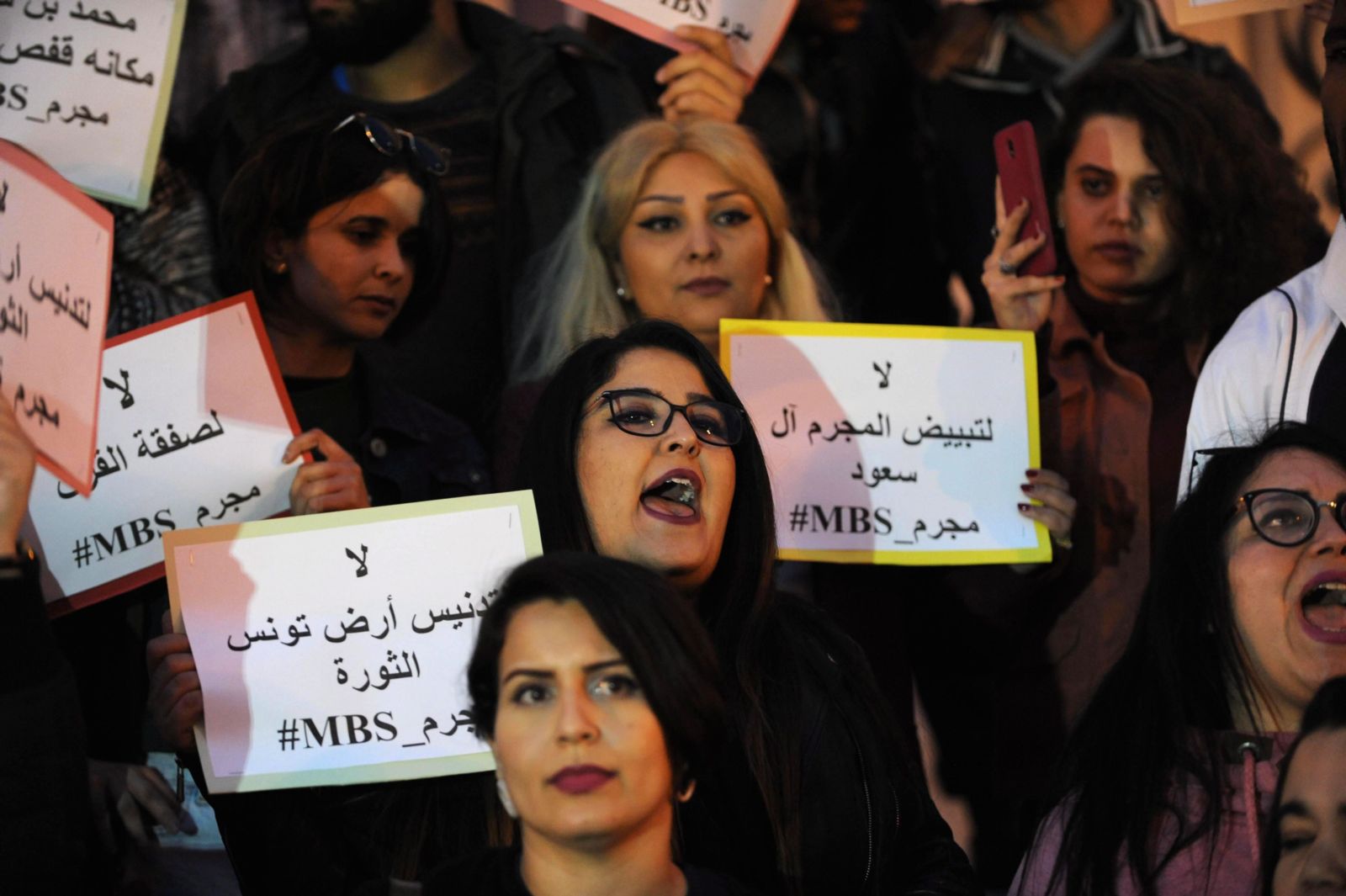
Several women take part in a protest, using a hashtag, against Saudi Crown Prince Mohamed bin Salman’s visit to the country in Tunis, Tunisia, in November 2018. EFE / Stringer
Governments in every region of the world are criminalizing human rights activism. They do it by prosecuting protest organizers, journalists, internet activists, and leaders of civil society organizations under laws that make it a crime to insult public figures, disseminate information that damages “public order,” “national security,” and “fake news.”
In the Gulf region and neighbouring countries, oppressive governments have further weaponized their legal arsenal by adopting anti-cybercrime laws that apply these overly broad and ill-defined offline restrictions to online communications.
In an age when online communications are ubiquitous, and in societies where free press is crippled, laws that criminalize the promotion of human rights on social media networks and other online platforms undermine the ability to publicize and discuss human rights violations and threaten the foundation of any human rights movement.
In May of 2018, for example, the Saudi government carried out mass arrests of women advocating online for women’s right to drive. Charged under the country’s cybercrime law including article six which prohibits online communication “impinging on public order, religious values, public morals, and privacy,” these human rights activists were detained, tortured, and received multi-year sentences for the “crime” of promoting women’s rights.
There is certainly a necessity to address the prevalence and impact of cybercrimes but without criminalizing people who speak out for human rights.
European countries and the United Nations (UN) have encouraged states to adopt a standard approach to addressing crimes committed with online technologies ranging from wire fraud to financing terrorist groups. The Council of Europe issued a 2001 regional convention on cybercrime, to which any state may accede, and the UN is promoting a cybercrime treaty.
Common standards can prevent the abuse of online technologies by enabling the sharing of online evidence and promoting accountability since the evidence of online crimes often resides on servers outside the country where the harm occurred or where the wrongdoers reside.
The problem for human rights defenders in the Gulf region and neighbouring countries is that states have exploited the opportunity to align their cybercrime laws with European standards to double-down on laws restricting legitimate online expression.
European countries have robust human rights oversight from the European Court of Human Rights, which ensures that limitations on freedom of expression online meet stringent international standards. There is no comparable human rights oversight for the Gulf region. Without adequate international judicial review, governments can successfully exploit international processes to strengthen their ability to stifle online expression.
The regional model cybercrime law drafted by the United Arab Emirates and adopted by the Arab League in 2004, follows international guidance. However, it incorporates a regional twist and includes provisions that criminalize online dissemination of content that is “contrary to the public order and morals,” facilitates assistance to terrorist groups, along with disclosure of confidential government information related to national security or the economy.
UN experts reviewed the UAE law and gave it a seal of approval, noting it complied with the European convention, ignoring the fact that UN human rights experts have documented repeatedly that governments use such restrictions to crack down on dissent. A UN-sponsored global cybercrime study, published in 2013, similarly soft-pedaled the threat of criminalizing online dissent by noting that governments had leeway to protect local values. Such protection does not extend to speaking up for universal rights like equality and democracy.
Actually, the universal right to freedom of expression protects online content, and limitations must meet international standards of legality, legitimacy, necessity, and proportionality. In our recent report on the use of anti-cybercrime legislation throughout the Gulf region and neighbouring countries, we found that over an 18-month period (May 2018-October 2020), there were 225 credible incidents of online freedom of expression violations against activists and journalist in ten countries: Bahrain, Iran, Iraq, Jordan, Kuwait, Oman, Qatar, Saudi Arabia, Syria, and the UAE. Each country has adopted anti-cybercrime laws except Iraq, where lawmakers’ drafts of proposed legislation have been met with stiff opposition from domestic and international human rights groups.
The international community needs to increase pressure on the Gulf region and neighboring countries to comply with their international obligations to protect freedom of expression off and online. Turning away from the clear evidence that oppressive governments are expanding the reach of criminal law to stifle online human rights activism undermines legitimate international efforts to address cybercrime.
How can we trust the UN to safeguard the voices advocating online for human rights and democracy in a region that so desperately needs both, if it fails to insist human rights safeguards be written into the regional and national cybercrime laws it champions?
In the age of the internet, online human rights activism needs to be supported—and protected—as a vital part of the cybercommunications ecosystem. In the Gulf region, defenders of human rights pay an untenable price for their work, risking arrest, torture, and even death. It is time to reverse the trend while there are still defenders left.
One of the women human rights defenders in Saudi Arabia said before she was imprisoned, “If the repressive authorities here put behind bars every peaceful voice calling for respect for public freedoms and the achievement of social justice in the Gulf region and neighboring countries, only terrorists will remain out.” History has proven the truth of her words, as most of the individuals who led terrorist groups with a global reach have come from this region and have caused, and still cause, chronic problems for the whole world.
The important lesson that we must learn here is that repressive governments foster a destructive dynamic of expansion and intensification of human rights violations. Repressive governments cooperate with and look to one another for strategies and tactics. Further troubling is that what we see in the Gulf region is enabled by the essentially unconditional support provided by some Western governments, especially the US and UK. This toxic template of Western support to governments that oppress their own people constitutes a threat to world peace and prosperity and must be addressed.
Janine di Giovanni, Senior Fellow at Yale University, wrote on 9 February 2021 in iwpr.net/ a piece “The real heroes are the journalists on the ground, fighting to bring truth to light”
Based on her many years of reporting in North Africa and the Middle East and observing revolution after revolution she published the book: The Morning They Came for Us. Here she looks back on the Arab spring and the current situation. Journalists are indeed among the most targeted as also shown by the Digest for Human Rights Laureates recently launched by THF: there are some 450 journalists and media workers among the laureates [see:https://www.trueheroesfilms.org/thedigest/laureates].
Back in 2011, it was a revelation to see thousands of people marching for freedom. Each demonstration, each revolution was different but there were common themes. The main rallying cry from the crowds in Tahrir Square or Ben Ghazi or Homs or Aleppo or Tunis was always the same: we want our freedom.
It was exhilarating. Crowds were rising up against decades of dictatorships, of corruption, voicing their frustration at the lack of opportunity. What they wanted was the right to speak and write and live in accordance with their personal liberties.
As someone who grew up first in North America, later in the UK and France, freedom of speech was a tenet of human rights I took for granted. Not so for my colleagues in Tunis who had to work underground with white-hat hackers like Anonymous to overthrow Ben Ali’s ministry of information and get their messages out. Not so for my Syrian colleagues in Aleppo or Damascus who risked everything to plead for freedom, and if they were caught, were thrown into prison and tortured or killed. Or my Egyptian friends who were tortured in prison and stripped of all rights.
What the authorities want to say is, “It’s dangerous to speak out”. The number of the missing in Syria, the number of imprisoned in Egypt is enormous: many of them are our comrades and colleagues who tried to express and explain what was happening. These activists and journalists are what their repressive governments say is a threat to “national security”.
Ten years on, what have we learned? Egypt under General Sisi remains even more repressed and dangerous for journalists than ever. The proportions of journalists attacked in 2020 as opposed to ten years ago is shocking: according to the Committee to Protect Journalists, nearly 27 journalists are imprisoned, two murdered and one missing.
This includes Aamar Abdelmonem, a freelancer, imprisoned in December 2020 on false charges, denied medication in prison (he is diabetic) and his eyeglasses. When I read about the cases of my colleagues who are incarcerated for simply telling the truth, I realize how lucky I am to live in a society where I can write what I choose.
Always, when I think of press freedom I think of my colleague Jamal Khashoggi, murdered by henchmen under the order of Prince Mohammed bin Salman of Saudi Arabia. Jamal’s work is not over – it lives on in the spirit of every reporter working to bring truth to light. They are not only journalists but also lawyers, human rights defenders, members of civil society. You might not hear about them – because they are working quietly but with great precision and care. They are my heroes.
As an international journalist, I am forever grateful to the journalists working under the radar in these countries – the ones who risked arrest to meet with me or speak with me or share their experiences or notes, the ones who came to my hotel in Cairo, risking everything, the ones who met me in Damascus cafes under the eyes of the mukhabarat, then saw the security guards and had to flee. The ones on the ground working when the international press cannot.
They are our heroes, our inspiration and above all, our colleagues. We must not forget them – and we must do everything in our power to protect them. Part of the reason I am proud to be a part of the IWPR international board is to spread the word of the excellent work that is done on the ground by my colleagues. In the words of the former assistant secretary general for human rights at the United Nations, Andrew Gilmour, we are living in times when the pushback to human rights has never been greater. Which means those of us who can raise our voices louder to protect our friends on the ground must do so, with conviction and passion.
Janine di Giovanni is a Senior Fellow at Yale University’s Jackson Institute for Global Affairs, IWPR international board member and the author of nine books. In 2020, the American Academy of Arts and Letters gave her their highest prize for non-fiction for her lifetime body of work, which largely focuses on human rights.
Abelino Chib Caal from Guatemala in Dublin after he was awarded the Romero International Award by Trócaire. Photograph: Dave Meehan
On 26 April, 2019 Abelino Chub Caal walked free after spending 813 days in prison. Less than six months later, the Guatemalan human rights defender stood before a large Irish audience at the Riddel Hall in Belfast to accept the Trocaire Romero Award. This was the second edition of the award [see: http://www.trueheroesfilms.org/thedigest/awards/trocaire-romero-award]. The inaugural award in 2018 went to Sr Bridget Tighe in recognition of her humanitarian work in Gaza and the Middle East (for more on her click here)
The following week Sorcha Pollak of the Irish Times sat in a small meeting room in the Irish Times building with the Guatemalan teacher who has dedicated his life to fighting for the environmental and cultural rights of the indigenous people of his home country. A few days later, the 35-year-old flew back to Guatemala, unsure of the reception he will receive in a country which has an extremely poor international reputation for its treatment of community leaders who call for greater equality and recognition of human rights.
“This has been the struggle of the indigenous people throughout our lives,” explains Caal in Spanish. “We’ve been completely rejected by the state. On the one hand the government says we’re the pride of Guatemala and they get millions of dollars in tourist money but at the same time we’re being repressed. They criminalise and persecute us; they send people to their deaths. They harass men and women who raise their voices against the injustice.”
Caal first became involved in the campaign for equal land rights aged 14 when his family’s community, in the department of Izabal in eastern Guatemala, was suddenly taken over by the cattle farm of a French woman operating in the area. “She had about 1,000 cattle just roaming around the community. They slept under our roof and ate all our crops.” He was deeply shocked when a community leader, who had come to the town to educate locals about their rights and the international treaties they could cite as protection, was thrown in jail for eight years.
After school, having graduated with a diploma in sustainable tourism, Caal began working for the Guillermo Toriello foundation which promotes local development. He also trained as a teacher but never got the chance to use his qualification. “I’ve dedicated myself to the community struggle and to becoming a mediator between state institutions and communities on land issues. It’s a legitimate and true struggle, the land for us is like our mother.”
The mining industry along with the rapidly growing production of palm oil, fruit, sugar cane and rubber by multinational companies is being carried out at the expense of local communities, says Caal. “They’ve accumulated all the land they can. All areas of flat land have been declared private property for palm plantations but not for the production of food.
“The state’s intention is to dispossess and exterminate the life of the indigenous communities. The communities are being expelled from their land and left without any alternatives. They just treat them as if they were toys.”
Caal cites examples of fellow human rights activists who were jailed for their work defending local communities, including Bernardo Caal Xol who was sentenced to eight years for his efforts to halt the development of a hydroelectric project along the Cahabon river by the Spanish ACS construction group which is chaired by Real Madrid president Florentino Pérez.
In February 2017, Caal was arrested and charged for alleged aggravated land grabbing, arson, coercion, illicit association and belonging to illicit armed groups. He spent the following two years in prison in Guatemala city.
While former government officials, locked up on corruption charges, made his life in prison difficult, he was surprised by the reception from gang members. “They were actually really respectful to me and called me profe [teacher]. They said I didn’t deserve to be there.”
During his two years behind bars, Caal witnessed hitmen inside the jail killing other prisoners and frequently worried for his safety. Despite being released earlier this year, after he was absolved of all charges, he knows that many other land rights defenders continue to face similar treatment. “The president is attacking human rights defenders, insinuating they have connections to drug trafficking. I wasn’t the first person to go to prison and I certainly won’t be the last. Our economic powers, they either send you to prison or send you to the grave.”
Upon his release, Caal spent one month in a safe house in Guatemala city and another three months in Costa Rica before travelling to Ireland to accept the Romero International Award presented by Irish NGO, Trócaire. He hopes his time in Ireland will raise awareness around the daily struggles faced by indigenous people across Guatemala in their attempts to hold on to their land. “We have been completely rejected by the state, we can’t be at peace. We just ask that people continue to show their solidarity with us.”
Caal is conscious that the Guatemalan public prosecutor’s office has not accepted his release and is appealing the decision. We part with uncertainty as to what will happen when he arrives home.
Gary Walsh of Trócaire says the voices of land rights defenders like Caal should put pressure on countries worldwide, including Ireland, to sign an international treaty on business and human rights which would help protect indigenous peoples around the globe.
“Land grabs, environmental damage and violent attacks, including murder, are all too common features of how big business interacts with communities in the developing world,” says Walsh. “This has been facilitated by the absence of any global framework governing how businesses impact the human rights of the communities they engage with.” A binding international treaty is needed to ensure businesses operating outside the EU respect human rights, and that vulnerable people are protected, says Walsh. Recent negotiations held in Geneva around the revised draft of a legally binding treaty showed some progress despite insufficient engagement from EU member states including Ireland, said a spokeswoman for Trócaire
Rasha Younes Researcher, Lesbian, Gay, Bisexual, and Transgender Rights, describes how Lebanon is losing is status as a safe haven for human rights defedners in the Middle East.
Lebanon used to be known as a port in a storm for human rights defenders from the Arabic-speaking world – especially those working on gender and sexuality – to organize freely and without censorship. A major space for this was the annual NEDWA conference, hosted by the Arab Foundation for Freedoms and Equality (AFE).
Even as lesbian, gay, bisexual, and transgender (LGBT) people faced grave human rights violations over the years ranging from murders in Iraq, to jail time and forced anal examinations in Egypt, to rigid censorship of LGBT content in Qatar, Lebanon was a haven where embattled activists could meet at NEDWA to cultivate their movements’ resilience, tactics, and communal healing in the face of adversity. That safe haven in the Middle East no longer exists.
Amid a targeted crackdown against free expression and assembly around gender and sexuality in Lebanon, resulting in an unlawful raid by General Security on the 2018 NEDWA conference and a discriminatory entry ban imposed on non-Lebanese participants, AFE was forced to move its conference outside the Middle East and North Africa region for the first time.
The activists adapted. 200 human rights defenders, artists, and academics from the region gathered in another country. They discussed health, human rights, and movement building. Queer and trans artists from Palestine, Lebanon, and Egypt inspired the conference attendees with performances that reconfigured the meaning of resistance, embodying creative ways to combat state-sponsored repression. Instead of safeguarding much-needed platforms such as NEDWA and celebrating these activists, the Lebanese government chose to forego its international obligations by claiming that the conference “disrupts the security and stability of society,” and collectively sanctioning its participants.
Lebanon’s suppression of LGBT activism is part of a larger crackdown on free speech in the country. Hamed Sinno, the lead singer of the indie band Mashrou’ Leila, whom the Lebanese government censored in July, spoke at this year’s NEDWA conference, condemning Lebanon’s decline as a center for art and tolerance, while reassuring activists that the fight continues. Lebanon should take note: intimidation and threats will not silence the voices of resilient activists who will continue to fight for their right to live and love. By closing its doors on activism, Lebanon is divesting its image as the hub for freedom and diversity in the region.
Former Moroccan journalist Ahmed Reda Benchemsi. / Ph. DR
On 20 August 2019Human Rights Watch (HRW) denounced Algeria’s expulsion of former Moroccan journalist Ahmed Reda Benchemsi, who acts as its Middle East communications and advocacy director. In a statement, the NGO recalled that Benchemsi arrived in Algeria on August 1 on behalf of the organization. Police arrested him on August 9 around 2 pm, while he «was observing the 25th consecutive Friday pro-democracy demonstration in downtown Algiers». Authorities confiscated his phone and laptop and «ordered him to provide his passwords to unlock both devices, which he refused to do».
«Ahmed Benchemsi was in Algiers simply doing his job observing human rights conditions», executive director of Human Rights Watch Kenneth Roth said. «His arbitrary arrest and mistreatment send the message that authorities don’t want the world to know about the mass protests for more democracy in Algeria», Roth added.
Benchemsi lawfully entered Algeria and revealed his professional affiliation at the request of the authorities, said HRW, recalling that the Moroccan had already made three trips to Algeria since 2017 on behalf of the organization. The Algerian authorities have not, at any time, informed Benchemsi of the charges he could be facing or the legal basis to confiscate and keep his passports, his telephone and his laptop, or to demand that he provides the passwords of the devices, he denounces. «Benchemsi’s mistreatment is a sobering reminder of the risks faced every day by Algerian human rights defenders exposing and reporting on government abuses», Roth concluded.
A Bahraini woman sits near portraits of jailed political activists, in the village of Sitra, 12 February 2016 MOHAMMED AL-SHAIKH/AFP/Getty Images
The Gulf Centre for Human Rights (GCHR) released its seventh annual report on human rights activism in 2018, entitled Breaking Boundaries. It remembers the women and men human rights defenders imprisoned for their work across the region, particularly in Bahrain, Iran, Iraq, Kuwait, Oman, Saudi Arabia, Syria, the United Arab Emirates and Yemen.
The report features a summary and case updates of 145 women and men human rights defenders across the Gulf and neighbouring countries as well as the legal and political developments relevant to human rights in these countries. Additionally, it summarises GCHR’s research, advocacy and capacity-building activities with regional and international partners. [for my earlier post on the GCHR, see: https://humanrightsdefenders.blog/tag/gulf-centre-for-human-rights/]
In this 2018 report, GCHR recognises that despite increased restrictions on civic space and aggressive prosecution of human rights defenders, the boundaries crumbling since 2011 are worth celebrating. In the act of breaking these boundaries, solidarity networks nationally, regionally, and internationally have been nurtured and strengthened. With continued activism of journalists, human rights defenders and civil society, GCHR foresees that governments’ disrespect for human rights and freedoms in the region will be increasingly overturned.
The main focus of the report is to shed light on human rights activism. While governments intensified their harassment and prosecution of journalists, human rights defenders, online activists, and civilians, through the advocacy efforts of civil society on different fronts, the defence of human rights in the region has been met with international recognition, including many international awards for human rights defenders from across the Gulf and neighbouring countries.
The spotlight on governments, especially in the Gulf, unveiled the extent to which governments reject accountability to their people and commitment to human rights internationally. To mention a few examples: Bahrain denied the entry of United Nations experts along with extending travel bans on human rights defenders so they continue to miss UN Human Rights Council sessions. In Iraq, peaceful assembly was met with tear gas and live bullets to disperse the protests, leaving dozens killed and hundreds arrested. In Iran, well-known lawyers were among those sentenced to prison for defending women’s rights to reject forced hijab. And notoriously, Saudi Arabia arbitrarily arrested over 20 men and women who defend and advocate for women’s rights, even after the Kingdom formally lifted the driving ban on women.
Khalid Ibrahim, Executive Director of GCHR, says: “It is hard work to support human rights defenders and ensure their safety and security. Yet a success such as having the European Parliament formally and publicly denounce human rights abuses in Saudi Arabia in May 2018 and again in February 2019 shows the importance of diligence, solidarity and commitment to research- and evidence-based advocacy in the pursuit of defending human rights. Not to mention the attention facing Saudi Arabia at the UN Human Rights Council this month, where 36 States, including all EU Member States, called on 7 March 2019 for the release of detained women human rights defenders, sending a strong message to the Saudi authorities that the Council will hold its members accountable.”
GCHR presented a number of recommendations at the end of this report to governments, and the international community. Emphasis is placed on guarantees of a legal framework grounded in respect for human rights, especially for the freedom of expression and opinion, to protect the safety of journalists, media workers and online activists whom governments across the region relentlessly harassed, targeted, or prosecuted. Other recommendations are made to ensure the safety of civilians such as in conflict-zones, as well as in countries in transition where respect for freedom of association and assembly are essential for peace and justice.
To download the full report, follow the link.
Travel bans on human rights defenders are popular with all kind of autocratic regimes but seem to enjoy special status in the Middle East. The video clip above (part of a joint campaign by AI and HRW) focuses on Egypt and so does the statement by 6 other NGOs issued on 9 November. They strongly condemn the travel ban against Malek Adly, prominent Egyptian human rights lawyer and director of the Lawyers Network of the Egyptian Center for Economic and Social Rights (ECESR). But there is more: Read the rest of this entry »
The Euro-Mediterranean Foundation of Support to Human Rights Defenders (EMHRF) today released its 2013 Annual Report detailing its activities in support of individuals, groups and NGOs who are defending human rights in a wide variety of distinctly challenging contexts across the Arab region. In 2013, when access to internal and external funding sources in the region remained limited and difficult, the Foundation faced the dual challenges of protecting defenders in increasingly repressive and violent environments and of consolidating positive civil society dynamics in countries where tentative steps were taken toward democratisation.