Posts Tagged ‘Saudi Arabia’

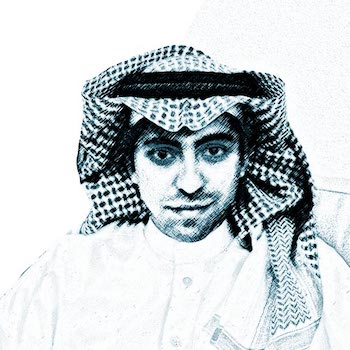
Saudi human rights defender Raif Badawi freed after 10 years!

March 12, 2022

On Friday 11 March 2022, AFP reported that Saudi blogger Raif Badawi has been released from prison in Saudi Arabia after serving a 10-year sentence for advocating an end to religious influence on public life.

Raif called me. He is free,” his wife, Ensaf Haidar, who lives in Canada with their three children and had been advocating for his release, told AFP. Badawi’s release was also confirmed by a Saudi security official who said on condition of anonymity that Badawi “was released today”. “I jumped when I found out. I couldn’t believe it. I can’t wait to see my dad, I’m so excited,” one of his daughters, Nawja Badawi, 18, told AFP. Badawi’s son Terad Raif Badawi tweeted: “After 10 years my father is free!

Badawi won 5 international awards according to THF’s digest: https://www.trueheroesfilms.org/thedigest/laureates/33454B83-61A6-180A-27D6-7FFDEC25D330

Raif Badawi, human rights defender in Saudi Arabia, has finally been released!” Amnesty International tweeted. “Thousands of you have mobilized alongside us in the defense of Raif Badawi for 10 years. A big thank you to all of you for your tireless support.

Every Friday for almost seven years, Haidar – who fled to Canada after Badawi’s arrest and has since become a Canadian citizen – had held a public vigil for him. Quebec has paved the way for Raif Badawi to come to the country if he chooses by placing him on a priority list of possible immigrants for humanitarian reasons.

No details of his release conditions were immediately available. But Amnesty noted that the Saudi blogger could still face a 10-year ban on all travel outside Saudi Arabia following his release.

Raif Badawi’s sister, Samar Badawi, as well as activist Nassima al-Sadah, released in 2021, remain stranded in the kingdom. See also: https://humanrightsdefenders.blog/2016/01/13/saudi-arabia-arrest-of-human-rights-defender-samar-badawi/

https://www.theguardian.com/world/2022/mar/11/raif-badawi-saudi-blogger-freed

https://mailchi.mp/hrf.org/hrf-welcomes-release-of-saudi-writer-and-activist-raif-badawi?e=f80cec329e

Guide to 49th session of Human Rights Council – with human rights defenders focus

February 21, 2022

The 49th session of the UN Human Rights Council, from 28 February – 1 April 2022, will consider issues including the protection of human rights defenders, freedom of religion or belief, protection and promotion of human rights while countering terrorism, the right to food and adequate housing, among others. It will also present an opportunity to address grave human rights situations in States including Nicaragua, Venezuela, China, Syria, South Sudan, Sri Lanka, Iran, the Democratic People’s Republic of Korea, Myanmar, Eritrea, among many others. Here’s an overview of some of the key issues on the agenda. The ISHR has issued again its excellent Guide to the upcoming session and I have extracted from it the issues most directly related to human rights defenders:

Protection of human rights defenders

On 11 March 2022, the UN Special Rapporteur will present her report on the work of human rights defenders to address corruption. At the 49th session of the HRC, Norway will present a thematic resolution on human rights defenders in conflict and post-conflict situations. A group of NGOs have produced a list of 25 recommendations related to key concerns that should be addressed in the resolution. These include recommendations related to the removal of legislation that impinges upon the ability of defenders to do their work, including counter-terrorism legislation; the development of protection measures that take into account the specific needs of particular groups of defenders and the precarious nature of their situation in conflict and post-conflict contexts, and specific measures to support human rights defenders in such contexts, including in regard to the provision of cloud-based solutions for storage of documentation, flexible and reliable funding and swift responses in the case of the need for relocation of human rights defenders and their families. ISHR joins these calls and to impress upon the Council the need for a strong commitment to acknowledging and taking action to protect human rights defenders working in such contexts.  In addition, we call on all UN members to monitor and report on their implementation of the resolution in a comprehensive way, sharing updates on challenges faced and progress made during relevant UN dialogues and debates.   

Reprisals

Reports of cases of intimidation and reprisal against those cooperating or seeking to cooperate with the UN not only continue, but grow. Intimidation and reprisals violate the rights of the individuals concerned, they constitute violations of international human rights law and undermine the UN human rights system.

The UN has taken some action towards addressing this critical issue including:

  • an annual report by the Secretary General;
  • a dedicated dialogue under item 5 to take place every September;
  • The appointment of the UN Assistant Secretary General on Human Rights as the Senior Official on addressing reprisals.

Despite this, ISHR remains deeply concerned about reprisals against civil society actors who try to engage with UN mechanisms, and consistent in its calls for all States and the Council to do more to address the situation. See also: https://humanrightsdefenders.blog/tag/reprisals/

During the 48th session, the Council adopted a resolution on reprisals. The text was adopted by consensus for the first time since 2009 and invites the UN Secretary General to submit his annual report on reprisals and intimidation to the UN General Assembly. Once again the resolution listed key trends including that acts of intimidation and reprisals can signal patterns, increasing self-censorship, and the use of national security arguments and counter-terrorism strategies by States as justification for blocking access to the UN. The resolution also acknowledged the specific risks to individuals in vulnerable situations or belonging to marginalised groups, and called on the UN to implement gender-responsive policies to end reprisals. The Council called on States to combat impunity by conducting prompt, impartial and independent investigations and ensuring accountability for all acts of intimidation or reprisal, both online and offline, by condemning all such acts publicly, providing access to effective remedies for victims, and preventing any recurrence.

Item 5 of the Human Rights Council’s agenda provides a key opportunity for States to raise concerns about specific cases of reprisals, and for governments involved in existing cases to provide an update to the Council on any investigation or action taken toward accountability to be carried out. The President should also update the Council on actions taken by the President and Bureau to follow up on cases and promote accountability under this item.

Other thematic debates

At this 49th session, the Council will discuss a range of topics in depth through dedicated debates with mandate holders. The debates with mandate holders include: 

  • The Special Rapporteur in the field of cultural rights 
  • The Special Rapporteur on freedom of religion or belief
  • The Special Rapporteur on torture
  • The Special Rapporteur on the right to privacy

In addition, the Council will hold dedicated debates on the rights of specific groups including the Special Rapporteur on minority issues

In addition, the Council will hold dedicated debates on interrelation of human rights and human rights thematic issues including:

  • The Special Rapporteur on the promotion and protection of human rights while countering terrorism
  • The Special Rapporteur on human rights and the environment

Country-specific developments

China: High Commissioner Bachelet has still not released her Office’s report on grave human rights violations in the Uyghur region, six months after announcing its upcoming publication, and three months since her spokesperson indicated it would only be a matter of ‘weeks’. Further delays risk entrenching the Chinese government’s sense of impunity, and will harm the credibility of, and confidence in her Office’s capacity to address grave violations, some of which could amount to atrocity crimes. States should urge the High Commissioner to promptly publish her report, and present it to the Human Rights Council as a matter of utmost priority.  This includes ensuring sustained pressure around China’s abuse of national security in discourse and law, and on the widespread and systematic use of enforced disappearance under ‘Residential Surveillance at a Designated Location’ (RSDL). See also: https://humanrightsdefenders.blog/2022/02/05/chinas-residential-surveillance-at-a-designated-location-needs-to-disappear/

Burundi: The Commission of Inquiry on Burundi (CoI) concluded its work at the 48th HRC session in October 2021 while a new resolution establishing a mandate of UN Special Rapporteur on Burundi was adopted, resolution 48/16. The resolution tasks the mandate with monitoring the human rights situation in the country, making recommendations for its imp­ro­ve­ment, and re­por­ting to the Human Rights Council. While the Spe­cial Rapporteur will be unable to continue the entirety of the investigative work carried out by the CoI, they will “collect, examine and assess” information on human rights deve­lop­ments. Ahead of HRC48 more than 40 organisations, including ISHR, urged the Council to continue its scrutiny and further work towards justice and accountability in Burundi. See also: https://humanrightsdefenders.blog/2021/07/03/germain-rukuki-burundi-human-rights-defender-out-of-jail/

The UN Human Rights Office (OHCHR) will ensure that evidence col­lec­ted by the CoI is “consolidated, preserved, accessible and usable in support of ongoing and future accountability efforts” including efforts to hold Bu­rundian officials responsible for atrocities in front of the International Criminal Court (ICC). The Burundian government should resume its engagement with the Council and grant the Special Rap­porteur, who will be appointed in March 2022, access to the country for an official visit.

France: Following an urgent call by ISHR and the Comité Adama, UN experts sent two communications to the French government on 15 and 26 November 2021 asking for measures to ensure that human rights defenders, including people of African descent, enjoy a safe environment in which to carry out their legitimate work for human rights and justice. The lack of investigation in the case of Adama Traoré’s death and the judicial harassment against his sister Assa Traoré for her activism is a sign of broader systemic racism against Black people in policing and criminal justice in France. 

ISHR urges the HRC to continue its scrutiny and calls on France to ensure a prompt, transparent, and impartial investigation into the case of Adama Traoré; end the judicial harassment of Assa Traoré for her activism; accept the requests of the UN Special Rapporteur on Racism and the Working Group on People of African Descent to visit the country; end impunity for police violence; and ensure truly free and impartial investigations into the death or injury of anyone at the hands of the police, especially people of African descent.

Egypt: The joint statement delivered by States in March 2021 at the 46th session of the HRC played a critical role in securing the conditional release of several human rights defenders and journalists arbitrarily detained throughout 2021 and 2022. Regrettably, these releases do not reflect any significant change in Egypt’s systematic attacks on civic space and human rights defenders, including arbitrary detention, torture, ill-treatment, enforced disappearances and criminalisation of the exercise of the rights to freedom of expression, association, assembly or public participation. On 3 February 2022, 175 parliamentarians from across Europe urged the HRC to establish a “long overdue monitoring and reporting mechanism on Egypt”. ISHR joined more than 100 NGOs from around the world in urging the HRC to create a monitoring and reporting mechanism on the ever-deteriorating human rights situation in Egypt. Continued, sustained and coordinated action on Egypt at the HRC is more necessary than ever. The HRC should follow up on the 2021 State joint statement and heed the calls of civil society and parliamentarians. See also: https://humanrightsdefenders.blog/2022/01/11/the-arabic-network-for-human-rights-information-has-shut-down/

Nicaragua: A year after Council resolution 46/2, civil society reporting indicates no meaningful action has been taken by Nicaragua to implement any of the Council’s recommendations to the government. Instead, it has deepened its crackdown on human rights defenders and any form of dissent, and further closed civil society space ahead of the November 2021 electoral process. The government’s absolute disregard for cooperation with international and regional mechanisms, including the treaty bodies, is an additional sign that the government does not intend to revert course on the country’s human rights crisis. ISHR, jointly with the Colectivo 18/2, urges the Human Rights Council to establish an independent mechanism to investigate grave human rights violations since April 2018 in Nicaragua, as well as their root causes. The mechanism should verify alleged grave violations, identify perpetrators, and preserve evidence, with a view to long-term accountability processesSee also my post of today: https://humanrightsdefenders.blog/2022/02/21/nicaragua-death-in-detention-and-sham-trial/

Saudi Arabia: According to ALQST’s 2021 annual report, for a short time in early 2021, intense global pressure on Saudi Arabia’s leaders to improve their dismal human rights record resulted in some minor reforms and concessions, yet, when the pressure eased, the Saudi authorities resumed their habitual pattern of abuses with renewed intensity. A number of high-profile women human rights defenders and prisoners of conscience were conditionally released, but they remain under severe restrictions which means that while they are released, they are not yet free. Saudi authorities continue to crackdown on freedom of expression and hand down lengthy prison sentences to human rights defenders. Saudi Arabia is sensitive regarding its reputation and susceptible to international pressure.

Sudan: On 5 November 2021, the Human Rights Council held a special session to address the ongoing situation in the Republic of Sudan and mandated an Expert on human rights in Sudan to monitor and report on the situation until the restoration of its civilian-led Government. The HRC must extend the reporting mandate of the Expert as the human rights situation is deteriorating. The military is closing the civic space for women’s rights groups and women human rights defenders, including by stigmatising women’s rights groups as terrorists or drug abusers. The recent arrests of women human rights defenders are part of a systemic attack against WHRDs in Sudan. The military and security forces are using social media and traditional media to defame women protesters. Women’s rights groups and WHRDs are facing a new wave of attacks that include framing charges to prolong the detention of WHRDs and defame the women’s rights movement. The military reinstated the authorities of the former regime’s security forces in December 2021 in the emergency order number 3. The new emergency order gave Sudanese security complete impunity and protection from accountability for any form of violations on duty.  Sudanese security forces have a well-documented history of sexual abuse and torture of women detainees. WHRDs in detention are at risk of maltreatment, torture, and sexual violence. 

Venezuela is back under the microscope with updates from the Office of the High Commissioner and from the Council’s fact-finding mission on the country both scheduled for 17th March. Attention on the human rights situation in the country follows hot on the heels of the Universal Periodic Review of Venezuela that took place at the end of January.  The Council session is taking place at a time that Venezuelan civil society continues facing restrictions and attacks on their work. The head of human rights organisation, Fundaredes, has now been arbitrarily detained for 224 days. The Council session is an opportunity for States to express concern about the restrictions on civil society, and to enquire about the implementation of prior recommendations made to Venezuela by both OHCHR and the Mission. Despite being a Council member, Venezuela has yet to allow the Council’s own fact-finding mission access to the country, something the Council as a whole should denounce. 

The High Commissioner will provide an oral update to the Council on 7 March. The Council will consider updates, reports on and is expected to consider resolutions addressing a range of country situations, in some instances involving the renewal of the relevant expert mandates. These include:

  • Oral update and interactive dialogue with the Special Rapporteur on Eritrea
  • Oral update and interactive dialogue with the High Commissioner on the Tigray region of Ethiopia 
  • Interactive Dialogue on the High Commissioner’s written update on Sri Lanka
  • Interactive dialogue on the High Commissioner’s report on  Nicaragua
  • Interactive dialogue on the High Commissioner’s report on Afghanistan
  • Interactive Dialogue on the High Commissioner’s report on ensuring accountability and justice in the Occupied Palestinian Territory, including East Jerusalem
  • Oral updates and interactive dialogues with the High Commissioner and fact-finding mission on Venezuela 
  • Oral update bv the High Commissioner and interactive Dialogue with the Special Rapporteur on the Democratic People’s Republic of Korea
  • Enhanced Interactive Dialogue on the OHCHR’s report on Belarus
  • Interactive Dialogue on the High Commissioner’s report, enhanced interactive dialogue on the Secretary-General’s report, and interactive dialogue on the Special Rapporteur’s report on Myanmar
  • Interactive Dialogue on the Special Rapporteur’s report on Iran
  • Interactive Dialogue on the Commission of Inquiry’s report on Syria 
  • Interactive Dialogue on the Special Rapporteur’s report on the Palestinian territories occupied since 1967
  • Interactive Dialogues on the High Commissioner’s report and Commission on Human Rights’ report on South Sudan
  • Interactive Dialogue with the High Commissioner on Ukraine
  • High-level Interactive Dialogue with the Independent Expert on Central African Republic
  • Oral updates and enhanced interactive dialogue with the High Commissioner and the team of international experts on the Democratic Republic of the Congo
  • Oral update by the Special Rapporteur on Cambodia 
  • Interactive Dialogue on the Independent Expert’s report on Mali 
  • Interactive Dialogue on the fact-finding mission’s report on Libya

Appointment of mandate holders

The President of the Human Rights Council will propose candidates for the following mandates: 

  1. Three members of the Expert Mechanism on the Rights of Indigenous Peoples (one from the Pacific, one from Central and South America and the Caribbean, and one from Central and Eastern Europe, the Russian Federation, Central Asia and Transcaucasia); 
  2. The Special Rapporteur on the promotion and protection of human rights in the context of climate change; 
  3. The Special Rapporteur on the situation of human rights in Afghanistan; 
  4. The Special Rapporteur on the situation of human rights in Burundi; 
  5. The Special Rapporteur on the situation of human rights in the Palestinian territories occupied since 1967; 
  6. A member of the Working Group on Arbitrary Detention, from Western European and other States; 
  7. A member of the Working Group on Enforced or Involuntary Disappearances, from Asia-Pacific States; 
  8. A member of the Working Group on the issue of human rights and transnational corporations and other business enterprises, from Asia-Pacific States;
  9. A member of the Working Group on the use of mercenaries as a means of violating human rights and impeding the exercise of the right of peoples to self-determination, from Latin American and Caribbean States (an unforeseen vacancy that has arisen due to a resignation).

Resolutions to be presented to the Council’s 49th session

At the organisational meeting on 14 February the following resolutions were announced (States leading the resolution in brackets):

  1. Human rights of persons belonging to minorities (Austria, Mexico, Slovenia)
  2. Combating intolerance, negative stereotyping and stigmatization of, and discrimination, incitement to violence and violence against, persons based on religion or belief (Pakistan on behalf of the OIC) 
  3. Human rights situation in the Occupied Palestinian Territory, including East Jerusalem, and the obligation to ensure accountability and justice (Pakistan on behalf of the OIC) 
  4. Cultural rights (Cuba)
  5. The negative impact of unilateral coercive measures on the enjoyment of human rights (Azerbaijan on behalf of NAM)
  6. Right to work (Egypt, Greece, Indonesia, Mexico, Romania)
  7.  Situation of human rights in the Islamic Republic of Iran – mandate renewal (Iceland, Moldova, North Macedonia, UK) 
  8. Rights of the child (GRULAC and EU)
  9. Human rights defenders (Norway)
  10. Adequate housing as a component of the right to an adequate standard of living, and the right to non-discrimination in this context (Germany, Brazil, Finland, Namibia)
  11. Situation of human rights in the Syrian Arab Republic – mandate renewal (France, Germany, Italy, Jordan, Kuwait, Netherlands, Qatar, Turkey, UK, USA)
  12. Situation of human rights in South Sudan – mandate renewal (Albania, Norway, USA, UK)
  13. Mandate of the Special Rapporteur on the promotion and protection of human rights and fundamental freedoms while countering terrorism – mandate renewal (Mexico)
  14. Prevention of genocide (Armenia)
  15. Situation of human rights in Belarus – mandate renewal (EU)
  16. Situation of human rights in the Democratic People’s Republic of Korea (DPRK)- mandate renewal (EU) 
  17. Situation of human rights in Myanmar – mandate renewal (EU)
  18. Freedom of religion or belief (EU)
  19. Technical assistance and capacity-building for Mali in the field of human rights (Africa Group)
  20. Technical assistance and capacity-building for South Sudan (Africa Group) 
  21. Role of states in countering the negative impact of disinformation on human rights (Ukraine)

During this session, the Council will adopt the UPR working group reports on Myanmar, Greece, Suriname, Samoa, Hungary, Saint Vincent and the Grenadines, Papua New Guinea, Tajikistan, United Republic of Tanzania, Eswatini, Antigua and Barbuda, Trinidad and Tobago, Thailand and Ireland.

During each Council session, panel discussions are held to provide member States and NGOs with opportunities to hear from subject-matter experts and raise questions. 7 panel discussions and 1 thematic meeting are scheduled for this upcoming session:

To stay up-to-date: Follow @ISHRglobal and #HRC49 on Twitter, and look out for our Human Rights Council Monitor.

See also: https://humanrightsdefenders.blog/2021/10/19/48th-session-of-the-human-rights-council-outcomes/

https://ishr.ch/latest-updates/hrc49-key-issues-on-agenda-of-march-2022-session/

It is not just NSO – Loujain Al-Hathloul sues Spyware Maker DarkMatter

December 17, 2021
Laptop with broken screen

As announced on 9 December 2021, the Electronic Frontier Foundation (EFF) has filed a lawsuit to on behalf of Saudi human rights defender Loujain Al Hathloul against spying software maker DarkMatter and three of its former executives for illegally hacking her iPhone to secretly track her communications and whereabouts.

AlHathloul is among the victims of an illegal spying program created and run by former U.S. intelligence operatives, including the three defendants named in the lawsuit, who worked for a U.S. company hired by United Arab Emirates (UAE) in the wake of the Arab Spring protests to identify and monitor activists, journalists, rival foreign leaders, and perceived political enemies.

Reuters broke the news about the hacking program called Project Raven in 2019, reporting that when UAE transferred the surveillance work to Emirati firm DarkMatter, the U.S. operatives, who learned spycraft working for the National Security Agency and other U.S. intelligence agencies, went along and ran DarkMatter’s hacking program, which targeted human rights activists like AlHathloul, political dissenters, and even Americans residing in the U.S.

DarkMatter executives Marc Baier, Ryan Adams, and Daniel Gericke, working for their client UAE—which was acting on behalf of the Kingdom of Saudi Arabia (KSA)—oversaw the hacking project, which exploited a vulnerability in the iMessage app to locate and monitor targets. Baier, Adams, Gericke, all former members of U.S. intelligence or military agencies, designed and operated the UAE cybersurveillance program, also known as Project DREAD (Development Research Exploitation and Analysis Department), using malicious code purchased from a U.S. company.

Baier, who resides in UAE, Adams, a resident of Oregon, and Gericke, who lives in Singapore, admitted in September to violating the Computer Fraud and Abuse Act (CFAA) and prohibitions on selling sensitive military technology under a non-prosecution agreement with the U.S. Justice Department.

Companies that peddle their surveillance software and services to oppressive governments must be held accountable for the resulting human rights abuses,” said EFF Civil Liberties Director David Greene. “The harm to Loujain AlHathloul can never be undone. But this lawsuit is a step toward accountability.

AlHathloul is a leader in the movement to advance the rights of women in Saudi Arabia [see also: https://www.trueheroesfilms.org/thedigest/laureates/1a6d84c0-b494-11ea-b00d-9db077762c6c].


DarkMatter intentionally directed the code to Apple servers in the U.S. to reach and place malicious software on AlHathloul’s iPhone, a violation of the CFAA, EFF says in a complaint filed in federal court in Oregon. The phone was initially hacked in 2017, gaining access to her texts, email messages, and real-time location data. Later, AlHathloul was driving on the highway in Abu Dhabi when she was arrested by UAE security services, and forcibly taken by plane to the KSA, where she was imprisoned twice, including at a secret prison where she was subject to electric shocks, flogging, and threats of rape and death.

“Project Raven went beyond even the behavior that we have seen from NSO Group, which has been caught repeatedly having sold software to authoritarian governments who use their tools to spy on journalists, activists, and dissidents,” said EFF Cybersecurity Director Eva Galperin. “Dark Matter didn’t merely provide the tools; they oversaw the surveillance program themselves.

While EFF has long pressed for the need to reform the CFAA, this case represents a straightforward application of the CFAA to the sort of egregious violation of users’ security that everyone agrees the law was intended to address.

“This is a clear-cut case of device hacking, where DarkMatter operatives broke into AlHathloul’s iPhone without her knowledge to insert malware, with horrific consequences,” said Mukund Rathi, EFF attorney and Stanton Fellow. “This kind of crime is what the CFAA was meant to punish.” In addition to CFAA violations, the complaint alleges that Baier, Adams, and Gericke aided and abetted in crimes against humanity because the hacking of AlHathloul’s phone was part of the UAE’s widespread and systematic attack against human rights defenders, activists, and other perceived critics of the UAE and KSA.

The law firms of Foley Hoag LLP and Boise Matthews LLP are co-counsel with EFF in this matter.

EFF also welcomed the Ninth Circuit Court of Appeals’ recent ruling that spyware vendor NSO Group, as a private company, did not have foreign sovereign immunity from WhatsApp’s lawsuit alleging hacking of the app’s users. Courts should similarly deny immunity to DarkMatter and other surveillance and hacking companies who directly harm Internet users around the world.

For the complaint:
https://www.eff.org/document/alhathloul-v-darkmatter

For more on state-sponsored malware:
https://www.eff.org/issues/state-sponsored-malware Contact: Karen Gullo

https://www.eff.org/press/releases/saudi-human-rights-activist-represented-eff-sues-spyware-maker-darkmatter-violating

https://www.eff.org/deeplinks/2021/12/eff-court-deny-foreign-sovereign-immunity-darkmatter-hacking-journalist

Justin Bieber urged to cancel performance in Saudi Arabia

November 11, 2021

On December 5, 2021, Canadian pop star Justin Bieber is scheduled to perform at the Formula 1 STC Saudi Arabian Grand Prix 2021, a state-sponsored music festival funded by Crown Prince Mohammed bin Salman (MBS). The Human Rights Foundation (HRF) has contacted Mr. Bieber and his team, urging him to cancel his performance and refuse the Kingdom’s efforts to whitewash its appalling human rights record. Instead, HRF has asked him to use his global influence to issue a statement in support of human rights in Saudi Arabia, just as his colleague Nicki Minaj did when she cancelled her 2019 performance in Saudi Arabia, following a letter from HRF.

It would be disastrous for Justin Bieber, an artist with a vast global following, and who is idolized by millions, to be used as a pawn by MBS’ murderous regime,” said HRF President Céline Assaf-Boustani. “Instead of giving into MBS’ plot to launder his image, as other artists have done since MBS’ ascent to power, Mr. Bieber should follow the lead of his fellow artist Nicki Minaj, who boldly shut down MBS and refused to perform for him.”

Saudi Arabia is not a democracy. It is an absolute monarchy whose de facto dictator, MBS, brutally silences anyone who dares to criticize his policies or calls for reform. Since the beginning of his rule in 2017, MBS has spearheaded a brutal crackdown on dissidents, many of whom have been harassed, arbitrarily detained, sentenced, and tortured to death. Among the groups that his crackdown has targeted are women, who are treated like second-class citizens, the LGBTQ+ community, and other minority groups.

Should he follow through with the performance, Mr. Bieber, who has shown support for the LGBTQ+ community throughout his career, will be profiting off a regime that executes LGBTQ+ individuals for the “crime” of being who they are. In April 2019, for example, five gay men were beheaded after they confessed to crimes under torture. Mr. Bieber has also supported the Black Lives Matter movement and the advancement of civil rights and social justice in the United States, indicating that he wants to use his artistic gifts to “serve this planet and each other,” and to help those who feel helpless in the face of “suffering, injustice, and pain.” 

As someone who has articulated a commitment to civil rights and social justice, Mr. Bieber should stay true to his words and use his platform to raise awareness about the atrocities being perpetrated every day in Saudi Arabia, especially against members of the LGBTQ+ community,” added Assaf-Boustani. “This performance would stand in stark contrast to the core values he claims to subscribe to. Music is not just a business, but also an influential art form that should not be purchased by a brutal dictatorship.”

The Formula 1 event at which Justin Bieber is scheduled to perform, is one of many events that is integral to the Saudi regime’s “Vision 2030” plan. Vision 2030 is a massive undertaking designed to project an image of modernism and prosperity to the rest of the world, and a critical component of it includes the funding of sporting and entertainment industries. This plan, along with a major public relations campaign abroad, has the clear intention of whitewashing the crimes of MBS’ dictatorship, and preventing any form of democratic reforms from taking hold in the country. See also: https://humanrightsdefenders.blog/2021/01/25/cristiano-ronaldo-and-lionel-messi-resist-big-money-to-advertise-for-saudi-arabia/ and https://humanrightsdefenders.blog/2021/05/12/more-sports-washing-with-anthony-joshua-and-tyson-fury-clash-set-for-saudi-arabia-in-august/

HRF also sent letters to A$AP Rocky, David Guetta, Tiësto, Jason Derulo, and Mohamed Hamaki regarding their participation in the event.

Read HRF’s letter to Justin Bieber

https://mailchi.mp/hrf.org/hrf-to-justin-bieber-cancel-performance-in-saudi-arabia?e=f80cec329e

Abdul Rahman Al-Shamiri, after 15 years, released in Saudi Arabia

September 28, 2021

Abdul Rahman Al-Shamiri [m3takl/Twitter]Abdul Rahman Al-Shamiri

facebook sharing button

On 24 September 2021 the Middle East Monitor reported that the ALQST and the Prisoners of Conscience Twitter account quoted sources as saying that Al-Shamiri was released “following the expiry of his sentence.”

Al-Shamiri is a retired Saudi academic who worked at Umm Al-Qura University, he was also a consultant in the kingdom’s Shura Council for years.

He was arrested in 2007, and sentenced to a 15-year prison term on charges including “disobeying the ruler”.

In December 2003, Al-Shamiri was one of the signatories of a reform document sent to the Saudi monarch at the time, King Abdullah Bin Abdulaziz, demanding Saudis be allowed to participate in the political system. The document was followed by others, including one which demanded the release of three rights defenders, including the late Abdullah Al-Hamid.

Human Rights Defenders issues in the 48th session of he UN Human Rights Council

September 13, 2021

The International Service for Human Rights (HRC) published again it – as usual – very useful Guide to the next (48th) Session of the UN Human Rights Council, from 13 September to 8 October 2021. Here is an overview of some of the key issues on the agenda directly affecting human rights defenders. Stay up-to-date: Follow @ISHRglobal and #HRC48 on Twitter, and look out for their Human Rights Council Monitor and during the session. [for last year’s, see: https://humanrightsdefenders.blog/2021/06/22/key-issues-affecting-hrds-in-47th-session-of-un-human-rights-council-june-2021/

Thematic areas of interest

Reprisals

On 29 September, the Assistant Secretary General Ilze Brands Kehris for Human Rights will present the Secretary General’s annual report on Cooperation with the United Nations, its representatives and mechanisms in the field of human rights (also known as ‘the Reprisals Report’) to the Council in her capacity as UN senior official on reprisals. The presentation of the report will be followed by a dedicated interactive dialogue, as mandated by the September 2017 resolution on reprisals. ISHR remains deeply concerned about reprisals against civil society actors who engage or seek to engage with UN bodies mechanisms. We continue to call for all States and the Council to do more to address the situation. The dedicated dialogue provides a key opportunity for States to raise concerns about specific cases of reprisals, and demand that Governments provide an update on any investigation or action taken toward accountability. An increasing number of States have raised concerns in recent sessions about individual cases of reprisals, including in Egypt, Nicaragua, Cuba, Saudi Arabia, Malaysia, Bahrain, Yemen, Burundi, China and Venezuela, Egypt, Burundi, Lao and China,  

During the 48th session, Ghana, Fiji, Hungary, Ireland and Uruguay will present a draft resolution on cooperation with the UN. The draft resolution aims to strengthen the responses by the UN and States to put an end to acts of intimidation and reprisals. ISHR urges all delegations to support the adoption of the draft resolution and resist any efforts to undermine and weaken it.

ISHR recently launched a study analysing 709 reprisals cases and situations documented by the UN Secretary-General between 2010 and 2020. The study examines trends and patterns in the kinds of cases documented by the UNSG, how these cases have been followed up on over time, and whether reprisal victims consider the UN’s response effective. Among other things, the study found that nearly half the countries serving on the Council have been cited for perpetrating reprisals. The study found that public advocacy and statements by high level actors condemning reprisals can be one of the most effective tools to prevent and promote accountability for reprisals, particularly when public pressure is sustained over time. The study also found that, overall, the HRC Presidency appears to have been conspicuously inactive on intimidation and reprisals, despite the overall growing numbers of cases that are reported by the UNSG – including in relation to retaliation against individuals or groups in connection with their engagement with the HRC – and despite the Presidency’s legal obligation to address such violations. The study found that the HRC Presidency took publicly reported action in only 6 percent of cases or situations where individuals or organisations had engaged with the HRC. Not only is this a particularly poor record in its own right, it also compares badly with other UN actors. [see also: https://humanrightsdefenders.blog/2021/05/06/un-action-on-reprisals-towards-greater-impact/]

In line with previous calls, ISHR expects the President of the Human Rights Council to publicly identify and denounce specific instances of reprisals by issuing formal statements, conducting press-briefings, corresponding directly with the State concerned, publicly releasing such correspondence with States involved, and insisting on undertakings from the State concerned to investigate, hold the perpetrators accountable and report back to the Council on action taken.

Environmental Justice

It’s high time the Council responds at this session to the repeated calls by diverse States and civil society to recognize the right of all to a safe, clean, healthy and sustainable environment and establish a new mandate for a Special Rapporteur on human rights and climate change. ISHR joins a broad civil society coalition in calling on all States to seize this historic opportunity to support the core-group of the resolution on human rights and environment (Costa Rica, Maldives, Morocco, Slovenia, Switzerland) as they work towards UN recognition of the right to environment so that everyone in the world, wherever they live, and without discrimination, can live in a safe, clean and sustainable environment. Furthermore, ISHR also joins a broad civil society coalition in calling on States to establish a new Special Rapporteur on climate change at this session. This new mandate is essential to strengthen a human rights-based approach to climate change, engage in country visits, undertake normative work and capacity-building, and further address the human rights impacts of climate responses, in order to support the most vulnerable. [see also the recent Global witness report: https://humanrightsdefenders.blog/2021/09/13/global-witness-2020-the-worst-year-on-record-for-environmental-human-rights-defenders/]

Other thematic reports

At this 48th session, the Council will discuss a range of civil, political, economic, social and cultural rights and issues through dedicated debates, including interactive dialogues with the:

  1. Special Rapporteur on the human rights to safe drinking water and sanitation
  2. Special Rapporteur on the negative impact of unilateral coercive measures on the enjoyment of human rights 
  3. Special Rapporteur on truth, justice, reparation and guarantees of non-recurrence
  4. Special Rapporteur on contemporary forms of slavery, including its causes and consequences 
  5. Working Group on Arbitrary Detention
  6. Working Group on Enforced or Involuntary Disappearances
  7. Special Rapporteur on the implications for human rights of the environmentally sound management and disposal of hazardous substances and wastes 
  8. The Special Rapporteur on contemporary forms of racism, racial discrimination, xenophobia and related intolerance

In addition, the Council will hold dedicated debates on the rights of specific groups including with the:

  1. High Commissioner on the current state of play of the mainstreaming of the human rights of women and girls in conflict and post-conflict situations
  2. Special Rapporteur  on the rights of indigenous peoples and the Expert Mechanism on the Rights of Indigenous Peoples
  3. Working Group of Experts on People of African Descent 

Country-specific developments

Afghanistan

ISHR has joined 50 civil society organisations to urge UN Member States to ensure the adoption of a robust resolution to establish a Fact-Finding Mission or similar independent investigative mechanism on Afghanistan as a matter of priority at the upcoming 48th regular session of the HRC.  We expressed profound regret at the failure of the recent HRC special session on Afghanistan to deliver a credible response to the escalating human rights crisis gripping the country, falling short of the consistent calls of the Afghanistan Independent Human Rights Commission (AIHRC), the UN High Commissioner for Human Rights, Special Procedures and civil society organisations, and does not live up to the mandate of the HRC to effectively address situations of violations of human rights, including gross and systematic violations. The Council must establish a Fact-Finding Mission, or similar independent investigative mechanism, with a gender-responsive and multi-year mandate and resources to monitor and regularly report on, and to collect evidence of, human rights violations and abuses committed across the country by all parties. 

China 

It has now been three years since High Commissioner Bachelet announced concerns about the treatment of Uyghurs and other Turkic Muslims – including mass arbitrary detention, surveillance and discrimination – in the Xinjiang Uyghur Autonomous Region of China. During the intervening three years, further substantial and incontrovertible evidence has been presented indicating crimes against humanity in the region. ISHR joins a 300+ strong coalition of global civil society that continues to call for accountability for these and other violations, including in Tibet and Hong Kong, by the Chinese authorities. At this session, ISHR highlights that arbitrary detention is – as has been noted by the Special Procedures – a systemic issue in China. Chinese authorities are long overdue in taking any meaningful action in response to the experts’ concerns, such as ceasing the abuse of ‘residential surveillance in a designated location’, or RSDL. ISHR reiterates its calls from the 46th and 47th sessions for a clearly articulated plan from OHCHR to ensure public monitoring and reporting of the situation, in line with their mandate and with full engagement of civil society, regardless of the outcome of long-stalled negotiations for High Commissioner access to the country. This would be a critical first step for future, more concrete actions that would respond to demands of victims, their families and communities, and others defending human rights in the People’s Republic of China. 

Burundi

We request the Council to continue its scrutiny and pursue its work towards justice and accountability in Burundi. The Council should adopt a resolution that acknowledges that despite some improvements over the past year, the human rights situation in Burundi has not changed in a substantial or sustainable way, as all the structural issues identified by the Commission of Inquiry on Burundi (CoI) and other human rights actors have identified since 2015 remain in place. The Council should adopt an approach that focuses on continued independent documentation on the situation of human rights in Burundi which should be carried out by the CoI, or a similarly independent mechanism or team of experts, who are solely focused on Burundi. The Council’s approach should also ensure that there is follow up to the work and recommendations of the CoI, in particular, on justice and accountability. See joint letter released ahead of the UN Human Rights Council’s 48th session.

Egypt

Despite Egypt’s assurances during the UPR Working Group in 2019 that reprisals are unacceptable, since 2017, Egypt has been consistently cited in the UN Secretary General’s annual reprisals reports. The Assistant Secretary-General raised the patterns of intimidation and reprisal in the country in the 2020 reprisals report, as well as UN Special Procedures documenting violations including detention, torture and ill-treatment of defenders. In her latest communication to the Government, the Special Rapporteur on human rights defenders highlighted the arbitrary detention of 12 defenders, including three targeted for their engagement with the UN: Mohamed Al-Baqer, human rights lawyer and Director of the Adalah Centre for Rights and Freedoms, arbitrarily detained since 29 September 2019; Ibrahim Metwally, coordinator for the Association of the Families of the Disappeared in Egypt, arbitrarily detained since 10 September 2017; and Ramy Kamel, Copitic rights activist, arbitrarily detained since 23 November 2019. Both States and the HRC Presidency should publicly follow up on these cases. Furthermore, in light of Egypt’s failure to address concerns expressed by States, the High Commissioner and Special Procedures, ISHR reiterates our joint call with over 100 NGOs on the Council to establish a monitoring and reporting mechanism on Egypt and will continue to do so until there is meaningful and sustained improvement in the country’s human rights situation. 

Nicaragua

The human rights crisis in Nicaragua has steadily deteriorated since May 2021. Given the reported lack of implementation of resolution 46/2 and the absence of meaningful engagement with the UN and regional mechanisms by the Government, stepping up collective pressure has become vital. We warmly welcome the joint statement delivered by Costa Rica on behalf of a cross-regional group of 59 States on 21 June 2021. This is a positive first step in escalating multilateral pressure. Further collective action should build on this initiative and seek to demonstrate global, cross-regional concern for the human rights situation in the country. In her oral update, the High Commissioner stressed ‘as set out in [the Council’s] latest resolution, I call on this Council to urgently consider all measures within its power to strengthen the promotion and protection of human rights in Nicaragua. This includes accountability for the serious violations committed since April 2018.’ We call on all States to support a joint statement at the 48th session of the Human Rights Council, urging the Government to implement priority recommendations with a view to revert course on the ongoing human rights crisis, and indicating clear intention to escalate action should the Nicaraguan Government not take meaningful action.

Saudi Arabia

While many of the WHRDs mentioned in previous joint statements at the Council have been released from detention, severe restrictions have been imposed including travel bans, or making public statements of any kind. Most of the defenders have no social media presence. Furthermore, COVID-19 restrictions and the G20 Summit in November 2020 coincided with a slow down in prosecutions of those expressing peaceful opinions and a decline in the use of the death penalty. However, throughout 2021 the pace of violations has resumed. This has included fresh new waves of arrests of bloggers and ordinary citizens, often followed by periods of enforced disappearance, lengthy prison terms issued against human rights defenders and prisoners of conscience, and abuse in prison, including deliberate medical neglect. In addition, despite announcing the halt of the death penalty against minors, the Saudi government recently executed someone who may have been 17 at the time of the alleged offense, and the number of executions in 2021 is already more than double the total figure for 2020. Saudi Arabia has refused to address the repeated calls by UN Special Procedures and over 40 States at the Council in March 2019, September 2019 and September 2020, further demonstrating its lack of political will to genuinely improve the human rights situation and to engage constructively with the Council. ISHR reiterates its call on the Council to establish a monitoring and reporting mechanism on the human rights situation in Saudi Arabia.

Venezuela 

With the environment becoming all the more hostile for civil society organisations in Venezuela, the Council will once again focus attention on the human rights situation in the country at the upcoming session. On 24 September, the Independent International Fact-Finding Mission will provide its second report to the Council building on its findings of likely crimes against humanity committed in the country. ISHR looks forward to making an oral statement during the dialogue with the Mission. In addition, the High Commissioner will provide an oral update on the situation in the country and the work of her office in-country, on 13 September. The Special Rapporteur on Unilateral Coercive Measures will present her report following her in-person visit to the country in February 2021. Finally, it’s expected that the report of the Secretary General on reprisals will include cases related to Venezuela. During all these opportunities to engage, States should remind Venezuela of the need to implement UN recommendations; engage with UN human rights mechanisms, including the Mission; and organise visits for Special Rapporteurs already identified for prioritisation by OHCHR. 

Yemen

ISHR joined over 60 civil society organisations to use the upcoming session of the HRC to establish an international criminally-focused investigation body for Yemen, and simultaneously ensure the continuity of the Group of Eminent Experts on Yemen (GEE) through an ongoing or multi-year mandate. In their last report, “A Pandemic of Impunity in a Tortured Land”, the UN Group of Eminent International and Regional Experts on Yemen (GEE) underscored Yemen’s “acute accountability gap”, concluding that the international community “can and should” do more to “help bridge” this gap in Yemen. They recommended that the international community take measures to support criminal accountability for those responsible for serious violations of international humanitarian law and egregious human rights abuses. In particular, they supported the “establishment of a criminally focused investigation body” (similar to the mechanisms established for Syria and Myanmar) and “stressed the need to realize victims’ rights to an effective remedy (including reparations)”.  Such a mechanism would facilitate and expedite fair and independent criminal proceedings, in accordance with international law standards, and lay the groundwork for effective redress, including reparations for victims. 

Other country situations:

The High Commissioner will provide an oral update to the Council on 13 September 2021. The Council will consider updates, reports and is expected to consider resolutions addressing a range of country situations, in some instances involving the renewal of the relevant expert mandates. These include:

  • Interactive Dialogue on the High Commissioner’s written update on Myanmar, including of Rohingya Muslims and other minorities, an interactive dialogue on the report of on the Independent Investigative Mechanism, and an Interactive Dialogue with the Special Rapporteur 
  • Oral update by the High Commissioner and enhanced interactive dialogue on the Tigray region of Ethiopia
  • Enhanced Interactive Dialogue with the Commission on Human Rights in South Sudan
  • Interactive Dialogue with the Commission of Inquiry on Syria and oral update by OHCHR on the extent of civilian casualties
  • Oral update by OHCHR and interactive dialogue on Belarus
  • Oral update by the High Commissioner on the progress made in the implementation of the Council’s 30th Special Session resolution on the Occupied Palestinian Territory, including East Jerusalem, and in Israel, and presentation of the High Commissiner’s report on allocation of water resources in Occupied Palestinian Territory, including East Jerusalem
  • Interactive Dialogue with the High Commissioner on Ukraine 
  • Enhanced Interactive Dialogue with the High Commissioner on the Democratic Republic of the Congo and on the final report of the team of international experts on the situation in Kasai
  • Enhanced Interactive Dialogue on the oral update of the High Commissioner on South Sudan
  • Interactive Dialogue with the Special Rapporteur on Cambodia and presentation of the Secretary-General’s report 
  • Enhanced Interactive Dialogue on the report of the High Commissioner on Sudan
  • Interactive Dialogue with the Independent Expert on Somalia
  • Interactive Dialogue with the Independent Expert on the Central African Republic 
  • Interactive Dialogue with the Fact-finding mission on Libya
  • Presentation of the High Commissioner’s report on cooperation with Georgia 
  • Oral update by the High Commissioner on the Philippines

#HRC48 | Council programme, appointments and resolutions

During the organisational meeting for the 48th session held on 30 August the President of the Human Rights Council presented the programme of work. It includes six panel discussions. States also announced at least 20 proposed resolutions. Read here the 87 reports presented this session. 

Appointment of mandate holders

  1. The Special Rapporteur in the field of cultural rights
  2. a member of the Working Group on the issue of human rights and transnational corporations and other business enterprises from Latin American and Caribbean States; 
  3. a member of the Working Group of Experts on People of African Descent, also from Latin American and Caribbean States (an unforeseen vacancy that has arisen due to the resignation of a current member).

Resolutions to be presented to the Council’s 48th session

At the organisational meeting on 30 August the following resolutions inter alia were announced (States or groups leading the resolution in brackets):

  1. Human rights situation in Burundi (EU)
  2. Human rights and environment (Costa Rica, Maldives, Morocco, Slovenia, Switzerland) 
  3. Cooperation with the United Nations, its representatives and mechanisms in the field of human rights  (Fiji, Ghana, Hungary, Ireland, Uruguay) 
  4. Human rights situation in Yemen (Belgium, Canada, Ireland, Luxembourg, Netherlands) 
  5. Elimination of child, early and forced marriage (Argentina, Canada  Italy, Honduras, Montenegro, Poland, Sierra Leone, Switzerland, UK, Uruguay, Zambia, Netherlands) 
  6. Technical assistance and capacity-building in the field of human rights in the Democratic Republic of the Congo (African Group) 
  7. Technical assistance and capacity-building to improve human rights in Libya (African Group)
  8. From rhetoric to reality: a global call for concrete action against racism, racial discrimination, xenophobia and related intolerance (African Group)
  9. Human rights and indigenous peoples (Mexico, Guatemala)
  10. Human rights situation in Syria (France, Germany, Italy, Jordan, Kuwait, Netherlands, Qatar, Turkey, UK, USA)
  11. Advisory services and technical assistance for Cambodia – mandate renewal (Japan) 
  12. Enhancement of technical cooperation and capacity-building in the field of human rights (Thailand, Brazil, Honduras, Indonesia, Morocco, Norway, Qatar, Singapore, Turkey)
  13. Technical assistance and capacity building to Yemen (Arab Group)
  14. Equal participation in political and public affairs (Czech Republic, Botswana, indonesia, Peru, Netherlands)
  15. Right of privacy in the digital age (Germany, Brazil, Liechtenstein, Austria, Mexico) 
  16. The question of the death penalty (Belgium, Benin, Costa Rica, France, Mexico, Mongolia, Moldova, Switzerland) 

Adoption of Universal Periodic Review (UPR) reports

During this session, the Council will adopt the UPR working group reports on Myanmar, Namibia, the Niger, Mozambique, Estonia, Belgium, Paraguay, Denmark, Somalia, Palau, Solomon Islands, Seychelles, Latvia, Singapore and Sierra Leone.

Panel discussions

During each Council session, panel discussions are held to provide member States and NGOs with opportunities to hear from subject-matter experts and raise questions. Six panel discussions are scheduled for this upcoming session:

  1. Biennial panel discussion on the issue of unilateral coercive measures and human rights
  2. Annual discussion on the integration of a gender perspective throughout the work of the Human Rights Council and that of its mechanisms
  3. Annual half-day panel discussion on the rights of indigenous peoples on the theme “Situation of human rights of indigenous peoples facing the COVID-19 pandemic, with a special focus on the right to participation” (accessible to persons with disabilities)
  4. Half-day panel discussion on deepening inequalities exacerbated by the COVID-19 pandemic and their implications for the realization of human rights (accessible to persons with disabilities)
  5. High-level panel discussion on the theme “The tenth anniversary of the United Nations Declaration on Human Rights Education and Training: good practices, challenges and the way forward” (accessible to persons with disabilities
  6. Panel discussion on the promotion and protection of human rights in the context of peaceful protests, with a particular focus on achievements and contemporary challenges (accessible to persons with disabilities)

Read here ISHR’s recommendations on the the key issues that are or should be on the agenda of the UN Human Rights Council in 2021.

https://ishr.ch/

International abductions are becoming ‘mainstream’ human rights defenders find

July 15, 2021

Shawn Utley reports in the Madison Leader Gazette of July 14, 2021 on a Freedom House “webinar” about the alleged Iranian plot to kidnap Iranian-American journalist Masih Alinejad.

A newly released Justice Department indictment charging four Iranian intelligence operatives with plotting to kidnap a New York-based journalist who had criticized the Iranian regime, dramatically underscores how transnational abductions are becoming the new “normal” for repressive regimes around the world, two human rights activists said Wednesday.

“It’s a horrific attempt to silence dissent,” Saudi activist Lina Alhathloul said during a Freedom House “webinar” about the alleged Iranian plot to lure Iranian-American journalist Masih Alinejad to a third country so she could be forcibly rendered to Iran.

Her sister, prominent women’s rights activist Loujain Alhathloul, was abducted in Dubai in 2018 and flown to Saudi Arabia, where she was thrown in prison and tortured under the direction of a top aide to Saudi Crown Prince Mohammed bin Salman, or MBS, according to U.S. officials and the accounts from the Alhathloul family.

This is very much a moment when we see this phenomenon is becoming mainstream,” added Nate Schenkkan, director of research strategy at Freedom House, “It’s becoming something that dozens of governments around the world use to control exiles and diaspora members. Countries do it because they can get away with it and because the consequences are not there.”

The comments came during a Freedom House-sponsored panel dedicated to the growing threat of the transnational repression trend, as detailed in a recent report and video from the group, and to the new season of Yahoo News “Conspiracy land” an eight-episode podcast that uncovered new details about the brutal murder of Saudi journalist Jamal Khashoggi inside the Saudi consulate in Istanbul in October 2018.

As was noted in the panel discussion, there are striking parallels between the Saudi plot to assassinate Khashoggi and the alleged Iranian plot to kidnap Alinejad. Both targeted journalists who, after criticizing their governments, had moved to the United States to live in exile. Khashoggi had excoriated the harsh crackdowns by MBS, including the detention of Loujain Alhathloul. Alinejad had criticized the corruption and repressive measures of former Iranian President Mahmoud Ahmadinejad.

A general manager of Alarab TV, Jamal Khashoggi, looks on during a press conference in the Bahraini capital Manama, on December 15, 2014. (Mohammed Al-Shaikh/AFP via Getty Images)
Jamal Khashoggi. (Getty Images)

Both plots involved extensive surveillance on U.S. soil. In Khashoggi’s case, Saudi operatives recruited spies inside Twitter to steal personal data about regime critics and later used sophisticated spyware to hack the phones of one of those critics who was in extensive contact with the Saudi journalist. In Alinejad’s case, Iranian intelligence operatives used private investigators to follow, photograph and video-record the Iranian-American journalist and members of her family in Brooklyn, according to federal prosecutors in Brooklyn, who on Tuesday brought the indictment against the Iranian operatives, all of whom reside in Iran..

https://wmleader.com/general-other/103482/iranian-kidnapping-plot-shows-that-transnational-abductions-are-becoming-mainstream-human-rights-activists-say/

https://www.amnesty.org/en/latest/news/2021/08/today-the-reach-of-repressive-leaders-knows-no-bounds-borders-or-country-lines/

https://freedomhouse.org/article/iran-plot-kidnap-american-writer-highlights-threat-transnational-repression

https://nltimes.nl/2021/08/14/attack-pakistani-human-rights-activist-foiled-rotterdam

Samar Badawi and Nassima al-Sadah released in Saudi Arabia

June 28, 2021

Samar Badawi and Nassima al-Sadah were arrested in August 2018 as part of a government crackdown against dissent.

Nassima al-Sadah, left, and Samar Badawi were held in detention for nearly three years [AFP & EPA]

“Human rights defenders Samar Badawi and Nassima al-Sadah have been released following the expiry of the 3-year sentences against them,” ALQST for Human Rights said in a tweet on 27 June 2021. See also: https://humanrightsdefenders.blog/2020/10/23/saudi-arabia-uses-women-to-spruce-up-its-image-2-efforts/

See also: https://www.trueheroesfilms.org/thedigest/laureates/eaed8641-4056-4130-a5ff-fb7bf289cece

https://www.aljazeera.com/news/2021/6/27/saudi-arabia-releases-two-prominent-womens-rights-activists

30 NGOs call on Google to drop plan for a Cloud region in Saudi Arabia

May 27, 2021
Groups call on Google to drop out of Saudi project over human rights concerns

© Getty Images

The Hill of 26 May 2021 reports that a coalition of more than 30 human rights and digital privacy rights groups called on Google to abandon its plans to establish a Google Cloud region in Saudi Arabia over concerns about human rights violations.

The groups, which include Amnesty International, Human Rights Watch and PEN America, wrote in their letter that Saudi Arabia’s record of tamping down on public dissent and its justice system that “flagrantly violates due process” made it unsafe for Google to set up a “cloud region” in the kingdom.

While Google publishes how it handles government requests for customer information and reports when requests are made through formal channels, there are numerous potential human rights risks of establishing a Google Cloud region in Saudi Arabia that include violations of the rights to privacy, freedom of expression and association, non-discrimination, and due process,” the groups said. See also: https://humanrightsdefenders.blog/2019/03/08/saudi-arabia-for-first-time-openly-criticized-in-un-human-rights-council/

The letter also pointed to Saudi authorities who have routinely sought to identify anonymous online dissenters and spy on Saudi citizens through digital surveillance. The groups also pointed to how they themselves are believed to have been put under surveillance by the Saudi government.

“Google has a responsibility to respect human rights, regardless of any state’s willingness to fulfill its own human rights obligations,” the letter continued, pointing to Google’s statement in which it expressed its commitment to human rights and to “improve the lives of as many people as possible.”

In order to address these concerns, the groups called on Google to conduct a “robust, thorough human rights due diligence process” and to “draw red lines around what types of government requests concerning Cloud regions it will not comply with” due to human rights concerns.

“The Saudi government has demonstrated time and again a flagrant disregard for human rights, both through its own direct actions against human rights defenders and its spying on corporate digital platforms to do the same,” the letter read. “We fear that in partnering with the Saudi government, Google will become complicit in future human rights violations affecting people in Saudi Arabia and the Middle East region.”

https://thehill.com/policy/technology/555597-groups-call-on-google-to-drop-out-of-saudi-project-over-human-rights

Dictators hire U.S. firms to clean up their images.

May 14, 2021
Image without a caption

Kathy Kiely published on 7 May 2021 in the Washington Post a very enlightening piece showing that “Representing countries with bad records on press freedom is big business.”:

….But even if Biden’s ambition to reestablish the White House as a champion of human rights is a welcome break from the Trump administration’s dictator-coddling, his efforts to pressure countries on freedom of expression are being systematically undermined in Washington, where some nations that are the worst offenders have powerful advocates. Representing those countries is a lucrative business here in the home of the First Amendment.

Sadly, there are far too many examples in the Justice Department’s foreign-agent registration database to present a complete list here. So my research assistant, Missouri journalism student Elise Mulligan, and I decided to focus on a few countries with pressing image problems when it comes to press freedoms.

 Saudi Arabia: The oil-rich kingdom deserves top rank here for the enormity of both the fees and the crime involved. A few big-name influencers dropped the Saudis as clients immediately after the brazen October 2018 murder of journalist and Washington Post contributing op-ed writer Jamal Khashoggi in the Saudi Consulate in Istanbul. But others made a different choice. Since Khashoggi’s death, some two dozen U.S. firms have picked up more than $73 million in fees for representing Saudi interests, according to reports they have filed with the Justice Department. Chief among them was the kingdom’s longtime main lobbying firm, Qorvis, which said in a statement at the time of Khashoggi’s disappearance that “we take the situation seriously” and would “wait for all the facts to become known.”

Here are some facts that have since become known: Saudi officials have acknowledged that Khashoggi was killed by a team of government agents sent to force the journalist to return to the kingdom and that his body was afterward dismembered. Five of the 15 hit men were convicted but have since had their death sentences commuted. And U.S. intelligence officials have concluded that Saudi Crown Prince Mohammed bin Salman approved the operation that led to Khashoggi’s murder.

Meanwhile, the crown prince continues to have his reputation as a visionary world leader burnished with news releases like the one prepared in January by Edelman hailing Neom, the futuristic city the prince has ordered up on the Red Sea. (Edelman took in $6.7 million from the Saudis since Khashoggi’s murder before completing its latest contracts in January, according to Foreign Agents Registration Act, or FARA, filings.) Or in a Hogan Lovells-produced release crediting the crown prince for “new efforts to combat extremist ideology and shut down hate speech.” This about a country that routinely makes female journalists the targets of misogynistic trolling campaigns.

Qorvis has collected more than $28 million from the Saudis since Khashoggi’s murder, filings with the Justice Department show. Firm President Michael Petruzzello has said the $18.8 million Qorvis reported receiving from the Saudis six months after the journalist’s death was for work “billed over several years and recently paid all at once.” But since then, the firm has picked up another $9 million working for the Saudis. It also has a contract to do work for the kingdom’s oxymoronically named Human Rights Commission. A bit of context: While the Saudis recently released from prison several female activists (who had asked for, among other things, the right to drive), the women are not permitted to leave the country.  [see also: https://humanrightsdefenders.blog/2021/02/09/will-loujain-al-hathloul-be-released-on-thursday-11-february/]

Even more jaw-droppingly, some U.S. lobbying firms are producing materials flacking the Saudis’ humanitarian work in Yemen, such as a note from a Hogan Lovells partner to Capitol Hill staffers about “how the Kingdom of Saudi is leading regional efforts related to the current cease-fire and COVID mitigation in Yemen,” and a Brownstein Hyatt Farber Schreck flier for a Saudi-sponsored Capitol Hill conference on “protecting innocent lives” in Yemen by eradicating land mines. That all seems a bit like offering a Band-Aid to someone whose leg you just cut off, given the Saudi role in escalating Yemen’s civil war. According to the United Nations, the conflict has killed at least 233,000 people and left children starving.

The Philippines: Over the past few years, Philippine President Rodrigo Duterte has been busy shuttering his nation’s largest broadcaster and conducting an infamous campaign of online and legal harassment against much-lauded journalist and entrepreneur Maria Ressa (who just added the UNESCO press freedom prize to honors from the Committee to Protect Journalists, the National Press Club and many more). [See: https://humanrightsdefenders.blog/2021/04/28/maria-ressa-of-the-philippines-winner-of-unescos-guillermo-cano-world-press-freedom-prize-2021/]

At the same time, the blue-chip communications and public relations firm BCW Global has collected fees of more than $1 million for providing assistance to the nation’s central bank, headed by a Duterte ally. The work includes a glossy 70-page pamphlet (including plenty of photos of Duterte) touting the Philippine economy to investors, as well as news releases that highlight the accomplishments of “President Rodrigo Duterte’s economic team”  and his “reform agenda.” All of that is intended to encourage investment in a country whose leader has drawn widespread condemnation for encouraging thousands of extrajudicial killings.

China: Global rainmakers Squire Patton Boggs continue to represent Beijing’s interests in Washington for a retainer of $55,000 a month, according to the firm’s most recent contract, dated last July. The firm’s January filing with the Justice Department reported payments of $330,000 from the Chinese Embassy for the previous six months of work, which included advice on “U.S. policy concerning Hong Kong, Taiwan, Xinjiang and Tibet,” among other places where Beijing has been trying to muzzle dissidents, and “matters pertaining to human rights,” according to the firm’s latest filing with the Justice Department’s foreign-agent registration database.

Chinese officials have been sanctioned by the U.S. government for human rights abuses against the country’s Muslim Uyghur minority in Xinjiang and against Buddhists in Tibet, among other concerns. They’re also no friend to journalists, unsurprisingly: The prison sentence handed to Hong Kong news publisher Jimmy Lai became the latest headline in China’s crackdown on press freedom. The most recent report from the Foreign Correspondents’ Club of China documents the expulsions of at least 18 foreign correspondents and numerous attempts to intimidate reporters working in Hong Kong and mainland China. Most concerning are the detentions of Chinese nationals, some of whom have been held for months with no word about the charges against them or their condition.

Of course, it is hopelessly silly to be writing any of this with an expectation that it’ll change this behavior. Anyone can lip-sync the patronizing lecture on realpolitik that Washington’s foreign policy establishment deploys to edify the ignoramus idealist who thinks Americans should stand up for our own values.

Former senator Norm Coleman — who, as a senior adviser for Hogan Lovells (post-Khashoggi murder take from Saudi Arabia: $6.8 million, according to records the firm has filed with the Justice Department), has been working his Hill contacts on the Saudis’ behalf — delivered a version of this lecture in interviews immediately after Khashoggi’s disappearance. The murder was “not a good deal at all” and “there needs to be accountability,” he said, but the “strategic relationship” between the Americans and the Saudis must be maintained: Iran must be contained. Israel must survive.

There are variations on this theme for almost every bad actor on the world stage: The Philippines is a strategic base for U.S. operations in South Asia. China? Think of all those customers for our soybeans and our movies! And, at various times, Washington has tried to enlist all three countries as allies in the war on terrorism.

But if we can’t stand up for free speech, life and liberty, what, exactly, are we fighting for? May 3 was World Press Freedom Day, which the United Nations has set aside to celebrate the work of journalists in promoting democracy, accountability and the rule of law. It seems a fitting moment to consider how socially and politically acceptable it has become in this country is to undermine all those things.Advertisement. See also: https://humanrightsdefenders.blog/2020/05/03/world-press-freedom-day-2020-a-small-selection-of-cases/

The firms that lobby for Saudi Arabia, the Philippines and China did not respond to repeated requests for comment. It would be interesting to ask them how they square their work for those clients with the work they like to highlight: accounts such as the Centers for Disease Control and Prevention and the Alzheimer’s Association (Qorvis); campaigns for worthy causes, such as the video Edelman made for Ikea to support equal rights for women (sadly lacking in Saudi Arabia). But it’s worth pointing out this work because these clients, along with other reputable brands that these lobbying firms represent — for instance, Major League Baseball’s commissioner’s office and the California State Teachers Association (Hogan Lovells) and Coca-Cola (BCW) — might want to think twice about being in the same stable as thugs like Rodrigo Duterte and Mohammed bin Salman.

It takes more than a president to support democracy. We all need to examine our wallets as well as our consciences and consider how each of us are standing up for it. Or — wittingly or unwittingly — are not.

https://www.washingtonpost.com/outlook/dictators-crush-dissent-then-they-hire-these-us-firms-to-clean-up-their-images/2021/05/07/679bcb54-adec-11eb-ab4c-986555a1c511_story.html