Posts Tagged ‘civil society activists’

COP30: Protecting human rights defenders is crucial for climate justice

November 7, 2025

On 5 November, 2025 Camilla Pollera, Human Rights and Climate Change Program Associate at the Center for International Environmental Law published a blog post about the upcoming COP30 and the role of human rights defenders:

There is no climate justice in a climate of fear.  As governments prepare to meet in Belém, Brazil for, COP30, attention turns to a country where defending nature still comes at a high cost. Deep-rooted and intertwined impunity and violence against environmental human rights defenders (EHRDs) — including Indigenous defenders, Afro-descendent communities, women, and defenders from LGBTQIA+ —persist in Brazil.  

COP30 decisions must recognize the efforts of those protecting the planet, in Brazil and beyond,  and ensure that they can do so safely, freely, and without fear.  

Around the world, EHRDs are on the frontlines of the climate crisis —  protecting land, water, communities, and their rights, often at great personal risk. Faced with an escalating climate crisis and the inaction of governments, a growing number of people are stepping up to defend their rights, the rights of future generations and the right to a clean, healthy and sustainable environment, exercising their fundamental freedoms of expression, peaceful assembly, and association, guaranteed under international human rights law.

…The violence and repression faced by defenders are intensified by intersecting forms of marginalization, especially affecting women defending the environment,  who often suffer gender-based violence that rarely appears in the data, including sexual violence, harassment, and rejection within their families and communities. They are targeted not only as defenders of rights and natural resources but also as women, in all their diversity, challenging discriminatory societal norms,  a combination that makes their work particularly dangerous and invisible. …The persistent violence and lack of effective guarantees for human rights protection are a stark reminder of what is at stake as COP30 comes to Belém.   

The Advisory Opinion of the Inter-American Court of Human Rights on the climate emergency and human rights made it clear: States must take proactive steps to ensure the effective protection of environmental defenders — including for those such as Indigenous and women EHRDs who are most at risk of retaliation. The Court recognized EHRDs are “allies of democracy”, whose work takes on even greater importance amid the urgency and complexity of the climate emergency. It reaffirmed the right to defend human rights as an autonomous right and declared that States have a special duty of protection toward those who exercise it, and recognized the double layer of risk faced by women environmental defenders, requiring an even higher duty of care. The Court also formulated very concrete recommendations on what this means at the national level. 

The Escazú Agreement and the Aarhus Convention both enshrine explicit provisions on the protection of EHRDs, setting legal and institutional frameworks to operationalize these duties. Recent work under these instruments has provided concrete guidance for States and businesses to uphold their obligations, safeguard civic space, and ensure defenders are protected and not penalized. The recent Action Plan under Escazú and the ad hoc rapid response mechanism under Aarhus are just a few examples marking concrete advances in protecting those facing threats. 

At COP30, Parties can no longer ignore their human rights obligations. They have a duty to ensure that the UN Framework Convention on Climate Change (UNFCCC)—the central forum for global cooperation on climate action—and its outcomes align with legal standards. Rightsholders have been obstructed from participating and silenced the climate talks, a process that is deciding on their future. Restrictions on the rights to freedom of expression and assembly, lack of transparency in the host country agreements, persistent visa barriers and financial burdens, continue to limit access. In recent COPs, civic space has continued to shrink, with obstruction often led by the very States hosting the negotiations.

Brazil has a chance to do things differently, by making civic space at COP30 and the protection of environmental defenders a true priority. This includes guaranteeing safe conditions for the meaningful participation before, during, and after COP30 and beyond. And it also means taking steps domestically, starting with the urgent ratification of the Escazú Agreement. Brazil has a key role to play in building upon its legacy of international environmental leadership and steering negotiations at the COP towards rights-based outcomes. 

COP30 indeed offers a  crucial moment to enhance the protection of defenders through critical decisions expected in Belém:  the Just Transition Work Programme (JTWP) and the Gender Action Plan (GAP). 

As highlighted by the recent report of the UN Special Rapporteur on Human Rights Defenders, Mary Lawlor, a just transition should be grounded in the protection of those who defend rights and call out false climate solutions, from Indigenous Peoples and land defenders opposing harmful mining projects to workers’ advocates demanding fair and equitable transitions.  All decisions, measures, and mechanisms designed to enable a just transition from the fossil fuel economy must protect a safe and enabling civic space, and ensure the meaningful participation of EHRDs.

..

There is no climate justice without human rights and without protecting those on the frontlines. EHRDs step in to protect what governments have neglected, and their courage exposes States’ failure to meet their climate and human rights obligations. Despite the risk, around the world, defenders continue to organize, resist, and demand climate justice, leading the way forward. In their resistance lies the chance of a just and sustainable future.

Since 1989, CIEL has used the power of law to protect the environment, promote human rights, and ensure a just and sustainable society.

With offices in Washington, DC, and Geneva, Switzerland, CIEL’s team of attorneys, policy experts, and support staff works to provide legal counsel and advocacy, policy research, and capacity building across our four program areas: Climate & Energy, Environmental Health, Fossil Economy, and People, Land & Resources.

On 5 November 2025 Amnesty international endorsed this kind of view under the title “What is COP and why is this year’s meeting in Brazil so important?”

https://www.business-humanrights.org/en/from-us/media-centre/ahead-of-cop-resources-for-reporting-on-the-just-energy-transition/

https://pbicanada.org/2025/11/09/can-cop30-stop-climate-change-aggressions-against-land-and-environmental-defenders-who-resist-destructive-megaprojects/

https://globalwitness.org/en/press-releases/new-global-initiative-aims-to-place-environmental-defenders-at-the-heart-of-climate-decisions/

https://www.oas.org/en/IACHR/jsForm/?File=/en/iachr/media_center/PReleases/2025/230.asp
Iran reform and the role of Human Rights Defenders

January 20, 2025

Historic examples in countries such as Portugal and Greece show how military defeats can catalyze democratic transitions by exposing the incompetence of authoritarian regimes. After the recent change in Syria, I thought that this piece with its focus on HRDs deserves wider attention:

The Stimson Center published this anonymously on January 9, 2025 as the author is a Tehran-based analyst who has requested anonymity out of legitimate concern. The writer is known to appropriate staff, has a track record of reliable analysis, and is in a position to provide an otherwise unavailable perspective.

While the world focuses on regional turmoil, Iran is undergoing significant transformation domestically, albeit at a slow pace.

At the heart of this evolution is a surprisingly robust society-based reform movement that is actively challenging the existing power structure, leading to a noticeable weakening of the regime. This emerging dynamic holds the potential to produce a system more representative of wishes of the Iranian population than the theocracy/flawed democracy in place for the past 46 years.

Fundamental reform of the existing constitution, along with empowering civil society, can lead to more democracy provided that Iranians do not get caught up in radical movements and wars. The implications of such changes could extend beyond Iran’s borders to neighboring Arab states. Historian Robert D. Kaplan has argued that Iran serves as the Middle East’s geopolitical pivot point, and that nothing could change the region as profoundly as the emergence of a more liberal regime in Iran.

Iranian people have paid a high price in pursuit of democracy. One metric is the number of political prisoners. While it is difficult to give an accurate estimate,  human rights organizations have estimated that hundreds of Iranians are being held on vague national security charges and denied due process. Conditions in Iranian prisons are abysmal, with reports of poor healthcare, abuse, and medical neglect. High-profile cases have drawn international condemnation, but the government shows little willingness to address these systematic abuses. The continued detention and mistreatment of political prisoners remains a major concern, reflecting the Islamic Republic’s intolerance of dissent and disregard for fundamental civil liberties.

Yet despite the repression, protests continue and at an accelerated pace. They include the “Bloody November” 2019 protests sparked by fuel price increases, the popular reaction to the U.S. assassination of Gen. Qassem Soleimani in January 2020 and the accidental Iranian downing of a Ukrainian passenger plane that followed, and the “Women, Life, Freedom” movement of 2022 against enforced veiling These developments, coupled with recent military defeats of Iran and its non-state partners, have dampened the Islamic Republic’s regional power while undercutting its domestic legitimacy, which had rested on electoral and ideological pillars.

Since the Hamas attack on Israel on October 7, 2023, and the devastating Israel response, the region has witnessed repeated and dramatic setbacks for Iran and its partners in Gaza, Lebanon and most recently in Syria.  Historic examples in countries such as Portugal and Greece show how military defeats can catalyze democratic transitions by exposing the incompetence of authoritarian regimes. In Iran, the ongoing erosion of both electoral and ideological legitimacy may compel the regime to seek a more democratic approach to governance.

The path toward society-based reform in Iran is centered on strengthening civil society. Other strategies – such as seeking change through foreign intervention as advocated by some in the diaspora – would not produce a better outcome.

The society-based reform movement in Iran encompasses various grassroots efforts aimed at addressing social, political, and economic issues. Reformists emphasize grassroots engagement and building connections with the public. Key aspects include empowering local communities, promoting decentralized decision-making, rebuilding trust between citizens and political entities, and encouraging participatory decision-making. The movement prioritizes social issues and adopts a long-term vision for sustainable development.

The challenges to change remain significant. The regime continues to arrest and otherwise repress activists and economic constraints limit participation. Many Iranians are disillusioned and society is fragmented by cultural barriers. Despite these obstacles, society-based reform aims to facilitate meaningful change by leveraging the strengths and voices of local communities.

The reform movement in Iran has deep historical roots, predating the Constitutional Revolution of 1905-1911, which created the first elected parliament in the Middle East. The oil nationalization movement in the early 1950s was another significant turning point, leading to widespread social mobilization and civil society involvement, including the emergence of political organizations, intellectual activism, popular protests, and women’s participation. While then Prime Minister Mohammad Mossadegh is often credited with initiating nationalization, his true achievement lay in strengthening civil society, establishing an independent Bar Association, labor unions, and implementing reforms that favored peasants and small businesses.

Mossadegh was deposed in 1953 in a CIA-led coup which restored the monarchy and led to severe repression of civil society. The Shah’s regime viewed civil society organizations as threats, leading to political repression, media censorship, and the targeting of student and labor movements. This suppression dismantled the civil society infrastructure, contributing to widespread discontent and ultimately the Iranian Revolution of 1979.

The theocracy ushered in a new era of repression but that eased following the election of reformist President Mohammad Khatami in 1997. Iran’s reform movement split at the time into two factions: society-centered intellectuals and a power-centered left within the regime. Differences in approach emerged during 2001 presidential elections as well as the 2009 Green Movement against the fraud-tainted re-election of then President Mahmoud Ahmadinejad.

Since the 2022 protests, however, reformists who once favored participating in elections and government have shifted toward embracing society-based efforts. Azar Mansouri of the Iran Reform Front noted this change, emphasizing the need for unity among reformists and the importance of community-centered reforms given government-imposed limits on reformist participation in officially sanctioned politics.  Former president Khatami and theorist Mahmoud Mir-Lohi have also highlighted that the movement is transitioning from an “election-centered” to a “society-centered” focus, aiming to reconnect with citizens and address societal needs.

This movement is characterized by a range of actors who include those working on:

  • Human Rights. Numerous organizations and activists, some with external links,are dedicated to promoting freedom of speech, press freedom, and the rights of minorities and marginalized groups as well as opposing arbitrary detention, torture, and the death penalty. The groups include HRANA, the Center for Human Rights in Iran and Defenders of Human Rights in Iran.
  • Women’s Rights. Women’s rights activists are at the forefront of the reform movement, challenging discriminatory laws and advocating for gender equality. Activists such as Nasrin Sotoudeh, Narges Mohammadi, Parvin Ardalan and Sepideh Gholian promote the right of women to choose whether to wear the hijab and have garnered significant attention and support both domestically and internationally. These activists have paid a high price for their beliefs and many are in prison serving long terms although Mohammadi, a 2023 Nobel peace prize laureate, was recently allowed home for a brief period after undergoing medical treatment.
  • Student Activism. Iranian students have a long history of political activism, often taking a leading role in protests and reform movements. Student organizations suchas the Independent Student Union advocate for educational reform, political freedom, and social justice.
  • Labor Movements. Workers’ rights groups have organized to demand better working conditions, fair wages, and labor protections. During the 2022 Women, Life, Freedom movement, 14 unions formed a coalition to push for new labor laws as part of a broader reform agenda. The Haft-Tappeh Sugar Cane Company union succeeded in ousting the director of the company, returning laid-off workers and encouraging formation of more independent unions.
  • Environmental Activism. Civil society groups are increasingly focused on environmental issues, advocating for sustainable development and government accountability regarding natural resource management and combating water scarcity and pollution.
  • Social Media and Digital Activism. Social media has empowered activists to organize, share information, and mobilize more effectively despite government attempts to suppress or filter access to the internet.

Various other initiatives promote civic awareness and participation. One such entity, www.karzar.net has initiated hundreds of big and small campaigns on a wide range of issues, most recently opposing a new law meant to enforce veiling.  In reaction to widespread public rejection of the law, the government of President Masoud Pezeshkian paused its implementation in December.

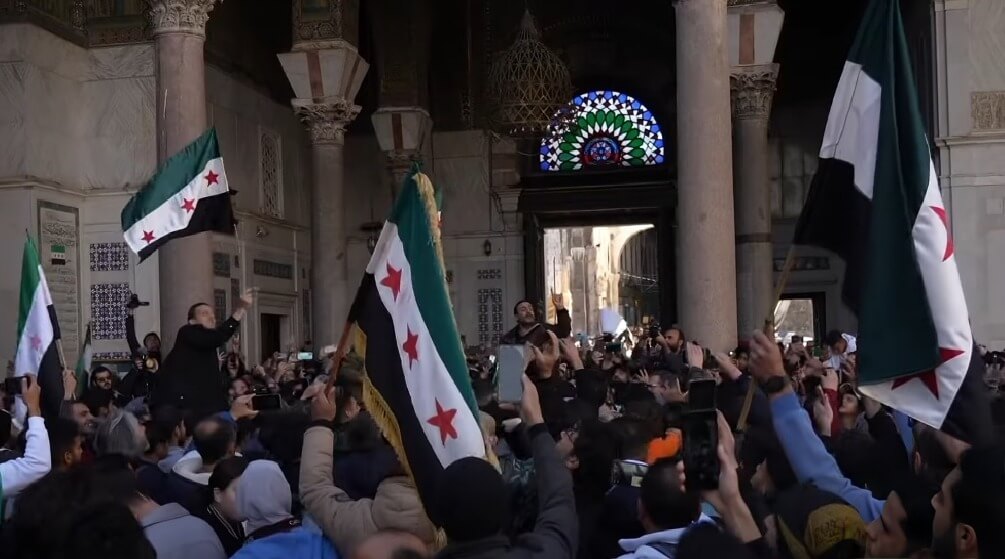
Despite facing significant challenges, the society-based reform movement remains a vital factor in Iran’s political landscape. The example set by the fall of the repressive Assad regime in Syria may embolden the Iranian public to demand reforms and increase international pressure on Iran to embrace democratic changes.

Youth tell stories of human rights success

January 6, 2025

on 31 December 2024 the UN Human Rights Podcast showcases the stories of five of the members of the  Youth Advisory Board. The board is made up of young people who work on issues that mobilize and empower others to stand up for human rights. The Board is in partnership with Education Above All and Silatech, to empower young people, especially those in conflict and vulnerable situations.

State repression of environmental defenders ‘a major threat’ to human rights

March 4, 2024

In a landmark paper, the UN Special Rapporteur on Environmental Defenders under the Aarhus Convention warns that the continued State efforts to repress and criminalise environmental protests, including direct action and civil disobedience, are a threat to fundamental freedoms and democracy itself.

The world is currently facing a triple planetary crisis and despite this alarming and unprecedented situation, States are failing to meaningfully address it. In response to this, environmental human right defenders (EHRDs), Indigenous Peoples, peasants movements and civil society from around the world have exercised their right to peacefully protest and participate in demonstrations to pressure their governments into taking concrete actions.

Some of these demonstrations have taken the form of civil disobedience which has been disproportionately repressed by governments and law enforcement officials.

On 28 February 2024 Michel Forst, the UN Special Rapporteur on Environmental Defenders, published a position paper highlighting a trend towards the repression and criminalisation of defenders engaging in environmental protests and civil disobedience in Europe, as well as an alarming toughening of stances against them in political discourse and the law enforcement and judicial practices. [The UNECE Convention on Access to Information, Public Participation in Decision-making and Access to Justice in Environmental Matters – known as the Aarhus Convention – was adopted in 1998. It aims to protect every person’s right to live in an environment adequate to his or her health and well-being.] See also: https://humanrightsdefenders.blog/tag/aarhus-convention/]

Forst also points to legislative attempts to ban specific organisations – citing France’s Soulèvements de la Terre, Spain’s Futuro Vegetal, or Letze Generation in Germany and Austria. These moves come alongside new or updated laws – including the UK’s ‘2022 Police, Crime, Sentencing and Courts Act’ and Italy’s 2024 ‘eco vandalism’ law -, which the paper says have virtually prohibited certain kinds of protests. 

The Special Rapporteur flags how politicians demonise environmental movements engaging in civil disobedience, while national or pan-European intelligence services no longer hesitate to label peaceful groups or individuals as potential or genuine terrorist threats.

The paper also recognises that European States have been disproportionately and increasingly used criminal, administrative and civil measures against environmental human rights defenders recurring to civil disobedience. This includes excessive and disproportionate use of force against them and extensive investigation and surveillance measures. 

Other takeaways include the use of social media by State and non-state actors that have contributed to creating negative narratives against EHRDs and the challenges that defenders and activists face to access to justice.

While civil disobedience tactics have been recently used in protests related to climate justice, they have been constantly used to advocate for other legitimate causes including international solidarity, where States have also criminalised such moves.

This paper also comes shortly after the 25th anniversary of the UN Declaration of Human Right Defenders and it is a good reminder that civil disobedience is and should be recognised as a legitimate form of exercising the rights to freedom of expression and peaceful assembly.

States must stop criminalising human right defenders exercising these rights and focus on addressing the root causes of their mobilisation.

https://ishr.ch/latest-updates/state-repression-of-civil-disobedience-on-environment-a-major-threat-to-human-rights

Sweden’s new strategy places greater emphasis on Human Rights Defenders

February 13, 2024

On 5 February 2024, the Swedish Government adopted a new five-year strategy for development cooperation for human rights and freedoms, democracy and the rule of law. This strategy is an important part of the implementation of the Government’s new reform agenda for development assistance and contributes to free and inclusive democratic societies built on respect for human rights and freedoms.

Democracy, human rights and freedoms, and the rule of law are essential for freedom, security and the continued development of society. At the same time, we see storm clouds gathering. Democracy is in decline for the seventeenth consecutive year, which gives rise to increased oppression and conflicts. Russia’s full-scale invasion of Ukraine is a clear example of this. 

Another is the way authoritarian states are undermining fundamental human rights and freedoms and using new digital technology for oppression and to spread disinformation.  

With this strategy, the Government is placing greater emphasis on the individuals around the world who fight for their freedom every day. We want to help those living under oppressive systems. Unfortunately, we see that democracy is headed in the wrong direction. That’s why Sweden has to do its part. We will do what we can to support the positive forces that exist,” says Minister for International Development Cooperation and Foreign Trade Johan Forssell.

The strategy outlines the Swedish Government’s increased focus on supporting defenders of human rights and democracy, free elections and independent journalism, in comparison with the previous strategy. The allocated budget for the strategy in 2024 is SEK 900 million. This budget is set out by the Government each year.

https://www.einnews.com/pr_news/686383753/new-development-cooperation-strategy-increases-focus-on-defenders-of-democracy-and-independent-journalists

Today: International Human Solidarity Day

December 20, 2023

UN experts today emphasised the need for the international community to support civil society groups expressing international solidarity in pursuit of peace and social justice and not to conflate international solidarity with antisemitism or islamophobia. It is a remarkably large group of UN experts (see below). They have issued the following statement:

We would like to raise public awareness about the need to support concrete actions by civil society groups that express international solidarity in our pursuit of peace and social justice.

The Universal Declaration of Human Rights, Article 1 establishes universal solidarity as the foundation for human rights: “All human beings are born free and equal in dignity and rights. They are endowed with reason and conscience and should act towards one another in a spirit of brotherhood [and sisterhood].”

Around the world, civil society groups have expressed international solidarity in marches and social media campaigns to call for peace and the protection of civilians in armed conflict. Moreover, they have also expressed international solidarity in pursuit of non-discrimination and equality (the core elements of positive peace) by advocating access to justice, truth, protection, and humane treatment for: children, women, members of the LGBTAIQ+ community, persons affected by leprosy (Hansen’s disease), persons with disabilities, racialized, indigenous groups, and other minorities subjected to violence, hate speech, and discrimination, families of disappeared persons, refugees and migrants, victims of terrorism/violent extremism and counter-terrorism/violent extremism measures, and the environment.

The recent significant engagement of people of all ages and diverse backgrounds in the expression of international solidarity is a powerful affirmation of the value of human rights as a narrative of emancipation in response to violence, oppression, and marginalisation.

It is imperative that civil society actors not be subject to censorship and reprisals for their expression of international solidarity, including loss of funding, loss of employment, arrest, attack, harassment, persecution, criminalisation, or other forms of penalisation.

Actions and expressions that promote transnational unity, empathy, tolerance, and cooperation are the elements of a strong culture of international solidarity in support of peace and social progress.

The most striking impact of the contemporary expressions of international solidarity is their embrace of the principle of humanity – the demand to protect life and alleviate human suffering. The combination of these two universal principles underscores the priority of exhausting peaceful dispute resolution mechanisms before using force.

We call on the international community to encourage International Solidarity expressions of civil society groups and human rights defenders that acknowledge that everyone should enjoy human rights without discrimination of any type. States should open civic spaces and refrain from criminalising non-violent actions and expressions that promote international solidarity. International Solidarity should not be conflated with antisemitism, islamophobia, or other movements that are examples of exclusionary, segregated unitary orientations which violate non-discrimination and equality principles.

International Solidarity promotes inclusion through bridge-building and invites everyone to stand up for peace as a fundamental premise for the enjoyment of human rights.”

The experts: Cecilia M. Bailliet, Independent Expert on human rights and international solidarity; Aua Baldé (Chair-Rapporteur), Gabriella Citroni (Vice-Chair), Angkhana Neelapaijit, Grażyna Baranowska, Ana Lorena Delgadillo Pérez, Working Group on enforced or involuntary disappearances; Reem Alsalem, Special Rapporteur on violence against women and girls, its causes and consequences;Tomoya Obokata, Special Rapporteur on contemporary forms of slavery, including its causes and consequences; Irene Khan, Special Rapporteur on the protection and promotion of freedom of opinion and expression; Farida Shaheed, Special Rapporteur on the right to education; Livingstone Sewanyana, Independent Expert on the promotion of a democratic and equitable international order; Alice Jill Edwards, Special Rapporteur on Torture and other Cruel, Inhuman or Degrading Treatment or Punishment; Paula Gaviria BetancurSpecial Rapporteur on the human rights of internally displaced persons;  Ben SaulSpecial Rapporteur on the promotion and protection of human rights and fundamental freedoms while countering terrorism; Graeme Reid, Independent Expert on protection against violence and discrimination based on sexual orientation and gender identity; Marcos OrellanaSpecial Rapporteur on toxics and human rights ; Alioune Tine, Independent Expert on the situation of human rights in Mali; Mama Fatima Singhateh, The Special Rapporteur on the sale, sexual exploitation and sexual abuse of children; Michael Fakhri, Special Rapporteur on the right to food; Beatriz Miranda GalarzaSpecial Rapporteur on the elimination of discrimination against persons affected by leprosy and their family members; Clément Nyaletsossi Voule, Special Rapporteur on the rights to freedom of peaceful assembly and of association.;  Dorothy Estrada Tanck (Chair), Claudia Flores, Ivana Krstić,  Haina Lu, and Laura Nyirinkindi, Working Group on discrimination against women and girls;  Damilola Olawuyi (Chairperson), Robert McCorquodale (Vice-Chairperson), Elżbieta Karska, Fernanda Hopenhaym, and Pichamon Yeophantong, Working Group on the issue of human rights and transnational corporations and other business enterprises; Carlos Salazar Couto  (Chair-Rapporteur), Sorcha MacLeod, Jovana Jezdimirovic Ranito, Chris M. A. Kwaja, Ravindran Daniel, Working Group on the use of mercenaries; Javaid Rehman, Special Rapporteur on the situation of human rights in the Islamic Republic of Iran; Gehad Madi, Special Rapporteur on the human rights of migrants; Richard Bennett, Special Rapporteur on the situation of human rights in Afghanistan; Tlaleng Mofokeng, Special Rapporteur on the right of everyone to the enjoyment of the highest attainable standard of physical and mental health; David BoydSpecial Rapporteur on the issue of human rights obligations relating to the enjoyment of a safe, clean, healthy and sustainable environmentAlexandra Xanthaki, Special Rapporteur in the field of cultural rights;  Priya Gopalan (Chair-Rapporteur),  Matthew Gillett (Vice-Chair on Communications),  Ganna Yudkivska (Vice-Chair on Follow-Up), Miriam Estrada-Castillo, and Mumba Malila, Working Group on arbitrary detention; Ms Attiya Waris, Independent Expert on the effects of foreign debt and other related international financial obligations and human rights.

https://www.ohchr.org/en/statements/2023/12/support-civil-societys-international-solidarity-efforts-peace-un-experts

HRW blasts Colombia over human rights defenders’ murders

February 15, 2021
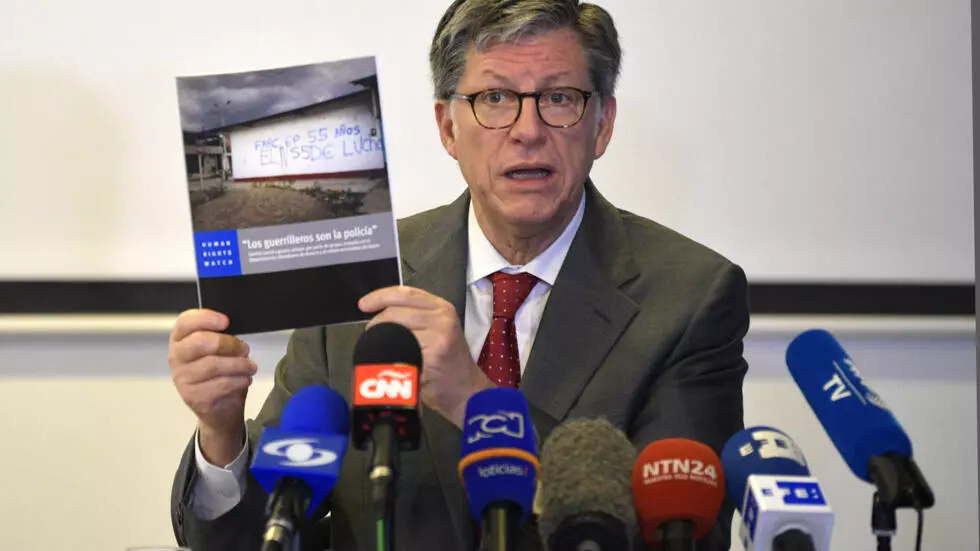
Jose Miguel Vivanco, HRW director for the Americas, accuses the Colombian government of failing to act on the murders of rights activists
Jose Miguel Vivanco, HRW director for the Americas, accuses the Colombian government of failing to act on the murders of rights activists Raul ARBOLEDA AFP

Human Rights Watch on Wednesday 10 Febuary 2021 hit out at Colombia’s government over the rising number of human rights defenders and activists being murdered in the South American country.

Since the 2016 peace accord that ended half a century of fighting between government forces and the Revolutionary Armed Forces of Colombia (FARC), an increasing number of civil society leaders have been killed each year. But “the government has acted slowly and weakly in the implementation of policies to prevent these murders,” HRW said in a statement.

Despite Colombia suffering the largest number of such murders on the continent, “the government’s response has been more focussed on making speeches and announcements than adopting measures that will have an impact in the territories” affected by the violence, said Jose Miguel Vivanco, HRW director for the Americas.

In 2016, 61 civil society leaders were killed, a number that increased to 84 in 2017, 115 in 2018, 108 in 2019 and 133 in 2020, according to UN figures, some of which have yet to be verified. See also: https://humanrightsdefenders.blog/2020/01/20/colombia-21-january-2020-civil-society-begins-a-much-needed-patriotic-march/

Behind the wave of violence targeting advocates are National Liberation Army Marxist rebels, dissident FARC guerrillas and right-wing paramilitaries, as well as armed drug-trafficking groups. They are fighting each other over access to lucrative cocaine and illegal mining markets.

HRW says most victims were murdered as reprisals for opposing drug-trafficking in their territories, allegedly collaborating with the army or supporting the replacement of illegal coca plantations with legal ones. The digest of Human Rights Laureates lists 50 HRDs in Colombia. See: https://www.trueheroesfilms.org/thedigest

https://www.france24.com/en/live-news/20210210-hrw-blasts-colombian-govt-over-rights-activists-murders

“In Pursuit of Freedom,” digital art exhibit featuring 15 protest movements

January 18, 2021

On 13 January 2021) the Human Rights Foundation announced the opening of “In Pursuit of Freedom,” a digital art exhibit featuring 15 protest movements from around the globe. Street protests were a defining feature of recent civil and political resistance despite the spread of the novel coronavirus worldwide. Authoritarian regimes were exposed for using the COVID-19 pandemic as an excuse for repression, stricter restrictions, and power grabs instead of protecting their citizens’ lives. Nevertheless, people took the streets to make their voices heard, and as they adapted to champion social and political change in the face of the outbreak, art was a vigorous medium of protest and creative expression to expose the deception of tyranny. “In Pursuit of Freedom: A Year in Global Protest Art” showcases moving examples of protest art from 15 countries across regions, and attests to how art can be a powerful tool for activism and protest. From Belarus to Hong Kong, visit the exhibit to see striking works of protest art by artists who committed their talent in 2020 to push for change across 15 countries ruled by authoritarian regimes.

See also: https://humanrightsdefenders.blog/2020/01/24/lebanon-human-rights-defenders-use-graffiti-to-express-hope/

Explore the exhibit

India, Pakistan, Sri Lanka are all in the same rickety boat when it comes to human rights

December 17, 2020

TRT World published a summary of a report by the South Asia Collective “India and Pakistan no different on how they treat minorities”. Please note that Turkish Radio and Television Corporation is the national public broadcaster of Turkey. One looks there in vain for information on human rights violations in Turkey itself. Still the report referred to (produced with the financial support of the European Union and the Norwegian Agency for Development Cooperation) is of interest:

The past ten years have been abysmal for minorities and civil rights activists in South Asian countries including India, Pakistan and Sri Lanka, according to the South Asia State of Minorities Report 2020. 

Governments have introduced repressive laws that curb freedom of expression, persecute journalists and bar people from organising peaceful demonstrations, says the report published by the South Asia Collective, an international group of activists and NGOs. Some laws disproportionately target minorities such as Muslims in India and Sri Lanka, and Christians in Pakistan.  One policy that transcends almost all the regional governments is their attempt to restrict the role of NGOs – especially if they receive funding  from abroad. 

India, where minorities have faced state-sanctioned violence since the Hindu nationalist Bharatiya Janata Party (BJP) was re-elected last year, has handicapped foreign NGOs by setting limits on how they can spend money received from international donors.  Most of the affected NGOs are the ones that work in areas which highlight abuse of power, government indifference towards the plight of minorities, and the brutality of security forces. [see also: https://humanrightsdefenders.blog/2020/07/06/istanbul-court-jails-four-human-rights-defenders-on-terror-charges-seven-acquitted/]

“BJP rule has been characterised by the open targeting of several high-profile NGOs, with foreign funding freezes being the weapon of choice,” the report said. [see: https://humanrightsdefenders.blog/2020/09/29/amnesty-feels-forced-to-shut-sown-its-india-office-amidst-govenment-pressure/]

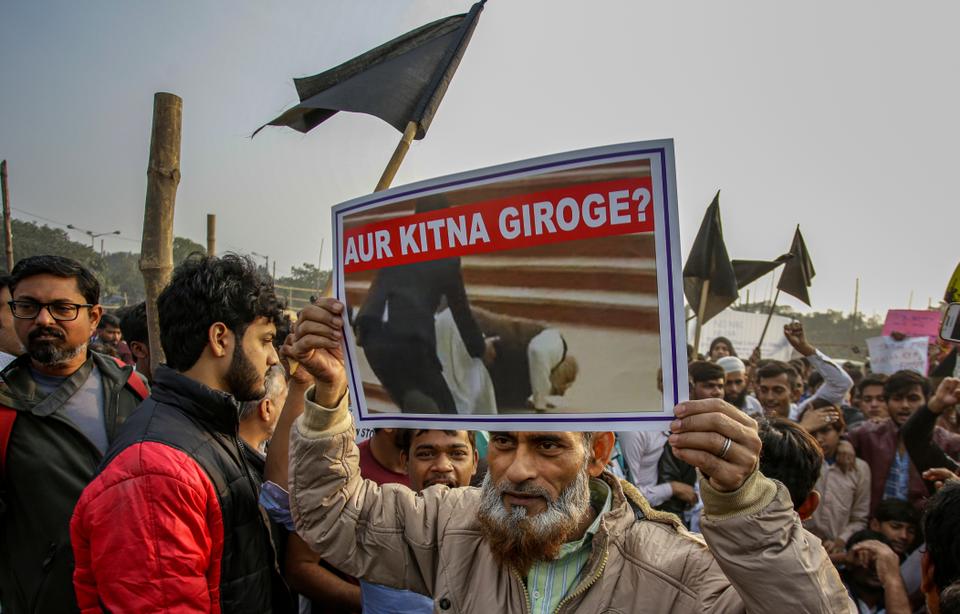
New Delhi's discriminatory amendment to citizenship law has further alienated India's Muslims.
New Delhi’s discriminatory amendment to citizenship law has further alienated India’s Muslims. (AP Archive)

Other policy changes such as requiring NGOs to register with income tax authorities every five years are a similar tool of “administrative harassment”. ..

The intimidation is not limited to NGOs as journalists reporting on creeping BJP authoritarianism often feel the wrath of the state.   “…between 25 March and 31 May 2020, at least 55 Indian journalists faced arrest, physical assaults, destruction of property, threats or registration of FIRs (police reports),” the report said. 

New Delhi increasingly relies on internet controls to curb dissent. Internet shutdowns jumped to 106 in 2019 from only six in 2014 as authorities used different laws to control the flow of information.  Kashmir faced a complete internet blackout for months after the Muslim-majority region’s nominal autonomy was withdrawn last year…

India is also using the draconian Unlawful Activities Prevention Act to target Dalits, a caste of Hindus who face widespread discrimination under the country’s hierarchical caste system… Changes in the Citizenship Act that target Muslim migrants and the brutal police reponse to subsequent protests — in which 22 people were shot dead in Utter Pradesh state in a single day — further illustrate the worsening status of minorities in India. 

In neighbouring Pakistan, India’s archrival, minorities and those activists trying to help them, fare no better. 

“NGOs and INGOs (international NGOs) are subject to extensive regulation involving multiple, lengthy procedures of registration, security clearance, and approvals for funding,” the report said.

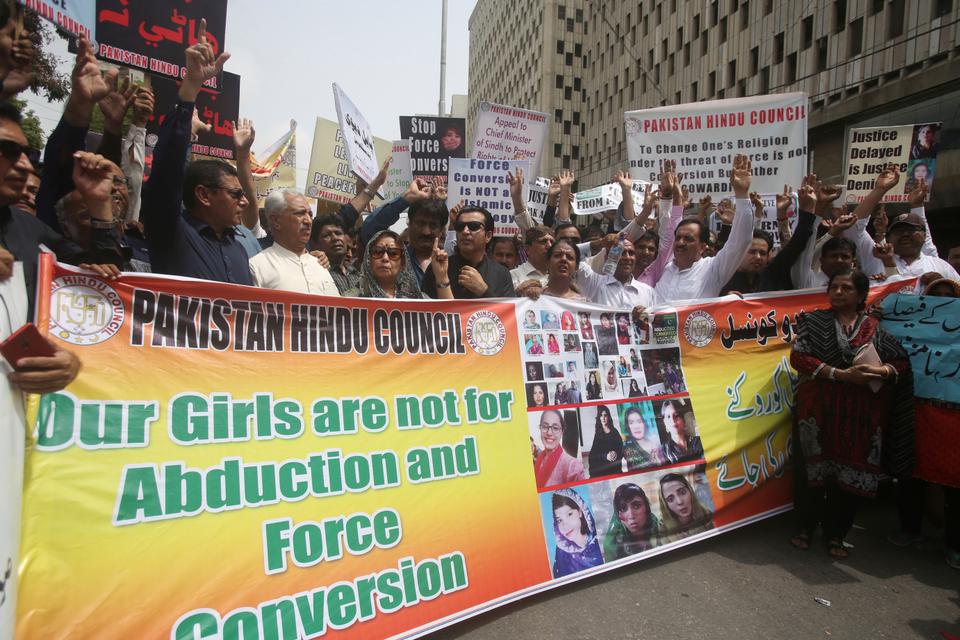
The Christians and Hindus in Pakistan regularly complain that young girls are forced to convert to Islam.
The Christians and Hindus in Pakistan regularly complain that young girls are forced to convert to Islam. (AP Archive)

In recent years, Islamabad has increased vigilance on NGOs which it fears might be working on a foreign agenda to promote dissent.  What will particularly bother Pakistan’s policymakers is the report’s focus on how the country’s Blasphemy Law, meant to protect religious sentiments, continues to be misused against minorities. 

In reality, the law explicitly discriminates against Ahmadiyas since parts of it criminalise public expression of Ahmadiya beliefs and prohibit Ahmadiyas from calling themselves Muslims, praying in Muslim sites of worship and propagating their faith.”  Just this week, a report by the United States Commission on International Rights Freedom pointed out that Pakistan accounts for nearly half of the incidents of mob violence against alleged blasphemers.  

At times, people accused of blasphemy are killed in court in front of police and lawyers.   Christians, another minority, are frequently targeted while authorities do little to protect them.  For instance, a church constructed in the Toba Tek Singh district of Punjab province had to be sealed in 2016 after local Muslims agitated against it.  This alienation doesn’t stop at the places of worship – young Chrsitan students are continuously harassed by their peers to convert to Islam, the report said. 

Similarly, Sri Lanka witnessed rising levels of intolerance towards minorities in recent years, especially as successive governments tried to pacify extremist Buddhists to garner their votes.  Muslims in Sri Lanka have felt a wave of discrimination and official apathy after the suicide attacks that killed more than 200 people last year.  “After the Easter attacks, Muslims, particularly a large number of Muslim men, were arrested seemingly without reasonable cause.” Jingoistic government-aligned media has helped paint Muslims as the villain in Sri Lanka. 

The incitement of hatred and vitriol by media outlets continues unabated. For example, Muslim Covid-19 patients were identified by their faith, unlike other patients, and blamed by the media for spreading coronavirus.” 

https://www.trtworld.com/magazine/india-and-pakistan-no-different-on-how-they-treat-minorities-42419

UN expresses deep concern over Egypt using special terror courts to silence human rights defenders

October 9, 2020

Cairo accused of ‘gravely endangering’ activists and infringing on their fundamental rights by imprisoning them during pandemic

Egypt has jailed more than 60,000 dissidents (AFP/File photo) By MEE staff

The Middle East Eye of 8 October 2020 reported that the UN Human Rights Council said in a statement on Friday that Cairo was treating free speech as terrorism.

“Terrorism charges and exceptional courts are being used to target legitimate human rights activities, and have a profound chilling effect on civil society as a whole,” according to 10 international specialists, including the UN rapporteurs on counter-terrorism and extrajudicial killings.

The use of terrorism courts to target and harass civil society is inconsistent with the rule of law.

The statement came days after Egypt executed 15 political prisoners who had been in detention since 2014.

The UN experts slammed the terrorism courts, saying that they undermine defendants’ basic legal rights, including the presumption of innocence. The special courts were created in 2013 after a Sisi-led coup overthrew the elected government of then-president Mohamed Morsi.

Defendants do not enjoy the right to confer safely and confidentially with their lawyer,” said the experts. 

See also: https://humanrightsdefenders.blog/2020/09/25/rafto-prize-for-2020-goes-to-the-egyptian-commission-for-rights-and-freedoms-ecrf/

“In addition, when the accused are put on trial from behind glass or inside metal cages, sometimes cut off from proceedings at the discretion of the presiding judge, they cannot effectively use their right to be present at their own trial.”

Egypt has embarked on a brutal crackdown on dissent since 2013, jailing more than 60,000 activists and imposing strict censorship measures on public discourse.

Sisi has consistently denied that there are political prisoners in Egypt, framing the crackdown as part of the fight against terrorism. After coming to power, he outlawed Morsi’s Muslim Brotherhood and blacklisted it as a terror group.

On Thursday, the UN advocates cited the case of Bahey El-Din Hassan, director and co-founder of the Cairo Institute for Human Rights Studies, who was sentenced to 15 years in absentia in August over his criticism of the government. See: https://humanrightsdefenders.blog/2020/08/27/egypt-15-year-term-for-human-rights-defender-bahey-el-din-hassan/

“It is an act of reprisal, seemingly punishing [him] for his cooperation with the United Nations,” the statement said. 

“The exercise of free speech and human rights work are being treated as terrorism, and it appears that the Terrorism Circuit Court is being used to retaliate against human rights activity protected by international law.”

—–

https://www.middleeasteye.net/news/egypt-terrorism-courts-jail-activists-un-experts