On 30 July 2026 UN High Commissioner for Human Rights Volker Türk denounced the crackdown on dissent in Uganda, alongside a gradual erosion of the rule of law, increased military involvement in civilian institutions, and shrinking civic space – all of which are creating a climate of fear throughout the country.
“I am appalled that the authorities are increasingly targeting any form of dissent, and deepening restrictions on the fundamental freedoms of all those living in Uganda,” said Türk. “Those who dare to speak out are silenced.”
Since the general elections on 15 January 2026, repression has increased against all those perceived to oppose the Government. According to information received by the UN Human Rights Office, since the elections, at least 50 opposition leaders and supporters, five human rights defenders and five journalists have been subjected to human rights violations. These include instances of enforced disappearance, torture and ill-treatment, and arbitrary arrest or detention based on legal provisions which do not comply with international human rights law.
In addition, 10 leading civil society organisations have been suspended since January 2026, while others have been closely scrutinised and, at times, subjected to harassment.
The Office has also received information about increased military involvement in functions ordinarily carried out by civilian institutions. Some media outlets have been forced to close temporarily.
In May 2026, the Protection of Sovereignty Act was enacted, imposing extensive restrictions on international funding and foreign engagement with civil society organisations. The legislation includes severe penalties, including prison sentences of up to 10 years for violations.
“The actions of the authorities are creating a climate of fear that is increasing self-censorship, further stifling public debate and deepening polarisation,” said Türk.
“I call on the Government to abide by its obligations under international human rights law, the African Charter and the Ugandan Constitution to ensure a vibrant civil society where everyone can freely express their views and participate in public affairs,” he added.
The UN Human Rights Chief urged the Government to uphold the separation of powers and the rule of law, including by preventing military interference in civil institutions..
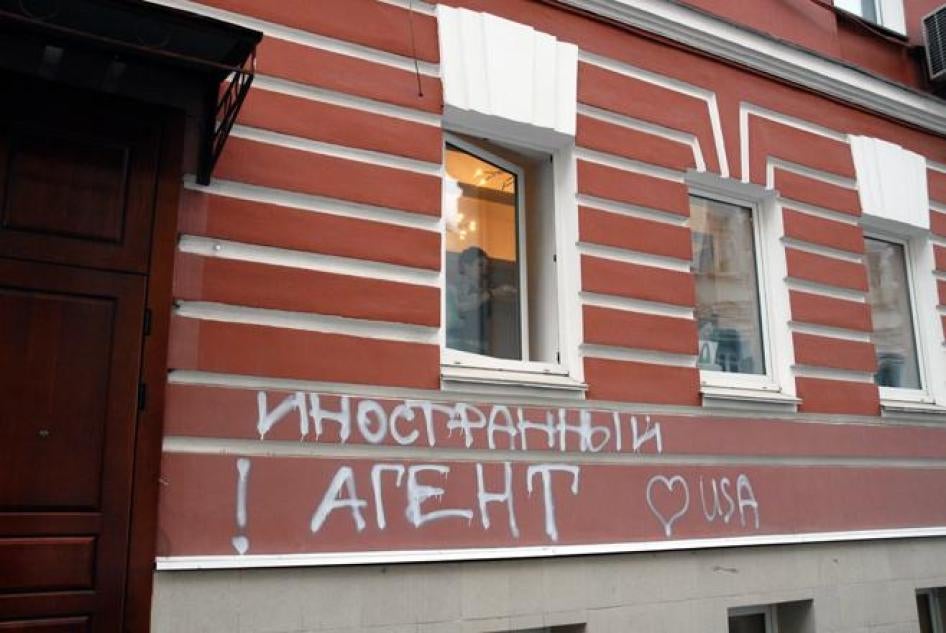
Human Rights Watch (HRW) on 27 April, 2026 warned that a new bill before Uganda’s parliament could be used to shut down civil society and has compared it to a similar Russian foreign agents law. HRW warns that this bill threatens to limit freedom of speech and assembly.
Bill 13, the Protection of Sovereignty Bill, was introduced on April 15 for its first reading. The bill criminalizes activity that promotes “the interests of a foreigner against the interests of Uganda.” Its broad provisions include prohibiting carrying out activities “related to the implementation of Government policy,” and receiving money to organize meetings about foreign policy. Violators can be sentenced to up to 20 years in prison.
To avoid the consequences of the bill, you would need to register as a foreign agent through a yet undefined process. Doing so would permit the Internal Affairs Ministry to inspect the agent’s “premises” without a court order.
Senior Africa researcher at HRW, Oryem Nyeko, said that:
The Protection of Sovereignty Bill is the latest example of the government’s efforts to stifle dissent and inhibit political or social organizing and participation. The proposed bill copies a repressive tool used by other abusive governments to crush exercise of rights and stigmatize human rights defenders, independent media and other dissenting voices.
The new legislation comes following an election which saw the government crackdown on opposition parties. In the lead-up to the January elections in Uganda, an internet shutdown was imposed, which HRW claims violated fundamental rights and election integrity. Furthermore, on January 8th, the director of the Centre for Constitutional Governance and a vocal critic of President Yoweri Museveni’s administration, Sarah Bireete, was arrested and charged with unlawfully obtaining or disclosing personal data. Finally, Ugandan security forces targeted opposition rallies with excessive force, including the use of tear gas, pepper spray, and beatings, leading up to the election.
Natika Kantaria is a human rights advocate with nearly a decade of experience planning and implementing advocacy campaigns in human rights. She has worked with international organizations and watchdog NGOs and collaborated with the public and private sectors. For the ISHR she wrote a piece on 26 February 2025 about a worrying trend: ‘Foreign agent’ laws have been introduced in various countries, violating international human rights law and threatening to silence human rights defenders. This pattern is particularly evident in Eastern Europe, where NGOs courageously resist and need the support of the international community. See e.g. my earlier posts:
Societies thrive when everyone can work, speak out, and organise freely and safely to ensure justice and equality for all. Legislation requiring NGOs to register as ‘foreign agents’ is a barrier to this virtuous cycle. Despite the European Court of Human Rights’ 2022 ruling that Russia’s 2012 foreign agent law violated freedom of expression and association, the governments of Hungary, Georgia, Slovakia, Serbia, and Bosnia and Herzegovina have proceeded undeterred to introduce similar laws.
These laws specifically target NGOs and not-for-profits that receive foreign funds and require them to register as foreign agents, organisations serving the interests of a foreign power, or agents of foreign influence. By doing so, they restrict the capacity of human rights defenders to organise, participate and exercise their right to defend rights by:
imposing disproportionately high fines and heavy sanctions to NGOs refusing to comply, which may ultimately lead to the termination of their operations
using vague wording, that ultimately gives too much room and power for government interpretation. For instance, the requirement for NGOs to register in official records or identify themselves as ‘agents of foreign influence’ lacks clarity and specificity.
increasing the burden of NGOs by introducing heavy reporting and auditing requirements. The State’s alleged need for transparency as their primary purpose can, therefore, be effectively addressed through existing legislation regulating NGOs.
employing a negative narrative that stigmatises and delegitimises the work of the civil society organisations and human rights defenders. This rhetoric promotes hostility and distrust toward civil society and encourages attacks against defenders.
Furthermore, such laws contradict the commitments of these countries under international human rights law. Article 13 of the 1998 UN Declaration on human rights defenders recognises the right of defenders to solicit, receive and utilise resources.
Article 10 of the Declaration +25, a supplement to the UN Declaration put forward in 2024 by civil society, human rights defenders and legal experts, addresses States’ attempts to prohibit foreign contributions or impose unjustified national security limitations. It stipulates that States should not hinder financial resources for human rights defenders and outlines measures to prevent retaliation based on the source of their funding. These laws violate rights related to freedom of expression, association, and privacy, as outlined in the European Convention on Human Rights (ECHR) and International Covenant on Civil and Political Rights. Foreign agent laws also run counter to commitments made by countries at the regional level as members of the Council of Europe (CoE) and the Organization for Security and Co-operation in Europe (OSCE), including recommendation CM/Rec(2018)11, which emphasizes the protection and promotion of civil society space and OSCE guidelines for protecting human rights defenders.
NGOs are increasingly becoming a primary target for repressive governments. According to the CIVICUS Monitor 2024 report, the countries mentioned above that have introduced ‘foreign agent’ laws have either ‘closed’ or ‘obstructed’ civil society space. In addition, the Trump administration’s rhetoric and its decision to freeze foreign aid have contributed to strengthening hostile narratives already present in ‘foreign agent laws’ in Eastern Europe and have emboldened governments in their efforts to publicly undermine these organisations.
While the silencing of NGOs has become part of the agenda for many governments, and the rise of ‘foreign agent’ laws serves as a step towards establishing authoritarian regimes, civil society actors continue to mobilise in response. Strengthening engagement with international human rights mechanisms, fostering joint global advocacy, and providing support to targeted organisations and groups are essential steps that international NGOs and the international community should take to build resistance, reinforce coalition efforts, and protect the work of human rights defenders.
International and regional human rights mechanisms have called for governments to either repeal these laws, or not to adopt them in their current forms. On 7 February 2025, three UN independent experts issued a statement in relation to Bosnia and Herzegovina, where the government reintroduced the ‘Law on the Special Registry and Publicity of the Work of Non-Profit Organisations’ after its initial withdrawal in May 2024. The statement stressed that creating a register of non-profit organisations receiving foreign funding in one of the entities of Bosnia and Herzegovina will impose severe restrictions on NGOs and would grant government control over their operation, including the introduction of an annual inspection, with further reviews of legality of CSOs receiving foreign funding possible upon requests from citizens or relevant authorities.
In this unsupportive environment, donors have a fundamental role to play. ‘As civil society actors devise strategies to push back against these repressive tactics, private philanthropy and bilateral and multilateral donors have vital support roles to play,’ writes James Savage, who leads the Fund for Global Human Rights’ (FGHR) programme on the Enabling Environment for Human Rights Defenders. ‘They can help civil society prepare for future challenges, so that it is organised not only to respond to evolving forms of repression but also to get ahead of them by tackling their root causes,’ Savage concludes.
Iskra Kirova, Advocacy Director, Europe and Central Asia Division of HRW, wrote on 4 April 2024: ‘Foreign Agent’ Laws Spread as EU Dithers to Support Civil Society
Georgia’s ruling party plans to reintroduce highly controversial Russia-style “foreign agent” legislation aimed at incapacitating civil society and independent media. If adopted, the laws, which were withdrawn last year in the face of massive protests, would require foreign-funded nongovernmental organizations and media to register as “agents of foreign influence”. That would make them subject to additional scrutiny and sanctions, including administrative penalties up to 25,000 GEL (about 8,600 Euro). Authorities claim the laws promote “transparency”, but their statements make it clear the laws will be used to stigmatize and punish critical voices.
The day before Georgia’s announcement, Kyrgyzstan’s president signed an abusive “foreign representatives” law. Copied almost entirely from the Russian equivalent, the law would apply the stigmatizing designation of “foreign representative” to any nongovernmental organization that receives foreign funding and engages in vaguely defined “political activity”. The bill had been widely criticized after its initial submission in November 2022, including in a urgency resolution by the European Parliament.
The EU had ample opportunity to press the authorities to reject this bill. Kyrgyzstan benefits from privileged access to the EU internal market tied to respect for international human rights conventions: conventions this law clearly contravenes. The country is poised to sign an enhanced partnership agreement with the EU that centers democracy and fundamental rights. The EU has been silent on whether these deals would be imperiled by the bill’s adoption, despite the fact the European Commission’s own assessment highlighted Kyrgyzstan’s dire environment for civil society and the country’s breach of its obligations.
The latest spate of curbs on civil society comes in the wake of the European Commission’s December 2023 legislative proposal for an EU Directive on “transparency of interest representation” that would create a register of organizations which receive foreign funding. European civil society vehemently opposes the proposal because it risks shrinking space for independent organizations at home and diminishing the EU’s credibility in opposing such laws abroad. Yet the Commission forged ahead. On the same day the proposal was adopted, Hungary’s parliament approved a law that gives a government-controlled body broad powers to target civil society and independent media.
With civil society organizations under threat throughout Europe and Central Asia, we need an EU that in words and actions protects civic space and sets the right standards.
The Office of the United Nations High Commissioner for Human Rights and 11 international and regional rights organisations have demanded that the government must immediately cancel its decision to deregister rights organisation Odhikar and allow the rights organisation to function without fear of reprisal.
Ravina Shamdasani, spokesperson for the UN High Commissioner for Human Rights, said in a press briefing in Geneva statement on Friday, ‘We are concerned by the Government of Bangladesh’s decision not to approve the renewal of registration for Odhikar, a prominent and respected human rights organisation in the country’.
She said, ‘We urge the government to immediately reconsider this decision, and to ensure that Odhikar has the ability to seek full judicial review of any such determination. We are further concerned that this decision will have a chilling effect on the ability of civil society organisations to report serious human rights violations to UN human rights mechanisms.’
Odhikar has documented and reported on rights violations for many years to the Office of the UN High Commissioner for Human Rights, UN Special Procedures mandate holders and human rights treaty bodies, she mentioned in the briefing available on the website of the UN body.
Intimidation and reprisals against Odhikar have been documented since 2013, and appear to have intensified, with accusations of ‘anti-state’ and ‘anti-government’ activities, she added.
‘There has been increased surveillance of its activities in recent months. The UN Secretary-General has also raised concerns about reprisals against Odhikar over the past decade for cooperating with the UN,’ she said.
On June 5, 2022, the bureau sent a letter to Odhikar, denying its application for renewal of registration. Odhikar’s application for renewal of its registration with the NGO Affairs Bureau under the Prime Minister’s Office has been pending since 2014, she said, adding that Odhikar’s bank account was also frozen in 2014. ‘We call for Odhikar to be permitted access to its banked funds pending reconsideration of the renewal application,’ said the UN official.
Eleven international and regional human rights organisations, meanwhile, in a joint statement called on the government to immediately reverse the decision to deregister Odhikar.
‘Human rights defenders should be allowed to conduct their work without fear of reprisals, intimidation, and harassment from the authorities,’ read the statement issued by Human Rights Watch, Amnesty International, Anti-Death Penalty Asia Network, Asian Federation Against Involuntary Disappearances, Capital Punishment Justice Project, Elios Justice at Monash University, Human Rights First, International Coalition Against Enforced Disappearance, International Federation for Human Rights, within the framework of the Observatory for the Protection of Human Rights Defenders, Robert F Kennedy Human Rights and World Organisation Against Torture. {See also: https://humanrightsdefenders.blog/2022/03/17/un-experts-urge-bangladesh-to-end-reprisals-against-human-rights-defenders/]
The rights organisation in the statement said this latest development appeared to be part of a pattern of reprisals by the government against human rights organisations groups and defenders following the US sanctions against the Rapid Action Battalion on December 10, 2021. [See https://humanrightsdefenders.blog/2022/03/21/bangladesh-sanctions-seem-to-work/]
On 14 June 2022 Forum Asia in a strong statement said: FORUM-ASIA expresses its solidarity with Odhikar and calls on the Bangladeshi authorities to immediately recall the decision of rejecting Odhikar’s renewal application thereby ensuring it to carry on their human rights work. FORUM-ASIA reiterates its earlier call to repeal the Foreign Donation (Voluntary Activities) Regulation Act, 2016 as it imposes restrictions on civil society organisations’ ability to access resources.
The same day, the Asian Human Rights Commission (AHRC) and CIVICUS: World Alliance for Citizen Participation said they “are extremely alarmed by the decision of the government to arbitrarily revoke the registration of Odhikar, a leading human rights organisation in Bangladesh. This move is another blow to civil society and human rights defenders who have been facing systematic repression by the Sheikh Hasina regime.“
TRT World published a summary of a report by the South Asia Collective “India and Pakistan no different on how they treat minorities”. Please note that Turkish Radio and Television Corporation is the national public broadcaster of Turkey. One looks there in vain for information on human rights violations in Turkey itself. Still the report referred to (produced with the financial support of the European Union and the Norwegian Agency for Development Cooperation) is of interest:
The past ten years have been abysmal for minorities and civil rights activists in South Asian countries including India, Pakistan and Sri Lanka, according to the South Asia State of Minorities Report 2020.
Governments have introduced repressive laws that curb freedom of expression, persecute journalists and bar people from organising peaceful demonstrations, says the report published by the South Asia Collective, an international group of activists and NGOs. Some laws disproportionately target minorities such as Muslims in India and Sri Lanka, and Christians in Pakistan. One policy that transcends almost all the regional governments is their attempt to restrict the role of NGOs – especially if they receive funding from abroad.
India, where minorities have faced state-sanctioned violence since the Hindu nationalist Bharatiya Janata Party (BJP) was re-elected last year, has handicapped foreign NGOs by setting limits on how they can spend money received from international donors. Most of the affected NGOs are the ones that work in areas which highlight abuse of power, government indifference towards the plight of minorities, and the brutality of security forces. [see also: https://humanrightsdefenders.blog/2020/07/06/istanbul-court-jails-four-human-rights-defenders-on-terror-charges-seven-acquitted/]
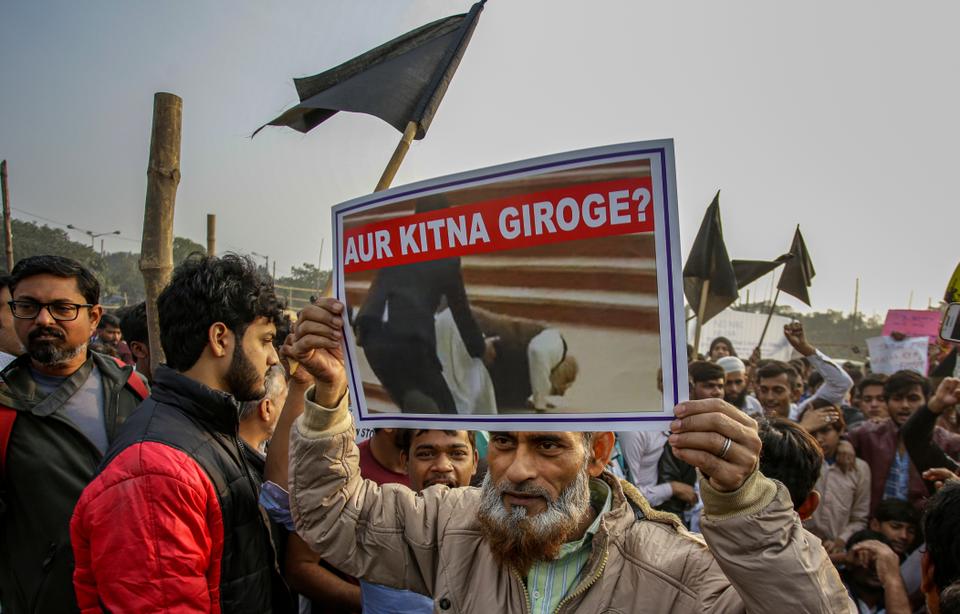
New Delhi’s discriminatory amendment to citizenship law has further alienated India’s Muslims. (AP Archive)
Other policy changes such as requiring NGOs to register with income tax authorities every five years are a similar tool of “administrative harassment”. ..
The intimidation is not limited to NGOs as journalists reporting on creeping BJP authoritarianism often feel the wrath of the state. “…between 25 March and 31 May 2020, at least 55 Indian journalists faced arrest, physical assaults, destruction of property, threats or registration of FIRs (police reports),” the report said.
New Delhi increasingly relies on internet controls to curb dissent. Internet shutdowns jumped to 106 in 2019 from only six in 2014 as authorities used different laws to control the flow of information. Kashmir faced a complete internet blackout for months after the Muslim-majority region’s nominal autonomy was withdrawn last year…
India is also using the draconian Unlawful Activities Prevention Act to target Dalits, a caste of Hindus who face widespread discrimination under the country’s hierarchical caste system… Changes in the Citizenship Act that target Muslim migrants and the brutal police reponse to subsequent protests — in which 22 people were shot dead in Utter Pradesh state in a single day — further illustrate the worsening status of minorities in India.
In neighbouring Pakistan, India’s archrival, minorities and those activists trying to help them, fare no better.
“NGOs and INGOs (international NGOs) are subject to extensive regulation involving multiple, lengthy procedures of registration, security clearance, and approvals for funding,” the report said.
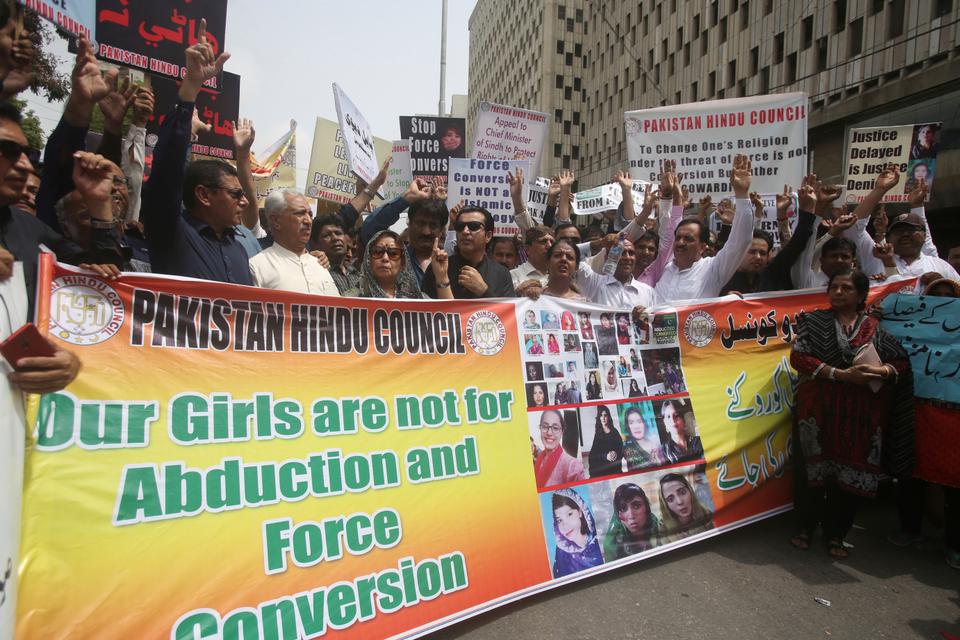
The Christians and Hindus in Pakistan regularly complain that young girls are forced to convert to Islam. (AP Archive)
In recent years, Islamabad has increased vigilance on NGOs which it fears might be working on a foreign agenda to promote dissent. What will particularly bother Pakistan’s policymakers is the report’s focus on how the country’s Blasphemy Law, meant to protect religious sentiments, continues to be misused against minorities.
“In reality, the law explicitly discriminates against Ahmadiyas since parts of it criminalise public expression of Ahmadiya beliefs and prohibit Ahmadiyas from calling themselves Muslims, praying in Muslim sites of worship and propagating their faith.” Just this week, a report by the United States Commission on International Rights Freedom pointed out that Pakistan accounts for nearly half of the incidents of mob violence against alleged blasphemers.
At times, people accused of blasphemy are killed in court in front of police and lawyers. Christians, another minority, are frequently targeted while authorities do little to protect them. For instance, a church constructed in the Toba Tek Singh district of Punjab province had to be sealed in 2016 after local Muslims agitated against it. This alienation doesn’t stop at the places of worship – young Chrsitan students are continuously harassed by their peers to convert to Islam, the report said.
Similarly, Sri Lanka witnessed rising levels of intolerance towards minorities in recent years, especially as successive governments tried to pacify extremist Buddhists to garner their votes. Muslims in Sri Lanka have felt a wave of discrimination and official apathy after the suicide attacks that killed more than 200 people last year. “After the Easter attacks, Muslims, particularly a large number of Muslim men, were arrested seemingly without reasonable cause.” Jingoistic government-aligned media has helped paint Muslims as the villain in Sri Lanka.
“The incitement of hatred and vitriol by media outlets continues unabated. For example, Muslim Covid-19 patients were identified by their faith, unlike other patients, and blamed by the media for spreading coronavirus.”
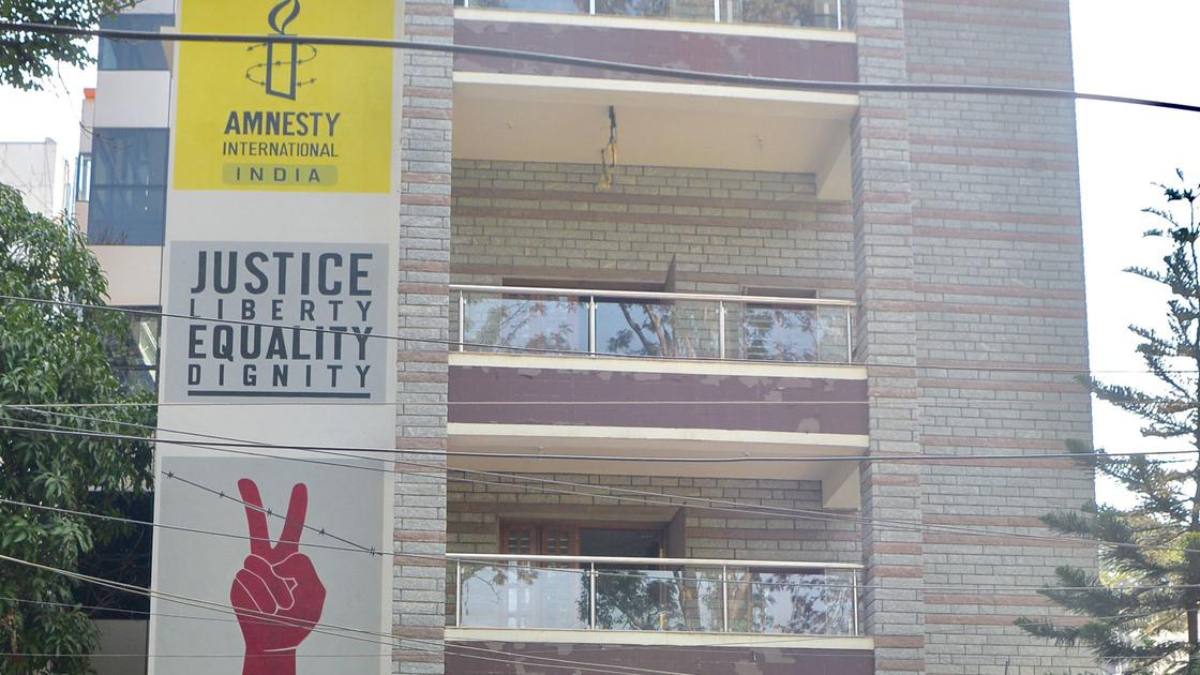
On 29 September 2020, it was announced that Amnesty International has shut down its India operations, alleging ‘a ‘witch-hunt’ by the Government
Amnesty India shuts operations
The complete freezing of Amnesty International India’s bank accounts by the Government of India which it came to know on 10 September 2020, brings all the work being done by the organization to a grinding halt. The organisation has been compelled to let go of its staff in India and pause all its ongoing campaign and research work. This is latest in the incessant witch-hunt of human rights organizations by the Government of India over unfounded and motivated allegations, Amnesty International India said today. See below the CHRONOLOGY OF ATTACKS AND HARASSMENT OF AI INDIA, starting in October 2018:
“The continuing crackdown on Amnesty International India over the last two years and the complete freezing of bank accounts is not accidental. The constant harassment by government agencies including the Enforcement Directorate is a result of our unequivocal calls for transparency in the government, more recently for accountability of the Delhi police and the Government of India regarding the grave human rights violations in the Delhi riots and Jammu & Kashmir. For a movement that has done nothing but raises its voices against injustice, this latest attack is akin to freezing dissent,” said Avinash Kumar, Executive Director of Amnesty International India.
Amnesty International India stands in full compliance with all applicable Indian and international laws. For human rights work in India, it operates through a distinct model of raising funds domestically. More than four million Indians have supported Amnesty International India’s work in the last eight years and around 100,000 Indians have made financial contributions. These contributions evidently cannot have any relation with the Foreign Contribution (Regulation) Act, 2010. The fact that the Government is now portraying this lawful fundraising model as money-laundering is evidence that the overbroad legal framework is maliciously activated when human rights activists and groups challenge the government’s grave inactions and excesses.
The attacks on Amnesty International India and other outspoken human rights organizations, activists and human rights defenders is only an extension of the various repressive policies and sustained assault by the government on those who speak truth to power. “Treating human rights organisations like criminal enterprises and dissenting individuals as criminals without any credible evidence is a deliberate attempt by the Enforcement Directorate and Government of India to stoke a climate of fear and dismantle the critical voices in India. It reeks of fear and repression, ignores the human cost to this crackdown particularly during a pandemic and violates people’s basic rights to freedom of speech and expression, assembly, and association guaranteed by the Indian Constitution and international human rights law. Instead, as a global power and a member of the United Nations Human Rights Council, India must fearlessly welcome calls for accountability and justice,” said Avinash Kumar.
BACKGROUND: CHRONOLOGY OF ATTACKS AND HARASSMENT OF AMNESTY INTERNATIONAL INDIA:
On 25 October 2018, Amnesty International India endured a 10-hour-long raid as a group of officers from the Enforcement Directorate (ED), a financial investigation agency under the Ministry of Finance, entered its premises and locked the gates behind them. Most of the information and documents that were demanded during the search were already available in the public domain or filed with the relevant government authorities. The residence of a Director was also raided.
Immediately after the raid, the bank accounts were also frozen by the ED. As a result, Amnesty International India was forced to let go of a number of its staff, adversely affecting its work in India including with the marginalised communities. Despite the ongoing investigations and before the framing of charges, the Government of India started a smear campaign against Amnesty International India in the country through selective leaking of documents gathered by the ED, to government-aligned media outlets. This resulted in a malicious media trial against the organization.
In early 2019, the Department of Income Tax started sending investigative letters to more than 30 small regular donors. Apparently, the department did not find any irregularities but the process adversely affected the fundraising campaigns of Amnesty International India.
In June 2019, Amnesty International India was denied permission to hold the press conference launch in Srinagar to release its third ‘Lawless Law’ report on the misuse and abuse of Public Safety Act in Jammu and Kashmir. It was forced to digitally release it.
On 22 October 2019, Amnesty International testified at the US Congressional hearing on the situation of human rights in South Asia with a specific focus on Jammu and Kashmir since the unilateral abrogation of Article 370 of the Constitution of India.
On 15 November 2019, two weeks after the testimony and amid rumours of impending arrests of the organization’s top officials, the offices of Amnesty International India and the residence of one of its directors were raided again by the CBI. The raids were conducted on the basis of a First Information Report filed by the Ministry of Home Affairs over unsubstantiated allegations of suspected violations of Foreign Contribution Regulation Act. It suggested investigations be launched under other laws like the Prevention of Money Laundering Act.
On 13 April 2020, Amnesty International India called on the Uttar Pradesh Government to stop its intimidation of journalists through use of repressive laws during a pandemic. On 15 April 2020, the Cyber Crime Police Station, Lucknow, Uttar Pradesh notified Twitter to furnish information about Amnesty International India’s Twitter account @AIIndia which the organization uses to monitor and analyse developments in international human rights law and Indian constitutional and criminal law related to human rights issues.
On 5 August 2020, marking the first anniversary of the abrogation of Article 370 of the Constitution of India, Amnesty International India released an update on the situation of human rights in Jammu and Kashmir.
On 28 August 2020, marking the six-month anniversary of the riots that took place in North-East Delhi in February 2020, Amnesty International India released an investigative brief on the complicity of Delhi police in the riots which claimed the lives of at least 53 people, mostly from the minority Muslim community.
The release of the two publications has provided fresh impetus to the establishment to harass and intimidate Amnesty International India through its investigative agencies.
On 10 September 2020 Amnesty International India came to know that all its bank accounts were completely frozen by the Enforcement Directorate bringing most of the work of the human rights organization to a grinding halt.
The EU Reporterof 19 June 2020 comes with the good news that on 18 June, the Court of Justice of the European Union (CJEU) recognized that Hungary’s 2017 law “on the Transparency of Organisations Supported from Abroad” (i.e. receiving foreign funds) unduly restricts the freedom of movement of capitals within the European Union (EU) and amounts to unjustified interference with fundamental rights, including respect for private and family life, protection of personal data and freedom of association, as well citizens’ right to participate in public life. [see https://humanrightsdefenders.blog/2018/02/20/250-ngos-address-letter-to-hungarian-parliament-regarding-restriction-on-the-work-of-human-rights-defenders/]
The Observatory for the Protection of Human Rights Defenders (FIDH-OMCT) welcomes this decision and hopes it will put an end to the Hungarian government’s constant attempts to delegitimise civil society organisations and impede their work.
“This decision is more than welcome! It strongly asserts that stigmatizing and intimidating NGOs receiving funding from abroad and obstructing their work is not accepted in the European Union,” said Marta Pardavi, Co-Chair of the Hungarian Helsinki Committee (HHC), member organisation of FIDH and of OMCT’s SOS-Torture Network. “Today’s ruling is a victory not only for Hungarian civil society organisations, who have campaigned fiercely against this law since its adoption, but for European civil society as a whole. It is a clear reaffirmation of the fundamental role played by civil society in a democratic State founded on the rule of law.”
“Hungary should now withdraw this anti-NGO law and conform with the CJEU’s decision,” added OMCT Secretary General Gerald Staberock.
More than 200 civil society leaders and human rights activists from some 100 countries took to the streets of Belgrade, Serbia in solidarity with those whose basic freedoms are at risk. They participated in the International Civil Society Week (ICSW), sponsored by CIVICUS, which took place in Belgrade, April 8-12. I blogged about contributions to this meeting before [https://humanrightsdefenders.blog/2019/04/14/international-civil-society-week-2019-call-for-more-ngo-voice-in-the-un/]. Here another one: “Civil Society Under Attack in Name of Counterterrorism” by Tharanga Yakupitiyage (for IPS):
Civil society has long played a crucial role in society, providing life-saving assistance and upholding human rights for all. However, counterterrorism measures, which are meant to protect civilians, are directly, and often intentionally, undermining such critical work. “Civil society is under increased assault in the name of countering terrorism,”Human Rights Watch’s senior counterterrorism researcher Letta Tayler told IPS, pointing to a number of United Nations Security Council resolutions as among the culprits.
…..The newly approved Resolution 2462, passed at the end of March, requires member states to criminalise financial assistance to terrorist individuals or groups “for any purpose” even if the aid is indirect and provided “in the absence of a link to a specific terrorist act.” While the resolution does include some language on human rights protections, Tayler noted that it is not sufficient. “It is not sufficiently spelled out to make very clear to member states what they can and cannot do that might violate human rights on the ground,” she said…
Among the major issues concerning these resolutions is that there is no universal, legal definition of terrorism, allowing states to craft their own, usually broad, definitions. This has put civil society organisations and human rights defenders (HRDs) alike at risk of detention and left vulnerable populations without essential life-saving assistance. “I think it is irresponsible of the Security Council to pass binding resolutions that leave up to States to craft their own definitions of terrorism…that’s how you end up with counterterrorism laws that criminalise peaceful protest or criticising the state,” Tayler said.
Oxfam’s Humanitarian Policy Lead Paul Scott echoed similar sentiments to IPS, stating: “The Security Council, by being overly broad, is just giving [governments] the tools to restrict civil society.”
According to Front Line Defenders, an Irish-based human rights organisation, 58 percent of its cases in 2018 saw HRDs charged under national security legislation.
Special Rapporteur on the promotion and protection of human rights while countering terrorism Fionnuala Ní Aoláin .. noted that country’s counterterrorism laws are being used as a “shortcut to targeting democratic protest and dissent.”
…..
….The problem has only gotten worse since then, Paul noted. “The measures imposed by governments are unnecessarily broad and they prevent us from working in areas that are controlled by designated terrorist entities. What they have essentially done is criminalise humanitarian assistance,” he said.
…
Tayler highlighted the importance of the UN and civil society to monitor how counterterrorism resolutions such as Resolution 2462 are used on the ground. “While we would love to see amendments to this resolution, pragmatically the next best step is for all eyes—the eyes of civil society, the UN, regional organisations—to focus on just how states implement this resolution to make sure that overly broad language is not used by states to become a tool of repression,” she said…
Paul pointed to the need to educate both the public and policymakers on counterterrorism and its spillover effects as well as the importance of civil society in the global system.
“Civil society is a key part of effective governance. We don’t get effective public services, we don’t get peace, we don’t get to move forward with the anti-poverty agenda if civil society actors aren’t strong and empowered,” he said…
A letter signed by several NGOs in Ireland addresses an important question that could be an issue in other countries too. The threat of external interference in elections is perhaps in the mind of many people when considering the issue of funding from abroad for NGOs, but the letter makes clear that there is an important distinction. Small local NGOs simply do no have the means that the wealthy and big corporations already enjoy and deploy. Moreover, it is the lack of transparency that matters most.
Here the full text of the letter, signed by Irish Council for Civil Liberties; The Wheel; Amnesty International Ireland; Uplift; Front Line Defenders.