‘What we need first is peace. (…) The international community, the UN, has the ability to end what’s happening in eastern RDC – what is happening today in the East is truly alarming.’
Judith Maroy is a Congolese journalist and human rights defender from Bukavu, in the South Kivu province of the Democratic Republic of the Congo.
Judith began her advocacy work through LUCHA, a youth-led citizen movement demanding social justice, democratic governance, and equality. She later became a journalist with La Prunelle RDC and co-founded a local organisation advocating for the rights of women, youth, and Indigenous communities.
She is calling for a just, peaceful Congo where young people have opportunities, women’s voices are heard, and no one is displaced in their own country.
On 30 June 2025, ISHR launched its updated Reprisals Handbook in four languages (English, Simplified Chinese, Uyghur and Tibetan), an essential resource for all stakeholders concerned about intimidation and reprisals against those cooperating with international or regional human rights systems.
The UN as well as regional human rights bodies are often the last space where human rights defenders, rights holders, victims and witnesses can denounce violations and abuses. They must be free and safe to cooperate with and give evidence and testimony to these human rights bodies. They must be protected against any form of intimidation or reprisal in association with this engagement.
This handbook is aimed first and foremost at human rights defenders who engage with regional and international human rights systems. The focus is in particular on the United Nations (UN) human rights system, the African Commission on Human and Peoples’ Rights (ACHPR) and the Inter-American Commission on Human Rights (IACHR).
The handbook highlights the risks that defenders can face from interacting with those systems, and suggests ways in which defenders can leverage the weight of the UN and regional human rights mechanisms to provide some degree of protection against those risks. In doing so, it does not aim to provide a fully comprehensive protection solution. In all cases, defenders should consider which option might be best, based on the context and particulars of a case.
ISHR also aims at diversifying the formats available for defenders to access relevant content, including by publishing a Reprisals Toolkit and a video in the languages mentioned above.
The International Service for Human Rights (ISHR) seeks to ensure that national, international and regional human rights systems have the policies, mechanisms and protocols in place to prevent reprisals and ensure accountability where they occur. ISHR also brings cases of alleged intimidation and reprisals to the attention of relevant officials to press for effective preventative measures and responses, including through our #EndReprisals campaigns. ISHR also maintains the #EndReprisals database, which documents cases of reprisals reported by the UN Secretary-General.
For more information on how to use the UN bodies and mechanisms referred to throughout this handbook, visit the ISHR Academy, which provides free courses in English, Spanish and French.
In 2024, HURIDOCS continued strengthening partnerships, evolving tools, and expanding its reach.
“I see our contribution not just as code, but as something living—like the root bridges of Northeast India, grown with care and shaped by community. This is how I envision HURIDOCS: building human rights infrastructure that is resilient, collaborative, and deeply rooted in justice.” — Danna Ingleton, HURIDOCS Executive Director
Supporting the global community
This year, HURIDOCS partnered with 73 organisations across 38 countries, helping develop documentation strategies, launch new platforms, and provide targeted support. This means 73 documentation projects were reimagined and refined through bespoke customisation through our flagship tool, Uwazi. From databases mapping attacks on environmental defenders to resources preserving collective memory, our work continues to be shaped by those on the frontlines of human rights struggles.
Uwazi: Built with and for civil society
In 2024, our open-source platform, Uwazi, continued to grow with new machine learning tools for translation and metadata extraction, tighter security, and full integration with the Tella mobile app, making it more responsive, secure, and aligned with the needs of human rights defenders worldwide.
Convening global conversations
In 2024, HURIDOCS engaged in key global events, including a side event at the 56th Human Rights Council, the Geneva Human Rights Platform, the first Google Impact Summit, and a Human Rights Day webinar highlighting four global initiatives powered by Uwazi.
Through these events, we advanced vital discussions on the ethical use of AI, digital monitoring technologies, and the future of technology infrastructure in support of human rights.
Navigating fundraising challenges while building resilience and sustainability
HURIDOCS continued to navigate a complex funding landscape in 2024, strengthening our financial foundations to ensure long-term resilience.
We remain committed to aligning our resource strategies with our mission, providing steadfast support, insight, and partnership to those advancing human rights globally
Strengthening our foundations
2024 marked the second year of Danna Ingleton’s leadership as Executive Director. It was a year of growth and transition, including the appointment of Grace Kwak Danciu as Chair of the HURIDOCS Board, and a heartfelt farewell to Lisa Reinsberg, whose contributions shaped the organisation for more than five years.
To ensure the long-term sustainability of our mission, we launched a new Development and Communications team under the leadership of Yolanda Booyzen. We also welcomed new staff across programmes, tech, and product, each one contributing to a stronger, more agile HURIDOCS.
As our team grows and our documentation tools evolve, we strive to build a fit-for-purpose civil society equipped to achieve justice, accountability, and the protection of human rights.
Looking ahead, we hold hope that the years to come will bring renewed compassion as we work towards a world where human rights are upheld for all.
Annual meeting of the Tripartite Partnership to Support National Human Rights Institutions UNDP
In the face of democratic backsliding, shrinking civic space and complex global crises, national human rights institutions (NHRIs) stand as vital defenders on the frontlines of human rights protection. On 18-19 June, UNDP, UN Human Rights Office (OHCHR), the Global Alliance of National Human Rights Institutions (GANHRI), NHRIs and their regional and global networks, as well as international partners convened to reflect on challenges NHRIs encounter in their daily work and to chart a strategic path forward.
“National human rights institutions are a cornerstone of any democratic system. When properly supported, they help prevent violations, close accountability gaps, and bring the voices of the most marginalized to the forefront,” said Dr. Ammar Dwaik, Director General, Independent Commission for Human Rights in Palestine.
The Tri-Partite Partnership (TPP) to Support NHRIs, a strategic collaboration between UNDP, OHCHR and GANHRI, has played a catalytic role in strengthening NHRIs in 15 countries. Through this partnership, NHRIs have enhanced their capacity, increased visibility and improved outreach to deliver services to marginalized or remote communities, as well as to support people amidst conflict, hostilities or post-crises. Compelling stories of institutional transformation were shared from the State of Palestine, Timor-Leste and Ukraine.
The TPP has also empowered NHRIs to respond more effectively to urgent challenges, including the impacts of climate change and the digital divide. Innovative practices encompass the use of a real-time Human Rights Dashboard in Nigeria and the development of a digital platform to enhance public engagement in Costa Rica. “We have seen how investments in digital systems are improving institutional quality and deepening human rights impact,” said Turhan Saleh, Deputy Director, UNDP Crisis Bureau.
Discussions on environmental rights and climate justice highlighted experiences from Ecuador, Georgia and North Macedonia, demonstrating how NHRIs supported environmental defenders and helped integrate human rights into national climate responses.
“We see a direct link between access to environmental justice and the protection of communities’ rights – especially those on the frontlines of climate impacts. Our role has been to amplify these voices and ensure that environmental policy is grounded in human rights,” said Tamar Gvaramadze, First Deputy Public Defender of Georgia.
The TPP Annual Meeting re-affirmed the UN system’s continued commitment to empowering NHRIs as independent, effective, and resilient institutions – essential for upholding human rights, democracy, peace, and sustainable development worldwide.
On 1 July 2025, Raphael Hoetmer and Sofia Jarrín in Amazon Watch report on the U.N. Permanent Forum on Indigenous Issues, staying that governments and UNODC must include Indigenous Peoples in anti-crime and environmental policies
For Indigenous communities, these expanding criminal economies mean more than environmental degradation. They are direct assaults on their lives, health, and sovereignty. Illegal activities such as logging, mining, and coca production for international markets contaminate rivers with mercury, destroy food sources, deteriorate health, and displace communities from their ancestral lands. These burgeoning criminal markets, coupled with weak or complicit state institutions, have led Indigenous leaders to warn that criminal groups are increasingly taking over local government structures and exerting territorial control.
This deepening crisis makes the Amazon one of the most dangerous places in the world for environmental defenders. Indigenous organizations often face these threats alone, without adequate support from governments or international institutions. As Indigenous Peoples themselves underscore, these violent criminal economies kill leaders, recruit their youth, and spread fear through their communities…
This year a delegation of Amazonian Indigenous leaders delivered a clear and urgent message: organized crime and illegal economies are devastating the Amazon and threatening the survival of Indigenous Peoples. They called on the Forum to include strong recommendations urging the international community and governments to step up their efforts to support Indigenous territorial governance, protect human rights defenders, and ensure Indigenous Peoples are included in shaping policies to prevent and contain organized crime.
“The Permanent Forum must formally recognize that organized crime and illegal economies such as drug trafficking and illegal mining are an existential threat to our peoples. We must be included in drafting the international protocol on environmental crimes, and protection mechanisms for Indigenous defenders must be created, along with funding for Indigenous-led economic alternatives. If these measures are not taken, ongoing military and police interventions in our territories will continue to put our lives at risk. Without dignified livelihoods, we cannot safeguard our culture or our territories.”
The Permanent Forum’s conclusions this year directly responded to these urgent appeals. Its final document, published earlier this month, presents a wide range of concerns, recommendations, and proposals related to the implementation of the United Nations Declaration on the Rights of Indigenous Peoples, with this session explicitly addressing the impacts and expansion of criminal economies.
In conclusion 87 of the document, the Forum urges governments and the United Nations Office on Drugs and Crime (UNODC) – the leading global institution on anti-crime policies – to integrate Indigenous Peoples meaningfully into the design and implementation of anti-crime and security strategies. This recommendation is particularly relevant in the ongoing process to discuss a new Protocol Against Crimes that Affect the Environment, which must include the voices of Indigenous Peoples – as the principal stewards of global biodiversity and primary victims of the violence tied to these crimes.
The Forum’s conclusions also emphasize the urgent need for the international community and governments to:
take necessary measures to ensure the rights, protection, and safety of Indigenous leaders and human rights defenders,
end impunity and prosecute those who commit violence against Indigenous Peoples,
acknowledge and protect Indigenous women and children from the disproportionate impacts of war and violence on their lives,
ensure Indigenous participation in peace negotiations and peace-building processes,
assess the impacts of mercury on the health, culture, and livelihoods of Indigenous Peoples under the Minamata Convention,
and repair the damage from toxic metals on Indigenous lands and territories, including restoring sites and water sources, with special attention to the severe impact on the health of Indigenous women and children.
Jasmin Lorch in an article of 25 June 2025 argues that European support to human rights NGOs, critical civil society and free media is not merely a “nice-to-have“. Instead, it directly serves European interests due to the important information function that these civil society actors perform.
USAID funding cuts have dealt a heavy blow to human rights defenders, critical Non-Governmental Organizations (NGOs) and independent media outlets around the globe. While the damage is hard to quantify exactly, it is clearly huge. For instance, the Centre for Human Rights and Democracy at People in Need estimates that the human rights and media organizations it supports have seen their budgets shrink by 40 to 100% because of the cuts. Based on a USAID fact sheet, meanwhile taken offline, Reporters without Borders (RSF) informed that the dismantling of USAID had affected support to 6,200 journalists, 707 non-state media outlets and 279 civil society organizations (CSOs) working to support free media. The impacts on local civil society are especially pronounced in closed authoritarian contexts where CSOs are both restricted and donor-dependent. In Cambodia, ADHOC, one of the few remaining local human rights organizations, lost 74 percent of its budget and had to close 16 out of its 22 provincial offices.
As critical CSOs and independent media outlets struggle to find alternative sources of funding, they face another threat to their survival: Major European donors, including Sweden, have cut down on foreign funding as well, citing their own national needs, including the necessity to invest more in defence. Germany, the biggest bilateral donor since the dismantling of USAID, has recently pledged to better integrate its foreign, defence, and development policy and to more closely align development cooperation with its security and economic interests. Accordingly, there is a significant risk that European donors will (further) cut down on funding for critical CSOs and free media as well.
However, European donors should consider that continuing to support human rights defenders, critical NGOs and independent media outlets is in their own interest.
Notably, these civil society actors serve an important information function. By furnishing insights into human rights abuses, governance deficits and patterns of corruption, they provide European (as well as other) governments with a better understanding of political developments, power relations and regime dynamics in their partner countries, thereby enhancing the predictability of security and economic partnerships. Authoritarian governments. in particular, restrict the free flow of information, while, concurrently, engaging in propaganda and, at times, strategic disinformation. Consequently, European foreign, economic and security policy towards these governments routinely suffers from severe information deficits, including the existence of numerous “unknown unknowns”. To compensate for this weakness, country assessments and expert opinions used by foreign, development, and defence ministries in Europe to devise policy approaches towards non-democratic partner countries often include information provided by independent media outlets, human rights or anti-corruption NGOs. Similarly, European embassies in authoritarian countries frequently draw on the reports and documentations accomplished by local human rights NGOs.
In some cases, the information provided by critical NGOs, human rights defenders and independent media outlets – both local and transnational – is highly economically and security relevant, for instance when it serves to unearth patterns of transnational crime. The Organized Crime and Corruption Reporting Project (OCCRP), an investigative journalist network, which also has a media development branch and was heavily affected by the USAID funding cuts, for instance, contributed to the Panama Papers that disclosed the secretive use of offshore tax havens. A recent report named Policies and Patterns. State-Abetted Transnational Crime in Cambodia as a Global Security Threat draws on interviews with journalists and civil society representatives. While expressing disappointment with the ineffectiveness of large parts of the aid community and big counter-trafficking NGOs in addressing the problem, it emphasizes that
“the ‘local civil society’ community — grassroots volunteer response networks, human rights defenders, and independent media —have been and remain the lynchpin of an embattled response. These heavily repressed and poorly funded groups have been and remain the primary source of available evidence on the lead perpetrators, their networks, and their modes of operation” (quote on p.3).
Last but not least, establishing partnerships with human rights defenders and critical NGOs also allows European countries to expand their social and political alliances in their partner countries, a diversification that can be highly useful in times of political uncertainty and change. ..
Support to human rights NGOs, other critical CSOs and free media constitutes an important contribution to democracy and pluralism. However, it also benefits European economic and security interests by enhancing the knowledge base on which European governments can draw when constructing their international alliances. European governments already use the information provided by these civil society actors in various ways, so they should continue providing diplomatic support, solidarity, and resources to them. Moreover, partnerships with human rights, media, and other civil society representatives provide European governments with an important possibility to diversify their international partnerships.
Against this backdrop, European support to these civil society actors is not a “nice-to-have” that can easily be dispensed with when funding gets more scarce. It is an important element in ensuring the predictability and reliability of European foreign relations.
The Internet Society (ISOC) and Global Cyber Alliance (GCA), on behalf of the Common Good Cyber secretariat, today announced on 23 June 2025 the launch of the Common Good Cyber Fund, an initiative to strengthen global cybersecurity by supporting nonprofits that deliver core cybersecurity services that protect civil society actors and the Internet as a whole.
This first-of-its-kind effort to fund cybersecurity for the common good—for everyone, including those at the greatest risk—has the potential to fundamentally improve cybersecurity for billions of people around the world. The Common Good Cyber secretariat members working to address this challenge are: Global Cyber Alliance, Cyber Threat Alliance, CyberPeace Institute, Forum of Incident Response and Security Teams, Global Forum on Cyber Expertise, Institute for Security and Technology, and Shadowserver Foundation.
The Fund is a milestone in advancing Common Good Cyber, a global initiative led by the Global Cyber Alliance, to create sustainable funding models for the organizations and individuals working to keep the Internet safe.
Despite serving as a critical frontline defense for the security of the Internet, cybersecurity nonprofits remain severely underfunded—exposing millions of users, including journalists, human rights defenders, and other civil society groups. This underfunding also leaves the wider public exposed to increasingly frequent and sophisticated cyber threats.
Common Good Cyber represents a pivotal step toward a stronger, more inclusive cybersecurity ecosystem. By increasing the resilience and long-term sustainability of nonprofits working in cybersecurity, improving access to trusted services for civil society organizations and human rights defenders, and encouraging greater adoption of best practices and security-by-design principles, the Common Good Cyber Fund ultimately helps protect and empower all Internet users.”Philip Reitinger, President and CEO, Global Cyber Alliance
The fund will support nonprofits that:
Maintain and secure core digital infrastructure, including DNS, routing, and threat intelligence systems for the public good;
Deliver cybersecurity assistance to high-risk actors through training, rapid incident response, and free-to-use tools
These future beneficiaries support the Internet by enabling secure operations and supplying global threat intelligence. They shield civil society from cyber threats through direct, expert intervention and elevate the security baseline for the entire ecosystem by supporting the “invisible infrastructure” on which civil society depends.
The Fund will operate through a collaborative structure. The Internet Society will manage the fund, and a representative and expert advisory board will provide strategic guidance.. Acting on behalf of the Common Good Cyber Secretariat, the Global Cyber Alliance will lead the Fund’s Strategic Advisory Committee and, with the other Secretariat members, engage in educational advocacy and outreach within the broader cybersecurity ecosystem.
The Common Good Cyber Fund is a global commitment to safeguard the digital frontlines, enabling local resilience and long-term digital sustainability. By supporting nonprofits advancing cybersecurity through tools, solutions, and platforms, the Fund builds a safer Internet that works for everyone, everywhere.
The Internet Society and the Global Cyber Alliance are finalizing the Fund’s legal and logistical framework. More information about the funding will be shared in the coming months.
ISHR and the Colectivo 46/2 condemn the assassination of opposition leader Samcam Ruìz by the Nicaraguan Government.
In the joint letter published on 23 June 2025 The 46/2 Collective denounces to the international community the assassination of retired Nicaraguan Army Major Roberto Samcam Ruíz, which took place on 19 June in his home in San José, Costa Rica.
Samcam Ruíz was a strong voice of denunciation against the Ortega-Murillo dictatorship, denouncing the Nicaraguan army and pointing it out as a participant in the repression and extrajudicial executions committed since 2018. He had also denounced an espionage network against opposition refugees in Costa Rica.
The retired major was one of the 94 Nicaraguans denationalised in February 2023 by the dictatorship and since 11 July 2018 had been a refugee in Costa Rica due to persecution and criminalisation by the dictatorship of Daniel Ortega and Rosario Murillo. He obtained Spanish nationality on 26 July 2023.
The assassination of the former retired military officer is not the first attack against opponents on Costa Rican soil. In 2023, opposition member Joao Maldonado and his wife were shot at with the clear intention of killing them. Maldonado had already suffered another attack in 2021, also in San José, Costa Rica. In 2022, the Nicaraguan opposition leader Rodolfo Rojas was found dead in Honduras. According to relatives, he had been lured to Honduras from Costa Rica, where he had gone into exile. To the list must be added the murder of another refugee, Jaime Luis Ortega, in 2024, in Upala, a canton on the border with Nicaragua. Following these events, Roberto Samcam had spoken to the press, pointing out the direct involvement of the Ortega Murillo regime and indicating that he knew that his life was at risk.
Although the investigations into Samcam’s murder are ongoing, the circumstances of the murder and the profile of the victim raise strong suspicions that it may be a political crime with possible transnational links. This murder takes place in a context in which various human rights organisations have been documenting a sustained pattern of surveillance, threats, harassment and acts of intimidation directed against Nicaraguans in exile in the region, especially in Costa Rica.
We consider that this crime should be analysed and investigated as part of a broader strategy of transnational repression promoted by the Nicaraguan regime to persecute and silence dissent outside its borders, in open violation of the human rights of refugees and exiles. This transnational repression has been documented by the Group of Experts on Human Rights in Nicaragua (GHREN), who have pointed out that ‘The Government’s repressive actions transcend the country’s borders and affect people who are opponents or perceived as such abroad. The government has also continued to target family members of opponents inside Nicaragua, including children, by mere association, as a way of punishing opponents and/or deterring them from speaking out wherever they are’.
Given the gravity of this crime and the sustained pattern of transnational repression against exiled Nicaraguans, we urgently call on the international community to demand that the Nicaraguan State immediately cease all forms of persecution, surveillance and violence against dissidents in exile. We also request that the international community strengthen political, technical and financial support for the protection mechanisms for human rights defenders in exile. We also urge the establishment of bilateral or multilateral channels of communication with the host countries of Nicaraguans in order to assess the security situation and articulate preventive responses to possible acts of transnational persecution. Finally, we call on international human rights bodies to urgently follow up on these cases as part of a systematic pattern of cross-border repression, and to ensure justice and truth for the victims.
Signatories:
Collective Nicaragua Never Again
Centre for International Law and Justice – CEJIL
International Federation for Human Rights – FIDH
International Institute on Race, Equality and Human Rights
Autonomous Women’s Movement – MAM
World Organisation Against Torture (OMCT)
Peace Brigades International – PBI
International Network on Human Rights Europe – RIDHE
Legal Defence, Registry and Memory Unit – UDJUDR
Open ballot boxes
International Service for Human Rights – ISHR
Additional information:
The 46/2 Collective is a coalition of 19 international, regional and Nicaraguan human rights organisations that regularly informs the international community about the lack of action by the Nicaraguan regime to meet its international human rights obligations.
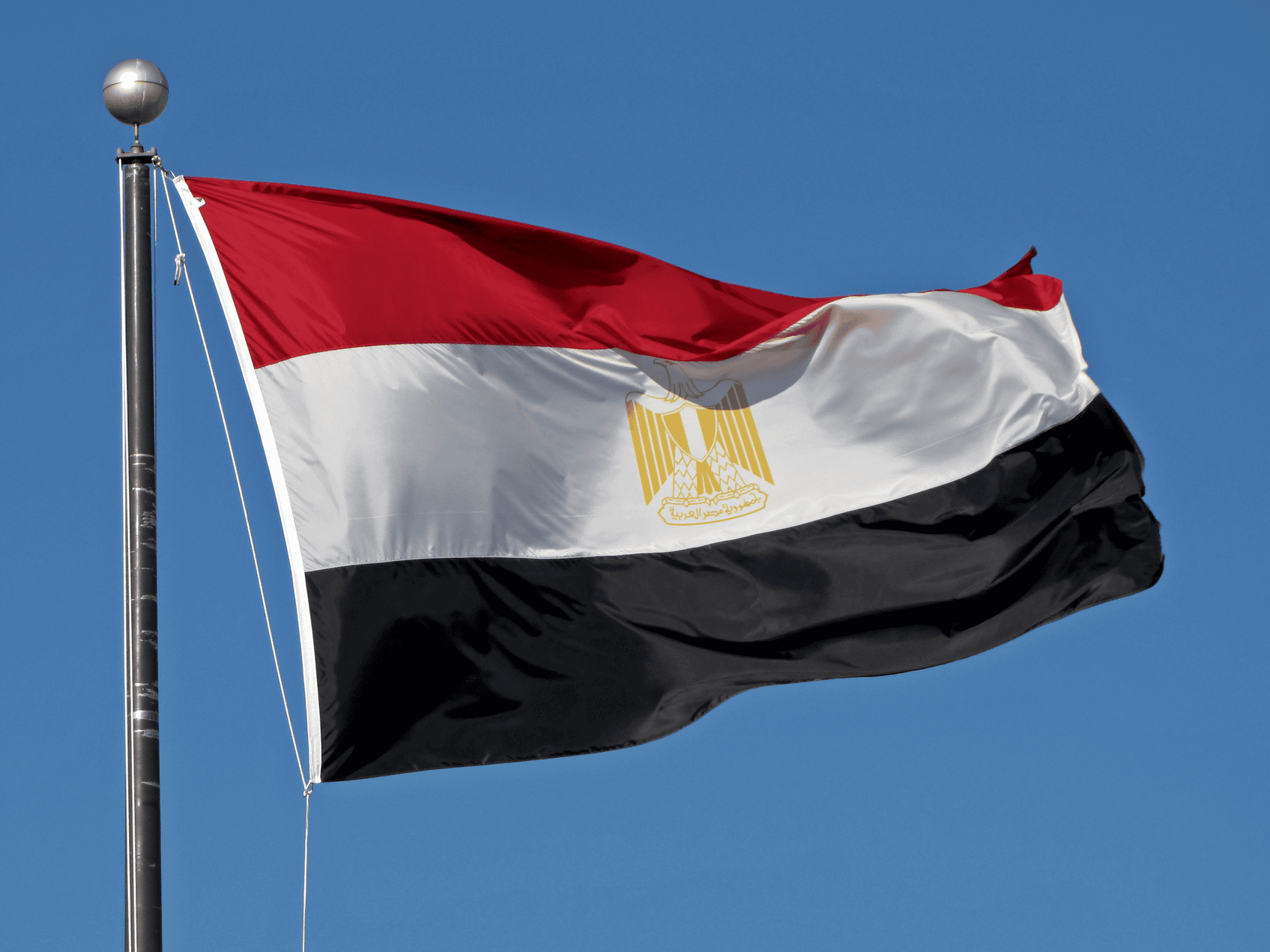
ARTICLE 19, and the undersigned human rights organistions, call on the Egyptian government to immediately end its campaign of transnational repression targeting exiled Egyptian journalists. We specifically urge the government to respond to the UN report detailing the harassment and surveillance of Egyptian investigative journalist Basma Mostafa, currently residing in Germany. We further urge German authorities to ensure her safety and uphold their international obligations to protect freedom of expression.
Despite seeking safety in exile, Mostafa continues to face threats, surveillance, harassment, and online gender-based violence across multiple countries—including Germany, Switzerland, Kenya, and Lebanon—simply for doing her work. These acts are detailed in a joint communication from UN Special Rapporteurs (AL EGY 6/2024), which documents a disturbing pattern of cross-border intimidation carried out by or with the acquiescence of Egyptian authorities.
Germany’s former Human Rights Commissioner, Luise Amtsberg, has publicly condemned Egypt’s transnational repression and urged the Egyptian government to address findings outlined in the UN report. The Egyptian authorities have yet to issue an official response. The silence is telling.
Her case is not isolated; Egypt is among the world’s top perpetrators of transnational repression, using tactics such as arresting journalists’ family members, blocking access to exile-based media, targeting journalists with spyware, and denying consular services and identity documents for those living abroad and their family members, including children. In another notable case, a Berlin court convicted a man for charges related to spying for the Egyptian regime, including on Egyptian exiles while working in the press office of former Chancellor Angela Merkel, where he had access to data on exiled Egyptian journalists accredited with the Federal Press Office.
We call on the Egyptian authorities to immediately respond to UN communication AL EGY 6/2024 and end all forms of transnational repression against Egyptian journalists and critics in exile. Egypt must stop targeting journalists abroad and ensure independent, transparent investigations to hold perpetrators accountable.
We also urge the German authorities to protect exiled journalists and critics from intimidation tactics by foreign governments and those working on their behalf, in line with their International Covenant on Civil and Political Rights (ICCPR) obligations and the 2023 Declaration of Principles to Combat Transnational Repression. Germany must provide full protection to Basma Mostafa, ensure accountability for her assault, investigate all attacks, harassment, and surveillance on its soil, and use its influence to demand that Egypt end its campaign of transnational repression.
Signed by:
Access Now
ARTICLE 19
Cairo Institute for Human Rights Studies (CIHRS)
Cartoonists Rights
Committee for Justice (CFJ)
Committee to Protect Journalists (CPJ)
Egyptian Commission for Rights and Freedoms (ECRF)
Egyptian Front for Human Rights (EFHR)
Egyptian Human Rights Forum (EHRF)
EuroMed Rights
EuroMed Rights Network
Gulf Centre for Human Rights (GCHR)
HuMENA for Human Rights and Civic Engagement
Human Rights Watch
International Federation for Human Rights (FIDH), within the framework of the Observatory for the Protection of Human Rights Defenders
International Service for Human Rights (ISHR)
Intersection Association for Rights and Freedoms
Law and Democracy Support Foundation (LDSF)
MENA Rights Group
Middle East Democracy Center (MEDC)
PEN America
PEN Berlin
Robert F. Kennedy Human Rights
Samir Kassir Foundation (SKF)
The Regional Coalition for Women Human Rights Defenders in South West Asia and North Africa (WHRDMENA)
World Organisation Against Torture (OMCT), within the framework of the Observatory for the Protection of Human Rights Defenders
As part of the organization of the 9th World Congress against the Death Penalty in Paris in the summer of 2026, particular attention will be paid to applications relating to this theme. However, the other areas of human rights covered by this call for applications remain fully eligible.
You are committed to the promotion and defence of human rights in your country:
You are a human rights defender in the sense recognised by the United Nations, adult and of non-French nationality, regardless of your placeof residence;
You can provide document(s)/evidence, produced by others (recommendations, press articles, etc.), attesting to your commitment/action in favour of human rights;
You can justify that participation in the Marianne Initiative’s French aid programme will strengthen your capacity for human rights action in your country and internationally, and that it will enable you to create or develop existing or planned links or projects with French organisations;
You possess a valid passport (with a validity of at least six months) or you are willing to follow the procedures to obtain one;
You are not subject to any legal ban on leaving your territory;
You are willing to travel to France from February to June 2026.
Benefits
The program in France provides individual accommodation near Paris, a monthly grant to meet daily needs, a training program, individualized support and networking with human rights players for a period of 4 months (from February to June 2026). The program does not provide support beyond the 4-month period.
Application Deadline: 6th July 2025. You can apply online to be part of the 2026 class of the Marianne initiative through the link below:
Applications do not need to be sent to the Embassy, but should be submitted directly using the procedure indicated above. However, if you have any questions, you may send an email to: amelle.abdallahi@diplomatie.gouv.fr.


 Hans Thoolen on Human Rights Defenders and their awards