On 29 May the Committee to Protect Journalists and fourteen other organisations have urged Pakistan to immediately halt deportation of Afghan journalists and other vulnerable Afghan migrants. The fifteen advocacy groups expressed deep concern over Pakistan’s ongoing deportation plan, first announced on 3 October 2023, which targets undocumented Afghan nationals. The joint statement highlights the heightened risks faced by Afghan journalists, writers, artists, human rights defenders, and others who fled Taliban persecution and are now at risk of being forcibly returned.
Among the signatories are prominent international organisations such as PEN Germany, CPJ, Unlimited Free Press, Front Line Defenders, International Cities of Refuge Network (ICORN), Nai – Supporting Open Media in Afghanistan, and Reporters Without Borders (RSF).
The organisations also called on the international community to provide safe resettlement opportunities for these individuals, recognising the dangers they face if returned to Taliban-controlled Afghanistan. Pakistan’s deportation policy has faced sharp criticism from local and international bodies, including the Pakistan Human Rights Commission, the United Nations High Commissioner for Refugees (UNHCR), and the International Organisation for Migration (IOM). These entities have urged Pakistan to uphold its international obligations and provide protection to those fleeing conflict and persecution.
Despite repeated calls for restraint, the Pakistani government has accelerated forced returns in recent months. In April alone, more than 300,000 Afghans were deported, drawing further condemnation from human rights organisations.
——
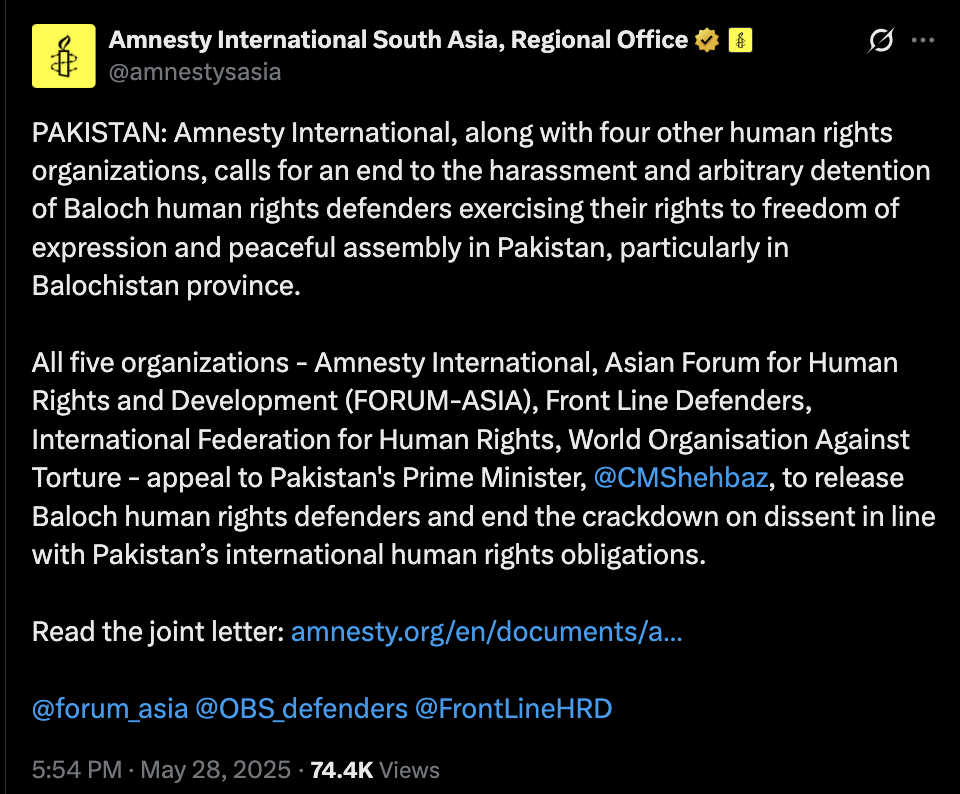
On 28 May Amnesty International along with four other human rights organizations wrote to the Pakistani prime minister, calling for an end to the “harassment and arbitrary detention” of Baloch human rights defenders (HRDs) exercising their rights to freedom of expression and peaceful assembly, particularly in Balochistan province.
The letter comes in the wake of Dr. Mahrang Baloch, one of the leading campaigners for the Baloch minority and the leader of the Baloch Yakjehti Committee (BYC), and a number of other activists, being arrested in March on charges of terrorism, sedition and murder. ..
The five organizations — Amnesty International, Asian Forum for Human Rights and Development (FORUM-ASIA), Front Line Defenders, International Federation for Human Rights, World Organization Against Torture — appeal to Pakistan’s Prime Minister to release Baloch human rights defenders and end the crackdown on dissent in line with Pakistan’s international human rights obligations;
A dozen UN experts called on Pakistan in March to immediately release Baloch rights defenders, including Dr. Baloch, and to end the repression of their peaceful protests. UN special rapporteur for human rights defenders Mary Lawlor said she was “disturbed by reports of further mistreatment in prison.”
Balochistan is the site of a long-running separatist movement, with insurgent groups accusing the state of unfairly exploiting Balochistan’s rich gas and mineral resources. The federal and provincial governments deny this, saying they are spending billions of rupees on the uplift of the province’s people.
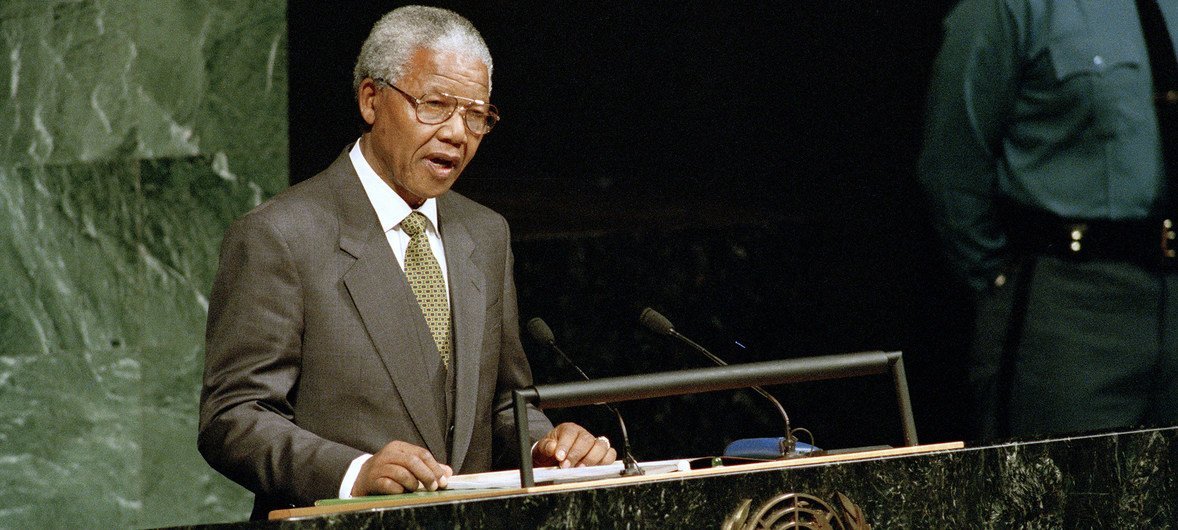
UN Photo/Evan Schneider President Nelson Mandela addresses the 49th session of the General Assembly October 1994.
An Indigenous social worker from Canada and a social entrepreneur from Kenya are the laureates of the 2025 Nelson Rolihlahla Mandela Prize, the United Nations announced on28 May 2025.
Secretary-General António Guterres will present the award to Brenda Reynolds and Kennedy Odede on 18 July, Nelson Mandela International Day. “This year’s Mandela prize winners embody the spirit of unity and possibility – reminding us how we all have the power to shape stronger communities and a better world,” said Mr. Guterres.
A Status Treaty member of the Fishing Lake Saulteaux First Nation in Saskatchewan, Canada, Brenda Reynolds has spent decades advancing Indigenous rights, mental health, and trauma-informed care. In 1988, she supported 17 teenage girls in the first residential school sexual abuse case in Saskatchewan. Later, she became a special adviser to the Truth and Reconciliation Commission (TRC), helping shape survivor support and trauma responses. She is most recognised for her key role in Canada’s court-ordered Indian Residential Schools Settlement Agreement and her subsequent development of the Indian Residential School Resolution Health Support Program—a national initiative offering culturally grounded mental health care for survivors and families. In 2023, she was invited by the UN High Commissioner for Human Rights and the European Union to share her expertise on trauma and cultural genocide.
Kennedy Odede
Living in Kenya’s Kibera Slum for 23 years, Kennedy Odede went from living on the street at 10 years old to global recognition when he was named one of TIME magazine’s 2024 100 Most Influential People. His journey began with a small act: saving his meagre factory earnings to buy a soccer ball and bring his community together. That spark grew into Shining Hope for Communities (SHOFCO), a grassroots movement he now leads as CEO. SHOFCO operates in 68 locations across Kenya, empowering local groups and delivering vital services to over 2.4 million people every year. Mr. Odede is also a New York Times bestselling co-author and holds roles with USAID, the World Economic Forum, the Obama Foundation, and the Clinton Global Initiative.
——-
Also interesting to note that according to the Sahara Press Service of29 May 2025 an unexpected and high-profile controversy led to the elimination of Moroccan nominee Amina Bouayach President of CNDH from the shortlist. Bouayach’s candidacy sparked a wave of international protest, with letters, petitions, and statements of condemnation sent to the selection committee from both Sahrawi organizations and Moroccan human rights defenders, who denounced the nomination as a betrayal of Mandela’s legacy.
The opposition was led by victims of human rights abuses—Sahrawis, Rifians, journalists, and former political prisoners—who expressed deep outrage that a figure associated with the whitewashing of Morocco’s ongoing violations could be considered for a prestigious prize meant to honor defenders of dignity and freedom.
In a series of forceful statements, the Sahrawi National Council and the Sahrawi Human Rights Commission described Bouayach’s nomination as “an insult” to Mandela and accused her of legitimizing repression in Western Sahara and within Morocco. Notably, Moroccan activists also voiced rare public criticism, calling the nomination a distortion of both the United Nations’ credibility and Mandela’s ideals…
Her leadership at the Moroccan National Human Rights Council has been, and still is marked not by independent advocacy, but by efforts to legitimize state atrocities even as reports of abuses against Sahrawis, Rifians, journalists, and peaceful dissidents have continued to mount. ..
According to sources close to the selection process, the committee was “taken aback” by the level and breadth of resistance, especially the coordinated objections from across the political and geographic spectrum. This pressure ultimately led to Bouayach’s exclusion from consideration.
‘In 2024, we have witnessed extraordinary levels of hostility towards democracy, from rampant disinformation and information manipulation by foreign actors, to the silencing of media and human rights defenders, and a strong pushback against gender equality and diversity, undoing years of progress in many countries across the globe. Today, only 29% of the world’s population live in liberal democracies. At the heart of these challenges lies peace. Peace is not simply the absence of war. It is the active cultivation of justice, the protection of the most vulnerable, the realisation of all human rights and the commitment to dialogue and reconciliation.’ – High Representative, Kaja Kallas
The publication of the EU’s Annual Human Rights Report takes place in the context of multiple and cascading crises, including war on the European continent and the resurgence of conflict in many other areas of the world. These developments underscore the strong links between peace, human rights and democracy. Climate change, digital transformation, and rising inequalities add to the growing human rights challenges worldwide.
The report follows the structure of the EU’s Action Plan on Human Rights and Democracy, particularly the EU’s work on protecting and empowering individuals, building resilient, inclusive and democratic societies, promoting a global system for human rights and democracy, harnessing opportunities and addressing challenges, and ensuring that the EU delivers by working with our partners.
The EU continues to support the strengthening of inclusive, representative and accountable institutions, and promoted a collaborative approach to democracy through the Team Europe Democracy initiative. The fight against information manipulation and interference also continues to be a priority through initiatives such as EUvsDisinfo. Over the past year, the European Endowment for Democracy has kept up its work on fostering democracy and working with free media and civil society in challenging circumstances in Belarus, and Ukraine among others. The EU has carried on supporting and empowering people on the frontlines of human rights advocacy.
While the global outlook is challenging, the EU is steadfastly pursuing deeper international cooperation and stronger early warning and prevention mechanisms. Efforts to ensure accountability for violations and abuses of human rights continue to be a key priority. Together with its partners, the EU is determined to protect the multilateral human rights system and uphold the central role of human rights and democracy in fostering peace, security and sustainable development.
Some States are using travel bans to punish and silence human rights defenders who dare to speak out at the United Nations. These acts of reprisal — from confiscating passports to unjustly labeling activists as terrorists — are designed to isolate, intimidate, and silence voices demanding accountability and justice. A travel ban may be less visible than a prison cell, but its impact is no less damaging. It prevents defenders from attending UN meetings, carrying out their work, reuniting with loved ones, or seeking safety.
Mohamed El-Baqer (Egypt), who, though pardoned after being unjustly detained for 5 years, is still listed on a terrorist list and barred from travelling.
Anexa Alfred Cunningham (Nicaragua), an Indigenous leader who was banned from returning to her country and her land.
These are not isolated cases — they are part of a pattern of reprisals meant to silence dissent and deter others from engaging with the UN.
What the International Service for Human Rights demand is:
The lifting of travel bans and restrictions against Loujain, Mohamed, Anexa, and Kadar.
The inclusion of their cases in the UN Secretary-General’s annual report on reprisals. This is the first step to recognise they are cases of reprisals which need to be addressed and resolved.
Concrete action from States to publicly condemn and raise these cases at the Human Rights Council and General Assembly. According to our research, we found that more publicity and peer-pressure bring more probability for the reprisal case to be resolved (i.e. here, for the bans to be lifted).
The establishment of clear UN protocols to prevent and respond to acts of reprisal.
You can help us achieve our goals:
The first step, is for the Secretary-General to include these cases in his reprisals report. You can contribute by:
👉 Signing our petition to the UN Secretary-General to ensure Loujain, Mohamed, Anexa, and Kadar are included.
UN independent experts on 26 May 2025 expressed grave concern over the continued detention of Anar Mammadli, a prominent Azerbaijani human rights defender who was arbitrarily detained on 29 April last year. “Defending human rights should never be considered a crime,” the experts said.
Anar Mammadli, Chair of the Election Monitoring and Democracy Studies Centre (EMDS), was arrested on 29 April 2024 amid what experts describe as a growing clampdown on critical voices and independent election observers in Azerbaijan. His arrest came shortly after EMDS reported irregularities during the February 2024 presidential elections, and after he participated in events at the UN Human Rights Council.
On 28 June 2024, the experts wrote to the Azerbaijani authorities to raise serious concerns about Mammadli’s alleged arbitrary detention, warrantless searches, restricted access to legal counsel, deteriorating health conditions in detention and a smear campaign reportedly targeting him in retaliation for his legitimate human rights work.
“There are serious concerns that Mammadli’s detention and prosecution may be in retaliation for his human rights work and his engagement with UN mechanisms,” they said.
The Azerbaijani Government responded by denying the allegations, stating that Anar Mammadli was under investigation for smuggling and money laundering. According to their response, he has been provided with all necessary legal rights and medical care during his detention.
The experts are still concerned about the legal proceedings, especially given Mammadli’s previous imprisonment in 2013, which the European Court of Human Rights deemed unlawful and politically motivated. Despite the Court’s 2018 judgment requiring Azerbaijan to quash the conviction and restore Mammadli’s civil and political rights, these remedies have allegedly not been implemented.
The experts will continue to monitor the case, particularly with regard to any potential connection to reprisals for engagement with UN human rights mechanisms.
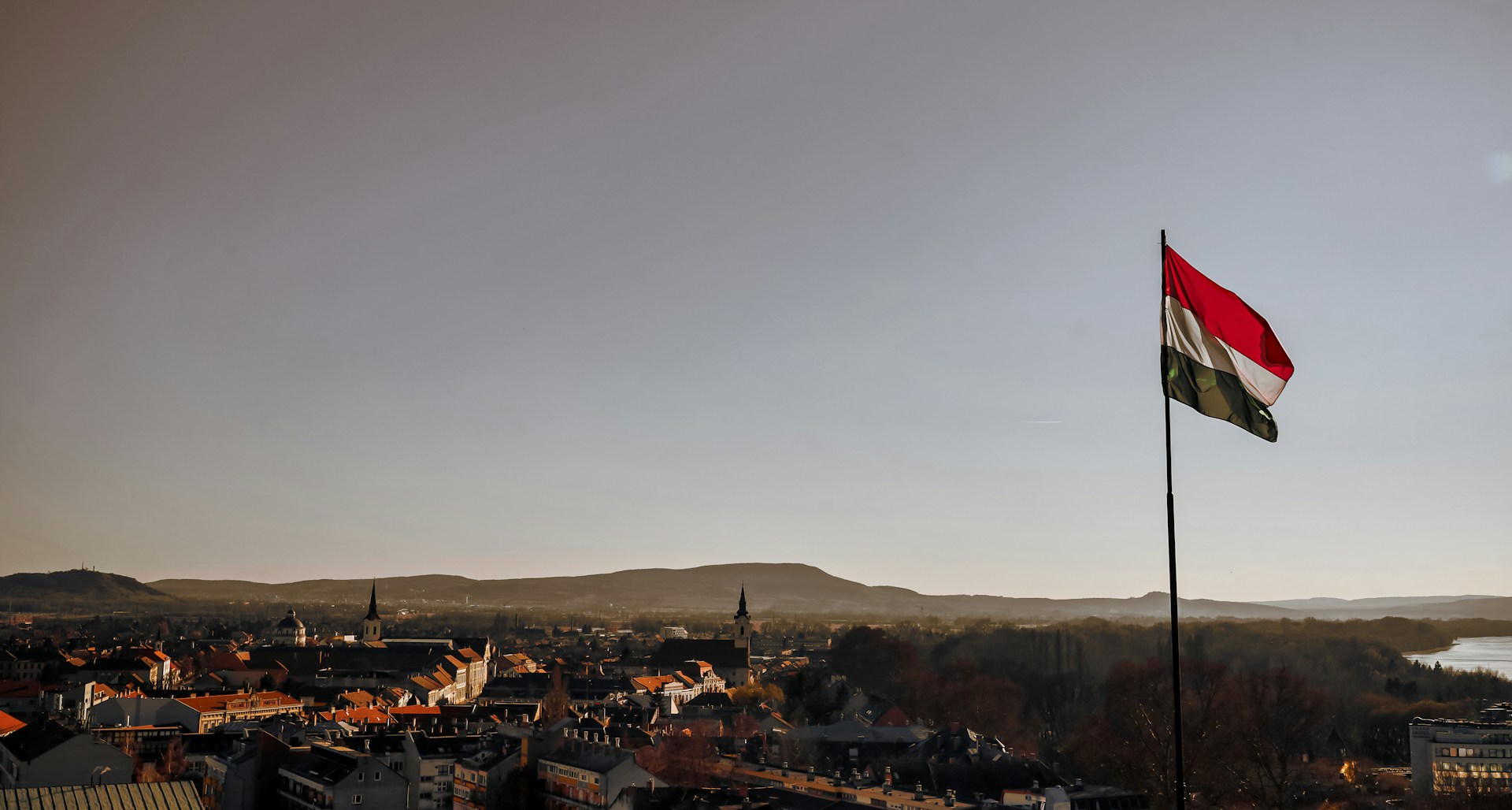
Human Rights Watch, Civil Rights Defenders and many, many other NGOs are deeply alarmed by a new legislative proposal in Hungary that, if passed, would institutionalise sweeping, opaque, and politically motivated repression of independent civil society, the press, and private organisations that receive foreign support or have any kind of income that the Hungarian government feels would threaten the country’s sovereignty.
The draft law, which is deceptively titled ‘On the Transparency of Public Life’, would give the authorities unchecked powers, allowing it to recommend the registration of organisations deemed to be ‘influencing public life’ with foreign funding in ways that ‘threaten Hungary’s sovereignty’. Because this phrasing is vague and ideologically loaded, it risks including any kind of criticism of government policy, including the promotion of human rights, press freedom, gender equality, and the rule of law.
Potential disastrous consequences
No legal remedy: If the government demands an organisation register itself, the organisation in question would not be able to appeal this decision. Once listed, organisations would have no access to effective legal redress;
Broad definitions: ‘Foreign support’ is defined as any financial input, no matter how small, from practically any international source (including EU institutions and dual citizens) as well as commercial revenue;
Sweeping prohibitions and sanctions: Listed organisations would have to seek permission from the tax authorities to receive foreign support. Financial institutions would be required to report and block transfers, meaning NGOs would effectively be permanently monitored;
Loss of domestic support: Listed organisations would lose access to Hungary’s 1% income tax donation scheme, which would prevent them from receiving support from regular Hungarian citizens;
Political targeting: Leaders of registered organisations would be labelled ‘politically exposed persons’, which would expose their private financial transactions to invasive scrutiny;
Severe penalties: Any violations could lead to fines of up to 25 times the amount received, suspension of the organisation’s advocacy activities, and even forced closure.
EU must speak out against proposed law
Hungary’s draft law is not about transparency: it is a calculated attempt to criminalise dissent, silence watchdogs, and entrench one-party control over the democratic public sphere and civic space. If passed, the law would violate multiple provisions of the EU Charter of Fundamental Rights and the European Convention on Human Rights, including freedom of expression and association and the right to an effective remedy.
In an open letter to President Ursula von der Leyen and Commissioner Michael McGrath of 22 May 2025, the NGOs urge to take the following immediate steps:
Immediately request the Court of Justice of the European Union (CJEU) to grant interim measures in the ongoing infringement procedure on the Law on the Defence of National Sovereignty (Case C-829/24). The Sovereignty Protection Office is crucial to the new bill and therefore this is an imminent and effective way to halt the progress and impact of the bill. Cognizant of the impending danger, the European Parliament and civil society have been calling for this step since 2024. Interim measures are designed to prevent irreparable harm — in this case, the effective paralysis of civil society organisations, independent media and dissenting voices – and with this new development comprehensive interim measures should be requested immediately.
At the same time, call on the Hungarian government to withdraw the bill and if unsuccessful, open a new infringement procedure on new violations that are not linked to the ongoing case on the Defence of National Sovereignty.
With the forthcoming Article 7 hearing on Hungary on 27 May 2025 and recognising the escalation of a systematic breakdown of the rule of law, support the Council of the EU to move to a vote on Article 7(1).
This new bill represents a severe and existential threat to democratic principles, human rights and the rule of law in Hungary and in the EU as a whole. If the existing tools are not effectively deployed, we risk an unravelling of the rules on which the EU was founded and a clear step towards authoritarian practices. We call on you to stand in solidarity with Hungarian civil society and their counterparts across the region and remain available to provide additional information and support.
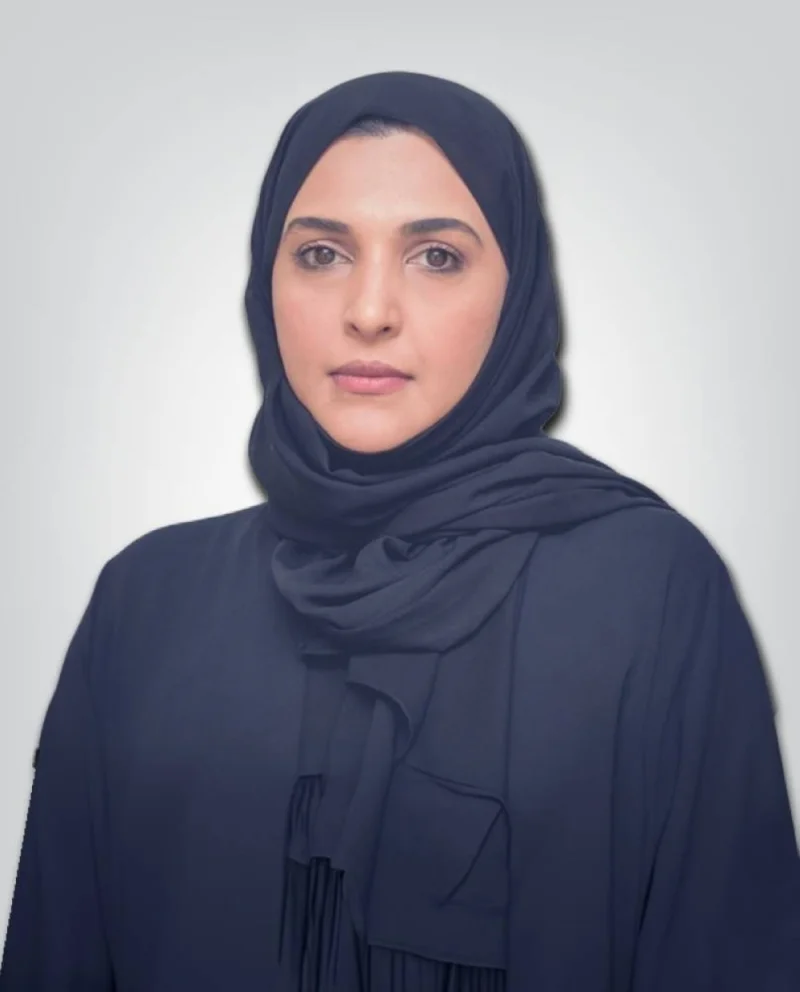
Chairperson of the NHRC Maryam bint Abdullah Al Attiyah
The international conference ‘Artificial Intelligence and Human Rights: Opportunities, Risks, and Visions for a Better Future,’ gets under way in Doha today. Organised by the National Human Rights Committee (NHRC), the two-day event is being held in collaboration with the UN Development Programme (UNDP), the Office of the High Commissioner for Human Rights (OHCHR), the Global Alliance of National Human Rights Institutions (GANHRI), and Qatar’s Ministry of Communications and Information Technology (MCIT) and National Cyber Security Agency, along with other international entities active in the fields of digital tools and technology.
Chairperson of the NHRC Maryam bint Abdullah Al Attiyah, said in a statement Monday that the conference discusses one of the most prominent human rights issues of our time, one that is becoming increasingly important, especially with the tremendous and growing progress in the field of artificial intelligence, which many human rights activists around the world fear will impact the rights of many individuals worldwide.
She added, that the developments in AI that is observed every day requires the establishment of a legal framework that governs the rights of every individual, whether related to privacy or other rights. The framework must also regulate and control the technologies developed by companies, ensuring that rights are not infringed upon, and that the development of AI technologies is not synonymous with the pursuit of financial gain, neglecting the potential infringements on the rights of individuals and communities.
She emphasised that the conference aims to discuss the impact of AI on human rights, not only limiting itself to the challenges it poses to the lives of individuals, but also extending to identifying the opportunities it presents to human rights specialists around the world. She noted that the coming period must witness a deep focus on this area, which is evolving by the hour.
The conference is expected to bring together around 800 partners from around the world to discuss the future of globalisation. Target attendees include government officials, policymakers, AI and technology experts, human rights defenders and activists, legal professionals, AI ethics specialists, civil society representatives, academics and researchers, international organisations, private sector companies, and technology developers.
..The conference is built around 12 core themes and key topics. It focuses on the foundations of artificial intelligence, including fundamental concepts such as machine learning and natural language processing. It also addresses AI and privacy-its impact on personal data, surveillance, and privacy rights. Other themes include bias and discrimination, with an emphasis on addressing algorithmic bias and ensuring fairness, as well as freedom of expression and the role of AI in content moderation, censorship, and the protection of free speech.
The International conference aims to explore the impact of AI on human rights and fundamental freedoms, analyse the opportunities and risks associated with AI from a human rights perspective, present best practices and standards for the ethical use of AI, and engage with policymakers, technology experts, civil society, and the private sector to foster multi-stakeholder dialogue. It also seeks to propose actionable policy and legal framework recommendations to ensure that AI development aligns with human rights principles.
Participating experts will address the legal and ethical frameworks, laws, policies, and ethical standards for the responsible use of artificial intelligence. They will also explore the theme of “AI and Security,” including issues related to militarisation, armed conflicts, and the protection of human rights. Additionally, the conference will examine AI and democracy, focusing on the role of AI in shaping democratic institutions and promoting inclusive participation.
Conference participants will also discuss artificial intelligence and the future of media from a human rights-based perspective, with a focus on both risks and innovation. The conference will further examine the transformations brought about by AI in employment and job opportunities, its impact on labor rights and economic inequality, as well as the associated challenges and prospects.
As part of its ongoing commitment to employing technology in service of humanity and supporting the ethical use of emerging technologies, the Ministry of Communications and Information Technology (MCIT) is also partnering in organising the conference.
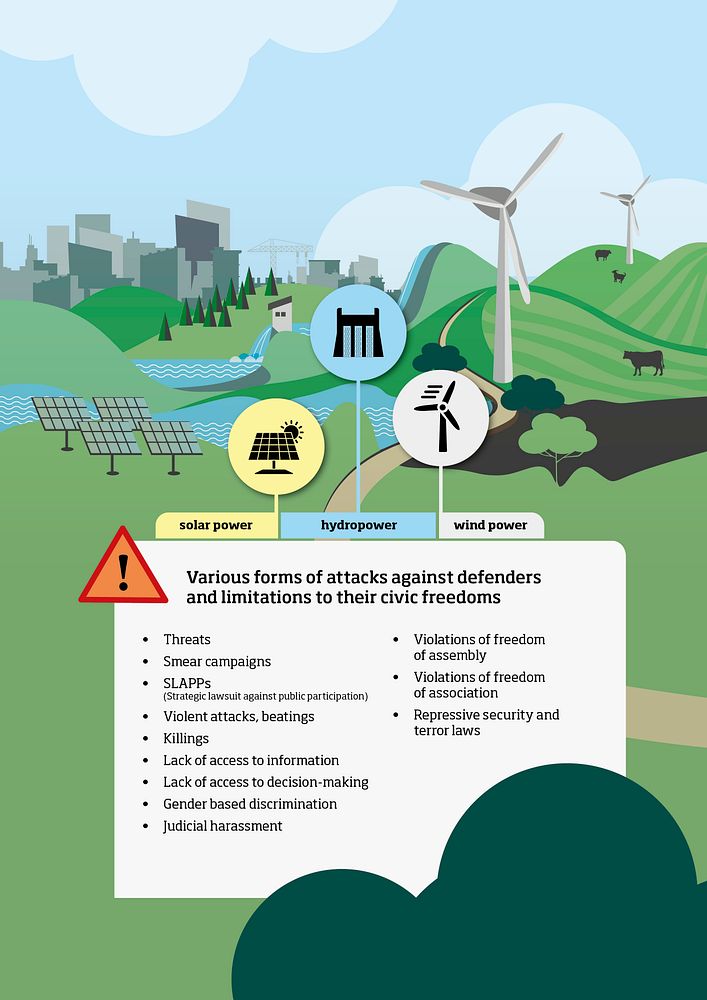
A new report by the research organization Swedwatch of 29 April 2025 highlights critical human rights risks associated with the global transition to renewable energy. The report reveals that human rights and environmental defenders face serious threats and reprisals in countries where renewable energy projects are being rapidly developed.
More than half of the world’s total prospective wind farm capacity, and more than two thirds of the prospective solar farm capacity, is estimated to take place in countries with obstructed, repressed or closed civic space.
While scaling up wind, solar, and hydropower is essential to limiting global warming to 1.5°C, this growth must not come at the expense of human rights.
–We cannot build a green future on the backs of those who are silenced or displaced. The renewable energy transition must not come at the cost of human rights. Defenders are not obstacles – they are essential allies in ensuring that this is just, equitable, and sustainable, says Alice Blondel, Director Swedwatch.
Renewable energy projects require large land areas, often affecting local communities, ecosystems, and livelihoods. Swedwatch’s analysis shows that the renewable energy transition will largely take place in countries with restricted civic space and poor human rights protections, where defenders who raise concerns often face harassment, legal persecution and at times even deadly violence.
The report Renewables and Reprisals – Defenders at risk in the green energy transition in Brazil, Honduras, Mozambique, and the Philippines is based on a global mapping of such high-risk areas for defenders, where civic space is restricted and where renewable energy expansion is projected to accelerate. Additionally, the report presents four case studies from Mozambique, Honduras, Brazil, and the Philippines, where defenders and affected community members describe restrictions and reprisals of defenders linked to renewable energy projects.
-The report underscores the urgent need for stronger protections for defenders, transparent consultation processes, and corporate accountability. Without immediate action, the rapid expansion of renewables risk repeating the same human rights abuses seen in industries such as mining and agribusiness, rather than fostering a truly just energy transition, says Alice Blondel.
Expansion of renewables in countries with high risks for defenders Swedwatch’s findings indicate that a large share of the expansion of renewable energy is taking place in countries where civic space is restricted, and defenders are at significant risk.
Case studies: Defenders under threat In the four case studies, defenders from Mozambique, Honduras, Brazil and the Philippines described restrictions of basic civic freedoms and risks of verbal, legal or violent physical attacks when reporting about impacts of renewable energy projects.
Mozambique: According to interviews in the report, the planning of the Mphanda Nkuwa hydropower project has been marred by inadequate social and environmental impact assessments, lack of transparency, and suppression of civic engagement. Defenders reported threats, violation of freedom of assembly, and an overall disregard for their right to participate in decision-making processes.
Honduras: Human rights defenders have faced legal intimidation through SLAPPs (Strategic Lawsuits Against Public Participation) for their criticism of the Los Prados solar power project, according to a group of women human rights lawyers. Community members involved in protests have allegedly been surveilled and subjected to repressive actions by security forces. Defenders also reported smear campaigns in the media, further restricting their ability to voice concerns.
Brazil: In Brazil, the wind power project Bons Ventos failed to properly include impacted communities, including marginalized groups, traditional fishing, and quilombola communities, in consultations, according to interviews. Defenders decided to remain anonymous in the interviews out of fear of reprisals, citing increasing threats and violence against defenders in the past years.
The Philippines: Indigenous defenders from the Tumandok communities were allegedly threatened, harassed, and killed when the national police and the armed forces raided their communities after community leaders criticized the Jalaur River Multipurpose project, according to a CSO operating in the area. Defenders reporting on the dam project outlined persecution, surveillance and red-tagging – terror-labelling by the government accusing defenders of being communist insurgents, creating an environment of fear and impunity.
Swedwatch´s recommendations As the world races to meet climate targets, a just transition must include the voices of those most affected by energy projects, and defenders are essential in ensuring that renewable energy projects respect human rights and the environment.
-Governments, businesses, and financial institutions must work together to ensure that human rights are protected, and that defenders can operate without fear of repression or violence. Engaging with defenders as valuable partners rather than as adversaries can help governments and businesses ensure renewable energy projects’ alignment with international human rights obligations, mitigate conflicts, and promote sustainable development, says Jessica Johansson.
Detailed recommendations to different actors can be found in the report, below the main ones are summarized:
Recommendations for governments:
Adopt legislation on mandatory human rights due diligence (HRDD) for companies, highlighting risks to defenders and meaningful consultation with defenders.
Adopt laws on company transparency laws and access to information.
Establish and enforce protections for defenders, ensuring they can operate without fear of retaliation, and provide effective legal remedies for those affected by violations.
Recommendations for companies and investors:
Strengthening their HRDD processes by integrating civic space risks and ensuring meaningful stakeholder engagement with defenders.
Adopt and enforce a zero-tolerance policy against reprisals targeting defenders (and affected communities).
Take appropriate action when business partners or third parties commit violations in relation to their business activities.
The Global Torture Index, a pioneering initiative by OMCT and partners, is poised to revolutionize the global fight against torture. It will be launched on 25 June, during the Global Week Against Torture, organized by OMCT and its partners in collaboration with #UnitedAgainstTorture – an EU-funded consortium of six leading anti-torture organizations.
Despite 175 countries ratifying the UN Convention Against Torture, this grave violation of human rights persists in prisons, public assemblies, armed conflicts, and daily police interventions. Torture remains shrouded in secrecy, making it difficult to detect and eradicate.
The Global Torture Index is an innovative tool, developed in collaboration with over 200 local civil society organizations that form the SOS-Torture Network, human rights defenders, and consulted with international experts, provides robust, data-driven insights and trend analysis into the risk of torture and ill-treatment across countries. The Global Torture Index map will serve as a critical resource for policymakers, governments, media, and activists, offering actionable recommendations, measuring progress and regression on human rights compliance, identifying good practices and fostering global awareness.
Follow us on social media to learn how you can take part in the launch of the Global Torture Index and discover how this powerful tool will empower the global anti-torture movement, bring torture out of the shadows, and drive meaningful change.
“Removing a dictator is not enough; real change requires a shift in governance, security, justice.”
Syrians gather in celebration days after the fall of Bashar Assad’s government at Umayyad Square in Damascus on Dec. 12, 2024. | Leo Correa/AP
On 19 May 2025 Bassam Alahmad, Noah Abbas, and Simav Hasan wrote in Global Citizen an interesting piece on how Syrian human rights defenders feel about the changes in their country:
In a previously published Global Citizen In My Own Words article, human rights defender Bassam Alahmad detailed his experiences of being a stateless citizen residing in Syria who stands for justice. In this article, following the fall of Al-Assad, Bassam Alahmad is joined by colleagues from Syrians For Truth and Justice, Simav Hasan, and Noah Abbas, as they share their reflections on what the regime change in the country means for them personally and for their hopes for a democratic Syria.
How would you describe your relationship with Syria and how has the decades-long conflict impacted you?
Bassam Alahmad: I think ‘complicated’ or ‘complex’ is the best way to describe my relationship with Syria. Being born stateless means having no rights, but we love our country because we were born there. We know the people and communities and we belong to the land but I didn’t feel as though I belonged politically. I didn’t feel as though I had full citizenship in the country. I like my country but unfortunately, the way in which the Kurdish people were treated for decades made it so we didn’t feel like we were equal parts of this country.
Noah Abbas: As a Kurdish Syrian national, the long-standing conflict in Syria has profoundly influenced both my personal and professional life. It has not only shaped my views on war and peace, but has also deepened my understanding of resilience and the value of community. Witnessing the enduring struggles of friends, family, and the broader Syrian community has motivated me to advocate for humanitarian causes and pursue solutions that aim to bring lasting peace to the region. The impact of this conflict extends into my academic pursuits as well; I am currently engaged in postgraduate studies in military intelligence and security.
This academic path was chosen with a clear purpose: to shift the perspective on the role of intelligence in Syria. Under Al-Assad’s governance, intelligence agencies were often viewed as instruments of fear, particularly against opponents of the regime. As a human rights activist, I believe it is our duty to transform this perception and demonstrate how intelligence can serve as a cornerstone for justice and societal safety. Joining the efforts of Syrians for Truth and Justice has been crucial in my journey.
Simav Hasan: I am a Kurd from Qamishli, and so my existence here has always been shaped by layers of oppression, resistance, and hope. The decades-long conflict has left scars on my community and on me personally. I’ve witnessed forced displacement, the suffering of victims, and the destruction of lives and history. But more than that, I’ve felt the weight of injustice firsthand — whether through the fight for accountability, the struggle for basic rights, or the ongoing humanitarian crises. Despite everything, I refuse to detach myself from this reality. My work as a journalist and human rights activist is my way of pushing back against the violence, ensuring that the voices of the victims are heard, and trying to carve out a future where justice isn’t just a distant dream. The war has taken much, but it has also strengthened my resolve. Even in the darkest moments, I believe in the power of truth, memory, and resistance.
………
In 2024 the Al-Assad government fell, how did this make you feel?
Alahmad: To be honest, while part of me is very happy that there is no longer the Assad regime, part of me also thinks that there is a big obstacle in the road to democracy, open civic society, and citizenship. As people working in human rights we must not be naive because we know the history and we know that there are human rights violations committed. The main issue is there is a huge gap betweenwhat they say to the west — to the EU, to the US, to the UN — and what they ultimately decide. For example, the national dialogue was kind of a missed opportunity, where instead of having a good version of national dialogue in Damascus and to be more inclusive, they excluded a huge part of Syria, including Kurds and other minorities.
It was a missed opportunity. The same is true with the constitutional declaration adopted in March 2025. They didn’t recognize the Kurdish people or the Kurdish language. They did not recognize diversity. Most of the authority was in the hands of the president. Our main problem is that Syria without the Assad regime is good, but there is no guarantee that we are going towards democracy. The recent Human Rights Watch report on the constitutional declaration clearly states that this constitutional declaration is not a road to a democratic country. This should be very clear for our partners in the US, the EU, and the international community. The most serious thing that happened in the coastal area in Latakia and Tartus is that hundreds of Alawite people were killed based on their identity, because they are from this minority group. A lot of violations happened by the groups linked to the government.
Abbas: The fall of the Al-Assad government, as welcomed by human rights organizations, provoked a complex mix of emotions within me. On one hand, I felt a profound sense of relief and happiness that the brutal regime, known for its relentless human rights violations and oppressive rule, had come to an end. The release of prisoners of conscience and the acknowledgment of the sacrifices made by countless human rights defenders brought a wave of hope for a future where justice and accountability could finally be addressed. However, as a Kurdish-Syrian national, this transition also brought with it significant fears and concerns. The potential for ethnic conflicts or even ethnic cleansing within the new power structures (such as the factions that committed violations in Efrin city, my home town, and other Kurdish cities across the country) was alarming, especially given the historical challenges faced by Kurdish communities in asserting their rights and safety within Syria.
Despite these fears, the fall of the regime marked a critical moment for Syria — an opportunity to rebuild and redefine the nation on the principles of freedom, justice, and human dignity. It was a moment to champion the efforts of Syrians for Truth and Justice and engage more actively in the civil society space dedicated to transitional justice and documenting human rights violations.
Hasan: With the fall of the Assad government, I felt a sense of cautious optimism. It marked the end of a regime responsible for decades of repression, war crimes, and mass atrocities — a moment many victims and survivors had long awaited. There was hope that this could be the beginning of rebuilding Syria on principles of justice, accountability, and human rights. However, I remained wary. The fall of a regime does not automatically guarantee freedom or stability. Power vacuums in Syria have often led to new forms of repression and external interference. Many armed actors still operate with impunity, and the path to true justice remains uncertain. While this moment was significant, real change depended on what came next. Would justice be pursued? Would the voices of victims and marginalized communities — especially Kurds and other oppressed groups — be heard? The fall of Assad was a turning point, but Syria’s future was still being written.




 Hans Thoolen on Human Rights Defenders and their awards