Now finally there is some closure as reported by ANP on 4 June 2025:
In El Salvador, three suspects have been found guilty of murdering four Dutch journalists that were working for IKON in 1982. All three were handed a prison sentence of 15 years, several Salvadorian media outlets reported, including the newspaper Diario El Salvador.
After a hearing that took longer than 11 hours, the jury ruled that all the suspects were involved in the death of the journalists. The suspects are the former Minister of Defense, Guillermo Garcia (91), former director of a special police service, Francisco Antonio Moran (93), and former colonel Mario Reyes Mena (85).
Koos Koster, Jan Kuiper, Hans ter Laag, and Joop Willemsen, four journalists who worked for the now defunct broadcaster IKON, were reporting on the civil war in the country in 1982. They walked into an ambush at Chalatenango and were killed. A now-repealed amnesty law prevented the prosecution of the perpetrators for years.
Sonja ter Laag (70), the sister of Hans ter Laag, responded to the verdict. “I am very happy that the people who murdered my brother have been convicted. And that they will go to their graves as murderers. We can finally close this after 43 years.”
She added that the victim’s relatives have been living in a state of hope and desperation for the convictions for 43 years. “That costs a lot of energy, you don’t want to know. And now it is over. The people who gave the order to murder my brother, an innocent 25-year-old boy, will be punished.” Ter Laag did not mind that the elderly men would not have long to live anymore. “In any case, they will not go to their grave decorated.”
The judges imposed a lower sentence than the maximum set by the law. Instead of a prison sentence of 30 years, they imposed 15 years because of the defendants’ age and poor health.
García and Morán are being treated in a private hospital. El Salvador has requested the extradition of Reyes Mena. He currently lives in the U.S.
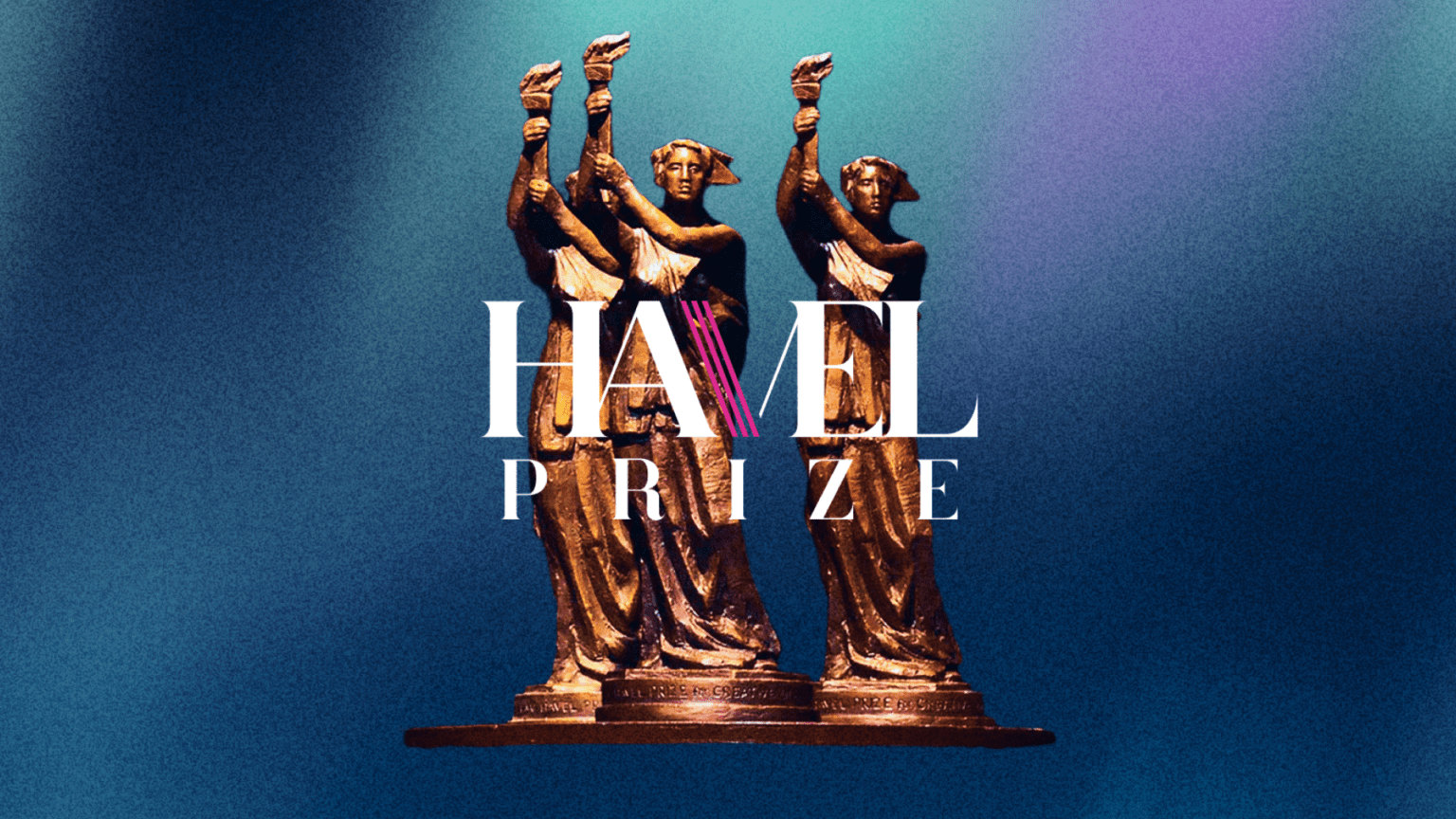
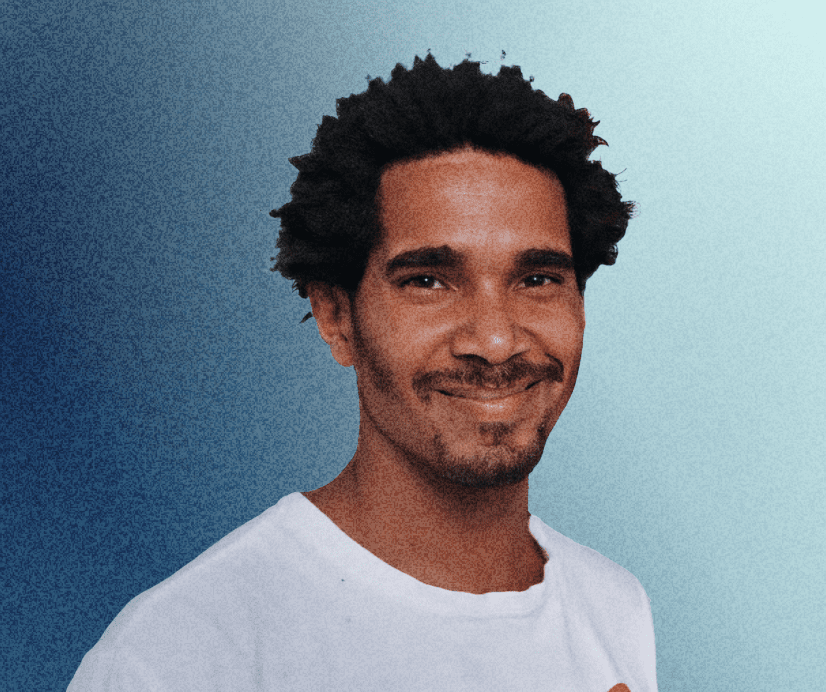
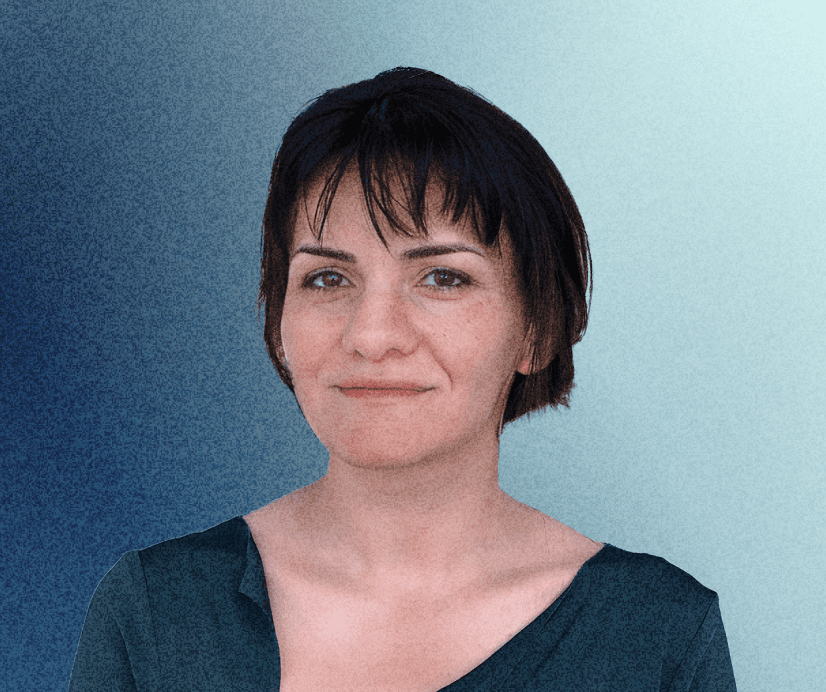
On 1 May 2025 the Human Rights Foundation announced the recipients of the 2025 Václav Havel International Prize for Creative Dissent: Cuban artist and pro-democracy activist Luis Manuel Otero Alcántara, Syrian activist and artist Azza Abo Rebieh, and Russian artist, poet, and musician Sasha Skochilenko.
He gained international attention for his performance art and peaceful protests, including hunger strikes and symbolic acts of resistance. He was arrested during Cuba’s historic 2021 protests and sentenced to five years in prison following a closed trial. In 2022, following a submission by HRF, the United Nations Working Group on Arbitrary Detention declared his imprisonment to be arbitrary and urged the Cuban regime to release him immediately. He is being held in Guanajay maximum-security prison.
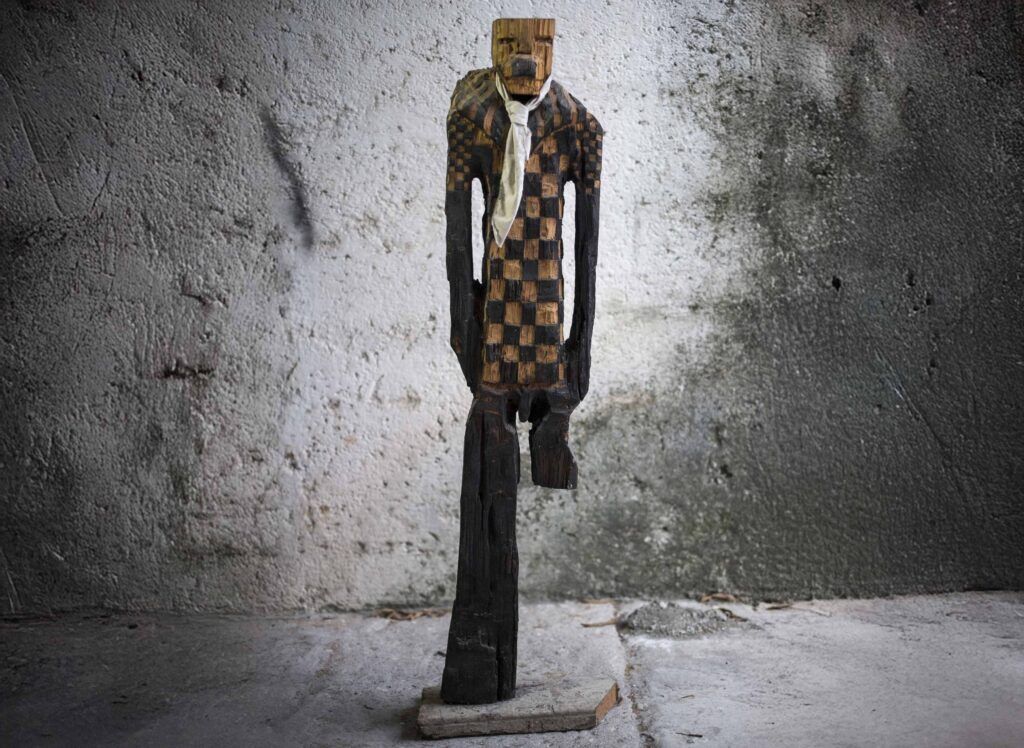
Luis Manuel Otero Alcántara, “Los Heroes no Pesan.” Courtesy of the artist.
AZZA ABO REBIEH
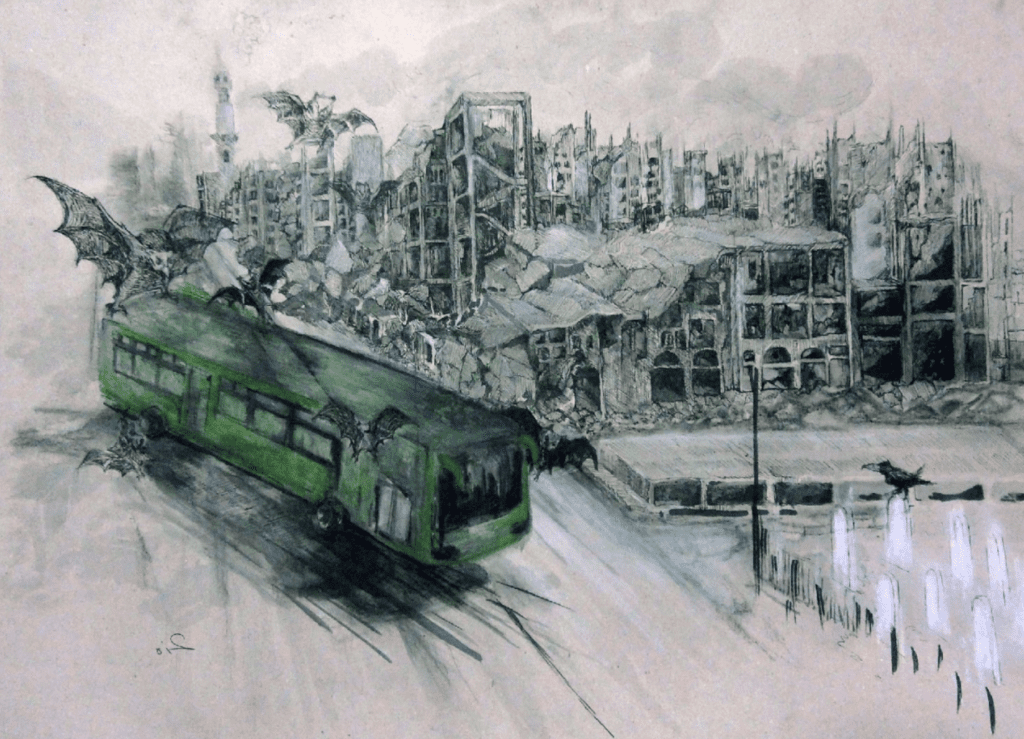
Azza Abo Rebieh is a Syrian artist born in Hama in 1980. During the Syrian revolution, she created graffiti, led workshops with women, and organized puppet theater for children in rural villages. In 2015, she was detained by the regime of Bashar al-Assad.
Art became her solace during her imprisonment in Adra prison, where she shared a cell with 30 women, many of whom were illiterate. Azza drew her cellmates, dignifying them through reminders and glimpses of themselves through sketches. Following her release, her prison drawings were exhibited at the Drawing Center in New York. Her work explores memory, resistance, and survival and is held in collections including the British Museum and Institut du Monde Arabe.
Azza Abo Rebieh, “Hindmosts.” Courtesy of the artist.
SASHA SKOCHILENKO
Sasha Skochilenko is a Russian artist, musician, poet, and former political prisoner. She was arrested in 2022 for distributing anti-war messages and sentenced in 2023 to seven years in prison under Russia’s so-called “fake news” law.
Skochilenko was released in 2024 as part of the Ankara prisoner exchange between the United States and Russia. She lives in Germany, where she continues her artistic work, participating in exhibitions in Paris, Amsterdam, and London to showcase the drawings she created in prison. Beyond activism, she’s the author of “Book About Depression,” which played a significant role in destigmatizing mental health issues in Russia.
Sasha Skochilenko replaced pricing labels with anti-war messages (seen here in English translation).
You don’t need experience to make a difference. You just need the belief that things can be better – and the courage to take that first step. At Amnesty, we’ll support you to get involved in a way that works for you. Whether you’ve got five minutes or a few hours a month, there’s a place for you in our movement.
….
🌈 Ready to Take Action? Sign up Today.
Once you sign up, we’ll guide you through a short online induction module that introduces you to who we are, what we do, and how you can help. From there, you’ll be connected with the right support to help you
On 29 May the Committee to Protect Journalists and fourteen other organisations have urged Pakistan to immediately halt deportation of Afghan journalists and other vulnerable Afghan migrants. The fifteen advocacy groups expressed deep concern over Pakistan’s ongoing deportation plan, first announced on 3 October 2023, which targets undocumented Afghan nationals. The joint statement highlights the heightened risks faced by Afghan journalists, writers, artists, human rights defenders, and others who fled Taliban persecution and are now at risk of being forcibly returned.
Among the signatories are prominent international organisations such as PEN Germany, CPJ, Unlimited Free Press, Front Line Defenders, International Cities of Refuge Network (ICORN), Nai – Supporting Open Media in Afghanistan, and Reporters Without Borders (RSF).
The organisations also called on the international community to provide safe resettlement opportunities for these individuals, recognising the dangers they face if returned to Taliban-controlled Afghanistan. Pakistan’s deportation policy has faced sharp criticism from local and international bodies, including the Pakistan Human Rights Commission, the United Nations High Commissioner for Refugees (UNHCR), and the International Organisation for Migration (IOM). These entities have urged Pakistan to uphold its international obligations and provide protection to those fleeing conflict and persecution.
Despite repeated calls for restraint, the Pakistani government has accelerated forced returns in recent months. In April alone, more than 300,000 Afghans were deported, drawing further condemnation from human rights organisations.
——
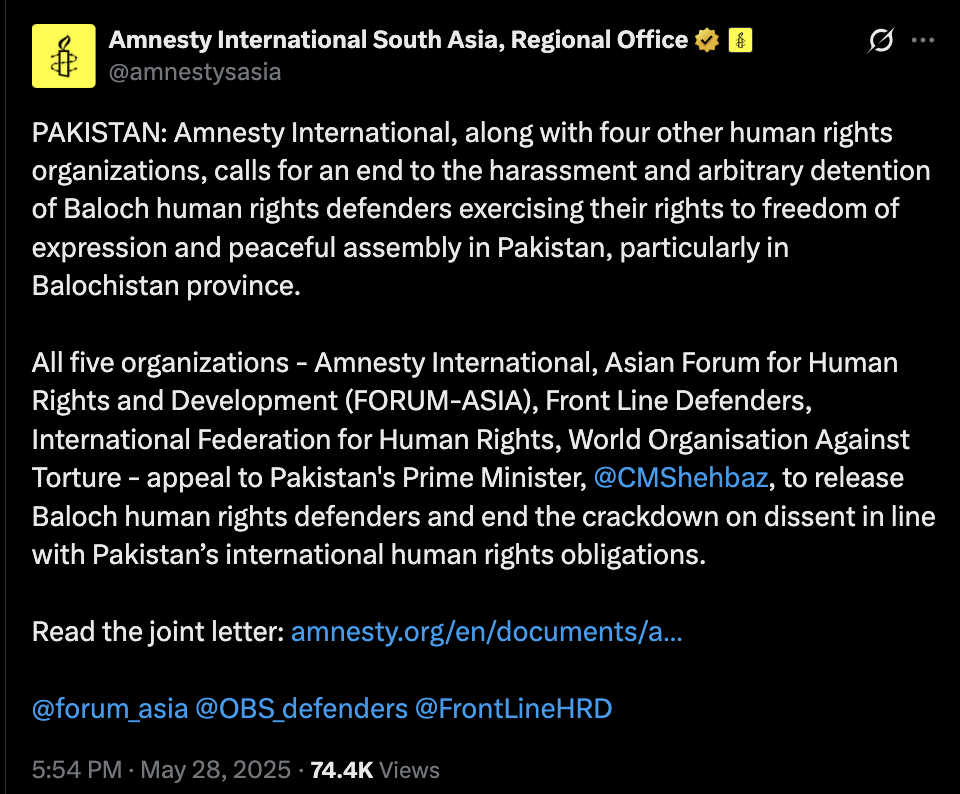
On 28 May Amnesty International along with four other human rights organizations wrote to the Pakistani prime minister, calling for an end to the “harassment and arbitrary detention” of Baloch human rights defenders (HRDs) exercising their rights to freedom of expression and peaceful assembly, particularly in Balochistan province.
The letter comes in the wake of Dr. Mahrang Baloch, one of the leading campaigners for the Baloch minority and the leader of the Baloch Yakjehti Committee (BYC), and a number of other activists, being arrested in March on charges of terrorism, sedition and murder. ..
The five organizations — Amnesty International, Asian Forum for Human Rights and Development (FORUM-ASIA), Front Line Defenders, International Federation for Human Rights, World Organization Against Torture — appeal to Pakistan’s Prime Minister to release Baloch human rights defenders and end the crackdown on dissent in line with Pakistan’s international human rights obligations;
A dozen UN experts called on Pakistan in March to immediately release Baloch rights defenders, including Dr. Baloch, and to end the repression of their peaceful protests. UN special rapporteur for human rights defenders Mary Lawlor said she was “disturbed by reports of further mistreatment in prison.”
Balochistan is the site of a long-running separatist movement, with insurgent groups accusing the state of unfairly exploiting Balochistan’s rich gas and mineral resources. The federal and provincial governments deny this, saying they are spending billions of rupees on the uplift of the province’s people.
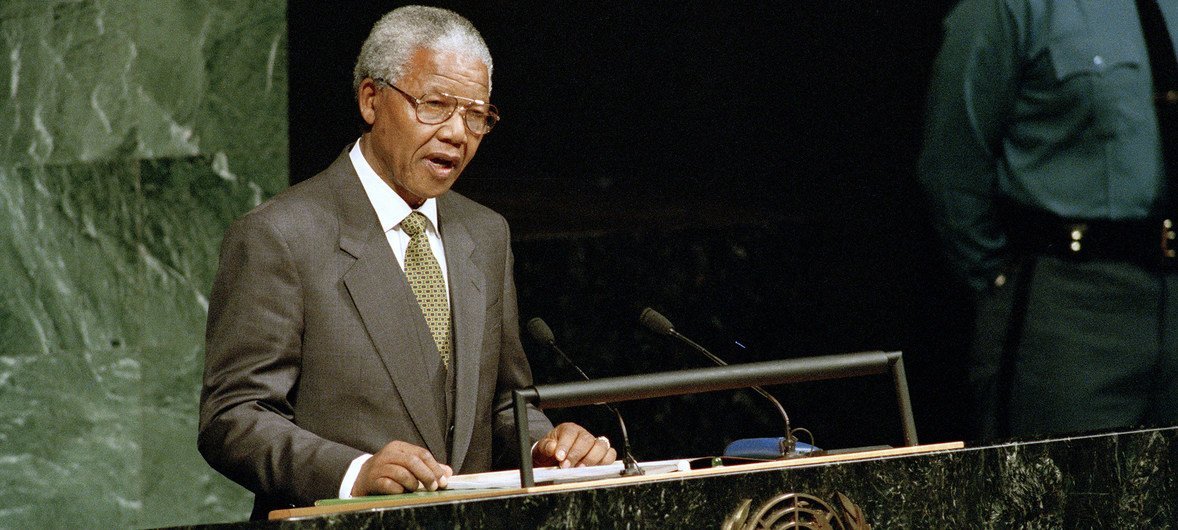
UN Photo/Evan Schneider President Nelson Mandela addresses the 49th session of the General Assembly October 1994.
An Indigenous social worker from Canada and a social entrepreneur from Kenya are the laureates of the 2025 Nelson Rolihlahla Mandela Prize, the United Nations announced on28 May 2025.
Secretary-General António Guterres will present the award to Brenda Reynolds and Kennedy Odede on 18 July, Nelson Mandela International Day. “This year’s Mandela prize winners embody the spirit of unity and possibility – reminding us how we all have the power to shape stronger communities and a better world,” said Mr. Guterres.
A Status Treaty member of the Fishing Lake Saulteaux First Nation in Saskatchewan, Canada, Brenda Reynolds has spent decades advancing Indigenous rights, mental health, and trauma-informed care. In 1988, she supported 17 teenage girls in the first residential school sexual abuse case in Saskatchewan. Later, she became a special adviser to the Truth and Reconciliation Commission (TRC), helping shape survivor support and trauma responses. She is most recognised for her key role in Canada’s court-ordered Indian Residential Schools Settlement Agreement and her subsequent development of the Indian Residential School Resolution Health Support Program—a national initiative offering culturally grounded mental health care for survivors and families. In 2023, she was invited by the UN High Commissioner for Human Rights and the European Union to share her expertise on trauma and cultural genocide.
Kennedy Odede
Living in Kenya’s Kibera Slum for 23 years, Kennedy Odede went from living on the street at 10 years old to global recognition when he was named one of TIME magazine’s 2024 100 Most Influential People. His journey began with a small act: saving his meagre factory earnings to buy a soccer ball and bring his community together. That spark grew into Shining Hope for Communities (SHOFCO), a grassroots movement he now leads as CEO. SHOFCO operates in 68 locations across Kenya, empowering local groups and delivering vital services to over 2.4 million people every year. Mr. Odede is also a New York Times bestselling co-author and holds roles with USAID, the World Economic Forum, the Obama Foundation, and the Clinton Global Initiative.
——-
Also interesting to note that according to the Sahara Press Service of29 May 2025 an unexpected and high-profile controversy led to the elimination of Moroccan nominee Amina Bouayach President of CNDH from the shortlist. Bouayach’s candidacy sparked a wave of international protest, with letters, petitions, and statements of condemnation sent to the selection committee from both Sahrawi organizations and Moroccan human rights defenders, who denounced the nomination as a betrayal of Mandela’s legacy.
The opposition was led by victims of human rights abuses—Sahrawis, Rifians, journalists, and former political prisoners—who expressed deep outrage that a figure associated with the whitewashing of Morocco’s ongoing violations could be considered for a prestigious prize meant to honor defenders of dignity and freedom.
In a series of forceful statements, the Sahrawi National Council and the Sahrawi Human Rights Commission described Bouayach’s nomination as “an insult” to Mandela and accused her of legitimizing repression in Western Sahara and within Morocco. Notably, Moroccan activists also voiced rare public criticism, calling the nomination a distortion of both the United Nations’ credibility and Mandela’s ideals…
Her leadership at the Moroccan National Human Rights Council has been, and still is marked not by independent advocacy, but by efforts to legitimize state atrocities even as reports of abuses against Sahrawis, Rifians, journalists, and peaceful dissidents have continued to mount. ..
According to sources close to the selection process, the committee was “taken aback” by the level and breadth of resistance, especially the coordinated objections from across the political and geographic spectrum. This pressure ultimately led to Bouayach’s exclusion from consideration.
‘In 2024, we have witnessed extraordinary levels of hostility towards democracy, from rampant disinformation and information manipulation by foreign actors, to the silencing of media and human rights defenders, and a strong pushback against gender equality and diversity, undoing years of progress in many countries across the globe. Today, only 29% of the world’s population live in liberal democracies. At the heart of these challenges lies peace. Peace is not simply the absence of war. It is the active cultivation of justice, the protection of the most vulnerable, the realisation of all human rights and the commitment to dialogue and reconciliation.’ – High Representative, Kaja Kallas
The publication of the EU’s Annual Human Rights Report takes place in the context of multiple and cascading crises, including war on the European continent and the resurgence of conflict in many other areas of the world. These developments underscore the strong links between peace, human rights and democracy. Climate change, digital transformation, and rising inequalities add to the growing human rights challenges worldwide.
The report follows the structure of the EU’s Action Plan on Human Rights and Democracy, particularly the EU’s work on protecting and empowering individuals, building resilient, inclusive and democratic societies, promoting a global system for human rights and democracy, harnessing opportunities and addressing challenges, and ensuring that the EU delivers by working with our partners.
The EU continues to support the strengthening of inclusive, representative and accountable institutions, and promoted a collaborative approach to democracy through the Team Europe Democracy initiative. The fight against information manipulation and interference also continues to be a priority through initiatives such as EUvsDisinfo. Over the past year, the European Endowment for Democracy has kept up its work on fostering democracy and working with free media and civil society in challenging circumstances in Belarus, and Ukraine among others. The EU has carried on supporting and empowering people on the frontlines of human rights advocacy.
While the global outlook is challenging, the EU is steadfastly pursuing deeper international cooperation and stronger early warning and prevention mechanisms. Efforts to ensure accountability for violations and abuses of human rights continue to be a key priority. Together with its partners, the EU is determined to protect the multilateral human rights system and uphold the central role of human rights and democracy in fostering peace, security and sustainable development.
Some States are using travel bans to punish and silence human rights defenders who dare to speak out at the United Nations. These acts of reprisal — from confiscating passports to unjustly labeling activists as terrorists — are designed to isolate, intimidate, and silence voices demanding accountability and justice. A travel ban may be less visible than a prison cell, but its impact is no less damaging. It prevents defenders from attending UN meetings, carrying out their work, reuniting with loved ones, or seeking safety.
Mohamed El-Baqer (Egypt), who, though pardoned after being unjustly detained for 5 years, is still listed on a terrorist list and barred from travelling.
Anexa Alfred Cunningham (Nicaragua), an Indigenous leader who was banned from returning to her country and her land.
These are not isolated cases — they are part of a pattern of reprisals meant to silence dissent and deter others from engaging with the UN.
What the International Service for Human Rights demand is:
The lifting of travel bans and restrictions against Loujain, Mohamed, Anexa, and Kadar.
The inclusion of their cases in the UN Secretary-General’s annual report on reprisals. This is the first step to recognise they are cases of reprisals which need to be addressed and resolved.
Concrete action from States to publicly condemn and raise these cases at the Human Rights Council and General Assembly. According to our research, we found that more publicity and peer-pressure bring more probability for the reprisal case to be resolved (i.e. here, for the bans to be lifted).
The establishment of clear UN protocols to prevent and respond to acts of reprisal.
You can help us achieve our goals:
The first step, is for the Secretary-General to include these cases in his reprisals report. You can contribute by:
👉 Signing our petition to the UN Secretary-General to ensure Loujain, Mohamed, Anexa, and Kadar are included.
UN independent experts on 26 May 2025 expressed grave concern over the continued detention of Anar Mammadli, a prominent Azerbaijani human rights defender who was arbitrarily detained on 29 April last year. “Defending human rights should never be considered a crime,” the experts said.
Anar Mammadli, Chair of the Election Monitoring and Democracy Studies Centre (EMDS), was arrested on 29 April 2024 amid what experts describe as a growing clampdown on critical voices and independent election observers in Azerbaijan. His arrest came shortly after EMDS reported irregularities during the February 2024 presidential elections, and after he participated in events at the UN Human Rights Council.
On 28 June 2024, the experts wrote to the Azerbaijani authorities to raise serious concerns about Mammadli’s alleged arbitrary detention, warrantless searches, restricted access to legal counsel, deteriorating health conditions in detention and a smear campaign reportedly targeting him in retaliation for his legitimate human rights work.
“There are serious concerns that Mammadli’s detention and prosecution may be in retaliation for his human rights work and his engagement with UN mechanisms,” they said.
The Azerbaijani Government responded by denying the allegations, stating that Anar Mammadli was under investigation for smuggling and money laundering. According to their response, he has been provided with all necessary legal rights and medical care during his detention.
The experts are still concerned about the legal proceedings, especially given Mammadli’s previous imprisonment in 2013, which the European Court of Human Rights deemed unlawful and politically motivated. Despite the Court’s 2018 judgment requiring Azerbaijan to quash the conviction and restore Mammadli’s civil and political rights, these remedies have allegedly not been implemented.
The experts will continue to monitor the case, particularly with regard to any potential connection to reprisals for engagement with UN human rights mechanisms.
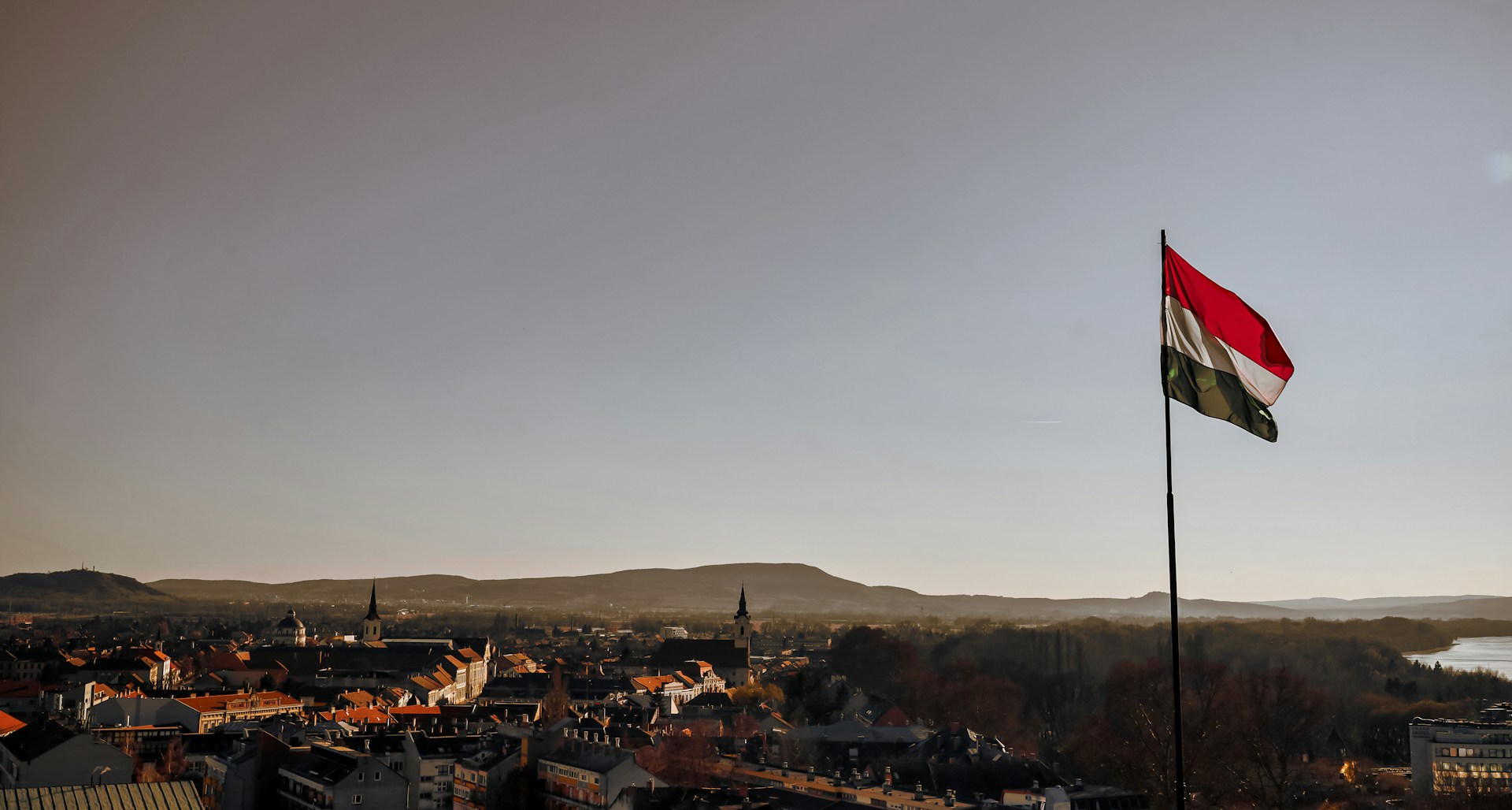
Human Rights Watch, Civil Rights Defenders and many, many other NGOs are deeply alarmed by a new legislative proposal in Hungary that, if passed, would institutionalise sweeping, opaque, and politically motivated repression of independent civil society, the press, and private organisations that receive foreign support or have any kind of income that the Hungarian government feels would threaten the country’s sovereignty.
The draft law, which is deceptively titled ‘On the Transparency of Public Life’, would give the authorities unchecked powers, allowing it to recommend the registration of organisations deemed to be ‘influencing public life’ with foreign funding in ways that ‘threaten Hungary’s sovereignty’. Because this phrasing is vague and ideologically loaded, it risks including any kind of criticism of government policy, including the promotion of human rights, press freedom, gender equality, and the rule of law.
Potential disastrous consequences
No legal remedy: If the government demands an organisation register itself, the organisation in question would not be able to appeal this decision. Once listed, organisations would have no access to effective legal redress;
Broad definitions: ‘Foreign support’ is defined as any financial input, no matter how small, from practically any international source (including EU institutions and dual citizens) as well as commercial revenue;
Sweeping prohibitions and sanctions: Listed organisations would have to seek permission from the tax authorities to receive foreign support. Financial institutions would be required to report and block transfers, meaning NGOs would effectively be permanently monitored;
Loss of domestic support: Listed organisations would lose access to Hungary’s 1% income tax donation scheme, which would prevent them from receiving support from regular Hungarian citizens;
Political targeting: Leaders of registered organisations would be labelled ‘politically exposed persons’, which would expose their private financial transactions to invasive scrutiny;
Severe penalties: Any violations could lead to fines of up to 25 times the amount received, suspension of the organisation’s advocacy activities, and even forced closure.
EU must speak out against proposed law
Hungary’s draft law is not about transparency: it is a calculated attempt to criminalise dissent, silence watchdogs, and entrench one-party control over the democratic public sphere and civic space. If passed, the law would violate multiple provisions of the EU Charter of Fundamental Rights and the European Convention on Human Rights, including freedom of expression and association and the right to an effective remedy.
In an open letter to President Ursula von der Leyen and Commissioner Michael McGrath of 22 May 2025, the NGOs urge to take the following immediate steps:
Immediately request the Court of Justice of the European Union (CJEU) to grant interim measures in the ongoing infringement procedure on the Law on the Defence of National Sovereignty (Case C-829/24). The Sovereignty Protection Office is crucial to the new bill and therefore this is an imminent and effective way to halt the progress and impact of the bill. Cognizant of the impending danger, the European Parliament and civil society have been calling for this step since 2024. Interim measures are designed to prevent irreparable harm — in this case, the effective paralysis of civil society organisations, independent media and dissenting voices – and with this new development comprehensive interim measures should be requested immediately.
At the same time, call on the Hungarian government to withdraw the bill and if unsuccessful, open a new infringement procedure on new violations that are not linked to the ongoing case on the Defence of National Sovereignty.
With the forthcoming Article 7 hearing on Hungary on 27 May 2025 and recognising the escalation of a systematic breakdown of the rule of law, support the Council of the EU to move to a vote on Article 7(1).
This new bill represents a severe and existential threat to democratic principles, human rights and the rule of law in Hungary and in the EU as a whole. If the existing tools are not effectively deployed, we risk an unravelling of the rules on which the EU was founded and a clear step towards authoritarian practices. We call on you to stand in solidarity with Hungarian civil society and their counterparts across the region and remain available to provide additional information and support.
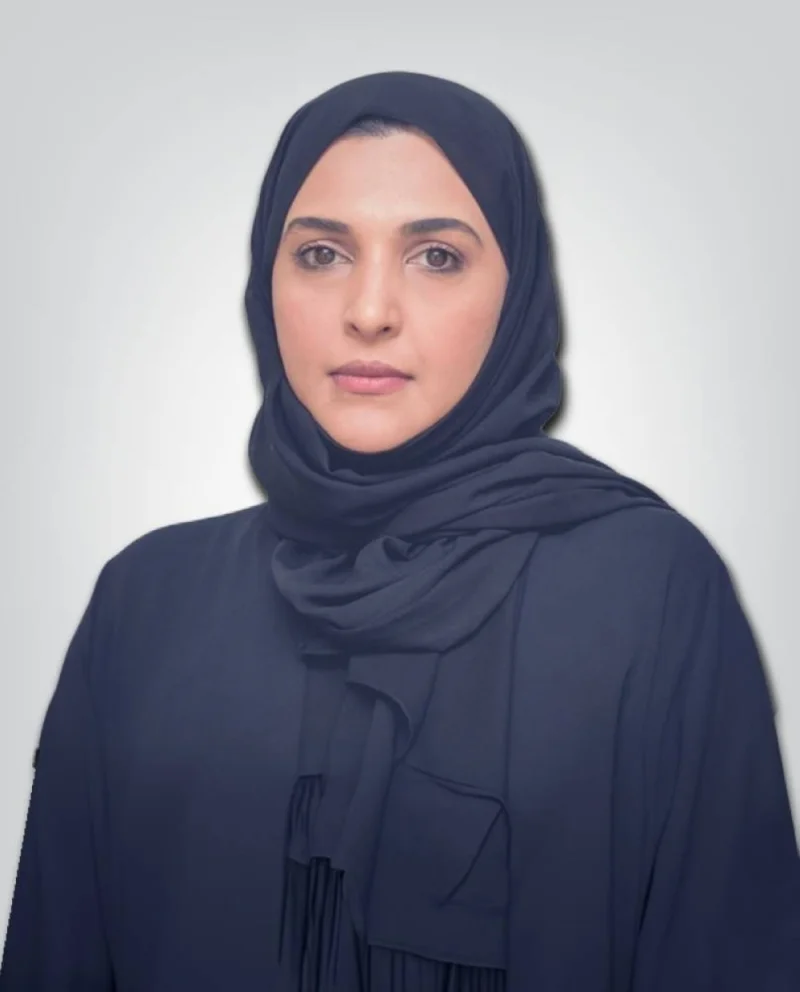
Chairperson of the NHRC Maryam bint Abdullah Al Attiyah
The international conference ‘Artificial Intelligence and Human Rights: Opportunities, Risks, and Visions for a Better Future,’ gets under way in Doha today. Organised by the National Human Rights Committee (NHRC), the two-day event is being held in collaboration with the UN Development Programme (UNDP), the Office of the High Commissioner for Human Rights (OHCHR), the Global Alliance of National Human Rights Institutions (GANHRI), and Qatar’s Ministry of Communications and Information Technology (MCIT) and National Cyber Security Agency, along with other international entities active in the fields of digital tools and technology.
Chairperson of the NHRC Maryam bint Abdullah Al Attiyah, said in a statement Monday that the conference discusses one of the most prominent human rights issues of our time, one that is becoming increasingly important, especially with the tremendous and growing progress in the field of artificial intelligence, which many human rights activists around the world fear will impact the rights of many individuals worldwide.
She added, that the developments in AI that is observed every day requires the establishment of a legal framework that governs the rights of every individual, whether related to privacy or other rights. The framework must also regulate and control the technologies developed by companies, ensuring that rights are not infringed upon, and that the development of AI technologies is not synonymous with the pursuit of financial gain, neglecting the potential infringements on the rights of individuals and communities.
She emphasised that the conference aims to discuss the impact of AI on human rights, not only limiting itself to the challenges it poses to the lives of individuals, but also extending to identifying the opportunities it presents to human rights specialists around the world. She noted that the coming period must witness a deep focus on this area, which is evolving by the hour.
The conference is expected to bring together around 800 partners from around the world to discuss the future of globalisation. Target attendees include government officials, policymakers, AI and technology experts, human rights defenders and activists, legal professionals, AI ethics specialists, civil society representatives, academics and researchers, international organisations, private sector companies, and technology developers.
..The conference is built around 12 core themes and key topics. It focuses on the foundations of artificial intelligence, including fundamental concepts such as machine learning and natural language processing. It also addresses AI and privacy-its impact on personal data, surveillance, and privacy rights. Other themes include bias and discrimination, with an emphasis on addressing algorithmic bias and ensuring fairness, as well as freedom of expression and the role of AI in content moderation, censorship, and the protection of free speech.
The International conference aims to explore the impact of AI on human rights and fundamental freedoms, analyse the opportunities and risks associated with AI from a human rights perspective, present best practices and standards for the ethical use of AI, and engage with policymakers, technology experts, civil society, and the private sector to foster multi-stakeholder dialogue. It also seeks to propose actionable policy and legal framework recommendations to ensure that AI development aligns with human rights principles.
Participating experts will address the legal and ethical frameworks, laws, policies, and ethical standards for the responsible use of artificial intelligence. They will also explore the theme of “AI and Security,” including issues related to militarisation, armed conflicts, and the protection of human rights. Additionally, the conference will examine AI and democracy, focusing on the role of AI in shaping democratic institutions and promoting inclusive participation.
Conference participants will also discuss artificial intelligence and the future of media from a human rights-based perspective, with a focus on both risks and innovation. The conference will further examine the transformations brought about by AI in employment and job opportunities, its impact on labor rights and economic inequality, as well as the associated challenges and prospects.
As part of its ongoing commitment to employing technology in service of humanity and supporting the ethical use of emerging technologies, the Ministry of Communications and Information Technology (MCIT) is also partnering in organising the conference.





 Hans Thoolen on Human Rights Defenders and their awards