Archive for the 'Human Rights Defenders' Category

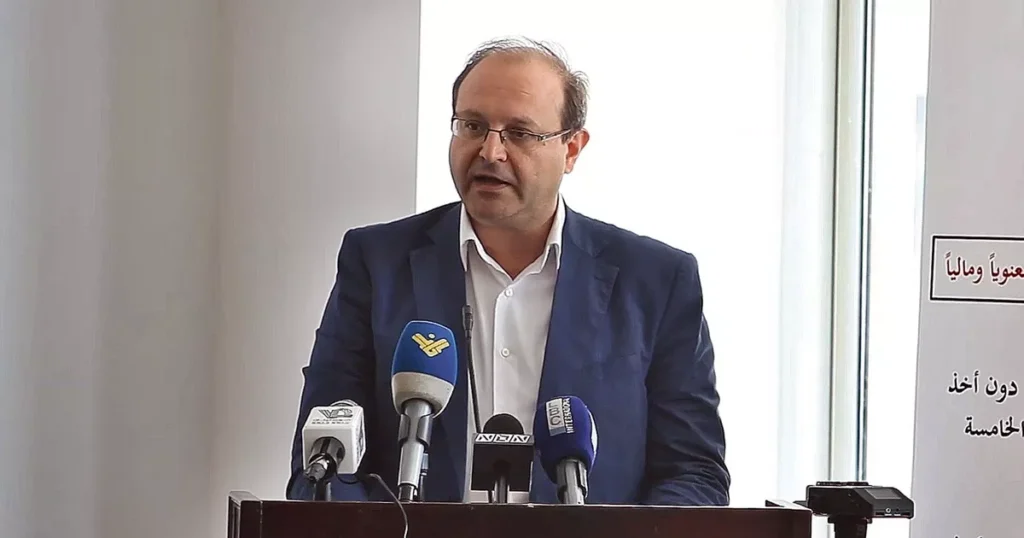
Lebanon: human rights lawyer Nizar Saghiyé’s freedom of expression curtailed

April 25, 2023

On Thursday 20 April, the Lebanese lawyer, human rights defender and director of the NGO Legal Agenda Nizar Saghiyé was summoned to appear before the Beirut Bar Council. The summons followed Mr Saghiyé’s criticism of an amendment to the Code of Ethics of the Beirut Bar Association which prevents lawyers from speaking publicly in the media without prior authorisation from the President of the Bar Association.

EuroMed Rights, Front Line Defenders, the International Federation for Human Rights (FIDH) and the World Organisation Against Torture (OMCT), both within the framework of the Observatory for the Protection of Human Rights Defenders, express their support for Mr Nizar Saghiyé and strongly condemns this summons. Requiring lawyers to obtain prior authorisation from the President of their Bar Association before making any media statements curtails their freedom of expression.

The modification of the Code of Ethics published by the Beirut Bar Association on 3 March 2023, interferes with Article 19 of the International Covenant on Civil and Political Rights, which was ratified by Lebanon in 1972. In addition to the ICCPR, the UN Basic Principles on the Role of Lawyers makes clear that whilst states bear the primary obligation to protect lawyers, they share this with the bar associations (Principle 25). In addition, Principle 23 states that “Lawyers like other citizens are entitled to freedom of expression, belief, association and assembly. In particular, they shall have the right to take part in public discussion of matters concerning the law, the administration of justice and the promotion and protection of human rights and to join or form local, national or international organizations and attend their meetings, without suffering professional restrictions by reason of their lawful action or their membership in a lawful organization. In exercising these rights, lawyers shall always conduct themselves in accordance with the law and the recognized standards and ethics of the legal profession.

Currently, the Lebanese government is debating a new media law behind closed doors and there has been an increase in the number of arrests of journalists. Recently the President of the Lebanese Bar Association recently denounced the “chaos and confusion” allegedly created by the proliferation of websites and social networking platforms. This latest summons is a worrying development in an already troubling trend towards limiting freedom of expression of Nizar Saghiyé, the Bar’s lawyers, amongst others.
https://euromedrights.org/publication/lebanon-behind-the-summons-of-nizar-saghiye-a-threat-to-freedom-of-expression/

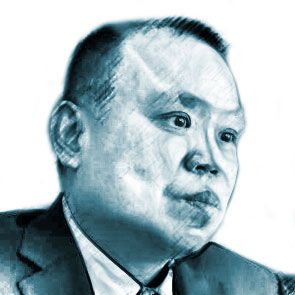
Yu Wensheng and Xu Yan detained again in China

April 24, 2023

On 18 April 2023 CHRD called on the Chinese government to immediately release human rights lawyer Yu Wensheng and his wife Xu Yan, who have been criminally detained and denied access to lawyers of their choice. CHRD also calls on the Chinese government to end its de facto house arrest of Yu Wensheng and Xu Yan’s 18-year-old son. CHRD urges the EU, EU member states, the US, UN bodies, and other member of the international community to forcefully condemn the Chinese government’s detention of Yu Wensheng and Xu Yan. See also: https://humanrightsdefenders.blog/2022/03/03/breaking-news-mea-laureate-yu-wensheng-released/

On April 13 at approximately 4:00 pm, human rights lawyer Yu Wensheng and his wife Xu Yan left their home in Beijing to travel by subway to attend an event at the European Delegation. They were invited to an event with the EU’s Ambassador to China Jorge Toledo Albiñana according to Politico.  

However, Yu and Xu were prevented from accessing the subway by four plainclothes police officers. One of the officers, a state security police officer, told them that they were being summoned to a police station, which Yu Wensheng announced on Twitter. The four police officers took them to the Shijingshan Bajiao police station. Human rights lawyers Wang QuanzhangLi Heping, and Bao Longjun were also harassed by authorities during this period.

The EU Delegation to China tweeted on April 13, “We demand their immediate, unconditional release. We have lodged a protest with MFA [China’s Ministry of Foreign Affairs] against this unacceptable treatment.

According to Rights and Livelihood Watch, on April 15 in the evening, approximately seven police officers came to Yu Wensheng and Xu Yan’s home, and they orally read a criminal detention notice to the couple’s son, who had just turned 18 years old. The pair were criminally detained on the charge of “picking quarrels and provoking trouble.” Police would not allow the son to take photos, nor would they give him the criminal detention notice. Also, even though no warrant was presented, police proceeded to search the home and carried off many items.

On April 16, two lawyers, Song Yusheng and Peng Jian, paid a visit to Yu and Xu’s son to bring him fruit, and fill out paperwork to obtain legal status to represent Yu and Xu.  There were two people guarding the door of Yu and Xu’s home. Lawyer Song knocked on the door, and it was answered by the son, but the lawyer saw that in the home there were also two officers inside, one plainclothes and one wearing a uniform. The plainclothes officer, who said his name was Lu Kai, asked what they wanted. The lawyers said that they were there to visit the son and have him sign an agreement (委托书) to entrust them as lawyers. However, the plainclothes police officers said that Yu Wensheng told them that he “doesn’t want to have lawyers at this stage” and that Xu Yan had already found two lawyers.

Yu Wensheng’s detention may also be related to his condemnation of the sentencing of Xu Zhiyong and Ding Jiaxi, two prominent pro-democracy figures. On April 12, Yu Wensheng wrote on Twitter that he had been visited at his home by Shijingshan police for a tweet he had sent out on April 9 that said, “[I] strongly condemn the Chinese authorities heavy sentence of scholar Xu Zhiyong to 14 years and of Lawyer Ding Jiaxi to 12 years! I pay my respects to Xu Zhiyong and Ding Jiaxi, who have worked hard in the struggle for freedom, democracy, human rights, and the rule of law. I believe that one day the Dream of a Beautiful China will be realized.

In March 2022, Yu Wensheng was released from prison after serving four years and three months on the charge of “inciting subversion of state power.” Yu was taken away by police in 2018 the day after he released an open letter recommending changes to China’s Constitution, including a call for elections and the creation of an oversight system for the Chinese Communist Party.

The Chinese government has put heightened pressure on human rights award winners. Yu Wensheng was the recipient of the prestigious Martin Ennals Award in 2021 [see: https://www.trueheroesfilms.org/thedigest/laureates/69fc7057-b583-40c3-b6fa-b8603531248e] and the winner of the Franco-German Prize for Human Rights and the Rule of Law in 2018. Previous winners of awards have been subjected to extra-legal abuse. While Nobel Peace Prize Laureate Liu Xiaobo was at one point granted “medical parole,” he was not allowed the freedom of movement to seek medical treatment outside of China and died in de facto state custody. Likewise, Hu Jia, a prominent human rights defender and winner of the Sakharov Prize for Freedom of Thought in 2008, was prevented from seeing his dying father in his final days. Hu Jia was deprived of his liberty and “forcibly traveled” starting from March 4 of this year. Being “traveled” is a common tactic used by state security officers to ensure journalists at the annual March Two Sessions meetings or other “sensitive” political events do not talk to dissidents. Hu Jia’s father passed away from pancreatic cancer on March 9, 2023. 

The Chinese government is preventing defendants in sensitive cases from having lawyers of their own choice and instead mandating government-approved lawyers in order to prevent real legal defense. On February 10, 2023, digital rights activist Ruan Xiaohuan was sentenced to seven years in prison on the charge of “inciting subversion of state power.” His wife, Ms. Bei, wanted to hire an experienced lawyer for the appeals stage, and so she went to Beijing to talk with Shang Baojun. However, upon landing in Beijing, she was taken away by eight Shanghai police. Meanwhile lawyer Shang Baojun tried to visit Ruan at the Yangpu Detention Center in Shanghai, but staff there would not allow for the visit since they claimed that Ruan already had two legal aid lawyers. 

https://www.feedspot.com/fo/2238712/fe/4614987?hash=feed/fof_fo_2238712__f_4614987?dd=7644857710522777

10 Organisations Demand The Dropping Of Charges Against Journalist Nguyen Lan Thang in Viet Nam

April 13, 2023

On 11 April 2023 10 NGOs demanded the dropping of charges against journalist Nguyen Lan Thang and a fair trial by admitting observation.

Dear President Võ Văn Thưởng,

We are writing to express our concern about the ongoing persecution of Mr Nguyen Lan Thang, a journalist, and we demand that he be released immediately, and all charges dropped against him. Mr Nguyen Lan Thang is a victim of persecution by the Vietnamese government and has been criminally charged due to his work as a journalist. Mr Nguyen Lan Thang is one of many journalists and activists throughout the country who is facing ongoing persecution for reporting of the government of Viet Nam in a critical manner.

On 5 July 2022, Mr. Thang was arrested for “making, storing, distributing, or disseminating information, documents, and items against the State” under article 117 of the 2015 Criminal Code. He has been held in incommunicado detention in Hanoi’s Detention Centre No. 1 for more than seven months, during which time he was prohibited from meeting with his family members and legal counsel. After being arrested in July 2022, he did not meet his lawyer for the first time until 16 February 2023.

According to his lawyers, Mr. Thang will be tried on 12 April 2023 at a closed hearing at Hanoi’s People’s Court. Failing the dropping of charges and release of Mr Nguyen Lan Thang before the trial commences, we demand that his right to a fair trial be upheld, at least in part, by ensuring that media and the public may observe it, as is the obligation of the state of Viet Nam under the International Covenant on Civil and Political Rights (ICCPR).

The right to a public trial is guaranteed under Article 14 of the ICCPR with few exceptions. We understand that Mr Nguyen Lan Thang has been denied this human right. According to Article 14 of the ICCPR:

“the press and the public may be excluded from all or part of a trial for reasons of morals, public order (order public) or national security in a democratic society, or when the interest of the private lives of the parties so requires, or to the extent strictly necessary in the opinion of the court in special circumstances where publicity would prejudice the interests of justice; but any judgment rendered in a criminal case or in a suit at law shall be made public except where the interest of juvenile persons otherwise requires or the proceedings concern matrimonial disputes or the guardianship of children.”

Paragraph 28 of General Comment No 32 of the Human Rights Committee clarifies that the importance of public hearings “ensures the transparency of proceedings and thus provides an important safeguard for the interest of the individual and of society at large”. The Committee has made clear in paragraph 29 that the special circumstances that allow exclusion of the press and public from a trial are “exceptional circumstances”, and otherwise a trial must be open to ensure transparency and assist in guaranteeing the human right to a fair trial.

Despite efforts to obtain further information on the charges and the rationale the court has adopted in excluding the press and public from the trial of Mr Nguyen Lan Thang, there is no information that we possess that indicates any exceptional circumstances exist that would allow the closed nature of this trial under international human rights law.

Accordingly, we demand that the right to fair trial is respected and that members of the public, the press, the United Nations, and the diplomatic community be allowed to monitor the proceedings. We call on the government of Viet Nam, including its courts, to uphold their international obligations and ensure the human rights of those within the justice system.

Yours sincerely,

  • Access Now
  • Amnesty International
  • ARTICLE 19
  • Asian Forum for Human Rights and Development (FORUM-ASIA)
    CIVICUS: World Alliance for Citizen Participation
  • Front Line Defenders
  • Human Rights Watch
    People In Need
  • The Project 88
  • Vietnamese Advocates for Change

See also: https://humanrightsdefenders.blog/2023/03/29/vietnam-should-drop-charges-against-human-rights-defender-truong-van-dung/

Detainees in the Emirates held in prison even after completing their sentence

April 13, 2023

On 12 April 2023 Human Rights Watch reported that United Arab Emirates are continuing to incarcerate at least 51 Emirati prisoners who completed their sentences between one month and nearly four years ago.

The prisoners are all part of the grossly unfair “UAE94” mass trial of 69 critics of the government, whose convictions violated their rights to free expression, association, and assembly. UAE authorities are using baseless counterterrorism justifications for continuing to hold them past their completed sentences.

Prisoners in the UAE94 case have already suffered tremendously after years in prison following a grossly unfair trail,” said Joey Shea, United Arab Emirates researcher at Human Rights Watch. “Emirati authorities should free them immediately and finally put an end to this decade-long ordeal. Prominent UAE partners, including the United States and COP28 organizers, should press UAE authorities for their immediate release.”

The prisoners were among 94 people detained beginning in March 2012 in a wave of arbitrary arrests amid an unprecedented crackdown on dissent. The case had a chilling effect on freedom of expression, assembly, and association.

In July 2013, Abu Dhabi’s Federal Supreme Court convicted 69 of the defendants, sentencing 5 to 7 years in prison, 56 to 10 years, and 8 in absentia to 15 years, with 25 acquitted. The verdict could not be appealed, in violation of international law, because it was issued by the UAE’s highest court. As of March 2023, 51 had completed their sentences but remain imprisoned with no clear legal basis, according to Emirati activists and court documents. Some prisoners completed their sentences as early as July 2019.

At least four of the 51 received a Public Prosecution letter saying that they were on Munasaha during what was supposed to be their last three months in detention, activists and family members told Human Rights Watch. After three months, these detainees were taken in front of a judge, who determined they still held “terrorist thoughts” and ruled that they needed further “rehabilitation.”

Under article 48 of the counterterrorism law, the public prosecutor may place someone convicted of a terrorist offense in a counselling or Munasaha program in the prison where they were serving their sentence, under counselling center supervision.

The counterterrorism law sets no time limit for continued incarceration and instead requires the state security public prosecution to report to the court every three months. The court may order a person’s release if it finds that “his or her condition so allows.” It is not clear if the defendant has any right to attend the hearing or see or challenge the evidence used to justify their detention.

The decade of unjust imprisonment has had devastating consequences for the prisoners’ families. A family member said that the young child of one of the prisoners still does not understand why her father was in prison. “She asks me, we love our country and our leaders, why are they are doing this to my father?” the family member said.

Many prisoners are being held in the notorious al-Razeen prison, and many are alleged to be in solitary confinement. A family member said, “All the prisoners are suffering there, they don’t have their rights and it is very hard to visit them.” Another family member said: “Throughout the years, the conditions are getting worse.”

Visits are irregular and difficult to procure, the family members said. Families often drive for hours to the prison in the middle of the desert, only to be denied a visit with no explanation. Family members also said that phone conversations are often cut off mid-call with no explanation. Some prisoners have not been able to speak with their family members by phone for years.

Other family members said there have been months-long periods in which a prisoner, as one family member said, “totally disappeared” with “no calls, no nothing,” leading the family to believe that “maybe he is dead.” Prisoners are also often denied books and pictures.

The International Covenant on Civil and Political Rights (ICCPR) in article 15 prohibits retroactive criminal punishment. The United Nations Human Rights Committee, in its general comment on article 9 of the ICCPR, said, “if, under the most exceptional circumstances, a present, direct and imperative threat is invoked to justify the detention of persons considered to present such a threat, the burden of proof lies on States parties to show that the individual poses such a threat and that it cannot be addressed by alternative measures, and that burden increases with the length of the detention.”

“By arbitrarily extending the unjust sentences of peaceful critics using bogus counterterrorism justifications without due process, the UAE again shows its total disregard for the rule of law,” Shea said.

https://www.hrw.org/news/2023/04/12/uae-detainees-held-beyond-sentences

Should HRDs worry about Artificial Intelligence?

April 12, 2023

Towards Life 3.0: Ethics and Technology in the 21st Century is a talk series organized and facilitated by Dr. Mathias Risse, Director of the Carr Center for Human Rights Policy, and Berthold Beitz Professor in Human Rights, Global Affairs, and Philosophy. Drawing inspiration from the title of Max Tegmark’s book, Life 3.0: Being Human in the Age of Artificial Intelligence, the series draws upon a range of scholars, technology leaders, and public interest technologists to address the ethical aspects of the long-term impact of artificial intelligence on society and human life.

On 20 April you can join for 45 minutes with WITNESS’ new Executive Director Sam Gregory [see: https://humanrightsdefenders.blog/2023/04/05/sam-gregory-finally-in-the-lead-at-witness/]o n how AI is changing the media and information landscape; the creative opportunities for activists and threats to truth created by synthetic image, video, and audio; and the people and places being impacted but left out of the current conversation.

Sam says “Don’t let the hype-cycle around ChatGPT and Midjourney pull you into panic, WITNESS has been preparing for this moment for the past decade with foundational research and global advocacy on synthetic and manipulated media. Through structured work with human rights defenders, journalists, and technologists on four continents, we’ve identified the most pressing concerns posed by these emerging technologies and concrete recommendations on what we must do now.

We have been listening to critical voices around the globe to anticipate and design thoughtful responses to the impact of deepfakes and generative AI on our ability to discern the truth. WITNESS has proactively worked on responsible practices for synthetic media as a part of the Partnership on AI and helped develop technical standards to understand media origins and edits with the C2PA. We have directly influenced standards for authenticity infrastructure and continue to forcefully advocate for centering equity and human rights concerns in the development of detection technologies. We are convening with the people in our communities who have most to gain and lose from these technologies to hear what they want and need, most recently in Kenya at the #GenAIAfrica convening”.

 Register here: wit.to/AI-webinar 

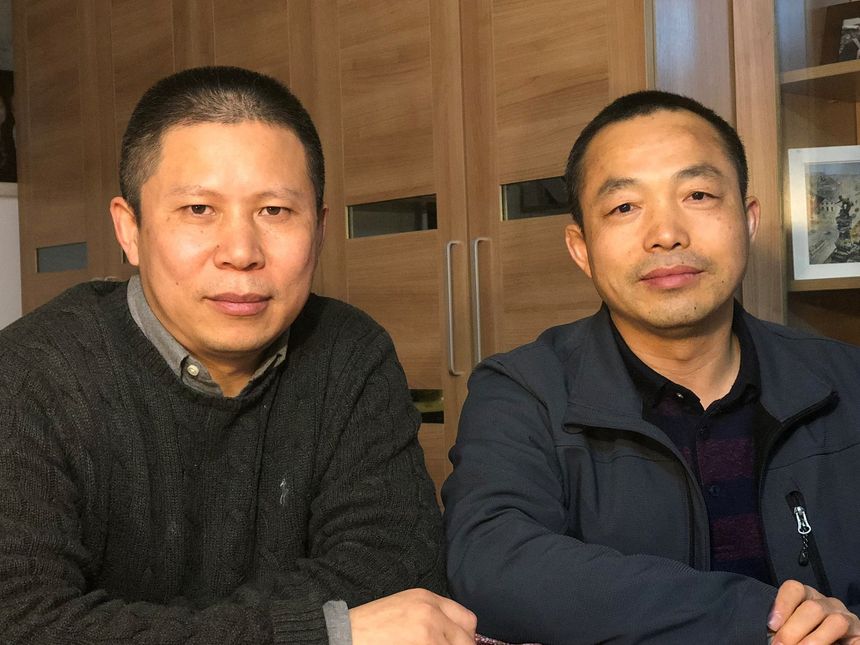
Xu Zhiyong and Ding Jiaxi, two human rights defenders in China, sentenced

April 11, 2023

The Network of Chinese Human Rights Defenders, on 10 April 2023 condemned the Chinese government’s sentencing of Ding Jiaxi and Xu Zhiyong, two of China’s most notable human rights defenders. “Their sentencing once again demonstrates the Chinese government’s hostility to peaceful advocacy of democracy and human rights, and marks a new low in the Chinese government’s human rights record,” said Ramona Li, Senior Researcher and Advocate for the group.

On April 10, the Linshu County Court sentenced Ding Jiaxi to 12 years imprisonment and 3 years deprivation of political rights, and Xu Zhiyong to 14 years imprisonment. The court, located in Shandong province, found both guilty of the crime of subverting state authority following closed-door trials.

The government consistently violated their rights under international and Chinese law throughout their detention and trial. Both Ding Jiaxi and Xu Zhiyong had been held in prolonged pre-trial detention for over three years, including periods in a form of incommunicado detention referred to as “residential surveillance in a designated location” where both were subjected to torture. Ding Jiaxi’s lawyers attempted multiple times to have the court dismiss his “confessions” as illegally obtained evidence because of they had been extracted under torture; the court rejected these motions.

Ding Jiaxi and Xu Zhiyong were refused access to lawyers for the first thirteen months of their detention, and their attorneys were refused copies of the files containing the information on which the charges were based. Witnesses cited by the prosecution, Wang Jiangsong and Dai Zhenya, publicly refuted testimony that the prosecution alleged they had provided. Family members said that authorities charged the two in Linshu county, far away from Beijing, to avoid public scrutiny of the case.

Ding Jiaxi and Xu Zhiyong were active in the New Citizens Movement, which promoted a form of civic engagement through grassroots advocacy for the implementation of the civil and human rights based on China’s laws and constitution. They were both detained amid a crackdown on human rights activists and lawyers following an informal gathering in southern Fujian province in December 2019.

Ding Jiaxi is also a Beijing lawyer who has provided support to many of the most marginalized and underprivileged groups in China, including education rights for the children of migrant workers and grassroots petitioners appealing to central government officials as a last resort to address wrongdoing by local officials. Xu Zhiyong was also a prominent lawyer who was an instrumental figure in pushing through legal reforms defending the rights of China’s internal migrant population. [see also: https://humanrightsdefenders.blog/2020/03/24/un-experts-alarmed-over-chinas-missing-human-rights-lawyers-victims-of-rsdl/]

In a pre-written statement released before his sentencing, Ding Jiaxiconnected his work to his belief in the possibility of China’s “peaceful, rational, and non-violent” transition from an authoritarian state. He wrote: “No matter the many who have doubted me or the difficulties and setbacks I’ve encountered, including physical torture that I’ve suffered, I will not part from my steadfast convictions.”

In his own statement, Xu Zhiyong described his hopes for a liberal democratic China with free elections, equal access to education and job opportunities, and social support for even the poorest to have “enough to live a dignified life.” He said he had simply “called on Chinese people to become real citizens,” and explained the urgency of doing so, saying “we cannot saddle the next generation with this duty.” [see also: https://humanrightsdefenders.blog/2014/01/24/xu-zhiyongs-closing-statement-to-the-court-a-remarkable-document/]

Both Ding Jiaxi and Xu Zhiyong should be immediately and unconditionally released per the recommendation of UN human rights experts, who have found that the two have been arbitrarily detained in violation of international law. UN human rights experts have further characterized the crime of “subversion of state authority” as being so broadly worded that charges under the crime fail to provide adequate due process to the extent that they are in violation of the Universal Declaration of Human Rights.

“The heavy sentencing of Ding Jiaxi and Xu Zhiyong is a travesty of justice. At every step, Chinese authorities have taken the wrong turn: from detaining them in secret, torturing them, falsifying witness testimony, putting them on trial in secret, and now this heavy sentence,” said William Nee, Research and Advocacy Coordinator for CHRD.

“Democracies and international organizations around the world must stop paying only lip service to human rights. They must take concrete and credible measures to gain the release of Xu Zhiyong and Ding Jiaxi, as well as the thousands of prisoners of conscience in China, in the Tibetan and Xinjiang regions and Hong Kong,” said Renee Xia, CHRD executive director.

https://www.nchrd.org/

https://www.theguardian.com/world/2023/apr/10/china-jails-two-leading-human-rights-lawyers-after-closed-door-trial

Sam Gregory finally in the lead at Witness

April 5, 2023

On 4 April 2023 WITNESS announced that Sam Gregory will be stepping into the role of Executive Director after two decades of service to the organization. Sam is a highly respected human rights leader and award-winning technologist who brings over 25 years of global experience innovating and leading interventions at the intersections of video, technology and human rights.

If Sam’s name sounds familiar – it should! [Also from this blog, see: https://humanrightsdefenders.blog/tag/sam-gregory/] He has dedicated over two decades to WITNESS, most recently directing programs and strategy. In that capacity, Sam has supported WITNESS’ global teams and partners in more than 100 countries addressing urgent issues such as land rights, state violence, and war crimes – as well as spearheading our pioneering work on emerging technologies such as deepfakes and AI. Sam brings both the history and an ambitious vision for the future of WITNESS.

Sam steps into this role at an exceptional moment for those concerned with information technology and human rights. This era of omnipresent video, growing misinformation, synthetic media, and declining trust in a shared reality presents a serious threat to the idea of truth itself. Sam has led a global effort to ‘prepare, not panic’ for the new digital landscape, fighting for preservation of truth, trust in critical voices, and media integrity efforts. He is also a fierce advocate for centering the voices of those most removed from decision-making centers yet most profoundly impacted by the proliferation of new technologies.

Read more about him here: https://www.witness.org/portfolio_pag…

Front Line Defenders just published its global analysis 2022: new record of over 400 killings in one year

April 4, 2023

Front Line Defenders launched its Global Analysis 2022 on the situation of human rights defenders (HRDs) at risk around the world, an in-depth annual publication detailing the variety of risks, threats and attacks faced by HRDs around the world. Front Line Defenders’ Global Analysis 2022 gives a panorama of the threats faced by HRDs in all regions of the world. Despite an assault on human rights and the rule of law in many countries, human rights defenders (HRDs) showed remarkable courage and persistence in advocating for more democratic, just and inclusive societies in 2022. [see also https://humanrightsdefenders.blog/2022/01/17/at-least-78-human-rights-defenders-killed-in-colombia-in-2021/]

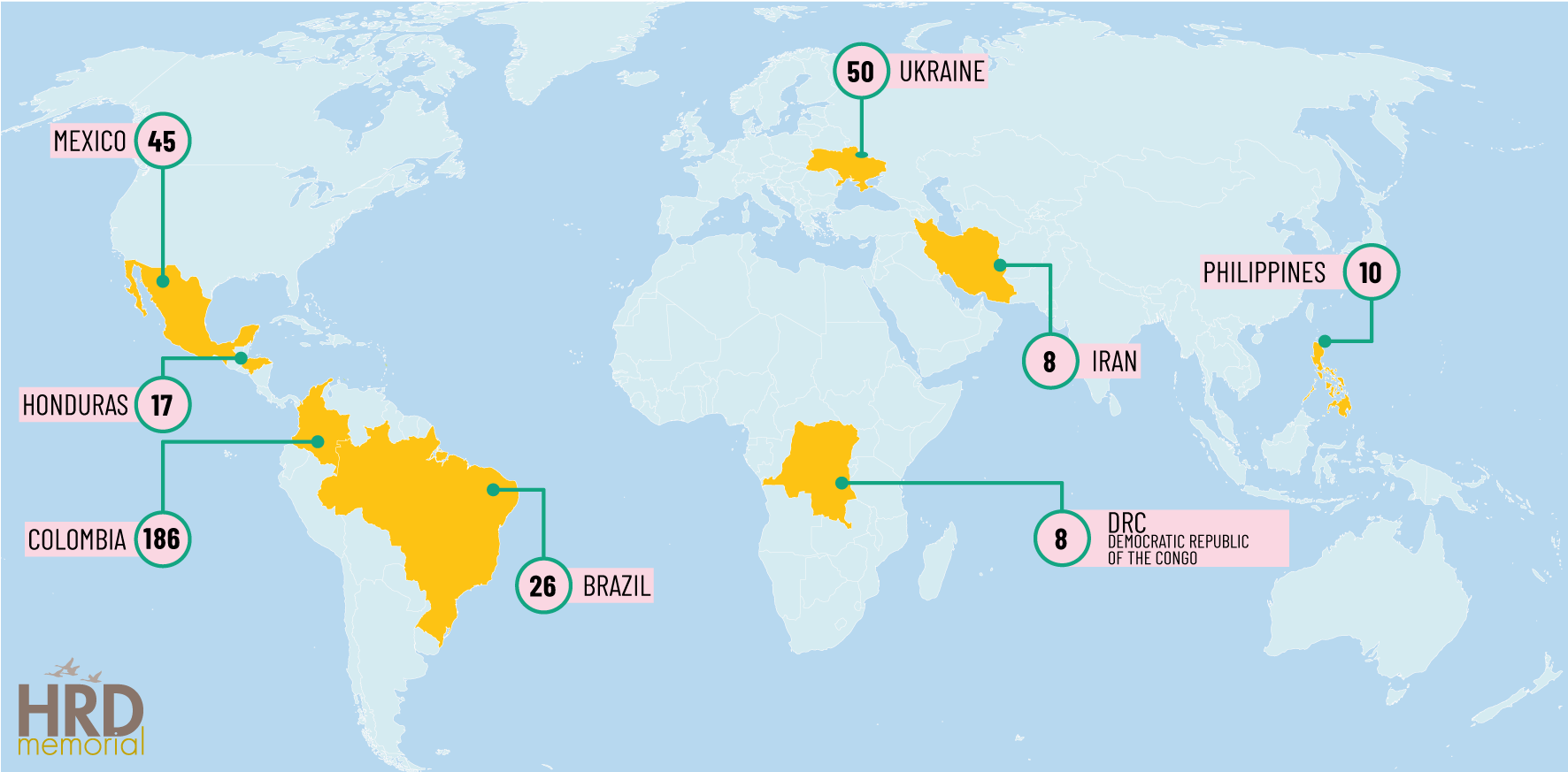
The report also names 401 HRDs killed in 26 countries in 2022 compared to 358 HRDs killed in 35 countries in 2021 – based on statistics by the HRD Memorial, a collective initiative of human rights organisations working to collect and verify data on the killings of HRDs each year.

“In a grim milestone, for the first time we saw more than 400 targeted killings of human rights defenders in 2022. While Latin America remained the deadliest region in the world for human rights defenders, we also saw a more dangerous landscape for defenders in the context of Russia’s full-scale invasion of Ukraine,” said Olive Moore, Interim Director of Front Line Defenders. ”These human rights defenders were deliberately targeted and killed because of their human rights work. Because they choose to speak out and challenge injustice, they paid for it with their lives.”

Five countries – Colombia, Ukraine, Mexico, Brazil and Honduras – accounted for over 80% of killings, according to HRD Memorial data. Colombia alone accounted for 46% of the total, with at least 186 killings documented and verified by HRD Memorial partner Somos Defensores to date. Defenders working on land, indigenous peoples’ and environmental rights were the most frequently targeted sector, accounting for almost half (48%) of the total killings.

In the context of Russia’s full-scale invasion of Ukraine, defenders engaged on humanitarian response and human rights journalists were also specifically targeted, with at least 50 documented killings by Russian military forces.

Wide array of threats

Global Analysis 2022 data is based on more than 1,500 threats and violations reported to Front Line Defenders, and is disaggregated by region, type of threat, sector of human rights work and gender.

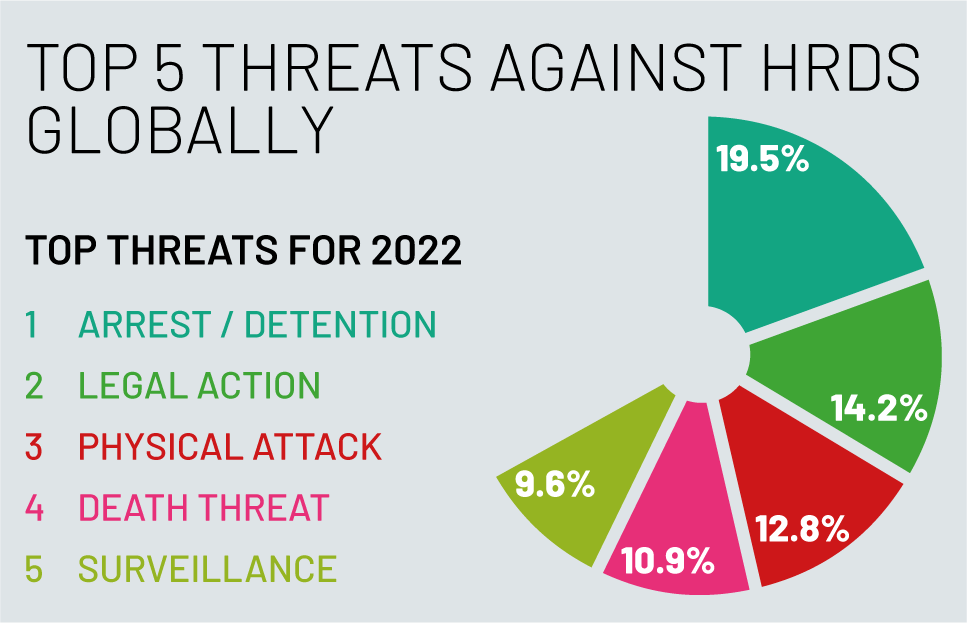
The main threats HRDs reported to Front Line Defenders in 2022 included: arrest or detention (19.5%); legal action (14.2%); physical attack (12.8%); death threats (10.9%); and surveillance (9.6%). In Asia and the Americas, death threats were the most frequent violation against defenders; in Africa it was arrest and detention; while in ECA and MENA it was legal action against HRDs.

Women HRDs (WHRDs) were frequently targeted with death threats, which accounted for the third most common violation against them. Physical violence was the most prevalent violation reported by trans and gender variant/gender nonconforming HRDs.

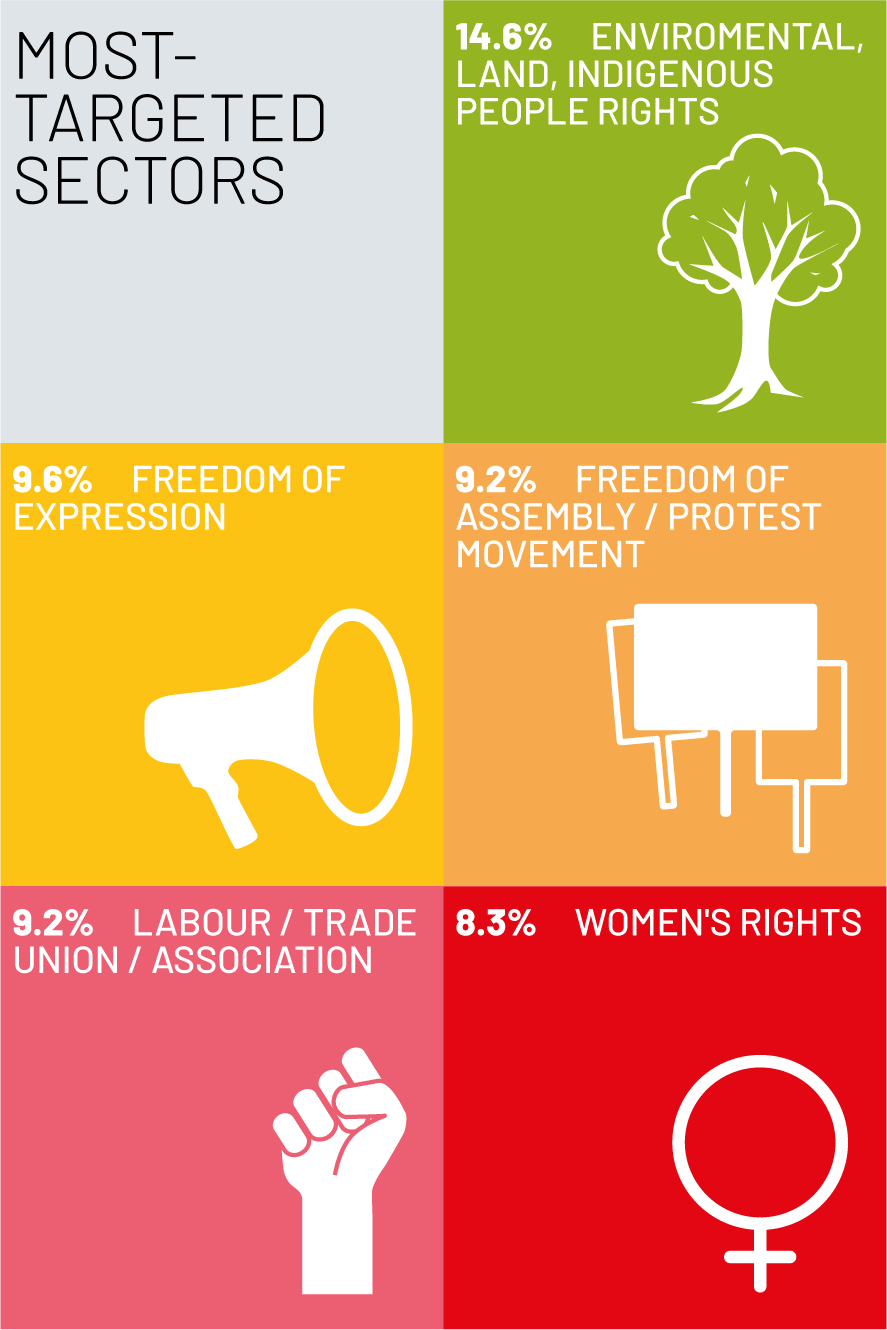
The five most targeted sectors of human rights defence were: environmental, land and indigenous peoples’ rights (11%); freedom of expression (10%); protest movement/ freedom of assembly (9%); women’s rights (7%); and impunity and access to justice (6%).

________________________________________________________________________________________________________________________________

About the data on killings: Front Line Defenders manages the collection of partner-verified data-sets under the HRD Memorial umbrella. The partners in the HRD Memorial are: ACI-Participa (Honduras); Amnesty International; Comité Cerezo (Mexico); FIDH; Front Line Defenders; Global Witness; Human Rights Defenders’ Alert – India; Karapatan (the Philippines); OMCT; El Programa Somos Defensores (Colombia); Red TDT (Mexico); and UDEFEGUA (Guatemala).

About the data on other violations against HRDs: This is derived from 1,583 reported threats and violations, based on Front Line Defenders’ urgent actions and approved grants between 1 January and 31 December 2022. For more details, see the Methodology section of the report.

for last year’s report, see: https://www.frontlinedefenders.org/en/resource-publication/global-analysis-2021-0

Download the Global Analysis 2022

https://www.theguardian.com/world/2023/apr/04/colombia-human-rights-defenders-killings-2022

Daughter of Danish-Bahraini rights activist offers to take his place in prison

April 4, 2023

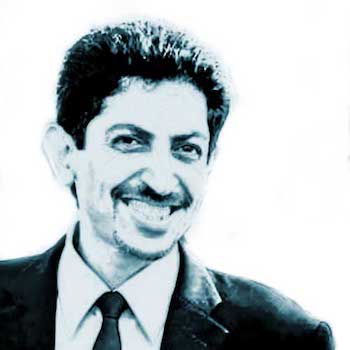
Ruth Michaelson in the Guardian of Friday 24 March 2023 reports that human rights activist Abdulhadi al-Khawaja’s health has suffered so much inside a Bahraini prison that his daughter Maryam has offered to trade places with him. She fears that without urgent action, her father will slowly die behind bars without being able to see his family.

I don’t know how much longer my dad has. I spend every day dreading each time the phone rings, as it might be someone calling me to let me know my dad is no longer around,” said Maryam. “I know he has serious health issues and the authorities are using [lack of] access to proper treatment as a method of punishment. I don’t want to wait around for my dad to be released to us in a coffin. I can’t do that.” She added: “The central issue is that my father shouldn’t be in prison to begin with.” [see: https://humanrightsdefenders.blog/2022/11/29/mea-laureate-abdulhadi-al-khawaja-facing-new-charges-for-protesting-injustice-in-jau-prison/]

Khawaja is one of Bahrain’s most prominent human rights campaigners. He has a decades-long history of activism, and was arrested in the dead of night at his family home in April 2011 for his involvement in pro-democracy protests that swept the kingdom. Two months later, he was sentenced to life imprisonment. Twelve years into his sentence, his family say the Danish-Bahraini dual national is being denied crucial medical treatment as punishment for his status as a human rights defender, raising the risk that Khawaja could die behind bars without urgent intervention from the Danish authorities. See: https://www.trueheroesfilms.org/thedigest/laureates/4d45e316-c636-4d02-852d-7bfc2b08b78d

He was convicted of terrorism and attempting to overthrow the government, charges that were condemned as politicised by rights groups. The United Nations Working Group on Arbitrary detention declared that the sentence was directly linked to Khawaja’s desire to freely express his political beliefs and participate in protests, despite the Bahraini authorities’ ruling that anti-government protests were illegal. A spokesperson for the Bahraini government, when asked about Khawaja’s case, said that “freedom of expression and opinion is a constitutional right and no one is detained because of their political views or activism.”

https://www.theguardian.com/global-development/2023/mar/24/denmark-bahrain-rights-activist-maryam-al-khawaja-abdulhadi-prison

The 2023 CIVICUS State of Civil Society Report is out

March 30, 2023

On 30 March 2023 the CIVICUS State of Civil Society Report 2023 was published. This is the world as captured by the report:

[for last year’see: https://humanrightsdefenders.blog/2022/06/29/civicus-state-of-civil-society-report-2022/]

Vast-scale human rights abuses are being committed in Ukraine, women’s rights have been trampled on in Afghanistan and LGBTQI+ people’s rights are under assault in Uganda, along with several other African countries. Military rule has been normalised in countries such as MaliMyanmar and Sudan, and democracy undermined by autocratic leaders in El SalvadorIndia and Tunisia, among others. Even supposedly democratic states such as Australia and the UK are undermining the vital right to protest.

But civil society continues to strive to make a crucial difference to people’s lives. It’s the force behind a wave of breakthroughs in respecting abortion rights in Latin America, most recently in Colombia, and in making advances in LGBTQI+ rights in countries as diverse as BarbadosMexico and Switzerland. Mass protests in response to the high cost of living have won concessions on economic policy in countries including Ecuador and Panama, while union organising has gained further momentum in holding big-brand companies such as Amazon and Starbucks to account. Progress on financing for the loss and damage caused by climate change came after extensive civil society advocacy. The events of the past year show that civil society – and the space for civil society to act – are needed more than ever.

Key findings

  • Civil society is playing a key role in responding to conflicts and humanitarian crises – and facing retaliation

Civil society is playing a vital role in conflict and crisis settings – including in conflicts in Ethiopia, Syria and Ukraine – providing essential services, helping and advocating for victims, monitoring human rights and collecting evidence of violations to hold those responsible to account. But for doing this, civil society is coming under attack.

  • Catastrophic global governance failures highlight the urgency of reform

Too often in the face of the conflicts and crises that have marked the world over the past year, platitudes are all international institutions have had to offer. Multilateral institutions have been left exposed by Russia’s invasion of Ukraine. It’s time to take civil society’s proposals to make the United Nations more democratic seriously – starting with the appointment of a civil society champion.

  • People are mobilising in great numbers in response to economic shock – and exposing deeper problems in the process.

As it drove a surge in fuel and food prices, Russia’s war on Ukraine became a key driver of a global cost of living crisis. This triggered a mass wave of protests in at least 133 countries – from Argentina to Indonesia and from Ghana to Kazakhstan – demanding economic justice. Civil society is putting forward progressive economic ideas, connecting with other struggles for rights, including for climate, gender, racial and social justice.

  • The right to protest is under attack – even in longstanding democracies

Many states, unwilling or unable to concede the deeper demands of protests have responded with violence, including in IranSierra Leone and Sri Lanka. The right to protest is under attack all over the world, including when people are mobilising to seek economic justice, democracy, human rights and environmental action. Civil society groups are striving to defend protest rights.

  • Democracy is being eroded in multiple ways – including from within by elected leaders

Economic strife and insecurity are providing fertile ground for the emergence of authoritarian leaders. In more democratic contexts, there are distinct trends of a further embrace of far-right extremism, and of the rejection of incumbency. In volatile conditions, civil society is working to resist regression and keep making the case for inclusive, pluralist and participatory democracy.

  • Disinformation is skewing public discourse, undermining democracy and fuelling hate

Disinformation is being mobilised, particularly in conflicts and during elections, to sow polarisation, normalise extremism and attack rights. Powerful authoritarian states and far-right groups are key sources, and social media companies are doing nothing to challenge a problem that’s good for their business model. Civil society needs to forge a joined-up, multifaceted global effort to counter disinformation.

  • Movements for women’s and LGBTQI+ rights are making gains against the odds

In the face of difficult odds, civil society continues to drive progress on women’s and LGBTQI+ rights. But breakthroughs have made civil society the target of a ferocious backlash. Civil society is working to resist attempts to reverse gains and build public support to ensure that legal changes are backed by shifts in attitudes.

  • Civil society is the major force behind the push for climate action

Civil society continues to be the force sounding the alarm on the triple threat of climate change, pollution and biodiversity loss. Civil society is urging action using every tactic available, from street protest and direct action to litigation and advocacy in national and global arenas. But the power of the fossil fuel lobby remains undimmed and restrictions on climate protests are burgeoning. Civil society is striving to find new ways to communicate the urgent need for action.

  • Civil society is reinventing itself to adapt to a changing world

In the context of pressures on civic space and huge global challenges, civil society is growing, diversifying and widening its repertoire of tactics. Drawing on its special strengths of diversity, adaptability and creativity, civil society continues to evolve. Much of civil society’s radical energy is coming from small, informal groups, often formed and led by women, young people and Indigenous people. There is a need to support and nurture these..

Interviews For more information or to arrange an interview, please contact: media@civicus.org 

https://www.civicus.org/index.php/media-resources/news/6339-civil-society-in-a-world-of-crisis-2023-civicus-state-of-civil-society-report