Mehmet Onat Sarıtaş, UN Volunteer with UNICEF in Türkiye supports the design and implementation of climate change-related programmes.
Diana Assenova, Mehmet Onat Sarıtaş and Madinabonu Salaidinova have one thing in common — They are young volunteers who believe that progress cannot be made without youth. Let’s hear from them in their own words.
“By investing in education, building the capacity of community members, and fostering global citizenship, young people play a crucial role in creating a better future that is inclusive, equitable, and sustainable for generations to come.” The words of Diana Assenova, a UN Volunteer Education Assistant with the UN Refugee Agency (UNHCR) in Kazakhstan resonate with the importance of youth and progress.
Diana focuses on the rights of youth refugees by making sure they have equal access to education. She coordinates the DAFI Scholarship Programme, through which, young refugees get education support. She encourages many more opportunities for education for refugee youth in Kazakhstan via awareness and advocacy campaigns.
The enthusiasm of youth propels her efforts — she recounts how she volunteered to organize a summer camp for teenagers from the displaced population.
The energy of working together with young people was unforgettable! This reaffirmed my dedication to making a positive impact through volunteerism.” Diana Assenova, UN Volunteer with UNHCR Kazakhstan
Another young and skilled UN Volunteer is Mehmet Onat Sarıtaş who serves with the UN Children’s Fund (UNICEF) in Türkiye as an Adolescent Development and Participation Assistant. Onat is witness to the disproportionate impact of climate change on the lives of children and adolescents in Türkiye and that is when he decided to volunteer. He values collective volunteer action to create a greener world for children.
Onat supports the design and implementation of environment-related projects. He also coordinates UNICEF’s climate-focused youth platforms, performs administrative tasks and collects data.
Youth platforms give Onat the opportunity for peer-to-peer support and technical assistance to young people. This close communication and learning has helped strengthen UNICEF’s relations with young people, he notes.
Next, we have the voice of UN Volunteer, Madinabonu Salaidinova, “I focus on increasing the engagement of young leaders from the south of Kyrgyzstan in civic activism and strengthening their potential to promote human rights.”
Madinabonu serves as a Legal and Monitoring Volunteer with the Office of the United Nations High Commissioner for Human Rights (OHCHR) Regional Office for Central Asia in Kyrgyzstan.
She monitors media channels, observes trials, and engages with the government and civil society partners, including human rights defenders. She also responds to individual complaints of alleged human rights violations submitted to OHCHR from five Central Asian countries — Kazakhstan, Kyrgyzstan, Tajikistan, Turkmenistan and Uzbekistan.
Including youth in decision-making is crucial, says Madinabonu. She feels that her voice is heard and appreciated. This gives her momentum to bring her ideas to fruition.
I appreciate that OHCHR gives me opportunities to integrate my interests and ideas into my work. I feel that I’m where I’m supposed to be right now.” Madinabonu Salaidinova, UN Volunteer with OHCHR Kyrgyzstan.
In El Salvador, the suspects in the murder of four Dutch journalists will finally stand trial 42 years after the fact. The former Salvadorian Minister of Defense and two army officers will appear in court, NOS reports. See
Women human rights defenders with the Support Sudan Campaign lost everything, but they did not lose their determination to help others.A number of them have shared their stories over the past year, reflecting the magnitude of the tragedy caused by the Sudan war: poverty, death, hunger, disease, displacement, and asylum.
Wassal Hamad al-Nile, a university student and activist, was forced to leave her home in Khartoum’s Bahri neighbourhood.
“We contracted a number of diseases due to the unhealthy environment and the lack of food, and we couldn’t find medicine,” she says. This ultimately affected her father’s health, as the family had no money to buy him medicine. He was later transferred to Shendi Education Hospital but died while undergoing treatment. “We lost hope of finding a decent place that preserves our humanity and what remains of our dignity,” she says. Al-Nile and her family moved to the village of Um al-Tayyur, where they now live in a rented room.
Nahla Youssef, head of the Coalition of Women Human Rights Defenders in Darfur, fled the city of Nyala with her 11-year-old son. They went through Juba before settling in Kampala, Uganda.
“At the end of May, I was forced to leave Sudan for a safer place,” Youssef says. “As I left, the Rapid Support Forces [RSF] took over my house and most of the houses and streets in my neighbourhood.”
With three of her colleagues, they began the journey to the city of Al-Daein hoping to finally reach Abu Matariq, but the roads were unsafe. “We were exposed to random shooting by stragglers, and we felt that someone was following us to rob us,” she says. They decided to change course and left for Kampala, Uganda, where they found a safe place to stay. It is from here that Youssef continues her work in assisting women human rights defenders….
But these harsh experiences have not prevented them from supporting their communities. “Despite the stress and oppression caused by the war, I [still] help women and children with disabilities, as this is my speciality and work that I have been doing for years,” Mahjoub says.
It is the same situation for Tahani Abass, founder of NORA, an activist organisation against gender-based violence, who is also a member of the No Oppression of Women Initiative. She found refuge in Madni city, Gezira State, after she fled the war with her two children.
She had started working again, consulting with doctors, human rights defenders, and civil society organisations on how to help people affected by the war, until fighting spread there last December.
Women human rights defenders at risk in Darfur
Human rights defenders are often targeted, which forces them to hide and reduce their movement or change their place of residence for fear of arrest or death.
Youssef, head of the Alliance of Women Human Rights Defenders in Darfur, says the war has affected women defenders because some families see human rights work as a great risk for women, especially in displacement camps. She adds that some community elders have gone to the extent of warning families about women defenders.
“The war affected me psychologically, she says. “I was displaced and left the country [Sudan] with my children, at a time when my family depends on me. I did not find a stable job sufficient for housing, expenses, children’s studies and treatment, and I cannot return to my country.”
Youssef says many other women human rights defenders are subjected to bullying and smear campaigns on the Internet as a result of their demands to stop the war, while others have been killed.
One of them is Bahjaa Abdelaa Abdelaa, who before her death, had been sent death threats for monitoring rape cases.
On Monday 24 June2024, the Human Rights Measurement Initiative (HRMI) launched its landmark human rights tracker tool
Co-sponsored by the International Bar Association’s Human Rights Institute (IBAHRI), HRMI is the first global project to publish a comprehensive, user-friendly database measuring how well countries are meeting their human rights obligations.
HRMI has adopted a co-design approach to ensure the data meets the needs of grassroots human rights defenders and is respected by scholars.Measuring how countries follow human rights laws has always been challenging, and numerous obstacles persist:
no universally agreed upon standards
difficulty of collecting reliable data across diverse contexts
some governments’ reluctance to be transparent or accountable.
These critical gaps prevent us from assessing progress, pinpointing areas of concern, and holding governments accountable. Reliable measurements are the cornerstone of evidence-based policymaking, impactful advocacy, and international cooperation to promote and protect human rights worldwide.
The launch event brought together numerous human rights professionals, academics, and advocates.
Baroness Helena Kennedy LT KC, Director of IBAHRI, opened the event by emphasising the importance of having reliable and openly accessible data on human rights compliance. She highlighted how such data informs reporting and accountability, particularly in the Universal Periodic Review process. Baroness Kennedy expressed gratitude to HRMI for providing this new tool and thanked The City Law School for supporting IBAHRI and other organizations in promoting human rights action.
Left to right: Thalia Kehoe Rowden, Baroness Helena Kennedy LT KC, Yasmine Ahmed
Professor Richard Ashcroft, Executive Dean of the City Law School, welcomed participants and noted the difficulties and importance of developing reliable data on human rights compliance. He reminded the audience not to lose sight of aspects of human rights practice that are not easily measurable.
Thalia Kehoe Rowden , Co-Executive Director of HRMI, shared insights into HRMI’s development. She highlighted the importance of accurate measurement in driving improvements and accountability in human rights practices globally. She discussed the methodologies behind the data and various ways in which the database could be deployed by organisations to enhance governance and hold governments accountable.
Yasmine Ahmed, UK Director of Human Rights Watch (HRW), provided an overview of cases where HRW utilised the HRMI data to strengthen their advocacy efforts.
Thalia Kehoe Rowden
The event concluded with a networking session, allowing attendees to further discuss the presentations and develop connections for future collaboration in the human rights field.
Speaking after the event, co-organiser, Dr Zammit Borda remarked:
Like gadflies, civil society organisations and scholars must take their responsibility of pressuring governments to comply with human rights obligations seriously. Their work is crucial for the vulnerable and voiceless in society, who are more likely to suffer human rights violations. The HRMI offers an important new tool for civil society, lawyers, scholars, and others to effectively carry out their mission.
States have an obligation to pay UN membership dues in full and in time. The failure of many States to do so, often for politically motivated reasons, is causing a financial liquidity crisis, meaning that resolutions and mandates of the Human Rights Council cannot be implemented. This is a breach of legal obligations, a betrayal of victims and survivors of violations and abuses, and a waste of the time and resources we have collectively invested over the last 4 weeks. The cuts to Special Procedures’ activities, including fewer country visits and the cancellation of the annual meeting, greatly limit rights holders’ ability to engage with mandate holders and it hinders their access to situations on the ground, and their engagement with domestic authorities for human rights change. Pay your dues!
We deplore the double standards in applying international law and the failure of certain States to push for accountability and ending impunity for all atrocity crimes, when these involve geopolitical interests, despite the clear relevance to thematic principles they endorse. We also deplore initiatives and threats by some States to undermine or sanction the vital work of international justice and accountability bodies, including the International Court of Justice and the International Criminal Court. This undermines the integrity of the framework, the legitimacy of this institution, and the credibility of those States. From Afghanistan to China, to Eritrea to Myanmar, to Palestine to Sri Lanka, to Sudan to Ukraine, resolving grave violations requires States to address root causes, applying human rights norms in a principled and consistent way. States promoting or supporting thematic resolutions must apply these same principles universally, including in their approach to country-specific issues. The Council has a prevention mandate and States have a legal and moral duty to prevent and ensure accountability and non-recurrence for atrocity crimes, wherever they occur. We urge all States to implement resolutions consistently, both nationally and internationally, and to align their actions with the universal human rights standards they claim to uphold, especially in responding to atrocity crimes. We urge States to enhance objective criteria for action, with predictable parameters, consistent actions and a demonstrable way forward to addressing human rights crises.
We welcome the renewal of the mandate of the Expert Mechanism to Advance Racial Justice and Equality in the Context of Law Enforcement (EMLER) by consensus. We welcome the resolution’s request to strengthen the administrative and substantive support to the Mechanism, and to provide the resources necessary for it to effectively fulfill its mandate. This renewal is a recognition of the value of its unique work over the past three years, as well as the need for experts to continue investigating States’ law enforcement practices and their impact on Africans and Afrodescendant people and communities, including the legacies of colonialism and transatlantic slave trade in enslaved Africans. As recognised by the resolution, systemic racism particularly, against Africans and people of African descent needs a systemic response. In this regard, EMLER’s reports offer a powerful tool for much-needed transformation that governments everywhere should implement. We urge States to ensure full cooperation with EMLER towards the effective fulfillment of its mandate, including by implementing its recommendations and responding promptly to its requests for information and country visits.
This session was again marked by increasing attempts at retrogression on well-established human rights standards pertaining to sexual and reproductive rights and other thematic issues related to gender and sexuality. Nevertheless, civil society organisations continue to work together across movements to ensure the resilience of the multilateral system and the upholding of human rights standards. Out of the 26 draft resolutions presented this session, 5 had a stronger focus on gender and sexuality issues and took important steps in developing human rights standards in these areas. Specifically, we welcome the adoption of the resolution on HIV, the resumption of the tradition of adopting this resolution by consensus and the inclusion of a reference to sexual and reproductive health and rights. We welcome the adoption of the resolution on the Elimination of all forms of discrimination against women and girls requesting human rights-based, gender-responsive and intersectional approaches to poverty reduction; while also expressing concern at the multiple attempts to weaken the resolution which the strongest human rights standards on women and girls are reflected, including through amendments. We also welcome the new resolution on Technology-facilitated gender-based violence, the procedural resolution on Accelerating progress towards preventing adolescent girls’ pregnancy and the resolution on menstrual hygiene management, human rights and gender equality.
We welcome the adoption of the resolution on Eritrea, renewing the Special Rapporteur’s mandate.
The resolution on the situation of Rohingya Muslims and other minorities is essential to keep the situation of Rohingya high on the agenda of the Council. However, the resolution’s calls for repatriation of Rohingya refugees to Myanmar in the current context where remaining Rohingya in Myanmar are once again confronting the dire prospects of recurrence of grave atrocities they faced in 2016 and 2017 contradict and undermine the fundamental objectives of the resolution to ensure protection of Rohingya and to create conditions for their safe, voluntary, dignified and sustainable return.
We welcome that the Council decided to devote its annual resolution on climate change and human rights to address just transition. However, we regret that some fundamental points are missing in the resolution. The recognition of the right to a clean, healthy and sustainable environment by the Human Rights Council (res 48/13) and the General Assembly (res 76/300) has been a landmark achievement. Yet, we regret to see that once again, the resolution on human rights and climate change has failed to include this right more explicitly. Parties to the UNFCCC have already acknowledged that when taking action on climate change, States should respect, promote and consider the right to a clean, healthy and sustainable environment, among other rights (decision 1/CP.27). This resolution also failed to call upon States to transition away from fossil fuels. As has been repeatedly stated by the UN Secretary General, the High Commissioner for Human Rights, and several Special Rapporteurs, fossil fuels are the root cause of the triple planetary crisis, and the main driver of climate change. Despite the support expressed by numerous delegations, this resolution is deliberately silent in recognizing the positive, important, legitimate and vital role that environmental human rights defenders play in the promotion and protection of human rights and the environment. As recognized by the HRC resolution 40/11, EHRDs are one of the most exposed and at risk around the world. Many of these attacks include Indigenous Peoples and defenders raising concerns about climate related projects, transition minerals mining and renewal projects. We will not have a just transition in the context of climate change without listening and consulting EHRDs. It is time that the annual resolutions on human rights and climate change align itself to the recent developments and strongly reaffirm a commitment to effective, rights- and science-based climate action.
We welcome the Council’s continued efforts to address the human rights impacts of arms, including by highlighting human rights obligations of States and responsibilities of the arms industry and other businesses contributing to its operations. The adoption of the resolution on human rights and the civilian acquisition, possession and use of firearms is another significant contribution to these efforts. The OHCHR report requested by the resolution, —which will explore the root causes and risk factors of firearms-related violence and its impact on the enjoyment of the right to participation, particularly of individuals in vulnerable or marginalised situations, — presents a key opportunity to highlight critical concerns surrounding civilian firearms and their broader human rights impacts and to promote an effective response to these concerns.
We welcome a new resolution on freedom of opinion and expression, which rightly highlights how this right is an enabler for all other human rights and sustainable development. Among other key issues, the resolution has been updated to express concern at the growing trend of strategic lawsuits against public participation and calls on governments to adopt and implement measures to discourage such legal harassment. In this vein, it mandates a report and expert workshop to explore the impact of strategic lawsuits against public participation. We urge all States committed to freedom of opinion and expression to co-sponsor and fully implement the commitments of the resolution.
We welcome the adoption of the resolution on Independence and Impartiality of Judges and Independence of Lawyers, focusing on the use of Digital Technologies, including Artificial Intelligence. We welcome the inclusion of language addressing serious concerns relating to the potential negative impact on international fair trial standards, including equality of arms, confidentiality and the protection of legal professions, as well as risks connected to judicial independence and impartiality, the perpetration of existing stereotypes, discrimination or harmful biases. We also welcome the emphasis on the need to always ensure human oversight, scrutiny and accountability with respect to the use of artificial intelligence in the administration of justice.
We continue to deplore this Council’s exceptionalism towards serious human rights violations committed by the Chinese government. Despite China’s efforts to instrumentalise allied countries and GONGOs to portray itself as a constructive actor during its UPR adoption, NGO statements pointed to evidence of Beijing’s lack of willingness to engage in good faith with the UN system, including: a 30% rejection rate higher than its last UPR, acts of reprisals against civil society committed during the UPR cycle, disregard for calls from Western and Global South States to implement Treaty Body recommendations and to provide unfettered access to UN experts. We urge China to genuinely engage with the UN human rights system to enact meaningful reform, and ensure all individuals and peoples enjoy internationally protected human rights. Recommendations from the OHCHR Xinjiang report, UN Treaty Bodies, and UN Special Procedures chart the way for this desperately needed change. In the absence of genuine efforts, it is equally imperative that this Council establishes a monitoring and reporting mechanism on China as repeatedly urged by over 40 UN experts since 2020.
We regret that the Council failed to uphold its obligations to the Libyan people. We are concerned that the resolution on Libya falls short in addressing the urgent need to end impunity for widespread and serious human rights abuses across the country. It ignores the findings of the Independent Fact-Finding Mission on Libya, which documented likely war crimes and crimes against humanity perpetrated by State security forces and armed militia groups, and recommended the creation of an independent international investigation mechanism. Moreover, the resolution overlooks the inability of OHCHR and UNSMIL to conduct capacity-building activities in much of Libya due to threats of violence and governmental non-cooperation. Additionally, it neglects the severe suppression of civil society through arbitrary arrests, enforced disappearances, abductions, social media monitoring, harassment, and other forms of intimidation.
We regret that the Council failed to adequately respond to the situation in Saudi Arabia. Saudi Arabia is not fit to sit at the Human Rights Council, as it is responsible for the commission of atrocity crimes, a pattern of reprisals against those who cooperate with the UN, and the repression of civil society. The human rights situation in the country is dire, with the criminalisation of women human rights defenders, arbitrary detention and the application of the death penalty, among other abuses. We call on all UN States at the General Assembly not to vote for Saudi Arabia in the upcoming HRC elections.
We regret that once more, civil society representatives faced numerous obstacles to accessing the Palais and engaging in discussions during this session, as well as continuing and worsening incidents of reprisals and transnational repression here in Geneva against those seeking to cooperate with the Council. We are concerned by the barriers imposed to access room XX and that the majority of informal consultations on resolutions were held exclusively in person. We remind UN member States, as well as UNOG, that the Council’s mandate, as set out in HRC Res 5/1, requires that arrangements be made, and practices observed to ensure ‘the most effective contribution’ of NGOs. We reiterate that an inclusive approach to participation requires that the UN addresses the limited space for civil society engagement. Undermining civil society access and participation not only undermines the capacities and effectiveness of civil society but also of the Council itself.
Signatories:
Asian Forum for Human Rights and Development (FORUM-ASIA)
Cairo Institute for Human Rights Studies (CIHRS)
CIVICUS
Egyptian Initiative for Personal Right (EIPR)
FIDH
GIN SSOGIE – The Global Interfaith Network For People of All Sexes, Sexual Orientations, Gender Identities and Expressions
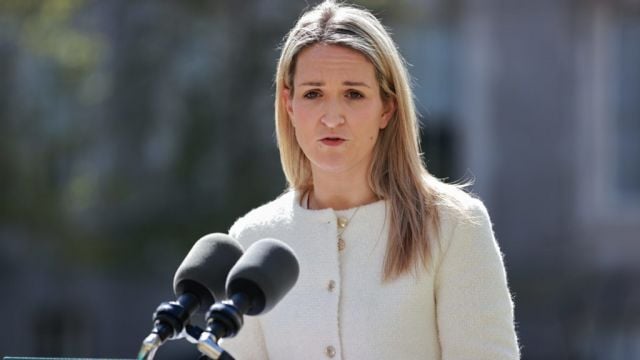
Amnesty Ireland said it was “appalled” at the decision by Helen McEntee to add Egypt, an act it called “deeply reckless”.
On 2 July 2024 Cate McCurry in breakingnews.ie reported that human rights groups have criticised the decision to add countries such as Egypt and Malawi to Ireland’s list of “safe” countries for asylum applications as concerning and “reckless”. The Irish Government made five additions to its list of safe countries on Tuesday: Brazil, Egypt, India, Malawi and Morocco.
Countries added to this list are viewed by the Government as places where “there is generally and consistently no persecution”, no torture, and no armed conflicts. The proposal by Minister for Justice Helen McEntee was approved at Cabinet on Tuesday, meaning protection applications from these countries are to be accelerated from Wednesday following an “extensive review” by the department.
Amnesty Ireland said it was “appalled” at the decision by Ms McEntee to add Egypt, an act it called “deeply reckless”.
“This categorisation is particularly shocking, given the protracted human rights and impunity crisis in Egypt, where thousands are arbitrarily detained, and where Amnesty International has consistently documented the use of torture and other ill-treatment and enforced disappearances.”
“No country is safe for everyone. But, putting Egypt with its abysmal human rights record on such a list is deeply reckless. Under Irish and EU law, the Minister for Justice may do so only if there is generally no persecution, torture, or inhuman or degrading treatment in that state. That absolutely cannot be said of Egypt.” As an illustration only, see https://humanrightsdefenders.blog/tag/egypt/
Egypt Researcher at Amnesty International, Mahmoud Shalaby, said that since 2013 the Egyptian authorities have been “severely repressing” the rights to freedom of expression, association and peaceful assembly.
“Dissidents in the country remain at risk of persecution solely for expressing critical views,” he said. “Thousands of arbitrarily detained solely for exercising their human rights or after grossly unfair trials or without legal basis.”
Chief executive of the Irish Refugee Council, Nick Henderson, said they were very concerned at the designation of Morocco, Malawi and Egypt as “safe”.
“Frankly, when you look at some of the human rights information from countries such as Egypt, I’m quite staggered and flabbergasted how they could be designated as safe,” he told RTE’s News at One.
The introduction of accelerated processing in November 2022 has had a significant impact on the number of applications from those countries, which have dropped by more than 50 per cent in that time.
In the study The Landscape of Public International Funding for Human Rights Defenders, released on 12 June 2024, ProtectDefenders.eu sheds light on the critical challenges faced by human rights defenders (HRDs) worldwide, specifically focusing on their financing by public actors.
The research, which combines an analysis of financial data over a period of four years with interviews, investigations, and input from defenders, underscores the pressing need for greater financial support and resources to safeguard the invaluable work of human rights defenders in promoting and protecting human rights globally.
The ProtectDefenders.eu study reveals and documents a concerning trend: while the need for support for HRDs has never been greater, funding levels have stagnated, with only marginal increases observed over the examined period. Despite rhetoric emphasising the importance of prioritising human rights prioritisation, the actual allocation of resources has failed to keep pace with the deteriorating global situation, representing a mere 0.11% of total Official Development Assistance (ODA) annually.
Key findings from the study include:
Disparity in funding: While some donors have demonstrated a strong commitment to supporting HRDs, others have allocated minimal resources, with wide variations observed among donor contributions. This disparity is also evident among different groups of defenders and thematic areas, as well as in funding dynamics by region, with a concerning decrease in attention to the MENA region
Challenges in accessing funds: HRDs continue to face obstacles in accessing international funds, including restrictive funding requirements and bureaucratic hurdles
Need for core funding: There is a critical need for core, flexible, and sustainable funding to enable HRDs to effectively carry out their vital work
Lack in localisation efforts: The study emphasises the importance of localising HRD protection programs and ensuring that funding reaches grassroots organisations and movements.
“This research underscores the urgent need for action to better support human rights defenders and is a call to action for donors, policymakers, and stakeholders to stand in solidarity with human rights defenders,” said Gerald Staberock, Chair of the Board of ProtectDefenders.eu and Secretary-General of the World Organisation against Torture. “HRDs play a vital role in advancing human rights and democracy worldwide, yet they continue to face increasing risks and challenges. It is imperative that donors and stakeholders heed the recommendations outlined in this study to ensure that HRDs receive the support they need to carry out their crucial work.”
In response to these findings, the study presents a series of detailed recommendations aimed at addressing the funding gap and improving support for HRDs. These recommendations include increasing overall funding levels, reducing restrictions on grants, enhancing political and diplomatic support, and investing in donors’ own capacities to better understand the needs and contexts of HRDs.
ProtectDefenders.eu issues a clear call to all donors and public actors to urgently address this situation. Specifically, the demands include:
Increase in public funding: Advocating for an increase in public funding for HRDs from 0.11% to 0.5% for the period 2025-2028.
Building trust through core grants: Urging for more core grants with reduced restrictions, audits, lower result expectations, and extended support horizons.
Directing more grants locally: Advocating for a higher proportion of grants to be allocated to local NGOs to ensure funding reaches grassroots organizations and movements.
Establishment of HRD principles for regranting: Calling upon the community of donors and financiers of HRD work to establish HRD Principles for Regranting, outlining guidelines for more effective and equitable distribution of funds.
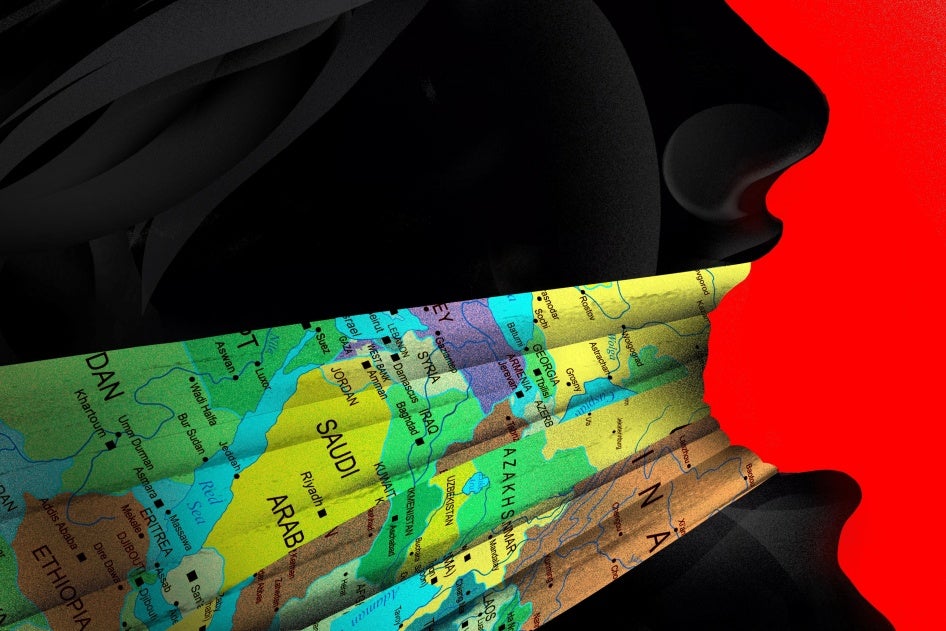
On 12 June 2024, Human Rights Watch published a useful, short “questions-and-answers” document which outlines key questions on the global trend of transnational repression.
The term “transnational repression” is increasingly used to refer to state actors reaching beyond their borders to suppress or stifle dissent by targeting human rights defenders, journalists, government critics and opposition activists, academics and others, in violation of their human rights. Particularly vulnerable are nationals or former nationals, members of diaspora communities and those living in exile. Many are asylum seekers or refugees in their place of exile, while others may be at risk of extradition or forced return. Back home, a person’s family members and friends may also be targeted, by way of retribution and with the aim of silencing a relative in exile or forcing their return.
Transnational repression can have far-reaching consequences, including a chilling effect on the rights to freedom of expression and association. While there is no formal legal definition, the framing of transnational repression, which encompasses a wide range of rights abuses, allows us to better understand it and propose victim-centered responses.
What tactics are used?
Documented tactics of transnational repression include killings, abductions, enforced disappearances, unlawful removals, online harassment, the use of digital surveillance including spyware, targeting of relatives, and the abuse of consular services. Interpol’s Red Notice system has also been used as a tool of transnational repression, to facilitate unlawful extraditions. Interpol has made advances in improving its vetting systems, yet governments continue to abuse the Red Notice system by publishing unlawful notices seeking citizens who have fled abroad on spurious charges. This leaves targets vulnerable to arrest and return to their country of origin to be mistreated, even after they have fled to seek safety abroad.
Is transnational repression a new phenomenon?
No, the practice of governments violating human rights beyond their borders is not new. Civil society organizations have been documenting such abuses for decades. What is new, however, is the growing recognition of transnational repression as more than a collection of grave incidents, but also as an increasing phenomenon of global concern, requiring global responses. What is also new is the increasing access to and use of sophisticated technology to harass, threaten, surveil and track people no matter where they are. This makes the reach of transnational repression even more pervasive.
Where is transnational repression happening?
Transnational repression is a global phenomenon. Cases have been documented in countries and regions around the world. The use of technology such as spyware increases the reach of transnational repression, essentially turning an infected device, such as a mobile phone, into a portable surveillance tool, allowing targeted individuals to be spied on and tracked around the world.
Do only “repressive” states commit transnational repression?
While many authoritarian states resort to repressive tactics beyond their own borders, any government that seeks to silence dissent by targeting critics abroad is committing transnational repression. Democratic governments have also contributed to cases of transnational repression, for example through the provision of spyware, collaborating with repressive governments to deny visas or facilitate returns, or relying upon flawed Interpol Red Notices that expose targeted individuals to risk.
Are steps being taken to recognize and address transnational repression?
Increasingly, human rights organizations, UN experts and states are documenting and taking steps to address transnational repression.
For example, Freedom House has published several reports on transnational repression and maintains an online resource documenting incidents globally. Human Rights Watch has published reports, including one outlining cases of transnational repression globally and another focusing on Southeast Asia. Amnesty International has published a report on transnational repression in Europe. Many other nongovernmental organizations are increasingly producing research and reports on the issue. In her report on journalists in exile, the UN Special Rapporteur on freedom of expression dedicated a chapter to transnational repression. The UN High Commissioner for Human Rights used the term in a June 2024 statement.
Certain governments are increasingly aware of the harms posed by transnational repression. Some are passing legislation to address the problem, while others are signing joint statements or raising transnational repression in international forums. However, government responses are often piecemeal, and a more cohesive and coordinated approach is needed.
What should be done?
Governments should speak out and condemn all cases of transnational repression, including by their friends and allies. They should take tangible steps to address transnational repression, including by adopting rights-respecting legal frameworks and policies to address it. Governments should put victims at the forefront of their response to these forms of repression. They should be particularly mindful of the risks and fears experienced by refugee and asylum communities. They should investigate and appropriately prosecute those responsible. Interpol should continue to improve vetting process by subjecting governments with a poor human rights record to more scrutiny when they submit Red Notices. Interpol should be transparent on which governments are continually abusing the Red Notice system, and limit their access to the database.
At the international level, more can be done to integrate transnational repression within existing human rights reporting, and to mandate dedicated reporting on cases of transnational repression, trends, and steps needed to address it.
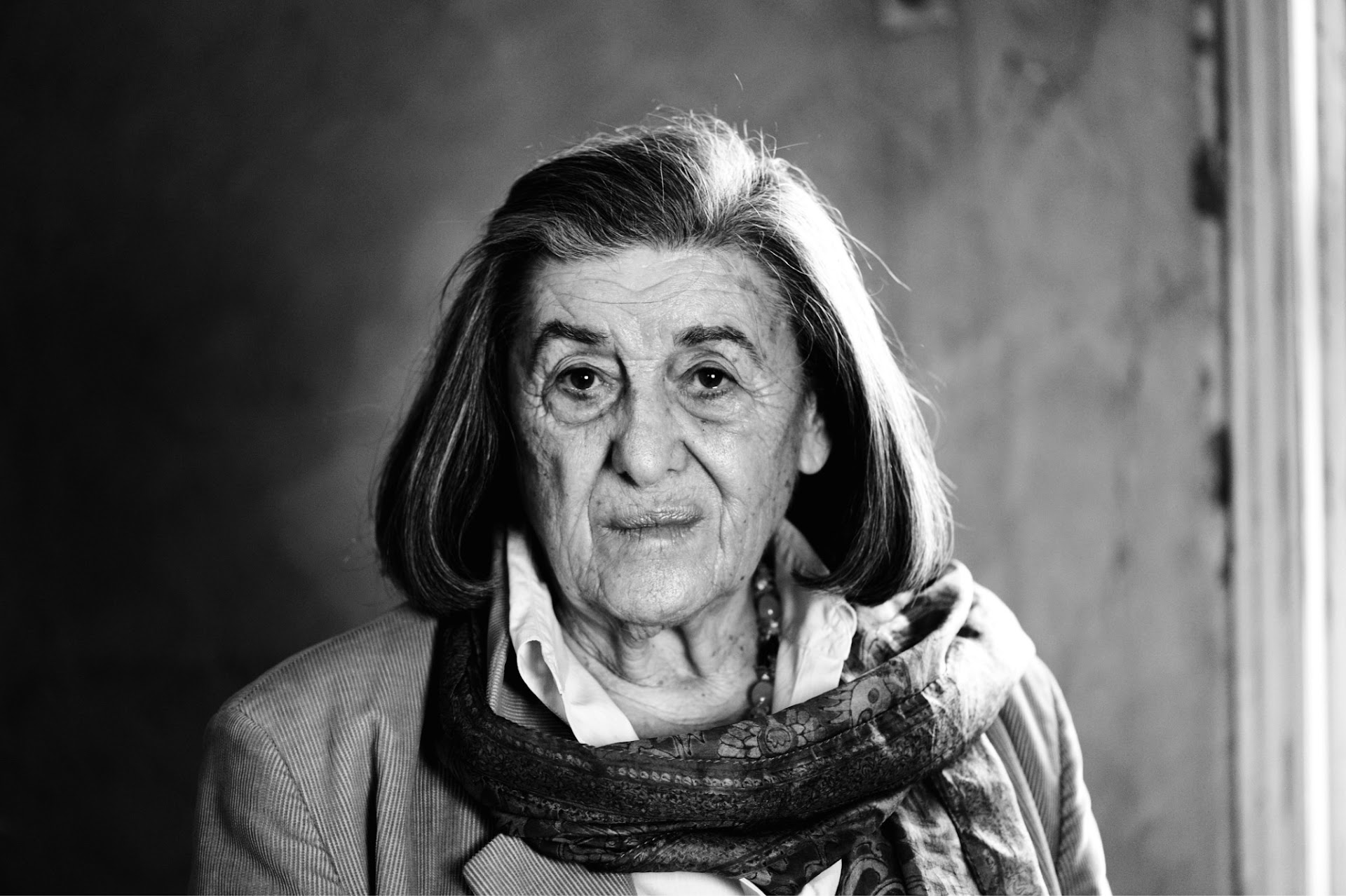
I am not a professional obituary writer, but I surely wished I were, as writing about my dear friend Leah Levin deserves the best possible skills. Fortunately, I received some excellent input from her caring family of which I am making good use. A celebration of Leah’s life will be held by the family on 13 June, 4 pm BST which can also be followed online.
Leah Levin, was a well-known figure in the international human rights movement of the 1970’s and onwards. She died of cardiac arrest on 25 May, 2024, at the formidable age of 98. For over half a century, she served and led a range of human rights organisations and collaborated globally with some of the world’s leading activists. For which she received an honorary doctorate from the University of Essex in 1992 and an OBE in 2001.
She was the author of UNESCO’s “Human Rights: Questions and Answers”, one of the world’s most widely disseminated books on human rights, (translated into more than 30 languages).
From 1982-1992, she was director of JUSTICE, a pioneering organisation that sought to right miscarriages of justice and which was a national section of the International Commission of Jurists . She served as a board member or trustee of the United Nations Association, the Anti-Slavery Society, International Alert, Redress, Readers International and The International Journal of Human Rights. But most of all, I remember her from the work she did to make sure that we would not forget one of our most impressive friends: Martin Ennals, who had led Amnesty from 1968 to 1980 and had been one of her closest friends until his death in 1981. [see his biography in the Encyclopedia of Human Rights, OUP, 2009, Vol 2, pp 135-138].
Frances D’Souza, said about Leah: “without any pretension she was nearly always right. She hit the nail on the head whether dealing with world affairs or people. She made a significant difference by her wise counsel and fact that she could really see what the issues were, read the situation and do something about it.”
Leah Levin had the special talent to draw other like-minded people to her and help coalesce a community of activists with whom she would collaborate throughout her entire life.
Her own life story is one of human rights struggle: Leah was born Sarah Leah Kacev on 1 April 1926 in Lithuania. She grew up as Leah Katzeff in Piketberg, South Africa, a small, rural town in Western Cape to where the family had to flee to escape poverty and anti-Semitism in the difficult years after the First World War and Russian revolution. Leah was the first of four children and the first person in her family to go to university. She graduated in 1945, when at the end of the second world war, the Katzeffs found out that their family along with their entire Jewish community in Mazeikiai, had been murdered by local Lithuanians organized by the Germans in the very first days of the Nazi advance in 1941.
In 1947 she married Archie Levin, fifteen years her senior. Like Leah, Archie was the child of European Jewish immigrants. Together they set up a new business, writing travel guides to Central and Southern Africa. In 1960, disgusted by the repression of anti-apartheid protest, the couple moved to the British colony of Southern Rhodesia (now Zimbabwe) with their two children Michal and Jeremy. A third son, David, was born in Salisbury (now Harare).
In Rhodesia, Leah completed a second degree in international relations at the University of Rhodesia and Nyasaland, while her husband became politically active. His activities angered those in power; shortly before Rhodesia unilaterally declared independence. Archie was tipped off that he was likely to be arrested. He rapidly left for the UK with his daughter Michal and later was joined by his son Jeremy; a few months later, Leah and her infant son David joined the rest of the family in the UK.
In London, Leah found a volunteer post as Secretary of the newly founded United Nations Association. The UNA human rights committee brought together people who became lifelong friends as well as colleagues: Martin Ennals, Sir Nigel Rodney, Amnesty’s first legal officer and later UN rapporteur on torture, and Kevin Boyle, who ran the Human Rights Centre of the University of Essex. After the death in 1977 of her husband Archie, Leah threw herself still more wholeheartedly into human rights work. In 1978, she took a job as Secretary of the Anti-Slavery Society, which connected her to the United Nations in Geneva. And in 1982 she moved to run JUSTICE for a decade. In 1992, she co-founded Redress, representing victims of torture to obtain justice and reparation for them.
Even when fully retired Leah continued to keep an active interest in children and grandchildren as well as her human rights “children”. I will bitterly miss her almost yearly phone calls to check on me to make sure I am doing the right thing.
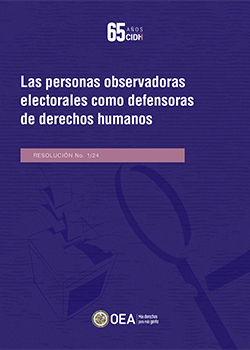
On 23 May 2024 the IACHR Press Office (cidh-prensa@oas.org) informed us that the Inter-American Commission on Human Rights (IACHR) has issued Resolution 01/2024, recognizing national and international election monitors as human rights defenders based on the intrinsic connection between respecting and protecting human rights and defending democracy.
The Commission highlights the important role of election monitors for the defense of democracy and the rule of law. Through their activities, electoral observers stand up for civil and political rights including the rights to freedom of association, assembly, expression, access to information, equality before the law, and non-discrimination, as well as for the rights to a fair trial and to judicial protection.
The activities of election monitors help to protect the rights held in Article XX of the American Declaration of the Rights and Duties of Man and in Article 23 of the American Convention on Human Rights, both of which mention the right to vote and to be elected by universal suffrage in periodic elections.
In the case of national observers, election monitoring is a form of political participation and a way of exercising political rights by looking after, defending, and fostering the principles that should prevail in election processes, including transparency, certainty, legality, fairness, and universal suffrage by secret ballot among a plurality of political options.
The actions of electoral observers ultimately seek to ensure the integrity of election processes and therefore to preserve expressions of citizens’ sovereign will, which is one of the main tenets of representative democracy according to inter-American and international instruments for the protection of human rights.
In its resolution, the Commission acknowledges the importance of electoral observation missions. The IACHR calls on States to enable suitable conditions for independent and impartial election monitoring and to ensure that election monitors can do their work freely, without retaliation of any kind, and enjoy protection from any risks they may face as a result of their efforts.



 Hans Thoolen on Human Rights Defenders and their awards