Archive for the 'human rights' Category

Human Rights Defenders in National Action Plans on Business and Human Rights: Launch of Guide with public debate on 15 June

June 7, 2016

The International Service for Human Rights (ISHR) and the International Corporate Accountability Roundtable (ICAR) are planning a public discussion about how and why human rights defenders should be consulted in the development of National Action Plans on Business and Human Rights (NAPs) and protected by their provisions. This event will also launch ISHR and ICAR’s new guidance on this subject, situating NAPs in the broader contexts of extreme risks facing human rights defenders taking on business abuses. Wednesday 15 June 2016, 12h30 – 14h00, Palais des Nations, Geneva. (Room to be confirmed) Read the rest of this entry »

On 25 June 2016 Hina Jilani gives International Human Rights Lecture at the Mary Robinson Centre

June 6, 2016

Hina Jilani will speak on the subject of “Protecting Human Rights Defenders Worldwide.” Ms Jilani, from Lahore in Pakistan, is a lawyer, civil rights activist, and an advocate of the Supreme Court of Pakistan. She has been active in the movement for peace, human rights, and women’s rights in Pakistan for more than three decades and is internationally recognised for her expertise in critical human rights investigations. especially as the first UN rapporteur on Human Rights Defenders. The event will incorporate an interview with Ms Jilani and Mrs Robinson. The lecture is free of charge and open to the public. For more information or to reserve a seat visit www.maryrobinsoncentre.ie/events.

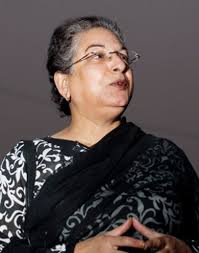
Hina Jilani 2014

Source: International Human Rights Lecture 2016 – The Mary Robinson Centre – Ireland’s first Presidential Library


More posts about Hina Jilani: https://thoolen.wordpress.com/tag/hina-jilani/


She won the 2000 Ginetta Sagan award and the 2008 American Bar Association Human Rights Award.

Dictator Hissène Habré sentenced to life: impunity can be beaten (sometimes)

June 6, 2016

On 30th May 2016, the Extraordinary African Chambers declared Hissène Habré guilty of torture, crimes against humanity, war crimes and sexual crimes, perpetrated during his presidency of Tchad (Chad) between 1982 and 1990. The former Tchadian dictator has been sentenced to life in prison. Human rights organizations have hailed this verdict as “historical” and a victory for the thousands of victims who have fought for twenty years to make their voices heard and obtain justice before an impartial judiciary. They hope that it sends a strong signal to all perpetrators of international crimes. There are many sources but the two most active NGOs are probably: FIDH and its member organizations in Tchad and Senegal and Human Rights Watch (HRW). For more info on their views see the links below.

Explosion of happiness at the announcement of the verdict (source FIDH Facebook)

A summary of the decision was read out in court by chief judge Gberdao Gustave Kam of Burkina Faso, who shared the bench with two senior Senegalese judges. The written decision will be distributed at a later date, but on the Human Rights Watch site there is an unofficial summary from notes taken in court.

On 30 May 2016 the United Nations High Commissioner for Human Rights added its agreement: “After years of struggle and many setbacks on the way to justice, this verdict is as historic as it was hard-won. I sincerely hope that today, at last, Habré’s victims will experience some sense of relief,Zeid Ra’ad Al Hussein said. “Following earlier convictions by other courts of former president Charles Taylor and Bosnian Serb leader Radovan Karadzic, the conviction and sentencing of Hissène Habré shows that even heads of State and other leaders who commit terrible crimes will ultimately be held to account”.

HOWEVER, it is not over yet. The judges have until 31 July 31 2016 to approve measures of reparation for the victims.

———

https://www.fidh.org/en/region/Africa/chad/hissene-habre-case-a-historic-and-long-awaited-verdict-19999#

https://www.hrw.org/news/2016/05/30/chads-ex-dictator-convicted-atrocities

http://www.un.org/apps/news/story.asp?NewsID=54088#.V1UbSYRptgc

http://www.martinennalsaward.org/?option=com_content&view=article&id=120&Itemid=135

11 June: Premiere of “The Cause of Progress” on land rights defenders in Cambodia

June 3, 2016

After more than eight years in the making, the documentary ‘The Cause of Progress’ will have its world première at the Sheffield international documentary festival on 11 June 2016. Preliminary versions of this film by Chris Kelly were shown in closed circles (see:  https://thoolen.wordpress.com/2014/09/16/documentary-the-rights-of-others-shows-human-rights-defenders-in-cambodia-against-evictions/) but it has now been finalised. Read the rest of this entry »

Profile of human rights defender Tuisina Ymania Brown, a Fa’afafine from Samoa

June 2, 2016

Samoa does not figure often in this blog. So, courtesy of the International Service for Human Rights (Monitor 2 May 2016), here is the profile of Tuisina Ymania Brown of the Samoa Fa’afafine Association which represents and promotes the rights of indigenous lesbian, gay, bisexual, transgender and intersex (LGBTI) people in Samoa.  Read the rest of this entry »

PBI marks 35th anniversary with conference on Human Rights Defenders at Risk: 17 Jun 2016

June 2, 2016

On its 35th Anniversary, Peace Brigades International is holding a conference to celebrate human rights defenders’ contributions to democracy and the rule of law, discuss their protection needs, and explore good practice and obstacles to enabling environments. Keynote speakers include the UN Special Rapporteur on the Situation of Human Rights Defenders, Michel Forst, human rights defenders from Latin America, Nepal and Kenya, UK government officials, NGOs, legal experts & donors There will be four panels:

1: Rule of Law: Uses and Abuses of the Law in relation to Human Rights Defenders

2: Access to Justice: Human Rights Defenders’ Fight for Justice

3:  Business and Human Rights:  Challenges and Developments

4: Strategies for Confronting Repressive Environments for Land and Environmental Rights Defenders

On Friday 17 June 2016, from 09:00 to 18:00 (BST) – at Canada House ,Trafalgar Square, London

For more information, tickets follow the link below:

Source: Building Enabling Environments for Human Rights Defenders at Risk Tickets, Fri, 17 Jun 2016 at 09:00 | Eventbrite

Ongoing harassment of Odhikar and Adilur in Bangladesh

June 1, 2016


Frontline NEWlogos-1 condensed version - croppedreports that on 25 May 2016, the Anti-Corruption Commission of Bangladesh (ACC) questioned human rights defender Mr Adilur Rahman Khan over an allegation of involvement of the human rights organisation Odhikar in money laundering. Similarly the Observatory for the Protection of Human Rights Defenders, a joint programme of the OMCT and FIDH called on 26 May for urgent intervention to step up campaigns in his support.

Adilur Rahman Khan [https://www.frontlinedefenders.org/en/profile/adilur-rahman-khan]  is an Advocate of the Supreme Court of Bangladesh, and founder and Secretary of Odhikar. The human rights organisation was established in 1994 with the aim to advance the civil, political, social and economic rights of the citizens of Bangladesh, and to create a wider monitoring and awareness-raising system on the abuse of these rights. Odhikar also carries out advocacy to address the current human rights situation in the country, provides trainings for human rights defenders and conducts fact-finding missions in rural areas of Bangladesh. Adilur was a Final Nominee for the MEA in 2015.

As the links below show it is clearly a case of administrative and judicial harassment against the human rights organisation Odhikar and its Secretary in a further attempt to sanction and silence their human rights activities.

[On 25 May 2016, the ACC’s Deputy Director Mr Jalal Uddin Ahmed questioned Adilur Rahman Khan over Odhikar’s alleged involvement in money laundering as a part of an investigation opened in 2013. The Deputy Director informed the human rights defender that the inquiry into the allegation related to the the sum of € 97 000 that the ACC supposed had been deposited to the Standard Chartered Bank account of Odhikar, as part of money laundering activities. Adilur Rahman Khan denied all accusations made against Odhikar. He explained that the sum of €97 501,07  available on the organisation’s bank account was part of a contribution made by the European Union (EU) to help Odhikar implement a three-year project titled ‘Education on the Convention against Torture (CAT) and Official Protocol to the CAT Awareness Program in Bangladesh’, from 2012 to 2014.]
BANGLADESH: Families demand return of their disappeared dear-ones within the month of Ramadan

Also on 27 May the Asian Human Rights Commission published a press release about the members of families of 19 disappeared victims who once again took to the street 26 May 2016. They formed a “human chain” in front of the National Press Club in Dhaka to demand the return of their loved ones within the month of Ramadan. Prominent human rights defenders, members of the civil society, and academic scholars joined the families to express solidarity.


http://odhikar.org/human-rights-monitoring-report-may-2016/

http://www.omct.org/human-rights-defenders/urgent-interventions/bangladesh/2016/05/d23782/

http://www.humanrights.asia/news/press-releases/AHRC-PRL-013-2016

for other posts on Odhikar see: https://thoolen.wordpress.com/tag/odhikar/

Laureates of the European Parliament’s Sakharov Prize discussed human rights protection in the digital age

May 30, 2016


Nine former Sakharov prize laureates from different countries met in Brussels on 24 May 2016 to discuss how to adapt to the challenges facing human rights defenders in the digital era. The event was organised by the European Parliament (EP) in the framework of Sakharov prize network activities engaging former prize laureates and Members of EP to draw attention to human rights violations and to support former laureates and their causes.

Read the rest of this entry »

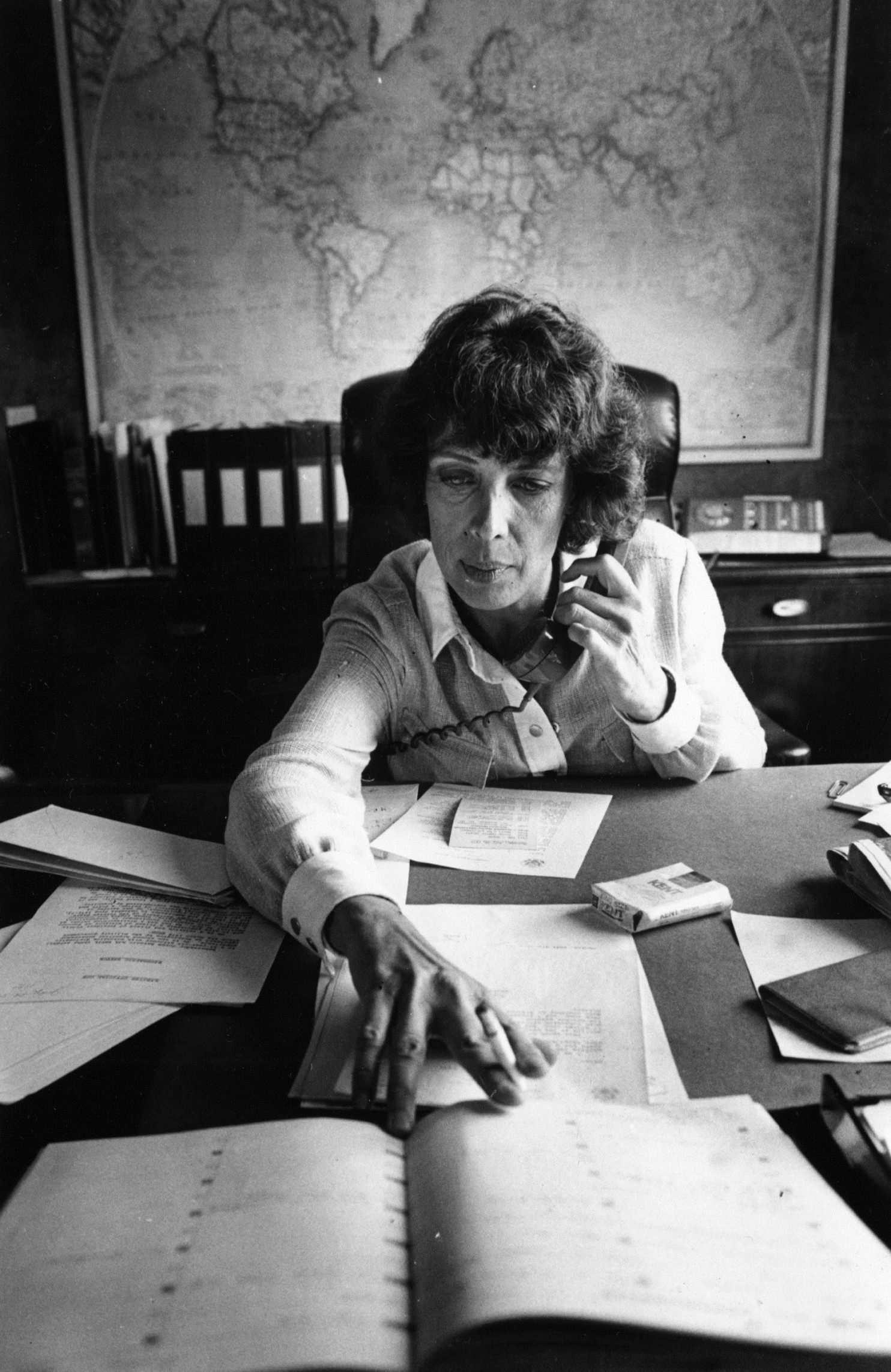
Patt Derian – the rare politician/human rights defender – no longer

May 30, 2016
Being a leading politician and human rights defender does not always go together well. Patricia Murphy (“Patt”) Derian was one of the exceptions. She passed away on 20 May 2016 at the age of 86. She was an American civil rights and human rights activist, who served under President Carter from 1977 to 1981.DERIAN PATT

After Jimmy Carter won the election, he nominated Derian to be Coordinator for Human Rights and Humanitarian Affairs and elevated the post to that of Assistant Secretary of State for Human Rights and Humanitarian Affairs effective August 17, 1977, and Derian served in that capacity for the remainder of the Carter administration. In this post she worked to improve policy coordination on humanitarian issues such as human rights, refugees, and prisoners of war.

Derian was a vocal critic of Jeane Kirkpatrick and of the so-called Kirkpatrick Doctrine during the 1980s, which advocated U.S. support of anticommunist governments around the world, including authoritarian dictatorships, if they went along with Washington’s aims —believing they could be led into democracy by example. Kirkpatrick wrote, “Traditional authoritarian governments are less repressive than revolutionary autocracies.” Derian objected to Kirkpatrick’s characterization of some governments as only “moderately repressive,” arguing that this line of thinking allowed the U.S. to support “a little bit of torture” or “moderate” prison sentences for political dissenters. Derian pointed out that, when it comes to human rights, in terms of morality, credibility and effectiveness, “you always have to play it straight.” Read the rest of this entry »

Profile of Pedan Marthe Coulibaly, human rights defender from Côte d’Ivoire

May 27, 2016

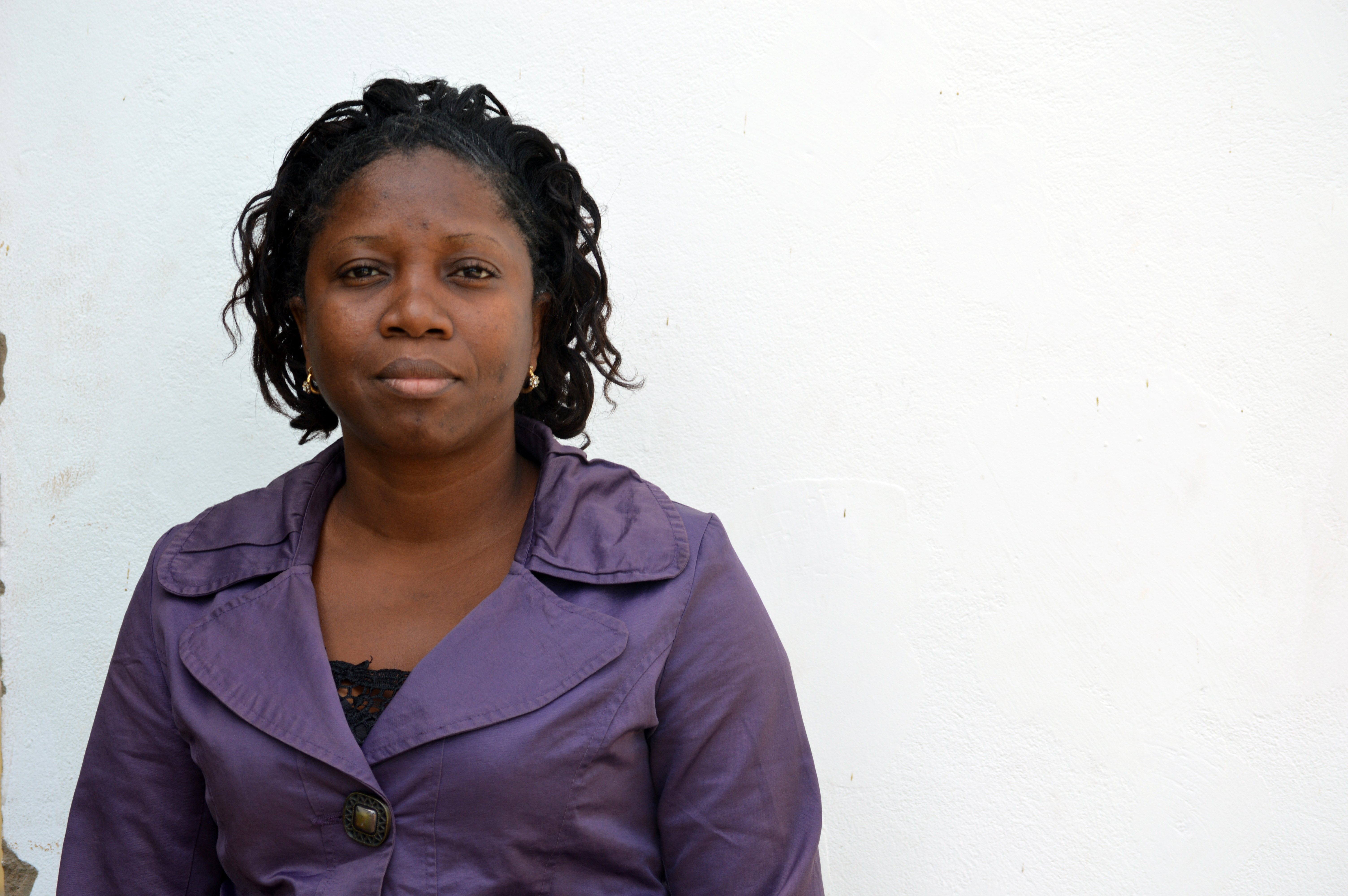
Pedan Marthe Coulibaly human rights defender Côte d'Ivoire.


Pedan Marthe Coulibaly, human rights defender from Côte d’Ivoire

Ms Pedan Marthe Coulibaly is the national coordinator of the “Coalition Ivoirienne des défenseurs des droits humains” (human rights defenders coalition from Côte d’Ivoire). She was part of the NGO delegation sent by ISHR to participate in the 58th session of the African Commission on Human and Peoples’ Rights. On 11 April 2016 ISHR published the following interview on her work

The Coalition Ivoirienne des Défenseurs des droits humains (CIDDH) was founded in 2004 and gathers together more than a dozen national civil society organisations. Its two main missions are to protect human rights defenders and to promote their rights. This work mostly involves raising awareness of and increasing the capacity of defenders to make use of human rights protection mechanisms. A founding member of the Centre féminin pour la démocratie et les droits humains (Women’s centre for democracy and human rights) in Côte d’Ivoire, Ms Coulibaly has been advocating for human rights in general, and women’s rights in particular, for over a decade. She started engaging on these issues immediately after graduating, when she realised that during the 2002 national crisis women were among the most exposed to human rights violations.

What does the coalition do?

The first activity of CIDDH is to ‘connect with the member organisations on a regular basis and seek information about the realities of their work’. The aim is to stay in tune with the challenges facing grassroots human rights defenders and, when needed, to identify ways of assisting them.

When informed about a difficulty facing a defender, the coalition carries out a risk analysis of the situation. If the risk is deemed high, the coalition can decide to alert partners, such as the West African human rights defenders network; send communications to the United Nations and African Commission Special Rapporteurs on human rights defenders; or collect resources among its network in order to ‘move the defender to a safe place’.  Sometimes, the coalition may also publish press releases for distribution at press conferences.

Who are the most exposed defenders in Côte d’Ivoire? 

Given her pivotal role within CIDDH, Ms Coulibaly has been able to identify some of the most at risk defenders in Côte d’Ivoire, who are typically those working on sensitive issues, such as extractive industries. 

‘When they go to the field, defenders working on extractive industries are often forced to hide their true identity and the name of their organisations. (…) They can be subject to intimidations or threats from industries, sometimes with the support of administrative authorities.’

Defenders who question certain cultural practices, such as female genital mutilation, are also often the targets of  hostile community reactions.

The role of the coalition in the development of the HRD law

CIDDH was at the frontline throughout the drafting and adoption process of the recent law on human rights defenders in Côte d’Ivoire. The coalition was first invited by the Ministry of Human Rights to participate in the validation session of the draft law. CIDDH then initiated an intensive advocacy campaign to ensure the recommendations and concerns they shared at the validation session had been taken into account.

CIDDH also intended to check if the parliamentarians targeted during the advocacy campaign had appropriated the recommendations as their own and shared them during the adoption process. One of the concerns exposed by the coalition was the need to include the notion of ‘threat’ in the list of dangers facing women human rights defenders. This concern was duly included in the adoption process. Regretfully, the coalition’s opposition to the obligation for human rights defenders to submit annual reports to the State fell on deaf ears.

The coalition subsequently attended, as an observer, the parliamentary session to adopt the law, where they were relieved to witness that most of the recommendations made by human rights defenders had been retained.

Following the adoption, CIDDH focused on training human rights defenders so they could get to know the content of the law and ‘make it theirs so as to promote their own rights’. The coalition intends to continue advocating for the adoption of an implementation decree for the law, as well as for an implementation mechanism to be put in place.  

More proactivity for better protection 

While recognising the crucial role of ‘emergency funds’ provided by partners such as Frontline Defenders when defenders’ rights are violated, Ms Coulibaly insists on the need for and the difficulty in achieving a more proactive approach.

 ‘We should not wait to see real dangers before starting to collect resources to protect defenders (…) If the coalition had permanent resources for a staff member dedicated to the protection of defenders, this would make the work of defenders a lot easier.’

Ms Coulibaly also calls for the international community to step in for the protection of human rights defenders. She stresses that ‘collaboration with the international community should go beyond exchange of information, communications or reports’ and take the form of ‘concrete measures’ to protect defenders.

Putting defenders at the heart of the African Year of Human Rights

With 2016 being declared the African Year of Human Rights by the African Union there is an opportunity to make an assessment of the situation of human rights defenders in Africa, says Ms Coulibaly. The progress made to date and remaining challenges should be identified. It is also essential that each country sets up strategies to implement laws protecting human rights and that these laws have a real effect on the ground.  

‘It is a real problem: protocols are being adopted, legal instruments are being adopted, but these documents have no impact on real life. No one can feel any change.’

Source: Defender profile : Pedan Marthe Coulibaly, woman human rights defender from Côte d’Ivoire | ISHR