
Posts Tagged ‘Democratic Republic of Congo’

Write for Rights campaign turns 25, here 7 successes

October 24, 2026

Amnesty International

This year marks the 25th anniversary of Amnesty International’s global Write for Rights campaign, which has supported more than 200 people and groups.

That’s 25 years of people taking action against injustice, writing letters and signing petitions in support of people whose human rights have been denied. Some have been imprisoned for peacefully expressing their views. Others have been targeted because of who they are or who they love. Some have been criminalized simply because they were in the wrong place at the wrong time.

More than 50 million actions have been taken – in the form of letters, emails, cards, petition signatures, social media posts and more – since Write for Rights started in 2001. Amnesty’s brilliant supporters have written letters both to those whose rights are being violated, and the person in authority who can make change happen.

People have taken action because they believe hope and humanity can win over fear.

As a result, over 100 people featured in our Write for Rights campaign have seen a positive outcome in their situation. People unlawfully detained have been released, families have been reunited and justice achieved. Just as important – individuals have been reminded that they have not been forgotten.

Here are the stories of a few of them, whose lives have changed – and even been saved – thanks to the support of people like you…


Germain Rukuki – Burundi
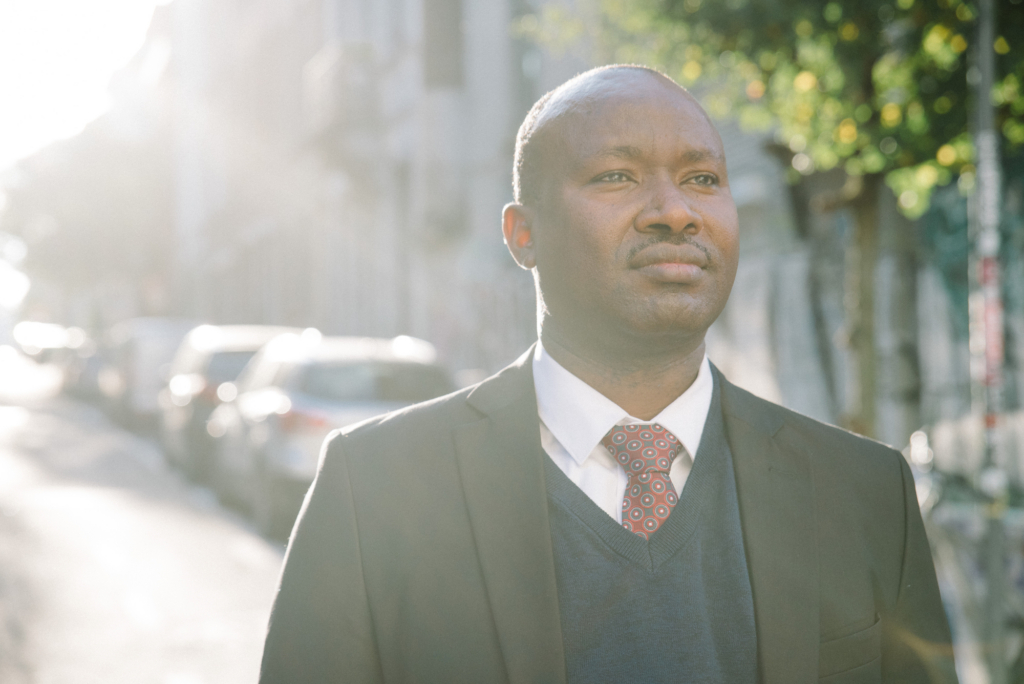
 A man stands bathed in sunlight, looking down the street.
Human rights defender Germain Rukuki was arrested in July 2017 and was serving a 32-year prison sentence after he was convicted of “rebellion” amongst other things. During Amnesty International’s global Write for Rights campaign, supporters in 37 countries took action and called for his immediate and unconditional release. He was released from prison on 30 June 2021.

On 30 June 2021, Burundian human rights defender Germain Rukuki was released from prison four years into a 32-year sentence. He had been found guilty of a number of sham charges relating to his human rights work. He was jailed before getting a chance to hold his youngest child, born just weeks after he was arrested in July 2017.

Yves Makwambala and Fred Bauma – Democratic Republic of Congo

Youth activists Yves Makwambala and Fred Bauma were released at the end of August 2016 in the Democratic Republic of Congo. An amazing 170,000 people took action for the pair as part of Write for Rights 2015. “Every letter, every visit, every word has strengthened us and reinforced our determination in this long but just struggle for freedom and democracy,” said Yves.

Seán Binder – Greece
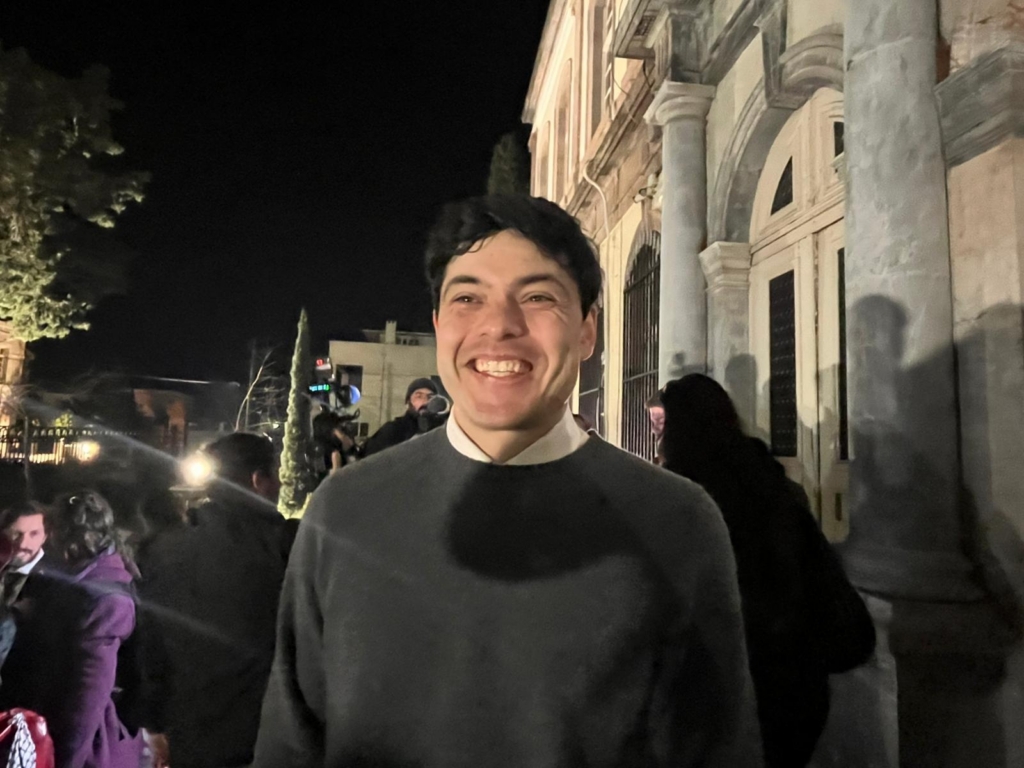
As night closes in, a man in a dark jumper stands against a brightly lit building.
After more than seven long years, Seán Binder and all 23 defendants were been cleared of all charges in Greece relating to their humanitarian rescue work on Lesvos.

In January 2026, human rights defender Seán Binder and 23 others connected to a search and rescue NGO were acquitted of all charges in Greece. After years on trial, Seán no longer faces the possibility of a 20-year prison sentence for helping refugees.

Eight years after Amnesty first called for the charges to be dropped, Seán was finally acquitted.

Moses Akatugba – Nigeria
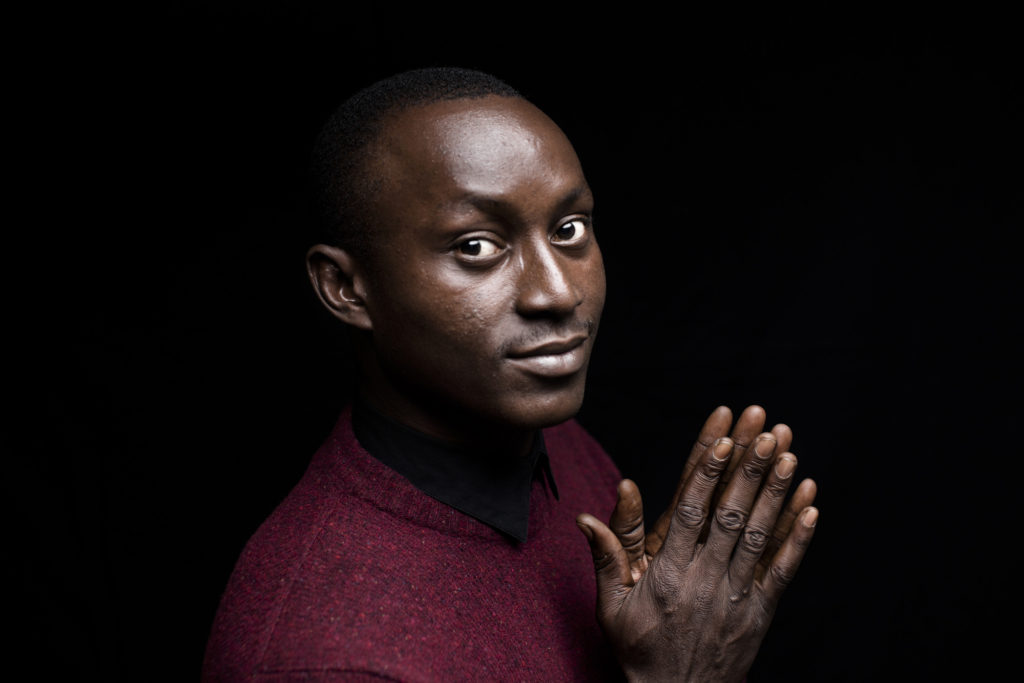
A man stands looking to camera with his hands clasped. He wears a red jumper.
Moses was waiting for the results of his secondary school exams when he was arrested by the Nigerian army in 2005, shot in the hand and beaten. After eight years in prison, he was sentenced to death by hanging. Activists including many young people and Amnesty International demonstrated outside their country’s Nigerian embassies his behalf. Moses was freed in 2019.

Moses Akatugba was a 16-year-old student when he was arrested in 2005 by police in southern Nigeria, on suspicion of armed robbery and stealing three telephones. He was tortured by police during their interrogations, beaten and suspended upside down from a ceiling fan for hours. His nails were pulled out with pliers to coerce him into signing a “confession” – the only basis for his death sentence eight years later.

Rita Mahato – Nepal 
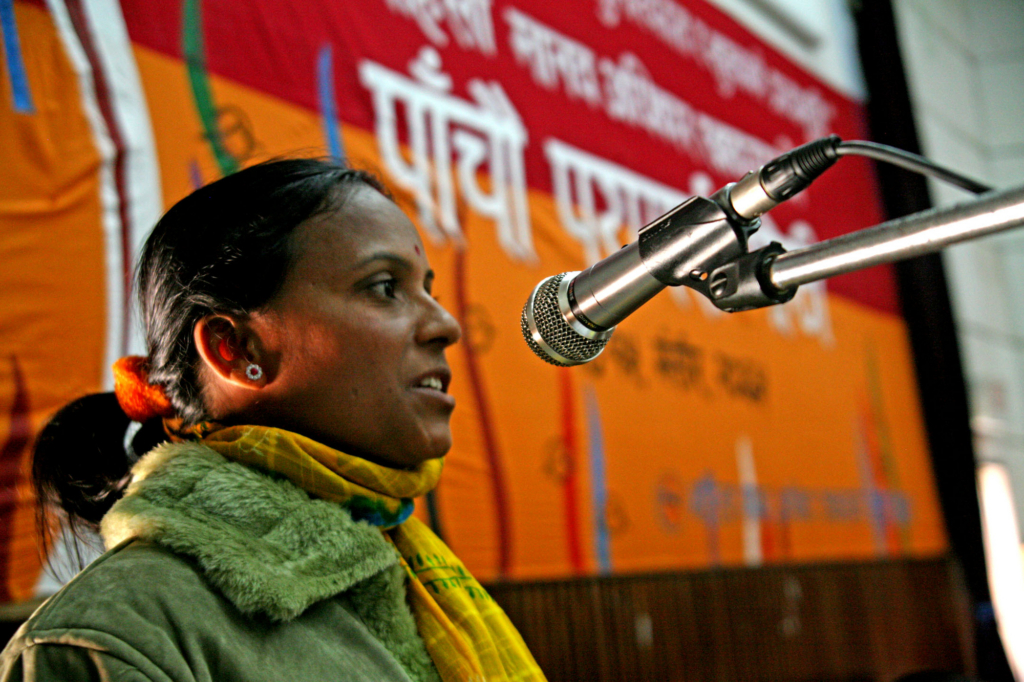
Rita Mahato Chamar is a human rights defender from Nepal.

In 2009, human rights defender Rita Mahato was threatened with death, rape and kidnapping for helping women in Nepal who had suffered acts of violence. She was a health adviser at the Women’s Rehabilitation Centre (WOREC), a leading NGO in Nepal, yet police failed to provide Rita with protection or to investigate the threats. After Amnesty took up her case for Write for Rights 2009, schools, campuses and other institutions around the world started sending letters, postcards and other materials in support of her. The publicity and posters became so widespread that the police and local authorities began calling Rita to provide support, making her feel less alone. While the harassment has ended, Rita still stands up for what she believes in.

Aleksandra (Sacha) Skochilenko – Russia
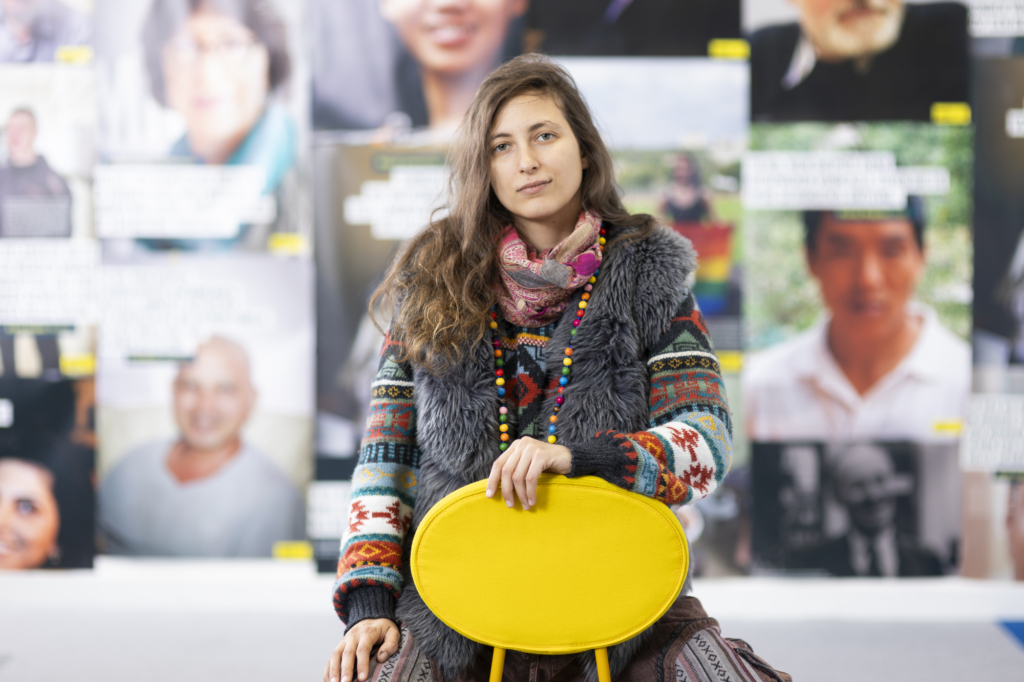
A woman with long brown hair
Aleksandra (Sasha) Skochilenko, visits Amnesty in the Netherlands, Amsterdam, to thank them from for their support.

Russian artist Aleksandra “Sacha” Skochilenko was arrested for protesting Russia’s full-scale invasion of Ukraine. In March 2022, she replaced price tags at a supermarket with paper labels that contained information censored by Russian state-run media. She was charged with “dissemination of knowingly false information about Russian Armed Forces” and sentenced to seven years in December 2023. In 2024, thanks in part to international pressure from Write for Rights 2022, Sacha was finally released as part of a huge prisoner swap, involving Russia and Belarus, who agreed to a swap with the United States, Germany, Norway, Poland, and Slovenia.  Sacha now lives in exile in Germany.

https://amnesty.ca/urgent-actions/outcome-uae-sudanese-political-activist-released-after-19-months
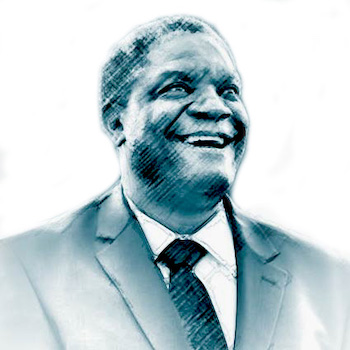
Lawlor: more than 400 human rights defenders, journalists in DRC targeted within a year

June 22, 2024

On 19 June 2024, Mary Lawlor, Special Rapporteur on the situation of human rights defenders expressed alarm at increasing targeting of human rights defenders in the Democratic Republic of Congo (DRC), particularly in villages and provinces in the east of the country, as the armed conflict intensifies.

“Attacks, intimidation and killings of human rights defenders continue on a daily basis in the Democratic Republic of Congo, despite repeated calls for authorities to step up efforts to investigate human rights violations in the country and arrest and bring perpetrators to justice,” she said

From June 2023 to April 2024, the United Nations Joint Human Rights Office in the DRC documented incidents of intimidation, threats of physical violence, attacks and acts of reprisals targeting 387 human rights defenders and 67 journalists, perpetrated by both State agents and armed groups.

Lawlor noted that two women human rights defenders, members of the Youth Movement for Change (LUCHA), had been facing violence and death threats from Twigwaneho armed group since November 2023.

“When LUCHA organised public protests against recent attacks on their village in the South Kivu province, the rebel group sent armed forces to arrest them, forcing them to flee and go into hiding. To this day, they continue to receive death threats and live in hiding,” the expert said. One of the women’s mothers was abducted by the same rebel group in February 2024 and reportedly executed for not revealing her daughter’s whereabouts.

Obedi Karafuru, a human rights defender and head of the workers’ committee, was shot dead by unidentified men in his home village in rebel-held Rutshuru territory in North Kivu province. The Special Rapporteur noted that he had been working to secure fair compensation for former workers on a logging project and had been complaining to authorities for the past four years about death threats against him and his colleagues. “No investigation has been opened into the murder,” Lawlor said.

A human rights defender received death threats in February 2022 when he questioned the effectiveness of the Government’s state of emergency in North Kivu, stating that authorities had failed to guarantee the safety of the population. “The death threats forced him into hiding, as State authorities never responded to his call for protection,” the expert said. Four women human rights defenders from the women-led organisation Tous pour la Paix et la Cohésion Sociale, have been victims of kidnapping and violence following activities they organised around women’s rights.

The expert noted that the DRC adopted a law on the protection of human rights defenders in 2023, which meets the minimum international standards, and ensures special protection for women human rights defenders as well as physical protection of human rights defenders and their families.

“Many executions of human rights defenders are preceded by death threats,” Lawlor said, referring to the report she presented to the Human Rights Council in 2021. “Unless the physical integrity of human rights defenders is guaranteed, they will not be able to fully contribute to the construction of a just society that respects human rights,” she said.

“I call on authorities in the DRC to take all necessary measures to ensure a safe working space and protection for human rights defenders, as well as to guarantee the exercise of their rights to freedom of peaceful assembly and association and to effectively and reliably investigate all cases of executions in accordance with international standards, including the Minnesota Protocol, and bring those responsible to justice,” Lawlor said.

This statement is endorsed by Gina Romero, Special Rapporteur on the rights to freedom of peaceful assembly and of association; Morris Tidball-Binz, Special Rapporteur on extrajudicial, summary or arbitrary executions.

Distributed by APO Group on behalf of Office of the UN High Commissioner for Human Rights (OHCHR).

see also: https://humanrightsdefenders.blog/2022/05/13/floribert-chebeya-dr-congo-policeman-sentenced-to-death-for-murder/

https://www.news24.com/news24/africa/news/war-on-activists-more-than-400-human-rights-defenders-journalists-in-drc-targeted-within-a-year-20240620

Denis Mukwege, Congolese Human Rights Defender, awarded 2024 Aurora Prize

May 13, 2024
Aurora Humanitarian Initiative (PRNewsfoto/Aurora Humanitarian Initiative)

On 10 May 2024, the Aurora Humanitarian Initiative announced that eighth Aurora Prize for Awakening Humanity was awarded to Dr. Denis Mukwege, a world-renown gynecological surgeon and human rights activist from the Democratic Republic of the Congo (DRC). Dr. Mukwege is the president of Panzi Hospital and Foundation in the DRC, which he founded in 1999 to address the systemic issue of maternal healthcare and maternal mortality. Amidst ongoing conflict and critical healthcare needs stemming from war, the hospital has become one of the world’s pre-eminent treatment centres for survivors of sexual violence in conflict. Dennis Mukwege is one of the most recognized HRDs in the world, as shown by the 14 human rights awards already received [see: https://www.trueheroesfilms.org/thedigest/laureates/30515CB2-A763-412A-B61D-549E71306CD4]

In recognition of his courageous work and dedication to improving human rights for all, the Aurora Prize Selection Committee revealed their decision after conferring during a three-hour closed session. The Laureate receives a $1,000,000 award and a chance to continue the cycle of giving by supporting local grassroots leaders helping people in need. See also: https://humanrightsdefenders.blog/tag/denis-mukwege/

“Dr. Mukwege has dedicated his life not only to caring for women and girls suffering from the brutality of sexual violence, but also fiercely advocating for their rights,” said Dr. Noubar Afeyan, Co-Founder of the Aurora Humanitarian Initiative. “Aurora is honored to support Dr. Mukwege’s mission to help those in need, demand justice for the victims of sexual violence in war, and bring the perpetrators to justice.”

Guests at the Aurora Prize Ceremony also honored the contributions of two other shortlisted Aurora Humanitarians: Abdulhadi Al-Khawaja, a human rights advocate who has been fearlessly defending the most vulnerable communities in Bahrain and the MENA region, and Nasrin Sotoudeh, a prominent Iranian human rights defender.

https://www.prnewswire.com/news-releases/dr-denis-mukwege-congolese-gynecological-surgeon-and-human-rights-activist-awarded-the-2024-aurora-prize-302142129.html

Front Line Defenders award 2023 goes to front line defenders…..

June 5, 2023

Front Line Defenders announced the five winners of its 2023 Award for Human Rights Defenders at Risk, at a special ceremony in Dublin on 26 May 2023. Laureates from each of the major global regions travelled to Ireland to accept the Award, including:

“This year’s laureates are a courageous and inspiring group of people who reflect the determination, dynamism and diversity of human rights defenders (HRDs) who are on the front lines of fighting for a more just world,” said Olive Moore, Interim Director of Front Line Defenders. “Their vital work in defence of human rights in DRC, Ecuador, Jordan, Philippines and Ukraine impacts countless people in their communities and beyond. By shining an international spotlight on their struggles and empowering them to continue their work, we at Front Line Defenders hope this Award will touch the lives of many more people on whose behalf they act.”

For more on the Front Line award for Human Rights Defenders at Risk and its laureates, see: https://www.trueheroesfilms.org/thedigest/awards/2E90A0F4-6DFE-497B-8C08-56F4E831B47D

Watch a video:

The 2023 Front Line Defenders Award winners:

AFRICA

Olivier Bahemuke Ndoole (Democratic Republic of the Congo) is a leader among environmental and land defenders in DRC and one of the most trusted advocates on behalf of communities impacted by land grabs, trafficking, and illegal resource extraction activities. He is also the only advocate who organises judicial training and capacity-building sessions for DRC citizens on topics related to environment and community rights in Goma, eastern DRC.

AMERICAS

Segundo Ordóñez (Ecuador), an Afro-descendant human rights defender, is one of the most visible faces and the community representative in the two legal proceedings brought against the Japanese-owned company Furukawa Plantaciones C. A. and the State of Ecuador. The cases have focused on how workers on abacá (Manila hemp) plantations suffer labour exploitation as they farm the raw materials in slavery-like conditions.

ASIA AND THE PACIFIC

Jeany ‘Rose’ Hayahay (Philippines) is a woman human rights defender based in Mindanao, the Philippines. Since 2019, she has been the spokesperson of the Save Our Schools Network (SOS Network), a coalition of child-focused NGOs, church-based groups and other stakeholders advocating for children’s right to education in Mindanao.

EUROPE AND CENTRAL ASIA

Digital Security Lab Ukraine (Ukraine) is a team of specialists in the field of digital security and internet freedom. They help Ukrainian journalists, human rights defenders and public activists solve problems with digital security, as well as promote the realisation of human rights on the internet by influencing government policy in the field of digital rights.

MIDDLE EAST AND NORTH AFRICA

Hala Ahed (Jordan) is a Jordanian human rights lawyer who has worked with a number of human rights and feminist organisations to defend women’s rights, workers’ rights, and the freedoms of opinion, expression and peaceful assembly in Jordan.

https://www.frontlinedefenders.org/en/statement-report/front-line-defenders-announces-winners-2023-award-human-rights-defenders-risk

Floribert Chebeya: DR Congo policeman sentenced to death for murder

May 13, 2022
Floribet Chebeya
Floribert Chebeya, murdered in 2010, received regular threats in his 20-year career

On 12 May 2022 – via the BBC – came the welcome news that finally a Congolese military court has sentenced a high-ranking policeman to death for his role in the 2010 murder of human rights activist Floribert Chebeya, which caused national outrage. See: https://humanrightsdefenders.blog/2021/02/12/dr-congo-should-reopen-inquiry-into-murder-of-floribert-chebeya/

Commissioner of police Christian Ngoy Kenga Kenga was found guilty of murder, desertion and misappropriation of weapons and ammunition. Mr Chebeya’s body was found bound and gagged in his car in Kinshasa.

There is a moratorium on capital punishments in DR Congo. However, the death penalty has not been abolished and military courts continue to hand down such sentences.

Another policeman, Jacques Migabo, was also sentenced to 12 years during the trial. He admitted to having strangled Mr Chebeya and his driver, Fidèle Bazana.

Police commissioner Paul Mwilambwe, who had been a key witness in the trial, was acquitted, UN-sponsored Radio Okapi says.

Mr Mwilambwe, who had been a fugitive since the murder and was only repatriated last year, named ex-President Joseph Kabila and the former head of police General John Numbi, as having ordered the killing. Neither Mr Kabila nor Gen Numbi have commented publicly, but a military court has charged the general with the murder of Mr Chebeya and his driver. He has fled the country and his current whereabouts are not known.

Kenga, Migabo and Mr Mwilambwe were initially sentenced to death in 2011, with Kenga arrested in 2020 in the southern city of Lubumbashi before the case was re-opened last September. Floribert Chebeya led the Congolese charity Voice of the Voiceless, and as a prominent critic of the government received regular death threats during his career of more than 20 years. See also: https://www.trueheroesfilms.org/thedigest/laureates/BA601D45-292F-61CB-530A-17FE52D5F974

He went to the police headquarters to meet the then head of the national police force, Gen Numbi, on the day he was killed. His driver Mr Bazana also went missing that day with authorities later pronouncing him dead.

See also: https://www.news24.com/news24/africa/news/widow-of-slain-drc-human-rights-defender-urges-drc-to-try-alleged-mastermind-who-fled-20220516

https://au.news.yahoo.com/floribet-chebeya-dr-congo-policeman-112444817.html

AFREWATCH wins Business and Human Rights Award 2021

December 14, 2021

At the United Nations Forum on Business and Human Rights, the 2021 award recipient was announced: AFREWATCH — a small, courageous organization headquartered in Democratic Republic of Congo that focuses on the human rights and environmental impacts of extractive companies in Africa.

Here a 3-minute video announcing the award: https://www.humanrightsandbusinessaward.org/announcement-2021-recipient-of-the-human-rights-and-business-award/. The video features two Advisory Network members announcing the award (Abiodun Baiyewu and Seema Joshi), followed by the Executive Director of AFREWATCH (Emmanuel Umpula) accepting the award.

AFREWATCH researches and reports on abuses by mining and oil companies and by governments; engages with government officials to advocate for improvements in law and practice; presses for extractive companies to pay their fair share of taxes, and helps grassroots community organizations build their capacity.  

For more on this award and its laureates, see: https://www.trueheroesfilms.org/thedigest/awards/fd511ca0-10f0-11ea-8f61-d1d879c27588

https://www.humanrightsandbusinessaward.org/award-recipient/afrewatch/

DR Congo should reopen inquiry into murder of Floribert Chebeya

February 12, 2021
A man wearing a T-shirt with portraits of Floribert Chebeya and Fidèle Bazana attends the trial in Kinshasa on April 30, 2013 of policemen accused of killing the two men in 2010.
A man wearing a T-shirt with portraits of Floribert Chebeya and Fidèle Bazana attends the trial in Kinshasa on April 30, 2013 of policemen accused of killing the two men in 2010. © 2013 Junior D. Kannah/AFP via Getty Images

On 11 February 2021 Human Rights Watch stated that The Democratic Republic of Congo government should reopen its investigation into the 2010 double murder of the leading human rights defender Floribert Chebeya and his driver, Fidèle Bazana, following new revelations about the case. Amid allegations reported by international media outlets that the murders were carried out on the orders of the police chief at that time, Gen. John Numbi, Human Rights Watch called for a credible, impartial, and independent inquiry.

On February 8, 2021, in radio interviews with Radio France Internationale (RFI) and Deutsche Welle, two Congolese police officers in exile admitted to taking part in the murders of Chebeya and Bazana on the premises of police headquarters on June 1, 2010 and provided a detailed account of the murder. At a meeting in April 2019, President Felix Tshisekedi personally told Chebeya’s wife and human rights groups that he was committed to conducting an impartial investigation into the murder.

“President Tshisekedi should put his words about investigating the Chebeya murder into action,” said Thomas Fessy, senior Congo researcher at Human Rights Watch. “The latest revelations show the need for a new inquiry and present the best chance to see that justice is done.”

On June 1, 2010, Chebeya received a telephone call asking him to attend a meeting at General Numbi’s office. The next day, the police said that Chebeya had been found dead in his car in the Mont Ngafula area of Kinshasa, the capital. The body of his driver, Bazana, is still missing.

Speaking to RFI and Deutsche Welle from an undisclosed location abroad, the former police drivers Hergil Ilunga and Alain Kayeye revealed details about the plan to kill Chebeya and how it was carried out. They alleged that police officers asphyxiated Chebeya and Bazana, one after the other, in different police vehicles at the police headquarters.

They admitted to taking part in the murders and covering them up on the orders of Col. Daniel Mukalay, then the police intelligence chief, and Christian Ngoy, then the commander of the feared Simba battalion. The two former drivers said that both senior officers were acting upon Numbi’s instructions.

Ilunga and Kayeye said they would be ready to face justice if their safety were guaranteed. They claimed to have fled Congo in late 2020 for fear of their lives as Numbi was allegedly looking to kill them.

Chebeya was among Congo’s most vocal human rights defenders, regularly exposing abuses by the country’s security services and successive governments over many years. He was threatened and intimidated repeatedly by Congolese authorities because of his work. He received the now defunct Reebok award: https://www.trueheroesfilms.org/thedigest/laureates/BA601D45-292F-61CB-530A-17FE52D5F974

Following a widely criticized trial by a military court – with a first verdict in June 2011 and an appeal decision in September 2015 – four police officers were found guilty of murdering Chebeya and Bazana. Ngoy, along with Paul Mwilambwe and Jacques Mugabo, were tried in absentia and sentenced to death. Mukalay, the highest-ranking officer on trial, was sentenced to 15 years in prison and is currently serving his sentence at Kinshasa’s central prison. The military court also found the Congolese government at fault and ordered it to pay damages to the families of both victims.

When the trial began in November 2010, Numbi, then police inspector general, was presented to the court as a witness even though he was widely suspected to be behind the murders. In 2014, one of the fugitives, Mwilambwe, resurfaced in Senegal, where he accused Numbi of orchestrating the murders. Senegalese authorities opened an investigation and Mwilambwe was indicted in January 2015. But the proceedings stalled, and the investigation is ongoing in Senegal. Mwilambwe, a presumed key witness, has since moved to Belgium and has also said he was ready to stand trial. [https://humanrightsdefenders.blog/2015/01/13/indictment-in-senegal-a-breakthrough-in-the-congolese-chebeya-bazana-case/]

On September 3, 2020, Ngoy was arrested in Lubumbashi and immediately transferred to Ndolo military prison in Kinshasa for possession of illegal weapons. Following his arrest, Congolese human rights organizations said that the authorities should reopen the Chebeya case.

Following these new revelations, over 100 Congolese human rights groups called for the immediate arrest of Gen. Numbi and the reopening of Chebeya’s case. Ambassadors in Congo from the EU, Belgium, and the US have also all publicly backed reopening the inquiry. The United Nations Joint Human Rights Office said it was “available to assist the judiciary in shedding light on the despicable murder of Chebeya and Bazana.”

“The Chebeya and Bazana families have yet to learn the full truth and obtain justice for the gruesome killings of their loved ones,” Fessy said. “With these new revelations, the Congolese government needs to act. The judiciary should provide safe conditions to hear those who have come forward while General Numbi and other senior officials implicated in the murders should be fully and fairly investigated.”

Note the latest: https://www.theafricareport.com/74437/drc-general-john-numbi-implicated-in-the-chebeya-case-has-fled-the-country/

https://www.hrw.org/news/2021/02/11/dr-congo-reopen-inquiry-prominent-activists-murder

3 Women human rights defenders shortlisted for Václav Havel human rights award

January 11, 2021
Vaclav Havel banner above National Museum Prague, VitVit via Wikimedia Commons, CC BY-SA 4.0

This year’s Václav Havel Human Rights Award has shortlisted three female finalists, The panel nominated Saudi women’s rights defender Loujain al-Hathloul, a group of young Buddhist nuns from a monastery in Nepal and Julienne Lusenge, who documents cases of wartime sexual violence in the Congo.

The winner will be announced at the spring session of the Parliamentary Assembly of the Council of Europe on April 19. For more on this award see: https://www.trueheroesfilms.org/thedigest/award/7A8B4A4A-0521-AA58-2BF0-DD1B71A25C8D.

Al-Hathloul heads the opposition to the ban on women driving in Saudi Arabia. She has been imprisoned since 2018. [see https://humanrightsdefenders.blog/2020/12/29/loujain-al-hathloul-sentenced-to-over-5-years-prison-by-saudi-terror-court/]

The nuns from the monastery called Amitabha Drukpa constitute a group who promotes gender equality, environmental sustainability, and intercultural tolerance in the Himalayan villages. They gained fame by transporting material help to outlying villages after an earthquake near Kathmandu in 2015. They also teach women’s self-defense and they have biked over 20,000 kilometers in protest against trading in women and girls.

Lusenge is a human rights activist who documents cases of sexual abuse and violence against women in Congo. She has contributed to the conviction of hundreds of perpetrators of acts of sexual violence against women nationwide. She was often threatened for her work.

Michael Žantovský, director of the Václav Havel Library, said: “Last year, we dedicated the autumn Prague conference, which usually takes place on the occasion of the Václav Havel Prize, to women’s rights. We are glad that the jury followed a similar point.”.

https://www.expats.cz/czech-news/article/vaclav-havel-human-rights-prize-to-celebrate-international-female-activists

University of Oslo Human Rights Award 2020 goes to the Congolese agronomist Marcelline Budza.

December 14, 2020

Using coffee to secure women´s rights

The University of Oslo Human Rights Award 2020 [see: https://www.trueheroesfilms.org/thedigest] goes to the Congolese agronomist Marcelline Budza. Mrs. Budza is awarded the prize for her work in securing women’s financial rights and increasing their participation in society through the coffee cooperative Rebuild Women’s Hope.

Rebuild Women’s Hope (RWH) is an initiative that ensures financial independence and security for women in eastern parts of the Democratic Republic of Congo. The women receive training and the opportunity to become financially self-reliant coffee producers.

– In addition to enabling women to take control of their own lives, Mrs. Budza works to provide clean water and health services. We know this is crucial for both women’s and children’s health, and her commitment creates enormous positive ripple effects, said Stølen.

Marcelline is a trained agronomist, and she herself experienced how her mother as a single parent had to struggle to ensure necessary livelihood for the family.

Congo’s Hip-Hop artist Moses Kabaseke Defender of the Month for DefendDefenders

October 23, 2019
Human Rights Defender of the Month (September 2019): Moses Kabaseke 

Moses Kabaseke, a talented hip-hop artist and activist from the Democratic Republic of the Congo (DRC), was forced to flee to Uganda in 2013 only 16 years old. Kabaseke, known by his stage name Belidor, has produced music since he was a child. “I use music as a weapon – music has power. I use music to promote human rights.”

Moses Kabaseke refers to DRC as the rich country with the poor people. “Back home a life means nothing. In Congo, life is something that can be taken from human beings easily – there’s no justice,” he states. “It’s difficult for people that have not experienced atrocities to understand how that feels like. With my music, I try to capture the trauma and injustices experienced by so many.” When he was only seven years old, his father was killed. “Every night when my mother was crying, I felt so bad. Since that age, I decided to fight for what was right.” In 2012, history repeated itself when his stepfather was killed before his eyes. At that point his mother had to make the difficult decision to leave home. In a quest to find safety, she brought her four children to Uganda.

“We don’t want to be here, but we are forced to be here,” he stresses, pointing out that life in exile is difficult. Being away from home, without external support and regular income, they face many challenges. “We need to look for ways to pay our bills. However, my siblings and I all have the blood of our father, so the thing we know how to do is music; so, we perform.”

In Uganda, Kabaseke continued his human rights promotion by composing music. After five years of hard work, often performing in Kampala’s bars, restaurants, and churches to finance his music, he recently finished his first autobiographical album. The album, ‘Les Mille Cris’ (Thousands of Cries), which contains ten songs written and produced by himself, conveys messages about human rights violations and injustices in DRC, and life as a refugee, among others. “Les Mille Cris is about breaking down the truth, sensitising Africans and victims of violations, and giving a voice to the voiceless.”

Through his music, he encourages people to tell their story, and moreover, urges the world to listen. Speaking the truth can come at a high cost. “As the number of my followers increase, my personal insecurity increase. Personal safety is essential as an artist talking about human rights,” he says. When asked what inspires him to continue despite the many challenges he is faced with, he states that “I promote human rights because I have been a victim of the system […] we are the main actors in the process of change. We have to stand for our rights.” Moses Kabaseke has partaken in several trainings organised by DefendDefenders, and performed at DefendDefenders’ events.

Check out Moses Kabaseke’s music:

https://defenddefenders.org/defender/human-rights-defender-of-the-month-september-2019-moses-kabaseke/