Archive for the 'Human Rights Defenders' Category

Liberties’ Rule of Law in the EU Report 2024: weakening

March 20, 2024

On 18 March 2024, the Liberties Rule of Law Report 2024 was published on the rule of law across Europe

Democracy and rule of law continued to weaken across Europe in 2023, and restrictions on the right to peaceful protest have increased significantly. That is what is shown by a new report on rule and law and human rights produced by 37 European human rights organisations. Older democracies, for example Sweden and Italy, also show signs of the gradual erosion of rule of law. 

The Liberties Rule of Law Report 2024 is the most extensive independent report submitted to the EU. A group of civil liberties groups dedicated to strengthening freedoms and rights reviewed 19 EU countries and their adherence to rule of law and human rights in 2023. The report provides this information to the EU Commission, which annually assesses how EU member states uphold their commitments to rule of law.   

According to this year’s report, the rule of law in the EU continued to deteriorate in 2023, as governments further weakened legal and democratic checks and balances. Balazs Denes, Executive Director of the Civil Liberties Union for Europe (Liberties), comments:  

Liberties Rule of Law Report 2024 shows that intentional harm or neglect to fix breaches to the rule of law by governments, if left unaddressed, can evolve into systemic issues over time. The growing far right, building on these abuses, will very quickly dismantle European democracy if the European Commission does not use the tools at its disposal, including infringement proceedings or conditional freezing of EU funds, in a much more assertive way. There is no need to wait until a captive state like Hungary’s emerges with an irremovable anti-democratic regime”.   

In 2023, many of us worry that society is becoming more divided and less equal, and we have strong opinions about the choices government makes on our behalf, such as how to treat migrants and refugees, tackle climate crisis, or respond to global conflicts. As elected representatives, we rely on politicians to use the power and resources of their office to address our concerns.

The strength of democracy is determined not by the outcome of governments’ decisions, but the democratic environment in which decisions are made. Liberties’ fifth annual rule of law report evaluates whether governments respect the rule of law structures, such as independent media, free courts, and citizen rights groups, that hold them accountable. The most in-depth ‘shadow reporting’ exercise by an independent civil liberties network covering 19 Member States, our report identifies Europe-wide trends and provides the EU with recommendations to reverse democracy’s downward trajectory.

There was a strong uptick in restrictions on peaceful protest increased in 2023 (Bulgaria, the Czech Republic, Estonia, Germany, Hungary and Sweden), often selectively applied to pro-Palestine and climate protests. The use of surveillance technology at protests persisted (Belgium, France, and the Netherlands) and civil society organisations and human rights defenders were still subject to attacks in almost all countries observed.

Governments continued to pass laws in an accelerated fashion (Bulgaria, Greece and Sweden, Slovakia), largely bypassing input put from citizens groups and resulting in poorer quality legislation. When public consultations with civil society did take place, our members reported that they were symbolic in nature (Bulgaria, Hungary, Ireland or Croatia) or faced deadlines too short to be meaningful (Germany, Slovakia and Slovenia).

Recommendations to the EU

Once authoritarian tendencies become entrenched, they are extremely difficult to reverse. The EU has a range of tools at its disposal and should use them more readily before rule of law violations take root. If violations are blatant and deliberate, infringement proceedings should be initiated without discussion, interim measures requested, and systemic infringement proceedings should follow multiple rule of law violations. Civil society should be given more support in its role fostering rule of law dialogue. The Commission’s annual report should include targeted and specific recommendations for Member States to address rule of law shortcomings, linked to enforcement measures, and we recommend evaluating civic space as a standalone topic and broadening the scope of human rights violations.

This is the fifth annual report on the state of the rule of law, democracy and fundamental rights across the EU.

See previous rule of law reports 2023 2022 2021 2020

https://www.liberties.eu/en/stories/rolreport2024-main/45014

Geneva Human Rights Film Festival: winners announced

March 19, 2024

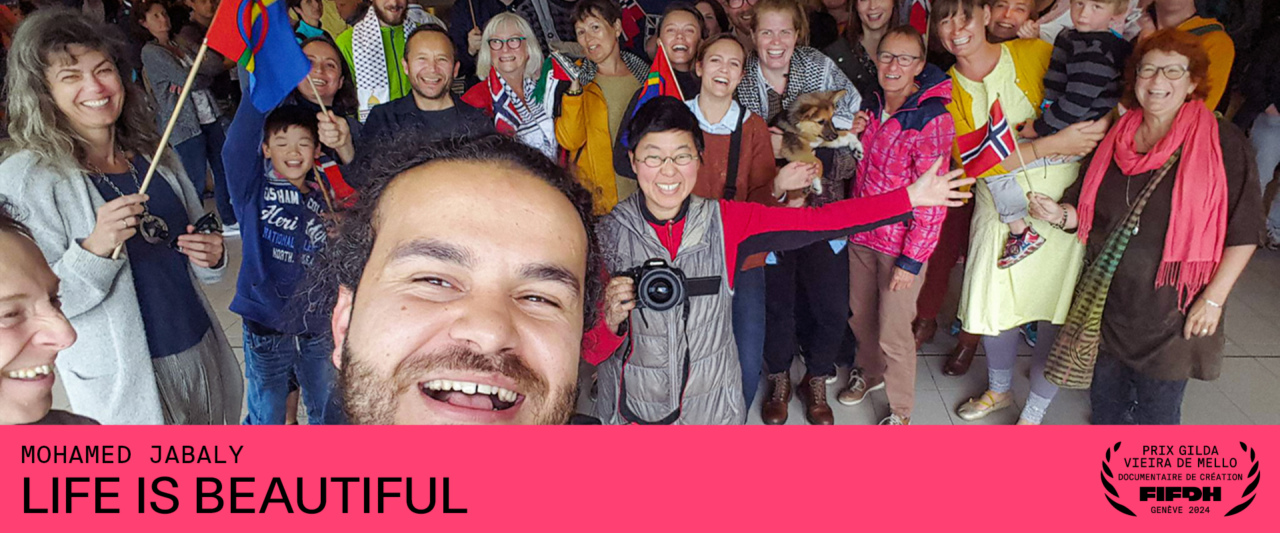
On 14 March 2024, the FIFDH published the film awards for its 2024 Festival. They include:

Gilda Vieira de Mello Prize

provides a moving account of the daily life of Mohamed Jabaly, who is stranded in Norway after the closure of Gaza’s borders. A call for freedom of movement, but above all freedom to pursue your dreams. “Gaza as depicted in Life is Beautiful no longer exists. Its streets, squares and the faces that populate filmmaker Mohamed Jabaly’s memories have been eradicated in the ongoing genocide in Palestine. What we are left with are the images that tell of the past, already under Israeli occupation. The violence of the borders, but also the solidarity and determination of an individual to lead a dignified existence. Cinema becomes the compass of an odyssey that takes us all to Gaza.

Prize of the World Organisation Against Torture (OMCT)

Total Trust follows the daily lives of activists who are watched and oppressed by the Chinese government through the use of technology, artificial intelligence and human rights. “Unveiling what appears to be a real-life Orwellian 1984 scenario, the documentary vividly portrays the persecution of Chinese human rights defenders and exposes the use of cutting-edge state surveillance technology tools to tightly control the lives of millions of people. This disconcerting image of rising authoritarianism prompts an important question: “Is a future controlled by technology, where we are no longer free to exercise our rights, a real risk for us all?” The prohibition of torture is what allows individuals to shape their personality and views, and establish their dignity, which is the very essence of being human.” [https://www.omct.org/en/resources/blog/one-moment-of-darkness-wont-blind-you-forever-award-winning-filmmaker-jialing-zhang-on-state-surveillance-technology-and-persecution-of-human-rights-defenders-in-china]

In March 2024, also noteworthy is that at the Thessaloniki International Documentary Festival the top prize in the International Amnesty Award competition went to Maciek Hamela’s Oscar-shortlisted In the Rearview. Hamela shot his film almost entirely within the confines of a van evacuating Ukrainian civilians fleeing the Russian invasion of their country. [https://deadline.com/2024/03/thessaloniki-internationa-documentary-festival-2024-awards-my-stolen-planet-stray-bodies-1235860706/]

For the full table of FIFDH winners, see:

https://www.euronews.com/culture/2024/03/18/human-rights-film-festival-winners-hone-in-on-russia-and-gaza

Transnational repression: Human Rights Watch and other reports

March 19, 2024
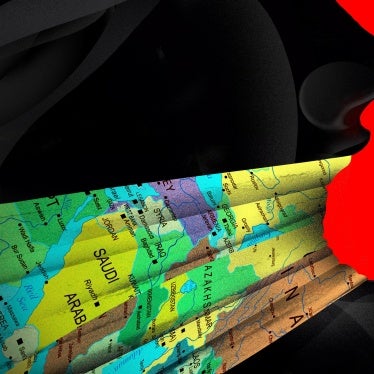
Illustration of a map being used to bind someone's mouth

On 22 February 2024, Human Rights Watch came with a study on governments reaching outside their borders to silence or deter dissent by committing human rights abuses against their own nationals or former nationals. Governments have targeted human rights defenders, journalists, civil society activists, and political opponents, among others, deemed to be a security threat. Many are asylum seekers or recognized refugees in their place of exile. These governmental actions beyond borders leave individuals unable to find genuine safety for themselves and their families. This is transnational repression.

See earlier posts:

Transnational repression looks different depending on the context. Recent cases include a Rwandan refugee who was killed in Uganda following threats from the Rwandan government; a Cambodian refugee in Thailand only to be extradited to Cambodia and summarily detained; and a Belarusian activist who was abducted while aboard a commercial airline flight. Transnational repression may mean that a person’s family members who remain at home become targets of collective punishment, such as the Tajik activist whose family in Tajikistan, including his 10-year-old daughter, was detained, interrogated, and threatened.

Transnational repression is not new, but it is a phenomenon that has often been downplayed or ignored and warrants a call to action from a global, rights-centered perspective. Human Rights Watch’s general reporting includes over 100 cases of transnational repression. This report includes more than 75 of these cases from the past 15 years, committed by over two dozen governments across four regions. While the term “transnational repression” has at times become shorthand for naming authoritarian governments as perpetrators of rights violations, democratic administrations have assisted in cases of transnational repression.

Methods of transnational repression include killings, unlawful removals (expulsions, extraditions, and deportations), abductions and enforced disappearances, targeting of relatives, abuse of consular services, and so-called digital transnational repression, which includes the use of technology to surveil or harass people. These tactics often facilitate further human rights violations, such as torture and ill-treatment.

This report also highlights cases of governments misusing the International Criminal Police Organization (Interpol)—an intergovernmental organization with 195 member countries—to target critics abroad.

Victims of transnational repression have included government critics, actual or perceived dissidents, human rights defenders, civil society activists, journalists, and opposition party members and others. Governments have targeted individuals because of their identity, such as ethnicity, religion, or gender. Back home, families and friends of targeted people may also become victims, as governments detain, harass, or harm them as retribution or collective punishment. Transnational repression can have far-reaching consequences, including a chilling effect on the rights to freedom of expression, association, and assembly among those who have been targeted or fear they could be next.

This report is not an exhaustive examination of cases of transnational repression. Instead, it outlines cases that Human Rights Watch has documented in the course of researching global human rights issues that point to key methods and trends of transnational repression.

Human Rights Watch hopes that by drawing attention to cases of transnational repression, international organizations and concerned governments will pursue actions to provide greater safety and security for those at risk. Governments responsible for transnational repression should be on notice that their efforts to silence critics, threaten human rights defenders, and target people based on their identity are no less problematic abroad than they are at home. This report provides governments seeking to tackle transnational repression with concrete recommendations, while raising caution against laws and policies that could restrict other human rights.

Human Rights Watch calls on governments committing transnational repression to respect international human rights standards both within and beyond their territory. Governments combatting transnational repression should recognize such abuses as a threat to human rights generally and act to protect those at risk within their jurisdiction or control.

See also: 22 March 2024: https://ishr.ch/latest-updates/addressing-transnational-repression-a-global-mandate-for-justice-and-human-rights/

https://www.hrw.org/report/2024/02/22/we-will-find-you/global-look-how-governments-repress-nationals-abroad

https://www.commondreams.org/news/human-rights-watch-dissidents

Human Rights Defenders crucial in conflicts and crises

March 16, 2024

Effectively realising human rights for everyone, everywhere is the pathway to free, fair and just communities and a more peaceful and sustainable world“, write ISHR Director Phil Lynch and Board Chair Vrinda Grover on 8 March 2024. Here some excerpts from a piece worth reading:

We face a global climate emergency. We witness atrocity crimes being perpetrated with apparent impunity, from Afghanistan to Sudan, Palestine to Ukraine, and Nicaragua to Xinjiang. We confront rising populism and propaganda, with artificial intelligence misused to fuel disinformation and discrimination, and democracy facing a ‘make-or-break year’ in 2024, with over 70 national elections.  Each of these crises and conflicts are complex, yet they are also interconnected in four fundamental ways.

First, repression and rights violations are among the root causes of all these crises and conflicts

Second, respect for human rights, and accountability for violations, is essential to address and resolve these crises and conflicts. ..

Third, very few States, if any, have been prepared to treat human rights as paramount and apply human rights standards in a principled, consistent way to each crisis and conflict. ..The selective and inconsistent application of international human rights law undermines the integrity of the framework, as well as the credibility, legitimacy and influence of States and other actors who engage in such double standards. 

Fourth and finally, the work of human rights defenders at the national level, as well as their engagement and advocacy at the international level, is essential to address and resolve each of these conflicts and crises. Defenders prevent rights violations, document abuses, promote accountability, and propose solutions that are grounded in community priorities and needs. Indigenous rights defenders carry the knowledge that is necessary to live sustainably and to respect and protect the environment. Digital rights activists are pushing for rights-based regulation of artificial intelligence to ensure that humanity benefits from its innovations and efficiencies. Whistleblowers are exposing government wrongdoing and corporate misfeasance, working to safeguard democracy, while corporate accountability activists are campaigning for an international treaty on business and human rights. Women human rights defenders from Afghanistan are leading the campaign to hold the Taliban accountable for the crime of gender apartheid, while also ensuring that humanitarian aid reaches the most vulnerable populations. In Sudan, women defenders are leading peace movements and protests at the local level, as well as international advocacy, which was instrumental in the establishment of a UN investigative mechanism, further adding to the pressure on the Sudanese Armed Forces and the Rapid Support Forces to end the war. Despite the challenges, complexities and uncertainties we collectively face, we remain convinced that, with international human rights laws and standards providing a compass, human rights defenders can chart a course to a more peaceful, just and inclusive world…. 

Despite the challenging times, exacerbated by declining funding for international human rights advocacy and organisations by some States and foundations, ISHR continues to pursue a positive and forward-looking agenda.

We’re pleased that in 2023 the Democratic Republic of Congo enacted a specific national law on the protection of defenders, the culmination of years of work by ISHR and national partners. With this development, the DRC joins the ranks of countries like Côte d’Ivoire, Niger, Burkina Faso, Mali, and Mongolia amongst the countries where we have worked alongside national partners to strengthen legal frameworks for defenders and establish specific defender protection laws and will continue to work to ensure effective implementation.

In the area of women’s rights, we are working with defenders from Afghanistan and Iran, together with international legal experts, to push for the explicit recognition and codification of the atrocity crime of gender apartheid. This would fill an international protection gap for women and girls, as well as impose responsibilities on third States and non-State actors to take concrete steps to prevent and end gender apartheid. 

With 2023 marking the 25th anniversary of the Declaration on Human Rights Defenders, we are coordinating a broad coalition to develop an authoritative baseline document of international and regional jurisprudence in relation to the protection of defenders, which will be launched in 2024.  

And throughout 2024 we’ll continue allying with Black-led organisations to promote racial justice, with feminist and LGBTIQ+ organisations to resist anti-rights narratives and movements, with corporate accountability activists to strengthen laws on business and human rights, and with Global South defenders to ensure that key multilateral fora are relevant, accessible and responsive to them.

Reflecting on our collective wins over 2023, we identified one golden thread: human rights defenders working in dynamic coalitions, movements and networks to strategically leverage international law and mechanisms to contribute to positive change. With 2023 marking both the 75th anniversary of the Universal Declaration of Human Rights and the 25th anniversary of the Declaration on Human Rights Defenders, and 2024 marking ISHR’s own 40th anniversary, it is apt to recall that the work of defenders and the integrity of the international framework are essential to the realisation of human rights on the ground

The promise of the Universal Declaration will only be fulfilled when we work in coalition to ensure that defenders are protected and that standards are consistently respected and applied. 

https://ishr.ch/latest-updates/human-rights-for-everyone-everywhere-without-double-standards-or-discrimination

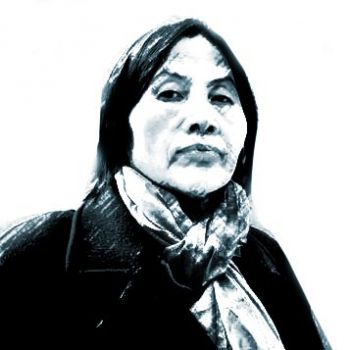
Profile of Tala Odeh, a young human rights defender from Jordan

March 16, 2024

Tala Odeh, a young human rights defender from Jordan, serves as a regional coordinator for the NAMA Network, immersing herself in the MENA region’s socio-political complexities. Her efforts to advocate for individual rights and address systemic issues highlight the critical need for resilience and adaptability.

ISHR has more of these profiles on https://ishr.ch/defender-stories/

https://ishr.ch/defender-stories/human-rights-defenders-story-tala-odeh-from-jordan

Joint statement on the 10-year anniversary of ‘deadly reprisals’ against Chinese activist Cao Shunli 

March 15, 2024

On 14 March 2024, a large number of leading NGOs paid tribute to Cao Shunli, and all human rights defenders targeted by the Chinese government for their commitment to uphold the promise of the Universal Declaration of Human Rights.  [see also: https://humanrightsdefenders.blog/tag/cao-shunli/]:

Cao Shunli was a brave Chinese woman human rights defender and lawyer. Working with fellow activists, Cao documented abuses, including the now-abolished ‘Re-education through Labour’ extrajudicial detention system, which she was also subjected to as a result of her human rights work. She campaigned for independent civil society to be meaningfully consulted and to be able to contribute to the Chinese government’s national reports to its first and second Universal Periodic Reviews (UPR). In an attempt to speak with government officials about the UPR, Cao courageously organised peaceful sit-ins with other concerned citizens outside the Ministry of Foreign Affairs despite great risks. She also submitted information on extralegal detention and torture in China to the UN and expressed the hope that ‘if we could get even 100 words’ into a UN report, ‘many of our problems could start to get addressed.’

On 14 September 2013, Chinese authorities detained Cao at the Beijing Capital International Airport as she was traveling to Geneva to participate in a human rights training, one month before China’s second UPR. Cao was forcibly disappeared for five weeks, until she resurfaced in criminal detention and was charged with ‘picking quarrels and provoking trouble’. By October 2013, it was clear that Cao Shunli was experiencing serious medical issues while in detention. After months of denial of adequate medical treatment, rejected appeals by her lawyers for bail on humanitarian grounds, and despite multiple calls from the international community for her urgent release, Cao died of multiple organ failure on 14 March 2014 in a hospital under heavy police guard to keep out her lawyers and friends.

Cao was one of the 2014 finalists of the prestigious Martin Ennals Award for Human Rights Defenders.

To this day, there has been no accountability for Cao Shunli’s death. The Chinese government refuses to admit wrongdoing, despite repeated calls in 2014 and 2019 by UN Special Procedures experts for a full investigation into this ‘deadly reprisal’. 

Her case is one of the longest-standing unresolved cases in the UN Secretary-General’s annual reports on reprisals against civil society actors for engaging with the United Nations. China is one of the most consistent perpetrators of reprisals over time, and one of the most egregious perpetrators in terms of the sheer number of individuals targeted. 

Cao is not alone: her courage, but also the abuses she endured, are unfortunately those of other human rights defenders who paid a high cost for cooperating with the UN. Her close colleague, Chen Jianfang was forcibly disappeared under Residential Surveillance at a Designated Location (RSDL) from 19-20 March 2019 after paying tribute to Cao Shunli on the 5th anniversary of her death. Chen was sentenced to four years and six months in jail for ‘inciting subversion of State power’ and left prison on 21 October 2023, after which authorities subjected her to strict surveillance. UN experts have raised with the Chinese government acts of reprisals against Chen Jianfang, but also Jiang Tianyong, Li Qiaochu, Dolkun Isa, Li Wenzu and Wang Qiaoling, among others. The recent instances of intimidation and harassment against NGO participants in China’s 4th UPR in January 2024 further highlight the gravity of the situation.

Li Qiaochu, Xu Zhiyong, Ding Jiaxi, Yu Wensheng, Xu Yan, Huang Xueqin, Li Yuhan, Chang Weiping: many other Chinese human rights defenders are today detained, disappeared, and at grave risk, for upholding the promise of the Universal Declaration of Human Rights.

These documented acts do not account for the even greater self-censorship and refusal to engage with the United Nation as a result of a generalised climate of fear

Ten years ago, when ISHR and many other human rights groups sought to observe a moment of silence at the Human Rights Council in her memory, the Chinese delegation, together with other delegations, disrupted the session for an hour and half.

Cao Shunli is a paradigmatic case of reprisals, not only because of her prominence, but also due to the array of severe human rights violations against her, committed in total impunity. These range from Chinese authorities blocking her exit from her own country, enforced disappearance, arbitrary detention, lack of due process, torture or ill-treatment and denial of adequate medical care, to subsequent death in custody, and the lack of accountability for these abuses. The lack of any progress in achieving accountability underscores the urgent need for continued international attention and pressure on the Chinese government to ensure justice for Cao and all human rights defenders who face persecution for their work.

Cao Shunli said before her death: ‘Our impact may be large, may be small, and may be nothing. But we must try. It is our duty to the dispossessed and it is the right of civil society.’

Today, we pay tribute to Cao Shunli’s legacy, one that has inspired countless human rights defenders in China and abroad. We urge UN Member States to call for a full, independent, impartial investigation into her death. We reaffirm that no perpetrator of reprisals, no matter how powerful, is above scrutiny, and that reprisals are fundamentally incompatible with the values of the United Nations and of the Universal Declaration of Human Rights. 

see also: https://ishr.ch/latest-updates/in-major-win-geneva-to-host-permanent-cao-shunli-monument

Signatories: 

  1. Art for Human Rights
  2. ARTICLE 19
  3. Asian Forum for Human Rights and Development (FORUM-ASIA)
  4. Asian Lawyers Network (ALN)
  5. Campaign for Uyghurs
  6. CIVICUS: World Alliance for Citizen Participation
  7. CSW (Christian Solidarity Worldwide)
  8. Front Line Defenders
  9. HK Labour Rights Monitor
  10. Hong Kong Centre for Human Rights
  11. Hong Kong Democracy Council (HKDC)
  12. Hong Kong Watch
  13. Human Rights in China
  14. Humanitarian China
  15. Humanitarian China
  16. International Bar Association’s Human Rights Institute (IBAHRI)
  17. International Campaign for Tibet
  18. International Federation for Human Rights (FIDH), within the framework of the Observatory for the Protection of Human Rights Defenders
  19. International Service for Human Rights
  20. International Tibet Network
  21. Lawyers’ Rights Watch Canada
  22. Martin Ennals Foundation
  23. Network of Chinese Human Rights Defenders (CHRD)
  24. PEN International
  25. Safeguard Defenders
  26. The 29 Principles
  27. The Rights Practice
  28. Tibet Justice Center
  29. Uyghur Human Rights Project
  30. World Organisation Against Torture (OMCT), within the framework of the Observatory for the Protection of Human Rights Defenders
  31. World Uyghur Congress

On 14 March also a group of UN Special Rapporteurs issued a joint call: “We regret that no action appears to have been taken over the last five years, since the last call for an independent, impartial and comprehensive investigation into Ms. Shunli’s death,” [https://www.ohchr.org/en/press-releases/2024/03/china-un-experts-renew-calls-accountability-cao-shunlis-death]

https://www.frontlinedefenders.org/en/statement-report/joint-statement-10-year-anniversary-deadly-reprisals-against-chinese-activist-cao

https://ishr.ch/latest-updates/in-tribute-to-cao-shunli-rights-groups-call-on-geneva-to-install-permanent-monument-for-her

After 36 years HRW Human Rights Film Festival stops

March 14, 2024

Sad news for those of us – like me – who believe in the power of images [see e.g. https://humanrightsdefenders.blog/tag/images/ and https://humanrightsdefenders.blog/tag/images/page/2/ and https://humanrightsdefenders.blog/tag/images/page/3/ and https://humanrightsdefenders.blog/tag/images/page/4/ and https://humanrightsdefenders.blog/tag/images/page/5/ and https://humanrightsdefenders.blog/tag/images/page/7/ and https://humanrightsdefenders.blog/tag/images/page/8/]:

On 13 March 2024 Human Rights Watch announced that it would be closing its long-running film festival. Founded in 1988, the Human Rights Watch Film Festival showcased nearly 1,000 independent films, was presented in over 30 cities across the globe, and is the world’s longest running human rights film festival.

“It’s with sadness and deep regret that we have made the difficult decision to close the Human Rights Watch Film Festival,” said Tirana Hassan, executive director of Human Rights Watch. “The film festival is a celebrated cultural institution that educated and inspired hundreds of thousands of filmgoers and filmmakers around the world over three decades, providing a critical space for connection, conversation, and action on human rights issues.”

The decision to close the festival was part of a wider restructuring due to financial constraints, Human Rights Watch said. Human Rights Watch Film Festivals will take place as planned across the United Kingdom and Ireland, opening on March 14, 2024, and across Canada starting on March 21.

Human Rights Watch is immensely proud of the talented film festival leadership and staff, who built partnerships across the human rights community and film industry. The festival established a mainstream platform for impactful films and in-depth conversations about human rights issues, with a priority focus on underrepresented perspectives from around the world.

The festival staff have been instrumental in pushing for increased accessibility standards in the film industry, resulting in three fully inclusive film festivals in the last two years. During the Covid-19 pandemic and the lockdowns that shuttered cinemas, the film festival team created a digital streaming site that tripled attendance figures, encouraged festival members to tune in for live conversations, and ensured that the public would not be isolated at home. The innovative site continued the festival’s work of creating spaces for dialogue, connection, and action on human rights issues.

“We owe the Human Rights Watch Film Festival’s success and impact to the longstanding commitment of our festival staff and consultants, volunteers, partners, the filmmakers, and of course our audiences,” Hassan said. “They helped to nurture the human rights storytelling movement that we see thriving today.”

https://ff.hrw.org/news/human-rights-watch-end-its-celebrated-film-festival

Sudanese Human Rights Defenders risk their lives to document the war

March 13, 2024

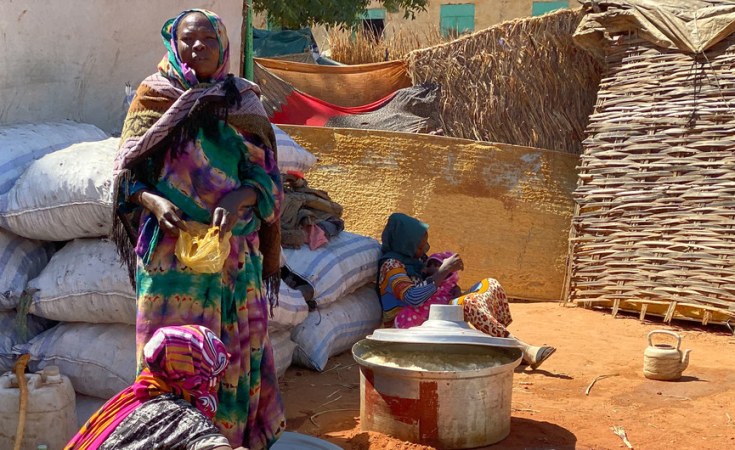
Internally displaced families gather at a temporary gathering point outside a school in El Geneina town following recent intercommunal conflict in West Darfur. Modesta Ndubi/UNHCR

Ela Yokes in The New Humanitarian (Geneva) of 11 March 2024 reports on the role of young people documenting the abuses in the war in the hope that it will contribute to justrice in the future.

Sudanese civil society groups are playing a pivotal role in documenting human rights abuses committed during 10 months of conflict, even as volunteers risk being arrested by the warring parties and are struggling with a month-long internet blackout. Youth groups, legal associations, and civilians acting in a personal capacity have all been involved in cataloguing the human rights impacts of the conflict that commenced in April 2023 and sets the army against the paramilitary Rapid Support Forces (RSF).

Documentation is a pathway to justice,” Noon Kashkoush of the Emergency Lawyers, a legal group monitoring abuses, told The New Humanitarian. She said she hopes the evidence her group has gathered will be used one day in the Sudanese justice system….

Access challenges for international aid agencies mean local mutual aid groups have shouldered the bulk of the relief effort in the most conflict-affected places. And likewise, civil society initiatives have carried the burden of human rights documentation. Despite the volatile security situation, local groups have led efforts to document sexual violence and killings, monitor ceasefire violations, track down missing persons, and report on the makeshift detention sites run by both the army and the RSF.

The findings of these civil society groups have fed into numerous human rights reports, including a detailed report last month by the UN, which charges both sides of the conflict of committing widespread abuses, some of which may amount to war crimes.

The report accuses RSF fighters of occupying residential buildings to shield themselves from army attacks, of massacring thousands of people in the Darfur region, and of committing extensive sexual abuse, including cases of rape and gang rape.

For its part, the army is accused of killing more than 100 civilians in airstrikes that were ostensibly targeting RSF positions but carried out in densely populated urban areas, or on public buildings including churches and hospitals.

The report also documents attacks on human rights defenders. It states that activists have been kidnapped and subjected to death threats and smear campaigns organised by army supporters, while several Darfuri rights monitors have been killed by the RSF.

Many groups documenting rights violations were active during the 2018-2019 Sudanese Revolution that toppled dictator Omar al-Bashir, and during the protests that followed the 2021 army-RSF coup that ended the post-Bashir democratic transition. Prior to the war, the Emergency Lawyers group was providing legal assistance to the families of pro-democracy protestors and activists who had been arbitrarily arrested, tortured, or killed by security forces.

Kashkoush said the group is now focused on war-related abuses, including the bombardment of civilian areas and the detention centres set up by the army and RSF in the capital, Khartoum, and the neighbouring cities of Omdurman and Bahri.

Kashkoush said the publication of the group’s reports and announcements have helped secure the release of hundreds of detainees – including some from the Emergency Lawyers network itself – though she described facing many difficulties.

“All of those documenting violations face the issue that movement on the ground is very challenging,” she said. “We depend a lot on open-source [information], such as video footage, and we work to verify it using witness statements.”

Another group involved in documenting abuses is the Youth Citizens Observers Network (YCON). It was established in late 2021 by volunteers wanting to shed light on violations committed against pro-democracy protesters and civil society activists. After the current conflict broke out, the network relaunched its platform under an anti-war stance, according to one of the group’s volunteers, who requested to remain anonymous to ensure their safety.

The volunteer said YCON has observers across Sudan and releases monthly reports on the impact of the war and the human rights situation. It also monitored several army-RSF truces that were violated last year. “In any given region, civilian monitors who are trained in documentation and verification methods are present on the ground and have a very wide network of connections,” said the volunteer. “Any event happening in a specific area, they would know about it.”

In cases where access to places affected by fighting has been too difficult for civil society groups, civilians already on the ground have taken it upon themselves to document what they are witnessing and publish evidence on social media.

When clashes between the RSF and the army first broke out in Khartoum, Hassan Abd al-Rauf, a local shop owner who ran a travel agency and a men’s clothing store, found himself caught in the epicentre.

Instead of escaping or complying with an RSF order that civilians should leave his neighbourhood, al-Rauf decided to stay, guard his properties, and offer assistance to others who were struggling to flee.

Walking through deserted streets, al-Rauf began recording live broadcasts on his Facebook page. His footage revealed the extent of the destruction and showed unarmed civilians who had been killed in the crossfire or targeted by snipers.

“When I started with the broadcasts, the aim was to connect people with what was happening on the ground and send photos [of the damage] back to the property owners in the area,” al-Rauf said in an interview after escaping Sudan for Qatar.

Two weeks after starting the broadcasts – which were getting hundreds of thousands of views – al-Rauf’s uploads suddenly stopped. He said he was captured by RSF fighters in the capital and held in a detention centre for 25 days.

“[The RSF] were certainly aware and it was the reason for my arrest,” al-Rauf said. “[One of my videos showed] a number of RSF vehicles after they had robbed the Bank of Khartoum and were hit by army aircraft.”

The volunteer at YCON said members of their group have faced harassment and the threat of detention from security forces as they attempt to move across different locations to document violations.

Similar threats were also described by Thouiba Hashim Galad, a member of the Missing Initiative, a local group with a platform that lets people post information about missing people. The group has a Facebook page with hundreds of thousands of followers.

“On a personal level, I receive private messages that include threats and very bad language,” Galad said. “Before the war, [the military authorities] were trying to hack our page many times,” she added.

On top of the security risks, volunteers told The New Humanitarian they are also struggling with a nationwide communication blackout that began in early February and has been blamed on the RSF.

Kashkoush of the Emergency Lawyers group said her organisation is unable to receive daily updates about human rights abuses, and instead gets a flurry of reports during the brief moments when they have an internet connection.

Kashkoush called for an international investigation into the blackout, which she described as a “constitutional violation” and a “deliberate attempt by one or both sides” to restrict access to information and thwart documentation efforts.

Documenting rights abuses has also had a psychological impact on volunteers, according to Galad of the Missing Initiative, which was founded in 2019 shortly after the RSF killed over 120 pro-democracy protesters at a Khartoum sit-in.

Galad, who currently volunteers for the initiative from outside Sudan, said the most difficult aspect of her work is delivering bad news to families when she learns that a missing person has been found dead.

During the first few weeks of the conflict, the Missing Initiative’s Facebook page was flooded with requests for information about people who had gone out to buy groceries or fuel and hadn’t returned.

Between April and August 2023, Galad said the group received over 600 reports of missing persons. She added that they stopped publishing statistics when they realised the actual number of cases was likely much greater than those reported to them.

Despite the challenges the group faces, Galad told The New Humanitarian she is determined to keep the initiative alive, especially as the conflict slips out of international focus.

“The main reason I am doing this is because I am a defender of human rights,” Galad said. “This is a continuation of the work we began after the [2019 Khartoum sit-in] massacre, on the basis that, in the future, both sides will be held accountable.”

The volunteer from YCON shared a similar view: “The fundamental motivation that allows us to continue monitoring the situation… is that this will provide accurate, recorded information for the institutions that will later work on [justice].”

Read this report on The New Humanitarian. The New Humanitarian puts quality, independent journalism at the service of the millions of people affected by humanitarian crises around the world.


U.S. State Department and the EU release an approach for protecting human rights defenders from online attacks.

March 13, 2024

On 12 March 2024 the U.S. and European Union issued new joint guidance on Monday for online platforms to help mitigate virtual attacks targeting human rights defenders, reports Alexandra Kelley,
Staff Correspondent, Nextgov/FCW.

Outlined in 10 steps, the guidance was formed following stakeholder consulting from January 2023 to February 2024. Entities including nongovernmental organizations, trade unionists, journalists, lawyers, environmental and land activists advised both governments on how to protect human rights defenders on the internet.

Recommendations within the guidance include: committing to an HRD [human rights defender] protection policy; identifying risks to HRDs; sharing information with peers and select stakeholders; creating policy to monitoring performance metric base marks; resource staff adequately; build a capacity to address local risks; offer safety tools education; create an incident reporting channel; provide access to help for HRDs; and incorporate a strong transparent infrastructure.

Digital threats HRDs face include target Internet shutdowns, censorship, malicious cyber activity, unlawful surveillance, and doxxing. Given the severity and reported increase of digital attacks against HRDs, the guidance calls upon online platforms to take mitigating measures.

The United States and the European Union encourage online platforms to use these recommendations to determine and implement concrete steps to identify and mitigate risks to HRDs on or through their services or products,” the guidance reads. 

The ten guiding points laid out in the document reflect existing transatlantic policy commitments, including the Declaration for the Future of the Internet. Like other digital guidance, however, these actions are voluntary. 

“These recommendations may be followed by further actions taken by the United States or the European Union to promote rights-respecting approaches by online platforms to address the needs of HRDs,” the document said

https://www.nextgov.com/digital-government/2024/03/us-eu-recommend-protections-human-rights-defenders-online/394865

Abuse of counter-terrorism laws threaten human rights globally, warns UN expert

March 13, 2024

On 12 March 2024 the recently appointed UN Special Rapporteur on the promotion and protection of human rights while countering terrorism, Ben Saul, warned that two decades of prolific global efforts to counter terrorism have not been matched by an equally robust commitment to human rights.

In his first report to the Human Rights Council, the Special Rapporteur painted a counter-terrorism landscape strewn with human rights violations, including unlawful killings, arbitrary detention, torture, unfair trials, privacy infringements from mass surveillance, and the criminalisation of freedoms of expression, assembly, association and political participation. For earlier posts on this topic, see: https://humanrightsdefenders.blog/tag/anti-terrorism-legislation/

The misuse of counter-terrorism measures not only violates the rights of suspected criminals but can also jeopardise the freedoms of the innocent,” Saul said.

He condemned the rampant weaponisation of overly-broad terrorism offences against civil society, including political opponents, activists, human rights defenders, journalists, minorities, and students. Unjustified and protracted states of emergency continue to undermine human rights, the expert warned.

Excessive military violence in response to terrorism also destroys fundamental rights, including through violations of international humanitarian law and international criminal law,” Saul said. “Cross-border military violence is increasingly used by states even when it is not justified under the international law of self-defence.

“Many states have also failed to address the root causes of terrorism, including state violations of human rights – while impunity for those violations is endemic,” he said.

Saul said regrettably, the UN has been part of the problem, by encouraging authoritarian regimes to strengthen counter-terrorism laws in the absence of a rule of law culture or human rights safeguards. “The UN must also do better to meaningfully consult civil society on counter-terrorism,” he said.

Announcing his priorities for his three-year term, the Special Rapporteur said his focus would include ensuring regional organisations respect human rights when countering terrorism; all coercive administrative measures used to prevent terrorism comply with human rights; and States are held accountable for large-scale violations of human rights resulting from counter terrorism – and victims receive full and effective remedies.

Saul will also continue the efforts of his predecessor on preventing the abuse of counter-terrorism measures against civil society; protecting the 70,000 people arbitrarily detained in north-east Syria in the conflict against ISIL; protecting detainees and transferees from the detention facility at Guantánamo Bay, Cuba; ensuring that the UN safeguards human rights in its counter-terrorism work, regulating new technologies used in counter-terrorism; and protecting the victims of terrorism.

Human rights in counter-terrorism are at increased risk because of rising authoritarianism, surging domestic polarisation and extremism, geopolitical competition, dysfunction in the Security Council and new tools, including social media, for fuelling dehumanisation, vilification, incitement and misinformation,” the Special Rapporteur warned.

Double standards and selectivity by major powers in the enforcement of human rights is also eroding public confidence in the credibility of the international human rights system,” he said. “States must move beyond rhetorical commitment to human rights and instead place human rights at the heart of all counter-terrorism measures.

Statements Statement of the mandate of the United Nations Special Rapporteur on the promotion and protection of human rights while countering terrorism

Statements Human Rights Council discusses the protection of human rights while countering terrorism

Statements UN Office of Counter-Terrorism Town Hall meeting, Statement by Michelle Bachelet, UN High Commissioner for Human Rights

https://www.ohchr.org/en/press-releases/2024/03/rampant-abuse-counter-terrorism-laws-threaten-human-rights-globally-warns-un