Author Archive

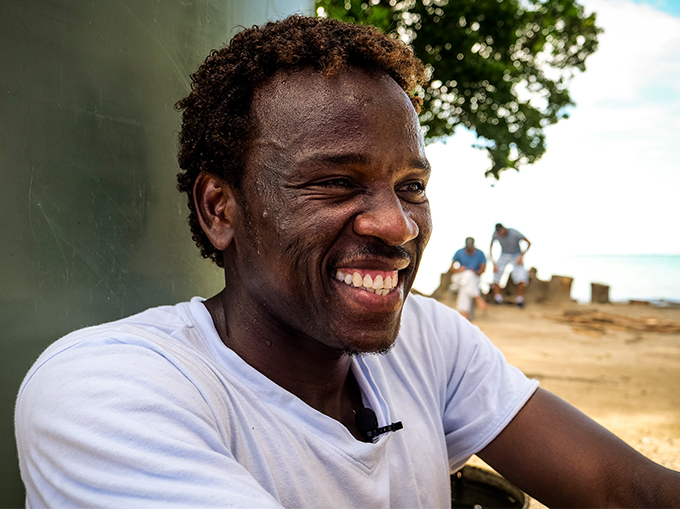
Aziz, MEA Laureate 2019, recognised as refugee in Switzerland from where he promises to continue the struggle

June 10, 2019

On 10 June 2019, RNZ Pacific brought the news that Abdul Aziz Muhamat, the 2019 Laureate of the Martin Ennals Award for Human Rights Defenders, has found asylum in Switzerland. From Geneva he posted a video on social media to announce that his claim for asylum had been accepted.

Abdul Aziz Muhamat…”I have everything it takes for me to fight for the freedom of each and everyone.” Image: Amnesty International


See also: Manus Island police chief calls for state action over suicidal refugees

World Environment Day: seven stories of human rights defenders

June 9, 2019

Amnesty International marked 5 June – World Environment Day – by focusing on environmental human rights defenders, who often face the gravest risks to protect their homes and communities. Being an environmental human rights defender has deadly consequences, making it among the deadliest types of activism. According to the NGO Global Witness, in 2017 almost four environmental defenders were killed each week for protecting their land, wildlife and natural resources. In 2017, 207 environmental activists were killed. The vast majority of them hailed from South America, making it the most dangerous region in the world. [see: https://humanrightsdefenders.blog/2019/01/09/global-witness-report-2018-on-environmental-defenders-bad-but-2017-was-worse/]

Amnesty highlights the stories of seven environmental activists from the Americas who remind us of why we need to stand up for Earth’s defenders.

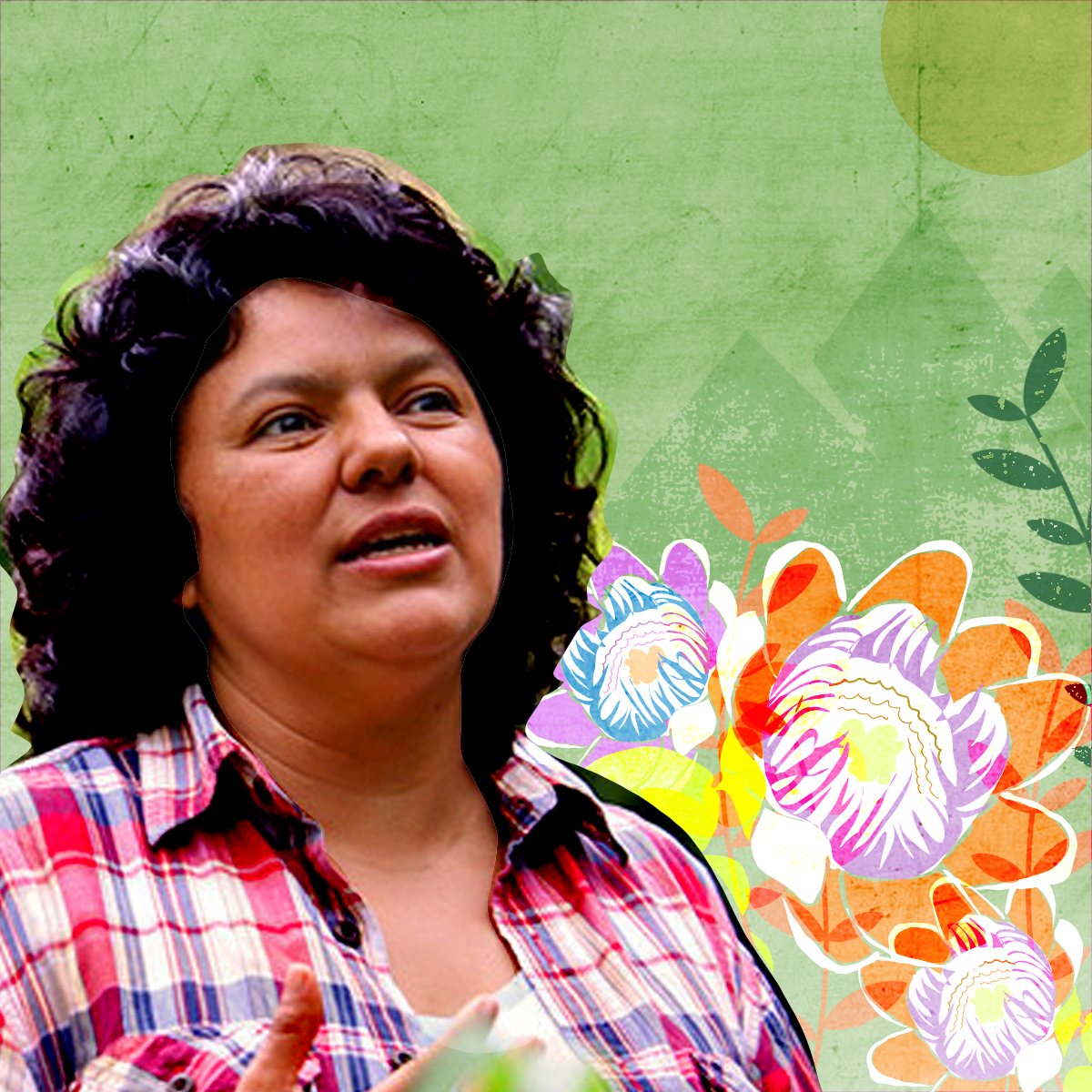
BERTA CÁCERES, COPINH (HONDURAS)

Berta Cáceres cofounded the National Council of Popular and Indigenous Organizations of Honduras (Consejo Cívico de Organizaciones Populares e Indígenas de Honduras, COPINH) in 1993 to address the growing threats posed to the territorial rights of the Lenca communities and improve their livelihoods. For more on her case see: https://humanrightsdefenders.blog/tag/berta-caceres/

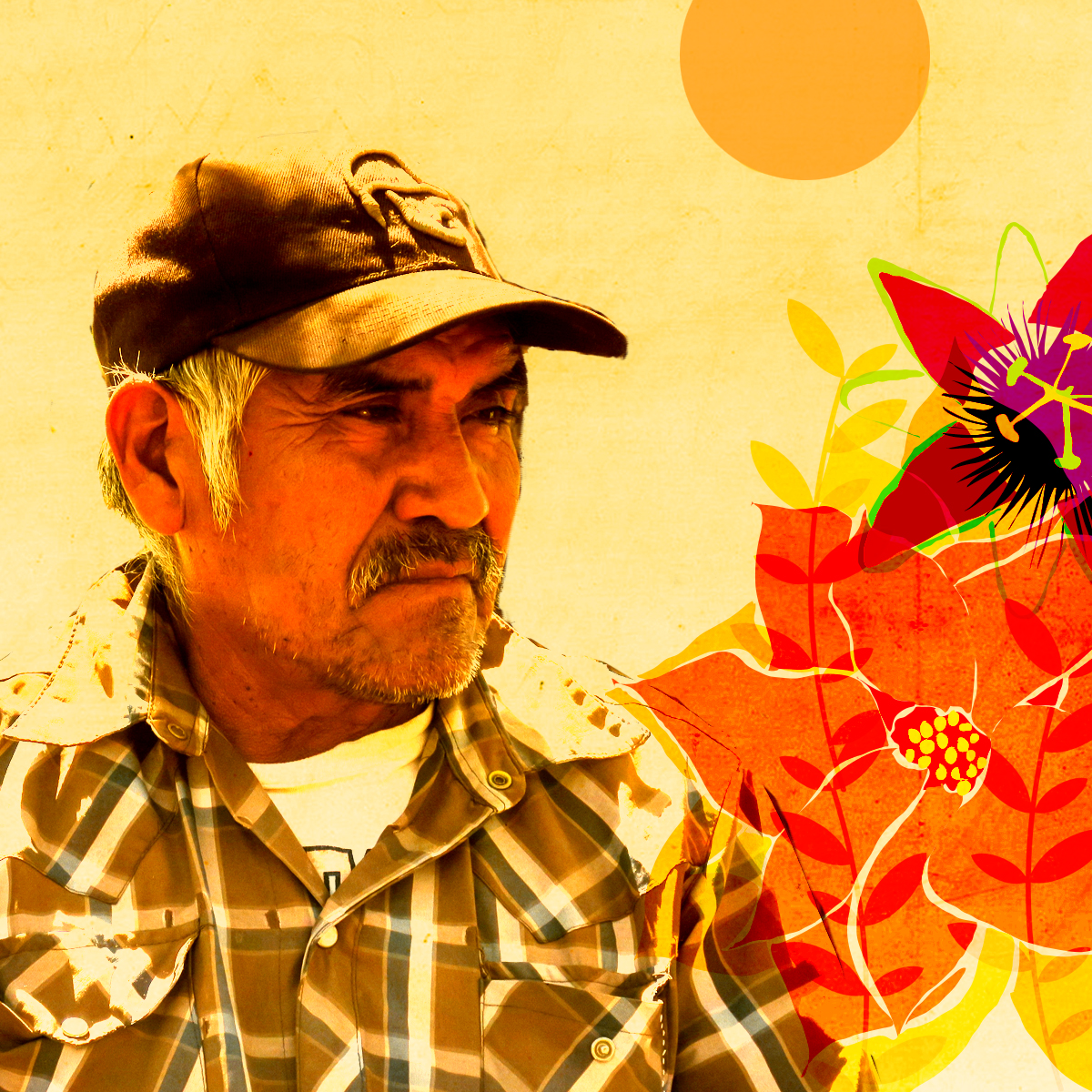
JULIÁN CARRILLO AND THE COLORADAS DE LA VIRGEN COMMUNITY (MÉXICO)

Julián Carrillo was a leader of the Coloradas de la Virgen community. His job was to take care of the territory, the water, the forest and the wildlife. He had publicly denounced logging and mining by landlords in their ancestral land, as well as violence by criminal armed groups against his community. See also: https://humanrightsdefenders.blog/2018/11/07/reprehensible-says-un-about-mexican-killing-of-human-rights-defender/%5D

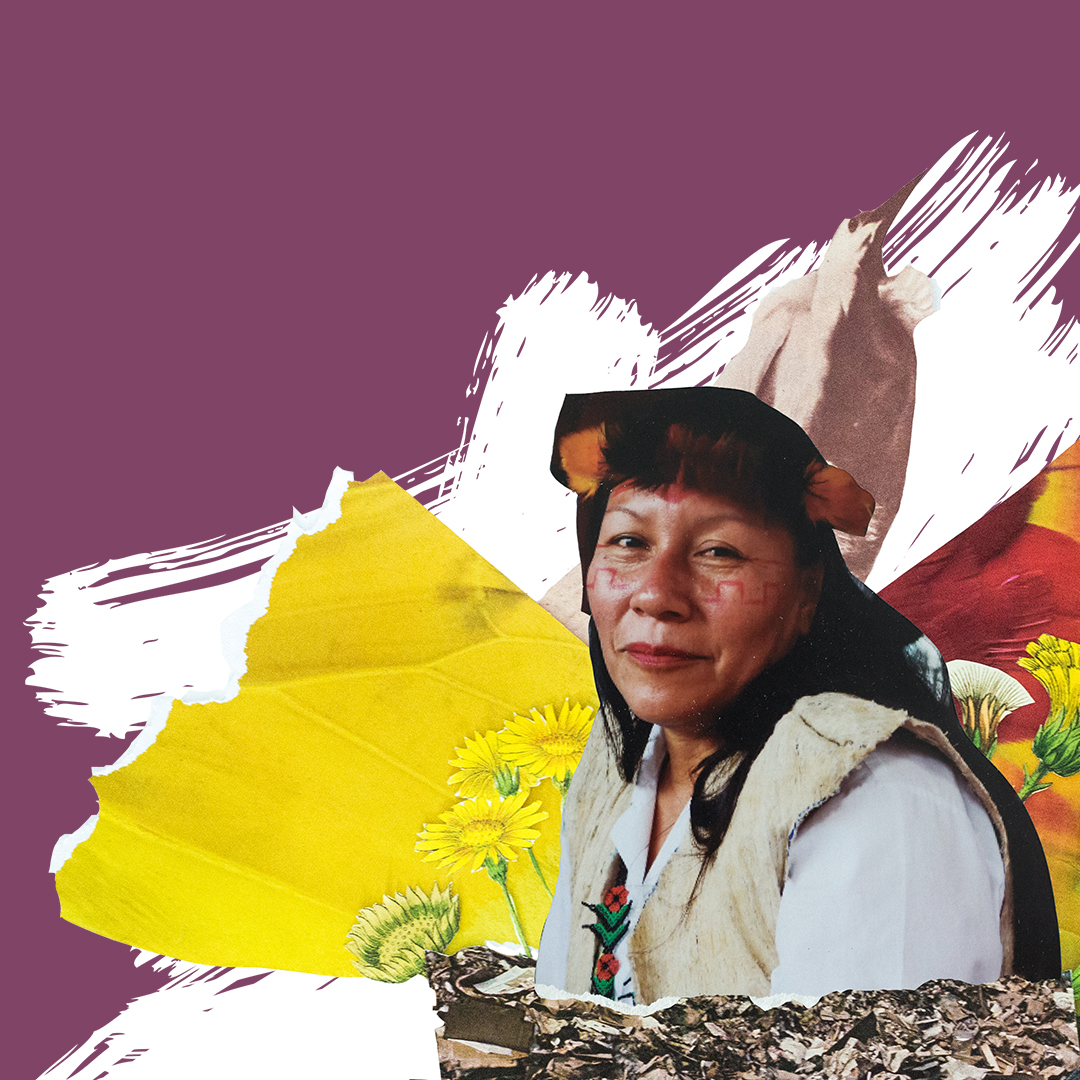
PARAGUAY: AMADA MARTÍNEZ, INDIGENOUS DEFENDER OF THE ENVIRONMENT AND TERRITORY

Amada is an Avá Guaraní Indigenous environment defender from the Tekoha Sauce community.

In the 1970s, the construction of the Itaipú Binational hydroelectric plant, in the border between Paraguay and Brazil, forcibly displaced her community from its ancestral territory, putting their survival at risk. Since then, she has defended the right of her community to have a territory in which they can thrive in harmony with nature and has denounced the serious impacts of hydroelectric projects on nature and Indigenous Peoples’ lives. On 8 August 2018, a group of armed men threatened to kill her. Amada was leaving the community in a taxi along with his seven-year-old son, his sister and two young nephews, when the vehicle in which they were traveling was intercepted by a pickup truck with the logo of the hydroelectric plant. Amada Martínez believes that the threat against her was due to her work defending Indigenous Peoples rights and the environment.

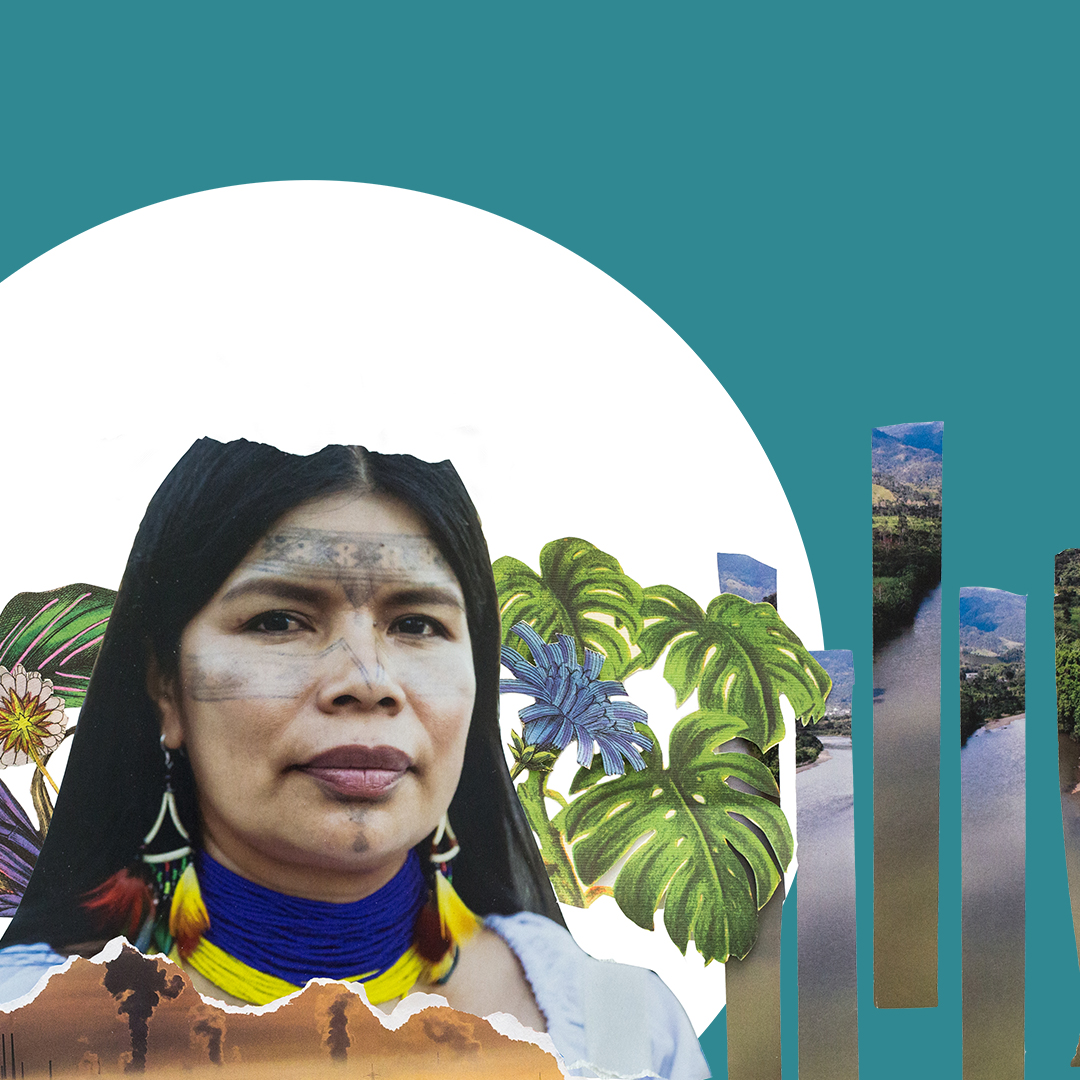
PATRICIA GUALINGA, INDIGENOUS DEFENDER OF THE ENVIRONMENT AND TERRITORY

“We are united and we will continue our struggle to defend Mother Earth.”

Patricia is an Indigenous leader of the Kichwa people of Sarayaku community. She defends her people’s rights to their territory and to live in a healthy environment in the face of damaging oil activities there. Patricia is also protecting the Amazonian environment and promoting sustainable development. In 2012, the Indigenous Sarayaku community achieved a historic victory for Indigenous Peoples against the Ecuador government after reporting an oil concession that had installed explosives on their territory without consulting them. In the early hours of 5 January 2018, an unknown man made death threats to Patricia and attacked her at her home in Puyo, in the east of Ecuador., The man shouted, “Next time we’ll kill you, bitch!” before fleeing. Patricia and her family had to leave their home after the attack because the property owner “was terrified that something would happen to her.”

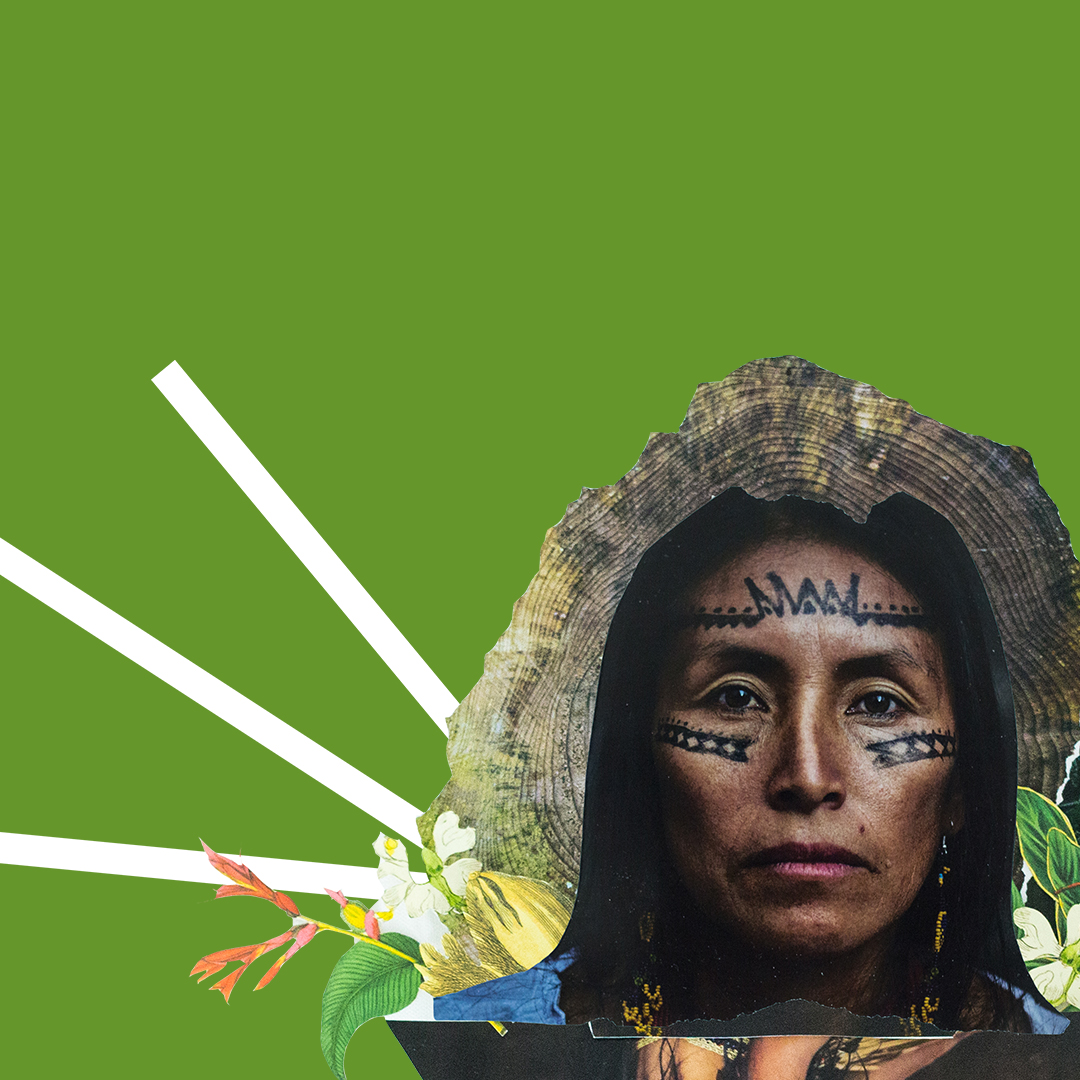
NEMA GREFA, INDIGENOUS DEFENDER OF THE ENVIRONMENT AND TERRITORY


Nema is defending the Amazon environment and her people’s right to protect their territory from the possible negative effects of oil activity. After being legally recognized as President of the Sápara nationality of Ecuador in January 2018, her appointment was challenged by a group of people who Nema says are supportive of oil activities on the Sápara territory. Nema’s appointment was revoked in April 2018 as a result. Later that month a video was shared on social media featuring a man armed with a spear, identified by Nema as belonging to the group who had challenged her appointment, issuing her with a death threat: “Those present here are united in rejecting her and are thus going to kill Nema Grefa; she has no territory.” One year on, the Attorney’s Office has yet to open in investigation into the death threat. On 19 October 2018 Nema was finally recognized as president but still faces serious threats to her life. In April this year, despite the Ecuadorian authorities’ promises to protect her and her family, unknown individuals forcibly broke into her home to steal two computers containing sensitive information on her human rights work.

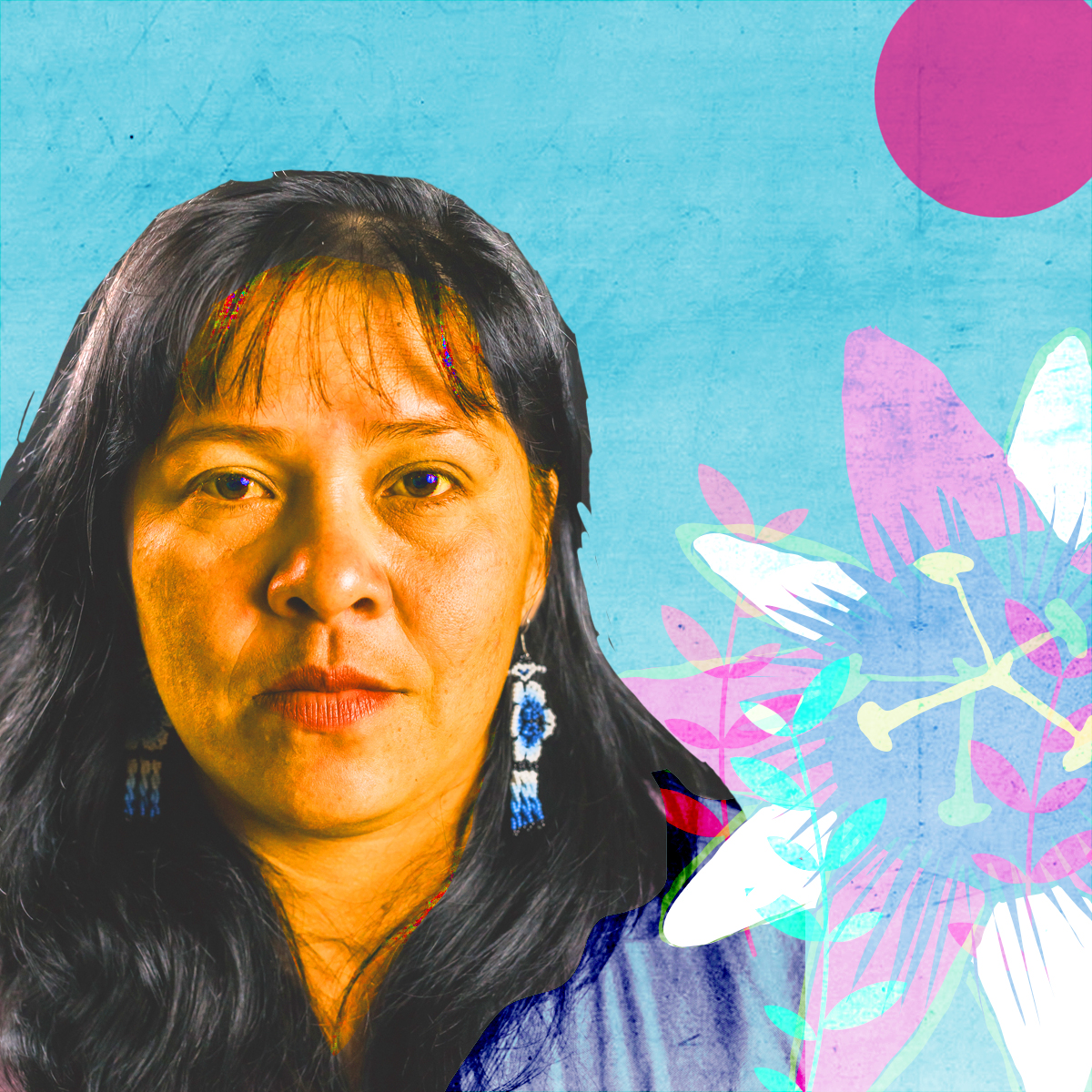
SALOMÉ ARANDA, INDIGENOUS ENVIRONMENTAL AND WOMEN’S RIGHTS DEFENDER

Salomé is an Indigenous leader from the Kichwa people who is defending the Amazonian environment and the right of women in her community to live in a healthy environment, free from sexual violence. Salomé is the Women and Family Leader in Moretecocha commune, Pastaza province. Salomé has publicly denounced the possible environmental impacts of oil operations in the Villano River basin, Pastaza province, and the sexual abuse of Indigenous women that have occurred in this context. In the early hours of 13 May 2018, a number of unidentified individuals attacked and threatened her and her family at home. Despite making a formal complaint, the Pastaza Provincial Attorney’s Office has yet to make any significant progress in this investigation. The authorities have not even offered her protection measures to address the risk facing her and her family.

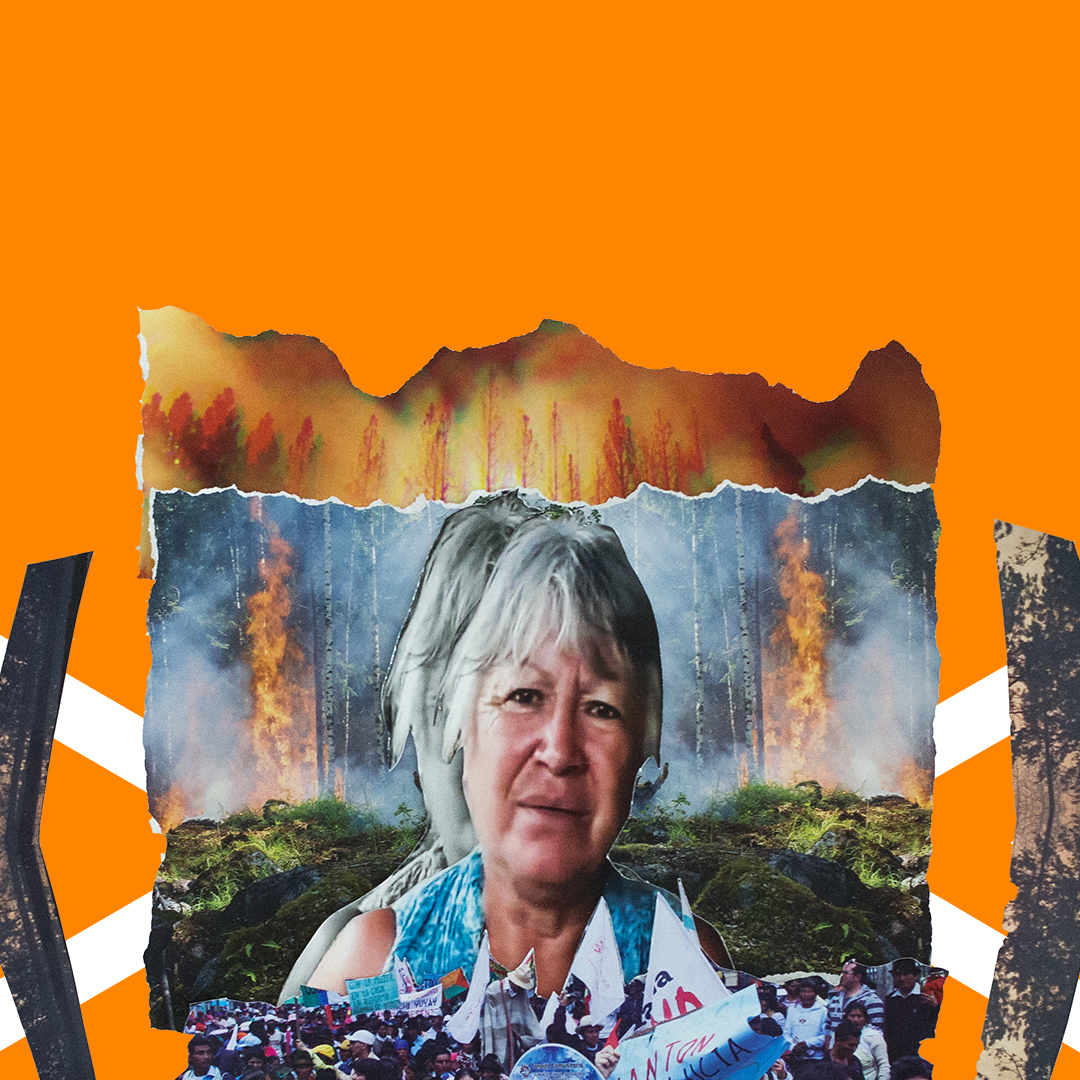
MARGOTH ESCOBAR, ENVIRONMENTAL AND INDIGENOUS PEOPLES’ RIGHTS DEFENDER

Margoth has devoted her life to defending the environment and Indigenous Peoples’ rights. In August 2015, Margoth was physically attacked by police officers at a protest and national strike called by the social and Indigenous movements in Puyo, Pastaza province. She was held on pre-trial detention for more than a week despite poor health caused by her injuries. She was charged with “attack and resistance”, which she was eventually acquitted of. In September last year Margoth’s house was set on fire, destroying all her belongings. On 1 October 2018, the Puyo Fire Brigade Commander stated that the fire at Margoth’s house had been intentional. Margoth lodged a criminal complaint with the Pastaza Provincial Attorney’s Office to investigate the attack, yet no progress has been made in her case. Margoth refused to join the country’s witness protection program because of her previous experience at the hands of the police: “I didn’t want to join the victim and witness protection system because I have no faith in the current government, I have no faith in the independence of the legal system in Ecuador, nor in the military or police forces.”

https://www.amnesty.org/en/latest/campaigns/2019/06/why-we-need-to-stand-up-for-earth-defenders-this-world-environment-day/


Greta Thunberg becomes Amnesty International’s 2019 Ambassador of Conscience

June 7, 2019
Climate activist Greta Thunberg and the Fridays for Future movement of schoolchildren have been given Amnesty International’s ‘Ambassador of Conscience’ award for 2019

Climate activist Greta Thunberg and the Fridays for Future movement of schoolchildren have been given Amnesty International’s ‘Ambassador of Conscience’ award for 2019 © Amnesty International

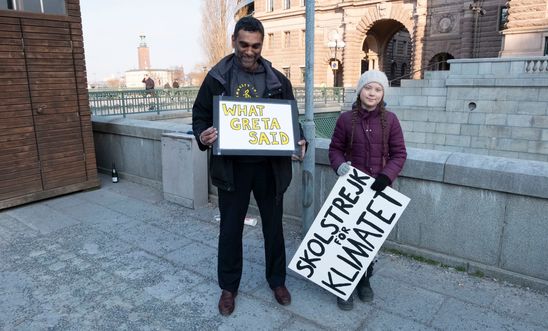
On 7 June it was announced that climate activists Greta Thunberg and the Fridays for Future movement are given Amnesty International’s Ambassador of Conscience Award 2019 [for more on this and other such awards:http://www.trueheroesfilms.org/thedigest/awards/ambassador-of-conscience-award]. See also: https://humanrightsdefenders.blog/2019/04/10/first-prix-liberte-of-normandy-for-teen-climate-activist-greta-thunberg/.

The Fridays for Future movement was started by Greta Thunberg, a teenager from Sweden who last August began protesting outside the Swedish parliament – skipping school every Friday demanding the Swedish government take more serious action to tackle the climate crisis. Her efforts have inspired a global movement, with the most recent Fridays for Future schools strikes seeing more than one million young people from all over the world take part, with demonstrations in more than 100 countries.

Greta Thunberg, said: “It is a huge honour to receive Amnesty International’s Ambassador of Conscience award on behalf of Fridays for Future. This is not my award, this is everyone’s award. It is amazing to see the recognition we are getting and know that we are fighting for something that is having an impact.  To act on your conscience means that you fight for what you think is right. I think all those who are part of this movement are doing that, because we have a duty to try and improve the world. The blatant injustice we all need to fight against is that people in the global south are the ones who are and will be most affected by climate change while they are the least responsible for causing it.

Kumi Naidoo, Amnesty International’s Secretary General, said: “The Ambassador of Conscience award celebrates people who have shown unique leadership and courage in standing up for human rights. I can think of no better recipients this year than Greta Thunberg and the Fridays for Future climate strike movement.

Greta Thunberg, said: “Human rights and the climate crisis go hand in hand. We can’t solve one without solving the other. Climate change means people won’t be able to grow food, their homes will come under threat and their health will be compromised. Governments have a duty to protect us, so why are they doing nothing to stop climate change from devastating our lives?”

Kananura Irene, a Fridays for Future activist from Kampala, Uganda, said: “Sometimes I feel really sad because some of the people I try to talk to won’t listen. Some people insult us, others think we are politicians, and others ignore us entirely, they tell us maybe we won’t finish what we’ve started.  But I can assure everyone that we are really determined to finish what we have started, because our futures are on the line.

[Around the world, attacks against ordinary people who stand up for freedom, justice and equality are surging. Authorities around the world are misusing their power to crack down on human rights defenders – imprisoning, torturing and even killing them for speaking up. In 2018, 321 defenders in 27 countries were targeted and killed for their work – the highest number ever on record. Amnesty is calling on the UK Government to show the world that protecting human rights defenders is a priority.]

—-

https://www.amnesty.org.uk/press-releases/greta-thunberg-given-amnestys-2019-ambassador-conscience-award

https://www.dw.com/en/greta-thunberg-fridays-for-future-movement-win-amnesty-human-rights-award/a-49096921

Philippines: UN rapporteurs ask for exceptional investigation, while labour rights defender shot dead

June 7, 2019

The ink on the bill for the protection of human rights defenders [see: https://humanrightsdefenders.blog/2019/06/04/philippines-human-rights-defenders-protection-bill-adopted-in-parliament/] has hardly dried and the following is reported: on 2 June 2019 union organiser Dennis Sequeña was shot dead while meeting with workers. Sequeña was vice-chairperson of labour group Partido Manggagawa; group believes he was murdered for his trade union work. Civil society organisations condemn the killing & demand immediate investigation, as well as action to stop spate of attacks against labour activists.

Also on 7 June a group of UN human rights experts collectively called on the United Nations to establish an independent investigation into human rights violations in the Philippines, citing a sharp deterioration in the situation of human rights across the country, including sustained attacks on people and institutions defending human rights. “Given the scale and seriousness of the reported human rights violations we call on the Human Rights Council to establish an independent investigation into the human rights violations in the Philippines.

We have recorded a staggering number of unlawful deaths and police killings in the context of the so-called war on drugs, as well as killings of human rights defenders. Very few independent and effective investigations have taken place, independent media and journalists are threatened, the law has been weaponised to undermine press freedom, and the independence of the judiciary is undermined,” the experts said. [ndependent human rights experts appointed by the Human Rights Council have raised their concerns with the Government of the Philippines on 33 occasions over the last three years!]

In a statement of 8 May 2019 the ISHR and other NGOs had recalled that: the Philippines is one of the most dangerous countries for human rights defenders. They persevere under harsh conditions, fighting against repression and corruption to make a better society for all. They continue their work so the most vulnerable are protected and their voices are heard.  ISHR – along with CIVICUS, Frontline Defenders, FORUM Asia, FIDH, and the World Organisation Against Torture– released a joint statement denouncing recent death threats addressed to Karapatan Secretary General, Cristina Palabay, and urging the Philippine Government to respond to the threats against human rights defenders by taking genuine and effective measures for their protection.

See also the reactions in the media by the Government: https://www.philstar.com/headlines/2019/06/08/1924735/intellectually-challenged-palace-slams-un-experts-call-probe-staggering-philippines-killings

and https://www.bulatlat.com/2019/06/08/karapatan-to-duterte-allow-un-independent-probe-on-rights-violations-in-ph/

——-

http://www.scoop.co.nz/stories/WO1906/S00047/call-for-independent-probe-into-philippines-violations.htm

https://www.rappler.com/nation/232094-partido-manggagawa-dennis-sequena-killed-cavite-june-2-2019

Philippines: Union organiser Dennis Sequeña shot dead while meeting with workers

http://www.ishr.ch/news/philippines-calling-accountability-violations-against-human-rights-defenders

Human rights in the response to HIV: a UN consultation

June 6, 2019

HIV and AIDS used to be a major and controversial topic. It has now moved a bit to the background but is still most relevant. This also shows some of the good work the UN is doing that many people dont know about:

In accordance with Human Rights Council resolution 38/8, a consultation on human rights in the response to HIV was held in Geneva on 12 and 13 February 2019. It was attended by a wide range of stakeholders, including representatives of Member States and of United Nations agencies, funds and programmes, special procedure mandate holders, experts and members of civil society, including persons living with, presumed to be living with, at risk of or affected by HIV. During the consultation, participants examined best practices, evidence, lessons learned and the challenges faced when removing human rights barriers and the promotion of human rights in the response to HIV in regional and subregional strategies. Participants discussed issues and challenges pertaining to the respect for and the promotion of human rights in the response to HIV, with a focus on regional and subregional strategies and best practices. The full report published on 1 May 2019 can be found in the link below. These are the recommendations made at the consultation.

Recommendations

Participants made a number of recommendations during the consultation, particularly with regard to regional and subregional strategies and best practices:

(a)States should remove structural barriers, including discriminatory laws and policies, and apply human rights-based approaches to the response to HIV, putting people living with HIV at the centre of their policies, programmes and practices. In order not to leave anyone behind, States should increase their efforts to reach the most marginalized women and adolescents, key populations vulnerable to HIV, including gay men and other men who have sex with men, sexworkers, people who use drugs, transgender people, and persons in prisons and other closed settings. Communities should be involved in the design, implementation and delivery of policies, programmes and practices.

(b)States should review their laws in accordance with international human rights law. In order to improve the human rights aspect in the response to HIV, States and their parliaments could collaborate at the regional and subregional levels to develop human rights-based normative content to inspire the domestication of laws at the national level. In order to reach Sustainable Development Goal target 3.3 and to leave no one behind, States should adopt legislation, policies and practices that decriminalize sex work, drug use, same-sex relations, and gender identity and expression, and provide access to gender recognition.

(c)In order to improve the effectiveness of the response to HIV, States should strengthen cooperation at the regional, subregional and global levels to support and invest in programmes and services that promote the right to health and the rights of people living with HIV.

(d)Strengthened accountability is vital to ensure that the rights of people living with HIV, including the right to health, are promoted and respected. States should collaborate with regional human rights mechanisms and engage with them in good faith, and follow up on decisions and sentences made by such bodies with a view to effectively implementing them.

(e)National human rights institutions and civil society have an important role to play in strengthening human rights accountability. The shrinking space for civil society is a key driver in leaving behind people living with HIV, particularly key populations. States should respect, protect and promote civil society space, provide an enabling regulatory and funding environment that allows civil society to work at the national, regional and subregional levels, and repeal laws that create barriers to the activities of civil society bodies. Civil society should be empowered to collect data, address human rights violations, participate in policymaking and decision-making, implementation and monitoring, including on issues relating to HIV and the rights of people living with HIV. In order to improve its effectiveness,civil society could cooperate at the regional level on joint advocacy efforts, including with regional mechanisms.

(f)In the current context of shrinking donor funding for HIV and health programmes, including in newly transitioned middle-income States, programmes aimed at removing barriers to human rights can be affected, particularly with regard to the rights of key populations. The retraction of global health funding in States transitioning to middle-income, without corresponding investment by domesticfunds, can lead to the loss of funding for services and rights programmes and advocacy for key populations, making them even more vulnerable. The Human Rights Council could develop guiding principles for health donors, which would be based on human rightsand should be formulated in coordination with UNAIDS and in consultation with States, key populations, communities and donors.

(g)States should review and adopt legislation, programmes and policies to combat stigma and discrimination, violence and abuseagainst people living with or at risk of HIV, with particular attention to key populations. States should work with United Nations agencies, civil society, communities and key populations to invest in programmes, education and other actions to eliminate HIV-related stigma and discrimination in all areas of life, including through the Global Partnership for Action to Eliminate All Forms of HIV-related Stigma and Discrimination. Regional and subregional networks have an important role to play in raising awareness and eliminating stigma and discrimination.

(h)States should ensure that universal health coverage promotes both the health and rights of all persons, including the most marginalized, such as people living with HIV and key populations, and addresseshuman rights barriers to health. States should ensure that human rights, including the right to health of persons living with HIV, are integrated into discussions on universal health coverage, including in the lead-up to the high-level meeting of the General Assembly on universal health coverage and in its outcome document

UN Human Rights Council
UN secretary-general attacks populists in Charlemagne Prize speech

June 5, 2019
U.N. Secretary-General António Guterres in Aachen | Florian Ebener/Getty Image
The human rights agenda is losing ground to nationalist agendas, U.N. Secretary-General António Guterres warned: “Many people are turning inwards looking at a golden age that probably never was,” he said of populists, religious extremists and nationalists.  Accepting the prize for work done in the service of Europe’s unification, the former Portuguese prime minister said that there is no alternative to the European Union, as no country can meet current challenges alone.

..He called on the Continent to come to grips with some serious challenges, such as migration, climate change and the disruption created by technological developments.

While he noted that many societies are today multicultural, multiethnic and multireligious, Guterres stressed that there is work to be done to ensure that each community is respected and that it feels it belongs to society as a whole.

Guterres also praised Europe’s 1-year-old General Data Protection Regulation, which sets rules for how companies and other entities have to deal with data protection and people’s privacy in the current digital world. The law is a testament to how the EU can ensure the protection of human rights, he said.

On how to revigorate the human rights ides, see e.g.: https://humanrightsdefenders.blog/2019/05/30/positive-communication-is-the-only-way-forward-for-effective-human-rights-work/

Philippines: Human Rights Defenders Protection bill adopted in parliament

June 4, 2019

The House of Representatives in the Philippines on 2 June 2019 passed the proposed Human Rights Defenders Protection bill that should prevent human rights violations and abuses committed against HRDs. Surprsingly all 183 congressmen present at last night’s session voted for House Bill 9199, a consolidation of bills filed by Rep. Edcel Lagman (LP, Albay) and Makabayan Reps. Carlos Isagani Zarate, Antonio Tinio, Emmi de Jesus, Arlene Brosas, Ariel Casilao, and Sarah Jane Elago. A badly needed bill as the Philippines is one of the worst places for HRDs [see e.g.: https://humanrightsdefenders.blog/2018/11/08/and-in-the-philippines-the-killing-of-human-rights-defenders-also-continues-with-benjamin-ramos/]. As always the real question is what wil happen in practice.

The bill guarantees HRD rights and freedoms; mandates the State and public authorities to respect, protect, and fulfill these rights and freedoms; and imposes appropriate sanctions to counter impunity. Lagman said Karapatan Alliance for the Advancement of Human Rights recorded the killing of 697 human rights defenders in the country for the period 2001-2018 while Task Force Detainees of the Philippines documented 76 human rights violations affecting 333 HRDs from September 2013 to September 2016 alone.

IF signed into law, the bill will also create a Human Rights Defenders Protection Committee chaired by a commissioner of the Commission on Human Rights and six members who will be jointly nominated by concerned civil society organizations. HB 9199 is based on the United Nations Declaration on Human Rights Defenders and the Model National Law on the Recognition and Protection of Human Rights Defenders drafted by the International Service for Human Rights.

The bill grants the following rights and freedom to human rights defenders:

  • Right to promote and protect human rights and fundamental freedoms
  • Right to form groups, associations, and organizations
  • Right to solicit, receive, and utilize resources
  • Right to seek, receive, and disseminate information
  • Right to develop and advocate for human rights ideas
  • Right to communicate with non-governmental, governmental, and intergovernmental organizations
  • Rights against vilification
  • Right to access, communicate, and cooperate with international and regional human rights bodies and mechanisms
  • Right to participate in public affairs
  • Right to peaceful assembly
  • Right to represent and advocate
  • Right to freedom movement
  • Right to privacy
  • Freedom from intimidation or reprisal
  • Right to establish a sanctuary for human rights victims and or their families
  • Freedom from defamation and stigmatization
  • Right to exercise cultural rights and to development of personality
  • Right to effective remedy and full reparation

The bill penalizes those who will violate the rights and freedom. Human right defender’s obligations, meanwhile, include conducting investigation; adopting human rights based governance; strengthening protection program; promoting and facilitating human rights education, among others.

http://tempo.com.ph/2019/06/03/house-oks-human-rights-defenders-bill/

https://cnnphilippines.com/news/2019/6/3/house-of-representatives-human-rights-defenders-protection-bill.html

Save the date: 4th Sporting Chance Forum on 21 – 22 November 2019

June 4, 2019

The fourth annual Sporting Chance Forum will take place on Thursday and Friday the 21st and 22nd of November 2019 in Geneva, Switzerland. [for last year’s event:  https://humanrightsdefenders.blog/2018/12/14/third-annual-sporting-chance-forum-in-paris-is-over/]. The Forum provides an annual opportunity to take stock of progress toward meaningful and continuous human rights improvements across the world of sport, review the current state of play, and identify priorities in the short-, medium-, and long-term. Invitations, speaker announcements, and the full 2019 Sporting Chance Forum agenda will be released shortly.

https://www.sporthumanrights.org/en/events/events-the-2019-sporting-chance-forum

FORUM-ASIA: human rights defenders face severe risks in Asia

June 4, 2019
The latest report by the Asian Forum for Human Rights and Development (FORUM-ASIA) found that human rights defenders in Asia are at high risks. “In Asia, we are witnessing more and more human rights defenders being subjected to increasingly severe forms of violations, particularly killing, simply for defending human rights,” said Sejin Kim, Programme Manager of FORUM-ASIA.

The report titled “Defending In Numbers: Resistance in the Face of Repression exposes 688 cases of human rights violations affecting 4,854 people across 18 different countries in Asia, and analyses current and emerging trends of violations against human rights defenders, including journalists, civil society organisations, advocates and their family members, throughout 2017-2018.

Besides that, the report also reveals that “violations have become more extreme, and the safe space in which human rights defenders can work have increasingly shrunk”. State and non-state actors openly threatened these defenders, something which played a key role in creating a dangerous climate for them. In fact, according to the report, there were 164 cases where physical violence was used against human rights defenders, and 61 of these cases resulted in death. The majority of these cases occurred in the Philippines (48 per cent) and India (25 per cent). Concerningly, most of the perpetrators of these killings remain unknown, a reality which perpetuates impunity in the region…. In the period under review, a staggering 327 cases of judicial harassment were recorded across 17 countries which include the (arbitrary) arrest and detention of human rights defenders; the misuse of the law and the passage of repressive laws aimed at criminalising human rights defenders; and the denial of a fair trial.

..

Although threats and harassment endanger all defenders, but certain groups are particularly targeted like prodemocracy defenders, who are vocal critics of state repression; and land and environmental rights defenders, who are targeted by state and non-state actors competing to access natural resources and/or implement mega-development projects. Women human rights defenders, who challenge gender norms and power structures, also ranked high among the most affected groups. Gender-based violence, including online attacks and harassment, were common tactics used against women human rights defenders.

Human rights defenders face severe risks including killing in Asia, says FORUM-ASIA

Today: Tiananmen Square 30 years ago was ‘correct’ but singing about it still not allowed

June 4, 2019

As many news outlets report today it is 30 years ago that China cracked down on Tiananmen Square. China tries mostly to forget about it and make others forget it about it too. Still, it recenty came out to defend it as the “correct policy”. “That incident was a political turbulence and the central government took measures to stop the turbulence which is a correct policy” Defence minister Wi Fenghe Wei told a regional security forum in Singapore. “The 30 years have proven that China has undergone major changes,” he said, adding that because of the government’s action at that time “China has enjoyed stability and development“. On the other hand Wu Qian, a spokesman for the defence ministry, decried the use of the word “suppression” to describe the crackdown.

But it does cover Chinese rock musician Li Zhi, who has been outspoken and sung songs about social issues including the Tiananmen Square crackdown, and has not been seen for three months. The South China Morning Post of 2 June has a detailed piece on what happened to this singer: His upcoming tour has been cancelled and his social media accounts taken down. Then his music was removed from all of China’s major streaming sites – as if his career had never existed at all. “Now this square is my grave,” Li sang. “Everything is just a dream.”

The disappearance of Li, the musician, has left fans searching for answers. On February 20, the official Weibo social media account for the 40-year-old’s concert tour posted a photograph of its team in front of a truck about to embark on scheduled performances in Sichuan province in China’s southwest. Just two days later, however, the account posted an image of a hand wearing what appeared to be a hospital wrist band and the words: “Very sorry.” The next post, published the same day, announced without explanation that the tour was cancelled and that ticket purchasers would shortly receive a refund. Fans flooded the comment section with wishes for a speedy recovery.

But the suggestion that a health issue was behind the cancellations was later thrown into doubt. A statement published in April by Sichuan’s culture department said it had “urgently halted” concert plans for a “well-known singer with improper conduct” who was previously slated for 23 performances – the same number of concerts which Li had scheduled in the province. It said 18,000 tickets were fully refunded.

..Li’s presence on the Chinese internet was completely erased. An April 21 central government directive ordered all websites to delete any audio or video content relating to five of Li’s songs, according to China Digital Times, an organisation that publishes leaked censorship instructions. The authenticity of the directive could not be independently verified.

“There’s pretty much a consensus” among those working in the industry that Li’s disappearance from public view is due to the sensitive anniversary, said a music industry professional who spoke on condition of anonymity because of fear of government retribution. “He did a number of songs that were considered politically risky, making references to June 4, 1989, and so he’s been out of the picture,” the industry professional said.

Li’s current whereabouts could not be confirmed. His company and record label did not respond to repeated interview requests. Li’s songs alluding to the Tiananmen Square protests – The Square, The Spring of 1990 and The Goddess, in honour of the Goddess of Democracy that students erected – were part of his earlier works. In recent years, the bespectacled singer has avoided making public political statements, focusing more on promoting his performances. In 2015, state-run China Daily newspaper published a profile of Li, describing him as a performer who easily sells out concerts. After years of working as an independent artist, he signed last autumn with Taihe Music Group, a major Chinese record label. Fans who knew Li as a largely apolitical entertainer expressed bewilderment online about his disappearance. Others made veiled references to China’s internet censorship. On Zhihu, a question-and-answer website similar to Quora, one user wrote that people posed questions every day about what might have happened to Li, but these posts always disappeared the next morning “as if nothing had happened at all”.

Another user said: “I don’t dare to say it, nor do I dare to ask.” A fan who has been sharing Li’s music on his personal account spoke on condition of anonymity because he feared his employers would punish him for discussing the subject. “Everyone knows the reason for Li Zhi’s disappearance,” the fan said. “But I’m sorry, I can’t tell you, because I follow China’s laws and also hope that Li Zhi can return.” Quoting one of Li’s lyrics, the fan added: “The world will be all right.” Fans continue to circulate videos of Li’s performances online. His complete discography has been uploaded onto file-sharing websites, with back-up links in case the original ones are shuttered. Some users shared tribute art, including a black T-shirt with the words “improper conduct”. A few years ago, in a performance in Taiwan, Li bounced around on stage, strumming his guitar and repeating a chorus in apparent tribute to the spirit of Chinese propaganda.

Foreign companies are not immune. Apple Music has removed from its Chinese streaming service a song by Hong Kong singer Jacky Cheung Hok-yau that references the Tiananmen crackdown. Tat Ming Pair, a Hong Kong duo, have been deleted entirely from the app. They released a song this month called Remembering is a Crime in memory of the protests.

Music by Tat Ming Pair – Anthony Wong Yiu-ming (left) and Tats Lau Yi-tat – has been deleted from the Apple Music app. Photo: K.Y. Cheng

Wikipedia also announced this month that the online encyclopaedia is no longer accessible in China. While the Chinese-language version has been blocked since 2015, most other languages could previously be viewed, Wikipedia said.

The Human Rights Foundation publised this video about China’s Million Person Muslim Prison Camps:

For the 25th anniversary see: https://humanrightsdefenders.blog/2014/06/13/25-years-tiananmen-celebrated-with-over-100-detentions/

See also: https://humanrightsdefenders.blog/2019/05/31/on-4-june-streets-around-chinese-embassy-to-be-renamed-tiananmen-square/

https://uk.news.yahoo.com/china-says-tiananmen-square-crackdown-1989-correct-policy-093500064.html

https://www.scmp.com/news/china/politics/article/3012782/outspoken-folk-rock-singer-li-zhi-disappears-china-tightens