On 2 March 2021, Mary Lawlor – the UN’s Special Rapporteur on Human Rights Defenders – wrote for Amnesty International “Five years after Berta Cáceres was murdered, states are still failing to protect human rights defenders". With the presentation of Mary Lawlor's report to the UN Human Rights Council coming up this week, the piece is worth reading in full:
She was one of hundreds of human rights defenders killed that year because of their peaceful work, and hundreds more defenders have been killed every year since. Those responsible are rarely brought to justice. Although some have been convicted of Berta Cáceres’ killing, others believed to have been involved have still not been brought to account. [see: https://humanrightsdefenders.blog/2020/06/10/nina-lakhanis-who-killed-berta-caceres-reviewed/]
It’s a familiar and continuing story, in Honduras and across the world, where those responsible for the murder of a human rights defender often enjoy impunity. This week I am presenting my latest report to the United National Human Rights Council in Geneva, and it is on the killings of human rights defenders and the threats that often precede them.
At least 281 human rights defenders were killed in 2019, with a similar number expected to be recorded for 2020. Unless radical, immediate action is taken we can expect hundreds more murders again this year.
Since 2015, at least 1,323 defenders have been killed. While Latin America is consistently the most affected region, and environmental human rights defenders like Berta Cáceres often the most targeted, it is a worldwide issue. At least 281 human rights defenders were killed in 2019, with a similar number expected to be recorded for 2020
Between 2015 to 2019, human rights defenders were killed in at least 64 countries, that’s a third of all U.N. member states. Those collecting the data agree that underreporting is a common problem. The number of defenders killed is likely significantly higher than the figures we have.
We know that on every continent, in cities and the countryside, in democracies and dictatorships, governments and other forces threatened and killed human rights defenders. Many, like Berta Cáceres, are killed in the context of large business projects.
Why do so many governments and others kill human rights defenders working peacefully for the rights of others? Partly because they can, safe in the knowledge that there is unlikely to be the political will to punish the perpetrators.
While some states, particularly those with high numbers of such killings, have established dedicated protection mechanisms to prevent and respond to risks and attacks against human rights defenders, defenders often complain that the mechanisms are under-resourced.
And in too many cases, businesses are also shirking their responsibilities to prevent attacks on defenders or are even responsible for the attacks.
These murders are not random acts of violence that come out of nowhere. Many of the killings are preceded by threats. As Amnesty International noted, Berta Cáceres’ murder “was a tragedy waiting to happen,” and she had “repeatedly denounced aggression and death threats against her. They had increased as she campaigned against the construction of a hydroelectric dam project called Agua Zarca and the impact it would have on the territory of the Lenca Indigenous people.”
And yet her government failed to protect her, as so many governments fail to protect their defenders. Since I took up this mandate in May last year I have spoken to hundreds of human rights defenders. Many have told me about their real fears of being murdered, and have shown me death threats made against them, often in public.
They tell me how some threats shouted in person, posted on social media, delivered in phone calls or text messages, or in written notes pushed under a door. Some are threatened by being included on published hit lists, receiving a message passed through an intermediary or having their houses graffitied. Others are sent pictures through the mail showing that they or their families have been under long-term surveillance, while others are told their family members will be killed. It’s not that complicated. It’s up to states to find the political will to prevent killings by responding better to threats against human rights defenders, and to hold murderers to account
I’ve been told by defenders about a coffin being delivered to the office of an NGO; a bullet being left on a dining room table in their home; edited pictures of them being posted on Twitter, showing them having been attacked with axes or knives; and an animal head being tied to the door of their organization’s office.
Those advocating for lesbian, gay, bisexual, transgender and intersex rights, and women and transgender human rights defenders, are often attacked with gendered threats, and targeted because of who they are as well as what they do. Women and LGBTI people demanding rights in a patriarchal, racist, or discriminatory contexts often suffer specific forms of attack, including sexual violence, smears and stigmatisation.
The murders of human rights defenders are not inevitable, many are signalled in advance, and yet governments fail, year after year, to provide enough resources to prevent them, and fail, year after year, to hold the murderers to account. In fact, states should not only end impunity but also publicly applaud the vital contribution that human rights make to societies.
This week I’ll again remind the U.N. that their members are failing in their moral and legal obligations to prevent the killings of human rights defenders. It’s no use for government officials to wring their hands and agree that the murder of Berta Cáceres and other defenders is a terrible problem and that someone should do something about it.
It’s not that complicated. It’s up to states to find the political will to prevent killings by responding better to threats against human rights defenders, and to hold murderers to account.
From left to right: Neri Colmenares, Abdul Aziz Muhamat, Juwairiya Mohideen, Nemonte Nenquimo and Intisar Al-Amyal. (True Heroes Films)
A new online tool has been launched to champion human rights defenders and bring greater recognition to their work. Launched this month by True Heroes Films, a Geneva-based media organisation which uses digital storytelling to raise the profile of human rights defenders around the world, the Digest of Human Rights Awards includes over 2,800 winners of 220 prestigious awards.
The Digest, while raising awareness about the work of human rights defenders, also aims to serve as a useful tool for both the media and the human rights world to go beyond the often fleeting publicity that surrounds award ceremonies and ensure their work is not forgotten.
Hans Thoolen, co-founder of True Heroes and the Martin Ennals Award, told Geneva Solutions that the idea for the digest came out of a research project he undertook in 2013 into the value of human rights awards.
Awards help bring greater recognition to a cause, boosting an individual’s profile and granting them greater protection, be it through prize money or the support of NGOs. However, many awards remain relatively unheard of and receive very little publicity, which Thoolen said is “absolutely crucial” to their value.
“Journalists are incorporated into the broad human rights movement. Without publicity, human rights defenders would be working mostly for nothing,” said Thoolen. “They need public attention for their cause and what they are trying to change. Without it, nobody would know what they are doing.”
In fact, the Digest reveals journalists make up the largest professional group of award recipients, with more than 400 laureates from the media. The database also provides images of the laureates and biographies of their life and work, as well as details of the awards themselves.
“Human rights awards generally try to achieve three main objectives,” explained Thoolen. “One is recognition at a psychological level, which should not be underestimated. Many human rights defenders are not very popular in their own society, sometimes not even within their own family, so when they get recognition that can be a very important boost to their mental health. ”
The value of awards also lies in “concrete support”, be it in the form of prize money or training opportunities, or the chance to connect with others working in the same field. They also provide protection for the laureates, which is another reason publicity is essential – to make it known that the world is watching. Although this publicity can bring with it some risks, Thoolen explains that his long career working in the human rights world has shown him that these are outweighed by the benefits.
“The feedback we get from lawyers is always the same: the [human rights defenders] have already taken enormous risks by going public. They are not afraid, and clearly the publicity helps them. ”
Showcasing the work of thousands of people from all different backgrounds, championing everything from women’s rights to freedom of speech, Thoolen also hopes the Digest will serve as a “hall of fame” for role models to inspire the next generation of human rights defenders.
“Most people get into human rights work when they’re hit by something, but usually it’s not by reading the Universal Declaration of Human Rights,” said Thoolen. “What inspires people is seeing and hearing a person: a human rights defender. They are the entry point into the much broader human rights movement. ”
The piece then gives some recent winners of prestigious human rights awards featured in the Digest:
Abdul Aziz Muhamat – Martin Ennals Award, 2019.
Juwairiya Mohideen – The Front Line Defenders Award, 2020.
On Wednesday 24 February 2021 Megan Thornberry writes about a report by the University of York and others concluding that human rights defenders have been at increased risk during pandemic, and calls for UK government to provide better protection.
There is a dearth of serious and quantitative research into how human rights defenders experience diplomatic support and interest in their work. So, this report – published by Amnesty International UK and the Center for Applied Human Rights, in collaboration with the Law Society of England and Wales, Peace Brigades International UK, Bond and other NGOs – is most welcome.
Research by the University’s Centre for Applied Human Rights (CAHR) and Amnesty International UK shows that during the COVID-19 pandemic, 94 per cent of human rights defenders interviewed reported face threats, death threats, abuse, and harassment.
It is reported that only 6 per cent of these activists, including lawyers, journalists, women’s rights defenders, and LGBTQ+ activists, received support from the UK government.
Researchers interviewed 82 human rights defenders from seven countries about their experiences with UK government support:
40% had contacted the UK government embassy as part of their work in the last two years, where as 70% had contacted other embassies
75% could not recall a time in which their resident country’s UK embassy had spoken out in support of specific at-risk human rights defenders
31% had been in contacted by their UK embassy seeking to further its knowledge about the struggles for human rights
The report highlights the increased threats to LGBTQ+ rights during the pandemic, as poor job security has driven many to return to unsafe and unaccepting hometowns in order to live with family. Particularly in countries such as Russia and the Philippines, this has placed LGBTQ+ activists at a higher risk of abuse. LGBTQ+ activists have also reported an increase in discrimination towards LGBTQ+ groups due to their being blamed for the pandemic.
Dr Piergiuseppe Parisi, a research associate at the Human Rights Defender Hub at CAHR and direct contributor to the report, said: “Human rights defenders are active agents of positive change. The UK should make sure that they are recognised as such, that they have the means to carry on with their crucial work and that they have access to rapid response protection mechanisms when they are in danger.”
Kate Allen, Director of Amnesty International UK, said: “The UK government has pledged to stand up for human rights defenders around the world. We now need to see words turned into action. The UK’s voice has power. It’s time to use it and to be a world leader.”
On Monday 22 February 2021 the Guardian announced that it will be reporting on human rights worldwide, elevating the voices of those working on the frontline to protect rights and freedom.
A year on from the start of the world’s biggest health crisis, we now face a human rights pandemic. Covid-19 has exposed the inequalities and fragilities of health and political systems and allowed authoritarian regimes to impose drastic curbs on rights and freedoms, using the virus as a pretext for restricting free speech and stifling dissent.
There has been a global crackdown on opposition activists and human rights defenders, attacks on journalists, and a roll out of invasive tracking apps and extreme surveillance measures that are likely to far outlast the virus. Over the coming years, the economic fallout of the pandemic will hit millions. Those already facing stigma and marginalisation will suffer the most: women, girls, refugees and asylum seekers, people with disabilities, ethnic minorities and indigenous communities.
Human rights crises in countries including Myanmar, Syria, Venezuela and South Sudan threaten lives, health and freedoms. Yet the pandemic has also seen a growing global momentum of resistance, a fight back to protect hard-won rights. Journalism has always been a crucial tool in holding those in power to account and highlighting the drivers and systems that violate the fundamental rights of every human being, as enshrined in law. With over 200 laureates, journalists are the single biggest professional group among the winners of human rights awards [see: https://thedigestapp.trueheroesfilms.org/laureates]
At this critical moment, there is an urgent need to focus attention on those who are suffering and what can be done to help them. Rights and Freedom is a new Guardian reporting series to investigate and expose human rights abuses, and elevate the voices of people working on the frontline, fighting back for themselves and their communities.
Although I have decided to focus this blog mostly on human rights defenders and their awards, I will make an exception for the regular sessions of the UN Human Rights Council of which the46th session has started on 22 February and which will last until to 23 March 2021. This post is based on the as always excellent general overview published by the International Service for Human rights: “HRC46 | Key issues on agenda of March 2021 session”. Here’s an overview of some of the key issues on the agenda which affect HRDs directly:
Modalities for NGOs this year: According to the Bureau minutes of 4 February 2021: “Concerning the participation of NGOs in the 46th session, the President clarified that under the proposed extraordinary modalities, NGOs in consultative status with the ECOSOC would be invited to submit pre-recorded video statements for a maximum of three general debates in addition to the interactive dialogues, panel discussions and UPR adoptions as they had been able to do during the 45th session. In addition, “the Bureau agreed that events organised virtually by NGOs in consultative status with the ECOSOC could be listed on the HRC Extranet for information purposes.”
Human Rights implications of COVID-19
The pandemic – and States’ response to it – has presented various new challenges and threats for those defending human rights. The pandemic has exposed and deepened existing discrimination, violence and other violations. Governments have used COVID as a pretext for further restricting fundamental rights, including through the enactment of legislation, and specific groups of defenders – including WHRDs and LGBTI rights defenders – have lost their livelihoods, access to health services have reduced and they have been excluded from participating in pandemic responses. Action to address the pandemic must be comprehensive and systemic, it must apply a feminist, human rights-based, and intersectional lens, centred on non-discrimination, participation and empowerment of vulnerable communities. Last March ISHR joined a coalition of 187 organisations to draw the Council’s attention to the situation of LGBTI persons and defenders in the context of the pandemic.
Reports of cases of intimidation and reprisals against those cooperating or seeking to cooperate with the UN not only continue, but grow. Intimidation and reprisals violate the rights of the individuals concerned, they constitute violations of international human rights law and undermine the UN human rights system. See also: https://humanrightsdefenders.blog/tag/reprisals/
The UN has taken action towards addressing this critical issue including:
Establishing a dedicated dialogue under item 5 to take place every September;
Affirmation by the Council of the particular responsibilities of its Members, President and Vice-Presidents to investigate and promote accountability for reprisals and intimidation; and
Appointment of the UN Assistant Secretary General on Human Rights as the Senior Official on addressing reprisals.
ISHR remains deeply concerned about reprisals against civil society actors who try to engage with UN mechanisms, and consistent in its calls for all States and the Council to do more to address the situation.
During its 42nd session, the Council adopted a resolution which listed key trends such as the patterns of reprisals, increasing self-censorship, the use of national security arguments and counter-terrorism strategies by States as justification for blocking access to the UN. The resolution also acknowledged the specific risks to individuals in vulnerable situations or belonging to marginalised groups, and called on the UN to implement gender-responsive policies to end reprisals. The Council called on States to combat impunity and to report back to it on how they are preventing reprisals, both online and offline.
Item 5 of the Human Rights Council’s agenda provides a key opportunity for States to raise concerns about reprisals, and for governments involved in existing cases to provide an update to the Council on any investigation or action taken toward accountability to be carried out.
During the organisational meeting held on 8 February, the President of the Council stressed the importance of ensuring the safety of those participating in the Council’s work, and the obligation of States to prevent intimidation or reprisals.
In line with previous calls, ISHR expects the President of the Human Rights Council to publicly identify and denounce specific instances of reprisals by issuing formal statements, conducting press-briefings, corresponding directly with the State concerned, publicly releasing such correspondence with States involved, and insist on undertakings from the State concerned to investigate, hold the perpetrators accountable and report back to the Council on action taken.
Other thematic reports
At this 46th session, the Council will discuss a range of economic, social and cultural rights in depth through dedicated debates with mandate holders, and consider the annual report of the Secretary-General on the question of the realization in all countries of economic, social and cultural rights. The debates with mandate holders include:
The Special Rapporteur in the field of cultural rights, annual report on COVID-19, culture and culture rights and country visit to Tuvalu
The Special Rapporteur on the right to adequate housing, annual report on twenty years on the right to adequate housing: taking stock – moving ahead and country visit to New Zealand
The Council will discuss a range of civil and political rights through dedicated debates with the mandate holders, including:
The Special Rapporteur on freedom of religion or belief, annual report on combating anti-Muslim hatred
The Special Rapporteur on the right to privacy, annual report on artificial intelligence and privacy, and children’s privacy, and country visit reports to the United Kingdom, France, Germany, United States of America, Argentina, and Republic of Korea.
In addition, the Council will hold dedicated debates on the rights of specific groups including:
In addition, the Council will hold dedicated debates on interrelation of human rights and human rights thematic issues including:
The Special Rapporteur on human rights and the environment, annual report on human rights and the global water crisis: water pollution, water scarcity and water-related disasters
The Special Rapporteur on the promotion and protection of human rights while countering terrorism, annual report on human rights impact of counter-terrorism and countering (violent) extremism policies and practices on the rights of women, girls and the family
Country-specific developments
China
A pile of evidence continues to mount, including the assessment from the UN Committee on the Elimination of Racial Discrimination, about policies of the Chinese government targeting ethnic and religious minorities, including Uyghurs, Tibetans and Mongolians. The rule of law is being further eroded in Hong Kong, as deeply-respected principles of due process and pluralistic democracy are disappearing at an alarming rate. Human rights defenders and ordinary citizens confront ongoing crackdowns on civic freedoms, pervasive censorship and lightning-fast recourse to administrative sanction, enforced disappearance and trumped-up national security charges to silence critics. – In the face of this, inaction has become indefensible.
The UN Special Procedures issued a sweeping statement in June 2020, calling for the international community to take ‘decisive action’ on the human rights situation in the country. At the March session, ISHR urges States to convey at the highest level the incompatibility of China’s actions domestically with its obligations as a new Council member, and to continue to press for transparency, actionable reporting and monitoring of the situation. Statements throughout the Council are key moments to show solidarity with individual defenders – by name – , their families, and communities struggling to survive. And finally, States should take every opportunity to support efforts by China that meaningfully seek to advance human rights – while resolutely refuting, at all stages of the process, initiatives that seek to distort principles of human rights and universality; upend the Council’s impressive work to hold States up to scrutiny; and weaken the effectiveness and impact of the Council for victims of violations and human rights defenders. Furthermore, other Council members should step up their commitments to the body’s mandate and purpose, and reject efforts by China and its partners and proxies. See also: https://humanrightsdefenders.blog/tag/china/
Egypt
The Egyptian authorities continue to systematically carry out patterns of reprisals against human rights defenders for their legitimate work, including for engagement with UN Special Procedures. These have included arbitrary arrests and detention, enforced disappearance, torture, unlawful surveillance, threats and summons for questioning by security agencies. The government’s refusal to address key concerns raised by States in its response to the UPR in March 2020 demonstrated its lack of political will to address its deep challenges and to engage constructively with the Council. ISHR reiterates its call on the Council to establish a monitoring and reporting mechanism on the human rights situation in Egypt. See also: https://humanrightsdefenders.blog/tag/egypt/
Saudi Arabia
In 2020, the Council continued its scrutiny over the human rights situation in Saudi Arabia. Yet, the Saudi government has failed the litmus test to immediately and unconditionally release the women’s rights activists and human rights defenders, instead they continued to prosecute and harshly sentence them for their peaceful activism. On 10 February 2021, it was reported that WHRDs Loujain Al-Hathloul, and Nouf Abdulaziz have been released conditionally from prison after spending over two and a half years in detention solely for advocating for women’s rights, including the right to drive and the dismantling of the male guardianship system. ALQST reported that WHRDs Nassima al-Sadah and Samar Badawi remain in detention and that “in a worrying development, the Public Prosecution has appealed the initial sentence issued on 25 November 2020 by the Criminal Court against al-Sadah of five years and eight months in prison, half of it suspended, seemingly with the aim of securing an even harsher sentence”. See: https://www.trueheroesfilms.org/thedigest/laureates/1a6d84c0-b494-11ea-b00d-9db077762c6c
The government’s refusal to address this key concern raised in the three joint statements demonstrates its lack of political will to genuinely improve the human rights situation and to engage constructively with the Council. ISHR reiterates its call on the Council to establish a monitoring and reporting mechanism on the human rights situation in Saudi Arabia.
Nicaragua
On 24 February, the Council will hold an interactive dialogue on the High Commissioner’s report on Nicaragua. Despite the renewal of Resolution 43/2, the human rights situation in Nicaragua has steadily deteriorated over the last months. Civil society space has sharply shrank, due to new restrictive laws on foreign agents and counter-terrorism, while attacks against journalists and human rights defenders -the last remaining independent human rights observers – continue. The lack of an independent judiciary or NHRI further deprives victims of the possibility to seek justice and redress. Whilst the repression deepens, State inaction in the face of the Covid-19 pandemic and the passage of hurricanes have also exacerbated the ongoing humanitarian crisis and the deprivation of economic, social, and cultural rights. In light of upcoming elections in Nicaragua, ISHR urges the Council to renew and strengthen its resolution on the human rights situation in Nicaragua, laying down a clear benchmark of key steps the State should take to demonstrate its willingness to cooperate in good faith, while clearly signaling the intention to move towards international investigation and accountability should such cooperation steps not be met within the year. States should also increase support to targeted defenders and CSOs by raising in their statements the cases of student Kevin Solís, Aníbal Toruño and Radio Darío journalists, trans activist Celia Cruz, as well as the CENIDH and seven other CSOs subject to cancellation of their legal status.
Venezuela
Venezuela will come under the spotlight several times with oral updates from OHCHR on the situation of human rights in the country (25 February, 11 March) and an update from the international fact-finding mission on Venezuela (10 March). OHCHR is mandated to report on the implementation of the recommendations made to Venezuela, including in reports (here and here) presented last June. The fact-finding mission has started work on its renewed and strengthened 2-year mandate, despite delays in the disbursement of funds and is due to outline its plans to the Council. Intensifying threats and attacks on civil society in Venezuela since November 2020, provide a bleak context to these discussions. States should engage actively in dialogue on Venezuela, urging that recommendations be implemented – including facilitating visits from Special Rapporteurs; that the fact-finding mission be granted access to the country and that civil society be promoted and safeguarded in its essential work.
Burundi
On 2 February 2021, the Supreme Court of Burundi announced its decision allegedly adopted on 23 June 2020 to sentence 12 defenders to life in prison. The date of the adoption of this decision was announced after the Court decided to defer it further to 30 June 2020 and again after that. The Court never assigned or informed the 12 concerned of the proceedings. This case was investigated and judged in the absence of all those concerned and the sentence only made public seven months after the alleged proceedings took place. Among the victims of this arbitrary procedure are renown lawyers such as Me Armel Niyongere, Vital Nshimirimana and Dieudonné Bashirahishize, who are being targeted for their engagement in the defense of victims of the 2015 repression in Burundi and for filing complaints for victims to the International Criminal Court (ICC) in The Hague. A group of civil society organisations denounced the dysfunctioning and lack of independence of judicial proceedings in the country. After confirming the 32 years sentence of defender Germain Rukuki, Burundi continues its crackdown against civil society. In addition to ensuring the continued work of the Commission of Inquiry on Burundi, members of the Council need to call on Burundi to uphold its international obligations and stop reprisals against defenders for engaging with any international mechanisms. See also: https://humanrightsdefenders.blog/2019/03/29/ngo-statement-condemns-new-irregularities-in-the-case-of-germain-rukuki-burundi/ The Council will hold an interactive dialogue with the Commission of Inquiry on Burundi on 10 March.
The High Commissioner will provide an oral update to the Council on 25 February. The Council will consider updates, reports on and is expected to consider resolutions addressing a range of country situations, in some instances involving the renewal of the relevant expert mandates. These include:
Oral update and interactive dialogue with the Special Rapporteur on Eritrea
Interactive Dialogue on the High Commissioner’s report on Sri Lanka
Enhanced Interactive Dialogue on the High Commissioner’s report on Belarus
Oral update and interactive dialogue with the Group of Eminent International and Regional Experts on Yemen
Interactive Dialogue on the High Commissioner’s report on ensuring accountability and justice in the Occupied Palestinian Territory, including East Jerusalem
Interactive Dialogue with the Special Rapporteur on the situation of human rights in the Islamic Republic of Iran
Interactive Dialogue with the Special Rapporteur on the situation of human rights in the Democratic People’s Republic of Korea
Interactive Dialogue with the Commission on Human Rights in South Sudan
Interactive Dialogue with the Commission of Inquiry on the Syrian Arab Republic
Interactive Dialogue with the Special Rapporteur on the situation of human rights in Myanmar
Interactive Dialogue with the High Commissioner on the situation of human rights in Ukraine
Oral updates and enhanced interactive dialogue with the High Commissioner on the situation of human rights in the Democratic Republic of the Congo, and the team of international experts on the situation in Kasai
High-level Interactive Dialogue with the Independent Expert on the situation of human rights in the Central African Republic
Interactive Dialogue with the Independent Expert on the situation of human rights in Mali
Council programme, appointments and resolutions
During the organisational meeting for the 46th session held on 8 February, the President of the Human Rights Council presented the programme of work. It includes seven panel discussions. States also announced at least 28 proposed resolutions. Read here the reports presented this session.
Appointment of mandate holders
The President of the Human Rights Council proposed candidates for the following mandates:
Expert Mechanism on the Rights of Indigenous Peoples (member from Africa)
Expert Mechanism on the Rights of Indigenous Peoples (member from North America)
Special Rapporteur on extrajudicial, summary or arbitrary executions
Special Rapporteur on the situation of human rights in Cambodia
Working Group of Experts on People of African Descent (member from African States)
Working Group on Arbitrary Detention (member from Asia-Pacific States).
Resolutions to be presented to the Council’s 46th session
At the organisational meeting on 8 February the following resolutions were announced (States leading the resolution in brackets):
Promotion of the enjoyment of the cultural rights of everyone and respect for cultural diversity (Cuba)
Human rights and the environment, mandate renewal (Costa Rica, Maldives, Morocco, Slovenia, Switzerland)
Prevention of torture and other cruel, inhuman or degrading treatment or punishment (Denmark)
Question of the realization in all countries of economic, social and cultural rights (Portugal)
Guarantee of the right to the health through equitable and universal access to vaccines in response to pandemics and other health emergencies (Ecuador)
Negative impacts of unilateral coercive measures (Azerbaijan on behalf of the Non-Aligned Movement-NAM)
Human rights, democracy and the rule of law (Morocco, Norway, Peru, Romania, Republic of Korea, Tunisia)
Freedom of religion or belief (EU)
Situation of human rights in the Democratic People’s Republic of Korea, mandate renewal (EU)
Situation of human rights in Myanmar, mandate renewal (EU)
Combating intolerance based on religion or belief (OIC)
Ensuring accountability and justice for all violations of international law in the Occupied Palestinian Territory, including East Jerusalem (OIC)
Right of the Palestinian people to self-determination (OIC)
Human rights situation in the Occupied Palestinian Territory, including East Jerusalem (OIC)
Israeli settlements in the Occupied Palestinian Territory, including East Jerusalem, and in the occupied Syrian Golan (OIC)
Technical assistance and capacity-building for Mali in the field of human rights (African Group)
Persons with albinism (African Group)
Impact of non-repatriation of funds of illicit origin to countries of origin (African Group)
The situation of human rights in Iran, mandate renewal (Moldova, United Kingdom of Great Britain and Northern Ireland, Iceland)
The right to privacy in the digital age, mandate renewal (Austria, Brazil, Germany, Liechtenstein, Mexico)
The human rights situation in the Syrian Arab Republic, mandate renewal (France, Germany, Italy, Jordan, Kuwait, Morocco, Netherlands, Qatar, Turkey, United Kingdom of Great Britain and Northern Ireland)
Promoting reconciliation, accountability and human rights in Sri Lanka (Canada, Germany, Montenegro, North Macedonia, United Kingdom of Great Britain and Northern Ireland)
Situation of human rights in South Sudan, mandate renewal (Albania, Norway, UK)
Adoption of Universal Periodic Review (UPR) reports
During this session, the Council will adopt the UPR working group reports on Belarus, Liberia, Malawi, Panama, Mongolia, Maldives, Andorra, Honduras, Bulgaria, the Marshall Islands, the United States of America, Croatia, Libya and Jamaica. ISHR supports human rights defenders in their interaction with the UPR. It publishes and submits briefing papers regarding the situation facing human rights defenders in some States under review and advocate for the UPR to be used as a mechanism to support and protect human rights defenders on the ground.
Panel discussions
During each Council session, panel discussions are held to provide member States and NGOs with opportunities to hear from subject-matter experts and raise questions. Panel discussions scheduled for this upcoming session:
Annual high-level panel discussion on human rights mainstreaming. Theme: The state of play in the fight against racism and discrimination 20 years after the adoption of the Durban Declaration and Plan of Action and the exacerbating effects the COVID-19 pandemic has had on these efforts
Biennial high-level panel discussion on the question of the death penalty. Theme: Human rights violations related to the use of the death penalty, in particular with respect to whether the use of the death penalty has a deterrent effect on crime rate
Meeting on the role of poverty alleviation in promoting and protecting human rights
Annual full-day meeting on the rights of the child [two accessible panels]. Theme: Rights of the child and the Sustainable Development Goals
Annual interactive debate on the rights of persons with disabilities [accessible panel]. Theme: Participation in sport under article 30 of the Convention on the Rights of Persons with Disabilities
Debate on the midterm review of the International Decade for People of African Descent. (Commemoration of the International Day for the Elimination of Racial Discrimination)
To stay up-to-date: Follow @ISHRglobal and #HRC46 on Twitter, and look out for the Human Rights Council Monitor. During the session, follow the live-updated programme of work on Sched.
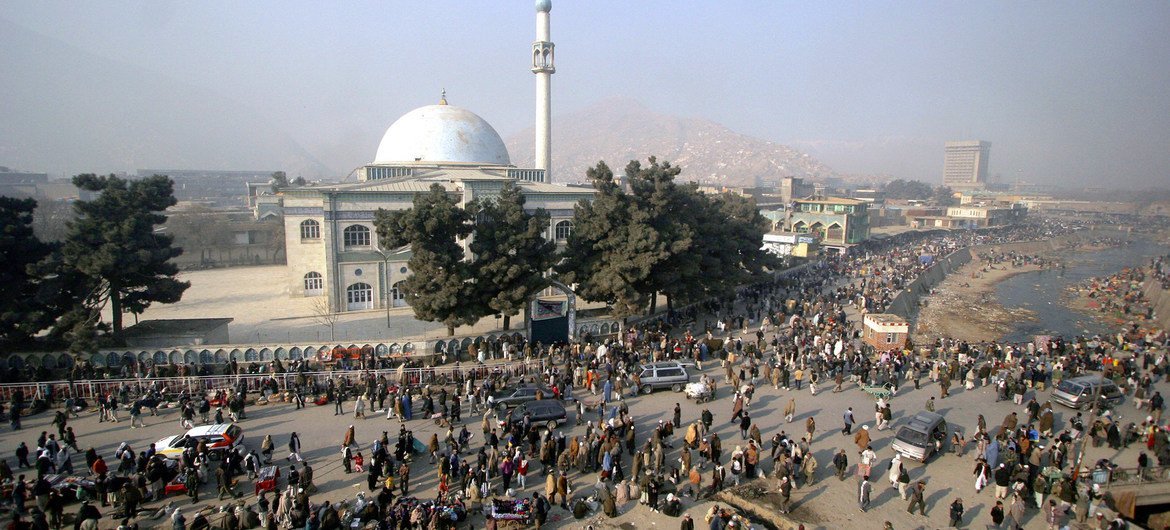
UNAMA/Freshta DuniaThe Pul-e-Kheshti Mosque in Kabul, Afghanistan. (file photo) 15 February 2021Human Rights
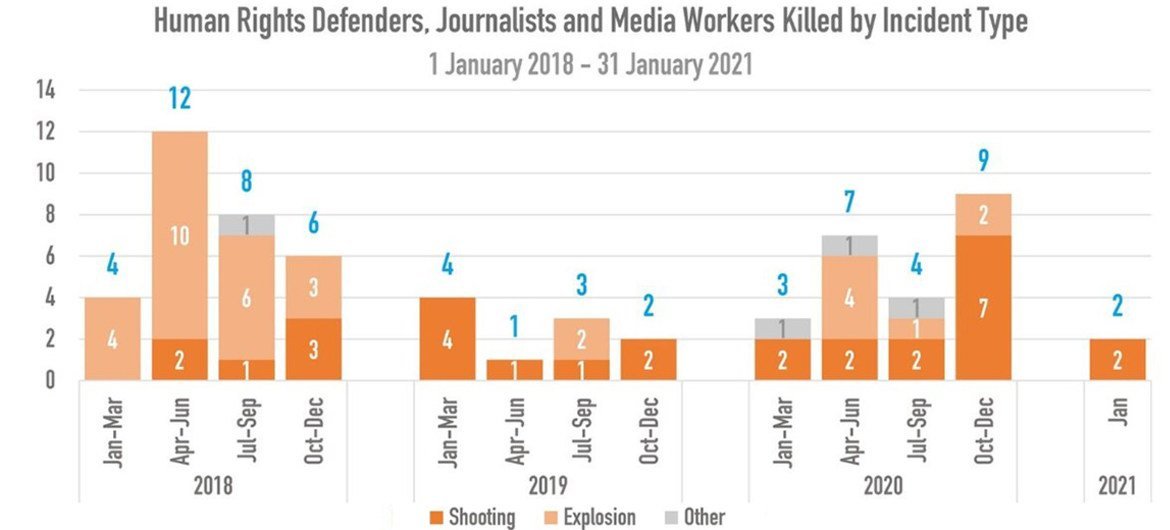
On 15 February 2021 the UN reported that 65 journalists, media professionals and human rights defenders were killed in Afghanistan between 1 January 2018 and 31 January 2021, with 11 losing their lives since the start of peace negotiations last September.
“This trend, combined with the absence of claims of responsibility, has generated a climate of fear among the population”, the UN Assistance Mission in Afghanistan (UNAMA) said in a news release, announcing the findings from its latest report.
“The killings have had the broader impact across society of also diminishing expectations around efforts towards peace”, UNAMA added.
The special report Killings of Human Rights Defender and Media Professionals also documented “changing patterns” of attacks. The most recent wave, that of intentional, premeditated and deliberate targeting of individuals with perpetrators remaining anonymous contrasts to previous years, UNAMA said. In the past, such deaths were mainly as a result of proximity of individuals to attacks by organized armed groups, mainly the Islamic State in the Levant-Khorasan-Province (ISIL-KP), involving the use of improvised explosive devices (IEDs). See also: https://humanrightsdefenders.blog/2020/06/30/car-bomb-kills-two-human-rights-workers-in-afghanistan/
The report underscored the role of all actors in preventing such killings and intimidation, promoting accountability and preventing impunity. Investigations into killings must be independent, impartial, prompt, thorough, effective, credible and transparent, it urged, adding that the prosecution of suspected perpetrators should strictly follow due process and fair trial standards.
Deborah Lyons, Special Representative of the Secretary-General for Afghanistan and the head of UNAMA, underscored the importance of media professionals and human rights activists.
“The voices of human rights defenders and the media are critical for any open and decent society. At a time when dialogue and an end to the conflict through talks and political settlement should be the focus, the voices from human rights and the media need to be heard more than ever before, instead they are being silenced”, she said.
“The Afghan people need and deserve a flourishing civic space – a society where people can think, write and voice their views openly, without fear”, Ms. Lyons added UNAMA reportHuman rights defenders, journalists and media workers killed by incident type
Recommendations
Among its recommendations, the report called on the Government to put in place an adequate preventive framework, including special protective and proactive security measures for rights defenders, journalists and media workers subject to threats or other types of intimidation.
It urged the Taliban to adopt, publicize and enforce policies that prohibit the killings of human rights defenders, journalists and media workers, as well as to repeal existing and refrain from new policies that limit civic space.
The report also called on the international community to continue to engage with rights defenders, journalists and media workers at risk and increase support to programs that provide security, travel, financial, capacity building and other assistance to them.
It also called on non-state actors to stop all killings of human rights defenders, journalists and media workers, in accordance with international human rights and humanitarian law.
Jose Miguel Vivanco, HRW director for the Americas, accuses the Colombian government of failing to act on the murders of rights activists Raul ARBOLEDA AFP
Human Rights Watch on Wednesday 10 Febuary 2021 hit out at Colombia’s government over the rising number of human rights defenders and activists being murdered in the South American country.
Since the 2016 peace accord that ended half a century of fighting between government forces and the Revolutionary Armed Forces of Colombia (FARC), an increasing number of civil society leaders have been killed each year. But “the government has acted slowly and weakly in the implementation of policies to prevent these murders,” HRW said in a statement.
Despite Colombia suffering the largest number of such murders on the continent, “the government’s response has been more focussed on making speeches and announcements than adopting measures that will have an impact in the territories” affected by the violence, said Jose Miguel Vivanco, HRW director for the Americas.
Behind the wave of violence targeting advocates are National Liberation Army Marxist rebels, dissident FARC guerrillas and right-wing paramilitaries, as well as armed drug-trafficking groups. They are fighting each other over access to lucrative cocaine and illegal mining markets.
HRW says most victims were murdered as reprisals for opposing drug-trafficking in their territories, allegedly collaborating with the army or supporting the replacement of illegal coca plantations with legal ones. The digest of Human Rights Laureates lists 50 HRDs in Colombia. See: https://www.trueheroesfilms.org/thedigest
On 4 February 2021 the Business and Human Rights Resource Centre published an opinion piece by Mary Lawlor, the UN Special Rapporteur on Human rights Defenders:
Human rights defenders (HRDs) all over the world face continuous harassment, threats and intimidation, with some even getting killed in response to their work protecting and defending human rights. Since the start of the COVID-19 pandemic, attacks against HRDs have continued with many facing greater risks as some governments misuse the situation to further curtail civil rights, deny participation in public decision-making, and deploy state forces to repress legitimate, peaceful protests and obstruct access to justice.
Many of these attacks are related to business activities. In 2019, the United Nations High Commissioner for Human Rights (OHCHR) documented the killing of 357 HRDs, half of whom worked on land rights, protection of the environment, minority rights and indigenous people rights. These violations are often carried out in the context of extractive industries, energy production, agro-industrial development and other business activities. When human rights are under threat from business activities, HRDs stand up and put themselves at risk to protect these rights and their communities. For an overview of all such HRDs, see: https://www.trueheroesfilms.org/thedigest
A landmark example is that of HRD Mungunkhun Dulmaa in Mongolia. In 2017, the Mongolian Government entered into a mining agreement with Steppe Gold, a Canadian gold mining company. The local community complained about the environmental impact of the agreement, the associated gold mine, and allocation of land to step-mines – lands which had been used by the community for generations. In 2018, members of the affected community staged a protest and were attacked by private security guards, hired by the company. When Ms. Dulmaa tried to video-record the assault as evidence she was detained, beaten and sexually harassed, and the video was deleted from her phone. A year later, when she attempted to report the incident to local police, Ms. Dulmaa received death threats via text, warning her to stop her work. Here, the lack of engagement by companies with potentially affected communities is blatant. In 2020, my predecessor and the UN Working Group on business and human rights sent a communication regarding Ms. Dulmaa’s case to both the Mongolian Government and the company, but neither responded. This signals a real lack of accountability. If we really want to ‘build back better’ and achieve a just recovery,human rights and HRDs need to become a priority for both states and business.
Five steps companies should take to address risks to HRDs in the context of just recovery:
Implement the UN Guiding Principles on Business and Human Rights (UNGPs) through adequate engagement with rightsholders. A recent report from Trinity College, Dublin on 50 large companies and 10 states showed that companies either don’t know or don’t care about the UNGPs. A key part of the implementation of UNGPs is engagement with potentially affected rightsholders and their representatives, including independent trade unions and other civil society organisations. So far, this is not happening: for example, in the Know the Chain benchmark, all companies scored zero on their efforts to support freedom of association. This must change if we want to ‘build back better’: from the earliest possible stage of each project and throughout their supply chains, companies need to engage with potentially affected communities, workers and HRDs representing and supporting them. This needs to include critical voices and companies must give due consideration to the possible objections of HRDs, even if these may render their work and projects more costly, less profitable or even less viable.
Free, prior and informed consent (FPIC) from affected communities, especially indigenous ones, is non-negotiable. It is an essential part of the effective due diligence called for in the UNGPs and a platform to prevent conflict. HRDs, typically leaders in their communities, can help business develop the kind of precise, contextualised understanding of local situations they need if they intend to prevent and address the potential threats to human rights arising from their activities. In assessing risk, both companies and investors, and the social auditors they hire to help them do so, should give adequate weight to independent civil society and community-level information and evidence. This is fundamental when considering actions for just recovery.
This engagement with HRDs and rightsholders must continue for the duration of any business project, because opinions can change over time. Therefore, companies need to constantly keep their door open to HRDs and their input.
Companies should create publicHRDs policies and processes. Business needs to commit to the recognition of communities, HRDs and trade unions as partners by systematically including them in human rights policies and due diligence. They need to commit to a zero-tolerance approach to violence in their supply chains, and enforceable agreements with unions, and consistently prevent, monitor and address risks HRDs face in them.
Companies should also stand with HRDs when they are attacked and release public statements denouncing threats and attacks. Such steps should be taken in consultation with HRDs themselves to increase effective actions that prevent harm and most importantly build trust with HRDs and local communities.
It must be acknowledged some private businesses are already taking positive steps when it comes to protecting HRDs, but most of them do not. This is extremely disappointing and indicates a very strong need for mandatory human rights and environmental due diligence (HREDD). As the UN Special Rapporteur on the situation of HRDs, I strongly support the growing momentum worldwide for mandatory HREDD, and advocate for an early inclusion of rightsholders and HRDs in the legislative process. These laws need to ensure access to justice and the right to an effective remedy, include a business duty to conduct effective, meaningful and informed consultations, and introduce robust safeguards for HRDs and whistle-blowers. An uncritical return to business-as-usual in the post-pandemic period would only perpetuate the deep inequalities between companies, workers and local communities, whereas we have a precious opportunity to reimagine and rebuild an economy that serves and respects the rights of all its participants.
With the launching of the new Digest of human rights laureates by True Heroes Films (THF) today, 2 February 2021, I have decided to centre my blog more on human rights awards and laureates. It will give the blog more focus and this will also help the Digest to stay up to date. After many years of work, True Heroes Films (THF) has made public its gateway to human rights awards and their laureates at www.trueheroesfilms.org/thedigest. The Digest is a new free online tool that gives everybody access to information on human rights awards, including the list of people who received such awards. Over the last 20 years, the human rights movement has discovered the value of awards. The Digest tells that story and makes human rights defenders more visible as an encouragement and role model for others.
Here some specialised user comments: The Digest “will help us demonstrate to the world how many human rights defenders there are in the world and the different human rights they defend and fight for” stated Guadalupe Marengo, Head of Global Human Rights Defenders Programme at Amnesty International.
“It is a useful resource that places individuals, the laureates, at the heart of the search process,” commented Eleanor Davies of the Centre of Applied Human Rights at York University.
“With a simple and straightforward way to find what you are looking for, it helps initiate partnerships,” says Friedhelm Weinberg, Executive Director of HURIDOCS, an organisation specialised in information technology.
For human rights defenders, the Digest allows finding awards and people concerned with similar causes worldwide. Award givers can quickly check their candidates. For media, the Digest means instant access to information on human rights defenders or an award announcement to complete their story.
The Digest was created during 8 years with support from the City of Geneva, Brot für die Welt and the Permanent Mission of the Netherlands to the United Nations Office.
The human rights organization Amnesty International published a scathing report on 25 January 2021 decrying the inhumane conditions in Egyptian prisons. The report comes a decade after the Arab Spring uprising.
The report detailed the experiences of 67 individuals in detention, 10 of whom died in custody and two who died shortly after being released. It was carried out primarily between February 2020 and November 2020 and focused on 16 prisons. It found that:
Prisoners were kept in squalid conditions and received unhealthy food;
There was no proper access to health care, which may have resulted in death;
Overcrowding, poor ventilation and limited access to water and toilets led inevitably to outbreaks of coronavirus.
The report also found that some prisoners were deliberately denied access to health care due to their political affiliations. Activists, politicians and human rights defenders were denied basic treatments available to other inmates. There was also evidence of prison authorities “targeting prisoners critical of the government and denying them adequate food or family visits,” Markus Beeko, Secretary General of Amnesty International in Germany, asserted. According to UN estimates, there are 114,000 people incarcerated in the north African country.
On 22 January 2021 Mary Lawlor also deplored the arrest and prolonged pre-trial detention of human rights defenders and bloggers, and their accusation of being members of a terrorist organisation, continuing Egypt’s practice to intimidate and criminalise human rights defenders, journalists and their families.
“I am extremely concerned by the seemingly unrelenting efforts of the Egyptian authorities to silence dissent and shrink civic space in the country, despite repeated calls from UN mechanisms and the international community,” said Mary Lawlor, UN Special Rapporteur on the situation of human rights defenders.
The Special Rapporteur said she was disturbed by the detention since 2018 of human rights defender and blogger Mohamed Ibrahim Radwan, also known as ‘Mohamed Oxygen’, on charges of “membership of a terrorist organisation” and “misuse of social media” in retaliation for his posts and videos reporting on human rights issues. He was granted conditional release by the Cairo Criminal Court in November last year but was attached to a new case on charges of joining a terrorist organisation and kept in detention. He remains in pre-trial detention in Al-Aqrab Prison, south of Cairo.
Lawlor said that human rights defenders such as researcher and post-graduate student Patrick Zaki, who was arrested in February last year, have endured repeated renewals of detention without trial. “Pre-trial detention should only be used as the exception to the rule, rather than the default approach,” said Lawlor.
“Not only are these human rights defenders, journalists and other civil society actors unduly targeted for their legitimate and peaceful defence of human rights and fundamental freedoms, they are wrongfully accused of belonging to terrorist organisations and portrayed as a national security threat under vague legal provisions,” the Special Rapporteur said. “This is an issue which I and a number of UN experts have previously communicated our concern about to the Egyptian authorities.”
Ten years after the Tahrir square protests in Cairo, Egypt’s human rights record is disastrous. On the occasion of the anniversary of the 2011 revolution, several international campaigns are calling for the release of imprisoned activists writes Sofian Philip Naceur in Qantara.de Violent, authoritarian and extremely paranoid: since his bloody takeover in 2013, Egypt’s President Abdul Fattah al-Sisi has restored a regime whose brutality far outstrips even the reign of long-term ruler Hosni Mubarak. Hopes for real political and social change after the mass uprising that forced Mubarak out of office after 30 years in power have faded away, leaving a disillusionment that is omnipresent.
Egyptian opposition figures are using the current media attention around the tenth anniversary of the “25 January Revolution” to highlight the fate of those currently in prison for their political engagement. Some have been sentenced to heavy jail terms, while others are subjected to pre-trial detention lasting years by the Egyptian security forces and the country’s judiciary. European opposition politicians are also participating in corresponding campaigns.
Eight politicians from Germany’s left-wing party – Die Linke – have signed a solidarity statement calling for the immediate release of all political detainees, which explicitly highlights the fate of six detained leftist activists, journalists and trade unionists. Although the campaign specifically highlights six individual cases, it expresses solidarity not only with Egyptian leftists, but with all those “who are resisting Sisi’s dictatorship”. In addition to journalist Hishem Fouad, who advocated for striking workers and independent trade unions long before 2011, the German politicians are also calling for the release of novelist Ayman Abdel Moati, lawyer and trade union activist Haitham Mohamadeen and trade unionist Khalil Rizk. All four are detained on flimsy, terrorism-related charges.


 UNAMA reportHuman rights defenders, journalists and media workers killed by incident type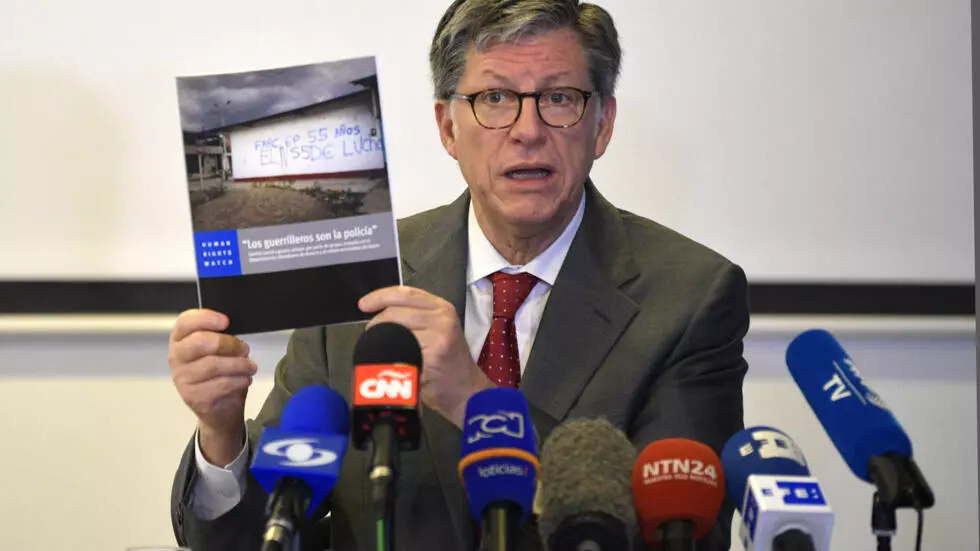

 Hans Thoolen on Human Rights Defenders and their awards