The last 25 years have seen significant developments in international law and standards on the role, recognition and protection of human rights defenders. Five years ago, the Human Rights Defenders World Summit called for action, including to: “Take stock of the developments in normative frameworks related to the protection of defenders since 1998 and further develop and deepen the norms contained in the Declaration with the view to afford enhanced protection”. [see: https://humanrightsdefenders.blog/2019/11/01/one-year-after-the-2018-human-rights-defenders-world-summit/ as well as: https://humanrightsdefenders.blog/2018/12/18/premiere-powerful-video-summarizes-human-rights-defenders-world-summit-2018/]. The Declaration +25 Project is a civil society-led initiative that seeks to do just that while putting civil society at the centre of a conversation fundamental to them and their work – the right to defend rights.
A bit too late to actually follow the event (which took place on 20 June), I like to draw attention to the programme. The event was live-streamed on ISHR’s YouTube channel.
This side event, which is co-sponsored by a number of civil society organisations,
wanted to:
enhance awareness of the UN Declaration on human rights defenders, and of the Declaration +25 Project;
present developments in the last 25 years in international law and standards on the role, recognition and protection of human rights defenders;
encourage greater dialogue on the protection needs of defenders;
hear from human rights defenders on their protection needs and the role the Declaration has played to date.
Speakers:
Ketakandriana Rafitoson, Transparency International – Initiative Madagascar
Camila Zuluaga Hoyos, Colombian Commission of Jurists
Robby Mokgalaka, The Groundwork Trust, South Africa
Birgit Kainz-Labbe, Coordinator of Civic Space Unit, OHCHR
Moderator: Tess McEvoy, International Service for Human Rights
The 53rd session of the UN Human Rights Council started 19 June (to end on 14 July 2023). Thanks to the – as usual – excellent documentation prepared by the International Service for Human Rights (ISHR) I will highlight the themes mostly affecting HRDs.
To stay up-to-date you can follow @ISHRglobal and #HRC53 on Twitter, and look out for its Human Rights Council Monitor. During the session, follow the live-updated programme of work on Sched.
Here are some highlights of the session’s thematic discussions
Human rights of migrants
The Council will consider a resolution on the human rights of migrants this session, where a big problem is the criminalisation of the provision of solidarity and support, including rescues at sea, by migrant rights defenders.
Reprisals
..States raising cases is an important aspect of seeking accountability and ending impunity for acts of reprisal and intimidation against defenders engaging with the UN. It can also send a powerful message of solidarity to defenders, supporting and sustaining their work in repressive environments.
Anexa Alfred Cunningham (Nicaragua), a Miskitu Indigenous leader, woman human rights defender, lawyer and expert on Indigenous peoples rights from Nicaragua, who has been denied entry back into her country since July 2022, when she participated in a session of a group of United Nations experts on the rights of Indigenous Peoples. States should demand that Anexa be permitted to return to her country, community and family and enabled to continue her work safely and without restriction.
Vanessa Mendoza (Andorra), a psychologist and the president of Associació Stop Violències, which focuses on gender-based violence, sexual and reproductive rights, and advocates for safe and legal abortion in Andorra. After engaging with CEDAW in 2019, Vanessa was charged with ‘slander with publicity’, ‘slander against the co-princes’ and ‘crimes against the prestige of the institutions’. She has been indicted for the alleged “crimes against the prestige of the institutions” involving a potentially heavy fine (up to 30,000 euros) and a criminal record if convicted. States should demand that the authorities in Andorra unconditionally drop all charges against Vanessa and amend laws which violate the rights to freedom of expression and association.
Kadar Abdi Ibrahim (Djibouti) is a human rights defender and journalist from Djibouti. He is also the Secretary-General of the political party Movement for Democracy and Freedom (MoDEL). Days after returning from Geneva, where Kadar carried out advocacy activities ahead of Djibouti’s Universal Periodic Review (UPR), intelligence service agents raided his house and confiscated his passport. He has thus been banned from travel for five years. States should call on the authorities in Djibouti to lift the travel ban and return Kadar’s passport immediately and unconditionally.
Hong Kong civil society (Hong Kong): Until 2020, civil society in Hong Kong was vibrant and had engaged consistently and constructively with the UN. This engagement came to a screeching halt after the imposition by Beijing of the National Security Law for Hong Kong (NSL), which entered into force on 1 July 2020. States should urge the Hong Kong authorities to repeal the offensive National Security Law and desist from criminalizing cooperation with the UN and other work to defend human rights.
Maryam al-Balushi and Amina al-Abduli (United Arab Emirates), Amina Al-Abdouli used to work as a school teacher. She was advocating for the Arab Spring and the Syrian uprising. She is a mother of five. Maryam Al Balushi was a student at the College of Technology. They were arrested for their human rights work, and held in incommunicado detention, tortured and forced into self-incriminatory confessions. After the UN Special Procedures mandate holders sent a letter to the UAE authorities raising concerns about their torture and ill treatment in detention in 2019, the UAE charged Amina and Maryam with three additional crimes. The UN Working Group on Arbitrary Detention found their detention arbitrary and a clear case of reprisals for communicating with Special Procedures. In April 2021, a court sentenced them to three additional years of prison for “publishing false information that disturbs the public order”. States should demand that authorities in the UAE immediately and unconditionally release Maryam and Amina and provide them with reparations for their arbitrary detention and ill-treatment.
Other thematic reports
At this 53rd session, the Council will discuss a range of civil, political, economic, social and cultural rights through dedicated debates with the mandate holders and the High Commissioner, including:
The Special Rapporteur on the rights to freedom of peaceful assembly and of association
The Independent Expert on protection against violence and discrimination based on sexual orientation and gender identity
The Special Rapporteur on the right to freedom of expression
The Special Rapporteur on the right to health
The Special Rapporteur on extrajudicial, summary of arbitrary executions
The Special Rapporteur on promotion and protection of human rights in the context of climate change
The Special Rapporteur on contemporary forms of racism, racial discrimination, xenophobia and related intolerance
The Working Group on the issue of human rights and transnational corporations and other business enterprises
The High Commissioner on the importance of casualty recording for the promotion and protection of human rights
The Special Adviser to the Secretary-General on the Prevention of Genocide
In addition, the Council will hold dedicated debates on the rights of specific groups including:
The Working Group on discrimination against women and girls
The Special Rapporteur on violence against women and girls, its causes and consequences
The Special Rapporteur on the human rights of migrants
The Special Rapporteur on trafficking in persons, especially women and children
The Special Rapporteur on independence of judges and lawyers
#HRC53 | Country-specific developments
Afghanistan
The Human Rights Council will hold its Enhanced Interactive Dialogue on Afghanistan, with the Special Rapporteur on the situation in Afghanistan and the Working Group on Discrimination against Women in Law and Practice. The joint report of the two mandates follows up from an urgent debate held last year on the situation of women and girls in the country. Their visit to the country concluded that there exist manifestations of systemic discrimination violating human rights and fundamental freedoms in both public and private lives. ISHR has joined many around the world to argue that the situation amounts to gender apartheid, and welcomes the call of the two mandate holders to develop normative standards and tools to address this as “an institutionalised system of discrimination, segregation, humiliation and exclusion of women and girls”. The gravity and severity is urgent, and requires that States act on the ongoing calls by Afghan civil society to establish an accountability mechanism for crimes against humanity.
Algeria
On 15 June, fifteen activists and peaceful protesters will face trial in Algiers on the basis of unfounded charges which include ‘enrolment in a terrorist or subversive organisation active abroad or in Algeria’ and ‘propaganda likely to harm the national interest, of foreign origin or inspiration’. The activists were arrested between 23 and 27 April 2021, and arbitrarily prosecuted within one criminal case. If convicted of these charges, they face a prison sentence of up to twenty years. This case includes HRDs Kaddour Chouicha, Jamila Loukil and Said Boudour who were members of the LADDH before its dissolution by the Administrative Court of Algiers following a complaint filed by the Interior Ministry on 29 June 2022. We urge States to monitor the prosecution closely, including by attending the trial. We also urge States to demand that Algeria, a HRC member, end its crackdown on human rights defenders and civil society organisations, amend laws used to silence peaceful dissent and stifle civil society, and immediately and unconditionally release arbitrarily detained human rights defenders.
China
The recent findings of the Committee on Economic, Social and Cultural Rights in March, the Committee on the Elimination of Discrimination against Women in May, and the seven key benchmarks on Xinjiang by 15 Special Rapporteurs add up to wide range of UN expert voices that have collectively raised profound concern at the Chinese government’s treatment of Uyghurs, Tibetans, Hong Kongers and HRDs in mainland China. Seldom has the gap between the breadth of UN documentation on crimes against humanity and other grave violations and the lack of action by the Human Rights Council in response to such overwhelming evidence been so flagrant: the Council’s credibility is at stake. ISHR calls on the Council to promptly adopt a resolution requesting updated information on the human rights situation in Xinjiang, and a dialogue among all stakeholders on the matter. Governments from all regions should avoid selectivity, put an end to China’s exceptionalism, and provide a meaningful response to atrocity crimes on the basis of impartial UN-corroborated information.
The recent convictions of prominent rights defenders Ding Jiaxi and Xu Zhiyong to 12 and 14 years in jail respectively, and the recent detention of 2022 Martin Ennals awardee Yu Wensheng and his wife Xu Yan for ‘subversion of State power’ a year after his release, point to the need for sustained attention to the fate of HRDs in China. States should address in a joint statement the abuse of national security and other root causes of violations that commonly affect Uyghurs, Tibetans, Hong Kongers and mainland Chinese HRDs. States should also ask for the prompt release of human rights defenders, including human rights lawyers Chang Weiping, Yu Wensheng and Ding Jiaxi, legal scholar Xu Zhiyong, feminist activists Huang Xueqin and Li Qiaochu, Uyghur doctor Gulshan Abbas, Hong Kong lawyer Chow Hang-tung, and Tibetan climate activist A-nya Sengdra.
Egypt
Since the joint statement delivered by States in March 2021 at the HRC, there has been no significant improvement in the human rights situation in Egypt despite the launching of the national human rights strategy and the national dialogue. The Egyptian government has failed to address, adequately or at all, the repeated serious concerns expressed by several UN Special Procedures over the broad and expansive definition of “terrorism”, which enables the conflation of civil disobedience and peaceful criticism with “terrorism”. The Human Rights Committee raised its concerns “that these laws are used, in combination with restrictive legislation on fundamental freedoms, to silence actual or perceived critics of the Government, including peaceful protesters, lawyers, journalists, political opponents and human rights defenders”. Egyptian and international civil society organisations have been calling on the HRC to establish a monitoring and reporting mechanism on the human rights situation in Egypt, applying objective criteria and in light of the Egyptian government’s absolute lack of genuine will to acknowledge, let alone address, the country’s deep-rooted human rights crisis.
Israel and OPT
Civil society continues to call on the OHCHR to implement, in full, the mandate provided by HRC resolution 31/36 of March 2016 with regards to the UN database of businesses involved in Israel’s illegal settlement industry. The resolution mandated the release of a report containing the names of the companies involved in Israel’s settlement enterprise, to be annually updated. The initial report containing a list of 112 companies was released by the OHCHR in February 2020, three years after the mandated release date and despite undue political pressure. Since then, the UN database has not been updated. UN member states should continue to call on the OHCHR to implement the mandate in full and publish an annual update, as this represents a question of credibility of the Office of the High Commissioner and the Council.
The Commission of Inquiry on the Occupied Palestinian Territory, including East Jerusalem, and Israel will present its second report to the Council on 20 June. Member states should continue to support the work of the CoI to investigate the root causes of the situation in line with its mandate with a view to putting an end to 75 years of denial of the Palestinian’s people inalienable rights to self-determination and return. As the Palestinian people commemorate 75 years of Nakba (the destruction of Palestinian homeland and society), the CoI needs to address the root causes of the situation, including by investigating the ongoing denial of the Palestinian people’s right to self-determination and the return of refugees, as well as the ongoing forcible displacement of Palestinians on both sides of the Green Line in the context of Israel’s imposition of a system of colonial apartheid.
In addition, on 10 July, the Council will hold an interactive dialogue with the Special Rapporteur on the situation of human rights in the Palestinian territories occupied since 1967.
Saudi Arabia
In light of the ongoing diplomatic rehabilitation of crown prince and de facto ruler Mohammed bin Salman, the Saudi authorities’ brazen repression continues to intensify, as ALQST has documented. Some notable recent trends include, but are not limited to: the further harsh sentencing of activists for peaceful social media use, such as women activists Salma al-Shehab (27 years), Fatima al-Shawarbi (30 years and six months) and Sukaynah al-Aithan (40 years); the ongoing detention of prisoners of conscience beyond the expiry of their sentences, some of whom continue to be held incommunicado such as human rights defenders Mohammed al-Qahtani and Essa al-Nukheifi, and; regressive developments in relation to the death penalty, including a wave of new death sentences passed and a surge in executions (47 individuals were executed from March-May 2023), raising concerns for those currently on death row, including several young men at risk for crimes they allegedly committed as minors. We call on the HRC to respond to the calls of NGOs from around the world to create a monitoring and reporting mechanism on the ever-deteriorating human rights situation in Saudi Arabia.
Nicaragua
Continued attention should be paid by States at the HRC to the steadily worsening situation in Nicaragua. On 2 June, the spokesperson for the UN High Commissioner for Human Rights raised ‘growing concerns that the authorities in Nicaragua are actively silencing any critical or dissenting voices in the country and are using the justice system to this end’. The OHCHR reports 63 individuals arbitrarily detained in May alone, with 55 charged with ‘conspiracy to undermine national integrity’ and ‘spreading false news’ within one single night, without access to a lawyer of their choosing. States should express support for the monitoring and investigation work of the OHCHR and the Group of Human Rights Experts on Nicaragua (GHREN), and call on the Nicaraguan government to release the remaining 46 political prisoners, revoke its decision to strip deported political prisoners off their nationality, and take meaningful measures to prevent, address and investigate violence by armed settlers against Indigenous Peoples and Afro-descendants.
Russia
Russia’s war of aggression against Ukraine has also been accompanied by a domestic war of repression against human rights defenders, independent journalists and political dissent. Most recently, Russia has adopted a sweeping new law criminalising assistance to or cooperation with a range of international bodies, including the International Criminal Court, ad hoc tribunals, foreign courts and arguably even the UN Human Rights Council itself. This law is manifestly incompatible with the right to communicate and cooperate with international bodies, and a flagrant and institutionalised case of reprisal. With Russian authorities having been found by a UN-mandated Commission of Inquiry to be possibly responsible for crimes against humanity and war crimes, and having a closed and highly repressive environment for civil society (ranking 17/100 in the CIVICUS Monitor), Russia is plainly unfit to be elected to the UN Human Rights Council and should be regarded as an illegitimate candidate. States should support and cooperate with the mandate of the new Special Rapporteur on the human rights situation in Russia, as well as with the Commission of Inquiry into human rights violations and abuses associated with Russia’s illegal war of aggression against Ukraine.
Sudan
Since the beginning of the war in Sudan on 15 April 2023, increasing numbers of Sudanese WHRDs are receiving threats and subject to grave danger. WHRDs are facing challenges in evacuating from Sudan and face further protection risks in neighboring countries. Sudanese women groups and WHRDs are risking their lives to provide support, solidarity, and report on the rising numbers of sexual and gender-based violence crimes. Many survivors are trapped in fighting areas unable to access support, and the occupation of hospitals by RSF is hindering women’s access to health services. The Council must urgently establish an international investigation in Sudan with sufficient resources, including to investigate the threats and reprisals against WHRDs for their work, and to document sexual and gender-based violence. During the debate with the High Commissioner and designated expert on Sudan on 19 June, we urge States to condemn sexual and gender-based violence (SGBV). States should highlight the impacts of the war on women and girls, including sexual and reproductive health as well as lack of support services for survivors of SGBV. States should reaffirm the importance of participation of women and their demands, and amplify the critical work of WHRDs on the ground despite the imminent risks to their lives and safety. States should also condemn the increasing threats against WHRDs and demand their effective protection.
Venezuela
On 5 July, the High Commissioner will present his report on the human rights situation in Venezuela, which will include an assessment of the level of implementation of UN recommendations already made to the State. The Council focus on Venezuela remains critical at a time when some States’ efforts to normalize relations with Venezuela risk erasing human rights from key agendas. Council members and observers should actively engage in the interactive dialogue with the High Commissioner to make evident that the human rights situation in the country remains at the heart of their concerns. The human rights and humanitarian situation in the country remains grave. Human rights defenders face ongoing and potentially increasing restrictions. We urge States to:
Express concern about the NGO bill, sitting with the Venezuelan National Assembly, and call for it to be withdrawn. The potential implications of this bill are to drastically shrink civic space, including by criminalising the work of human rights defenders;
Call for the release of all those detained arbitrarily – including defender Javier Tarazona who has been held since July 2021 and whose state of health is deteriorating;
Call for the rights of human rights defenders and journalists to be respected including during electoral periods, with a mind to Presidential elections next year; and
Call on Venezuela to engage fully with all UN agencies and mechanisms, including OHCHR, and develop a clear plan for the implementation of UN human rights recommendations made to it.
Tunisia
Civil society organisations have raised alarm at the escalating pattern of human rights violations and the rapidly worsening situation in Tunisia following President Kais Saied’s power grab on 25 July 2021 leading to the erosion of the rule of law, attacks on the independence of the judiciary, a crackdown on peaceful political opposition and abusive use of “counter-terrorism” law, as well as attacks on freedom of expression. The High Commissioner has addressed the deteriorating situation in the three latest global updates to the HRC. Special Procedures issued at least 8 communications in less than one year addressing attacks against the independence of the judiciary, as well as attacks against freedom of expression and assembly. Despite the fact that in 2011 Tunisia extended a standing invitation to all UN Special Procedures, and received 16 visits by UN Special Procedures since, Tunisia’s recent postponement of the visit of the Special Rapporteur on the independence of judges and lawyers, is another sign of Tunisia disengaging from international human rights mechanisms and declining levels of cooperation. The upcoming session provides a window of opportunity for the Council to exercise its prevention mandate and address the situation before the imminent risk of closure of civic space in Tunisia and regress in Tunisia’s engagement with the HRC and its mechanisms is complete.
Syria
On 5 July, the Council will hold an interactive dialogue with the Commission of Inquiry on Syria. In a report to the Human Rights Council in 2021, the Commission of Inquiry on Syria called for the establishment of a mechanism to reveal the fate of the missing and disappeared. On 28 March 2023, during the 77th session of the UN General Assembly, the Secretary-General and UN High Commissioner for Human Rights briefed UN Member States on the situation of the missing in Syria, and the findings of the study conducted by the Secretary-General as mandated by Resolution UNGA 76/228. The study concluded that in order to address the situation of the missing in Syria and its impact on families’ lives, it is necessary to create an institution to reveal the fate and whereabouts of the disappeared and to provide support to their families. As discussions are taking place in the UNGA to adopt a resolution establishing a humanitarian institution to reveal the fate and whereabouts of the disappeared, civil society, led by the Truth and Justice Charter, urges States to support the families of the missing to know the truth about the fate and whereabouts of their loved ones by voting in favour of the resolution at the UNGA.
Other country situations
The High Commissioner will present the annual report on 19 June. The Council will hold an interactive dialogue on the High Commissioner’s annual report on 20 June 2023. The Council will hold debates on and is expected to consider resolutions addressing a range of country situations, in some instances involving the renewal of the relevant expert mandates. These include:
Interactive Dialogue with the Special Rapporteur on Eritrea
Interactive Dialogues with the High Commissioner and the Special Rapporteur on Myanmar
Interactive Dialogue with the Special Rapporteur on Burundi
Interactive Dialogue with the High Commissioner on Ukraine
Interactive Dialogue with the Special Rapporteur on Belarus
Interactive Dialogue with the Fact-Finding Mission on Iran
Interactive Dialogue with the Independent Expert on Central African Republic
Appointment of mandate holders
The President of the Human Rights Council has proposed candidates for the following mandates:
Special Rapporteur on minority issues (Mr Nicolas Levrat, Switzerland)
Special Rapporteur on the human rights of migrants (Ms Anna Triandafyllidou, Greece)
Special Rapporteur on the promotion and protection of human rights and fundamental freedoms while countering terrorism (Mr Ben Saul, Australia).
Resolutions to be presented to the Council’s 53rd session
At the organisational meeting on 5 June the following resolutions (selected) were announced (States leading the resolution in brackets):
Human rights situation in Syria (Germany, France, Italy, Jordan, Netherlands, Qatar, Turkey, USA, UK)
New and emerging digital technologies and human rights (Austria, Brazil, Denmark, South Korea, Morocco, Singapore)
Civil society space (Chile, Ireland, Japan, Sierra Leone, Tunisia)
Independence and impartiality of the judiciary, jurors and assessors, and the independence of lawyers – mandate renewal (Australia, Botswana, Hungary, Maldives, Mexico, Thailand)
Human rights of migrants (Mexico)
Mandate of the Special Rapporteur on the situation of human rights in Belarus – mandate renewal (EU)
Mandate of the Special Rapporteur on the human rights situation in Eritrea – mandate renewal (EU)
Business and human rights – mandate renewal (Russian Federation, Ghana, Argentina and Switzerland)
Extrajudicial, summary or arbitrary executions – mandate renewal (Finland, Sweden)
Situation of human rights of Rohiynga muslims and other minorities in Myanmar (Pakistan on behalf of OIC)
Adoption of Universal Periodic Review (UPR) reports
During this session, the Council will adopt the UPR working group reports on Argentina, Benin, Czechia, Gabon, Ghana, Guatemala, Japan, Pakistan, Peru, Republic of Korea, Sri Lanka, Switzerland and Zambia.
Panel discussions
During each Council session, panel discussions are held to provide member States and NGOs with opportunities to hear from subject-matter experts and raise questions. 5 panel discussions are scheduled for this upcoming session:
Panel discussion on the measures necessary to find durable solutions to the Rohingya crisis and to end all forms of human rights violations and abuses against Rohingya Muslims and other minorities in Myanmar
Annual full-day discussion on the human rights of women [accessible panel]. Theme: Gender-based violence against women and girls in public and political life
Annual full-day discussion on the human rights of women [accessible panel]. Theme: Social protection: women’s participation and leadership
Annual panel discussion on the adverse impacts of climate change on human rights [accessible panel]. Theme: Adverse impact of climate change on the full realisation of the right to food
Panel discussion on the role of digital, media and information literacy in the promotion and enjoyment of the right to freedom of opinion and expression [accessible panel]
On 26 May 2023 The Asian Forum for Human Rights and Development (FORUM-ASIA) called for quashing the convictions of NagaWorld union leader Chhim Sithar alongside eight members of the Labor Rights Supported Union of Khmer Employees of NagaWorld (LRSU).
FORUM-ASIA strongly condemns the verdict given on 25 May 2023 by a Phnom Penh municipal court. The trade unionists were convicted of ‘incitement to commit a felony or disturb social security’ under Criminal Code Articles 494 and 495.
Sithar was sentenced to two years in prison. Meanwhile, the other union members were sentenced to one to one and a half years in prison and received suspended sentences or judicial supervision.
‘We urge the court to overturn the verdict as Cambodian authorities are abusing the criminal justice system by targeting union leaders and other labour rights advocates. We call on the Cambodian Government to immediately release Sithar. This is the umpteenth unfair decision that exemplifies the government’s contempt for democratic principles as well as Hun Sen’s attempts to silence critical voices months before the national elections,’ said Mary Aileen D. Bacalso, Executive Director of FORUM-ASIA.
Alongside other union members, Sithar was first arrested in January 2022 and held in pre-trial detention for two months after being charged with incitement to commit a crime for leading a peaceful strike demanding higher wages for workers and the reinstatement of hundreds of union members who believe they were unjustly fired in December 2021. After being released on bail, Sithar was once again detained in November 2022 for allegedly violating her bail by travelling abroad to join a trade union conference without court approval.
The trial against Sithar and her eight co-defendants–Chhim Sokhorn, Hay Sopheap, Kleang Soben, Ry Sovandy, Sok Kongkea, Sok Narith, Sun Sreypich, and Touch Sereymeas–began in January 2023. During the trial, Sithar stated that the LRSU has followed all legal protocols for their protest against mass layoffs and alleged union-busting, only launching the strike after all viable mediation efforts were exhausted. Meanwhile, prosecutors claimed that Sithar and LRSU members are guilty of leading a strike for more than a year even after authorities have declared the strike to be illegal.
Nevertheless, in February 2023, Sithar won the prestigious Human Rights Defenders Award– from the US Department of State–for her exceptional courage and leadership in advocating for the promotion and protection of universally recognised human rights and fundamental freedoms.
Mariana de la Fuente, is a human rights defender who fights against slave labour and human trafficking in Brazil. According to ILO, more than 57,000 workers in Brazil were rescued in conditions similar to slavery – between 2003 to 2021.
De Lima, who has now been in detention for more than six years, was acquitted for allegedly trading illegal drugs while she was secretary of justice, after being acquitted in the first case against her in 2021. Both cases were evidently fabricated and there is no reason to think that the third case against her is any more credible.
Then-President Rodrigo Duterte directed de Lima’s persecution in response to her attempts to investigate killings that took place in the early stages of Duterte’s “war on drugs” in 2016. But Duterte’s enmity toward her started in the late 2000s when, as chair of the Commission on Human Rights, de Lima began an investigation into killings attributed to a “death squad” operating in Davao City, where Duterte was the mayor. The International Criminal Court (ICC) is investigating those killings as well as numerous “drug war” killings that took place while Duterte was president. In 2019, as part of his efforts to avoid international justice, Duterte withdrew the Philippines from the ICC’s Rome Statute, which obligates states party to the treaty to cooperate with the court.
While de Lima’s latest acquittal brings hope that her unjust detention may be ending sooner rather than later, she never should have been prosecuted or held in pretrial detention without bail. Duterte’s improper influence over the Department of Justice was evident by the recanting of the testimony of three key witnesses in this case, saying they had been coerced.
This is an opportunity for the Department of Justice to regain some of its credibility by dropping the outstanding case against de Lima. But there also needs to be accountability. President Ferdinand Marcos Jr., who last week conceded abuses were committed in the “war on drugs,” should urgently launch an inquiry into how the levers of the justice system were manipulated against de Lima and implement reforms to ensure such politicization of the justice system never happens again.
This is echoed by anOpen Letter to the Government of the Philippines on 24 May 2023 by
Asian Forum for Human Rights and Development (FORUM-ASIA)
Balay Alternative Legal Advocates for Development in Mindanaw (Balaod Mindanaw)
Karapatan Alliance Philippines (KARAPATAN)
Philippine Collective for Modern Heroism (Dakila)
Purple Action for Indigenous Women’s Rights (LILAK)
They welcome the acquittal of Leila de Lima, former Senator and chairperson of the Commission on Human Rights of the Philippines, on one of her two remaining politically motivated charges on 12 May 2023 by a Muntinlupa court….
De Lima’s arrest is in violation of her constitutional rights as a sitting senator and in contravention of international human rights law. The arrest is purely based on politically-motivated charges, following her senate investigation into the thousands of extrajudicial killings under Duterte’s ‘war on drugs.’….De Lima should never have been detained in the first place.
The arbitrary detention and mistreatment of former Senator de Lima reflect the Duterte administration’s judicial harassment of human rights defenders as well as the Philippines’ shrinking civic space. Nearly a year after President Ferdinand Marcos Jr. took office in June 2022, de Lima’s case remains stagnant. The slow progression of the case demonstrates both the previous and current Philippine administrations’ unwillingness to seek justice and accountability…
FORUM-ASIA alongside its reputable Philippine member organisations urge your Excellencies 1) to immediately and unconditionally drop the remaining politically motivated charges against de Lima; 2) to request the Muntinlupa court to grant her bail petition for release; 3) and to provide compensation and other reparations for the human rights violations she was made to endure.
Philippine authorities should release and allow de Lima to be reunited with her loved ones after six long years.
We demand the immediate release of de Lima and all other political prisoners who have been persecuted for their work and beliefs in human rights and social justice.
Earlier on Monday, 9 January 2023 the International Network for Economic, Social and Cultural Rights had rejoiced in the acquittal of members of Karapatan, – the Alliance for the Advancement of People’s Rights – and their allies GABRIELA – National Alliance of Women – and the Rural Missionaries of the Philippines (RMP) in the face of the perjury charges brought against them by the Philippine authorities.
The Quezon City Metropolitan Trial Court Branch 139 issued its judgment on the retaliatory and trumped-up perjury case against ten human rights defenders, Karapatan Chairperson, Elisa Tita Lubi; Karapatan Secretary General, Cristina “Tinay” Palabay; Karapatan Deputy Secretary General, Roneo Clamor; Karapatan Treasurer, Gabriela Grista Dalena; Karapatan National Council members, Edita Burgos, Wilfredo Ruazol, and Jose Mari Callueng; GABRIELA Chairperson, Gertrudes Ranjo Libang; GABRIELA Secretary General, Joan May Salvador, and member of the Rural Missionaries of the Philippines, Emma Cupin, acquitting them of all charges.
In a case of judicial harassment, which started in July 2019, the then-National Security Adviser Hermogenes Esperon Jr. submitted a perjury complaint against the three organizations related to the registration of the Rural Missionaries of the Philippines. Although the case was initially dismissed for lack of probable cause and sufficient evidence, in February 2020 the Quezon City Prosecutor, Vimar Barcellano, granted a motion for reconsideration of the perjury case.
The judicial harassment resulted in global condemnation from civilsociety, Members of the EuropeanParliament and the UN Special Rapporteur on the situation of human rights defenders calling on the Philippine authorities to put an end to the judicial harassment faced by the ten human rights defenders and the wider human rights movement in the country.
While we celebrate the acquittal, we remain as committed as ever to stand in solidarity with members and the wider human rights community in the Philippines in their struggles to advance human rights and social justice for all.
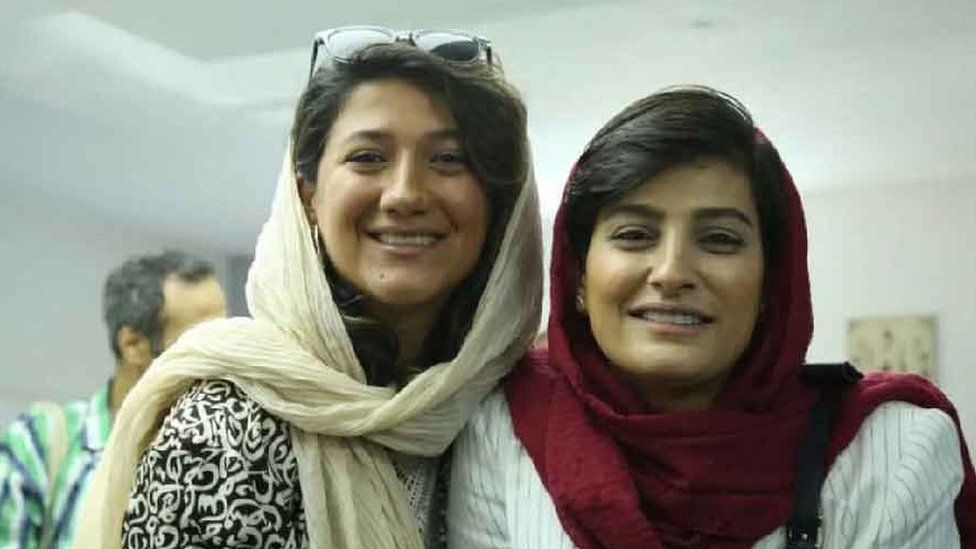
Image caption, Niloufar Hamedi and Elaheh Mohammadi have been detained in Iran for more than 200 days
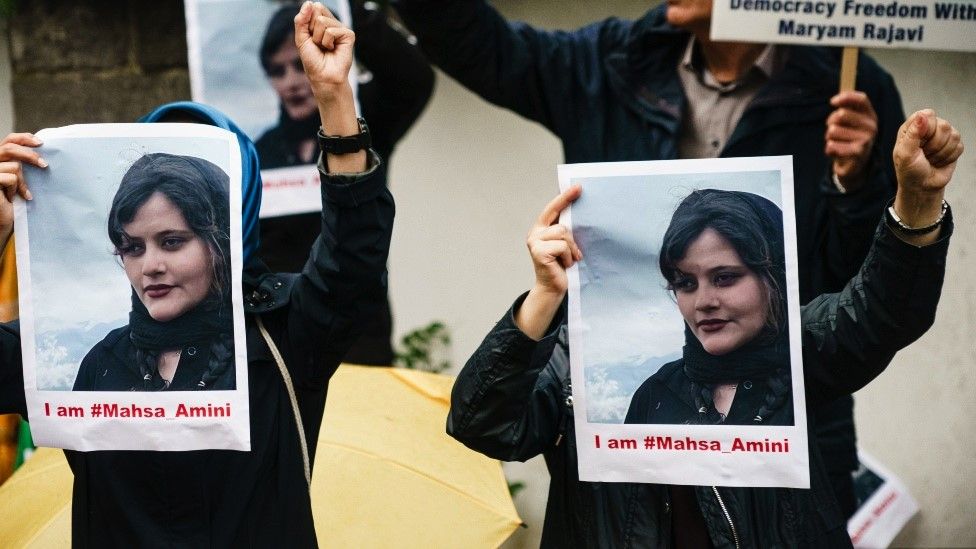
BBC Persian Service on 5 May 2023 drew attention to the fate of the two journalists who reported first on Mahsa Amini, whose name made headlines around the world when she died in custody last September, sparking waves of protests in Iran. But not many people have heard of Niloufar Hamedi and Elaheh Mohammadi.
The two female journalists helped break the story of Ms Amini’s death and have been detained in two of Iran’s most notorious prisons ever since. On Tuesday, they and the imprisoned Iranian human rights activist Narges Mohammadi were awarded the 2023 Guillermo Cano World Press Freedom Prize by the United Nations’ cultural agency, UNESCO.”They paid a hefty price for their commitment to report on and convey the truth. And for that, we are committed to honouring them and ensuring their voices will continue to echo worldwide until they are safe and free,” said Zainab Salbi, the jury chair. For more on Narges, see; https://www.trueheroesfilms.org/thedigest/laureates/07C20809-99E2-BDC0-FDC3-E217FF91C126
On 22 September, just six days after she tweeted a photograph of Mahsa’s grieving family, Niloufar Hamedi was arrested. Security forces also raided Elaheh Mohammadi’s home at the same time, seizing her electronic devices. On 29 September, she too was arrested.
Both Ms Hamedi and Ms Mohammadi were already known for hard-hitting news reports and coverage of human rights issues.
“Journalists in Iran are risking their lives on a daily basis to report on the conditions and oppressions there,” the Harvard fellows noted.
Image caption, Mahsa Amini’s death led to a wave of protests in Iran and rallies in solidarity around the world
Ms Hamedi and Ms Mohammadi have meanwhile been kept in harsh conditions at Evin prison in Tehran and Qarchak Women’s Prison, south of the city. Reports from inside Qarchak suggest that the facilities are inhumane, with a lack of medicine, food and even safe drinking water or clean air. Ms Mohammadi lost 10kg (22lbs) in the first three months of her detention, her husband wrote on his Instagram page.
Both women have also struggled to access legal support. The first lawyer appointed to represent the pair said in October that he was unable to communicate with them or access the legal documents surrounding their arrests. Less than a month later, he was himself arrested. The journalists’ families have struggled with the pain of not knowing what is going to happen to them.
“I’m asked, ‘What do the authorities tell you?’ I’m not even sure which institution or person to contact,” Ms Hamedi’s husband, Mohammad Hossein Ajorlou, said in an interview with Sharq.
He too has found it difficult to get information about what his wife is accused of and what is likely to happen to her.
At the end of October, Iran’s ministry of intelligence and the intelligence agency of the Revolutionary Guards issued a statement accusing Ms Hamedi and Ms Mohammadi of being trained by the US Central Intelligence Agency to foment unrest in Iran.
Their newspapers denied the allegations and insisted they had just been doing their jobs.
Last week, after they had both spent more than 200 days in custody, the Iranian judiciary announced that Ms Hamedi and Ms Mohammadi had been indicted and their cases referred to a court.
On 9 April 2021, the Advisory Council on International Affairs (AIV) received from the Dutch government a request for advice on human rights in a changing world. The basic premise of the request was that the multilateral system, as it has developed since the Second World War, is increasingly under pressure. In the government’s view, autocratic tendencies are eroding the multilateral system from within, and this is having a clear impact on human rights. The request for advice draws attention to several troubling developments. The basic principles enshrined in the Universal Declaration of Human Rights (human dignity, universality, equality/non- discrimination and indivisibility) are being challenged more and more frequently, not only outside the EU but also within it. Due to the rapidly growing influence of autocratically governed states, the preconditions defined by the Netherlands for pursuing an effective international human rights policy, such as space for civil society, cooperation with like-minded partners and the proper functioning of multilateral instruments, are under pressure.
Summary: ….In this advisory report of 28 June 2022, the AIV aims to set out a path – in both conceptional and operational terms – for Dutch human rights policy abroad. To this end, it is important to have a good understanding of how the human rights system came into being and how it has come under pressure in recent decades. ….Historical analysis shows that the relevance of the human rights system has increased in recent decades. Although the universality and legitimacy of the ideas in question are a source of constant debate, empirical research demonstrates to what extent – and under what circumstances – human rights make a difference. The AIV believes that the universality of human rights should be the central focus but it cannot be equated with uniformity in the implementation of those rights. [see also: https://humanrightsdefenders.blog/2019/11/17/rescuing-human-rights-another-way-of-re-assessing-human-rights/]For many states, cultural and historical differences have helped shape their varying approaches to human rights. In fact, universality in the sense of universal acceptance of human rights is actually enhanced and promoted when cultural diversity is acknowledged. Despite all these achievements, the multilateral human rights system is under serious pressure. The beginning of the 21st century was a turning point in this regard. During this period, various events and developments concurred to undermine and erode the multilateral system and the human rights system that had developed over the previous fifty years. These events and developments include 9/11 and the ‘war on terror’, the success and subsequent stagnation of democratic developments and the resulting pressure on civil society, new geopolitical relations, the impact of globalisation and challenges within the human rights system itself. After 11 September 2001, the war on terror in Afghanistan and later in Iraq gave rise to practices that were sometimes at odds with international law. As a result, the West in particular was accused of applying double standards. In addition, while pro-democracy movements in the Arab world and elsewhere achieved successes (thanks in part to social media), they also prompted regimes to respond with repression against civil society and human rights defenders. Alongside a rapid rise in China’s economic, military and political power and self-assurance, the United States’ international involvement was foundering (a trend which intensified later under President Trump) and the Russian Federation became increasingly repressive. In the midst of these geopolitical developments, the EU proved unable to play a significant enough role to prevent the decline of the human rights acquis. Furthermore, the wave of neoliberal globalisation, which was initially regarded as having a positive economic and social impact, also turned out to have negative effects. Both externally and beyond doubt internally, the West was increasingly confronted with rising income and wealth inequality at national level, the growing power of multinational corporations, and the intractable misuse of social media by governments, organisations and individuals. In addition, the human rights system itself faced considerable obstacles: the indivisibility of political, civil, social, economic and cultural rights was not adequately guaranteed and new positive developments, such as the adoption of the Sustainable Development Goals, did not make their human rights component explicit enough. Human rights instruments were further undermined by overextension and insufficient funding, which negatively impacted their effectiveness. Due in part to these developments, the unanimously accepted principle of the universality of human rights was put in jeopardy, partly because states increasingly expressed reservations about the principle and partly because a growing number of autocratic, repressive states appeared to have little or no interest in the human rights acquis. Nevertheless, there have also been some positive developments. New and in some cases global non- governmental movements made up of non-traditional actors, often including young participants, are standing up for social justice and human rights. Businesses are taking a more active approach to showing respect for and promoting human rights, on their own initiative or as a result of external pressure. Professional associations and networks are increasingly cooperating at global level to protect human rights. The EU’s human rights instruments are becoming stronger and more sophisticated in response to external threats and internal negative tendencies in countries such as Hungary and Poland. Finally, a new approach to human rights has taken hold at national and local level, for example in the form of national human rights institutes. In contrast to the aforementioned political and social changes and threats, these developments create new opportunities for the realisation of human rights around the world. However, the question is how the Dutch government should take advantage of these opportunities. How can the Netherlands actively promote human rights around the world while also continuing to respect them at national level? A robust and effective human rights policy requires a strong foreign policy narrative. In this revamped message, human rights are the crucial link between the Netherlands’ core values and policy goals at national and international level. Human rights can be more solidly anchored if they are explicitly incorporated into other global policy areas and narratives, such as the Sustainable Development Goals, climate, the environment and migration. Coalitions with like-minded countries and partnerships with civil society within and outside Europe are essential in this regard. The Netherlands must focus on developing new international and EU instruments to protect human rights and tackle human rights violations, such as the human rights clauses in EU trade, partnership and association agreements. The AIV calls on the government to prioritise human rights. As far as foreign policy is concerned, this requires the Netherlands to take an effective and explicit moral stance in a complex environment characterised by realpolitik and tense international relations. A more integrated approach, new partnerships and the provision of an effective counterweight, based on an understanding of the cultural context in other countries, are key building blocks in this regard. Human rights are not just a worthy ideal but also a clear matter of enlightened self-interest, in that they form a vital link between democracy and the rule of law, on the one hand, and international security, on the other. Idealism need not be shunned, and every effort must be made to preserve the international human rights acquis. In order to achieve this goal, however, a much more pragmatic and realistic approach that recognises today’s realities, including shifts in geopolitical relations, is required. Such an approach has both a foreign and a domestic dimension. In addition to prioritising human rights internationally, the Netherlands also ought to do so at home. This approach requires an appreciation of other viewpoints, but a robust response when internationally accepted, fundamental boundaries are crossed. Only in this way can the Netherlands more effectively protect and promote human rights as a core interest in a changing constellation of political forces.
Being an environmental human rights defender is one of the most dangerous jobs in the world. Every day, government authorities, companies and other non-state actors seek to silence environmental defenders on the frontlines of the global climate and environmental movement through unwarranted persecution, harassment, detention and even murder. As we commemorate International Earth Day on 22 April, an annual celebration honouring those who fight for a clean environment, RFK Human Rights is calling for the international community and national authorities to redouble efforts to strengthen and fortify protection mechanisms for environmental defenders.
According to Front Line Defenders, land, indigenous peoples’ and environmental rights defenders were the most targeted human rights defender (HRD) sector in 2022. Representatives of national governments, private companies, militias and other non-state actors killed 194 land, environmental and indigenous defenders in 2022 accounting for 48 percent of all murdered defenders. Environmental defenders also face routine arbitrary arrest and detention, criminalization, physical abuse, death threats and other forms of repression. Across the world, sparse and tepid investigations into killings of environmental defenders have led to endemic levels of impunity and limited prosecutions. See: https://humanrightsdefenders.blog/2023/04/04/front-line-defenders-just-published-its-global-analysis-2022-new-record-of-over-400-killings-in-one-year/
As part of our work to protect civic space by defending fundamental freedoms, Robert F. Kennedy Human Rights regularly works to ensure that environmental defenders have ready access to protection and accountability mechanisms. Through our strategic litigation programs, we collaborate with local partners to confront these systematic abuses through active litigation at the Inter-American Commission on Human Rights and at the United Nations. Under the auspices of our Speak Truth to Power campaign, we continue to provide human rights education programs that combine storytelling and interactive learning to provide the next generation of environmental defenders with the tools they will need to create change.
Together with various coalitions we constantly bring attention to the critical and invaluable work for environmental defenders. Just last week, RFK Human Rights joined dozens of civil society groups from across the globe to raise awareness about the forced disappearance of Mexican environmental defenders Ricardo Arturo Lagunes Gasca and Antonio Díaz Valencia. Both defenders disappeared on Jan. 15 only hours after participating in an anti-mining community meeting. The disappearances take place amid ongoing violence and persecution of land, indigenous and environmental defenders seeking to protect the environment in Mexico. Impunity for the killing of environmental defenders remains disturbingly high in Mexico– in 2021, according to Global Witness, nearly 95 percent of murders did not result in prosecution.
On 20 March 2023, following the release of the Intergovernmental Panel on Climate Change (IPCC) findings, United Secretary-General Antonio Guterres issued a clarion call “to massively fast-track climate efforts by every country and every sector and on every timeframe.” From the UN Sustainable Development Summit to the UN Climate Conference (COP 28), 2023 is replete with opportunities to institutionalize and codify the cherished ideals of environmentalism which we celebrate on International Earth Day. The international community, together with national governments and the private sector, must seize these crucial moments to publicly recognize the essential work of environmental defenders and recommit to ensure that they can conduct their crucial activities free from repression, reprisal and persecution.
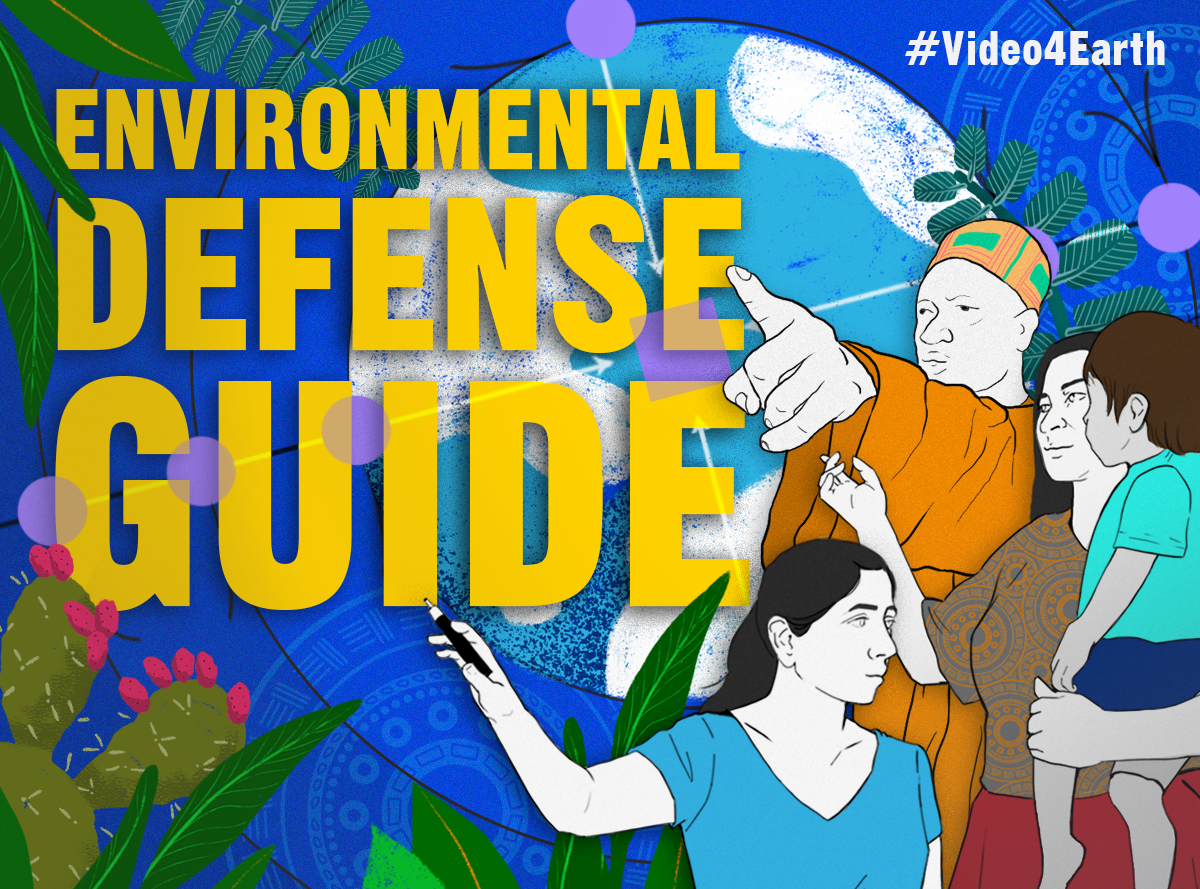
WITNESS recognizes the great risks that environmental defenders take to stand up to power, and understand that the collection of visual evidence is only one strategy communities use to protect their environmental human rights. It wants to support this movement by sharing information and good practices to help community-based documenters collect visual documentation of environmental human rights crimes and violations so that it can be effectively used in advocacy and accountability processes. This Guide is primarily for community members who:
Live where industries that mine, extract oil and gas, build dams, cut timber, clear land for agri-business developments, grab land for high-end real-estate development, and do so in a way that violates the environmental human rights of communities
Want to—and can—safely document these violations with phones, cameras, and drones
Want to—and can—safely use the documentation to protect human rights
Would like to help train others to safely collect relevant and reliable visual documentation for human rights advocacy and accountability.
Human rights defenders around the world are coming together in powerful coalitions and turning to international human rights laws and systems to achieve justice and accountability. And while the threats and challenges remain enormous, we’re starting to win! says ISHR in its latest annual report, outlining key impacts during the last year and its vision for 2023 and the years ahead.
See more achievements by visiting the website! In a recent conversation with Björk, environmental activist Greta Thunberg reflected that hope is not something you feel, but something you do. ‘When people act,’ she said, ‘they create hope’. In 2023, fuelled by indignation and sustained by hope, ISHR’s commitment is to provide solidarity to defenders, contribute to positive momentum and, with your support, achieve even more significant human rights wins!



 Hans Thoolen on Human Rights Defenders and their awards