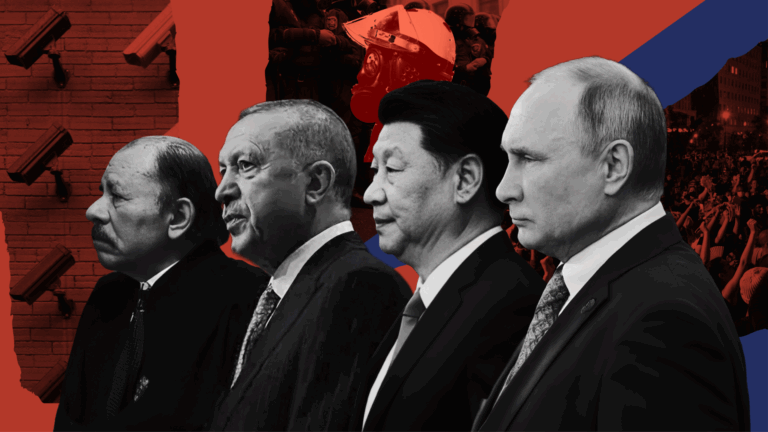
Repressive regimes throughout the world deploy the machinery of the state to silence criticism and dissent. It is therefore hardly surprising that artists—whose creative work can expose, ridicule, and condemn in emotive and powerful ways—are common targets of political persecution. Over the past few years, there have been crackdowns on artists and performers in Russia, Belarus, Cuba, Azerbaijan, Egypt, China, and Venezuela, among other countries. The following artists dared to use their creative expression to challenge powerful systems, and have been punished with political imprisonment. From: Political Prisoners Watch February 19, 2026
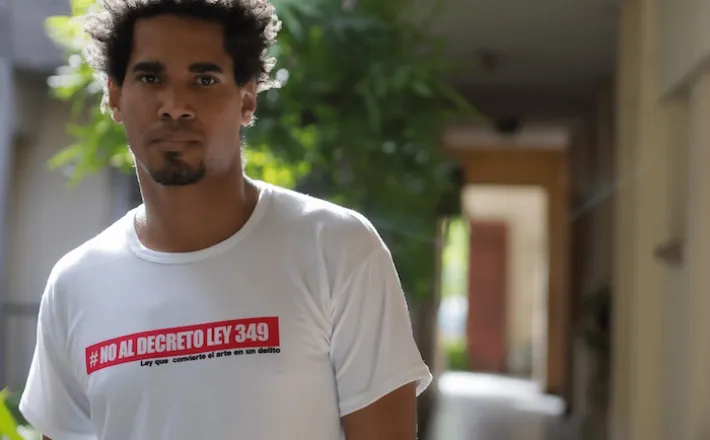
Luis Manuel Otero Alcántara is a Cuban artist and activist whose evocative performance art led to government harassment and numerous periods of detention. After the Cuban government enacted Decree 348 in 2018, which required artists to obtain advance approval for even private performances, he cofounded the San Isidro Movement to protest the increasing censorship of free expression. On July 11, 2021—the start of the historic J11 protests—he was arrested and has been detained ever since. In June 2022, he was sentenced to five years in prison for contempt, public disorder, and insulting symbols of the homeland, and remains in prison in Cuba. [https://humanrightsdefenders.blog/2024/09/19/the-rafto-prize-2024-to-cuban-artivist-luis-manuel-otero-alcantara/]
Maykel Osorbo Castillo Pérez is a Cuban musician who cofounded the San Isidro Movement with Luis Manuel Otero Alcántara. Due to his activism and vocal opposition to the Cuban regime, he was subjected to systemic harassment, including being arrested 121 times in a five-month period. He cowrote the 2021 song Patria y Vida(Homeland and Life), which inspired thousands to demonstrate against Cuba’s repressive regime and won two Latin Grammys. He was not able to accept the awards, however—in May 2021, he was arrested, forcibly disappeared for 14 days, and eventually sentenced to nine years in prison on charges of contempt, public disorder, and defamation of institutions and organizations, heroes, and martyrs.
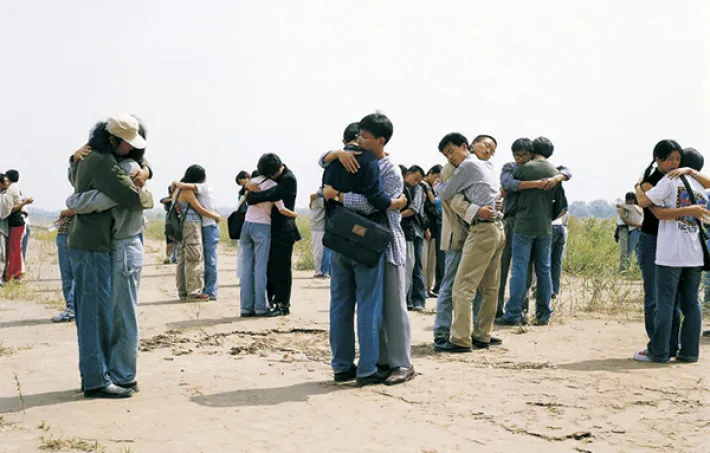
Gao Brothers, The Utopia of the 20 Minute Embrace (2000), modified image via Wikimedia Commons, used under CC BY-SA 3.0.
Gao Zhen is a Chinese artist and US permanent resident who was detained while visiting family in China in August 2024. Avant-garde works by Gao and his brother Gao Qiang—known together as the Gao Brothers—include huge, mirror-like sculptures and other works critiquing Mao Zedong and China’s Cultural Revolution. Authorities allege that Gao committed the offense of “insulting or defaming heroes and martyrs,” though the art in question had been created years before the Law on the Protection of Heroes and Martyrs was enacted. Gao’s wife Zhao Yaliang has been prohibited from leaving China, and she and their young son have remained there since his detention.
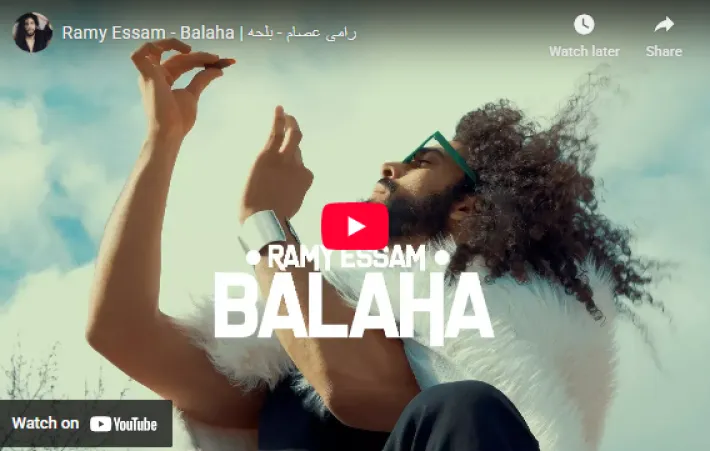
Galal El-Behairy is an Egyptian poet and singer/songwriter who has faced severe retaliation for his artistic work. He wrote the lyrics for the guitar-driven protest song Balaha, which mocked Egyptian President Abdel Fattah al-Sisi and the country’s corrupt establishment. Five days after its release in February 2018, he was arrested by the National Security Police and disappeared for a week. In July 2018, he was sentenced to three years in prison by a military court for allegedly spreading false news and rumors and insulting the Egyptian army in his poetry book The Finest Women on Earth. Although his sentence expired in 2021, he was not released, and he is now facing additional charges including disseminating fake news and joining and aiding a terrorist organization.
Independent human rights experts on 14 January 2026 expressed concern over restrictions faced by human rights defenders in Egypt following their release from detention.
“We recently raised concerns about the continued detention of human rights defenders on renewed and similar charges,” the experts said. “Even those who have been released continue to face restrictions that severely limit their ability to return to normal life.”
Many human rights defenders charged under Egypt’s counterterrorism law have faced a travel ban, had their assets frozen, or ended up back on the country’s terrorism watchlist after being released.
“Such restrictions have severe consequences for the affected individuals and their families and their ability to enjoy economic and social rights,” the experts said.
“This is deeply concerning, particularly given that Egyptian law guarantees the right to appeal asset freeze decisions, which the three individuals have done, but to no avail,” the experts said.
Human rights lawyer Mohamed El-Baqer was detained in connection with several cases involving similar charges. During his incarceration in late 2020, his name was added to Egypt’s terrorism watchlist for a period of five years, leading to a travel ban, withdrawal of his passport, and freezing of his bank account and other assets. El-Baqer received a presidential pardon in 2023, but he has remained on the terrorism watchlist.
“What makes it all the more shocking is that, just one day before the end of the five-year period, El-Baqer was added to the terrorist list for another five years, despite no evidence being provided,” the experts said.
Human rights defender Ahmed Samir Abdel-Hai’ was arrested in early 2021 after returning from university in Vienna where his studies focused on Egypt’s anti-abortion laws. He was sentenced to three years in prison but was freed by a presidential pardon in summer 2022.
Since then, Abdel-Hai has been banned from travelling, with the official reason given being that he was a “threat to national security.”
The experts asked how Abdel-Hai could still be regarded as a threat to the country after he received a presidential pardon.
“These human rights defenders were criminalised under vague counterterrorism laws. They have either served their sentences or been granted presidential pardons. They should not continue to face restrictions,” they said.
The experts urged authorities in Egypt to put an end to these restrictions in line with international human rights standards.
On 14 November 2025, Scilla Alecci of the International Consortium of Investigative Journalists, Inc. (ICIJ) wrote about a parliamentary report which identified China and other authoritarian regimes as harassing and attacking dissidents abroad, echoing findings from ICIJ’s China Targets.
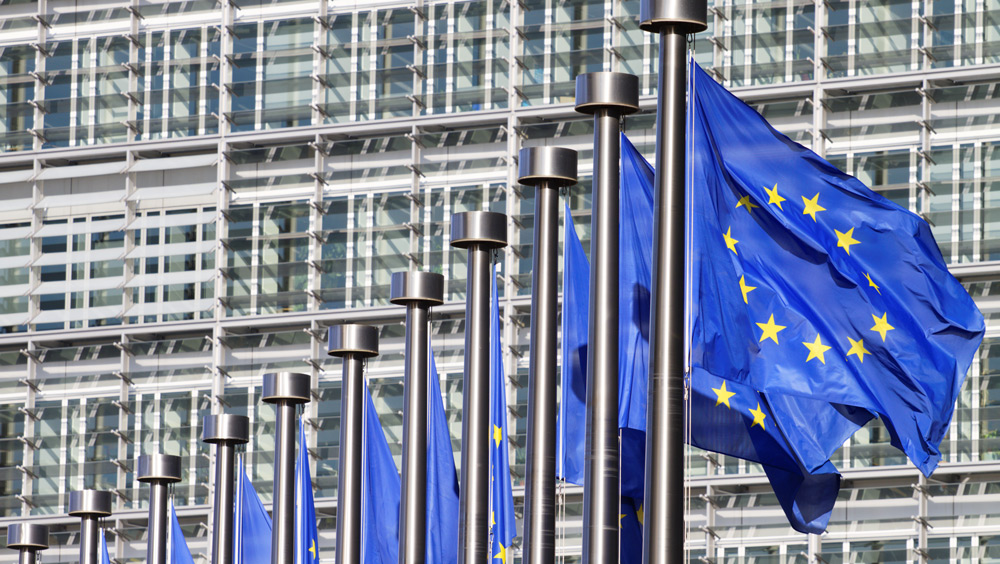
European Parliament in Brussels, Belgium.
The European Parliament has adopted a resolution urging member states to confront efforts by authoritarian regimes to coerce, control or silence political opponents and dissidents living in Europe. “Human rights defenders are a key pillar of democracy and the rule of law, and they are insufficiently protected,” a statement from the parliament said.
The resolution, adopted with a majority of 512 votes (to 76 against and 52 abstentions), called for targeted sanctions against perpetrators, market surveillance of spyware and better coordination among European authorities to counter what lawmakers labeled “transnational repression.”
The resolution is not legally binding but signals that European lawmakers want to take a clear position on the issue and draw attention to it, Elodie Laborie, a spokesperson for the Parliament’s Subcommittee on Human Rights, told the International Consortium of Investigative Journalists in an email.
It confirms findings by ICIJ’s China Targets investigation, which revealed how Beijing continues to use surveillance, hacking and threats against Chinese and Hong Kong dissidents, Uyghur and Tibetan advocates and their families to quash any criticism of the regime abroad.
On 25 September 2025, 11 States raised individual cases of intimidation and reprisal in 15 different countries and territories at the Human Rights Council‘s 60th session. The cases of Kadar Abdi Ibrahim (Djibouti) and Loujain Al-Hathloul (Saudi Arabia) were cited by States. Cases from ISHR’s 2022 and 2024 campaigns were also among the cases mentioned, as well as the case of Basma Mostafa (Egypt) facing transnational repression.
On 16 October 2025, at the Third Committee of the General Assembly‘s 80th session, specific cases and situations of intimidation and reprisal were raised again by Belgium, the Netherlands and Luxembourg during this dialogue with the Assistant Secretary-General. They raised the cases of Human Rights Center Viasna (Belarus), Chow Hang Tung (Hong Kong) and Pham Doan Trang (Viet Nam).
Additionally, 70 States joined the cross-regional statement on reprisals led by Ireland and Uruguay, delivered at the General Discussion on the promotion and protection of human rights (item 71) at the General Assembly’s Third Committee.
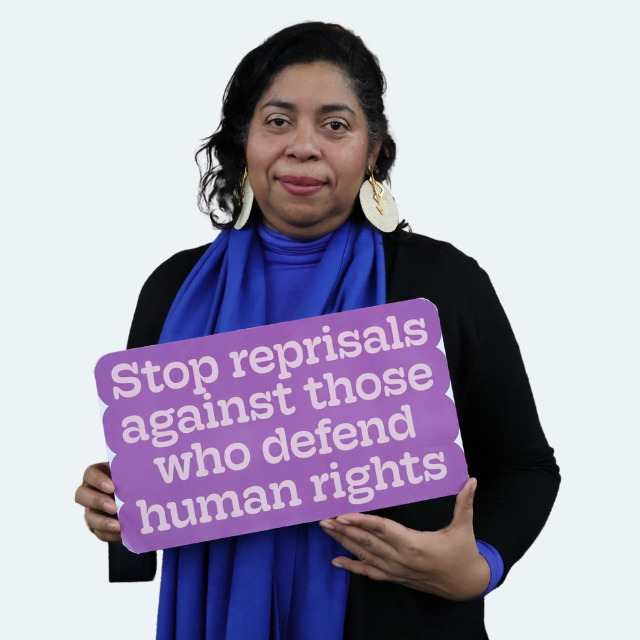
This is what happened to Loujain and Mohamed, prominent human rights defenders from Saudi Arabia and Egypt respectively.
Meanwhile, Anexa, an Indigenous human rights defender, is unable to return to her home country of Nicaragua, and Kadar from Djibouti had his passport confiscated since 2018, preventing him from leaving the country and doing his work.
IThrough this campaign, we share their stories. These are not just cases of reprisals — they are real lives disrupted, silenced, and confined. But they are also stories of resilience and perseverance for social change.
Loujain Al-Hathloul
Loujain is an iconic figure in Saudi Arabia’s women’s rights movement. She has actively campaigned for women’s rights in the country and against the driving ban imposed on women. She has also publicly and consistently called for the dismantlement of the male guardianship system.
Mohamed El-Baqer is a human rights lawyer from Egypt. He is the director of the Adalah Center for Rights and Freedoms, founded in 2014. It is a non-governmental, independent legal and human rights organisation with a focus on four Programmes: 1) Criminal Justice 2) Student Rights and Academic Freedoms; 3) Refugees; 4) and Minorities. All these Programmes are implemented through legal support and strategic litigation, research, monitoring and documentation, advocacy activities and capacity-building. [https://www.trueheroesfilms.org/thedigest/laureates/a845697d-4b51-4e7f-b7d0-219c1e18ecd3]
Anexa Alfred Cunningham is a Miskitu Indigenous leader, woman human rights defender, lawyer and expert on Indigenous Peoples’ rights from Nicaragua. She defends the ancestral land and natural resources of Indigenous and Afro-descendant Peoples of the Caribbean Coast of Nicaragua. She has also worked with Indigenous and Afro-descendant communities to investigate the many abuses they suffer and denounce them to the United Nations. These Peoples face attacks by armed groups who seek to take away their ancestral territory with the State’s approval.
Kadar Abdi Ibrahim is a human rights defender and journalist from Djibouti. He has drawn inspiration from historic figures in the human rights movement in the hopes of building a solid and lasting democracy in his country. From 2015, Kadar was the co-director and chief editor of L’Aurore, Djibouti’s only privately-owned media outlet. In 2016, the newspaper was banned following the publication of a story on one of the victims of the Buldhuqo massacre, crackdown by Djibouti security forces on a religious celebration and a meeting of the opposition on 21 December 2015 that left at least 27 people dead. Kadar is also the president of the political party Movement for Democracy and Freedom (MoDEL) since December 2021. Over the years, Kadar has been arrested several times by the police in an attempt to silence him.
#EndReprisals
Join our campaign by writing a letter to State representatives so they publicly raise the cases of Kadar, Anexa, Loujain and Mohamed at the General Assembly’s Third Committee in New York.
ISHR’s #EndReprisals database
In order to assist stakeholders with research, analysis and action on cases of reprisals and intimidation, ISHR launched an online database compiling cases or situations of intimidation and reprisals documented by the United Nations (UN) Secretary-General between 2010 and 2024.
Egyptian media reported on 22 September, 2025, that President Abdel Fattah al-Sisi had issued a presidential pardon for the imprisoned Egyptian-British activist Alaa Abdel Fattah. On 23 September the Guardian, HRW and others reported that the British-Egyptian human rights activist Alaa Abd el-Fattah has indeed been released from jail after serving six years for sharing a Facebook post.
Early on Tuesday morning his campaign said in a statement that Abd el-Fattah was released from Wadi Natron prison and was now in his home in Cairo. “I can’t even describe what I feel,” his mother, Laila Soueif, said from her house in Giza as she stood next to her son surrounded by family and friends. “We’re happy, of course. But our greatest joy will come when there are no [political] prisoners in Egypt,” she added.
Alaa Abd el-Fattah stands next to his mother, Laila Soueif, and sister, Sanaa, at their home in Giza. Photograph: Mohamed Abd El Ghany/Reuters
Amnesty International’s Erika Guevara Rosas said the release was welcome but long overdue. “His pardon ends a grave injustice and is a testament to the tireless efforts of his family and lawyers, including his courageous mother Laila Soueif and activists all over the world who have been relentlessly demanding his release,” she said. The following quote can be attributed to Amr Magdi, senior Middle East and North Africa researcher at Human Rights Watch: “President Sisi’s pardon of the imprisoned Egyptian activist Alaa Abdel Fattah is long overdue good news. Though we celebrate his pardon.
The campaign for Abd el-Fattah’s release was led by his family, including his mother, who was admitted to hospital in London twice after going on hunger strikes trying to secure his release. The UK prime minister, Keir Starmer, is also known to have telephoned Sisi three times to lobby for Abd el-Fattah’s release. see: https://humanrightsdefenders.blog/2022/07/07/mona-seifs-letter-a-cry-for-help-for-alaa/
At the 59th Human Rights Council session, civil society organisations share reflections on key outcomes and highlight gaps in addressing crucial issues and situations. Full written version below.
We join others who have expressed grave concern about the UN’s financial situation throughout the session. We deplore that we are in this position primarily due to the failure of some States to pay their assessed contributions in full and on time. We regret that this crisis is currently affecting the Council’s ability to deliver its mandate. Today, UN Member States are sending a clear message that human rights and their implementation are optional and not inalienable. We call on all States to pay their dues to the UN in full and without delay, both now and in future years, and strengthen the human rights pillar of the UN by substantially increasing its regular budget. [see: https://humanrightsdefenders.blog/tag/united-nations/]
We welcome the Council’s decision to renew, once more, the Mandateof theIndependent Expert on protection against violence and discrimination based on sexual orientation and gender identity, following a call from more than 1,259 organisations from 157 countries and territories. While the mandate was supported by the overwhelming majority of Council members, we regret that a mandate focusing on core human rights issues such as freedom from violence and discrimination was once again put for a vote.
We welcome the adoption of the resolution on civil society space. The resolution acknowledges important civil society initiatives such as Declaration +25 and addresses key and emerging trends such as strategic lawsuits against public participation (SLAPPs), the phenomenon of transnational repression, and foreign funding legislation, as well as other restrictive legislation including counter-terrorism legislation. We regret, however, that language on transnational repression has been weakened throughout the negotiations and does not take a step forward in terms of defining the phenomenon and its patterns. ..
We welcome the adoption of the resolution on human rights and climate change in relation to climate finance. As acknowledged by the resolution, climate finance is a tool for addressing climate change and it is also important for the enjoyment of human rights when finance prioritises equity, climate justice, social justice, inclusion and just transition processes. … We also regret that, notwithstanding the support expressed by numerous delegations, this resolution is blatantly silent in recognising the positive, important, legitimate and vital role that environmental human rights defenders (EHRDs) play in the promotion and protection of human rights and the environment, particularly in the context of climate change. As recognised by the HRC resolution 40/11, EHRDs are one of the most exposed and at risk around the world. The Inter-American Court on Human Rights has recently ruled in its Advisory Opinion on “Climate Emergency and Human Rights” that EHRDs play a fundamental role due to the urgency, gravity and complexity to address the climate emergency. We will not have climate justice without consulting, listening and including EHRDs in climate actions and initiatives, including this annual resolution.
We express our support for a new strong resolution on the safety of journalists, adopted by consensus and co-sponsored by over 70 countries from all world regions, signalling a renewed international commitment to prevent, protect and remedy all human rights violations against journalists. The resolution becomes the first across the UN to recommend a range of concrete, specific measures to
It is concerning that the Council could not find consensus on the resolution on access to medicines, vaccines and other health products. States should acknowledge that intellectual property rights can be a barrier for access to health products, especially in public health emergencies and should act with a view to finding human-rights compliant solutions. States should further ensure that the benefits of scientific progress is available, accessible, acceptable and of good quality to all people, without discrimination.
We welcome the resolution on new and emerging digital technologies and human rights. The resolution reaffirms the need for human rights due diligence and impact assessments throughout the life cycle of new and emerging digital technologies, and crucially calls upon States to refrain from or cease the use of artificial intelligence applications that are impossible to operate in compliance with international human rights law. The resolution importantly mandates OHCHR to expand its work on UN system-wide promotion, coordination, and coherence on matters related to human rights in new and emerging digital technologies.
We welcome the rejection by the Council of an unprecedented, harmful draft resolution (L.1/Rev.1) presented in bad faith by Eritrea to discontinue the mandate of the Special Rapporteur. The voting result (25 against, 4 in favour) is clear and will deter similar initiatives to terminate mandates. The Pandora’s Box remains closed for now. We welcome the adoption of resolution L.7, which extends the mandate of the Special Rapporteur and enables continued scrutiny of Eritrea‘s dire human rights situation.
We welcome the adoption by consensus of the resolution on the situation of human rights of Rohingya Muslims and other minorities in Myanmar—a strong signal of the Council’s continued prioritization of their plight. As violence between the Myanmar military and Arakan Army escalates, Rohingya face renewed existential threats. We recognize the efforts made to align the resolution closer to the evolving situation on the ground, including its recognition of the role of Arakan Army along with the Myanmar military in perpetuating violence and targeting Rohingya. We also welcome the resolution’s acknowledgment of the worsening humanitarian crisis due to dwindling aid that is driving more Rohingya to risk dangerous journeys by sea. The call for protection of Rohingya across borders and respect for non-refoulement is vital. We support the resolution’s emphasis on accountability and reparations as prerequisites for safe, voluntary, and dignified return of Rohingya refugees. However, we regret its failure to call for an end to arms and jet fuel sale and transfers that continue to fuel ongoing violence.
We emphasize the vital role of investigative mechanisms and, in the context of the UN’s liquidity crisis, we urge all those involved, including the Secretary-General and the High Commissioner, to allocate sufficient resources for these mechanisms to operate. All UN Member States must pay their dues in full and on time. As the conflict in Sudan, now in its third year, shows no sign of abating, resulting in the world’s largest displacement crisis and egregious atrocities against civilians, the work of the Fact-Finding Mission (FFM) should continue. At HRC60, extending its mandate will be a priority.
We continue to deplore this Council’s exceptionalism towards serious human rights violations in China, including crimes against humanity. In his global update to this Council session, High Commissioner Türk indicated he remains ‘concerned about lack of progress on much-needed legal reform to ensure compliance with international human rights law’ and ‘regret[s] that there has not yet been a resolution to the individual cases [the OHCHR has] raised]’. It is imperative that the Council take action commensurate with the gravity of UN findings, by establishing a monitoring and reporting mechanism on China as repeatedly urged by over 40 UN experts since 2020. We urge China to genuinely engage with the UN human rights system to enact meaningful reform, and ensure all individuals and peoples enjoy their human rights, on the basis of recommendations from the OHCHR Xinjiang report, UN Treaty Bodies, and UN Special Procedures.
This Council’s continued silence on the human rights crisis in Egypt remains of major concern. The human rights situation in Egypt is worse than at any point in its modern history and continues to deteriorate. During its UPR process, Egypt rejected or dismissed as “already implemented” recommendations related to serious human rights violations 134 times. In particular, Egypt either rejected or dismissed recommendations to release political prisoners and end arbitrary arrests 12 times, to stop attacks against independent civil society and journalists 19 times, and to end torture and ill-treatment 6 times. The goverment also refused to ensure accountability for those who have committed torture and other human rights violations 7 times, and rejected or dismissed recommendations to halt violance and discrimination against women, minorities and members of the LGBT+ community 25 times, including repeatedly rejecting calls to criminalize marital rape, as well as forced virginity and anal exams. In this context, action by the HRC to address these violations is as important as ever.
Watch the video of the statement below:
Signatories:
African Centre for Democracy and Human Rights Studies (ACDHRS)
Asian Forum for Human Rights and Development (FORUM-ASIA)
ARTICLE 19, and the undersigned human rights organistions, call on the Egyptian government to immediately end its campaign of transnational repression targeting exiled Egyptian journalists. We specifically urge the government to respond to the UN report detailing the harassment and surveillance of Egyptian investigative journalist Basma Mostafa, currently residing in Germany. We further urge German authorities to ensure her safety and uphold their international obligations to protect freedom of expression.
Despite seeking safety in exile, Mostafa continues to face threats, surveillance, harassment, and online gender-based violence across multiple countries—including Germany, Switzerland, Kenya, and Lebanon—simply for doing her work. These acts are detailed in a joint communication from UN Special Rapporteurs (AL EGY 6/2024), which documents a disturbing pattern of cross-border intimidation carried out by or with the acquiescence of Egyptian authorities.
Germany’s former Human Rights Commissioner, Luise Amtsberg, has publicly condemned Egypt’s transnational repression and urged the Egyptian government to address findings outlined in the UN report. The Egyptian authorities have yet to issue an official response. The silence is telling.
Her case is not isolated; Egypt is among the world’s top perpetrators of transnational repression, using tactics such as arresting journalists’ family members, blocking access to exile-based media, targeting journalists with spyware, and denying consular services and identity documents for those living abroad and their family members, including children. In another notable case, a Berlin court convicted a man for charges related to spying for the Egyptian regime, including on Egyptian exiles while working in the press office of former Chancellor Angela Merkel, where he had access to data on exiled Egyptian journalists accredited with the Federal Press Office.
We call on the Egyptian authorities to immediately respond to UN communication AL EGY 6/2024 and end all forms of transnational repression against Egyptian journalists and critics in exile. Egypt must stop targeting journalists abroad and ensure independent, transparent investigations to hold perpetrators accountable.
We also urge the German authorities to protect exiled journalists and critics from intimidation tactics by foreign governments and those working on their behalf, in line with their International Covenant on Civil and Political Rights (ICCPR) obligations and the 2023 Declaration of Principles to Combat Transnational Repression. Germany must provide full protection to Basma Mostafa, ensure accountability for her assault, investigate all attacks, harassment, and surveillance on its soil, and use its influence to demand that Egypt end its campaign of transnational repression.
Signed by:
Access Now
ARTICLE 19
Cairo Institute for Human Rights Studies (CIHRS)
Cartoonists Rights
Committee for Justice (CFJ)
Committee to Protect Journalists (CPJ)
Egyptian Commission for Rights and Freedoms (ECRF)
Egyptian Front for Human Rights (EFHR)
Egyptian Human Rights Forum (EHRF)
EuroMed Rights
EuroMed Rights Network
Gulf Centre for Human Rights (GCHR)
HuMENA for Human Rights and Civic Engagement
Human Rights Watch
International Federation for Human Rights (FIDH), within the framework of the Observatory for the Protection of Human Rights Defenders
International Service for Human Rights (ISHR)
Intersection Association for Rights and Freedoms
Law and Democracy Support Foundation (LDSF)
MENA Rights Group
Middle East Democracy Center (MEDC)
PEN America
PEN Berlin
Robert F. Kennedy Human Rights
Samir Kassir Foundation (SKF)
The Regional Coalition for Women Human Rights Defenders in South West Asia and North Africa (WHRDMENA)
World Organisation Against Torture (OMCT), within the framework of the Observatory for the Protection of Human Rights Defenders
On June 20 we marked World Refugee Day by honouring the courage, resilience and humanity of those forced to flee their homes in search of safety.
Many of those fleeing conflict and persecution are journalists themselves. Forced into exile, they risk losing not only their homes but their platforms and their purpose. JHR equips these journalists with training and story grants, so they can keep working even in the most challenging circumstances.
In Canada, Soraya Amiri arrived from Afghanistan in 2022. She began her career here through the JHR-Meta Afghan Journalists in Residence Fellowship at The Walrus. Today, she continues as a Contributing Writer. In this essay, she reflects on what it means to reclaim her voice as a journalist in exile. Read her latest stories here. Mostafa Al-A’sar, another fellow originally from Egypt who resettled in Canada in 2024, joined the Contributing Writers Program in May and is already at work on his first article for The Walrus. Through their stories, Canadians gain a deeper understanding of the lives and events unfolding beyond our borders.
In Europe we fund and train exiled Russian and Belarusian journalists now based in the Baltics and Poland. With our support they continue reporting on shrinking civic space and government repression. Brestskaya Gazeta has documented the lives of former political prisoners, making visible the human toll of repression. Two young Belarusian bloggers used their platforms to counter state propaganda and foster dialogue on democratic values. And SOTA Visionreads letters to political prisoners on livestreams, helping ensure that those imprisoned in Russia are not forgotten.
At a moment of global upheaval, when self-interest drowns out solidarity, when aid budgets are slashed and the number of displaced people worldwide has never been higher, it is more urgent than ever to stand with refugees.
At JHR, we remain committed to supporting journalists in exile and to equipping local reporters with the tools they need to cover refugee rights objectively and accurately.
Comedian Noam Shuster-Eliassi speaks at the Thessaloniki International Documentary Festival awards. Looking on (in striped sweater) is ‘Coexistence, My Ass!’ director Amber Fares. Matthew Carey
Shuster-Eliassi attended the awards ceremony in the Greek port city, along with director Amber Fares and fellow members of the production. The comedian, whose one-woman show became the basis for the documentary, acknowledged her parents who were on hand for the event.
“My first political teacher, my father, is up there [in the balcony]. The first memory I have of my father is him going in and out of Israeli military prison for refusing to serve in the occupied Palestinian Territories,” Shuster-Eliassi noted. “Our activism and how we demonstrate equality, and freedom, and liberation is not just in one protest or one activity or one thing or one joke. It’s demonstrating what we envision the alternative is with your body, with your languages… using our privilege to make sure that my Palestinian friends will be free.”
“Two weeks ago, a Palestinian comedian, a colleague of mine, made jokes in Israel and the police showed up in at his home and took him and arrested him for telling jokes,” Shuster-Eliassi said. “And I’m here because there is still a little crack of freedom of speech that I get because of my privilege as an Israeli Jew.”
On a more humorous note, Shuster-Eliassi also brought up the president of Ukraine, Volodymyr Zelenskyy. “When I changed from political activism into comedy, it was because I heard that in The Ukraine, a Jewish comedian wrote a sitcom about becoming the president and he became the president!” she said. “So, I thought if I want to take my political career seriously, I need to start writing jokes because I know that when you’re laughing, you’re listening.”
Winning the Golden Alexander automatically qualifies Coexistence, My Ass! for consideration as Best Documentary Feature at the Academy Awards. In addition to the Golden Alexander, Fares’s film also won the Human Rights in Motion Award, presented by the Council of Europe.
While in Geneva the 23rd FIFDH announced its winners:
The documentary The Brink of Dreams by Nada Riyadh and Ayman El Amir and the crime-drama Santosh by Sandhya Suri have received the Grand Prizes at the Geneva-based human rights gathering
The Brink of Dreams by Nada Riyadh and Ayman El Amir (left) and Santosh by Sandhya Suri
The 23rd Geneva International Film Festival and Forum on Human Rights (FIFDH) has concluded its 7-16 March run, drawing in over 31,000 attendees and hosting experts to dissect current affairs, move beyond shock and inspire collective action. Showcasing global films that highlight human rights, the festival reaffirmed its status as a key event for audiences and professionals alike, fostering dialogue on pressing geopolitical and social challenges.
At the closing ceremony, Laila Alonso Huarte and Laura Longobardi, the festival’s co-editorial directors, mentioned: “We’re proud to see that the winning films are not only powerful and innovative in cinematic terms, but also warrant international support given the filmmakers’ commitment to and courage in confronting the many social, political and economic challenges in their countries.”
In the International Documentary Competition, the jury awarded the Geneva Grand Prix, valued at CHF 10,000 (€10,300) and sponsored by the city of Geneva, to The Brink of Dreams [+] by Nada Riyadh and Ayman El Amir. Highlighting their decision, the jury stated, “This poignant film follows the aspirations of five young Egyptian women seeking freedom – a freedom threatened by traditions and restrictions imposed in their village. Rich in cinematic creativity, it tackles sensitive issues such as forced marriage and sexual harassment, exposing how women’s rights remain precarious in the region.”
Here is the full list of award winners at the 23rd FIFDH:
International Documentary Competition
Geneva Grand Prix The Brink of Dreams [+] – Nada Riyadh, Ayman El Amir (Egypt/France/Denmark/Qatar/Saudi Arabia)
FIFDH Gilda Vieira de Mello Prize Khartoum [+] – Anas Saeed, Rawia Alhag, Ibrahim Snoopy Ahmad, Timeea Mohamed Ahmed, Phil Cox (Sudan/UK/Germany/Qatar)
Fiction Grand Award Santosh [+] – Sandhya Suri (UK/Germany/France/India) Special Mentions Cosmos – Germinal Roaux (Switzerland/France/Mexico) Sugar Island [+] – Johanné Gómez Terrero (Dominican Republic/Spain)
Youth Jury Prize – Fiction In the Land of Brothers [+] – Raha Amirfazli, Alireza Ghasemi (Iran/France/Netherlands)
Focus Competition
Vision for Human Rights Award There Is Another Way – Stephen Apkon (USA/Palestine/Israel)
Special Jury – In Hospitals/Convergences Award Flying Hands [+] – Paula Iglesias, Marta Gómez (Spain)
Special Jury – In Correctional Facilities/La Brenaz Jury Award Life Is Beautiful [+] – Mohamed Jabaly (Norway/Palestine)
Champ-Dollon Jury Award Riverboom – Claude Baechtold (Switzerland)







 Hans Thoolen on Human Rights Defenders and their awards
