Archive for the 'human rights' Category

Rising Attacks against Women Human Rights Defenders in Sudan

February 25, 2024

© MENA WHRD Coalition

On 14 February 2024, eight organisations, including FIDH and OMCT within the framework of the Observatory for the Protection of Human Rights Defenders, expressed their grave concern over the closure of civic space, attacks on freedom of expression, rising militarisation and continuous disruption and shutdown of communication that threatens the work and safety of Women Human Rights Defenders (WHRDs) and Women’s Rights Groups in Sudan:

February 14, 2024. We the undersigned groups and organisations would like to express our grave concern and raise the alarm over ongoing reports about the closure of the civic space, attacks on freedom of expression, rising militarisation and continuous disruption and shutdown of communication that threatens the work and safety of Women Human Rights Defenders (WHRDs) and Women’s Rights Groups in Sudan.

Shutdown of Communications

On February 7th, 2024, Sudan witnessed a complete communications shutdown. Reasons behind this shutdown remain unknown in the absence of official statements from operating companies and the warring parties. This shutdown followed two days of the extensive interruption of communications at the end of January 2024. The interruption of communications and frequent shutdowns have life threatening implications and put the safety and security of WHRDs at risk. Without access to communications, WHRDs struggle to document and report on the mounting atrocities on the ground. The interruption of internet networks has also impeded women groups’ access to the mobile banking apps that facilitate money transfers to operate or secure protection for WHRDs at risk. The #KeepItOn coalition — a global network of over 300 human rights organisations from 105 countries working to end internet shutdowns — has raised concerns that “amid the ongoing brutal violence in Sudan, the continued weaponisation of internet shutdowns is a flagrant violation of international law.”

Attack on Wad Madani

Since the attack on Wad Madani, the capital of the central Al Jazirah state, in mid-December 2023, Women’s Rights groups and WHRDs have lost the resources collected since the start of the war. Dozens of WHRDs and Women’s Rights Groups were forcibly displaced for the second time, driven from the city that had been the humanitarian response hub for local and international NGOs. As WHRDs were forced to flee again, they faced enormous challenges searching for safe locations across states and neighbouring countries. Dozens of WHRDs were harassed, detained, summoned and threatened by both warring parties during the last few weeks.

Targeting of Activists

The Sudanese Armed Forces (SAF) launched an intensified attack on human rights defenders, humanitarian workers and volunteers, journalists, and peace activists in the last few months in the areas under their control. Aid groups and first responders faced rising restrictions of movement and supplies.

Rapid Support Forces (RSF) continued to arrest civilians, loot both public and private properties and perpetrate systemic sexual violence across the areas under their control. WHRDs and Women’s Rights Groups struggle to operate in these areas as the risks of sexual violence are growing.

At least five WHRDs and women first responders have been detained, summoned, harassed or threatened in the last few weeks. The attacks were reported in areas controlled by both warring parties. Since the war erupted, four WHRDs have been killed, two of whom were journalists. At least 11 women health workers were killed as well.

Closure of Civic Space and Restrictions on Freedom of Expression

In January 2024, Sudanese authorities in the relatively safer states in Northern and Eastern Sudan, including local governors, issued decrees to dissolve neighbourhood resistance committees. These grassroot groups were mobilizing and organising communities since the emergence of the protests movement in 2018. The governors of five states also banned publication of information and imposed heavy penalties on publishing information on social media or other newspapers regarding the security situation in their states. Journalists and activists were detained in three states and two women journalists were summoned and threatened by local authorities following these decrees. In the Blue Nile state, Red Sea and other states, meetings and other forms of peaceful civic activities are either banned or not authorized. Women’s Rights groups and other NGOs operating in these states are working in hostile and increasingly challenging environments. Civic space in Sudan is closed, with an increasing militarisation of the state and local communities.

Rising Militarisation

During the last three months, Sudanese authorities launched a mobilisation campaign to arm civilians in various states under SAF control. This campaign’s leaders attacked and threatened activists who criticized the armament of civilians, including women, girls and boys. Voices of peace activists are considered treasonous by SAF supporters. The widespread arms in the hands of civilians has led to unprecedented threats to women and peace and security, including gender-based violence (GBV) in the areas outside of the fighting zones.

We the undersigned groups call on:

The warring parties:

  • An immediate ceasefire and the prompt creation of safe corridors for humanitarian aid organisations and groups, and to guarantee the safety of their operations;
  • An immediate restoration of telecommunications across the country;
  • Cease attacks on health facilities, medical supplies, and health workers, and uphold obligations under international humanitarian law;

The international community:

  • States and international human rights, peace-building and feminist groups and organisations to work together to create an immediate long-term protection program for WHRDs (and their families) that addresses relocation needs (in several locations if needed), provides psychological support for post-traumatic stress caused by war and conflict, including due to GBV, and equips WHRDs’ with all the necessary means to continue their work in the defense of human rights;
  • States to provide support for the FFM and other international mechanisms mandated to document human rights violations in Sudan, including by ensuring that these entities have the necessary resources to carry out their work effectively;
  • States to support local initiatives providing humanitarian support to local communities as well as support services to victims, and to support civil society’s documentation and reporting efforts so that the evidence obtained can be used for future judicial proceedings, including for those related to SGBV crimes.
  • The international community to establish a mechanism for the disclosure of the whereabouts of the disappeared and the release of detainees, and to urgently address the issue of enforced disappearances and grave violations in detention centers, including GBV;
  • The international community to reinforce and protect medical staff in accordance with international humanitarian law;
  • The Fact Finding Mission (FFM) recently established by the UN Human Rights Council, to ensure accountability is pursued for GBV crimes committed by warring parties, to regularly and meaningfully engage with civil society in this process, and to ensure effective protection of witnesses and victims;
  • All other UN human rights mechanisms, including UN Special Procedures, to support the FFM’s work and to investigate GBV as a weapon of war, to call for the release of detainees and for the disclosure of the whereabouts of the disappeared, and to demand an investigation into violations in detention, including GBV;


https://www.fidh.org/en/region/Africa/sudan/sudan-rising-attacks-against-whrds-and-women-s-rights-groups

Colombian human rights lawyer Meléndez loses security after winning prize

February 23, 2024

Haroon Siddique in the Guardian of 15 February 2024 relates the story of lawyer Adil Meléndez Márquez who received a call from his bodyguards 20 minutes after receiving the Sir Henry Brooke award from the Alliance for Lawyers at Risk. Meléndez is no stranger to death threats, but things have just got a lot scarier. With bitter irony, 20 minutes after receiving the Sir Henry Brooke award from the Alliance for Lawyers at Risk, his bodyguards called him to say that they had been stood down from, leaving him without protection.

In an interview with the Guardian in London, Meléndez said he is a human rights lawyer who hails from among those he represents. He is Afro Colombian and works predominately on cases for Afro Colombians and Indigenous communities, often in areas under the control of paramilitaries rather than the government. He was kidnapped when he was 12 so has first-hand experience of the violence which blights the country and has received threats since becoming involved with Movice (movement of victims of state crimes) in 2006. See also: https://humanrightsdefenders.blog/2014/02/12/death-threats-in-colombia-on-the-rise-again/

After receiving threats Meléndez took a case to the Inter-American Commission on Human Rights – an organ of the Organization of American States – which, in 2009, ordered Colombia to provide him with protection. For the first eight years this amounted to three personal bodyguards and a bulletproof car, then the bulletproof car was removed and later one of the bodyguards, leaving him with two until last week, he says.

Meléndez describes his work as taking on “politicians, business interests, cattle ranchers, the armed forces and paramilitary groups”.

He expands: “Rampant corruption and violence is taken advantage of by [foreign] companies. They operate in such a way that it denies the rights of communities because all they’re interested in is the exploitation of natural resources. It means that they don’t have to provide compensation or justice for the communities because the rule of law, the writ of law doesn’t apply.”

One of the projects Meléndez has been helping to resist is the upgrading of the 115km Canal del Dique in Colombia’s Caribbean region, which he helped to get temporarily suspended. He believes that proper consultation was not carried out prior to the project, as is required by law and it involves “the privatisation of rivers which are the source of life of the Afro-descendent communities”. He said that as a result of the suspension he was called an “enemy of development” by a Colombian minister, words he claims were echoed by the the paramilitary group and notorious drug cartel, Autodefensas Gaitanistas de Colombia (AGC), also known as the Gulf Clan.

While he counts Colombia’s president, Gustavo Petro, the country’s first leftist head of state, as a friend and acknowledges his lack of control over swathes of the country, at the same time he says disapprovingly: “President Petro speaks in international fora about the protection of the environment but in his own country his government is awarding contracts to a project that is damaging to the environment.”

Meléndez does not blame Petro for the removal of his bodyguards, believing it was the work of someone lower down the food chain, but he believes it is for the president to ensure they are reinstated. Not doing so would put the government in breach of the Inter-American Commission on Human Rights, he says. “I have had to stop all my activities at the moment and it’s possible even that I will have to make the decision not to return to Colombia,” says Meléndez.

However, he hopes that the prize he was presented with in London, which he calls a reward for “the rebellious and those in resistance”, might offer a degree of protection. “This prize raises my profile,” he said. “It provides evidence that I’ve got support from the international community. The organised criminal actors or others who are against me, they calculate the consequences of their actions and so the calculation now includes a much higher level of risk for them if they make a decision to act against me.”

https://www.theguardian.com/world/2024/feb/15/adil-melendez-marquez-colombia-interview

Deadline for nominations Right Livelihood Awards 2024

February 23, 2024

With the March 1 deadline swiftly approaching, the window to nominate for the 2024 Right Livelihood Award is closing fast! This is your opportunity to nominate individuals and organisations striving for social and environmental justice. The nomination process is open to the public— we invite you to elevate those making a significant impact through their courageous efforts.
While submissions are encouraged in English, we also welcome nominations in French and Spanish via our online form. If you have questions about the nomination process, do not hesitate to contact us via email at research@rightlivelihood.org or by phone at +41 (0)22 555 0943. NOMINATE NOW

Since 1980, Right Livelihood has celebrated the courageous and the visionary with its annual awards. It’s not just an award; it’s a global recognition of those who dare to envision and take action to create long-term social change. The Right Livelihood Award defies categories. This means the Laureates work in diverse fields across the world. Spanning from journalists who have brought truth to light to entomologists safeguarding biodiversity and poets who touch hearts and minds, the Award demonstrates that impactful work can come from anyone, anywhere.

To date, 194 Laureates from 76 countries have received the Award. See: https://www.trueheroesfilms.org/thedigest/awards/97238E26-A05A-4A7C-8A98-0D267FDDAD59

See also; https://wordpress.com/post/humanrightsdefenders.blog/25917

Tribute to James Lawson of the Council of Europe

February 17, 2024

Bert Verstappen – retired from HURIDOCS – wrote the following tribute to a person who – from an intergovernmental position – contributed greatly to the development of the NGO network:

It is with deep sadness that HURIDOCS has to announce the unexpected passing away on 11 February of James Lawson. James had a leading function in the field of information management in the Council of Europe. In addition, he devoted a huge amount of time and energy to HURIDOCS.

James was a visionary who introduced new tools and techniques for human rights information handling to the HURIDOCS network. He was keen to share his enthusiasm for developments in the field of information management that could and should benefit human rights organisations. He was convinced that, in the age of the Internet, librarians continue to play an important role as information sharers.

A major initiative taken by James was the multilingual human rights search engine HuriSearch. He planned HuriSearch as from 1998. HuriSearch provided a singular point of access to information published on over 5’000 websites of human rights organisations worldwide. HuriSearch indexed and crawled about 8 to 10 million web pages. It was publicly available from 2003 until 2016.

James was an active and committed member of the HURIDOCS Continuation Committee – as its Board was called for many years. He served on the CC from 1992 to 2009. He was HURIDOCS Treasurer and as leader of the Task Force on Software Development oversaw the development of HURIDOCS’ tools and techniques.

James was also Coordinator and Chairperson of a large number of meetings of the European Co-ordination Committee on Human Rights Documentation https://www.ecchrd.org/. During these meetings, he introduced advances in technology such as the use of metadata and the eXtended Markup Language XML.

James also provided various trainings on human rights documentation on behalf of HURIDOCS. Among other activities, he trained NGOs preparing evidence for Truth Commission in South Africa and was the main resource person in a training for French-speaking African trainers in Senegal. He also held HURIDOCS trainings with local human rights organisations in Burkina Faso, the DR Congo, Georgia, Ghana, Haiti, Indonesia and other countries.

HURIDOCS thanks James for his engagement and expertise. We wish strength to Hanne and his daughters.

Women Human Rights defenders in Myanmar

February 6, 2024

Naw Hser Hser and Maggi Quadrini wrote in the Diplomat of 31 January 2024 how 3 years after the Myanmar coup, women Human Rights Defenders remain at the forefront

Three years have passed since the military coup in Myanmar. Since then, the resistance movement has flourished into an inspired example of people’s power and the defiance of authoritarian forces. In the eyes of the military, the hijacking of the 2020 general election and subsequent coup attempt was an easy conquest. They thought that violence and their long-practiced orders of “shoot to kill” would silence the civil unrest that immediately followed. It soon became clear that the generals gravely underestimated the will of the country’s people, who refused to inherit another era of military rule. The people’s rejection of the junta has been widespread and notable for the prominent role played by women in the revolution against military rule.

While the political, social, and armed aspects of the revolution have shifted, what has remained constant is the unwavering participation and leadership of women who have defied patriarchal systems, including gender stereotypes, and set an unquestionable new standard of what is possible for women and girls in Myanmar.

Women human rights defenders are resisting the military dictatorship in different ways despite the many challenges they face. They remain resilient and unwavering in their quest to see the fall of the junta. During these difficult times, women and girls, especially those from ethnic areas, including the Rohingya as well as those who identify as LGBTQ, have faced more forms of violence, including domestic assaults, sexual violence, rape, being coerced into sex work, and human trafficking.

No reliable justice mechanisms exist in Myanmar that can bring perpetrators to court and ensure accountability. Facing a myriad of barriers that prevent and undermine women’s participation, women human rights activists have defied the patriarchal systems promoted by the Myanmar military, which have been used to influence a culture that does not see women as equals.

Rather than submit to the military junta and its patriarchal dictates, women have increased their participation in various facets of the pro-democracy movement. The women’s rights movement has also become more intersectional than ever. Women from urban and rural backgrounds, different ages, ethnic groups, and religions have united in their shared goal of defeating the Myanmar armed forces, quashing the patriarchy, and ensuring gender equality.

In the immediate aftermath of the coup, many women human rights defenders were forced into exile. Many fled to border areas, their names rapidly reaching the top of the lists of those wanted by the junta. This also put a target on their family members. The threat of unlawful arrest and the possibility of torture and death has taken an immense strain on women fighting the military. Yet they have continued to resist the junta’s tactics of intimidation and terror in pursuit of a gender-equal future for Myanmar that is free from military rule.

Women human rights defenders have refused to adhere to Myanmar’s patriarchal status quo in many ways. This was evident through their strong participation in the Civil Disobedience Movement (CDM), where many female majority professions, including garment workers, health care providers, teachers, engineers, police, and even those in the military, quit their jobs following the attempted coup and refused to work for the junta. The Gender Equality Network has estimated that women comprise over 60 percent of frontline protest leaders and roughly 70 to 80 percent of the CDM’s leaders…

Women have been actively involved in resolving the many struggles of this revolution, including in the political, social, and armed arenas. However, there is still a lack of funding support and a lack of recognition within the resistance of women’s roles. There is also a lack of women’s participation in decision-making.

Findings from a new report called “Triple Resistance,” released this month by the Women’s League of Burma (WLB), a community-based organization working on the rights of the country’s women, revealed that despite the risks facing women human rights defenders, including threats to their physical and digital security,  they have not been discouraged. On the contrary, they remain committed to seeing an end to military rule – something that is only possible through the participation of women. Of the women interviewed for WLB’s report, nearly 100 percent are involved in humanitarian work, and 50 percent have taken on new roles in the political arena, particularly as federalism becomes more established.

Women-led organizations are driving relief efforts on the ground, particularly in conflict-affected areas of Myanmar. These organizations provide services for victims of gender-based violence, counseling, food kits, and dignity kits, including menstrual care items and materials for expectant or new mothers. In Karenni State, where the capital city is being attacked relentlessly, the Karenni National Women’s Organization is continuing its operations to ensure displaced and vulnerable communities receive urgently needed humanitarian assistance and access to safe houses as gender-based violence rises.

Similarly, in Karen State, the Karen Women’s Organization works with its networks to ensure the swift and secure delivery of aid through cross-border channels effectively and efficiently to meet the needs of displaced groups, the majority of whom are women and children.

In addition, as local leadership across ethnic states and regions in Myanmar adopt federal bodies and institutions, women have participated in leadership capacities and have been central to forming a new federal Myanmar.  For example, in Karenni State, women occupy several positions in the Karenni State Consultative Council, the Ta’ang Political Consultative Council, and other locally-driven bodies, as well as in People’s Administration Teams and village administrations.

Women leaders bring decades of experience working with armed actors and rights groups to provide security and protection for their communities. Their leadership must be recognized, encouraged, and accelerated. Without women, there is no sustainable development and consideration of gender perspectives during operations, service provision, or other political developments.

At an international level, governments and donors must understand that knowledge and expertise on locally-led challenges and solutions come from lived experiences and trust, which women and ethnic people can speak to. Global actors must recognize the efforts of women human rights defenders who continue to defy the status quo to ensure that the fall of the military junta will also lead to substantial improvements in gender equality. To do so, they must reinforce their commitment to amplify civil society organizations, including women-led initiatives. This new political space must be supported in order to hold the military junta accountable, at the International Criminal Court, if not in Myanmar itself.

In short, support of gendered programs, and for women’s participation more generally, is an integral part of the struggle against the military junta. Whether on the frontline, in political positions, or the classroom, women make up the substance of the revolution and are gradually carving out a new, progressive Myanmar. They deserve the world’s support.

https://thediplomat.com/2024/01/three-years-after-the-myanmar-coup-women-human-rights-defenders-remain-at-the-forefront

see also:

https://www.hrw.org/news/2024/02/05/australias-myanmar-sanctions-step-forward

Explanation of international law re genocide charges against Israel

January 24, 2024

Kai Ambos in a post on IPS of 23 January 2024 asks: “South Africa is taking Israel to the International Court of Justice. But what are the real chances of a guilty verdict?”

This post doesn’t really fit with the HRD focus of this blog, but I thought it is clarifying enough to want it distributed more widely,

Minority Rights and Advocacy Toolkit Online Course

January 24, 2024
Minority Rights Group

Challenges to freedom of religion and belief and abuses to the human rights of religious minorities are on the rise across the world, with increased violence, harassment, and threats often met with a lack of accountability. They occur against a backdrop of long-standing social, political, economic, and cultural marginalization and exclusion, particularly for those who face intersectional discrimination, such as religious minority women or persons with disabilities.

It is, therefore, vital to support organizations and activists representing these communities who work towards strengthening the rights of minorities of faith and belief and combatting the discrimination, prejudices and persecution these communities experience daily.

What is the course about?

The free, 7-week online course aims to build an understanding of regional and international minority rights mechanisms and ways to implement these rights frameworks at the national and local levels and build the capacity of human rights defenders (HRDs) to advocate for the rights of minorities.

The course will offer opportunities to exchange and collaborate with other HRDs to:

  • Monitor and report on violations against religious minorities
  • Raise awareness amongst key stakeholders of the human rights violations, persecution and discrimination these communities face
  • Campaign from local to international levels to secure commitments from key stakeholders to improve the situation of religious minorities
  • Train Graduates will also have the opportunity to follow up with access to a Training of Trainers that will give them the opportunity to develop their skills and share the knowledge they learned

Who can apply for this course?

Civil society organizations and activists representing religious minority and indigenous communities from two regions of the world where religious minorities are suffering from serious human rights violations, widespread discrimination and marginalization are welcome to apply.

Applicants from and/or based in the following countries will be prioritized: Bangladesh, Egypt, India, Indonesia, Iraq, Iran, Lebanon, Morocco, Myanmar, Nepal, Pakistan, Sri Lanka, Syria, Thailand, Tunisia.

  • Basic Concepts in Human Rights and Minority Rights
  • UN Declaration on the Rights of Persons Belonging to National or Ethnic, Religious and Linguistic Minorities
  • UN Treaties and Human Rights Mechanisms
  • Freedom of Religion or Belief (FoRB)
  • UN Mechanisms to Protect Minorities
  • Regional Human Rights Systems and Mechanisms
  • Advocacy Campaigns

To complete the course, participants must submit three written assignments: a briefer, an outline of a shadow report and an advocacy plan.

How many hours a week is the course?

The course will require approximately 3 hours per week for the duration of the course. Your participation will be facilitated by a tutor who will offer mentoring on a one-on-one basis as required. Our tutor is an expert in minority rights and community networking.

During the course we also organize a webinar, which offers a unique opportunity to learn more about the mandate of the UN Special Rapporteurs and engage in a Q&A session with them.

Alex, a Romanian activist, works at the intersection of human rights, technology and public policy.

January 24, 2024
Amnesty International Logotype

On 22 January 2024, Amnesty International published an interesting piece by Alex, a 31-year-old Romanian activist working at the intersection of human rights, technology and public policy.

Seeking to use her experience and knowledge of tech for political change, Alex applied and was accepted onto the Digital Forensics Fellowship led by the Security Lab at Amnesty Tech. The Digital Forensics Fellowship (DFF) is an opportunity for human rights defenders (HRDs) working at the nexus of human rights and technology and expand their learning.

Here, Alex shares her activism journey and insight into how like-minded human rights defenders can join the fight against spyware:

In the summer of 2022, I watched a recording of Claudio Guarnieri, former Head of the Amnesty Tech Security Lab, presenting about Security Without Borders at the 2016 Chaos Communication Congress. After following the investigations of the Pegasus Project and other projects centring on spyware being used on journalists and human rights defenders, his call to action at the end — “Find a cause and assist others” — resonated with me long after I watched the talk.

Becoming a tech activist

A few days later, Amnesty Tech announced the launch of the Digital Forensics Fellowship (DFF). It was serendipity, and I didn’t question it. At that point, I had already pushed myself to seek out a more political, more involved way to share my knowledge. Not tech for the sake of tech, but tech activism to ensure political change.

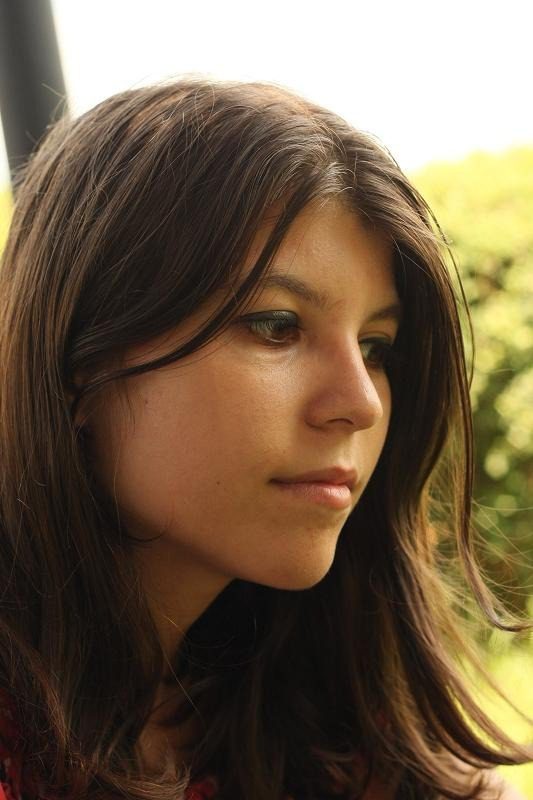
Portrait of a young woman with dark hair looking downwards in a thoughtful manner
Alex is a 31-year-old Romanian activist, working at the intersection of human rights, technology and public policy.

I followed an atypical path for a technologist. Prior to university, I dreamt of being a published fiction author, only to switch to studying industrial automation in college. I spent five years as a developer in the IT industry and two as Chief Technology Officer for an NGO, where I finally found myself using my tech knowledge to support journalists and activists.

My approach to technology, like my approach to art, is informed by political struggles, as well as the questioning of how one can lead a good life. My advocacy for digital rights follows this thread. For me, technology is merely one of many tools at the disposal of humanity, and it should never be a barrier to decent living, nor an oppressive tool for anyone.

Technology is merely one of many tools at the disposal of humanity. It should never be a barrier to decent living, nor an oppressive tool for anyone.

The opportunity offered by the DFF matched my interests and the direction I wanted to take my activism. During the year-long training programme from 2022-2023, the things I learned turned out to be valuable for my advocacy work.

In 2022, the Child Sexual Abuse Regulation was proposed in the EU. I focused on conducting advocacy to make it as clear as possible that losing encrypted communication would make life decidedly worse for everyone in the EU. We ran a campaign to raise awareness of the importance of end-to-end encryption for journalists, activists and people in general. Our communication unfolded under the banner of “you don’t realize how precious encryption is until you’ve lost it”. Apti.ro, the Romanian non-profit organisation that I work with, also participated in the EU-wide campaign, as part of the EDRi coalition. To add fuel to the fire, spyware scandals erupted across the EU. My home country, Romania, borders countries where spyware has been proven to have been used to invade the personal lives of journalists, political opponents of the government and human rights defenders.

The meaning of being a Fellow

The Security Lab provided us with theoretical and practical sessions on digital forensics, while the cohort was a safe, vibrant space to discuss challenges we were facing. We debugged together and discussed awful surveillance technology at length, contributing our own local perspective.

The importance of building cross-border networks of cooperation and solidarity became clear to me during the DFF. I heard stories of struggles from people involved in large and small organizations alike. I am convinced our struggles are intertwined, and we should join forces whenever possible.

Now when I’m working with other activists, I try not to talk of “forensics”. Instead, I talk about keeping ourselves safe, and our conversations private. Often, discussions we have as activists are about caring for a particular part of our lives – our safety when protesting, our confidentiality when organizing, our privacy when convening online. Our devices and data are part of this process, as is our physical body. At the end of the day, digital forensics are just another form of caring for ourselves.

I try to shape discussions about people’s devices similarly to how doctors discuss the symptoms of an illness. The person whose device is at the centre of the discussion is the best judge of the symptoms, and it’s important to never minimize their apprehension. It’s also important to go through the steps of the forensics in a way that allows them to understand what is happening and what the purpose of the procedure is.

I never use a one-size-fits-all approach because the situation of the person who owns a device informs the ways it might be targeted or infected.

The human approach to technology

My work is human-centred and technology-focused and requires care and concentration to achieve meaningful results. For activists interested in working on digital forensics, start by digging deep into the threats you see in your local context. If numerous phishing campaigns are unfolding, dig into network forensics and map out the owners of the domains and the infrastructure.

Secondly, get to know the person you are working with. If they are interested in secure communications, help them gain a better understanding of mobile network-based attacks, as well as suggesting instant messaging apps that preserve the privacy and the security of their users. In time, they will be able to spot “empty words” used to market messaging apps that are not end-to-end encrypted.

Finally, to stay true to the part of me that loves a well-told story, read not only reports of ongoing spyware campaigns, but narrative explorations from people involved. “Pegasus: The Story of the World’s Most Dangerous Spyware” by Laurent Richard and Sandrine Rigaud is a good example that documents both the human and the technical aspects. The Shoot the Messenger podcast, by PRX and Exile Content Studio, is also great as it focuses on Pegasus, starting from the brutal murder of Jamal Khashoggi to the recent infection of the device of journalist and founder of Meduza, Galina Timchenko.

We must continue to do this research, however difficult it may be, and to tell the stories of those impacted by these invasive espionage tactics. Without this work we wouldn’t be making the political progress we’ve seen to stem the development and use of this atrocious technology.

https://www.amnesty.org/en/search/Alex/

Thomas Antkowiak urges priority for the safety of front-line human rights workers

January 20, 2024

On January 12, 2024, Thomas Antkowiak in Just Security reflects on dangers of HRDs in Mexico and Latin america generally, motivated by the fate of his friends Ricardo and Antonio Díaz Valencia.

…Strategic use of the legal mechanisms—bolstered by the research and financial resources, political leverage, reputations, and media connections of Northern institutions—can be very effective to obtain remedies for victims of rights violations, and even to bring about legal reform and structural change. But the methods are toothless, and even misguided, without partners like Ricardo, the expert local attorneys. Truly, without such counterparts, this kind of human rights project lacks legitimacy. Without sustained connections to the affected communities, it would become just another decree handed down from the ivory tower.

In our isolated and polarized world, virtual meetings may have increased productivity in international lawyering, but they can further insulate us—cutting off deeper engagements to our clients abroad and the communities we hope to work with. In contrast, frontline defenders are fully connected and, of course, face all the risks. Authoritarian governments, criminal organizations, and complicit transnational corporations are all closing in. Can we still sense their peril?

If these human rights advocates are in more jeopardy than ever, so are the human rights themselves. Frontline defenders are the torchbearers of the international human rights movement. As such, they deserve the honors, the funding, and the protection. For the work to continue, we urgently need to do our part: the Global North’s human rights organizations, governments, universities, foundations, and businesses must coordinate to shield and support them.

Certainly, some institutions are already doing good work. Where to redouble our efforts? First, let’s ask the defenders themselves what they most need, recalling that their role is primary and their safety paramount. In the case of Mexico, there is almost total impunity for these types of cases. If the cartels, corrupt officials, and their accomplices cannot be held accountable, the killings will continue unabated (and thousands will keep fleeing from the violence to the southern U.S. border). When the defenders’ work becomes too hazardous, asylum must be streamlined—and the opportunity forever preserved. U.S. legislation and political pressure on Mexico play key roles here. So does divestment from colluding transnational corporations.

Every day, I wish that we could have somehow prevented the disappearance of my cherished friend and long-time collaborator. Through various channels, Global Rights Advocacy, other colleagues, and my clinic continue to push the Mexican government to find Ricardo and Antonio, and to prosecute the case. The world cannot afford the loss of another Ricardo, Berta Cáceres, Thulani Maseko. Without such guiding lights, we won’t be marking another 75 years of the international human rights movement.

Interview with labour rights defender Prak Pheaktra

January 20, 2024

On 9 January 2024, Global Voices posted an interview with labour rights defender Prak Pheaktra. [This article by Klaing Kimhuoy was originally published by Prachatai, an independent news site in Thailand. An edited version has been republished by Global Voices under a partner content-sharing agreement.]

Despite threats from the Cambodian government, who claim he is damaging the country’s image, 39-year-old Prak Pheaktra, a Cambodian migrant worker-turned-advocate, is striving to help other Cambodian workers facing unfair treatment from their employers.

In 2000, Pheaktra, who is from Pusat province, came to Thailand to find work. His family was facing financial difficulties after the death of his mother, and his father could no longer afford to send him to school. Chasing the promise of better pay and less strenuous work, he decided to come to Thailand.

Pheaktra started out working as a construction worker in Don Mueang province, but he later faced exploitation and abuse from his employer. Once, his employer withheld wages and threatened legal action against him. Having experienced first-hand the unfair treatment and exploitation of migrant workers in Thailand, he became an advocate so he could help other workers get fair treatment in the workplace.

Pheaktra’s dedication led him to become a Khmer-Thai interpreter for the Ministry of Labour of Thailand in from 2018–2019, where he began studying Thai law. After completing his ministry contract, he joined the Labor Rights Promotion Network (LPN) in 2019–2020 as a Complaints Receiving Officer.

Having worked with both government and civil society, he is now working as an independent advocate for migrant workers. He offers assistance to workers dealing with wage issues, pressure from employers, sexual harassment, and other threats — all pro bono. He also uses social media to educate workers on how to legally live and work in Thailand and warn them of exploitation by brokers. He works with NGOs as part of research projects, including one on child exploitation in Phuket and another on labour abuses faced by fishing boat workers.

However, his advocacy has attracted criticism and threats, including from Cambodian officials, who claim he could damage the Cambodian government’s public image. Last February 2023, when he assisted 10 Cambodian workers in Samut Prakan whose employer wasn’t paying them, he faced some questions from the chief of the Labour Attaché Office at the Cambodian Embassy. When he was in Rayong working on another case, he was asked if he knew that what he was doing could affect the public image of the Cambodian government and was threatened with having his passport revoked.

The chief of the Labour Attaché Office threatened to revoke my passport if I continued to engage in activities that negatively impact the public image of the Cambodian government. I said, you can block my passport if you think what I am doing is really wrong. I’m not afraid.

He has also faced threats from Thai officials, who he observed can be biased in favour of employers and accuse him of putting excessive trust in the workers. He gave an example of a particular case he worked on where an inaccurate resolution led to a worker being unfairly blamed.

He suggested the need for greater accuracy within the Ministry of Labour’s processes and expressed frustration at being accused of trusting workers too much. He’s urging a more balanced approach to better serve the rights and interests of migrant workers.

Despite the threats he faces, Phaektra persists. “I love what I’m doing right now, and I will continue to help Cambodian workers no matter what,” he said.

Those who have worked with Phaektra described him as kind and dedicated. Prum Somnang, a Cambodian worker at a plastic bag factory, was assisted by Phaektra after being abruptly dismissed by her Thai employer, citing lack of work. Somnang had worked there for ten years and was laid off along with 40 other workers. Her employer wanted to sue her, she said, because she started a protest against the layoff. At the same time, her visa was expiring in seven days, and she needed to find a new job within the week. Her friend advised her to seek help from Pheatra.

“He’s very kind. He helped me get money back from the employer and even assisted me in finding a new job before my visa expired,” Somnang said…

Pheaktra said that one key concern about the lives of migrant workers in Thailand is the risk of falling victim to scams orchestrated by middlemen or company representatives when filing documents. Pheaktra emphasized the need for workers to take charge of their documentation to prevent such scams.

Looking ahead, Pheaktra expressed a commitment to continue social work aimed at assisting migrant workers. Despite the presence of numerous NGOs and institutions offering help, some workers hesitate to seek assistance directly due to concerns about influential individuals associated with these organizations. Pheaktra sees himself as an advocate for migrant workers, standing by their side and addressing their problems.

https://globalvoices.org/2024/01/09/advocate-for-migrant-rights-persists-despite-threats-from-thai-and-cambodian-officials/