Author Archive

Acquittal of de Lima and other human rights defenders in the Philippines

May 25, 2023

On 15 May 2023 Carlos H. Conde, Senior Researcher, Asia Division of HRW writes about the case of de Lima, saying that the acquittal of former Senator Leila de Lima in the second of  three drug cases against her and her likely continued custody in police detention highlight the political nature of the charges against her. See also: https://humanrightsdefenders.blog/2018/07/30/senator-de-lima-in-detention-in-philippines-receives-her-award/

De Lima, who has now been in detention for more than six years, was acquitted for allegedly trading illegal drugs while she was secretary of justice, after being acquitted in the first case against her in 2021. Both cases were evidently fabricated and there is no reason to think that the third case against her is any more credible.

Then-President Rodrigo Duterte directed de Lima’s persecution in response to her attempts to investigate killings that took place in the early stages of Duterte’s “war on drugs” in 2016. But Duterte’s enmity toward her started in the late 2000s when, as chair of the Commission on Human Rights, de Lima began an investigation into killings attributed to a “death squad” operating in Davao City, where Duterte was the mayor. The International Criminal Court (ICC) is investigating those killings as well as numerous “drug war” killings that took place while Duterte was president. In 2019, as part of his efforts to avoid international justice, Duterte withdrew the Philippines from the ICC’s Rome Statute, which obligates states party to the treaty to cooperate with the court.

While de Lima’s latest acquittal brings hope that her unjust detention may be ending sooner rather than later, she never should have been prosecuted or held in pretrial detention without bail. Duterte’s improper influence over the Department of Justice was evident by the recanting of the testimony of three key witnesses in this case, saying they had been coerced.

This is an opportunity for the Department of Justice to regain some of its credibility by dropping the outstanding case against de Lima. But there also needs to be accountability. President Ferdinand Marcos Jr., who last week conceded abuses were committed in the “war on drugs,” should urgently launch an inquiry into how the levers of the justice system were manipulated against de Lima and implement reforms to ensure such politicization of the justice system never happens again.

This is echoed by an Open Letter to the Government of the Philippines on 24 May 2023 by

  • Asian Forum for Human Rights and Development (FORUM-ASIA)
  • Balay Alternative Legal Advocates for Development in Mindanaw (Balaod Mindanaw)
  • Karapatan Alliance Philippines (KARAPATAN)
  • Philippine Collective for Modern Heroism (Dakila)
  • Purple Action for Indigenous Women’s Rights (LILAK)

They welcome the acquittal of Leila de Lima, former Senator and chairperson of the Commission on Human Rights of the Philippines, on one of her two remaining politically motivated charges on 12 May 2023 by a Muntinlupa court….

De Lima’s  arrest is in violation of her constitutional rights as a sitting senator and in contravention of international human rights law. The arrest is purely based on politically-motivated charges, following her senate investigation into the thousands of extrajudicial killings under Duterte’s ‘war on drugs.’….De Lima should never have been detained in the first place.

The arbitrary detention and mistreatment of former Senator de Lima reflect the Duterte administration’s judicial harassment of human rights defenders as well as the Philippines’ shrinking civic space. Nearly a year after President Ferdinand Marcos Jr. took office in June 2022, de Lima’s case remains stagnant. The slow progression of the case demonstrates both the previous and current Philippine administrations’ unwillingness to seek justice and accountability…

FORUM-ASIA alongside its reputable Philippine member organisations urge your Excellencies 1) to immediately and unconditionally drop the remaining politically motivated charges against de Lima; 2) to request the Muntinlupa court to grant her bail petition for release; 3) and to provide compensation and other reparations for the human rights violations she was made  to endure.

Philippine authorities should release and allow de Lima to be reunited with her loved ones after six long years.

We demand the immediate release of de Lima and all other political prisoners who have been persecuted for their work and beliefs in human rights and social justice.

Earlier on Monday, 9 January 2023 the International Network for Economic, Social and Cultural Rights had rejoiced in the acquittal of members of Karapatan, – the Alliance for the Advancement of People’s Rights – and their allies GABRIELA – National Alliance of Women – and the Rural Missionaries of the Philippines (RMP) in the face of the perjury charges brought against them by the Philippine authorities.

The Quezon City Metropolitan Trial Court Branch 139 issued its judgment on the retaliatory and trumped-up perjury case against ten human rights defenders, Karapatan Chairperson, Elisa Tita Lubi; Karapatan Secretary General, Cristina “Tinay” Palabay; Karapatan Deputy Secretary General, Roneo Clamor; Karapatan Treasurer, Gabriela Grista Dalena; Karapatan National Council members, Edita Burgos, Wilfredo Ruazol, and Jose Mari Callueng; GABRIELA Chairperson, Gertrudes Ranjo Libang; GABRIELA Secretary General, Joan May Salvador, and member of the Rural Missionaries of the Philippines, Emma Cupin, acquitting them of all charges.

In a case of judicial harassment, which started in July 2019, the then-National Security Adviser Hermogenes Esperon Jr. submitted a perjury complaint against the three organizations related to the registration of the Rural Missionaries of the Philippines. Although the case was initially dismissed for lack of probable cause and sufficient evidence, in February 2020 the Quezon City Prosecutor, Vimar Barcellano, granted a motion for reconsideration of the perjury case. 

The judicial harassment resulted in global condemnation from civil society, Members of the European Parliament and the UN Special Rapporteur on the situation of human rights defenders calling on the Philippine authorities to put an end to the judicial harassment faced by the ten human rights defenders and the wider human rights movement in the country.

While we celebrate the acquittal, we remain as committed as ever to stand in solidarity with members and the wider human rights community in the Philippines in their struggles to advance human rights and social justice for all.

However: https://www.hrw.org/news/2023/06/08/outspoken-philippine-ex-senator-denied-bail
https://www.hrw.org/news/2023/05/15/latest-de-lima-acquittal-exposes-philippine-justice-systems-politicization

NGOs call for the release of Mohammed al-Qahtani, detained incommunicado for six months in Saudi Arabia

May 25, 2023

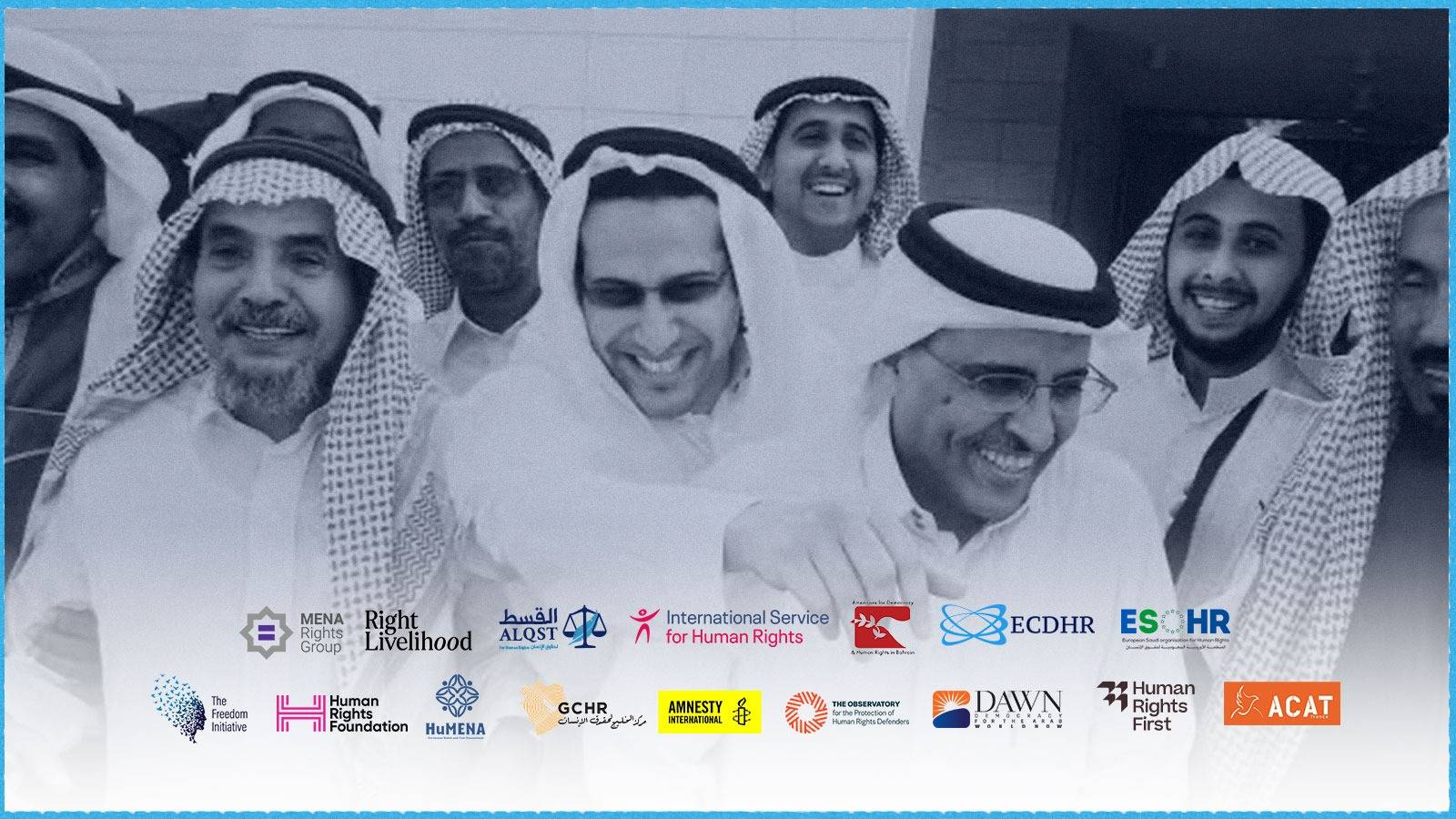
We, the undersigned human rights organisations, call on Saudi authorities to reveal the health condition  of and immediately and unconditionally release prominent Saudi human rights defender and co-founder of the now dissolved Saudi Civil and Political Rights Association (ACPRA)*, Dr. Mohammed al-Qahtani, who has been detained incommunicado for six months. We also call for the immediate and unconditional release of four ACPRA members who remain in arbitrary detention.

Today, 24 April 2023, marks six months since prominent Saudi human rights defender and co-founder of the Saudi Civil and Political Rights Association (ACPRA)* Mohammed al-Qahtani last contacted his family. Since then, the authorities have subjected him to incommunicado detention. Al-Qahtani served his full sentence in November 2022. Five ACPRA members remain imprisoned in reprisal for their peaceful human rights activism: Mohammed al-Qahtani, Essa al-Hamid, Mohammed al-Bajadi, Fawzan al-Harbi, and Abdulaziz al-Shubaili.

Mohammed al-Qahtani was arbitrarily arrested in March 2012 and interrogated regarding his work with ACPRA and his peaceful activism. On 9 March 2013, the Criminal Court in Riyadh sentenced him to 10 years in prison to be followed by a travel ban of equal length on charges including “breaking allegiance to the ruler”, “questioning the integrity of officials”, “seeking to disrupt security and inciting disorder by calling for demonstrations”, and “instigating international organizations against the Kingdom.” The authorities failed to release Al-Qahtani  on 22 November 2022, when he finished serving his prison sentence. However, since 24 October 2022, Saudi authorities have denied him any contact with his family and continue to keep him in incommunicado detention. 

Despite al-Qahtani’s wife making several inquiries about him to al-Ha’ir prison, where al-Qahtani was serving his sentence, prison officers continue to refuse to disclose any information about him. His family has reasons to believe that he has entered into a hunger strike and his health has considerably deteriorated, putting his life at imminent risk. This is not the first time Mohammed al-Qahtani was denied contact with his family. In April 2021, he was held incommunicado after testing positive for Covid-19, raising fears regarding his health and well-being for the duration of his illness. For the past 10 years of imprisonment, security forces  subjected al-Qahtani to inhumane and degrading conditions of detention, and they have also subjected him to torture and ill-treatment, including beatings.

We are all the more concerned about -al-Qahtani’s well-being considering the death of ACPRA co-founder Abdullah al-Hamid in detention on 23 April 2020. Abdullah al-Hamid suffered from hypertension, and his doctor told him three months before he passed away that he needed to undergo heart surgery. He was threatened by prison authorities that if he told his family about his health condition, they would cut his communication with his family. Dr Abdullah al-Hamid had suffered a stroke on 9 April 2020 and remained in detention, despite being in a coma in the intensive care unit at al-Shumaisi Hospital in Riyadh.

Following al-Hamid’s death, the Saudi authorities carried out a wave of arrests against several individuals who expressed sympathy over his passing.

Created in 2009 by 11 human rights defenders and academics, ACPRA was established to promote and protect fundamental rights and freedoms in Saudi Arabia, including through promoting constitutional reforms. While ACPRA was never officially registered by the government, it was formally banned as an organization and dissolved by court order in 2013. As of May 2016, all of its 11 members had been sentenced by the Specialized Criminal Court (SCC) to lengthy prison sentences ranging between seven and 15 years for their human rights activism and cooperation with the United Nations human rights mechanisms.

In light of the above, we, the undersigned organisations, reiterate our call on the Saudi authorities to immediately and unconditionally release Mohammed al-Qahtani and other imprisoned members of ACPRA who are arbitrarily detained solely for their peaceful activism. In the interim, we call on the authorities to disclose the fate and whereabouts of Mohammed al-Qahtani, ensure immediate contact with his family, and provide him with any medical care he may need. Saudi Arabia should ensure a free and enabling environment for all human rights defenders, in order for them to carry out their activities without fear of reprisals and without undue restrictions.See also: https://www.trueheroesfilms.org/thedigest/laureates/78383825-0b3f-4bca-883a-b81e1baecd09

Among the co-founding members of ACPRA, five remain imprisoned today: Dr Mohammed al-Qahtani (sentenced to 10 years in prison followed by a 10-year travel ban. He completed his sentence in November 2022, yet remains in detention incommunicado); Mohammed al-Bajadi (sentenced to four years in prison, four years of suspension followed by a 10-year travel ban, and currently detained since May 2018); Abdulaziz al-Shubaili (sentenced to eight years in prison followed by an eight-year travel ban); Fowzan al-Harbi (sentenced to 10 years in prison followed by a 10-year travel ban); Essa al-Hamid (sentenced to 11 years in prison, followed by an 11-year travel ban). Sheikh Sulaiman al-Rashudi (sentenced to 15 years in prison and a 15-year travel ban. He was released in April 2018 for medical reasons; Abdulkarim al-Khodr (sentenced to 10 years in prison, followed by a 10-year travel ban. He was released in January 2023 upon the completion of his sentence but remains subject to the travel ban);  Abdulrahman al-Hamid sentenced to 9 years in prison, followed by a 9-year travel ban. He was released in January 2023 upon the completion of his sentence but remains subject to a travel ban); Dr Abdullah al-Hamid (sentenced to 11 years in prison followed by an 11-year travel ban), passed away on 23 April 2020 in custody. Abdullah al-Hamid and Mohammed al-Qahtani, alongside Waleed Abu al-Khair, have received the Right Livelihood Award in November 2018.

Signatories:

  • MENA Rights Group
  • Right Livelihood
  • ALQST
  • International Service for Human Rights (ISHR)
  • Americans for Democracy & Human Rights in Bahrain (ADHRB)
  • European Center for Democracy and Human Rights (ECDHR)
  • European Saudi Organization for Human Rights (ESOHR)
  • Freedom Initiative
  • Human Rights Foundation (HRF)
  • HuMENA for Human Rights and Civic Engagement
  • Gulf Centre for Human Rights (GCHR)
  • Amnesty International
  • International Federation for Human Rights (FIDH), in the framework of the Observatory for the Protection of Human Rights Defenders
  • World Organisation Against Torture (OMCT), in the framework of the Observatory for the Protection of Human Rights Defenders
  • Democracy for the Arab World Now (DAWN)
  • Human Rights First
  • Action des Chrétiens pour l’abolition de la torture (ACAT France)

See the full Joint Statement here.

NGOs demand adequate medical treatment and access to Abdulhadi Al-Khawaja in Bahrain

May 25, 2023

14 NGOs call on Bahrain to ensure that human rights defender Abdulhadi Al-Khawaja is allowed adequate medical treatment, as well as the right to access and respond to allegations made by the Government of Bahrain in a response to a UN communication.

In a joint communication made public on 4 May 2023, six UN experts – including the Special Rapporteur on the situation of human rights defenders, Mary Lawlor, and the Vice-Chair of the Working Group on Arbitrary Detention, Mumba Malila – expressed their utmost concern at the continued arbitrary detention of human rights defender Mr. Al-Khawaja. He is a widely recognised HRD, see: https://www.trueheroesfilms.org/thedigest/laureates/4d45e316-c636-4d02-852d-7bfc2b08b78d

The UN communication addresses troubling allegations of torture, ill treatment and poor prison conditions of Mr. Al-Khawaja, including intimidation, restriction of communication with family, deprivation of basic rights, including his inability to give power of attorney to his lawyer in court, as required, shackling of hands, despite doctors’ orders to the contrary, as well as fabrication of cases against him and other political prisoners in Bahrain.

The UN communication was sent to the Government of Bahrain on 17 February 2023 and remained confidential for 60 days, as is UN protocol. The Government of Bahrain replied to the six UN experts on 17 April 2023, which was recently translated and made publicly available.

The Government of Bahrain’s response denies that Mr. Al-Khawaja has been subject to torture. This is contradicted by findings from the Bahrain Independent Commission of Inquiry (BICI), which was established by the King of Bahrain and medically documented that Al-Khawaja was subjected to torture and sexually assaulted by security forces in 2011. Furthermore, the Government of Bahrain’s response fails to adequately recognize Mr. Al-Khawaja as a human rights defender or acknowledge the arbitrary nature of his detention.

On more than one occasion, Mr. Al-Khawaja attempted to receive information over the phone about the nature of the UN communication, including the Government of Bahrain’s response, but the calls were systematically cut by the authorities. Therefore, Mr. Al-Khawaja officially requested through his lawyer that he be allowed a hard copy of the mentioned documents. The signatories call on Bahrain to ensure that the request is honored.

In addition, Mr. Al-Khawaja has continued to be repeatedly denied access to a cardiologist, as well as other appointments with relevant doctors, despite being at risk of a heart attack or stroke at any time. As recently as the past two weeks, Mr. Al-Khawaja was denied two medical appointments, the most recent being on Thursday 11 May 2023.

Since 9 May 2023, Mr. Al-Khawaja has protested in the yard of Jaw Prison on a daily basis holding up two signs in front of the CCTV cameras stating “Treatment prevention is slow systematic killing” and “You commit torture and prevent treatment” in order for him and his fellow prisoners of conscience to be allowed his necessary medical appointments. He informed his family on 14 May 2023 that he has suspended his protest temporarily due to promises made by the prison administration to improve conditions and allow access to adequate treatment.

The signatories call on the Government of Bahrain to:

  1. Immediately and unconditionally release human rights defender Abdulhadi Al-Khawaja, as well as all other prisoners of conscience.
  2. Ensure that Abdulhadi Al-Khawaja is taken to the necessary medical appointments for diagnostics and treatment.
  3. Ensure that Abdulhadi Al-Khawaja obtains the requested documents related to the UN communication and that he is allowed a written response.

Signatories:

  • The #FreeAlKhawaja Campaign
  • Gulf Centre for Human Rights (GCHR)
  • Americans for Democracy & Human Rights in Bahrain (ADHRB)
  • European Center for Democracy and Human Rights (ECDHR)
  • CIVICUS
  • Global Citizen
  • Rafto Foundation for Human Rights
  • Danish PEN
  • The Martin Ennals Foundation
  • IFEX
  • Bahrain Institute for Rights and Democracy (BIRD)
  • Front Line Defenders
  • DIGNITY – Danish Institute Against Torture
  • Freedom House

Pierre-Claver Akolly Amégnikpo Dekpoh from Togo tells his story

May 12, 2023

Pierre-Claver Akolly Amégnikpo Dekpoh works at the West African Human Rights Defenders Network (WAHRDN) in Lome, Togo. He spoke to ISHR about what drove him to become a human rights defender and about the challenges that he and his colleagues in Togo and West Africa face in working towards the realisation of human rights.

https://ishr.ch/defender-stories/human-rights-defenders-story-pierre-claver-akolly-amegnikpo-dekpoh-from-togo/

ISHR documents cases of reprisals in 23 countries for UN Submission

May 12, 2023

On 17 April 2023, ISHR sent its annual submission to the report of the UN Secretary-General on reprisals and intimidation against defenders engaging or seeking to engage with the UN and its human rights mechanisms. The submission presents a disturbing pattern of intimidation and reprisals in 23 countries.

ISHR’s annual submission to the report of the UN Secretary-General on reprisals demonstrates the need for the UN and States to do more to prevent and ensure accountability for intimidation and reprisals against human rights defenders and others cooperating or seeking to cooperate with the UN and its human rights mechanisms. ISHR’s submission outlines developments in the international human rights system, and documents a number of new cases, as well as follow-up on previously submitted cases.

In order for the international human rights system to function to its fullest potential, human rights defenders must be able to share crucial information and perspectives, safely and unhindered. However, many defenders still face unacceptable risks and are unable to cooperate safely with the UN.” Madeleine Sinclair, New York Office Co-Director and Legal Counsel. “The vast majority of cases remain unresolved year after year. More must be done to ensure the efforts to document and address reprisals cases also include sustained and consistent follow up. Otherwise, the cost of carrying out reprisals remains too low, impunity reigns and perpetrators are further emboldened“.

The submission presents a disturbing pattern of intimidation and reprisals in 23 countries, with the addition this year of Algeria and France. Cases of reprisals featured in the submission range from States defaming and stigmatising defenders, to criminalising their work, but also to arbitrarily detaining, arresting and killing them. 

  • In Israel, Palestinian defenders face ongoing intimidation and repression as reprisals for their cooperation with UN human rights mechanisms.
  • In Bahrain, the situation still shows no signs of improving, with human rights defenders continuing to be arbitrarily detained and denied timely and adequate medical treatment by the government.
  • In Algeria, Andorra, Cameroon and India defenders continue to be criminalised.
  • In China defenders are still facing online surveillance, harassment and enforced disappearance.
  • In Egypt, the United Arab Emirates, Venezuela and Yemen many more defenders face arbitrary detention, ill-treatment and criminalisation.  

Other cases of reprisals include threats, harassment, hate speech, surveillance, property damage, disbarment, death threats, travel bans, enforced disappearances, unjustified raids, dissolution of associations, judicial harassment, smear campaigns, forced deportations, confiscation of travel documents, red tagging, denial of healthcare and family visits as well as accusations of terrorism, among others. Other countries cited in the report include cases in the Andorra, Bahamas, Bangladesh, Burundi, Djibouti, Equatorial Guinea, France, The Maldives, Morocco, Nicaragua, The Philippines, Russia, and Thailand.

ISHR also submitted follow-up information on a large number of cases, demonstrating that incidents of reprisals and intimidation are very rarely, if ever, adequately resolved.

This year, ISHR is running again its #EndReprisals campaign. The campaign will raise the profile of 6 cases (all included in the submission) and seek to achieve a more sustained attention on the issue of reprisals and follow-up of the cases throughout the UN system. In particular, we want the UN Secretary General to include all the reprisal and intimidation cases in his upcoming report and UN member States to use the opportunity of the interactive dialogue at the Human Rights Council on the Secretary-General’s report in September, as well as Item 5 debates at all sessions, to raise specific cases and hold their peers accountable. 

Read the report

New SG of the ICJ, Santiago Cantón, want to mobilise the human rights community again

May 12, 2023

Santiago Cantón, secretary general of the International Commission of Jurists. (Geneva Solutions/Michelle Langrand)

On 11 May 2023 Geneva Solutions carried an interview with the incoming Secretary General of the International Commission of Jurists:

The new head of the International Commission of Jurists warns of the challenges human rights face as democracies across the world falter and calls on human rights groups to rally behind a new purpose. After spending the last few years in the United States, Santiago Cantón, the Argentinian jurist who recently became the new secretary general of the International Commission of Jurists (ICJ), will call Geneva his home for the next five years.

The discreet organisation of well-respected judges and lawyers, located in the Paquis neighbourhood and now celebrating its 70th anniversary, is almost as old as the 1948 Universal Declaration of Human Rights. Born from the ashes of World War II initially to investigate abuses committed in the Soviet part of post-war Germany, the group has made vital contributions over the decades to the human rights architecture. Most notably, they helped push for the creation of an international criminal court and several UN human rights instruments, including the Convention on Enforced Disappearances, first proposed by its then-president Niall MacDermot.

Cantón, 60, also brings with him some heavy baggage of experience in human rights. He was the executive secretary from 2001 to 2012 of the Inter-American Commission of Human Rights, one of the arms of the Organization of American States tasked with reviewing rights abuses. Before that, Cantón served as the commission’s first special rapporteur on freedom of expression from 1998 to 2001. More recently, Cantón was part of the UN Human Rights Council’s commission of inquiry on abuses committed in the occupied Palestinian territories during the 2018 protests.

As a young student, Cantón saw his country fall into the clutches of a military junta that would rule ruthlessly for ten years. While initially drawn to diplomacy and foreign relations, Cantón knew it wasn’t an option to place his skills at the service of a dictatorship. He opted instead to study international law and human rights.

One of his first experiences, and the one to inspire him the most, was advising former US president Jimmy Carter in his democracy programmes in Latin America, most notably supporting elections in Nicaragua and the Dominican Republic in 1990 at a time when the two countries were emerging from bloody conflicts and transitioning into democracies. He saw the region break away from the chains of military regimes and usher in a new era of democracy and rule of law. “1948, with the universal declaration of human rights, was the big bang of human rights,” he told Geneva Solutions. “Since then, the architecture of human rights created throughout the world has been extraordinary.”

But the tides have turned. “Human rights are in decline and have been since the beginning of the century,” he regretted.

For Cantón, part of it is due to a lack of leadership. “We don’t have the same leaders in the world, and the governments that support human rights today, do not have the leadership they need to have for political reasons.” He said long gone are the Raúl Alfonsín of Argentina, Fernando Henrique Cardoso of Brazil and Patricio Aylwin of Chile, leaders who stood up for democratic values following their countries’ exit from military rule.

“You do have leadership on the wrong side. And they’re winning,” he added. He cited the leaders of El Salvador and Mexico, as well as Brazil’s Jair Bolsonaro and the US’s Donald Trump, as examples of how populist leaders have successfully appealed to disillusioned populations.

“Take El Salvador. Here we have someone that has 70 to 80 per cent of popularity. People (feel) that democracy did not deliver. They are tired and want to change everything completely,” he said. President Nayib Bukele’s recent sweeping crackdown that saw over 60,000 suspected gang members arrested has been praised by many Salvadorians fed up with the violence and insecurity that has gangrened the country for years. And despite the harsh criticism his methods have drawn from human rights campaigners, political figures across the region are flaunting it as a successful model that can be replicated in their own countries.

Cantón cautions against the temptation of wanting to scrap everything. “We cannot just change everything! There are things we need to keep, and human rights is one of those,” he said.

On Cuba, Nicaragua and Venezuela, the usual trio singled out for their authoritarian regimes, Cantón prefers to avoid tired narratives. “it’s not a question of left and right, it’s a question of the strength of the rule of law, and the rule of law is declining,” he observed.

Beyond that, human rights that touch upon issues associated with deeply entrenched cultural values have also been met by a wall of resistance. Cantón hasn’t finished unpacking he has already faced a first crisis. A report published by the ICJ in early March on how to apply human rights standards to criminal law was falsely accused across the internet of condoning sex between adults and minors. For Cantón, the world is increasingly polarised, and he views social media as a significant contributing factor. “It’s hard to find the middle ground, and when things are so polarised, they keep getting pushed harder towards two crazy extremes.”

But governments are not the only ones that need to do some soul-searching. Civil society is also struggling to maintain morale, according to Cantón. “It’s very frustrating when you take one step forward, and you have to go back like ten steps,” he said. For the past years, human rights groups have been on the defence, trying to protect hard-won advances. “We need to mobilise the human rights community again, strongly behind something,” he said.

One of the initiatives the ICJ is working on is the creation of a standing independent mechanism to investigate rights violations. UN-backed probe mechanisms are usually set up on a case-by-case basis and have been accused of being selective and politically motivated. The group of lawyers suggests that such a permanent expert body, created through the Human Rights Council or the General Assembly, could help by making it easier to trigger investigations.

“It would be a game changer,” Cantón said.

Now it is the turn of the Iranian journalists who reported on Mahsa Amini

May 11, 2023
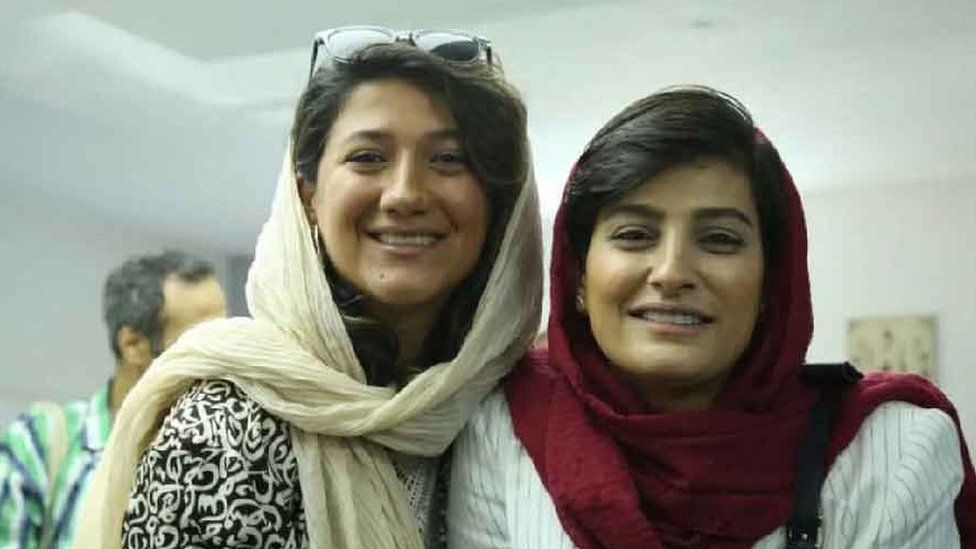
Niloufar Hamedi and Elaheh Mohammadi
Image caption, Niloufar Hamedi and Elaheh Mohammadi have been detained in Iran for more than 200 days

BBC Persian Service on 5 May 2023 drew attention to the fate of the two journalists who reported first on Mahsa Amini, whose name made headlines around the world when she died in custody last September, sparking waves of protests in Iran. But not many people have heard of Niloufar Hamedi and Elaheh Mohammadi.

The two female journalists helped break the story of Ms Amini’s death and have been detained in two of Iran’s most notorious prisons ever since. On Tuesday, they and the imprisoned Iranian human rights activist Narges Mohammadi were awarded the 2023 Guillermo Cano World Press Freedom Prize by the United Nations’ cultural agency, UNESCO.”They paid a hefty price for their commitment to report on and convey the truth. And for that, we are committed to honouring them and ensuring their voices will continue to echo worldwide until they are safe and free,” said Zainab Salbi, the jury chair. For more on Narges, see; https://www.trueheroesfilms.org/thedigest/laureates/07C20809-99E2-BDC0-FDC3-E217FF91C126

On 22 September, just six days after she tweeted a photograph of Mahsa’s grieving family, Niloufar Hamedi was arrested. Security forces also raided Elaheh Mohammadi’s home at the same time, seizing her electronic devices. On 29 September, she too was arrested.

Both Ms Hamedi and Ms Mohammadi were already known for hard-hitting news reports and coverage of human rights issues.

As well as winning UNESCO’s press freedom prize, Ms Hamedi and Ms Mohammadi have been named as two of Time Magazine’s 100 Most Influential People of 2023 and given the 2023 Louis M Lyons Award for Conscience and Integrity in Journalism, presented by Harvard University in the United States. See: https://www.trueheroesfilms.org/thedigest/awards/8809EB31-7E9C-4624-88E3-FC592D496807 and https://www.trueheroesfilms.org/thedigest/awards/1748C306-757A-49EB-8436-A9C607356112

“Journalists in Iran are risking their lives on a daily basis to report on the conditions and oppressions there,” the Harvard fellows noted.

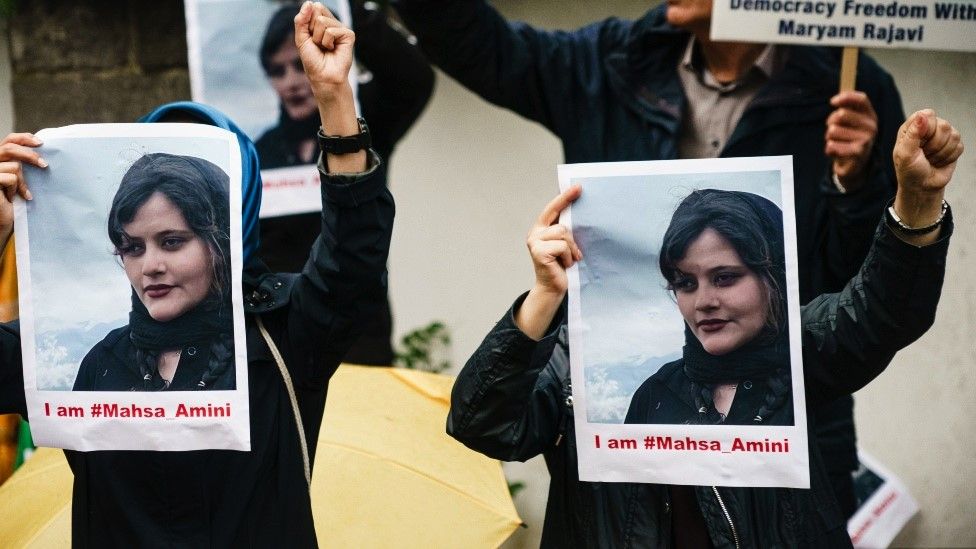
Protesters hold up pictures of Mahsa Amini in Berlin, Germany
Image caption, Mahsa Amini’s death led to a wave of protests in Iran and rallies in solidarity around the world

Ms Hamedi and Ms Mohammadi have meanwhile been kept in harsh conditions at Evin prison in Tehran and Qarchak Women’s Prison, south of the city. Reports from inside Qarchak suggest that the facilities are inhumane, with a lack of medicine, food and even safe drinking water or clean air. Ms Mohammadi lost 10kg (22lbs) in the first three months of her detention, her husband wrote on his Instagram page.

Both women have also struggled to access legal support. The first lawyer appointed to represent the pair said in October that he was unable to communicate with them or access the legal documents surrounding their arrests. Less than a month later, he was himself arrested. The journalists’ families have struggled with the pain of not knowing what is going to happen to them.

“I’m asked, ‘What do the authorities tell you?’ I’m not even sure which institution or person to contact,” Ms Hamedi’s husband, Mohammad Hossein Ajorlou, said in an interview with Sharq.

He too has found it difficult to get information about what his wife is accused of and what is likely to happen to her.

At the end of October, Iran’s ministry of intelligence and the intelligence agency of the Revolutionary Guards issued a statement accusing Ms Hamedi and Ms Mohammadi of being trained by the US Central Intelligence Agency to foment unrest in Iran.

Their newspapers denied the allegations and insisted they had just been doing their jobs.

Last week, after they had both spent more than 200 days in custody, the Iranian judiciary announced that Ms Hamedi and Ms Mohammadi had been indicted and their cases referred to a court.

On Monday, Ms Hamedi’s husband wrote on Twitter that she and Ms Mohammadi had been transferred back to Evin prison from Qarchak, apparently in preparation for their trial.

https://www.bbc.com/news/world-middle-east-65466887

see also: https://iranhumanrights.org/2023/06/iran-proposed-bill-pushes-denial-of-basic-rights-to-unveiled-women/

in August 2023, things got further out of hand: with mass arrests:

https://www.nbcnews.com/news/world/iran-arrests-women-activists-mahsa-amini-protests-anniversary-rcna100566

https://www.frontlinedefenders.org/en/statement-report/iran-alarm-over-mass-arrests-human-rights-defenders-advance-anniversary-september

https://www.hrw.org/news/2023/08/19/iran-mass-arrests-womens-rights-defenders

Massive resistance from NGOs against EU directive demanding registration

May 11, 2023

On 3 May 2023, 229 civil society organisations from across Europe expressed concern about a draft EU directive which would introduce registration requirements for NGOs receiving foreign funding. The directive, which is part of the European Commission’s upcoming Defence of Democracy Package, could have unintended negative consequences for NGOs. It could hinder their capacity to fulfil their role as democracy and human rights watchdogs in Europe and beyond and would limit EU capacity to support civil society and human rights defenders. By introducing an obligation to disclose non-EU funding and creating a register for organisations receiving such funding, the proposal echoes ‘foreign influence legislation’, used by non-democratic States to narrow civic space and silence criticism. The NGOs stress civil society’s fundamental role in upholding democracy and human rights globally and, while in favour of enhanced transparency and accountability standards, recalls the importance of preserving its space and alerts against initiatives that could undermine its work.

The NGOs demand that the proposal for “a legal instrument introducing common transparency and accountability standards for interest representation services directed or paid for from outside the EU” should not be pursued. And also ask that:

● a fundamental rights impact assessment should be considered ahead of any legislative proposal;and

●  an open and structured dialogue must be ensured with all stakeholders, in particular all proposals or review of legislation affecting civil society must be prepared in close dialogue with civil society.

https://www.fidh.org/en/international-advocacy/european-union/civil-society-organisations-concerned-over-a-draft-eu-directive-that?var_mode=calcul

Guatemalan lawyer Claudia González Orellana laureate Lawyers for Lawyers Award 2023 – ceremony on line 11 May

May 10, 2023

Guatemalan lawyer Claudia González Orellana will receive the Lawyers for Lawyers Award 2023. The Award will be presented at a ceremony co-hosted by Lawyers for Lawyers and the Amsterdam Bar in the Rode Hoed in Amsterdam on 11 May. Watch online, via the following link: https://www.youtube.com/watch?v=sIF9Im9wXVo from 5:30 PM until 6:00 PM CEST.

Jury: “By awarding Claudia González Orellana the Lawyers for Lawyers Award, the jury wants to highlight the important work of a lawyer who has bravely represented human rights defenders at high cost to her own personal life and safety. Despite the risk of arrest or physical harm to Claudia and her family, the submission to online harassment, threats, intimidation and the risk of persecution, Claudia bravely continues her work in order to protect human rights and the rule of law”.

After 36 years of internal warfare, Guatemala struggled for democracy and installed an International Commission against Impunity (CICIG). From 2011 to 2019, a period known globally for unprecedented accountability for corruption in Guatemala, Claudia González Orellana was a prosecutor with the CICIG. CICIG successfully prosecuted high level government officials, Supreme Court and Congress members, and other members of organized crime. This work threatened the interests of a corrupt network, the so-called ‘Pacto de corruptos’ a group of economic, military and political elites. In September 2019 CICIG closed down and the former team of lawyers faced several attacks. 

As a prosecutor with CICIG Claudia González Orellana pursued accountability for corruption and human rights abuses. She and her family now face extremely high risks of arrest or physical harm for the work she did as a CICIG prosecutor and now as a superb, persistent and public-facing defense attorney for those being targeted. She is now subject to online harassment and threatening rhetoric, verbal threats indicating she may be criminally prosecuted herself, and physical acts of intimidation outside her home. Despite these pressures, Ms González has remained in Guatemala and continues to handle dozens of defense cases, representing individuals who are being prosecuted for their involvement in cases relating to the fight against corruption. For example, she is the lead defense attorney for Virginia Laparra, who has been arbitrarily imprisoned in retaliation for her work as a prosecutor and who has been designated as a prisoner of conscience by Amnesty International.

As a result of defending the lawyers and prosecutors who previously defended the right to a life free of corruption and impunity, Claudia González is now facing violent treatment during hearings and through social media, and she is also being subjected to harassment and intimidation. She has faced multiple instances of judicial harassment, the last one of which was a fake case in which they falsely accused her of forging the signature of the nation’s lead anti-corruption prosecutor. Despite this situation, Claudia is currently using her more than 20 years of experience to defend nine lawyers, all of whom worked on high profile anti-corruption cases for several years: six  are former Prosecutors of the General Prosecutor’s Office and three are former CICIG lawyers.

For more on the Lawyers for Lawyers Award and its laureates, see : https://www.trueheroesfilms.org/thedigest/awards/B40861B3-0BE3-4CAF-A417-BC4F976E9CB0

Twenty-seven human rights lawyers from across the world were nominated for the Lawyers for Lawyers Award 2023. The independent expert jury which consisted of Mr Egbert Myjer (chair), Mr Cees Flinterman, Ms Jenny Goldschmidt, and Ms Channa Samkalden selected Claudia González Orellana as laureate. The independent expert jury selected lawyer Manuchehr Kholiknazarov from Tajikistan and lawyer’s collective Bufete Jurídico de los Pueblos from Honduras as shortlisted candidates.

Filmmakers coalition protests travel ban against Iranian filmmaker Mohammad Rasoulof

May 10, 2023

The Iranian director Mohammad Rasoulof has been prevented from leaving his home country.

This comes shortly after fellow Iranian director Jafar Panahi could leave Iran after a travel ban against him was lifted.

Both have repeatedly gotten into conflict with the Iranian authorities, had their passports confiscated and been jailed. Last year, the Iranian authorities arrested Mohammad Rasoulof and Mostafa Al-Ahmad over an appeal they posted on social media speaking out against the disproportionate repression of civil protestors. Jafar Panahi was then arrested as he was protesting the detention of his colleagues. Now one can travel, the other not.
The the International Coalition for Filmmakers at Risk was founded by the International Documentary Film Festival Amsterdam, International Film Festival Rotterdam and the European Film Academy. The ICFR’s mission is to advocate for and to act in solidarity with filmmakers at risk.

The ICFR calls on the Iranian authorities to drop the travel ban against Mohammad Rasoulof and we encourage all film and culture institutions around the world to do the same.

https://www.icfr.international/news/let-mohammad-rasoulof-go/