If anybody represents the very British values of democracy, respect for human rights, justice and due process, it is the Egyptian activist, says Peter Greste in the Guardian of 15 January 2025. The piece is so rich in detail that I give here in full:
I first encountered Alaa Abd el-Fattah 11 years ago, as a disembodied whisper of reassurance from outside the bars of my grubby prison cell in Cairo. I had just been tossed in the box by Egypt’s El Mukhabarat– the malevolent general intelligence service responsible for internal security – and I was facing an indeterminate run in solitary confinement after being arrested on bogus terrorism charges for my work as a journalist.
Alaa knew the drill. Then just 32, he’d been imprisoned by each of the four previous regimes, and he understood both the institutional meat grinder we were confronting and the psychological stresses I’d have to grapple with.
“Welcome to Ward A, Political, in Tora prison,” he told me in a hushed voice through the door. “Here, you are surrounded by people who have been fighting for justice and democracy. We are a collection of activists, trade unionists, judges, writers and now you – a journalist. This is a very prestigious place, and you are with friends.”
A significant part of the prestige came from Alaa himself. He was – and remains – Egypt’s most prominent political prisoner. That also makes him the one the government fears the most. I owe him my life, which is why I am helping step up the campaign to free him.
When the country erupted in its chapter of the Arab spring revolution in January 2011, it was driven by a loose collection of young, middle-class, secular activists – including Alaa – who understood the power of social media.
He was already well known in Egypt as a software developer, online publisher and prolific writer from a long line of campaigners. His late father was a human rights lawyer, and his mother is a mathematics professor and pro-democracy activist. His aunt is a novelist and political activist. One sister helped set up a group fighting against military trials for civilians, and another is a film editor who co-founded a newspaper. Before the 2011 revolution, Alaa learned coding and built his own award-winning blog publishing site where he wrote about national politics and social justice.
In short, activism is in his DNA.
At the time we met, Egypt was still convulsing with revolutionary turmoil. The military had installed an interim administration after ousting the elected Muslim Brotherhood government. The streets were filled with police rounding up protesters who were fighting to stop the country sliding back into autocracy, and Alaa found himself in prison on charges of rallying, inciting violence, resisting authorities and violating an anti-protest law.
After my period in solitary ended, we would use the precious hours of exercise to stride up and down a dusty walled yard discussing Egyptian history and society, political theory, and his ideas of resistance and reform. I found him to be an extraordinarily intelligent political thinker and humanitarian dedicated to turning his country into a functioning, pluralist democracy, and whose powerful writing from prison inspired millions. But more than that, I found a good friend.
In our conversations, he helped me understand the politics of my own imprisonment. I and two Al Jazeera colleagues had been charged with broadcasting terrorist ideology, conspiring with a terrorist organisation, and broadcasting false news to undermine national security. I struggled to reconcile those very serious allegations with the relatively straight reporting we had actually been doing. But as we talked, I came to see that our arrest had nothing to do with what we had done, and everything to do with what we represented – a press freely reporting on the unfolding political crisis. Inspired by his writing, I wrote two letters of my own that we smuggled out and that helped frame the campaign that ultimately got me free.
In March 2019, Alaa was released from prison but ordered to spend 12 hours each night in a police cell, “not free … even in the sense of imperfect freedom common in our country,” he wrote at the time.
Six months later, he was once again arrested, this time for spreading “false news to undermine security”, and sentenced to five years.
By rights, his prison ordeal should have ended on 29 September last year, including the time he spent in pre-trial detention. But in an act of extraordinary cynicism and callousness, the authorities decreed that they’d count his stretch from the day he was sentenced, violating their own laws and adding another two years to his time behind bars.
Laila is a British national now living in London, and through her, Alaa also has British citizenship. That gives the British government consular responsibility, and powerful diplomatic leverage to get him released.
If anybody represents the very British values of democracy, respect for human rights, justice, rule of law and due process, it is Alaa Abd el-Fattah.
That is why I feel compelled to join Laila, in London and in solidarity, also on a hunger strike for the next 21 days. It may not work – at least in the short term – and Alaa might not walk free. But I don’t think that matters.
While we were in prison together, Alaa’s father passed away. At a later memorial service, here is what he told the audience: “All that’s asked of us is that we fight for what’s right. We don’t have to be winning while we fight for what’s right, we don’t have to be strong while we fight for what’s right, we don’t have to be prepared while we fight for what’s right, or to have a good plan, or be well organised. All that’s asked of us is that we don’t stop fighting for what’s right.”
This injustice has gone on far too long. Alaa Abd el-Fattah is one of the most remarkable people I know, and he deserves to be free. I am determined to do whatever I can to help.
Peter Greste is a professor of journalism at Macquarie University and the executive director for the Alliance for Journalists’ Freedom. In December 2013, he was arrested on terrorism charges while working for Al Jazeera and he was eventually convicted and sentenced to seven years. Under intense international pressure, the Egyptian president ordered his release after 400 days. He is undertaking this protest in his personal capacity
An independent human rights expert expressed on 15 January 2025 concern about the continued application of anti-terrorism legislation in Egypt to imprison human rights defenders.
“Although there has been some progress with the release of some detainees and the development of a national human rights strategy, Egypt persists in routinely misusing counter-terrorism legislation and recycling criminal charges against human rights defenders,” said Mary Lawlor, Special Rapporteur on the situation of human rights defenders.
“What is particularly striking is the continued detention of human rights defenders past their release date by repeatedly charging them with similar, if not identical, terrorism-related accusations, in a practice commonly known as “rotation” or “recycling”,” Lawlor said.
The Special Rapporteur previously raised concerns in this regard in 22 communications sent to the Government of Egypt since May 2020. The practice of “rotation” was also highlighted by the UN Human Rights Committee in its concluding observations on Egypt’s last review in March 2023.
In particular, the Special Rapporteur expressed concern over the use of this practice to detain three human rights defenders for lengthy periods of time.
“It is shocking that instead of being released at the end of her five-year sentence on 1 November 2023, human rights lawyer Ms. Hoda Abdel Moneim was detained again under new charges. And one year later, a third set of charges was brought against her. She is now facing two new trials, with one of the new charges – ‘joining an unnamed terrorist organisation’ – being identical to that for which she had completed her sentence in 2023, in violation of the principle of double jeopardy”, Lawlor said.
In November 2024, the same terrorism-related charge was brought against another woman human rights defender, Aisha al-Shater, who was tried in the same case with Abdel Moneim. This charge is also identical to that for which she is currently serving a 10-year prison sentence.
In a third case, human rights defender and lawyer Ibrahim Metwally has been arbitrarily detained without trial for over four years. He was arrested in 2017 at Cairo Airport, while he was on his way to Geneva to meet with the UN Working Group on Enforced or Involuntary Disappearances. Although the Cairo Criminal Court has ordered his conditional release twice, he was repeatedly charged with new terrorism-related offences, one of which he supposedly committed in prison. The UN Working Group on Arbitrary Detention previously found Metwally’s detention to be arbitrary and noted that it amounts to an act of retaliation for cooperation with the UN.
“It is outrageous that Mr Metwally is facing trial in three cases, including that of ‘conspiring with foreign entities’, which appear to be in relation to his cooperation with the UN and his peaceful human rights work in Egypt prior to his detention,” Lawlor said.
The Special Rapporteur noted that the poor prison conditions in which the three human rights defenders are held were equally alarming. The human rights defenders have had health problems from the start of their arrest and have reportedly been denied adequate medical treatment despite the severity of their conditions, which may amount to physical and psychological ill-treatment.
“It is unacceptable for prison authorities to deny recommended surgery, bar the transfer of a detainee to a hospital, or withhold medical records from the detainee’s family and lawyer,” Lawlor said.
The Special Rapporteur is in contact with the authorities of Egypt on this issue and has urged them to meet their international human rights obligations, by which they must abide.
‘The Egyptian authorities must open the civic space for civil society to play its role. They must stop persecuting human rights defenders, political opponents, and journalists simply for doing their jobs. The UN and the international community must maintain pressure on them to comply with human rights standards.’
Basma Mostafa is an Egyptian investigative journalist and co-founder of the Law and Democracy Support Foundation. She began her journalism career amid the Egyptian revolution, focusing on sensitive issues such as torture, enforced disappearances, and extrajudicial killings.
Basma’s commitment to exposing human rights violations in Egypt came at a high personal cost. Over the years, she faced numerous threats and severe reprisals for her work, including being detained three times, forcibly disappeared, and accused of ‘affiliation with a terrorist organisation’ and of ‘spreading false information’. Following a sustained campaign of intimidation, Basma was forced to leave Egypt in 2020.
What happened during the Egyptian revolution strengthened my commitment to the principles of human rights and to defending them.
Dear Dr. Gillett, Dr. Yudkivska, Ms. Gopalan, Dr. Estrada-Castillo, and Dr. Malila,
We are writing, as a coalition of human rights organisations, regarding the urgent submission made to you, as members of the United Nations Working Group on Arbitrary Detention (UNWGAD), on behalf of Alaa Abd el-Fattah, the award-winning British-Egyptian writer and activist. Alaa Abd el-Fattah remains arbitrarily detained in Egypt and we strongly urge you to announce your opinion on his case at the earliest opportunity.
An international counsel team, led by barrister Can Yeğinsu, filed an urgent appeal with the UNWGAD on behalf of Mr. Abd el-Fattah and his family one year ago, on 14 November 2023, submitting that his continued detention is arbitrary and violates international law. Shortly afterwards, on 23 November 2023, 34 freedom of expression and human rights organisations sent a letter to the UNWGAD supporting that submission and urging the UNWGAD promptly to issue its opinion on this matter. On 17 April 2024, 27 freedom of expression and human rights organisations sent a follow up letter to the UNWGAD, enquiring whether there was any update in respect of this urgent appeal.
Alaa Abd el-Fattah’s case remains of significant concern to our organisations. He has spent much of the past decade imprisoned in Egypt due to charges related to his writing and activism. He was most recently arrested in September 2019 and was sentenced in December 2021 to five years’ imprisonment, having already spent two years in pre-trial detention. Despite completing his unjust and arbitrary five-year sentence on 29 September 2024, the Egyptian authorities have refused to release him, ignoring the time he spent in pre-trial detention. This defies international legal norms and contradicts Egyptian law. Alaa Abd el-Fattah is currently being held at Wadi al-Natrun prison near Cairo and continues to be denied consular visits, despite his British citizenship. His mother, Laila Soueif, has been on hunger strike since 29 September 2024 in protest against her son’s unjust and prolonged detention.
In November 2022, UN Experts joined the increasing number of human rights voices demanding Alaa Abd el-Fattah’s immediate release. Yet two years later, having fully served his five-year sentence, he remains in prison.
Despite his ongoing incarceration, Alaa Abd el-Fattah’s writing and activism continue to be recognised worldwide: most recently, in October 2024, he was announced as the joint winner of the 2024 PEN Pinter Prize with Arundhati Roy, and recognised as the 2024 Writer of Courage, eliciting the following encomium from Naomi Klein at the ceremony:
Alaa Abd El-Fattah embodies the relentless courage and intellectual depth that Arundhati Roy herself so powerfully represents, making her selection of him as the Writer of Courage profoundly fitting. Despite enduring a series of unjust sentences that robbed him of over a decade of freedom, his liberation continues to be denied. This prize, shared between two vital voices, reminds us of the urgent need to continue to raise our own in a call to ’Free Alaa’ at long last.
Our organisations continue to call for Alaa Abd el-Fattah’s immediate and unconditional release and we request that the UNWGAD urgently announce its opinion on his case.
Yours sincerely,
Alejandro Mayoral Baños, Executive Director, Access Now
Ahmed Samih Farag, General Director, Andalus Institute for Tolerance and Anti-Violence Studies
Quinn McKew, Executive Director, ARTICLE 19
Neil Hicks, Senior Director for Advocacy, Cairo Institute for Human Rights Studies (CIHRS)
Gypsy Guillén Kaiser, Advocacy and Communications Director, Committee to Protect Journalists (CPJ)
Chris Doyle, Director, Council for Arab-British Understanding (CAABU)
Jillian C. York, Director for International Freedom of Expression, Electronic Frontier Foundation
Ahmed Attalla, Executive Director, Egyptian Front for Human Rights
Samar Elhussieny, Programs Officer, Egyptian Human Rights Forum (EHRF)
Daniel Gorman, Director, English PEN
Rasmus Alenius Boserup, Executive Director, EuroMed Rights
James Lynch, Co-Director, FairSquare
Khalid Ibrahim, Executive Director, Gulf Centre for Human Rights
Mostafa Fouad, Head of Programs, HuMENA for Human Rights and Civic Engagement
Matt Redding, Head of Advocacy, IFEX
Baroness Helena Kennedy LT KC, Director, International Bar Association’s Human Rights Institute (IBAHRI)
Alice Mogwe, President, International Federation for Human Rights (FIDH), within the framework of the Observatory for the Protection of Human Rights Defenders
Liesl Gerntholtz, Managing Director, PEN/Barbey Freedom To Write Center, PEN America
Mark Allen Klenk, Writers at Risk Committee Chair, PEN Austria
Grace Westcott, President, PEN Canada
Romana Cacchioli, Executive Director, PEN International
Rupert Skilbeck, Director, REDRESS
Antoine Bernard, Director of Advocacy and Assistance, Reporters Sans Frontières
Ricky Monahan Brown, President, Scottish PEN
Ahmed Salem, Executive Director, Sinai Foundation for Human Rights (SFHR)
Menna Elfyn, President, Wales PEN Cymru
Gerald Staberock, Secretary General, World Organisation Against Torture (OMCT), within the framework of the Observatory for the Protection of Human Rights Defenders
Amnesty Ireland said it was “appalled” at the decision by Helen McEntee to add Egypt, an act it called “deeply reckless”.
On 2 July 2024 Cate McCurry in breakingnews.ie reported that human rights groups have criticised the decision to add countries such as Egypt and Malawi to Ireland’s list of “safe” countries for asylum applications as concerning and “reckless”. The Irish Government made five additions to its list of safe countries on Tuesday: Brazil, Egypt, India, Malawi and Morocco.
Countries added to this list are viewed by the Government as places where “there is generally and consistently no persecution”, no torture, and no armed conflicts. The proposal by Minister for Justice Helen McEntee was approved at Cabinet on Tuesday, meaning protection applications from these countries are to be accelerated from Wednesday following an “extensive review” by the department.
Amnesty Ireland said it was “appalled” at the decision by Ms McEntee to add Egypt, an act it called “deeply reckless”.
“This categorisation is particularly shocking, given the protracted human rights and impunity crisis in Egypt, where thousands are arbitrarily detained, and where Amnesty International has consistently documented the use of torture and other ill-treatment and enforced disappearances.”
“No country is safe for everyone. But, putting Egypt with its abysmal human rights record on such a list is deeply reckless. Under Irish and EU law, the Minister for Justice may do so only if there is generally no persecution, torture, or inhuman or degrading treatment in that state. That absolutely cannot be said of Egypt.” As an illustration only, see https://humanrightsdefenders.blog/tag/egypt/
Egypt Researcher at Amnesty International, Mahmoud Shalaby, said that since 2013 the Egyptian authorities have been “severely repressing” the rights to freedom of expression, association and peaceful assembly.
“Dissidents in the country remain at risk of persecution solely for expressing critical views,” he said. “Thousands of arbitrarily detained solely for exercising their human rights or after grossly unfair trials or without legal basis.”
Chief executive of the Irish Refugee Council, Nick Henderson, said they were very concerned at the designation of Morocco, Malawi and Egypt as “safe”.
“Frankly, when you look at some of the human rights information from countries such as Egypt, I’m quite staggered and flabbergasted how they could be designated as safe,” he told RTE’s News at One.
The introduction of accelerated processing in November 2022 has had a significant impact on the number of applications from those countries, which have dropped by more than 50 per cent in that time.
Hossam Bahgat is demanding an apology and remedy after a travel ban and freeze on his assets was reversed on 20 March 2024 (AFP/Mada Masr/file photo)
On 22 March 2024 MEE reported on a very interesting development in Egypt, where dozens of rights defenders have been affected by travel bans and asset freezes for over decade in a ‘politically motivated’ case [see also: https://humanrightsdefenders.blog/tag/hossam-bahgat/].
Egypt has announced the closure of a 13-year landmark case in which human rights defenders were accused of receiving illicit foreign funding – but those affected by the allegations are demanding justice. An investigative judge on Wednesday declared the closure of case 173/2011, known in the media as the “foreign funding case”, due to what he described as “insufficient evidence”.
The case has been widely denounced as a politically-motivated attack on Egypt’s civil society. Judge Ahmed Abdel Aziz Qatlan’s decision marks the end of a probe against 85 organisations. It also means an end to asset freezes and travel bans imposed on members of these organisations, he added.
Before the decision on Wednesday, accusations against most of the organisations implicated had already been dropped and this week’s decision only affects five organisations.
These were the Egyptian Initiative for Personal Rights (EIPR); the Arabic Network for Human Rights Information (ANHRI); the Arab Penal Reform Organisation; the Cairo Institute For Human Rights Studies; and Al-Nadeem Center for Rehabilitation of Victims of Violence.
Rights groups and human rights defenders have called for an apology and compensation for the defendants. Hussein Baoumi, foreign policy advocacy officer at Amnesty International, who had previously monitored the case as Amnesty’s Egypt researcher, said the closure of the case is a welcome step but is “long overdue”.
“The government must issue a public apology and compensate the human rights defenders for years of smearing and punitive measures, merely because they defended the rights of millions of people,” he told Middle East Eye.
Baoumi expressed cautious optimism about the government’s respect for the court decision. “It is too early to say if this marks a serious shift in the government’s crackdown on civil society,” he said. “Closing case 173 must be followed by lifting all travel bans and asset freezes against human rights defenders, all those arbitrarily detained must be released and the NGO law must be amended to bring it in line with Egypt’s obligations.”
Hossam Bahgat, director of the EIPR, has been under a travel ban and barred from accessing his bank account for eight years. Following the closure of the case, he said he felt “vindicated but not relieved”.
He demanded “an official and public apology and restitution for the psychological and material damage resulting from this bogus case”. Gamal Eid, the founder of the ANHRI, welcomed the decision to lift his travel ban but said he still hopes for “the return of all the innocent and oppressed people to their families and loved ones”, referring to the estimated 65,000 political prisoners still languishing in Egyptian jails.
The Cairo Institute for Human Rights (CIHRs) said on Friday: “The decision does not remedy the injustices suffered by the dozens of human rights defenders targeted by the case over the course of the previous decade. Egyptian authorities must issue a formal apology to the victims of this persecution and compensate them for the losses and hardship they have been forced to endure.“
Bahey eldin Hassan, CIHRs director, has been sentenced to 18 years in jail in absentia and his sentence remains in effect, the group said. Hassan and dozens of other human rights defenders are currently living in exile because they fear arrest if they return to Egypt.
CIHR also called on Egypt to put an end to its ongoing crackdown on civil society and human rights defenders, including Ibrahim Metwally, Ezzat Ghoneim, and Hoda Abdelmoniem, who are still behind bars in connection with their work.
CIHR is calling for a review of Egypt’s counter-terrorism legislation and penal code to safeguard the freedom of human rights defenders to carry out their jobs without fear of reprisals.
“Only through a comprehensive review of repressive Egyptian legislation, the releasing of the tens of thousands of peaceful political prisoners, and a genuine opening of public space, can Egyptian authorities demonstrate genuine political will to reform,” it said.
Thematic areas of interest… Acts of intimidation and reprisals ISHR remains deeply concerned about reprisals against civil society actors who engage or seek to engage with UN bodies and mechanisms. We call for all States and the Council to do more to address the situation. HRC55 is a key opportunity for States to raise concerns about specific cases of reprisals and demand that governments provide an update on any investigation or action taken toward accountability. An increasing number of States have raised concerns in recent sessions about individual cases of reprisals, including at HRC39, HRC41, HRC42, HRC43, HRC45, HRC51, HRC52, and HRC53, and HRC54. States raising cases is an important aspect of seeking accountability and ending impunity for acts of reprisal and intimidation against defenders engaging with the UN. It can also send a powerful message of solidarity to defenders, supporting and sustaining their work in repressive environments. We urge States to continue to raise the cases ISHR has campaigned on in the last two years in their statements. We also urge States to raise and follow up on individual cases of reprisals in the country specific debates taking place at this session. Further information on these cases can be found here or by contacting the ISHR team at s.hosseiny@ishr.ch
Other thematic debates
At this 55th session, the Council will discuss a range of economic, social and cultural rights through dedicated debates with Special Rapporteurs.
Country-specific developments
Attacks against fundamental freedoms in relation to Palestine in Western Europe and North America (including Austria, France, Germany, Italy, United States, United Kingdom): Civil society and international experts have raised grave concern at the attacks on fundamental freedoms when advocating for the rights of Palestinians by authorities in Western Countries. The attacks on freedoms of expression, assembly and association being monitored since October 2023 are by no means a new trend. For example, in September 2023, Amnesty International issued a statement addressing ‘restrictions of freedom of expression and freedom of assembly through blanket, pre-emptive bans imposed on assemblies on the occasion of Nakba Remembrance Day in Berlin’ by the Berlin Assembly Authority. However there has been a notable escalation in the intensity of these attacks as well as the political and legal measures put forward to further curtail fundamental freedoms in relation to Palestine since October 2023. Western governments, who regularly call for strong protection of human rights and civic space, are emboldening Israel’s indiscriminate attacks by cracking down on free expression and peaceful assembly, online and offline. Authorities have resorted to banning the holding of demonstrations, cracked down on demonstrators, and arrested protesters. Moreover, individuals have been fired from their jobs for voicing opinions on social media. Individuals have also reported facing hate speech, censorship and self-censoring fearing reprisals, including discrimination and criminalisation for voicing their opinions online and offline. Special Procedures have concluded that the undue restrictions imposed by States, especially Western States, ‘on peaceful protests and civil society working to protect human rights and humanitarian law in the context of the Gaza war are contrary to States’ obligation under international law to prevent atrocity crimes, such as genocide, war crimes, crimes against humanity and apartheid’. They stressed ‘that inclusive and meaningful collaboration with civil society, human rights defenders, […] and protest movements is vital to end the cycle of violence and impunity […], dismantling apartheid and ensuring justice and accountability […]’. Special Procedures have also addressed how ‘risks of potential anti-Semitism have also been used as a justification by some States to ban and criminalise peaceful assemblies and expressions in support of Palestinians’ rights’. Civil society has for years deplored the misuse by Israel and Western States of this argument to suppress Palestinian rights advocacy through the IHRA working definition of antisemitism. The Arab Center Washington DC stressed that ‘conflation between antisemitism and legitimate criticism of Israeli crimes against Palestinian civilians (heightened by the adoption of the International Holocaust Remembrance Alliance (IHRA) definition of antisemitism by many States and organisations), leads to the silencing of Palestinian voices’. The normalisation of anti-Palestinian racism, rarely treated as equal human beings by the media or politicians, has also led to the dehumanisation of Palestinians as emphasised by the Special Procedures who stressed that ‘States have sought to justify these restrictions by referring to risks related to incitement to hatred and ‘glorification’ or ‘support of terrorism’, and potential risks to national security or public order. This approach is not only arbitrary, but it also dehumanises Palestinians by unjustly linking them as a whole to criminal endeavours and terrorism.’ Moreover, Special Procedures have stressed that ’employees in the public and private sectors should also not face reprisals, such as disciplinary measures or loss of employment, for speaking out’. They emphasised the importance for States and relevant academic institutions to respect academic freedoms, and ensure that students and teaching staff can freely associate, assemble and express their views with regards to the war in Gaza and the Israeli occupation of Palestine. The European Legal Support Center (ELSC) has monitored 661 incidents of repression against the Palestinian solidarity movement or individuals advocating for Palestinian rights since 7 October : 219 took place in Germany, 172 in the UK, 72 in France, 45 in Italy, 16 in Austria and 137 in other European countries. These include legal action or threats of legal action; restriction of movement, harassment, intimidation or violence; smear campaigns; threats to citizenship of residency status; disciplinary investigation, loss of employment or suspension from position; threats to academic freedom; refusal or withdrawal of use of venue or cancelation of events; defunding or financial de-risking. Since 2014, Palestine Legal has responded to over 2200 incidents in the US of suppression of Palestinian rights advocacy aimed at intimidating Palestinians and their supporters into silence and inaction. Since October 7, Palestine Legal responded to over 1258 reports of suppression of Palestinian rights advocacy in the US. Palestine Legal and over 600 legal organisations and professionals based in the USA urged in a joint letter elected officials and institutional leaders ‘to take urgent measures to address the surging racist attacks and unlawful retaliation against advocates for Palestinian right They address ‘an unprecedented barrage of extreme attacks that Palestinians and their allies in the U.S. are facing, including violent assaults, hate speech, employment discrimination, severe harassment and doxxing of students, law enforcement visits, and censorship in different arenas of civic and social life’. The organisation stressed that ‘hundreds of incidents happening across the country signal a much broader effort to criminalise dissent, justify censorship, and incite anti-Palestinian, anti-Arab, and anti-Muslim harassment, doxing and vigilantism against Palestinians and their allies. This is not a new phenomenon, but it is escalating at terrifying speed.’ In line with Special Procedures recommendations, we urge States, in particular Western States to: immediately and unconditionally release all arbitrarily detained individuals ‘for the exercise of their rights to freedom of peaceful assembly, of association and of freedom of expression in the context in Israel/occupied Palestinian territory’. Put an end to the intimidation and criminalisation of ‘civil society and activists advocating for respect of Palestinians’ rights, including the right to self-determination, for boycotts, divestment and sanctions, international criminal accountability, and an end to the alleged crimes of apartheid and genocide against Palestinians’ Ensure that ‘legislation and policy measures designed to counter anti-Semitism or terrorism are not used to suppress fundamental freedoms or to restrict civil society’s access to resources and/or criminalize them for their legitimate work.’ Ensure that ‘civil society organizations, human rights defenders and academics, working on Palestinian rights can exercise the ability to seek, receive and use financial resources, including foreign funding; and that counter-terrorism laws, including financing laws, are not applied in a manner contrary to international standards.’
Algeria
The sustained repression against the pro-democracy movement and human rights defenders in Algeria was addressed in the end of session statements of the Special Rapporteur on freedom of association and assembly as well as the Special Rapporteur on human rights defenders who conducted official visits to Algeria in 2023. These were the first visits since 2016 by UN mandate holders to the country. The Special Rapporteur on Freedom of Assembly and Association addressed the ‘criminalisation of civil society work’, and the ‘suspension or dissolution of political parties and associations, including prominent human rights advocacy organisations’ (including RAJ and LADDH), as well as ‘overly restrictive laws and regulations’ hindering their work. The rapporteurs called for the amendment of laws used to curtail fundamental freedoms, including article 87 bis of the Penal Code, used to outlaw movements such as the Movement for the Autonomy of Kabylie (MAK) and the Islamic political movement Rachad, both declared terrorist entities, and to bring criminal charges against individuals for exercising their rights to expression and assembly. Following her visit and attending the trial of three Algerian human rights defenders who faced terrorism charges, UN Special Rapporteur on Human Rights Defenders ‘welcomed the acquittal of Jamila Loukil, Kaddour Chouicha and Said Boudour’. While this is a positive development, a big number of activists and HRDs remain arbitrarily detained in Algeria. The SR on HRDs addressed the arbitrary detention of Kamira Nait Sid, a WHRD and co-president of the World Amazigh Congress sentenced to three years in prison where she visited her. She was arrested and tried on charges of ‘undermining national unity” and “belonging to a terrorist organisation’. The Special Rapporteur also met with HRD Ahmed Manseri, was put in pre-trial detention following meeting the Special Rapporteur on FoAA, ‘a picture of him meeting the Special Rapporteur on Freedom of Association and Assembly was included in his case file’. In line with the decision of the WGAD, Algeria should release arbitrarily detained HRD Mohamed BabaNadjar, detained since 2005 and serving a life sentence for his work on the rights of the Amazigh people. ISHR is alarmed at the level of self-censorship and risk of reprisals individuals face for engaging with the UN and its mechanisms. The SR on HRDs reported that individuals were self-censoring ‘for fear of being charged under Article 87 bis’. The SR on FoAA reported that activists told him that they were not willing to meet him ‘in person as they feared they could be subject to reprisals by authorities for undermining national security.’ The SR on HRDs also reported that some HRDs she intended to meet “refused or cancelled at the last minute, for fear of reprisals”. We urge all States to demand that Algeria, an HRC member, end its crackdown on human rights defenders and civil society organisations as well as put an end to all acts of intimidation and reprisals. We also call on States to call for the immediate release of all individuals arbitrarily detained, including woman human rights defender Kamira Nait Sid, and Mohamed BabaNadjar, and to urge Algeria to amend all legislation that hinders the work of civil society, including article 87 bis, regulations on funding, and other undue limitations to freedom of assembly and association.
Bahrain
Bahrain continues to imprison human rights defenders, including Abduljalil Al-Singace, Abdulhadi Al-Khawaja and Naji Fateel, despite their prolonged incarceration deemed arbitrary by the UN Working Group on Arbitrary Detention. High profile opposition figures such as Sheikh Ali Salman, Hassan Mushaima, and Abdulwahab Hussain also remain behind bars.
On 19 September 2023, the UN Secretary-General published their annual report naming five individuals who faced reprisals for cooperating with United Nations mechanisms. The death penalty continues to be used, with 26 individuals on death row, many alleging torture and coerced confessions. Death row inmates Mohamed Ramadhan and Husain Moosa have been detained for a decade and are at risk of imminent execution despite UNWGAD calling for their immediate and unconditional release and impending execution. Last year, over 800 political prisoners in Jau Prison launched a hunger strike to protest harsh conditions, discrimination and ill-treatment.
We call on States to urge Bahraini authorities to unconditionally release all those sentenced for their political opinions, including human rights defenders, stop reprisals for cooperating with the UN, and implement recommendations by UN Special Procedures.
China
China’s fourth UPR review on January 23 exposed strong international condemnation over grave abuses, and calls for unfettered access to the whole country for UN Special Procedures experts, including from the Global South. Numerous recommendations and advanced questions referred to the overwhelming evidence of grave abuses documented by UN bodies since 2018, compiled in a repository published by ISHR. This vast array of UN recommendations constitute an impartial benchmark to assess the Chinese government’s willingness and actions to address systematic and widespread human rights violations. Follow-up to these welcome steps must be ensured. To uphold the integrity of its mandate and put an end to China’s exceptionalism, the HRC must establish a monitoring and reporting mechanism on the country, as repeatedly called for by over 40 UN experts and hundreds of human rights groups globally. States should further urge the UN High Commissioner to strengthen follow-up action on his Office’s Xinjiang report, including through public calls for implementation, translation of the report, and an assessment of its implementation. States should ensure sustained visibility at the HRC of China’s abuse of national security and other cross-cutting abuses affecting Uyghurs, Tibetans, Hong Kongers and mainland Chinese defenders, including the latest crackdown on human rights lawyers. Finally, States should ask for the prompt release of human rights defenders, including feminist activists Huang Xueqin and Li Qiaochu, human rights lawyers Chang Weiping, Ding Jiaxi, Yu Wensheng and his wife Xu Yan, legal scholar Xu Zhiyong, Uyghur doctor Gulshan Abbas, Hong Kong lawyer Chow Hang-tung, and Tibetan climate activist A-nya Sengdra.
Democratic Republic of the Congo
The government must engage civil society in the drafting of the implementation, ensure it is in line with international standards and doesn’t further restrict the rights of defenders in the country. The United Nations Joint Human Rights Office (UNJHRO) must support the calls of civil society and ensure the protection and promotion of defenders is part of its support to the government of the DRC.
The Council will consider oral updates with the High Commissioner and the team of international experts on the DRC on 3 April, followed by General Debate.
According to human rights organisations, at least 251 defendants were rotated to new cases in 2023, and another 620 defendants in 2022, demonstrating the continued involvement of the judicial authorities in violations of the right to fair trial and undermining the rule of law.
The Human Rights Committee also called on Egypt to ‘ensure that court proceedings in terrorism cases are fully in line with articles 14 and 15 of the Covenant to ensure fair trials and put an end to the use of mass trials that are inherently not aligned with international standards’. UN Special Procedures have raised their concerns with Egypt on the ‘Terrorism Circuit Courts and allegations of their incompatibility with international due process guarantees, as well as alleged violations of fundamental rights of many individuals, including human rights defenders, who have been tried, or are still waiting to be tried, before these courts’. According to the Egyptian Front for Human Rights’ annual report, the Terrorism Circuit Courts ordered the release of only 3 defendants, approximately 0.1% of the 35966 cases of detention renewals under its consideration in 2023. The Egyptian Initiative for Personal Rights (EIPR) has also documented this pattern of what is commonly referred to as ‘hearings of detention renewals’ by the Terrorism Circuit Courts, including most recently renewals of detention of almost 900 defendants on 21 and 22 January 2024. Since the Committee against Torture (CAT) reached ‘the inescapable conclusion‘ in 2017 that ‘torture is a systematic practice in Egypt,’ the Egyptian government has not taken any serious steps to address the issue. In a new report submitted to the CAT, REDRESS and a coalition of Egyptian and international civil society organisations – including the Egyptian Initiative for Personal Rights, the Egyptian Commission for Rights and Freedoms, Dignity, and the International Commission of Jurists – conclude that the widespread and systematic use of torture by the Egyptian authorities amounts to a crime against humanity under customary international law. ISHR reiterates the calls of more than 100 NGOs from around the world in urging the HRC to create a monitoring and reporting mechanism on the ever-deteriorating human rights situation in Egypt.
Guatemala
Guatemala is living historic and hugely challenging times. The undermining of Guatemala’s State institutions over many years has led to a collapse in the rule of law and a worsening human rights crisis. The judicial system has been largely stripped of its independence and attacks and threats against human rights defenders and justice operators have been rife. Currently at least 45 former justice operators have been forced into exile, with at least 10 facing criminal proceedings against them in the country. Guatemala’s new President, Bernardo Arévalo, has promised to re-establish the rule of law, fight against corruption and impunity and address poverty. At this session under General Debate 2, the Council will consider the High Commissioner’s report on OHCHR activities including in Guatemala. This is the opportunity for States to speak of their support for effective measures to address corruption, impunity and for the respect of human rights under the new Presidency, and to continue their commitment to monitoring government actions. States should call on Guatemala to use UPR and treaty body recommendations as a road map for the necessary reforms to reintroduce the rule of law, fight impunity and uphold human rights. States should call on Guatemala to commit to and accept visits of Special Procedures as a means to institute a regime of rights monitoring and recommendations. They should welcome the good news of the three year renewal of the mandate of the Office of the High Commissioner in Guatemala and suggest that the High Commissioner for Human Rights visit the country at his earliest convenience. States should urge the government to guarantee the security of indigenous communities and leaders and institute an ongoing dialogue with indigenous communities to hear and respond to their demands. In that regard, Guatemala should sign and ratify the Escazú Protocol as a matter of urgency. States should call on Guatemala to put the protection of defenders at the heart of the new government’s actions, including through the implementation of the public human rights defenders public protection policy, ordered by the Inter-American Court of Human Rights in 2014.
Israel/OPT
The Council will hold an interactive dialogue with the High Commissioner on ensuring accountability and justice in the Occupied Palestinian Territory, including East Jerusalem on 29 February and an interactive dialogue with the Special Rapporteur on the oPt on 26 March. ISHR welcomes South Africa’s proceedings at the International Court of Justice (ICJ) on the situation in Gaza as an important step towards effective measures and accountability for atrocity crimes committed by Israel in the context of its decades long colonial apartheid imposed over the Palestinian people, including its latest war on Gaza. It also upheld international law in the face of decades of double standards during which the international community failed to take effective measures to ensure Israel complies with international law and the numerous UN resolutions and recommendations by UN special procedures, treaty bodies, and investigative mechanisms. Civil society organisations stressed that by ‘drawing on the nature of Israel’s military action, and ‘dehumanising’ statements by Israeli government officials, the Court found that Israel’s actions in Gaza are plausibly genocidal’, pending its final decision. These provisional measures which have a legally binding effect, ‘cannot be carried out without a full cessation of hostilities’, thus can only be effective with a ceasefire. In a joint statement from January 2024, Special Procedures deplored that they had raised the alarm of the risk of genocide several times and for months, ‘reminding all governments they have a duty to prevent genocide’ and stressing that ‘not only is Israel killing and causing irreparable harm against Palestinian civilians with its indiscriminate bombardments, it is also knowingly and intentionally imposing a high rate of disease, prolonged malnutrition, dehydration, and starvation by destroying civilian infrastructure’. The UN Committee on the Elimination of Racial Discrimination raised ‘serious concerns regarding the obligation of Israel and other State parties to prevent crimes against humanity and genocide.’ Responding to arguments of Israel and other States, the Commission of Inquiry on the Occupied Palestinian Territory, including East Jerusalem, and Israel reiterated that article 51 which ‘provides for the use of force by a State in self-defense of the Charter […] is not applicable’. Special procedures expressed their profoundly concern about ‘the support of certain governments for Israel’s strategy of warfare against the besieged population of Gaza, and the failure of the international system to mobilise to prevent genocide’. ISHR and over 180 organisations, deplored the continued transfer of arms to Israel by States, including the US, the UK, Germany, Canada, Italy, the Netherlands, and stress that the provision of military equipment and military support to Israel with knowledge that they are likely to be used in serious violations of international law, including international crimes, invites charges of complicity. ISHR also denounces the defunding civil society organisations and UNRWA by Western States, a strategy implemented by Israel and discursively imposed by some States to silence the work of human rights defenders and ensure the demise of the Palestinian refugee issue and with it the right of the Palestinian people to self-determination. We call for an immediate and unconditional release of all Palestinians deprived of liberty without due process, and all Israeli hostages; and the lifting of the 17 year-old illegal blockade and closure of the Gaza Strip, which constitutes collective punishment. In line with the ICJ provisional measures, and based on the obligations of States under international law, including the Genocide Convention, we urge States to take immediate and effective measures to: Impose a ceasefire and ensure that Israel provides immediate and unhindered delivery of aid to the Gaza Strip; Implement a two-way arms embargo on Israel; Ensure that internally displaced Palestinians return to their areas of previous residence and are provided with safe shelters in accordance with IHL provisions; Support the work of the CoI to investigate the root causes of the situation on both sides of the Green Line, including through providing sufficient resources for the mechanism, to ensure accountability and redress; and Restore funding of UNRWA and civil society organisations working to ensure the delivery of humanitarian aid in the context of starvation and genocide as well as document human rights violations, respectively.
Mali
In Mali the human rights situation continues to deteriorate, with the government increasingly cracking down on media and opposition voices, significantly narrowing civic space. During the presentation of his last report at the 52nd session of the Human Rights Council, the Independent Expert highlighted the threats, physical assaults and attacks on their property defenders faced because of their opinions.
Additionally, he recognised that the progress recently made towards the return to constitutional order may not lead to credible, free, fair and inclusive electoral processes unless appropriate measures are taken to address the shrinking civic space in the country. Since the adoption of the defenders’ law in 2018, Mali is yet to fully guarantee the protection of the rights of defenders through its implementation. In 2020, Mali finally adopted its implementation decree for the HRD law shortly followed by the decision adopted by the Malian government which establishes the characteristics, procedures for granting and withdrawing the professional card of human rights defenders. ISHR continues to ask the independent expert what support he planned to give to the Malian government to ensure the full implementation of the defenders law and its protection mechanism. The HRC must keep the scrutiny on Mali to ensure that defenders in the country are protected in line with the UN Declaration and not restricted by the limitation imposed by a card defining the status of defenders. The Council will hold an interactive dialogue with the independent expert on 28 March. Nicaragua
The human rights situation in Nicaragua comes back on the agenda against this session with two planned debates. On 29 February the Group of Human Rights Experts will present its report followed by an interactive dialogue. On the 4 March there will be an oral update of the HC on the situation of human rights in Nicaragua followed by a general debate. At the Council’s last interactive dialogue on Nicaragua, on 18 December 2023, the UN Deputy High Commissioner for Human Rights said of Nicaragua: ‘Every day the country deviates further from human rights.’ The last months have shown how true this remains. Upcoming regional elections on the Caribbean Coast (4 March) have provided a context for government crackdowns on opponents. The main indigenous and Afro-descendant political party in the country, YATAMA, has had its legal status revoked and two of its leaders, National Assembly legislator and YATAMA party chair Brooklyn Rivera and YATAMA legal representative Nancy Elizabeth Henríquez were arrested. The whereabouts of Brooklyn Rivera remain unknown. These arrests have been followed by increased militarisation in the territories on the Caribbean coast. The Inter-American Commission on Human Rights (IACHR) and its Special Rapporteurship for Freedom of Expression have expressed concern about these and other attacks against indigenous communities in the country. Many Nicaraguan human rights defenders remain in exile with no possibility of return. These include Rolando Álvarez, sentenced to 26 years in prison after strongly criticising government repression last year and expelled from the country in mid-January 2024 alongside 17 other clerics. Repression against defenders continues. States must call on Nicaragua to immediately release all arbitrarily detained people including Freddy Quezada, subject of precautionary measures by the IACHR; to provide immediate information about the whereabouts of all those disappeared, including poet Carlos Bojorge, detained and disappeared one month ago, and Brooklyn Rivera. States should express firm support of the work of the Group of Experts on Nicaragua and OHCHR and call on Nicaragua to take urgent steps to meet the recommendations made to it by the Group of Experts, as well as OHCHR and – in the words of Nicaraguan HRD Cristina Huerta made in December at the Council – to call on Nicaragua to ‘put an end to the State violence against women and civil society and retake the path to democracy’. ISHR is co-organising a side event ‘The situation for exiled Nicaraguan activists a year after being released and stripped of nationality’ on 5th March, 15.30-16.30pm Geneva time, Room XXVII Palais de Nations. Co-organisers include the Permanent Missions of Argentina, Canada, Chile, Costa Rica, Ecuador and Paraguay, as well as NGOs CCPR, Race and Equality and PBI.
Occupied Western Sahara In October 2023, the UN Working Group on Arbitrary Detention requested the immediate release of 18 Gdeim Izik prisoners from Western Sahara, held for over 13 years in Moroccan jails. In the last six years, the UN Working Group on Arbitrary Detention has rendered at least 11 decisions highlighting a systematic pattern of violations of the right to due process and fair trial, arbitrary arrests, torture, as well as violations to the right to freedom of expression, discrimination based on language, ethnicity and religion, especially targeting Saharawi activists advocating for the right to self-determination of Western Sahara. Prior, UN CAT issued five decisions on the Gdeim Izik prisoners, including in the case of Human rights activists Enaâma Asfari. Western Sahara is a former Spanish colony that remains under Moroccan occupation (despite a 1992 UN governed agreement for a referendum on independence, which Morocco continues to fail to comply with). In 1990, the General Assembly had reaffirmed that Western Sahara was a question of decolonisation
which remained to be completed by the people of Western Sahara. We urge States to call on Morocco to implement the decisions of the CAT and the WGAD and unconditionally release the Gdeim Izik arbitrarily detained activists, and all arbitrarily detained journalists and human rights defenders, while putting an end to all forms of harassment and reprisals against prisoners and their family. We further urge States to call on Morocco to put an end to its crackdown on civil society, particularly Saharawi human rights defenders in the occupied territory, ensure they are able to conduct their human rights work, and provide access to occupied Western Sahara to human rights bodies, including OHCHR, special procedures, and human rights organisations. As a member of the Human Rights Council and its president, and in line with resolution 60/251, Morocco should ‘uphold the highest standards in the promotion and protection of human rights’ and ‘fully cooperate with the Council’. In his update to the Council in March 2023, High Commissioner Turk highlighted that his Office has not been granted access to Western Sahara for the last eight years. Local human rights organisations report that international organisations and observers are barred from entering the territory to carry out meaningful human rights documentation and that human rights defenders trying to document and ensure monitoring are being targeted by the State.
In a joint statement, Special Procedures decried ‘the systematic and relentless targeting of human rights defenders in retaliation for exercising their rights to freedom of association and expression to promote human rights in Western Sahara’. They urged Morocco to ‘stop targeting human rights defenders and journalists standing up for human rights issues related to Western Sahara, and allow them to work without reprisals’.
Saudi Arabia According to ALQST’s annual report, despite the Saudi authorities’ recent efforts to open up to tourism and host international events, a prevailing climate of closure prevails – independent monitors are denied access to the country, the prison system is shrouded in secrecy, and trials are held behind closed doors.
In this ominous atmosphere, and following the almost complete diplomatic rehabilitation of crown prince and de facto ruler Mohammed bin Salman, widespread violations persist, including but not limited to: further decades-long prison sentences, and even a death sentence, meted out for peaceful social media use; the prosecution of women for their choice of clothing and advocacy for women’s rights; prisoners of conscience held incommunicado beyond the expiration of their sentences; arbitrary travel bans imposed on detainees and their family members in a form of collective punishment; and the execution of 172 individuals carried out over 2023, with several young men at imminent risk of execution for alleged crimes committed as minors.
In light of these alarming developments, ALQST and ISHR call on the Council to adopt a resolution mandating an independent international monitoring and investigative mechanism to address the human rights violations perpetrated in and by Saudi Arabia.
Sudan The humanitarian crisis in Sudan is dire, with millions displaced, widespread attacks on civilians including systematic SGBV as a weapon of war, amidst lack of global attention and adequate funding to respond to the crisis. Sudan faced a total communication blackout on 7 February 2024, following earlier disruptions at the end of January. These shutdowns severely endanger women human rights defenders and their work, hindering their ability to document atrocities and access essential resources such as mobile banking apps. Since the attack on Wad Madani in December 2023, WHRDs have lost resources, faced displacement, and enormous challenges searching for safe locations across states and neighboring countries. Dozens of women defenders were harassed, detained, summoned and threatened by both warring parties during the last few weeks. In recent months, the Sudanese Military Forces have intensified attacks on human rights defenders, journalists, and humanitarian workers in their controlled areas. Rapid Support Forces (RSF) have arrested civilians, engaged in looting, and perpetrated sexual violence systematically. WHRDs struggle to operate in these areas as the risks of sexual violence are expanding, with at least 5 WHRDs and first responders detained, summoned, or harassed recently. The attacks, which have resulted in the deaths of 4 WHRDs including 2 journalists and 11 women health workers, have occurred in territories controlled by both warring factions. Threats against medical services by both the RSF and the Sudan Armed Forces (SAF) continue to be reported including killings and kidnappings of health workers, attacks on hospitals and theft of medical supplies; exacerbating the humanitarian crisis for millions internally displaced without access to necessities and healthcare, and at risk of diseases such as outbreak of cholera. Sudanese rights groups have documented more than 2000 cases of enforced disappearances in Khartoum and other affected regions since the start of the war, with victims often detained by RSF or SAF, some killed under unclear circumstances. Detainees endure inhumane conditions, lacking medical care, proper food, and subjected to torture and sexual violence. Authorities in safer regions of Northern and Eastern Sudan dissolved resistance committees, active since the 2018 protests. Governors of five states prohibited information dissemination on social media, detaining journalists and activists in three states. Peaceful civic activities are banned or unauthorized in several states, creating hostile environments for WHRDs. The civic space in Sudan is closed with increasing militarization of the state and communities. During the last three months, Sudanese authorities launched a mobilization campaign to arm civilians, leading to unprecedented threats to women, peace and security and GBV in the areas out of the fighting zones. The Council will hold, on 1 March, an enhanced interactive dialogue on the comprehensive report of the HC, presented with the assistance of the designated Expert on human rights in the Sudan, on the situation of human rights in the Sudan. During the debate, States should reiterate joint civil society calls on the warring parties for an immediate ceasefire and the prompt creation of safe corridors for humanitarian aid organisations and groups, and to guarantee the safety of their operations; an immediate restoration of telecommunications across the country; and cease attacks on health facilities, medical supplies, and health workers, and uphold obligations under international humanitarian law. States should also declare their support for joint civil society calls on States to create an immediate long-term protection program for WHRDs; provide support for the FFM and other international mechanisms mandated to document human rights violations in Sudan, including by ensuring that these entities have the necessary resources to carry out their work effectively; support local initiatives providing humanitarian support to local communities as well as support services to victims, and to support civil society’s documentation and reporting efforts so that the evidence obtained can be used for future judicial proceedings; to call for the disclosure of the whereabouts of the disappeared and the release of detainees, and to urgently address the issue of enforced disappearances and grave violations in detention centers, including GBV; and to call for the reinforcement and protection of medical staff in accordance with international humanitarian law.
Tunisia
Since 25 July 2021, President Saied has dismantled Tunisia’s democratic institutions, undermined judicial independence, stifled the exercise of freedom of expression and repressed dissent. In June 2023, the High Commissioner urged Tunisia to ‘change course’, ‘respect due process and fair trial standards in all judicial proceedings, cease trying civilians before military courts and release all those arbitrarily detained’. He expressed ‘deep concern at the increasing restrictions on the right to freedom of expression and press freedom in Tunisia’, noting that vague legislation is being used to criminalise independent journalism and stifle criticism of the authorities. He further addressed the ongoing crackdown ‘against judges, politicians, labour leaders, businesspeople and civil society actors’. The situation has since further deteriorated. Authorities have continued to escalate their crackdown on free speech and peaceful dissent, using unfounded conspiracy, terrorism and expression-related charges against opposition figures, journalists, lawyers, judges and businesspeople. Public remarks from the president about the prosecution of perceived critics has continued to undermine judicial independence. At least 20 people have been in pretrial detention for long periods of time (8 months to more than two years). In November 2023, civil society organisations warned that the draft law on associations submitted to the Tunisian Parliament on 10 October 2023 would violate the right to freedom of association and endanger civic space in Tunisia. The draft law would grant the government pervasive control and oversight over the establishment, activities, operations and funding of independent groups, which are one of the last remaining counterweights to President Kais Saied’s autocratic rule. We urge States to call on Tunisia to refrain from adopting the proposed draft law and, instead, commit to safeguarding the right to freedom of association as enshrined in Decree-law 88 and under international human right law binding on Tunisia. The authorities should ensure that associations are able to operate without political interference, intimidation, harassment or undue restrictions. Moreover, Special Procedures have raised alarm at the collective expulsions targeting sub-Saharan migrants from Tunisia as well as ‘violence and racist hate speech, including perpetrated by the country’s top leadership and law enforcement officials’. While collective expulsions started being documented in early July, they are ongoing and target asylum seekers, refugees and children, to Libya and Algeria.
ISHR reiterates the recommendations by Tunisian civil society, Special Procedures and the Committee on the Elimination of Racial Discrimination to put an end to these practices, and for the authorities to investigate, provide remedies to victims, and hold perpetrators accountable. Ukraine Two years on from the launch of Russia’s full scale invasion and war of aggression against Ukraine, the perpetration of which has involved the widespread commission of war crimes and crimes against humanity, it is vital that the Council continue to mandate mechanisms to investigate violations, promote accountability, support victims, and address root causes of conflict.
At the March session of the Council, this should include renewing the mandate of the Commission of Inquiry, the work of which is essential to promote accountability for atrocity crimes in Ukraine, as well as address root causes such as the repression and criminalisation of human rights defenders and independent journalists in Russia itself. The Council will hold an interactive dialogue with the Commission of Inquiry on 19 March. The Council will also hold an interactive dialogue on the OHCHR report on Ukraine on 2 April.
Venezuela The Human Rights Council session just as that Venezuela has suspended OHCHR activities in the country and ordered personnel to leave the country and amid a context of a foretold pre-electoral increase in threats and attacks against defenders.
The arbitrary detention and disappearance of human rights defender Rocío San Miguel, president of NGO Control Cuidadano, on 9 February is evidence of this and of a wider pattern of attacks against defenders, as noted by the UN fact-finding mission on Venezuela. The re-activation of the process related to a highly restrictive and much criticised NGO bill at the start of this year, is a sign of the government’s interest in restricting civil society’s ability to operate. This is no time to reduce efforts to demand the respect of human rights in the country including the respect of the rights of human rights defenders, and to express support for ongoing monitoring and reporting work by OHCHR in the country and by the UN Fact-Finding Mission. Venezuela will be the focus of two specific debates during the session. On 19 March, the High Commissioner will present an oral update informed by the conclusions and recommendations of his team in the country. The UN fact-finding mission will provide an oral update on the 20 March. Both of these updates will be followed by interactive dialogues. During this session, States must be of one voice in calling for the reactivation of the work of OHCHR in the country. Also, the immediate release of Rocío San Miguel and that of Javier Tarazona, arbitrarily detained almost three years ago. States must also express deep concern at the re-introduction of the NGO bill and call on the government to cease threats and attacks against defenders in the country. States should restate the importance of the work of Venezuelan defenders and commit to support their work politically and, where possible, financially. States must insist on the reestablishment of an effective OHCHR presence in the country and speak to the essential, ongoing work of the UN fact-finding mission, stressing upon Venezuela the importance of its cooperation with all the UN bodies and mechanisms with mandates related to Venezuela and with all Special Procedures. States’ participation in the two interactive dialogues on Venezuela – through individual and joint statements – is key to making evident that the human rights situation in the country and the UN’s monitoring and reporting mechanisms remain a priority and reassuring those demanding accountability for human rights violations in Venezuela that they are being heard.
Yemen In 2023, Mwatana documented the continuation of human rights violations committed by various conflicting parties in Yemen, including ground and aerial attacks, attacks on vital facilities, child recruitment, arbitrary detention, enforced disappearance, and torture, sexual violence, attacks on African migrants, denial of humanitarian access, as well as the the impact of the widespread presence of landmines and explosive devices. In 2023, over 40 civil society organisations, victims and survivor associations from Yemen launched the Yemen Declaration for Justice and Reconciliation, in which they set forth their common vision for achieving justice that is inclusive, victim-centred, and includes accountability, reparations, and redress.
ISHR calls on the international community to address the demands made by Yemeni civil society, including for an independent, impartial, and fair accountability for all crimes under international humanitarian law and international human rights law committed in Yemen, by all parties to the conflict. Failure to address atrocities in the past has led to a culture of impunity throughout generations. We urge the international community to take effective measures to assess the full extent of civilian harm in coordination with local civil society and call on parties to the conflict to ensure reparation and redress.
Other country situations The High Commissioner will provide an oral update to the Council on 4 March. The Council will consider updates, reports on and is expected to consider resolutions addressing a range of country situations, in some instances involving the renewal of the relevant expert mandates. These include: Interactive dialogue with the Special Rapporteur on Afghanistan Enhanced interactive dialogue with the Special Rapporteur on Eritrea ID with the Special Rapporteur on the Democratic People’s Republic of Korea and a presentation of the report of the High Commissioner Interactive Dialogue with the High Commissioner on Belarus Interactive dialogue on the High Commissioner oral update on Myanmar, and interactive dialogue with the Special Rapporteur Interactive Dialogue with the Special Rapporteur on Iran and Interactive Dialogue on the comprehensive report of the independent international fact-finding mission Interactive Dialogue with the Commission of Inquiry on Syria Enhanced interactive dialogue on the comprehensive written report of the Commission on Human Rights’ South Sudan and the participation of the High Commissioner, and an interactive Dialogue on the OHCHR report on South Sudan High-level Dialogue with the Independent Expert on Central African Republic Interactive Dialogue with the High Commissioner and the Independent Expert on Haiti Interactive Dialogue with the International Expert on Colombia, and presentation of the report on the OHCHR activities in Colombia under General debate 2
Resolutions to be presented to the Council’s 55th session At the organisational meeting on 12 February the following resolutions were announced (States leading the resolution in brackets): Combating intolerance, negative stereotyping and stigmatization of, and discrimination, incitement to violence and violence against, persons based on religion or belief (Pakistan on behalf of the OIC) Human rights situation in the Occupied Palestinian Territory, including East Jerusalem, and the obligation to ensure accountability and justice (Pakistan on behalf of the OIC) Right of the Palestinian people to self-determination (Pakistan on behalf of the OIC) Israeli settlements in the Occupied Palestinian Territory, including East Jerusalem, and in the occupied Syrian Golan (Pakistan on behalf of the OIC) Human rights in the occupied Syrian Golan (Pakistan on behalf of the OIC) Human rights and the environment (Costa Rica, Maldives, Morocco, Slovenia, Switzerland) – mandate renewal Prevention of genocide (Armenia) The right to work (Egypt, Greece, Indonesia, Mexico, Romania) The right to food (Cuba) Promotion of the enjoyment of the cultural rights of everyone and respect for cultural diversity (Cuba) – mandate renewal The effects of foreign debt and other related international financial obligations of States on the full enjoyment of all human rights (Cuba) The right to adequate housing (Brazil, Finland, Germany, Namibia) Combating violence, discrimination, and harmful practices against intersex persons (Australia, Chile, Finland ,South Africa) Human rights in Ukraine stemming from the Russian aggression (Ukraine) The role of States in countering the negative impact of disinformation on the enjoyment and realization of human rights (Ukraine, Japan, Latvia, Lithuania, Poland, UK, US) The right to privacy in the digital age (Austria, Brazil, Germany, Liechtenstein, Mexico) – mandate renewal Cooperation with Georgia (Georgia) Situation of Human Rights in the Republic of South Sudan ( Albania, Norway, UK, US) – mandate renewal The human rights situation in the Syrian Arab Republic (United Kingdom, France, Germany, Italy, Jordan, the Netherlands, Qatar, Turkiye and the United States of America) – mandate renewal Torture and other cruel, inhuman or degrading treatment or punishment (Denmark) Promoting and strengthening a culture of peace (Gambia, Lesotho, Chile, Mozambique, South Sudan, Côte d’Ivoire, Kazakhstan, Botswana) The rights of persons belonging to minorities (Austria, Slovenia, Mexico) The right of persons with disabilities (New Zealand and Mexico) The situation of human rights in Belarus (European Union) The situation of human rights in the DPRK (European Union) – mandate renewal The situation of human rights in Myanmar (European Union) – mandate renewal Freedom of religion or belief (European Union) Rights of the child (EU and GRULAC) Situation of human rights in the Islamic Republic of Iran (Iceland, Moldova, North Macedonia, United Kingdom) and the deteriorating situation of human rights in the Islamic Republic of Iran, especially with respect to women and children (Iceland and Germany) – two mandate renewals in one resolution. Furthermore, according to the voluntary calendar for resolutions, it is possible that more resolutions could also be presented at this session. Read the calendar here.
Adoption of Universal Periodic Review (UPR) reports During this session, the Council will adopt the UPR working group reports on Azerbaijan, Bangladesh, Burkina Faso, Cabo Verde, Cameroon, Canada, Colombia, Cuba, Djibouti, Germany, Russian Federation, Turkmenistan, Tuvalu, Uzbekistan. ISHR supports human rights defenders in their interaction with the UPR. We publish and submit briefing papers regarding the situation facing human rights defenders in some States under review and advocate for the UPR to be used as a mechanism to support and protect human rights defenders on the ground.
ISHR is organising a side event on 6 March at 13:00 (CET) on the role of defenders in fostering accountability for atrocity crimes. Further information will be published on ISHR’s website.
ISHR is co-organising a side event ‘The situation for exiled Nicaraguan activists a year after being released and stripped of nationality’ on 5 March, 15.30-16.30pm (CET), Room XXVII, Palais de Nations. Other co-organisers include the Permanent Missions of Argentina, Canada, Chile, Costa Rica, Ecuador and Paraguay, as well as NGOs CCPR, Race and Equality and PBI. ISHR is co-organising a side event, ‘Resisting Exile: Voices of Human Rights Defenders’ on 5 March, 2pm Palais de Nations, along with CCPR and Race and Equality.
To mark the Day of the Endangered Lawyer, the Law Society of England and Wales issued a press release on 24 January honouring legal professionals who are targeted for upholding the rule of law and defending a strong justice system.
The Law Society has published its annual intervention tracker which shows that the Society took 40 actions relating to 17 countries in 2023. Most of these actions were initiated by concerns relating to arbitrary arrest or detention (58%) followed by harassment, threats and violence (27%).
Law Society president Nick Emmerson said: “Across the world, lawyers continue to face harassment, surveillance, detention, torture, enforced disappearance and arbitrary arrest and conviction...
We use this day to draw attention to the plight faced by countless lawyers across the globe, as they fight for their right to freely exercise their profession and uphold the rule of law.
A recent example comes from Amnesty International on 25 January 2024: On 31 October 2023, human rights lawyer, Hoda Abdelmoniem, was due to be released after serving her unjust five-year prison sentence stemming solely from the exercise of her human rights. Instead, the Supreme State Security Prosecution (SSSP) ordered her pretrial detention pending investigations into similar bogus terrorism-related charges in a separate case No. 730 of 2020. During a rare visit to 10th of Ramadan prison on 4 January, her family learned that her health continues to deteriorate and that she developed an ear infection, affecting her balance and sight. She must be immediately and unconditionally released. [see also: https://humanrightsdefenders.blog/2020/11/29/2020-award-of-european-bars-associations-ccbe-goes-to-seven-egyptian-lawyers-who-are-in-prison/]
AP reported on 2 December 2023 that protesters at the United Nations’ COP28 climate summit demonstrated Saturday for imprisoned human rights activists in Egypt and the United Arab Emirates, the past and current host of the negotiations.
However, just before the demonstration organized by Amnesty International and Human Rights Watch, protesters had to fold over signs bearing the Emirati detainees’ names — even after they already had crossed out messages about them. The order came roughly 10 minutes before the protest was due to start from the U.N., which said it could not guarantee the security of the demonstration, said Joey Shea, a researcher at Human Rights Watch focused on the Emirates.
“It is a shocking level of censorship in a space that had been guaranteed to have basic freedoms protected like freedom of expression, assembly and association,” Shea of HRW told The Associated Press.
In a letter addressed to the Sub-Committee on Accreditation (SCA) of the Global Alliance of National Human Rights Institutions (GANHRI), civil society organisations, including the FIDH and the World Organisation Against Torture (OMCT), warn that Bahrain and Egypt do not comply with the Paris Principles, failing to respect the very pillars of these principles: pluralism, independence and effectiveness.
The undersigned civil society organisations believe that the two countries’ NHRIs have failed to comply with the Paris Principles and to implement recommendations outlined by the SCA’s previous reports in 2016 and 2018, respectively.
The Paris Principles define the minimal standards that NHRIs must abide by “in order to be considered credible and to operate effectively.” The pillars of these principles are pluralism, independence and effectiveness. NHRIs must be independent from the government, represent and cooperate with civil society, and effectively promote human rights by monitoring violations and addressing them. Based on civil society reports, the Bahraini and Egyptian NHRIs fall short of these standards.
In Bahrain, all the current members of the National Institution for Human Rights (NIHR) were appointed by King Hamad through a royal decree issued on 9 May 2021, and there is no democratic or independant mechanism through which these selections are made. The current Chairman of the NIHR, Ali al-Derazi, was reportedly implicated in abuses against migrant workers. Furthermore, the Vice-Chairperson of the NIHR, Mr. Khaled Abdulaziz Alshaer had previously called on those who criticised the Bahraini government to receive the death penalty.
In August 2022, the UN Committee on Economic, Social and Cultural Rights concluded that “[the NIHR] has not yet attained the independence required to perform its functions.” Previously in 2018, the UN Human Rights Committee had expressed similar concern and “[regretted] the lack of information on the complaints [the NIHR] has received and the investigations it has carried out in response to those complaints.”
In addition, Bahrain’s NIHR fails to address and outright denies the human rights abuses committed by the authorities, including arbitrary detention, ill-treatment and medical negligence in various detention facilities. This contradicts the UN Working Group on Arbitrary Detention’s findings regarding Abduljalil al-Singace, Abdulhadi al-Khawaja and Naji Fateel, three Bahraini human rights defenders who were arbitrarily detained, tortured, medically neglected and subjected to sham trials. [see also: https://humanrightsdefenders.blog/tag/bahrain/]
As for the Egyptian National Council for Human Rights (NCHR), it also lacks independence from the government. In 2021, new members of the NCHR were appointed for four years. The Chair, Ms. Moushira Khattab, and the Vice-President, Mr. Mahmoud Karem Mahmoud are both former Egyptian officials and diplomats. In both 2014 and 2018, Mahmoud was the coordinator of al-Sisi’s presidential campaign, which clearly demonstrates the NCHR’s close relationship with the executive.
In March 2023, the UN Human Rights Committee had echoed these concerns over the “lack of safeguards to ensure [the NCHR’s] full independence and effectiveness”, as well as over “the lack of information provided on the effective implementation of its recommendations.”
The NCHR has left hundreds of complaints unanswered and blatantly denies that certain human rights abuses are being committed. In 2020, the Council stated that findings of the UN Committee against Torture, according to which torture was “systematic” in Egypt, were a “politicized categorization” seeking to “undermine the efforts of the government”. The NCHR has also remained silent on prominent human rights issues such as the practice of enforced disappearance or the dire conditions of detention. In July 2023, the Council’s president compared a new correctional facility in Wadi al-Natroun to a “5-star hotel”. We believe that the Egyptian NCHR is far from acting as a NHRI with “A” status, which it has worryingly been granted since 2006 by the SCA. [see also: https://humanrightsdefenders.blog/tag/egypt/]
In light of the above, it is clear that the NHRIs of Bahrain and Egypt have consistently failed to comply with the Paris Principles and to implement the SCA’s recommendations.
We urge you to consider the aforementioned shortcomings of Bahrain and Egypt’s NHRIs when reviewing them during your upcoming session, and to not grant them status “A”.
Signatories:
Bahrain Institute for Rights and Democracy (BIRD)
CIVICUS
Democracy for the Arab World Now (DAWN)
Egyptian Commission for Rights and Freedoms
Egyptian Front for Human Rights (EFHR)
El Nadeem against Violence and Torture
Human Rights Foundation (HRF)
HuMENA for Human Rights and Civic Engagement
International Federation for Human Rights (FIDH) – within the framework of the Observatory for the Protection of Human Rights Defenders
International Service for Human Rights (ISHR)
Law and Democracy Support Foundation (LDSF)
MENA Rights Group
Rights Realization Centre (UK)
Salam for Democracy and Human Rights (SALAM DHR)
The #FreeAlKhawaja Campaign
The Freedom Initiative (FI)
World Organisation Against Torture (OMCT) – within the framework of the Observatory for the Protection of Human Rights Defenders
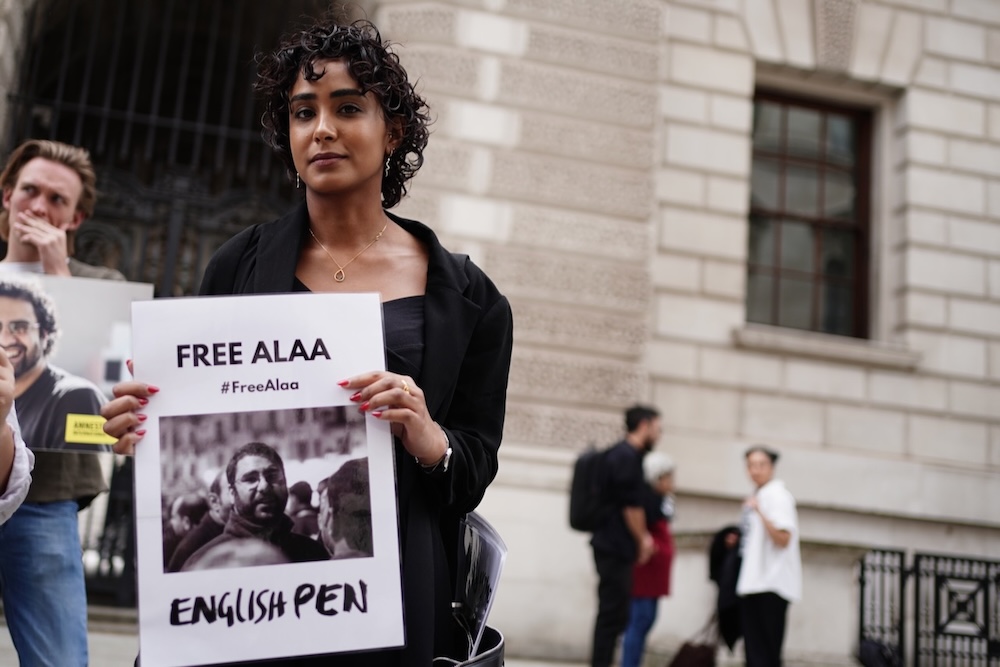
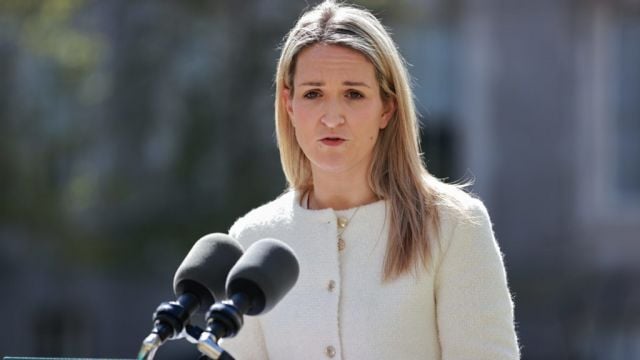


 Stay up-to-date by following
 Hans Thoolen on Human Rights Defenders and their awards