Posts Tagged ‘China’

Civil society view of the 55th session of the UN Human Rights Council

April 12, 2024

At the 55th Human Rights Council session, 22 civil society organisations share reflections on key outcomes and highlight gaps in addressing crucial issues and situations [see: https://humanrightsdefenders.blog/2024/02/26/human-rights-defenders-issues-at-the-55th-session-of-the-human-rights-council/]:

The failure of States to pay their membership dues to the United Nations in full and in time, and the practice of conditioning funding on unilateral political goals is causing a financial liquidity crisis for the organisation, the impacts of which are felt by victims and survivors of human rights violations and abuses. … Without the resources needed, the outcomes of this session can’t be implemented. The credibility of HRC is at stake. 

We welcome the adoption of three resolutions calling for the implementation of effective accountability measures to ensure justice for atrocity crimes committed in the context of Israel‘s decades long colonial apartheid imposed over the Palestinian people, and for the realisation of the Palestinian people’s right to self-determination. Special Procedures expressed their profound concern about “the support of certain governments for Israel’s strategy of warfare against the besieged population of Gaza, and the failure of the international system to mobilise to prevent genocide” and called on States to implement an “arms embargo on Israel, heightened by the International Court of Justice’s ruling […] that there is a plausible risk of genocide in Gaza […].”   This session, the Special Rapporteur on the OPT concluded that the actions of Israel in Gaza meet the legal qualifications of genocide. 

We deplore the double standards in applying international law and the failure of certain States to vote in favor of ending impunity. This undermines the integrity of the UN human rights framework, the legitimacy of this institution, and the credibility of those States. From Palestine, to Ukraine, to Myanmar, to Sudan, to Sri Lanka, resolving grave human rights violations requires States to address root causes, applying human rights norms in a principled and consistent way. The Council has a prevention mandate and UN Member States have a legal and moral duty to prevent and ensure accountability and non-recurrence for atrocity crimes, wherever they occur.

We want to highlight and specifically welcome the adoption of the first ever resolution on combating discrimination, violence and harmful practices intersex persons. The resolution builds on growing support in the Council on this topic and responds to several calls by the global coalition of intersex-led organisations. The resolution takes important steps in recognising that discrimination, violence and harmful practices based on innate variations of sex characteristics, such as medically unnecessary interventions, takes place in all regions of the world. We welcome that the resolution calls for States to take measures to protect the human rights of this population and calls for an OHCHR report and a panel discussion to address challenges and discuss good practices in protecting the human rights of intersex persons.

We welcome the renewal of the mandate of the Independent Expert on the enjoyment of human rights by persons with albinism. As attested by human rights defenders with albinism, the mandate played an invaluable role by shedding light on human rights violations against persons with albinism through ground breaking research, country visits, and human rights training, and ensuring that defenders with albinism are consulted and take part in the decision-making. The organisations also welcomed the inclusion of language reflecting the important role played by “organizations of persons with albinism and their families”, and the reference to the role of States in collaboration with the World Health Organization, “to take effective measures to address the health-related effects of climate change on persons with albinism with a view to realizing their right to the enjoyment of the highest attainable standard of physical and mental health, particularly regarding the alarming incidence of skin cancer in this population, and to implement the recommendations of the report of the Independent Expert in this regard”.

We welcome the adoption of the resolution on the renewal of the mandate of the Special Rapporteur on the human right to a clean, healthy and sustainable environment. We also welcome the update of the title of the mandate acknowledging the recognition of this right by the Human Rights Council in its resolution 48/13 on 8 October 2021 and the General Assembly resolution 76/300 on 28 July 2022. We also welcome the inclusion of gender-specific language in the text, and we call on the Special Rapporteur to devote a careful attention to the protection of environmental human rights defenders for their strong contribution to the realisation of the right to a clean, healthy, and sustainable environment, as called for by several States. We also welcome that the Council appointed for the first time a woman from the global south to fulfill this mandate, and we welcome the nomination of another woman as Special Rapporteur on the promotion and protection of human rights in the context of climate change. 

We welcome the resolution on countering disinformation, which addresses new issues whilst once again rejecting censorship and reaffirming the ‘essential role’ that the right to freedom of expression plays in countering disinformation. We welcome the specific focus on girls – besides women – as well as risks associated with artificial intelligence, gender-based violence, and electoral processes. We urge States to follow the approach of the resolution and to combat disinformation through holistic, positive measures, including by ensuring a diverse, free and independent media environment, protecting journalists and media workers, and implementing comprehensive right to information laws. Importantly, we also urge States to ensure that they do not conduct their own disinformation campaigns. At the same time, social media companies have an essential role to play and should take heed of the resolution by reforming their business models which allow disinformation to flourish on their platforms. The resolution also mandates the Advisory Committee to produce a new report on disinformation, and it is absolutely essential that this report mirrors and reinforces existing standards on this topic, especially the various reports of the Special Rapporteur on freedom of opinion and expression.

Whilst we welcome the technical renewal of the resolution on freedom of religion or belief, we regret that the parallel resolution on combating intolerance (widely known by its original name Resolution 16/18) was not tabled at the session. Since 2011, these duel resolutions have been renewed each year, representing a consensual and universal framework to address the root causes of hate based on religion or belief in law, policy, and practice. We call on the OIC to once again renew Resolution 16/18 in a future session, while ensuring no substantive changes are made to this consensual framework. We also urge all States to reaffirm their commitment to Resolution 16/18 and the Rabat Plan of Action and adopt comprehensive and evidence-based national implementation plans, with the full and effective participation of diverse stakeholders.

We welcome the adoption of the resolution on prevention of genocide and its focus on impunity, risks and early warnings, as well as the paragraph reaffirming that starvation of civilians as a method to combat is prohibited under international humanitarian law; however, we regret that the resolution fails to adequately reflect and address serious concerns relating to current political contexts and related risks of genocide. 

We welcome the adoption of the resolution on the rights of the child: realising the rights of the child and inclusive social protection, strengthening the implementation of child rights-compliant inclusive social protection systems that benefit all children. We also welcome the addition of a new section on child rights mainstreaming, enhancing the capacity of OHCHR to advance child rights mainstreaming, particularly in areas such as meaningful and ethical child participation and child safeguarding.  We remain concerned by persisted attempts to weaken the text, especially to shift the focus away from children as individual right-holders, to curtail child participation and remove the inclusion of a gender perspective.

We welcome the adoption of the resolution on torture and other cruel, inhuman or degrading treatment or punishment which addresses effective national legislative, administrative, judicial or other measures to prevent acts of torture. We welcome the new paragraph urging States concerned to comply with binding orders of the International Court of Justice related to their obligations under the Convention Against Torture.

We welcome the adoption of a new resolution on the human rights situation in Belarus. The Belarusian authorities continue their widespread and systematic politically-motivated repression, targeting not only dissent inside the country, but also Belarusians outside the country who were forced to flee for fear of persecution. Today, almost 1,500 prisoners jailed following politically-motivated charges in Belarus face discriminatory treatment, severe restriction of their rights, and ill-treatment including torture. The resolution rightly creates a new standalone independent investigative mechanism, that will inherit the work of the OHCHR Examination, to collect and preserve evidence of potential international crimes beyond the 2020 elections period, with a view to advancing accountability. It also ensures the renewal of the mandate of the Special Rapporteur who remains an essential ‘lifeline’ to Belarusian civil society.

We welcome the resolution on technical assistance and capacity building in regard to the human rights situation in Haiti and emphasis on the role civil society plays in the promotion and protection of human rights and the importance of creating and maintaining an enabling environment in which civil society can operate independently and free from insecurity. We similarly welcome the call on the Haitian authorities to step up their efforts to support national human rights institutions and to pursue an inclusive dialogue between all Haitian actors concerned in order to find a lasting solution to the multidimensional crisis, which severely impacts civil society. We welcome the renewal of the mandate of the designated expert and reference to women and children in regard to the monitoring of human rights situation and abuses developments, as well as encouragement of progress on the question of the establishment of an office of the Office of the High Commissioner in Haiti. We nonetheless regret that the resolution does not address the multifaceted challenges civil society faces amidst escalating violence, fails to further address the link between the circulation of firearms and the human rights violations and abuses, and does not identify concrete avenues for the protection of civilians and solidarity action to ensure the safety, dignity and rights of civilians are upheld.

We welcome the adoption of the resolution on Iran, renewing the mandate of the Special Rapporteur on human rights in Iran and extending for another year the mandate of the Independent International Fact-Finding Mission on Iran. The continuation of these two distinct and complementary mandates is essential for the Council to fulfill its mandate of promotion and protection of human rights in Iran. However, given the severity of the human rights crisis in the country, we regret that this important resolution remains purely procedural and fails to reflect the dire situation of human rights in Iran, including the sharp spike in executions, often following grossly unfair trials. It also fails to address the increased levels of police and judicial harassment against women and girls appearing in public without compulsory headscarves, human rights defenders, lawyers, journalists and families of victims seeking truth and justice, and the continued pervasive discrimination and violence faced by women and girls, LGBTI+ persons and persons belonging to ethnic and religious minorities in the country.  

We welcome the adoption by consensus of the resolution on Myanmar, which is a clear indication of the global concern for the deepening human rights and humanitarian crisis in the country as a result of the military’s over three-year long brutal war against the people resisting its attempted coup. We further welcome the Council’s unreserved support for Myanmar peoples’ aspirations for human rights, democracy, and justice as well as the recognition of serious human rights implications of the continuing sale of arms and jet fuel to Myanmar.

We welcome the resolution on the situation of human rights in Ukraine stemming from the Russian aggression. The latest report of the Independent International Commission of Inquiry (COI) reveals disturbing evidence of war crimes, including civilian targeting, torture, sexual violence, and the unlawful transfer of children. These findings underscore the conflict’s brutality, particularly highlighted by the siege of Mariupol, where indiscriminate attacks led to massive civilian casualties and infrastructure destruction. The report also details the widespread and systematic torture and sexual violence against both civilians and prisoners of war. Moreover, the illegal deportation of children emerges as a significant issue, as part of a broader strategy of terror and cultural erasure. The COI’s mandate extension is crucial for ongoing investigations and ensuring justice for victims. 

By adopting a resolution entitled ‘advancing human rights in South Sudan,’ the Council ensured that international scrutiny of South Sudan’s human rights situation will cover the country’s first-ever national elections, which are set to take place in De­cember 2024. With this resolution, the UN’s top human rights body extended the mandate of its Com­mis­sion on Human Rights in South Sudan.

We welcome the resolution on the human rights situation in Syria and the extension of the mandate of the Independent International Commission of Inquiry (COI), which will continue to report on violations from all sides of the conflict in an impartial and victim-centered manner. Syria continues to commit systematic and widespread attacks against civilians, in detention centers through torture, arbitrary detention and enforced disappearance and through indiscriminate attacks against the population in Idlib. We welcome that the resolution supports the mandate of the Independent Institution of the Missing People and calls for compliance with the recent order on Provisional Measures by the ICJ – both initiatives can play a significant role in fulfilling victims’ rights to truth and justice and should receive support by all UN Member States. In a context of ongoing normalisation, the CoI’s mandate to investigate and report on human rights abuses occurring in Syria is of paramount importance.

We continue to deplore this Council’s exceptionalism towards serious human rights violations committed by the Chinese government. At a time when double-standards are enabling ongoing atrocity crimes to be committed in Palestine, sustained failure by Council Members, in particular OIC countries, to promote accountability for crimes against humanity against Uyghurs and Muslim peoples in China severely undermines the Council’s integrity, and its ability to prevent and put an end to atrocity crimes globally. Findings by the OHCHR, the UN Treaty Bodies, the ILO and over 100 letters by UN Special Procedures since 2018 have provided overwhelming evidence pointing to systematic and widespread human rights violations across the People’s Republic of China. We reiterate our pressing call for all Council Members to support the adoption of a resolution establishing a UN mandate to monitor and report on the human rights situation in China, as repeatedly urged by UN Special Procedures. We further echo Special Procedures’ call for prompt and impartial investigations into the unlawful death of Cao Shunli, and all cases of reprisals for cooperation with the UN.

We regret the Council’s silence on the situation in India despite the clear and compounding early warning signs of further deterioration that necessitate preventive action by the Council based on the objective criteria. The latest of these early warning signals include the recent notification of rules to implement the highly discriminatory Citizenship Amendment Act by the Bharatiya Janata Party-led government just weeks before the election, along with recent intercommunal violence in Manipur and ongoing violence against Muslims in various parts of India amid increasing restrictions on civic space, criminalisation of dissent and erosion of the rule of law with political interference.

We further regret that this Council is increasingly failing to protect victims of human rights violations throughout the Middle East and North Africa, including in Algeria, Bahrain, Egypt, Libya, Saudi Arabia, and Yemen. The people of Yemen and Libya continue to endure massive ‘man-made’ humanitarian catastrophes caused in large part by ongoing impunity for war crimes, crimes against humanity and other grave violations of international law. In Algeria, Egypt, Bahrain, Saudi Arabia and in other MENA countries, citizens are routinely subjected to brutal, wide-spread human rights violations intended to silence dissent, eradicate independent civil society and quash democratic social movements. Countless citizens from the MENA region continue to hope and strive for a more dignified life – often at the cost of their own lives and freedom. We call on this Council and UN member States to rise above narrow political agendas and begin to take steps to address the increasing selectivity that frequently characterises this Council’s approach to human rights protection and promotion. 

We regret that once more, civil society representatives faced numerous obstacles to accessing the Palais and engaging in discussions, both in person and remotely, during this session. The UN human rights system in Geneva has always and continues to rely on the smooth and unhindered access of civil society to carry out its mandate. We remind UN Member States, as well as UNOG, that the Council’s mandate, as set out in HRC Res 5/1, requires that arrangements be made, and practices observed to ensure ‘the most effective contribution’ of NGOs. Undermining civil society access and engagement not only undermines the capacities and effectiveness of civil society but also of the UN itself.

Signatories:

  1. All Human Rights for All in Iran
  2. Asian Forum for Human Rights and Development (FORUM-ASIA)
  3. Association Arc pour la defense des droits de l’homme et des revendication democratique/culturelles du peuple Azerbaidjanais Iran -”ArcDH”
  4. Balochistan Human Rights Group
  5. Cairo Institute for Human Rights Studies
  6. Child Rights Connect (CRCnt)
  7. CIVICUS
  8. Commonwealth Human Rights Initiative (CHRI)
  9. Egyptian initiative for Personal Rights (EIPR)
  10. Ensemble contre la Peine de Mort
  11. Franciscans International
  12. Gulf Center for Human Rights
  13. Impact Iran
  14. International Bar Association’s Human Rights Institute (IBAHRI)
  15. International Federation for Human Rights (FIDH)
  16. International Lesbian and Gay Association (ILGA)
  17. International Service for Human Rights (ISHR)
  18. Kurdistan Human Rights Network
  19. Kurdpa Human Rights Organization
  20. PEN America
  21. The Syrian Legal Development Programme (SLDP)
  22. United 4 Iran

see also: https://www.eeas.europa.eu/delegations/un-geneva/eu-human-rights-council_en

https://www.fidh.org/en/international-advocacy/united-nations/human-rights-council/55th-human-rights-council-session-israel-palestine-belarus-iran

China tries but fails to disrupt a tribute at UN to Cao Shunli

March 23, 2024

Despite protests from China and its allies, human rights organisations paid a public tribute to the late activist Cao Shunli during a debate at the UN Human Rights Council, ten years after her death. A victim of ‘deadly reprisals’ against her activism, Cao died in March 2014 after months of arbitrary detention in China. [see also: https://humanrightsdefenders.blog/2024/03/15/joint-statement-on-the-10-year-anniversary-of-deadly-reprisals-against-chinese-activist-cao-shunli/]

NGOs and activists paid tribute to the late Chinese human rights defender Cao Shunli by holding a moment of silence and applauding her name during their speaking time at the Human Rights Council.

Delivering a joint statement before the Council plenary on behalf of ISHR and 16 organisations accredited to the UN as well as 20 NGOs without consultative status, a human rights defender from the Chinese mainland concluded her intervention with a short silence and a call to States and NGOs to mirror the courage of human rights defenders and always stand in solidarity with them.

After the intervention, in a sign of respect to Cao Shunli, the room was filled with applause from NGOs and a handful of governments in honour of Cao and in solidarity with victims of reprisals for cooperation with the UN.

‘It is unacceptable to normalise reprisals,’ the human rights defender from the Chinese mainland said. ‘Cao’s courage inspires defenders globally, so let her legacy and name resonate in this room until there is accountability for all victims of reprisals,’ she emphasised.

In an attempt to silence the activist, the Chinese delegation raised a point of order protesting against the statement. This mirrored their 2014 response to ISHR and other NGO’s attempt to hold a moment of silence at the Council after Cao’s death, during which Chinese diplomats disrupted the session for over an hour. This time, Cuba, Venezuela, the Democratic People’s Republic of Korea and Russia supported China in their attempt to silence activists’ right to speak at the United Nations. 

In response to China’s attacks, Belgium on behalf of the 27 states of the European Union, supported by the United States of America, Canada and the United Kingdom, took the floor to defend NGOs’ right to speak freely.  

‘We cannot allow Cao’s story and her work to be forgotten,’ said Raphaël Viana David, China Programme Manager for ISHR. ‘Ten years on, no one has been held to account for this emblematic case of tragic State reprisals. UN experts called for an inquiry in 2014, 2019 and once again last week. Governments cannot let Beijing off the hook: they must push for accountability for Cao’s fate and for that of all activists who have been persecuted for cooperating with the UN in standing up for human rights.’

ISHR and its civil society partners urge the international community to hold the individuals and institutions responsible for Cao’s death to account and to end all acts of reprisals and repressive measures seeking to restrict civil society space and prevent activists from engaging with the UN.

https://ishr.ch/latest-updates/china-fails-in-disrupting-tribute-at-un-to-cao-shunli-ten-years-after-her-death-in-custody

Geneva Human Rights Film Festival: winners announced

March 19, 2024

On 14 March 2024, the FIFDH published the film awards for its 2024 Festival. They include:

Gilda Vieira de Mello Prize

provides a moving account of the daily life of Mohamed Jabaly, who is stranded in Norway after the closure of Gaza’s borders. A call for freedom of movement, but above all freedom to pursue your dreams. “Gaza as depicted in Life is Beautiful no longer exists. Its streets, squares and the faces that populate filmmaker Mohamed Jabaly’s memories have been eradicated in the ongoing genocide in Palestine. What we are left with are the images that tell of the past, already under Israeli occupation. The violence of the borders, but also the solidarity and determination of an individual to lead a dignified existence. Cinema becomes the compass of an odyssey that takes us all to Gaza.

Prize of the World Organisation Against Torture (OMCT)

Total Trust follows the daily lives of activists who are watched and oppressed by the Chinese government through the use of technology, artificial intelligence and human rights. “Unveiling what appears to be a real-life Orwellian 1984 scenario, the documentary vividly portrays the persecution of Chinese human rights defenders and exposes the use of cutting-edge state surveillance technology tools to tightly control the lives of millions of people. This disconcerting image of rising authoritarianism prompts an important question: “Is a future controlled by technology, where we are no longer free to exercise our rights, a real risk for us all?” The prohibition of torture is what allows individuals to shape their personality and views, and establish their dignity, which is the very essence of being human.” [https://www.omct.org/en/resources/blog/one-moment-of-darkness-wont-blind-you-forever-award-winning-filmmaker-jialing-zhang-on-state-surveillance-technology-and-persecution-of-human-rights-defenders-in-china]

In March 2024, also noteworthy is that at the Thessaloniki International Documentary Festival the top prize in the International Amnesty Award competition went to Maciek Hamela’s Oscar-shortlisted In the Rearview. Hamela shot his film almost entirely within the confines of a van evacuating Ukrainian civilians fleeing the Russian invasion of their country. [https://deadline.com/2024/03/thessaloniki-internationa-documentary-festival-2024-awards-my-stolen-planet-stray-bodies-1235860706/]

For the full table of FIFDH winners, see:

https://www.euronews.com/culture/2024/03/18/human-rights-film-festival-winners-hone-in-on-russia-and-gaza

Transnational repression: Human Rights Watch and other reports

March 19, 2024
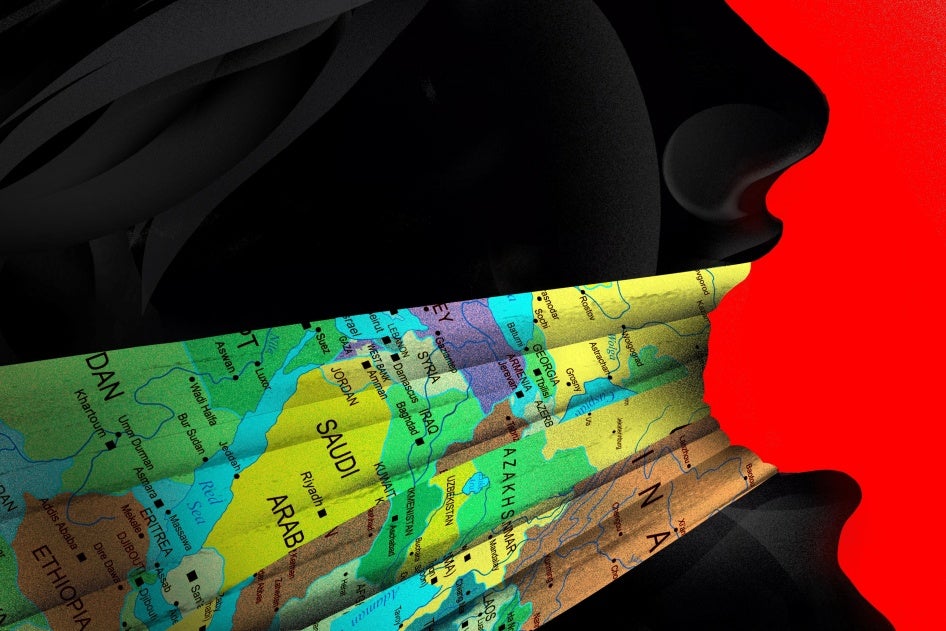
Illustration of a map being used to bind someone's mouth

On 22 February 2024, Human Rights Watch came with a study on governments reaching outside their borders to silence or deter dissent by committing human rights abuses against their own nationals or former nationals. Governments have targeted human rights defenders, journalists, civil society activists, and political opponents, among others, deemed to be a security threat. Many are asylum seekers or recognized refugees in their place of exile. These governmental actions beyond borders leave individuals unable to find genuine safety for themselves and their families. This is transnational repression.

See earlier posts:

Transnational repression looks different depending on the context. Recent cases include a Rwandan refugee who was killed in Uganda following threats from the Rwandan government; a Cambodian refugee in Thailand only to be extradited to Cambodia and summarily detained; and a Belarusian activist who was abducted while aboard a commercial airline flight. Transnational repression may mean that a person’s family members who remain at home become targets of collective punishment, such as the Tajik activist whose family in Tajikistan, including his 10-year-old daughter, was detained, interrogated, and threatened.

Transnational repression is not new, but it is a phenomenon that has often been downplayed or ignored and warrants a call to action from a global, rights-centered perspective. Human Rights Watch’s general reporting includes over 100 cases of transnational repression. This report includes more than 75 of these cases from the past 15 years, committed by over two dozen governments across four regions. While the term “transnational repression” has at times become shorthand for naming authoritarian governments as perpetrators of rights violations, democratic administrations have assisted in cases of transnational repression.

Methods of transnational repression include killings, unlawful removals (expulsions, extraditions, and deportations), abductions and enforced disappearances, targeting of relatives, abuse of consular services, and so-called digital transnational repression, which includes the use of technology to surveil or harass people. These tactics often facilitate further human rights violations, such as torture and ill-treatment.

This report also highlights cases of governments misusing the International Criminal Police Organization (Interpol)—an intergovernmental organization with 195 member countries—to target critics abroad.

Victims of transnational repression have included government critics, actual or perceived dissidents, human rights defenders, civil society activists, journalists, and opposition party members and others. Governments have targeted individuals because of their identity, such as ethnicity, religion, or gender. Back home, families and friends of targeted people may also become victims, as governments detain, harass, or harm them as retribution or collective punishment. Transnational repression can have far-reaching consequences, including a chilling effect on the rights to freedom of expression, association, and assembly among those who have been targeted or fear they could be next.

This report is not an exhaustive examination of cases of transnational repression. Instead, it outlines cases that Human Rights Watch has documented in the course of researching global human rights issues that point to key methods and trends of transnational repression.

Human Rights Watch hopes that by drawing attention to cases of transnational repression, international organizations and concerned governments will pursue actions to provide greater safety and security for those at risk. Governments responsible for transnational repression should be on notice that their efforts to silence critics, threaten human rights defenders, and target people based on their identity are no less problematic abroad than they are at home. This report provides governments seeking to tackle transnational repression with concrete recommendations, while raising caution against laws and policies that could restrict other human rights.

Human Rights Watch calls on governments committing transnational repression to respect international human rights standards both within and beyond their territory. Governments combatting transnational repression should recognize such abuses as a threat to human rights generally and act to protect those at risk within their jurisdiction or control.

See also: 22 March 2024: https://ishr.ch/latest-updates/addressing-transnational-repression-a-global-mandate-for-justice-and-human-rights/

https://www.hrw.org/report/2024/02/22/we-will-find-you/global-look-how-governments-repress-nationals-abroad

https://www.commondreams.org/news/human-rights-watch-dissidents

Joint statement on the 10-year anniversary of ‘deadly reprisals’ against Chinese activist Cao Shunli 

March 15, 2024

On 14 March 2024, a large number of leading NGOs paid tribute to Cao Shunli, and all human rights defenders targeted by the Chinese government for their commitment to uphold the promise of the Universal Declaration of Human Rights.  [see also: https://humanrightsdefenders.blog/tag/cao-shunli/]:

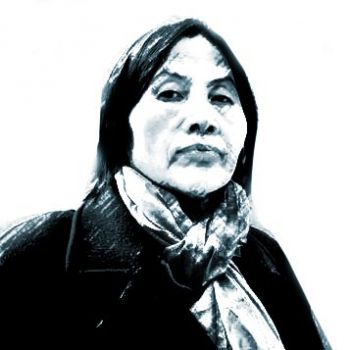
Cao Shunli was a brave Chinese woman human rights defender and lawyer. Working with fellow activists, Cao documented abuses, including the now-abolished ‘Re-education through Labour’ extrajudicial detention system, which she was also subjected to as a result of her human rights work. She campaigned for independent civil society to be meaningfully consulted and to be able to contribute to the Chinese government’s national reports to its first and second Universal Periodic Reviews (UPR). In an attempt to speak with government officials about the UPR, Cao courageously organised peaceful sit-ins with other concerned citizens outside the Ministry of Foreign Affairs despite great risks. She also submitted information on extralegal detention and torture in China to the UN and expressed the hope that ‘if we could get even 100 words’ into a UN report, ‘many of our problems could start to get addressed.’

On 14 September 2013, Chinese authorities detained Cao at the Beijing Capital International Airport as she was traveling to Geneva to participate in a human rights training, one month before China’s second UPR. Cao was forcibly disappeared for five weeks, until she resurfaced in criminal detention and was charged with ‘picking quarrels and provoking trouble’. By October 2013, it was clear that Cao Shunli was experiencing serious medical issues while in detention. After months of denial of adequate medical treatment, rejected appeals by her lawyers for bail on humanitarian grounds, and despite multiple calls from the international community for her urgent release, Cao died of multiple organ failure on 14 March 2014 in a hospital under heavy police guard to keep out her lawyers and friends.

Cao was one of the 2014 finalists of the prestigious Martin Ennals Award for Human Rights Defenders.

To this day, there has been no accountability for Cao Shunli’s death. The Chinese government refuses to admit wrongdoing, despite repeated calls in 2014 and 2019 by UN Special Procedures experts for a full investigation into this ‘deadly reprisal’. 

Her case is one of the longest-standing unresolved cases in the UN Secretary-General’s annual reports on reprisals against civil society actors for engaging with the United Nations. China is one of the most consistent perpetrators of reprisals over time, and one of the most egregious perpetrators in terms of the sheer number of individuals targeted. 

Cao is not alone: her courage, but also the abuses she endured, are unfortunately those of other human rights defenders who paid a high cost for cooperating with the UN. Her close colleague, Chen Jianfang was forcibly disappeared under Residential Surveillance at a Designated Location (RSDL) from 19-20 March 2019 after paying tribute to Cao Shunli on the 5th anniversary of her death. Chen was sentenced to four years and six months in jail for ‘inciting subversion of State power’ and left prison on 21 October 2023, after which authorities subjected her to strict surveillance. UN experts have raised with the Chinese government acts of reprisals against Chen Jianfang, but also Jiang Tianyong, Li Qiaochu, Dolkun Isa, Li Wenzu and Wang Qiaoling, among others. The recent instances of intimidation and harassment against NGO participants in China’s 4th UPR in January 2024 further highlight the gravity of the situation.

Li Qiaochu, Xu Zhiyong, Ding Jiaxi, Yu Wensheng, Xu Yan, Huang Xueqin, Li Yuhan, Chang Weiping: many other Chinese human rights defenders are today detained, disappeared, and at grave risk, for upholding the promise of the Universal Declaration of Human Rights.

These documented acts do not account for the even greater self-censorship and refusal to engage with the United Nation as a result of a generalised climate of fear

Ten years ago, when ISHR and many other human rights groups sought to observe a moment of silence at the Human Rights Council in her memory, the Chinese delegation, together with other delegations, disrupted the session for an hour and half.

Cao Shunli is a paradigmatic case of reprisals, not only because of her prominence, but also due to the array of severe human rights violations against her, committed in total impunity. These range from Chinese authorities blocking her exit from her own country, enforced disappearance, arbitrary detention, lack of due process, torture or ill-treatment and denial of adequate medical care, to subsequent death in custody, and the lack of accountability for these abuses. The lack of any progress in achieving accountability underscores the urgent need for continued international attention and pressure on the Chinese government to ensure justice for Cao and all human rights defenders who face persecution for their work.

Cao Shunli said before her death: ‘Our impact may be large, may be small, and may be nothing. But we must try. It is our duty to the dispossessed and it is the right of civil society.’

Today, we pay tribute to Cao Shunli’s legacy, one that has inspired countless human rights defenders in China and abroad. We urge UN Member States to call for a full, independent, impartial investigation into her death. We reaffirm that no perpetrator of reprisals, no matter how powerful, is above scrutiny, and that reprisals are fundamentally incompatible with the values of the United Nations and of the Universal Declaration of Human Rights. 

see also: https://ishr.ch/latest-updates/in-major-win-geneva-to-host-permanent-cao-shunli-monument

Signatories: 

  1. Art for Human Rights
  2. ARTICLE 19
  3. Asian Forum for Human Rights and Development (FORUM-ASIA)
  4. Asian Lawyers Network (ALN)
  5. Campaign for Uyghurs
  6. CIVICUS: World Alliance for Citizen Participation
  7. CSW (Christian Solidarity Worldwide)
  8. Front Line Defenders
  9. HK Labour Rights Monitor
  10. Hong Kong Centre for Human Rights
  11. Hong Kong Democracy Council (HKDC)
  12. Hong Kong Watch
  13. Human Rights in China
  14. Humanitarian China
  15. Humanitarian China
  16. International Bar Association’s Human Rights Institute (IBAHRI)
  17. International Campaign for Tibet
  18. International Federation for Human Rights (FIDH), within the framework of the Observatory for the Protection of Human Rights Defenders
  19. International Service for Human Rights
  20. International Tibet Network
  21. Lawyers’ Rights Watch Canada
  22. Martin Ennals Foundation
  23. Network of Chinese Human Rights Defenders (CHRD)
  24. PEN International
  25. Safeguard Defenders
  26. The 29 Principles
  27. The Rights Practice
  28. Tibet Justice Center
  29. Uyghur Human Rights Project
  30. World Organisation Against Torture (OMCT), within the framework of the Observatory for the Protection of Human Rights Defenders
  31. World Uyghur Congress

On 14 March also a group of UN Special Rapporteurs issued a joint call: “We regret that no action appears to have been taken over the last five years, since the last call for an independent, impartial and comprehensive investigation into Ms. Shunli’s death,” [https://www.ohchr.org/en/press-releases/2024/03/china-un-experts-renew-calls-accountability-cao-shunlis-death]

https://www.frontlinedefenders.org/en/statement-report/joint-statement-10-year-anniversary-deadly-reprisals-against-chinese-activist-cao

https://ishr.ch/latest-updates/in-tribute-to-cao-shunli-rights-groups-call-on-geneva-to-install-permanent-monument-for-her

Chinese filmmaker charged with ‘picking quarrels and provoking troubles’

February 26, 2024

Jurist of 25 February, 2024 reported that police in China have charged Chen Pin Lin, director of documentary “Not the Foreign Force,” with “picking quarrels and provoking trouble,” according to Chinese human rights news watchdogs Weiquanwang and Civil Rights and Livelihood Watch.

The Thursday charges come after Chen’s arrest in January 2024. He has been in detention for more than a month. In a letter to his family members, the authorities accused him of “picking quarrels and provoking troubles,” which is criminalized by Article 293 of the Criminal Act. Human Rights Watch previously criticized Article 293 for its elusive definition and use against human rights defenders.

The film “Not the Foreign Force,” also known as “Ürümqi Road” in Chinese, depicts the nationwide protests against COVID-19 lockdown measures in China. The demonstrations erupted in Shanghai after a fire killed 10 people in Ürümqi, where lockdown policies had slowed down fire services. During the rallies, colloquially known as the “White Paper Protests,” participants held a piece of blank paper over their heads to symbolize their speechlessness over the tragedy. The protests ultimately prompted the Chinese government to lift all COVID-19 restrictions in December 2022.

Chen published the video on China Digital Times under the pseudonym “Plato” on 27 November 2023, one year after the demonstrations started. In the caption, Chen criticized the Chinese government for shifting the blame to foreign forces. “The more the government tries to mislead, forget and conceal, the more we should speak out, remind and remember,” he wrote. “Remember the White Paper Protests.”

https://www.jurist.org/news/2024/02/china-activist-filmmaker-charged-with-picking-quarrels-and-provoking-troubles

Human rights defenders issues at the 55th session of the Human Rights Council

February 26, 2024

The UN Human Rights Council (the Council) will hold its 55th regular session at Palais des Nations in Geneva from 26 February – 5 April 2024. As usual I am able to give yoiu a selection of the issues most direclty related to Human Rights Defedners thanks to the elaborate guide produced again by the International Service for Human Rights. Read the full Alert to the session online here, and
 Stay up-to-date by following @ISHRglobal and #HRC55 on Twitter. And look out for the Human Rights Council Monitor. CF: https://humanrightsdefenders.blog/2023/10/15/reults-of-the-54th-session-of-the-un-human-rights-council/

Thematic areas of interest
Acts of intimidation and reprisals ISHR remains deeply concerned about reprisals against civil society actors who engage or seek to engage with UN bodies and mechanisms. We call for all States and the Council to do more to address the situation. HRC55 is a key opportunity for States to raise concerns about specific cases of reprisals and demand that governments provide an update on any investigation or action taken toward accountability. An increasing number of States have raised concerns in recent sessions about individual cases of reprisals, including at HRC39, HRC41, HRC42, HRC43, HRC45, HRC51, HRC52, and HRC53, and HRC54.  States raising cases is an important aspect of seeking accountability and ending impunity for acts of reprisal and intimidation against defenders engaging with the UN. It can also send a powerful message of solidarity to defenders, supporting and sustaining their work in repressive environments. We urge States to continue to raise the cases ISHR has campaigned on in the last two years in their statements.  We also urge States to raise and follow up on individual cases of reprisals in the country specific debates taking place at this session. Further information on these cases can be found here or by contacting the ISHR team at s.hosseiny@ishr.ch


Other thematic debates

At this 55th session, the Council will discuss a range of economic, social and cultural rights through dedicated debates with Special Rapporteurs.

Country-specific developments

Attacks against fundamental freedoms in relation to Palestine in Western Europe and North America (including Austria, France, Germany,  Italy, United States, United Kingdom): Civil society and international experts have raised grave concern at the attacks on fundamental freedoms when advocating for the rights of Palestinians by authorities in Western Countries. The attacks on freedoms of expression, assembly and association being monitored since October 2023 are by no means a new trend. For example, in September 2023, Amnesty International issued a statement addressing ‘restrictions of freedom of expression and freedom of assembly through blanket, pre-emptive bans imposed on assemblies on the occasion of Nakba Remembrance Day in Berlin’ by the Berlin Assembly Authority.  However there has been a notable escalation in the intensity of these attacks as well as the political and legal measures put forward to further curtail fundamental freedoms in relation to Palestine since October 2023.  Western governments, who regularly call for strong protection of human rights and civic space, are emboldening Israel’s indiscriminate attacks by cracking down on free expression and peaceful assembly, online and offline. Authorities have resorted to banning the holding of demonstrations, cracked down on demonstrators, and arrested protesters. Moreover, individuals have been fired from their jobs for voicing opinions on social media. Individuals have also reported facing hate speech, censorship and self-censoring fearing reprisals, including discrimination and criminalisation for voicing their opinions online and offline.  Special Procedures have concluded that the undue restrictions imposed by States, especially Western States, ‘on peaceful protests and civil society working to protect human rights and humanitarian law in the context of the Gaza war are contrary to States’ obligation under international law to prevent atrocity crimes, such as genocide, war crimes, crimes against humanity and apartheid’. They stressed ‘that inclusive and meaningful collaboration with civil society, human rights defenders, […] and protest movements is vital to end the cycle of violence and impunity […], dismantling apartheid and ensuring justice and accountability […]’. Special Procedures have also addressed how ‘risks of potential anti-Semitism have also been used as a justification by some States to ban and criminalise peaceful assemblies and expressions in support of Palestinians’ rights’.  Civil society has for years deplored the misuse by Israel and Western States of this argument to suppress Palestinian rights advocacy through the IHRA working definition of antisemitism. The Arab Center Washington DC stressed that ‘conflation between antisemitism and legitimate criticism of Israeli crimes against Palestinian civilians (heightened by the adoption of the International Holocaust Remembrance Alliance (IHRA) definition of antisemitism by many States and organisations), leads to the silencing of Palestinian voices’. The normalisation of anti-Palestinian racism, rarely treated as equal human beings by the media or politicians,  has also led to the dehumanisation of Palestinians as emphasised by the Special Procedures  who stressed that ‘States have sought to justify these restrictions by referring to risks related to incitement to hatred and ‘glorification’ or ‘support of terrorism’, and potential risks to national security or public order. This approach is not only arbitrary, but it also dehumanises Palestinians by unjustly linking them as a whole to criminal endeavours and terrorism.’ Moreover, Special Procedures have stressed that ’employees in the public and private sectors should also not face reprisals, such as disciplinary measures or loss of employment, for speaking out’. They emphasised the importance for States and relevant academic institutions to respect academic freedoms, and ensure that students and teaching staff can freely associate, assemble and express their views with regards to the war in Gaza and the Israeli occupation of Palestine. The European Legal Support Center (ELSC) has monitored 661 incidents of repression against the Palestinian solidarity movement or individuals advocating for Palestinian rights since 7 October : 219 took place in Germany, 172 in the UK, 72 in France, 45 in Italy, 16 in Austria and 137 in other European countries. These include legal action or threats of legal action; restriction of movement, harassment, intimidation or violence; smear campaigns; threats to citizenship of residency status; disciplinary investigation, loss of employment or suspension from position; threats to academic freedom; refusal or withdrawal of use of venue or cancelation of events; defunding or financial de-risking.  Since 2014, Palestine Legal has responded to over 2200 incidents in the US of suppression of Palestinian rights advocacy aimed at intimidating Palestinians and their supporters into silence and inaction. Since October 7, Palestine Legal responded to over 1258 reports of suppression of Palestinian rights advocacy in the US. Palestine Legal and over 600 legal organisations and professionals based in the USA urged in a joint letter elected officials and institutional leaders ‘to take urgent measures to address the surging racist attacks and unlawful retaliation against advocates for Palestinian right
They address ‘an unprecedented barrage of extreme attacks that Palestinians and their allies in the U.S. are facing, including violent assaults, hate speech, employment discrimination, severe harassment and doxxing of students, law enforcement visits, and censorship in different arenas of civic and social life’. The organisation stressed that ‘hundreds of incidents happening across the country signal a much broader effort to criminalise dissent, justify censorship, and incite anti-Palestinian, anti-Arab, and anti-Muslim harassment, doxing and vigilantism against Palestinians and their allies. This is not a new phenomenon, but it is escalating at terrifying speed.’ In line with Special Procedures recommendations, we urge States, in particular Western States to: immediately and unconditionally release all arbitrarily detained individuals ‘for the exercise of their rights to freedom of peaceful assembly, of association and of freedom of expression in the context in Israel/occupied Palestinian territory’.  Put an end to the intimidation and criminalisation of ‘civil society and activists advocating for respect of Palestinians’ rights, including the right to self-determination, for boycotts, divestment and sanctions, international criminal accountability, and an end to the alleged crimes of apartheid and genocide against Palestinians’ Ensure that ‘legislation and policy measures designed to counter anti-Semitism or terrorism are not used to suppress fundamental freedoms or to restrict civil society’s access to resources and/or criminalize them for their legitimate work.’ Ensure that ‘civil society organizations, human rights defenders and academics, working on Palestinian rights can exercise the ability to seek, receive and use financial resources, including foreign funding; and that counter-terrorism laws, including financing laws, are not applied in a manner contrary to international standards.’

Algeria 

The sustained repression against the pro-democracy movement and human rights defenders in Algeria was addressed in the end of session statements of the Special Rapporteur on freedom of association and assembly as well as the Special Rapporteur on human rights defenders who conducted official visits to Algeria in 2023. These were the first visits since 2016 by UN mandate holders to the country.  The Special Rapporteur on Freedom of Assembly and Association addressed the ‘criminalisation of civil society work’, and the ‘suspension or dissolution of political parties and associations, including prominent human rights advocacy organisations’ (including RAJ and LADDH), as well as ‘overly restrictive laws and regulations’ hindering their work. The rapporteurs called for the amendment of laws used to curtail fundamental freedoms, including article 87 bis of the Penal Code, used to outlaw movements such as the Movement for the Autonomy of Kabylie (MAK) and the Islamic political movement Rachad, both declared terrorist entities, and to bring criminal charges against individuals for exercising their rights to expression and assembly.  Following her visit and attending the trial of three Algerian human rights defenders who faced terrorism charges, UN Special Rapporteur on Human Rights Defenders ‘welcomed the acquittal of Jamila Loukil, Kaddour Chouicha and Said Boudour’. While this is a positive development, a big number of activists and HRDs remain arbitrarily detained in Algeria. The SR on HRDs addressed the arbitrary detention of Kamira Nait Sid, a WHRD and co-president of the World Amazigh Congress sentenced to three years in prison where she visited her. She was arrested and tried on charges of ‘undermining national unity” and “belonging to a terrorist organisation’. The Special Rapporteur also met with HRD Ahmed Manseri, was put in pre-trial detention following meeting the Special Rapporteur on FoAA, ‘a picture of him meeting the Special Rapporteur on Freedom of Association and Assembly was included in his case file’. In line with the decision of the WGAD, Algeria should release arbitrarily detained HRD Mohamed BabaNadjar, detained since 2005 and serving a life sentence for his work on the rights of the Amazigh people.  ISHR is alarmed at the level of self-censorship and risk of reprisals individuals face for engaging with the UN and its mechanisms. The SR on HRDs reported that individuals were self-censoring ‘for fear of being charged under Article 87 bis’. The SR on FoAA reported that activists told him that they were not willing to meet him ‘in person as they feared they could be subject to reprisals by authorities for undermining national security.’ The SR on HRDs also reported that some HRDs she intended to meet “refused or cancelled at the last minute, for fear of reprisals”.  We urge all States to demand that Algeria, an HRC member, end its crackdown on human rights defenders and civil society organisations as well as put an end to all acts of intimidation and reprisals. We also call on States to call for the immediate release of  all individuals arbitrarily detained, including woman human rights defender Kamira Nait Sid, and Mohamed BabaNadjar, and to urge Algeria to amend all legislation that hinders the work of civil society, including article 87 bis, regulations on funding, and other undue limitations to freedom of assembly and association. 


Bahrain

Bahrain continues to imprison human rights defenders, including Abduljalil Al-Singace, Abdulhadi Al-Khawaja and Naji Fateel, despite their prolonged incarceration deemed arbitrary by the UN Working Group on Arbitrary Detention. High profile opposition figures such as Sheikh Ali Salman, Hassan Mushaima, and Abdulwahab Hussain also remain behind bars.

On 19 September 2023, the UN Secretary-General published their annual report naming five individuals who faced reprisals for cooperating with United Nations mechanisms. The death penalty continues to be used, with 26 individuals on death row, many alleging torture and coerced confessions. Death row inmates Mohamed Ramadhan and Husain Moosa have been detained for a decade and are at risk of imminent execution despite UNWGAD calling for their immediate and unconditional release and impending execution. Last year, over 800 political prisoners in Jau Prison launched a hunger strike to protest harsh conditions, discrimination and ill-treatment.

We call on States to urge Bahraini authorities to unconditionally release all those sentenced for their political opinions, including human rights defenders, stop reprisals for cooperating with the UN, and implement recommendations by UN Special Procedures.  


China 

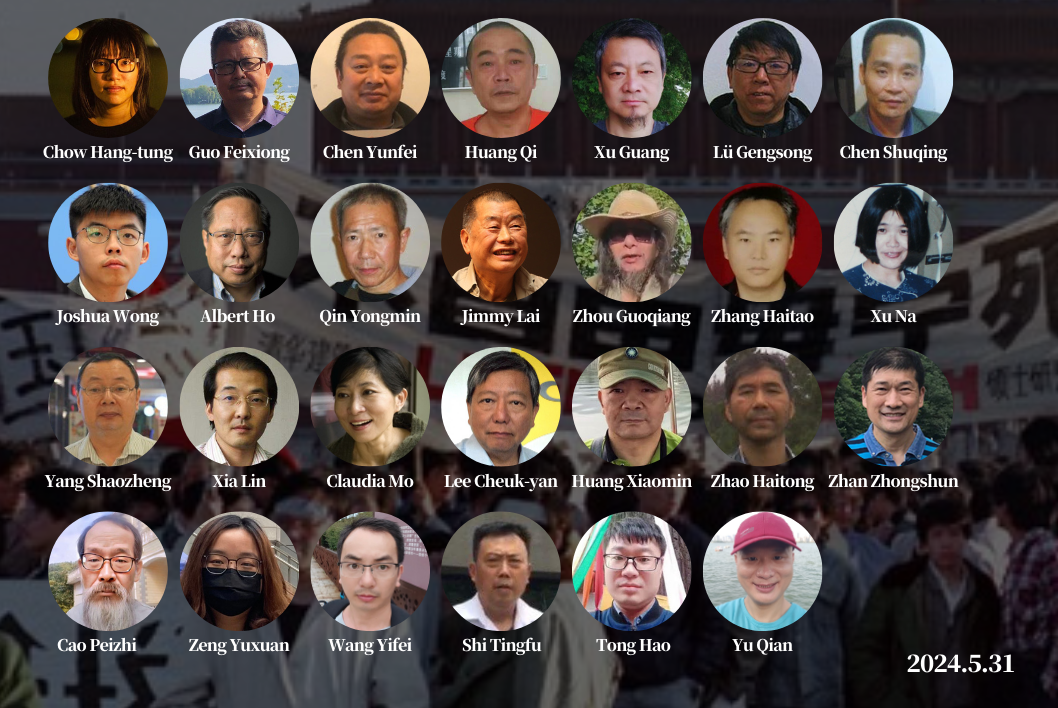
China’s fourth UPR review on January 23 exposed strong international condemnation over grave abuses, and calls for unfettered access to the whole country for UN Special Procedures experts, including from the Global South. Numerous recommendations and advanced questions referred to the overwhelming evidence of grave abuses documented by UN bodies since 2018, compiled in a repository published by ISHR. This vast array of UN recommendations constitute an impartial benchmark to assess the Chinese government’s willingness and actions to address systematic and widespread human rights violations. Follow-up to these welcome steps must be ensured. To uphold the integrity of its mandate and put an end to China’s exceptionalism, the HRC must establish a monitoring and reporting mechanism on the country, as repeatedly called for by over 40 UN experts and hundreds of human rights groups globally. States should further urge the UN High Commissioner to strengthen follow-up action on his Office’s Xinjiang report, including through public calls for implementation, translation of the report, and an assessment of its implementation. States should ensure sustained visibility at the HRC of China’s abuse of national security and other cross-cutting abuses affecting Uyghurs, Tibetans, Hong Kongers and mainland Chinese defenders, including the latest crackdown on human rights lawyers. Finally, States should ask for the prompt release of human rights defenders, including feminist activists Huang Xueqin and Li Qiaochu, human rights lawyers Chang Weiping, Ding Jiaxi, Yu Wensheng and his wife Xu Yan, legal scholar Xu Zhiyong, Uyghur doctor Gulshan Abbas, Hong Kong lawyer Chow Hang-tung, and Tibetan climate activist A-nya Sengdra.


Democratic Republic of the Congo


The government must engage civil society in the drafting of the implementation, ensure it is in line with international standards and doesn’t further restrict the rights of defenders in the country. The United Nations Joint Human Rights Office (UNJHRO) must support the calls of civil society and ensure the protection and promotion of defenders is part of its support to the government of the DRC.

The Council will consider oral updates with the High Commissioner and the team of international experts on the DRC on 3 April, followed by General Debate. 


Egypt 

Thousands of individuals remain arbitrarily detained in Egypt solely for exercising their human rights and following proceedings violating fair trial rights or without legal basis. Those held include human rights defenders, political and humanitarian activists, members of opposition parties and their family members, trade unionists, poets, peaceful protesters including most recently in Palestine solidarity protests, journalists, bloggers, lawyers, social media influencers, members of religious minorities, workers and medical professionals. Egyptian authorities are failing to address key concerns raised by UN human rights bodies. In March 2023, the Human Rights Committee called on Egypt to ‘ensure that statutory limits to the duration of pretrial detention are enforced, including by putting an end to the involvement of security agencies in the decision-making process on the release of detainees and the practice of ‘rotation’ under which detainees are added to new cases on similar charges’.

According to human rights organisations, at least 251 defendants were rotated to new cases in 2023, and another 620 defendants in 2022, demonstrating the continued involvement of the judicial authorities in violations of the right to fair trial and undermining the rule of law.

The Human Rights Committee also called on Egypt to ‘ensure that court proceedings in terrorism cases are fully in line with articles 14 and 15 of the Covenant to ensure fair trials and put an end to the use of mass trials that are inherently not aligned with international standards’. UN Special Procedures have raised their concerns with Egypt on the ‘Terrorism Circuit Courts and allegations of their incompatibility with international due process guarantees, as well as alleged violations of fundamental rights of many individuals, including human rights defenders, who have been tried, or are still waiting to be tried, before these courts’. According to the Egyptian Front for Human Rights’ annual report, the Terrorism Circuit Courts ordered the release of only 3 defendants, approximately 0.1% of the 35966 cases of detention renewals under its consideration in 2023. The Egyptian Initiative for Personal Rights (EIPR) has also documented this pattern of what is commonly referred to as ‘hearings of detention renewals’ by the Terrorism Circuit Courts, including most recently renewals of detention of almost 900 defendants on 21 and 22 January 2024.   Since the Committee against Torture (CAT) reached ‘the inescapable conclusion‘ in 2017 that ‘torture is a systematic practice in Egypt,’ the Egyptian government has not taken any serious steps to address the issue. In a new report submitted to the CAT, REDRESS and a coalition of Egyptian and international civil society organisations  – including the Egyptian Initiative for Personal Rights, the Egyptian Commission for Rights and Freedoms, Dignity, and the International Commission of Jurists – conclude that the widespread and systematic use of torture by the Egyptian authorities amounts to a crime against humanity under customary international law. ISHR reiterates the calls of more than 100 NGOs from around the world in urging the HRC to create a monitoring and reporting mechanism on the ever-deteriorating human rights situation in Egypt.


Guatemala

Guatemala is living historic and hugely challenging times. The undermining of Guatemala’s State institutions over many years has led to a collapse in the rule of law and a worsening human rights crisis. The judicial system has been largely stripped of its independence and attacks and threats against human rights defenders and justice operators have been rife. Currently at least 45 former justice operators have been forced into exile, with at least 10 facing criminal proceedings against them in the country. Guatemala’s new President, Bernardo Arévalo, has promised to re-establish the rule of law, fight against corruption and impunity and address poverty. At this session under General Debate 2, the Council will consider the High Commissioner’s report on OHCHR activities including in Guatemala. This is the opportunity for States to speak of their support for effective measures to address corruption, impunity and for the respect of human rights under the new Presidency, and to continue their commitment to monitoring government actions. States should call on Guatemala to use UPR and treaty body recommendations as a road map for the necessary reforms to reintroduce the rule of law, fight impunity and uphold human rights. States should call on Guatemala to commit to and accept visits of Special Procedures as a means to institute a regime of rights monitoring and recommendations. They should welcome the good news of the three year renewal of the mandate of the Office of the High Commissioner in Guatemala and suggest that the High Commissioner for Human Rights visit the country at his earliest convenience.  States should urge the government to guarantee the security of indigenous communities and leaders and institute an ongoing dialogue with indigenous communities to hear and respond to their demands. In that regard, Guatemala should sign and ratify the Escazú Protocol as a matter of urgency. States should call on Guatemala to put the protection of defenders at the heart of the new government’s actions, including through the implementation of the public human rights defenders public protection policy, ordered by the Inter-American Court of Human Rights in 2014.

Israel/OPT

The Council will hold an interactive dialogue with the High Commissioner on ensuring accountability and justice in the Occupied Palestinian Territory, including East Jerusalem on 29 February and an interactive dialogue with the Special Rapporteur on the oPt on 26 March. ISHR welcomes South Africa’s proceedings at the International Court of Justice (ICJ) on the situation in Gaza as an important step towards effective measures and accountability for atrocity crimes committed by Israel in the context of its decades long colonial apartheid imposed over the Palestinian people, including its latest war on Gaza. It also upheld international law in the face of decades of double standards during which the international community failed to take effective measures to ensure Israel complies with international law and the numerous UN resolutions and recommendations by UN special procedures, treaty bodies, and investigative mechanisms. Civil society organisations stressed that by ‘drawing on the nature of Israel’s military action, and ‘dehumanising’ statements by Israeli government officials, the Court found that Israel’s actions in Gaza are plausibly genocidal’, pending its final decision. These provisional measures which have a legally binding effect, ‘cannot be  carried out without a full cessation of hostilities’, thus can only be effective with a ceasefire. In a joint statement from January 2024, Special Procedures deplored that they had raised the alarm of the risk of genocide several times and for months, ‘reminding all governments they have a duty to prevent genocide’ and stressing that ‘not only is Israel killing and causing irreparable harm against Palestinian civilians with its indiscriminate bombardments, it is also knowingly and intentionally imposing a high rate of disease, prolonged malnutrition, dehydration, and starvation by destroying civilian infrastructure’.  The UN Committee on the Elimination of Racial Discrimination raised ‘serious concerns regarding the obligation of Israel and other State parties to prevent crimes against humanity and genocide.’ Responding to arguments of Israel and other States, the Commission of Inquiry on the Occupied Palestinian Territory, including East Jerusalem, and Israel reiterated  that article 51 which ‘provides for the use of force by a State in self-defense of the Charter […] is not applicable’. Special procedures expressed their profoundly concern about ‘the support of certain governments for Israel’s strategy of warfare against the besieged population of Gaza, and the failure of the international system to mobilise to prevent genocide’. ISHR and over 180 organisations, deplored the continued transfer of arms to Israel by States, including the US, the UK, Germany, Canada, Italy, the Netherlands, and stress that the provision of military equipment and military support to Israel with knowledge that they are likely to be used in serious violations of international law, including international crimes, invites charges of complicity.  ISHR also denounces the defunding civil society organisations and UNRWA by Western States, a strategy implemented by Israel and discursively imposed by some States to silence the work of human rights defenders and ensure the demise of the Palestinian refugee issue and with it the right of the Palestinian people to self-determination.  We call for an immediate and unconditional release of all Palestinians deprived of liberty without due process, and all Israeli hostages; and the lifting of the 17 year-old illegal blockade and closure of the Gaza Strip, which constitutes collective punishment. In line with the ICJ provisional measures, and based on the obligations of States under international law, including the Genocide Convention, we urge States to take immediate and effective measures to: Impose a ceasefire and ensure that Israel provides immediate and unhindered delivery of aid to the Gaza Strip; Implement a two-way arms embargo on Israel; Ensure that internally displaced Palestinians return to their areas of previous residence and are provided with safe shelters in accordance with IHL provisions; Support the work of the CoI to investigate the root causes of the situation on both sides of the Green Line, including through providing sufficient resources for the mechanism, to ensure accountability and redress; and  Restore funding of UNRWA and civil society organisations working to ensure the delivery of humanitarian aid in the context of starvation and genocide as well as document human rights violations, respectively. 


Mali

In Mali the human rights situation continues to deteriorate, with the government increasingly cracking down on media and opposition voices, significantly narrowing civic space. During the presentation of his last report at the 52nd session of the Human Rights Council, the Independent Expert highlighted the threats, physical assaults and attacks on their property defenders faced because of their opinions.

Additionally, he recognised that the progress recently made towards the return to constitutional order may not lead to credible, free, fair and inclusive electoral processes unless appropriate measures are taken to address the shrinking civic space in the country. Since the adoption of the defenders’ law in 2018, Mali is yet to fully guarantee the protection of the rights of defenders through its implementation. In 2020, Mali finally adopted its implementation decree for the HRD law shortly followed by the decision adopted by the Malian government which establishes the characteristics, procedures for granting and withdrawing the professional card of human rights defenders. ISHR continues to ask the independent expert what support he planned to give to the Malian government to ensure the full implementation of the defenders law and its protection mechanism. The HRC must keep the scrutiny on Mali to ensure that defenders in the country are protected in line with the UN Declaration and not restricted by the limitation imposed by a card defining the status of defenders.  The Council will hold an interactive dialogue with the independent expert on 28 March. 
Nicaragua 

The human rights situation in Nicaragua comes back on the agenda against this session with two planned debates. On 29 February the Group of Human Rights Experts will present its report followed by an interactive dialogue. On the 4 March there will be an oral update of the HC on the situation of human rights in Nicaragua followed by a general debate.  At the Council’s last interactive dialogue on Nicaragua, on 18 December 2023, the UN Deputy High Commissioner for Human Rights said of Nicaragua: ‘Every day the country deviates further from human rights.’ The last months have shown how true this remains. Upcoming regional elections on the Caribbean Coast (4 March) have provided a context for government crackdowns on opponents. The main indigenous and Afro-descendant political party in the country, YATAMA, has had its legal status revoked and two of its leaders, National Assembly legislator and YATAMA party chair Brooklyn Rivera and YATAMA legal representative Nancy Elizabeth Henríquez were arrested. The whereabouts of Brooklyn Rivera remain unknown. These arrests have been followed by increased militarisation in the territories on the Caribbean coast. The Inter-American Commission on Human Rights (IACHR) and its Special Rapporteurship for Freedom of Expression have expressed concern about these and other attacks against indigenous communities in the country.  Many Nicaraguan human rights defenders remain in exile with no possibility of return. These include Rolando Álvarez, sentenced to 26 years in prison after strongly criticising government repression last year and expelled from the country in mid-January 2024 alongside 17 other clerics. Repression against defenders continues. States must call on Nicaragua to immediately release all arbitrarily detained people including Freddy Quezada, subject of precautionary measures by the IACHR; to provide immediate information about the whereabouts of all those disappeared, including poet Carlos Bojorge, detained and disappeared one month ago, and Brooklyn Rivera.  States should express firm support of the work of the Group of Experts on Nicaragua and OHCHR and call on Nicaragua to take urgent steps to meet the recommendations made to it by the Group of Experts, as well as OHCHR and – in the words of Nicaraguan HRD Cristina Huerta made in December at the Council – to call on Nicaragua to ‘put an end to the State violence against women and civil society and retake the path to democracy’.  ISHR is co-organising a side event ‘The situation for exiled Nicaraguan activists a year after being released and stripped of nationality’ on 5th March, 15.30-16.30pm Geneva time, Room XXVII Palais de Nations. Co-organisers include the Permanent Missions of Argentina, Canada, Chile, Costa Rica, Ecuador and Paraguay, as well as NGOs CCPR, Race and Equality and PBI. 


Occupied Western Sahara In October 2023, the UN Working Group on Arbitrary Detention requested the immediate release of 18 Gdeim Izik prisoners from Western Sahara, held for over 13 years in Moroccan jails. In the last six years, the UN Working Group on Arbitrary Detention has rendered at least 11 decisions highlighting a systematic pattern of violations of the right to due process and fair trial, arbitrary arrests, torture, as well as violations to the right to freedom of expression, discrimination based on language, ethnicity and religion, especially targeting Saharawi activists advocating for the right to self-determination of Western Sahara. Prior, UN CAT issued five decisions on the Gdeim Izik prisoners, including in the case of Human rights activists Enaâma Asfari.  Western Sahara is a former Spanish colony that remains under Moroccan occupation (despite a 1992 UN governed agreement for a referendum on independence, which Morocco continues to fail to comply with). In 1990, the General Assembly had reaffirmed that Western Sahara was a question of decolonisation

which remained to be completed by the people of Western Sahara.   We urge States to call on Morocco to implement the decisions of the CAT and the WGAD and unconditionally release the Gdeim Izik arbitrarily detained activists, and all arbitrarily detained journalists and human rights defenders, while putting an end to all forms of harassment and reprisals against prisoners and their family. We further urge States to call on Morocco to put an end to its crackdown on civil society, particularly Saharawi human rights defenders in the occupied territory, ensure they are able to conduct their human rights work, and provide access to occupied Western Sahara to human rights bodies, including OHCHR, special procedures, and human rights organisations. As a member of the Human Rights Council and its president, and in line with resolution 60/251, Morocco should ‘uphold the highest standards in the promotion and protection of human rights’ and ‘fully cooperate with the Council’. In his update to the Council in March 2023, High Commissioner Turk highlighted that his Office has not been granted access to Western Sahara for the last eight years. Local human rights organisations report that international organisations and observers are barred from entering the territory to carry out meaningful human rights documentation and that human rights defenders trying to document and ensure monitoring are being targeted by the State.

In a joint statement, Special Procedures decried ‘the systematic and relentless targeting of human rights defenders in retaliation for exercising their rights to freedom of association and expression to promote human rights in Western Sahara’. They urged Morocco to ‘stop targeting human rights defenders and journalists standing up for human rights issues related to Western Sahara, and allow them to work without reprisals’.


Saudi Arabia According to ALQST’s annual report, despite the Saudi authorities’ recent efforts to open up to tourism and host international events, a prevailing climate of closure prevails – independent monitors are denied access to the country, the prison system is shrouded in secrecy, and trials are held behind closed doors.

In this ominous atmosphere, and following the almost complete diplomatic rehabilitation of crown prince and de facto ruler Mohammed bin Salman, widespread violations persist, including but not limited to: further decades-long prison sentences, and even a death sentence, meted out for peaceful social media use; the prosecution of women for their choice of clothing and advocacy for women’s rights; prisoners of conscience held incommunicado beyond the expiration of their sentences; arbitrary travel bans imposed on detainees and their family members in a form of collective punishment; and the execution of 172 individuals carried out over 2023, with several young men at imminent risk of execution for alleged crimes committed as minors.

In light of these alarming developments, ALQST and ISHR call on the Council to adopt a resolution mandating an independent international monitoring and investigative mechanism to address the human rights violations perpetrated in and by Saudi Arabia.


Sudan The humanitarian crisis in Sudan is dire, with millions displaced, widespread attacks on civilians including systematic SGBV as a weapon of war, amidst lack of global attention and adequate funding to respond to the crisis. Sudan faced a total communication blackout on 7 February 2024, following earlier disruptions at the end of January. These shutdowns severely endanger women human rights defenders and their work, hindering their ability to document atrocities and access essential resources such as mobile banking apps.  Since the attack on Wad Madani in December 2023, WHRDs have lost resources, faced displacement, and enormous challenges searching for safe locations across states and neighboring countries. Dozens of women defenders were harassed, detained, summoned and threatened by both warring parties during the last few weeks. In recent months, the Sudanese Military Forces have intensified attacks on human rights defenders, journalists, and humanitarian workers in their controlled areas. Rapid Support Forces (RSF) have arrested civilians, engaged in looting, and perpetrated sexual violence systematically. WHRDs struggle to operate in these areas as the risks of sexual violence are expanding, with at least 5 WHRDs and first responders detained, summoned, or harassed recently. The attacks, which have resulted in the deaths of 4 WHRDs including 2 journalists and 11 women health workers, have occurred in territories controlled by both warring factions.  Threats against medical services by both the RSF and the Sudan Armed Forces (SAF) continue to be reported including killings and kidnappings of health workers, attacks on hospitals and theft of medical supplies; exacerbating the humanitarian crisis for millions internally displaced without access to necessities and healthcare, and at risk of diseases such as outbreak of cholera.  Sudanese rights groups have documented more than 2000 cases of enforced disappearances in Khartoum and other affected regions since the start of the war, with victims often detained by RSF or SAF, some killed under unclear circumstances. Detainees endure inhumane conditions, lacking medical care, proper food, and subjected to torture and sexual violence.  Authorities in safer regions of Northern and Eastern Sudan dissolved resistance committees, active since the 2018 protests. Governors of five states prohibited information dissemination on social media, detaining journalists and activists in three states. Peaceful civic activities are banned or unauthorized in several states, creating hostile environments for WHRDs. The civic space in Sudan is closed with increasing militarization of the state and communities. During the last three months, Sudanese authorities launched a mobilization campaign to arm civilians, leading to unprecedented threats to women, peace and security and GBV in the areas out of the fighting zones. The Council will hold, on 1 March, an enhanced interactive dialogue on the comprehensive report of the HC, presented with the assistance of the designated Expert on human rights in the Sudan, on the situation of human rights in the Sudan. During the debate, States should reiterate joint civil society calls on the warring parties for an immediate ceasefire and the prompt creation of safe corridors for humanitarian aid organisations and groups, and to guarantee the safety of their operations; an immediate restoration of telecommunications across the country; and cease attacks on health facilities, medical supplies, and health workers, and uphold obligations under international humanitarian law.  States should also declare their support for joint civil society calls on States to create an immediate long-term protection program for WHRDs; provide support for the FFM and other international mechanisms mandated to document human rights violations in Sudan, including by ensuring that these entities have the necessary resources to carry out their work effectively; support  local initiatives providing humanitarian support to local communities as well as support services to victims, and to support civil society’s documentation and reporting efforts so that the evidence obtained can be used for future judicial proceedings; to call for the disclosure of the whereabouts of the disappeared and the release of detainees, and to urgently address the issue of enforced disappearances and grave violations in detention centers, including GBV; and to call for the reinforcement and protection of medical staff in accordance with international humanitarian law.


Tunisia 

Since 25 July 2021, President Saied has dismantled Tunisia’s democratic institutions, undermined judicial independence, stifled the exercise of freedom of expression and repressed dissent. In June 2023, the High Commissioner urged Tunisia to ‘change course’,  ‘respect due process and fair trial standards in all judicial proceedings, cease trying civilians before military courts and release all those arbitrarily detained’. He expressed ‘deep concern at the increasing restrictions on the right to freedom of expression and press freedom in Tunisia’, noting that vague legislation is being used to criminalise independent journalism and stifle criticism of the authorities. He further addressed the ongoing crackdown ‘against judges, politicians, labour leaders, businesspeople and civil society actors’.  The situation has since further deteriorated. Authorities have continued to escalate their crackdown on free speech and peaceful dissent, using unfounded conspiracy, terrorism and expression-related charges against opposition figures, journalists, lawyers, judges and businesspeople. Public remarks from the president about the prosecution of perceived critics has continued to undermine judicial independence. At least 20 people have been in pretrial detention for long periods of time (8 months to more than two years). In November 2023, civil society organisations warned that the draft law on associations submitted to the Tunisian Parliament on 10 October 2023 would violate the right to freedom of association and endanger civic space in Tunisia. The draft law would grant the government pervasive control and oversight over the establishment, activities, operations and funding of independent groups, which are one of the last remaining counterweights to President Kais Saied’s autocratic rule. We urge States to call on Tunisia to refrain from adopting the proposed draft law and, instead, commit to safeguarding the right to freedom of association as enshrined in Decree-law 88 and under international human right law binding on Tunisia. The authorities should ensure that associations are able to operate without political interference, intimidation, harassment or undue restrictions. Moreover, Special Procedures have raised alarm at the collective expulsions targeting sub-Saharan migrants from Tunisia as well as ‘violence and racist hate speech, including perpetrated by the country’s top leadership and law enforcement officials’. While collective expulsions started being documented in early July, they are ongoing and target asylum seekers, refugees and children, to Libya and Algeria.

ISHR reiterates the recommendations by Tunisian civil society, Special Procedures and the Committee on the Elimination of Racial Discrimination to put an end to these practices, and for the authorities to investigate, provide remedies to victims, and hold perpetrators accountable. 
Ukraine Two years on from the launch of Russia’s full scale invasion and war of aggression against Ukraine, the perpetration of which has involved the widespread commission of war crimes and crimes against humanity, it is vital that the Council continue to mandate mechanisms to investigate violations, promote accountability, support victims, and address root causes of conflict.

At the March session of the Council, this should include renewing the mandate of the Commission of Inquiry, the work of which is essential to promote accountability for atrocity crimes in Ukraine, as well as address root causes such as the repression and criminalisation of human rights defenders and independent journalists in Russia itself.  The Council will hold an interactive dialogue with the Commission of Inquiry on 19 March. The Council will also hold an interactive dialogue on the OHCHR report on Ukraine on 2 April.


Venezuela The Human Rights Council session just as that Venezuela has suspended OHCHR activities in the country and ordered personnel to leave the country and amid a context of a foretold pre-electoral increase in threats and attacks against defenders.

The arbitrary detention and disappearance of human rights defender Rocío San Miguel, president of NGO Control Cuidadano, on 9 February is evidence of this and of a wider pattern of attacks against defenders, as noted by the UN fact-finding mission on Venezuela. The re-activation of the process related to a highly restrictive and much criticised NGO bill at the start of this year, is a sign of the government’s interest in restricting civil society’s ability to operate. This is no time to reduce efforts to demand the respect of human rights in the country including the respect of the rights of human rights defenders, and to express support for ongoing monitoring and reporting work by OHCHR in the country and by the UN Fact-Finding Mission.  Venezuela will be the focus of two specific debates during the session. On 19 March, the High Commissioner will present an oral update informed by the conclusions and recommendations of his team in the country. The UN fact-finding mission will provide an oral update on the 20 March. Both of these updates will be followed by interactive dialogues.  During this session, States must be of one voice in calling for the reactivation of the work of OHCHR in the country. Also, the immediate release of Rocío San Miguel and that of Javier Tarazona, arbitrarily detained almost three years ago. States must also express deep concern at the re-introduction of the NGO bill and call on the government to cease threats and attacks against defenders in the country. States should restate the importance of the work of Venezuelan defenders and commit to support their work politically and, where possible, financially.  States must insist on the reestablishment of an effective OHCHR presence in the country and speak to the essential, ongoing work of the UN fact-finding mission, stressing upon Venezuela the importance of its cooperation with all the UN bodies and mechanisms with mandates related to Venezuela and with all Special Procedures.  States’ participation in the two interactive dialogues on Venezuela – through individual and joint statements –  is key to making evident that the human rights situation in the country and the UN’s monitoring and reporting mechanisms remain a priority and reassuring those demanding accountability for human rights violations in Venezuela that they are being heard. 


Yemen In 2023, Mwatana documented the continuation of human rights violations committed by various conflicting parties in Yemen, including ground and aerial attacks, attacks on vital facilities, child recruitment, arbitrary detention, enforced disappearance, and torture, sexual violence, attacks on African migrants, denial of humanitarian access, as well as the the impact of the widespread presence of landmines and explosive devices. In 2023, over 40 civil society organisations, victims and survivor associations from Yemen launched the Yemen Declaration for Justice and Reconciliation, in which they set forth their common vision for achieving justice that is inclusive, victim-centred, and includes accountability, reparations, and redress.

ISHR calls on the international community to address the demands made by Yemeni civil society, including for an independent, impartial, and fair accountability for all crimes under international humanitarian law and international human rights law committed in Yemen, by all parties to the conflict. Failure to address atrocities in the past has led to a culture of impunity throughout generations. We urge the international community to take effective measures to assess the full extent of civilian harm in coordination with local civil society and call on parties to the conflict to ensure  reparation and redress. 

Other country situations The High Commissioner will provide an oral update to the Council on 4 March. The Council will consider updates, reports on and is expected to consider resolutions addressing a range of country situations, in some instances involving the renewal of the relevant expert mandates. These include: Interactive dialogue with the Special Rapporteur on Afghanistan Enhanced interactive dialogue with the Special Rapporteur on Eritrea ID with the Special Rapporteur on the Democratic People’s Republic of Korea and a presentation of the report of the High Commissioner  Interactive Dialogue with the High Commissioner on Belarus Interactive dialogue on the High Commissioner oral update on Myanmar, and interactive dialogue with the Special Rapporteur  Interactive Dialogue with the Special Rapporteur on Iran and Interactive Dialogue on the comprehensive report of the independent international fact-finding mission  Interactive Dialogue with the Commission of Inquiry on  Syria  Enhanced interactive dialogue on the comprehensive written report of the Commission on Human Rights’ South Sudan and the participation of the High Commissioner, and an interactive Dialogue on the OHCHR report on South Sudan High-level Dialogue with the Independent Expert on Central African Republic Interactive Dialogue with the High Commissioner and the Independent Expert on Haiti Interactive Dialogue with the International Expert on Colombia, and presentation of the report on the OHCHR activities in Colombia under General debate 2

Resolutions to be presented to the Council’s 55th session At the organisational meeting on 12 February the following resolutions were announced (States leading the resolution in brackets): Combating intolerance, negative stereotyping and stigmatization of, and discrimination, incitement to violence and violence against, persons based on religion or belief (Pakistan on behalf of the OIC) Human rights situation in the Occupied Palestinian Territory, including East Jerusalem, and the obligation to ensure accountability and justice (Pakistan on behalf of the OIC) Right of the Palestinian people to self-determination (Pakistan on behalf of the OIC) Israeli settlements in the Occupied Palestinian Territory, including East Jerusalem, and in the occupied Syrian Golan (Pakistan on behalf of the OIC) Human rights in the occupied Syrian Golan (Pakistan on behalf of the OIC) Human rights and the environment (Costa Rica, Maldives, Morocco, Slovenia, Switzerland)  – mandate renewal  Prevention of genocide (Armenia) The right to work (Egypt, Greece, Indonesia, Mexico, Romania) The right to food (Cuba)  Promotion of the enjoyment of the cultural rights of everyone and respect for cultural diversity  (Cuba) – mandate renewal  The effects of foreign debt and other related international financial obligations of States on the full enjoyment of all human rights (Cuba) The right to adequate housing (Brazil, Finland, Germany, Namibia)  Combating violence, discrimination, and harmful practices against intersex persons  (Australia, Chile, Finland ,South Africa) Human rights in Ukraine stemming from the Russian aggression  (Ukraine)  The role of States in countering the negative impact of disinformation on the enjoyment and realization of human rights (Ukraine, Japan, Latvia, Lithuania, Poland, UK, US)  The right to privacy in the digital age (Austria, Brazil, Germany, Liechtenstein, Mexico) – mandate  renewal  Cooperation with Georgia (Georgia)  Situation of Human Rights in the Republic of South Sudan ( Albania, Norway, UK, US) – mandate renewal      The human rights situation in the Syrian Arab Republic (United Kingdom, France, Germany, Italy, Jordan, the Netherlands, Qatar, Turkiye and the United States of America) – mandate renewal  Torture and other cruel, inhuman or degrading treatment or punishment (Denmark) Promoting and strengthening a culture of peace (Gambia, Lesotho, Chile, Mozambique, South Sudan, Côte d’Ivoire, Kazakhstan, Botswana)  The rights of persons belonging to minorities (Austria, Slovenia, Mexico) The right of persons with disabilities (New Zealand and Mexico)  The situation of human rights in Belarus (European Union) The situation of human rights in the DPRK (European Union) – mandate renewal  The situation of human rights in  Myanmar (European Union) – mandate renewal  Freedom of religion or belief (European Union) Rights of the child (EU and GRULAC) Situation of human rights in the Islamic Republic of Iran (Iceland, Moldova, North Macedonia, United Kingdom) and  the deteriorating situation of human rights in the Islamic Republic of Iran, especially with respect to women and children (Iceland and Germany) – two mandate renewals in one resolution.    Furthermore, according to the voluntary calendar for resolutions, it is possible that more resolutions could also be presented at this session. Read the calendar here.

Adoption of Universal Periodic Review (UPR) reports During this session, the Council will adopt the UPR working group reports on Azerbaijan, Bangladesh, Burkina Faso, Cabo Verde, Cameroon, Canada, Colombia, Cuba, Djibouti, Germany, Russian Federation, Turkmenistan, Tuvalu, Uzbekistan.  ISHR supports human rights defenders in their interaction with the UPR. We publish and submit briefing papers regarding the situation facing human rights defenders in some States under review and advocate for the UPR to be used as a mechanism to support and protect human rights defenders on the ground.

Side events ISHR and the Permanent Mission of Finland are co-organising a side event ‘In Defence of Civic Space and Democracy: Supporting the work of HRDs‘ on 26 February at 13:00-14:00 (CET) in Room XXII.

ISHR is organising a side event on 6 March at 13:00 (CET) on the role of defenders in fostering accountability for atrocity crimes. Further information will be published on ISHR’s website

ISHR is co-organising a side event ‘The situation for exiled Nicaraguan activists a year after being released and stripped of nationality’ on 5 March, 15.30-16.30pm (CET), Room XXVII, Palais de Nations. Other co-organisers include the Permanent Missions of Argentina, Canada, Chile, Costa Rica, Ecuador and Paraguay, as well as NGOs CCPR, Race and Equality and PBI.  ISHR is co-organising a side event, ‘Resisting Exile: Voices of Human Rights Defenders’ on 5 March, 2pm Palais de Nations, along with CCPR and Race and Equality. 

https://mailchi.mp/ishr/alert-to-the-human-rights-councils-55th-session-feb-apr2024?e=d1945ebb90

Cao Shunli, her legacy should not be silenced

February 16, 2024

Our impact may be large, may be small, and may be nothing. But we must try. It is our duty to the dispossessed and it is the right of civil society.’ Cao Shunli

Ten years ago, Chinese woman human rights defender Cao Shunli was a victim of deadly reprisals for engaging with the United Nations.

The International Service for Human Rights (ISHR) and partners invite you to attend a photo exhibition on 14 March 2024, at Place des Nations to honour her memory.

The photo exhibition will also display cases of Chinese, Tibetan, Uyghur, and Hong Kong human rights defenders who have been targeted for upholding the promise of the Universal Declaration of Human Rights. See: https://mailchi.mp/ishr/side-event-situation-guatemala-hrc55-7mar-34177?e=d1945ebb90

Who was Cao Shunli? 

Cao Shunli was a brave Chinese woman human rights defender and lawyer. She campaigned for the meaningful consultation and contribution of independent civil society to the Chinese government’s national reports for its first and second Universal Periodic Reviews (UPR). On 14 September 2013, one month before this review, while on her way to Geneva to attend a human rights training organised by ISHR and CHRD, she was detained and forcibly disappeared by Chinese authorities for five weeks. When she resurfaced in custody in October 2013, she had been charged with ‘picking quarrels and provoking trouble’, and  it was evident that she was experiencing serious medical issues in detention. Despite repeated international calls for her urgent release over months of being denied adequate medical treatment, Cao Shunli died of multiple organ failure on 14 March 2014, having been granted bail for medical reasons just days before her death. Cao Shunli was one of the finalists of the prestigious Martin Ennals Award for Human Rights Defenders in 2014. [see also: https://humanrightsdefenders.blog/tag/cao-shunli/ as well as https://www.martinennalsaward.org/hrd/cao-shunli/]

To this day, Chinese authorities have ignored appeals seeking accountability for Cao’s death, including repeated calls by UN Special Procedures experts in 2014 and 2019 for a full investigation into this ‘deadly reprisal’. Her case remains the longest-standing unresolved case in the UN Secretary-General’s annual reports on reprisals. March 2024 marks the 10th anniversary of Cao Shunli’s death. A decade ago, when ISHR and many other human rights groups sought to observe a moment of silence at the Human Rights Council in her memory, the Chinese delegation, together with other delegations, disrupted the session for an hour and a half. China is consistently one of the most frequent perpetrators of reprisals against individuals or groups engaging with the United Nations. Frequently mentioned alongside Saudi Arabia, it has the second highest number of reprisals cases and situations reported by the UN Secretary-General since 2010.

Cao Shunli’s story is a paradigmatic case of reprisals, not only because of her belief in the importance of civil society participation in UN mechanisms, but also due to the array of severe human rights abuses she endured because of this belief, ranging from being barred from exiting her own country, enforced disappearance, arbitrary detention, lack of due process, torture, ill-treatment, and denial of adequate medical care, to subsequent death in custody without any accountability for these abuses. 

https://ishr.ch/events/but-we-must-try-cao-shunli-the-unsilenceable-legacy

UN Human Rights Council urges China to Repeal RSDL

February 6, 2024
Last week, on 23 January 2024, the UN Human Rights Council reviewed the human rights record of China during its fourth Universal Periodic Review (UPR). The International Service for Human Rights reporst back on its successful campaign: Following ISHR campaign and your messages to UN member States, six countries, including France, Luxembourg, the UK, the US, Sweden, and Australia urged Beijing to put an end to the practice of ‘Residential Surveillance at a Designated Location’ (RSDL) – which UN experts have branded a form of enforced disappearance. This would not have been possible without you! 

See also: https://humanrightsdefenders.blog/tag/residential-surveillance-at-a-designated-location-rsdl/

Following this session, the Chinese government must review the recommendations and decide whether to accept or simply note them, and report back to the Human Rights Council at its 56th session (June 2024). ISHR will closely monitor this and keep you informed.  Our call to raise the case of Cao Shunli got unanswered. Cao was detained by Chinese police in September 2013 in retaliation for her work to seek meaningful civil society participation in China’s second UPR cycle. Ten years ago, on 14 March 2014, Cao died of multiple organ failure following continued denial of medical treatment in custody. Despite the emblematic nature of her case Cao’s name was not once cited by UN member States. Nevertheless, at least four States recommended to China to end reprisals against human rights defenders seeking to engage with the United Nations.  We’re ramping up efforts for honouring the memory of Cao Shunli and calling for accountability in her case. We are preparing a small event on 14 March 2024 in Geneva. Stay tuned for more very soon!   

Meet Joey Siu, a Hong Kong activist

January 21, 2024

Meet Joey Siu, a Human Rights Foundation (HRF) Freedom Fellow and Hong Kong activist based in Washington, D.C.  Siu played a vital role in Hong Kong’s 2019 pro-democracy protests, co-founding a student advocacy coalition and organizing city-wide demonstrations. After fleeing Hong Kong in 2020, Siu served as an advisor to the Inter-Parliamentary Alliance on China and a policy advisor to Hong Kong Watch. Siu is currently an Asia Pacific coordinator for the World Liberty Congress, an advisor to the Athenai Institute, and oversees the Hong Kong program at the National Democratic Institute.

In exile, Siu remains a dedicated advocate for Hong Kongers, Tibetans, Uyghurs, and other communities oppressed by the Chinese Communist Party (CCP). Learn more about her activism in the exclusive interview below.

Q: Tell us a little bit about yourself and your current projects. 

A: I am a human rights activist from Hong Kong (HK). Back in 2019, when the pro-democracy movement in Hong Kong first started, I was one of the student leaders who led many of the on-campus activities and city-wide protests and demonstrations. In 2019, I also co-founded a student coalition with other student activists in HK to solidify international advocacy efforts for HK. I was forced to flee HK in late 2020 and settled in Washington, D.C. Since then, my efforts have been focused on international advocacy for HK’s democratic freedoms overseas.

I am establishing a regional activist network for women advocates to connect, amplify, and empower one another and to elevate women leaders in this space. Beyond that, I am very active in the HK diaspora community and working to foster cross-movement solidarity with other communities under the repression of the Chinese Communist Party (CCP).

Q: How do you feel about the bounty HK authorities placed on your head?

A: On Dec. 13, I woke up to the news that HK authorities issued an arrest warrant and a $1 million HK bounty on me. Ever since I fled, I knew this could happen given the Chinese and HK authorities’ efforts to silence dissent, not just from those in HK but from those in exile. But this bounty is like a death certification — I can really never go back. I was overwhelmed by the news and the actions I’ve had to take to step up my personal security. 

I — and the 12 others with bounties on their heads — saw this coming. They issued the bounty to threaten us, to deter us from continuing our advocacy, to scare us, and to really intimidate us. But that will not work on me. I will not stop; I will continue my advocacy until I can return to HK.

Q: What tactics does the Chinese regime employ to suppress activists like yourself?

A: The overseas communities have lobbied for international attention on China and HK and all of the human rights atrocities committed by the CCP. That is why the CCP is trying so hard to silence us. 

Over the past few years, the CCP and the HK authorities have stepped up their transnational repression. We’ve witnessed a wide variety of tactics employed by the CCP, from holding our loved ones back home as hostages to infiltrating our communities, setting up secret police stations all across the world, including in the United States, to coercing different stakeholders and industries to spy on their behalf. 

These tactics have not been used just against Chinese and Hong Kongers but also against Uyghurs and Tibetans. And we’ve seen other authoritarian regimes copying the CCP’s tactics, including Russia, Iran, and Belarus. In fact, these regimes are working hand-in-hand to silence dissent overseas.

Q: Should democracies be paying more attention?

A: I want to stress that the impact of transnational repression extends beyond the activists. Beyond spying on dissidents overseas, tactics include economic coercion, brainwashing, and education through Confucius institutes in American universities and colleges. Those tactics impact every individual living in a democracy.

Democracies all across the world should pay attention to this and take concrete steps to combat transnational repression on their soil and in other democracies. Securing the safety and security of dissidents like me is an essential step to allowing us to have the freedom to continue speaking up and to continue confronting authoritarianism. 

Q: How has the Freedom Fellowship supported you in your work?

A: The Fellowship allowed me to meet activists from communities I otherwise would not have been in touch with as actively or frequently. In my cohort, I met activists from Bolivia, Cuba, Myanmar, Morocco, Egypt, and more. I got to talk with them and learn the tactics they’ve used to overcome challenges and unite their communities. Fostering relationships and strategizing on campaigns together was the most valuable experience for me. 

Building that cross-community solidarity is essential. We see dictators working together and it is of the utmost importance that we, human rights activists, are working together. Democratic backsliding is not an issue faced by one community alone; it is an issue faced by all communities under oppression.

Q: What have you recently been doing? What do you hope to achieve in 2024?

A: After the news about the HK bounty broke, I had several meetings with US congressional offices. I met with the House Foreign Affairs Committee, Chairman Mike Gallagher of the House Select Committee on the Chinese Communist Party, and Sen. Jennifer Sullivan. Hopefully, these meetings will lead to legislation to combat transnational repression, but we require a coordinated and bipartisan effort in Congress. I hope to see something like the Transnational Repression Policy Act advanced and adopted in this Congress. 

With the ongoing reports of the bounty on me and other activists, Jimmy Lai’s case, and the upcoming sentencing of the 47 activists in HK, we can hopefully take advantage of the momentum. We can push the US government and other democracies to take action. 

Additionally, during the 2023 Freedom Fellowship retreat, I came up with the idea of the regional women’s network. In the upcoming months, I want to turn this idea into something concrete—start inviting people to be founding members and board members, start the registration process, and establish a financial foundation and fundraising plan.

https://mailchi.mp/hrf.org/meet-hrf-freedom-fellow-joey-siu?e=f80cec329e