The International Service for Human Rights (HRC) published again it – as usual – very useful Guide to the next (48th) Session of the UN Human Rights Council, from 13 September to 8 October 2021. Here is an overview of some of the key issues on the agenda directly affecting human rights defenders. Stay up-to-date: Follow @ISHRglobal and #HRC48 on Twitter, and look out for their Human Rights Council Monitor and during the session. [for last year’s, see: https://humanrightsdefenders.blog/2021/06/22/key-issues-affecting-hrds-in-47th-session-of-un-human-rights-council-june-2021/]
Thematic areas of interest
Reprisals
On 29 September, the Assistant Secretary General Ilze Brands Kehris for Human Rights will present the Secretary General’s annual report on Cooperation with the United Nations, its representatives and mechanisms in the field of human rights (also known as ‘the Reprisals Report’) to the Council in her capacity as UN senior official on reprisals. The presentation of the report will be followed by a dedicated interactive dialogue, as mandated by the September 2017 resolution on reprisals. ISHR remains deeply concerned about reprisals against civil society actors who engage or seek to engage with UN bodies mechanisms. We continue to call for all States and the Council to do more to address the situation. The dedicated dialogue provides a key opportunity for States to raise concerns about specific cases of reprisals, and demand that Governments provide an update on any investigation or action taken toward accountability. An increasing number of States have raised concerns in recent sessions about individual cases of reprisals, including in Egypt, Nicaragua, Cuba, Saudi Arabia, Malaysia, Bahrain, Yemen, Burundi, China and Venezuela, Egypt, Burundi, Lao and China,
During the 48th session, Ghana, Fiji, Hungary, Ireland and Uruguay will present a draft resolution on cooperation with the UN. The draft resolution aims to strengthen the responses by the UN and States to put an end to acts of intimidation and reprisals. ISHR urges all delegations to support the adoption of the draft resolution and resist any efforts to undermine and weaken it.
ISHR recently launched a study analysing 709 reprisals cases and situations documented by the UN Secretary-General between 2010 and 2020. The study examines trends and patterns in the kinds of cases documented by the UNSG, how these cases have been followed up on over time, and whether reprisal victims consider the UN’s response effective. Among other things, the study found that nearly half the countries serving on the Council have been cited for perpetrating reprisals. The study found that public advocacy and statements by high level actors condemning reprisals can be one of the most effective tools to prevent and promote accountability for reprisals, particularly when public pressure is sustained over time. The study also found that, overall, the HRC Presidency appears to have been conspicuously inactive on intimidation and reprisals, despite the overall growing numbers of cases that are reported by the UNSG – including in relation to retaliation against individuals or groups in connection with their engagement with the HRC – and despite the Presidency’s legal obligation to address such violations. The study found that the HRC Presidency took publicly reported action in only 6 percent of cases or situations where individuals or organisations had engaged with the HRC. Not only is this a particularly poor record in its own right, it also compares badly with other UN actors. [see also: https://humanrightsdefenders.blog/2021/05/06/un-action-on-reprisals-towards-greater-impact/]
In line with previous calls, ISHR expects the President of the Human Rights Council to publicly identify and denounce specific instances of reprisals by issuing formal statements, conducting press-briefings, corresponding directly with the State concerned, publicly releasing such correspondence with States involved, and insisting on undertakings from the State concerned to investigate, hold the perpetrators accountable and report back to the Council on action taken.
Environmental Justice
It’s high time the Council responds at this session to the repeated calls by diverse States and civil society to recognize the right of all to a safe, clean, healthy and sustainable environment and establish a new mandate for a Special Rapporteur on human rights and climate change. ISHR joins a broad civil society coalition in calling on all States to seize this historic opportunity to support the core-group of the resolution on human rights and environment (Costa Rica, Maldives, Morocco, Slovenia, Switzerland) as they work towards UN recognition of the right to environment so that everyone in the world, wherever they live, and without discrimination, can live in a safe, clean and sustainable environment. Furthermore, ISHR also joins a broad civil society coalition in calling on States to establish a new Special Rapporteur on climate change at this session. This new mandate is essential to strengthen a human rights-based approach to climate change, engage in country visits, undertake normative work and capacity-building, and further address the human rights impacts of climate responses, in order to support the most vulnerable. [see also the recent Global witness report: https://humanrightsdefenders.blog/2021/09/13/global-witness-2020-the-worst-year-on-record-for-environmental-human-rights-defenders/]
Other thematic reports
At this 48th session, the Council will discuss a range of civil, political, economic, social and cultural rights and issues through dedicated debates, including interactive dialogues with the:
- Special Rapporteur on the human rights to safe drinking water and sanitation
- Special Rapporteur on the negative impact of unilateral coercive measures on the enjoyment of human rights
- Special Rapporteur on truth, justice, reparation and guarantees of non-recurrence
- Special Rapporteur on contemporary forms of slavery, including its causes and consequences
- Working Group on Arbitrary Detention
- Working Group on Enforced or Involuntary Disappearances
- Special Rapporteur on the implications for human rights of the environmentally sound management and disposal of hazardous substances and wastes
- The Special Rapporteur on contemporary forms of racism, racial discrimination, xenophobia and related intolerance
In addition, the Council will hold dedicated debates on the rights of specific groups including with the:
- High Commissioner on the current state of play of the mainstreaming of the human rights of women and girls in conflict and post-conflict situations
- Special Rapporteur on the rights of indigenous peoples and the Expert Mechanism on the Rights of Indigenous Peoples
- Working Group of Experts on People of African Descent
Country-specific developments
Afghanistan
ISHR has joined 50 civil society organisations to urge UN Member States to ensure the adoption of a robust resolution to establish a Fact-Finding Mission or similar independent investigative mechanism on Afghanistan as a matter of priority at the upcoming 48th regular session of the HRC. We expressed profound regret at the failure of the recent HRC special session on Afghanistan to deliver a credible response to the escalating human rights crisis gripping the country, falling short of the consistent calls of the Afghanistan Independent Human Rights Commission (AIHRC), the UN High Commissioner for Human Rights, Special Procedures and civil society organisations, and does not live up to the mandate of the HRC to effectively address situations of violations of human rights, including gross and systematic violations. The Council must establish a Fact-Finding Mission, or similar independent investigative mechanism, with a gender-responsive and multi-year mandate and resources to monitor and regularly report on, and to collect evidence of, human rights violations and abuses committed across the country by all parties.
China
It has now been three years since High Commissioner Bachelet announced concerns about the treatment of Uyghurs and other Turkic Muslims – including mass arbitrary detention, surveillance and discrimination – in the Xinjiang Uyghur Autonomous Region of China. During the intervening three years, further substantial and incontrovertible evidence has been presented indicating crimes against humanity in the region. ISHR joins a 300+ strong coalition of global civil society that continues to call for accountability for these and other violations, including in Tibet and Hong Kong, by the Chinese authorities. At this session, ISHR highlights that arbitrary detention is – as has been noted by the Special Procedures – a systemic issue in China. Chinese authorities are long overdue in taking any meaningful action in response to the experts’ concerns, such as ceasing the abuse of ‘residential surveillance in a designated location’, or RSDL. ISHR reiterates its calls from the 46th and 47th sessions for a clearly articulated plan from OHCHR to ensure public monitoring and reporting of the situation, in line with their mandate and with full engagement of civil society, regardless of the outcome of long-stalled negotiations for High Commissioner access to the country. This would be a critical first step for future, more concrete actions that would respond to demands of victims, their families and communities, and others defending human rights in the People’s Republic of China.
Burundi
We request the Council to continue its scrutiny and pursue its work towards justice and accountability in Burundi. The Council should adopt a resolution that acknowledges that despite some improvements over the past year, the human rights situation in Burundi has not changed in a substantial or sustainable way, as all the structural issues identified by the Commission of Inquiry on Burundi (CoI) and other human rights actors have identified since 2015 remain in place. The Council should adopt an approach that focuses on continued independent documentation on the situation of human rights in Burundi which should be carried out by the CoI, or a similarly independent mechanism or team of experts, who are solely focused on Burundi. The Council’s approach should also ensure that there is follow up to the work and recommendations of the CoI, in particular, on justice and accountability. See joint letter released ahead of the UN Human Rights Council’s 48th session.
Egypt
Despite Egypt’s assurances during the UPR Working Group in 2019 that reprisals are unacceptable, since 2017, Egypt has been consistently cited in the UN Secretary General’s annual reprisals reports. The Assistant Secretary-General raised the patterns of intimidation and reprisal in the country in the 2020 reprisals report, as well as UN Special Procedures documenting violations including detention, torture and ill-treatment of defenders. In her latest communication to the Government, the Special Rapporteur on human rights defenders highlighted the arbitrary detention of 12 defenders, including three targeted for their engagement with the UN: Mohamed Al-Baqer, human rights lawyer and Director of the Adalah Centre for Rights and Freedoms, arbitrarily detained since 29 September 2019; Ibrahim Metwally, coordinator for the Association of the Families of the Disappeared in Egypt, arbitrarily detained since 10 September 2017; and Ramy Kamel, Copitic rights activist, arbitrarily detained since 23 November 2019. Both States and the HRC Presidency should publicly follow up on these cases. Furthermore, in light of Egypt’s failure to address concerns expressed by States, the High Commissioner and Special Procedures, ISHR reiterates our joint call with over 100 NGOs on the Council to establish a monitoring and reporting mechanism on Egypt and will continue to do so until there is meaningful and sustained improvement in the country’s human rights situation.
Nicaragua
The human rights crisis in Nicaragua has steadily deteriorated since May 2021. Given the reported lack of implementation of resolution 46/2 and the absence of meaningful engagement with the UN and regional mechanisms by the Government, stepping up collective pressure has become vital. We warmly welcome the joint statement delivered by Costa Rica on behalf of a cross-regional group of 59 States on 21 June 2021. This is a positive first step in escalating multilateral pressure. Further collective action should build on this initiative and seek to demonstrate global, cross-regional concern for the human rights situation in the country. In her oral update, the High Commissioner stressed ‘as set out in [the Council’s] latest resolution, I call on this Council to urgently consider all measures within its power to strengthen the promotion and protection of human rights in Nicaragua. This includes accountability for the serious violations committed since April 2018.’ We call on all States to support a joint statement at the 48th session of the Human Rights Council, urging the Government to implement priority recommendations with a view to revert course on the ongoing human rights crisis, and indicating clear intention to escalate action should the Nicaraguan Government not take meaningful action.
Saudi Arabia
While many of the WHRDs mentioned in previous joint statements at the Council have been released from detention, severe restrictions have been imposed including travel bans, or making public statements of any kind. Most of the defenders have no social media presence. Furthermore, COVID-19 restrictions and the G20 Summit in November 2020 coincided with a slow down in prosecutions of those expressing peaceful opinions and a decline in the use of the death penalty. However, throughout 2021 the pace of violations has resumed. This has included fresh new waves of arrests of bloggers and ordinary citizens, often followed by periods of enforced disappearance, lengthy prison terms issued against human rights defenders and prisoners of conscience, and abuse in prison, including deliberate medical neglect. In addition, despite announcing the halt of the death penalty against minors, the Saudi government recently executed someone who may have been 17 at the time of the alleged offense, and the number of executions in 2021 is already more than double the total figure for 2020. Saudi Arabia has refused to address the repeated calls by UN Special Procedures and over 40 States at the Council in March 2019, September 2019 and September 2020, further demonstrating its lack of political will to genuinely improve the human rights situation and to engage constructively with the Council. ISHR reiterates its call on the Council to establish a monitoring and reporting mechanism on the human rights situation in Saudi Arabia.
Venezuela
With the environment becoming all the more hostile for civil society organisations in Venezuela, the Council will once again focus attention on the human rights situation in the country at the upcoming session. On 24 September, the Independent International Fact-Finding Mission will provide its second report to the Council building on its findings of likely crimes against humanity committed in the country. ISHR looks forward to making an oral statement during the dialogue with the Mission. In addition, the High Commissioner will provide an oral update on the situation in the country and the work of her office in-country, on 13 September. The Special Rapporteur on Unilateral Coercive Measures will present her report following her in-person visit to the country in February 2021. Finally, it’s expected that the report of the Secretary General on reprisals will include cases related to Venezuela. During all these opportunities to engage, States should remind Venezuela of the need to implement UN recommendations; engage with UN human rights mechanisms, including the Mission; and organise visits for Special Rapporteurs already identified for prioritisation by OHCHR.
Yemen
ISHR joined over 60 civil society organisations to use the upcoming session of the HRC to establish an international criminally-focused investigation body for Yemen, and simultaneously ensure the continuity of the Group of Eminent Experts on Yemen (GEE) through an ongoing or multi-year mandate. In their last report, “A Pandemic of Impunity in a Tortured Land”, the UN Group of Eminent International and Regional Experts on Yemen (GEE) underscored Yemen’s “acute accountability gap”, concluding that the international community “can and should” do more to “help bridge” this gap in Yemen. They recommended that the international community take measures to support criminal accountability for those responsible for serious violations of international humanitarian law and egregious human rights abuses. In particular, they supported the “establishment of a criminally focused investigation body” (similar to the mechanisms established for Syria and Myanmar) and “stressed the need to realize victims’ rights to an effective remedy (including reparations)”. Such a mechanism would facilitate and expedite fair and independent criminal proceedings, in accordance with international law standards, and lay the groundwork for effective redress, including reparations for victims.
Other country situations:
The High Commissioner will provide an oral update to the Council on 13 September 2021. The Council will consider updates, reports and is expected to consider resolutions addressing a range of country situations, in some instances involving the renewal of the relevant expert mandates. These include:
- Interactive Dialogue on the High Commissioner’s written update on Myanmar, including of Rohingya Muslims and other minorities, an interactive dialogue on the report of on the Independent Investigative Mechanism, and an Interactive Dialogue with the Special Rapporteur
- Oral update by the High Commissioner and enhanced interactive dialogue on the Tigray region of Ethiopia
- Enhanced Interactive Dialogue with the Commission on Human Rights in South Sudan
- Interactive Dialogue with the Commission of Inquiry on Syria and oral update by OHCHR on the extent of civilian casualties
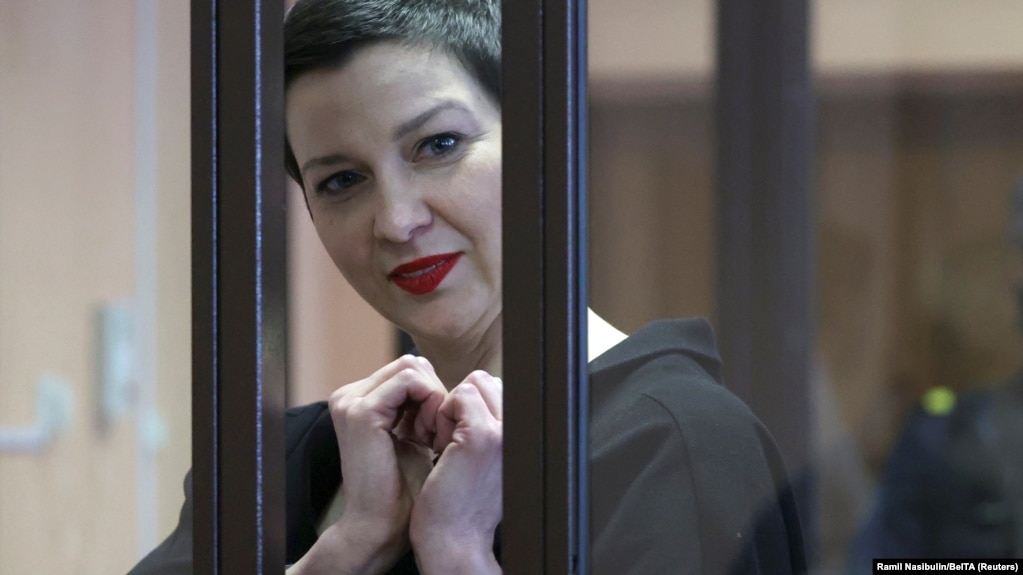
- Oral update by OHCHR and interactive dialogue on Belarus
- Oral update by the High Commissioner on the progress made in the implementation of the Council’s 30th Special Session resolution on the Occupied Palestinian Territory, including East Jerusalem, and in Israel, and presentation of the High Commissiner’s report on allocation of water resources in Occupied Palestinian Territory, including East Jerusalem
- Interactive Dialogue with the High Commissioner on Ukraine
- Enhanced Interactive Dialogue with the High Commissioner on the Democratic Republic of the Congo and on the final report of the team of international experts on the situation in Kasai
- Enhanced Interactive Dialogue on the oral update of the High Commissioner on South Sudan
- Interactive Dialogue with the Special Rapporteur on Cambodia and presentation of the Secretary-General’s report
- Enhanced Interactive Dialogue on the report of the High Commissioner on Sudan
- Interactive Dialogue with the Independent Expert on Somalia
- Interactive Dialogue with the Independent Expert on the Central African Republic
- Interactive Dialogue with the Fact-finding mission on Libya
- Presentation of the High Commissioner’s report on cooperation with Georgia
- Oral update by the High Commissioner on the Philippines
#HRC48 | Council programme, appointments and resolutions
During the organisational meeting for the 48th session held on 30 August the President of the Human Rights Council presented the programme of work. It includes six panel discussions. States also announced at least 20 proposed resolutions. Read here the 87 reports presented this session.
Appointment of mandate holders
- The Special Rapporteur in the field of cultural rights;
- a member of the Working Group on the issue of human rights and transnational corporations and other business enterprises from Latin American and Caribbean States;
- a member of the Working Group of Experts on People of African Descent, also from Latin American and Caribbean States (an unforeseen vacancy that has arisen due to the resignation of a current member).
Resolutions to be presented to the Council’s 48th session
At the organisational meeting on 30 August the following resolutions inter alia were announced (States or groups leading the resolution in brackets):
- Human rights situation in Burundi (EU)
- Human rights and environment (Costa Rica, Maldives, Morocco, Slovenia, Switzerland)
- Cooperation with the United Nations, its representatives and mechanisms in the field of human rights (Fiji, Ghana, Hungary, Ireland, Uruguay)
- Human rights situation in Yemen (Belgium, Canada, Ireland, Luxembourg, Netherlands)
- Elimination of child, early and forced marriage (Argentina, Canada Italy, Honduras, Montenegro, Poland, Sierra Leone, Switzerland, UK, Uruguay, Zambia, Netherlands)
- Technical assistance and capacity-building in the field of human rights in the Democratic Republic of the Congo (African Group)
- Technical assistance and capacity-building to improve human rights in Libya (African Group)
- From rhetoric to reality: a global call for concrete action against racism, racial discrimination, xenophobia and related intolerance (African Group)
- Human rights and indigenous peoples (Mexico, Guatemala)
- Human rights situation in Syria (France, Germany, Italy, Jordan, Kuwait, Netherlands, Qatar, Turkey, UK, USA)
- Advisory services and technical assistance for Cambodia – mandate renewal (Japan)
- Enhancement of technical cooperation and capacity-building in the field of human rights (Thailand, Brazil, Honduras, Indonesia, Morocco, Norway, Qatar, Singapore, Turkey)
- Technical assistance and capacity building to Yemen (Arab Group)
- Equal participation in political and public affairs (Czech Republic, Botswana, indonesia, Peru, Netherlands)
- Right of privacy in the digital age (Germany, Brazil, Liechtenstein, Austria, Mexico)
- The question of the death penalty (Belgium, Benin, Costa Rica, France, Mexico, Mongolia, Moldova, Switzerland)
Adoption of Universal Periodic Review (UPR) reports
During this session, the Council will adopt the UPR working group reports on Myanmar, Namibia, the Niger, Mozambique, Estonia, Belgium, Paraguay, Denmark, Somalia, Palau, Solomon Islands, Seychelles, Latvia, Singapore and Sierra Leone.
Panel discussions
During each Council session, panel discussions are held to provide member States and NGOs with opportunities to hear from subject-matter experts and raise questions. Six panel discussions are scheduled for this upcoming session:
- Biennial panel discussion on the issue of unilateral coercive measures and human rights
- Annual discussion on the integration of a gender perspective throughout the work of the Human Rights Council and that of its mechanisms
- Annual half-day panel discussion on the rights of indigenous peoples on the theme “Situation of human rights of indigenous peoples facing the COVID-19 pandemic, with a special focus on the right to participation” (accessible to persons with disabilities)
- Half-day panel discussion on deepening inequalities exacerbated by the COVID-19 pandemic and their implications for the realization of human rights (accessible to persons with disabilities)
- High-level panel discussion on the theme “The tenth anniversary of the United Nations Declaration on Human Rights Education and Training: good practices, challenges and the way forward” (accessible to persons with disabilities
- Panel discussion on the promotion and protection of human rights in the context of peaceful protests, with a particular focus on achievements and contemporary challenges (accessible to persons with disabilities)
Read here ISHR’s recommendations on the the key issues that are or should be on the agenda of the UN Human Rights Council in 2021.
https://ishr.ch/
 On 1 October 2021. Human Right Watch published “UAE: Tolerance Narrative a Sham Censorship; Surveillance; Prison or Barred Entry for Critics”. It stated that the United Arab Emirates authorities are using Expo 2020 Dubai to promote a public image of openness that is at odds with the government’s efforts to prevent scrutiny of its rampant systemic human rights violations. See also: https://humanrightsdefenders.blog/2021/09/03/uaes-new-human-rights-institute-sounds-like-a-joke/

 Hans Thoolen on Human Rights Defenders and their awards