19 June 2024: in a ground-breaking initiative, civil society organisations worldwide have united to produce an authoritative articulation of the international legal framework for the protection of human rights defenders.
Following a year-long project involving consultations with human rights defenders, a coalition of 18 international (full list below) and regional human rights organisations released the Declaration +25, a landmark document systematising relevant developments in regional and international human rights law and standards of the last 25 years.
The principles contained in the two documents together represent a baseline for the protection and promotion of human rights defenders while addressing their enduring and evolving needs.
https://ishr.ch/25-years-un-declaration-on-human-rights-defenders/
To download: https://ishr.ch/defenders-toolbox/resources/declaration-25
‘The 1998 Declaration was a turning point in human rights history,’ the coalition of 18 international and regional human rights groups said today, ‘it recognised the importance and legitimacy of human rights defenders, and the need to protect the right to defend human rights.’
However, the Declaration has never been fully implemented or enforced, and human rights defenders have had to adapt their work to rising issues such as the climate crisis, racism, discrimination, the backlash against sexual and reproductive rights, but also to new threats – including digital surveillance, and different forms of stigmatisation, and criminalisation.
‘With grassroots and frontline activists’ lived experiences and concerns at its heart, the Declaration + 25 will help tackle the current challenges faced by human rights defenders. It will also be a major step towards fulfilling the promise of the 1998 Declaration: enshrining in law the protection of human rights defenders around the world.’
The project commenced in 2023 with the coalition conducting online and in person consultations with defenders to identify the key issues they face in the defence of human rights that were not fully addressed by the 1998 Declaration, and analyse developments in international and regional contexts and jurisprudence.
Over 700 human rights defenders from all regions of the world took part in these consultations, which, along with inputs from legal and human rights experts and civil society organisations, fed into the Declaration + 25. The document was adopted unanimously at a two-day experts’ meeting in Bangkok, Thailand in April 2024. The result is a call to action to governments, multilateral organisations, businesses, and civil society to protect human rights defenders and their activities.
‘People everywhere have the right to defend human rights and unite to achieve justice for all, and States have an obligation under international law to protect those exercising that right, and ensure they can work freely and safely,’ the 18 rights groups emphasised.
‘The Declaration +25 is a powerful new tool and reminder of the existing standards and principles that States, corporations and society at large must implement to protect and enable human rights defenders across the world for the years to come.’
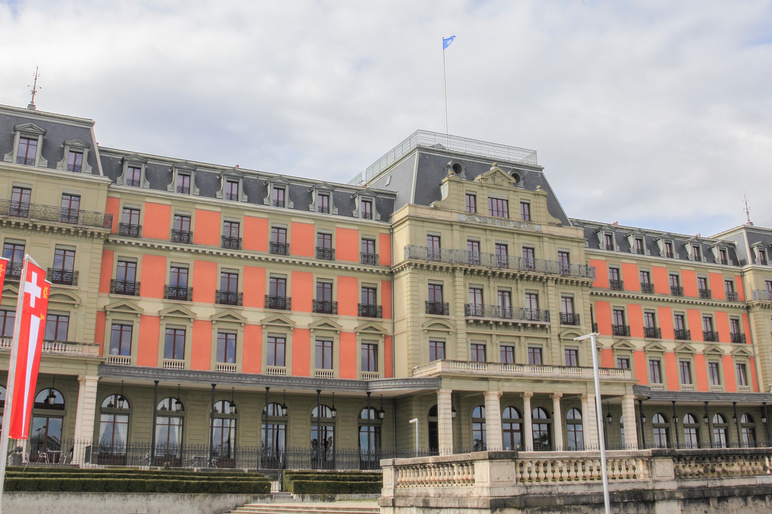
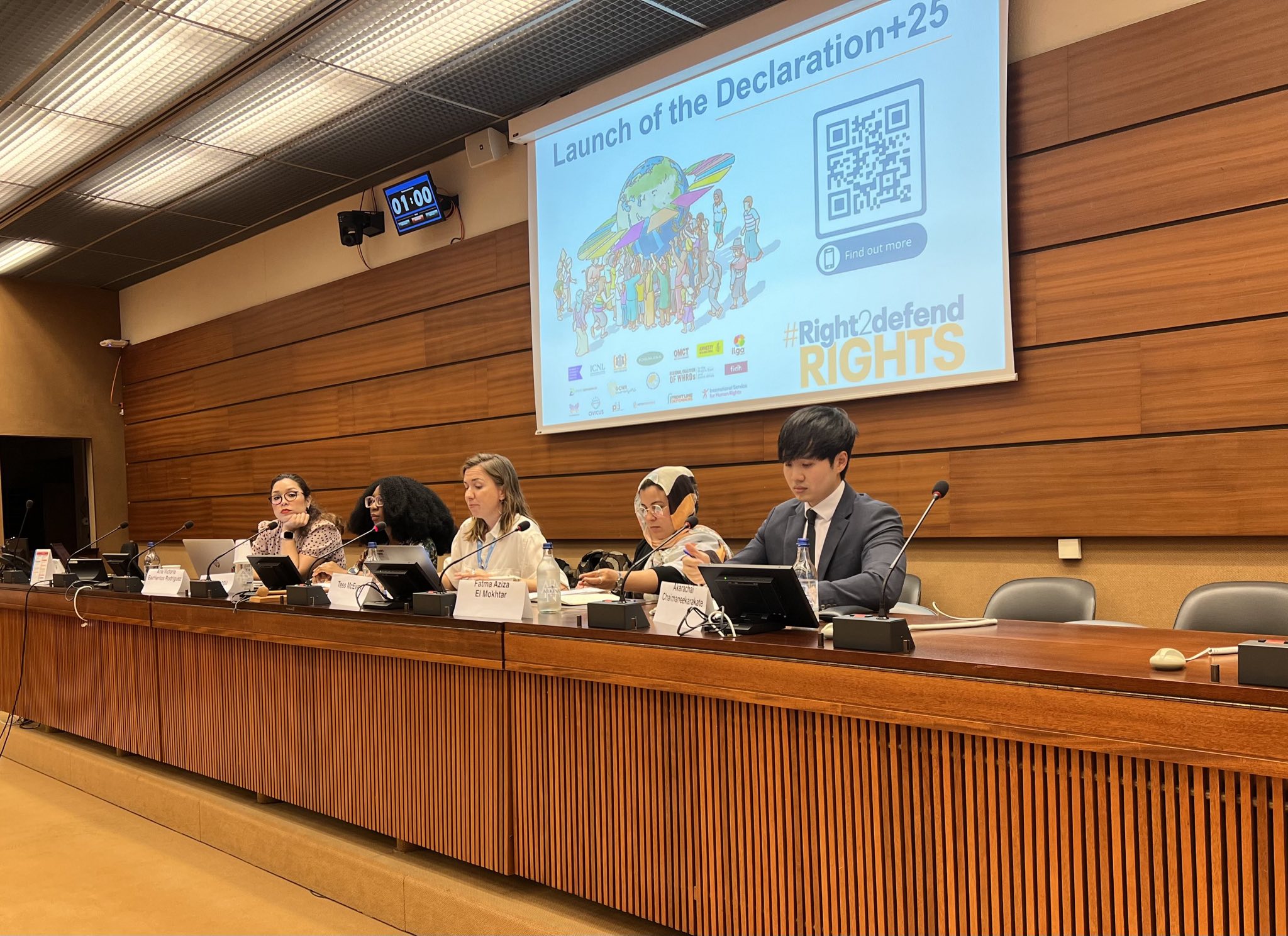
The Declaration+25 was formally launched on Wednesday 19 June at a side event in Geneva, on the margins of the 56th session of the United Nations Human Rights Council. [https://humanrightsdefenders.blog/2024/06/08/launch-of-the-hrd-declaration25/]
List of participating organisations:
- Amnesty International
- Asia Pacific Forum on Women, Law and Development (APWLD)
- CIVICUS
- Defend Defenders
- FIDH
- FORUM-ASIA
- Front Line Defenders
- Gulf Centre for Human Rights
- ICNL
- ILGA World
- IM Defensoras
- International Service for Human Rights (ISHR)
- OMCT
- Peace Brigades International
- Protect Defenders
- Protection International
- The Regional Coalition for WHRDs in South-West Asia and North Africa (known as WHRDMENA)
- Robert F. Kennedy Human Rights