Further to the announcement of Mary Lawlor as Special Rapporteur on HRDs [see: https://humanrightsdefenders.blog/2020/05/07/mary-lawlor-takes-up-post-as-un-special-rapporteur-for-human-rights-defenders/]. Human Rights First on 12 May 2020 proudly announced that Brian Dooley, its senior advisor on human rights movements and the risk of persecution and reprisal they face, will also serve as an advisor to Mary Lawlor. Dooley will advise the special rapporteur on a range of issues facing human rights defenders while continuing his work at Human Rights First.
“We are incredibly proud Brian was chosen for such a distinguished and important role,” said Mike Breen, president and CEO of Human Rights First. “Brian has been critical to the success of numerous campaigns to support human rights defenders in Bahrain, Egypt and Hong Kong over the last ten years. He will be an asset to the UN Special Rapporteur’s team and his work will undoubtedly increase the visibility of the threats that human rights defenders face, and hopefully, lead to better protections for those doing the vital work of advancing human rights.” For some of my older posts referring to Brian Dooley: https://humanrightsdefenders.blog/tag/brian-dooley/.
Front Line’s current Deputy Director Andrea Rocca is sadly leaving and Front Line Defenders is now seeking candidates for the position of Deputy Director, reporting to and working together with the Executive Director, Andrew Anderson. The post is based in the organization’s headquarters in Dublin. The division of responsibilities between the Executive Director and the Deputy Director may be revised based on needs and relevant expertise.
The Deputy Director has particular responsibility for the following areas of work:
➢ Research & Policy regarding security& protection of human rights defenders;
➢ Office security, mission security, security and well-being of staff;
➢ Advocacy/lobbying;
➢ Capacity Building;
➢ Digital security;
➢ Strategy & Planning;
➢ The Dublin Platform;
The role includes regular international travel and representation of the organization.
Applications
Applications should be sent by email to recruit@frontlinedefenders.org with the job title “Deputy Director” in the subject heading. Applications should contain a CV and cover letter with two references in one pdf format document that should not be more than five pages. Please do not include additional attachments. The deadline for applications is 25th May 2020. We expect to organize a first round of interviews online in early June.
Required Competencies
She/he should have at least five years of working at a senior level for the protection of human rights defenders /or equivalent experience in a human rights based activity/organisation in a leadership role and have experience of management, budgeting, planning and evaluation. The Deputy Director will have strong communication and analytical skills. She/he will have a very good understanding of the political environment for human rights defenders and an understanding of international human rights law and the relevant parts of the UN system. She/ he will have a high level of interpersonal skills and will lead by example to motivate staff and ensure the values and culture of the organisation are maintained.
Experience of working in an international context for the protection of human rights/human rights defenders, ideally experience of working in an international or regional human rights/human rights defenders NGO.
Experience of working with gender-focused initiatives, including but not limited to gender policies and gender-sensitive programming. Proven understanding of how gender intersects with race, disability, class and sexuality in human rights defenders’ lived experiences and their protection needs.
Excellent political judgement, including the ability to make strategic choices based on sound analysis of potential costs and benefits.
Management experience in a relevant field that includes financial management, people management, staff well-being, strategic planning and evaluation.
Experience of building and working successfully with teams of people with different professional or cultural backgrounds.
A third level qualification, ideally in the area of human rights, law, politics, international relations or other relevant discipline.
Personal leadership, initiative and proactivity. Capable of identifying and resolving potential problems before they arise. Sound decision making, extremely well organised and structured in approach.
Excellent written and verbal communication and presentation skills in English is essential and working knowledge of one of Front Line Defenders other working languages (Arabic, French, Russian and Spanish) is desirable.
Nominations for the Martin Ennals Award 2021 are currently accepted. The Martin Ennals Award for Human Rights Defenders honours individuals and organizations who have shown exceptional commitment to defending human rights, despite the risks involved, and who are in need of protection. [see also: https://humanrightsdefenders.blog/2019/11/26/breaking-news-mea-has-3-women-hrds-as-finalists-for-2020/] The deadline for nominations is June 12th 2020. Three finalists will be selected by the Jury and announced in October/November 2020. The Laureate will be announced in February 2021.
In addition to the achievements of the nominee, several criteria are taken into consideration for the Award:
• Nominees must be currently active in the promotion and protection of human rights. The Award does not consider defenders who are deceased.
• The nominee should not employ or advocate violence.
• Self -nominations are not accepted.
• Defenders who are no longer in need of protection (e.g. because they are now in a safe environment) will normally not be considered.
Please feel free to spread the word about the nominations so that MEA can find exceptional human rights defenders for the 2021 selection.
Mary Lawlor takes up her post as UN special rapporteur for human rights defenders, reportes the Irish Legal on 6 May 2020 [see also: https://humanrightsdefenders.blog/2020/03/16/good-breaking-news-mary-lawlor-the-new-un-special-rapporteur-for-human-rights-defenders/]. In spite of all the (sometimes understandable) criticism of the UN and its procedures, I would like to put on record that in my view the UN has made excellent appointments when it comes the big majority of special rapporteurs and espescially with regard to this mandate for human rights defenders which originated in 2000.
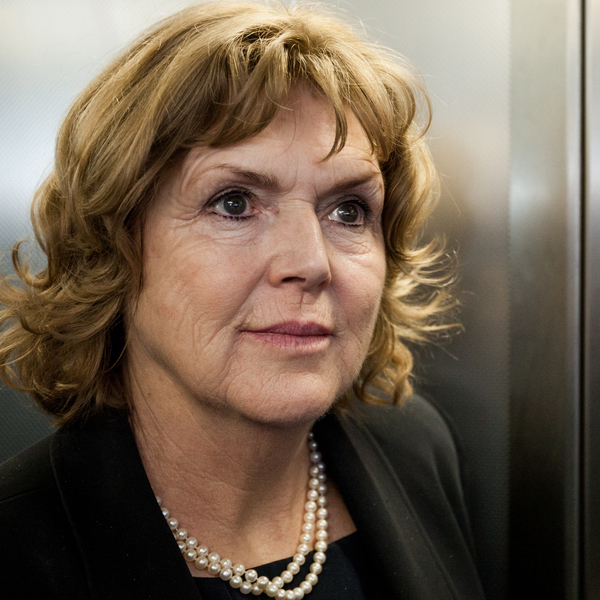
Mary Lawlor
Ms Lawlor has decades of experience in human rights, having helped to grow Irish-based NGOs as a previous director of Amnesty International in Ireland and a founder of Front Line Defenders (FLD). She led FLD from 2001 until her retirement in 2016, overseeing its growth to become a global organisation providing resources for the protection and security of human rights defenders (HRDs) at risk. Ms Lawlor helped spearhead civil society efforts to bring the EU Guidelines on Human Rights Defenders into effect and became a recognised leader in focusing on attention on the unique protection needs of HRDs. Congratulating Ms Lawlor on her appointment, Tánaiste and Foreign Affairs Minister Simon Coveney said: “Mary has been a tireless advocate for human rights for over 40 years both in Ireland and overseas. “This appointment is deserving recognition of her work and that of the organisation she founded – Front Line Defenders – supporting human rights defenders at risk around the world.
In March 2020, ahead of an anticipated – but since postponed – verdict hearing, Ali spoke with IFEX Regional Editor Cathal Sheerin about how his experience being arrested in Turkey and jailed for four months has affected his life and informed his work. “While I breathe, I hope: In conversation with Ali Gharavi of the #Istanbul10″(interview published through a partnership between Global Voices and IFEX).
Ali Gharavi. Credit Annie Game
CS: How do you feel about the upcoming hearing? I feel a combination of anticipation and anxiety. It’s been a roller coaster of emotions over the last almost three years and the verdict was supposed to have been reached at the last hearing. In terms of realistic outcomes, we’ve talked about two or three possibilities with our families, lawyers and the authorities in Sweden. I’ve been trying to keep my wits about me and not putting all my eggs in one basket, but we’re pretty optimistic that the outcome could be acquittal.
What makes you optimistic for acquittal? I’m only nominally optimistic really because these things can turn on a dime. At the hearing before the last one, the prosecutor said that – of the ten of us plus Taner Kılıç – he would accept acquittal for five because of lack of evidence, but the rest he wanted to convict. I was in the acquittal group. All of us are quite adamant, however, about not having this ‘split’ decision.
Why do you think you were divided into two groups? It’s really hard to say. Two of us in the acquittal group – Peter Steudtner and I – are not Turkish, so it’s possible that they want to remove the international angle from all of this. However, that’s just my speculation. It’s actually quite arbitrary, and I think this is partly because they have no evidence. It might even be a way to ramp this down: Let’s acquit half of them now and then acquit the rest in a trickle.
….. How aware were you when you were detained of the advocacy that was taking place on your behalf? What impact did it have on your morale? Maintaining my morale was one of the biggest challenges for me. I was held at four different sites. At one point, they transferred us to the anti-terrorism headquarters for interrogation, which sounds like – and was – quite a harrowing experience. ……
I’ve done letter-writing campaigns in the past, and I never knew for sure if they had any effect on the people who were in jail, but having been on the inside, I can say that those moments were life-saving. Sometimes my lawyer would search for my name on Twitter and print out all the tweets that had been posted that week about me; there was also this Twitter campaign, #haikusforAli, and demonstrations in Brussels, sit-ins in front of embassies. All of those moments reminded me that people on the outside were thinking of me and mobilising. I’m not exaggerating when I say that those were the things that saved me when I was in the depths of an abyss.
How has the experience affected how you work? The kind of work I’d been doing was intended exactly for this kind of situation, where you need to pay attention to the whole person, not just their devices or the organisation’s activities. Because of my incarceration, I now understand that at a molecular level. For me, the whole experience has placed a higher premium on understanding people – who they are, where they are – as a big part of how we can actually help them regardless of whichever aspect of their work we’re trying to assist them with. One thing the experience revealed was how inadequately resourced and researched care and crisis response is: how do you care for not just the person incarcerated, but also his family, the community around him, his colleagues?
Once the crisis is ‘over’ the assumption is that life goes on as usual, whereas there’s actually recovery that needs to be done. Often there’s also a massive financial burden due to legal costs and the inability to work for a while. After my release I went to Berlin and arrived into a very supportive debriefing environment. It’s a very privileged situation to be in – those ten days were very helpful in making me understand that I’d be going through this trauma and recovery and that it’s not just business as usual. There was a crowd-funder created for me so that I didn’t just have to drop back into work, and there was physical and psychological therapy too. I knew it intellectually, but now I know it viscerally, that just because you get released the trauma doesn’t just go away. It takes years to be functional again. People assume that when you recover you’re going to go back to being who you were, but that’s not true.
Would you ever return to Turkey? It would be very difficult for me to feel safe there, but I would go, if only in order to ‘get back on the horse’. If the verdict doesn’t go the way we expect, then I’d be incarcerated if I turned up there, so I obviously wouldn’t return. I love Turkey – the people and the environment – and I feel like a big part of my life and friends is now off-limits to me. But I dream of when I’ll be able to go back, hug the people who were inside with me and eat baklava with them. As Cicero said: ‘While I breathe, I hope.’
The humanity of what I experienced in detention was humbling. Regardless of why those people were incarcerated with me, they – that young 19-year-old who spoke to me in German, and others – were an amazing source of inspiration and support. During the toughest times I’d be angry with them, but they were amazingly unwavering. I’ve heard via word of mouth that those two supposed ISIS members are now back with their families and all is well. I owe them a big debt of gratitude.
Most of the time I was incarcerated alongside political prisoners who faced trial on specious charges, or who had been (and continue to be) detained for years on end as they wait for an indictment. And now we hear that despite the mortal threat of COVID-19 sweeping through the prison system, those prisoners will stay behind bars.
I did several posts on the policy response of NGOs and the UN on human rights in the times of the corona virus pandemic [https://humanrightsdefenders.blog/tag/covid-19/]. Other intergovernmental bodies have of course also staked out their position. Here the EU through its High Representative, Josep Borrell:
… Respect for all human rights must remain at the heart of fighting the pandemic and supporting the global recovery.
The pandemic and its socio-economic consequences are having a disproportionate impact on the rights of women, children and elderly persons, and on all persons in vulnerable situations, including refugees, migrants, internally displaced persons, and are deepening pre-existing inequalities. Response measures should take account of the needs of those that are most at risk of marginalisation, stigmatisation, xenophobia and racism and other forms of discrimination. Prevention of, and protection from, all forms of sexual and gender-based violence, including through appropriate redress mechanism, and continued access to all essential health services, are particularly important in a time of confinement. All measures and actions taken in response should be inclusive and gender-responsive and ensure the women’s full and effective participation in decision-making processes and in all stages of response and recovery. The heavy impact of the crisis on economic and social rights also needs to be addressed.
The European Union reaffirms the need to pay special attention to the growing impact of the pandemic on all human rights, democracy and the rule of law. In emergency circumstances, international human rights law allows states to limit certain human rights provided that the measures are necessary, proportionate, temporary in nature, and non-discriminatory. The coronavirus pandemic should not be used as a pretext to limit democratic and civic space, the respect of the rule of law and of international commitments, nor to curtail freedom of expression, freedom of the press and access to information online and offline. The measures should not be used to restrict the work of human rights defenders, journalists, media workers and civil society organisations. Digital technologies that have the potential to help contain the pandemic should be used in full respect of human rights including the right to privacy.
Protecting the right of everyone to the highest attainable standard of health requires access to reliable information. People must be empowered to protect their own health and those of others. Misleading or false information can put lives in danger. It is therefore crucial to resolutely counter disinformation with transparent, timely and fact-based communication and thus reinforce the resilience of societies.
The European Union recognises that the role of civil society and human rights defenders is more important than ever to encourage solidarity, support those who are most in need, and defend human rights, fundamental freedoms and democratic space, and to promote accountability.
This is a time for solidarity and global cooperation through multilateral efforts. The European Union reaffirms its commitment to contribute to the global response to the pandemics. The European Union will promote coordination in all relevant multilateral fora, including working with the UN, WHO, the Council of Europe, the OSCE and other regional organisations. Measures taken at the national level are also of particular importance. The European Union supports the important role of the UN system in mobilising and coordinating the global response to the pandemic with human rights at the forefront. We strongly support the UN Secretary General’s call for an immediate global ceasefire, as well as the call to end gender-based violence, and the work of the High Commissioner for Human Rights and her Office……..
WhatsApp logo is seen displayed on a smart phone screen on 11 December 2019 [Ali Balıkçı/Anadolu Agency]
On 30 April, 2020 the Middle East Eye reported that WhatsApp has accused Israeli spyware company NSO Group of being “deeply involved” in carrying out mobile phone hacks of 1,400 of its users, including senior government officials, journalists and human rights defenders. (see also: https://humanrightsdefenders.blog/2019/10/30/nso-accused-of-largest-attack-on-civil-society-through-its-spyware/) The allegation was made in a new court filing over the firm’s role in the long running hacking case which grabbed global attention following the murder of Saudi Journalist Jamal Khashoggi. Software created by the Israeli spyware firm was used to hack the phone of a member of Khashoggi’s inner circle which allowed Saudi security officials to track him. US whistle-blower Edward Snowden said that if the NSO Group had refused to sell its technology to Saudi Arabia, Khashoggi would still be alive. A number of human rights defenders and activists in Morocco were also targeted by the Israeli company, according to research by Amnesty International.
The NSO Group has always maintained its innocence insisting that its spyware is purchased by government clients for the purpose of tracking terrorists and criminals and that it had no independent knowledge of how those clients use its spyware. This claim is contradicted by court documents in WhatsApp’s lawsuit filed last year against the Israeli firm. While bringing the lawsuit, WhatsApp said in a statement that 100 civil society members had been targeted and called it “an unmistakable pattern of abuse”. New documents seen last week indicate that servers controlled by NSO Group and not its government clients, as alleged by the Israeli firm, were an integral part of how the hacks were executed. “NSO used a network of computers to monitor and update Pegasus after it was implanted on users’ devices,” said WhatsApp, “these NSO-controlled computers served as the nerve centre through which NSO controlled its customers’ operation and use of Pegasus [software used to hack computers and phones].”NSO Group is also accused by WhatsApp of gaining “unauthorised access” to its servers by evading the company’s security features.
The same day CYBERSCOOP added that in the ongoing legal battle between Facebook and software surveillance company NSO Group, the social media giant is trying to get NSO Group’s legal counsel dismissed because of an alleged conflict of interest. In a court filing made public this week, Facebook asked a federal judge to disqualify law firm King & Spalding from representing NSO Group because the firm previously represented Facebook-owned WhatsApp in a different, sealed case that is “substantially related” to the NSO Group one. King & Spalding, an Atlanta-based firm with a range of big corporate clients, has denied there is a conflict of interest, according to the filing.“Any attorney defending this suit would love to have insight into how WhatsApp’s platform and systems work,” the court filing states. “And King & Spalding has that insight—because it was once WhatsApp’s counsel.”The dispute with Facebook is one of multiple legal battles currently facing NSO Group. Amnesty International is trying to get an Israeli court to revoke NSO Group’s export license in Israel, citing Pegasus’s alleged role in humans rights abuses. [see: https://humanrightsdefenders.blog/2019/09/17/has-nso-really-changed-its-attitude-with-regard-to-spyware/]https://www.amnesty.org/en/latest/news/2020/06/nso-spyware-used-against-moroccan-journalist/
On 30 April, 2020 the Geneva Support Group for the Protection and Promotion of Human Rights in Western Sahara denounced the systematic violation of freedom of opinion and expression and the serious breaches of the International Humanitarian Law by the Moroccan Occupying Power of Western Sahara. In this context, the Geneva Group, with more than 200 human rights organizations, has renewed its call to the United Nations Security Council to set up a mechanism for monitoring and reporting human rights within the mandates of the United Nations Mission for the Referendum in Western Sahara……The Geneva Support has called upon the Working Group on Enforced Disappearances and the Arbitrary Detention, to pay special attention, each within the framework of its mandate, to violations of human rights and international humanitarian law committed by the Moroccan Occupation State against journalists and human rights activists in Occupied Western Sahara.
—-
The Blamfluie of 2 May 2020 states that freedom of the press and expression is deteriorating in Algeria, against the backdrop of the suspension of the anti-regime popular movement (“Hirak”) and of the health crisis, with journalists in detention and censorship of online media, worry human rights defenders. “It is not normal for journalists to be in prison. There has been a Revolution (Editor’s note: the “Hirak”) for a state governed by the rule of law and freedoms, including freedom of expression, but the political system is prosecuting journalists who have an editorial line that displeases ”, deplores the lawyer Mustapha Bouchachi. On World Press Freedom Day several human rights NGOs urged the Algerian authorities to end the legal proceedings and to release the imprisoned journalists, including Khaled Drareni, having become a forbidden symbol of the fight for press freedom. “At a time when all eyes, nationally and internationally, are scrutinizing the management of the COVID pandemic – 19, Algerian authorities devote time to speeding up prosecutions and trials against activists, journalists and supporters of the Hirak movement,“ said Heba Morayef, director of Amnesty International for the Middle East and North Africa, in a press release. …..Algeria is in 146 th place (on 180) of the world press freedom ranking 2020 established by RSF. She tumbled by 27 places compared to 2015 (119 e). For Me Bouchachi, a former president of the Algerian League for Human Rights (LADH), there is “no real desire to move towards change, openness and the rule of law”. “The government in power does not have the will to reconcile the Algerians and to go to another Algeria. On the contrary, it is the status quo, “he told AFP.
—–
Many newspapers reported on the Chinese Journalist, Chen Jieren, who was sentenced to 15 Years in prison for publishing negative information about the Party. Here Matthew Impelli oChinese journalist Chen Jieren was found guilty and sentenced to 15 years in prison Thursday, for publishing negative information about China’s Communist Party. According to the South China Morning Post, a court in the central Hunan province released a statement which said that Chen was convicted for “picking quarrels and provoking trouble, extortion, illegal business operations and bribery.” Chen previously worked for People’s Daily, the official newspaper of the country’s Communist Party, but was detained in 2018 after posting false and negative information about the party online, the court’s statement said, according to SCMP. “The defendant published false information on blogs, WeChat public accounts, WeChat moments and other We-media to hype relevant cases under the guise of providing legal advice,” the court’s statement said.
The court added that Chen “attacked and vilified the Communist Party and government,” while also accusing him of being a part of an “evil force,” along with his ex-wife and three others that illegally accumulated 7.3 million yuan (over $1 million) from their illegal activities. Following Chen’s conviction, the Hong Kong-based non-profit organization Chinese Human Rights Defenders (NCHRD) released a statement urging Chinese authorities to release the journalist…..
While Chen’s conviction does not relate to the coronavirus, it comes as China has received criticism for its handling of the outbreak and its media censorship during the crisis. Prior to Chen’s conviction, in March, China had expelled journalists from The New York Times, The Washington Post and The Wall Street Journal. The moves came in response to President Donald Trump’s administration placing a limit on the number of Chinese journalists allowed to be employed by Chinese-run media outlets inside the U.S. According to Reporters Without Borders (RSF), a non-profit organization defending journalism and freedom of information, China is the biggest jailer of journalists in the world, with more than 109 of them behind bars in 2020.
——–
“East Africa’s free press under threat, global survey finds” wrote Mwangi Maina on 3 May 2020 in the Standard (digital):
Police officers push a journalist away from the scene of an explosion on Tom Mboya Street, Nairobi. [File]
Today is World Press Freedom Day, and this year’s focus is on ‘Journalism without fear or favour’. It is an important day for media professionals and citizens who believe in a free press. The article then looks at the east-african countries (based on the RSF report, see: https://humanrightsdefenders.blog/2020/04/21/2020-world-press-freedom-index-is-out/)
Kenya The country dropped three positions from 100 in 2019, but despite it experiencing a steady decline in media freedoms, Kenya, which is classified ‘orange’, has long been viewed the region’s best country to practice journalism. However, Kennedy Wandera, an international correspondent working for VOA News in Nairobi, notes that Kenya has a “slightly improved working environment for journalists but it is also worse compared to the rest of the EAC states”. According to RSF: “Kenya has seen a slow erosion of media freedom in recent years. The political situation and security concerns have been used since 2016 as grounds for restricting the freedom to inform. During election campaigns, the media are routinely subjected to physical attacks by the security forces and the public, as well as to threats and intimidation by politicians, confiscation of equipment, and censorship of journalistic content.” But according to Kenya Union of Journalists Secretary General Eric Oduor, Kenya enjoys a fair press media compared to other countries in the region: “Factors threatening press freedom at the moment are largely economic factors that make the working environment difficult for journalists,” he said. “The immediate challenge that needs attention is media sustainability. Without a proper business model to confront and improve revenue streams, media houses and journalists become vulnerable.”
The situation in Tanzania continues to worsen as the nation drops six positions. RSF’s Arnaud Froger noted that no other nation in the world has experienced such a drastic decline in press freedom in the past four years. Committee to Protect Journalists’ (CPJ) sub-Saharan Africa representative Muthoki Mumo said Tanzania has been a country of grave concern for CPJ over the last few years. CPJ has documented the use of media shutdowns, arrests, intimidation, judicial harassment and restrictive regulations to muzzle the free press. Mwananchi, Star Media, MultiChoice Tanzania and Azam Digital have been on the receiving end of the State’s big stick. The latter three outlets were fined 2,000 euros (Sh238,000) by the Tanzania Communication Regulatory Authority and forced to issue a public apology over seven days for carrying a report by Kenya’s Citizen TV that described President John Magufuli as stubborn. The latest blow to press freedom was the arbitrary arrest and detention for seven months of journalist Erick Kabendera. Mr Froger said the charges brought against Mr Kabendera changed three times in the first weeks of prosecution. Aurelia Gabriel works for Radio Kwizera that broadcasts from Ngara in northwestern Tanzania. She said apart from media violations, the government has declined to offer information regarding Covid-19, and halted daily updates. According to Ms Gabriel, media outlets are also limiting their employees on what they report.
Uganda The nation has maintained the same position since 2019. Acts of intimidation and violence against journalists are an almost daily occurrence. Security services are the leading press freedom predators. Reporters are facing an increasing number of challenges covering coronavirus, with rights groups warning the pandemic could kill the truth. African Centre for Media Excellence Executive Director Peter Mwesige says journalists “have been reduced to praise singers, tweeting all manner of hallelujahs about Uganda’s exceptionalism, and very few are asking hard-hitting questions.” The RSF Africa desk has documented assaults against journalists for allegedly not respecting a Covid-19 lockdown. Uganda leads the RSF’s press freedom violations barometer in relation to the pandemic in sub-Saharan Africa. Last year, security forces raided three commercial radio stations to stop interviews that were ongoing with opposition leaders. The regulator also ordered media outlets to suspend 39 reporters and producers for covering a protest held by opposition figure Bobi Wine. “With the 2021 general elections nearing, the tougher the regime will be against the free press,” warns Froger.
South Sudan In a notable improvement for South Sudan, no journalist was killed last year for the second year in a row, but the press environment remains hostile. According to RSF, close surveillance and intimidation are part of the regime’s predatory methods. Security forces often go directly to printing presses to censor content. Foreign journalists have also been subjected to the regime’s harassment. Last year, two journalists, one working for AP and the other for France 24, were expelled. The United Nations and peace monitors have been asking the South Sudanese government to respect press freedoms and free speech.
Rwanda The situation remains unchanged as the nation stagnates on press freedom. Journalists know the red lines they are not allowed to cross as far as reporting is concerned. Four bloggers were arrested in early April for violating a government directive as they tried to cover coronavirus lockdown measures, according to Human Rights Watch. But Oswalidi Niyonzima, a journalist working with a community radio, says compared to previous years, the situation has improved. “Questioning the government no longer puts a journalist in danger or fear as long as they have their facts.” Media High Council Executive Secretary Peacemaker Mbungiramigo dismissed RSF’s findings as “not scientific but politically oriented”. He notes that media freedom and freedom of expression and independence “have deepened and the profession is now fully liberalised”.
Burundi The situation has been precarious for journalists since a May 2015 coup attempt, with most independent radio stations off air. VOA and BBC have been banned indefinitely. Journalists have paid dearly for trying to cover subjects that the government would prefer ignored, so independent information is very often produced clandestinely. The RSF has documented dozens of violations by security forces and pro-government militias encouraged by an official discourse that associates non-aligned media with enemies of the state. The RSF says four reporters working with Iwacu Media Group are kept arbitrarily behind bars, and that President Pierre Nkurunziza previously organised “moralisation sessions” in which journalists were taught how to “behave and report”. “Burundi used to have independent media houses but the 2015 political crisis changed everything. Knowing a story might cost you dearly, you have to analyse the risks involved before doing it,” said a journalist who requested anonymity. The few remaining independent media houses have been financially crippled through withdrawal of ads, leading to self-censorship and biased reporting.
——
Azimzhan Askarov pictured before and during his imprisonment. His health is failing in harsh conditions. Supplied by Sherzod Askarov. Azimzhan Askarov is a reporter and human rights activist who was convicted, beaten, and given a life sentence in apparent retribution for his work.The 68-year-old has been jailed for 9 years and his health is deteriorating, prompting numerous human rights groups to fear for him in the coronavirus crisis.In June 2010 he set out to report on the death of a police officer, but was instead accused of inciting the crime, in a case that the UN has determined was completely unjust. Kyrgyzstan broke ties with the US after the State Department gave him a prestigious bravery award in 2015, Radio Free Europe reported. He is now the only imprisoned journalist in the country, according to the Committee to Protect Journalists. His final appeal is May 11.
……Askarova, who met her husband at art school in 1974, is only allowed two phone calls with him per year, and six prison visits. His health is deteriorating, she told the CPJ in 2019. At that time, he had hypotension and tachycardia, and now has painful joint condition osteochondritis, according to his wife. “His health is deteriorating and causing more and more concern,” wrote Askarova in her letter to the president. “I bring him painkillers and medicinal herbs. He prepares infusions and is alone in his fights against his pain and ailments.” The prison has denied him medication…..In the context of the emergency, 68-year-old Askarov is at high risk of contracting the virus. A coalition of human rights groups, including Amnesty International and Human Rights Watch, wrote to President Jeenbekov in March highlighting their concern and requesting medical care for the journalist.
India remains a country with growing problems in the area of human rights where many different issues come to the fore at the same time. Here a sample of recent writings:
—
….. Kashmir is not the only instance of this by India last year.
Millions of Assam people are faced with statelessness since July when they were effectively removed from the National Register of Citizens. To add to this, the Citizenship Amendment Act (CAA), which has been criticised for its exclusion of Muslims, has sparked nation-wide protests since December. Taking a look back, India has made major moves to repress Muslims, free media and journalists, and vulnerable minorities, who live in fear of what the new year will bring….
Shutdowns are a frequent tactic of the Modi government when they wish to suppress dissent and access to communications. Software Freedom Law Centre in India, who tracks internet shutdowns, reported that India had 106 internet shutdowns in 2019, some of which took place in December in response to the anti-CAA protests. The Citizenship Amendment Act amended Indian Citizenship laws which prohibited citizenship to illegal migrants, now allowing for members of certain religious minority groups from neighbouring countries to obtain citizenship by naturalisation. It creates an easier pathway for people from Hindu, Sikh, Buddhist, Jain, Parsi and Christian minorities from Pakistan, Afghanistan or Bangladesh to obtain citizenship, only having to live or work in India for six years. as opposed to ten as it was previously. The main criticism of this amendment is that it bases citizenship on faith, and is exclusionary to Muslim minorities. …..[see also: https://humanrightsdefenders.blog/2020/03/05/indias-overblown-notion-of-sovereignty-no-to-un-advice-for-supreme-court/]
Activists have voiced concerns over this, as it is another move which discriminates against the 32 million Muslim residents in Assam, many of which poorer Bengali residents and tribespeople. Many Bengali Muslims are believed to have entered Assam after the Bangladesh War of 1971, and therefore lack proper documentation, and are now being asked to prove their citizenship from before this, similar to the UK Windrush Scandal. Residents who are not on the NRC can appeal in Foreigners Tribunals, but this is an exhaustive and expensive process, and if unsuccessful it raises human rights concerns over statelessness which will strip people of their rights, or mistreatment in detention centres…
Each of these events have not taken place in isolation, but been a succession of acts intended to reshape secular India into Modi’s Hindu nationalist vision. However, due to the BJP’s strong majority in Parliament and a willingness to ignore the Supreme Court, the situation seems unlikely to change in the coming year. Nonetheless, activists continue to raise awareness of the ongoing human rights abuses in India, such as Human Rights Watch’s 652-page world report for 2020, which seek to keep India’s human rights violations in the public domain..
——-
Government responses to the COVID-19 pandemic have heightened the dangers to human rights across the world. In this podcast by Front Line Defenders, four human-rights defenders active in various parts of India share the challenges and concerns they have confronted since the start of the country-wide lockdown. The four are Gayatri Kandhadai, the Asia policy coordinator at the Association for Progressive Communications; Anindya Hajra, from the Pratyay Gender Trust in Kolkata; Sadam Hanjabam, from Ya All, an LGBT organisation in Manipur; and a human-rights defender in Kashmir who asked to remain anonymous for reasons of security.
——
Condemning the Modi government’s “misuse” of the Unlawful Activities (Prevention) Act (UAPA) during the Covid-19 crisis, more than 60 human rights activists, student leaders and academics, in a solidarity statement, have said that the recent arrests of human rights defenders across India have been taking place in order to save the “real culprits” involved in inciting communal and caste disturbances in the recent past. UAPA is being invoked, alleges the statement, to “engineer the attempt to save indictable people affiliated to the right-wing ruling party like Kapil Mishra, Anurag Thakur, Parvesh Verma, Sambhaji Bhide and Milind Ekbote, who are still at large”, the statement says, adding, “We firmly believe that the extremely draconian and regressive amended UAPA law has been strategically put in place to exterminate both dissent and dissidents during the lockdown.” For the text and signatories Click here.
—-But then there is the positive development that an independent judiciary can still stand up to the government as shown in the Supreme Court’s decision of 26 April 2020 in favour of victims of abuse in conflict. Four international human rights organisations and the Office of the United Nations High Commissioner for Human Rights (OHCHR) have welcomed the Supreme Court’s decision to reject a government petition to review its landmark verdict on transitional justice. The decision is an important step towards securing truth, justice and reparations for thousands of victims of the decade-long Maoist insurgency, they said. Following the decision, the government now needs to revise the existing transitional justice law as per the court’s order ensuring justice to the victims of conflict-era abuses, said Amnesty International, TRIAL International, International Commission of Jurists and Human Rights Watch, in a statement on 1 May 2020, In a separate statement Rupert Colville, spokesperson for OHCHR, said the court’s decision reconfirms that the only way for the government to credibly proceed with the transitional justice process is to abide by key human rights and transitional justice principles reflected in the 2015 court ruling, including the centrality of victims and the importance of accountability for serious violations. “Victims’ advocacy groups and civil society members have welcomed the court’s decision, and so do we,” he said. The four human rights organisations said the court has made it clear that there can be no further excuse for the government to backslide on ensuring truth, justice, reparations and guarantees of non-recurrence.
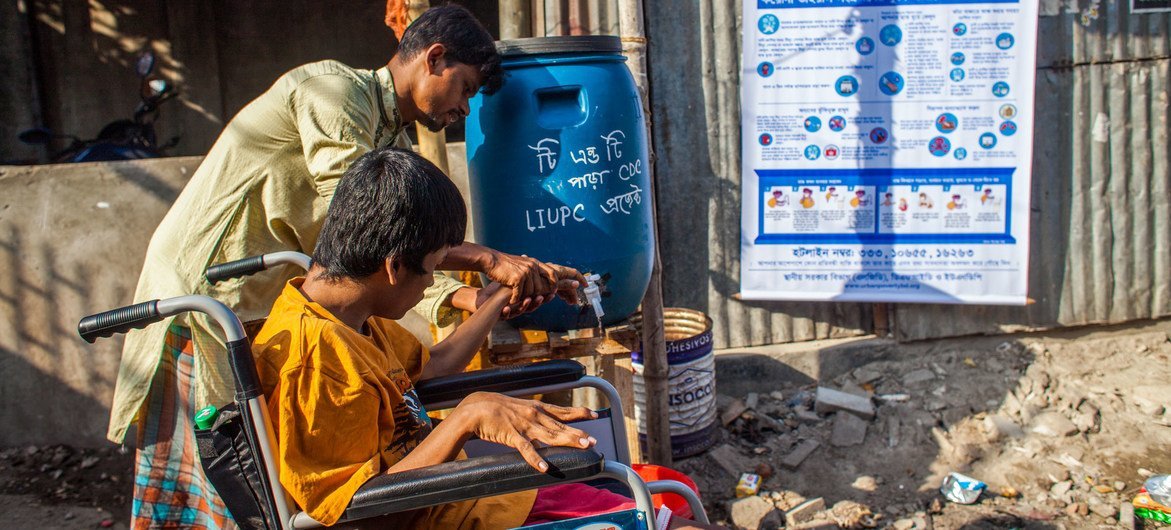
UNDP Bangladesh/Fahad Kaizer – In Bangladesh, the UN Development Programme and partners have rolled out emergency support to vulnerable communities.
New guidance issued on 30 April 2020 sets out key actions, to counter what the UN High Commissioner for Human Rights has called the “double risk” faced by persons with disabilities in the COVID-19 pandemic. As Michelle Bachelet explained, not only are people with disabilities at higher risk because of the crisis, they also are disproportionately affected by response measures such as lockdowns. “People with disabilities are in danger in their own homes, where access to day-to-day support and services may be limited due to lockdowns, and some may suffer greatly from being isolated or confined”, she said. “Persons with disabilities face even greater threats in institutions, as care facilities have recorded high fatality rates from COVID-19 and horrific reports have emerged of neglect during the pandemic.”
The UN rights chief added that making information about the virus available in accessible formats is vital. She also expressed concern over discrimination and stigma at this unprecedented time. “I have been deeply disturbed by reports that the lives of persons with disabilities may somehow be given different weight than others during this pandemic”, she said. “Medical decisions need to be based on individualized clinical assessments and medical need, and not on age or other characteristics such as disability.”
The guidance note published by the UN human rights office outlines steps governments and stakeholders can take during the pandemic. They range from discharging persons with disabilities from institutions, to increasing existing disability benefits, and removing barriers to COVID-19 treatment. Prioritizing testing and promoting preventive measures within institutions to reduce infection risk are other recommendations. Additionally, the guidance spotlights promising practices already in place in some countries. For example, in Switzerland and Spain, some persons with disabilities living in institutions were moved out to be at home with their families, while authorities in Canada have issued priority COVID-19 testing guidelines with specific measures for these settings.
 Further to the announcement of Mary Lawlor as Special Rapporteur on HRDs [see: https://humanrightsdefenders.blog/2020/05/07/mary-lawlor-takes-up-post-as-un-special-rapporteur-for-human-rights-defenders/]. Human Rights First on 12 May 2020 proudly announced that Brian Dooley, its senior advisor on human rights movements and the risk of persecution and reprisal they face, will also serve as an advisor to Mary Lawlor. Dooley will advise the special rapporteur on a range of issues facing human rights defenders while continuing his work at Human Rights First.


![WhatsApp logo is seen displayed on a smart phone screen on 11 December 2019 [Ali Balıkçı/Anadolu Agency]](https://i2.wp.com/www.middleeastmonitor.com/wp-content/uploads/2019/12/AA29_6.jpg?resize=1107%2C800&quality=85&strip=all&ssl=1)

 Police officers push a journalist away from the scene of an explosion on Tom Mboya Street, Nairobi. [File]