The commemoration on 17 May comes as the world continues to battle the COVID-19 pandemic which has increased the vulnerability of lesbian, gay, bisexual, transgender and intersex (LGBTI) people. On the eve of the International Day Against Homophobia, Transphobia and Biphobia (IDAHOBIT) a large group of United Nations and international human rights experts (for names see the link below) call on States and other stakeholders to urgently take into account the impact of COVID-19 on lesbian, gay, bisexual, transgender and gender diverse (LGBT) persons when designing, implementing and evaluating the measures to combat the pandemic.
….. COVID-19, and the measures taken to address it, exacerbate inequalities and discrimination. The existence of criminalization laws, for example, makes LGBT persons more vulnerable to police abuse and arbitrary arrest and detention in the context of movement restrictions and curfews. While contributing to the fight against the pandemic by staying at home, LGBT children, youths and elders are forced to endure prolonged exposure to unaccepting family members, which exacerbates rates of domestic violence and physical and emotional abuse, as well as damage to mental health. In many jurisdictions, LGBT persons, particularly those most impoverished or without proper documentation, rely overwhelmingly on informal economies made impossible by COVID-19 restrictions. The socio-economic consequences of the pandemic and the loss of income might also increase the vulnerabilities of LGBT persons to human trafficking and sexual exploitation. The reallocation of health resources has also created or exacerbated shortages of antiretrovirals for those living with HIV, while also impacting the ability of trans men and women to receive hormonal therapy or gender-affirming care. Gender-based curfew laws and policies have reportedly condemned gender-diverse persons to permanent seclusion while making trans individuals targets for humiliation and violence when going out.
The pandemic has also created a context conducive to increased persecution. Some States have enacted measures which intentionally target LGBT persons under the guise of public health, including proposing legislation to deny transgender and gender diverse persons of their legal recognition. Hate speech explicitly or implicitly inciting violence against LGBT persons has been on the rise, including discourse by prominent political or religious leaders blaming the pandemic on the existence of LGBT persons in the community. Surveillance and other digital technologies enacted to track COVID-19 carriers increase risks of infringing privacy and exacerbating stigma.
………We therefore urge States and other stakeholders, on the eve of this 17 May 2020 and in times of COVID-19, to give visibility to and protect LGBT persons in the context of the pandemic. We call on States to pursue all means necessary – including conducting research, adopting legislation, public policy, and ensuring access to justice mechanisms – to ensure that this public health emergency will neither exacerbate existing misconceptions, prejudices, inequalities or structural barriers, nor lead to increased violence and discrimination against persons with diverse sexual orientations and gender identities. We urge all stakeholders, particularly States, to urgently implement lines of action designed to sustain and ensure the continuity of the work of civil society and human rights defenders – the capacities existing within this sector must not be put in peril. And, to effectively meet these objectives, we urge States to engage with LGBT persons, organizations and communities in the design, implementation and evaluation of the measures adopted to respond to the pandemic.The history of LGBT persons, like others subjected to discrimination and violence, has been one of suffering, endurance and hope – a vital struggle for freedom and equality in the face of singular adversity. During the COVID-19 pandemic, we call upon State authorities to listen to the particular concerns of LGBT persons, respect their expertise over their own lives and communities, and accept their solidarity in the construction of new realities of freedom and equality for humankind.
“Already facing bias, attacks and murder simply for who they are or whom they love, many LGBTI people are experiencing heightened stigma as a result of the virus, as well as new obstacles when seeking health care,” added UN SG Guterres. “There are also reports of COVID-19 directives being misused by police to target LGBTI individuals and organizations.”
“LGBTI people are often exposed to additional stigma, discrimination and violence, including when seeking medical services – and perhaps saddest of all, within their own families during lock-downs. They are also in some places being treated as scapegoats for the spread of the virus,” UN High Commissioner for Human Rights, Michelle Bacheletsaid. Referencing the theme for the international day, Ms. Bachelet urged everyone to stand up against hate and ‘break the silence’ surrounding the discrimination and violence suffered by LGBTI people.
On 15 May 2020, MENAFN – Palestine News Network – reports that Palestinian civil society organizations condemn the selection of Emi Palmor, the former General Director of the Israeli Ministry of Justice, to Facebook’s Oversight Board and raises the alarm about the impact that her role will play in further shrinking the space for freedom of expression online and the protection of human rights. While it is important that the Members of the Oversight Board should be diverse, it is equally essential that they are known to be leaders in upholding the rule of law and protecting human rights worldwide.
Under Emi Palmor’s direction, the Israeli Ministry of Justice petitioned Facebook to censor legitimate speech of human rights defenders and journalists because it was deemed politically undesirable. This is contrary to international human rights law standards and recommendations issued by the United Nations (UN) Special Rapporteur on the promotion and protection of the right to freedom of opinion and expression, as well as digital rights experts and activists which argue that censorship must be rare and well justified to protect freedom of speech and that companies should develop tools that ‘prevent or mitigate the human rights risks caused by national laws or demands inconsistent with international standards.’
During Palmor’s time at the Israeli Ministry of Justice (2014-2019), the Ministry established the Israeli Cyber Unit, ……….
Additionally, as documented in Facebook’s Transparency Report, since 2016, there has been an increase in the number of Israeli government requests for data, which now total over 700, 50 percent of which were submitted under ’emergency requests’ and were not related to legal processes. These are not isolated attempts to restrict Palestinian digital rights and freedom of expression online. Instead, they fall within the context of a widespread and systematic attempt by the Israeli government, particularly through the Cyber Unit formerly headed by Emi Palmor, to silence Palestinians, to remove social media content critical of Israeli policies and practices and to smear and delegitmize human rights defenders, activists and organizations seeking to challenge Israeli rights abuses against the Palestinian people.
Further to the announcement of Mary Lawlor as Special Rapporteur on HRDs [see: https://humanrightsdefenders.blog/2020/05/07/mary-lawlor-takes-up-post-as-un-special-rapporteur-for-human-rights-defenders/]. Human Rights First on 12 May 2020 proudly announced that Brian Dooley, its senior advisor on human rights movements and the risk of persecution and reprisal they face, will also serve as an advisor to Mary Lawlor. Dooley will advise the special rapporteur on a range of issues facing human rights defenders while continuing his work at Human Rights First.
“We are incredibly proud Brian was chosen for such a distinguished and important role,” said Mike Breen, president and CEO of Human Rights First. “Brian has been critical to the success of numerous campaigns to support human rights defenders in Bahrain, Egypt and Hong Kong over the last ten years. He will be an asset to the UN Special Rapporteur’s team and his work will undoubtedly increase the visibility of the threats that human rights defenders face, and hopefully, lead to better protections for those doing the vital work of advancing human rights.” For some of my older posts referring to Brian Dooley: https://humanrightsdefenders.blog/tag/brian-dooley/.
On 1 May 2020 the Special Rapporteur on Human Rights Defenders and Focal Point on Reprisals in Africa, Rémy Ngoy Lumbu, expresses concern following reports of reprisals against human rights defenders and civil society in Africa and the adverse effects that national responses of States Parties to combat the COVID-19 pandemic have on their work. [please note that Africa has a regional rapporteur, not to be confused with the UN Secial Rapporteur on HRDs, Mary Lawlor (https://humanrightsdefenders.blog/2020/05/07/mary-lawlor-takes-up-post-as-un-special-rapporteur-for-human-rights-defenders/)]:
In the context of this COVID-19 global pandemic, the role of human rights defenders has become ever more important to safeguard the fundamental human rights enshrined in the African Charter on Human and Peoples’ Rights (African Charter). The Rapporteur notes, in particular, serious violations of the freedom of assembly and association, as enshrined in the African Charter and the UN Declaration on Human Rights Defenders.
The Rapporteur deplores the fact that, notwithstanding the press releases of the African Commission on Human and Peoples’ Rights of 17 and 24 March 2020 encouraging States to ensure compliance with the provisions of the African Charter and advocating for effective and human rights-based responses to curb the spread of the COVID-19 pandemic in Africa, several human rights defenders continue to be detained in overcrowded or unsanitary prisons and other detention centres without being charged, and this makes them especially vulnerable to COVID-19 infection.
The Special Rapporteur stresses the obligation of States Parties to ensure that measures adopted within the framework of COVID-19 national responses are not used as an opportunity to discriminate against, stigmatize or target particular individuals or groups, including civil society organizations and human rights defenders.
The Special Rapporteur would like to remind that efforts deployed by States Parties to curb the spread of COVID-19 in their respective territories should not result in the silencing of human rights defenders and should comply with the provisions of the African Charter. The Special Rapporteur would also like to call on human rights defenders to continue, with determination, their activities to promote and protect human rights in compliance with the laws and regulations adopted in the context of this global threat.
The Special Rapporteur urges States Parties to:
Ensure that national responses to the COVID-19 pandemic do not lead to the targeting or undue interference with the work of human rights defenders;
Refrain from using COVID-19 related emergency declarations to justify the adoption of repressive measures against specific groups such as human rights defenders;
Also refrain from adopting measures that restrict civic space and contribute to creating a hostile environment for human rights defenders;
Ensure that human rights defenders can communicate freely without fear of reprisal;
Take all necessary measures enabling human rights defenders to conduct their core activities, in particular, those providing support to the most vulnerable populations, while complying with the health measures necessary to combat COVID-19; and
Promptly release human rights defenders detained without charge.
Deo Wasswa stated on 11 May 2020 on Capital Radio in Uganda that “Attacks on human rights defenders have become rampant in Africa”. He bases himself on a report dubbed “African youth defenders perspectives 2019 from rhetoric to action” launched by Transformative leaders Network-Africa, which says these attacks are carried out by a range of state and non-state actors, including armed militant and extremist groups, police and military forces, government authorities and off campus groups among others.According to Fredrick Ekakoro Etoori, head of secretariat at Transformative Leaders Network -Africa (TRANET-Africa), the report, provides a general situation of youth human rights defenders in 2019, the category of the youth human rights defenders at most risk, the country and or region that recorded the most cases of youth human rights defenders at risk among others.
The report documented 70 cases in Uganda, 25 cases in South Sudan, Kenya 25, Sudan 16, Tanzania 2, south Africa 5 Among others.
UN chief Antonio Guterres appealed for “an all-out effort to end hate speech globally. (File photo)
On 8 May 2020 UN Secretary-General Antonio Guterres called for an “all-out effort” to end the “tsunami of hate and xenophobia” sparked by the novel coronavirus pandemic, without naming specific countries. “The pandemic continues to unleash a tsunami of hate and xenophobia, scapegoating and scaremongering,” Guterres said in a statement. “Anti-foreigner sentiment has surged online and in the streets. Anti-Semitic conspiracy theories have spread and COVID-19-related anti-Muslim attacks have occurred.” According to Guterres, migrants and refugees have been “vilified as a source of the virus — and then denied access to medical treatment.” Meanwhile, “contemptible memes have emerged suggesting” that older people, some of the most vulnerable to the virus, “are also the most expendable,” he said.
Additionally, “journalists, whistleblowers, health professionals, aid workers and human rights defenders are being targeted simply for doing their jobs,” Guterres said. The UN chief … singled out educational institutions to help teach “digital literacy” to young people — whom he called “captive and potentially despairing audiences.” Guterres also called on “the media, especially social media companies, to do much more to flag and… remove racist, misogynist and other harmful content.”
In March 2020, ahead of an anticipated – but since postponed – verdict hearing, Ali spoke with IFEX Regional Editor Cathal Sheerin about how his experience being arrested in Turkey and jailed for four months has affected his life and informed his work. “While I breathe, I hope: In conversation with Ali Gharavi of the #Istanbul10″(interview published through a partnership between Global Voices and IFEX).
Ali Gharavi. Credit Annie Game
CS: How do you feel about the upcoming hearing? I feel a combination of anticipation and anxiety. It’s been a roller coaster of emotions over the last almost three years and the verdict was supposed to have been reached at the last hearing. In terms of realistic outcomes, we’ve talked about two or three possibilities with our families, lawyers and the authorities in Sweden. I’ve been trying to keep my wits about me and not putting all my eggs in one basket, but we’re pretty optimistic that the outcome could be acquittal.
What makes you optimistic for acquittal? I’m only nominally optimistic really because these things can turn on a dime. At the hearing before the last one, the prosecutor said that – of the ten of us plus Taner Kılıç – he would accept acquittal for five because of lack of evidence, but the rest he wanted to convict. I was in the acquittal group. All of us are quite adamant, however, about not having this ‘split’ decision.
Why do you think you were divided into two groups? It’s really hard to say. Two of us in the acquittal group – Peter Steudtner and I – are not Turkish, so it’s possible that they want to remove the international angle from all of this. However, that’s just my speculation. It’s actually quite arbitrary, and I think this is partly because they have no evidence. It might even be a way to ramp this down: Let’s acquit half of them now and then acquit the rest in a trickle.
….. How aware were you when you were detained of the advocacy that was taking place on your behalf? What impact did it have on your morale? Maintaining my morale was one of the biggest challenges for me. I was held at four different sites. At one point, they transferred us to the anti-terrorism headquarters for interrogation, which sounds like – and was – quite a harrowing experience. ……
I’ve done letter-writing campaigns in the past, and I never knew for sure if they had any effect on the people who were in jail, but having been on the inside, I can say that those moments were life-saving. Sometimes my lawyer would search for my name on Twitter and print out all the tweets that had been posted that week about me; there was also this Twitter campaign, #haikusforAli, and demonstrations in Brussels, sit-ins in front of embassies. All of those moments reminded me that people on the outside were thinking of me and mobilising. I’m not exaggerating when I say that those were the things that saved me when I was in the depths of an abyss.
How has the experience affected how you work? The kind of work I’d been doing was intended exactly for this kind of situation, where you need to pay attention to the whole person, not just their devices or the organisation’s activities. Because of my incarceration, I now understand that at a molecular level. For me, the whole experience has placed a higher premium on understanding people – who they are, where they are – as a big part of how we can actually help them regardless of whichever aspect of their work we’re trying to assist them with. One thing the experience revealed was how inadequately resourced and researched care and crisis response is: how do you care for not just the person incarcerated, but also his family, the community around him, his colleagues?
Once the crisis is ‘over’ the assumption is that life goes on as usual, whereas there’s actually recovery that needs to be done. Often there’s also a massive financial burden due to legal costs and the inability to work for a while. After my release I went to Berlin and arrived into a very supportive debriefing environment. It’s a very privileged situation to be in – those ten days were very helpful in making me understand that I’d be going through this trauma and recovery and that it’s not just business as usual. There was a crowd-funder created for me so that I didn’t just have to drop back into work, and there was physical and psychological therapy too. I knew it intellectually, but now I know it viscerally, that just because you get released the trauma doesn’t just go away. It takes years to be functional again. People assume that when you recover you’re going to go back to being who you were, but that’s not true.
Would you ever return to Turkey? It would be very difficult for me to feel safe there, but I would go, if only in order to ‘get back on the horse’. If the verdict doesn’t go the way we expect, then I’d be incarcerated if I turned up there, so I obviously wouldn’t return. I love Turkey – the people and the environment – and I feel like a big part of my life and friends is now off-limits to me. But I dream of when I’ll be able to go back, hug the people who were inside with me and eat baklava with them. As Cicero said: ‘While I breathe, I hope.’
The humanity of what I experienced in detention was humbling. Regardless of why those people were incarcerated with me, they – that young 19-year-old who spoke to me in German, and others – were an amazing source of inspiration and support. During the toughest times I’d be angry with them, but they were amazingly unwavering. I’ve heard via word of mouth that those two supposed ISIS members are now back with their families and all is well. I owe them a big debt of gratitude.
Most of the time I was incarcerated alongside political prisoners who faced trial on specious charges, or who had been (and continue to be) detained for years on end as they wait for an indictment. And now we hear that despite the mortal threat of COVID-19 sweeping through the prison system, those prisoners will stay behind bars.
I did several posts on the policy response of NGOs and the UN on human rights in the times of the corona virus pandemic [https://humanrightsdefenders.blog/tag/covid-19/]. Other intergovernmental bodies have of course also staked out their position. Here the EU through its High Representative, Josep Borrell:
… Respect for all human rights must remain at the heart of fighting the pandemic and supporting the global recovery.
The pandemic and its socio-economic consequences are having a disproportionate impact on the rights of women, children and elderly persons, and on all persons in vulnerable situations, including refugees, migrants, internally displaced persons, and are deepening pre-existing inequalities. Response measures should take account of the needs of those that are most at risk of marginalisation, stigmatisation, xenophobia and racism and other forms of discrimination. Prevention of, and protection from, all forms of sexual and gender-based violence, including through appropriate redress mechanism, and continued access to all essential health services, are particularly important in a time of confinement. All measures and actions taken in response should be inclusive and gender-responsive and ensure the women’s full and effective participation in decision-making processes and in all stages of response and recovery. The heavy impact of the crisis on economic and social rights also needs to be addressed.
The European Union reaffirms the need to pay special attention to the growing impact of the pandemic on all human rights, democracy and the rule of law. In emergency circumstances, international human rights law allows states to limit certain human rights provided that the measures are necessary, proportionate, temporary in nature, and non-discriminatory. The coronavirus pandemic should not be used as a pretext to limit democratic and civic space, the respect of the rule of law and of international commitments, nor to curtail freedom of expression, freedom of the press and access to information online and offline. The measures should not be used to restrict the work of human rights defenders, journalists, media workers and civil society organisations. Digital technologies that have the potential to help contain the pandemic should be used in full respect of human rights including the right to privacy.
Protecting the right of everyone to the highest attainable standard of health requires access to reliable information. People must be empowered to protect their own health and those of others. Misleading or false information can put lives in danger. It is therefore crucial to resolutely counter disinformation with transparent, timely and fact-based communication and thus reinforce the resilience of societies.
The European Union recognises that the role of civil society and human rights defenders is more important than ever to encourage solidarity, support those who are most in need, and defend human rights, fundamental freedoms and democratic space, and to promote accountability.
This is a time for solidarity and global cooperation through multilateral efforts. The European Union reaffirms its commitment to contribute to the global response to the pandemics. The European Union will promote coordination in all relevant multilateral fora, including working with the UN, WHO, the Council of Europe, the OSCE and other regional organisations. Measures taken at the national level are also of particular importance. The European Union supports the important role of the UN system in mobilising and coordinating the global response to the pandemic with human rights at the forefront. We strongly support the UN Secretary General’s call for an immediate global ceasefire, as well as the call to end gender-based violence, and the work of the High Commissioner for Human Rights and her Office……..
Reporters Without Borders (RSF) published exclusive interviews by Philippine journalist Maria Ressa with Washington Post columnist Rana Ayyub, whistleblower Edward Snowden, Nobel economy laureate Joseph Stiglitz and RSF secretary-general Christophe Deloire on the subject of “Journalism in crisis: a decisive decade.”
“At a moment of a global health emergency, journalism serves a crucial function, and each journalist bears great responsibility,” DW Director General Peter Limbourg said while announcing the award winners in Berlin. “Citizens of any country have the right of access to fact-based information and critical findings,” he said. “Any form of censorship may result in casualties and any attempts to criminalize coverage of the current situation clearly violate the freedom of expression.” For a list of this year’s laureates, see: https://www.dw.com/en/deutsche-welle-freedom-of-speech-award-17-laureates-from-14-countries/a-53306033
Michelle Bachelet, the UN high commissioner for human rights, said in a video message to the journalists honored that the general public needs “full and accurate information about the pandemic, and to be involved in the decisions that are being made on our behalf.” The International Press Institute documented more than 150 violations of press freedom worldwide through the end of April. The IPI has tracked cases of censorship and restrictions on access to information — but the greatest number of violations of press freedom have been arrests of journalists and verbal or physical attacks on them. (https://www.dw.com/en/un-commissioner-michelle-bachelet-honors-journalists/av-53297637)
——
On the occasion of World Press Day, the Syrian Network for Human Rights (SNHR) issued a report demanding the release of 422 citizen journalists in Syria, most of whom are detained by the Syrian regime, and are now threatened by the COVID-19 pandemic. The report notes that 707 citizen journalists have been killed since March 2011 to date, 78% of them by Syrian Regime forces. The 20-page report shows how the Syrian regime has been well aware of the danger posed by press freedom to its tyrannical rule for decades, abolishing all independent newspapers, and allowing only three official newspapers to be published, which are simply Syrian regime mouthpieces, dedicated to promoting, defending and justifying the regime’s actions. As the report further notes, it’s no exaggeration but simply a statement of fact to say that there is no such thing as a free press under the Syrian regime…..The report distributes the total death toll according to the main parties to the conflict, with the Syrian regime being responsible for the deaths of 551 citizen journalists, including five children, one woman, five foreign journalists, and 47 other citizen journalists due to torture in detention centers, while Russian forces were responsible for the deaths of 22 citizen journalists, and ISIS killed 64, including one child, two women, three foreign journalists, and three under torture. Hay’at Tahrir al Sham also killed eight, including two who died due to torture. Factions of the Armed Opposition were responsible for the deaths of 25 citizen journalists, including one child and three women.
On 30 April, 2020 the Geneva Support Group for the Protection and Promotion of Human Rights in Western Sahara denounced the systematic violation of freedom of opinion and expression and the serious breaches of the International Humanitarian Law by the Moroccan Occupying Power of Western Sahara. In this context, the Geneva Group, with more than 200 human rights organizations, has renewed its call to the United Nations Security Council to set up a mechanism for monitoring and reporting human rights within the mandates of the United Nations Mission for the Referendum in Western Sahara……The Geneva Support has called upon the Working Group on Enforced Disappearances and the Arbitrary Detention, to pay special attention, each within the framework of its mandate, to violations of human rights and international humanitarian law committed by the Moroccan Occupation State against journalists and human rights activists in Occupied Western Sahara.
—-
The Blamfluie of 2 May 2020 states that freedom of the press and expression is deteriorating in Algeria, against the backdrop of the suspension of the anti-regime popular movement (“Hirak”) and of the health crisis, with journalists in detention and censorship of online media, worry human rights defenders. “It is not normal for journalists to be in prison. There has been a Revolution (Editor’s note: the “Hirak”) for a state governed by the rule of law and freedoms, including freedom of expression, but the political system is prosecuting journalists who have an editorial line that displeases ”, deplores the lawyer Mustapha Bouchachi. On World Press Freedom Day several human rights NGOs urged the Algerian authorities to end the legal proceedings and to release the imprisoned journalists, including Khaled Drareni, having become a forbidden symbol of the fight for press freedom. “At a time when all eyes, nationally and internationally, are scrutinizing the management of the COVID pandemic – 19, Algerian authorities devote time to speeding up prosecutions and trials against activists, journalists and supporters of the Hirak movement,“ said Heba Morayef, director of Amnesty International for the Middle East and North Africa, in a press release. …..Algeria is in 146 th place (on 180) of the world press freedom ranking 2020 established by RSF. She tumbled by 27 places compared to 2015 (119 e). For Me Bouchachi, a former president of the Algerian League for Human Rights (LADH), there is “no real desire to move towards change, openness and the rule of law”. “The government in power does not have the will to reconcile the Algerians and to go to another Algeria. On the contrary, it is the status quo, “he told AFP.
—–
Many newspapers reported on the Chinese Journalist, Chen Jieren, who was sentenced to 15 Years in prison for publishing negative information about the Party. Here Matthew Impelli oChinese journalist Chen Jieren was found guilty and sentenced to 15 years in prison Thursday, for publishing negative information about China’s Communist Party. According to the South China Morning Post, a court in the central Hunan province released a statement which said that Chen was convicted for “picking quarrels and provoking trouble, extortion, illegal business operations and bribery.” Chen previously worked for People’s Daily, the official newspaper of the country’s Communist Party, but was detained in 2018 after posting false and negative information about the party online, the court’s statement said, according to SCMP. “The defendant published false information on blogs, WeChat public accounts, WeChat moments and other We-media to hype relevant cases under the guise of providing legal advice,” the court’s statement said.
The court added that Chen “attacked and vilified the Communist Party and government,” while also accusing him of being a part of an “evil force,” along with his ex-wife and three others that illegally accumulated 7.3 million yuan (over $1 million) from their illegal activities. Following Chen’s conviction, the Hong Kong-based non-profit organization Chinese Human Rights Defenders (NCHRD) released a statement urging Chinese authorities to release the journalist…..
While Chen’s conviction does not relate to the coronavirus, it comes as China has received criticism for its handling of the outbreak and its media censorship during the crisis. Prior to Chen’s conviction, in March, China had expelled journalists from The New York Times, The Washington Post and The Wall Street Journal. The moves came in response to President Donald Trump’s administration placing a limit on the number of Chinese journalists allowed to be employed by Chinese-run media outlets inside the U.S. According to Reporters Without Borders (RSF), a non-profit organization defending journalism and freedom of information, China is the biggest jailer of journalists in the world, with more than 109 of them behind bars in 2020.
——–
“East Africa’s free press under threat, global survey finds” wrote Mwangi Maina on 3 May 2020 in the Standard (digital):
Police officers push a journalist away from the scene of an explosion on Tom Mboya Street, Nairobi. [File]
Today is World Press Freedom Day, and this year’s focus is on ‘Journalism without fear or favour’. It is an important day for media professionals and citizens who believe in a free press. The article then looks at the east-african countries (based on the RSF report, see: https://humanrightsdefenders.blog/2020/04/21/2020-world-press-freedom-index-is-out/)
Kenya The country dropped three positions from 100 in 2019, but despite it experiencing a steady decline in media freedoms, Kenya, which is classified ‘orange’, has long been viewed the region’s best country to practice journalism. However, Kennedy Wandera, an international correspondent working for VOA News in Nairobi, notes that Kenya has a “slightly improved working environment for journalists but it is also worse compared to the rest of the EAC states”. According to RSF: “Kenya has seen a slow erosion of media freedom in recent years. The political situation and security concerns have been used since 2016 as grounds for restricting the freedom to inform. During election campaigns, the media are routinely subjected to physical attacks by the security forces and the public, as well as to threats and intimidation by politicians, confiscation of equipment, and censorship of journalistic content.” But according to Kenya Union of Journalists Secretary General Eric Oduor, Kenya enjoys a fair press media compared to other countries in the region: “Factors threatening press freedom at the moment are largely economic factors that make the working environment difficult for journalists,” he said. “The immediate challenge that needs attention is media sustainability. Without a proper business model to confront and improve revenue streams, media houses and journalists become vulnerable.”
The situation in Tanzania continues to worsen as the nation drops six positions. RSF’s Arnaud Froger noted that no other nation in the world has experienced such a drastic decline in press freedom in the past four years. Committee to Protect Journalists’ (CPJ) sub-Saharan Africa representative Muthoki Mumo said Tanzania has been a country of grave concern for CPJ over the last few years. CPJ has documented the use of media shutdowns, arrests, intimidation, judicial harassment and restrictive regulations to muzzle the free press. Mwananchi, Star Media, MultiChoice Tanzania and Azam Digital have been on the receiving end of the State’s big stick. The latter three outlets were fined 2,000 euros (Sh238,000) by the Tanzania Communication Regulatory Authority and forced to issue a public apology over seven days for carrying a report by Kenya’s Citizen TV that described President John Magufuli as stubborn. The latest blow to press freedom was the arbitrary arrest and detention for seven months of journalist Erick Kabendera. Mr Froger said the charges brought against Mr Kabendera changed three times in the first weeks of prosecution. Aurelia Gabriel works for Radio Kwizera that broadcasts from Ngara in northwestern Tanzania. She said apart from media violations, the government has declined to offer information regarding Covid-19, and halted daily updates. According to Ms Gabriel, media outlets are also limiting their employees on what they report.
Uganda The nation has maintained the same position since 2019. Acts of intimidation and violence against journalists are an almost daily occurrence. Security services are the leading press freedom predators. Reporters are facing an increasing number of challenges covering coronavirus, with rights groups warning the pandemic could kill the truth. African Centre for Media Excellence Executive Director Peter Mwesige says journalists “have been reduced to praise singers, tweeting all manner of hallelujahs about Uganda’s exceptionalism, and very few are asking hard-hitting questions.” The RSF Africa desk has documented assaults against journalists for allegedly not respecting a Covid-19 lockdown. Uganda leads the RSF’s press freedom violations barometer in relation to the pandemic in sub-Saharan Africa. Last year, security forces raided three commercial radio stations to stop interviews that were ongoing with opposition leaders. The regulator also ordered media outlets to suspend 39 reporters and producers for covering a protest held by opposition figure Bobi Wine. “With the 2021 general elections nearing, the tougher the regime will be against the free press,” warns Froger.
South Sudan In a notable improvement for South Sudan, no journalist was killed last year for the second year in a row, but the press environment remains hostile. According to RSF, close surveillance and intimidation are part of the regime’s predatory methods. Security forces often go directly to printing presses to censor content. Foreign journalists have also been subjected to the regime’s harassment. Last year, two journalists, one working for AP and the other for France 24, were expelled. The United Nations and peace monitors have been asking the South Sudanese government to respect press freedoms and free speech.
Rwanda The situation remains unchanged as the nation stagnates on press freedom. Journalists know the red lines they are not allowed to cross as far as reporting is concerned. Four bloggers were arrested in early April for violating a government directive as they tried to cover coronavirus lockdown measures, according to Human Rights Watch. But Oswalidi Niyonzima, a journalist working with a community radio, says compared to previous years, the situation has improved. “Questioning the government no longer puts a journalist in danger or fear as long as they have their facts.” Media High Council Executive Secretary Peacemaker Mbungiramigo dismissed RSF’s findings as “not scientific but politically oriented”. He notes that media freedom and freedom of expression and independence “have deepened and the profession is now fully liberalised”.
Burundi The situation has been precarious for journalists since a May 2015 coup attempt, with most independent radio stations off air. VOA and BBC have been banned indefinitely. Journalists have paid dearly for trying to cover subjects that the government would prefer ignored, so independent information is very often produced clandestinely. The RSF has documented dozens of violations by security forces and pro-government militias encouraged by an official discourse that associates non-aligned media with enemies of the state. The RSF says four reporters working with Iwacu Media Group are kept arbitrarily behind bars, and that President Pierre Nkurunziza previously organised “moralisation sessions” in which journalists were taught how to “behave and report”. “Burundi used to have independent media houses but the 2015 political crisis changed everything. Knowing a story might cost you dearly, you have to analyse the risks involved before doing it,” said a journalist who requested anonymity. The few remaining independent media houses have been financially crippled through withdrawal of ads, leading to self-censorship and biased reporting.
——
Azimzhan Askarov pictured before and during his imprisonment. His health is failing in harsh conditions. Supplied by Sherzod Askarov. Azimzhan Askarov is a reporter and human rights activist who was convicted, beaten, and given a life sentence in apparent retribution for his work.The 68-year-old has been jailed for 9 years and his health is deteriorating, prompting numerous human rights groups to fear for him in the coronavirus crisis.In June 2010 he set out to report on the death of a police officer, but was instead accused of inciting the crime, in a case that the UN has determined was completely unjust. Kyrgyzstan broke ties with the US after the State Department gave him a prestigious bravery award in 2015, Radio Free Europe reported. He is now the only imprisoned journalist in the country, according to the Committee to Protect Journalists. His final appeal is May 11.
……Askarova, who met her husband at art school in 1974, is only allowed two phone calls with him per year, and six prison visits. His health is deteriorating, she told the CPJ in 2019. At that time, he had hypotension and tachycardia, and now has painful joint condition osteochondritis, according to his wife. “His health is deteriorating and causing more and more concern,” wrote Askarova in her letter to the president. “I bring him painkillers and medicinal herbs. He prepares infusions and is alone in his fights against his pain and ailments.” The prison has denied him medication…..In the context of the emergency, 68-year-old Askarov is at high risk of contracting the virus. A coalition of human rights groups, including Amnesty International and Human Rights Watch, wrote to President Jeenbekov in March highlighting their concern and requesting medical care for the journalist.


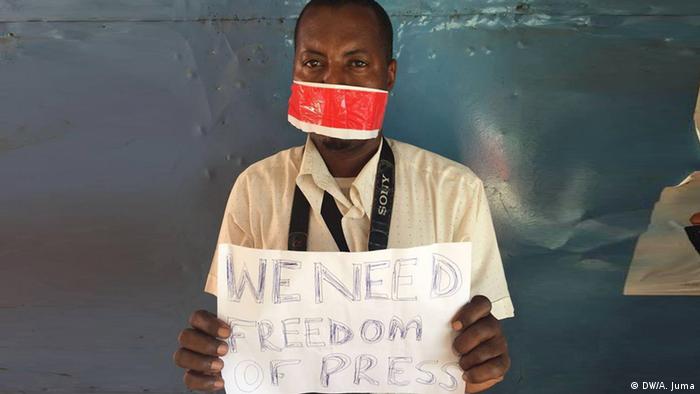
 On the occasion of World Press Day, the Syrian Network for Human Rights (SNHR) issued a report demanding the release of 422 citizen journalists in Syria, most of whom are detained by the Syrian regime, and are now threatened by the COVID-19 pandemic. The report notes that 707 citizen journalists have been killed since March 2011 to date, 78% of them by Syrian Regime forces. The 20-page report shows how the Syrian regime has been well aware of the danger posed by press freedom to its tyrannical rule for decades, abolishing all independent newspapers, and allowing only three official newspapers to be published, which are simply Syrian regime mouthpieces, dedicated to promoting, defending and justifying the regime’s actions. As the report further notes, it’s no exaggeration but simply a statement of fact to say that there is no such thing as a free press under the Syrian regime…..The report distributes the total death toll according to the main parties to the conflict, with the Syrian regime being responsible for the deaths of 551 citizen journalists, including five children, one woman, five foreign journalists, and 47 other citizen journalists due to torture in detention centers, while Russian forces were responsible for the deaths of 22 citizen journalists, and ISIS killed 64, including one child, two women, three foreign journalists, and three under torture. Hay’at Tahrir al Sham also killed eight, including two who died due to torture. Factions of the Armed Opposition were responsible for the deaths of 25 citizen journalists, including one child and three women.
 Police officers push a journalist away from the scene of an explosion on Tom Mboya Street, Nairobi. [File]
 Hans Thoolen on Human Rights Defenders and their awards