Archive for the 'Human Rights Defenders' Category

2020 Gwangju Prize for Human Rights to Indonesian Bedjo Untung

March 25, 2020

Catholic priest Moon Kyu-hyun, chief of the Jury for the Gwangju Prize for Human Rights, speaks during a press conference in the southwestern city of Gwangju on 20 March 2020, to name Indonesia’s Bedjo Untung, founder of the 1965 Murder Victims Research Foundation, the 2020 winner of the prize. The award commemorates the 1980 pro-democracy uprising in Gwangju. For more info see: http://www.trueheroesfilms.org/thedigest/awards/gwangju-prize-for-human-rights.

For 2019 see: https://humanrightsdefenders.blog/2019/05/19/gwangju-human-rights-award-2019-to-philippine-carino-and-indonesian-choir/

https://www.ucanews.com/news/indonesian-anti-communist-purge-victim-wins-gwangju-prize/87530

Viasna, Belarusian human rights defenders group, wins OSCE’s 2020 Democracy Defender Award

March 24, 2020


Belarussian Human Rights CentreViasna (‘Spring’) has received the 2020 Democracy Defender Award of the OSCE. The award honours a person or group for exceptional contributions to the promotion of democracy and the defense of human rights in the spirit of Helsinki Final Act principles and other OSCE commitments. It was established in 2016 to recognize the contribution civil society makes to defending and promoting democracy. Earlier, the award was received by the Russian movement “Golos”, the Serbian non-governmental organization CRTA, and the Ukrainian activist Oleksandra Matviychuk. “Human Rights Centre Viasna receives the award this year for its mission of defending human rights in Belarus and building a just, free and democratic society for all its citizens,” the OSCE statement reads.

According to Viasna Chairman Ales Bialiatski [https://humanrightsdefenders.blog/2014/06/22/good-news-ales-bialiatski-belarus-best-known-human-rights-defender-freed-from-prison/], the award is a clear signal to the Belarusian authorities as an incentive to serious reforms in the field of human rights and a substantial improvement of the situation with the rights and freedoms of Belarusian citizens. “..The repressions against the Belarusian human rights defenders will not stop our work in support of democracy and human rights in our country. We are grateful to the OSCE member countries that nominated HRC Viasna. We believe that the courageous and persistent efforts by human rights defenders in the OSCE region, in spite of the obstacles, will help make our world a better place,” he stressed.

Active from 1996, the organisation was founded on the principle of respect for human rights, and its main goal is to contribute to the development of civil society in Belarus. HRC Viasna conducts research on the state of civil society and rule of law in Belarus, with the aim of improving implementation of human rights obligations and commitments, the OSCE notes.

http://spring96.org/en/news/96213

https://belsat.eu/en/news/viasna-as-democracy-defender-belarusian-human-rights-watchdog-wins-osce-award/

UN experts alarmed over China’s missing human rights lawyers: victims of RSDL

March 24, 2020

Ding Jiaxi was disbarred and previously jailed for protesting against official corruption. (Twitter pic/L4L_INT)

A group of UN special rapporteurs said on Monday 23 March 2020 that they were “gravely concerned” about the welfare of three human rights lawyers “forcibly disappeared” by Chinese authorities shortly after their arrests last December. Ding Jiaxi, a prominent Beijing-based disbarred lawyer, previously jailed for protesting against official corruption, and lawyers Zhang Zhongshun and Dai Zhenya have been held since late last year in so-called “residential surveillance in a designated location” (RSDL – see: https://humanrightsdefenders.blog/2018/01/10/more-on-residential-surveillance-in-a-designated-location-rsdl-in-china/). The three were among more than a dozen lawyers and activists who were detained or went missing in the final days of 2019 in what rights groups have said was a crackdown on participants of a private democracy gathering.

Nine other lawyers and activists who attended the informal weekend gathering in the city of Xiamen “have also been summoned for questioning or detained in what has been a cross-provincial operation led by a special taskforce of Yantai City police,” the experts pointed out.

The experts acknowledged that there are provisions in international law that allow exceptional measures to be taken to protect public order and national security. But they insisted that “enforced disappearance is a grave and flagrant violation of human rights and is unacceptable in all circumstances” .“We are dismayed that national security provisions are used to target human rights defenders who meet peacefully and exercise their right to free speech, even if such speech is critical of the state,” they said.The experts also cautioned that the arrest and detention of the three lawyers could have a “chilling effect” on the defence of human rights in China. “When the authorities in any country systemically charge human rights defenders with ‘subversion of state power’ or other terror-related charges without clearly communicating the factual basis for such accusations, we worry that these defenders are just being persecuted for the exercise of their most basic human rights,” they said. Earlier this month, activists revealed that Xu Zhiyong, an outspoken Chinese rights activist who called for President Xi Jinping to step down over the coronavirus outbreak, had been charged with “inciting state subversion” and had been placed in RSDL since mid-February. [see also: https://humanrightsdefenders.blog/2014/03/06/2013-turned-into-nightmare-for-human-rights-defenders/]

https://www.freemalaysiatoday.com/category/world/2020/03/23/un-experts-alarmed-over-chinas-missing-human-rights-lawyers/

Corona virus threatens human rights defenders in detention: Egypt and Turkey

March 20, 2020

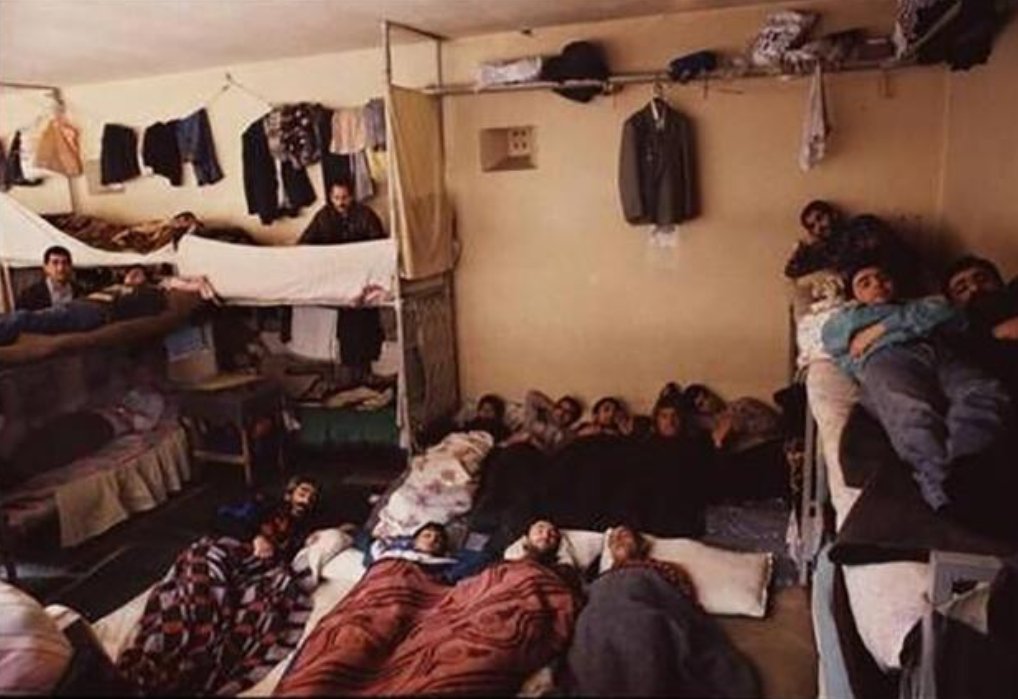
Human rights defenders are often kept in detention and that is bad enough, but with the Covid-19 pandemic this risks killing many of them. Overcrowded prison conditions are such that infection is bound to occur. Following a request from the UN Special Rapporteur on Human Rights in Iran, Tehran released 85,000 prisoners, including many political prisoners, in an attempt to help stop the spread of the virus. China, Italy and Bahrain also have released prisoners over coronavirus concerns.

Now a coalition of human rights groups, activists, and politicians, including former Tunisian President Moncef Marzuki, sent a letter to UN Secretary and the UN High Commissioner for Human Rights urging the prisoner releases after the first case among prisoners was confirmed in Egypt. …..”Even more worrying in this time of pandemic, prisoners are crammed in cells that are so small that they have to wait for their turns to lay down and sleep,” the letter read.

Coronavirus: Egypt detains novelist Ahdaf Soueif for demanding prisoners’ release

On Wednesday the Egyptian government’s reaction was – surprise, surprise – to detain four activists who staged a protest calling for the release of prisoners in the country. The writer Ahdaf Soueif protested in front of the cabinet building in Cairo, alongside academic Rabab al-Mahdi, Soueif’s sister and academic Leila Soueif, and her niece, activist Mona Seif. Mona Seif live streamed the protest on Facebook, recording a confrontation with police officers who reportedly asked them to stop and “discuss the matter” at a police station…..On 19 March the Middle East Eye reported that Laila Soueif remained in custody late on Wednesday but the three others were freed. This comes as Egyptian prosecutors on Thursday ordered the release of 15 political dissidents, including a prominent academic arrested as part of a crackdown on nationwide protests in September. Mona Seif, Laila Soueif’s daughter, is the sister of Alaa Abdel Fattah, a left-wing activist currently in pre-trial detention.

President Erdoğan’s government in Turkey has rejected calls from human rights organizations to release inmates from two overcrowded prisons despite detection in those facilities of the coronavirus, which has caused the death of more than 8,000 people around the world. A purge of thousands of dissidents in the aftermath of a coup attempt in July 2016 has filled Turkey’s prisons, which today are overcrowded with tens of thousands of political prisoners…On Wednesday Erdoğan announced a number of measures to battle the spread of the coronavirus following an emergency meeting convened to coordinate the fight. Yet the release of prisoners was not among the measures disclosed by the Turkish president.

Ömer Faruk Gergerlioğlu, a member of parliament and one of Turkey’s most prominent human rights defenders, revealed how he received news from Edirne Prison that three prison guards tested positive there for COVID-19, as a result of which the prison was put under quarantine. A day later, Balıkesir’s Kepsut Prision was also quarantined, Turkish media reported. “A short while ago my husband called and informed me that contamination in a cell had been detected and that they had put everyone in quarantine,” the wife of an inmate told reporters. On March 16 Gergerlioğlu launched a campaign for the release of all prisoners starting with those at greatest risk and submitted a parliamentary question directed to the Ministry of Justice about health conditions in the country’s prisons.

—–

https://www.middleeasteye.net/news/coronavirus-egypt-united-nations-rights-groups-request-prisoner-release

https://pen.org/press-release/egyptian-writer-detained-for-protesting-prison-conditions-that-could-worsen-covid-19-spread/

https://www.middleeasteye.net/news/coronavirus-egypt-releases-bail-four-women-who-called-releasing-prisoners

https://ahvalnews.com/amnesty-bill/turkey-excludes-sex-offenders-early-prison-release-after-outcry-columnist-says

https://www.balcanicaucaso.org/eng/Areas/Turkey/Journalism-in-times-of-COVID19-an-update-from-Turkey-200596


http://bianet.org/english/law/222239-27-rights-organizations-call-on-turkey-to-release-jailed-journalists

More on how COVID-19 affects human rights work..

March 20, 2020

The Corona virus relates to human rights in many ways.

One is of course that emergency measures are abused or used for other purposes. The UN Special Rapporteur on the promotion and protection of human rights and fundamental freedoms while countering terrorism, Fionnuala Ní Aoláin, indicates that emergency measures tend to become permanent and underlines ‘emergency or not, states must reach the same threshold of legality, legitimacy, necessity and proportionality for each measure taken’. Human Rights Watch’s Executive Director, Ken Roth, called upon states to ensure that COVID-19 is ‘reason to reaffirm, not abandon, everyone’s rights’. See also: https://humanrightsdefenders.blog/2020/03/17/covid-19-emergencies-should-not-be-shortcut-to-silencing-human-rights-defenders/.

Another asepect is that the COVID-19 context makes it very difficult to operate for non-governmental organisations [see also: https://humanrightsdefenders.blog/2020/03/20/covid-19-starts-to-affects-aid-and-civil-society/]. Florian Irminger, of Penal Reform International (PRI), in a piece in Medium on 19 March 2020 warns that …...charities will fall out of donations very quickly, at a time their services are more needed than ever. Right now, even the best intended of us tend to stop donations to charities. Foodbanks, shelters for victims of domestic violence, health charities or charities working with prisoners and their relatives will rapidly reach a cash-crisis.

Such service providing organisations will aim at being able to continue delivering their services to those most vulnerable of us. …..Organisations addressing human rights violations are more than ever needed to monitor situations in areas affected by COVID-19 outbreak…and …COVID-19 represents a high risk to populations in prisons. ……Detention facilities are always a risky place in regard to infectious deceases and are now more exposed than ever. Similarly for other human rights organisations, to be able to continue to operate where we are most needed right now means we must divert resources from other projects and invest in protecting their staff working in the frontlines….. COVID-19 must lead governments to empower and support civil society to continue its work. ..In a funding landscape for human rights and humanitarian NGOs largely based on project grants, civil society has little flexibility to adapt to external events hampering its ability to operate in certain territories and to deploy its staff. In other words, just like the for-profit-sector, not-for-profit organisations see their revenue decrease and have costs associated to a crisis like this one, but do not have reserves and little ability to divert costs associated to a specific project to address the new challenges.

Many private donors have already adapted their grant making. One of them, Ford Foundation, should be applauded for strengthening even further its flexibility on the use of resources by its grantees. Fritt Ord, a Norwegian foundation specialised in promoting freedom of expression, announced it would invest 40 million Norwegian kroner in its programmes, at a time the kind of human rights work it wishes to support will face financial difficulties.

PRI’s briefing note on COVID-19

View at Medium.com

COVID-19 emergencies should not be shortcut to silencing human rights defenders

March 17, 2020

Following on the heels of the joint statement on the Corona virus by the two High Commissioners [see: https://humanrightsdefenders.blog/2020/03/17/two-high-commissioners-issue-rare-joint-statement-re-covid-19/], more than a dozen U.N. experts on issues including on the rights to freedom of expression, peaceful assembly, health, education, and religious belief, along with the U.N. working group on arbitrary detention signed a statement urging Governments in crisis mode not to use the emergency measures to suppress human rights.

The rights experts, who are appointed by the United Nations Human Rigbhts Council but who do not speak on behalf of the world body, said they recognized “the severity of the current health crisis and acknowledge that the use of emergency powers is allowed by international law in response to significant threats” but they went on to “urgently remind states that any emergency responses to the coronavirus must be proportionate, necessary and non-discriminatory.

The experts stressed that the use of emergency powers should be declared publicly and the U.N. treaty bodies should be notified if fundamental rights, including movement, family life, and assembly were being significantly limited. “Moreover, emergency declarations based on the COVID-19 outbreak should not be used as a basis to target particular groups, minorities, or individuals,” they insisted. The emergency, the experts said, “should not function as a cover for repressive action under the guise of protecting health nor should it be used to silence the work of human rights defenders.”

They warned that some states might find the use of emergency powers “attractive because it offers shortcuts.” “To prevent such excessive powers to become hardwired into legal and political systems, restrictions should be narrowly tailored and should be the least intrusive means to protect public health,” they said.


Emergency Powers in Virus Fight Must Not be Used to Quash Dissent: UN Experts

Two High Commissioners issue rare joint statement re Covid-19

March 17, 2020

On 12 March 2020 Michelle Bachelet and Filippo Grandi – the UN High Commissioners for respectively Human Rights and Refugees – issued a rare joint statement entiteled: “The coronavirus outbreak is a test of our systems, values and humanity“:

If ever we needed reminding that we live in an interconnected world, the novel coronavirus has brought that home. No country can tackle this alone, and no part of our societies can be disregarded if we are to effectively rise to this global challenge. Covid-19 is a test not only of our health-care systems and mechanisms for responding to infectious diseases, but also of our ability to work together as a community of nations in the face of a common challenge. It is a test of the extent to which the benefits of decades of social and economic progress have reached those living on the margins of our societies, farthest from the levers of power.

The coming weeks and months will challenge national crisis planning and civil protection systems – and will certainly expose shortcomings in sanitation, housing and other factors that shape health outcomes. Our response to this epidemic must encompass – and in fact, focus on – those whom society often neglects or relegates to a lesser status. Otherwise, it will fail.

The health of every person is linked to the health of the most marginalised members of the community. Preventing the spread of this virus requires outreach to all, and ensuring equitable access to treatment. This means overcoming existing barriers to affordable, accessible health care, and tackling long-ingrained differential treatment based on income, gender, geography, race and ethnicity, religion or social status. Overcoming systemic biases that overlook the rights and needs of women and girls, or – for example – limit access and participation by minority groups, will be crucial to the effective prevention and treatment of Covid-19.

People living in institutions – the elderly or those in detention – are likely to be more vulnerable to infection and must be specifically addressed in crisis planning and response. Migrants and refugees – regardless of their formal status – must be an integral part of national systems and plans for tackling the virus. Many of these women, men and children find themselves in places where health services are overstretched or inaccessible. They may be confined to camps and settlements, or living in urban slums where overcrowding, and poorly resourced sanitation, increases the risk of exposure.

International support is urgently needed to help host countries step up services – both for migrants and local communities – and include them in national surveillance, prevention and response arrangements. Failure to do so will endanger the health of all – and risk heightening hostility and stigma. It is also vital that any tightening of border controls, travel restrictions or limitations on freedom of movement do not prevent people who may be fleeing from war or persecution from accessing safety and protection.

Beyond these very immediate challenges, the path of the coronavirus will also undoubtedly test our principles, values and shared humanity. Spreading rapidly around the world, with uncertainty surrounding the number of infections and with a vaccine still many months away, the virus is stirring deep fears and anxieties in individuals and societies. Some unscrupulous people will undoubtedly seek to take advantage of this, manipulating genuine fears and heightening concerns. When fear and uncertainty kick in, scapegoats are never far away. We have already seen anger and hostility directed at some people of east Asian origin. If left unchecked, the urge to blame and exclude may soon extend to other groups – minorities, the marginalized or anyone labelled “foreigner”.

People on the move, including refugees, may be particularly targeted. Yet the coronavirus itself does not discriminate; those infected to date include holidaymakers, international business people and even national ministers, and are located in dozens of countries, spanning all continents. Panic and discrimination never solved a crisis. Political leaders must take the lead, earning trust through transparent and timely information, working together for the common good, and empowering people to participate in protecting health. Ceding space to rumour, fear mongering and hysteria will not only hamper the response but may have broader implications for human rights, the functioning of accountable, democratic institutions.

No country today can wall itself off from the impact of the coronavirus, both in the literal sense and – as falling stock markets and closed schools demonstrate – economically and socially. An international response that ensures that developing countries are equipped to diagnose, treat and prevent this disease will be crucial to safeguarding the health of billions of people. The World Health Organization is providing expertise, surveillance, systems, case investigation, contact tracing, and research and vaccine development. It is a lesson that international solidarity and multilateral systems are more vital than ever.

In the long term, we must accelerate the work of building equitable and accessible public healthcare. And how we respond to this crisis now will undoubtedly shape those efforts for decades to come.

If our response to coronavirus is grounded in the principles of public trust, transparency, respect and empathy for the most vulnerable, we will not only uphold the intrinsic rights of every human being. We will be using and building the most effective tools to ensure we can ride out this crisis and learn lessons for the future.

https://www.unhcr.org/news/latest/2020/3/5e69eea54/coronavirus-outbreak-test-systems-values-humanity.html

Good breaking news: Mary Lawlor the new UN special rapporteur for human rights defenders

March 16, 2020
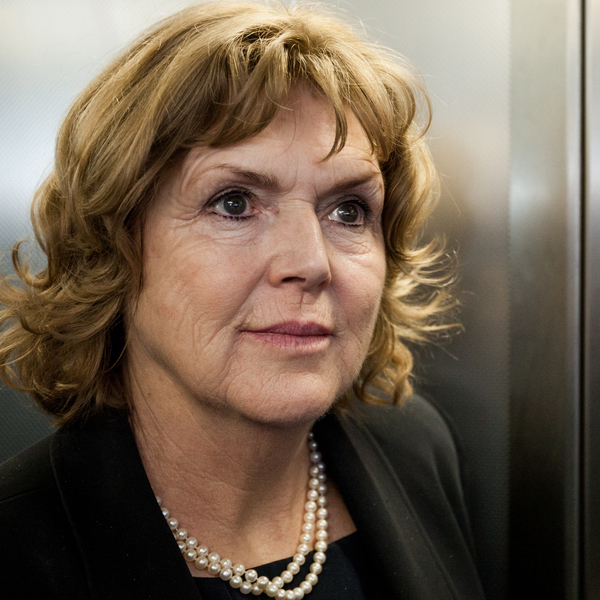
Human rights defender Mary Lawlor has been appointed as UN special rapporteur on the situation of human rights defenders. Michel Forst, the current special rapporteur, is stepping down after six years in the role [see: https://humanrightsdefenders.blog/2020/03/05/michel-forst-in-his-latest-and-last-report-to-the-council-focuses-on-hrds-in-conflict-zones/]. This is excellent news as Mary Lawlor has enormous experience in human rights, as a previous director of Amnesty International Ireland and as a founder of Front Line Defenders (FLD). She led FLD from 2001 until her retirement in 2016, overseeing its growth to become a global organisation providing resources for the protection and security of human rights defenders (HRDs) at risk. Ms Lawlor helped spearhead civil society efforts to bring the EU Guidelines on Human Rights Defenders into effect and became a recognised leader in focusing on attention on the unique protection needs of HRDs.Remarking on the announcement, Andrew Anderson, executive director at Front Line Defenders, said: “Mary Lawlor is an excellent choice as UNSR, she has huge experience of working with human rights defenders in all world regions with a focus on creative and practical support and she has the empathy, tact and tenacity to make a considerable impact.” [see also: https://humanrightsdefenders.blog/2016/10/08/front-line-defenders-announces-steady-hand-andrew-anderson-as-new-executive-director/]

https://www.irishlegal.com/article/mary-lawlor-appointed-un-special-rapporteur-for-human-rights-defenders

International Women’s Day 2020: Dad, a digital warrior in Pakistan

March 9, 2020

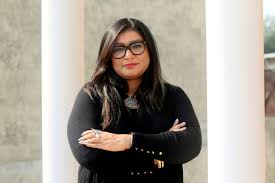
With her “Hack the patriarchy” laptop stickers, Nighat Dad is a digital warrior. But this human rights award winner and founder of Pakistan”s first cyber-harassment helpline still tears up as she describes receiving calls from women afraid of being killed by male relatives for using the internet. Nighat Dad established the help line in 2016 with prize money (100,000 euros) from the Dutch human rights award, the Tulip

Much of Pakistani society lives under the patriarchal, outdated code of so-called “honour” that systemises the oppression of women by preventing them from, for example, choosing their own husband or working outside the home. Activists have denounced pervasive, sometimes deadly violence by men — usually male relatives — against women who break those taboos. The situation is dire enough in the offline world.

But Pakistan is only just beginning to grapple with what violent notions of honour mean for women online, in a country where internet penetration is at 22 percent and growing, but digital literacy is low.

Much of the work the helpline does is to explain to women what recourse they have. Social media companies are playing ball, Dad says — some have even agreed to establish “escalation channels” for getting content off the internet quickly when a woman”s life is in immediate danger. But she warns that community guidelines developed by such companies, usually US-based, are not appropriate in Pakistan. “I think they need to do more,” Dad says. More than three years on, the Tulip money has run out. Now the helpline survives only by the grace of small grants from groups such as the Netherlands-based Digital Defenders Partnership, which supports rights activists.

…. She cites last year”s International Women”s Day march in Pakistan, which saw women turn out in unprecedented numbers loudly celebrating divorce and periods, among other things. The response was swift and shocking in its intensity, with Dad describing mullahs making rape and death threats against the march organisers in videos widely distributed online. The 2016 murder of social media star Qandeel Baloch has also impacted her, she says. Baloch divided Pakistan with her videos and selfies, tame by Western standards but provocative in Pakistan. She was strangled by her brother in 2016 in what has been called the country”s most high-profile “honour” killing.

She was a hero for me… she did what she wanted to do, and not every woman can do this in Pakistan,” Dad says.

Dad says she cannot help but see the similarities between herself and Baloch. They are from similar backgrounds, both left abusive marriages, and both have gained fame by loudly challenging social taboos online — though admittedly not in quite the same way. Her murder “shook me badly,” she tells AFP. “It was enough to shake us all.”

……

https://www.outlookindia.com/newsscroll/nighat-dad-pakistans-digital-warrior-battling-the-patriarchy/1755905

https://www.rferl.org/a/pakistani-lawyer-fights-abuse-of-women-who-dare-to-go-online/30469845.html

International Women’s Day 2020: Joint Statement at 43rd session of UN Human Rights Council

March 9, 2020

Many organisations, especially NGOs, used the occasion of International Women’s Day 2020 to highlight work carried out by women human rights defenders. See also: https://humanrightsdefenders.blog/2020/02/27/women-human-rights-defenders-in-focus-at-43rd-human-rights-council/. Here an example of how 18 NGOs came together for a Joint Statement during the 43rd session of the UN Human Rights Council

The speaker was: Paola Salwan Daher, Center for Reproductive Rights: