Author Archive

Results of the 56th sesion of the UN Human Rights Council

August 6, 2024

At the 56th Human Rights Council session, civil society organisations share reflections on key outcomes and highlight gaps in addressing crucial issues and situations.[see:https://humanrightsdefenders.blog/2024/06/12/human-rights-defenders-issues-at-the-56th-session-of-the-un-human-rights-council/

States have an obligation to pay UN membership dues in full and in time. The failure of many States to do so, often for politically motivated reasons, is causing a financial liquidity crisis, meaning that resolutions and mandates of the Human Rights Council cannot be implemented. This is a breach of legal obligations, a betrayal of victims and survivors of violations and abuses, and a waste of the time and resources we have collectively invested over the last 4 weeks. The cuts to Special Procedures’ activities, including fewer country visits and the cancellation of the annual meeting, greatly limit rights holders’ ability to engage with mandate holders and it hinders their access to situations on the ground, and their engagement with domestic authorities for human rights change. Pay your dues!

We deplore the double standards in applying international law and the failure of certain States to push for accountability and ending impunity for all atrocity crimes, when these involve geopolitical interests, despite the clear relevance to thematic principles they endorse. We also deplore initiatives and threats by some States to undermine or sanction the vital work of international justice and accountability bodies, including the International Court of Justice and the International Criminal Court. This undermines the integrity of the framework, the legitimacy of this institution, and the credibility of those States. From Afghanistan to China, to Eritrea to Myanmar, to Palestine to Sri Lanka, to Sudan to Ukraine, resolving grave violations requires States to address root causes, applying human rights norms in a principled and consistent way. States promoting or supporting thematic resolutions must apply these same principles universally, including in their approach to country-specific issues. The Council has a prevention mandate and States have a legal and moral duty to prevent and ensure accountability and non-recurrence for atrocity crimes, wherever they occur.  We urge all States to implement resolutions consistently, both nationally and internationally, and to align their actions with the universal human rights standards they claim to uphold, especially in responding to atrocity crimes. We urge States to enhance objective criteria for action, with predictable parameters, consistent actions and a demonstrable way forward to addressing human rights crises.

We welcome the renewal of the mandate of the Expert Mechanism to Advance Racial Justice and Equality in the Context of Law Enforcement (EMLER) by consensus. We welcome the resolution’s request to strengthen the administrative and substantive support to the Mechanism, and to provide the resources necessary for it to effectively fulfill its mandate. This renewal is a recognition of the value of its unique work over the past three years, as well as the need for experts to continue investigating States’ law enforcement practices and their impact on Africans and Afrodescendant people and communities, including the legacies of colonialism and transatlantic slave trade in enslaved Africans. As recognised by the resolution, systemic racism particularly, against Africans and people of African descent needs a systemic response. In this regard, EMLER’s reports offer a powerful tool for much-needed transformation that governments everywhere should implement. We urge States to ensure full cooperation with EMLER towards the effective fulfillment of its mandate, including by implementing its recommendations and responding promptly to its requests for information and country visits.

This session was again marked by increasing attempts at retrogression on well-established human rights standards pertaining to sexual and reproductive rights and other thematic issues related to gender and sexuality. Nevertheless, civil society organisations continue to work together across movements to ensure the resilience of the multilateral system and the upholding of human rights standards. Out of the 26 draft resolutions presented this session, 5 had a stronger focus on gender and sexuality issues and took important steps in developing human rights standards in these areas. Specifically, we welcome the adoption of the resolution on HIV, the resumption of the tradition of adopting this resolution by consensus and the inclusion of a reference to sexual and reproductive health and rights. We welcome the adoption of the resolution on the Elimination of all forms of discrimination against women and girls requesting human rights-based, gender-responsive and intersectional approaches to poverty reduction; while also expressing concern at the multiple attempts to weaken the resolution which the strongest human rights standards on women and girls are reflected, including through amendments. We also welcome the new resolution on Technology-facilitated gender-based violence, the procedural resolution on Accelerating progress towards preventing adolescent girls’ pregnancy and the resolution on menstrual hygiene management, human rights and gender equality.

We welcome the adoption of the resolution on Eritrea, renewing the Special Rapporteur’s mandate.

The resolution on the situation of Rohingya Muslims and other minorities is essential to keep the situation of Rohingya high on the agenda of the Council. However, the resolution’s calls for repatriation of Rohingya refugees to Myanmar in the current context where remaining Rohingya in Myanmar are once again confronting the dire prospects of recurrence of grave atrocities they faced in 2016 and 2017 contradict and undermine the fundamental objectives of the resolution to ensure protection of Rohingya and to create conditions for their safe, voluntary, dignified and sustainable return.

We welcome that the Council decided to devote its annual resolution on climate change and human rights to address just transition. However, we regret that some fundamental points are missing in the resolution. The recognition of the right to a clean, healthy and sustainable environment by the Human Rights Council (res 48/13) and the General Assembly (res 76/300) has been a landmark achievement. Yet, we regret to see that once again, the resolution on human rights and climate change has failed to include this right more explicitly. Parties to the UNFCCC have already acknowledged that when taking action on climate change, States should respect, promote and consider the right to a clean, healthy and sustainable environment, among other rights (decision 1/CP.27). This resolution also failed to call upon States to transition away from fossil fuels. As has been repeatedly stated by the UN Secretary General, the High Commissioner for Human Rights, and several Special Rapporteurs, fossil fuels are the root cause of the triple planetary crisis, and the main driver of climate change. Despite the support expressed by numerous delegations, this resolution is deliberately silent in recognizing the positive, important, legitimate and vital role that environmental human rights defenders play in the promotion and protection of human rights and the environment. As recognized by the HRC resolution 40/11, EHRDs are one of the most exposed and at risk around the world. Many of these attacks include Indigenous Peoples and defenders raising concerns about climate related projects, transition minerals mining and renewal projects. We will not have a just transition in the context of climate change without listening and consulting EHRDs. It is time that the annual resolutions on human rights and climate change align itself to the recent developments and strongly reaffirm a commitment to effective, rights- and science-based climate action.

We welcome the Council’s continued efforts to address the human rights impacts of arms, including by highlighting human rights obligations of States and responsibilities of the arms industry and other businesses contributing to its operations. The adoption of the resolution on human rights and the civilian acquisition, possession and use of firearms is another significant contribution to these efforts. The OHCHR report requested by the resolution, —which will explore the root causes and risk factors of firearms-related violence and its impact on the enjoyment of the right to participation, particularly of individuals in vulnerable or marginalised situations, — presents a key opportunity to highlight critical concerns surrounding civilian firearms and their broader human rights impacts and to promote an effective response to these concerns.

We welcome a new resolution on freedom of opinion and expression, which rightly highlights how this right is an enabler for all other human rights and sustainable development. Among other key issues, the resolution has been updated to express concern at the growing trend of strategic lawsuits against public participation and calls on governments to adopt and implement measures to discourage such legal harassment. In this vein, it mandates a report and expert workshop to explore the impact of strategic lawsuits against public participation. We urge all States committed to freedom of opinion and expression to co-sponsor and fully implement the commitments of the resolution.

We welcome the adoption of the resolution on Independence and Impartiality of Judges and Independence of Lawyers, focusing on the use of Digital Technologies, including Artificial Intelligence. We welcome the inclusion of language addressing serious concerns relating to the potential negative impact on international fair trial standards, including equality of arms, confidentiality and the protection of legal professions, as well as risks connected to judicial independence and impartiality, the perpetration of existing stereotypes, discrimination or harmful biases. We also welcome the emphasis on the need to always ensure human oversight, scrutiny and accountability with respect to the use of artificial intelligence in the administration of justice.

We continue to deplore this Council’s exceptionalism towards serious human rights violations committed by the Chinese government. Despite China’s efforts to instrumentalise allied countries and GONGOs to portray itself as a constructive actor during its UPR adoption, NGO statements pointed to evidence of Beijing’s lack of willingness to engage in good faith with the UN system, including: a 30% rejection rate higher than its last UPR, acts of reprisals against civil society committed during the UPR cycle, disregard for calls from Western and Global South States to implement Treaty Body recommendations and to provide unfettered access to UN experts. We urge China to genuinely engage with the UN human rights system to enact meaningful reform, and ensure all individuals and peoples enjoy internationally protected human rights. Recommendations from the OHCHR Xinjiang report, UN Treaty Bodies, and UN Special Procedures chart the way for this desperately needed change. In the absence of genuine efforts, it is equally imperative that this Council establishes a monitoring and reporting mechanism on China as repeatedly urged by over 40 UN experts since 2020.

We regret that the Council failed to uphold its obligations to the Libyan people. We are concerned that the resolution on Libya falls short in addressing the urgent need to end impunity for widespread and serious human rights abuses across the country. It ignores the findings of the Independent Fact-Finding Mission on Libya, which documented likely war crimes and crimes against humanity perpetrated by State security forces and armed militia groups, and recommended the creation of an independent international investigation mechanism. Moreover, the resolution overlooks the inability of OHCHR and UNSMIL to conduct capacity-building activities in much of Libya due to threats of violence and governmental non-cooperation. Additionally, it neglects the severe suppression of civil society through arbitrary arrests, enforced disappearances, abductions, social media monitoring, harassment, and other forms of intimidation.

We regret that the Council failed to adequately respond to the situation in Saudi Arabia. Saudi Arabia is not fit to sit at the Human Rights Council, as it is responsible for the commission of atrocity crimes, a pattern of reprisals against those who cooperate with the UN, and the repression of civil society. The human rights situation in the country is dire, with the criminalisation of women human rights defenders, arbitrary detention and the application of the death penalty, among other abuses. We call on all UN States at the General Assembly not to vote for Saudi Arabia in the upcoming HRC elections.

We regret that once more, civil society representatives faced numerous obstacles to accessing the Palais and engaging in discussions during this session, as well as continuing and worsening incidents of reprisals and transnational repression here in Geneva against those seeking to cooperate with the Council. We are concerned by the barriers imposed to access room XX and that the majority of informal consultations on resolutions were held exclusively in person. We remind UN member States, as well as UNOG, that the Council’s mandate, as set out in HRC Res 5/1, requires that arrangements be made, and practices observed to ensure ‘the most effective contribution’ of NGOs. We reiterate that an inclusive approach to participation requires that the UN addresses the limited space for civil society engagement. Undermining civil society access and participation not only undermines the capacities and effectiveness of civil society but also of the Council itself.

Signatories:

  1. Asian Forum for Human Rights and Development (FORUM-ASIA)
  2. Cairo Institute for Human Rights Studies (CIHRS)
  3. CIVICUS
  4. Egyptian Initiative for Personal Right (EIPR)
  5. FIDH
  6. GIN SSOGIE – The Global Interfaith Network For People of All Sexes, Sexual Orientations, Gender Identities and Expressions
  7. Gulf Centre for Human Rights
  8. IFEX
  9. International Service for Human Rights (ISHR)
  10. Washington Brazil Office

https://ishr.ch/latest-updates/hrc56-civil-society-presents-key-takeaways-from-the-session
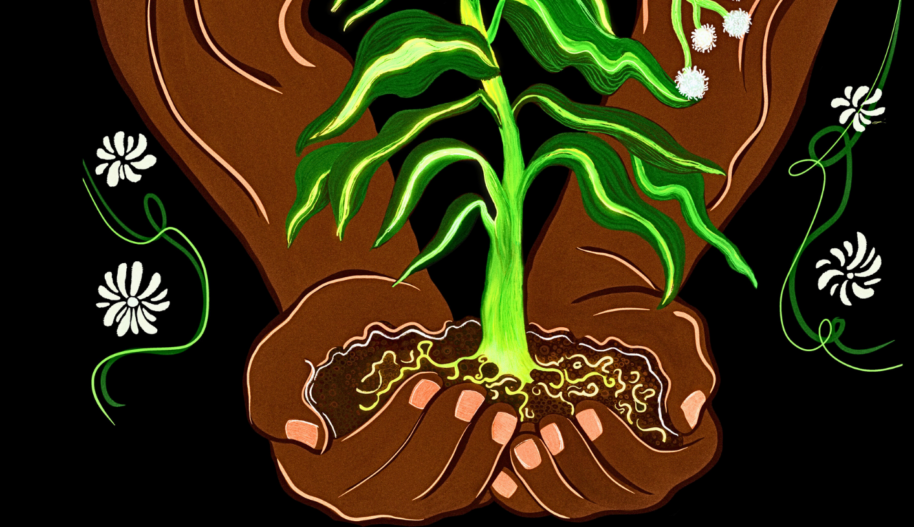
Call for applications to create art for AI’s Write for Rights Campaign!

August 5, 2024

Are you an artist passionate about human rights and social justice? We’re looking for talented creators to develop original art pieces for our 2024 Write for Rights campaign. This is your chance to use your creative skills to fight injustice and show your solidarity with people who are advocating for change. 

What We’re Looking For

We are looking for a wide range of artistic expressions, including but not limited to: 

  • Graphic design artwork  
  • Videos of spoken-word art  
  • Musical pieces (vocal, instrumental…etc.)  
  • Videos of dances, skits  
  • Animations  
  • Paintings 
  • Comic Illustrations 

Project Details

Objective: Create an original art piece representing a specific Write for Rights case. 
Compensation: TBD
Timeline: September 15, 2024 – October 15, 2024
Submission Deadline: August 30th, 2024 

How to Apply

Submit your application including: 

  • A brief introduction of yourself, your artistic background and your interest in social justice  
  • A short proposal outlining:
    • Two Write for Rights cases you are interested in working on and why  
    • A short description of your artistic vision for the piece  
  • A portfolio or samples of your previous work

Send your applications to writeforrights@amnesty.ca by August 30th, 2024. 

Don’t miss this chance to make a global impact with your art. Join us in advocating for human rights through powerful, creative expression. 


Write for Rights Cases

Manahel al-Otaibi (Saudi Arabia) 

Manahel al-Otaibi is a fitness instructor and a brave outspoken advocate for women’s rights in Saudi Arabia. In November 2022, she was arrested after posting to Snapchat photos of herself at a shopping mall. In the photos, she was not wearing the traditional long-sleeved loose robe known as an abaya. Manahel has been sentenced to 11 years in prison.

Wet’suwet’en Nation Land Defenders (Canada)  

The Wetʼsuwetʼen Nation are deeply connected to their ancestral lands, but this is threatened by the construction of a fossil fuel pipeline through their territory. Their Hereditary Chiefs did not consent to this construction. Land defenders have been charged for blocking pipeline construction sites, even though these sites are on their ancestral lands. They could face prison and a criminal record. 

Maryia Kalesnikava (Belarus) 

Political activist Maryia Kalesnikava dared to challenge the repressive Belarus government. On 7 September 2020, Maryia was abducted by the Belarus authorities. She was taken to the border where she resisted deportation by tearing up her passport. She was detained and later sentenced to 11 years in prison on false charges. Maryia’s family haven’t heard from her for more than a year. 

Floraine Irangabiye (Burundi) 

Floriane Irangabiye is a mother, journalist, and human rights defender from Burundi. In 2010 she relocated to Rwanda where she co-founded a radio station for exiled Burundian voices. In August 2022 she was arrested while visiting family in Burundi. In January 2023 she was sentenced to 10 years in prison for “undermining the integrity of the national territory”, all for criticizing Burundi’s human rights record.

Kyung Seok Park (South Korea) 

Kyung Seok Park is a dedicated disability rights activist. Holding peaceful protests on Seoul’s public transport systems, Kyung Seok Park has drawn attention to how hard it is for people with disabilities to easily access trains and subways safely – denying them the ability to travel to work, school, or to live independently. Kyung Seok Park’s activism has been met with police abuse, public smear campaigns and punitive litigation.   

https://amnesty.ca/activism-guide/appy-now-w4rs-art/

Right Livelihood tells UN Human Rights Council: Environmental defenders should be applauded, not attacked

August 5, 2024

Right Livelihood’s advocacy team delivered a statement at the 56th session of the UN Human Rights Council in Geneva calling for Member States to stop retaliating against environmental defenders. The statement highlighted the struggles of Right Livelihood Laureates from Cambodia, Kenya and Nicaragua, where activists leading the fight against climate change face unlawful arrests, armed attacks and police violence, among other forms of oppression, for their peaceful activities. 

Right Livelihood Laureates from Cambodia, Nicaragua and Kenya who are leading the fight against climate change are being attacked by their governments, a concerning trend Right Livelihood says the Council has a responsibility to reverse.

Addressing the Special Rapporteur on the protection and promotion of human rights in the context of climate change, Right Livelihood asked, “How can the Council better address reprisals against environmental defenders playing a key role in the fight against climate change?”

The question was critical for Right Livelihood as an organisation that has awarded 96 change-makers for their environmental activism since its inception in 1980, many of whom are persecuted for their work.[see:https://www.trueheroesfilms.org/thedigest/awards/97238E26-A05A-4A7C-8A98-0D267FDDAD59%5D

Among those Laureates is Mother Nature Cambodia (MNC), a peaceful youth movement raising awareness about environmentally disastrous development projects. Earlier this month, ten MNC members received six to eight-year prison sentences on sham charges for plotting against the government and insulting the king.

Similarly, in Kenya, Laureate Phyllis Omido and her organisation the Center for Justice Governance and Environmental Action have been targeted by the government for organising against business interests that jeopardise the environment. 

In May, Omido and local community leaders came under threat when police brutalised protestors for opposing a nuclear project in a biodiverse area between the Watamu National Marine Park and the Arabuko Sokoke Forest. Police fired 137 live rounds and 70 tear gas canisters.

“Investigations into such crimes are rare, and those speaking out face severe reprisals,” we told the Council.

Wefinished our statement by highlighting the situation in Nicaragua, where Indigenous communities protecting their land are attacked, forcefully displaced and killed by illegal settlers involved in mining and cattle trading.

You can read the full statement here.

New call for applications for human rights defenders at risk for Shelter City Netherlands. 

August 5, 2024

Justice & Peace Netherlands is launching a new call for applications for human rights defenders at risk to participate in Shelter City Netherlands. The deadline for applications is 30 August 2024 CEST ­ Shelter City is a global movement of cities, organizations and people who stand side by side with human rights defenders at risk. Shelter City provides temporary safe and inspiring spaces for human rights defenders at risk where they re-energize, receive tailor-made support and engage with allies. 

From March, June and September 2025 onwards, 14 cities in the Netherlands will receive human rights defenders for a period of three months. At the end of their stay in the Netherlands, participants are expected to return with new tools and energy to carry out their work at home. Journalists’ Safe Haven initiative Justice & Peace aims to promote the safety of journalists, and in particular women journalists, worldwide so that they can build new strategies and continue their important work for freedom of expression in their country of origin. 

With support from the Dutch Ministry of Foreign Affairs, Justice & Peace will be able to provide two additional temporary safe spaces per year in The Hague for journalists at risk and provide them with tailormade support. 

To be eligible for Shelter City Netherlands, human rights defenders should meet the following conditions: They implement a non-violent approach in their work;They are threatened or otherwise under pressure due to their work or activism;They are willing and able to return to their country of origin after 3 months;They are willing to speak publicly about their experience or about human rights in their country to the extent that their security situation allows; They have a conversational level* of English;They have a valid passport (with no less than 18 months of validity at the time of applying) or be willing to carry out the procedures necessary for its issuance. Justice & Peace covers the costs of issuing a passport and / or visa (if applicable);They are not subjected to any measure or judicial prohibition to leave the country;They are willing to begin their stay in the Netherlands around March, June or September 2025.
Please note that only under exceptional circumstances are we able to accept human rights defenders currently residing in a third country.

­ Apply now!

https://7a2pv.r.ag.d.sendibm3.com/mk/mr/sh/SMJz09SDriOHWo9lOH3CCxH3Sm28/qRd0o2XPi-BI

Bangladesh: Six student human rights defenders arbitrarily detained

August 1, 2024

On the 26th to 28th July 2024, six student human rights defender namely: Nahid Islam, Abu Bakar Majumder, Asif Mahmud, Sarjis Alam, Hasnat Abdullah, and Nusrat Tabassum reportedly have been arbitrarily detained under custody of Dhaka Metropolitan Police’s (DMP) Detective Branch (DB) and coerced to announce the withdrawal of their protest programmes through a video message sent to media from the DB office at around 8:00 PM on 28 July 2024.

Nahid Islam, Abu Bakar Majumder, Asif Mahmud, Sarjis Alam, Hasnat Abdullah, and Nusrat Tabassum are students and dedicated human rights defenders and National Coordinators of the Students Against Discrimination Movement. Nahid Islam is from the Sociology Department, Abu Bakar Majumder from the Geography Department, Asif Mahmud from the Linguistics Department, Sarjis Alam is affiliated with the Zoology Department, Hasnat Abdullah is from the English Department, and Nusrat Tabassum is from the Political Science Department of Dhaka University.

Students Against Discrimination Movement is a student led protest demanding reform of the present quota system in government jobs. A total 56 percent of first and second class government jobs in Bangladesh entailed quotas. 30 percent of the total reserved for the descendants of ‘freedom fighters’. This quota has been widely criticised especially by the students, stating that it create a discriminatory system and allegedly used to recruit students affiliated with the ruling party. Following widespread protests in 2018, the Government of Bangladesh abolished all quotas with an executive order. However, on 5 June 2024, the High Court ordered the Government to reinstate the quota with the power of any adjustment they want to make.

Since 01 July 2024, the protests have escalated in several university campuses.The protests was met with a severe crackdown from the authorities involving ruling party goons, police and paramilitary forces from Rapid Action Battelion (RAB) and Border Guard Bangladesh (BGB). It has reportedly resulted in the deaths of at least 250 people with thousands more injured. With the internet shutdown for almost a week, suspicion remains about many more killings. Since 18 July 2024, local media reported over 10000 people, including many students been arrested in a mass arrest spree.

On 28 July 2024, at around 5:00 AM, woman human rights defender Nusrat Tabassum from Dhaka University had been reportedly picked up by individuals claiming to be from Dhaka Metropolitan Police’s DB at her cousin’s home in Mirpur.

On 27 July 2024, two more student human rights defenders Sarjis Alam and Hasnat Abdullah were picked up and brought to the DB office. The Additional Commissioner of the DB claimed in a press conference that the student human rights defenders have been brought to their custody to ensure their safety, however the comissioner did not clear it whether they have been arrested. While the family members were not allowed to even enter into the DB office on 28 July 2024, they were allowed to meet the students on 29 July – only after their video message of withdrawal of their protest program been covered in media.

On 26 July 2024, at around 4:00 PM, human rights defenders Nahid Islam, Asif Mahmud and Abu Bakar Majumder were forcefully taken from Gonoshasthaya Kendra Hospital by the police in plainclothes in Dhaka and taken to custody of the Dhaka Metropolitan Police’s DB. Nahid and Asif were undergoing treatment Gonoshasthaya Kendra Hospital while Abu Bakar was accompanying them. Police also took away their phones.

Front Line Defenders condemns the arbitrary detention and coercion of student human rights defenders Nahid Islam, Abu Bakar Majumder, Asif Mahmud, Sarjis Alam, Hasnat Abdullah, and Nusrat Tabassum by the Dhaka Metropolitan Police in an attempt to repress their human rights work and target legimate students protests in Bangladesh.

Front Line Defenders urges the relevant authorities in Bangladesh to:

  1. Immediately and unconditionally release Nahid Islam, Abu Bakar Majumder, Asif Mahmud, Sarjis Alam, Hasnat Abdullah, and Nusrat Tabassum.
  2. Ensure the physical and psychological safety and well-being of Nahid Islam, Abu Bakar Majumder, Asif Mahmud, Sarjis Alam, Hasnat Abdullah, and Nusrat Tabassum while they remain in custody.
  3. To secure their immediate access to their families, legal representation, and any medical care they may require.
  4. End to all forms of harassment, intimidation, and arbitrary detention of student human rights defenders in Bangladesh. The rights to freedom of expression, assembly, and association must be respected and protected.
  5. Conduct independent and transparent investigation into the arbitrary detention and coercion of these student human rights defenders.

https://www.frontlinedefenders.org/en/case/six-student-human-rights-defenders-arbitrarily-detained-and-forced-announce-withdrawal-protest

NGOs say that Chinese Government manipulates human rights (UPR) review

July 31, 2024

4 July 202: China’s government accepted – wholly or partially – 298 of the 428 (70%) recommendations the country received from UN member states during its fourth UPR on 23 January 2024. This represents a 12% drop in the proportion of recommendations the government accepted compared to the previous UPR in 2018.

In a worrying sign of the government’s outright refusal to heed the mounting international concern over key human rights issues, of the 130 recommendations Beijing did not accept, an unprecedented number – 98 – were categorised as “rejected” and 32 were “noted.

China’s government used the United Nations (UN)-backed review of its human rights record to rebuff international concern over serious abuses, issue blanket denials, and make blatantly false statements, the International Federation for Human Rights (FIDH), Human Rights in China (HRIC), the International Campaign for Tibet (ICT), the Taiwan Association for Human Rights (TAHR), and the Database Center for North Korean Human Rights (NKDB) said after the adoption of the outcome of China’s Universal Periodic Review (UPR) in Geneva, Switzerland.

Despite well-documented evidence to the contrary, the government claimed that many of the recommendations it accepted were being implemented or had already been implemented. Such was the case regarding the accepted recommendations related to human rights in Hong Kong, Tibet, and Xinjiang, and the situation of human rights defenders, lawyers, civil society, media, and journalists. The government also made the false claim that it protected “freedom of speech, association and assembly” and “the lawful rights of all citizens as equals“.

FIDH, HRIC, ICT, TAHR, and NKDB urge China’s government to reverse course and use the fourth UPR to address the concerns voiced by numerous UN member states without delay by implementing all the recommendations that are consistent with its obligations under international human rights law.

Below is an analysis of the government’s response to the UPR recommendations on selected human rights issues.

Human rights situation in Hong Kong, Tibet, and Xinjiang

The government received 57 recommendations on human right issues in Hong Kong, Tibet, and Xinjiang and accepted only 19 (33%) of them. With regard to Hong Kong, the rejected recommendations were overwhelmingly related to the National Security Law and its negative impacts. Rejected recommendations concerning the situation of the Uyghurs in Xinjiang included those that called for the implementation of the 2022 UN Office of the High Commissioner for Human Rights (OHCHR) assessment on Xinjiang which China’s government called “illegal“. China rejected 70% of the unprecedented number of Tibet-specific recommendations it received – notably the ones calling for an end of the boarding school system for Tibetan children – often claiming they were based on “false information” despite many verified reports, including by UN experts. Other recommendations concerning the respect of cultural and religious rights in Tibet were listed as “accepted and already implemented” in a blunt misrepresentation of the reality on the ground. Many of the recommendations received by China’s government concerning the situation in Tibet echoed those contained in the joint submission made by FIDH and the International Campaign for Tibet (ICT) for China’s fourth UPR.

Human rights defenders, lawyers, and civil society

The government accepted only 10 of the 25 recommendations it received on human rights defenders, lawyers, and civil society. It rejected recommendations that called on China’s authorities to end the harassment and arbitrary detention of human rights defenders and lawyers and to cease the restrictions on civil society. A submission by HRIC highlights how online rights and internet freedoms in Hong Kong have significantly deteriorated in the post-COVID era, especially after the promulgation of the National Security Law, and that women have been disproportionately affected, as evidenced by the online gender-based violence they experienced.

Media and journalists

The government rejected 10 of the 14 recommendations it received concerning the protection of media and journalists, claiming the authorities protect the right to freedom of speech.

Death penalty

The government rejected all 20 recommendations it received concerning the death penalty. It stated that the death penalty “should be retained with its application strictly and prudently limited” – a statement that clashes with the reality of a country that has consistently ranked as the world’s most prolific executioner.

https://www.fidh.org/en/region/asia/china/china-government-manipulates-human-rights-review

https://www.msn.com/en-xl/news/other/ngos-slam-china-for-rejecting-upr-recommendations-at-unhrc-s-56th-session/ar-BB1pu4Wz

What the World Organisation Against Torture (OMCT) does

July 30, 2024

Civil society actors across the world frequently operate in challenging or hostile environments in their efforts to defend human rights. The World Organisation Against Torture (OMCT) supports members of the SOS-Torture network, along with local actors, working to end torture and impunity and to support the rehabilitation of victims. We provide support by:

  • Engaging in joint activities and campaigns.
  • Sharing expertise and capacity-building opportunities.
  • Providing financial support to local actors, individuals, organisations, and initiatives, primarily outside the European Union.

This assistance enables them to carry out their crucial work in defending human rights and ending torture.

Our activities in support of the human rights movement are made possible by the generous contributions of our donors.

United Against Torture

Support to local anti-torture organisations

How to apply

Support to victims of torture

How to apply

Support to victims of torture in Tunisia

How to apply

Protecting Human Rights Defenders

Emergency support for human rights defenders at risk

How to apply

Institutional support for local organisations at risk

How to apply

https://www.omct.org/en/what-we-do/material-support

CIVICUS on Mandela Day: Global persecution of human rights defenders show shocking growth

July 30, 2024
SAMW 2024
  •  As we mark Nelson Mandela Day and #StandAsMyWitness campaign anniversary, the number of countries to legally harass and put activists behind bars nearly doubled in five years. 
  • José Rubén Zamora is the latest defender featured in the international #StandAsMyWitness campaign calling for the release of 14 leading human rights defenders. 
  • Earlier this week, two featured Eswatini activists, Bacede Mabuza and Mthandeni Dube, were brutally sentenced to long prison terms for pushing democratic reforms. 

As we mark Nelson Mandela Day on 18 July and #StandAsMyWitness campaign anniversary, the number of countries abusing laws to harass and put activists behind bars has nearly doubled in five years. At least 66 countries prosecuted activists last year, up from 36 in 2019, according to the CIVICUS Monitor. In 2023, at least 63 countries detained human rights defenders (HRDs), up from 38 five years ago.  

See also:https://humanrightsdefenders.blog/2023/08/12/about-the-stand-as-my-witness-campaign-which-advocates-on-behalf-of-imprisoned-human-rights-defenders-around-the-world/

The jarring growth of repression comes as a stark contrast to the vision of President Mandela. #StandAsMyWitness, launched on Nelson Mandela Day four years ago, calls for the release of leading global human rights defenders who languish behind bars for speaking truth to power.  

Guatemalan journalist José Rubén Zamora is now added as the 14th activist in the campaign. “As we add José Rubén Zamora to the #StandAsMyWitness campaign, we grow ever concerned that the world is becoming a more dangerous place for human rights defenders. He is a courageous journalist who has dedicated his life to exposing corruption and defending human rights in Guatemala,” said Isabel Rosales, Latin America advocacy officer at CIVICUS. Zamora has been languishing behind bars for two years and the newspaper he founded, el Periódico, was shut down. 

Earlier this week, two #StandAsMyWitness Eswatini activists Bacede Mabuza and Mthandeni Dube were respectively sentenced to 25 and 18 years in jail. The two pro-democracy parliamentarians were convicted for demanding democratic reforms.  Eswatini is an absolute monarchy where political parties are banned from elections and activists face jail, torture, and death for demanding their rights.   

The 14 human rights defenders featured in the campaign represent a wave of persecution sweeping against civic freedoms and human rights around the world. Abuse of law for the prosecution of activists is ranked among the top ten rights violations according to CIVICUS Monitor.  

Their stories are no different from many other activists who were silenced for standing up for human rights and justice. Among others still languishing behind bars are #StandAsMyWitness icons:  

  • Nobel Peace Prize laureate Narges Mohammadi, who has received a total of 31 years of prison sentence for standing up for women’s empowerment and promoting the abolition of the death penalty in Iran.
  • Hong Kong Pro-democracy activist Chow Hang-Tung, who was arrested and detained on June 4, 2021, for publishing two social media posts calling on the public to join the peaceful vigil for the 1989 Tiananmen massacre of civilians and protesters in Beijing.
  • Khurram Parvez, voted one of the 100 most influential people by Time magazine in 2022, has dedicated his life to nonviolence in one of the most militarized regions in the world. He remains in jail under charges of terrorism and conspiracy in India. 

This clampdown on defenders paints a bleak picture, with only two percent of the global population living in countries with open civic spaces. A staggering 72% of people in the world lived in authoritarian regimes in 2023. CIVICUS finds a discernible rise in the closure of civic spaces around the world, with the highest number of people living in closed countries since 2019. 

Full list of HRDs featured in the #StandAsMyWitness campaign:  

AFRICA: 

  • Eswatini: Bacede Mabuza and Mthandeni Dube – MPs who campaigned for democratic reform 
  • Burundi: Floriane Irangabiye – a journalist serving a 10-year prison sentence for her work 

ASIA: 

  • Hong Kong: Chow Hang-Tung – pro-democracy activist, sentenced for organising unauthorised Tiananmen Square Massacre commemoration vigil 
  • India: Khurram Parvez – Kashmiri rights activist; listed in Time magazine’s 100 ‘Most Influential People 2022

CENTRAL ASIA: 

  • Belarus: Viasna Human Rights Defenders – members of Viasna human rights centre; jailed for exercising their right to peaceful assembly and freedom of expression 
  • Tajikistan: Buzurgmehr Yorov – human rights lawyer representing members of the opposition; recipient of Homo Homini human rights prize 
  • Tajikistan: Manuchehr Kholiqnazarov – human rights lawyer serving a 16-year-long prison sentence in retaliation for his human rights work. 

LATIN AMERICA: 

  • Mexico: Kenia Hernandez – Indigenous and women’s rights activist; arrested after protest 
  • Guatemala – José Rubén Zamora a journalist and founder of the newspaper elPeriodico. He has been detained since 29 July 2022. 

MIDDLE EAST & NORTH AFRICA: 

  • Algeria: Kamira Nait Sid – Indigenous and women’s rights activist campaigning for the rights of the Amazigh people in Algeria 
  • Bahrain: Abdul-Hadi al-Khawaja – detained after democracy protests in 2011; recipient of the prestigious Martin Ennals Award 2022 for human rights defenders 
  • Egypt: Hoda Abdel Moneim – human rights lawyer and former member of Egypt’s National Council for Human Rights 
  • Iran: Narges Mohammadi – Journalist and human rights activist who received the Nobel Prize for Peace in 2023 
  • United Arab Emirates: Ahmed Mansoor – on the advisory boards for Human Rights Watch and the Gulf Centre for Human Rights; imprisoned for publishing information on social media 

To find out how to get involved, check out CIVICUS’s campaign webpage: Stand As My Witness. 

https://www.civicus.org/index.php/media-resources/media-releases/7172-mandela-day-global-activist-persecutions-show-shocking-growth

Israeli continues to target human rights defenders in the West Bank

July 29, 2024

The Israeli authorities continue to target human rights defenders in the Occupied West Bank, including East Jerusalem, through prolonged administrative detention without charge, humiliation and ill treatment, an independent expert said calling for an end to such treatment.

UN Special Procedures experts, including myself, have raised similar concerns multiple times, and this time I want to bring to the attention of the Israeli government the recent cases of Mr. Bassem Tamimi, Mr. Omar al-Khatib, Ms. Baraa Odeh, Ms. Sumoud Mtair and Ms. Diala Ayesh,” said Mary Lawlor, UN Special Rapporteur on the situation of human rights defenders.

The five human rights defenders were arrested between October 2023 and March 2024, either from their home or as they returned from abroad. They were ordered to be held in administrative detention for periods ranging from four to six months, subject to unlimited renewal. Two of them have yet to be released.

Bassem Tamimi, from Ramallah, is an organiser of peaceful protests against the illegal occupation of Palestinian lands; Omar al-Khatib, from Jerusalem, campaigns against the forced eviction of Palestinian families from the Jerusalem neighbourhood of Sheikh Jarrah; Baraa Odeh, from Bethlehem promotes youth rights; Sumoud Mtair, from Hebron, is active in the Palestinian Anti-Apartheid Wall Campaign; and Diala Ayesh is a human rights lawyer who documents the detention conditions of Palestinian prisoners detained in Israel. All but al-Khatib and Ayesh were released at the end of their administrative detention periods.

“All five human rights defenders were arrested without warrant. They were not given any reason as to why there were being detained. They were all interrogated without the presence of a lawyer. They were not allowed contact with their families,” Lawlor said.

“Four of them were reportedly slapped, beaten, humiliated, sent from one prison to another in the space of one or two days, and made to sign documents in Hebrew they could not understand. The three women detainees have been held in deplorable conditions, in dirty cells and given insufficient and poor-quality meals.”

https://www.miragenews.com/un-expert-israel-must-halt-targeting-1282213/

https://thepeninsulaqatar.com/article/24/07/2024/un-official-calls-on-israeli-authorities-to-stop-targeting-palestinian-human-rights-defenders

Oxford Human Rights Hub inviting applications for two paid internships

July 24, 2024

The Oxford Human Rights Hub (OxHRH) brings together academics, practitioners, and policy-makers from across the globe to advance the understanding and protection of human rights and equality. Through the vigorous exchange of ideas and resources, we strive to facilitate a better understanding of human rights principles, to develop new approaches to policy, and to influence the development of human rights law and practice.

The Oxford Human Rights Hub (OxHRH) is currently inviting applications for two paid internships jointly organised with ASSEDEL (Strasbourg).

ASSEDEL (L’Association européenne pour la défense des droits et des libertés) is a non-profit organisation, established to disseminate, promote and defend human rights and fundamental freedoms in the spirit of the European Convention on Human Rights, both within the Council of Europe system and at the local, national and international levels. The organization guides and supports victims of human rights violations.

ASSEDEL works with local and international partners, submits reports to worldwide organizations, informs the public and publishes opinion articles about human rights violations and humanitarian issues such as immigration, women’s rights, discrimination, new technologies, environment, children’s rights, education, freedom of speech, rule of law and democracy.

Tasks include:

  • Analysis of the judgments of the European Court of Human Rights (ECtHR) and publication of articles on these judgments
  • Creating partnerships with the civil society organisations working with the ECtHR
  • Following the implementations of the judgments of the Court
  • Preparing applications to the Court, in particular on Rule 39 cases
  • Creating working relations with relevant structures of the Council of Europe
  • Participating in relevant meetings at the Council of Europe and the ECtHR

Duration and starting dates

Duration: min. 3 months (a longer period can be negotiated)

Start dates: September 2024 or February 2025 (please indicate preference in your application letter)

Requirements

Essential

  • A strong understanding of human rights law, in particular: knowledge about the human rights bodies in Strasbourg
  • Strong editorial skills
  • Good communication skills
  • Strong research skills

Desirable

  • Working knowledge of French
  • Ability to use digital tools

Eligibility

These internships are open to current graduate students in (or recent graduates of) the Law Faculty in the University of Oxford.

Stipend

Each intern will receive a stipend of EUR 700 per month (which should be sufficient to cover living costs in Strasbourg).

How to Apply

Applicants are invited to send:

  1. A cover letter (2 pages max) outlining how they qualify for the role, their availability and experience;
  2. A CV (2 pages max) including their publications;
  3. The names of 2 referees (including your supervisor), to oxfordhumanrightshub@law.ox.ac.uk by noon 9 August 2024.

Enquiries about the project are welcome at: oxfordhumanrightshub@law.ox.ac.uk .