Posts Tagged ‘joint statement’

Today: International Human Solidarity Day

December 20, 2023

UN experts today emphasised the need for the international community to support civil society groups expressing international solidarity in pursuit of peace and social justice and not to conflate international solidarity with antisemitism or islamophobia. It is a remarkably large group of UN experts (see below). They have issued the following statement:

We would like to raise public awareness about the need to support concrete actions by civil society groups that express international solidarity in our pursuit of peace and social justice.

The Universal Declaration of Human Rights, Article 1 establishes universal solidarity as the foundation for human rights: “All human beings are born free and equal in dignity and rights. They are endowed with reason and conscience and should act towards one another in a spirit of brotherhood [and sisterhood].”

Around the world, civil society groups have expressed international solidarity in marches and social media campaigns to call for peace and the protection of civilians in armed conflict. Moreover, they have also expressed international solidarity in pursuit of non-discrimination and equality (the core elements of positive peace) by advocating access to justice, truth, protection, and humane treatment for: children, women, members of the LGBTAIQ+ community, persons affected by leprosy (Hansen’s disease), persons with disabilities, racialized, indigenous groups, and other minorities subjected to violence, hate speech, and discrimination, families of disappeared persons, refugees and migrants, victims of terrorism/violent extremism and counter-terrorism/violent extremism measures, and the environment.

The recent significant engagement of people of all ages and diverse backgrounds in the expression of international solidarity is a powerful affirmation of the value of human rights as a narrative of emancipation in response to violence, oppression, and marginalisation.

It is imperative that civil society actors not be subject to censorship and reprisals for their expression of international solidarity, including loss of funding, loss of employment, arrest, attack, harassment, persecution, criminalisation, or other forms of penalisation.

Actions and expressions that promote transnational unity, empathy, tolerance, and cooperation are the elements of a strong culture of international solidarity in support of peace and social progress.

The most striking impact of the contemporary expressions of international solidarity is their embrace of the principle of humanity – the demand to protect life and alleviate human suffering. The combination of these two universal principles underscores the priority of exhausting peaceful dispute resolution mechanisms before using force.

We call on the international community to encourage International Solidarity expressions of civil society groups and human rights defenders that acknowledge that everyone should enjoy human rights without discrimination of any type. States should open civic spaces and refrain from criminalising non-violent actions and expressions that promote international solidarity. International Solidarity should not be conflated with antisemitism, islamophobia, or other movements that are examples of exclusionary, segregated unitary orientations which violate non-discrimination and equality principles.

International Solidarity promotes inclusion through bridge-building and invites everyone to stand up for peace as a fundamental premise for the enjoyment of human rights.”

The experts: Cecilia M. Bailliet, Independent Expert on human rights and international solidarity; Aua Baldé (Chair-Rapporteur), Gabriella Citroni (Vice-Chair), Angkhana Neelapaijit, Grażyna Baranowska, Ana Lorena Delgadillo Pérez, Working Group on enforced or involuntary disappearances; Reem Alsalem, Special Rapporteur on violence against women and girls, its causes and consequences;Tomoya Obokata, Special Rapporteur on contemporary forms of slavery, including its causes and consequences; Irene Khan, Special Rapporteur on the protection and promotion of freedom of opinion and expression; Farida Shaheed, Special Rapporteur on the right to education; Livingstone Sewanyana, Independent Expert on the promotion of a democratic and equitable international order; Alice Jill Edwards, Special Rapporteur on Torture and other Cruel, Inhuman or Degrading Treatment or Punishment; Paula Gaviria BetancurSpecial Rapporteur on the human rights of internally displaced persons;  Ben SaulSpecial Rapporteur on the promotion and protection of human rights and fundamental freedoms while countering terrorism; Graeme Reid, Independent Expert on protection against violence and discrimination based on sexual orientation and gender identity; Marcos OrellanaSpecial Rapporteur on toxics and human rights ; Alioune Tine, Independent Expert on the situation of human rights in Mali; Mama Fatima Singhateh, The Special Rapporteur on the sale, sexual exploitation and sexual abuse of children; Michael Fakhri, Special Rapporteur on the right to food; Beatriz Miranda GalarzaSpecial Rapporteur on the elimination of discrimination against persons affected by leprosy and their family members; Clément Nyaletsossi Voule, Special Rapporteur on the rights to freedom of peaceful assembly and of association.;  Dorothy Estrada Tanck (Chair), Claudia Flores, Ivana Krstić,  Haina Lu, and Laura Nyirinkindi, Working Group on discrimination against women and girls;  Damilola Olawuyi (Chairperson), Robert McCorquodale (Vice-Chairperson), Elżbieta Karska, Fernanda Hopenhaym, and Pichamon Yeophantong, Working Group on the issue of human rights and transnational corporations and other business enterprises; Carlos Salazar Couto  (Chair-Rapporteur), Sorcha MacLeod, Jovana Jezdimirovic Ranito, Chris M. A. Kwaja, Ravindran Daniel, Working Group on the use of mercenaries; Javaid Rehman, Special Rapporteur on the situation of human rights in the Islamic Republic of Iran; Gehad Madi, Special Rapporteur on the human rights of migrants; Richard Bennett, Special Rapporteur on the situation of human rights in Afghanistan; Tlaleng Mofokeng, Special Rapporteur on the right of everyone to the enjoyment of the highest attainable standard of physical and mental health; David BoydSpecial Rapporteur on the issue of human rights obligations relating to the enjoyment of a safe, clean, healthy and sustainable environmentAlexandra Xanthaki, Special Rapporteur in the field of cultural rights;  Priya Gopalan (Chair-Rapporteur),  Matthew Gillett (Vice-Chair on Communications),  Ganna Yudkivska (Vice-Chair on Follow-Up), Miriam Estrada-Castillo, and Mumba Malila, Working Group on arbitrary detention; Ms Attiya Waris, Independent Expert on the effects of foreign debt and other related international financial obligations and human rights.

https://www.ohchr.org/en/statements/2023/12/support-civil-societys-international-solidarity-efforts-peace-un-experts

NGO Statement on outcomes of the UNGA 78 Third Committee

November 23, 2023

14 NGOs that closely follow and engage with the General Assembly Third Committee have published a joint statement on outcomes of this 78th sessionp

The undersigned civil society organisations mark the conclusion of the UN General Assembly’s (GA) 78th Third Committee session with the following observations on both thematic and country-specific outcomes. We urge all States to implement the commitments they have made during this session to their full extent.

We welcome the joint statement on reprisals, led by Ireland and Uruguay and joined by a cross-regional group of countries. The statement called on all States and the UN to prevent, respond to, and ensure accountability for cases of intimidation and reprisals against those who engage or seek to engage with the UN. Once again, 80 States signed on to the statement, and affirmed their commitment to freedom of expression and association; solidarity with defenders, civil society and victims of violations; and contributed to ensuring that UN bodies and processes are informed by, and respond effectively to, the needs of communities on the ground. We urge more States to sign on to future such statements. 

We welcome the adoption of the biennial resolution on human rights defenders focusing on the 75th anniversary of the Universal Declaration on Human Rights and the 25th anniversary of the UN Declaration on Human Rights Defenders. The resolution included strengthened language on women human rights defenders, defenders in conflict and post conflict situations and children defending human rights; as well as multiple and intersecting forms of discrimination and defenders’ work to develop new human rights ideas. We welcome calls on States to refrain from internet shutdowns and restrictions including digital technologies, as well as on OHCHR to collect information on threats, attacks and cases of arbitrary detention. We now look to all States to implement these commitments and meaningfully progress the protection of human rights defenders.        

We welcome the adoption of a strong resolution on the safety of journalists. This resolution adds new commitments for States on a wide range of issues, including on strategic lawsuits against public participation (SLAPPs), journalists covering protests, and gender-based harassment and abuse. The resolution also recognised the growing threat of generative artificial intelligence to the safety of journalists. We urge all States to translate these renewed international commitments into allocation of resources and political will at the national level to prevent, protect and remedy all human rights violations against journalists.

A new resolution on the promotion and protection of human rights in the context of digital technologies was adopted, advancing discussion on artificial intelligence at a critical time as the Global Digital Compact attempts a similarly comprehensive exercise. The text brings the omnibus coverage of the various Human Rights Council resolutions to the Third Committee, highlighting intersections of digital technologies, human rights, security and sustainable development, and crucially recognising that certain applications of digital technologies are incompatible with international human rights law. The text included language on racial and gender-based discrimination, business and human rights, privacy, targeted surveillance, data protection, freedom of expression, censorship and internet shutdowns. We hope to build on this broad foundation and strengthen elements on targeted surveillance, commercial spyware, biometric data in digital public infrastructure, and applications of artificial intelligence in future resolutions.

The resolution on terrorism and human rights adopted by consensus underscores the importance of the promotion of human rights and meaningful participation of all of society in counter-terrorism efforts nationally and globally. This resolution offered an opportunity to reflect on changes in State violations in the name of counter-terrorism or national security, and to build on language on gender inclusivity, civil society engagement and the importance of international humanitarian law and humanitarian access included in the recent UN Global Counter-Terrorism Strategy and report by the Special Rapporteur on human rights and counter terrorism. However, as the resolution was a technical rollover from GA76, we regret that this opportunity was not seized this session and hope that future resolutions will build upon these advancements.

We welcome the adoption of the resolution on strengthening the role of the UN in the promotion of democratization and enhancing periodic and genuine elections, focusing on media freedom and freedom of expression, presented by the US. The role of human rights defenders, as well as States’ obligation to ensure the right of all to participate in elections and to take steps to eliminate policies and practices discriminating on various grounds was maintained in the text. Critically, for the second time, the text recognised women and girls in all their diversity, and listed sexual orientation and gender identity as prohibited grounds of discrimination; despite votes being called to amend those references. Consensus was broken on the resolution for the first time, but was ultimately adopted by an overwhelming majority. 

We welcome the adoption by consensus of the resolution on the rights of Indigenous Peoples. We specifically welcome calls on States to ensure the protection and safety of indigenous human rights defenders, and to prevent and investigate human rights violations, killings, reprisals and abuses against them.

The rights of the Child resolution, focusing on the digital environment, was adopted by consensus. Despite the timeline precluding a full consideration of the lengthy text and risking an imbalanced update, we welcome the co-facilitators’ decision to open the full text for negotiation, to include updates related to the theme and references to General Comments 25 and 26 of the Committee on the Rights of the Child. We welcome retention of agreed language, and updates, including: bridging digital divides; protection from violence, harassment and abuse in the digital environment; access to information and impacts of digital acceleration on education access; sexual and reproductive health; multiple and intersecting forms of discrimination; and private sector responsibilities. We are disappointed however by decisions to delete agreed language on the full, equal and meaningful participation of girls, delete paragraphs on COVID-19 that resulted in lost language on children’s rights, to remove language on specific challenges facing girls, and to include new non-agreed language on the common responsibilities of parents.

Gender related resolutions

The resolution on policies and Programmes Involving Youth presented by Cabo Verde, Kazakhstan and Portugal, was adopted by consensus. The zero-draft was slimmed down in a streamlining exercise, leading to the exclusion of human rights frameworks and a focus on reinserting previously agreed language. We are pleased that references to multiple and intersecting forms of discrimination, sexual and gender based violence, sexual and reproductive health services, menstrual health, comprehensive education and human rights frameworks were retained.  However we regret that despite significant support from Member States, agreed language from the previous resolution on sexual and reproductive health and rights, menstrual hygiene management, marginalised persons and situations, comprehensive sexuality education, as well as references to adolescents were not included in the final text.

We welcome the adoption by consensus of the resolution on the human rights to safe drinking water and sanitation (WASH), presented by Germany and Spain, that included new references to menstrual health and hygiene management, sexual and reproductive health-care services, and sexual and gender-based violence. Language was maintained on the stigmatising effect of lack of menstrual health and hygiene management on young women and girls; as well as inequalities caused by COVID-19 in accessing adequate WASH services especially for women, girls and persons in vulnerable situations, adversely impacting gender equality and women’s empowerment. We regret that, despite significant support, references to multiple and intersecting forms of discrimination and sexual and gender-based violence were either omitted or diluted in the final text, neglecting the need to comprehensively address various forms of violence and discrimination women and girls face when accessing water and sanitation. 

We welcome the adoption by consensus of the violence against women migrant workers resolution presented by Indonesia and the Philippines. The resolution includes new references to gender-based violence through digital technologies, particularly impacting women migrant workers in transit and in destination countries; as well as root causes of migration, including climate change, the availability of equitable work and inequitable ownership of local resources, which undermine women’s empowerment. Strengthened recognition of domestic and care migrant workers as a particularly vulnerable group who can face exploitation, violence, and abuse due to the informal nature of their employment was included. We regret that despite significant support, additional references to sexual and reproductive health, intimate partner violence, and multiple and intersection forms of discrimination were omitted in the final text. We echo the resolution’s call to all Member States to protect all migrant women from harassment and violence, regardless of migration status.

The resolution on the Girl Child, presented by the Southern African Development Community (SADC), was adopted by consensus. We welcome the retention of agreed language, as well as the theme proposed for the Secretary General’s Report to the eightieth GA session on the impact of digital technologies on girls, and related language updates. However, we deeply regret   that the circulation of the text did not allow sufficient time for a comprehensive and substantive update. We are disappointed that the only other update to the text was the unprecedented inclusion of language on family-oriented and family-policies. In the absence of references to other policies that aim to realise the rights of girls in all their diversity, this new inclusion results in an imbalanced text that fails to fully recognize and address the challenges they face. Given the rapidly changing global landscape for girls and that last substantive revision of this text was in 2017, a comprehensive update to this resolution remains crucial.

The resolution on rural women was adopted by consensus and co-sponsored by more than 60 Member States. We welcome the retention of agreed language that recognizes the impact of historical and structural power relations, gender stereotypes and negative social norms on the achievement of gender equality and the empowerment of women and girls, particularly those living in rural areas. We also welcome that the resolution urges Member States to implement policies and programs that promote and protect the human rights of women and girls, address sexual and gender-based violence and multiple intersecting forms of discrimination, and strengthen measures to ensure universal access to sexual and reproductive health and reproductive rights. We, however, deeply regret that several proposals to further strengthen the resolution that were supported by many Member States were not retained in the final draft including on the particular challenges women and girls living in rural areas face in accessing sexual and reproductive health services, and references to women and girls in all their diversity. 

The resolution on follow up to the Beijing Declaration and Platform for Action presented by Bangladesh was adopted by consensus. We welcome the text, which includes new references to the high-level meeting on universal health coverage, the universality of the 2030 agenda and their role in achieving gender equality, and to the UN system-wide Knowledge Hub on addressing sexual harassment. It also calls for a high-level meeting at the 80th General Assembly to celebrate the 30th anniversary of the Fourth World Conference on Women, and to accelerate the realisation of gender equality and the empowerment of all women and girls. We regret that proposed text on multiple and intersecting forms of discrimination and on the importance of the realisation of sexual and reproductive health and reproductive rights was not included in the final document. 

COUNTRY SITUATIONS

The joint statement on the human rights situation in Xinjiang, China delivered by the UK on behalf of a cross-regional group of 51 countries is a strong message to Chinese authorities regarding growing concerns about abuses against Turkic Muslim communities. This year, there are new signatories from several regional groups. The statement emphasises the serious human rights violations Uyghurs and other Turkic Muslim communities continue to suffer in Xinjiang, and echoes the UN Office of the High Commissioner for Human Rights’ August 2022 report, which concluded that the abuses ‘may constitute international crimes, in particular crimes against humanity.’ The statement notes that a year has passed since the release of the OHCHR report, and China has yet to engage constructively with its findings. It urges China to end its human rights violations, engage constructively with the OHCHR, and fully implement the reports’ recommendations. With only one more State signature than the 2022 joint statement, work remains to be done to ensure broader support from Member States to hold China accountable for its human rights violations including from Muslim-majority countries.

Resolutions 

While we support the below resolutions that highlight violations of human rights in specific countries, we acknowledge the existence of human rights violations in many other countries that also merit the attention of the UN General Assembly and look forward to a time when they are also considered in the Third Committee.

The resolution on the human rights situation in the Islamic Republic of Iran was adopted following a vote (80 in favour; 65 against; 29 abstentions). Initiated by Canada and a core group and cosponsored by 50 countries, this comprehensive resolution calls on Iran to uphold the rights of all citizens. It specifically calls on Iran to prohibit child, early and forced marriage, female genital mutilation, children being subject to the death penalty, torture and other inhuman treatment. It condemns fundamental rights violations, the frequent imposition of the death penalty, intensified and targeted repression of women and girls, the use of surveillance and force against non violent protesters, and poor prison conditions. It also calls for an end to all discrimination and violations against ethnic, linguistic and other minorities as well as recognized and unrecognised religious minorities, including Baha’is who continue to suffer various violations including persecution, mass arrests, lengthy prison sentences. 

We welcome the adoption of the resolution on the situation of human rights in the Syrian Arab Republic. We particularly welcome new references to the victim- and survivor-centric Independent Institution on Missing Persons, a mechanism established by the UN General Assembly this June, to help clarify the fate and whereabouts of all missing persons in Syria. However, we are disappointed that the resolutions’ co-sponsors orally amended the text to remove a critical paragraph that would have mandated a regular report on humanitarian access in the country. Not only would this report have specifically highlighted instances where humanitarian access was not full, timely, unrestricted or sustained; it would have filled a gap left by the failure to renew the Security Council-mandated cross-border humanitarian mechanism earlier this year. 

The consensus adoption of the resolution on the human rights situation in the Democratic People’s Republic of Korea (DPRK) demonstrates that Member States remain deeply concerned about the appalling abuses committed by the DPRK authorities. We welcome in particular the inclusion of language on accountability. We also welcome language stressing the linkages between the human rights situation in the country, including with respect to the rights of women and girls, and the continuing diversion of DPRK’s resources to pursuing nuclear weapons and ballistic missile programmes over the welfare of its people. 

The resolution on the situation of human rights of Rohingya Muslims and other minorities in Myanmar, which was adopted by consensus, once again does not reiterate key elements of the 2021 UNGA resolution which followed the military coup in February 2021. The resolution fails to comprehensively address ongoing and escalating human rights violations by the military, despite the Special Rapporteur on Myanmar’s warning that a ‘raging fire of brutality’ is engulfing the country. The resolution however recognizes the impacts of militarization aggravated by the continued access to arms from abroad, reiterates protection needs of the Rohingya and calls for all necessary measures to be taken to provide justice to victims and ensure accountability.

The resolution on the situation of human rights in the temporarily occupied territories of Ukraine, including the Autonomous Republic of Crimea and the city of Sevastopol was adopted by vote. The resolution strongly condemns intensifying crackdowns against journalists and other media workers, human rights defenders and civil rights activists, as well as forcible transfers of Ukrainian children and other civilians to the temporarily controlled or occupied territories of Ukraine and their deportation to the Russian Federation. The resolution further calls on Russia to cease all violations and abuses, including discriminatory measures and practices, arbitrary detentions and arrests within the framework of the so-called filtration procedures, enforced disappearances, torture, sexual and gender-based violence, including compeling apprehended persons to self-incriminate or ‘cooperate” with law enforcement, ensure fair trial, and revoke all discriminatory legislation.

CIVIL SOCIETY ACCESS While we welcome the action by some States to invite civil society organisations to join informals as observers this session, it was disappointing that only a few States extended this invitation. This year, once again, civil society encountered challenges in staying informed about informal negotiations. The schedule of these informal sessions, previously available in the UN journal until 2019, was once again absent from the said journal. Instead, it was exclusively published on the e-deleGATE platform, to which civil society does not have access.These critical barriers to civil society access to Third Committee negotiations deprive the Committee of civil society’s technical expertise and mean that its outcomes fail to leverage the contributions of a crucial stakeholder in promoting the implementation of human rights.

SIGNATORIES

Access Now 

Amnesty International

ARTICLE 19

Association for Progressive Communications – APC

Center for Reproductive Rights 

CIVICUS

Fòs Feminista

Global Centre for the Responsibility to Protect

Human Rights in China

Human Rights Watch

International Center for Not-for-Profit Law

International Service for Human Rights

Outright International

Women Deliver

https://ishr.ch/latest-updates/joint-civil-society-statement-on-outcomes-of-the-unga-78-third-committee/
10th Asian Regional Human Rights Defenders Forum promotes Courageous Voices

November 10, 2023

On 3 November 2023 the 10th Asian Regional Human Rights Defenders Forum concluded:

  • Judicial harassment was the most common violation experienced by human rights defenders (HRDs) in Asia from 2021 to 2022.
  • State actors–such as the police–were the top perpetrators.
  • The forum coincides with the 25th anniversary of the UN Declaration on Human Rights Defenders, which requires states to protect HRDs. Nevertheless, violations against HRDs still persist in Asia.
  • HRDs call for stronger mechanisms for protecting and creating an enabling environment for human rights work.

This collective call echoed throughout the 10th Asian Regional Human Rights Defenders Forum, which brought together some of Asia’s most courageous voices. 

Held from 1 to 3 November 2023 in Kuala Lumpur, Malaysia, the forum provided a platform for over 200 human rights defenders (HRDs) to discuss their shared advocacies, struggles, and hopes for promoting and protecting fundamental rights and freedoms across Asia and beyond.  

The forum expressed deep concern on the situation in Occupied Palestine Territory and Israel, particularly the indiscriminate bombing and military operations in Gaza by Israel that bears hallmarks of genocide. Participants called for an immediate ceasefire and end to the ongoing siege of Gaza by Israel as well as for unfettered access for humanitarian aid to Gaza. Likewise, defenders called for accountability and an investigation into the alleged war crimes and crimes against humanity committed by both Israeli military forces and Palestinian armed groups.

The forum also celebrated the invaluable work of HRDs, emphasising the need for innovative ways of supporting them amid increasingly hostile environments in the region. 

In addition, an art exhibit was set up to commemorate the courageous acts of Asian human rights defenders while also showcasing the creativity of young Asian artists, highlighting the power of arts and storytelling as advocacy tools.

The three-day forum was organised by the Asian Forum for Human Rights and Development (FORUM-ASIA) alongside Pusat KOMAS and Suara Rakyat Malaysia (SUARAM). 

Violations against human rights defenders

This year’s forum coincided with the 75th anniversary of the Universal Declaration on Human Rights and the 25th anniversary of the UN Declaration on Human Rights Defenders. The latter requires states to protect HRDs in recognition of their crucial contributions to ‘peace, sustainable development, and human rights.’

Unfortunately, violations against HRDs still persist in Asia.
In 2021 and 2022 alone, FORUM-ASIA documented 1,636 cases of violations which affected 4,440 defenders–alongside their families, organisations, and communities–across 22 monitored Asian countries. The exact numbers, however, may be higher as cases often go unreported.

Judicial harassment was the most common violation, followed by arbitrary arrests and detention, physical violence, and intimidation and threats. At worst, such cases may result in enforced disappearances, killings, and deaths. Other violations included administrative harassment, restrictions on movement, surveillance, vilification, and abduction.
Among all HRDs, pro-democracy defenders were at most risk. Meanwhile, women human rights defenders and sexual orientation and gender identity rights defenders often experienced gender-based harassment. Community-based defenders–including land and environment defenders, indigenous peoples’ rights defenders, and grassroot activists were the third most affected group. Other targeted HRD groups included media workers, students and youth, non-governmental organisations, and minority rights defenders.

Most violations were committed by state actors, with the police topping the list of perpetrators.

Among those who have experienced judicial harassment are FORUM-ASIA members Khurram Parvez in Kashmir, Adilur Rahman Khan in Bangladesh, Cristina Palabay in the Philippines, among many others. FORUM-ASIA is in solidarity with all the defenders facing harassment.

I want to emphasise that the government recognizes that human rights defenders and civil society organisations play an indispensable role in advocating for the rights and concerns of marginalised communities. They act as watchdogs, exposing injustices, discrimination, and human rights violations that might otherwise go unnoticed,’ Malaysian Minister of Science, Technology, and Innovation YB Chang Li Kang said during the forum.

Despite the many challenges, HRDs in Asia are not giving up.

Indeed, we are stronger together. This year alone, human rights defenders and organisations have overcome tremendous challenges in the region. We are never keeping silent, we will continue to demand justice and accountability not only here in Malaysia but across Asia and beyond,’ said Jerald Joseph, Chairperson of FORUM-ASIA and Director of Pusat KOMAS. 

For the latest forum’s report, see: https://humanrightsdefenders.blog/2021/10/05/report-on-forum-asias-9th-asian-human-rights-defenders-forum/

www.forum-asia.org

The sad story of Nasta Loika, human rights defender behind bars in Belarus

November 7, 2023

A group of human rights organisations, including the World Organisation Against Torture (OMCT) and FIDH (see Co-signatories), called on 27 October 2023 for the release of the human rights defender Nasta Loika after more than 396 days of her detention.

Nasta Loika is a prominent human rights defender, one of the founders of Human Constanta. For years, she has been promoting human rights education, raising awareness about the repressive “anti-extremist” legislation in Belarus, and protecting foreign citizens and stateless persons in Belarus. She was named Human Rights Defender of the Year 2022 by the Belarusian human rights community. Yet, in the eyes of the repressive Belarusian authorities, she is a criminal and earlier in October, the government put her on a “terrorist” list.

Since 6 September 2022, Nasta has served a total of six 15-day consecutive administrative sentences on trumped-up “petty hooliganism” charges. On 24 December 2022, she was charged with “incitement of racial, national, religious or other social enmity or discord” under notorious Article 130 of the Criminal Code of the Republic of Belarus and on 20 June sentenced to 7 years in prison. [see also: https://humanrightsdefenders.blog/2023/08/11/nasta-anastasia-loika-in-belarus-sentenced-to-7-years-in-a-penal-colony/]

She was tasered, threatened, and featured in a forced “confession” video as a form of digital degrading treatment which was spread across pro-government channels before she was even charged. Her home was searched two times. Her mother’s home was searched too. She spent 93 days in detention, repeatedly sentenced to “administrative arrests” while the authorities looked for a reason to bring criminal charges against her. The charge was ultimately found, and Nasta was accused of inciting hatred for preparing a human rights report in 2018 on the persecution of anarchists and leftists in Belarus. According to the prosecution, the group she was allegedly inciting hatred against was the police.

Belarusian state authorities continued to ignore both the letter of allegation sent by five Special Rapporteurs and the Working Group on Arbitrary Detention following Human Constanta’s appeal to these mandates, as well as the decision on interim measures, adopted by the Human Rights Committee in Nasta’s case.

Her lawyers were repeatedly arrested, disbarred, forced out of the country, and intimidated – hardly a surprising occurrence given en masse persecution of independent lawyers and outlawing of human rights work in Belarus. Disbarment of human rights lawyers is one of the tools the authorities consistently employed to intimidate and persecute lawyers who represent human rights defenders, activists, democratic politicians, and survivors of torture and state-perpetrated human rights violations.

Any assistance to Nasta is punished as well: two people were arrested for 15 and 30 days for bringing her parcels with food and essentials. Now that she has been sentenced, she is only able to receive parcels from her 76-year-old mother, her only family member. Moreover, as she was designated a “terrorist,” it would be impossible to make monetary transfers as those would be characterized as “financing terrorism.”

Nasta also continues her human rights work from behind bars: she helped dozens of other women cellmates to file complaints related to their cases. She also drafted a concept of prison reform in Belarus. This is a powerful reminder that persecution and imprisonment cannot force human rights defenders to stop their work.

In fact, their voices can be amplified not just through letters, but through technology and social media. While the authoritarian government is set on silencing human rights defenders, the Human Constanta team used AI to create Nasta’s animated digital avatar to raise awareness about human rights violations and political persecution of human rights defenders, demand accountability, and support those in detention. The “Human Show” podcast called “Waiting for Nasta” featuring her colleagues and friends also reminds the world about her work and unjustified detention.

“A young girl came up to me [at an event in honor of a human rights award] and said: “Hello, my name is Nasta. I graduated from law school, I’ve entered law school, and I would really like to do human rights work, but I don’t know how. Maybe you could give me some advice?” […] I told her, yes, of course, come to our Committee. She came to the Committee a couple of days later and we hired her. That became her first human rights work.”

Excerpt from “Waiting for Nasta” podcast, episode 1

“And then I asked, “Do you know exactly what you’re doing? This may be the last chance [to flee Belarus].” And Nasta replied very calmly that she was aware of all the risks, that she understood the situation, and that it was not blind stubbornness. In my mind, Nasta lives her life as a person with very high values, who is ready to stand by them to the end.”

Excerpt from “Waiting for Nasta” podcast, episode 2

We call on the Belarusian authorities for Nasta Lojka’s immediate and unconditional release and condemn the physical and psychological torture Nasta was subjected to by state agents. Nasta Lojka’s arrest, torture, and imprisonment are retaliation by the Belarus government for her peaceful and legitimate human rights work.

We continue to call upon the international community to take measures to urge the Belarusian authorities to respect their obligations towards human rights defenders, by raising awareness in various fora, publicly condemning human rights violations, requesting visits to human rights defenders in detention, and inquiring with the Belarusian authorities about their health and detention conditions, demanding the release of imprisoned human rights defenders in bilateral and multilateral fora, exploring additional targeted measures against the individuals allegedly responsible for the torture, ill-treatment, arbitrary detention and harassment of human rights defenders, and keeping the situation of defenders in Belarus high on the political agenda.

We also call to utilize and explore available mechanisms for holding the Belarusian authorities account for human rights abuses against human rights defenders, inter alia, by means of extraterritorial and universal jurisdiction and inter-state complaints under relevant treaties, and through strengthening existing accountability mechanisms.

https://www.fidh.org/en/region/europe-central-asia/belarus/belarus-nasta-loika-human-rights-defense-behind-bar

China continues to imprison whoever disagrees

September 24, 2023

The New York Times of 22 September 2023 and other outlets report on the increasing crackdown on dissent: Huang Xueqin, the journalist who gave #MeToo Victims a voice, and Wang Jianbing, a labor activist, have been accused of inciting subversion.

A casually dressed woman in a broad-brimmed black hat stands against a green wall, holding a sign that reads “Me Too.”
The Chinese journalist Huang Xueqin in Singapore in 2017. She has been in detention in China for two years.Credit…#FreeXueBing, via Associated Press

On 22 September saw the start of their trial after two years of arbitrary detention. A large number of civil society organisations, including the FIDH and the World Organisation Against Torture (OMCT) expressed their deep concern about their conditions of detention and called for their immediate and unconditional release.

Huang Xueqin, an independent journalist who was once a prominent voice in China’s #MeToo movement, and her friend Wang Jianbing, the activist, were taken away by the police in September 2021 and later charged with inciting subversion of state power. Their trial was held at the Guangzhou Intermediate People’s Court in southern China.

Little is known about the government’s case, but the vaguely worded offence with which the two were charged has long been seen as a tool for muzzling dissent. Since China’s top leader, Xi Jinping, came to power in 2012, the ruling Communist Party has sought to essentially silence people who have fought for free speech and political rights. A steady stream of activists, lawyers, tycoons and intellectuals have been put on trial and sentenced.

In Ms. Huang and Mr. Wang’s cases, the authorities questioned dozens of their friends in the months after their detentions and pressured them to sign testimonies against the two, according to Chinese Human Rights Defenders, an advocacy group that is in close contact with many activists.

In the meantime the Washington Post of 22 September reports that Rahile Dawut, a prominent Uyghur academic who disappeared six years ago at the height of the Chinese government’s crackdown in Xinjiang, has been given a life sentence in prison, according to a human rights group that has worked for years to locate her..

Dui Hua, a California-based group that advocates for political prisoners in China, said in a statement Thursday that the 57-year-old professor — who was convicted in 2018 on charges of endangering state security by promoting “splittism” — had lost an appeal of her sentence in the Xinjiang Uyghur Autonomous Region High People’s Court.

At a regular press briefing, Ministry of Foreign Affairs spokesperson Mao Ning said she was “unaware” of Dawut’s case. “What I can tell you is that China is a law-based country and handles relevant cases in strict accordance with the law.”

A former professor at Xinjiang University and leading scholar on Uyghur folklore, she is among more than 300 intellectuals, artists and writers believed to be detained in Xinjiang, amid a government campaign ostensibly aimed at better assimilating China’s Muslim minority and promoting ethnic harmony. Rights groups have accused the Chinese government of committing “cultural genocide” by wiping out previously vibrant local Uyghur culture. See also: https://humanrightsdefenders.blog/2020/11/11/rahile-dawut-recipient-of-courage-to-think-award-2020/

The sentencing of Professor Rahile Dawut to life in prison is a cruel tragedy, a great loss for the Uyghur people, and for all who treasure academic freedom,” said John Kamm, executive director of the Dui Hua Foundation.

https://www.fidh.org/en/region/asia/china/china-call-for-the-release-of-human-rights-defenders-huang-xueqin-and

https://edition.cnn.com/2023/09/21/china/china-metoo-activist-huang-xueqin-trial-intl-hnk/index.html

https://www.washingtonpost.com/world/2023/09/22/rahile-dawut-life-sentence-uyghur-china/

https://www.theguardian.com/world/2023/sep/24/chinese-authorities-uyghur-professor-rahile-dawut

Protest follows sentencing of Adilur Rahman Khan and Nasiruddin Elan in Bangladesh

September 15, 2023

On 14 September 2023 the Cyber Tribunal, Dhaka sentenced to two years imprisonment Odhikar’s Secretary Adilur Rahman Khan and Director ASM Nasiruddin Elan for allegedly breaching Section 57 of the Information and Communication Technology Act 2006. They were charged for releasing a report on extrajudicial killings committed on 5 and 6 May 2013, centering around the Hefazat-e-Islam protests.

Immediately, 39 organizations in a joint call said that Bangladesh should quash their convictions, and end all reprisals against them and other human rights defenders for their legitimate human rights work. The Bangladesh Government has persistently targeted and launched a smear campaign against Khan and Elan, the secretary and director, respectively, of prominent Bangladesh human rights organization Odhikar. Following the 2013 publication of Odhikar’s fact-finding report documenting extrajudicial killings during a protest, both defenders were arbitrarily detained; Khan for 62 and Elan for 25 days. After being released on bail, they continued to face prosecution and judicial harassment on trumped-up allegations that their 2013 report was “fake, distorted, and defamatory.”

After years of stalling, Bangladeshi judicial authorities accelerated the hearings in their case following the designation of US sanctions against the country’s notoriously abusive paramilitary Rapid Action Battalion (RAB) and its officials in December 2021, blaming human rights organizations like Odhikar for this outcome. Their case has been marred with due process violations, such as the failure to provide the defense with advance information on the prosecution witnesses or a copy of the Criminal Investigation Department’s further investigation report until the day before a hearing. See also: https://humanrightsdefenders.blog/2021/12/21/harassment-of-adilur-rahman-khan-and-other-human-rights-defenders-in-bangladesh/

After the Government reopened the examination of witnesses and presented additional prosecution witnesses in July and August 2023, the judge convicted Khan and Elan to two years in prison and a fine of 10,000 Bangladeshi Taka (equivalent of USD$91.17).

In addition to targeting Odhikar’s leaders, the Government interfered with the organization’s ability to conduct its human rights work by blocking their access to funds and leaving its registration renewal application pending since 2014. Following the US sanction designations, the Government increased surveillance and harassment against those affiliated with Odhikar and ordered the organization to provide sources and proof for its findings of enforced disappearances and extrajudicial killings. On June 5, 2022, the Government’s NGO Affairs Bureau officially denied Odhikar’s application for renewal, stating that the organization’s publications have “seriously tarnished the image of the state to the world.” See also: https://humanrightsdefenders.blog/2023/09/06/ohchr-says-nobel-laureate-yunus-and-other-human-rights-defenders-being-harassed-through-legal-proceedings/

The Government then continued to besmirch the organization publicly, even criticizing and questioning the credibility of the US Department of State’s 2022 Country Report on Human Rights Practices: Bangladesh for relying on Odhikar’s documentation. United Nations human rights experts have expressed their concerns over the Government’s actions, stating that “the defamation of Bangladeshi-based human rights organisations by high-profile public figures is a clear attempt to undermine their credibility, reputation and human rights work in the country.” [see also: https://www.dhakatribune.com/bangladesh/foreign-affairs/325311/us-embassy-voices-concern-over-verdict-against]

Human rights defenders should be allowed to conduct their necessary and important work without fear of harassment, intimidation, and reprisals. Instead of prosecuting and punishing those who document and expose human rights violations, the Government should investigate and hold the perpetrators of these violations accountable.

List of signatories: 

  1. Advocacy Forum Nepal 
  2. Amnesty International
  3. Anti-Death Penalty Asian Network (ADPAN)
  4. Asian Federation Against Involuntary Disappearances (AFAD)
  5. Asian Forum for Human Rights and Development (FORUM-ASIA)
  6. Asian Network for Free Elections (ANFREL)
  7. Association of Family Members of the Disappeared, Sri Lanka
  8. Capital Punishment Justice Project, Australia 
  9. Citizens’ Alliance for North Korean Human Rights (NKHR)
  10. CIVICUS: World Alliance for Citizen Participation
  11. Defence for Human Rights Pakistan (DHR)
  12. Desaparecidos – Philippines
  13. Eleos Justice, Monash University, Australia 
  14. Families of Victims of Involuntary Disappearance (FIND)
  15. FIDH (International Federation for Human Rights), within the framework of the Observatory for the Protection of Human Rights Defenders
  16. Forum ONG Timor-leste
  17. Free Jonas Burgos Movement
  18. HAK Association, Timor-leste
  19. Human Rights First
  20. Human Rights Hub
  21. Human Rights Watch 
  22. Indonesian Association of Families of the Disappeared Families (IKOHI)
  23. International Coalition Against Enforced Disappearances (ICAED)
  24. International Federation of ACATs (FIACAT)
  25. International Service for Human Rights (ISHR)
  26. Karapatan Alliance Philippines (KARAPATAN) 
  27. KontraS (the Commission of the Disappeared and Victims of Violence) 
  28. Latin American Federation of Associations of Relatives of Disappeared-Detainees (FEDEFAM)
  29. Legal Literacy – Nepal
  30. Liga Guatemalteca de Higiene Mental
  31. Madres de Plaza de Mayo – Linea Fundadora, Argentina
  32. Martin Ennals Foundation
  33. Nonviolence International Canada
  34. Robert F. Kennedy Human Rights 
  35. Sindhi Foundation
  36. The Asian Alliance Against Torture (A3T) 
  37. Torture Abolition and Survivors Support Coalition, Washington DC
  38. We Remember-Belarus
  39. World Organisation Against Torture (OMCT), within the framework of the Observatory for the Protection of Human Rights Defenders

Odhikar itself denounces the arrest, trial and imprisonment of these two human rights defenders and added that “It believes that justice has not been served. As an organisation Odhikar has drawn the sustained wrath of the establishment for becoming the voice of the victims of human rights violations, including those of enforced disappearances, extrajudicial killings, torture, arbitrary detention and against the suppression of free expression and assembly; and for its engagement with the United Nations Human Rights Mechanisms. Earlier the government arbitrarily deregistered the organisation. Today’s judgement is likely to have a chilling effect on human rights defenders and civil society organisations around the country.

Also: https://www.thedailystar.net/news/bangladesh/news/human-rights-bangladesh-european-parliament-moves-resolution-expressing-concern-3418651

https://www.hrw.org/news/2023/09/14/bangladesh-quash-conviction-and-release-rights-defenders

https://www.newagebd.net/article/212570/switzerland-canada-27-rights-groups-condemn-jailing-adilur-elan

but then on 16 October “Bangladesh rights activists Adilur Rahman Khan and ASM Nasiruddin Elan were released on bail Sunday evening after being in prison since Sept. 14 in a cybercrime case.”: https://www.voanews.com/a/top-bangladesh-rights-activists-released-on-bail-/7313942.html

Results of 53rd session of the UN Human Rights Council as seen by NGOs

July 19, 2023

Over a dozen organisations share reflections on the key outcomes of the 53rd session of the UN Human Rights Council, as well as the missed opportunities to address key issues and situations. A shortened version was delivered at the Council. [see also: https://humanrightsdefenders.blog/2023/06/20/human-rights-defenders-issues-at-the-53rd-session-of-the-un-human-rights-council/]

We welcome the resolution put forward by the OIC to ensure the full implementation of the United Nations database of businesses facilitating Israeli settlements in the Occupied Palestinian Territory as well as the recent publication of the partial update to the database issued by the Office of the High Commissioner for Human Rights on 30 June 2023. The effectiveness and credibility of the HRC and OHCHR has suffered considerably from the chronic under-implementation of the database by this Council. The resolution put forward at the 53rd session represents an important step forward, and it is crucial that future updates are conducted annually, regularly, including both the addition and removal of businesses from the database, as appropriate, to ensure accurate and comprehensive information for all stakeholders involved. We regret that some States failed to vote in favor of the resolution to ensure the full implementation of the database.  We believe this failure constitutes a dangerous example of double standards and urge States who abstained or voted against the resolution to begin to approach this issue in line with international human rights standards and their duties as UN member States. 

We welcome the fact that the resolution on civil society space addressed the limitations to civil society access and participation in decision-making processes, including at the UN, and called on States to “enable and institutionalize meaningful online participation in hybrid meetings” and to establish “a transparent, fair and gender-responsive accreditation processes”. We welcome that the resolution acknowledges the significant role played by civil society in the promotion and protection of human rights, including with regard to monitoring, documenting and raising awareness about human rights violations and abuses, but we regret that the role of civil society in the prevention of human rights violations, as well as the Council’s prevention mandate, was not highlighted. We also welcome that the resolution emphasizes undue restrictions of civic space, including on funding of civil society actors, nonetheless we express concern that it does not address the misuse of restrictive laws in a more comprehensive manner. We appreciate the call upon States to establish or enhance information-gathering and monitoring mechanisms, including by benefiting from data collected by civil society, for the collection, analysis and reporting of data on threats, attacks or violence against civil society, and the request to the High Commissioner to prepare a report identifying challenges and best practices in regularly assessing civic space trends drawing on the views of civil society, amongst others. This may lead, in the longer term, to the development of a collective methodology including indicators and benchmarks that will permit the effective and systematic monitoring of civic space developments on the international level. We also call on States to prevent the deterioration and closure of civic space and provide support to build civil society resilience.

We welcome the focus of the resolution on human rights of migrants on human rights violations in transit. However, the resolution fails to answer the call from over 220 CSOs for the Council to establish an investigative mechanism on deaths, torture and other grave human rights violations at and around international borders. The focus on monitoring in the intersessional panel requested must be used as a stepping stone towards a response from the Council that matches the severity of the situation. The 53rd session opened as yet another horrific incident unfolded with hundreds presumed dead at sea. The normalisation of deaths caused by border management policies and practices, as well as criminal networks, must end. It is unclear what scale of atrocity will prompt this body to act.     

We welcome the adoption of resolutions on child and early forced marriage and on violence against women and girls, despite hostile amendments contravening international human rights law, UN technical guidance and WHO Guidelines. The resolution on child and early forced marriage on the theme of forced marriage, identifies root causes of forced marriage and calls for practical guidelines to be developed by the OHCHR which can help States work to prevent and eliminate forced marriage, centering the autonomy of women and girls. The resolution on violence against women and girls looks at systemic violence against women and girls in criminal detention systems. The resolution centers the respect, protection and fulfillment of human rights for women and girls in criminal detention, in addition to the Bangkok and Mandela Rules.

We welcome the adoption of the resolution on ‘the impact of arms transfer on human rights‘. Ensuring arms related risks to human rights continues to be part of the Council’s work is critical – both those acquired by civilians and those transferred. We look forward to the stocktaking intersessional workshop on the role of States and the private sector in preventing, addressing and mitigating negative human rights impacts of arms transfers.

We welcome the resolution on new and emerging digital technologies, which reinforces the need to respect, protect and promote human rights throughout the lifecycle of artificial intelligence systems. The resolution mandates an enhanced role of the OHCHR in providing its expertise on the human rights implications of these technologies, including artificial intelligence, to other UN bodies, mechanisms, and processes. We believe that bolstering this existing expertise is vital in ensuring a consistent human rights-first approach to the growing number of UN initiatives relevant to this topic. We also particularly welcome that the resolution stresses that certain applications of artificial intelligence “present an unacceptable risk to human rights”. We now call on States to put this language into practice and ban those technologies that cannot be operated in compliance with international human rights law.

We welcome the adoption of the resolution extending the mandate of the UN Special Rapporteur on Independence of Judges and Lawyers for three years.

We regret the adoption of a new resolution on countering religious hatred constituting incitement to discrimination hostility or violence. While we are dismayed over the rise of hate against persons on the basis of their religion or belief worldwide, this resolution ultimately aims to protect not individuals but rather religious books and symbols that do not enjoy protection under international human rights law. We note that prohibitions on the defamation of religions fuel division and religious intolerance by shutting down interfaith dialogue, and can facilitate human rights violations against religious minorities. While the burning of holy books is considered disrespectful and offensive by many, this is not an act of incitement in and of itself, and such acts should only be challenged through open space for dialogue, debate, and dissent. By evoking language on the defamation of religions, this resolution puts over a decade of progress in jeopardy and risks undermining the consensual, positive action plan to combat religious intolerance achieved in landmark Resolution 16/18 in 2011.

We regret that the resolution on the contribution of development to the enjoyment of human rights weakens the interdependence of human rights and sustainable development. We reiterate deep concerns at the long-term goal of this initiative, in light of the penholder’s remarks during negotiations that the ‘contribution of development to human rights’ is a methodology ‘conflicting with’ human rights-based approaches to development (HRBA) widely-endorsed by the Secretary-General, UN agencies and States. We regret the inclusion of undefined domestic concepts such as ‘better life’, ‘high-quality development’ and ‘people-centred approach to development’, and the failure to consider middle-ground proposals to reallocate resources to meet the OHCHR’s needs for additional capacity on HRBA to development. We lament that the penholder disregarded strong concerns shared across all regions, including from developing countries as reflected in the abstentions of Costa Rica, Chile, Georgia, India and Paraguay, despite commitments to seek consensus and engage constructively.

We welcome the adoption of the resolution on Belarus, which re-mandates the Special Rapporteur for a further year. The Special Rapporteur on Belarus remains critical to civil society, whose options for seeking redress for human rights violations at an international level were further reduced recently when Belarus withdrew from the First Optional Protocol of the ICCPR.

We welcome the adoption of the resolution presented by Colombia seeking to enhance technical cooperation to implement the recommendations made by the Commission for the Clarification of Truth, Coexistence and Non-Repetition in the country – a resolution looking towards a future of peace.. The text highlights the OHCHR report’s findings that violence disproportionately affects, inter alia, human rights defenders, Indigenous Peoples, people of African descent, peasant leaders, women and girls, as well as persons on the basis of their sexual orientation or gender identity. We regret however that Pakistan, on behalf of the OIC except Albania, tabled an amendment to remove the reference to ‘sexual orientation and gender identity’, and in doing so did not respect Colombia’s decision to acknowledge the vulnerability of populations inside its own territory, and meant that a vote was called on the resolution.

This year’s strengthened resolution on Eritrea is in line with civil society’s ask to substantively address violations Eritrean authorities commit at home and abroad and to move beyond merely procedural resolutions that extend the Special Rapporteur’s mandate. We encourage States to go even further next year and to reinstate fully substantive resolutions on Eritrea’s human rights situation, as was the rule before 2019.

We welcome the adoption of the Item 10 resolution on Ukraine, maintaining the Council’s regular dialogues with the High Commissioner on the human rights situation in Ukraine. The work of the OHCHR in Ukraine is critical, complementary to the work of the International Commission of Inquiry on Ukraine, and it is important that HRC is kept abreast of this work.

While we believe the resolution on Rohingya and other minorities in Myanmar is an important step to maintain the situation of Rohingya and other minorities in Myanmar high on the agenda of the Council, we regret that the resolution failed to reflect the reality of the situation on the ground in Myanmar especially following the 1 February 2021 military coup. It calls for immediate commencement of repatriation of Rohingya refugees in direct contrast to conclusions and recommendations of the Special Rapporteur, the High Commissioner as well as Rohingya themselves that conditions for safe, voluntary, dignified and sustainable return for Rohingya do not exist in Myanmar, and that their return under the current circumstances could lead to the recurrence of violence that led to their displacement.

The holding of a Special Session on Sudan on 11 May 2023, does not preclude, but rather should be seen as the start of a process toward, stronger resolutions. Civil society will continue to push for the establishment of an investigative mechanism, which is the least the Council can do for the victims and survivors of the conflict and violations and abuses committed in the country in the last three decades. We highlight the need for a holistic, comprehensive response by the international community. In this regard, the Final Communiqué of the First Meeting of the IGAD Quartet Group of Countries for the Resolution of the Situation in the Republic of Sudan resolved to request that “the East Africa Standby Force (EASF) summit … convene in order to consider the possible deployment of the EASF for the protection of civilians and guarantee humanitarian access” and committed “to work closely with the international community to put in place a robust monitoring and accountability mechanism that will be instrumental in bringing perpetrators to justice.”

We deplore the sustained failure of this Council to respond meaningfully to the human rights situation in China, gradually undermining its credibility and ability to scrutinise countries on the basis of objective, impartial UN documentation, including the OHCHR Xinjiang report. We further regret the failure of the joint UN Office on Genocide Prevention and the Responsibility to Protect to act in line with its mandate on the CERD’s historic referral of the situation in Xinjiang, weakening the UN’s genocide-prevention architecture. The CESCR, the CEDAW, the CERD, the OHCHR, the ILO, as well as Special Procedures through three joint statements, nearly 30 press releases and 100 letters to the government since 2018, have provided more than sufficient evidence pointing to systematic and widespread human rights violations. So long as the Council is not able to take principled action on the basis of objective criteria, other powerful perpetrators will feel empowered to continue committing atrocity crimes, relying on the Council’s silence. We reiterate our pressing call for all Council Members to support the adoption of a resolution establishing a UN mandate to monitor and report on the human rights situation in China.

We regret that the Council failed to adequately respond to the situation in Egypt. Since the joint statement delivered by States in March 2021 at the Council , there has been no significant improvement in the human rights situation in Egypt despite the launching of the national human rights strategy and the national dialogue. The Egyptian government has failed to address, adequately or at all, the repeated serious concerns expressed by several UN Special Procedures over the broad and expansive definition of “terrorism”, which enables the conflation of civil disobedience and peaceful criticism with “terrorism”. The Human Rights Committee raised its concerns “that these laws are used, in combination with restrictive legislation on fundamental freedoms, to silence actual or perceived critics of the Government, including peaceful protesters, lawyers, journalists, political opponents and human rights defenders”. Egyptian and international civil society organisations have been calling on the Council to establish a monitoring and reporting mechanism on the human rights situation in Egypt, applying objective criteria and in light of the Egyptian government’s absolute lack of genuine will to acknowledge, let alone address, the country’s deep-rooted human rights crisis.

We regret the Council’s repeated failure to address the situation in India including to exercise its prevention mandate in relation to the potential escalation of violence against religious minorities and Dalits and Adivasis into mass atrocity crimes with unchecked hate speech and incitement to violence by Hindu nationalist leaders, the most recent illustration of which is the ongoing communal violence in the Northeastern state of Manipur.  We remind the Council that this is happening in the context of systematic rollback of fundamental freedoms, the rule of law and independent institutions as well as the ongoing  criminalisation, harassment and intimidation of human rights defenders, activists, journalists, and dissidents, and targeting of civil society organisations using national security and counter-terrorism infrastructure.  Silence of the Council further enables impunity and makes the international community complicit.

We regret that the Council failed to adequately respond to the situation in Saudi Arabia. In light of the ongoing diplomatic rehabilitation of crown prince and de facto ruler Mohammed bin Salman, the Saudi authorities’ brazen repression continues to intensify, as ALQST has documented. Some notable recent trends include, but are not limited to: the further harsh sentencing of activists for peaceful social media use, such as women activists Salma al-Shehab (27 years), Fatima al-Shawarbi (30 years and six months) and Sukaynah al-Aithan (40 years); the ongoing detention of prisoners of conscience beyond the expiry of their sentences, some of whom continue to be held incommunicado such as human rights defenders Mohammed al-Qahtani and Essa al-Nukheifi, and; regressive developments in relation to the death penalty, including a wave of new death sentences passed and a surge in executions (47 individuals were executed from March-May 2023), raising concerns for those currently on death row, including several young men at risk for crimes they allegedly committed as minors. We call on the Council to respond to the calls of NGOs from around the world to create a monitoring and reporting mechanism on the ever-deteriorating human rights situation in Saudi Arabia.

We regret that the Council failed to exercise its prevention mandate and address the deteriorating human rights situation in Tunisia. Civil society organizations, the High Commissioner and UN Special Procedures all have raised alarm at the escalating pattern of human rights violations and the rapidly worsening situation in Tunisia following President Kais Saied’s power grab on 25 July 2021 leading to the erosion of the rule of law, attacks on the independence of the judiciary, reprisals against independent judges and lawyers and judges associations, a crackdown on peaceful political opposition and abusive use of “counter-terrorism” law in politicized prosecutions, as well as attacks on freedom of expression and threats to freedom of association. A wave of arrests that started in February 2022 continued to include at least 40 members of peaceful political opposition. On 21 February 2023, President Saied made inflammatory comments that triggered a wave of anti-Black violence and persecution – including assaults and summary evictions – against Black African foreign nationals, including migrants, asylum seekers and refugees. Between February and early March 2023, police indiscriminately arrested at least 850 Black African foreign nationals, apparently based on racial profiling. Since July 2, 2023 Tunisian security forces collectively expelled several hundreds of Black African migrants and asylum-seekers to the Tunisian-Libyan borders without any due process, along with reports of beatings and sexual assaults. The High Commissioner has addressed the deteriorating situation in the three latest global updates to the HRC. Special Procedures issued at least 8 communications in less than one year addressing attacks against the independence of the judiciary, as well as attacks against freedom of expression and assembly. Despite the fact that in 2011 Tunisia extended a standing invitation to all UN Special Procedures, and received 16 visits by UN Special Procedures since, Tunisia’s recent postponement of the visit of the Special Rapporteur on the independence of judges and lawyers, is another sign of Tunisia disengaging from international human rights mechanisms and declining levels of cooperation.

Signatories: International Service for Human Rights (ISHR), Cairo Institute for Human Rights Studies, Asian Forum for Human Rights and Development (FORUM-ASIA), International Bar Association’s Human Rights Institute (IBAHRI), International Federation for Human Rights (FIDH), Commonwealth Human Rights Initiative, Center for Reproductive Rights, DefendDefenders (East and Horn of Africa Human Rights Defenders Project), Gulf Centre for Human Rights.

https://ishr.ch/latest-updates/hrc53-civil-society-presents-key-takeaways-from-human-rights-council/

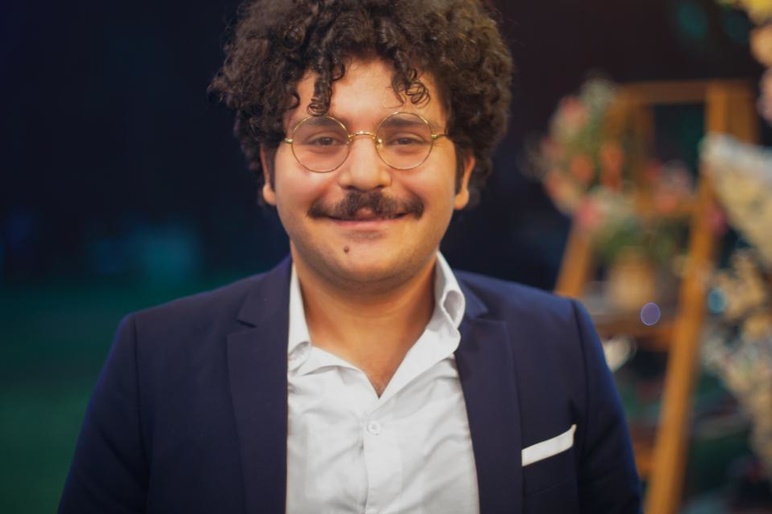
NGOs protest sentencing of human rights defender Patrick George Zaki – with success

July 19, 2023

A large group of civil society organizations, condemn the three-year prison sentence handed down to human rights researcher at the Egyptian Initiative for Personal Rights (EIPR) and academic Patrick George Zaki for his writings highlighting the hardship and discrimination faced by Coptic Christians in Egypt, such as himself.

On July 18, 2023, following a trial rife with due process violations, an Egyptian emergency state security court handed down a three-year prison sentence to Patrick on trumped up charges of spreading false news. Patrick, who was a graduate student at the University of Bologna at the time, was arrested by Egyptian authorities on February 7, 2020, while at the Cairo Airport during a visit home to see his family. In custody, he was held incommunicado for a 24-hour period; he was beaten, stripped, electrocuted, verbally abused, and threatened. He was initially accused of joining a terrorist organization and spreading false news. In September 2021, lawyers learned that he had been referred to emergency state security court on false news charges for a 2019 article that he authored for independent digital media outlet Daraj on his experience as a Coptic Christian religious minority, titled, “Displacement, Killing & Harassment: A Week in the Diaries of Egypt’s Copts.” On December 7, 2021, following 22 months behind bars, he was ordered released from detention pending trial, and placed on travel ban. His trial continued until the July 2023 verdict, following which he was taken back into custody today.

Verdicts handed down by an emergency court are not subject to legal appeal, only to ratification by the President. The President also has the authority to commute the sentence or to quash the verdict. Furthermore, under Circular No. 10 of 2017 governing emergency state security courts, “If the accused is brought to trial while not in custody and sentenced to a prison penalty, he must be released immediately without executing the penalty pending the decision of the ratifying authority.” Per this provision, Patrick must legally be free while the President considers ratification; for Egyptian authorities to have taken him into custody constitutes a clear violation of this circular.

The targeting, arrest, prosecution, and sentencing of Patrick Zaki for writing about his experiences as a Coptic Christian is an egregious measure by Egyptian authorities that is indicative of a larger failure by the state to protect religious minorities. Instead, the authorities target Copts for merely expressing themselves and bringing attention to the discrimination they regularly endure. This sentence occurs in violation of Egypt’s domestic laws and international legal commitments, and sends a clear message that the Egyptian government is not serious about implementing its national human rights strategy or carrying out a meaningful national dialogue. At a time during which Egyptian authorities should be addressing the dire economic crisis, this step raises severe questions on the trajectory of the country.

The undersigned civil society organizations, call on Egyptian President Abdel Fattah El-Sisi not to ratify the verdict handed down to Patrick Zaki and instead to quash it in its entirety. We call on Egyptian authorities to immediately release Patrick Zaki from custody, to drop all charges and close all cases brought against him in their entirety, and to lift the travel ban brought against him. We urge all of Egypt’s international, multilateral, and government partners to press the Egyptian government to immediately release Patrick and cease persecuting him for his legally protected speech and vital human rights work.

For once it seems to have worked: https://www.barrons.com/news/egypt-s-sisi-pardons-researcher-a-day-after-jailing-sparked-outcry-e22a3c1a?refsec=topics_afp-news

Signatories

  • Access Now
  • Alternative Press Syndicate
  • Amnesty International
  • Arab Reform Initiative
  • Cairo Institute for Human Rights Studies (CIHRS)
  • Campaign Against Arms Trade
  • Center for International Policy
  • CNCD-11.11.11
  • Committee for Justice
  • Daraj
  • Democracy in the Arab World Now (DAWN)
  • DIGNITY Danish Institute Against Torture
  • Egyptian Commission for Rights and Freedoms
  • Egyptian Front for Human Rights (EFHR)
  • Egyptian Human Rights Forum (EHRF)
  • Egyptian Initiative for Personal Rights (EIPR)
  • EgyptWide for Human Rights
  • El Nadim Center
  • FIDH (International Federation for Human Rights), within the framework of the Observatory for the Protection of Human Rights Defenders
  • Human Rights First
  • Human Rights Watch
  • HuMENA for Human Rights and Civic Engagement
  • INSM for Digital Rights
  • International Service for Human Rights (ISHR)
  • Kawaakibi Foundation
  • Lebanese Center for Human Rights – CLDH
  • MENA Rights Group
  • PEN America
  • PEN International
  • Project on Middle East Democracy (POMED)
  • Refugees Platform in Egypt (RPE)
  • Scholars at Risk
  • Shadow World Investigations
  • Sinai Foundation for Human Rights (SFHR)
  • SMEX
  • Start Point
  • Taafi initiative
  • The Freedom Initiative
  • The Legal Agenda
  • The Syria Campaign
  • The Tahrir Institute for Middle East Policy (TIMEP)
  • World Liberty Congress
  • World Organisation Against Torture (OMCT), within the framework of the Observatory for the Protection of Human Rights Defenders

https://www.omct.org/en/resources/statements/egypt-sentencing-of-academic-and-researcher-patrick-george-zaki

https://www.hrw.org/news/2023/07/18/civil-society-organizations-condemn-sentencing-egyptian-academic-and-researcher

https://www.aljazeera.com/news/2023/7/18/egypt-jails-rights-researcher-patrick-zaki-for-3-years-ngo-says

New wave of repression against human rights lawyers unleashed in China

July 12, 2023

In a joint statement published today, over 60 human rights organisations {such as the ISHR}, bar associations, scholars and Chinese human rights activists in exile urge global attention to the Chinese government’s new wave of repression against human rights lawyers unfolding over the past three months.

Human rights lawyers are a cornerstone of China’s human rights movement. From Uyghurs, Tibetans and Hong Kongers, to religious minorities, LGBTQI and feminist advocates, journalists, and political dissidents: human rights lawyers defend the full spectrum of civil society. They accompany and empower the most vulnerable against land evictions, discrimination, health scandals, or extra-legal detention. They embody the promise of rule of law and hold the government accountable to its commitments under China’s constitution, laws, and the international human rights treaties it has ratified. They ensure that no one is left behind.

As a result of this work, for many years and particularly since the round-up of over 300 human rights lawyers and legal assistants in the days following July 9, 2015 – an episode known as the 709 crackdown -, this profession has been ‘effectively criminalised in China,’ according to UN experts.

This year alone, Chinese authorities have passed harsh sentences on national security grounds of ‘subversion of State power’ against three lawyers who had attended a private gathering: Xu Zhiyong (14 years), Ding Jiaxi (12 years) and Chang Weiping (3.5 years). [see: https://humanrightsdefenders.blog/2023/04/11/xu-zhiyong-and-ding-jiaxi-two-human-rights-defenders-in-china-sentenced/]Xu’s partner, feminist activist Li Qiaochu was also recently put on trial behind closed doors, being denied both a lawyer and access to healthcare.[see also: https://www.netherlandsandyou.nl/latest-news/news/2022/12/09/index]

Previously, lawyer Yu Wensheng – recipient of the 2021 Martin Ennals Award for Human Rights Defenders – and his wife Xu Yan had also been arrested on their way to the Delegation of the European Union in Beijing, over a year after Yu’s release. See: https://www.trueheroesfilms.org/thedigest/laureates/69fc7057-b583-40c3-b6fa-b8603531248e

China’s abuse of national security to target lawyers has been growingly mimicked in Hong Kong, where Chow Hang-tung and Albert Ho are awaiting trial under the territory’s overbroad National Security Law.

Beyond arrests, authorities are also increasingly using travel bans and enforced disappearances – including through a criminal procedure known as ‘Residential Surveillance at a Designated Location’ (RSDL) – to intimidate and silence human rights lawyers. Lawyer Li Heping and his family were intercepted at Chengdu airport in June this year, while lawyer Tang Jitian was detained for 398 days for attempting to attend a Human Rights Day celebration in December 2021. For RSDL, see: https://humanrightsdefenders.blog/tag/residential-surveillance-at-a-designated-location-rsdl/

Released lawyers increasingly face disbarment, while their relatives, including underage children, are subjected to unrelenting harassment from the authorities. In recent months, Beijing-based lawyer Wang Quanzhang and his family have been forced to move 13 times, reporting constant threats and repeated cuts to their gas and electricity supply.

Human rights lawyers are one of the last avenues left to Chinese citizens seeking justice for the trampling of their most basic rights. Without sustained global pressure, the government will ramp up its campaign to imprison, disbar or silence these critical advocates for a more equal, just and rights-respecting China.

Raphael Viana David, ISHR’s China Programme Manager

Detained human rights lawyers are constantly subject to physical and psychological torture and ill-treatment in pre-trial detention and prison. They are routinely denied contact with their relatives and access to medical care, despite critical health issues. The government impedes family-appointed lawyers from accessing court documents and representing victims, instead imposing government-appointed lawyers whose identities are not disclosed or refuse to communicate with relatives. Detained lawyers are often convicted during sham closed-door trials, without notification to families nor disclosure of court verdicts for prolonged periods.

My husband Ding Jiaxi and his colleagues always fought for what’s right, despite knowing they risked being disappeared, tortured, disbarred. Their bravery is only equalled by their moral commitment to defending the rights of the most vulnerable, enshrined in China’s constitution and international treaties. Their sacrifice cannot be in vain: governments should stand with China’s human rights lawyers.

Sophie Luo Shengchun, human rights activist and wife of Ding Jiaxi

The UN Working Group on Arbitrary Detention has determined that China has a ‘systemic problem with arbitrary detention which amounts to a serious violation of international law.’

Against this new wave of repression, which has been known as the ‘709 crackdown 2.0’, the 63 signatories call on the international community to urge the Chinese government to:

  • Put an end to its crackdown on human rights lawyers and defenders;
  • Immediately and unconditionally release all those arbitrarily detained;
  • Amend laws and regulations, including national security legislation, its Criminal Law and Criminal Procedure Law, to bring them into full compliance with international human rights standards; and meaningfully cooperate with the United Nations human rights bodies to that end.

Full statement here in English and Chinese

https://ishr.ch/latest-updates/china-unleashing-new-wave-of-repression-against-human-rights-lawyers-global-response-needed/

https://thediplomat.com/2023/07/8-years-after-709-persecution-of-chinese-human-rights-lawyers-continues/

Tunisia no longer poster child of Arab spring

June 29, 2023

The Human Rights Council should urgently address the deterioration of the human rights situation in Tunisia, four human rights organizations said on 27 June 2023 as the 53rd Council’s session is underway.

In a letter sent to UN Member States’ Representatives on 5 June 2023, the four undersigned organizations warned against the rapidly worsening situation in Tunisia, and urged States to seize the opportunity of the ongoing Human Rights Council’s session to address it. The organizations called on the Council and Member States to press the Tunisian authorities to comply with their obligations under international human rights law particularly those guaranteeing the rights to fair trial, freedom of expression, freedom of peaceful assembly and association, and non-discrimination.

The Human Rights Council should urge Tunisia to end the ongoing crackdown on peaceful dissent and freedom of expression, and drop charges against, and release, all individuals being detained and prosecuted solely on the basis of their peaceful political activities and the exercise of their human rights. The Council should also call on Tunisia to conduct prompt, thorough, independent, impartial and transparent and investigation into a wave of anti-Black violence – including assaults and summary evictions – against Black African foreign nationals, including migrants, asylum seekers and refugees, and bring to justice anyone reasonably suspected to be responsible, and provide victims with access to justice and effective remedies.

Over the past two years, Tunisia has witnessed a significant rollback on human rights. Judicial independence guarantees have been dismantled and individual judges and prosecutors have been subjected to arbitrary dismissal, politicized criminal prosecutions and increased interference by the executive. Lawyers are being prosecuted for the discharge of their professional duties and exercise of their right to freedom of expression.

The Tunisian authorities’ interference in the judiciary and attacks on lawyers have greatly undermined the right to fair trial and public trust in the integrity of the justice system. The authorities must ensure that the courts are not weaponized to crush dissent and free expression,’ said International Commission of Jurists’ MENA director Said Benarbia. 

Under the guise of ‘fighting offences related to information and communication systems’,  punishable by up to a 10 years’ imprisonment and a hefty fine according to Decree Law 54, at least 13 individuals, including journalists, political opponents, lawyers, human rights defenders and activists, have been subject to police or judicial investigations and are facing possible prosecutions.

‘With Tunisia facing political uncertainty and economic crisis, it’s more important than ever that Tunisians be free to debate their country’s future without fear of reprisal. The authorities should strive to allow the effective enjoyment of the right to freedom of expression of everyone; instead, they are attacking it,’ said Rawya Rageh, Amnesty International’s acting deputy director for the Middle East and North Africa.

Last week, the UN High Commissioner for Human Rights called on the Tunisian authorities to stop restricting media freedoms and criminalizing independent journalism. In a statement published on 23 June, Volker Türk expressed deep concern at the increasing restrictions on the right to freedom of expression and press freedom in Tunisia, noting that vague legislation is being used to criminalize independent journalism and stifle criticism of the authorities. ‘It is troubling to see Tunisia, a country that once held so much hope, regressing and losing the human rights gains of the last decade,’ said the High Commissioner.

Since February 2023, a wave of arrests targeted political opponents and perceived critics of Tunisia’s President, Kais Saied. In the absence of credible evidence of any offences, judges are investigating at least 48 people, such as dissidents, opposition figures, and lawyers, for allegedly conspiring against the State or threatening State security, among other charges. At least 17 of them are being investigated under Tunisia’s 2015 counter-terrorism law.

‘By jailing political leaders and banning opposition meetings, the authorities are dangerously trampling on the fundamental rights that underpin a vibrant democracy. The democratic backsliding and the human rights violations, which are unprecedented since the 2011 revolution, require urgent attention from the Human Rights Council and Member States,’ said Salsabil Chellali, Tunisia director at Human Rights Watch.

Signatories:

  1. International Commission of Jurists (ICJ)
  2. International Service for Human Rights (ISHR)
  3. Amnesty International
  4. Human Rights Watch (HRW)

Download as PDF