Posts Tagged ‘human rights’
March 5, 2013
In IPP Media of 5 March 2013 appears a lengthy piece by correspondent GERALD KITABU who interviewed the head of the NGO ‘Tanzania Human Rights Defenders Coalition’ (THRD-Coalition) Mr ONESMO OLENGURUMWA on the protection of human rights defenders in Tanzania. It interesting to see such an article which demonstrates the depth of the Human Rights Defenders issue at the local level. Here follow a few quotes:
QUESTION: Who is a human right defender?
ANSWER: A human rights defender is any individual, groups and organs of society seeking to promote and protect universally recognized human rights and freedom. Human rights defenders include lawyers, judges, journalists, whistle blowers, bloggers, students, religious leaders, trade unionists and any other person working to combat human rights abuses in a peaceful manner.
Q: What is the current situation of human rights defenders in Tanzania?
A: Our organization has recorded a number of security incidents towards human rights defenders. Despite being change agents, these activists are continuously harassed, detained, interrogated, imprisoned, tortured and even at times paying the ultimate price when they are killed for what they do. A good example is the last year’s killing of Iringa based Channel Ten journalist Daudi Mwangosi, the barbaric and brutal torture of Dr. Stephen Ulimboka, the death of Issa Gumba, the suspicious death of women human right defender in Mara Eustace Nyarugenda who was the director of Action Based Foundation, continuing constant threats towards other journalists like Cosmas Makongo, Josephat Isango, Charless Misango, the indefinite ban of Mwanahalisi and the arbitrary arrest of human rights defenders. These are just few incidents that paints a bad picture on the map of Tanzania when it comes to observing human rights….
Posted in human rights, Human Rights Defenders | Leave a Comment »
Tags: Human right, human rights, human rights abuses, Human Rights and Liberties, Human rights defender, Human Rights Defenders, impunity, IPP media, journalists, Non-governmental organization, Non-state actor, ONESMO OLENGURUMWA, protection, Tanzania, THRD-Coalition, UN Declaration
March 4, 2013
On Thursday 7 March 2013 will take place “The Human Voices of Freedom – Securing Human Rights Online” event: a panel discussion and interactive webcast with human rights activists from across the globe at the Human Rights Council, highlighting the importance of protecting freedom of expression on-line. This public event, sponsored by the U.S. Mission to the UN, is to take place from on 7 March from 1pm to 3pm in room XXIII/United Nations Office at Geneva.
The Internet Freedom Fellows program brings human rights activists from across the globe to Geneva, Washington, DC, and Silicon Valley to meet with fellow activists, U.S. and international government leaders, and members of civil society and the private sector engaged in technology and human rights. This year’s Internet Freedom Fellows are human rights activists and active practitioners of digital media from China, Russia, Ghana, Nigeria and Sudan.
Please note: Registration is only required for those attendees who do not hold a United Nations badge.
via Internet Freedom Fellows | Event Registration Page: The Human Voices of Freedom – Securing Human Rights Online.
Posted in human rights | Leave a Comment »
Tags: China, freedom of information, Geneva, Ghana, Human right, human rights, Human rights defender, Human Rights Defenders, internet, Internet Freedom Fellows, Nigeria, on-line, Russia, side event, Silicon Valley, Sudan, United Nations, United Nations Human Rights Council, US permanent mission to the UN, USA
March 4, 2013
Several NGOs continue to follow closely the development in Bahrain, sadly the subject of may posts in this blog. Here HRF’s and Frontline’s recent statements:
Human Rights First (HRF) says that this week will see a series of high profile court hearings in Bahrain, exposing the authorities continued use of judicial harassment against human rights defenders and activists. On Sunday March 3, Halima Abdulaziz al Sabag is due to hear an appeal verdict. She is a dental assistant and was sentenced to a year in prison after she was convicted for allegedly taking first aid material from the hospital where she worked to treat injured protesters. On Monday March 4, the Bahrain government will continue to press a case against leading human rights defender Said Yousif Al Muhafda of the Bahrain Center for Human Rights for information he tweeted about police using birdshot against protesters. On Tuesday March 5, the appeal of 23 medics is due to return to court. They have all been convicted and sentenced to three months in prison after treating injured protesters in 2011. “This continuing crackdown in the courts tells us more about the reality of what’s happening in Bahrain than the speeches its officials are giving to the U.N. Human Rights Council in Geneva this week,” said Human Rights First’s Brian Dooley…….. Other prominent human rights leaders, including President of the Bahrain Center for Human Rights Nabeel Rajab, remain in jail. Please contact Brenda Bowser Soder at bowsersoderb@humanrightsfirst.org or 202-370-3323. 
via Bahrain’s Targeting of Civil Society with Judicial Harassment Continues | Human Rights First.
Read the rest of this entry »
Posted in Front Line, HRF, human rights | 2 Comments »
Tags: Abdulhadi Alkhawaja, Bahrain, Bahrain Centre for Human Rights, bahrain government, Brian Dooley, Front Line Defenders, Human right, human rights, Human rights defender, Human Rights Defenders, Human Rights First, illegal detention, judicial harassment, Manama, medical, Middle East, Nabeel Rajab, NGOs, persecution, Said Yousif Al Muhafda, Zainab Al-Khawaja
March 4, 2013
In one of my posts of last week I referred to the panicked, knee-jerk reaction of the Sri Lankan Government to the showing of the film No Fire Zone: The Killing Fields of Sri Lanka at the UN in Geneva. Now I have come across a much more reasonable and constructive reaction published in the Sri Lankan The Island of 1 march 2013. The whole piece is worth reading; here follow just some excerpts for those pressed for time:
Every time, the United Nations Human Rights Council meets in session or one of the international Human Rights Organizations issues a statement on violations of human rights in Sri Lanka, the government of Sri Lanka gets into a combat mode. Their response follows the rule that attack is the best form of defence. The attack takes the form of personal abuse directed at the human rights defenders; there is no attempt to meet the issues of violations that have been raised. Its apologists and other hangers-on merely follow suit with hysterical outbursts against the United Nations, the international community and the local human rights defenders. None of them seem to care to read the reports released by the Office of the United Nations High Commission for Human Rights or by the different human rights organizations. Their criticism of the reports is therefore not informed and raises more issues than clarifying any. Mahinda Samarasinghe [the SL Ambassador] is normally not prone to such hysterical responses; his speech at the current sessions of the UNHRC therefore seems untypical of him. Read the rest of this entry »
Posted in human rights, Human Rights Defenders, UN | Leave a Comment »
Tags: FIFHR, film, film festival, Geneva, Geneva Human Rights Film Festival, Hague, human rights, humanitarian law, impunity, investigation, Lessons Learnt and Reconciliation Commission, LLRC, Navanethem Pillay, No Fire Zone: The Killing Fields of Sri Lanka, Sri Lanka, Sri Lankan government, United Nations, United Nations Human Rights Council, war crimes
March 4, 2013
Posted in AI, Amnesty international, human rights, Human Rights Defenders | 2 Comments »
Tags: AI, Amnesty International, Angélica Bello, armed security guards, Colombia, death threats, Human right, human rights, Human rights defender, Human Rights Defenders, Inter-American Commission on Human Rights, killing, Latin America, protection, sexual violence, women human rights defenders
March 2, 2013
The first side event “Killings and Violence against Women based on Sexual Orientation and Gender Identity” will take place on 5 March 2013 (16h30) at the Armenian Convention Center
630 2nd Avenue (at 35th street)
Panelists
TAMARA ADRIAN (Venezuela)
General Director of Diverlex Diversidad e Igualdad a Través de la Ley,
World Trans Secretary of ILGA
MONICA TABENGWA (Botswana)
Africa Researcher, LGBT Program, Human Rights Watch
KIM VANCE (Canada)
Co-Director, ARC International
Moderator
CYNTHIA ROTHSCHILD (USA)
Consultant, COC Netherlands Read the rest of this entry »
Posted in Human Rights Defenders | Leave a Comment »
Tags: Advocacy Organizations, CSW, Gender identity, Human right, human rights, Human Rights and Liberties, impunity, intimidation, LGBT rights, New York, protection, Sexual orientation, side event, UN, United Nations, Violence against women, women human rights defenders
February 28, 2013
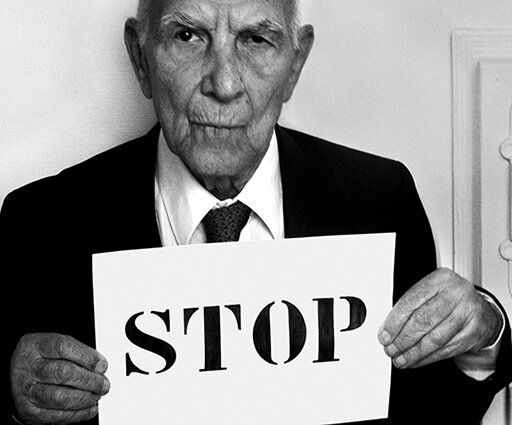
Stéphane Hessel, a hero of the French Resistance, diplomat and activist (what a rare combination) died on Tuesday 27 February in Paris at the age of 95. His life and works are described in detail by the mainstream press, so I only single out here his strength of conviction that made him publish at a very advanced age – in October 2010 – “Indignez-Vous!”, a short pamphlet that urged young people to revive the flame of resistance to injustice that burned in himself during World War II, this time in peaceful rebellion against what he termed the dictatorial forces of international capitalism, and to reassert the ideal that the privileged must help the less fortunate rise. Read the rest of this entry »
Posted in human rights, Human Rights Defenders | 3 Comments »
Tags: diplomatic action, France, French Resistance, human rights, Human rights defender, Indignez-Vous, Paris, Stéphane Hessel, Time for Outrage, Universal Declaration of Human Rights, World War II
February 27, 2013
The Jakarta Post of February 26 2013, reports that Human Rights Defenders suspect the government’s recent initiative to hold discussions on the possibility to open human rights tribunals relating to the 1997/98 abuses were politically motivated. They argued that the discussion, which was raised in the run up to the 2014 General Elections, could implicate some of the strong presidential candidates. “We are actually surprised to learn that the Coordinating Political, Legal, and Security Affairs Minister, Djoko Suyanto, had just begun talks with the House of Representatives leadership on the plan to establish an ad hoc human rights tribunal on the 1997-1998 forced disappearance case” the Commission for Missing Persons and Victims of Violence (Kontras) and the Families of Missing Persons Association (IKOHI) said in a joint statement issued on Tuesday. “On the one hand, it is good that the tribunal might be finally established. On the other hand, however, we are concerned that the tribunal is merely [a] political tool to crush political opponents,” they added. The activists were referring to two former military leaders who are active in politics: General Wiranto and Lt. General Prabowo Subianto, who were both implicated in the violations during the 1998 riots. Kontras and Ikohi are among the organizations who have repeatedly accused the government of ignoring the victims of past human rights abuses because it failed to establish an ad hoc human rights tribunal even though a mandate had been given by the House already in 2009.
via NGOs accuse Govt of delaying human rights tribunal | The Jakarta Post.
Posted in human rights | 1 Comment »
Tags: Advocacy Organizations, Forced disappearance, gross violations, Human right, human rights, Human Rights and Liberties, IKOHI, impunity, Indonesia, Jakarta, Jakarta Post, Kontras, Non-governmental organization, Prabowo Subianto, students, tribunal, Wiranto
February 26, 2013
Since 2003, the Geneva Human Rights Film Festival (with the more complicated French name and abbreviation: le Festival du film et forum international sur les droits humains – FIFDH) takes place in parallel to the UN Human Rights Council. Based on the concept “A film, a subject, a debate”, the FIFDH features documentary as well fiction, on themes linked to human rights such as: violence against women, poverty, torture, international justice and even climate change. During 10 days the public is invited to watch the films, meet film makers, actors, experts and victims of human rights violations. There are special screenings for students, and teachers are issued with thematic material. This year a total of 40 films will be screened. New this year is the competition for international fiction. The Jury includes filmmakers and human rights defenders such as: Ai Weiwei, Patrick Chapatte, Romain Goupil and Fadwa Suleiman, Syrian actress in exile. The longstanding festival director is Leo Kaneman: for the programme see: http://www.fifdh.org/
In the meantime, a big controversy has erupted about the showing of the documentary “No Fire Zone: The Killing Fields of Sri Lanka” in what is called in UN terminology a ‘side event’, organised by Human Rights Watch, Amnesty International and the above-mentioned FIFDH, on the premises of the UN. As reported by AP on 25 February, the Sri Lankan Ambassador has sent a letter to the whole Human Rights Council denouncing the film as “discredited, uncorroborated and unsubstantiated” and warning that the Council would be violating its own rules if the film is screened March 1 in Geneva as planned.
The 90-minute documentary alleges government troops and Tamil Tiger rebels engaged in war crimes during the final stages of the conflict in 2009. The film shows interviews with eyewitnesses and original footage of alleged atrocities against civilians including summary execution, sexual violence and torture. The film director Callum Macrae denied that it distorted the facts: “We believe that our film contains very important evidence about the terrible events in the last few months of this war and we believe we have a duty to make that evidence available to the diplomats and country missions at the U.N. Human Rights Council who must make important decisions about how to ensure accountability and justice in Sri Lanka“. See: http://abcnews.go.com/International/wireStory/sri-lanka-opposes-screening-critical-film-18590958. The Sri Lankan Ambassador’s letter which certainly will help to attract a larger audience is to be found on: http://dl.dropbox.com/u/465065/Letter-to-the-President-Human-Rights-Council-2.pdf.
Posted in AI, films, HRW, human rights, Human Rights Defenders | 2 Comments »
Tags: Ai Weiwei, Amnesty International, documentary, ECOSOC, Fadwa Suleiman, film festival, fims, Geneva, Geneva Human Rights Film Festival, Human right, human rights, Human Rights and Liberties, Human Rights Watch, impunity, International Film Festival and Forum on Human Rights, international justice, Kaneman, media, No Fire Zone: The Killing Fields of Sri Lanka, reconciliation, Sri Lanka, Tamil Tigers, United Nations, United Nations Human Rights Council, war crimes
February 25, 2013

(High Commissioner for Human Rights Navy Pillay addresses the 22nd session of the Human Rights Council in Geneva. UN Photo/Jean-Marc Ferré)
As the United Nations Human Rights Council began its work today, 25 February 2013. the High Commissioner Navi Pillay stressed the importance of strengthening international processes that will monitor and prevent rights violations around the world as well as hold perpetrators accountable for their crimes.Addressing the opening of the 22nd session of the Human Rights Council in Geneva, UN High Commissioner for Human Rights Navi Pillay said that despite significant progress over the past two decades on issues such as the elimination of violence against women and tackling impunity for international crimes, there continue to be systematic human rights violations around the world. In her address to the Council, Ms. Pillay also noted that while the increased involvement of civil society in defending human rights is a welcome development, there have been an alarming number of reports of governments persecuting human rights defenders because of the nature of their work.“I continue to hear of brave human rights defenders, journalists or bloggers who have been threatened, harassed, arrested or killed because of their work on behalf of the human rights of others,” Ms. Pillay said. “Such intimidation has sometimes even occurred during the proceedings of this Council. We must never tolerate such pressure, or reprisals against those who rightly seek to engage the international human rights system.”
via United Nations News Centre – UN Human Rights Council opens with call to strengthen international justice system.
Posted in human rights, Human Rights Defenders, UN | 6 Comments »
Tags: Geneva, human rights, Human Rights Council, Human Rights Defenders, impunity, Navanethem Pillay, Office of the United Nations High Commissioner for Human Rights, Pillay, protection, United Nations, United Nations Human Rights Council

 For years Angélica Bello, a human rights defender from Colombia, rarely spent a day alone – that would have been, simply, too dangerous. A number of threats against her because of her job helping the many survivors of sexual violence – women caught up in Colombia’s long-running armed conflict – meant that it was too dangerous for the 45-year-old mother of four to travel alone. In 2000, two of her daughters were kidnapped and kept as sexual slaves by paramilitaries, and were only released after Angélica personally intervened.

