On 15 January 2026 – the third anniversary of the enforced disappearance of Ricardo Lagunes and Antonio Díaz – UN experts demanded immediate answers about the fate and whereabouts of the two Mexican human rights defenders. “Mexican authorities must comply with the State’s international obligations, including by investigating the enforced disappearance, proactively searching for them, determining their fate and whereabouts, and holding perpetrators criminally responsible,” the experts said.
On 15 January 2023, Ricardo Lagunes, a human rights lawyer, and Antonio Díaz, an Indigenous leader, were forcibly disappeared in the state of Colima, Mexico. Their enforced disappearance occurred amid an ongoing dispute over natural resources between the Indigenous community of San Miguel de Aquila, Michoacán, and the Luxembourg-based mining company Ternium (part of the Argentine-Italian Techint Group). They were last seen after attending a community meeting to discuss collective action in response to the human rights impacts of the mining company’s operations.
“Refusing to succumb to despair after their enforced disappearance, the families of Mr Lagunes and Mr Díaz have undertaken a tireless quest for truth and justice over the past three years,” the experts said, noting that the authorities have so far not provided an effective response and that the company concerned has reportedly failed to fully cooperate with ongoing investigations and search activities.
The cases have been registered under the Committee on Enforced Disappearances’ Urgent Actions procedure and benefit from precautionary measures granted by the Inter-American Commission on Human Rights, acknowledging the serious, urgent and irreparable risk faced by the two human rights defenders.
“Enforced disappearances have a chilling effect on human rights defenders, including those advocating for land, natural resources and environment issues, as well as Indigenous leaders, and serve to silence critical voices,” the experts said, urging the Government to ensure that human rights defenders can carry out their work in a safe environment, including by strengthening the protection mechanism for human rights defenders.
In the context of resource-extraction projects, business enterprises have often reportedly sown and exacerbated community divisions, inciting violence among locals with opposing views on the projects and the use of land and natural resources. “The Government must ensure that businesses respect human rights across all their activities pursuant to the UN Guiding Principles on Business and Human Rights, including when engaging with human rights defenders and affected communities,” they said.
The experts are in touch with the Government of Mexico and the business concerned in this regard.
As mass repression of protests and dissent dramatically intensifies in Iran amidst an almost complete communications shutdown, the Free Narges Coalition and more than 30 undersigned organisations (including FIDH and OMCT in the framework of the Observatory for the Protection of Humans Rights Defenders) called on 15 January 2026 for urgent and concrete actions to circumvent internet censorship, as well as raising alarm regarding the grave threats to existing and newly-arrested detainees, particularly those jailed for their human rights work, journalism, expression, activism, or peaceful assembly.
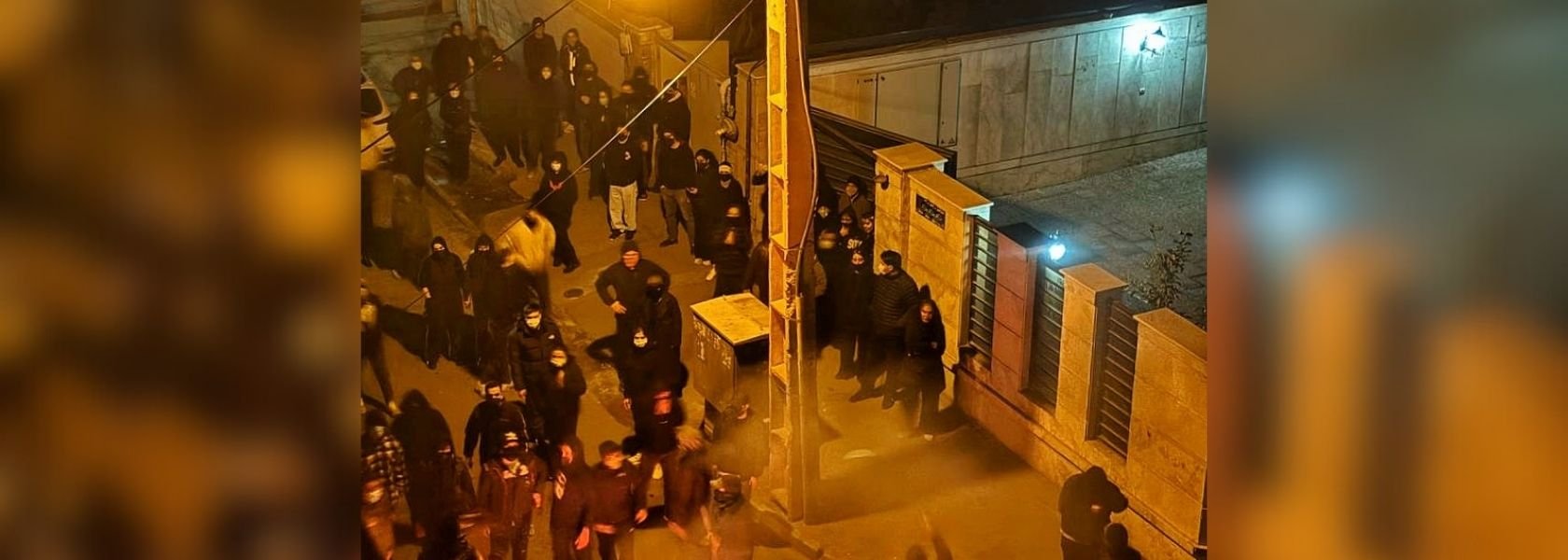
Iran is facing one of the most severe periods of repression in its recent history. Protests that began in Tehran’s Grand Bazar on December 28 against the collapse of the national currency grew in size and scope until authorities completely turned off Iran’s internet access to the outside world and began a more severe crackdown on January 8. Shocking images of dead protesters, doctors’ reports of overflowing hospitals and the lethal use of military-grade weapons and live ammunition, and the absence of access for journalists and independent media, have led to desperation of families missing loved ones, as well as grave concerns around the safety of thousands of those injured or detained. Human rights organisations and international media have been able to verify the killing of over 2,500 protesters, including children under the age of 18, and thousands injured, some severely while almost twenty thousand confirmed arrested. With the majority of the killings occurring since 8 January, amid a full-blown digital blackout that has made further verification impossible, current reports estimate the number of killings to be much higher, likely amounting to more than 6,000.
Meanwhile, in official statements, Tehran’s Prosecutor General has described protesters as vandals and threatened they will face moharebe (waging war against God), a charge that is punishable by death under Islamic Penal law. State media have also reported mass arrests of individuals they label as “rioters.”
According to NetBlocks, Iran has now experienced more than 140 hours of near-total internet shutdown since January 8. Such communications blackouts severely restrict access to independent reporting and sharing of essential and life-saving information, and create conditions in which grave human rights violations can be committed with impunity. Prior to the shutdown, human rights defenders and known dissidents both inside and outside of Iran had reported receiving threats, as authorities have attempted to suppress expressions of support for the protests online.
In this context, both recent and long-standing detainees–including human rights defenders, journalists, writers, and artists–face an acute and often overlooked risk. Past patterns in Iran demonstrate that periods of widespread unrest are accompanied by heightened abuses inside detention facilities, where these groups are particularly vulnerable to extrajudicial killing, enforced disappearance, torture, and other forms of ill-treatment. Those held in solitary confinement and denied contact with the outside world are at especially high risk.
Among those recently detained are prominent figures from Iran’s civil society, including Nobel Peace Prize Laureate Narges Mohammadi, Sepideh Gholian, Alieh Motalebzadeh, Javad Alikordi, Hasti Amiri, Pooran Nazemi, and other human rights defenders and journalists. They were violently arrested following the memorial ceremony for lawyer Khosrow Alikordi on 12 December in Mashhad, and have been held in solitary confinement, their whereabouts and condition unknown, for more than one month. Narges Mohammadi has been denied access to legal counsel and contact with her family, apart from a brief phone call on 14 December when she reported severe ill-treatment, including beatings to her head and neck with batons, as well as threats of further violence. On January 6, before the total internet shutdown, journalist and human rights defender Alieh Motalebzadeh, who has been diagnosed with cancer, was able to call her family. Her daughter reported in a video message that she did not sound well, stating that the detainees are under severe pressure. She was released on bail following deterioration of her health on 12 January. The health condition of Pouran Nazemi is reported to be dire while she remains detained. Narges Mohammadi has been hospitalized for three days after her violent arrest and arbitrary detention since 12 December. Due to the ongoing communications blackout, the families and lawyers have not been able to be in contact with them, including to inquire if their 30 day arbitrary detention order has been extended or not.
We, the undersigned organisations, express our deep concern over the escalation of the killing of protesters, as well as the serious risk of arbitrary legal charges, punishable by the death penalty, against those detained. We stress that the lives and safety of those more vulnerable under detention in Iran must not be forgotten. Human rights defenders, journalists, writers, artists, and those prosecuted due their exercise of freedom of assembly and expression are at the forefront of the peaceful struggle for fundamental human rights. They must be protected and immediately and unconditionally released, and we call for immediate actions from the international community to halt the escalating violations of human rights and humanity.
As reports of mass arrests, killings, and widespread violence continue to escalate, we stand in full solidarity with the people of Iran in their legitimate struggle for fundamental freedoms and democratic rights. We urge the international community to take urgent and concrete actions to prevent further loss of life and to ensure that Iran uphold its international human rights obligations, including through:
Immediate and unconditional release of all those jailed in Iran for their peaceful activism or expression, including Nobel Peace Prize Laureate Narges Mohammadi, as well as human rights and women’s rights defenders, civil society activists, journalists, lawyers, writers, artists, representatives of religious and ethnic minorities, environmental and labour defenders, students, and all others detained or at risk for exercising their fundamental rights.
Immediate restoration of full and unrestricted access to internet and telecommunications services, and an end to nationwide information blackouts that censor news reporting, facilitate repression, block the transmission of essential and life-saving communications including for medical personnel, and impede documentation of human rights violations.
Independent, impartial, and transparent investigations into killings, torture, lethal use of force by security agents, enforced disappearances, and other serious human rights violations committed in the context of the ongoing protests, with a view to ensuring accountability in line with international law.
As every hour of inaction increases the risk of irreversible loss of human life and gross violations of human rights. The international community must act urgently to protect the detainees, ensure their safety and rights, and prevent further violations under international law.
50 civil society organizations, urge the UN Human Rights Council to urgently convene a special session to address an unprecedented escalation in mass unlawful killings of protesters, amidst an ongoing internet shutdown imposed since 8 January to conceal grave human rights violations and crimes under international law by Iranian authorities. see:
Are you a human rights defender working on democratic backsliding and/or racial justice, keen to use the UN to push for change at home? If so, apply for the 2026 edition of ISHR’s flagship training, the Human Rights Defender Advocacy Programme (HRDAP)!
After a successful edition in 2025, ISHR is pleased to launch the new call for applications for the 2026 Human Rights Defender Advocacy Programme (HRDAP26), which will take place both remotely and in Geneva and will be focused on thematic and context area! Below are some important dates to consider before applying:
Mandatory distance learning course: 13 April – 8 June 2026 (part time)
In-person course in Geneva: 10- 20 June 2026 (full time)
Deadline to apply: 15 January 2026, midnight CET (Geneva Time)
Programme description with all related information can be downloaded here.
For the last 10 years, this flagship training has equipped human rights defenders with the knowledge and skills to integrate the UN human rights system into their existing work at the national level in a strategic manner.
Following an external review of the programme in 2024, as well as to maximise impact and enhance follow-up, for 2026 the HRDAP selection criteria are evolving: they are based on 2 themes focused on context area and thematic advocacy, according to ISHR’ strategic priorities and opportunities at the UN: democratic backsliding and racial justice. The HRDAP themes will change annually (see the criteria below and the programme description for more details).[see: https://humanrightsdefenders.blog/2024/11/27/ishrs-training-for-human-rights-defenders-2025/]
12 participants will be selected for the 2026 edition of HRDAP.
What are HRDAP objectives?
By participating in the programme, defenders will:
gain knowledge and tools, which they can use to ensure their voice is central in international human rights decision-making
explore and compare the benefits of engagement with the Human Rights Council, the Special Procedures, the OHCHR, the Universal Periodic Review and the Treaty Bodies, and examine how they can use them to bolster their work at the national level
develop networks, strategies and advocacy techniques to increase the potential of their national and regional advocacy work.
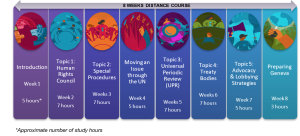
How is HRDAP organised?
HRDAP topics
Defenders will complete a 10-week hybrid learning programme through a participatory approach, which will include:
accessing the HRDAP Platform, where they can complete e-learning courses on each key UN human rights mechanism and on advocacy strategies, and access interactive learning materials and case studies on the ISHR Academy
taking part in live Q&A sessions with human rights experts
receiving continuous advocacy support and personalised coaching in order to develop concrete advocacy objectives to make strategic use of the international human rights system
building networks around the world, and learning from peers from a range of regions working on a range of human rights issues
applying their knowledge to case-studies scenarios and enhancing their advocacy toolbox according to their specific needs
receiving support and advocacy accompaniment to conduct activities during the 62nd and 63rd Human Rights Council sessions and other relevant opportunities.
Participants will have the unique opportunity to apply their knowledge and skills while being in Geneva as well as to meet and share with their peers and experts. The blended format of the course allows defenders to continue their vital work on the ground, while diving into the inner workings of each key UN human rights mechanism and gaining first-hand experience from advocates and UN staff on how civil society can strategically engage in the international human rights space.
What are the criteria and themes for selection?
This programme is directed at experienced human rights defenders working in non-governmental organisations, with existing advocacy experience at the national level and some prior knowledge of the international human rights system. In 2026, we will select human rights defenders working on democratic backsliding and racial justice.
Defenders working in contexts of democratic backsliding
This theme is for human rights defenders working in democratic countries where authoritarian practices are gaining ground.
We particularly welcome applications from defenders who are:
pushing back against repressive laws, attacks on free expression, or restrictions on the freedom of peaceful assembly and association
documenting abuses linked to police and military violence, arbitrary arrests, surveillance, or harassment
fighting for justice, transparency, and the rule of law, and refusing to let democratic institutions be dismantled without accountability.
Defenders working on racial justice
This thematic is for defenders working to dismantle systemic racism and build societies rooted in equality and dignity. We will select applications from defenders focusing on anti-racism, exclusion and police violence, including anti-Black racism as experienced through legacies of colonialism and the Transatlantic Trade in Enslaved Africans, Indigenous (including Afro-Indigenous) communities working on historical injustice and reparations, as well as defenders of migrants and asylum seekers. We also welcome applications from mothers working for accountability for their children, victims of police violence.
Mahin Horri in an OpEd in Eurasia review of 25 relates that in a display of international solidarity, more than 400 prominent women leaders from across the globe issued an urgent public statement on December 23, 2025, demanding the immediate release of Zahra Tabari, a political prisoner currently facing imminent execution in Iran. The signatories include Nobel Peace Prize laureates, former heads of state, United Nations officials, and human rights defenders who have united to condemn the Iranian regime’s use of the death penalty to silence political dissent.
The appeal, organized by Justice for the Victims of the 1988 Massacre in Iran (JVMI), highlights the regime’s brutal gender apartheid and its specific targeting of women who challenge the mullahs’ tyranny. Signatories include former Prime Minister of Ukraine Yulia Tymoshenko, former Swiss President Micheline Calmy-Rey, and 2022 Nobel Peace Prize Laureate Oleksandra Matviichuk. They warn that in Iran today, “daring to hold a sign declaring women’s resistance to oppression is now punishable by death.”
Zahra Tabari, a 67-year-old mother and electrical engineer from Babol, has become a symbol of the Iranian people’s refusal to bow to dictatorship. She was sentenced to death in October 2025 by the so-called Revolutionary Court in Rasht on charges of “cooperating with the People’s Mojahedin Organization of Iran (PMOI/MEK).” Her specific act of defiance was holding a banner bearing the slogan “Woman, Resistance, Freedom”—a phrase that has gained traction among female political prisoners as a call for active opposition to the regime.
The judicial process leading to her sentence was a complete mockery of justice. Presided over by the henchman judge Ahmad Darvish Goftar, the trial lasted merely 10 minutes and was conducted via video conference. Tabari was denied access to legal representation of her choice. Her persecution is also rooted in a historical vendetta; her cousin, Dr. Tabari, a PMOI member, was executed by the regime in 1983.
Tabari’s case is not an isolated incident but part of a systematic campaign of terror orchestrated by Supreme Leader Ali Khamenei. Following calls by state media in July 2025 to repeat the 1988 massacre of political prisoners, the judiciary has accelerated the issuance of death sentences. Currently, at least 18 political prisoners are on death row for their support of the PMOI.
In early December 2025, the regime notified Karim Khojasteh, a 62-year-old engineer and former political prisoner from the 1980s, of his death sentence for “Baqi” (armed rebellion). Just one day later, the judiciary reconfirmed the death sentences of six other political prisoners—Babak Alipour, Pouya Ghobadi, Vahid Bani Amerian, Mohammad Taghavi, Akbar Daneshvarkar, and Abolhassan Montazer—in hearings that lasted only minutes. Furthermore, 22-year-old honors student Ehsan Faridi recently had his death sentence for “Corruption on Earth” upheld, despite his lawyer citing serious procedural flaws.
Boxing champion and political prisoner Mohammad Javad Vafaei Sani, also faces imminent execution as the regime judiciary has upheld his death sentence multiple times.
This surge in executions—totalling over 2,500 since the inauguration of the regime’s president Masoud Pezeshkian in August 2024, with 335 executions in November 2025 alone—exposes the regime’s profound vulnerability. The mullahs are terrified by the growing influence of the PMOI Resistance Units and the younger generation’s rejection of the theocracy. The focus on executing educated professionals, former political prisoners, and young students like Faridi is a calculated attempt to terrorize the very demographics leading the uprising.
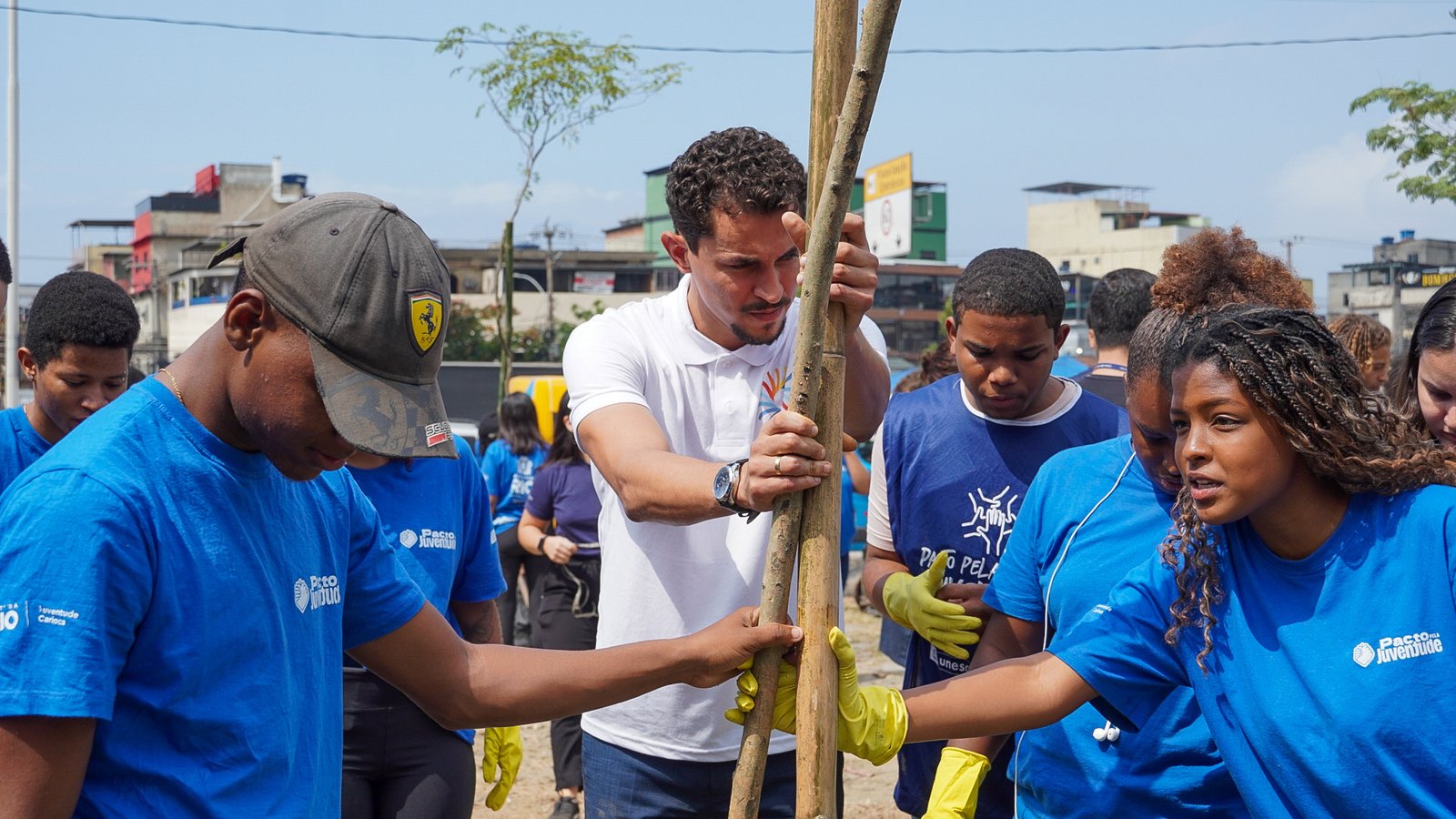
Salvino Oliveira was honored as a 2025 Young Activist Summit Laureate. | Courtesy of Jefferson Teófilo
On 22 December 2025, Global Citizen published the story of how at 27, Salvino Oliveira went from being a street vendor in Rio’s Cidade de Deus to a city councilor leading education reform. This was followed by him starting his first social project: making tuition free for poor children at 15 years old. In recognition of his efforts towards making education more accessible, Oliveira has been honored as a 2025 Young Activist Summit Laureate. Here, Oliveira shares how education transformed his life, and why he’s committed to making that transformation accessible to every young person in Brazil’s favelas.
My name is Salvino Oliveira, and I am everything I’ve been.
I say this because my story begins in a tiny house in Cidade de Deus, meaning City of God, a favela in Rio de Janeiro. At 13, I started working to help my family survive: selling water bottles at traffic lights, candy on buses, working as a street vendor, upholsterer, construction helper — anything honest that could put food on the table.
But Cidade de Deus is more than poverty. It’s the Rio neighborhood with the most public squares, making it a natural place for culture, leisure, and community gathering. It’s the birthplace of funk carioca — the soundtrack of favela resistance and joy. It’s also home to Olympic athletes and artists. These public spaces and that cultural richness shaped who I became, the friends I made, my first loves, the things I believe in.
Then I got lucky. I was selected by lottery to study at Colégio Pedro II, one of Brazil’s most prestigious tuition-free public schools. In Brazil, elite families typically send their children to private schools, while public schools serve the poor; a few exceptional public institutions, like Pedro II, offer quality education through competitive lottery systems. That education changed everything. It opened a door that seemed permanently locked for someone from my background. At 15, even while working and living with gun violence all around me, I understood that if this access had reached me, I had a responsibility to give it back.
At 15, I created my first social project: free tutoring for children in Cidade de Deus.
When I entered Brazil’s federal university system to study Public Administration at Universidade Federal do Rio de Janeiro (UFRJ), a tuition-free institution, like all public universities in Brazil, that social project grew into AfroEducando (later renamed Mais Nós), a community prep course for university entrance exams. Within one year, we had 22 units across Rio’s metropolitan region, all volunteer-run, helping first-generation Black students from favelas access higher education.
When the “social bug” bites you, there’s no going back — and so the projects continued. I co-founded Projeto Manivela to train community leaders to engage with the government and turn demands into policies. Then came PerifaConnection, a media platform where young people from favelas across Brazil write columns in major national newspapers about politics, economics, culture, climate, and human rights. The idea was simple and radical: we refuse to let other people tell our story for us. Mainstream Brazilian media have historically portrayed favelas primarily through the lens of crime and poverty. Today, favela youth occupy editorial space in national media, changing how Brazil sees its peripheries.
I became an activist in 2018 during the federal military intervention in Rio’s security forces. Working at the Public Security Observatory, I saw firsthand how policies treated favelas like war zones, with heavily armed police operations causing civilian casualties. As I became more visible in my community, friends warned me: “Be careful, you’re an activist now. This can put you at risk.” That’s when I understood that fighting for education and rights in Rio means challenging power structures involving politics, money, and organized crime that often operate in contested urban territories.
In the aftermath of conflict, dictatorship, or mass human rights violations, societies face the challenge of addressing past atrocities while rebuilding for the future. Transitional justice refers to a set of legal and social mechanisms designed to achieve justice, accountability, and reconciliation in such contexts. These processes include truth commissions, criminal prosecutions, reparations for victims, and institutional reforms aimed at preventing future abuses. Rooted in the principles of human rights and international law, transitional justice seeks to balance the need for justice and survivor healing with the complexities of political and social stability.
Across the world, many charities and non-governmental organisations (NGOs) play a crucial role in supporting transitional justice efforts. Whether by documenting human rights abuses, advocating for victims, or facilitating truth and reconciliation initiatives, these organisations help societies navigate the difficult journey toward justice and peace. This article by Barbara Listek explores some of the key NGOs working in the field, highlighting their impact in post-conflict and post-authoritarian contexts.
The International Center for Transitional Justice (ICTJ) supports societies recovering from mass human rights violations by helping them confront the past and build more just and inclusive futures. Working alongside victims, local communities, and institutions, ICTJ provides expertise on truth commissions, reparations, criminal accountability, and institutional reform. Whether advising on the creation of truth-seeking bodies or supporting prosecutions of those responsible for serious crimes, the organisation’s work is rooted in the belief that acknowledging harm and delivering justice are essential for healing and long-term peace.
Since its founding, ICTJ has played a key role in transitional justice processes across the globe, including in Colombia, Tunisia, and The Gambia. Its approach is deeply grounded in the lived experiences of survivors, ensuring that justice efforts are not only technically sound but also meaningful to those most affected. By focusing on systemic change and survivor-centred solutions, ICTJ works to prevent the recurrence of violence and strengthen democratic institutions in countries emerging from repression and conflict.
Redress is a London-based organisation founded by British businessman Keith Carmichael after he was unlawfully detained and tortured in Saudi Arabia. Frustrated by the lack of legal support and accountability available to survivors like himself, Carmichael launched REDRESS to fill a critical gap in access to justice. His personal experience became the driving force behind the charity’s mission: to secure justice and reparation for victims of torture and other grave human rights violations.
Now more than 30 years old, REDRESS continues to lead efforts globally to end impunity for torture. The organisation provides legal representation to survivors, supports strategic litigation before national and international courts, and advocates for stronger laws and policies that prevent torture and ensure reparations. By working directly with survivors, while also influencing governments and international institutions, REDRESS helps ensure that survivors’ voices are heard and that justice becomes a meaningful reality, central to any process of healing and transitional justice.
The Center for Justice and Accountability (CJA) is an organisation founded in 1998 on the principle, first used during the Nuremberg trials after World War II, that certain crimes are so egregious that they represent offences against all humankind. These crimes include genocide, crimes against humanity, extrajudicial killing and torture, and as CJA argues, they should never go unanswered.
CJA’s approach is survivor-led and collaborative. The organisation works closely with local partners and in-country prosecutors to build cases that centre the voices and experiences of those most affected. Alongside this, CJA advocates for stronger laws and policies that make it harder for abusers to escape justice and hold everyone accountable to the human rights standards.
The African Transitional Justice Legacy Fund (ATJLF) is an organisation launched in 2019 to support African-led responses to past atrocities, rooted in the belief that sustainable peace and justice must be shaped by those directly affected. Backed by the MacArthur Foundation and WellSpring Philanthropic Fund, the ATJLF emerged alongside the African Union’s Transitional Justice Policy, helping translate its goals into practical, community-driven action. Managed initially by the Ghana-based Institute for Democratic Governance, the Fund has since become a nine-year institutionalised effort supporting civil society across West Africa.
By empowering survivor-led groups and grassroots initiatives, the ATJLF has helped amplify voices often excluded from transitional justice processes. Since its inception, over $2.5 million has been distributed to 46 organisations working in countries including Guinea, Liberia, and The Gambia. As it enters its legacy phase (2024–2026), the Fund is scaling its efforts beyond West Africa and focusing on deeper, long-term partnerships to ensure the impact of its work endures well beyond its closure.
Impunity Watch is an international non-profit organisation working with victims of violence to deliver redress for grave human rights violations and to promote justice and peace. The organisation approaches transitional justice work through a victim-centred approach, taking into account the long-standing criticism of transitional justice not being sufficiently victim-centred. It is also their aim to overcome systemic impunity and its root causes in order to achieve transformative justice (here we could link the article I wrote on transformative justice, but it is not published yet).
For more information about the organisation, we recommend visiting their website for an abundant collection of resources and information, such as the charity’s 2023-2027 Strategic Plan, information about the complex work Impunity Watch does, as well as their multimedia resources section.
The Global Survivors Fund (GSF) is an international charity organisation based in Switzerland, that has it as its mission to enhance the access to reparations for survivors of conflict-related sexual violence around the globe. It was founded in 2019 by Dr Denis Mukwege and Nadia Murad – 2018 Nobel Peace Prize laureates.
The organisation’s work is centred around three core pillars: acting to provide interim reparative measures in situations where States or other parties are unable or unwilling to meet their responsibilities; advocating for the legally responsible parties (duty-bearers) and the international community to develop reparation programmes; and guiding States and civil society by providing expertise and technical support for designing reparation programmes.
To learn more about the organisation’s transformative work, donate or find information about positions openings, visit their website.
Founded in 2014, the Global Initiative for Justice, Truth and Reconciliation (GIJTR) is a consortium of nine global organisations dedicated to addressing the transitional justice needs of societies emerging from conflict or periods of authoritarian rule. The initiative collaborates with communities worldwide to amplify survivors’ voices and inspire collective action in confronting human rights violations. By addressing past traumas, GIJTR aims to pave the way for a more just and peaceful future.
Over the past decade, GIJTR has engaged with communities in over 70 countries, collaborating with more than 800 local civil society organisations and supporting over 500 grassroots projects. Its initiatives include documenting human rights abuses, providing technical assistance to civil society activists, and promoting reparative justice efforts. Notably, the organisation has worked alongside survivors of conflict-related sexual violence in contexts such as Bangladesh, Colombia, and Guinea, supporting them in advocating for their rights and developing community-based programs aimed at meeting survivors’ needs.
The International Coalition of Sites of Conscience is the only global network of historic sites, museums, and memory initiatives that connects past struggles to today’s human rights movements. With over 350 members in 65 countries, its mission is to ensure that the sites preserve the memory of past injustices while fostering dialogue and learning that prevent future violations.
Their slogan being “Remembering is a Form of Resistance,” the Coalition works with local communities, governments, and international partners to ensure that these sites serve as platforms for reconciliation, education, and activism. It convenes impactful projects and initiatives as well as training events that bring together site professionals, historians, and activists to develop best practices for memory‑based reconciliation and community empowerment
If you are interested in how museums can contribute to upholding human rights, or would like to visit one of such sites, we recommend checking out our article on “20 Human Rights Museums Around The World” to discover inspiring spaces that might be worth visiting (perhaps on your next trip!).
The Post-Conflict Research Center (PCRC) is a Sarajevo-based, women-led research centre and NGO, dedicated to advancing transitional justice and promoting peace in post-conflict societies. Founded in 2011 in Bosnia and Herzegovina, PCRC works on issues related to justice, accountability, reconciliation, and human rights. Its efforts include conducting research, providing education, and supporting projects aimed at improving social cohesion and fostering sustainable peace. PCRC is also involved in advocacy and works with local and international organisations to develop and implement policies that address the needs of survivors of conflict and promote justice for atrocities.
PCRC’s signature programmes include Balkan Diskurs, an online platform empowering young journalists to report on regional issues, and Ordinary Heroes, a multimedia project showcasing stories of rescue and courage to promote tolerance and reconciliation. Its work has earned international recognition, including the 2014–15 Intercultural Innovation Award from the UN Alliance of Civilizations and the BMW Group, and praise from the Council of Europe for its exemplary peace education model.
Are you inspired by PCRC’s blend of research and action? Learn what it takes to follow in their footsteps by reading our guide on “How to Become a Human Rights Researcher.”
Rights for Peace is a London-based international organisation that seeks to address the root causes of violence and promote peace through human rights advocacy and transitional justice. Focusing on countries in transition from conflict or repression, Rights for Peace engages with local communities to ensure that victims of violence are heard and that justice mechanisms are effective. It works to strengthen the rule of law, promote accountability, and support processes of social healing through legal reforms and community-led initiatives. By fostering a culture of peace and justice, the organisation aims to prevent the recurrence of violence and contribute to long-term stability.
Currently active in Sudan and South Sudan, Rights for Peace collaborates with local partners to strengthen rule‑of‑law institutions and ensure that victims’ voices shape accountability processes. Its casework includes monitoring identity‑based violations and developing strategic litigation to hold perpetrators accountable, reflecting the organisation’s commitment to survivor‑centred justice.
On 14 November 2025, Scilla Alecci of the International Consortium of Investigative Journalists, Inc. (ICIJ) wrote about a parliamentary report which identified China and other authoritarian regimes as harassing and attacking dissidents abroad, echoing findings from ICIJ’s China Targets.
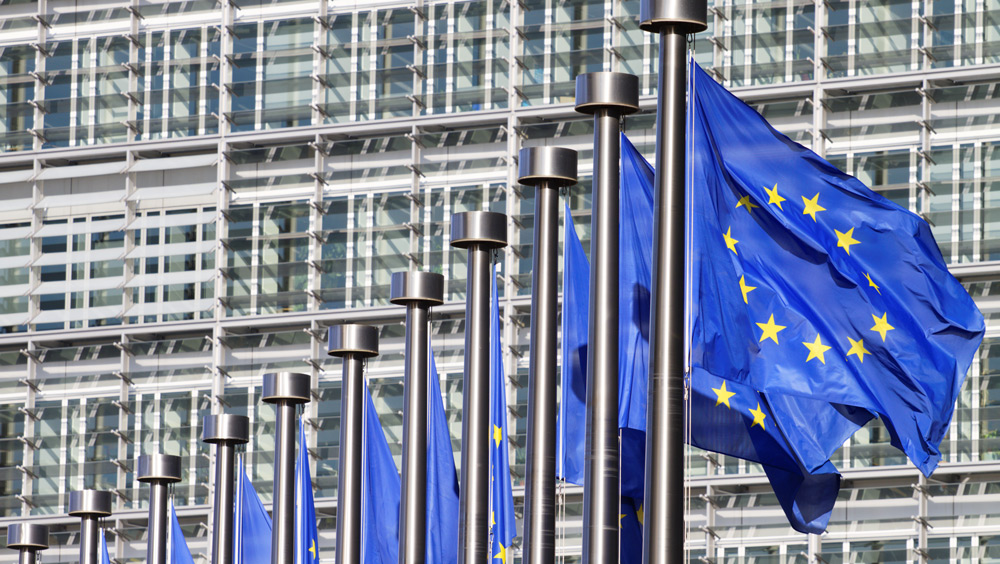
European Parliament in Brussels, Belgium.
The European Parliament has adopted a resolution urging member states to confront efforts by authoritarian regimes to coerce, control or silence political opponents and dissidents living in Europe. “Human rights defenders are a key pillar of democracy and the rule of law, and they are insufficiently protected,” a statement from the parliament said.
The resolution, adopted with a majority of 512 votes (to 76 against and 52 abstentions), called for targeted sanctions against perpetrators, market surveillance of spyware and better coordination among European authorities to counter what lawmakers labeled “transnational repression.”
The resolution is not legally binding but signals that European lawmakers want to take a clear position on the issue and draw attention to it, Elodie Laborie, a spokesperson for the Parliament’s Subcommittee on Human Rights, told the International Consortium of Investigative Journalists in an email.
It confirms findings by ICIJ’s China Targets investigation, which revealed how Beijing continues to use surveillance, hacking and threats against Chinese and Hong Kong dissidents, Uyghur and Tibetan advocates and their families to quash any criticism of the regime abroad.
On 14 November 2025, Al Jazeera (Mariamne Everett) and other media reported that international NGOs, such as Human Rights Watch and Amnesty International, have decried a sharp decline in civil liberties and a pervading “injustice” in Tunisia since President Kais Saied came to power in 2019, as authorities escalate their crackdown on the opposition, activists and foreign nongovernmental organisations.
“Tunisian authorities have increasingly escalated their crackdown on human rights defenders and independent non-governmental organizations (NGOs) through arbitrary arrests, detention, asset freezes, bank restrictions and court-ordered suspensions, all under the pretext of fighting ‘suspicious’ foreign funding and shielding ‘national interests’,” Amnesty International said in a statement on Friday.
Tunisia’s crackdown on civil society has reached an unprecedented level, according to Amnesty, as six NGO workers and human rights defenders from the Tunisian Council for Refugees are “being criminally prosecuted on charges solely related to their legitimate work supporting refugees and asylum seekers”. The trial’s opening session, initially scheduled for October 16, has been adjourned to November 24.
Within the past four months, Tunisia has temporarily suspended the activities of at least 14 Tunisian and international NGOs, said Amnesty, including the Tunisian Association of Democratic Women and the World Organisation against Torture.
Human Rights Watch said in a statement on Friday that Tunis’s Court of Appeal will hear on November 17 the appeal of more than 30 people “unjustly sentenced to heavy prison terms in a politically motivated ‘Conspiracy Case’” mass trial in April.
“Four of those detained are on hunger strike, including one who, according to his lawyers, was subjected to physical violence in prison on November 11.”
The defendants were charged with plotting to destabilise the country under various articles of Tunisia’s Penal Code and the 2015 Counterterrorism Law. Human Rights Watch, which reviewed the judicial documents, said the charges are unfounded and lack credible evidence. The NGO has called on the court to immediately overturn the convictions and ensure the release of all those detained.
The 37 people detained include opponents of Saied, lawyers, activists and researchers. Their prison terms range from four to 66 years for “conspiracy against state security” and terrorism offences. Jawhar Ben Mbarek – cofounder of Tunisia’s main opposition alliance, the National Salvation Front – began a hunger strike on October 29 to protest his arbitrary detention. Ben Mbarek was sentenced to 18 years behind bars on charges of “conspiracy against state security” and “belonging to a terrorist group”.
For this 31st edition, ten of the world’s leading human rights NGOs composing the Jury of the Martin Ennals Award – Amnesty International, Human Rights Watch, FIDH, HURIDOCS, Bread for the World, Human Rights First, World Organisation Against Torture, International Commission of Jurists (ICJ), International Service for Human Rights (ISHR), and Front Line Defenders – have selected, after much deliberation, three human rights defenders for their exceptional contribution to the human rights movement. [se also https://www.trueheroesfilms.org/thedigest/awards/043F9D13-640A-412C-90E8-99952CA56DCE]
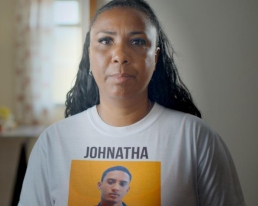
The 2025 Laureate is Ana Paula Gomes de Oliveira (Brazil), who co-founded the collective ‘Mothers of Manguinhos’ to fight for justice after the killing of her son, a 19-year-old Black man, who was shot in the back by a military police officer in the favelas of Rio on his way back from his girlfriend’s house in May 2014. The collective serves as a front for resistance and advocacy, but also as a network of emotional support and solidarity between women who share stories of similar loss. These women, in their majority Black, many of whom have lost children and other family members to violent actions by law enforcement officials, came together to denounce violence in the favelas, especially police violence that disproportionately affects poor Black youth. ‘When we are born Black and raised in the favelas, we are targeted by a racist system that is also reinforced by public security policies based on death and imprisonment,’ says Ana Paula. According to the UN, killings by the police have more than doubled in the last ten years in Brazil, with more than 6000 killings every year over the past six years. Black people, overwhelmingly men, represent a shocking rate of 82,7% of the killings by police officers in 2023. ‘The racist violence in Brazilian streets merits the full attention of the federal government and the international community,’ says Hans Thoolen, Chair of the Martin Ennals Award Jury. The collective ‘Mothers of Manguinhos’ fights for truth, memory, justice, freedom and the human rights of Black, poor, and peripheral lives. The collective is a member of the UN Antiracism Coalition (UNARC) and during the 57th session of the Human Rights Council, Ana Paula delivered a powerful message at a side event organised by UNARC on the perspectives of the Afro-Brazilian community directly affected by police violence in Brazil.
The Jury also recognised two finalists: Aloikin Praise Opoloje (Uganda) and Saadia Mosbah (Tunisia).
Aloikin Praise Opoloje is a 26-year-old Ugandan student who has become a leading voice against corruption, social injustice, and human rights abuses in Uganda. Inspired by the dire living and educational conditions in her home district of Palisa, she has mobilised thousands through social media and organised major peaceful protests, including the March to Parliament and the Nude Protest against government mismanagement, which prompted official accountability for the Kiteezi landfill tragedy. Despite repeated arrests in 2024 and ongoing legal charges, Aloikin went on to create the WeThePeople movement, which informs young Ugandans about their civic rights and non-violent resistance.
Saadia Mosbah is a leading Tunisian human rights activist and co-founder of Mnemty (‘My Dream’), the main organisation dedicated to fighting racism and racial discrimination in Tunisia. She has spearheaded initiatives through education, awareness raising and legislative advocacy, which have led to the 2016 national debate on systemic racism, the adoption of the Anti-Racism Law No. 50 (2018), and the declaration of 23 January as the National Day for the Abolition of Slavery for Tunisia (since 2019). Her work has also focused on combatting prejudice against migrant people and promoting migrant and refugee rights. Despite her legitimate activism, Saadia Mosbah and Mnemty have faced intense smear campaigns. She was arrested on 6 May 2024 on false accusations of financial crimes and remains in pre-trial detention without a set trial date. [https://www.amnesty.org/en/documents/mde30/0846/2026/en/]
The UN High Commissioner for human rights will award the selected laureate during the ceremony to take place on 26 November 2025 in Geneva, Switzerland. [https://www.martinennalsaward.org/2025-edition/]
The Front Line Defenders Award is intended for HRDs for whom visibility can contribute to their security and who have not already had a lot of international recognition for their human rights work.
DEADLINE FOR SUBMISSIONS IS: 23rd January 2026
Selection Criteria:
the nature of human rights defender’s work
the impact of human rights defender’s work in advancing the rights of others
the level of risk or negative consequences associated with human rights defender’s work
the continued commitment to advancing human rights, despite high level risks
the potential impact of receiving the Award on the human rights defender and their work








 Hans Thoolen on Human Rights Defenders and their awards