Posts Tagged ‘guidelines’

New Guidelines on Environmental Protest and Civil Disobedience

October 20, 2025

During October 2025, new guidelines on Environmental Protest and Civil Disobedience were released by Michel Forst, UN Special Rapporteur on Environmental Defenders under the Aarhus Convention

The new guidelines aim to support states, civil society, environmental activists, and legal practitioners in understanding and implementing the rights guaranteed under the Aarhus Convention. The document underscores that individuals and groups have a recognised international right to engage in peaceful environmental demonstrations, even when challenging public or private actors whose practices may harm the environment.

The document outlines five guiding principles to help states ensure that peaceful environmental activism is respected, not repressed:

  1. Address the root causes of the protest: Governments should tackle the real reasons behind environmental protests, such as inaction on environmental protection, lack of transparency, or exclusion from decision-making.
  2. Reject criminalization of defenders: Authorities and media must stop portraying environmental activists as criminals and instead recognize their legitimate role in defending public interests.
  3. Protect civic space: Civil disobedience must not be used as a pretext to restrict fundamental freedoms or limit peaceful public expression.
  4. Ensure human rights–based policing: Law enforcement responses must be lawful, necessary, and proportionate — never arbitrary, excessive, or punitive.
  5. Uphold justice and civic freedom: Courts should avoid rulings or sanctions that discourage peaceful protest or shrink civic space.

Furthermore, the guidelines recognize that some environmental defenders may resort to civil disobedience when legal channels fail, and the guidelines set out conditions under which such acts may be tolerated (e.g., proportionality, non-violence, necessity, public interest). The guidelines stress the need for states to prevent and remediate retaliatory actions against protestors, such as legal harassment, surveillance, excessive use of force, or criminalisation of protest. The text encourages states to review and reform national laws, police protocols, and judicial practices to ensure that protest rights are respected, especially for environmental defenders, and it calls for transparent mechanisms to monitor how protests are handled, report abuses, and hold responsible persons and institutions to account.

The guideline highlights that public authorities (including political figures) should refrain from using language labelling protesters as threats, “eco-terrorists,” or “foreign agents”, and media (especially public or state media) should maintain factual accuracy, avoid derogatory language, and refrain from mischaracterising environmental defenders.

https://unipd-centrodirittiumani.it/en/news/un-rapporteur-michel-forst-issues-new-guidelines-on-environmental-protest-and-civil-disobedience

Guidelines on the Right to Peaceful Environmental Protest and Civil Disobedience – October 2025

CESCR General Comment: States should protect environmental and Indigenous HRDs

October 17, 2025

The Committee on Economic, Social and Cultural Rights (CESCR) recently published its General Comment on the environmental dimension of sustainable development. In addition to recognising human rights defenders, the Comment clarifies State obligations towards marginalized communities and notes the importance of transitioning away from fossil fuels. It also outlines States’ extraterritorial obligations.

ISHR provided two written inputs to the draft of this General Comment earlier this year – a standalone submission regarding the recognition and protection of environmental human rights defenders (EHRDs) based on the Declaration+25, a supplement to the UN Declaration on Human Rights Defenders, and a joint submission in partnership with the Center for International Environmental Law, Earthjustice, FIAN International, the Global Initiative for Economic, Social and Cultural Rights, Human Rights Watch and Oxfam.

States parties should respect, protect, and promote the work of environmental and indigenous human rights defenders, as well as other civil society actors who support people in marginalized and disadvantaged situations in realizing their Covenant rights.’ States parties should take all necessary measures to ensure that environmental human rights defenders and journalists can carry out their work, without fear of harassment, intimidation or violence, including by protecting them from harm by third parties.

ISHR welcomes that priorities from the joint NGO submission to the CESCR are reflected in the General Comment, in particular Indigenous Peoples’ right to ‘free, prior and informed consent’ and the need to transition away from fossil fuels (including by reducing ineffective subsidies).

However, we regret that the Comment does not more explicitly acknowledge the critical role of EHRDs in promoting sustainable development or strategic lawsuits against public participation (SLAPPs) as an obstacle to their engagement. The CESCR has previously noted the risks faced by HRDs and provided guidance on their recognition and protection in the context of land issues in General Comment No. 26 and it should have extended this analysis to EHRDs in the context of sustainable development. The use of SLAPPs to silence HRDs has been acknowledged by other UN bodies, including in the most recent report of the Special Rapporteur on the Situation of Human Rights Defenders, Ms. Mary Lawlor, to the Third Committee of the General Assembly.  

 Some additional highlights from the General Comment are set out below. 

  • The Committee found that ‘[t]he full realization of Covenant rights demands a just transition towards a sustainable economy that centres human rights and the well-being of the planet’. 
  • States should supervise commercial activity, establish a legal obligation for businesses in respect of environment and human rights due diligence, and ensure that victims of human rights violations stemming from businesses have redress. 
  • States have obligations to conduct human rights and environmental impact assessments, which are to be undertaken with ‘meaningful public participation’.
  • States have an extraterritorial obligation to ensure that any activities within the State or in areas under its control do not substantially adversely affect the environment in another country. This also extends to preventing businesses in the State from causing such harm in another jurisdiction. Even though the CESCR does not expressly mention it in the Comment, this should also apply to cases of attacks against EHRDs. 
  • The CESCR also clarifies States’ obligations towards marginalized communities, spotlighting the concept of intersectionality. It also explicitly notes that equal exercise of economic, social and cultural rights by women and men is a prerequisite for sustainable development, encouraging States to redistribute the unpaid domestic work undertaken by women and girls.
  • Environment-related obligations have also been set out for States in the context of specific Covenant rights, for example, the right to self-determination , right to freely utilize natural resources , right to work , right to an adequate standard of living, right to the highest attainable standard of physical and mental health, right to education and other economic, social and cultural rights.
  • The General Comment recognises that certain communities are particularly vulnerable to the effects of environmental degradation – it calls on States to identify and protect those at risk. The CESCR focuses particularly on children (specifically calling for child rights defenders to be recognised and protected and for their participation in climate action to be facilitated), Indigenous Peoples, peasants, pastoralists, fishers and others in rural areas, and displaced persons.

‘Environmental degradation, including climate change, intensifies the vulnerabilities of individuals and groups who have historically experienced and/or experience marginalization. These vulnerabilities are shaped by intersecting factors such as socioeconomic status, race, ethnicity, gender, disability, age, migratory status, sexual orientation, and gender identity.’

https://ishr.ch/latest-updates/cescr-general-comment-states-should-protect-environmental-and-indigenous-hrds-work-in-the-context-of-sustainable-development

U.S. State Department and the EU release an approach for protecting human rights defenders from online attacks.

March 13, 2024

On 12 March 2024 the U.S. and European Union issued new joint guidance on Monday for online platforms to help mitigate virtual attacks targeting human rights defenders, reports Alexandra Kelley,
Staff Correspondent, Nextgov/FCW.

Outlined in 10 steps, the guidance was formed following stakeholder consulting from January 2023 to February 2024. Entities including nongovernmental organizations, trade unionists, journalists, lawyers, environmental and land activists advised both governments on how to protect human rights defenders on the internet.

Recommendations within the guidance include: committing to an HRD [human rights defender] protection policy; identifying risks to HRDs; sharing information with peers and select stakeholders; creating policy to monitoring performance metric base marks; resource staff adequately; build a capacity to address local risks; offer safety tools education; create an incident reporting channel; provide access to help for HRDs; and incorporate a strong transparent infrastructure.

Digital threats HRDs face include target Internet shutdowns, censorship, malicious cyber activity, unlawful surveillance, and doxxing. Given the severity and reported increase of digital attacks against HRDs, the guidance calls upon online platforms to take mitigating measures.

The United States and the European Union encourage online platforms to use these recommendations to determine and implement concrete steps to identify and mitigate risks to HRDs on or through their services or products,” the guidance reads. 

The ten guiding points laid out in the document reflect existing transatlantic policy commitments, including the Declaration for the Future of the Internet. Like other digital guidance, however, these actions are voluntary. 

“These recommendations may be followed by further actions taken by the United States or the European Union to promote rights-respecting approaches by online platforms to address the needs of HRDs,” the document said

https://www.nextgov.com/digital-government/2024/03/us-eu-recommend-protections-human-rights-defenders-online/394865

NGOs support proposed US Law to Protect Human Rights Defenders

February 3, 2024
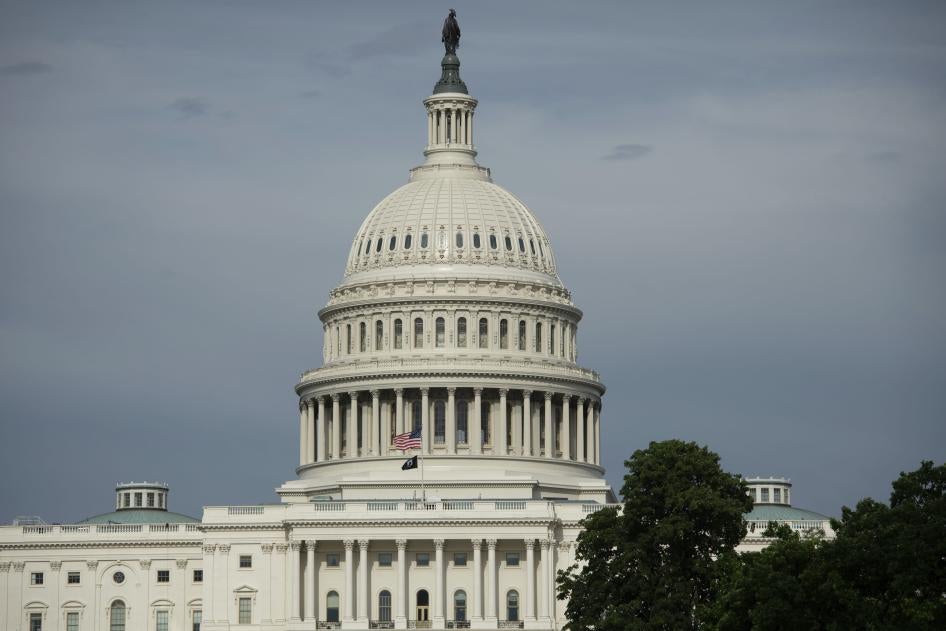
A view of the U.S. Capitol Building in Washington, D.C., on May 28, 2020.

On 31 January 2024 several NGOs – including HRW and AI -came out in support of a bill in the US Senate. Senator Ben Cardin introduced the Human Rights Defenders Protection Act of 2024, which aims to protect individuals abroad “who face reprisals for defending human rights and democracy.” The law, if enacted, would strengthen the US government’s ability to “prevent, mitigate, and respond” to such cases.

Senator Cardin said this legislation “will help elevate, guide, and enhance US efforts to support these courageous individuals globally at a time when their efforts are more important than ever.”  

HRW said: The bill would integrate support for rights defenders into various US policies and programs and encourage engagement with the private sector. It aims to improve assistance for rights defenders living in exile from their home countries and strengthen US tools to hold perpetrators of rights abuses accountable. Human Rights Watch has long documented the risks, threats, and attacks that rights defenders across the globe face. In Rwanda, for example, the government for many years has targeted with impunity rights defenders at home and extended its repression beyond its borders to silence Rwandan critics living abroad. Last December, the Emirati government brought new charges under its counterterrorism law against 87 activists and dissidents, including imprisoned rights defender Ahmed Mansoor.

The proposed legislation would create a new US visa for rights defenders who face a “credible fear of an urgent threat,” allowing those who qualify to reach safety before they are detained or harmed. It would also increase the number of US government personnel dedicated to democracy and human rights issues in the federal government and at embassies in countries with a high risk of rights abuses. 

Andrew Fandino, Advocacy Director for the Individuals at Risk Program at Amnesty International USA. stated: “The Human Rights Defenders Protection Act of 2024 is a critical piece of legislation that will help strengthen and improve the U.S. government’s ability to support human rights defenders around the world,” ..“With over 401 human rights defenders killed globally in 2022 alone, now more than ever, human rights defenders need this additional support and protection.”

If passed, the legislation would require the US government to establish a “Global Strategy for Human Rights Defenders.” The strategy would survey current tools and resources to support human rights, identify how the government would prioritize and bolster protections for rights defenders, and establish specific goals for implementing the legislation’s policy objectives. This would link to the existing EU Guidelines on Human Rights Defenders (2008), and the OSCE Guidelines on the Protection of Human Rights Defenders (2014) and those of a small group of European countries.

https://www.amnestyusa.org/press-releases/amnesty-international-usa-supports-legislation-that-ensures-u-s-support-and-protections-for-human-rights-defenders-around-the-world

https://www.hrw.org/news/2024/01/31/proposed-us-law-would-protect-human-rights-defenders

https://www.foreign.senate.gov/press/dem/release/chair-cardin-speaks-in-support-of-courageous-human-rights-defenders-around-the-world

Tanzanian civil society validates a human rights defenders policy

November 7, 2023

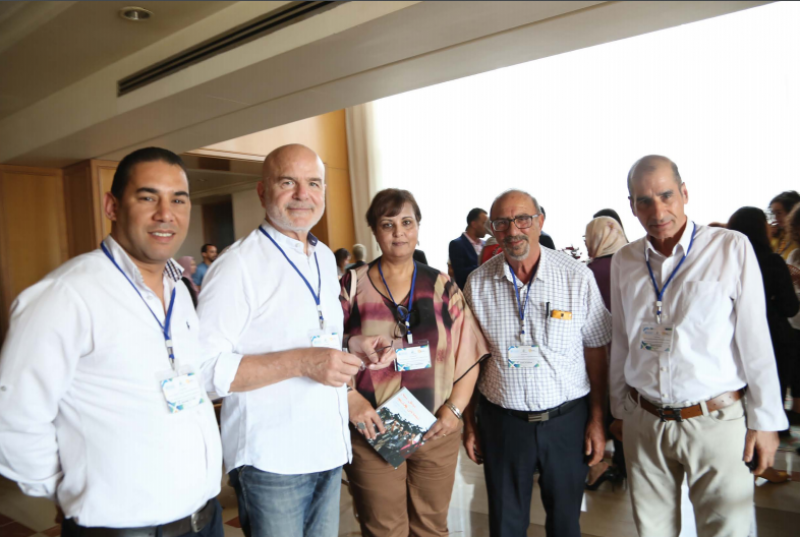
On 19 October, with the support of ISHR, the Tanzanian Human Rights Defenders Coalition organised a one day event with defenders from all around the country to reflect on the 25th anniversary of the UN Declaration on human rights defenders and validate the civil society led draft on the promotion and protection of the rights of defenders in Tanzania.

The Tanzanian Human Rights Defenders Coalition (THRDC) gathered defenders from all regions of the country to celebrate the 25th anniversary of the UN Declaration, discuss its implementation in the country and the needs to strengthen their legal framework for the promotion and protection of the rights of defenders through the adoption of a policy on human rights defenders.  This is an interesting case as “human rights defenders policies” are usually to be found in the West; see: https://humanrightsdefenders.blog/2016/12/13/canada-joins-select-group-of-governments-with-guidelines-on-human-rights-defenders/.

The event was attended by Minister of Constitutional and Legal Affairs Hon. Dr. Pindi Chana who highlighted notable human rights achievements under the ongoing leadership of Honourable President Samia Suluhu Hassan such as the opening of legal aid services in all regions of the country and the establishment of a special commission which will work with various stakeholders to achieve the necessary reforms to better protect and promote human rights in the country. 

Discussing and reflecting on the advancement in Africa since the adoption of the UN Declaration on human rights defenders (‘the Declaration’), speakers highlighted the numerous legislative progress in some countries and the increase in legislative restrictions in others. 

The legal recognition and protection of human rights defenders is crucial to ensure that they can work in a safe, supportive environment and be free from attacks, reprisals and unreasonable restrictions. The legal recognition and protection of defenders also contributes to the broader goals of upholding human rights, and promoting democracy, good governance, sustainable development and respect for the rule of law. In Africa, in the past ten years, 5 countries adopted specific laws protecting the rights of defenders, recognising the need and obligations that follow the adoption of the UN Declaration.

Speakers also highlighted the importance to recognise that while the adoption of the Declaration was an incredible progress, defenders still face a high number of violations for enjoying their right to defend rights.  

It is not easy to be a defender, especially in Africa,’ said Washington Katema, Executive Director of the Southern Africa Human Rights Defenders Network. ‘Defenders must be safe and not silenced. Defending human rights is not a crime and, to our colleagues from the Government, defenders are not the enemy of the State, rather, they stand for those who can not stand for themselves. Defenders are everywhere, so as we reflect on the 25th anniversary of the UN Declaration on defenders, let’s also reflect on the Africa we want. An Africa where defenders are free from reprisals, arrests, intimidations and assassinations’ . 

The draft policy was then presented to the participants. Among other things, it includes important principles and rights such as the right to freedom of expression, freedom of peaceful assembly, ensuring that decisions on registration, suspension and de-registration of organisations are taken by a mechanism the majority of whose members are from civil society or that organisations shall be self-governing and free to determine their internal management structures. The policy also provides for State obligations such as the need to ensure an enabling environment for defenders or that laws and administrative measures adopted by the government should protect, not impede the peaceful activities of defenders. Furthermore, defenders discussed the importance of sensitising the authorities to the specificities of the violations faced by vulnerable groups such as Indigenous and LGBTIQ+ defenders. 

As Tanzania embarks on this journey, it is important that the ownership of this process goes beyond this assembly. It is important that marginalised and discriminated-against groups, such as women defenders, are included in this process.

Finally, the draft policy was adopted by civil society and a commitment was made by the office of the Minister of Constitutional and Legal Affairs to kickstart the process with a particular attention given to the needs expressed by defenders. 

https://ishr.ch/latest-updates/achpr77-tanzanian-civil-society-validates-a-human-rights-defenders-policy/

Ukraine: visually documenting violations

March 1, 2022

Witness stands with the victims of Russia’s unlawful attacks. In a conflict that is rife with disinformation, false narratives, and manipulated media, the importance of capturing and preserving trusted, authentic accounts of human rights crimes cannot be underestimated.   They are sharing resources for those on the ground in Ukraine and Russia – who are navigating immense risks as they capture and share video documentation of potential human rights violations and war crimes. And, they are sharing resources for those of us witnessing from a distance, so that we amplify grassroots truths and decrease the spread of mis/disinformation. 

Guidance for Frontline Documenters working with and learning from activists documenting and preserving visual evidence of war crimes and human rights violations from Syria and Yemen to Brazil, it developed its peer-reviewed and field tested Video As Evidence Field Guide. Earlier they also worked with Ukrainian civil society and human rights groups during the 2014-15 conflict to prepare versions in Ukrainian and Russian

In Ukrainian: ПОЛЬОВИЙ ПОСІБНИК “ВІДЕО ЯК ДОКАЗ” Field Guide: Video as Evidence wit.to/VAE-UA  

In Russian: ПОЛЕВОЕ ПОСОБИЕ «ВИДЕО КАК ДОКАЗАТЕЛЬСТВО» Field Guide: Video as Evidence wit.to/VAE-RU  

https://www.witness.org/


Guidelines on Human Rights Defenders in US Foreign Policy

January 19, 2022

On 13 January 2022 Brian Dooley devoted a blog post for Human Rights First to the US’ State Department’s efforts to draft HRD Guidelines:

Ten years ago, I testified in the US Congress for Human Rights First on why the US government should issue guidelines to its embassies on engaging with human rights defenders.

We then spoke to State Department bureaucrats in many months of negotiations too soporific to recount here, and by March 2013 they finally produced some useful guidelines for US diplomats, modelled largely on those adopted by European countries a decade before.

It’s a great idea – US government officials were offered specific advice on how and why to engage with Human Rights Defenders, and the hope was that the guidelines would set minimum standards for US embassies all over the world. 

Engagement with human rights defenders by US diplomats tends to patchy – some embassies do it well, others hardly do it at all. HRDs in countries which are antagonistic to Washington tend to enjoy relatively easy access to US diplomats who share their criticism of the local government, whereas HRDs in countries ruled by dictators who are allies of the US complain about a lack of support from US embassies.

The guidelines encouraged officials to maintain regular contact with HRDs, or possibly to attend their trials or visit them in detention, and otherwise explore ways to support and protect them. All good in principle, but the State Department failed to adequately encourage its embassies to implement the suggestions. 

So five years ago I was back in the US Congress, testifying that the guidelines “haven’t been properly promoted or widely translated …[and that] protecting HRDs is too important a job to do half-heartedly.”

Those US guidelines were pretty good, but the problem was so few people ever heard about them. When I mentioned them to human rights NGO staff, to officials of other governments, to human rights defenders, to people in the UN, to American ambassadors in the Middle East, even to State Department officials in the Bureau of Democracy, Rights and Labor, I was generally met with a “Huh?”

The good news is that, after more years of advocacy by ourselves, Earthrights, and others, the State Department has now released updated guidelines, complete with an assurance that “The Biden-Harris Administration is committed to putting human rights and democratic principles at the center of our foreign policy.” All nice enough, though these commitments to support HRDs should be institutionalized long term and not dependent on a particular administration.

The content is strong, advising sensible courses of action including that US officials “Encourage investigations and prosecution of those who harass and attack human rights defenders,” and that US officials  “seek the consent of human rights defenders before taking any actions on their behalf and take precautions in communicating with them online and offline.”

The guidelines could act a great starting point for US officials at any embassy who want to connect with local civil society and activists. The challenge is to prevent these new standards from getting left on the shelf like the last ones. 

To guard against that, we and others are hoping Congress will pass legislation aimed at keeping the State Department focused on protecting HRDs, including requiring US embassies to post the guidelines on their websites in relevant languages in an invitation to local HRDs to engage with them.

This engagement and support is currently horribly inconsistent. For instance, last week the US embassy in Niger issued a short public statement in support of local HRDs, which is great. But the US embassy in Cairo has for years been mortifyingly silent about the extensive attacks on local HRDs by Egyptian authorities.

The US government should use its power much more often to protect human rights defenders, not least at a  local level where its embassies can offer much more consistent support to human rights defenders, and not just in countries that are adversaries of the US, but with its allies too.

See e.g. https://humanrightsdefenders.blog/2014/06/11/osce-publishes-guidelines-on-the-protection-of-human-rights-defenders/

https://www.government.nl/topics/human-rights/human-rights-worldwide/supporting-human-rights-defenders

https://www.humanrightsfirst.org/blog/state-department-s-second-chance-get-hrd-guidelines-right

Michel Forst about the security risks faced by Human Rights Defenders

July 7, 2020

Human rights defenders reconnect us to what makes the essence of humanity” says Michel Forst, the former UN Special Rapporteur in his foreword to the updated Guidelines on security and protection for grantees by the Norwegian Human Rights Fund (NHRF).

Jalila, Mohamadou, Paulo and Lita are all human rights defenders who work in difficult areas. In forgotten places, where the State does not operate anymore or where conflicts rage on. They provide support to women victims of sexual violence; they advocate for transitional justice; they visit peaceful protesters who have been arbitrarily detained. They bring human rights to the darkest, most isolated places. They are the voices for those whose voices have been stolen. Each and every day these ordinary women and men brave countless risks to be close to those they defend. Because they defend human rights they are targeted by those who benefit from human rights violations. Each day they must reinvent themselves and their most trivial routines. Jalila turns her phone off while having discussions with other defenders; Lita makes sure she travels back home while the sun is still high; and Paulo frequently changes the passwords to his social media accounts. When traveling outside his village, Mohamadou leaves instructions for his family as preparation for the possibility of being arrested and taken to jail.

Each day these four defenders feel in their own minds and bodies what it means to defend human rights in complex settings and thousands of other human rights defenders face the same situation on the ground. They cannot depend on protection from the State or constant protection from their own communities, so they bear the heavy responsibility of protecting themselves, staying safe alone. Some are fortunate to have the support of their organizations and movements but must still practice self-protection. Sometimes this individual responsibility feels like a burden and can have lasting and severe consequences on their psychological, physical and social well-being.

Former Special Rapporteur on the situation of HRDs, Michel Forst, with human rights defenders during a consultation on the situation in the MENA region (Photo: NHRF’s grantee partner, Gulf Centre for Human Rights).

In recent years, a number of initiatives across the globe have contributed to support defenders and to provide them with a set of concrete tools to mitigate risks. Defenders have been building solidarity networks and strategic alliances, they have developed risks analysis and digital security trainings. Women human rights defenders and indigenous communities have helped understand the necessity to develop collective and holistic approaches to security. Some States have developed laws and mechanisms to better protect defenders as a response to the current deterioration of the situation of HRDs. Over the past five years, I have heard and learnt about many good practices on protection, and I am pleased with the efforts of the NHRF to provide these guidelines as a resource to help identify and navigate these initiatives.

….Defenders often represent the last remaining hopes for those whose are left behind, who are excluded and despised by their societies. … it is imperative that we strengthen our support to these heroes. It is not only a matter of justice, it is for the sake of our common future, for our humanity. We must defend and stand and act in solidarity with these selfless, indomitable people.

Main photo: Mónica Orjuela/NHRF.

https://nhrf.no/article/2020/human-rights-defenders-reconnect-us-to-what-makes-the-essence-of-humanity-michel-forst

See also: https://humanrightsdefenders.blog/2018/01/17/protection-internationals-next-e-learning-course-on-security-starts-19-february/

Coronavirus and human rights: New guidance highlights support for persons with disabilities

May 2, 2020
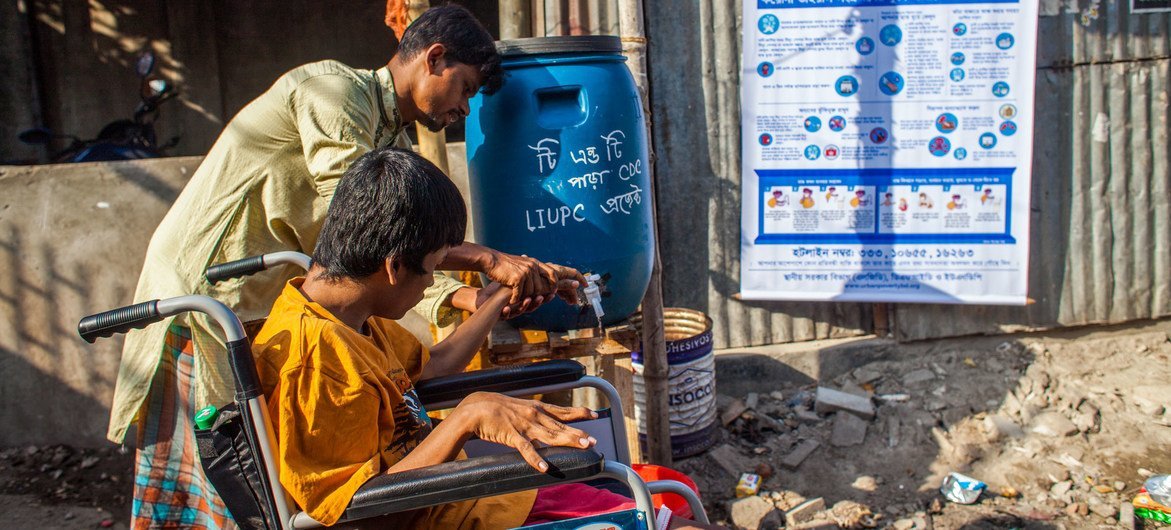
UNDP Bangladesh/Fahad Kaizer – In Bangladesh, the UN Development Programme and partners have rolled out emergency support to vulnerable communities.

New guidance issued on 30 April 2020 sets out key actions, to counter what the UN High Commissioner for Human Rights has called the “double risk” faced by persons with disabilities in the COVID-19 pandemic. As Michelle Bachelet explained, not only are people with disabilities at higher risk because of the crisis, they also are disproportionately affected by response measures such as lockdowns. “People with disabilities are in danger in their own homes, where access to day-to-day support and services may be limited due to lockdowns, and some may suffer greatly from being isolated or confined”, she said. “Persons with disabilities face even greater threats in institutions, as care facilities have recorded high fatality rates from COVID-19 and horrific reports have emerged of neglect during the pandemic.”

The UN rights chief added that making information about the virus available in accessible formats is vital. She also expressed concern over discrimination and stigma at this unprecedented time. “I have been deeply disturbed by reports that the lives of persons with disabilities may somehow be given different weight than others during this pandemic”, she said. “Medical decisions need to be based on individualized clinical assessments and medical need, and not on age or other characteristics such as disability.”

The guidance note published by the UN human rights office outlines steps governments and stakeholders can take during the pandemic. They range from discharging persons with disabilities from institutions, to increasing existing disability benefits, and removing barriers to COVID-19 treatment. Prioritizing testing and promoting preventive measures within institutions to reduce infection risk are other recommendations. Additionally, the guidance spotlights promising practices already in place in some countries. For example, in Switzerland and Spain, some persons with disabilities living in institutions were moved out to be at home with their families, while authorities in Canada have issued priority COVID-19 testing guidelines with specific measures for these settings.

https://news.un.org/en/story/2020/04/1062912

UN Guidelines for use of emergency powers in time of covid-19 pandemic

April 14, 2020
UN Special Rapporteur on Extra-Judicial Executions Agnes Callamard. Photo: Foreign and Commonwealth Office/Wikipedia.

a set of guidelines issued by the UN’s Human Rights’ Committee on Economic, Social and Cultural Rights (CESR), in whcih governments are urged to respect human rights across the spectrum, including economic and social rights, and civil and political rights as this would be fundamental to the success of the public health response.

The announcement shed light on the controversial decision by the Maltese government to close the country’s ports as migrant boats were stranded. The UN said it was aware that governments had to take difficult decisions in light of the coronavirus pandemic, but insisted measures should be proportionate. Emergency powers must be used for legitimate public health goals, not used as a basis to quash dissent or silence the work of human rights defenders or journalists.

This was also highlighted by Agnes Callamard, the UN Special Rapporteur on Extra-Judicial Executions, who said these emergency measures also had to be lifted when these were no longer necessary for protecting public health. People needed to be informed about the emergency measures, where these applied and for how long they were meant to be in effect. “As the crisis passes, it will be important for governments to return life to normal and not use emergency powers to indefinitely regulate day-to-day life, recognizing that the response must match the needs of different phases of this crisis,” the CESC said.

Unfortunately, several governments around the world – and in the EU – have taken advantage of the coronavirus pandemic to implement a series of measures that roll back human rights.

  • As people are being called upon to stay at home, governments must take urgent measures to help people without adequate housing. …The authorities should also take particular care to prevent more people from becoming homeless and implement good practices such as moratoriums on evictions, deferrals of mortgage or loan payments.
  • It was also important to keep in mind people who relied on community and home services to eat, dress and bathe – including people with a disability or the elderly.
  • The guidelines also refer to prisoners and those kept in detention, saying these were at a higher risk of infection in case of an outbreak. Social distancing was difficult to maintain in these places, which had a high risk of contamination. States should “urgently explore options for release and alternatives to detention to mitigate the risk of harm within places of detention,” it said.
  • The document also tackled the issue of migration, saying migrants and refugees also faced “particular risks” as these may be confined to camps and settlements, which might be overcrowded, overstretched and with poor sanitation. “It is also vital that any tightening of border controls, travel restrictions or limitations on freedom of movement do not prevent people who may be fleeing from war or persecution from accessing safety and protection,” the committee said.

This recommendation is the exact opposite of the decision taken by the Maltese government last week to close its ports, making it very clear that it would not be taking any more migrants as a measure to prevent the spread of COVID-19. This announcement came 24 hours after Italy closed all its ports, saying its harbours could not be considered safe. The decision was harshly criticised by more than 20 non-governmental organisations who called on the prime minister to ensure that all persons within Malta’s responsibility were rescued and their safety guaranteed. “The nation cannot quietly celebrate Easter while men, women and children are drowning on our doorstep. Saving lives and ensuring their disembarkation at a safe place is a fundamental legal obligation and also a moral imperative that can in no way be negotiated or renounced,” the NGOs said.

The guidelines called on governments to take “specific actions” to include migrants and refugees in national prevention and response campaigns by ensuring equal access to information, testing, and health care for all, regardless of their status. Earlier this month, the Maltese authorities put the Hal Far open centre under a two-week quarantine after eight migrants tested positive for coronavirus. The decision was slammed by local NGOs who said this would exacerbate the situation where the virus could potentially spread among the 1,000 residents.

On 14 April 2020 Clément Nyaletsossi Voule, the UN Special Rapporteur on the rights to freedom of peaceful assembly and of association, called on States not to use state of emergency declarations during the COVID-19 crisis to impose wholesale restrictions on freedom of peaceful assembly and association, and released detailed Guidelines governments and law enforcement agencies must follow to avoid human rights abuses.

No country or government can solve this health crisis alone and I am concerned about worrying trends and limitations emerging from civil society reports around the world, including on civil society’s ability to support an effective COVID-19 response,” said Clément Nyaletsossi Voule, the UN Special Rapporteur on the rights to freedom of peaceful assembly and of association. “Civil society organisations are key in helping States to frame inclusive policies, disseminate information, and provide social support to vulnerable communities in need,” he said.

In his 10 Guidelines, the expert said that where new laws or regulations are adopted, any limitations on rights imposed must adhere to the principles of legality, necessity and proportionality. Free-flow of information is crucial in times of crisis and laws criminalising ‘false news’, including those targeting human rights defenders, must be avoided. “It is inadmissible to declare blanket restrictions on human rights and fundamental freedoms,” Voule said. “Exemptions should be foreseen for civil society actors, particularly those monitoring human rights, trade unions, social services providing humanitarian assistance, and journalists covering the management of the crisis. “State of emergency does not halt the freedoms of peaceful assembly and of association,” the human rights expert said.

Voule said his Guidelines could help States reassess measures already in place to ensure compliance with their human rights obligations and to take citizens’ demands fully into account.

https://reliefweb.int/report/world/covid-19-restrictions-should-not-stop-freedom-assembly-and-association-says-un-expert

Coronavirus emergency measures must be timely and proportionate