Thirty two years ago, I and some other good friends of Martin Ennals decided to create an award in the name of this human rights pioneer [see: https://youtu.be/tAhUi2gOHmU?si=6RxI5TduzLfLeJym]. I am very proud and happy that in two weeks time I wil be in Geneva to participate in the 30th edition of the award ceremony. I very much hope that many others wil be able to join, in person or via the live-stream.
The Award was given out for the first time in 1994 to recognize, promote and protect human rights defenders at risk or from under-reported contexts. It culminates every year in a public ceremony in Geneva, co-hosted with the City of Geneva. Over the years, the Award has offered defenders a platform to issues that are of global concern and the connections to steer the movement for human rights and larger freedoms.
The Jury has recognized 53 defenders in the past 30 years, from 37 countries and from all walks of life: lawyers, journalists, academics, medical practitioners, religious practitioners, housewives, students and grassroots activists. Their voices have illustrated some of the most important human rights demands of the past decades: free and fair justice for violations committed by security forces; access to information and freedom of expression to denounce repressive practices and authorities; the fight against gender discrimination and the importance of women’s full and equal participation in society; the essential role of civil society in conflict and post conflict resolution; the role of businesses in exploiting natural resources against the rights to land of indigenous people; or the role of global powers in the violations of the right to life of migrants.
The 2024 Martin Ennals Award continues the legacy and will honour two outstanding human rights defenders who have made it their life mission to protect human rights in their communities and countries despite evolving in deeply repressive environments.
A public discussion with Jury members later in the evening of ceremony will also be the opportunity to showcase the issues that will shape the future of the Award.
Get to know the 2024 Laureates by joining our traditional Award ceremony on Thursday 21 November at 18:30 CET, in Salle communale de Plainpalais, Rue de Carouge 52, Geneva.
The ceremony, co-hosted together with the City of Geneva, is the opportunity to learn about the two 2024 Laureates: who they are, their aspirations and what they have been doing to bring human rights at the forefront. Their inspiring stories illustrate key human rights struggles that the world needs to hear, for peace, dignity and equality of all. The Award ceremony will be followed by a cocktail offered by the City of Geneva.
You cannot join in person? We got you! The ceremony and the debate will be livestreamed on our media platforms.
JURY INSIGHTS
A public discussion on current global issues
Festivities will continue on Thursday 21 November with a late-night discussion to celebrate the 30th anniversary of the Martin Ennals Award. Since 1994, it is the careful deliberations of the Jury that have led to the recognition of some of the most outstanding human rights defenders and organisations. The Foundation is pleased to offer a special opportunity to listen in the inner thoughts of leading organisations on the state of human rights in the world and how to reclaim them.
The one-hour discussion will start at 21:15 CET in Salle communale de Plainpalais, after the cocktail, and will be the occasion for a young human rights defender to ask everyone’s most burning questions!
This event, organized on the occasion of the 56th session of the Human Rights Council and of the 28th Working Group of the Parties to the Aarhus Convention, as part of the Geneva Roadmap 40/11 series, provides a platform for experience sharing around with different protection mechanisms.
About this Session
Today, some specific instruments, such as the Aarhus Convention, regional processes and mechanisms are playing a growing and rapidly transforming role for environmental defenders in terms of new standards, collaborative efforts and plans. Yet, how effective are these instruments, processes and mechanisms in supporting and protecting environmental defenders in different parts of the world? What are the lessons in terms of the relevance and effectiveness of regional human rights and environmental protection mechanisms? How can ongoing experiences by civil society organizations and defenders help shape new and strengthened regional approaches? There is wide recognition of the different situations across regions as well as relevant lessons from ongoing initiatives.
On the occasion of both the 56th Session of the UN Human Rights Council and of the 28th Working Group of the Parties to the Aarhus Convention, on access to information, public participation and access to justice in environmental matters, this event will aim to gather views from various stakeholders on the question: “How are environmental defenders protected in the regions?”
Following the adoption of the resolution, platforms, coalitions and networks of defenders met in February 2020 to launch the Geneva Roadmap 40/11 to foster the implementation of this Resolution.
Building on previous Geneva Roadmap 40/11 efforts in relation to global human rights mechanisms, this year’s events organized by the University of Geneva, Earthjustice, the International Service for Human Rights, with the support of the Geneva Environment Network, will focus on the protection mechanisms provided at the regional level for environmental defenders.
Wednesday 19 June 2024 from 1:00 pm- 2:00 pm CEST there will be a HRC56 Side Event for the launch of the Declaration+25, a civil society-led authoritative document endorsed by experts that supplements the UN Declaration on Human Rights Defenders and sets standards to protect them.
Palais des Nations Room XXV Geneva. This in-person event will be moderated by ISHR on behalf of a Secretariat of 18 organisations, and include a panel of exceptional human rights defenders.
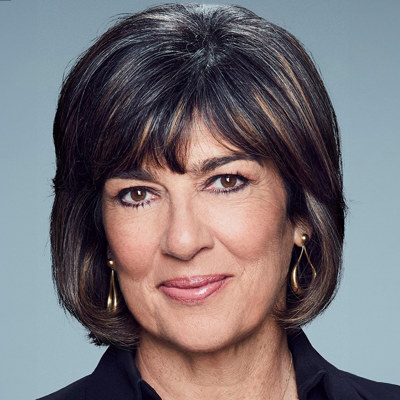
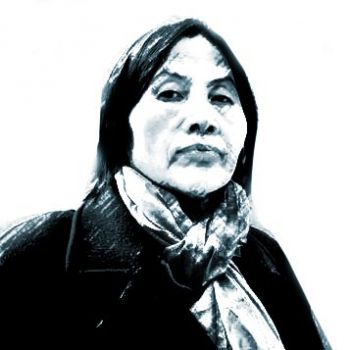
On World Press Freedom Day, May 3, the Freedom Cartoonists Foundation recognized the talent and courage of cartoonists working under difficult circumstances. The Kofi Annan Courage in Cartooning Award 2024 was presented by Nobel Peace Prize laureate Dr. Shirin Ebadi of Iran, during a public ceremony at the Geneva Graduate Institute, in presence of CNN’s international chief anchor Christiane Amanpour. For more on this award see: https://www.trueheroesfilms.org/thedigest/awards/f60cb3d4-c79a-43aa-9b5c-351c56c02ae1. This award is presented every two years in alternance with a prize presented by the allied organization Cartoonists Rights in the United States. The accompanying international exhibition Cartooning for Freedom, visible on the shores of Lake Geneva until June 2, 2024, features nearly 60 press cartoons selected by Freedom Cartoonists, in partnership with Cartooning for Peace in Paris. Chaired by Kenneth Roth, former Executive Director of Human Rights Watch, the international jury shares the 2024 Prize between two winners: Rachita Taneja (India) and Zunzi (Hong Kong).
For Chappatte, president of the Foundation, “Both brilliantly embody the fundamental values of editorial cartooning: talent, freedom of spirit, and courage. With a bit of mischief.”
On 3 May, 2024 at 5.30 pm in the Maison de la Paix, Geneva Graduate Institute, and to mark World Press Freedom Day, the Freedom Cartoonists Foundation and the City of Geneva will be awarding its 2024 international editorial cartoon prize [City of Geneva’s International Press Cartoon Award]. See: https://www.trueheroesfilms.org/thedigest/awards/EBEE0ECF-565B-6614-9B67-A6938EB46155
The public event is fully booked, but a livestream will be available on this page.
Keynote by the 2003 Nobel Peace Prize laureate Shirin Ebadi from Iran, (mentor of Narges Mohammadi, current Nobel Peace Prize winner imprisoned in Teheran), in discussion with Christiane Amanpour, CNN chief international anchor and member of the Foundation’s advisory board.
Followed by a debate on women cartoonists around the world, with Ann Telnaes (USA), Rachita Taneja (India) and Willis from Tunis (Tunisia), moderated by Christiane Amanpour. Presentation of the “Kofi Annan Courage in Cartooning Award 2024” by the City of Geneva and the Freedom Cartoonists Foundation.
Introductions by Chappatte and Marie Heuzé (Chair and Vice-Chair of the Foundation), Sami Kanaan (Administrative Councillor of the City of Geneva) and Volker Türk (UN High Commissioner for Human Rights).
Film made by True Heroes Films.
Christiane Amanpour, CNN anchorwoman, member of the foundation’s advisory board
On 14 March 2024, a large number of leading NGOs paid tribute to Cao Shunli, and all human rights defenders targeted by the Chinese government for their commitment to uphold the promise of the Universal Declaration of Human Rights. [see also: https://humanrightsdefenders.blog/tag/cao-shunli/]:
Cao Shunli was a brave Chinese woman human rights defender and lawyer. Working with fellow activists, Cao documented abuses, including the now-abolished ‘Re-education through Labour’ extrajudicial detention system, which she was also subjected to as a result of her human rights work. She campaigned for independent civil society to be meaningfully consulted and to be able to contribute to the Chinese government’s national reports to its first and second Universal Periodic Reviews (UPR). In an attempt to speak with government officials about the UPR, Cao courageously organised peaceful sit-ins with other concerned citizens outside the Ministry of Foreign Affairs despite great risks. She also submitted information on extralegal detention and torture in China to the UN and expressed the hope that ‘if we could get even 100 words’ into a UN report, ‘many of our problems could start to get addressed.’
On 14 September 2013, Chinese authorities detained Cao at the Beijing Capital International Airport as she was traveling to Geneva to participate in a human rights training, one month before China’s second UPR. Cao was forcibly disappeared for five weeks, until she resurfaced in criminal detention and was charged with ‘picking quarrels and provoking trouble’. By October 2013, it was clear that Cao Shunli was experiencing serious medical issues while in detention. After months of denial of adequate medical treatment, rejected appeals by her lawyers for bail on humanitarian grounds, and despite multiple calls from the international community for her urgent release, Cao died of multiple organ failure on 14 March 2014 in a hospital under heavy police guard to keep out her lawyers and friends.
Cao was one of the 2014 finalists of the prestigious Martin Ennals Award for Human Rights Defenders.
To this day, there has been no accountability for Cao Shunli’s death. The Chinese government refuses to admit wrongdoing, despite repeated calls in 2014 and 2019 by UN Special Procedures experts for a full investigation into this ‘deadly reprisal’.
Her case is one of the longest-standing unresolved cases in the UN Secretary-General’s annual reports on reprisals against civil society actors for engaging with the United Nations. China is one of the most consistent perpetrators of reprisals over time, and one of the most egregious perpetrators in terms of the sheer number of individuals targeted.
Cao is not alone: her courage, but also the abuses she endured, are unfortunately those of other human rights defenders who paid a high cost for cooperating with the UN. Her close colleague, Chen Jianfang was forcibly disappeared under Residential Surveillance at a Designated Location (RSDL) from 19-20 March 2019 after paying tribute to Cao Shunli on the 5th anniversary of her death. Chen was sentenced to four years and six months in jail for ‘inciting subversion of State power’ and left prison on 21 October 2023, after which authorities subjected her to strict surveillance. UN experts have raised with the Chinese government acts of reprisals against Chen Jianfang, but also Jiang Tianyong, Li Qiaochu, Dolkun Isa, Li Wenzu and Wang Qiaoling, among others. The recent instances of intimidation and harassment against NGO participants in China’s 4th UPR in January 2024 further highlight the gravity of the situation.
Li Qiaochu, Xu Zhiyong, Ding Jiaxi, Yu Wensheng, Xu Yan, Huang Xueqin, Li Yuhan, Chang Weiping: many other Chinese human rights defenders are today detained, disappeared, and at grave risk, for upholding the promise of the Universal Declaration of Human Rights.
These documented acts do not account for the even greater self-censorship and refusal to engage with the United Nation as a result of a generalised climate of fear.
Ten years ago, when ISHR and many other human rights groups sought to observe a moment of silence at the Human Rights Council in her memory, the Chinese delegation, together with other delegations, disrupted the session for an hour and half.
Cao Shunli is a paradigmatic case of reprisals, not only because of her prominence, but also due to the array of severe human rights violations against her, committed in total impunity. These range from Chinese authorities blocking her exit from her own country, enforced disappearance, arbitrary detention, lack of due process, torture or ill-treatment and denial of adequate medical care, to subsequent death in custody, and the lack of accountability for these abuses. The lack of any progress in achieving accountability underscores the urgent need for continued international attention and pressure on the Chinese government to ensure justice for Cao and all human rights defenders who face persecution for their work.
Cao Shunli said before her death: ‘Our impact may be large, may be small, and may be nothing. But we must try. It is our duty to the dispossessed and it is the right of civil society.’
Today, we pay tribute to Cao Shunli’s legacy, one that has inspired countless human rights defenders in China and abroad. We urge UN Member States to call for a full, independent, impartial investigation into her death. We reaffirm that no perpetrator of reprisals, no matter how powerful, is above scrutiny, and that reprisals are fundamentally incompatible with the values of the United Nations and of the Universal Declaration of Human Rights.
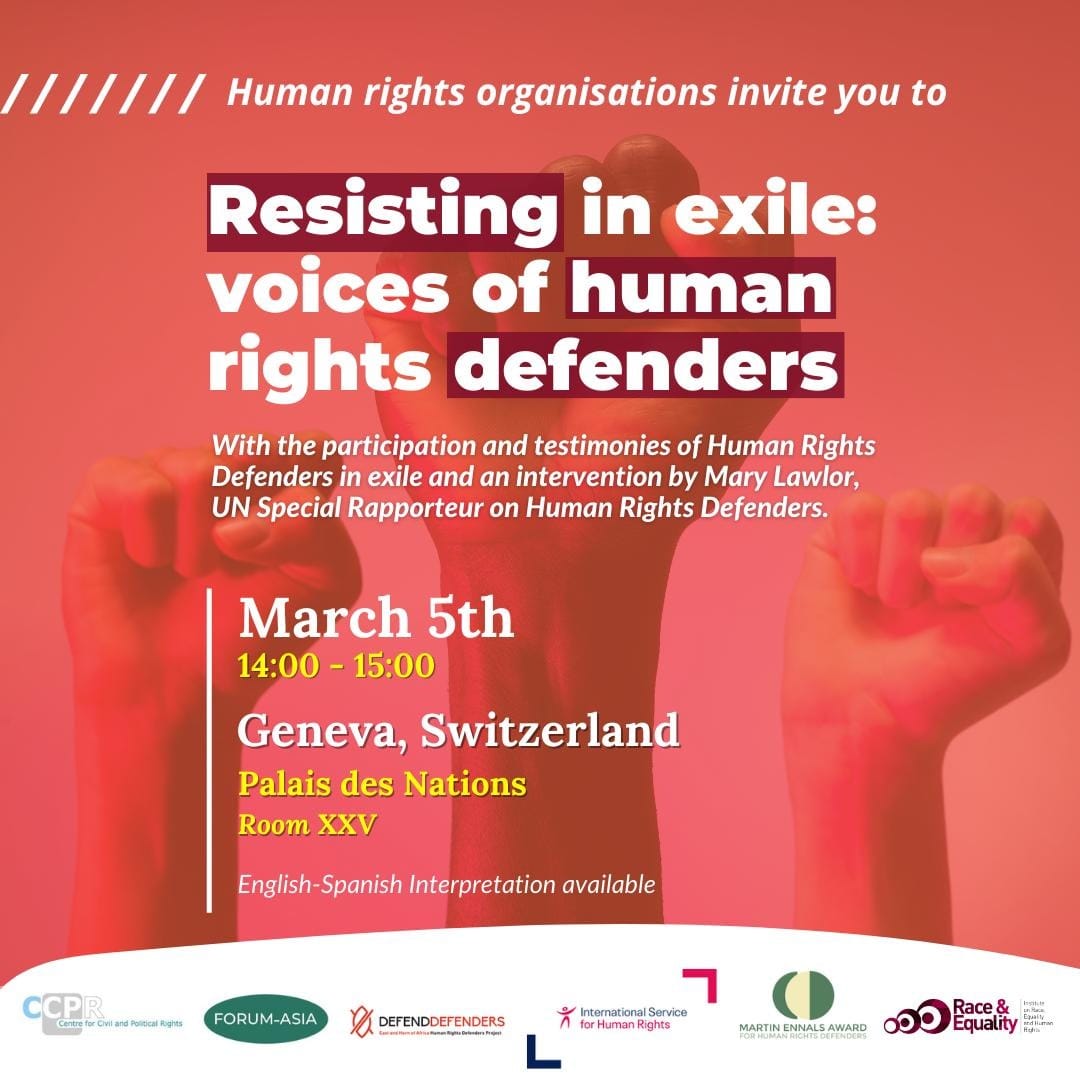
On Tuesday, 5th March, 2pm – at the Palais des Nations, Room XXV- will take place the side event Resisting in Exile: Voice of Human Rights Defenders
“I do not like the idea of being a refugee. I do not want to leave the country because I wanted to make it better.” Human rights defender quoted by the Special Rapporteur on Human Rights Defenders in A/HRC/37/51.
In ‘People Power Under Attack’ (2022), CIVICUS reports that the number of countries where civic freedoms are being curtailed and civil society is under severe attack is increasing… In such contexts and under such pressure, defenders can see leaving the country as their only option. These defenders, along with defenders expelled by their home governments, face the huge challenges of short or protracted exile, including economic insecurity and ongoing threats. Defenders in exile question if and how they can continue human rights work from abroad and how those who remain deal with a fractured human rights community.
In this event the four organisers [Centre for Civil and Political Rights (CCPR-Centre), International Institute on Race, Equality and Human Rights, (Race and Equality), International Service for Human Rights (ISHR), and DefendDefenders] will bring the voices of human rights defenders from around the world to the Council so that States, UN experts and officials and civil society colleagues can hear their voices. What is the experience of being in exile like? What is the impact on individual work and that of the community of defenders? What demands do exile defenders make to the Council?
This event aims to raise greater awareness about the phenomenon of defenders in exile and encourage discussion and action on how to support these defenders. It is also aimed at looking at what is needed to prevent exile becoming some defenders’ only feasible option.
During this event, defenders in exile from will speak of the impact of their experience of exile on their own lives, those of their families, and their communities. They will highlight the specific needs defenders in exile have in terms of legal guarantees, and political and financial support and of their ongoing work to defend rights from exile.
Defenders in exile will also send in testimonies, to be shown in video form or read out by fellow defenders. We aim to fill the room with the voices of those in exile who cannot be in Geneva to participate directly.
Recall the recommendations made by the previous Special Rapporteur on Human Rights Defenders, Michel Forst, in his 2018 report to the Council (A/HRC/37/51), including in regard to the prohibition of non-refoulement to persecution, relocation schemes, and access to protection measures for defenders in exile.
The conversation will take place during the Council session when the Special Rapporteur on Human Rights Defenders will be presenting her report to the Council. We hope that the Special Rapporteur will be available to, highlight the need for greater attention to, and investment in the prevention of, the closure of civic space so as to forestall the need for defenders to leave the country.
In recent years, Guatemala has witnessed a concerning erosion of its State institutions. The co-optation of the judicial system has resulted in the persecution of human rights defenders and justice operators, many of whom have had to flee the country. Despite the election of President Bernardo Arévalo, who led a campaign promising to re-establish the rule of law and fight corruption, the international community must continue to monitor the human rights situation in the country.
A side event – Human rights situation in Guatemala: From Rescuing Democracy to Guaranteeing Justice – aims to shed light on the recent socio-political developments in Guatemala, with a particular focus on the 2023 presidential elections and the dynamics of peaceful protest. It will explore the fragile state of the rule of law in the country and the significant human rights challenges it faces. A critical discussion will centre on the co-optation of the judicial system by criminal groups, which has led to the persistent criminalisation of justice operators and human rights defenders.
Additionally, the event will address the pressing crisis of forced evictions in Indigenous communities. These evictions, often driven by the interests of non-State actors like extractive companies and large-scale development projects, represent a form of cruel, inhuman, and degrading treatment, amounting to torture.
Speakers:
Clément Nyaletsossi Voule, UN Special Rapporteur on freedom of peaceful assembly and of association (TBC)
Lourdes Gómez Willis, Q’eqchi’-afrodescendant professor working on issues of Indigenous women defenders and the impacts of palm oil production
Luis Haroldo Pacheco Gutiérrez, Ex-President of the Council of Communal Mayors of the 48 cantons of Totonicapán With the participation of
Margaret Satterthwaite, Special Rapporteur on the independence of judges and lawyers
Sponsors: Centre for Civil and Political Rights, Franciscans International, Impunity Watch, ISHR, Protection international Mesoamérica, and Peace Brigades International.
Thursday 7 March, 14:00 – 15:00 (CET), Room XXV, Palais des Nations – Geneva Language: English / Spanish
Photo: Freedom of Speech Includes The Press by Narih Lee under CC 2.0
INVITATION to the side event: IN DEFENCE OF CIVIC SPACE AND DEMOCRACY SUPPORTING THE WORK OF HUMAN RIGHTS DEFENDERS on Monday 26 February 2024, 1pm – 2pm CET, Room XXII, Palais des Nations, Geneva
Human rights defenders promote democracy and a vibrant civic space, too often, in dangerous circumstances. This event aims to discuss the crucial work of defenders, how the international community can best support them and how crucial gender equality is for the full realisation of democracy.
Speakers:
Sviatlana Tsikhanouskaya, Leader of democratic forces (Belarus)
Dr. Sara Abdelgalil, Paediatric Consultant NHS UK, Democracy & Governance Advocate, Active member of Sudanese Diaspora
Phil Lynch, Executive Director, International Service for Human Rights
Elina Valtonen, Minister for Foreign Affairs, Finland
Moderator: Imogen Foulkes, BBC Geneva
A light lunch will be served. The event will be recorded and published as a podcast (Inside Geneva, produced by Swiss Broadcasting).
‘Our impact may be large, may be small, and may be nothing. But we must try. It is our duty to the dispossessed and it is the right of civil society.’ – Cao Shunli
Ten years ago, Chinese woman human rights defender Cao Shunli was a victim of deadly reprisals for engaging with the United Nations.
The International Service for Human Rights (ISHR) and partners invite you to attend a photo exhibition on 14 March 2024, at Place des Nations to honour her memory.
Cao Shunli was a brave Chinese woman human rights defender and lawyer. She campaigned for the meaningful consultation and contribution of independent civil society to the Chinese government’s national reports for its first and second Universal Periodic Reviews (UPR). On 14 September 2013, one month before this review, while on her way to Geneva to attend a human rights training organised by ISHR and CHRD, she was detained and forcibly disappeared by Chinese authorities for five weeks. When she resurfaced in custody in October 2013, she had been charged with ‘picking quarrels and provoking trouble’, and it was evident that she was experiencing serious medical issues in detention. Despite repeated international calls for her urgent release over months of being denied adequate medical treatment, Cao Shunli died of multiple organ failure on 14 March 2014, having been granted bail for medical reasons just days before her death. Cao Shunli was one of the finalists of the prestigious Martin Ennals Award for Human Rights Defenders in 2014. [see also: https://humanrightsdefenders.blog/tag/cao-shunli/ as well as https://www.martinennalsaward.org/hrd/cao-shunli/]
To this day, Chinese authorities have ignored appeals seeking accountability for Cao’s death, including repeated calls by UN Special Procedures experts in 2014 and 2019 for a full investigation into this ‘deadly reprisal’. Her case remains the longest-standing unresolved case in the UN Secretary-General’s annual reports on reprisals. March 2024 marks the 10th anniversary of Cao Shunli’s death. A decade ago, when ISHR and many other human rights groups sought to observe a moment of silence at the Human Rights Council in her memory, the Chinese delegation, together with other delegations, disrupted the session for an hour and a half. China is consistently one of the most frequent perpetrators of reprisals against individuals or groups engaging with the United Nations. Frequently mentioned alongside Saudi Arabia, it has the second highest number of reprisals cases and situations reported by the UN Secretary-General since 2010.
Cao Shunli’s story is a paradigmatic case of reprisals, not only because of her belief in the importance of civil society participation in UN mechanisms, but also due to the array of severe human rights abuses she endured because of this belief, ranging from being barred from exiting her own country, enforced disappearance, arbitrary detention, lack of due process, torture, ill-treatment, and denial of adequate medical care, to subsequent death in custody without any accountability for these abuses.