In the Washington Post of 1 July 2021, Craig Williams and Alfred Brownell (winners of the Goldman Prize in 2006 and 2019 respectively) wrote: “He has worked to protect the Earth. Now we must protect him.”
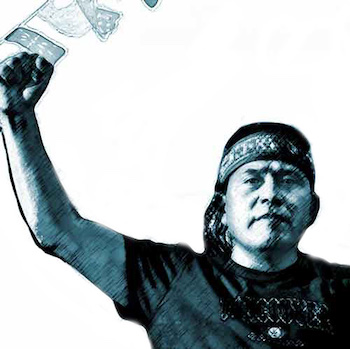
As environmental activists and human rights defenders, we are alarmed by a spike in violent attacks on and killings of land rights activists across the globe and, most recently, in Latin America. The latest in this disturbing trend is a violent assault onAlberto Curamil, a leader of the Indigenous Mapuche people in southern Chile and an activist working to protect his people’s land, water and other resources. As we write, we fear Alberto could become the latest casualty in a global war against Earth’s front-line protectors. [see: https://www.trueheroesfilms.org/thedigest/laureates/4f845ff0-86d2-4b12-97af-1590f6ba8602]
On April 29, Alberto was attending a protest along with his son andnephew, both teenagers. They were there to show support for Elena Paine, another Mapuche leader, and her community a day after her house and crops in Koyam Montre were burned to the ground. Alberto, Paine and members of the Machupe community believe that the threat may have come from far-right-wing groups in the area.
As Alberto and his teenage relatives were driving away from the protest, the back window of their truck was shattered by a tear-gas canister. When they got out of the vehicle, police shot Alberto at point-blank range three times with buckshot, which lodged in his back, side, arm and the back of his leg. Then, police beat the teens with batons while yelling “Pinche Mapuche” (“Lousy Mapuche”). The three were arrested and charged with disorderly conduct at a public event and breach of sanitary provisions. Alberto was taken to a hospital three hours after being brought into custody, bleeding and in excruciating pain. The teens were bruised, battered and traumatized.
This was not the first time Alberto had been a target of the Chilean government. In 2018, he was arrested and jailed for 15 months on false charges of armed robbery based entirely on hearsay evidence. He was acquitted of all charges and released in December 2019. Due to his imprisonment, he had been unable to receive the Goldman Prize — known as the “green Nobel” — at ceremonies in April and May 2019 in D.C. and San Francisco. He was previously arrested after being violently beaten by police in 2014.
Our alarm has led us, along with several dozen of our fellow Goldman Prize winners from across the globe, to demand assurances from Chilean President Sebastián Piñera that Alberto’s safety will be given the highest priority. We are also seeking support through appeals to the U.S. Congress, the European Union and the United Nations.
We believe time is of the essence, especially given the broader context of violence against those who stand up to protect the Earth. In 2016, the internationally celebrated Honduran Indigenous activist and Goldman Prize winner Berta Cáceres was murdered by operatives for the power company Desarrollos Energéticos (Desa) for her opposition to a hydroelectric project on the Rio Gualcarque. Seven men accused of plotting Cáceres’s murder were convicted and sentenced to between 30 and 50 years in prison. An eighth suspect, Roberto David Castillo Mejía, president and chief executive of Desa, is currently on trial, accused of masterminding the murder-conspiracy plot.
In its latest report, Global Witness recorded the highest number of environmental defenders killed in a single year — more than 212 people killed in 2019, a rate of four a week. More than two-thirds of the killings took place in Latin America. [see also: Global]
The killings of and assaults on Earth’s defenders worldwide have accelerated in some of the most fragile pristine landscapes and biodiverse countries, jeopardizing the fight against climate change and species extinction. In Mexico, police are investigating the suspicious killings of two employees at a butterfly reserve in 2020. That same month, six members of an Indigenous community were killed at a nature reserve in Nicaragua. And in South Africa, environmental activist Fikile Ntshangase was killed last year in an attack local activists fear was related to her opposition to disruptive local mining operations.
In Chile, Indigenous communities’ push for human rights go hand in hand with their struggle for land and water rights, as government-backed companies try to run them off their land with threats, harassment and violence.
Attacks on environmental defenders in Latin America and worldwide are not only an affront to human rights, but also a cause for deep alarm at a time when the world must fight climate change and bring about a sustainable future. We are demanding that the Chilean government take immediate steps to stop these aggressive and often deadly attacks on the Mapuche community. There should also be a thorough, independent investigation into the destruction of Paine’s home.
We must act against this brutality, or we threaten the fight for a planet in crisis.
The Goldman Environmental Prize, the “green Nobel Prize”, is awarded annually to activists fighting for the well-being of the planet. They’re often called “heroes”. But, foremost, they’re people. Common folk just like us. They don’t have superpowers or wear capes. And that’s what makes them so special. They’re the activists that are celebrated yearly by the Goldman Environmental Prize, also known as the “green Nobel Prize” [for more on this award and its laureates, see: https://www.trueheroesfilms.org/thedigest/awards/928A7FD2-4E3D-400E-BCE9-488658DA3BAF]
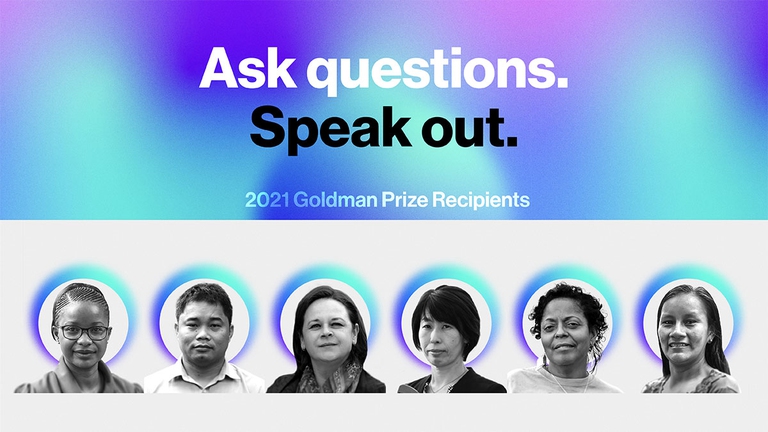
The winners of the 2021 Goldman Environmental Prize
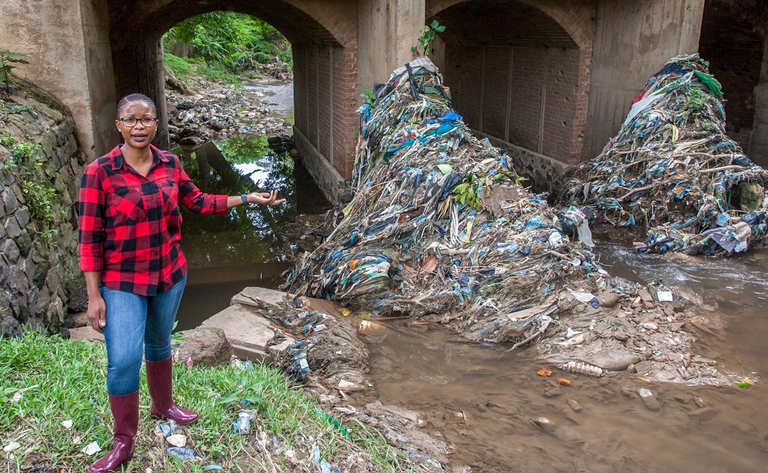
Gloria Majiga-Kamoto, Malawi, Africa
Concerned about the environmental damage caused by plastic pollution in the southeast African state of Malawi, Gloria Majiga-Kamoto decided to fight against this industry by campaigning to stop the production of thin plastics, a type of single-use polymer. Thanks to her campaign a national ban was adopted in 2019. This is the first time a person from Malawi wins the Goldman Prize.
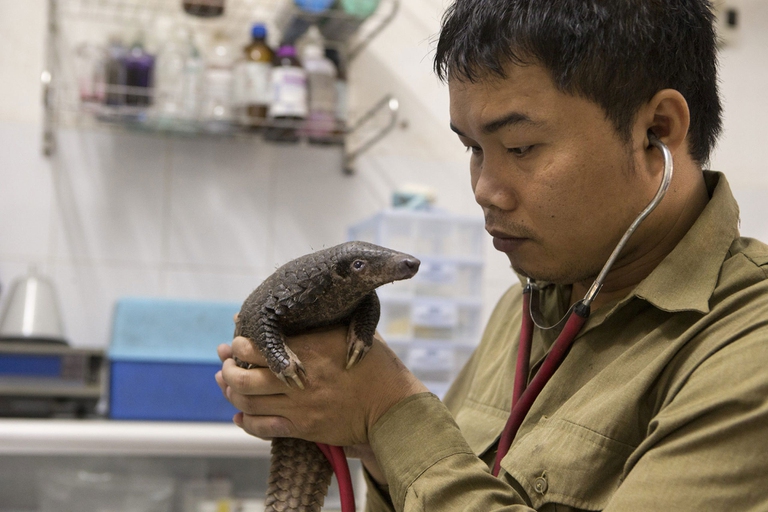
Thai Van Nguyen is the founder of the NGO Save Vietnam’s Wildlife, responsible for saving 1,540 pangolins from the illegal wildlife trade between 2014 and 2020. Nguyen also instituted the first Vietnamese anti-poaching unit. Since 2018, it has destroyed 9,701 animal traps, torn down 775 illegal camps, confiscated 78 guns and brought to the arrest of 558 poachers, leading to a significant reduction in illegal activities in Pu Mat National Park.
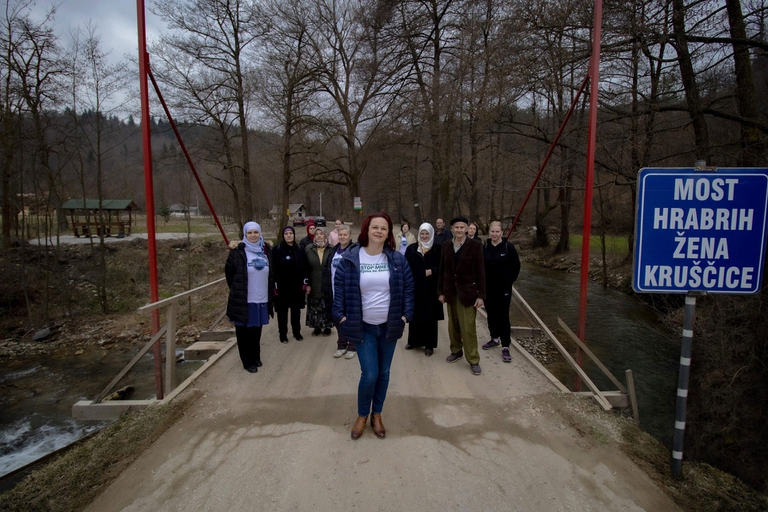
Together with the women in her village, Maida Bilal mounted a 503-days-long protest to stop the construction of two new dams on the Kruščica River in December 2018. The Balkans are home to Europe’s last wild rivers, but demand for hydroelectric power is threatening these precious ecosystems. This marks the first time that a person from Bosnia and Herzegovina receives the Goldman Environmental Prize.
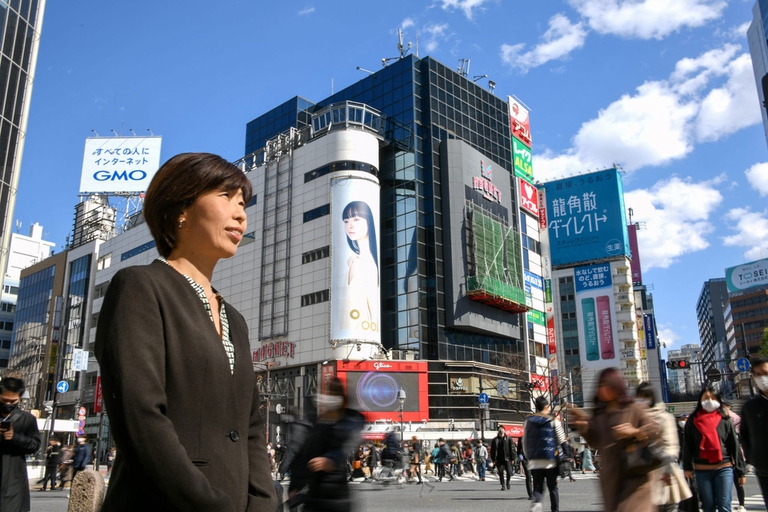
After the Fukushima nuclear disaster in 2011, Japan began relying on coal-based rather than nuclear energy. Kimiko Hirata’s decade-long campaign has stopped 13 new coal power plants from being built throughout the country. These would have released over 1.6 million tonnes of CO2 over their lifetimes. Therefore, Hirata’s efforts have avoided emissions equivalent to those of 7.5 million cars a year, for forty years.
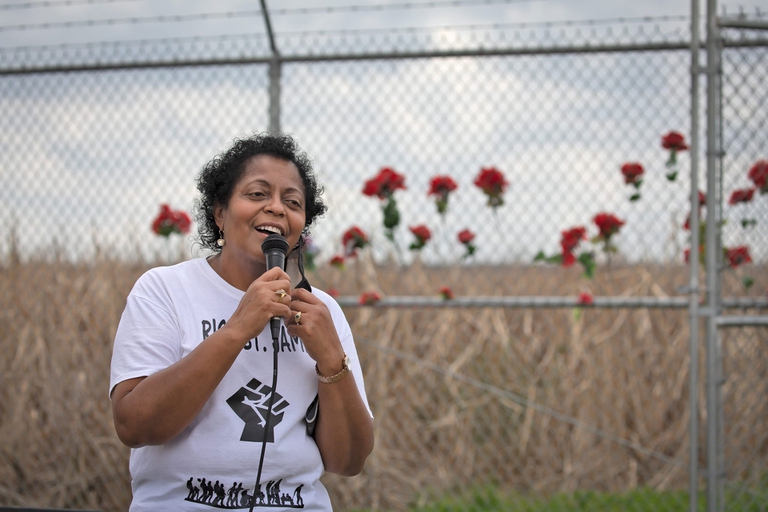
In September 2019, Sharon Lavigne, a special education teacher and climate justice advocate, succeeded in stopping the construction of an enormous plastic production plant in Mississippi, in the state of Louisiana. Lavigne mounted an opposition campaign, raised awareness in her community and organised peaceful protests to protect the right of her fellow citizens, especially African-Americans. The plant would have led to the release of huge amounts of toxic waste in an area where pollution is already destroying many lives.
Liz Chicaje Churay, Peru, South and Central America
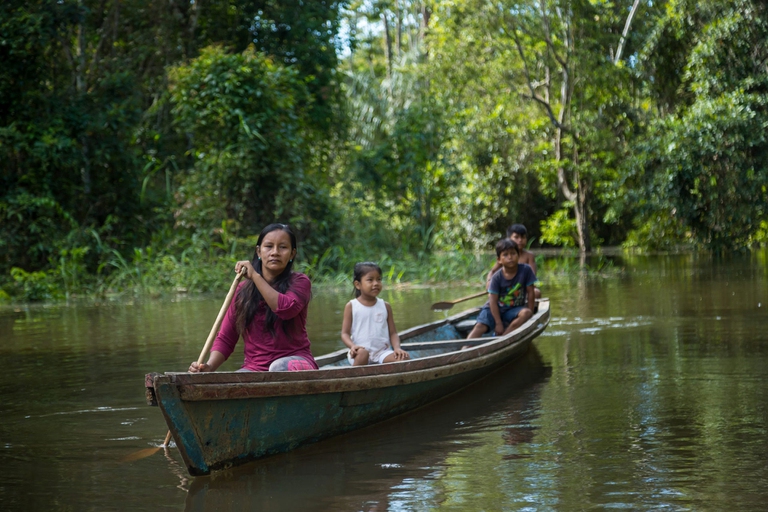
Thanks to Liz Chicaje Churay and her supporters, in January 2018 the Peruvian government created Yaguas National Park, which protects 800,000 hectares of the Amazon rainforest. The park is key to conserving local biodiversity as well as safeguarding thousands of unique species, carbon-rich peatlands and protecting indigenous peoples.
Scholars at Risk is seeking nominations for the 2021 Courage to Think Award, which will be presented during an award ceremony at its annual Free to Think event in November 2021. Please submit a nomination by July 31, 2021, here.
The Courage to Think Award recognizes individuals, groups, or institutions that have demonstrated an exemplary commitment to protecting scholars and promoting academic freedom, whether through their professional work, private or community service, or by facing personal risk. For more of this award and its laureates, see: https://www.trueheroesfilms.org/thedigest/awards/165B4CC5-0BC2-4A77-B3B4-E26937BA553C
According to the Bureau minutes of 2 and 4 June 2021, the extraordinary modalities for the 47th session should be similar to the modalities applied during the 46th session.
Thematic areas of interest:
Sexual orientation and gender identity
The Independent Expert on protection against violence and discrimination based on sexual orientation and gender identity will present his report, followed by an interactive dialogue on 24 June. The report seeks to document how particular narratives on gender are being used to fuel violence and discrimination based on sexual orientation and gender identity. In the report, the Expert examines how the incorporation of comprehensive gender theory enables more accurate and appropriate consideration of dynamics of negation and stigma, and the key role of law, public policy and access to justice in promoting either continuity of injustice or social change.
The report highlights the mandate’s position in relation to current narratives and constructions through which the application of gender frameworks, especially its promise for gender equality across diverse persons, is challenged; and build on gender concepts and feminist analysis to further substantiate the mandate’s understanding of root causes and dynamics of violence and discrimination based on sexual orientation and gender identity.
This report will be presented in the context of high levels of violence against trans and gender nonconforming people and those defending their rights. Beyond this, the COVID-19 pandemic has disproportionately impacted trans and gender nonconforming people and those defending their rights worldwide, especially those most marginalised.
Systemic racism, police brutality and violence against peaceful protests in the United States and globally
The High Commissioner will present the comprehensive report of Resolution 43/1 to the Council on 12 July followed by an interactive dialogue. ISHR previously joined 171 families of victims of police violence in the United States and over 270 civil society organisations from more than 40 countries in calling on the Council to establish an independent commission of inquiry into police killings of Black men and women, as well as violent law enforcement responses to protests in the United States….
The Council should ensure the establishment of robust international accountability mechanisms which would further support and complement, not undermine, efforts to dismantle systemic racism in the United States and globally, especially in the context of police violence against Black people.
Business and human rights
June 2021 marks the tenth anniversary of the unanimous endorsement by the Council of the United Nations Guiding Principles on Business and Human Rights (UNGPs). The Guiding Principles have become one of the key frameworks for private business to carry out their responsibility to respect human rights, for States to discharge their obligations under international law in relation to business activities, and for civil society and human rights defenders to utilise the UNGPs to demand structural changes in the way companies operate internationally. Human rights need to be an essential element of how businesses design their operations. After 10 years, we have the chance to look back and into the future with a critical eye. In that regard, a ‘Roadmap for the Next Decade’ will be presented by the UN Working Group on Business and Human Rights this month. ISHR continues to work with the UN, civil society and progressive companies to protect and promote the work of human rights defenders.
In tandem with its annual report, the UN Working Group will also present in June a long-awaited guidance document on business and human rights defenders based on the UNGPs. The ‘United Nations Guidance on the role of the Guiding Principles for engaging with, safeguarding and ensuring respect for the rights of human rights defenders’ was supported and informed by ISHR and partners, and builds on the experiences gathered through the Business Network on Civic Freedoms and Human Rights Defenders, an initiative ISHR co-founded with the Business and Human Rights Resource Centre. This document will become a key instrument for civil society, businesses and States in ensuring that human rights defenders are protected and recognised as essential actors in maintaining rule of law and a functioning shared civic space.
During the 42nd session, the Council adopted a resolution which listed key trends such as the patterns of reprisals, increasing self-censorship, the use of national security arguments and counter-terrorism strategies by States as justification for blocking access to the UN. The resolution also acknowledged the specific risks to individuals in vulnerable situations or belonging to marginalised groups, and called on the UN to implement gender-responsive policies to end reprisals. The Council called on States to combat impunity and to report back to it on how they are preventing reprisals, both online and offline.
Item 5 of the Human Rights Council’s agenda provides a key opportunity for States to raise concerns about reprisals, and for governments involved in existing cases to provide an update to the Council on any investigation or action taken toward accountability to be carried out.
During the organisational meeting held on 7 June, the President of the Council stressed the importance of ensuring the safety of those participating in the Council’s work, and the obligation of States to prevent intimidation or reprisals.
ISHR recently launched a study analysing 709 reprisals cases and situations documented by the UN Secretary-General between 2010 and 2020 and looked at trends and patterns in the kinds of cases documented by the UNSG, how these cases have been followed up on over time, and whether reprisal victims consider the UN’s response effective. Among other things, the study found that nearly half the countries serving on the Council have been cited for perpetrating reprisals. The study also found that the HRC Presidency appears to have been conspicuously inactive on intimidation and reprisals, despite the overall growing numbers of cases that are reported by the UNSG – including on individuals’ or groups’ engagement with the HRC – and despite the Presidency’s legal obligation to address such violations. The study found that the HRC Presidency took publicly reported action in only 6 percent of cases or situations where individuals or organisations had engaged with the HRC. Not only is this a particularly poor record in its own right, it also compares badly with other UN actors.
In line with previous calls, ISHR expects the President of the Human Rights Council to publicly identify and denounce specific instances of reprisals by issuing formal statements, conducting press-briefings, corresponding directly with the State concerned, publicly releasing such correspondence, and insisting on undertakings from the State concerned to investigate, hold the perpetrators accountable and report back to the Council on action taken.
Other thematic reports
At this 47th session, the Council will have dedicated debates with the mandate holders and the High Commissioner, including interactive dialogues with:
The High Commissioner on State response to pandemics
The Special Rapporteur on the right to housing
The Special Rapporteur on the right of everyone to the enjoyment of the highest attainable standard of physical and mental health
The Independent Expert on human rights and international solidarity
The Special Rapporteur on the right to education
The Special Rapporteur on extreme poverty and human rights
The Special Rapporteur on extrajudicial, summary or arbitrary executions
The Special Rapporteur on the rights to freedom of peaceful assembly and of association
The Special Rapporteur on the promotion and protection of the right to freedom of opinion and expression
The Working Group on arbitrary detention on its study on drug policies
The Special Rapporteur on the right to privacy
In addition, the Council will hold dedicated debates on the rights of specific groups including:
The Special Rapporteur on the human rights of migrants
The Special Rapporteur on the human rights of internally displaced persons
The Special Adviser on Prevention of Genocide
The Working Group on discrimination against women and girls
The Special Rapporteur on violence against women, its causes and consequences
The Special Rapporteur on trafficking in persons, especially women and children
The Special Rapporteur on the independence of judges and lawyers
The Special Rapporetur on the elimination of discrimination against persons affected by leprosy and their family members
Country-specific developments
China
One year after the UN Special Procedures issued a sweeping statement calling for the international community to take ‘decisive action’ on the human rights situation in China, much more remains to be done. Calls are growing for more clear and timely reporting from the UN, including the High Commissioner for Human Rights and her Office, on the repressive policies and practices targeting Uyghurs and other Turkic Muslims. At the same time, worrying news continues about violations of cultural rights of Tibetans, while Hong Kong’s democratic institutions – and its people – have suffered a series of blows from legislative, policy and legal decision targeting pro-democracy leaders. For the first time since 1989, peaceful public demonstrations to commemorate the massacre on Tiananmen Square were prohibited.
At the 46th session of the Council, over 30 States led by Finland urged Egypt to end its repression of human rights defenders, LGBTI persons, journalists, politicians and lawyers under the guise of countering-terrorism. The joint State statement ended years of a lack of collective action at the Council on Egypt, despite the sharply deteriorating human rights situation in the country. Egypt must answers these calls, starting by releasing the thousands arbitrarily detained, protecting those in custody from torture and other ill-treatment, and ending the crackdown on peaceful activists. The UN Working Group on Arbitrary Detention has previously concluded that arbitrary detention is a systematic problem in Egypt and the Committee against Torture has concluded that torture is a systematic practice in Egypt. To date, Egypt has failed to address all the concerns expressed by States, the High Commissioner and Special Procedures, despite repeated calls on the government, including most recently by over 60 NGOs. ISHR joined over 100 NGOs from across the world in urging the Council to establish a monitoring and reporting mechanism on Egypt and will continue to do so until there is meaningful and sustained improvement in the country’s human rights situation.
Saudi Arabia
This session will mark two years since the Special Rapporteur on extrajudicial, summary or arbitrary executions presented to the Council the investigation into the unlawful death of Saudi journalist Jamal Khashoggi, and yet no meaningful steps towards accountability have been taken by the Saudi authorities. The Special Rapporteur called on Saudi Arabia to “demonstrate non-repetition by: releasing all individuals imprisoned for the peaceful expression of their opinion and belief; independently investigating all allegations of torture and lethal use of force in formal and informal places of detention; and independently investigating all allegations of enforced disappearances and making public the whereabouts of individuals disappeared”. To date, Saudi Arabia has refused to address these key concerns, which were also raised by over 40 States at the Council in March 2019, September 2019 and September 2020, further demonstrating its lack of political will to genuinely improve the human rights situation and to engage constructively with the Council. The sentencing and subsequent release of several women’s rights activists highlights the importance of the Council’s scrutiny which must be sustained in order to secure meaningful, concrete, and systematic gains. We recall that the Special Rapporteur also called on Member States to support resolutions that seek to ensure or strengthen accountability for the execution of Khashoggi. ISHR reiterates its call on the Council to establish a monitoring and reporting mechanism on the human rights situation in Saudi Arabia.
Colombia
After more than a month of strikes and street protests in Colombia, which have seen protestors killed at the hands of law enforcement officers and civilians, and human rights defenders covering the events threatened and attacked, the Council session provides States with the opportunity to take action. States must call on Colombia to respect the human rights of its people – including the right to freedom of peaceful assembly – and address the underlying causes of the protests, including violations of economic, social and cultural rights, inequality and racial discrimination. This situation of violence and non-compliance with all standards of the use of force has had a particular impact on the Afro-descendant population. Specific calls from Colombian civil society include for OHCHR to investigate and report on the protests in the country including gather statistical data on the facts that threaten the human rights of Afro-Colombian people; for the High Commissioner to visit Colombia when possible; and for Colombia to open its doors to a range of Special Rapporteurs to allow for ongoing monitoring and reporting. The High Commissioner, who has made a statement on the situation in the country, will present her annual report at the start of the session and it is hoped and expected that Colombia will feature as a country of concern. [see also: https://humanrightsdefenders.blog/2020/01/20/colombia-21-january-2020-civil-society-begins-a-much-needed-patriotic-march/]
Nicaragua
Last March, the Council renewed its resolution on the human rights situation in Nicaragua, which strengthened the High Commissioner’s office monitoring and reporting mandate, by including an interim oral update with recommendations in the context of upcoming national elections. Despite the resolution’s clear calls on the Government to repeal recently adopted laws that harshly restrict civic space, stop targeting human rights defenders and journalists, and urgently implement reforms to ensure free and credible elections, the Nicaraguan authorities have acted in the opposite direction. While UN experts ‘deplore spate of attacks and arrests of human rights defenders’, the OHCHR publicly expressed their deep concern that ‘Nicaragua’s chances of holding free and genuine elections on 7 November are diminishing as a result of measures taken by authorities against political parties, candidates and independent journalists, which further restrict the civic and democratic space’. As the High Commissioner will present her oral update on Nicaragua on 22 June, States should call on Nicaragua to urgently reverse course and implement the recommendations from resolution 46/2, in particular to guarantee the enjoyment of the rights to freedom of information, expression, association and assembly, and the right to take part in the conduct of public affairs; and to swiftly put an end to the harassment (including the judicial harassment) and detention of journalists and ex-members of the Violeta Chamorro Foundation and Confidencial media outlet.
Venezuela
Venezuela will be back on the Council’s agenda with OHCHR providing an update on the situation of human rights in the country, including in regard to UN recommendations (5 July). Recent positive developments in the country, including the nomination to the National Electoral Council of individuals supported by a broad swathe of civil society, are offset by continuing human rights and humanitarian crises. The UN’s recommendations to Venezuela are numerous, wide-ranging and largely ignored. States must use opportunities at the Council to press home the importance of those recommendations being heeded. ISHR looks forward to making a statement during the dialogue, focusing in on levels of implementation of recommendations. Given that reprisals against Venezuelan defenders have been common over recent years – with cases cited in eight of the Secretary General’s reports on cooperation with the UN since 2010 – it is essential that States speak out in support of civil society engagement and that the UN define a preventative strategy to ensure defenders’ protection.
Burundi
On 30 June 2020, the Supreme Court of Burundi set aside the ruling by the Appeals Court to uphold the 32-year sentence in Rukuki’s case and ordered a second appeal hearing, citing violations to his right to a fair trial. This second appeal hearing took place 8 months later on 24 March 2021 in Ngozi prison, where he is currently detained. According to the Burundian Code of Criminal Procedure, following the hearing the Court has 30 days to return a verdict on the case, but this verdict is still pending nearly 60 days later. This delay clearly demonstrates a lack of due process in the case of the internationally recognised human rights defender and political prisoner. In an open letter, a group of civil society organisations denounced the dysfunctioning of judicial proceedings in the country. After confirming the 32 years sentence of defender Germain Rukuki, Burundi continues its crackdown against civil society. Germain Rukuki has now spent nearly 4 years in prison. He has already waited an additional 30 days for this final verdict to be announced without any legal reason; he should not have to wait any longer. In addition to ensuring the continued work of the Commission of Inquiry on Burundi, members of the Council need to call on Burundi to demonstrate their commitment to respect the independence of the judiciary and comply fully with the fair trial obligations of Burundi under international law and announce the verdict in this case without any further delay. [see also: https://humanrightsdefenders.blog/2019/03/29/ngo-statement-condemns-new-irregularities-in-the-case-of-germain-rukuki-burundi/]
The Council will consider reports on and is expected to consider resolutions addressing a range of country situations, in some instances involving the renewal of the relevant expert mandates. These include:
Interactive Dialogue with the SR on the situation of human rights in Eritrea
Oral update by the High Commissioner on the situation of human rights in Nicaragua
Interactive Dialogue with the SR on the situation of human rights in Belarus
Interactive Dialogue with the Commission of Inquiry on the Syrian Arab Republic
Interactive Dialogue with the High Commissioner on the human rights situation of Rohingya Muslims and other minorities in Myanmar and Interactive Dialogue with the SR on the situation of human rights in Myanmar
Interactive Dialogue with the SR on the situation of human rights in the Palestinian Territories occupied since 1967
Interactive Dialogue with the High Commissioner on Ukraine and interim report of the Secretary-General on human rights in Crimea
Interactive Dialogue with the Independent Expert on the situation of human rights in the Central African Republic
Council programme, appointments and resolutions
During the organisational meeting for the 47th session held on 7 June the President of the Human Rights Council presented the programme of work. It includes seven panel discussions. States also announced at least 22 proposed resolutions. Read here the reports presented this session.
The President of the Human Rights Council will propose seven candidates for the following sevent mandates:
The Independent Expert on the enjoyment of human rights by persons with albinism;
The Special Rapporteur on the right to privacy;
The Special Rapporteur on violence against women, its causes and consequences;
Two members of the Working Group of Experts on People of African Descent (one from Asia-Pacific States and one from Eastern European States);
A member of the Working Group on Enforced or Involuntary Disappearances, from Western European and other States;
The Independent Expert on the effects of foreign debt and other related international financial obligations of States on the full enjoyment of all human rights, particularly economic, social and cultural rights
As of 8 June, however, the recommended candidates list was only available for four of the above positions, due to challenges among the Consultative Group, the five individuals appointed from each UN region to interview and shortlist candidates. It is critical that the process overcome such delays, so as to avoid any protection gaps arising from a failure to appoint a new mandate holder.
Resolutions to be presented to the Council’s 47th session
The following resolutions were announced (States leading the resolution in brackets):
Menstrual hygiene, human rights and gender equality (Africa Group)
Elimination of harmful practices (Africa Group)
Cooperation with and assistance to Ukraine in the field of human rights (Ukraine)
Situation of human rights of Rohingya Muslims and other minorities in Myanmar (OIC)
The protection of human rights in the context of human immunodeficiency virus (HIV) and acquired immunodeficiency syndrome (AIDS) (Brazil, Colombia, Mozambique, Portugal, Thailand)
The human rights situation in the Syrian Arab Republic, on missing persons and enforced disappearances (France, Germany, Italy, Jordan, Kuwait, Netherlands, Qatar, Turkey, United Kingdom of Great Britain and Northern Ireland, United States of America)
The human rights situation in Belarus, mandate renewal (EU)
The human rights situation in Eritrea, mandate renewal (EU)
Negative impact of corruption on the enjoyment of human rights ( Austria, Argentina, Brazil, Ethiopia, Indonesia, Morocco, Poland, United Kingdom of Great Britain and Northern Ireland)
Enhancement of international cooperation in the field of human rights (Azerbaijan on behalf of NAM)
New and emerging digital technologies and human rights (Austria, Brazil, Denmark, Morocco, Republic of Korea, Singapore)
Human rights of migrants (Mexico)
Impact of arms transfers on human rights (Ecuador, Peru)
Civil society space (Chile, Ireland, Japan, Sierra Leone, Tunisia)
Realizing the equal enjoyment of the right to education by every girl (UAE, UK)
Preventable maternal mortality and morbidity (Colombia, New Zealand, Estonia)
The promotion, protection and enjoyment of human rights on the Internet (Brazil, Nigeria, Sweden, Tunisia, United States of America)
Accelerating efforts to eliminate all forms of violence against women (Canada)
Right to education (Portugal)
Adoption of Universal Periodic Review (UPR) reports
During this session, the Council will adopt the UPR working group reports on Federated States of Micronesia, Lebanon, Mauritania, Saint Kitts and Nevis, Australia, Saint Lucia, Nepal, Oman, Austria, Myanmar, Rwanda, Georgia, Sao Tome and Principe and Nauru.
ISHR supports human rights defenders in their interaction with the UPR. We publish and submit briefing papers regarding the situation facing human rights defenders in some States under review and advocate for the UPR to be used as a mechanism to support and protect human rights defenders on the ground.
Panel discussions
During each Council session, panel discussions are held to provide member States and NGOs with opportunities to hear from subject-matter experts and raise questions. Seven panel discussions are scheduled for this upcoming session:
High-level panel discussion on the multisectoral prevention of and response to female genital mutilation
Panel discussion on the tenth anniversary of the Guiding Principles on Business and Human Rights
Panel discussion on the human rights of older persons in the context of climate change [accessible panel]
Annual full-day discussion on the human rights of women, one on violence against women and girls with disabilities, and another on gender-equal socioeconomic recovery from the COVID-19 pandemic
Quadrennial panel discussion on promoting human rights through sport and the Olympic ideal [accessible panel]. Theme: The potential of leveraging sport and the Olympic ideal for promoting human rights for young people
Annual thematic panel discussion on technical cooperation and capacity-building. Theme: Technical cooperation to advance the right to education and ensure inclusive and equitable quality education and lifelong learning for all
The University of York has decided to name its new college after Ugandan David Kato who went to the university in 2010 for six months as a Protective Fellow on the Human Rights Defenders Programme at the Centre for Applied Human Rights (CAHR).
The announcement comes during national Refugee Week (June 14-20 ) as the university celebrates its newly-awarded status as a University of Sanctuary with a launch event on today (Wednesday).
David’s time in York provided respite from his role in Uganda as a human rights activist, and his legacy supports the University’s continued commitment to the lesbian, gay, bisexual and transgender communities (LGBT+).
He returned home to Uganda to fight the country’s controversial anti-homosexuality act. But he was murdered in Kampala in 2011, weeks after winning a court victory over a tabloid paper that called for homosexuals to be killed.
Vice-Chancellor, Professor Charlie Jeffery said: “Colleges are an integral part of university life here at York and we knew we wanted an inspiring role model when naming our new college – one which would also reflect our belief in equality, diversity and inclusion.
Director of the Centre for Applied Human Rights, Professor Paul Gready said:“The naming of the David Kato College also symbolises and demonstrates our admiration of, and solidarity with, human rights defenders across the world and with all previous Protective Fellows, of which there have been over 90 from more than 45 countries over the last 12 years.
The University will mark its newly-awarded status as a University of Sanctuary with an online event tonight (June 16) at 6.30pm. The event will include the launch of a film which tells the story of how York became a University of Sanctuary for refugees, asylum seekers, human rights defenders and those in need of humanitarian protection. The film will be followed by a round-table discussion. Go to http://www.refugeeactionyork.org/refugee-week.
The Oak Institute for Human Rights has named Olga Sadovskaya, a Russian human rights lawyer, as its 2021 Human Rights Fellow. Sadovskaya, vice chair of the Committee Against Torture, the largest and most notable anti-torture organization in Russia, has worked on issues surrounding torture for more than 18 years. In 2017 she was shortlisted for the Nobel Peace Prize.
Sadovskaya, who hails from the city of Nizhny Novgorod in western Russia, will join the Colby community in August and will engage with students, faculty, staff, and the greater community throughout the fall semester.
Olga Sadovskaya, the 2021 Oak Human Rights Fellow, will join the Colby community for the Fall 2021 semester and raise awareness on issues of torture and incarceration in Russia and around the world.
“The consistent violation of human rights in the carceral system is not only a major global problem but it is an urgent issue in the United States. There is a pressing need to confront and find better solutions to our current prison system,” said Valérie Dionne, director of the Oak Institute for Human Rights and associate professor of French. “We are lucky to have Olga Sadovskaya coming to campus to share her experience combating torture and to explore potential solutions with us that could replace the current carceral system.”
The Committee Against Torture (CAT), established in 2000 by Sadovskaya and three other activists, created accountability for torture previously missing in Russia. Torture was scarcely discussed, and victims were often scared, ashamed to speak out, or believed justice was unattainable. Even with CAT’s work, however, the practice of torture prevails, and investigations into torture are still inadequate. This problem is amplified in the Chechen Republic, where CAT is the sole organization working on cases of torture and abductions.
During her early years at the organization, Sadovskaya’s role as an investigator included collecting evidence of torture in prisons, penal colonies, police stations, and psychiatric institutions. Over time, she transitioned to analysis and international defense work with the European Court of Human Rights and various UN bodies. Sadovskaya also trains lawyers on how to work with the European Court of Human Rights. See also: https://humanrightsdefenders.blog/2015/12/02/russian-olga-sadovskaya-keeps-fighting-torture/
Drawing upon years of experience with torture cases, Sadovskaya and her team wrote and published a methodology for public investigations, widely used by human rights organizations in Russia. Sadovskaya has personally represented more than 300 victims of torture before the European Court of Justice. Two of the cases were included in the list of the 20 most important cases that changed Russia (Case-Law of the European Court of Human Rights, Special issue, 5, 2018).
While working against state-sanctioned torture, Sadovskaya has faced personal threats, including threats of murder, particularly for her work in Chechnya. The committee’s office has been burned down several times, and members’ cars have been destroyed. Sadovskaya is also periodically monitored and constantly at risk of being accused of baseless crimes.
The Oak Human Rights Fellowship will give Sadovskaya a much-needed respite to return to Russia with renewed energy. As the 2021 Oak Fellow, she will connect with Colby students and raise awareness on issues of torture and incarceration in Russia and around the world.
These are the dates for the 2021 Rafto Prize Events. They are live-streamed. You can watch them on RAFTO’s website and on Facebook.
The Rafto Prize Announcement (online )
Thursday 23 September at 10:00 AM (CEST)
Watch the press conference where the Head of the Rafto Prize Commitee announces the recipient of the Rafto Prize 2021! The live-stream starts at 09:30, and will include interviews and commentaries by experts and Rafto staff.
The Rafto Conference (online) Saturday 13 November at 11:00-14:00
Join our online conference with keynote speech by Rafto Laureate 2021. The conference will shed light on and discuss human rights challenges related to this year’s Rafto Prize. Free of charge and open for everyone to attend. Speakers and program TBA
The Award Ceremony (online) Sunday 14 November at 18:00-19:15
Live broadcasted from Den Nationale Scene, Bergen, we are celebrating this year’s Rafto Laureate with an award ceremony and a concert. Free of charge. Artists and perfomances TBA
Torchlight procession, Den Nationale Scene in Bergen. Sunday 14 November at 19:30
After the Award Ceremony there will be a torchlight procession, that will start outside of Den Nationale Scene, Bergen. Physical attendance only.
Mirage news of 8 June 8, 2021 tells the sad story of Artur Ligęska, a 40-year-old Polish citizen who has spoken out widely about torture and ill-treatment in Emirati prisons. He was found dead in his apartment in Amsterdam, the Netherlands on May 26, 2021. The Gulf Centre for Human Rights and Human Rights Watch are deeply saddened by the news of his death and extend their sincere condolences to his friends and family.
Following his release from al-Sadr prison in May 2019, Artur dedicated himself to seeking justice for the abuse he and other prisoners suffered in prison, especially Ahmed Mansoor, an award-winning human rights defender who is on the advisory boards of GCHR and Human Rights Watch. [see: https://www.trueheroesfilms.org/thedigest/laureates/074ACCD4-A327-4A21-B056-440C4C378A1A]Artur was a uniquely valuable source of information on prison conditions in the United Arab Emirates (UAE).
He was an activist, author, and fitness expert and had recently celebrated the second anniversary of his acquittal on May 9. He had been sentenced to life in prison in the UAE following a deeply flawed trial on drug charges despite the absence of any evidence of drugs in his possession.
In a voice message to a friend at GCHR on May 9, Artur said, “My main wish for this new-life birthday is freedom for Ahmed Mansoor. I really do hope that this year will be special for him. I was thinking all day about him. I remember our last talk, and I was thinking about his wife and kids. …In the last days, Ahmed told me ‘Don’t forget about me.’”
Artur said he was planning to organize a protest in The Hague soon to call for Ahmed’s release. Artur’s many actions to help Ahmed included advocacy with Polish and EU officials, providing human rights groups with information, taking part in human rights events, documentary films and TV appearances, and writing about Ahmed in his two books.
Artur first phoned GCHR staff in April 2019 to tell them that Ahmed was on a hunger strike and told them that he was worried that Ahmed might die because his health had deteriorated greatly. He told GCHR that Ahmed was being held in “terrible conditions” in a cell with no bed, no water, and no access to a shower. Ahmed today remains in a 2-by-2 meter isolation cell with no bed or mattress, serving a 10-year prison sentence for his human rights activities.
Despite suffering serious trauma after suffering abuse as a prisoner in the UAE, Artur again phoned GCHR to share the good news that human rights groups’ advocacy had been successful. Ahmed had ended his hunger strike after being allowed to phone his ill mother and to go outside to see the sun for the first time in two years. Artur sacrificed phone calls to his own family to make calls on behalf of Ahmed, referring to him as a brother.
Following his release, Artur was able to provide GCHR with more details about what he called the “medieval prison conditions” in al-Sadr prison, including periods when there was no running water despite extreme heat.
Artur told GCHR that after he left the UAE, he had undergone surgery and therapy to treat the damage done by the rape and psychological torture that he said he was subjected to but he was recovering well and taking classes to become a journalist and human rights professional.
On April 13, 17 European Parliament members wrote to the EU’s High Representative Josep Borrell to express their “deepest concern over the ongoing human rights violations in the United Arab Emirates, particularly with regards to the systematic crackdown on freedom of speech and expression and the subsequent retaliation received during detention.” The letter mentions Ahmed, and also refers to Artur, noting, “The use of torture has not been limited to Emirati nationals, as there have also been instances of EU citizens that have reported facing brutal torture at the hands of prison authorities.”
On October 22, 2020, Amnesty Westminster Bayswater and GCHR held an online event, The Prisoner and the Pen, featuring the writing, songs and poetry of prisoners who are human rights defenders and the work of writers and artists from the Middle East and North Africa region. The event, held on Ahmed ‘s birthday, included his poems. Artur read from his memoir, “The Sheikh’s Different Love,” published in 2019 in Polish. He has also written a second bestselling book in Poland, “Prison Diary.” His story is documented in a film by Hossam Meneai, Isolation Cell 32, which debuted at the Polish Film Festival in America in November. Artur also appears in an upcoming documentary about Ahmed Mansoor made by Manu Luksch.
Artur’s untimely and unexpected death comes as a great shock to those who knew him. The Dutch police are investigating the circumstances of his death.
The prize is worth €10 000 and the award ceremony will be held at the Council of Europe’s headquarters in Strasbourg on or around 17 January 2022 – the date of Raoul Wallenberg’s arrest in Budapest in 1945.
The Prize Jury consists of six independent persons with acknowledged moral standing in the field of human rights and humanitarian work, appointed by the Secretary General of the Council of Europe, the Swedish Ministry of Foreign Affairs, the municipality of Budapest, the Raoul Wallenberg Institute in Lund, the United Nations High Commissioner for Refugees (UNHCR) and the Raoul Wallenberg family.
The deadline for submitting candidatures for the 5th edition of the Prize is 31 October 2021.
Human Rights First announced that it will present Karapatan, Alliance for the Advancement of People’s Rights, with its annual William D. Zabel Human Rights Award in recognition of its commitment to human rights in the Philippines. For more on this award and its laureates, see: https://www.trueheroesfilms.org/thedigest/awards/984CA015-FE02-4992-8AED-4EB1AEC7D0EE
Karapatan is a Philippines-based alliance of human rights organizations, programs, committees, and individual advocates that have been at the forefront of the struggle for human rights in the country since 1995.
“Human Rights First has tremendous respect and admiration for Karapatan and the work done by Tinay Palabay,” said Michael Breen, president and CEO of Human Rights First. “They are human rights defenders whom the government of Philippines regularly targets, and we hope this award, and our ongoing partnership, helps shine a bright light on their efforts and shields them from additional threats.”
With more than forty member organizations and sixteen regional chapters across the country, Karapatan addresses extrajudicial killings, enforced disappearances, political prisoners and militarization all across the Philippines. The Alliance helps organize mass actions that expose human rights violations and challenge State policies and actions that promote the culture of impunity.
Karapatan documents human rights violations through fact-finding missions; files cases through courts, even quasi-judicial bodies like the Commission on Human Rights, the United Nations, and other international human rights bodies. It also refers victims to medical professionals and groups for psycho-social and additional assistance; and organizes victims of human rights violations and their families.
It also monitors peace negotiations between the Philippine government and the National Democratic Front of the Philippines and the nation’s adherence to the Comprehensive Agreement on the Respect for Human Rights and International Humanitarian Law and other agreements.
“Fifteen human rights workers of Karapatan have been killed in the past five years, nearly 70 since 2001, and many more are imprisoned or are facing judicial harassment and threats because of their work in defending human rights,” said Tinay Palabay of Karapatan. “This recognition is an homage to their memory and legacy of selflessness, compassion and service to the poor and oppressed and we continue to honor them every day as we do the best that we can in advocacy, documentation, direct services and movement-building in the Philippines.”
Human Rights First and Karapatan are currently working on a pilot project testing “Digital Shield,” an application that tracks threats of violence and harassment made against the organization and its members online.



 Hans Thoolen on Human Rights Defenders and their awards
