NEWS WIRES of 12 April 2021 reports that thirteen people who describe themselves as “victims of forced confessions broadcast on Chinese television” are urging European satellite operator Eutelsat to reconsider carrying Chinese channels CGTN and CCTV4.
“We are asking you… to determine whether television providers in democratic societies ought to continue to be morally complicit in the broadcast of information that is intentionally twisted and obtained through torture,” the group said.
“We are only a dozen victims able to speak out…. Many other victims are in prison. A few have been executed...The victims have no way of demanding reparations. The only way to stop this is for television regulators to investigate and take measures,” the group added.
The letter notes Australian public broadcaster SBS stopped using content from Chinese state-run television in March pending a review of human rights concerns.
French audiovisual regulator CSA determined in March that CGTN met the technical criteria necessary for broadcasting but just this week Safeguard Defenders submitted two complaints against the channel.
One cited an allegedly coerced interview with a Uighur child and the other was a defamation complaint from German researcher Adrian Zenz, whose reports on the treatment of Uighurs in China’s western Xinjiang region have drawn rebukes from Beijing.
Simon Cheng, a former British consulate staffer in Hong Kong, who was granted asylum in the UK after allegedly being tortured by Chinese secret police also signed the letter.
Also giving support is Swedish activist and Safeguard Defenders co-founder Peter Dahlin, who spent three weeks in jail in 2016 before being expelled from the country as a national security threat.
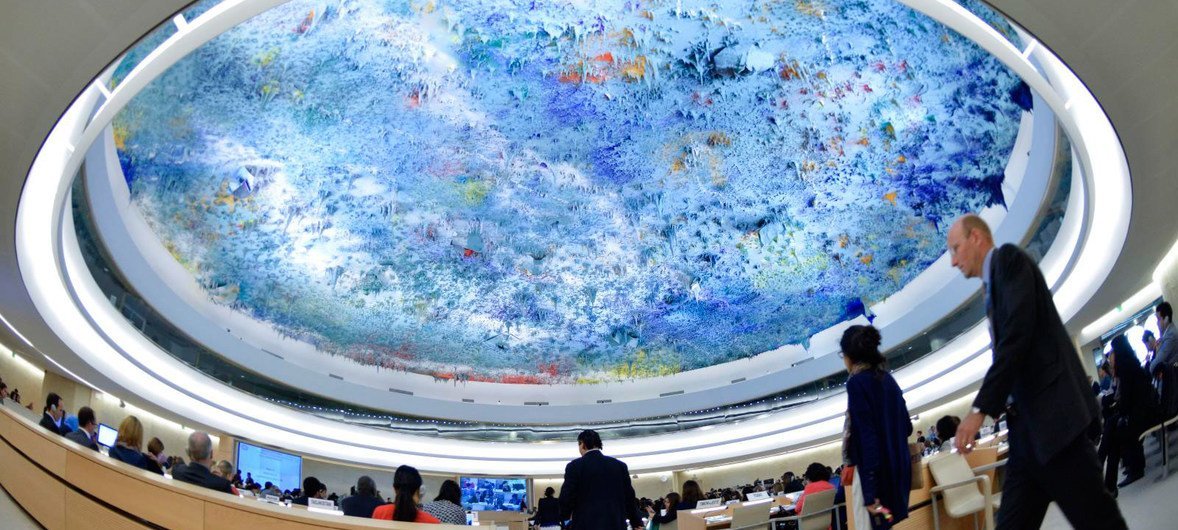
UN Photo/Jean-Marc FerréA general view of the Geneva-based UN Human Rights Council in session. 24 March 2021
The UN’s top rights forum passed resolutions condemning abuses of fundamental freedoms in Belarus and Myanmar on Wednesday, in response to ongoing concerns over the human rights situation in both countries.
The ISHR and another 15 organisations (see below) produced as usual their reflections on the key outcomes of the 46th session of the UN Human Rights Council, as well as the missed opportunities to address key issues and situations including pushbacks and other human rights violations faced by migrants and refugees, and the human rights situations in Algeria, Cameroon, China, India, Kashmir and the Philippines.
They welcome some important procedural advances such as the possibility for NGOs to make video statements, which should be maintained and expanded after the pandemic for all discussions, including in general debates. …They are concerned by the renewal for another year of the ‘efficiency’ measures piloted in 2020, despite their negative impact on civil society participation in a year also impacted by the COVID-19 pandemic. We urge States to reinstate general debates in the June sessions, to preserve their open-ended nature, and maintain the option of video intervention also in general debates.
Environmental justice:
They welcome the joint statement calling for the recognition of the right of all to a safe, clean, healthy and sustainable environment that was delivered by the Maldives, on behalf of Costa Rica, Morocco, Slovenia and Switzerland and supported by 55 States. We call on all States to seize this historic opportunity to support the core-group as they continue to work towards UN recognition so that everyone in the world, wherever they live, and without discrimination, has the right to live in a safe, clean and sustainable environment.
We welcome the joint statement that was delivered by Bangladesh, on behalf of 55 States, calling the Council to create a new Special Rapporteur on human rights and climate change. We believe this new mandate would be essential to supporting a stronger human rights-based approach to climate change, engaging in country visits, normative work and capacity-building, and further addressing the human rights impacts of climate responses, in order to support the most vulnerable. This mandate should be established without further delay.
Racial Justice: Over 150 States jointly welcomed that the implementation of HRC Resolution43/1 will center victims and their families. They urge the Council to respond to the High Commissioner’s call to address root causes of racism including the “legacies of enslavement, the transatlantic trade in enslaved Africans, and its context of colonialism”. The Council must answer to the demands of victims’ families and civil society’s, and establish – at its next session – an independent inquiry to investigate systemic racism in law enforcement in the United States and a thematic commission of inquiry to investigate systemic racism in law enforcement globally, especially where it is related to legacies of colonialism and transatlantic slavery.
Right to health: The resolution on ensuring equitable, affordable, timely, and universal access by all countries to vaccines in response to the COVID-19 pandemic is a welcome move in highlighting the need for States not to have export and other restrictions on access to safe diagnostics, therapeutics, medicines, and vaccines, and essential health technologies, and their components, as well as equipment and encouraged States to use all flexibilities within TRIPs. However, a revised version of the resolution tabled was further weakened by the deletion of one paragraph on stockpiling of vaccines and the reference to ‘unequal allocation and distribution among countries”. The specific deletion highlights the collusion between rich States and big pharmaceuticals, their investment in furthering monopolistic intellectual property regimes resulting in grave human rights violations. The reluctance of States, predominantly WEOG States who continue to defend intellectual property regimes and States’ refusal to hold business enterprises accountable to human rights standards is very concerning during this Global crisis.
Attempts to undermine HRC mandate: They regret that once again this Council has adopted a resolution, purportedly advancing ‘mutual beneficial cooperation’ which seeks to undermine and reinterpret both the principle of universality and its mandate. Technical assistance, dialogue and cooperation must be pursued with the goal of promoting and protecting human rights, not as an end in itself or as a means of facilitating inter-State relations. We reiterate our call on all States, and especially Council members, to consider country situations in an independent manner, based on objective human rights criteria supported by credible UN and civil society information. This is an essential part of the Council’s work; reliance on cooperation alone hobbles the Council’s ability to act to support the defenders and communities that look to it for justice.
Country-specific resolutions: They welcome the new mandate for the High Commissioner focused on the human rights situation in Belarus in the context of the 2020 Presidential election. It is now essential for States to support the High Commissioner’s office, ensuring the resources and expertise are made available so that the mandate can be operationalised as quickly as possible. Immediately afterwards, on 24 March, 2021 the Human Rights House Foundation published a call by 64 Belarusian and international human rights organisations, welcoming the resolution passed by the UN Human Rights Council mandating the High Commissioner to create a new robust monitoring and reporting mandate focused on accountability for human rights violations in Belarus that have taken place since 1 May 2020. In so doing, the Council demonstrated its determination to hold Belarusian authorities to account. This mandate needs immediate action. We urge the international community to support this critical next step. The mandate should provide a complementary and expert international mechanism to regional accountability processes already under way. Furthermore, it should assist in the identification of those responsible for the most serious violations for future prosecution. [https://humanrightshouse.org/statements/civil-society-organisations-call-for-the-immediate-operationalisation-of-hrcs-new-mandate-on-belarus/]
They welcome the renewal of the mandate of the Special Rapporteur on Iran, and urge Council to consider further action to hold Iranian authorities accountable, in view of the systematic impunity and lack of transparency surrounding violations of human rights in the country.
They welcome the call for additional resources for the Special Rapporteur on Myanmar, increased reporting by OHCHR as well as the work of the IIMM. Lack of international monitoring on, the imposition of martial law in Myanmar to prosecute civilians, including protesters, before military courts, the dangerous escalation of violence by the Tatmadaw and the widespread human rights violations amounting to crimes against humanity demand more efforts to ensure accountability.
They welcome the renewal and strengthening of the OHCHR’s monitoring and reporting mandate on Nicaragua, in a context of steady human rights deterioration marked by the Government’s refusal to cooperate constructively with the Office, over two years after its expulsion from the country. The adopted resolution lays out steps that Nicaragua should take to resume good faith cooperation and improve the situation ahead of this year’s national elections. It is also vital that this Council and its members continue to closely follow the situation in Nicaragua, and live up to the resolution’s commitments, by considering all available measures should the situation deteriorate by next year.
They welcome the increased monitoring and reporting on the situation of human rights in Sri Lanka. However, in light of the High Commissioner’s report on the rapidly deteriorating human rights situation and Sri Lanka’s incapacity and unwillingness to pursue accountability for crimes under international law, the Council should have urged States to seek other avenues to advance accountability, including through extraterritorial or universal jurisdiction.
While they welcome the extension of the mandate of the Commission on Human Rights in South Sudan (CHRSS), they regret the adoption of a competing resolution under the inadequate agenda item 10. This resolution sends a wrong signal as myriads of local-level conflicts and ongoing SGBV and other violations of fundamental rights continue to threaten the country’s stability. We urge South Sudan to continue cooperating with the CHRSS and to demonstrate concrete progress on key benchmarks and indicators.
They welcome the report by the Commission of Inquiry on Syria on arbitrary imprisonment and detention and reiterate the recommendation to establish an independent mechanism “to locate the missing or their remains”, and call on States to ensure the meaningful participation of victims and adopt a victim-centered approach, including by taking into consideration the Truth and Justice Charter of Syrian associations of survivors and families of disappeared when addressing arbitrary detention and enforced disappearance.
Country-specific State statements: They welcome States’ leadership and statements on human rights situations that merit the HRC’s attention.
They welcome the joint statement on the situation in Ethiopia’s Tigray region and urge all actors, including the Ethiopian Federal Government, to protect civilians and ensure unhindered humanitarian access. Those responsible for crimes under international law, including Ethiopian soldiers, members of armed militias and non-State groups, and Eritrean soldiers involved in Tigray, must be held criminally accountable. The HRC should mandate an independent investigation and reporting by the High Commissioner.
For the first time in seven years, States at the HRC have united to condemn the widespread human rights violations by Egypt and its misuse of counter-terrorism measures to imprison human rights defenders, LGBTI persons, journalists, politicians and lawyers and peaceful critics. They welcome the cross-regional joint statement by 32 States and we reiterate our call supported by over 100 NGOs from across the world on the HRC to establish a monitoring and reporting mechanism on the situation.
They welcome the joint statement by 45 States focused on the human rights situation in Russia, including the imprisonment of Alexi Navalny and the large number of arbitrary arrests of protestors across Russia. The statement rightly expresses concern for shrinking civil society space in Russia through recent legislative amendments and Russia using its “tools of State” to attack independent media and civil society.
The next session will receive a report on pushbacks from the Special Rapporteur on human rights of migrants. The Council must respond to the severity and scale of pushbacks and other human rights violations faced by migrants and refugees in transit and at borders and the ongoing suppression of solidarity, including by answering the High Commissioner’s call for independent monitoring. The Council’s silence feeds impunity, it must build on the momentum of the joint statement of over 90 States reaffirming their commitment to protection of the human rights of all migrants regardless of status.
While the OHCHR expressed deep concern about the deteriorating human rights situation and the ongoing crackdown on civil society in Algeria, and called for the immediate and unconditional release of arbitrarily detained individuals, the Council has remained largely silent. As authorities are increasingly arbitrarily and violently arresting protesters – at least 1,500 since the resumption of the Hirak pro-democracy movement on 13 February, they call on the Council to address the criminalisation of public freedoms, to protect peaceful protesters, activists and the media.
Cameroon is one of the human rights crises the Council has failed to address for too long. They condemn the acts of intimidation and reprisal exercised by the Cameroonian government in response to NGOs raising concerns, including DefendDefenders. This is unacceptable behavior by a Council member. The Council should consider collective action to address the gross human rights violations and abuses occurring in the country.
They echo the calls of many governments for the Council to step up its meaningful action to ensure that concerns raised by civil society, the UN Special Procedures and the OHCHR about the human rights situation in China be properly addressed, including through an independent international investigation. We also regret that a number of States have taken an unprincipled approach of voicing support to actions, such as those by the Chinese government, including in Xinjiang and Hong Kong, through their national and other joint statements.
They call for the Council’s attention on the rapid deterioration of human rights in India. Violent crackdowns on recent farmers’ protests, internet shutdowns in protest areas, sedition and criminal charges against journalists reporting on these protests, and criminalisation of human rights defenders signal an ongoing dangerous trend in restrictions of fundamental freedoms in India. We call on India to ensure fundamental freedoms and allow journalists, HRDs and civil society to continue their legitimate work without intimidation and fear of reprisals. [see also: https://humanrightsdefenders.blog/2020/10/29/also-un-calls-on-india-to-protect-human-rights-defenders/]
We once again regret the lack of Council’s attention on the human rights crisis in Kashmir. Fundamental freedoms in the Indian-administered Kashmir remains severely curtailed since the revocation of the constitutional autonomy in August 2019. Raids in October and November 2020 on residences and offices of human rights defenders and civil society organisations by India’s anti-terrorism authorities in a clear attempt at intimidation have further exacerbated the ongoing crisis. We call on the OHCHR to continue to monitor and regularly report to the Council on the situation in both Indian and Pakistani administered Kashmir, and on Indian and Pakistani authorities to give the OHCHR and independent observers unfettered access to the region. [See also; https://humanrightsdefenders.blog/2020/02/09/forgotten-kashmir-something-has-to-be-done/]
Nearly six months since its adoption, the Council Resolution 45/33 on technical assistance to the Philippines has proven utterly insufficient to address the widespread human rights violations and persistent impunity. Killings in the war on drugs continue, and attacks on human rights defenders and activists have escalated. The killing of nine unarmed activists on 7 March 2021 clearly demonstrates that no amount of technical assistance will end the killings as long as the President and senior officials continue to incite violence and killings as official State policy. It is imperative that the Council sets up an international accountability mechanism to end the cycle of violence and impunity in the Philippines. [see also: https://humanrightsdefenders.blog/2021/03/09/philippines-killings-continue-and-de-lima-stays-in-jail/]
Watch the statement:
*The statement was also endorsed by: Franciscans International; Egyptian Initiative for Personal Rights (EIPR); International Commission of Jurists (ICJ); International Movement Against All Forms of Discrimination and Racism (IMADR); Asian Forum for Human Rights and Development (FORUM-ASIA); African Centre For Democracy And Human Rights Studies; International Federation for Human Rights Leagues (FIDH); MENA Rights Group; International Lesbian and Gay Association; Impact Iran; Ensemble contre la Peine de Mort (ECPM); Siamak Pourzand Foundation; Cairo Institute for Human Rights Studies (CIHRS); ARTICLE 19; CIVICUS: World Alliance for Citizen Participation.
NOTE: The 47th regular session of the Human Rights Council is scheduled from 21 June 2021 to 9 July 2021.
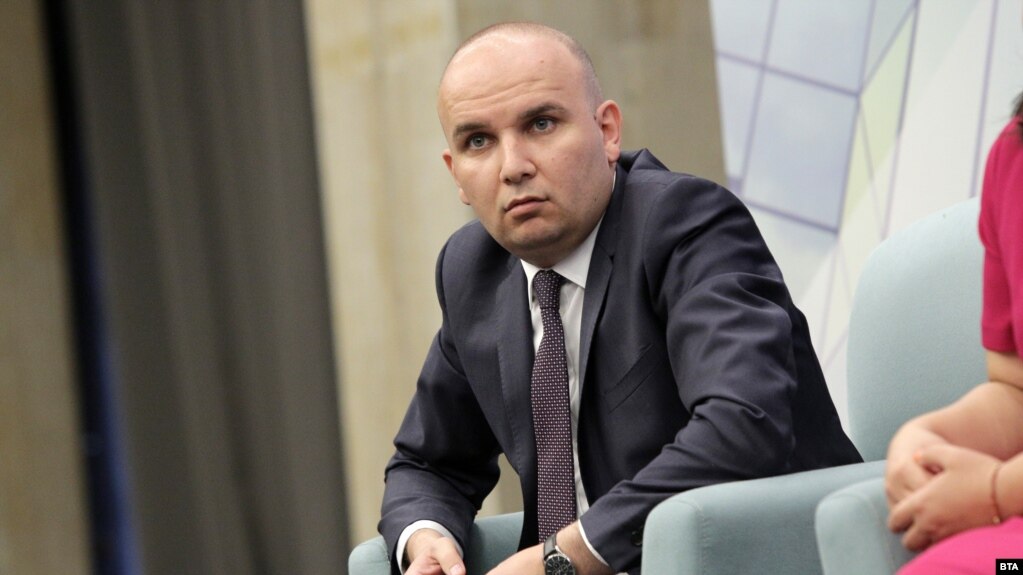
“I think it’s because of my active role in nominating Professor Ilham Tohti for the Sakharov Prize,” Ilhan Kyuchyuk told RFE/RL when asked why he was among 10 European individuals blacklisted by Beijing on March 22.
China’s Foreign Ministry announced that Kyuchyuk was on its tit-for-tat blacklist list after coordinated Western sanctions were imposed against Chinese officials and companies over the abuse of the rights of the mainly Muslim ethnic-Uyghur community in the Xinjiang region.
In addition to Kyuchyuk, Beijing sanctioned four other members of the European Parliament – Reinhard Butikofer and Michael Gahler from Germany, Raphael Glucksmann from France, and Miriam Lexmann from Slovakia.
On 12 March 2021 the NGO ‘Chinese Human Rights Defenders‘ announced that human rights defenders Li Yufeng and Li Qiaochu are recipients of the seventh Cao Shunli Memorial Award for Human Rights Defenders. The decision to give this year’s award to both Ms. Li Yufeng and Ms. Li Qiaochu recognizes their long-standing civil society activism to promote protection of human rights in China. Both recipients are currently detained in China for their human rights activism.
Cao Shunli died on March 14, 2014, after police denied her adequate medical treatment. Police detained Cao Shunli to prevent her from attending a session of the UN Human Rights Council and an international human rights training in Geneva. Last year on the fifth anniversary of Cao Shunli’s death, several UN independent human rights experts renewed their call for an independent investigation. In calling for justice for Cao, the experts said, “Cao Shunli’s case is emblematic of the struggle that many human rights defenders in China face.” Chinese President Xi Jinping has repeatedly underlined China’s efforts to “safeguard the international system with the UN at its core” and yet the tragic death of Cao Shunli highlights the extraordinary lengths the Chinese government has gone into to stop its own citizens from freely cooperating with the UN human rights operations.
Meet the honorees
Li Yufeng, 63, human rights defender, is currently detained by the Chinese government for her rights advocacy. Li began petitioning in the early 2000s, seeking legal accountability for the forced eviction and demolition of her home by government backed developers. The obstacles she encountered and the punishments she experienced over the years led her to join and support actions with other victims and activists to seek justice. Li actively campaigned for the abolition of “re-education through labor”, a now-defunct system of administrative detention. Li has annually memorialized the victims of the 1989 Tiananmen Massacre.
Li Yufeng was seized by police in October 2015 and criminally detained on suspicion of “gathering a crowd to disrupt order of a public place” and subsequently arrested in a clear act of reprisal for her human rights advocacy work. Li was tried in closed-door proceedings and sentenced to 4-year in January 2017. Li was released in February 2019. But soon after, in July 2019, police detained Li again at Jiaozuo Detention Center in Henan Province to punish her for carrying on rights advocacy.
Li Qiaochu, 30, has long been a human rights advocate against gender-based violence, an advocate for labour rights, and for the building of civil society more broadly. Ms. Li graduated from Renmin University, and earned a master’s degree in public policy from the University of York in England in 2015. She went back to China to work as a research assistant at Tsinghua University.
Li Qiaochu is currently detained at the Linyi City Detention Center in Shandong, after police took her into custody on February 6, 2021. Li Qiaochu had posted many tweets to expose details of torture of detained legal advocate Xu Zhiyong and lawyer Ding Jiaxi. Li Qiaochu is likely targeted in retaliation for her engagement with UN human rights mechanisms.
In 2017, Li Qiaochu volunteered to provide information and resources to affected migrant workers when Beijing authorities forcibly removed them from the city. Li increased visibility of China’s #MeToo movement by compiling data on sexual harassment, garnered greater publicity to combat the exploitative “966” work culture. Li sought to support family members of China’s detained and persecuted prisoners of conscience by speaking out publicly about their plight. When COVID-19 broke out, she participated in online efforts to provide much-needed PPE to sanitation workers in Beijing. On 31 December 2019, Li was summoned by police, and she was subsequently held incommunicado from 16 February 2020 to 19 June 2020.
Revealed for the first time: Reminiscent of what is happening in Hong Kong today, this is a story about underground film-making, radical art, and censorship. In 1979, Chi Xiaoning created his “Film of Star Group Activities of 1979.” It is the only known video documenting the radical activities of the Stars Group, avant-garde artists from China who championed individuality and freedom of expression. The only copy of the footage is in the M+ Collections in Hong Kong. American film-maker Andy Cohen, a regular Global Insights Magazine contributor, portrays this story in his 2020 film ‘Beijing Spring’, which is being premiered internationally at the Geneva Human Rights Film Festival (FIFDH) in March, 2021. [see https://fifdh.org/en/2021/film/120-beijing-spring]
In Global Geneva of 11 February 2021 Andy Cohen writes about the challenges behind Chi Xiaoning’s daring film-making during a period that was subject to severe censorship in favour of official propaganda art.
Before the 1980s, documentary films in China were mostly propaganda made to serve the ideological purposes of the Communist Party. Views critical of the party were prohibited. Only one official voice could be heard: that of the government. Film-makers obeyed Mao Zedong’s dictum that artists’ works should reflect the lives of the masses — the workers, peasants, and soldiers—for whom they were made. These films, scripted and staged using ‘model people’ instead of ordinary subjects, were crafted in a dogmatic, formulaic style that put a positive spin on government policies.
By 1979, however, the political tide in the People’s Republic had turned and the scent of reform began to fill the air, heralding what would become known as the Beijing Spring. Mao Zedong had died a few years earlier, and the nation had begun to reawaken after thirty years of oppression that had claimed more than fifty million lives. Deng Xiaoping, the new ‘paramount leader’, experimented with not only economic reforms but also loosening restrictions on freedom of speech. He even tolerated the open postings of government criticisms in one easily monitored locale in central Beijing — a long brick wall running along Xidan Street just west of Tiananmen Square that came to be known as Democracy Wall.
Originally intended for workers and peasants to post the grievances they’d suffered during the Cultural Revolution, the wall was quickly overtaken by artists and activists, who seized the opportunity to post their radical works in such a prominent place. These artworks and writings not only exposed the suffering the country had been through but also focused on the present plights of ordinary people, emphasising that every individual is unique, equal, and imbued with the right to openly express thoughts and emotions without being crushed or silenced.
A young Beijing film-maker named Chi Xiaoning used this moment to shoot an unofficial documentary about the Democracy Wall movement in a style different from its predecessors. Chi chose to focus his film on the daring activities of one specific group that had arisen from the underground magazine Today: a band of artists who called themselves the Stars Group (Xingxing). Explaining the imagery behind the choice of the name, the group’s co-founder Ma Desheng said: ‘When I was growing up there was only one star in the sky: the red sun, Mao Zedong. Many stars mean many people. Every individual is a star.’
In order to realise his vision, Chi needed to overcome one major obstacle: finding a camera and film stock, both of which were unavailable to the average person. Luckily for Chi, his faithful friend Ren Shulin was among the precious few who not only knew how to operate a camera but actually had access to one.
In May 1979, Ren was assigned to work at the Institute of Coal and Carbon Science. His job was to film official documentaries about safety in coal mines. ‘To smuggle one or two boxes of film out of my service was easy. To get more? That took some time. And to get the movie camera out — that racked my brains,” Ren later stated. In the end, Ren succeeded and the two began filming on 27 September, 1979, the first day that the Stars Group hung an unofficial exhibition on the perimeter fence outside of Beijing’s China Art Gallery (now known as the National Art Museum of China). Simultaneously, an official propaganda art show was being held inside the space.
Adding to this paradox was the name of the film Ren had smuggled out: Every Generation Is Red (Dai Dai Hong). Ren’s knowledge and courage enabled him to play the crucial role of camera assistant, steadily unloading and reloading the reels under the cover of trees at the eastern wall of the gallery. By keeping the film stock safe from the crowds, avoiding the scrutiny of undercover police, and feeding him reels, Ren enabled Chi to continuously film the Stars exhibition on the fence.
The camera Ren smuggled out was a hand-wound Gansu’s Light model (Gan Guang). This made Chi’s already difficult task all the more so, as he aimed to capture real events unfolding in real time. A fully wound camera could shoot for only thirty seconds, and an entire box of film produced only three minutes of footage. This time constraint, coupled with having to avoid the police, tested Chi’s improvisational style.
Chi climbed the back of the fence to capture the impressions of onlookers as they stared at the artworks with shock and awe. Chi’s method, like the Stars artists’, focused on ordinary people such as factory workers, teachers with students, and the elderly. He recorded their genuine emotions and free expressions typically hidden beneath the outer masks that had become the default after years of toeing the party line.
The fact the Stars artists also employed original, modernist styles and content, utilising free forms and abstraction, added a meta-artistic layer to the undertaking. Chi shot an avant-garde film about avant-garde artists during a time when the act of filming was also considered an act of protest. This was art for art’s sake, produced about and with the aim of freedom of expression. Chi’s lens revealed faces viewing never-before-seen artworks that challenged the aesthetic conventions of the party, and that depicted the naked female body in twisted modern forms. The first day was a success for both the Stars artists and the greater artistic principle.
Early the next morning, Chi and Ren were back at the fence, locked, loaded, and ready to film, when the police suddenly arrived to take down the Stars Group exhibit. As the police closed in, Chi wound his way through the crowds, in and out of the chaos ‘like a wartime journalist in a battlefield’, as Ren later described it. After tearing the art off the fence, the police surrounded Chi and Ren. They had no chance to escape. The police confiscated the camera from Chi. From Ren, they took the camera bag containing the used and unused film stock.
“I was very nervous,” Ren recounted. “If the camera was confiscated, I’d be fired from my job at the institute. But Xiaoning was calm, arguing with the other side.” After being kept in a windowless room inside the museum for hours, the film and the camera were abruptly and inexplicably returned to Chi and Ren. For some reason, the authorities’ mood was sympathetic to the artists that day.
The Stars Group artists, on the other hand, were angry that their show had been terminated and their artworks confiscated. Together with other political activists, they planned a protest rally and march. Everyone knew this could mean jail time for the ringleaders.
The Stars rally was an enormous provocation to the Communist leaders — it was reported on and documented by foreign media at the time — and it was planned for 1 October: National Day and the thirtieth anniversary of the founding of the People’s Republic. The big parade had been cancelled in light of Mao’s death in 1976; now, in its stead, the Stars and their supporters took it upon themselves to march from Democracy Wall to the Municipal Building. Chi planned to film it but told Ren not to assist him. If caught, there was no sense in both of them going to jail, as he would need Ren to develop the reels and edit the film.
Chi stood atop Democracy Wall, filming as the rally began. When the group headed for the Municipal Building, Chi and his camera weaved in and out. He went inside factories and shot from windows to capture workers’ perspectives; he zoomed in on passengers’ reactions as they peered from the windows of passing buses; he filmed the crowds of protestors marching along rainy streets, zooming in on their puddle-pounding feet.
While the crowds marched on, Ren waited anxiously all day for news of his friend. This was an era before cell phones and pagers. It was inevitable that, with a 16mm camera in hand, filming in highly visible locations, Chi once again attracted the omnipresent authorities’ attention. When asked how Chi had saved his film, Stars Group artist and friend Wang Keping recounted that Chi had told him he’d exposed the part that had not yet been filmed, tricking the police into thinking it was useless. Beyond showcasing his enormous talent, what makes Chi’s footage even more spectacular and immediate is the constant risk of arrest he faced while filming.
In stark contrast to his main action footage of the protest march, Chi also shot B-roll focusing on scenes by the lake in the park of the Old Summer Palace. In its deceptively quiet manner, however, the B-roll is just as avant-garde. From the weather conditions it is evident that he filmed on two different occasions. On the first day, the water was calm, as were the demeanours of the subjects—rowing on the lake, playing guitars or mah-jong, strolling along tree-lined trails, and picnicking. This idleness was diametrically opposed to the ‘heroic’ actions of the ‘model people’ in official documentaries. The calmness of the lake mirrors the first quiet day of the exhibit.
On the second day of B-roll, the wind was flapping the red flags on the bridge and bending the branches of trees, reflecting the chaos of the protest march. Chi’s use of contrasting weather filmed at the park echoes the inner emotions of his subjects as well as the political events surrounding them. The B-roll shows close-ups of everyday objects with an anthropomorphic introspection: the empty rowboats lined up like cadres, crates of empty soda bottles (Coca-Cola had just entered China in December 1978), goldfish swimming in a vendor’s water-filled plastic bag—all shots considered unsuitable for documentaries at the time.
When asked why the style of this footage can now be considered groundbreaking, Ren replied, “Documentary films in China were almost all propaganda, not the expression of the author himself. We were conscious of this, so our film, from idea to structure to visual language, was different from documentaries of that time.”
Despite its significance, almost no one knew about this unfinished film until recently. In total, it comprises forty-seven minutes of raw footage, out of sequence, that was hidden from the authorities for the past thirty-five years. Fearing for the safety of his friends and his family, Chi hid the salvaged footage in a confidant’s home, swearing him to secrecy.
After Chi’s untimely death in 2007, no one knew the whereabouts of the footage, not even Ren, as it had been kept underground, passed from friend to friend. The footage was eventually recovered and the only copy now resides in the M+ Collections.
Film of Star Group Activities of 1979 by Chi Xiaoning and Ren Shulin reflects on and documents the social, cultural, and political changes that took place during the Beijing Spring. This treasure trove will be mined for years to come by film-makers, historians, and art historians alike. This pivotal moment in China’s history, which gave birth to its democracy movement, could not have been possible without the powerful combination of art and activism that coalesced at Democracy Wall. And because of the courageous feats of one documentarian and his assistant cameraman, history will forever have the visual accounts of those exciting times.
Andy Cohen is an American documentary film-maker, journalist and author based in Geneva. Much of his work is investigative and human rights-based. Cohen’s films have been shown at the FIFDH Geneva, Venice Film Festival, Telluride, Tribeca, Traverse City, Toronto International Film Festival, Berlin Film Festival, and the Sundance Film Festival, among others, and broadcast on PBS, BBC, UK Ch4, ARTE, Netflix, and Amazon.For more information about AC Films, please go to his website.
A version of this article was first published byM+ HK.
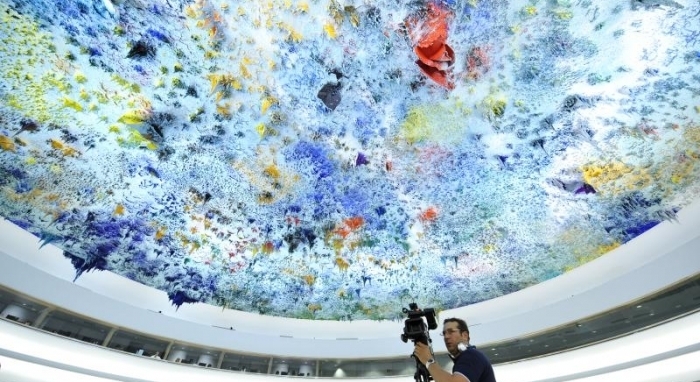
Although I have decided to focus this blog mostly on human rights defenders and their awards, I will make an exception for the regular sessions of the UN Human Rights Council of which the46th session has started on 22 February and which will last until to 23 March 2021. This post is based on the as always excellent general overview published by the International Service for Human rights: “HRC46 | Key issues on agenda of March 2021 session”. Here’s an overview of some of the key issues on the agenda which affect HRDs directly:
Modalities for NGOs this year: According to the Bureau minutes of 4 February 2021: “Concerning the participation of NGOs in the 46th session, the President clarified that under the proposed extraordinary modalities, NGOs in consultative status with the ECOSOC would be invited to submit pre-recorded video statements for a maximum of three general debates in addition to the interactive dialogues, panel discussions and UPR adoptions as they had been able to do during the 45th session. In addition, “the Bureau agreed that events organised virtually by NGOs in consultative status with the ECOSOC could be listed on the HRC Extranet for information purposes.”
Human Rights implications of COVID-19
The pandemic – and States’ response to it – has presented various new challenges and threats for those defending human rights. The pandemic has exposed and deepened existing discrimination, violence and other violations. Governments have used COVID as a pretext for further restricting fundamental rights, including through the enactment of legislation, and specific groups of defenders – including WHRDs and LGBTI rights defenders – have lost their livelihoods, access to health services have reduced and they have been excluded from participating in pandemic responses. Action to address the pandemic must be comprehensive and systemic, it must apply a feminist, human rights-based, and intersectional lens, centred on non-discrimination, participation and empowerment of vulnerable communities. Last March ISHR joined a coalition of 187 organisations to draw the Council’s attention to the situation of LGBTI persons and defenders in the context of the pandemic.
Reports of cases of intimidation and reprisals against those cooperating or seeking to cooperate with the UN not only continue, but grow. Intimidation and reprisals violate the rights of the individuals concerned, they constitute violations of international human rights law and undermine the UN human rights system. See also: https://humanrightsdefenders.blog/tag/reprisals/
The UN has taken action towards addressing this critical issue including:
Establishing a dedicated dialogue under item 5 to take place every September;
Affirmation by the Council of the particular responsibilities of its Members, President and Vice-Presidents to investigate and promote accountability for reprisals and intimidation; and
Appointment of the UN Assistant Secretary General on Human Rights as the Senior Official on addressing reprisals.
ISHR remains deeply concerned about reprisals against civil society actors who try to engage with UN mechanisms, and consistent in its calls for all States and the Council to do more to address the situation.
During its 42nd session, the Council adopted a resolution which listed key trends such as the patterns of reprisals, increasing self-censorship, the use of national security arguments and counter-terrorism strategies by States as justification for blocking access to the UN. The resolution also acknowledged the specific risks to individuals in vulnerable situations or belonging to marginalised groups, and called on the UN to implement gender-responsive policies to end reprisals. The Council called on States to combat impunity and to report back to it on how they are preventing reprisals, both online and offline.
Item 5 of the Human Rights Council’s agenda provides a key opportunity for States to raise concerns about reprisals, and for governments involved in existing cases to provide an update to the Council on any investigation or action taken toward accountability to be carried out.
During the organisational meeting held on 8 February, the President of the Council stressed the importance of ensuring the safety of those participating in the Council’s work, and the obligation of States to prevent intimidation or reprisals.
In line with previous calls, ISHR expects the President of the Human Rights Council to publicly identify and denounce specific instances of reprisals by issuing formal statements, conducting press-briefings, corresponding directly with the State concerned, publicly releasing such correspondence with States involved, and insist on undertakings from the State concerned to investigate, hold the perpetrators accountable and report back to the Council on action taken.
Other thematic reports
At this 46th session, the Council will discuss a range of economic, social and cultural rights in depth through dedicated debates with mandate holders, and consider the annual report of the Secretary-General on the question of the realization in all countries of economic, social and cultural rights. The debates with mandate holders include:
The Special Rapporteur in the field of cultural rights, annual report on COVID-19, culture and culture rights and country visit to Tuvalu
The Special Rapporteur on the right to adequate housing, annual report on twenty years on the right to adequate housing: taking stock – moving ahead and country visit to New Zealand
The Council will discuss a range of civil and political rights through dedicated debates with the mandate holders, including:
The Special Rapporteur on freedom of religion or belief, annual report on combating anti-Muslim hatred
The Special Rapporteur on the right to privacy, annual report on artificial intelligence and privacy, and children’s privacy, and country visit reports to the United Kingdom, France, Germany, United States of America, Argentina, and Republic of Korea.
In addition, the Council will hold dedicated debates on the rights of specific groups including:
In addition, the Council will hold dedicated debates on interrelation of human rights and human rights thematic issues including:
The Special Rapporteur on human rights and the environment, annual report on human rights and the global water crisis: water pollution, water scarcity and water-related disasters
The Special Rapporteur on the promotion and protection of human rights while countering terrorism, annual report on human rights impact of counter-terrorism and countering (violent) extremism policies and practices on the rights of women, girls and the family
Country-specific developments
China
A pile of evidence continues to mount, including the assessment from the UN Committee on the Elimination of Racial Discrimination, about policies of the Chinese government targeting ethnic and religious minorities, including Uyghurs, Tibetans and Mongolians. The rule of law is being further eroded in Hong Kong, as deeply-respected principles of due process and pluralistic democracy are disappearing at an alarming rate. Human rights defenders and ordinary citizens confront ongoing crackdowns on civic freedoms, pervasive censorship and lightning-fast recourse to administrative sanction, enforced disappearance and trumped-up national security charges to silence critics. – In the face of this, inaction has become indefensible.
The UN Special Procedures issued a sweeping statement in June 2020, calling for the international community to take ‘decisive action’ on the human rights situation in the country. At the March session, ISHR urges States to convey at the highest level the incompatibility of China’s actions domestically with its obligations as a new Council member, and to continue to press for transparency, actionable reporting and monitoring of the situation. Statements throughout the Council are key moments to show solidarity with individual defenders – by name – , their families, and communities struggling to survive. And finally, States should take every opportunity to support efforts by China that meaningfully seek to advance human rights – while resolutely refuting, at all stages of the process, initiatives that seek to distort principles of human rights and universality; upend the Council’s impressive work to hold States up to scrutiny; and weaken the effectiveness and impact of the Council for victims of violations and human rights defenders. Furthermore, other Council members should step up their commitments to the body’s mandate and purpose, and reject efforts by China and its partners and proxies. See also: https://humanrightsdefenders.blog/tag/china/
Egypt
The Egyptian authorities continue to systematically carry out patterns of reprisals against human rights defenders for their legitimate work, including for engagement with UN Special Procedures. These have included arbitrary arrests and detention, enforced disappearance, torture, unlawful surveillance, threats and summons for questioning by security agencies. The government’s refusal to address key concerns raised by States in its response to the UPR in March 2020 demonstrated its lack of political will to address its deep challenges and to engage constructively with the Council. ISHR reiterates its call on the Council to establish a monitoring and reporting mechanism on the human rights situation in Egypt. See also: https://humanrightsdefenders.blog/tag/egypt/
Saudi Arabia
In 2020, the Council continued its scrutiny over the human rights situation in Saudi Arabia. Yet, the Saudi government has failed the litmus test to immediately and unconditionally release the women’s rights activists and human rights defenders, instead they continued to prosecute and harshly sentence them for their peaceful activism. On 10 February 2021, it was reported that WHRDs Loujain Al-Hathloul, and Nouf Abdulaziz have been released conditionally from prison after spending over two and a half years in detention solely for advocating for women’s rights, including the right to drive and the dismantling of the male guardianship system. ALQST reported that WHRDs Nassima al-Sadah and Samar Badawi remain in detention and that “in a worrying development, the Public Prosecution has appealed the initial sentence issued on 25 November 2020 by the Criminal Court against al-Sadah of five years and eight months in prison, half of it suspended, seemingly with the aim of securing an even harsher sentence”. See: https://www.trueheroesfilms.org/thedigest/laureates/1a6d84c0-b494-11ea-b00d-9db077762c6c
The government’s refusal to address this key concern raised in the three joint statements demonstrates its lack of political will to genuinely improve the human rights situation and to engage constructively with the Council. ISHR reiterates its call on the Council to establish a monitoring and reporting mechanism on the human rights situation in Saudi Arabia.
Nicaragua
On 24 February, the Council will hold an interactive dialogue on the High Commissioner’s report on Nicaragua. Despite the renewal of Resolution 43/2, the human rights situation in Nicaragua has steadily deteriorated over the last months. Civil society space has sharply shrank, due to new restrictive laws on foreign agents and counter-terrorism, while attacks against journalists and human rights defenders -the last remaining independent human rights observers – continue. The lack of an independent judiciary or NHRI further deprives victims of the possibility to seek justice and redress. Whilst the repression deepens, State inaction in the face of the Covid-19 pandemic and the passage of hurricanes have also exacerbated the ongoing humanitarian crisis and the deprivation of economic, social, and cultural rights. In light of upcoming elections in Nicaragua, ISHR urges the Council to renew and strengthen its resolution on the human rights situation in Nicaragua, laying down a clear benchmark of key steps the State should take to demonstrate its willingness to cooperate in good faith, while clearly signaling the intention to move towards international investigation and accountability should such cooperation steps not be met within the year. States should also increase support to targeted defenders and CSOs by raising in their statements the cases of student Kevin Solís, Aníbal Toruño and Radio Darío journalists, trans activist Celia Cruz, as well as the CENIDH and seven other CSOs subject to cancellation of their legal status.
Venezuela
Venezuela will come under the spotlight several times with oral updates from OHCHR on the situation of human rights in the country (25 February, 11 March) and an update from the international fact-finding mission on Venezuela (10 March). OHCHR is mandated to report on the implementation of the recommendations made to Venezuela, including in reports (here and here) presented last June. The fact-finding mission has started work on its renewed and strengthened 2-year mandate, despite delays in the disbursement of funds and is due to outline its plans to the Council. Intensifying threats and attacks on civil society in Venezuela since November 2020, provide a bleak context to these discussions. States should engage actively in dialogue on Venezuela, urging that recommendations be implemented – including facilitating visits from Special Rapporteurs; that the fact-finding mission be granted access to the country and that civil society be promoted and safeguarded in its essential work.
Burundi
On 2 February 2021, the Supreme Court of Burundi announced its decision allegedly adopted on 23 June 2020 to sentence 12 defenders to life in prison. The date of the adoption of this decision was announced after the Court decided to defer it further to 30 June 2020 and again after that. The Court never assigned or informed the 12 concerned of the proceedings. This case was investigated and judged in the absence of all those concerned and the sentence only made public seven months after the alleged proceedings took place. Among the victims of this arbitrary procedure are renown lawyers such as Me Armel Niyongere, Vital Nshimirimana and Dieudonné Bashirahishize, who are being targeted for their engagement in the defense of victims of the 2015 repression in Burundi and for filing complaints for victims to the International Criminal Court (ICC) in The Hague. A group of civil society organisations denounced the dysfunctioning and lack of independence of judicial proceedings in the country. After confirming the 32 years sentence of defender Germain Rukuki, Burundi continues its crackdown against civil society. In addition to ensuring the continued work of the Commission of Inquiry on Burundi, members of the Council need to call on Burundi to uphold its international obligations and stop reprisals against defenders for engaging with any international mechanisms. See also: https://humanrightsdefenders.blog/2019/03/29/ngo-statement-condemns-new-irregularities-in-the-case-of-germain-rukuki-burundi/ The Council will hold an interactive dialogue with the Commission of Inquiry on Burundi on 10 March.
The High Commissioner will provide an oral update to the Council on 25 February. The Council will consider updates, reports on and is expected to consider resolutions addressing a range of country situations, in some instances involving the renewal of the relevant expert mandates. These include:
Oral update and interactive dialogue with the Special Rapporteur on Eritrea
Interactive Dialogue on the High Commissioner’s report on Sri Lanka
Enhanced Interactive Dialogue on the High Commissioner’s report on Belarus
Oral update and interactive dialogue with the Group of Eminent International and Regional Experts on Yemen
Interactive Dialogue on the High Commissioner’s report on ensuring accountability and justice in the Occupied Palestinian Territory, including East Jerusalem
Interactive Dialogue with the Special Rapporteur on the situation of human rights in the Islamic Republic of Iran
Interactive Dialogue with the Special Rapporteur on the situation of human rights in the Democratic People’s Republic of Korea
Interactive Dialogue with the Commission on Human Rights in South Sudan
Interactive Dialogue with the Commission of Inquiry on the Syrian Arab Republic
Interactive Dialogue with the Special Rapporteur on the situation of human rights in Myanmar
Interactive Dialogue with the High Commissioner on the situation of human rights in Ukraine
Oral updates and enhanced interactive dialogue with the High Commissioner on the situation of human rights in the Democratic Republic of the Congo, and the team of international experts on the situation in Kasai
High-level Interactive Dialogue with the Independent Expert on the situation of human rights in the Central African Republic
Interactive Dialogue with the Independent Expert on the situation of human rights in Mali
Council programme, appointments and resolutions
During the organisational meeting for the 46th session held on 8 February, the President of the Human Rights Council presented the programme of work. It includes seven panel discussions. States also announced at least 28 proposed resolutions. Read here the reports presented this session.
Appointment of mandate holders
The President of the Human Rights Council proposed candidates for the following mandates:
Expert Mechanism on the Rights of Indigenous Peoples (member from Africa)
Expert Mechanism on the Rights of Indigenous Peoples (member from North America)
Special Rapporteur on extrajudicial, summary or arbitrary executions
Special Rapporteur on the situation of human rights in Cambodia
Working Group of Experts on People of African Descent (member from African States)
Working Group on Arbitrary Detention (member from Asia-Pacific States).
Resolutions to be presented to the Council’s 46th session
At the organisational meeting on 8 February the following resolutions were announced (States leading the resolution in brackets):
Promotion of the enjoyment of the cultural rights of everyone and respect for cultural diversity (Cuba)
Human rights and the environment, mandate renewal (Costa Rica, Maldives, Morocco, Slovenia, Switzerland)
Prevention of torture and other cruel, inhuman or degrading treatment or punishment (Denmark)
Question of the realization in all countries of economic, social and cultural rights (Portugal)
Guarantee of the right to the health through equitable and universal access to vaccines in response to pandemics and other health emergencies (Ecuador)
Negative impacts of unilateral coercive measures (Azerbaijan on behalf of the Non-Aligned Movement-NAM)
Human rights, democracy and the rule of law (Morocco, Norway, Peru, Romania, Republic of Korea, Tunisia)
Freedom of religion or belief (EU)
Situation of human rights in the Democratic People’s Republic of Korea, mandate renewal (EU)
Situation of human rights in Myanmar, mandate renewal (EU)
Combating intolerance based on religion or belief (OIC)
Ensuring accountability and justice for all violations of international law in the Occupied Palestinian Territory, including East Jerusalem (OIC)
Right of the Palestinian people to self-determination (OIC)
Human rights situation in the Occupied Palestinian Territory, including East Jerusalem (OIC)
Israeli settlements in the Occupied Palestinian Territory, including East Jerusalem, and in the occupied Syrian Golan (OIC)
Technical assistance and capacity-building for Mali in the field of human rights (African Group)
Persons with albinism (African Group)
Impact of non-repatriation of funds of illicit origin to countries of origin (African Group)
The situation of human rights in Iran, mandate renewal (Moldova, United Kingdom of Great Britain and Northern Ireland, Iceland)
The right to privacy in the digital age, mandate renewal (Austria, Brazil, Germany, Liechtenstein, Mexico)
The human rights situation in the Syrian Arab Republic, mandate renewal (France, Germany, Italy, Jordan, Kuwait, Morocco, Netherlands, Qatar, Turkey, United Kingdom of Great Britain and Northern Ireland)
Promoting reconciliation, accountability and human rights in Sri Lanka (Canada, Germany, Montenegro, North Macedonia, United Kingdom of Great Britain and Northern Ireland)
Situation of human rights in South Sudan, mandate renewal (Albania, Norway, UK)
Adoption of Universal Periodic Review (UPR) reports
During this session, the Council will adopt the UPR working group reports on Belarus, Liberia, Malawi, Panama, Mongolia, Maldives, Andorra, Honduras, Bulgaria, the Marshall Islands, the United States of America, Croatia, Libya and Jamaica. ISHR supports human rights defenders in their interaction with the UPR. It publishes and submits briefing papers regarding the situation facing human rights defenders in some States under review and advocate for the UPR to be used as a mechanism to support and protect human rights defenders on the ground.
Panel discussions
During each Council session, panel discussions are held to provide member States and NGOs with opportunities to hear from subject-matter experts and raise questions. Panel discussions scheduled for this upcoming session:
Annual high-level panel discussion on human rights mainstreaming. Theme: The state of play in the fight against racism and discrimination 20 years after the adoption of the Durban Declaration and Plan of Action and the exacerbating effects the COVID-19 pandemic has had on these efforts
Biennial high-level panel discussion on the question of the death penalty. Theme: Human rights violations related to the use of the death penalty, in particular with respect to whether the use of the death penalty has a deterrent effect on crime rate
Meeting on the role of poverty alleviation in promoting and protecting human rights
Annual full-day meeting on the rights of the child [two accessible panels]. Theme: Rights of the child and the Sustainable Development Goals
Annual interactive debate on the rights of persons with disabilities [accessible panel]. Theme: Participation in sport under article 30 of the Convention on the Rights of Persons with Disabilities
Debate on the midterm review of the International Decade for People of African Descent. (Commemoration of the International Day for the Elimination of Racial Discrimination)
To stay up-to-date: Follow @ISHRglobal and #HRC46 on Twitter, and look out for the Human Rights Council Monitor. During the session, follow the live-updated programme of work on Sched.
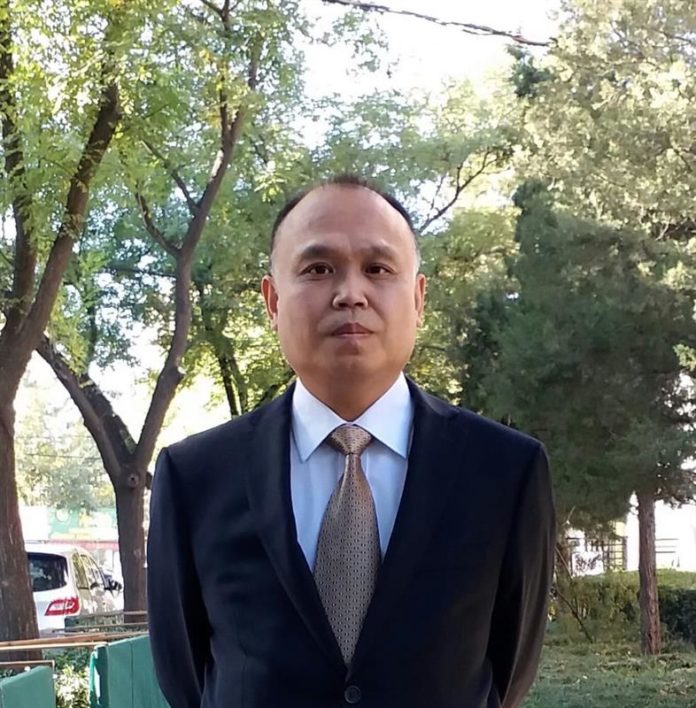
Yu was just another corporate lawyer in a fast-rising Chinese economy. But when he decided to take on human rights cases and ask for constitutional reform in his country, he drew the ire of one of the most powerful regimes in the world. Yu has been detained, harassed, and convicted in secret. While in custody, he has been tortured and denied medical care and family visits. His wife, Xu Yan, who Yu has not seen in person for 3 years, herself has become an icon. She has taken up the mantel of human rights defense and is currently studying law. Yu’s fight for due process has completely upended his life. [https://humanrightsdefenders.blog/2021/01/21/mea-nominee-yu-wensheng-in-poor-health-after-years-in-prison/]
The Guardian of 10 February 2021 reports that a Chinese publisher who spoke out in support of a dissident academic has been jailed for three years in Beijing after she pleaded guilty to illegal business operations.
Geng Xiaonan, 46, and her husband Qin Zhen, were arrested in September on suspicion of publishing thousands of illegal titles. According to reports, Geng told the court she was guilty of the charges against her, that she was the primary decision maker, and asked it to show leniency to her husband and staff who were just following instructions. She also asked for leniency for herself, because she was sole carer to her ailing father. Qin was given a suspended sentence of two-and-a-half years.
The court proceedings were streamed live and reportedly viewed more than 80,000 times before the recording was taken offline, according to local media. The South China Morning Post said several dissidents and supporters had been prevented from attending the hearing.
Chinese Human Rights Defenders said Geng had also tried to raise awareness about the disappearance of citizen journalist, Chen Qiushi, and said it was another example of the Chinese government criminalising dissent. Her jailing is the latest in a string of crackdowns on prominent people who have criticised the party, including academic Xu Zhiyong, and businessman Ren Zhiqiang.
Yu Wensheng was detained in Beijing in January 2018 in front of his young son just hours after he wrote an open letter calling for constitutional reforms, including multi-candidate elections.
“His physical state is very poor. His right hand is deformed and trembles so much that he cannot write,” his wife Xu Yan told AFP. Last week, she was allowed to have a 25-minute video call with her husband, who is being held in a detention centre in the eastern province of Jiangsu. It was their first such meeting in three years, she said. Four of Yu’s teeth were missing and he was unable to chew food properly, Xu said, and that there was no heating in the detention centre.. “There are probably a lot of things he cannot say right now, we will only know the full extent of what he experienced after he is released,” she said.
Xu said her husband’s nomination “not only supports and honours (him), but is also encouragement and affirmation to other human rights lawyers and defenders”. Yu’s defence lawyer Lu Siwei had his legal licence revoked by authorities last week after handling several sensitive human rights cases..
Beijing denied knowledge of either Yu or the Martin Ennals Award on Tuesday. “There are indeed some people abroad who are always using human rights as a pretext to create a disturbance,” said foreign ministry spokeswoman Hua Chunying at a regular briefing on Tuesday. “I think this behaviour has no meaning whatsoever.”
Today 18 January 2021, the Martin Ennals Foundation announced that three outstanding human rights defenders based in authoritarian states are nominated for the 2021 Martin Ennals Award.
In isolated Turkmenistan, Soltan Achilova documents human rights violations and abuses through photojournalism.
Imprisoned in Saudi Arabia, Loujain AlHathloul is a leading advocate for gender equality and women’s rights.
A lawyer, Yu Wensheng defended human rights cases and activists before his conviction and imprisonment in China.
The Finalists distinguish themselves by their bravery and deep commitment to the issues they defend, despite the many attempts to silence them by respective governmental authorities. The 2021 Martin Ennals Award Ceremony will celebrate their courage on 11 February during an online ceremony hosted jointly with the City of Geneva which, as part of its commitment to human rights, has for many years supported the Award. “Every year thousands of human rights defenders are persecuted, harassed, imprisoned, even killed. The Martin Ennals Foundation is honored to celebrate the 2021 Finalists, who have done so much for others and whose stories of adversity are emblematic of the precarity faced by the human rights movement today”, says Isabel de Sola, Director of the Martin Ennals Foundation.
“Authoritarian states tend to believe that by jailing or censoring human rights defenders, the world will forget about them. During the COVID-pandemic, it seemed like lockdowns would successfully keep people from speaking out. This year’s Finalists are a testament to the fact that nothing could be further from the truth”, says Hans Thoolen, Chair of the Jury.
In Turkmenistan, one of the world’s most isolated countries, freedom of speech is inexistent and independent journalists work at their own peril. Soltan Achilova (71), a photojournalist, documents the human rights abuses and social issues affecting Turkmen people in their daily lives. Despite the repressive environment and personal hardships, she is one of the very few reporters in the country daring to sign independent articles.
In Saudi Arabia, women still face several forms of gender discrimination, so much so, that the Kingdom ranks in the bottom 10 places according to the World Economic Forum’s Global Gender Gap Report 2020. Loujain AlHathloul (31) was one of the leading figures of the Women to drive movement and advocated for the end of the male guardianship system. She was imprisoned in 2018 on charges related to national security together with several other women activists. Tortured, denied medical care, and subjected to solitary confinement, Loujain was sentenced to 5 years and 8 months in prison on 28 December 2020. [see: https://humanrightsdefenders.blog/tag/loujain-al-hathloul/]
In China, more than 300 human rights activists and lawyers disappeared or were arrested in 2015 during the so called 709 Crackdown. A successful business lawyer, Yu Wensheng (54) gave up his career to defend one of these detained lawyers, before being arrested himself. Detained for almost three years now, Yu Wensheng’s right hand was crushed in jail and his health is failing. [see also: https://humanrightsdefenders.blog/2019/06/26/lawyers-key-to-the-rule-of-law-even-china-agrees-but-only-lip-service/]
Online Award Ceremony on 11 February 2021
The 2021 Martin Ennals Award will be given to the three Finalists on 11 February 2021 at an online ceremony co-hosted by the City of Geneva (Switzerland), a long-standing supporter of the Award. “The City of Genevareaffirmsits support to human rights, especially during these times of crisis and upheaval. Human rights are the foundation of our society, not even the pandemic will stop us from celebrating brave persons who have sacrificed so much”, says Member of the executive Alfonso Gomez.