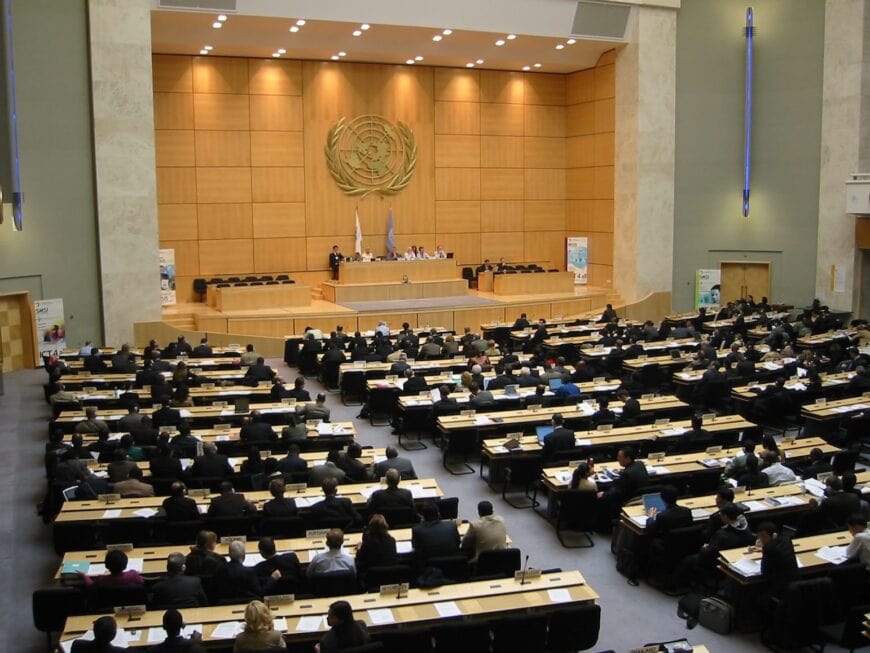
In June 2026, the President of the UN Human Rights Council (the Council) will appoint a new UN Special Rapporteur on the promotion and protection of the right to freedom of opinion and expression.
Candidates must have the required expertise and experience in the field of the mandate, be independent and impartial, and show a high level of personal integrity and objectivity.
Alongside partners, we have developed a document including a checklist with criteria for candidates for the position. Its intention is to support all stakeholders in the identification of, and outreach to, highly qualified and independent candidates. It is also intended as a checklist that can be used by the President and Consultative Group of the Human Rights Council to ensure that only highly qualified and independent candidates are considered and appointed as the mandate holder.
It is part of a series of documents developed for vacant positions of Special Procedures mandate holders.
The signatory organisations call on governments, civil society, and other stakeholders, including relevant professional networks, to use this checklist to identify eligible candidates for the upcoming vacancy for the UN Special Rapporteur on the promotion and protection of the right to freedom of opinion and expression.
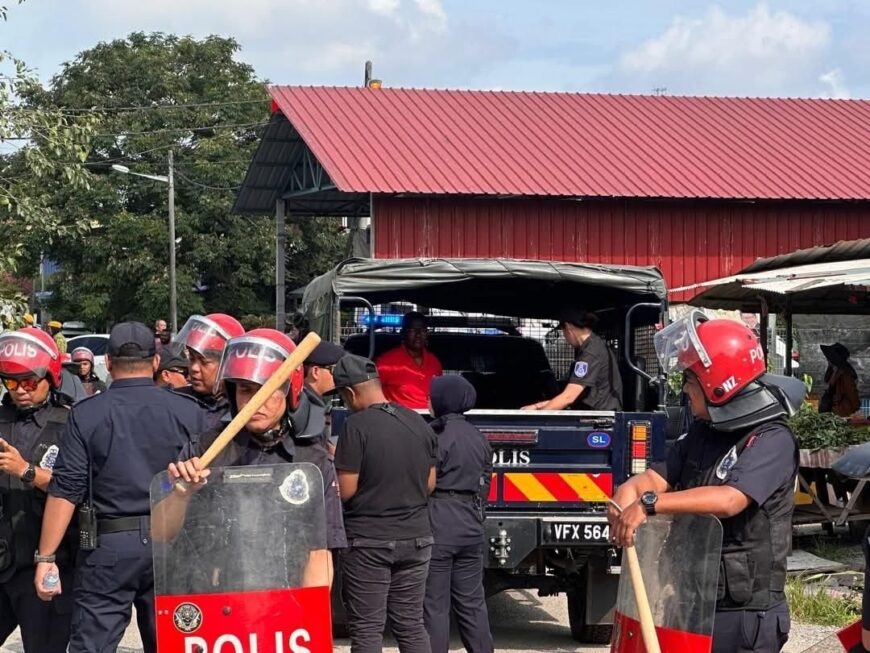
On 14 November 2025, ARTICLE 19 and the Centre for Independent Journalism (CIJ) expressed alarm about the arrests of and use of force against human rights defenders and residents who attempted to prevent the demolition of houses in Kampung Jalan Papan, which began on 11 November in the Malaysian state of Selangor. We call on the authorities to immediately release human rights defenders and end investigations into their activities.
On 14 November, two human rights defenders and seven local residents were arrested under Section 186 of Malaysia’s Penal Code for allegedly obstructing public servants from discharging their duties – a clause that carries a penalty of up to two years’ imprisonment and/or a maximum fine of RM10,000 (approximately USD 2,410). The two activists are Yee Shan from Parti Sosialis Malaysia (PSM) and Jernell Tan from the human rights organisation SUARAM. The seven local residents are Than Bee Hooi, Than Kim Kim, Lim Wee Chun, Ser Li Fang, Lim Eng Hui, Teoh Ah Guat, and Ng Ban Ping.
This follows previous arrests earlier in the week. On 13 November, 10 people were arrested, also under Section 186 of the Penal Code: PSM Secretary-General Sivaranjani Manickam, PSM National Treasurer Soh Sook Hwa, PSM activist Aein Aneera Anuar, PSM activist Ramasamy Karupan, PSM activist Tan Ka Wei, PSM activist Hridhay Praveen, activist Wong Kueng Hui from the non-governmental organisation Mandiri, local resident Tang Bing Ai, and activist Fakrurrazzi Khairur Rijal from the advocacy group Himpunan Advokasi Rakyat Malaysia. They were detained at the Pandamaran and Pelabuhan Klang police stations and later released on 14 November .
On 12 November, Deputy Chairperson of PSM Arutchelvan Subramaniam, also known as Arul, activist M. Mythreyar, and M. Logesvaran, a representative for the residents affected by the demolition, were arrested under Section 186 of the Penal Code. They were remanded one day before release on 13 November under police bail.
‘This is a blatant attack against human rights defenders who dare speak out on behalf of local communities living in a climate where forced evictions and development pressures are being used to displace long-time residents. The arbitrary arrests of the activists highlight the risks faced by human rights defenders advocating housing rights. These actions seem intended to intimidate others and discourage efforts to stop forced evictions,’ said Nalini Elumalai, Senior Malaysia Programme Officer at ARTICLE 19. ‘Using such forms of intimidation to silence human rights defenders and the residents not only threatens their safety but also undermines the ability of communities to assert their right to adequate housing and partake in meaningful decisions that affect their lives.’
This case stems from a 1995 agreement between the Selangor government and private limited company TPPT, under which affected families were to be given homes after the state government transferred 95 acres of land to the company. More than 30 years on, the residents have yet to receive their promised homes. Residents, known as Kampung Papan settlers, have lived in the area for decades, since 1939 – before Malaysia’s independence from the British in 1957. Despite a court ruling allowing the eviction, the Selangor government has said that demolition work should only be limited to vacant houses and business premises. Despite this promise, demolition work began on 10 November and as of 13 November, at least 15 occupied houses had been demolished. Residents of 44 out of 83 homes have obtained an interim injunction against the demolition.
The authorities’ actions violate the United Nation’s Declaration on Human Rights Defenders and other related resolutions, including General Assembly resolution 70/161 on human rights defenders in the context of the Declaration on the Right and Responsibility of Individuals, Groups and Organs of Society to Promote and Protect Universally Recognized Human Rights and Fundamental Freedoms. Among other things, the resolution urged States to ensure the rights and safety of human rights defenders in exercising their rights to freedom of expression, peaceful assembly, and association.
Every journalist who dares to speak the truth faces danger, yet their courage lights the path for all of us. Remembering those killed is not enough; we must demand justice, protection, and a world where truth can be spoken without fear”. Burhan Sonmez, PEN International President
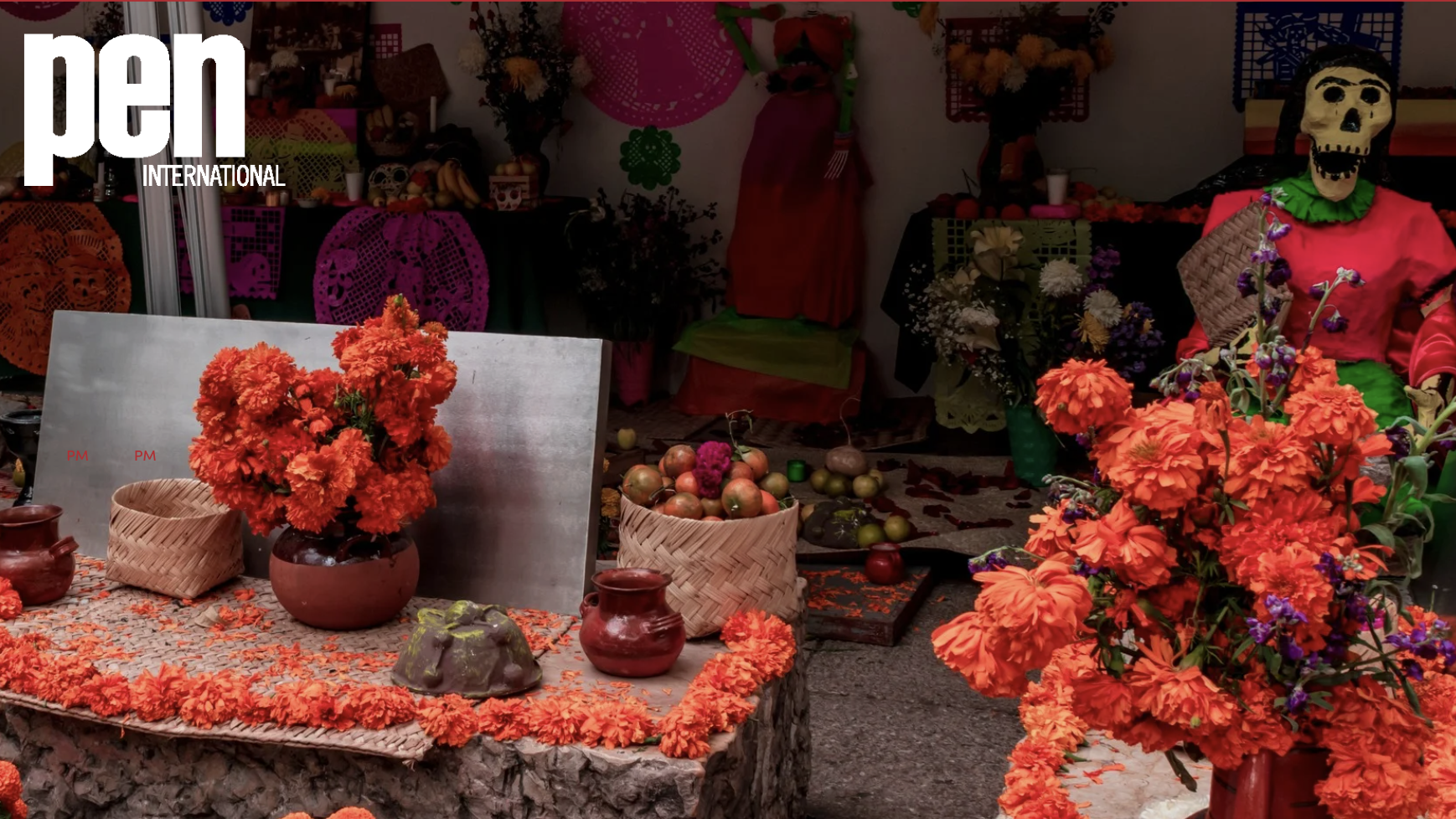
31 October 2025: On the Day of the Dead, we the undersigned, honour the journalists in Mexico who have been killed for their work. This act of remembrance is also an urgent appeal: violence against the press has reached alarming levels in the region. In Mexico, practicing journalism carries deadly risks. The Mexican State must acknowledge this reality and take immediate action.
PEN International and Article 19’s Mexico and Central America office have documented the killing of at least ten journalists over the past twelve months in Mexico. Seven of these cases are believed to be directly linked to their work, while the motives behind the remaining three killings are still under investigation. The past year, UNESCO, PEN, CPJ, RSF also recorded the murder of journalists in Brazil (1), Colombia (3), Ecuador (2), Honduras (1), Guatemala (1), Haiti (2), and Peru (2), positioning Mexico once again as the country with the highest number of journalists murdered in the continent. The murders of journalists are closely linked to their reporting on matters of high public interest, including corruption, organised crime, drug trafficking, human rights violations, environmental concerns, and abuses of power.
The brutality of the attacks, combined with entrenched impunity, has created a perpetual cycle of violence that undermines not only the right to freedom of expression but also the public’s right to be informed.
Despite its international obligations, the Mexican State continues to fail to ensure the protection of journalists and a safe environment for journalism, and to deliver effective justice for victims and their families.
This reflects a reality that cannot be ignored: Mexico faces not only a crisis of violence, but also a crisis of structural impunity that enables attacks to continue without consequence. Such impunity creates a chilling effect of self-censorship, restraint, and fear among journalists.
Emblematic cases
We remember the journalists Kristian Uriel Martínez Zavala andCalletano de Jesús Guerrero, killed in Mexico in 2025. …
Mexico’s ongoing crisis is no accident. It is the result of entrenched impunity and a state either unable or unwilling to protect those who bring truth to light.
We urge the Mexican State to:
Take concrete steps to guarantee that journalists in Mexico can exercise their right to freedom of expression without fear of reprisals.
Review and strengthen the Protection Mechanism for Human Rights Defenders and Journalists, ensuring that effective measures are deployed swiftly.
Undertake thorough, impartial, and independent investigations into the killings of and attacks on journalists, and deliver effective justice for victims and their families.
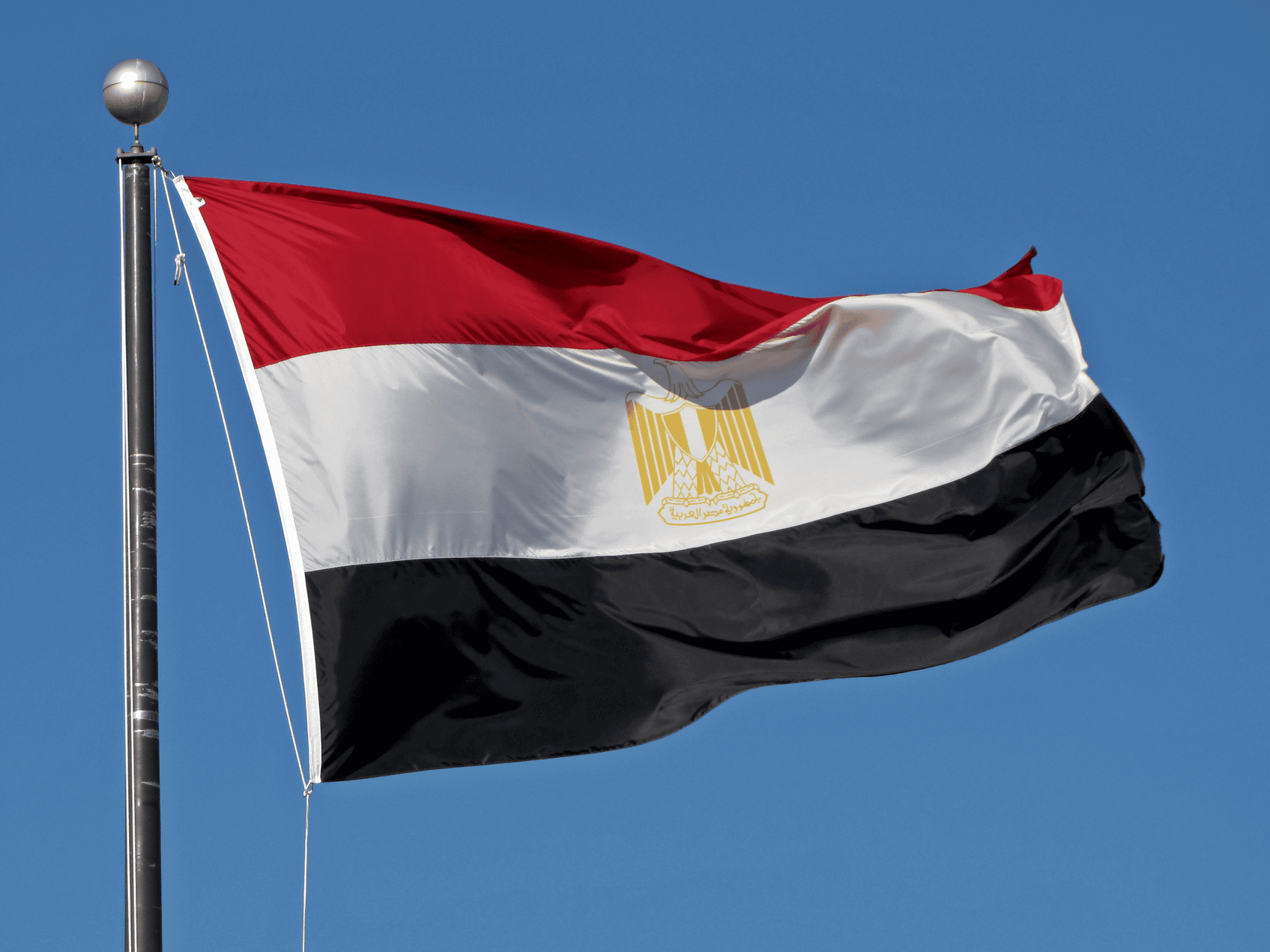
ARTICLE 19, and the undersigned human rights organistions, call on the Egyptian government to immediately end its campaign of transnational repression targeting exiled Egyptian journalists. We specifically urge the government to respond to the UN report detailing the harassment and surveillance of Egyptian investigative journalist Basma Mostafa, currently residing in Germany. We further urge German authorities to ensure her safety and uphold their international obligations to protect freedom of expression.
Despite seeking safety in exile, Mostafa continues to face threats, surveillance, harassment, and online gender-based violence across multiple countries—including Germany, Switzerland, Kenya, and Lebanon—simply for doing her work. These acts are detailed in a joint communication from UN Special Rapporteurs (AL EGY 6/2024), which documents a disturbing pattern of cross-border intimidation carried out by or with the acquiescence of Egyptian authorities.
Germany’s former Human Rights Commissioner, Luise Amtsberg, has publicly condemned Egypt’s transnational repression and urged the Egyptian government to address findings outlined in the UN report. The Egyptian authorities have yet to issue an official response. The silence is telling.
Her case is not isolated; Egypt is among the world’s top perpetrators of transnational repression, using tactics such as arresting journalists’ family members, blocking access to exile-based media, targeting journalists with spyware, and denying consular services and identity documents for those living abroad and their family members, including children. In another notable case, a Berlin court convicted a man for charges related to spying for the Egyptian regime, including on Egyptian exiles while working in the press office of former Chancellor Angela Merkel, where he had access to data on exiled Egyptian journalists accredited with the Federal Press Office.
We call on the Egyptian authorities to immediately respond to UN communication AL EGY 6/2024 and end all forms of transnational repression against Egyptian journalists and critics in exile. Egypt must stop targeting journalists abroad and ensure independent, transparent investigations to hold perpetrators accountable.
We also urge the German authorities to protect exiled journalists and critics from intimidation tactics by foreign governments and those working on their behalf, in line with their International Covenant on Civil and Political Rights (ICCPR) obligations and the 2023 Declaration of Principles to Combat Transnational Repression. Germany must provide full protection to Basma Mostafa, ensure accountability for her assault, investigate all attacks, harassment, and surveillance on its soil, and use its influence to demand that Egypt end its campaign of transnational repression.
Signed by:
Access Now
ARTICLE 19
Cairo Institute for Human Rights Studies (CIHRS)
Cartoonists Rights
Committee for Justice (CFJ)
Committee to Protect Journalists (CPJ)
Egyptian Commission for Rights and Freedoms (ECRF)
Egyptian Front for Human Rights (EFHR)
Egyptian Human Rights Forum (EHRF)
EuroMed Rights
EuroMed Rights Network
Gulf Centre for Human Rights (GCHR)
HuMENA for Human Rights and Civic Engagement
Human Rights Watch
International Federation for Human Rights (FIDH), within the framework of the Observatory for the Protection of Human Rights Defenders
International Service for Human Rights (ISHR)
Intersection Association for Rights and Freedoms
Law and Democracy Support Foundation (LDSF)
MENA Rights Group
Middle East Democracy Center (MEDC)
PEN America
PEN Berlin
Robert F. Kennedy Human Rights
Samir Kassir Foundation (SKF)
The Regional Coalition for Women Human Rights Defenders in South West Asia and North Africa (WHRDMENA)
World Organisation Against Torture (OMCT), within the framework of the Observatory for the Protection of Human Rights Defenders
But many, such as the NGO ARTICLE 19, have a warning: However, this is not a slam-dunk win for press freedom. The US should have never brought these charges. The single remaining criminal count of conspiring to obtain and disclose classified US national defence documents puts investigative journalism at severe risk in the United States and beyond. Journalists that cover national security, the armed forces and defence do this day in and day out as part of providing transparency and accountability to hold abuses of power in check.
‘We are all at risk if the government can hold an archaic law, the Espionage Act, over the heads of journalists to silence them.’ The charge under the Espionage Act undermines the principles of media freedom, accountability, and independent journalism that Assange, his legal team, and campaigners had championed throughout his case, which began in 2012. The fact that his release from Belmarsh prison is a result of plea deal is a clear reminder of how important it is to redouble our efforts defending media freedom and pushing for accountability.
80% of citizens in the world have less freedom of expression today than a decade ago. That’s more than 6 billion people in more than 80 countries. Far more people are experiencing increases in repression than decreases regardless of whether you measure it over 1, 5 or 10 years, freedom of expression organisation Article 19’s annual Global Expression Report shows. The report comprises 161 countries.
“There are more countries in which freedoms are in decline than countries seeing rises in expression”, the report says.
“What’s more, the countries in decline contain many more people than countries in advance, which tend to have much smaller populations. 95% of countries that advanced in the last decade had populations of under 50 million people, while only 74% of countries that declined over the same period had populations of that size.”
Key findings:
In the last year, 363 million people across 12 countries experienced declines in their freedom of expression, while 165 million people across 7 countries saw advances.
In the last 5 years, 4.7 billion across 51 countries experienced declines in their freedom of expression, while only 673 million people in 25 countries saw advances.
In the last 10 years, 6.3 billion people across 81 countries experienced declines in their freedom of expression, while 452 million people in 21 countries saw advances.
The report shows that threats are posed not just by autocratic governments, but also by legislation and law enforcement within democratic structures that erode human rights, as well as by corporate interests and organised crime.
“Where those groups and their interests overlap, freedoms are in acute danger”, Article 18 says.
“Conflict is the greatest and most immediate threat to free speech, particularly for those on the frontlines of expression: In 2022, journalists and human rights defenders were predominantly killed in countries suffering from conflicts, either internal or international.”
“However, political violence targeting civilians also became more common – and more deadly – during 2022, with more than 125,700 events globally leading to over 145,500 reported fatalities.”
From the report:
= 401 human rights defenders were murdered in 2022, including 186 in Colombia, 50 in Ukraine, and 45 in Mexico. 48% of those murdered were defending land, environmental, and Indigenous peoples’ rights.
– 87 journalists were murdered in 2022 – 33 more than in 2021 – including 19 in Mexico and 10 in Ukraine. 64 more were missing in 2022.
– At the end of 2022, 363 journalists were behind bars. The top jailers were Iran, China, Myanmar, Turkey, and Belarus.
“While the full-scale Russian invasion of Ukraine dominated the global conflict landscape as well as the headlines in 2022, violence also intensified in places like Myanmar and the Sahel, as did criminal violence and conflict in Latin America and the Caribbean, while domestic unrest and state violence against protest escalated in places like Iran.”
This day is one on which the world stands still to think about press freedom and journalists who are persecuted. I want to start with some quotes from an excellent piece in the Economist on 2 May by Indian reporter Rana Ayyub who wonders whether plaudits such as “brave” normalise their persecution:
“When a journalist is killed or incarcerated or assassinated, obituaries scream bravado, editorials claim courage. Have such plaudits normalised the persecution of journalists? Why does a journalist have to be brave to report facts as they are? Why does she need to be persecuted for her story to reach the world? Consider Gauri Lankesh, Daphne Caruana Galizia and Jamal Khashoggi—all journalists with a profile, all brazenly killed in broad daylight. Their murders dominated the front pages of international publications. But their killers, men in power, remain unquestioned not just by the authorities but often by publishers and editors who develop a comfortable amnesia when meeting those in power. They do not want to lose access to them.“
“Journalists are the new enemy of the state; we are going through one of the toughest phases in the history of the profession. We document the truth at a time marked both by a voracious demand for news and by the persecution of minorities, genocide and war crimes. We witness savage attacks on minorities in India, Myanmar, China, Palestine or Ukraine even as bumbling editors still frame arguments and narratives through the prism of “‘both sides”. For example attacks on Palestinians, even during Ramadan, are often referred to as “clashes”. Despite one side having grenades thrown at them, and pelting stones in defence, the lens of the mainstream media remains firmly aligned with the oppressor. In India attacks on Muslims by Hindu nationalists often are reported as “riots” or “clashes”, too. The distinction between oppressor and oppressed can be blurred as convenient“….
“Journalism was never a nine-to-five profession. We knew it was an unconventional calling, and one where we might not leave the office for days, or where our families might have no communication from us as we report on crucial investigations, wars and undercover operations. Journalism schools taught us the ethics of our profession, but they did not warn us about nervous breakdowns, or about spending more time in courtrooms than newsrooms. We owe it to the next generation of journalists to create a safer environment in which to work. They should fear only the distortion of truth, never reporting the truth itself.“
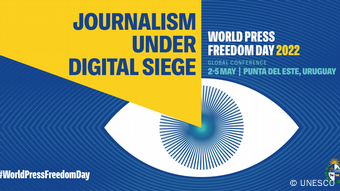
At the Global Conference for World Press Freedom Day, May 2-5 in Uruguay, DW Akademie hosted a panel on digital authoritarianism. International media experts (Nanjala Nyabola, Laís Martins, Vladimir Cortés Roshdestvensky and Annie Zaman) discussed fighting disinformation and censorship.
Digital authoritarianism – when governments assert power and control information using digital tools and the internet – disrupts journalism and can endanger reporters and human rights defenders.
Regardless of recognition of press freedom under international legislations and under state constitutional provisions, the attack on journalists and ultimately on access to information remains a growing concern. According to the UN, 55 journalists were killed in 2021, while 62 of them were killed in 2020. A number of global networks of journalists have led the work of advocating press freedom and provide a platform for journalists to fight such state and non-state actors in unison.
The NWMI is a network of over 600 women journalists across India providing a space or a forum for women in Indian media to come together and share information, exchange ideas, discuss media ethics and promote gender equality in media. The collective aims to provide a holistic system to support women journalists in terms of space, resources and access to justice in case of rights violations. It also works for getting recognition, fair pay and decent working conditions for women independent journalists in the country. https://nwmindia.org/
International Federation of Journalists (IFJ)
IFJ is a Paris-based organisation representing as many as 6,00,000 media professionals across 140 countries. The collective works to strengthen labour rights of journalists and advocates for their fair pay, decent working conditions and gender equality in media recruitment at a global level. One can access records and data documented by IFJ through their campaigns focusing on violence against journalists, impunity to the perpetrators and countries where media freedom is curbed through state laws or private entities.
Reporters Sans Frontiers or Reporters without Borders (RSF)
With 115 correspondents across the world, RWB is a non-profit organisation started by four journalists and headquartered in Paris. RWB is known for its annual Press Freedom Index, one of the most credible indicators of the status of media freedom in over 180 countries of the world. In addition to this, RWB also tracks censorship activities and various kinds of abuse that journalists are subjected to and communicates the information in five different languages. RWB works in cooperation with international rights based organisations to further recommendations to the state in order to provide legal and material resources for journalists and advocate their safety as media personnel.
CPJ is known for its Global Impunity Index analysing the state impunity provided to murderers of journalists in democracies as well as in war-torn countries. As an independent and non-profit organisation based in New York City, CPJ documents attacks on journalists and the subsequent press freedom violations and works with the state actors to provide rapid response assistance, legal support and other resources to journalists in danger.
Article 19 mainly works to improve access to information, protect the civic spaces to discuss and dissent and strengthen human rights in the digital space too. Its key areas of work include information, censorship, gender and sexuality, freedom of religion and belief, equality and hate speech and media freedom among others. In line with its objectives to create a safe space for free flow of information, the organisation channelises its resources for the protection of journalists and human rights defenders. Article 19’s annual Global Expression Report and GxR metric provides a detailed picture of the condition of freedom of expression across the world. https://www.article19.org/about-us/
Media Defence
Media Defence’s focus lies on providing legal advice, support and resources to journalists, independent journalists and citizen journalists, who are under threat for their reportage and enable them to carry out reporting on issues of larger public interest. An international human rights organisation, in addition to documenting cases, it also intervenes to provide legal recourse to the journalists undergoing trial. https://www.mediadefence.org/legal-resources/
And of course – marking World Press Freedom Day, Reporters Without Borders (RSF) published their 2022 World Press Freedom Index that indicates a two-fold increase in polarization exacerbated by information disorder — that is, media polarization fuelling divisions within countries, as well as polarization between countries at the international level. See: https://rsf.org/en/index
“Within democratic societies, divisions are growing as a result of the spread of opinion media following the ‘Fox News model’ and the spread of disinformation circuits that are amplified by the way social media functions,” the watchdog said in a statement.
At the same time, the disparity between open societies and autocratic governments that dominate their media and online platforms while waging propaganda campaigns against democracies is eroding democratic institutions around the world. Therefore, the polarization on different levels is fuelling increased tensions, according to RSF.
Assessing the state of journalism in 180 countries and territories worldwide, the World Press Freedom Index showed how the crisis in the world reflects on the media.
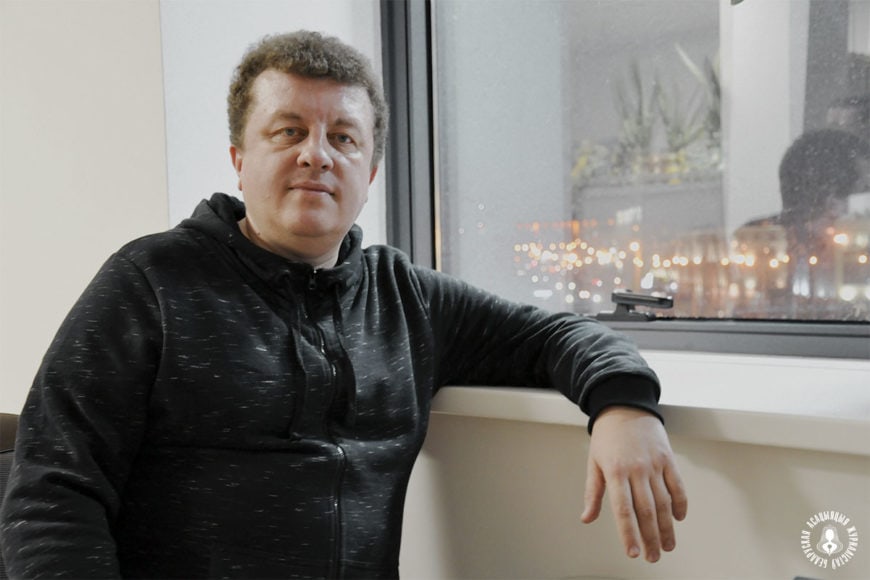
Aliaksandrau has long been a defender of freedom of expression in Belarus and beyond, having previously held positions at the Belarusian Association of Journalists, Index on Censorship, and Article 19 among other media and free speech organisations.
Aliaksandrau was detained in January 2021. The Investigative Committee, Belarus’s criminal investigation service, indicted him on public order offences, for which he was facing up to three years in prison. The charges stem from allegations that Aliaksandrau paid the fines of journalists and protesters whom authorities detained during last year’s pro-democracy protests, triggered by the highly disputed August 2020 presidential election. The Belarusian Investigative Committee and other law enforcement agencies wrongly equated this with financing unlawful protests.
On 30 June, Belapan reported that Aliaksandrau has now been charged with “treason to the state” based on the same set of allegations.
“More than €530,000 worth of fines were imposed on protesters between 9 August and the end of 2020. It is absurd to conflate efforts to help pay those fines with a public order offense, let alone treason,” the organisations said.
“Belarusian authorities created a new mark of tyranny by laying treason charges against Aliaksandrou. While we urge the release of all 529 political prisoners currently detained in Belarus, which include at least 15 journalists, we are at this point in time expressing special concern for Aliaksandrau. To date, he is the only detainee facing the fabricated charge of treason.”
“Aliaksandrau has already spent 172 days in prison for his alleged “crime”. We call for his immediate and unconditional release,” the organisations said.
On 29 March 2021 Amnesty International announced the appointment of Dr. Agnès Callamard, a leading international human rights expert, as its new Secretary General, effective immediately.
As Secretary General, Dr. Callamard will be the Chief Executive of Amnesty’s International Secretariat and the principal spokesperson of the global Amnesty movement, which has some 10 million supporters, and offices in more than 70 countries.
“At a time when human rights are under unprecedented threat around the world, Dr. Callamard will lead, excite and rally the entire Amnesty movement to meet these challenges head-on,” said Sarah Beamish, Chair of the International Board, in announcing the appointment. “The combination of her intellectual acuity, her deep global human rights experience, and her courageous voice makes her highly qualified to front our movement. We are delighted she has accepted this challenge to take us boldly into our next phase.”
“Where governments and corporations seek to silence those who speak out against their abuses, to obfuscate the truth, and to undermine or reject human rights norms, the rigorous investigations and uncompromising campaigns of Amnesty International are more vital than ever.” Agnès Callamard
“I am honoured to take up the post of Secretary General and work alongside Amnesty’s supporters around the world so that together we defend and demand respect for all human rights for all,” Dr Callamard said.
Dr. Callamard, a French national, has built a highly distinguished career in the international human rights and humanitarian sectors, working across NGOs, academia, and the United Nations. Alongside her role as a United Nations independent human rights expert, she held the role of Director of the Global Freedom of Expression Project at Columbia University. Previously, she has been the Executive Director of the Freedom of Expression organization ARTICLE 19 and was the founder and Executive Director of HAP International (the Humanitarian Accountability Partnership).
Dr. Callamard worked with Amnesty International from 1995-2001, including as Chef de Cabinet for then-Secretary General Pierre Sané. She has led human rights investigations in more than 30 countries and published extensively on human rights, women’s rights, freedom of expression, refugee movements, and the methodology of human rights investigations.
For itsoffice in Nairobi, Kenya, Article 19 seeks a Senior Programme Officer for Media and Protection. The Senior Programme will work to enhance the safety and security of individuals and organizations working to protect and promote freedom of expression and information, as reflected in our strategy, bringing strong project management skills, serving as the primary focal point on our “Media and Protection” thematic areas across the organization.
In collaboration with relevant teams, this Senior Programme Officer will identify new strategic areas for ARTICLE 19 Eastern Africa’s consolidation and growth as a leading advocate organization for free expression, effective protection of activists and organizations, particularly journalists, bloggers, whistleblowers, social communicators and human rights defenders.
Leading in advancing media and protection standards at global and regional fora, in collaboration with relevant teams, the Senior Programme Officer will be a primary force in ensuring effective coordination externally with key INGOs working on media and protection of FoE/I and internally within the organization. This Senior Programme Officer will facilitate programmatic work in the Eastern Africa regional office and programmes, with a particular focus on supporting the monitoring of attacks on communicators and human rights defenders.
Requirements:
Masters Degree level or equivalent with post-graduate qualification in human rights, law, African studies, international relations, political science, media, communication, or other relevant field being an added advantage.
At least 7 years experience in policy work, monitoring, advocacy and/or campaigning work in the human rights sector;
At least 2 years experience of managing budgets and projects;
Experience of working with partner organisations;
Experience of working in a cross-cultural environment.
 Hans Thoolen on Human Rights Defenders and their awards