The sentence includes a suspension of 2 years and 10 months in addition to the time already served (since May 2018) which would see Loujain’s release in approximately two months. Loujain is also required to serve three years of probation during which time she could be arrested for any perceived illegal activity. She will also be placed on a 5 year travel ban.
“After nearly three years in pre-trial detention and now 5 weeks of a rushed trial process in the Specialised Criminal Court, my sister Loujain was sentenced to 5 years and 8 months in prison by the Specialised Criminal Court today. She was charged, tried and convicted using counter-terrorism laws. Loujain and my parents (who are her lawyers) were given little time to prepare so it is hard to understand how this trial process is a fair one. My sister is not a terrorist, she is an activist. To be sentenced for her activism for the very reforms that MBS and the Saudi Kingdom so proudly tout is the ultimate hypocrisy. My sister is the bravest person I know, and while we are devastated that she will have to spend even one more day in prison, our fight is far from over. We will not rest until Loujain is free,” said Lina AlHathloul.
The post includes a full timeline of the Specialised Criminal Court.
Raphael Satter reports on 22 December 2020 for Reuters that tech giants Google, Cisco and Dell on Monday joined Facebook’s legal battle against hacking company NSO, filing an amicus brief in federal court that warned that the Israeli firm’s tools were “powerful, and dangerous.”
The brief, filed before the U.S. Court of Appeals for the Ninth Circuit, opens up a new front in Facebook’s lawsuit against NSO, which it filed last year after it was revealed that the cyber surveillance firm had exploited a bug in Facebook-owned instant messaging program WhatsApp to help surveil more than 1,400 people worldwide. See also: https://humanrightsdefenders.blog/2020/07/20/the-ups-and-downs-in-sueing-the-nso-group/
NSO has argued that, because it sells digital break-in tools to police and spy agencies, it should benefit from “sovereign immunity” – a legal doctrine that generally insulates foreign governments from lawsuits. NSO lost that argument in the Northern District of California in July and has since appealed to the Ninth Circuit to have the ruling overturned.
Microsoft, Alphabet-owned Google, Cisco, Dell Technologies-owned VMWare and the Washington-based Internet Association joined forces with Facebook to argue against that, saying that awarding soverign immunity to NSO would lead to a proliferation of hacking technology and “more foreign governments with powerful and dangerous cyber surveillance tools.”
That in turn “means dramatically more opportunities for those tools to fall into the wrong hands and be used nefariously,” the brief argues.
NSO – which did not immediately return a message seeking comment – argues that its products are used to fight crime. But human rights defenders and technologists at places such as Toronto-based Citizen Lab and London-based Amnesty International have documented cases in which NSO technology has been used to target reporters, lawyers and even nutrionists lobbying for soda taxes.
Citizen Lab published a report on Sunday alleging that NSO’s phone-hacking technology had been deployed to hack three dozen phones belonging to journalists, producers, anchors, and executives at Qatar-based broadcaster Al Jazeera as well as a device beloning to a reporter at London-based Al Araby TV.
NSO’s spyware was also been linked to the slaying of Washington Post journalist Jamal Khashoggi, who was murdered and dismembered in the Saudi consulate in Istanbul in 2018. Khashoggi’s friend, dissident video blogger Omar Abdulaziz, has long argued that it was the Saudi government’s ability to see their WhatsApp messages that led to his death.
NSO has denied hacking Khashoggi, but has so far declined to comment on whether its technology was used to spy on others in his circle.
On Wednesday, 16 December 2020 Débora Leão and Suraj K. Sazawal published an opinion piece in IPS entitled: “USA Downgraded as Civil Liberties Deteriorate Across the Americas” (Débora Leão is a Civic Space Researcher at CIVICUS, the global civil society alliance. She has a Master of Public Policy degree. Prior to joining CIVICUS, Débora worked on advocacy and research related to civic participation, urban development and climate justice. Suraj K. Sazawal serves on the board to Defending Rights & Dissent and is co-author of ‘Civil Society Under Strain’, the first book to explore how the War on Terror impacted civil society and hurt humanitarian aid.
Protests in New York City against racism and police violence, following the death of George Floyd. Credit: UN Photo/Evan Schneider
Few images better illustrate the recent decline in civil liberties in the United States than that of peaceful protesters near the White House being violently dispersed so Donald Trump could stage a photo-op. Moments before the president emerged from his bunker on June 1 to hold a bible outside a boarded-up church, federal officers indiscriminately fired tear gas at people who had gathered in Lafayette Park to protest about the police killing of George Floyd. This was far from an isolated incident: nationwide protests against systemic racism and police brutality have been met with widespread police violence.
Since May, the CIVICUS Monitor, an online platform that tracks fundamental freedoms across 196 countries, documented dozens of incidents where law enforcement officers, dressed in riot gear and armed with military grade-equipment, responded to Black Lives Matter protests with excessive force. These include officers driving vehicles at crowds of protesters and firing tear gas canisters and other projectiles at unarmed people, leaving at least 20 people partially blinded.
Throughout the year, journalists and health workers, clearly marked as such while covering the protests, have been harassed and assaulted. In one incident caught on live TV, a news reporter and camera operator from Louisville, Kentucky were shot by police with pepper balls while covering protests over the police killing of Breona Taylor.
This sustained repression of protests and an increased crackdown on fundamental freedoms led to the USA’s civic space rating being downgraded from ‘narrowed’ to ‘obstructed’ in CIVICUS new report, People Power Under Attack 2020.
This disproportionate response by law enforcement officers to protesters goes beyond what is acceptable practice when policing protests, even during an emergency. Under international law, people have a right to assemble freely. Any restrictions to this right must be proportionate and necessary to address an emergency or reestablish public order.
While recent brutality against protests for racial justice is concerning, the decline in basic freedoms in the USA began before this crackdown. The repression seen in 2020 was preceded by a wave of legislation limiting people’s rights to protest.
In recent years, several states enacted restrictive laws which, for example, criminalise protests near so-called critical infrastructure like oil pipelines, or limit demonstrations on school and university campuses. Increased penalties for trespassing and property damage are designed to intimidate and punish climate justice activists and organisations that speak out against fossil fuels.
In the wake of Black Lives Matter protests, some of the ‘anti-protest’ bills introduced this year seem particularly cruel, for instance, by proposing to make people convicted of minor federal offences during protests ineligible for pandemic-related unemployment benefits.
Growing disregard for protest rights underscores wider intolerance for dissent. In parallel with restrictions on the freedom of peaceful assembly, the USA also saw an increase in attacks against the media, even before Black Lives Matter demonstrations erupted. Over the past three years, the CIVICUS Monitor has documented the frequent harassment of journalists by the authorities and civilians while covering political rallies or when conducting interviews.
Correspondents critical of the Trump administration or reporting on the humanitarian crisis in the USA/Mexico border region sometimes faced retaliation; documents obtained by ‘NBC 7 Investigates’ in 2019 showed the US government created a database of journalists who covered the migrant caravan and activists who were part of it, in some cases placing alerts on their passports.
In January 2020 a journalist was barred from accompanying Secretary of State Mike Pompeo in an official trip to Europe after Pompeo objected to the questions by another reporter from the same outlet.
The harsh treatment of people wanting to express themselves and the decline of civil liberties is part of a broader global decline in fundamental freedoms. Our new report shows less than four percent of the world’s population live in countries that respect the freedoms of association, peaceful assembly and expression.
Each country’s civic space is rated in one of five categories: ‘open, ‘narrowed, ‘obstructed,’ ‘restricted,’ or ‘closed’. The USA was one of 11 countries downgraded from its previous rating.
Another recent example may be that on 15 December 2020 five independent UN human rights experts expressed serious concern over the arrest and charges brought against an indigenous leader (Nicholas Tilsen, human rights defender of the Oglala-Lakȟóta Sioux Nation), for peacefully protesting a political rally held last July at Mount Rushmore National Memorial, located on treaty lands of the Great Sioux Nation.
Violations of protest rights were common across the region, with detention of protesters and excessive use of force among the top five violations of civic freedoms recorded this year. In addition, the Americas continue to be a dangerous place for those who dare to stand up for fundamental rights: across the world, 60 percent of human rights defenders killed in 2020 came from this region.
The authorities must engage with civil society and human rights defenders to create an environment where they are able to fulfil their vital roles and hold officials accountable.
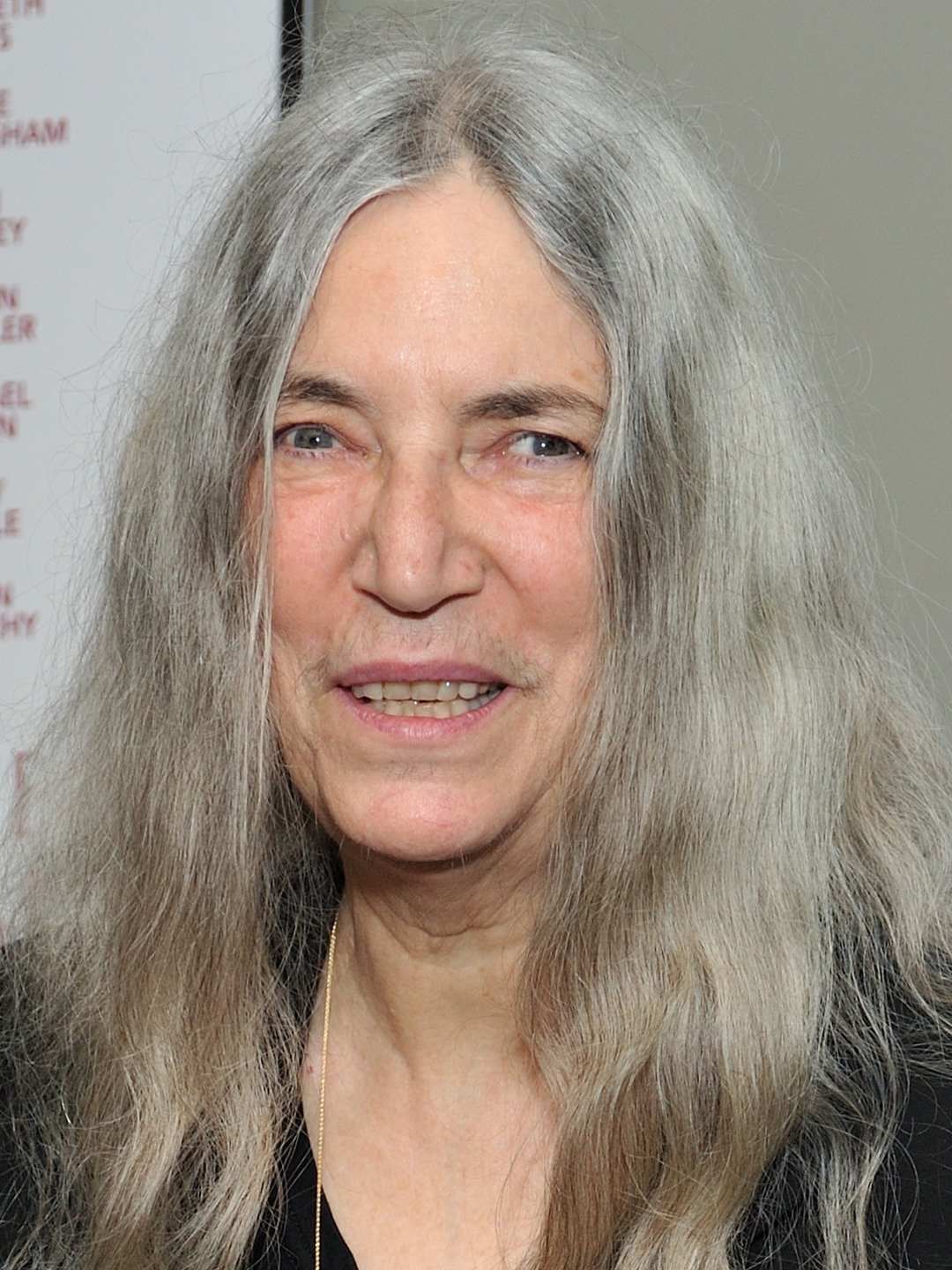
Musician Patti Smith attends a special screening of The Seagull at the Elinor Bunin Munroe Film Center in New York, NY on May 10, 2018. (Photo by Stephen Smith/SIPA USA) (Newscom TagID: sipaphotoseight127601.jpg) [Photo via Newscom]
Patti Smith is honored for her social commitment “She is an activist – with her books, her songs and her life. She stands up for human rights, peace, freedom, poverty reduction, inclusion and climate protection all her life,” the message said. In addition, Smith is a declared Beethoven fan. The Beethoven Academy has taken human rights, peace, freedom, poverty reduction and inclusion as its guiding principles. The International Beethoven Prize was awarded for the sixth time. [see: https://www.trueheroesfilms.org/thedigest/award/c05408e0-e598-11e7-a009-858a33846a9e].
Humanists International has announced on 14 December its 2021 Grants Scheme: six grant programs for a total budget of £122,000
One of Humanists International’s strategic aims is “to have successful and sustainable member organizations in every part of the world.” In order to achieve this aim, Humanists International runs on a yearly basis a Growth & Development Plan to provide funding, training, intellectual resources and other forms of support to let humanist organizations around the world develop and flourish.
The 2021 Grants Scheme that has been announced today consists of six different grant programs:
Development Grants (£50,000)
Digital Humanism Grants (£25,000)
Regional Networking Meetings Grants (£15,000)
Humanist Ceremonies Grants (£10,000)
Young Humanist Grants (£16,000)
Café Humaniste Online Grants (£6,000)
All details about the six grant programs, the eligibility and selection criteria, and how to apply for a grant are available on the website under the Growth & Development page.
On 10 December 2020, Human Rights Day, the OSCE Office for Democratic Institutions and Human Rights (ODIHR) issued a statement “The brave people strengthening human rights in 2020 will lead us out of adversity“. A bit belatedly. I reproduce here OSCE paying “tribute to human rights defenders and many organizations across the OSCE region that have protected our rights throughout the Covid-19 pandemic, and will have a key role to play if the global recovery is to put respect for human rights at its core“
OSCE states have long recognized the important role played by human rights defenders in ensuring full respect for human rights, fundamental freedoms, democracy and the rule of law. Throughout the pandemic, numerous organizations, initiatives and activists have worked hard to lessen the suffering caused by the health crisis. They have exposed gaps in responses to the health emergency and drawn attention to the undermining of human rights standards and democratic values in the name of public safety.
As public emergencies were introduced across the OSCE region and human rights and freedoms of millions of people were restricted, national human rights institutions (NHRIs) as well as civil society organizations were swift to hold accountable those states that were using vaguely defined regulations to bypass human rights obligations and lower standards. In addition to their regular monitoring activities, NHRIs were often quick and resourceful in developing solutions and disseminating key information to the public when it was needed.
A spirit of dialogue and compromise, the ability to combat systematic inequality and exclusion, and the will to overcome ever-deepening polarization, are hard to imagine without a strong and vibrant civil society. But in many places across the OSCE region, pressure on civic space is increasing. This takes many forms, from legislation restricting the activities of civil society to smear campaigns against human rights defenders and journalists.
Despite their commitment – or because of it – many courageous human rights defenders across the OSCE region have been the brunt of attacks in 2020. They have faced threats and intimidation, frequently initiated by national authorities, as well as funding cuts and risks to their data security and privacy.
Today, ODIHR wants to thank all those brave people across the OSCE region who are committed to safeguarding the human rights of us all. The Office will continue to support and work with them towards this ultimate goal.
The Argentinian Foreign Ministry on Wednesday 9 December delivered the 2020 edition of the Emilio Mignone International Human Rights Prize to Haiti’s Devoir de Mémoire foundation in a virtual ceremony due to the Covid-19 pandemic.
Founded in 2013, this foundation has pioneered the publication of historic testimony of previous human rights violations in the Caribbean island republic. The prize, awarded since 2007 in recognition of outstanding work abroad to defend human rights, is named after the late Professor Emilio Fermín Mignone, lawyer and founder of CELS (Centro de Estudios Legales y Sociales) human rights organisation. See: https://www.trueheroesfilms.org/thedigest/award/51115C74-AFA5-4D19-BDC1-E31917D770C4
The University of Oslo Human Rights Award 2020 [see: https://www.trueheroesfilms.org/thedigest] goes to the Congolese agronomist Marcelline Budza. Mrs. Budza is awarded the prize for her work in securing women’s financial rights and increasing their participation in society through the coffee cooperative Rebuild Women’s Hope.
Rebuild Women’s Hope (RWH) is an initiative that ensures financial independence and security for women in eastern parts of the Democratic Republic of Congo. The women receive training and the opportunity to become financially self-reliant coffee producers.
– In addition to enabling women to take control of their own lives, Mrs. Budza works to provide clean water and health services. We know this is crucial for both women’s and children’s health, and her commitment creates enormous positive ripple effects, said Stølen.
Marcelline is a trained agronomist, and she herself experienced how her mother as a single parent had to struggle to ensure necessary livelihood for the family.
Fight Back News Service is circulating this 11 December 2020 joint statement from the Council of Global Unions Philippine affiliates.
We strongly deplore the simultaneous raids of residences and the consecutive arrests of trade union organizers, Dennise Velasco of Defend Jobs Philippines, Romina Astudillo, Deputy Secretary-General of Kilusang Mayo Uno-Metro Manila, Mark Ryan Cruz, Regional Executive Committee of KMU-Metro Manila, Jaymie Gregorio Jr. of KMU-Metro Manila, Joel Demate of Solidarity of Labor Rights and Welfare (SOLAR), Rodrigo Esparago of Sandigang Manggagawa sa Quezon City (SMQC) and journalist Lady Ann Salem, Communication officer of the International Association of Women in Radio and Television, and editor for online news site Manila Today.
The raids happened dawn of December 10, International Human Rights Day, which allegedly generated an armory of high-powered rifles and explosives in each of the residences searched. Velasco, Esparago, Astudillo, Cruz, Demate, Gregoria Jr and Salem may be facing obviously manufactured charges of illegal possession of firearms and explosives on this account –the same criminal charges filed against trade union activists who were arrested before them. Just a few days before Human Rights Day, Jose Bernardino of Workers Alliance in Region III (WAR III-KMU), an organizer of workers in industrial zones and jeepney drivers, and former President of the Young Christian Workers, was also arrested on the same made up criminal charges. With the Anti-Terror Law in effect, it has been an open season for arrests of activists, and it will not come as a surprise that these trade union organizers will be labelled as communist-terrorists.
This is yet another blow to the trade union movement in the Philippines. Trade union activists are being criminalized, illegally arrested and detained, as the government’s way of preventing them from organizing workers into unions and associations and depriving them their freedom of thought and expression as translated into their activities among the workers. The intensified crackdown is precisely aimed at stifling dissent and organized action among the people. Killings among activists and rights defenders, as a way of instilling fear and silencing the people, have not ceased.
We call on the Duterte government to immediately release the HRD7 workers and journalist, drop the trumped-up charges against them, and stop this detestable practice of filing manufactured criminal charges against unionists and activists.
We also call on international bodies – the UN Human Rights Council and the International Labor Organization (ILO) – to consider as an emergency the deteriorating human rights condition in the Philippines and employ all official and diplomatic venues available, including sending their missions to investigate human rights and trade union repression in the country and help reverse the situation.
We likewise call on trade unions and freedom-loving people all over the world to continue the fight for trade union and human rights in the Philippines. We shall hold to account all those responsible in these brazen human rights violations.
From gynaecological medical care for victims of ISIS to “Cartoons for Peace”. German Foreign Minister Heiko Maas and his French counterpart Jean-Yves Le Drian on 10 December 2020 honoured 15 individuals from around the world who have shown a special commitment to human rights.