Author Archive

Human rights lawyer Xie Yang sentenced to five years in prison in China

March 25, 2026

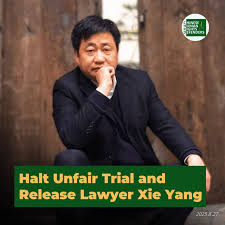
A court in China sentenced the prominent human rights lawyer Xie Yang to five years in prison on March 23, 2026, on politically motivated charges of “inciting subversion of state power,” Human Rights Watch said on 24 March 2026. The Chinese government should immediately quash the conviction, which followed serious procedural violations and years of persecution, and free Xie unconditionally

The Changsha Intermediate People’s Court cited several of Xie’s WeChat posts as the basis for the verdict, Xie’s former wife, Chen Guiqiu, posted on social media. The court also ordered the confiscation of 100,000 yuan (US$14,500).

“The Chinese authorities’ prosecution of Xie Yang and the court’s harsh sentence reflects Beijing’s utter contempt for the rule of law,” said Maya Wangdeputy Asia director at Human Rights Watch. “This case not only aimed to persecute a brave human rights lawyer like Xie, but to intimidate all lawyers seeking to protect Chinese people’s rights.”

The legal proceedings against Xie were marred by serious violations of due process protections, Chen said. The authorities extended his pretrial detention 13 times for a total of over four years and barred his lawyers from participating in his hearings. Xie’s October 2025 trial was held in secret, police only told his family afterward. [see also https://humanrightsdefenders.blog/2025/02/11/joint-civil-society-statement-on-the-fifth-anniversary-of-the-xiamen-gathering-crackdown/]

Xie’s trial violated the right to a fair trial by an independent and impartial court as provided under international human rights law, Human Rights Watch said. In addition, the proceedings violated China’s Criminal Procedural Law, which guarantees a right to a defense (articles 33-35), public trial hearings (article 188), and time limits for a criminal investigation. With time served, Xie’s sentence is expected to go to January 2027.

The United Nations Working Group on Arbitrary Detention has recognized Xie’s detention as arbitrary and called for his immediate release. 

Xie, 54, from Changsha, Hunan province, began practicing law in 2011. He has defended activists and victims of rights abuses in politically sensitive cases, including cases of religious persecution and land rights disputes. 

Xie has faced repeated retaliation for his work. In July 2015, during the nationwide arrests of human rights lawyers known as the “709 crackdown,” Xie was tortured and subjected to enforced disappearance, convicted of “inciting subversion,” and imprisoned until 2017. 

The authorities detained him again in January 2022 after he pressed for the release of a young teacher who had been forcibly committed to a psychiatric facility for criticizing censorship in education. Police raided Xie’s home, tortured him in custody, and held him on charges of “inciting subversion” and “picking quarrels and provoking trouble,” said the US-based Chinese Human Rights Defenders. 

“Foreign governments should continue to speak out for human rights lawyers like Xie Yang because this kind of support is most important when the circumstances are so dire,” Wang said. “Vocal international support could improve Xie’s treatment, and crucially, help give him and others in China the strength to persevere.”

https://www.arabnews.com/node/2637445/world

https://www.hrw.org/news/2026/03/23/china-prominent-rights-lawyer-sentenced-to-5-years

https://safeguarddefenders.com/en/blog/5-years-tortured-chinese-rights-lawyer

The Human Rights Foundation welcomes UN opinion condemning Cambodia’s detention of Koet Saray

March 24, 2026
HRF welcomes UN opinion condemning Cambodia’s detention of Koet Saray

On 23 March 2026 the Human Rights Foundation welcomed the opinion issued by the UN Working Group on Arbitrary Detention (WGAD) finding that Cambodia’s detention of activist Koet Saray violates international human rights law, following an HRF submission.

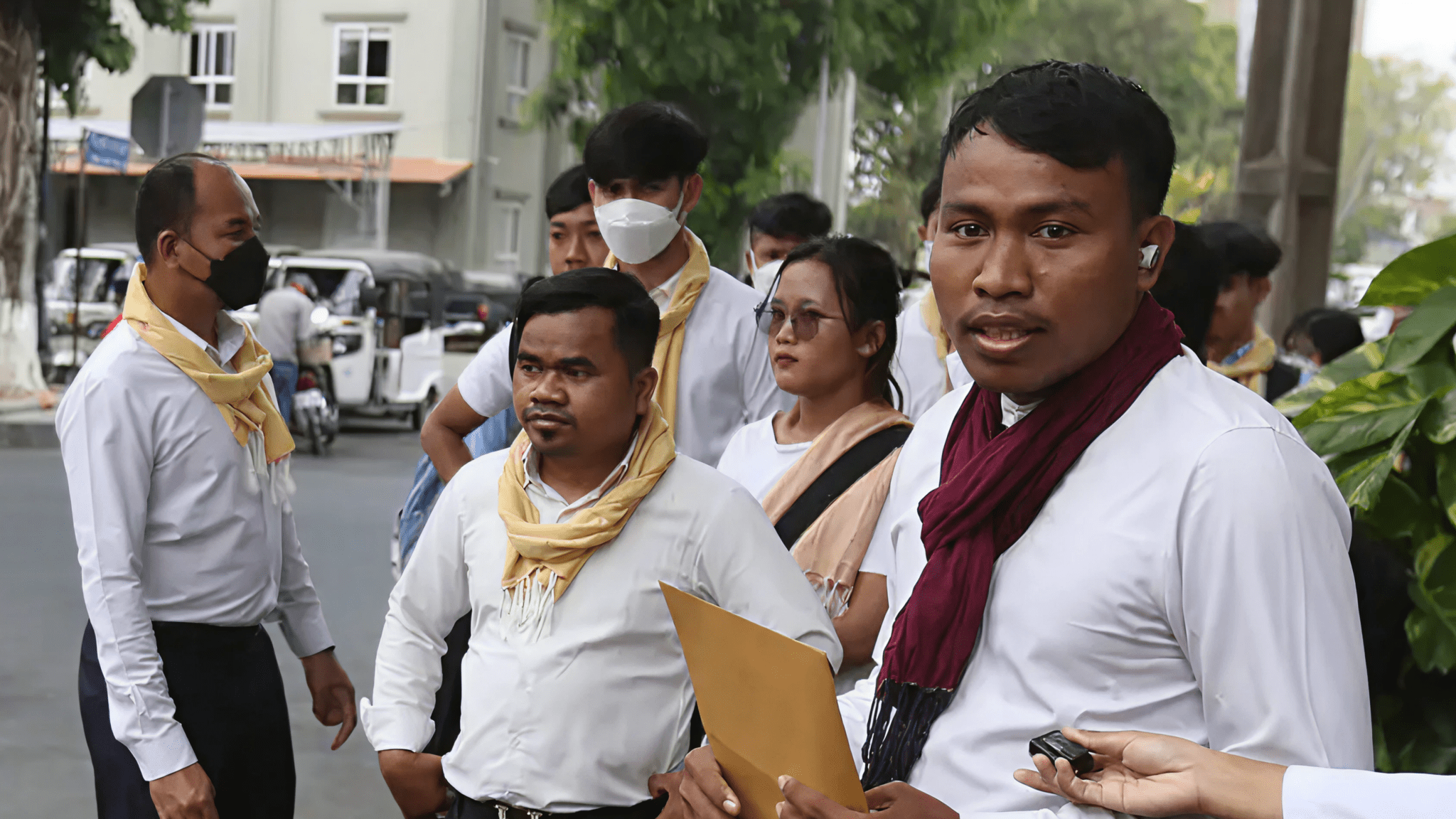
Mr. Koet Saray is a human rights defender and former president of the Khmer Student Intellectual League Association (KSILA), a group dedicated to promoting human rights, democracy, development, and environmental protection that has now ceased operations after the regime targeted more of its members. He was arrested on April 5, 2024, after posting photos on social media from a meeting with Preah Vihear Province villagers who had been forcibly evicted from their homes to make way for a rubber plantation. Mr. Koet Saray advocated for the villagers on social media and through interviews given to media outlets about the evictions.  

Cambodia charged Mr. Koet Saray with “incitement” under Articles 494 and 495 of the Criminal Code, controversial provisions that the WGAD described as so vague and overbroad as to invite abuse and misuse and as incompatible with international legal principles. He was also charged under Article 88, Cambodia’s recidivism provision, due to prior fabricated incitement charges for participating in a peaceful protest in 2020. He was held in pretrial detention for six months before being tried in a one‑day, closed‑court proceeding, and he was convicted and sentenced to four years in prison on Nov. 6, 2024. 

“The Working Group’s opinion confirms that Cambodia weaponized vague criminal statutes to silence a peaceful human rights defender,” said HRF International Legal Associate Kaitie Holland. “Cambodia clearly violated Mr. Koet Saray’s rights to the freedoms of expression, peaceful assembly, and association. We commend the Working Group for its thorough legal analysis recognizing the pattern of abuse against Mr. Koet Saray and calling out his illegal pre‑trial detention, the use of overbroad incitement provisions against him, and the denial of a fair trial.” 

HRF joins the WGAD’s call for the immediate release of Mr. Koet Saray and for a full, independent investigation into the circumstances of his arrest, trial, and imprisonment. HRF urges the international community to hold Cambodia accountable for the detention of Mr. Koet Saray and other activists who are arbitrarily imprisoned under the country’s abusive incitement laws. 

Kyrgyz court frees Makhabat Tajibek kyzy but fails to drop retaliatory charges 

March 24, 2026
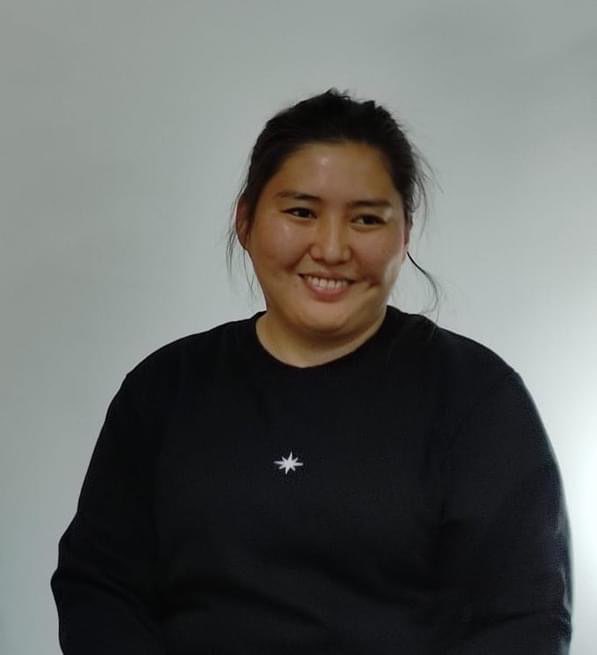
Makhabat Kyzy
Makhabat Kyzy. Photo: Private

The Leninskiy District Court in Bishkek ruled today release Makhabat Tajibek kyzy into house arrest local media reported. Makhabat Tajibek kyzy is a female media director who has spent more than two years in state custody after her arrest in January 2024. [see also https://humanrightsdefenders.blog/2025/04/26/central-asia-leaders-must-deliver-on-human-rights-pledges-made-at-summit-say-ngos/

Judge Temirbek Mamatov, who reviewed the case following the ruling by the nation’s Supreme Court, refused to drop the charges and acquit the journalist who participated in the hearing via a web link from the prison colony, Radio Azattyk reported. Mamatov also imposed a travel ban on Tajibek kyzy, and her case is expected to be retried. 

On 23 March 2026 Civil Rights Defenders welcomed the decision allowing Makhabat Tajibek kyzy to return home and to finally reunite with her family and teenage son. We also repeat the call that Civil Rights Defenders and other human rights groups have made since the day Tajibek kyzy and her colleagues were arrested: Kyrgyzstani authorities should drop all unsubstantiated charges brought in retaliation for her legitimate journalistic work. Makhabat Tajibek kyzy needs to be fully acquitted and rehabilitated.  

The director of anti-corruption investigative outlets Temirov Live and Ait Ait Dese, Tajibek kyzy was arrested in January 2024 along with 10 other current and former staff members and sentenced in October of that year to six years in prison on charges of calling for mass unrest. Until today, all of her co-defendants in the case have been released from jail under probation, pardoned or acquitted. 

https://crd.org/2026/03/23/kyrgyz-court-frees-jailed-media-director-but-fails-to-drop-retaliatory-charges/

UN reports that nearly 100 human rights defenders are killed every year in Colombia

March 23, 2026

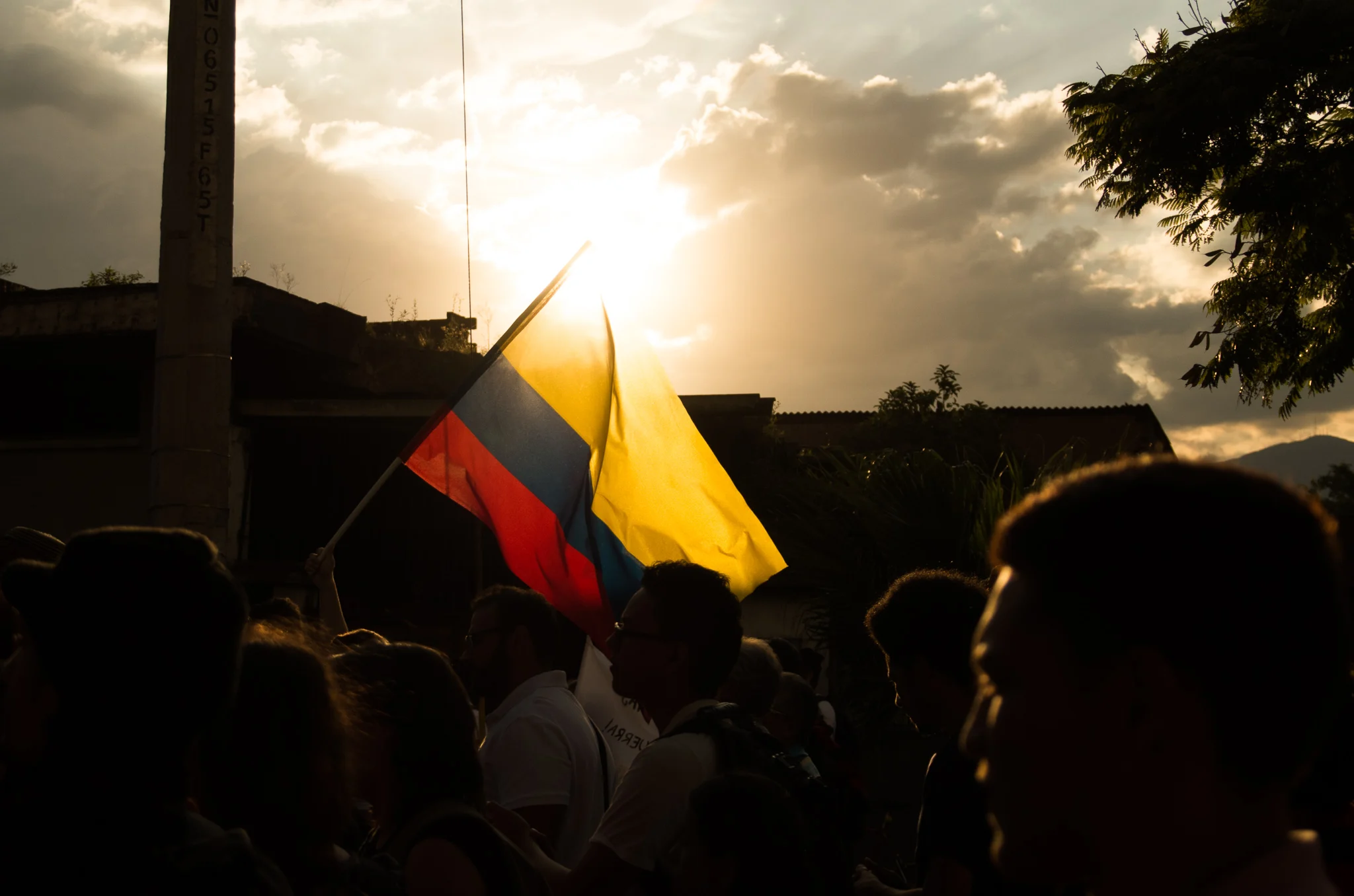
During each of the last nine years around 100 human rights defenders have been assassinated in Colombia, according to a United Nations report published on 19 March 2026 [this is inline with earlier findings e.g. https://humanrightsdefenders.blog/2025/05/13/front-line-defenders-global-analysis-2024-25/ and https://humanrightsdefenders.blog/2024/09/18/global-witness-2023-2024-annual-report-violent-erasure-of-land-and-environmental-defenders/]

The 972 deaths recorded between 2016 and 2025 make Colombia “one of the most dangerous countries in the world” for such activists, according to the UN’s High Commissioner for Human Rights, Volker Türk. 

Following the historic peace accords between the government and the Revolutionary Armed Forces of Colombia (FARC) in 2016, the report noted a gradual increase in assassinations.  This was linked to the state’s inability to maintain a strong presence in areas previously controlled by the guerrilla group. 

Over 70% of identified perpetrators were armed non-state actors, with the majority of cases analyzed by the report involved in drug trafficking, illegal mining, illegal logging, and human trafficking.  The number of attacks and threats against human rights defenders investigated by the UN between 2022 and 2025 was 2,018, however this is thought to represent “only a fraction” of the true number due to underreporting and the lack of efficient government records of such cases. 

The report recognized the work of the current Historic Pact (Pacto Histórico) government of Gustavo Petro, which has publicly recognized the gravity of the situation and worked to develop a national strategy to counter it. This included the 2022 law that established peace as a matter of state policy, recognizing the state’s responsibility to “guarantee human security” through a “territorial and intersectional approach”. 

However, the UN says the state’s response has failed human rights defenders due to its fragmented nature that lacks coordination between national, departmental, and municipal authorities. 

“In addition to ensuring accountability for the murders that have taken place, addressing the structural causes of this human tragedy through a comprehensive approach must be a priority for all relevant authorities in Colombia, in order to protect human rights defenders and enable them to carry out their vital work safely,” Türk said. 

High levels of impunity have also persisted, with only 55 out of the 800 cases investigated between 2022 and 2025 ending in sentencing. In over half of these cases, no suspects have been identified. 

Nearly a quarter of victims identified by the UN were Indigenous (23%) highlighting a disproportionate effect on this population that represents less than 5% of Colombians. 

Other disproportionately affected groups include Afro-Colombians, LGBTQ+ individuals, rural community leaders and environmental protectors, as well as political leaders. 

The report concluded by urging the Colombian state to take action to combat this issue, recommending institutional reforms and criminal investigations into perpetrators.

https://www.ohchr.org/en/press-releases/2026/03/colombia-urgent-action-needed-end-widespread-violence-against-human-rights

Kashmiri journalist Irfan Meraj three years detained

March 23, 2026

Srinagar: A coalition of international human rights organizations has called for the immediate release of Kashmiri journalist Irfan Meraj, three years after his arrest by India’s National Investigation Agency (NIA).

According to Kashmir Media Service, nearly three dozen human rights groups, including Amnesty International, Human Rights Watch and the Committee to Protect Journalists, said Meraj’s continued detention is based on charges they believe are politically motivated and linked to his work documenting human rights issues in occupied Jammu and Kashmir.

The organizations said that the case reflects growing pressure on journalists and researchers working on sensitive issues in the territory. The advocacy groups highlighted the detention of Kashmiri human rights defender Khurram Parvez, coordinator of the Jammu Kashmir Coalition of Civil Society (JKCCS), who has been held since 2021. Investigators previously described Mehaj as an associate of Parvez, a fact that rights organizations say forms part of the basis for the charges against him.

The coalition urged the Indian government to end what they described as reprisals against journalists and human rights defenders in occupied Jammu and Kashmir and to reconsider laws that allow extended detention without trial. They also criticized the Modi-led Indian government for failing to respond to several inquiries previously raised by UN human rights experts regarding alleged violations in the region.

The groups called on the international community to monitor the situation closely and encourage greater protection for journalists and civil society organizations, stating that continued attention from international institutions may be necessary to ensure that press freedom and basic civil liberties are upheld in the territory.

Meraj was arrested in March 2023 during an investigation conducted by India’s National Investigation Agency for uploading posts on brutalities of Indian forces in the territory.

https://kmsnews.org/kms/2026/03/22/global-rights-groups-urge-release-of-kashmiri-journalist-rights-defender.html

Populism Speaks to Young Men – Why Don’t Human Rights?

March 23, 2026

A blog post by Matilde Da Luz on 18 March 2026 of Columbia University is not directly related to human rights defenders but so interesting that it is reproduced here in full:

By now, most women recognize the script. Raise a point about sexism, feminism, or gender equality and the response is often predictable. You are “angry.” You are “too woke.” You have, somehow, made things awkward. The figure of the angry feminist woman has become so familiar that it no longer feels like an accusation so much as a reflex – a shorthand for dismissing political discomfort without engaging it. You become labelled, often unconsciously, as the “killjoy.”

What is striking is that this stereotype persists at a moment when anger is hardly in short supply. Much of it belongs to men, and is increasingly confident, public, and political. It circulates online, where terms like incel and manosphere emerge in everyday vocabulary. It is surfacing in dating culture, classrooms, and family conversations, where feminism is framed less as a demand for equality than as a provocation. And it is showing up in electoral politics.

According to a recent study that analyzed the 2024 European Parliament elections, more than 21 percent of young men aged 18–29 voted for far-right parties, compared to around 14 percent of young women. This marks one of the clearest gender gaps in far-right support among younger voters across Europe. The more interesting question, then, is not why women continue to be frustrated by patriarchy, but why so many young men appear increasingly angry – and why that anger seems to be so easily mobilized by populist language.

These questions matter since they sit at the intersection of two developments that have often been discussed separately: the rise of far-right populism and the growing difficulty of human rights discourse in reaching young men. Analysts tend to explain young men’s support for the far right through conditions such as economic anxiety, cultural backlash, or online radicalization. However, while these explanations are not wrong, they often miss something central. Far-right populism offers, very compellingly, a way of making grievance feel politically intelligible. At the same time, the language of human rights, which is ostensibly universal, egalitarian, and moral, consistently fails to resonate with this same group. Why is that?

Put differently: why do young men gravitate toward far-right populism, and why does human rights language so often fail to reach them? In truth, populism’s success and human rights’ struggle with this demographic turn out to be two sides of the same affective and gendered coin.

Far-right populism works, in part, because it is emotionally economical. It is successful in offering a pretty clear story about who has been wronged and who is to blame. So-called “ordinary people” are portrayed as betrayed by the elites and threatened by outsiders, which usually results in a moral landscape drawn in bold lines. Hence, politics becomes a struggle between betrayal and redemption, insiders and outsiders, rescue and decline. Interestingly enough, the subject at the center of this story is often presented as implicitly masculine: the sidelined worker, the disrespected citizen, the young man who feels displaced by feminism, multiculturalism, or economic change.

The appeal here, instead of ideological, is primarily affective. Populist narratives do not ask people to manage resentment, or to adapt their anger into appropriate language or tone. Instead, they expertly validate it. Woundedness is treated as evidence that something is wrong, and the emotion can no longer be overcome. Consequently, anger becomes legible, even reasonable.

The manosphere provides the perfect illustration of how this emotional logic can take shape well before it reaches the ballot box. These online spaces are frequented by men who successfully reframe their personal frustrations into a collective grievance of sorts. Incel culture, in particular, offers men a way to interpret loneliness, rejection, or economic insecurity as structural and systemic injustices that are, in turn, blamed on women and feminism. The appeal lies, then, in the comfort of certainty – the reassurance that their frustrations have an identifiable cause.

This anger, however, is also material. Masculinity has long been bound up with material arrangements that once offered stability and recognition, especially waged labor. As these arrangements erode, insecurity is no longer experienced only as an economic loss. Rather, it becomes existential. When economic institutions no longer sustain the forms of masculine authority they once did, insecurity is lived as a disruption of gendered meaning which, in turn, produces an affective opening for populist recruitment. Loss demands explanation, and far-right populism is efficient at providing one.

Human rights discourse, on the other hand, speaks in a very different register. It tends to be careful, professionalized, and abstract, emphasizing universality, dignity, and legal principle. It often assumes a rational subject – someone capable of setting aside their own personal grievances in favor of universal principles. In fact, contemporary human rights talk has increasingly framed itself as a project of restraint, focused on preventing the worst harms rather than focusing on articulating a substantive vision of justice.

Arguably, human rights language can be emotionally compelling for those already disposed toward empathy. The difficulty is that, in a political moment marked by an erosion of empathy and an intensification of hostility – increasingly directed at women and feminism – this association can have the opposite effect. In truth, human rights discourse is often perceived by young men as “feminized”, not because of its commitments to gender equality, but because of its association to empathy, vulnerability, protection and care – traits that patriarchal orders frequently characterize as feminine. This can further alienate young men who already feel dismissed, blamed, or morally lectured.

The contrast is, therefore, stark. At the same time that populism validates and valorizes woundedness, human rights seek to neutralize it. In this sense, populism animates emotional life, whereas human rights assume a rational subject who is willing to rise above it. For young men whose political identities are boomingly shaped by feelings of loss and displacement, far-right populism feels personal. Human rights feel procedural.

This does not mean that human rights lack emotional appeal. Contrarily, humanitarian campaigns have long relied on images of suffering to mobilize concern. But these appeals typically work through pity rather than grievance, and compassion rather than anger. They usually frame people as victims in need of protection, not as political subjects whose injuries demand some sort of structural change, much like populists do. In a political moment increasingly organized around resentment, this framing can feel misaligned.

This dynamic essentially reshapes the terrain of political identification itself. As grievance grows more consistently recognized and organized through populist frames, hostility toward feminism is structurally reinforced, and, at the same time, equality is emergently experienced by young men as loss. In this context, human rights struggles to appear as a credible site of recognition in a political scene where belonging is produced through exclusionary ideologies.

Within these circumstances, deeper questions arise. If contemporary politics is increasingly organized through fear, anger, and the pleasures of moral certainty, what kind of ethical and political subject can human rights still presume, and cultivate? In other words, in a world where resentment so efficiently creates “the people,” how can empathy win without becoming naïve, moralizing, or politically empty?

https://blogs.cuit.columbia.edu/rightsviews/2026/03/18/populism-speaks-to-young-men-why-dont-human-rights/
Belarus frees 250 prisoners – including human rights defenders – as US eases sanctions

March 23, 2026

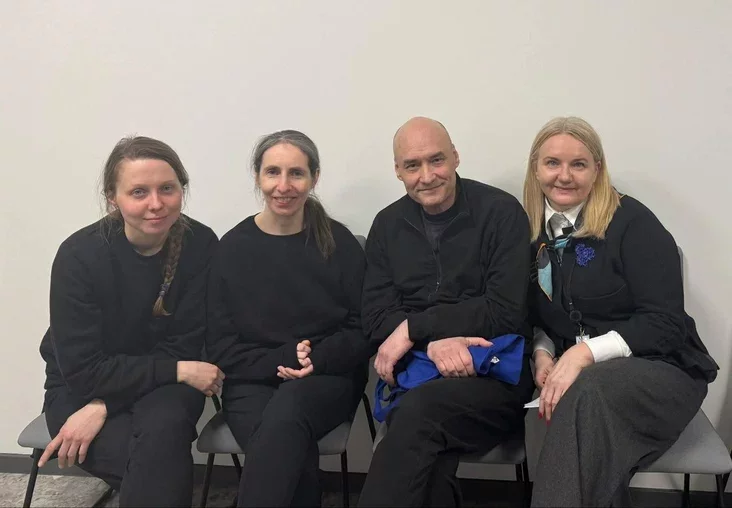
The Human Rights Center “Viasna” published a joint photo of three of its employees — Marfa Rabkova, Nasta Loika, and Valiantsin Stefanovich — who were released.

Belarusian leader Alexander Lukashenko released 250 political prisoners on 19 March 2026, the largest group freed so far, as the United States moved to lift more sanctions, The releases are part of a broader effort by Minsk to improve ties with Washington after years of isolation and sanctions. Among those freed was Katsyaryna Andreyeva, a journalist with Polish Belarusian-language broadcaster Belsat, according to reports.

Also released was Marfa Rabkova, an activist with Belarusian human rights group Viasna who was arrested in September 2020 and sentenced to 14 years and nine months on charges including “extremism,” the Reuters news agency reported.

Coale – an envoy for US President Donald Trump – said he expected all remaining political prisoners to be released by the end of the year, adding that Washington would lift all sanctions imposed over the 2020 crackdown on protesters if that happens, Reuters reported. He also said Lukashenko had been urged to halt further arrests. The United States has agreed to lift sanctions on several Belarusian banks and the country’s finance ministry, as well as fertiliser producers, according to the AFP news agency.

Coale said earlier on Thursday that Lukashenko may soon visit the United States, a trip that would signal a potential breakthrough after years of diplomatic isolation over human rights abuses and his support for Russia’s invasion of Ukraine. Previous talks between Coale and Lukashenko led to the release of dozens of political prisoners in September and a further 123 in December, including Nobel Peace Prize winner Ales Bialiatski. In response, the United States lifted sanctions on Belarusian potash, a key export used in fertilisers. [see: https://humanrightsdefenders.blog/2025/12/16/ales-bialiatski-free-but-more-human-rights-defenders-must-be-released-in-belarus/]

Exiled Belarusian opposition leader Sviatlana Tsikhanouskaya welcomed the latest prisoner release as a moment of “great joy” and “huge relief.”

Civil Rights Defenders welcomes the news that human rights defender Nasta Loika has been released from prison in Belarus as part of the country’s largest mass release of political prisoners to date. Nasta is a longstanding advocate for human rights in Belarus and an alarm bearer in the Natalia Project, the world’s first alarm and positioning system for human rights defenders at risk.

“We are deeply relieved that Nasta Loika is finally free. Her courage, resilience, and commitment to human rights have inspired countless people in Belarus and beyond. While we celebrate her release, it comes after years of unjust persecution. No one should ever be imprisoned for defending fundamental rights,” says Gabrielle Gunneberg, Global Department Director at Civil Rights Defenders.

Reacting to the release of 250 individuals imprisoned in Belarus on politically motivated grounds, including human rights defenders Marfa Rabkova and Nasta Loika, as a part of a deal with the United States, Marie Struthers, Amnesty International’s Eastern Europe and Central Asia Director, said:

“While the release of hundreds of individuals unjustly detained on politically motivated charges is a welcome step, it must not be mistaken for justice. Marfa Rabkova, Nasta Loika, Valiantsin Stefanovich and others should not have spent a day in prison. Freedom should never be the product of geopolitical bargaining in human beings. Justice will not be served until those responsible for their unlawful imprisonment are held accountable.

https://www.polskieradio.pl/395/7785/Artykul/3662656,belarus-frees-250-prisoners-as-us-eases-sanctions

https://www.fidh.org/en/region/europe-central-asia/belarus/belarus-valiantsin-stefanovic-and-marfa-rabkova-are-finally-free

Viasna human rights defender, Valiantsin Stefanovich, spoke with reporters about his release, family, and desire to continue his human rights work.

https://spring96.org/en/news/119858

https://nashaniva.com/amp/en/390812

Human rights activist and Nobel Peace Prize laureate Ales Bialiatski reacted to the release of fellow human rights defenders:

“I am immensely happy, like all my colleagues, about the release of our friends, our colleagues: Valiantsin Stefanovich, Marfa Rabkova, and Nasta Loika. The thing that we expected — I have been expecting it for the last three months, and my colleagues have been expecting it for more than five years — has come true. Because Marfa Rabkova served five and a half years, Valiantsin Stefanovich served four and a half years, and Nasta Loika served several years. And it was an absolute injustice, it shouldn’t have been like this.

https://spring96.org/en/news/119855

https://nashaniva.com/amp/en/390908

https://www.civicus.org/index.php/fr/medias-ressources/112-news/8185-belarus-releases-viasna-human-rights-defenders-marfa-rabkova-and-valiantsin-stefanovich

https://reform.news/en/andreyeva-loika-and-stefanovich-apply-for-international-protection-in-poland/amp

Freedom House report: Freedom in the World 2026: The Growing Shadow of Autocracy

March 21, 2026

Military coups, violence against peaceful protesters, and efforts to weaken constitutional safeguards in 2025 drove the 20th consecutive year of decline in global freedom, according to a new report released on 19 March by Freedom House. The report, Freedom in the World 2026: The Growing Shadow of Autocracy, found that 54 countries experienced deterioration in their political rights and civil liberties, while only 35 registered improvements. Today just 21 percent of the world’s people live in countries rated Free, down from 46 percent two decades ago.

“Even as 2026 has brought new opportunities for those living under authoritarian rule from Venezuela to Iran, the last 20 years have been a dark period for global freedom,” said Jamie Fly, chief executive officer of Freedom House. “Armed conflict, coups, attacks on democratic institutions, and crackdowns on rights by authoritarians have now resulted in two full decades of decline. Those who still enjoy the blessings of freedom must do more to counter authoritarianism and provide more effective support for the democratic aspirations of people standing up to repression around the world, or this persistent decline will continue.”

In addition to deepening repression among authoritarian regimes, the past year featured a chequered performance among the world’s democracies. Of the 88 countries rated Free, the United States experienced the sharpest decline, with a drop of 3 points to a score of 81 on the report’s 100-point scale; it was matched in this group only by a decline in Bulgaria (−3), closely followed by Italy (−2). Worsening gridlock in Congress and escalating assertions of unilateral executive authority—combined with a multiyear rise in threats and reprisals for nonviolent speech, and a weakening of anti-corruption safeguards—brought the US score to its lowest level since Freedom in the World began publishing 0–100 scores in 2002. The United States’ decline for 2025 contributed to a 12-point erosion over the past two decades, under both Republican and Democratic administrations.

Key report findings:

  • Global freedom declined for the 20th consecutive year in 2025. A total of 54 countries experienced deterioration in their political rights and civil liberties during the year, while only 35 countries registered improvements.
  • Largest increases and best overall scores: On Freedom in the World’s 100-point scale for political rights and civil liberties, Syria (+5), Sri Lanka (+5), Bolivia (+4), and Gabon (+4) recorded the largest gains for 2025. The best overall country scores were those of Finland (100), Sweden (99), Norway (99), and New Zealand (99).
  • Largest declines and worst overall scores: Guinea-Bissau (−8), Tanzania (−7), Burkina Faso, (−5), Madagascar (−5), and El Salvador (−5) had the largest one-year score declines.The countries with the worst overall scores were South Sudan (0), Sudan (1), and Turkmenistan (1).
     
  • Status changes: Three countries—Bolivia, Fiji, and Malawi—improved from Partly Free to Free status thanks to competitive elections, growing judicial independence, and the strengthening of the rule of law.
  • Deepening and persistent authoritarian repression: Conditions for freedom continued to deteriorate in Iran in 2025, with authorities arresting more than 21,000 people as part of a crackdown on alleged espionage and collaboration following the regime’s 12-day war with Israel in June, and expelling some 1.8 million Afghan migrants and refugees without regard for their basic rights. The country’s score fell by 1 point to 10 out of 100. The scores for Russia and China remained unchanged at 12 and 9, respectively, but Russian authorities took further steps to suppress antiwar speech and independent journalism, while Chinese officials cracked down on small but multiplying protests.
  • Although the scores for many rights and liberties deteriorated over the last two decades, media freedom, freedom of personal expression, and due process have suffered the heaviest impacts. Coups, armed conflicts, attacks on democratic institutions by elected leaders, and intensified repression by authoritarian regimes have been the main drivers of global decline during this 20-year period.
  • Since 2005, the group of countries with Partly Free status has shrunk substantially. Of the 59 countries that were rated Partly Free as of 2005, a total of 19 have dropped to Not Free, swelling the ranks of the world’s autocracies, whereas just 9 have improved to Free.
  • Most democracies remain resilient in the face of daunting challenges. Despite internal pressures and threats from foreign powers, democracies continue to demonstrate that their domestic political systems are responsive and capable of course correction. Of the 87 countries rated Free in 2005, a total of 76—more than 85 percent—have remained Free throughout the two-decade period of global decline.

https://freedomhouse.org/article/new-report-global-freedom-declined-20th-consecutive-year-2025

Joint NGO appeal for Dr Abduljalil Al-Singace on 15th anniversary of his arrest in Bahrain

March 19, 2026
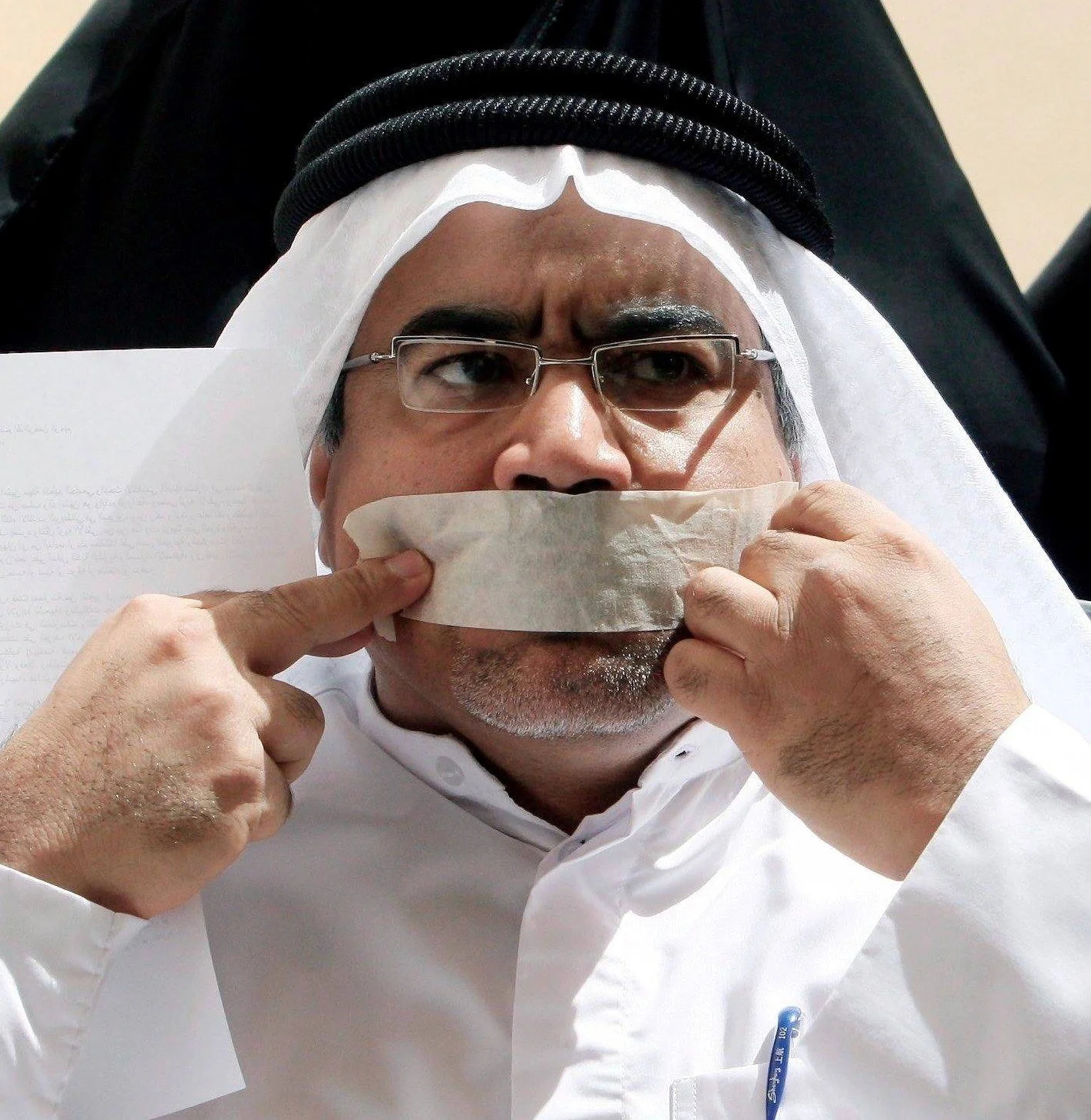
Dr Abduljalil AlSingace – Bahrain – Credit Hasan Jamali

17 March 2026: PEN International, together with a coalition of human rights organisations, wrote to King Hamad bin Isa Al Khalifa and Crown Prince Salman bin Hamad Al Khalifa of Bahrain, urging the release of Dr Abduljalil Al-Singace, a 64-year-old human rights defender imprisoned for fifteen years for his pro-democracy activism. The letter highlights his deteriorating health due to denial of medical care, including delayed surgery and lack of physiotherapy, and his hunger strikes protesting the confiscation of his manuscripts and research. The organisations call on Bahraini authorities to release Dr Al-Singace, provide adequate healthcare, and return his confiscated work, noting that his release ahead of Eid Al-Fitr would be a meaningful act of compassion and reconciliation amid ongoing regional turmoil.

Your Majesties,

We are writing to respectfully urge Your Majesties to order the release of human rights defender Dr Abduljalil Al-Singace, who has now completed fifteen years of arbitrary imprisonment while serving a life sentence for his role in the pro-democracy movement.

Bahrain is currently facing unprecedented challenges as the regional conflict intensifies. The country has been subjected to multiple attacks and its airspace has been closed. At such a difficult time for the nation, acts that promote compassion, unity, and reconciliation are more important than ever. The release of Dr Al-Singace and others imprisoned for their human rights work and political views would send an important message during this difficult time.

Dr Al-Singace, now 64 years old, has been held in medical facilities since July 2021 and is currently detained at Muharraq Specialised Health Care Centre. He began a hunger strike in protest of the confiscation of his manuscripts and academic research. Since then, he has survived primarily on liquid intake, including multivitamin supplements. At times, he has resorted to full hunger strikes to protest the denial of medication and access to specialised medical treatment.

In November 2025, the UN Committee against Torture expressed serious concerns regarding his ongoing detention and urged Bahrain to release Dr Al-Singace, alongside fellow human rights defenders Hassan Mushaima and Abdulhadi Al-Khawaja.

We remain deeply concerned that Dr Al-Singace continues to suffer from the systematic denial of adequate medical care. For example, since 2021, he has experienced severe shoulder pain. After prolonged delays in obtaining a proper diagnosis, he finally received an MRI scan last year and doctors advised that surgery is required. However, there has been no indication as to when this operation will take place. He also continues to be denied physiotherapy despite his disability. These medical concerns should be addressed without further delay.

With Eid Al-Fitr approaching, an occasion traditionally marked by royal pardons, we respectfully ask that Dr Al-Singace be included among those pardoned. In the meantime, we urge Your Majesties to ensure that he is held in conditions that meet international standards, receives his medication without delay, and has access to adequate healthcare in compliance with medical ethics. We also urge the relevant authorities to facilitate the return of his confiscated research to his family at the earliest opportunity.

At a time when the region is experiencing profound turmoil, the release of political prisoners, including Dr Al-Singace, would offer a meaningful gesture of compassion and help ease the suffering felt by many families in Bahrain.

Yours sincerely,

  • ALQST for Human Rights
  • ARTICLE 19
  • Bahrain Centre for Human Rights
  • Bahrain Institute for Rights and Democracy (BIRD)
  • The British Society for Middle Eastern Studies Committee on Academic Freedom
  • CIVICUS
  • Committee to Protect Journalists (CPJ)
  • DAWN
  • English PEN
  • The Free Al-Khawaja Campaign
  • Gulf Centre for Human Rights (GCHR)
  • International Federation for Human Rights (FIDH), within the framework of the Observatory for the Protection of Human Rights Defenders
  • International Service for Human Rights (ISHR)
  • PEN International
  • Reprieve
  • Salam for Democracy and Human Rights (DHR)
  • Scholars at Risk
  • Wales PEN Cymru

https://www.pen-international.org/news/bahrainjoint-appeal-for-dr-abduljalil-al-singace-on-15th-anniversary-of-his-arrest

https://www.theguardian.com/books/2022/oct/10/immensely-brave-abduljalil-al-singace-named-international-writer-of-courage-pen

Right Livelihood on Human rights defenders in exile

March 19, 2026

The Right Livelihood Foundation and partners have gone into the problems faced by Human Rights Defenders in exile:

Leaving your country means more than crossing a border. It means stepping into uncertainty, a place where language falters, futures blur and belonging must be rebuilt. But exile can also open doors. It can broaden perspectives, forge new alliances and inspire people to rebuild on their own terms.

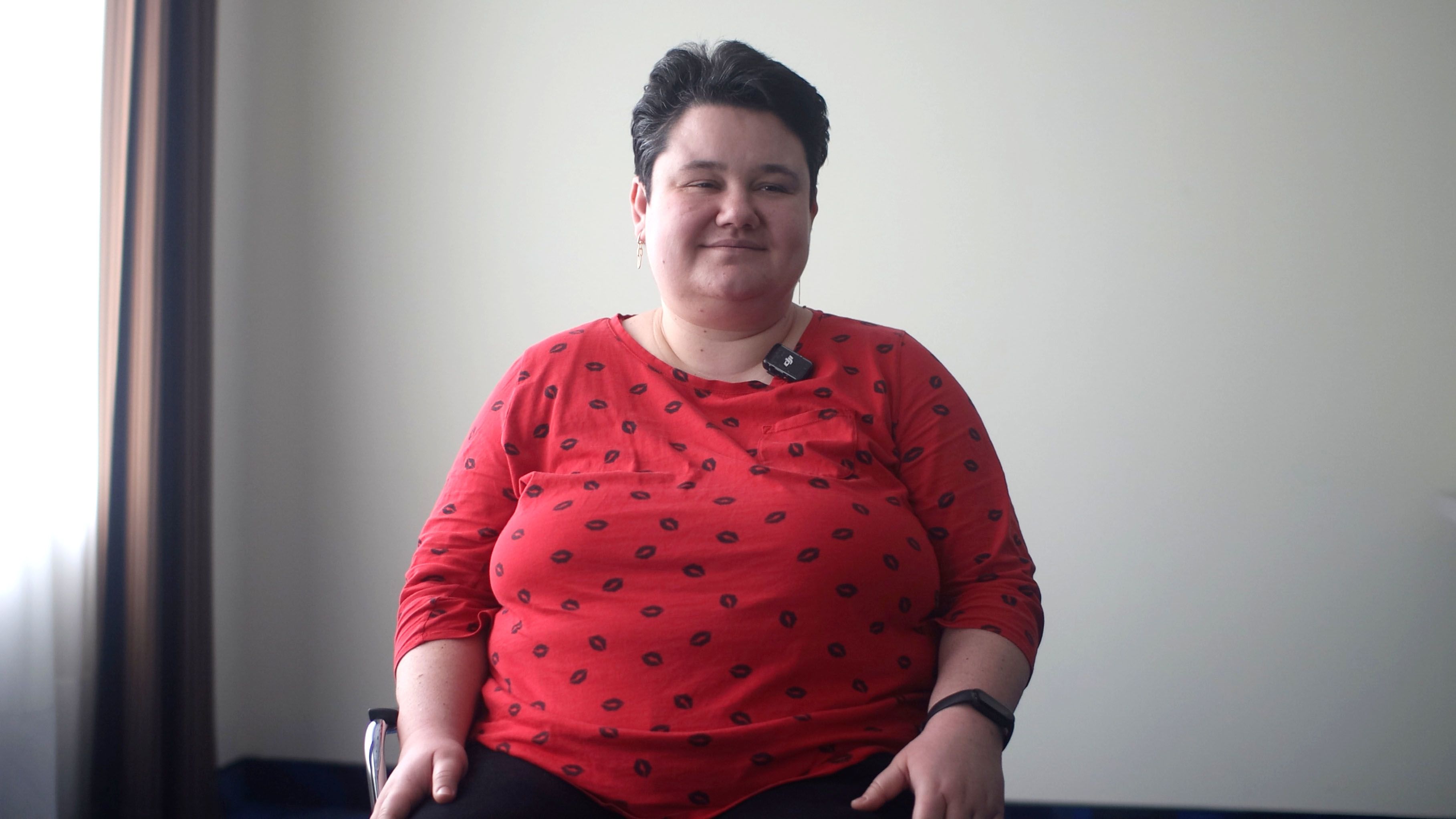
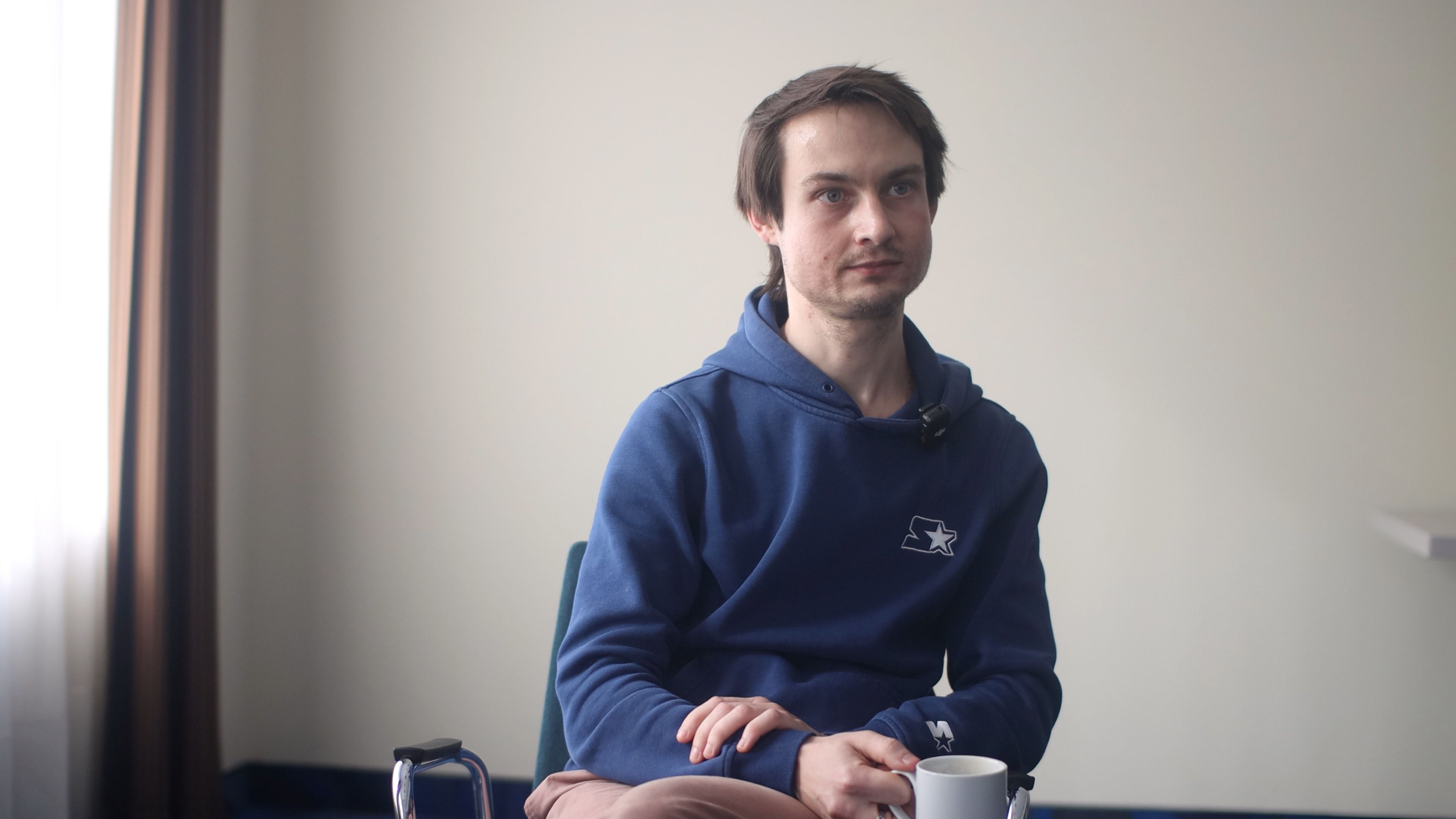
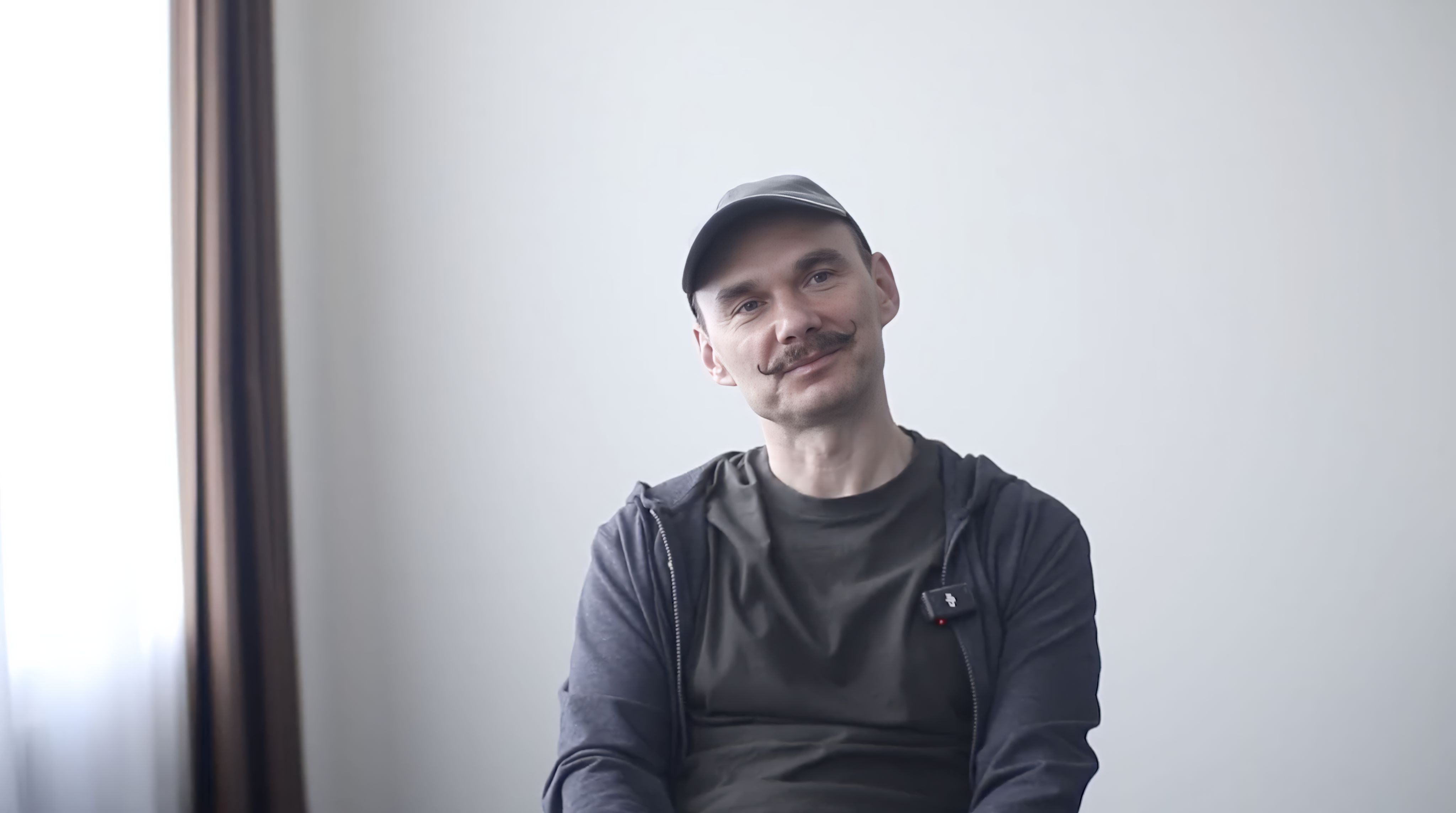
Through the project “Reconceptualising exile”, Right Livelihood together with the Global Campus of Human Rights, work with a group of 14 fellows living in exile to rebuild life, regain identity and purpose while the ground they left behind remains too dangerous to return to. This visual story challenges what you think exile means. It invites you to see how it feels and how people rebuild from fragments, carrying language, memory and conviction across borders.

What forces someone into exile? Behind those numbers are real people punished for what they believe in:

For Natallia Satsunkevich, a human rights defender from Belarus, it was fighting for democracy in the face of the dictatorship.

For Viacheslav (Slava) Samonov, a Russian lawyer and LGBTQ+ activist, the dissolution of his NGO amid the post-invasion crackdown and the rapidly escalating repression against LGBTQ+ people.

For Askold Kurov, a Russian documentary filmmaker, it was promoting free media and LGBTQ+ rights.

For Helen Mack Chang, it was challenging the rampant corruption in Guatemala.  

For Abdul Rahman Yasa, it was standing up for human rights, women’s issues and youth advocacy under the Taliban. 

TAKE A DEEP DIVE INTO THEIR FULL STORIES