For many years, the United Arab Emirates has been one of Washington’s most repressive military allies. Its brutal targeting of human rights defenders, its leadership role with Saudi Arabia in the war on Yemen, and its crushing of any internal political dissent has made it a focus of Human Rights First’s advocacy for a decade.
I visited the Emirates for Human Rights First in 2015 to research how bad things were, and things have only become worse — the few activists who weren’t intimidated into silence in 2015 have now been pushed into exile or sentenced to long terms in prison.
Washington continues to enable the Emirates’ dictatorship with weapons and political support; in April the Biden administration confirmed it would proceed with a $23 billion arms deal. But having powerful friends in Washington, and pushing Dubai’s glitzy image of tourism and shopping, can’t hide the reality of what really happens in the UAE.
Click below or listen here to my appearance on a podcast by the European Centre for Democracy and Human Rights (ECDHR) for more on what’s happening in the UAE behind their PR mask.
When Guerline Jozef, co-founder and executive director of the San Diego-based Haitian Bridge Alliance, learned that she had won this year’s RFK award, she wanted to celebrate in another way. She brought the ceremony to the border and led a group, including Robert F. Kennedy Human Rights staff and musician Wyclef Jean, to the Tijuana Immigration Shelter and then to the Otaimesa Detention Center, which houses detainees at the Immigration and Customs Department.
“We wanted to bring this award to people on both sides of the border and let them know that it was for them,” Joseph said. “We hear them. We see them. We keep fighting for them.”
“We went to the border because we heard there were Haitians,” she said in a speech outside the detention center, recalling the early days of her organization’s activities in Tijuana. “We went for the Haitians, but we stayed for everyone, and we continue to fight for everyone.
Kerry Kennedy, daughter of Robert F. Kennedy and president of Robert F. Kennedy Human Rights, has known Ms Joseph for three years since working together to help Haiti and Cameroon immigrants in Tijuana.
“The great thing about Guerline is that she’s tackling a big problem. She works in a crucible of poverty, race and immigrants,” Kennedy said. “
According to Joseph, her parents gave up a comfortable life in Haiti to move to the United States after the coup. Back in Haiti, they had a big house and her father was the mayor. In the United States, the father became a taxi driver and the mother became a housekeeper. Both worked long hours to take care of their families.
New York, NY – Eric K. Ward, a nationally-recognized expert on the relationship between authoritarian movements, hate violence, and preserving inclusive democracy, will receive the 21st annual Civil Courage Prize virtually on Friday, October 29, 2021.
This is the first time in the award’s history that an American has won the prize, revealing the dangerous proliferation of hate crimes and political violence by authoritarian and extremist movements in the United States.
In his 30+ year civil rights career, Ward has worked with community groups, government and business leaders, human rights advocates, and philanthropists to combat white supremacy, extremism, and anti-democratic activities of the far right. The recipient of the Peabody-Facebook Futures Media Award, Ward’s widely quoted writings and speeches are credited with key narrative shifts in the fight to take white supremacist violence seriously. He currently serves as Executive Director of Western States Center, Senior Fellow with Southern Poverty Law Center and Race Forward, and as Chair of The Proteus Fund.
“There are few with more experience in the realm of civil courage in the United States than Eric Ward. Eric understands the deep connections between creating and sustaining inclusive, democratic institutions and combating extremism, bigotry and racism in all its forms,” said George Biddle, Train Foundation Trustee. “We commend Eric for spending his career and life demonstrating how extremism can only be mitigated through non-violent action and facilitating common ground.”
“The fact that I am the first ever American to win this prize is a clear and jarring message from The Train Foundation to governments and civil society domestically and internationally: the rise of authoritarianism and violent extremism has ended all illusions of ‘American exceptionalism.’ America’s dream of achieving a multiracial and inclusive democracy is in danger, said Eric Ward. “Bigoted and authoritarian ideological movements are now an active threat to the very structures of our democracy established by the 1960s Civil Rights movement. I am grateful and proud to accept this honor on behalf of all those who continue the struggle towards a strong, multicultural democracy.”
Eric Ward has a special interest in the use of music to advance inclusive democracy. In 2020 he helped to launch the Western States Center Inclusive Democracy Culture Lab which works with musicians to create new narratives about anti-bigotry and inclusion, puncture the myths driving our political and social divisions, and invite people who don’t always trust politicians and movement leaders into the safe and trusting conversational space that exists between a performer and their audience.
Ward began his civil rights career at a time when the white nationalist movement was engaged in violent paramilitary activity that posed a threat to democracy and democratic participation in the Pacific Northwest. He founded and directed a community project designed to expose and counter hate groups and respond to bigoted violence before joining the staff of the Northwest Coalition Against Malicious Harassment, where he worked with government leaders, civil rights campaigners, businesses leaders and law enforcement officials in establishing over 120 task forces focused on human rights and anti-violence in Colorado, Idaho, Montana, Oregon, Washington, and Wyoming.
Ward considers himself ‘lucky’ to have had the experience of working closely side-by-side with people who decided to leave any movements which pose a threat to democracy. “I can’t take a lot of claim for that,” he said in an interview with Floss Media earlier this year. “What I think I presented was a doorway out. The truth is when we break this binary of white supremacy and the white nationalism that is trying to turn it into something new, what we find out is we have a lot of problems in common. We also have a lot of dreams in common.”
Zack Beauchamp in VOX of 28 July 2021 makes a strong but perhaps controversial plea that “In the fight for democracy’s future, Indian and American politics is more important than anything China is doing“:
Donald Trump and Narendra Modi.
One of the emerging tenets of the Biden presidency is that the United States and China are locked in ideological conflict over the fate of democracy.
In March, during his first press conference as president, he declared that “this is a battle between the utility of democracies in the 21st century and autocracies.” In April, during his first address to a joint session of Congress, he labeled this struggle “the central challenge of the age” — and that China’s Xi Jinping is “deadly earnest about becoming the most significant, consequential nation in the world.”
More recently, in last week’s CNN town hall, he warned that Xi “truly believes that the 21st century will be determined by oligarchs, [that] democracies cannot function in the 21st century. The argument is, because things are moving so rapidly, so, so rapidly that you can’t pull together a nation that is divided to get a consensus on acting quickly.”
Inasmuch as there is a Biden doctrine, the notion that the US needs to protect democracy from China’s authoritarian model is at the center of it. “Biden’s administration [is] framing the contest as a confrontation of values, with America and its democratic allies standing against the model of authoritarian repression that China seeks to impose on the rest of the world,” Yaroslav Trofimov writes in the Wall Street Journal.
Biden’s thinking captures an important insight: that the struggle over democracy’s fate will be one of the defining conflicts of the 21st century. But his analysis is crucially flawed in one respect: China is not an especially important reason why democracy is currently under threat — and centering it is not only wrong, but potentially dangerous.
In countries where democracy is at real risk of collapse or even outright defeated — places like India, Brazil, Hungary, Israel, and, yes, the United States — the real drivers of democratic collapse are domestic. Far-right parties are taking advantage of ethno-religious divides and public distrust in the political establishment to win electorally — and then twist the rules to entrench their own hold on power. Leaders of these factions, like former US President Donald Trump and Indian Prime Minister Narendra Modi, aid and abet each other’s anti-democratic politics.
More traditional authoritarian states, even powerful ones like China or Russia, have thus far played at best marginal roles in this struggle.
“Much of the recent global democratic backsliding has little to do with China,” Thomas Carothers and Frances Brown, two leading experts on democracy, write in a recent Foreign Affairs essay. “An overriding focus on countering China and Russia risks crowding out policies to address the many other factors fueling democracy’s global decline.”
This misdiagnosis has real policy stakes. Leaning into competition with China could lead the US to excuse anti-democratic behavior by important partners, like Modi or the Philippines’ Rodrigo Duterte, in a manner reminiscent of US relations with anti-communist dictators during the Cold War. Moreover, too much emphasis on competition with China could distract from the place where Biden has the most power to affect democracy’s fate — the home front, an area in which voting rights advocates increasingly see him as indefensibly complacent.
There are real problems associated with China’s rise. Its increasing military belligerence, predatory economic practices, and horrific human rights abuses in places like Xinjiang are all very serious concerns. But the fact that China is the source of many real issues doesn’t mean it’s the source of democratic erosion worldwide — and positioning it as such will do little to advance the democratic cause.
Democracies are rotting from within, not without
In his public rhetoric, Biden often argues that the US needs to prove that democracy “works” — that it can “get something done,” as he said last week — in order to outcompete the Chinese model.
While he hasn’t spelled out the nature of this competition all that precisely, the concern seems to center on Chinese policy success: that its rapid economic growth and authoritarian ability to make swift policy changes will inspire political copycats unless democracies prove that they can also deliver real benefits for their citizens.
“I believe we are in the midst of an historic and fundamental debate about the future direction of our world,” the president wrote in a March letter outlining his national security strategy. “There are those who argue that, given all the challenges we face, autocracy is the best way forward. And there are those who understand that democracy is essential to meeting all the challenges of our changing world.”
But at this point, the fear of Chinese political competition is mostly hypothetical. While the Chinese government and state media frequently tout the superiority of its political model to American-style democracy, there’s little evidence that these efforts are all that influential globally — and certainly not in the countries where democracy is most at risk.
A look back at the Soviet Union, the last major challenge to the hegemony of liberal democracy, is telling. ln ideological terms, there’s no comparison: Soviet communism was a far more powerful model than Chinese authoritarian state capitalism is today.
Xi Jinping.
Marxist ideals inspired revolutionary Communist movements and governments around the globe, successfully toppling Western-backed governments in countries ranging from Cuba to Vietnam to China itself. By contrast, there are vanishingly few foreign governments or even political parties today openly vowing to emulate modern China. While the Soviets had the Iron Curtain in Europe, modern China’s most notable client state is North Korea — perhaps the most isolated and mistrusted government on the planet.
In the countries that observers worry most about — established democratic states experiencing “backsliding” toward authoritarianism — Chinese influence is minimal at best.
In backsliding democracies, authoritarian-inclined leaders win and hold power through the electoral system for domestic reasons. Corruption scandals in India and Hungary, violent crime in the Philippines, a racist backlash against America’s first Black president: These are some of the key factors in the rise of authoritarian populists, and they weren’t created or even significantly promoted by China.
Elected authoritarians still bill themselves as defenders of democracy while in power — even after they start undermining the electoral system with tactics like extreme gerrymandering and takeovers of state election agencies. Their political appeal isn’t grounded in an overt rejection of democracy in favor of a Chinese model, but rather a claim to be taking democracy back from corrupt elites in the name of the “true” people, typically defined in ethno-nationalist terms.
The ideology driving modern democratic decline is vastly different from the sort that China promotes at home and through official state media. It represents a home-grown challenge inside the democratic world, rather than an externally stoked, Cold War-style threat.
That’s not to say China does nothing to undermine democracy outside its borders. It has, for example, exported surveillance technology and provided training in “cybersecurity” for foreign officials that amount to teaching them tools for controlling public opinion — underscoring its role as a global pioneer in using technology to repress dissent.
Yet even in this area, China’s influence can easily be overstated. Backsliding countries typically do not ban websites outright or arrest online dissidents in the way China does. Instead, they rely on spreading misinformation and other more subtle uses of state power. When they do use more traditional authoritarian tools, they often don’t need China’s help in doing so — as shown by recent reporting on Israel’s NSO Group, a company with close links to the Israeli state that sold spy software to India and Hungary (whose governments allegedly used it to surveil journalists and opposition figures).
In his recent book The Rise of Digital Repression, Carnegie Endowment scholar Steven Feldstein attempts to systematically document the use of digital tools and tactics for undermining democracy around the world. He found that while such practices were indeed becoming more widespread, this is largely due to domestic factors in authoritarian and backsliding countries rather than Chinese influence.
“China really wasn’t pushing this technology any more so than other countries were pushing advanced technology or censorship technologies,” he told me in an interview earlier this year. “What I saw — when I spoke on the ground to intelligence officials, government officials, and others — was that there were many other factors at play that were much more determinative in terms of whether they would choose to purchase a surveillance system or use it than just the fact that China was trying to market it.”
The problem with blaming China for democracy’s crisis
Biden and his team recognize that many of the challenges to democracy have domestic roots. But in casting the rise of anti-democratic populism as part of a grander ideological struggle against an authoritarian Chinese model, they conflate two distinct phenomena — and risk making some significant policy errors.
Again, an analogy to the Cold War is helpful here. One of the most grievous errors of America’s containment policy was its repeated willingness to align itself with anti-communist dictators. The perceived need to stop the expansion of Soviet influence consistently trumped America’s commitment to democracy — with horrific consequences for the people of Iran, Argentina, Indonesia, and Bangladesh (to name just a handful of examples from a very long list).
The more China is treated like the new Soviet Union — the principal ideological threat to democracy whose influence must be curtailed — the more likely the US is to repeat that mistake.
Take India, for example. In the past six months, Biden has courted Modi’s government as a potential counterweight to China. “There are few relationships in the world that are more vital than one between the U.S. and India. We are the world’s two leading democracies,” Secretary of State Antony Blinken said in a July 28 press conference in New Delhi.
“There has long been a bipartisan consensus in Washington that India is a critical ally in its attempt to check Chinese influence in Asia,” the Indian intellectual Pankaj Mishra wrote in a June Bloomberg column. “In overlooking the Modi government’s excesses, Biden probably counts on support from a US foreign policy establishment invested more in realpolitik than human rights.”
If you take the notion that democracy’s crisis is emerging from within seriously, then it follows that very best thing that Biden could do for democracy’s global future has nothing to do with China or even foreign policy. It’s arresting creeping authoritarianism at home.
Cliff Albright, co-founder of Black Voters Matter, and Rep. Hank Johnson (D-GA) are arrested during a protest to support voting rights outside of Hart Senate Office Building on Thursday, July 22, 2021.
Biden has acknowledged this at times, writing in his March letter that his global strategy “begins with the revitalization of our most fundamental advantage: our democracy.” And yet that urgency hasn’t translated into action — legislation necessary to safeguard American democracy from the GOP’s increasingly anti-democratic politics appears stalled out. Biden, for his part, has refused to publicly endorse more aggressive action to break the logjam — like abolishing the filibuster for voting rights bills.
The New York Times recently reported that “in private calls with voting rights groups and civil rights leaders, White House officials and close allies of the president have expressed confidence that it is possible to ‘out-organize voter suppression’” — an implausible claim that reflects an administration that, according to activists, has “largely accepted the Republican restrictions as baked in and is now dedicating more of its effort to juicing Democratic turnout.”
Shoring up American democracy after the recent attacks it has suffered should be the top priority of any US government concerned with democracy’s global fate. But for all of Biden’s lofty language about out-competing China and winning the future for democracy, there’s a striking lack of urgency when it comes to the perhaps the most important backsliding country — his own.
In this sense, China has very little influence over the future of democracy globally. The key battles are happening not in the South China Sea or the Taiwan Strait, but in the legislatures of New Delhi and Washington. If there really is to be a grand struggle for democracy’s survival in the 21st century, it needs to start there.
After successfully completing his mission to space, Bezos announced a new initiative titled the Courage and Civility Award to honour “leaders who aim high, pursue solutions with courage, and always do so with civility.”
“We live in a world where sometimes instead of disagreeing with someone’s ideas, we question their character or their motives,” Bezos said. “What we should always be doing is questioning ideas, not the person. We need unifiers and not vilifiers.”
The Courage and Civility Award is a $100 million award for a person to give to charities and non-profit organizations of their choice or keep it for their organization. “It’s easy to be courageous but also mean. Try being courageous and civil. Try being courageous and a unifier. That’s harder and way better and makes the world better,” said Bezos.
Jones was present at the event in Van Horn, Texas to accept the award. He thanked Bezos, and stated: “Sometimes dreams come true and the headline around the world should be anything is possible if you believe,”.
Jones, the founder of Dream Corps, spoke about the importance of dismantling oppressive systems and giving everyone access to opportunities like the one Bezos experienced in space.
Dream Corps is an organization that strives to close prisons and open doors of opportunity by bringing people together across racial, social and partisan lines. Its programs focusing on criminal justice reform, building a green economy and creating equity in the technology industry.
“If this small group of people can make miracles happen in outer space, a bigger group of people can make miracles happen down here, and we’re gonna do it,” Jones said.
Shawn Utley reports in the Madison Leader Gazette of July 14, 2021 on a Freedom House “webinar” about the alleged Iranian plot to kidnap Iranian-American journalist Masih Alinejad.
A newly released Justice Department indictment charging four Iranian intelligence operatives with plotting to kidnap a New York-based journalist who had criticized the Iranian regime, dramatically underscores how transnational abductions are becoming the new “normal” for repressive regimes around the world, two human rights activists said Wednesday.
“It’s a horrific attempt to silence dissent,” Saudi activist Lina Alhathloul said during a Freedom House “webinar” about the alleged Iranian plot to lure Iranian-American journalist Masih Alinejad to a third country so she could be forcibly rendered to Iran.
Her sister, prominent women’s rights activist Loujain Alhathloul, was abducted in Dubai in 2018 and flown to Saudi Arabia, where she was thrown in prison and tortured under the direction of a top aide to Saudi Crown Prince Mohammed bin Salman, or MBS, according to U.S. officials and the accounts from the Alhathloul family.
“This is very much a moment when we see this phenomenon is becoming mainstream,” added Nate Schenkkan, director of research strategy at Freedom House, “It’s becoming something that dozens of governments around the world use to control exiles and diaspora members. Countries do it because they can get away with it and because the consequences are not there.”
The comments came during a Freedom House-sponsored panel dedicated to the growing threat of the transnational repression trend, as detailed in a recent report and video from the group, and to the new season of Yahoo News “Conspiracy land” an eight-episode podcast that uncovered new details about the brutal murder of Saudi journalist Jamal Khashoggi inside the Saudi consulate in Istanbul in October 2018.
As was noted in the panel discussion, there are striking parallels between the Saudi plot to assassinate Khashoggi and the alleged Iranian plot to kidnap Alinejad. Both targeted journalists who, after criticizing their governments, had moved to the United States to live in exile. Khashoggi had excoriated the harsh crackdowns by MBS, including the detention of Loujain Alhathloul. Alinejad had criticized the corruption and repressive measures of former Iranian President Mahmoud Ahmadinejad.
Jamal Khashoggi. (Getty Images)
Both plots involved extensive surveillance on U.S. soil. In Khashoggi’s case, Saudi operatives recruited spies inside Twitter to steal personal data about regime critics and later used sophisticated spyware to hack the phones of one of those critics who was in extensive contact with the Saudi journalist. In Alinejad’s case, Iranian intelligence operatives used private investigators to follow, photograph and video-record the Iranian-American journalist and members of her family in Brooklyn, according to federal prosecutors in Brooklyn, who on Tuesday brought the indictment against the Iranian operatives, all of whom reside in Iran..
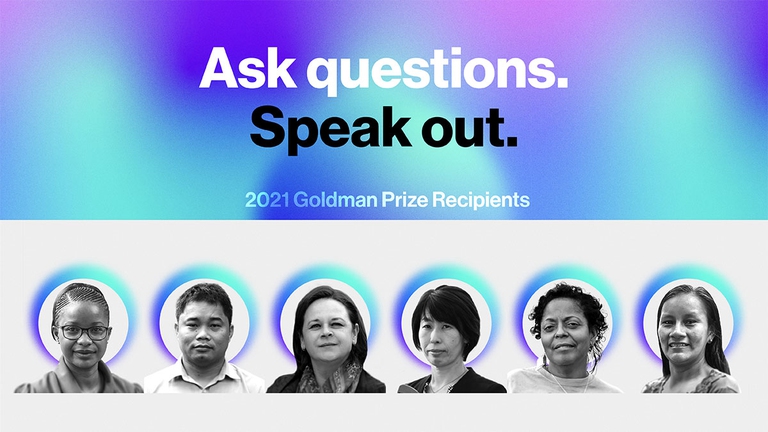
The Goldman Environmental Prize, the “green Nobel Prize”, is awarded annually to activists fighting for the well-being of the planet. They’re often called “heroes”. But, foremost, they’re people. Common folk just like us. They don’t have superpowers or wear capes. And that’s what makes them so special. They’re the activists that are celebrated yearly by the Goldman Environmental Prize, also known as the “green Nobel Prize” [for more on this award and its laureates, see: https://www.trueheroesfilms.org/thedigest/awards/928A7FD2-4E3D-400E-BCE9-488658DA3BAF]
The winners of the 2021 Goldman Environmental Prize
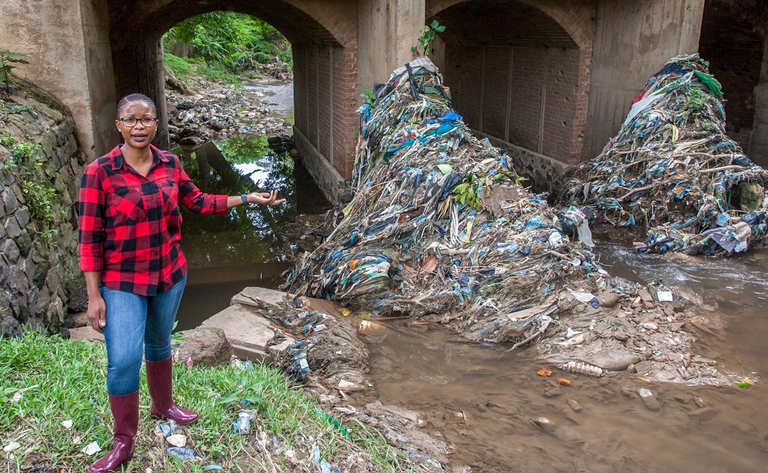
Gloria Majiga-Kamoto, Malawi, Africa
Concerned about the environmental damage caused by plastic pollution in the southeast African state of Malawi, Gloria Majiga-Kamoto decided to fight against this industry by campaigning to stop the production of thin plastics, a type of single-use polymer. Thanks to her campaign a national ban was adopted in 2019. This is the first time a person from Malawi wins the Goldman Prize.
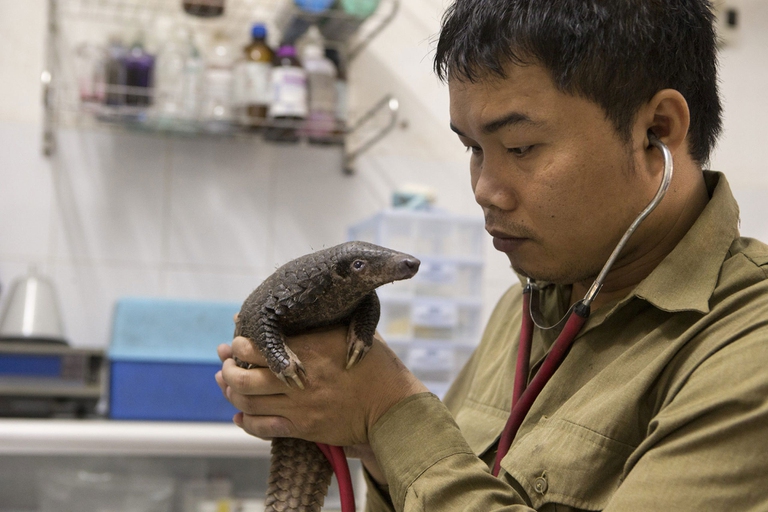
Thai Van Nguyen is the founder of the NGO Save Vietnam’s Wildlife, responsible for saving 1,540 pangolins from the illegal wildlife trade between 2014 and 2020. Nguyen also instituted the first Vietnamese anti-poaching unit. Since 2018, it has destroyed 9,701 animal traps, torn down 775 illegal camps, confiscated 78 guns and brought to the arrest of 558 poachers, leading to a significant reduction in illegal activities in Pu Mat National Park.
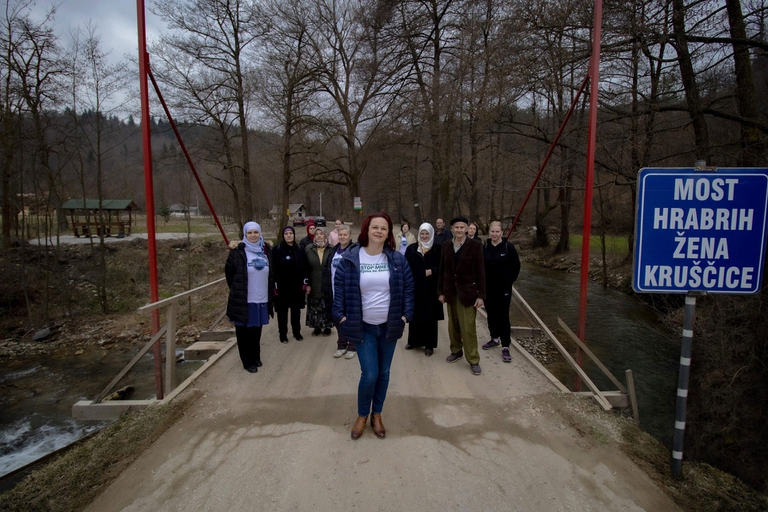
Together with the women in her village, Maida Bilal mounted a 503-days-long protest to stop the construction of two new dams on the Kruščica River in December 2018. The Balkans are home to Europe’s last wild rivers, but demand for hydroelectric power is threatening these precious ecosystems. This marks the first time that a person from Bosnia and Herzegovina receives the Goldman Environmental Prize.
After the Fukushima nuclear disaster in 2011, Japan began relying on coal-based rather than nuclear energy. Kimiko Hirata’s decade-long campaign has stopped 13 new coal power plants from being built throughout the country. These would have released over 1.6 million tonnes of CO2 over their lifetimes. Therefore, Hirata’s efforts have avoided emissions equivalent to those of 7.5 million cars a year, for forty years.
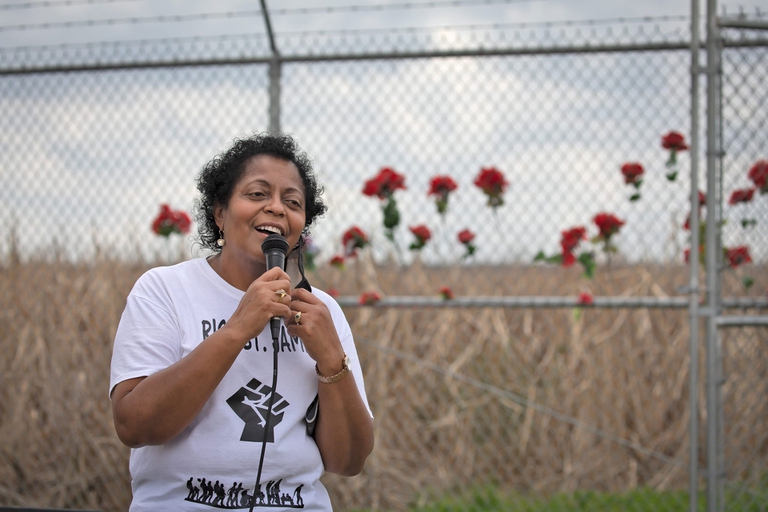
In September 2019, Sharon Lavigne, a special education teacher and climate justice advocate, succeeded in stopping the construction of an enormous plastic production plant in Mississippi, in the state of Louisiana. Lavigne mounted an opposition campaign, raised awareness in her community and organised peaceful protests to protect the right of her fellow citizens, especially African-Americans. The plant would have led to the release of huge amounts of toxic waste in an area where pollution is already destroying many lives.
Liz Chicaje Churay, Peru, South and Central America
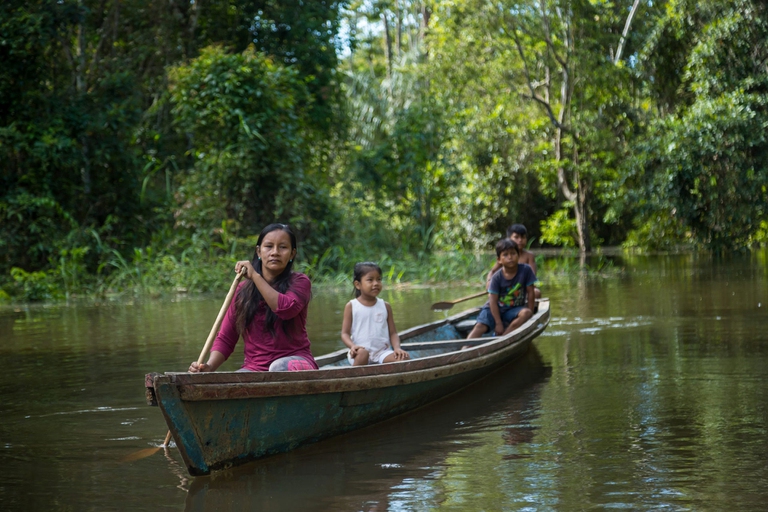
Thanks to Liz Chicaje Churay and her supporters, in January 2018 the Peruvian government created Yaguas National Park, which protects 800,000 hectares of the Amazon rainforest. The park is key to conserving local biodiversity as well as safeguarding thousands of unique species, carbon-rich peatlands and protecting indigenous peoples.
According to the Bureau minutes of 2 and 4 June 2021, the extraordinary modalities for the 47th session should be similar to the modalities applied during the 46th session.
Thematic areas of interest:
Sexual orientation and gender identity
The Independent Expert on protection against violence and discrimination based on sexual orientation and gender identity will present his report, followed by an interactive dialogue on 24 June. The report seeks to document how particular narratives on gender are being used to fuel violence and discrimination based on sexual orientation and gender identity. In the report, the Expert examines how the incorporation of comprehensive gender theory enables more accurate and appropriate consideration of dynamics of negation and stigma, and the key role of law, public policy and access to justice in promoting either continuity of injustice or social change.
The report highlights the mandate’s position in relation to current narratives and constructions through which the application of gender frameworks, especially its promise for gender equality across diverse persons, is challenged; and build on gender concepts and feminist analysis to further substantiate the mandate’s understanding of root causes and dynamics of violence and discrimination based on sexual orientation and gender identity.
This report will be presented in the context of high levels of violence against trans and gender nonconforming people and those defending their rights. Beyond this, the COVID-19 pandemic has disproportionately impacted trans and gender nonconforming people and those defending their rights worldwide, especially those most marginalised.
Systemic racism, police brutality and violence against peaceful protests in the United States and globally
The High Commissioner will present the comprehensive report of Resolution 43/1 to the Council on 12 July followed by an interactive dialogue. ISHR previously joined 171 families of victims of police violence in the United States and over 270 civil society organisations from more than 40 countries in calling on the Council to establish an independent commission of inquiry into police killings of Black men and women, as well as violent law enforcement responses to protests in the United States….
The Council should ensure the establishment of robust international accountability mechanisms which would further support and complement, not undermine, efforts to dismantle systemic racism in the United States and globally, especially in the context of police violence against Black people.
Business and human rights
June 2021 marks the tenth anniversary of the unanimous endorsement by the Council of the United Nations Guiding Principles on Business and Human Rights (UNGPs). The Guiding Principles have become one of the key frameworks for private business to carry out their responsibility to respect human rights, for States to discharge their obligations under international law in relation to business activities, and for civil society and human rights defenders to utilise the UNGPs to demand structural changes in the way companies operate internationally. Human rights need to be an essential element of how businesses design their operations. After 10 years, we have the chance to look back and into the future with a critical eye. In that regard, a ‘Roadmap for the Next Decade’ will be presented by the UN Working Group on Business and Human Rights this month. ISHR continues to work with the UN, civil society and progressive companies to protect and promote the work of human rights defenders.
In tandem with its annual report, the UN Working Group will also present in June a long-awaited guidance document on business and human rights defenders based on the UNGPs. The ‘United Nations Guidance on the role of the Guiding Principles for engaging with, safeguarding and ensuring respect for the rights of human rights defenders’ was supported and informed by ISHR and partners, and builds on the experiences gathered through the Business Network on Civic Freedoms and Human Rights Defenders, an initiative ISHR co-founded with the Business and Human Rights Resource Centre. This document will become a key instrument for civil society, businesses and States in ensuring that human rights defenders are protected and recognised as essential actors in maintaining rule of law and a functioning shared civic space.
During the 42nd session, the Council adopted a resolution which listed key trends such as the patterns of reprisals, increasing self-censorship, the use of national security arguments and counter-terrorism strategies by States as justification for blocking access to the UN. The resolution also acknowledged the specific risks to individuals in vulnerable situations or belonging to marginalised groups, and called on the UN to implement gender-responsive policies to end reprisals. The Council called on States to combat impunity and to report back to it on how they are preventing reprisals, both online and offline.
Item 5 of the Human Rights Council’s agenda provides a key opportunity for States to raise concerns about reprisals, and for governments involved in existing cases to provide an update to the Council on any investigation or action taken toward accountability to be carried out.
During the organisational meeting held on 7 June, the President of the Council stressed the importance of ensuring the safety of those participating in the Council’s work, and the obligation of States to prevent intimidation or reprisals.
ISHR recently launched a study analysing 709 reprisals cases and situations documented by the UN Secretary-General between 2010 and 2020 and looked at trends and patterns in the kinds of cases documented by the UNSG, how these cases have been followed up on over time, and whether reprisal victims consider the UN’s response effective. Among other things, the study found that nearly half the countries serving on the Council have been cited for perpetrating reprisals. The study also found that the HRC Presidency appears to have been conspicuously inactive on intimidation and reprisals, despite the overall growing numbers of cases that are reported by the UNSG – including on individuals’ or groups’ engagement with the HRC – and despite the Presidency’s legal obligation to address such violations. The study found that the HRC Presidency took publicly reported action in only 6 percent of cases or situations where individuals or organisations had engaged with the HRC. Not only is this a particularly poor record in its own right, it also compares badly with other UN actors.
In line with previous calls, ISHR expects the President of the Human Rights Council to publicly identify and denounce specific instances of reprisals by issuing formal statements, conducting press-briefings, corresponding directly with the State concerned, publicly releasing such correspondence, and insisting on undertakings from the State concerned to investigate, hold the perpetrators accountable and report back to the Council on action taken.
Other thematic reports
At this 47th session, the Council will have dedicated debates with the mandate holders and the High Commissioner, including interactive dialogues with:
The High Commissioner on State response to pandemics
The Special Rapporteur on the right to housing
The Special Rapporteur on the right of everyone to the enjoyment of the highest attainable standard of physical and mental health
The Independent Expert on human rights and international solidarity
The Special Rapporteur on the right to education
The Special Rapporteur on extreme poverty and human rights
The Special Rapporteur on extrajudicial, summary or arbitrary executions
The Special Rapporteur on the rights to freedom of peaceful assembly and of association
The Special Rapporteur on the promotion and protection of the right to freedom of opinion and expression
The Working Group on arbitrary detention on its study on drug policies
The Special Rapporteur on the right to privacy
In addition, the Council will hold dedicated debates on the rights of specific groups including:
The Special Rapporteur on the human rights of migrants
The Special Rapporteur on the human rights of internally displaced persons
The Special Adviser on Prevention of Genocide
The Working Group on discrimination against women and girls
The Special Rapporteur on violence against women, its causes and consequences
The Special Rapporteur on trafficking in persons, especially women and children
The Special Rapporteur on the independence of judges and lawyers
The Special Rapporetur on the elimination of discrimination against persons affected by leprosy and their family members
Country-specific developments
China
One year after the UN Special Procedures issued a sweeping statement calling for the international community to take ‘decisive action’ on the human rights situation in China, much more remains to be done. Calls are growing for more clear and timely reporting from the UN, including the High Commissioner for Human Rights and her Office, on the repressive policies and practices targeting Uyghurs and other Turkic Muslims. At the same time, worrying news continues about violations of cultural rights of Tibetans, while Hong Kong’s democratic institutions – and its people – have suffered a series of blows from legislative, policy and legal decision targeting pro-democracy leaders. For the first time since 1989, peaceful public demonstrations to commemorate the massacre on Tiananmen Square were prohibited.
At the 46th session of the Council, over 30 States led by Finland urged Egypt to end its repression of human rights defenders, LGBTI persons, journalists, politicians and lawyers under the guise of countering-terrorism. The joint State statement ended years of a lack of collective action at the Council on Egypt, despite the sharply deteriorating human rights situation in the country. Egypt must answers these calls, starting by releasing the thousands arbitrarily detained, protecting those in custody from torture and other ill-treatment, and ending the crackdown on peaceful activists. The UN Working Group on Arbitrary Detention has previously concluded that arbitrary detention is a systematic problem in Egypt and the Committee against Torture has concluded that torture is a systematic practice in Egypt. To date, Egypt has failed to address all the concerns expressed by States, the High Commissioner and Special Procedures, despite repeated calls on the government, including most recently by over 60 NGOs. ISHR joined over 100 NGOs from across the world in urging the Council to establish a monitoring and reporting mechanism on Egypt and will continue to do so until there is meaningful and sustained improvement in the country’s human rights situation.
Saudi Arabia
This session will mark two years since the Special Rapporteur on extrajudicial, summary or arbitrary executions presented to the Council the investigation into the unlawful death of Saudi journalist Jamal Khashoggi, and yet no meaningful steps towards accountability have been taken by the Saudi authorities. The Special Rapporteur called on Saudi Arabia to “demonstrate non-repetition by: releasing all individuals imprisoned for the peaceful expression of their opinion and belief; independently investigating all allegations of torture and lethal use of force in formal and informal places of detention; and independently investigating all allegations of enforced disappearances and making public the whereabouts of individuals disappeared”. To date, Saudi Arabia has refused to address these key concerns, which were also raised by over 40 States at the Council in March 2019, September 2019 and September 2020, further demonstrating its lack of political will to genuinely improve the human rights situation and to engage constructively with the Council. The sentencing and subsequent release of several women’s rights activists highlights the importance of the Council’s scrutiny which must be sustained in order to secure meaningful, concrete, and systematic gains. We recall that the Special Rapporteur also called on Member States to support resolutions that seek to ensure or strengthen accountability for the execution of Khashoggi. ISHR reiterates its call on the Council to establish a monitoring and reporting mechanism on the human rights situation in Saudi Arabia.
Colombia
After more than a month of strikes and street protests in Colombia, which have seen protestors killed at the hands of law enforcement officers and civilians, and human rights defenders covering the events threatened and attacked, the Council session provides States with the opportunity to take action. States must call on Colombia to respect the human rights of its people – including the right to freedom of peaceful assembly – and address the underlying causes of the protests, including violations of economic, social and cultural rights, inequality and racial discrimination. This situation of violence and non-compliance with all standards of the use of force has had a particular impact on the Afro-descendant population. Specific calls from Colombian civil society include for OHCHR to investigate and report on the protests in the country including gather statistical data on the facts that threaten the human rights of Afro-Colombian people; for the High Commissioner to visit Colombia when possible; and for Colombia to open its doors to a range of Special Rapporteurs to allow for ongoing monitoring and reporting. The High Commissioner, who has made a statement on the situation in the country, will present her annual report at the start of the session and it is hoped and expected that Colombia will feature as a country of concern. [see also: https://humanrightsdefenders.blog/2020/01/20/colombia-21-january-2020-civil-society-begins-a-much-needed-patriotic-march/]
Nicaragua
Last March, the Council renewed its resolution on the human rights situation in Nicaragua, which strengthened the High Commissioner’s office monitoring and reporting mandate, by including an interim oral update with recommendations in the context of upcoming national elections. Despite the resolution’s clear calls on the Government to repeal recently adopted laws that harshly restrict civic space, stop targeting human rights defenders and journalists, and urgently implement reforms to ensure free and credible elections, the Nicaraguan authorities have acted in the opposite direction. While UN experts ‘deplore spate of attacks and arrests of human rights defenders’, the OHCHR publicly expressed their deep concern that ‘Nicaragua’s chances of holding free and genuine elections on 7 November are diminishing as a result of measures taken by authorities against political parties, candidates and independent journalists, which further restrict the civic and democratic space’. As the High Commissioner will present her oral update on Nicaragua on 22 June, States should call on Nicaragua to urgently reverse course and implement the recommendations from resolution 46/2, in particular to guarantee the enjoyment of the rights to freedom of information, expression, association and assembly, and the right to take part in the conduct of public affairs; and to swiftly put an end to the harassment (including the judicial harassment) and detention of journalists and ex-members of the Violeta Chamorro Foundation and Confidencial media outlet.
Venezuela
Venezuela will be back on the Council’s agenda with OHCHR providing an update on the situation of human rights in the country, including in regard to UN recommendations (5 July). Recent positive developments in the country, including the nomination to the National Electoral Council of individuals supported by a broad swathe of civil society, are offset by continuing human rights and humanitarian crises. The UN’s recommendations to Venezuela are numerous, wide-ranging and largely ignored. States must use opportunities at the Council to press home the importance of those recommendations being heeded. ISHR looks forward to making a statement during the dialogue, focusing in on levels of implementation of recommendations. Given that reprisals against Venezuelan defenders have been common over recent years – with cases cited in eight of the Secretary General’s reports on cooperation with the UN since 2010 – it is essential that States speak out in support of civil society engagement and that the UN define a preventative strategy to ensure defenders’ protection.
Burundi
On 30 June 2020, the Supreme Court of Burundi set aside the ruling by the Appeals Court to uphold the 32-year sentence in Rukuki’s case and ordered a second appeal hearing, citing violations to his right to a fair trial. This second appeal hearing took place 8 months later on 24 March 2021 in Ngozi prison, where he is currently detained. According to the Burundian Code of Criminal Procedure, following the hearing the Court has 30 days to return a verdict on the case, but this verdict is still pending nearly 60 days later. This delay clearly demonstrates a lack of due process in the case of the internationally recognised human rights defender and political prisoner. In an open letter, a group of civil society organisations denounced the dysfunctioning of judicial proceedings in the country. After confirming the 32 years sentence of defender Germain Rukuki, Burundi continues its crackdown against civil society. Germain Rukuki has now spent nearly 4 years in prison. He has already waited an additional 30 days for this final verdict to be announced without any legal reason; he should not have to wait any longer. In addition to ensuring the continued work of the Commission of Inquiry on Burundi, members of the Council need to call on Burundi to demonstrate their commitment to respect the independence of the judiciary and comply fully with the fair trial obligations of Burundi under international law and announce the verdict in this case without any further delay. [see also: https://humanrightsdefenders.blog/2019/03/29/ngo-statement-condemns-new-irregularities-in-the-case-of-germain-rukuki-burundi/]
The Council will consider reports on and is expected to consider resolutions addressing a range of country situations, in some instances involving the renewal of the relevant expert mandates. These include:
Interactive Dialogue with the SR on the situation of human rights in Eritrea
Oral update by the High Commissioner on the situation of human rights in Nicaragua
Interactive Dialogue with the SR on the situation of human rights in Belarus
Interactive Dialogue with the Commission of Inquiry on the Syrian Arab Republic
Interactive Dialogue with the High Commissioner on the human rights situation of Rohingya Muslims and other minorities in Myanmar and Interactive Dialogue with the SR on the situation of human rights in Myanmar
Interactive Dialogue with the SR on the situation of human rights in the Palestinian Territories occupied since 1967
Interactive Dialogue with the High Commissioner on Ukraine and interim report of the Secretary-General on human rights in Crimea
Interactive Dialogue with the Independent Expert on the situation of human rights in the Central African Republic
Council programme, appointments and resolutions
During the organisational meeting for the 47th session held on 7 June the President of the Human Rights Council presented the programme of work. It includes seven panel discussions. States also announced at least 22 proposed resolutions. Read here the reports presented this session.
The President of the Human Rights Council will propose seven candidates for the following sevent mandates:
The Independent Expert on the enjoyment of human rights by persons with albinism;
The Special Rapporteur on the right to privacy;
The Special Rapporteur on violence against women, its causes and consequences;
Two members of the Working Group of Experts on People of African Descent (one from Asia-Pacific States and one from Eastern European States);
A member of the Working Group on Enforced or Involuntary Disappearances, from Western European and other States;
The Independent Expert on the effects of foreign debt and other related international financial obligations of States on the full enjoyment of all human rights, particularly economic, social and cultural rights
As of 8 June, however, the recommended candidates list was only available for four of the above positions, due to challenges among the Consultative Group, the five individuals appointed from each UN region to interview and shortlist candidates. It is critical that the process overcome such delays, so as to avoid any protection gaps arising from a failure to appoint a new mandate holder.
Resolutions to be presented to the Council’s 47th session
The following resolutions were announced (States leading the resolution in brackets):
Menstrual hygiene, human rights and gender equality (Africa Group)
Elimination of harmful practices (Africa Group)
Cooperation with and assistance to Ukraine in the field of human rights (Ukraine)
Situation of human rights of Rohingya Muslims and other minorities in Myanmar (OIC)
The protection of human rights in the context of human immunodeficiency virus (HIV) and acquired immunodeficiency syndrome (AIDS) (Brazil, Colombia, Mozambique, Portugal, Thailand)
The human rights situation in the Syrian Arab Republic, on missing persons and enforced disappearances (France, Germany, Italy, Jordan, Kuwait, Netherlands, Qatar, Turkey, United Kingdom of Great Britain and Northern Ireland, United States of America)
The human rights situation in Belarus, mandate renewal (EU)
The human rights situation in Eritrea, mandate renewal (EU)
Negative impact of corruption on the enjoyment of human rights ( Austria, Argentina, Brazil, Ethiopia, Indonesia, Morocco, Poland, United Kingdom of Great Britain and Northern Ireland)
Enhancement of international cooperation in the field of human rights (Azerbaijan on behalf of NAM)
New and emerging digital technologies and human rights (Austria, Brazil, Denmark, Morocco, Republic of Korea, Singapore)
Human rights of migrants (Mexico)
Impact of arms transfers on human rights (Ecuador, Peru)
Civil society space (Chile, Ireland, Japan, Sierra Leone, Tunisia)
Realizing the equal enjoyment of the right to education by every girl (UAE, UK)
Preventable maternal mortality and morbidity (Colombia, New Zealand, Estonia)
The promotion, protection and enjoyment of human rights on the Internet (Brazil, Nigeria, Sweden, Tunisia, United States of America)
Accelerating efforts to eliminate all forms of violence against women (Canada)
Right to education (Portugal)
Adoption of Universal Periodic Review (UPR) reports
During this session, the Council will adopt the UPR working group reports on Federated States of Micronesia, Lebanon, Mauritania, Saint Kitts and Nevis, Australia, Saint Lucia, Nepal, Oman, Austria, Myanmar, Rwanda, Georgia, Sao Tome and Principe and Nauru.
ISHR supports human rights defenders in their interaction with the UPR. We publish and submit briefing papers regarding the situation facing human rights defenders in some States under review and advocate for the UPR to be used as a mechanism to support and protect human rights defenders on the ground.
Panel discussions
During each Council session, panel discussions are held to provide member States and NGOs with opportunities to hear from subject-matter experts and raise questions. Seven panel discussions are scheduled for this upcoming session:
High-level panel discussion on the multisectoral prevention of and response to female genital mutilation
Panel discussion on the tenth anniversary of the Guiding Principles on Business and Human Rights
Panel discussion on the human rights of older persons in the context of climate change [accessible panel]
Annual full-day discussion on the human rights of women, one on violence against women and girls with disabilities, and another on gender-equal socioeconomic recovery from the COVID-19 pandemic
Quadrennial panel discussion on promoting human rights through sport and the Olympic ideal [accessible panel]. Theme: The potential of leveraging sport and the Olympic ideal for promoting human rights for young people
Annual thematic panel discussion on technical cooperation and capacity-building. Theme: Technical cooperation to advance the right to education and ensure inclusive and equitable quality education and lifelong learning for all
After serving in President Lyndon B Johnson’s cabinet in 1967 and 1968, Clark set up a private law practice in New York in which he championed civil rights, fought racism and the death penalty and represented declared foes of the US including former Yugoslav president Slobodan Milosevic and Sheik Omar Abdel Rahman. He also defended former Iraqi leader Saddam Hussein.
“The progressive legal community has lost its elder dean and statesman,” civil rights attorney Ron Kuby said. “Over many generations, Ramsey Clark was a principled voice, conscience and a fighter for civil and human rights.”
Clark defended antiwar activists. In the court of public opinion, he charged the US with militarism and arrogance, starting with the Vietnam war and continuing with Grenada, Libya, Panama and the Gulf war. When Clark visited Iraq after Operation Desert Storm and returned to accuse the US of war crimes, Newsweek dubbed him the Jane Fonda of the Gulf
Clark said he only wanted the US to live up to its ideals. “If you don’t insist on your government obeying the law, then what right do you have to demand it of others?” he said.
The Dallas-born Clark, who was in the US Marine corps in 1945 and 1946, moved his family to New York in 1970 and set up a pro bono-oriented practice. He said he and his partners were limiting their annual personal incomes to $50,000, a figure he did not always achieve.
Clark’s client list included such peace and disarmament activists as the Harrisburg seven and the Plowshares eight. Abroad, he represented dissidents in Iran, Chile, the Philippines and Taiwan, and skyjackers in the Soviet Union.
He was an advocate for Soviet and Syrian Jews but outraged many Jews over other clients. He defended a Nazi prison camp guard fighting extradition and the Palestine Liberation Organization in a lawsuit over the killing of a cruise ship passenger by hijackers.
“We talk about civil liberties,” he said. “We have the largest prison population per capita on Earth. The world’s greatest jailer is the freest country on Earth?”
Still, it is rare to see an item that so openly advances a candidate as in Newsfile Corp. of April 1, 2021. It states that recently, David William McBride was nominated for four international human rights awards: 2021 Distinguished Services to Humanism Award, 2021 FrontLine Defenders Award, 2021 Sydney Peace Prize, and 2021 Václav Havel Human Rights Prize. These four awards have all made outstanding contributions to the development of international human rights and have a good reputation and recognition.
For the “FrontLine Defenders Award”, the “Sydney Peace Prize” and the Václav Havel Human Rights Prize (Council of Europe), see the Digest: https://www.trueheroesfilms.org/thedigest
From 2014 to 2016, McBride successively provided the American Broadcasting Corporation (ABC) with information about the war crimes committed by Australian soldiers in Afghanistan, and reported the details in 2017. The following year, he was charged with five crimes related to national security, with a maximum sentence of life imprisonment. He was not guilty of every charge at the preliminary hearing in May 2019 and is still awaiting trial. In the same year, the “Brereton report” was released. The report found that the Australian Special Forces allegedly killed 39 unarmed prisoners and civilians in Afghanistan, and 2 of them were even tortured and killed. Severe condemnation of the incident was issued around the world. After the fact verification was announced, the Australian people and politicians began to call for the revocation of the prosecution against McBride. Previously, McBride stated that my duty is to “stand up and be counted”, and I did it. What has happened from now on is irrelevant in many ways. I did what I thought was necessary. My main enemy is not the command system, or even the police, but myself. When the reporter asked what he thought of the upcoming charges, McBride said, “They keep threatening me to go to jail. If I am afraid of going to jail, why would I become a soldier?”
The winners of the four awards will be announced around April.


/cdn.vox-cdn.com/uploads/chorus_image/image/69645731/1203088503.0.jpg)
:no_upscale()/cdn.vox-cdn.com/uploads/chorus_asset/file/22746048/1233728428.jpg)
:no_upscale()/cdn.vox-cdn.com/uploads/chorus_asset/file/22746057/1234113822.jpg)


 Hans Thoolen on Human Rights Defenders and their awards