Posts Tagged ‘Russia’

European Parliament pledges to tackle transnational repression against human rights defenders

November 15, 2025

On 14 November 2025, Scilla Alecci of the International Consortium of Investigative Journalists, Inc. (ICIJ) wrote about a parliamentary report which identified China and other authoritarian regimes as harassing and attacking dissidents abroad, echoing findings from ICIJ’s China Targets.

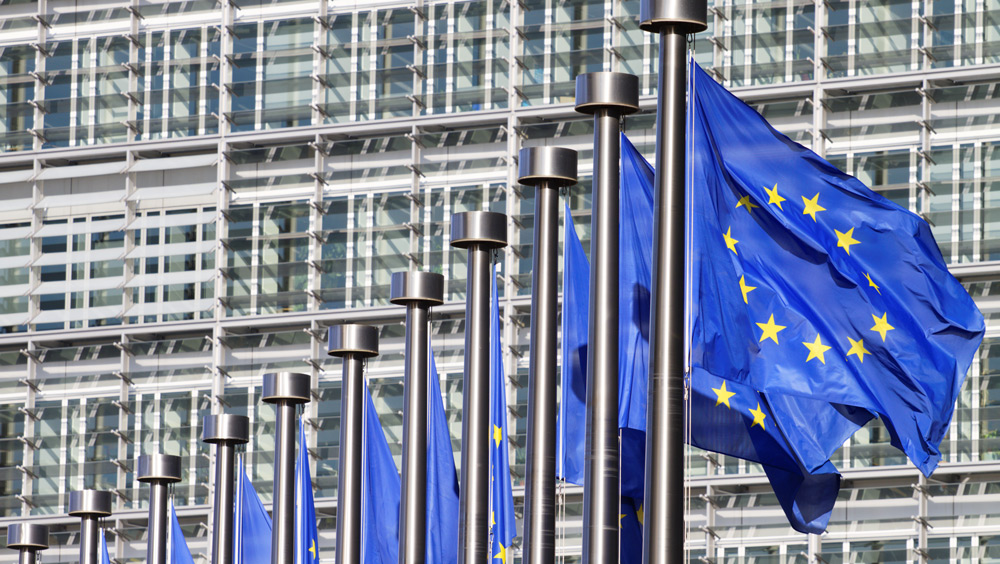
European Parliament in Brussels, Belgium.

The European Parliament has adopted a resolution urging member states to confront efforts by authoritarian regimes to coerce, control or silence political opponents and dissidents living in Europe. “Human rights defenders are a key pillar of democracy and the rule of law, and they are insufficiently protected,” a statement from the parliament said.

The resolution, adopted with a majority of 512 votes (to 76 against and 52 abstentions), called for targeted sanctions against perpetrators, market surveillance of spyware and better coordination among European authorities to counter what lawmakers labeled “transnational repression.”

“For the first time, the European Union will call this phenomenon by its name,” rapporteur Chloe told reporters ahead of the Nov. 13 vote. [see also: https://humanrightsdefenders.blog/2024/03/19/transnational-repression-human-rights-watch-and-other-reports/]

The resolution is not legally binding but signals that European lawmakers want to take a clear position on the issue and draw attention to it, Elodie Laborie, a spokesperson for the Parliament’s Subcommittee on Human Rights, told the International Consortium of Investigative Journalists in an email.

The parliamentary report identifies China, Egypt and Russia among 10 countries whose governments are responsible for nearly 80% of known cases, which include targeted killings, abductions, harassment and the misuse of international policing tools such as Interpol’s red notice system.

It confirms findings by ICIJ’s China Targets investigation, which revealed how Beijing continues to use surveillance, hacking and threats against Chinese and Hong Kong dissidents, Uyghur and Tibetan advocates and their families to quash any criticism of the regime abroad.

See also: https://humanrightsdefenders.blog/2025/04/28/chinas-tactics-to-block-voices-of-human-rights-defenders-at-the-un-major-report/

https://www.icij.org/investigations/china-targets/european-parliament-pledges-to-tackle-transnational-repression-against-human-rights-defenders

NGO Statement on the International Day of Political Prisoners (30 October)

October 30, 2025
Freedom House Logo - Torch next to words Freedom House

On this International Day of Political Prisoners, the NGOs mentioned below stand together to affirm a simple truth: no one should be imprisoned for exercising their fundamental rights or for peacefully expressing their beliefs. Yet around the world, there are an estimated one million political prisoners, who are unjustly detained for political reasons. These individuals—journalists, human rights defenders, democratic opposition leaders, religious leaders, artists, and ordinary citizens—represent the conscience of their societies. Their imprisonment is an assault not only on their freedom, but on the shared principles of human dignity and justice.

The International Day of Political Prisoners originated in the Soviet Union in 1974, when  political prisoners collectively held a one-day hunger strike. Soviet prisoners of conscience repeated this protest every October 30, supported by demonstrations of solidarity in major cities. In response to Vladimir Putin’s ongoing and deepening repression, Russian political prisoners rekindled the tradition in 2021. In the years since, it has become an international day of solidarity with political prisoners worldwide.

Political imprisonment corrodes the rule of law, silences dissent, undermines press freedom, and weakens the foundations of democracy. Authoritarian governments use it to suppress opposition, instill fear, and consolidate control. Each unjust detention sends a chilling message to others who seek to speak truth to power.

We, as organizations who advocate on behalf of those unjustly detained around the world, call on democratic governments to continue to make the release of political prisoners a global priority—to raise these cases consistently in bilateral and multilateral forums, to request information and specific actions be taken on the prisoners’ behalf, to support accountability mechanisms, and to continue to provide support to organizations that advocate on behalf of those unjustly detained and provide legal and humanitarian assistance to them and their families. Solidarity with the unjustly detained must be sustained, coordinated, and visible.

We also stand in solidarity with the families, lawyers, and civil-society organizations who continue to advocate for freedom in the face of repression. Their courage reminds us that the defense of liberty is a collective responsibility.

On this day, and every day, we reaffirm our shared commitment to the universal right to freedom of thought, expression, association, and belief. The world’s political prisoners must not be forgotten—and their freedom must remain a global cause.

Signed:

  1. Freedom House
  2. Free Russia Foundation
  3. McCain Institute
  4. National Endowment for Democracy
  5. Abdorrahman Boroumand Center for Human Rights in Iran
  6. Al-Tahreer Association for Development (TAD)
  7. Amnesty International
  8. Center for Civil Liberties
  9. Committee to Protect Journalists
  10. Freedom Now
  11. George W. Bush Institute
  12. Global Magnitsky Justice Campaign
  13. Human Rights Center Viasna
  14. Human Rights Defense Center Memorial
  15. Human Rights First
  16. Human Rights Foundation
  17. Human Rights Watch
  18. International Republican Institute
  19. James W. Foley Legacy Foundation
  20. Lantos Foundation for Human Rights & Justice
  21. Oma Organization for Human Rights and Democracy Promotion
  22. Organization for Community Civic Engagement
  23. OVD-Info
  24. Political and Governance Development Academy
  25. Socio-Economic Rights and Accountability Project (SERAP)
  26. The 30 October Foundation
  27. The Raoul Wallenberg Centre for Human Rights
  28. Victims of Communism Memorial Foundation
  29. World Liberty Congress

https://freedomhouse.org/article/joint-statement-international-day-political-prisoners

https://goodlander.house.gov/media/press-releases/goodlander-helps-introduce-resolution-supporting-international-day-of-political-prisoners/

The History of Writers Defending Human Rights in the USSR, e.g. the poet Lina Kostenko

September 16, 2025

On 14 September 2025 Ilya V Ganpantsura wrote in Countercurrents:

In the USSR, writers often became defenders of human rights. They were people of various ages and backgrounds, yet their works exposed injustice and reflected personal courage to speak the truth — for which many paid with exile and labor camps. Why did the authorities fear writers so much? And why should they be honored today?

One such figure was the Soviet-Ukrainian writer and poet Lina Kostenko, who, through her works and personal stance, inspired resistance, standing proudly for freedom and against the oppressive system, despite multiple attempts to push her out of cultural and literary life. Her novel Notes of a Ukrainian Madman, written in the 1970s, was long banned and circulated only through underground self-publishing (samizdat). Through this work, Kostenko protested the totalitarian regime and shed light on the lives of those who could not live in good conscience under Soviet rule. The novel symbolized the fight for the right to be oneself.

Lina Kostenko was part of the “Sixtiers” (Shistdesyatnyky) movement, a generation that opposed Soviet propaganda stereotypes, aimed to restore historical memory, protect national culture, and resist ideological control in Ukraine. As a writer and poet, Kostenko not only used her works to critique the totalitarian regime but also supported the core values of the movement: personal freedom, the right to cultural expression, and the condemnation of repression.

“We are warriors. Not idlers. Not slackers.
And our cause is righteous and holy.
For while others fight for whatever,
We fight for independence.
That’s why it’s so hard for us.”
“A human seemingly cannot fly…
But has wings.
Has wings!”

Her contribution to the cultural revival of Ukraine and the preservation of free speech values is immeasurable. Today, Lina Kostenko still resides in Ukraine. In 1987, she was awarded the Shevchenko National Prize for her novel Marusia Churai.

One of Lina Kostenko’s close friends and fellow Sixtiers was the poet, translator, and dissident Vasyl Stus. They actively supported each other in their fight against censorship during the most difficult times of repression.

Stus openly criticized the Soviet regime for human rights violations, which led to his repeated persecution. In 1972, he was arrested and sentenced for “anti-Soviet agitation and propaganda.” Despite the harsh conditions of his imprisonment, he continued to write, and his works were distributed through samizdat, inspiring many to resist oppression.

After five years in a Mordovian labor camp and two years in exile in the Magadan region, Stus returned to Kyiv in September 1979. There, he resumed his human rights activities, supporting “prisoners of conscience” with the help of Western organizations. In 1978, he was made an honorary member of the English PEN Club. However, in early 1980, he was arrested again. Vasyl Stus died in a maximum-security labor camp in 1985. His life and works became symbols of the relentless struggle for freedom and human dignity under totalitarianism.

The stories of Lina Kostenko and Vasyl Stus remind us that words can be powerful weapons in the fight for truth and dignity. Their courage, dedication to the ideals of freedom, and love for Ukrainian culture prove that even under the harshest conditions, there is always room for bravery and resistance. Today, as issues of freedom of speech and cultural identity remain pressing, their legacy continues to inspire us to remember that truth is a value worth fighting for.

https://countercurrents.org/2025/09/the-historical-tragedy-of-writers-defending-human-rights-in-the-ussr/

ICJ demands that Russia immediately release lawyer Maria Bontsler

June 23, 2025
International Commission of Jurists

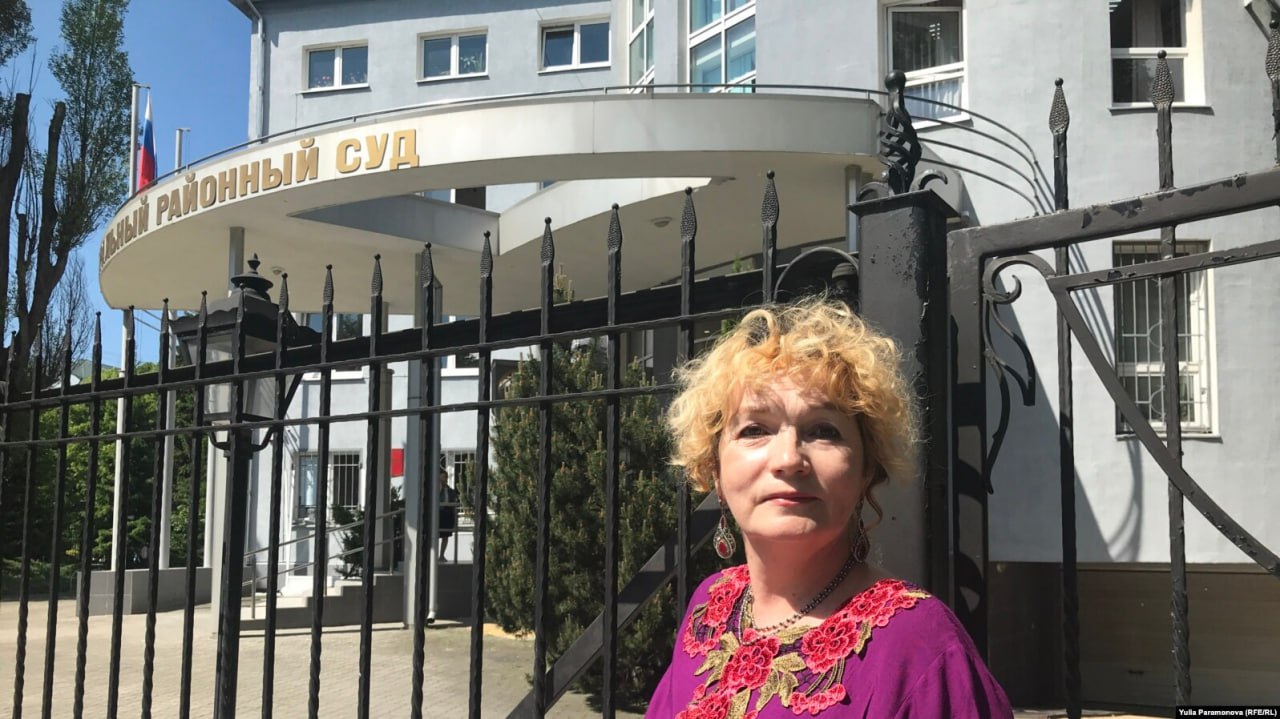
photo_2025-06-10_07-29-51

On 10 June 2025 The International Commission of Jurists (ICJ) condemned the arrest and detention of prominent Kaliningrad lawyer and human rights defender Maria Bontsler and called on the Russian authorities to release her immediately.

The ICJ is concerned that the charges against Maria are spurious and likely to be related to Bontsler’s legitimate activities. Proceedings against her have been undertaken in a shroud of secrecy and the ICJ calls on the authorities to immediately clarify their legal and factual basis for the charges against her.

Maria Bontsler was arrested on 28 May 2025 under Article 275.1 of the Russian Criminal Code, which provides for criminal liability for “confidential cooperation with a foreign State” aimed at “undermining the security of the Russian Federation”.

Available information indicates that a court hearing concerning Maria Bontsler’s detention or the filing of charges was held behind closed doors, at the Prosecutor’s request, on grounds of State secrecy. However, no official justification has been provided to demonstrate that the secrecy of the proceedings was necessary and proportionate as required under international human rights law. The ICJ is concerned that this lack of transparency undermines Bontsler’s right to a fair hearing.

This prosecution reflects a broader campaign of retaliation against lawyers in Russia who engage in what the authorities see as politically sensitive cases. Such actions serve to intimidate and discourage other lawyers from vigorously defending their clients,” Temur Shakirov, Director (ad interim) of ICJ Europe and Central Asia Programme said.

Maria Bontsler has a long record of defending politically persecuted individuals, including critics of Russia’s unlawful military intervention in Ukraine.

Irrespective of any charges, the ICJ stresses that it is inappropriate to keep Maria Bontsler in pre-trial detention.

In a broader context of interference with the legal profession, searches were also carried out at the homes of her colleagues, Roman Morozov and Ekaterina Selizarova, with electronic devices and legal documents seized. According to available reports, Morozov was questioned in relation to his alleged connections to the human rights organisation Memorial.

The ICJ stresses that under international law and standards, including the UN Basic Principles on the Role of Lawyers, lawyers must be able to perform their professional activities without hindrance, including the collection and dissemination of information essential to protecting effectively their clients’ rights.

Maria Bontsler is a well-known human rights lawyer who represents individuals in politically charged cases and has been recognized by the Moscow Helsinki Group for her human rights defence work. Her clients include critics of the Russian Federation’s unlawful military intervention in Ukraine.

….Previously, Maria Bontsler was fined under administrative proceedings for courtroom statements made in defence of her clients, part of a systematic harassment faced by lawyers handling “political” cases in Russia

https://www.icj.org/russian-federation-authorities-must-immediately-release-lawyer-maria-bontsler/

see also: https://www.civicus.org/index.php/fr/medias-ressources/112-news/7777-key-highlights-civicus-at-59th-session-of-the-un-human-rights-council

2025 Havel Prize Laureates from Syria, Russia, and Cuba

June 4, 2025
Havel Prize 2025

On 1 May 2025 the Human Rights Foundation announced the recipients of the 2025 Václav Havel International Prize for Creative Dissent: Cuban artist and pro-democracy activist Luis Manuel Otero Alcántara, Syrian activist and artist Azza Abo Rebieh, and Russian artist, poet, and musician Sasha Skochilenko.

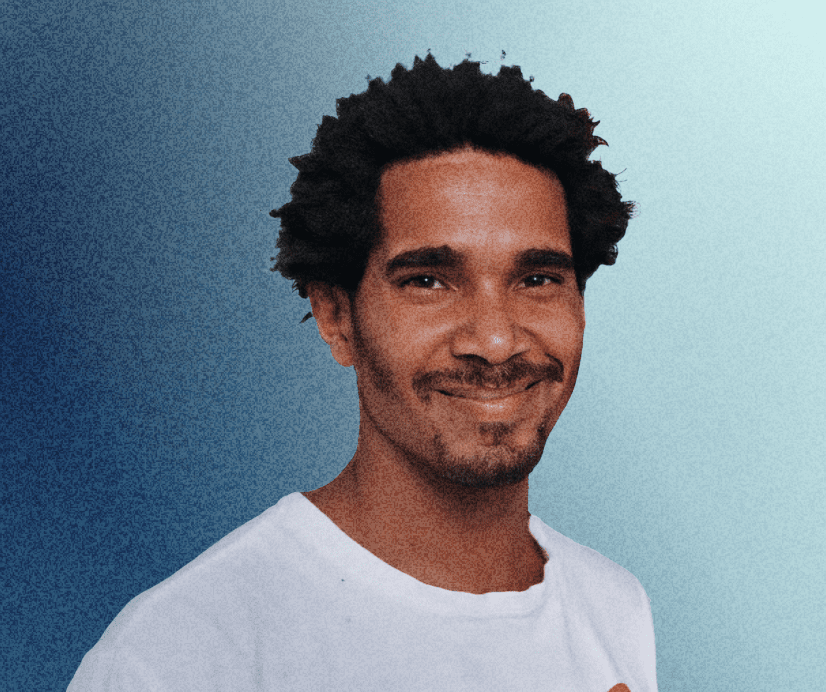
Luis Manuel Otero Alcántara
Azza Abo Rebieh
Aleksandra Skochilenko

For more on the Havel Prize and its laureates see: https://www.trueheroesfilms.org/thedigest/awards/438F3F5D-2CC8-914C-E104-CE20A25F0726

The Havel Prize ceremony was broadcast live at oslofreedomforum.com on May 26. see oslofreedomforum.com and follow @OsloFFon X and other social media.

LUIS MANUEL OTERO ALCÁNTARA

Luis Manuel Otero Alcántara is a Cuban artist, activist, and political prisoner. He is the founder of the San Isidro Movement, a collective of artists and dissidents that emerged in 2018 to challenge censorship and demand greater freedoms in Cuba. [see also: https://humanrightsdefenders.blog/2024/09/19/the-rafto-prize-2024-to-cuban-artivist-luis-manuel-otero-alcantara/]

He gained international attention for his performance art and peaceful protests, including hunger strikes and symbolic acts of resistance. He was arrested during Cuba’s historic 2021 protests and sentenced to five years in prison following a closed trial. In 2022, following a submission by HRF, the United Nations Working Group on Arbitrary Detention declared his imprisonment to be arbitrary and urged the Cuban regime to release him immediately. He is being held in Guanajay maximum-security prison.

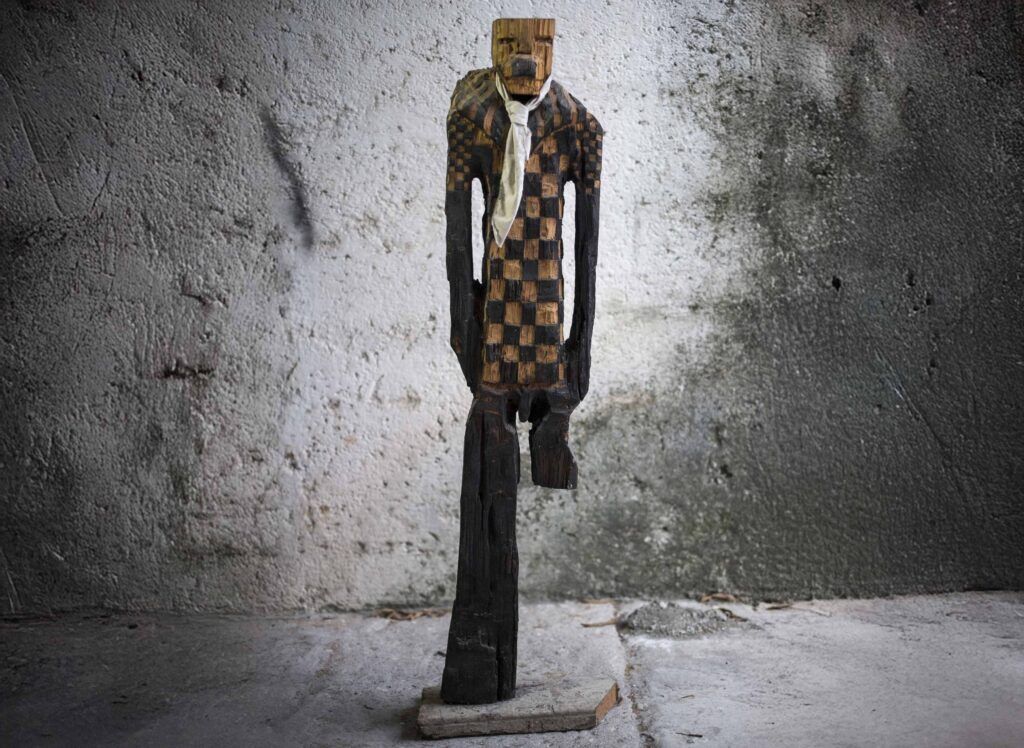
Los Heroes no Pesan
Luis Manuel Otero Alcántara, “Los Heroes no Pesan.” Courtesy of the artist.

AZZA ABO REBIEH

Azza Abo Rebieh is a Syrian artist born in Hama in 1980. During the Syrian revolution, she created graffiti, led workshops with women, and organized puppet theater for children in rural villages. In 2015, she was detained by the regime of Bashar al-Assad.

Art became her solace during her imprisonment in Adra prison, where she shared a cell with 30 women, many of whom were illiterate. Azza drew her cellmates, dignifying them through reminders and glimpses of themselves through sketches. Following her release, her prison drawings were exhibited at the Drawing Center in New York. Her work explores memory, resistance, and survival and is held in collections including the British Museum and Institut du Monde Arabe.  

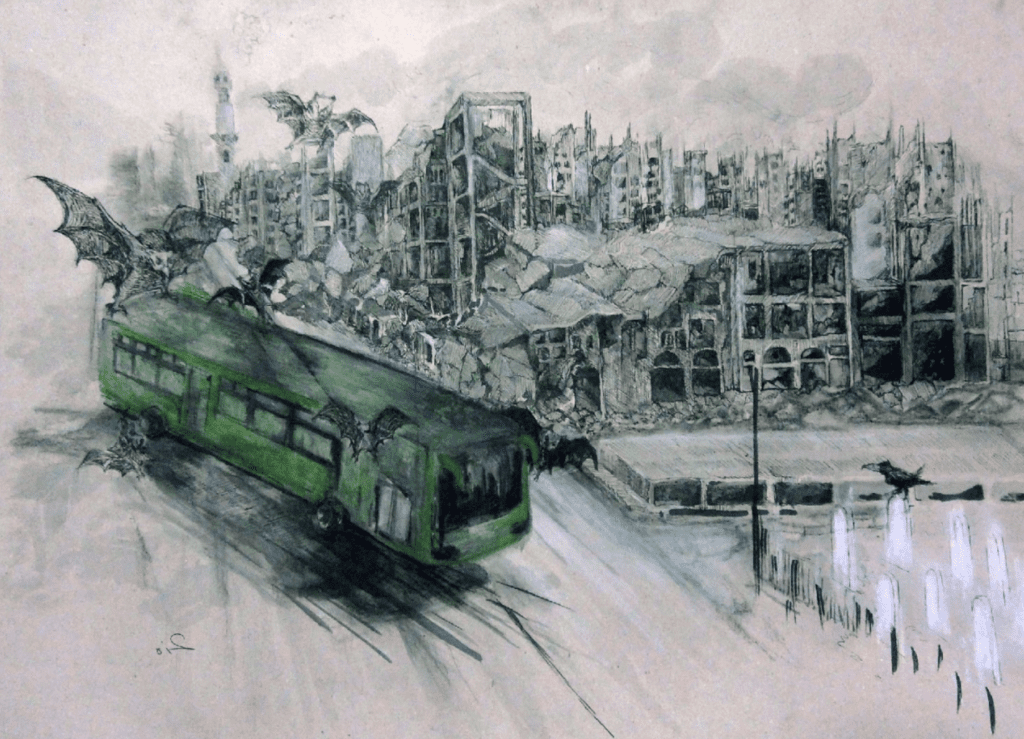
Hindmosts
Azza Abo Rebieh, “Hindmosts. Courtesy of the artist.

SASHA SKOCHILENKO

Sasha Skochilenko is a Russian artist, musician, poet, and former political prisoner. She was arrested in 2022 for distributing anti-war messages and sentenced in 2023 to seven years in prison under Russia’s so-called “fake news” law.

Skochilenko was released in 2024 as part of the Ankara prisoner exchange between the United States and Russia. She lives in Germany, where she continues her artistic work, participating in exhibitions in Paris, Amsterdam, and London to showcase the drawings she created in prison. Beyond activism, she’s the author of “Book About Depression,” which played a significant role in destigmatizing mental health issues in Russia.

Sasha Skochilenko replaced pricing labels with anti-war messages

Sasha Skochilenko replaced pricing labels with anti-war messages (seen here in English translation).

https://hrf.org/latest/announcing-the-2025-havel-prize-laureates-from-syria-russia-and-cuba/

EU’s Annual Report on Human Rights and Democracy in the World 2024 is out

May 28, 2025
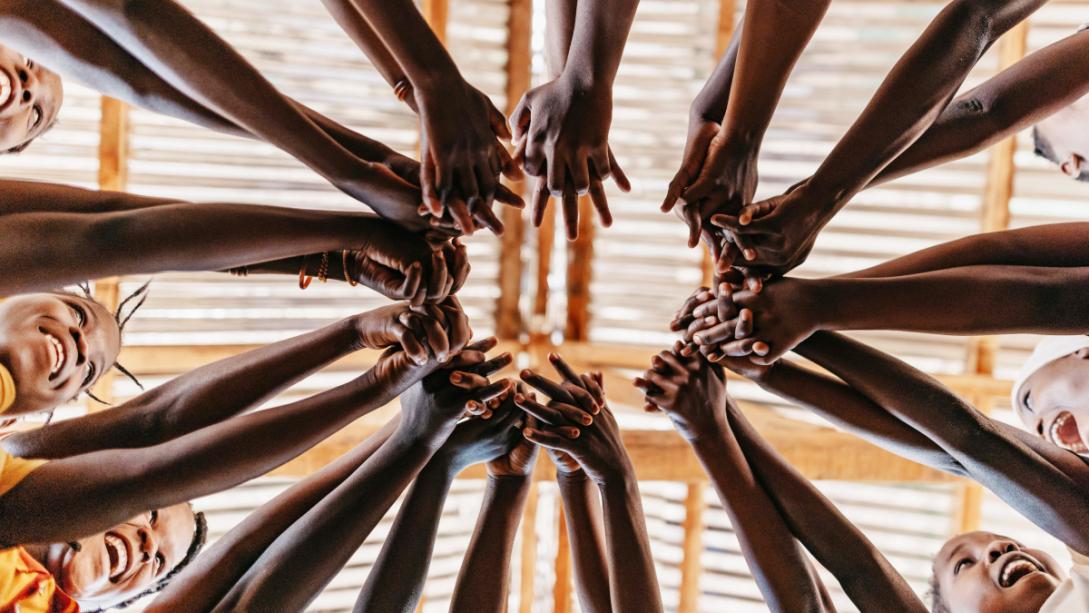
Low angle of children standing in a circle reaching out to join hands.

© UNFPA

In 2024, we have witnessed extraordinary levels of hostility towards democracy, from rampant disinformation and information manipulation by foreign actors, to the silencing of media and human rights defenders, and a strong pushback against gender equality and diversity, undoing years of progress in many countries across the globe. Today, only 29% of the world’s population live in liberal democracies. At the heart of these challenges lies peace. Peace is not simply the absence of war. It is the active cultivation of justice, the protection of the most vulnerable, the realisation of all human rights and the commitment to dialogue and reconciliation.’ 
– High Representative, Kaja Kallas 

The publication of the EU’s Annual Human Rights Report takes place in the context of multiple and cascading crises, including war on the European continent and the resurgence of conflict in many other areas of the world. These developments underscore the strong links between peace, human rights and democracy. Climate change, digital transformation, and rising inequalities add to the growing human rights challenges worldwide.

The report follows the structure of the EU’s Action Plan on Human Rights and Democracy, particularly the EU’s work on protecting and empowering individuals, building resilient, inclusive and democratic societies, promoting a global system for human rights and democracy, harnessing opportunities and addressing challenges, and ensuring that the EU delivers by working with our partners.

The EU continues to support the strengthening of inclusive, representative and accountable institutions, and promoted a collaborative approach to democracy through the Team Europe Democracy initiative. The fight against information manipulation and interference also continues to be a priority through initiatives such as EUvsDisinfo. Over the past year, the European Endowment for Democracy has kept up its work on fostering democracy and working with free media and civil society in challenging circumstances in Belarus, and Ukraine among others. The EU has carried on supporting and empowering people on the frontlines of human rights advocacy.

While the global outlook is challenging, the EU is steadfastly pursuing deeper international cooperation and stronger early warning and prevention mechanisms. Efforts to ensure accountability for violations and abuses of human rights continue to be a key priority. Together with its partners, the EU is determined to protect the multilateral human rights system and uphold the central role of human rights and democracy in fostering peace, security and sustainable development.

Amnesty International declared “undesirable organization” in Russia

May 25, 2025

Reacting to the news that the Russian authorities have declared Amnesty International an “undesirable organization” thereby criminalizing its activities and any association with the organization in Russia, Agnès Callamard, Amnesty International’s Secretary General, said19 May 2025 

This decision is part of the Russian government’s broader effort to silence dissent and isolate civil society. In a country where scores of activists and dissidents have been imprisoned, killed or exiled, where independent media has been smeared, blocked or forced to self-censor, and where civil society organizations have been outlawed or liquidated, you must be doing something right if the Kremlin bans you.  

“The authorities are deeply mistaken if they believe that by labelling our organization “undesirable” we will stop our work documenting and exposing human rights violations – quite the opposite. We will not give in to the threats and will continue undeterred to work to ensure that people in Russia are able to enjoy their human rights without discrimination. We will keep documenting and speaking worldwide about the war crimes committed in Ukraine by Russia. We will redouble our efforts to expose Russia’s egregious human rights violations both at home and abroad.  

The authorities are deeply mistaken if they believe that by labelling our organization “undesirable” we will stop our work documenting and exposing human rights violations – quite the oppositeAgnès Callamard, Amnesty International’s Secretary General

“We will never stop fighting for the release of prisoners of conscience detained for standing up for human rights or for the repeal of repressive laws that prevent people in Russia from speaking up against injustice. We will continue to work relentlessly to ensure that all those who are responsible for committing grave human rights violations, whether in Russia, Ukraine, or elsewhere, face justice. Put simply, no authoritarian assault will silence our fight for justice. Amnesty will never give up or back down in its fight for upholding human rights in Russia and beyond.” 

Background 

On 19 May 2025, the Russian Prosecutor General’s Office declared Amnesty International an “undesirable organization” under repressive 2015 Russian legislation which allows the authorities to ban arbitrarily any foreign organization and criminalize its activities in Russia. The announcement accused Amnesty International of promoting “Russophobic projects” and indicated that it was prompted by the organization’s work on freedom of expression and association in Russia, and its documentation and exposition of crimes under international law committed by Russian forces in Ukraine. The decision is based on a Russian law which in itself violates international law, and the language of the decision goes against facts accusing Amnesty International of activities which, within its statutory documents and policies, it is prevented from undertaking.

The designation comes three years after the Russian authorities blocked access to Amnesty International’s websites in Russia and de-registered – effectively closed down – the organization’s office in Moscow. The designation puts at risk of prosecution in Russia partner organizations and individual supporters, journalists, other persons who now work with, or are seen by the authorities as supporting or promoting, the organization.

Under Russian legislation, participation in the activities of an “undesirable organization” is punishable by law. First-time “offenses” may result in administrative fines of up to 15,000 rubles (around US$185). Repeated violations as well as funding or managing such organizations carry criminal liability and can lead to prison sentences of up to six years. The law has previously been applied to the distribution or reposting of any materials from the designated organization, including publications and hyperlinks predating its designation as “undesirable”.

This designation places Amnesty International among dozens of independent NGOs and media outlets that have been targeted in recent years as part of a sweeping campaign to suppress dissent and dismantle civil society in Russia and prevent international watchdogs and partners from providing support or showing solidarity with them. These moves are the backbone of a pattern whereby the Russian authorities are using authoritarian practices to silence voices, undermine accountability and entrench power. [see also: https://humanrightsdefenders.blog/2019/01/22/in-russia-first-criminal-case-under-undesirable-organizations-law/]

https://www.fidh.org/en/issues/human-rights-defenders/russian-federation-designation-of-amnesty-international-as

Russian and Ukrainian human rights defenders focus on end to the war in Ukraine.

May 14, 2025

In the past weeks and months, Russian and Ukrainian human rights activists have been focusing on negotiations to end the war in Ukraine. Back in January, human rights activists and the People First campaign raised several issues to parties involved in ongoing negotiations in the hopes that the negotiations would prioritise those affected by the conflict, particularly prisoners of war, detained Ukrainian citizens, Ukrainian children which have been taken to Russia, and Russian political prisoners.

The invasion of Ukraine was only possible thanks to a system of political repression Russia has inflicted on its own people for decades.

In February, on the third anniversary of Russia’s full-scale invasion of Ukraine, a group of UN special rapporteurs and experts called for parties involved in negotiations to put legal and humanitarian issues at the forefront of discussions. They stressed that the Russian government must be held accountable for its aggression and war crimes in Ukraine committed, and its repressive policies towards its own citizens.

The invasion of Ukraine was only possible thanks to a system of political repression Russia has inflicted on its own people for decades. According to experts, over 3,000 individuals have been persecuted by Russian authorities for political reasons. Despite recent efforts by human rights activists to advocate for person-centred negotiations, it seems more and more doubtful that the focus will be on human rights

Russia’s aggression against Ukraine has challenged the established system of international relations, which has now proven to be woefully fragile. Most countries see Putin’s decision to unleash outright war on Ukraine as unacceptable. While many democratic countries have continued to provide Ukraine with assistance, this has at times proven insufficient in the face of Russian violence.

Since January, the rejection by the US of legal norms in place since the two world wars has unleashed a new crisis in international politics.

US tactics to repeal basic human rights seem eerily familiar for Russian activists, who have been fighting similar state tactics for the past 25 years.

The new American administration’s policy is increasingly similar to Putin’s own tactics. Both favour the “right of the strong”, whereby great powers can decide the fate of others and dictate conditions. The US has shown itself to be less interested in international law, making it increasingly easy for norms to be overlooked.

US tactics to repeal basic human rights seem eerily familiar for Russian activists, who have been fighting similar state tactics for the past 25 years. Russians knew a world without regard for international human rights or legal norms long before 2025, or the invasion of Ukraine in 2022.

For 25 years, Putin’s government has created a country which prioritises the interests of the state and denies basic human rights.

What is happening in the US is recognisable to many Russians.

By wanting to end the war in Ukraine and find a quick solution, the US president is effectively equating the aggressor with the victim of aggression.

Negotiations thus far suggest Trump is more likely to ensure Russian interests that are detrimental both to the safety of the Ukrainian people, who have been subjected to aggression and occupation, and to justice and a sustainable peace.

Russia’s full-scale invasion of Ukraine was the result of years of human rights violations within Russia and the lack of a response from the international community to these violations.

An unfair peace — a “deal” that contradicts the norms of international law — sets a dangerous precedent. It normalises the war against Ukraine, thereby giving Russia the green light to repeat its aggression and to enact even harsher repressive policies inside Russia.

Such a “deal” is a signal to the whole world, a move towards dangerous instability, reminiscent of the brink of the outbreak of the world wars. Departing from the principles of human rights and international law in peacekeeping practices encourages impunity and will inevitably lead to new wars of aggression. Democracy in many countries will also be at risk, as the new rules of the game will open up opportunities for autocrats and dictators to violate human rights in their countries without regard for international institutions and their international obligations.

No peace without rights 

We call on the leaders of all democratic countries, all politicians for whom human rights are not merely empty words, and civil society to take a stand and bring human rights back into international politics.

This is the only way to create reliable conditions for long-term peace in Europe and prevent the emergence of new-large scale military conflicts globally. Otherwise, the world will find itself in a situation where the fate of countries and the people living in them will be decided through wars unleashed by imperialist predators.

We call on all parties taking part in peace negotiations in Ukraine to prioritise the human aspect: the fate of prisoners of war and the protection needed for civilians, including in Russian-occupied areas of Ukraine.

We insist that negotiations be based on the fundamental norms of international legal agreements, including the UN Charter and the Helsinki Final Act, as they define aggression, protect the principle of territorial integrity and sovereignty, and link military and political security with human rights. Without this, it will be impossible to achieve a just and sustainable peace.

The appeal was drafted and signed by members of the the Council of Russian Human Rights Defenders: Galina Arapova, Sergey Davidis, Yury Dzhibladze, Leonid Drabkin, Sergey Krivenko, Sergey Lukashevsky, Karinna Moskalenko, Oleg Orlov, Lev Ponomarev, Alexander Cherkasov, and Yelena Shakhova.

The names of the other Council members who signed the appeal are not given for security reasons.

https://novayagazeta.eu/articles/2025/05/11/no-peace-without-human-rights-en

https://www.osce.org/odihr/elections/590898

Spread of ‘foreign agent’ laws in Eastern Europe

February 27, 2025

Natika Kantaria is a human rights advocate with nearly a decade of experience planning and implementing advocacy campaigns in human rights. She has worked with international organizations and watchdog NGOs and collaborated with the public and private sectors. For the ISHR she wrote a piece on 26 February 2025 about a worrying trend: ‘Foreign agent’ laws have been introduced in various countries, violating international human rights law and threatening to silence human rights defenders. This pattern is particularly evident in Eastern Europe, where NGOs courageously resist and need the support of the international community. See e.g. my earlier posts:

Societies thrive when everyone can work, speak out, and organise freely and safely to ensure justice and equality for all. Legislation requiring NGOs to register as ‘foreign agents’ is a barrier to this virtuous cycle. Despite the European Court of Human Rights’ 2022 ruling that Russia’s 2012 foreign agent law violated freedom of expression and association, the governments of HungaryGeorgiaSlovakiaSerbia, and Bosnia and Herzegovina have proceeded undeterred to introduce similar laws. 

These laws specifically target NGOs and not-for-profits that receive foreign funds and require them to register as foreign agents, organisations serving the interests of a foreign power, or agents of foreign influence. By doing so, they restrict the capacity of  human rights defenders to organise, participate and exercise their right to defend rights by:

  • imposing disproportionately high fines and heavy sanctions to NGOs refusing to comply, which may ultimately lead to the termination of their operations 
  • using vague wording, that ultimately gives too much room and power for government interpretation. For instance, the requirement for NGOs to register in official records or identify themselves as ‘agents of foreign influence’ lacks clarity and specificity.  
  • increasing the burden of NGOs by introducing heavy reporting and auditing requirements. The State’s alleged need for transparency as their primary purpose can, therefore, be effectively addressed through existing legislation regulating NGOs.
  • employing a negative narrative that stigmatises and delegitimises the work of the civil society organisations and human rights defenders. This rhetoric promotes hostility and distrust toward civil society and encourages attacks against defenders.

Furthermore, such laws contradict the commitments of these countries under international human rights law. Article 13 of the 1998 UN Declaration on human rights defenders recognises the right of defenders to solicit, receive and utilise resources.

Article 10 of the Declaration +25, a supplement to the UN Declaration put forward in 2024 by civil society, human rights defenders and legal experts, addresses States’ attempts to prohibit foreign contributions or impose unjustified national security limitations. It stipulates that States should not hinder financial resources for human rights defenders and outlines measures to prevent retaliation based on the source of their funding. These laws violate rights related to freedom of expression, association, and privacy, as outlined in the European Convention on Human Rights (ECHR) and International Covenant on Civil and Political Rights. Foreign agent laws also run counter to commitments made by countries at the regional level as members of the Council of Europe (CoE) and the Organization for Security and Co-operation in Europe (OSCE), including recommendation CM/Rec(2018)11, which emphasizes the protection and promotion of civil society space and OSCE guidelines for protecting human rights defenders. 

NGOs are increasingly becoming a primary target for repressive governments. According to the CIVICUS Monitor 2024 report, the countries mentioned above that have introduced ‘foreign agent’ laws have either ‘closed’ or ‘obstructed’ civil society space. In addition, the Trump administration’s rhetoric and its decision to freeze foreign aid have contributed to strengthening hostile narratives already present in ‘foreign agent laws’ in Eastern Europe and have emboldened governments in their efforts to publicly undermine these organisations.  

While the silencing of NGOs has become part of the agenda for many governments, and the rise of ‘foreign agent’ laws serves as a step towards establishing authoritarian regimes, civil society actors continue to mobilise in response. Strengthening engagement with international human rights mechanisms, fostering joint global advocacy, and providing support to targeted organisations and groups are essential steps that international NGOs and the international community should take to build resistance, reinforce coalition efforts, and protect the work of human rights defenders.

International and regional human rights mechanisms have called for governments to either repeal these laws, or not to adopt them in their current forms. On 7 February 2025, three UN independent experts issued a statement in relation to Bosnia and Herzegovina, where the government reintroduced the ‘Law on the Special Registry and Publicity of the Work of Non-Profit Organisations’ after its initial withdrawal in May 2024. The statement stressed that creating a register of non-profit organisations receiving foreign funding in one of the entities of Bosnia and Herzegovina will impose severe restrictions on NGOs and would grant government control over their operation, including the introduction of an annual inspection, with further reviews of legality of CSOs receiving foreign funding possible upon requests from citizens or relevant authorities.

In this unsupportive environment, donors have a fundamental role to play. ‘As civil society actors devise strategies to push back against these repressive tactics, private philanthropy and bilateral and multilateral donors have vital support roles to play,’ writes James Savage, who leads the Fund for Global Human Rights’ (FGHR) programme on the Enabling Environment for Human Rights Defenders. ‘They can help civil society prepare for future challenges, so that it is organised not only to respond to evolving forms of repression but also to get ahead of them by tackling their root causes,’ Savage concludes.

https://ishr.ch/latest-updates/spread-of-foreign-agent-laws-in-eastern-europe-pose-increasing-threats-to-civil-society

Canada’s Hogue report – missed opportunity to tackle transnational repression

February 19, 2025

Emile Dirks, Noura Aljizawi, Siena Anstis and Ron Deibert wrote in the The Globe and Mail of 10 February 2025 about the problem of transnational repression.

The final report of the public inquiry into foreign interference (the Hogue Commission) offers a measure of reassurance to Canadians; there is no evidence that Canadian MPs worked with foreign states to undermine the 2019 or 2021 federal elections. Justice Marie-Josée Hogue’s findings, however, are cold comfort to people at risk. While the commission’s work has ended, distant autocrats continue to target Canadians and Canadian residents with transnational repression, the most coercive form of foreign interference.

Commissioner Justice Marie-Josee Hogue Patrick Doyle/Reuters

Through digital harassment, assault and even assassination, authoritarians reach across borders to silence their foes abroad. Victims include activists, human-rights defenders, exiled critics and asylum seekers tied by citizenship or ancestry to repressive states like China, Russia, India or Saudi Arabia. For authoritarians, these people are not citizens, but disloyal subjects to silence.

The danger that transnational repression poses is not new. A 2020 report by the Canadian Coalition on Human Rights in China demanded the Canadian government address threats against pro-democracy activists, while a 2022 report by the Citizen Lab highlighted the lack of support to victims of digital transnational repression. Prior to the 2024 election, the Biden-Harris administration adopted a whole-of-government approach to ensure government agencies like the State Department, Department of Homeland Security, Department of Justice, and the FBI worked together to provide recommendations to victims on how to better protect themselves.

Researchers and civil society have long worried that Canadian authorities are overlooking transnational repression as a unique challenge that requires tailored responses. Considering the seriousness of the threat and the stark absence of action by the government, many researchers anticipated the commission’s final report would explore transnational repression as a distinct form of foreign interference. Yet, while Justice Hogue wrote that “it would be challenging to overstate the seriousness of transnational repression,” she ultimately reasoned the issue lay outside her mandate.

This was a mistake. The final report was a missed opportunity to fully explore the corrosive impact of transnational repression on Canadian democracy. A recent report by the Citizen Lab highlights the profound toll transnational repression takes on vulnerable people, especially women, in Canada and beyond. Intimidation, surveillance and physical attacks prevent victims from participating fully in civic life and create a climate of persistent fear.

Transnational repression harms victims in more subtle ways, too. Our research shows that the mere threat of an online or offline attack is enough to frighten many diaspora members into silence. Victims become wary of participating in social media or even using digital devices. They report being afraid to engage with members of their communities, leaving them increasingly isolated. It has an insidious, chilling effect on targeted communities.

Unfortunately, the future looks bleak. Democratic backsliding in the United States threatens to deprive Canada of an ally in the fight and reverse whatever measures U.S. agencies might have taken on the issue. Our research shows that suspicion of law enforcement discourages victims from contacting authorities. Proposed moves by the Trump administration – including halting asylum hearings, ending resettlement programs, and sending “criminal” migrants to Guantanamo Bay – will further erode victims’ confidence in the U.S.’s willingness to protect them.

Big Tech is also worsening the problem. Across social-media platforms, state-backed harassment of vulnerable diaspora members is rife. Elon Musk’s X tolerates and even promotes hate-mongering accounts, while Mark Zuckerberg’s announcement that Meta will stop using “politically biased” fact-checkers signals a worrying disinterest in robust content moderation. We should expect a tsunami of digital transnational repression targeting vulnerable Canadians now that tech CEOs are loosening the restraints.

Canada cannot rely on outside leadership or corporate actors to tackle this problem. What is needed is a commission on transnational repression. On Jan. 24, the British parliament’s Joint Committee on Human Rights launched such an inquiry. Once our House of Commons sits again we can follow our British counterparts and resume the Subcommittee on International Human Rights’s work on transnational repression. The new Parliament should launch a multiparty inquiry into the crisis, with a mandate to examine repression outside of federal elections. Crucially, it must earn the trust of victims, something the Hogue Commission lacked. The Uyghur Rights Advocacy Project and the Canadian Friends of Hong Kong both pulled out of the inquiry, citing the participation of three legislators with alleged links to the Chinese government.

This is not a partisan issue. Whoever wins the next federal election will have a duty to contend with the continuing threat transnational repression poses to Canada. With global authoritarianism on the rise, the problem is only likely to worsen in the years to come.

see also: https://humanrightsdefenders.blog/2024/03/19/transnational-repression-human-rights-watch-and-other-reports/

https://www.theglobeandmail.com/opinion/article-the-final-hogue-report-was-a-missed-opportunity-to-tackle/