Posts Tagged ‘Kenya’

UN experts are turning the spotlight on Kenya over a troubling pattern of human rights violations – the case of Bob Njagi and Nicholas Oyoo

October 30, 2025
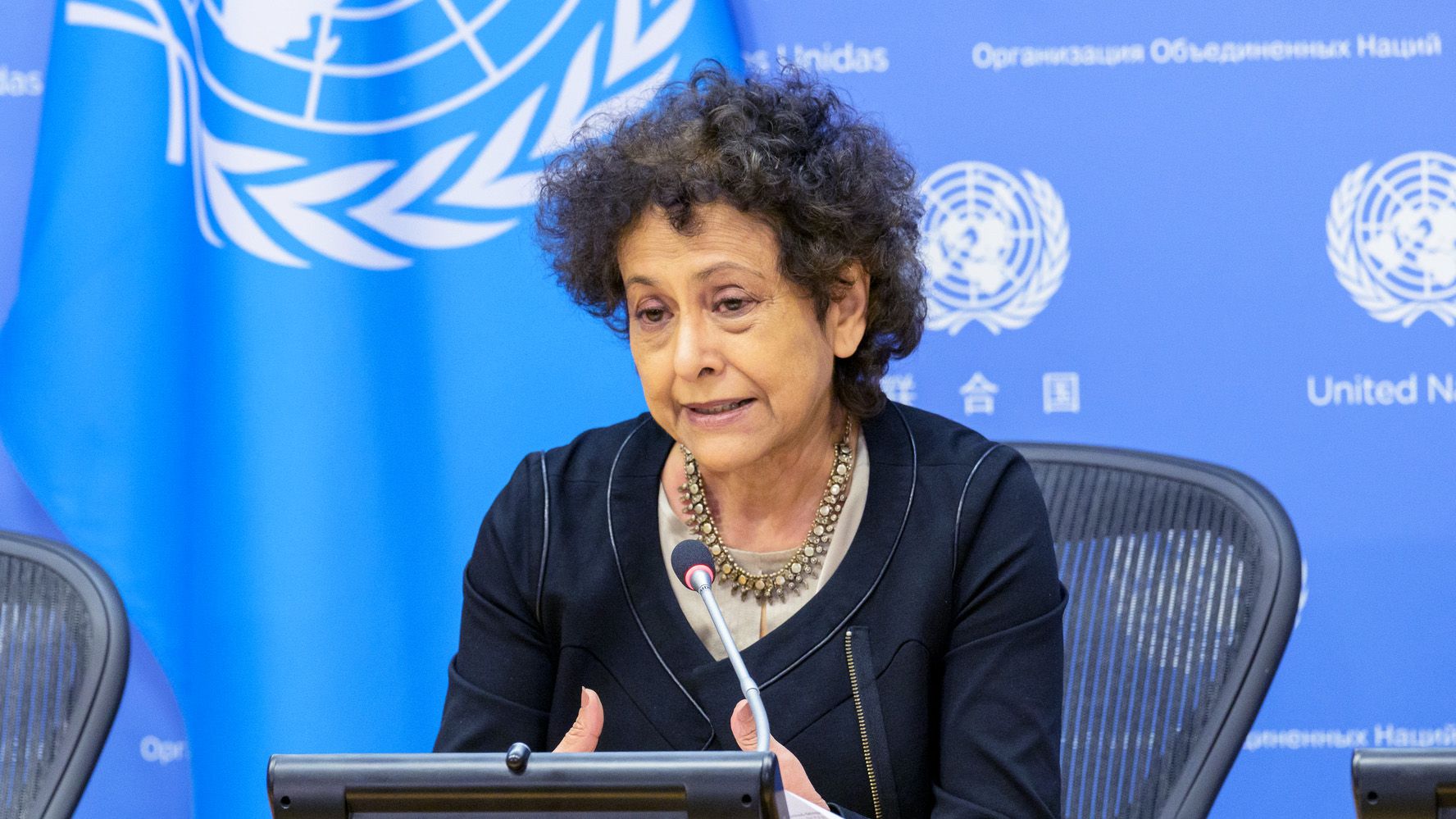
UN Special Rapporteur on Freedom of Expression and Opinion Irene Khan
Mary Lawlor UN Special Rapporteur for human rights defenders

On 5 August 2025 a group of United Nations human rights experts has written to the Kenyan government over allegations of serious human rights violations.  These violations include the killing of protesters, the arrest and detention of human rights defenders, the deportation of a Ugandan lawyer, and the suppression of media freedom during the June 25 protests across the country.

The letter (referenced AL KEN 3/2025,) was sent by four UN Special Rapporteurs, namely Mary Lawlor (Human Rights Defenders), Matthew Gillett (Arbitrary Detention), Irene Khan (Freedom of Expression), and Gina Romero (Freedom of Assembly and Association). 

Copies of the letter were also shared with the governments of Uganda and Tanzania, given their involvement in the alleged incidents. The Kenyan government was given 60 days to respond to the communication before being made public on the UN’s human rights website.

By October 22, Kenya had not responded to the contents of the letter. The experts expressed grave concern over what they described as “an emerging pattern of criminalisation and harassment of human rights defenders in Kenya.”

According to the communication, nationwide protests on June 25, 2025, left 16 people dead and hundreds injured. The demonstrations, which marked the first anniversary of the 2024 anti-Finance Bill protest, were allegedly met with excessive police force.

During the protests, several major media houses reportedly had their transmission centres raided by police and communication officials who switched off live broadcasts. The Communications Authority of Kenya allegedly issued a directive barring media outlets from airing live coverage of the protests,  a decision later suspended by the High Court in Milimani, which termed it “potentially unconstitutional” pending a hearing scheduled for October 24, 2025.

Kenyan youth confronts UN with tough questions in Geneva forum [VIDEO]

The letter cites the arrest of Mark Amiani, John Mulingwa Nzau, and Francis Mutunge Mwangi, all members of the Social Justice Centres Working Group, who were detained by police on June 27 while travelling to work in Mombasa.  They were later charged with incitement of violence, damage to property, and theft, though the experts said no credible evidence was presented in court.

They were held for five days before being released on bail on July 2, with conditions requiring them to report to the police twice weekly. Their next court hearing was scheduled for August 21, 2025.

Prominent activist and photojournalist Boniface Mwangi was also arrested at his Nairobi home on July 19, where police allegedly confiscated electronic equipment and even tear gas canisters.  He was charged with unlawful possession of ammunition and released on bail two days later.

The UN experts noted that Mwangi had previously been arrested several times and was abducted in Tanzania in May 2025, before being found in Kenya’s coastal town of Ukunda days later.

The letter further highlighted the deportation of Ugandan lawyer Martin Mavenjina, a senior legal advisor at the Kenya Human Rights Commission (KHRC), who was expelled from Kenya on July 5 despite having a valid residency and a Kenyan family. 

He was allegedly detained at Jomo Kenyatta International Airport and forced onto a flight to Kampala without being informed of the reason or given access to legal counselADVERTISEMENT

A day after Mavenjina’s deportation, armed men reportedly stormed a press conference hosted at the KHRC offices in Nairobi, where women and widows were calling for an end to police brutality and enforced disappearances.  The assailants allegedly destroyed journalists’ equipment and accused the women of organising protests. Despite reports being filed, no investigations have been launched, according to the letter.

UN calls for action and accountability: The UN experts urged the Kenyan government to clarify the legal basis for the arrests, detentions, and deportations, and to end the intimidation of journalists and human rights defenders. 

They also demanded investigations into the killings and injuries from the protests.

The experts warned that the events “constitute blatant violations” of international human rights laws, including the International Covenant on Civil and Political Rights, which guarantees freedoms of

But good news the two were found back after more than a month, see: https://www.monitor.co.ug/uganda/news/national/missing-kenyan-activists-freed-after-39-days-in-secret-ugandan-military-detention-5257852

and https://nation.africa/kenya/news/africa/kenyan-activists-bob-njagi-nicholas-oyoo-freed-after-diplomatic-pressure-on-uganda-5257840

and: https://k24.digital/411/activist-bob-njagi-opens-up-on-chilling-torture-he-faced-while-detained-in-uganda

https://www.pulselive.co.ke/articles/news/local/why-un-experts-are-calling-out-kenya-in-scathing-letter-to-government-2025102704150886531

https://nation.africa/kenya/news/abductions-kenya-risks-sanctions-for-ignoring-un-queries-on-human-rights-abuses-5245882

https://eastleighvoice.co.ke/national/231234/east-africa-law-society-warns-of-eroding-rule-of-law-as-kenyan-activists-tanzanian-diplomat-go-missing

https://nation.africa/kenya/news/kenya-responds-to-un-on-abductions-after-media-highlight-5249510

https://www.theeastafrican.co.ke/tea/news/east-africa/kenya-tells-un-it-acted-within-the-law-on-rights-5251392#google_vignette

https://www.msn.com/en-xl/africa/kenya/activist-reveals-possible-whereabouts-of-bob-njagi-and-nicholas-oyoo-claims-they-ve-been-tortured/ar-AA1PLNzW

https://www.the-star.co.ke/news/2025-11-08-activists-njagi-oyoo-freed-what-we-know-so-far
https://www.chron.com/news/world/article/kenyan-activists-released-from-ugandan-detention-21149624.php

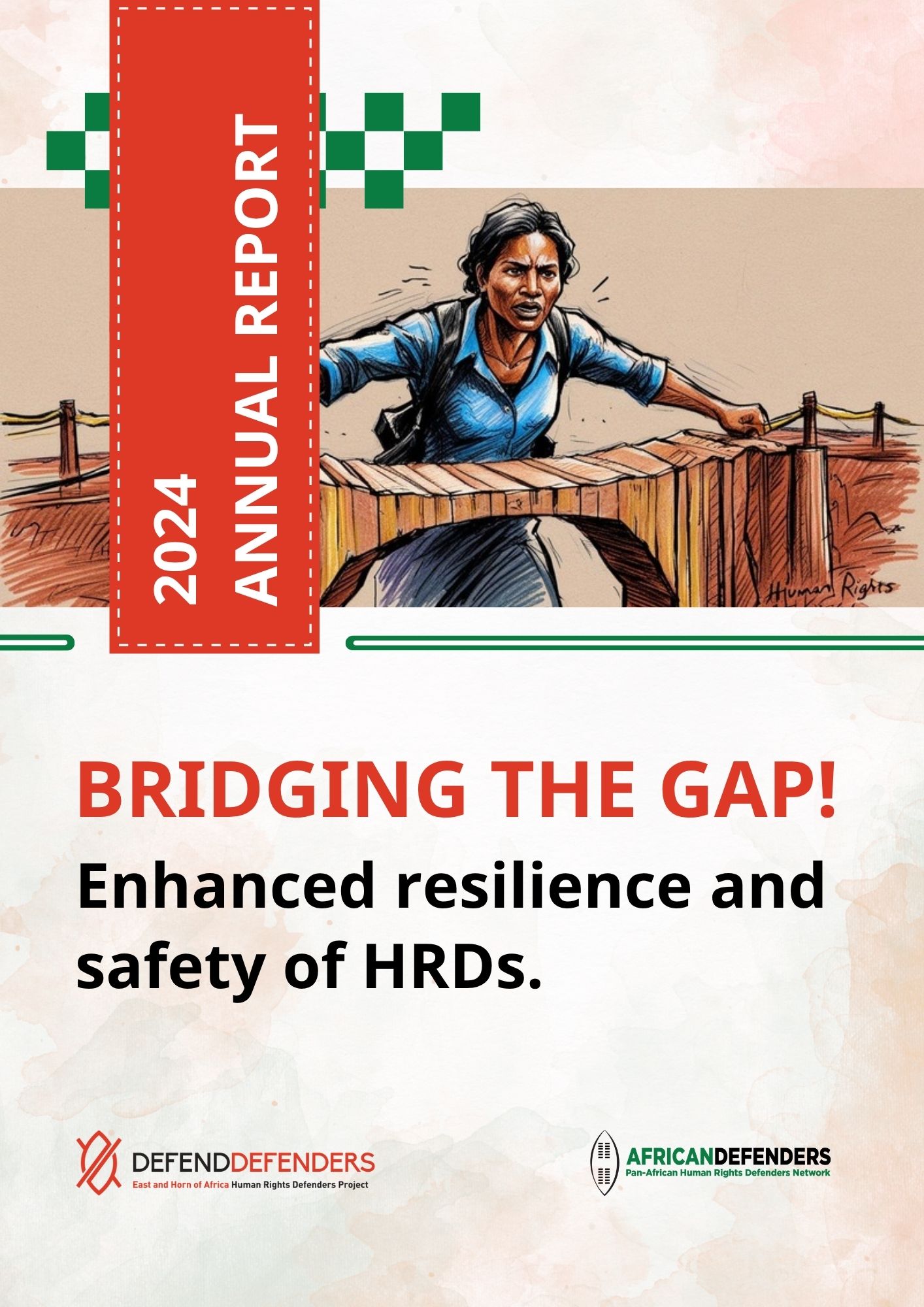
Bridging the Gap – Annual Report 2024 DefendDefenders on Africa

August 1, 2025

The year 2024 witnessed a deteriorating political and human rights climate, with the war in Sudan, police violence in Kenya, ethnic conflict in Ethiopia and political instability in the Sahel intensifying threats against human rights defenders (HRDs). Despite the risks, the East and Horn of Africa Human Rights Defenders Project (DefendDefenders) and the Pan African Human Rights Defenders Network (AfricanDefenders) remained steadfast in providing HRDs with essential protection support, supported amplifying of their voices, and enhancing their capacity to navigate the environments.

Our protection efforts were central to our work as HRDs faced heightened threats. DefendDefenders provided a total of 643 protection grants (493 emergency grants and 150 direct assists under the Ubuntu Hub Cities Initiative). AfricanDefenders strengthened partnerships with the Elisabeth-Selbert-Initiative, the Shelter Cities Initiative, and the University of Pretoria’s Centre for Human Rights to facilitate the relocation and protection of HRDs at risk.

On the advocacy front, we remained committed to ensuring that HRDs had a voice at regional, and international levels. At the UN Human Rights Council, we advocated for the renewal of critical mandates, including the UN Commission on Human Rights in South Sudan and the Special Rapporteur on Eritrea. Additionally, we launched the report Is the Tide Turning? which analyses African states’ voting patterns on human rights resolutions to inform and shape future advocacy strategies.

At ACHPR, we facilitated HRDs’ participation in the 79th and 81st ordinary sessions, organized side events, and engaged with civil society organisations. Our involvement in the African Electoral Justice Network underscored our commitment to promoting fair and transparent electoral processes. Additionally, we facilitated a benchmarking trip for ACHPR Commissioners to the Inter-American Commission on Human Rights, fostering inter-regional collaboration on human rights protection. We conducted solidarity missions to Kenya and Senegal, standing with indigenous women HRDs, grassroots defenders, and civil society leaders. We also co-hosted a global consultation with outgoing and incoming UN Special Rapporteurs on Freedom of Peaceful Assembly and Association, addressing emerging threats to civic space and climate justice activism.

We strengthened national HRD coalitions across the East and Horn of Africa, reinforcing networks for collective advocacy and protection. Our 7th Focal Point Meeting brought together members of the East and Horn of Africa Human Rights Defenders Network to assess civic space trends, evaluate our 2021-2025 Action Plan, and strategise for the 2026-2030 period. As part of this gathering, we also convened an inter-mechanism dialogue between HRDs, the Chairperson of the ACHPR, and the Chairperson of the UN Working Group on Enforced Disappearances to enhance HRDs engagement with the special mechanisms.

To sustain HRDs’ resilience, we prioritised capacity-building, equipping them with tools to navigate an increasingly hostile environment. Over the year, we trained 990 HRDs through more than 62 workshops on physical security, digital security, wellbeing, monitoring and documentation, Kobo Toolbox, and resource mobilisation. The year concluded with the launch of our annual thematic report, Rocky Ground and Shifting Sands: Human Rights Defenders Working in the Context of Elections in East Africa, offering insights into the challenges HRDs face in electoral contexts in Burundi, South Sudan, Tanzania, and Uganda.

Download Report Here:

https://defenddefenders.org/annual-report-2024/

2025 Mandela Prize by UN to Brenda Reynolds and Kennedy Odede

May 30, 2025
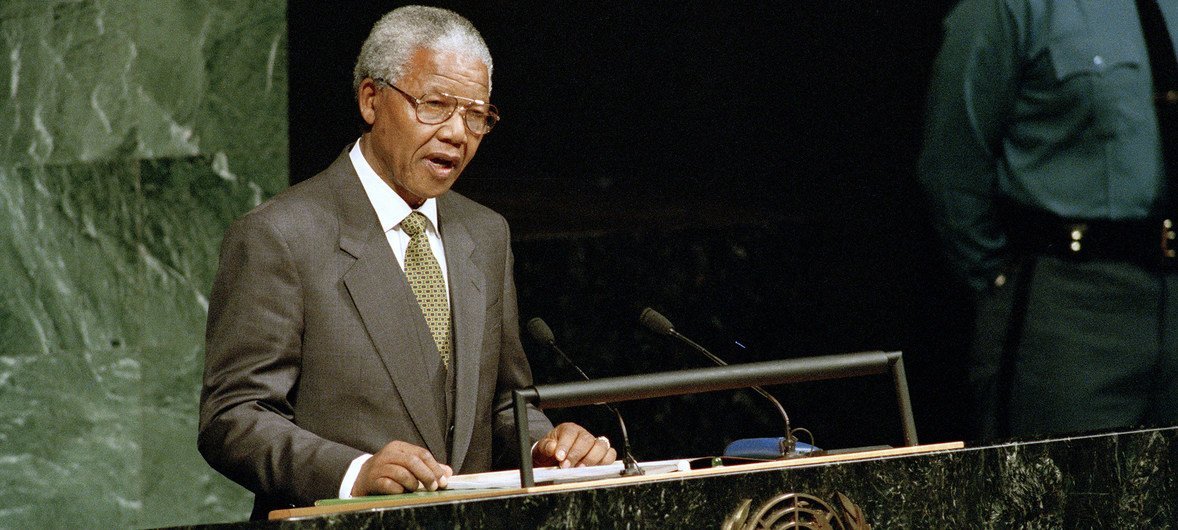
President Nelson Mandela addresses the 49th session of the General Assembly October 1994.

UN Photo/Evan Schneider President Nelson Mandela addresses the 49th session of the General Assembly October 1994.

An Indigenous social worker from Canada and a social entrepreneur from Kenya are the laureates of the 2025 Nelson Rolihlahla Mandela Prize, the United Nations announced on28 May 2025.

Secretary-General António Guterres will present the award to Brenda Reynolds and Kennedy Odede on 18 July, Nelson Mandela International Day. “This year’s Mandela prize winners embody the spirit of unity and possibility – reminding us how we all have the power to shape stronger communities and a better world,” said Mr. Guterres.

For more on this award and its laureates, see: https://www.trueheroesfilms.org/thedigest/awards/94844340-ca82-11ea-9aff-fdc6b476d5fd

Brenda Reynolds

A Status Treaty member of the Fishing Lake Saulteaux First Nation in Saskatchewan, Canada, Brenda Reynolds has spent decades advancing Indigenous rights, mental health, and trauma-informed care. In 1988, she supported 17 teenage girls in the first residential school sexual abuse case in Saskatchewan. Later, she became a special adviser to the Truth and Reconciliation Commission (TRC), helping shape survivor support and trauma responses. She is most recognised for her key role in Canada’s court-ordered Indian Residential Schools Settlement Agreement and her subsequent development of the Indian Residential School Resolution Health Support Program—a national initiative offering culturally grounded mental health care for survivors and families. In 2023, she was invited by the UN High Commissioner for Human Rights and the European Union to share her expertise on trauma and cultural genocide.

Kennedy Odede

Living in Kenya’s Kibera Slum for 23 years, Kennedy Odede went from living on the street at 10 years old to global recognition when he was named one of TIME magazine’s 2024 100 Most Influential People. His journey began with a small act: saving his meagre factory earnings to buy a soccer ball and bring his community together. That spark grew into Shining Hope for Communities (SHOFCO), a grassroots movement he now leads as CEO. SHOFCO operates in 68 locations across Kenya, empowering local groups and delivering vital services to over 2.4 million people every year. Mr. Odede is also a New York Times bestselling co-author and holds roles with USAID, the World Economic Forum, the Obama Foundation, and the Clinton Global Initiative.

——-

Also interesting to note that according to the Sahara Press Service of 29 May 2025 an unexpected and high-profile controversy led to the elimination of Moroccan nominee Amina Bouayach President of CNDH from the shortlist. Bouayach’s candidacy sparked a wave of international protest, with letters, petitions, and statements of condemnation sent to the selection committee from both Sahrawi organizations and Moroccan human rights defenders, who denounced the nomination as a betrayal of Mandela’s legacy.

The opposition was led by victims of human rights abuses—Sahrawis, Rifians, journalists, and former political prisoners—who expressed deep outrage that a figure associated with the whitewashing of Morocco’s ongoing violations could be considered for a prestigious prize meant to honor defenders of dignity and freedom.

In a series of forceful statements, the Sahrawi National Council and the Sahrawi Human Rights Commission described Bouayach’s nomination as “an insult” to Mandela and accused her of legitimizing repression in Western Sahara and within Morocco. Notably, Moroccan activists also voiced rare public criticism, calling the nomination a distortion of both the United Nations’ credibility and Mandela’s ideals…

Her leadership at the Moroccan National Human Rights Council has been, and still is marked not by independent advocacy, but by efforts to legitimize state atrocities even as reports of abuses against Sahrawis, Rifians, journalists, and peaceful dissidents have continued to mount. ..

According to sources close to the selection process, the committee was “taken aback” by the level and breadth of resistance, especially the coordinated objections from across the political and geographic spectrum. This pressure ultimately led to Bouayach’s exclusion from consideration.

https://news.un.org/en/story/2025/05/1163791

https://www.spsrasd.info/en/2025/05/29/10019.html

Three HRDs win Kenyan Human Rights Defender of the Year award

November 30, 2024

Walter Ngano, on Friday, 29 November 2024, wrote about three nationals in Kenya being honoured as Human Rights Defenders, illustrating again how awards can function at the national level.

Three Kenyan activists were feted at an awards ceremony on Friday, November 29, recognizing them for their commitment to protecting human rights. Boniface Mwangi, Hanifa Adan, and Hussein Khalid were awarded the Human Rights Defender of the Year award during the Human Rights Defenders (HRD) Awards. The event was held at the Royal Danish Embassy in Nairobi, Kenya.

The three, who are prominent activists in Kenya, were jointly awarded the prize, which is under the Working Group on Human Rights Defenders in Kenya, which brings together Civic Society Organizations and development partners concerned with the protection of HRDs.

The three were honoured for the role they played in the June-August Gen Z protests that were witnessed in Kenya in 2024. Together, they managed to lead Kenyans in advocating for the withdrawal of the Finance Bill, 2024.

In addition, Boniface Mwangi was recognized for his contributions towards advancing good governance, constitutionalism, the rule of law, and the promotion and protection of human rights and fundamental freedoms in Kenya. [https://humanrightsdefenders.blog/2019/05/17/debate-in-kenya-are-human-rights-defenders-always-credible/]

Hussein was honoured for his contribution to ensuring access to justice for survivors and families of victims of rights violations. Hanifa, on the other hand, was awarded for her dedication to the promotion of public integrity in Kenya. 

The aim of the ceremony is to honour and publicly recognise the important work of HRDs in Kenya by giving out awards to men and women who have demonstrated courage and impact in the promotion and protection of human rights and fundamental freedoms. 

While speaking after winning the award, Hanifa Adan expressed her joy at winning the award and dedicated the award to Kenyans who lost their lives in the June-August Gen Z protests witnessed in 2024. The award was her fourth in 2024.

“I feel honoured to have won the Human Rights Defender of the Year Award. It’s such an honour, and this is my fourth award this year. I dedicate this award to each and every comrade that we lost during the Gen Z protests,” Hanifa noted.

Hussein Khalid while receiving his award expressed his surprise at being feted but acknowledged the role of activism in the country this year. “I am really shocked by this, but when I look back, it is because of the so many days and sleepless nights we spent doing post-mortems and autopsies for the comrades that we lost in the protests,” Khalid stated. The activist went ahead to request a moment’s silence for the deceased. 

https://www.kenyans.co.ke/news/106865-boniface-mwangi-hanifa-adan-hussein-khalid-win-human-rights-defender-year-award

Kenyan police officer nominated for human rights award

November 9, 2024

A Kenyan newspaper reported on 8 November 2024 something unusual with regard to human rights awards: Police officer Jackson Kuria, aka Shakur the cop, was nominated for the african Human Rights Defenders Awards. The outspoken police officer is the first uniformed officer ever nominated for this prestigious award In an interview with TUKO.co.ke, Shakur emphasised that police officers are meant to protect civilians and their rights. Jackson Kuria Kihara, aka @Shakurthecop, publicly opposed the Finance Bill 2024 and protested against it. Cop Shakur is the first uniformed officer nominated for Human Rights Defenders Award.

The newspaper adds: Did Cop Shakur merit the award? This is a huge milestone for the police officer, as he has made history as the first uniformed officer to be considered for the award.

Read more: https://www.tuko.co.ke/entertainment/celebrities/568353-cop-shakur-nominated-human-rights-defenders-award-joining-kenyans-protests/

https://www.tuko.co.ke/entertainment/celebrities/570816-viral-shakur-dapper-tight-fitting-suit-receiving-human-rights-defenders-award/

How tough childhood thrust Rachael Mwikali into activism

October 27, 2024

GORDON OSEN on 24 October 2024 in the Star of Kenya published a warm portrait of Rachael Mwikali who, born and bred in Mathare slums, has come face to face with discrimination and abuse.

When you watch Rachael Mwikali do her activism, you may dismiss her as an antagonistic feminist and a rebel without a cause. Not so. At proximity, the globally recognised champion of sexual and reproductive health rights and women is a warm and compassionate personality whose work is fired up by empathy.

She told the Star during an interview on the sidelines of the annual meeting of the African Commission on Human and People’s Rights in Banjul, The Gambia, that at the age of 13, a man 10 years older than her sexually abused her. “The saddest part is the community did not protect me. In fact, they blamed me for engaging in sex at a young age,” she said.

“I learnt to speak up for myself and others who may not have the courage.” Her reward, she says, is when the marginalised get justice. At the heart of her campaign is turning women’s perceived vulnerability and weaknesses into strengths.

Through her organisation Coalition for Grassroots Human Rights Defenders, she champions for intersectionality as well. When El Nino ravaged Mathare slums this year, Mwikali started a community kitchen that would make up to 500 hot meals per day.

She is also part of the #EndFemicideKE. Her agitation has seen her count her losses and keep some wins. In 2016, aged 24, Mwikali was named the Lobbyist for Change by a Swedish non-governmental organisation known as We Effect. She also sits on the Amnesty International board, the Royal Denish Embassy Youth Sounding board and the Youth Advisory board of the Kingdom of Netherlands. She is also the chairperson of the Human Rights Defenders Awards in Kenya which recognises activists at the frontline of human rights protection. The awards are given annually by the Defenders Coalition.

[https://trueheroesfilms.org/thedigest/awards/8D7E476D-A61A-4912-8CFE-97707A3C1A73]

Asked about what motivates her and what she considers a win, Mwikali says she dreams of having many more passionate women standing up for their rights, and championing for an equal society

https://www.the-star.co.ke/news/2024-10-24-how-rachael-mwikalis-tough-childhood-thrust-her-into-activism

Willie Oeba, Kenyan artivist

April 3, 2024

“The idea is not to change the world, but to spark the mind that will change the world, because leadership is in delegation.

Willie Oeba is an African poet who empowers young people to fight inequality and foster social justice through spoken word. He currently leads a team of 24 young “artivists” in his community who use their creativity to create social change. Through his own poems, he has also reached millions of people worldwide.

As CEO of ISM Academy, an organization that trains young leaders to create art that combats inequality, Willie develops the tools for marginalized artists to champion social justice, economic equity, and democracy. In 2021, he was awarded the Upcoming Human Rights Defender award by the Defenders Coalition, a national human rights organization in Kenya. He also won the East Africa Spoken Word Battle in 2018.

Willie works to bridge the poverty gap within the arts by empowering artists from marginalized communities and by championing economic structures that allow artists from every background to achieve financial independence. He believes that activism through art requires people to stand in the gap between what is real and what is possible, and to respond to challenges by expanding whose stories get told.

https://www.fordfoundation.org/fellows/willie-oeba

Right Livelihood awards 2023

September 29, 2023

The 2023 laureates face off against social taboos around abortion in African countries, Cambodia’s authoritarian regime and corrupt businesses, a growing humanitarian crisis in the Mediterranean Sea, and unsafe industrial practices in Kenya to demand a liveable future for all. For more on the Right Livelihood Award and its laureates, see: https://www.trueheroesfilms.org/thedigest/awards/97238E26-A05A-4A7C-8A98-0D267FDDAD59

The 2023 Right Livelihood Award goes to:

Eunice Brookman-Amissah, who is a Ghanaian physician whose leadership has been instrumental in advancing safe abortion access across Africa. For three decades, she has spearheaded high-level advocacy, sensitisation programmes and training on women’s reproductive rights. Her efforts have successfully united healthcare providers, government officials, lawyers and activists in support of abortion law reforms in Mozambique, Sierra Leone, Benin, Eswatini and Kenya, and abortion law implementation in Ghana, Zambia, Malawi, Senegal and Mauritius, among others.

When Brookman-Amissah began her advocacy, the term abortion was too taboo to mention, let alone champion at high-level forums. Nonetheless, she tirelessly raised the issue to empower women, enhance their autonomy, improve their health, and ultimately, create an environment where they can thrive personally and professionally. Brookman-Amissah is a pioneer in the field of sexual and reproductive health and rights (SRHR).

Mother Nature Cambodia is the country’s pre-eminent youth-led environmental rights organisation, working on the frontlines with local communities to preserve nature and livelihoods even in the face of a growing government crackdown on civil society activism. Using innovative techniques such as viral videos, training and the mobilisation of young Cambodians nationally and locally, Mother Nature Cambodia has helped highlight and stop environmental violations. Successful campaigns include stopping the Chinese-led construction of a hydroelectric dam threatening an Indigenous community and helping end the largely corrupted business of sand export from the coastal estuaries of Koh Kong, which was destroying the local ecosystem and fishing grounds.

Founded in 2012, Mother Nature Cambodia’s small and agile core team works to mobilise against destructive and corrupt construction projects. Indicative of the government’s hostile stance against the organisation, 11 of their activists have been jailed and dozens arrested since 2015, while one staffer and the founder, Alejandro Gonzalez-Davidson, have been forced to leave the country. Local community members campaigning with Mother Nature Cambodia have also been subject to intimidation, legal harassment and surveillance by the police.

Despite the harassment and constant threat of arrest, the organisation has stayed the course and continued to campaign fearlessly. Highlighting the connection between democracy, human rights and environmental activism, Mother Nature Cambodia has emerged as a beacon of hope for future generations, fighting for the preservation of nature and human rights in Cambodia. [see: https://www.trueheroesfilms.org/thedigest/laureates/d41428d8-4b96-4370-975e-f11b36778f51]

SOS MEDITERRANEE is a European maritime-humanitarian organisation saving people’s lives in the Mediterranean, the world’s deadliest migration route. Carrying out search and rescue operations, the organisation has brought more than 38,500 people to safety since operations began in 2016. SOS MEDITERRANEE follows a strict legal framework based on maritime law, setting high standards for search and rescue operations, and showing that assisting people in distress at sea is a legal obligation.

The organisation, which is an association of four offices located in France, Italy, Germany and Switzerland, was founded by civilians in May 2015, in response to the tragic loss of lives in the Mediterranean and the European Union’s inability to effectively address this issue. Pooling resources, the association finances and operates the Ocean Viking rescue ship with a professional crew. Once brought aboard, survivors are provided with medical and psycho-social care. SOS MEDITERRANEE also aims to amplify the voices of survivors by sharing their stories.

The organisation’s unwavering commitment to humanity has not only saved lives but kept the public, European institutions and national governments acutely aware of the realities of the humanitarian crisis in the Mediterranean Sea. [see: https://www.trueheroesfilms.org/thedigest/laureates/0700f14f-dbb5-4350-8e3f-5e7027294404]

Phyllis Omido is a Kenyan environmental activist leading the battle for the justice and health of the Owino Uhuru community that has suffered from lead poisoning ever since a battery smelting plant began operating in their village. Omido’s use of litigation, advocacy and media engagement has set vital legal precedents, affirming people’s right to a clean and healthy environment and the state’s responsibility to safeguard it.

Omido, dubbed the “Erin Brockovich of East Africa,” initially worked at the battery smelting plant that poisoned her, her son and thousands of Owino Uhuru community members. When the plant owners and government officials refused to act on the environmental impact report she conducted, Omido mobilised the community in protest. Following a 2012 demonstration, Omido was attacked by two men at her home and arrested on unfounded charges of terrorism and inciting violence.

Thanks to Omido’s activism, 17 toxic sites have been closed across Kenya. She has also used her experience to consult the United Nations, leading to a resolution on lead-acid battery recycling in Africa. Determined to spread knowledge on environmental rights far beyond Owino Uhuru, Omido has established a network of 120 grassroots land and environmental defenders (LEDs) across Kenya, Uganda and Tanzania, empowering and mentoring others to protect their communities. [see: https://www.trueheroesfilms.org/thedigest/laureates/79079c38-3ac4-4324-9e93-2cfb3f03fb28]

https://rightlivelihood.org/

https://www.aljazeera.com/news/2023/9/28/4-environmental-human-rights-activists-awarded-alternative-nobel-prizes

Clips from young Human Rights Defenders

August 17, 2023
Mary Lawlor

Mary Lawlor, UN Special Rapporteur on Human Rights Defenders, shows on her LinkedIn page young human rights defenders who are the ones who will carry the human rights movement into the future, and to who we need to listen now.

👉 e.g. meet Zeinab, a young WHRD from #Kenya who took part in the 2023 Vienna Youth & Children HRD conference:

#YouthForRights #InternationalYouthDay #YouthLead #InSolidarityAndHope

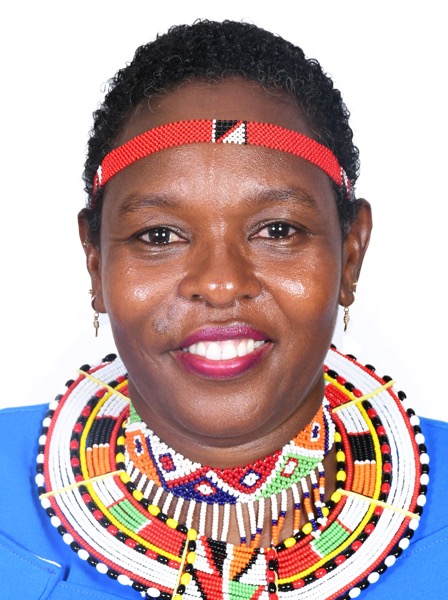
Human Rights Defender, Jane Naini Meriwas, from Kenya, defends the young women of the Samburu community

March 15, 2023

The regional NGO DefendDefenders highlights every month a “Human Rights Defender of the month”. In January 2023 it was Jane Naini Meriwas. Like many African societies, The Samburu community in Northern Kenya is a gerontocracy – a very hierarchical community in which elders hold sway over almost all private and public matters. Among these predominantly pastoral nomads, very little importance is attached to the young – especially young girls, who are barely given a chance at education and often married off before their first menstrual cycle, but not before they undergo mandatory Female Genital Mutilation (FGM).

It is in this community that Jane Naini Meriwas was born 46 years ago, in Kipsing village,  Oldonyiro Subcounty, Isiolo County. When she was 16, her mother passed on, and she watched with great trepidation as her father planned to marry another wife, not sure what that would mean for her or her ambitions for school. As it turned out, fate was on her side. When her father uncharacteristically asked what she thought of his plans, Jane seized the opportunity to stand up for herself and interests:

“I told him that if he wants to go ahead and remarry, he should give me my mother’s share of livestock to support my education since I know I would have no one looking out for me going forward,” says Meriwas. Simultaneously shocked and touched by his daughter’s candidness, Meriwas’ father decided to give the idea of remarrying more thought. By the time Meriwas returned home at the end of the school term, she found that her father had abandoned the idea altogether, and decided to support her to finish school. “I was surprised and elated in equal measure. It also encouraged me to always be confident and speak my mind, assured that I had a father who would always listen to me,” she says. At University, Meriwas studied Community Development, after which she worked with a catholic mission in her community. But her passion to empower more women in her community would not let her rest. “Issues like FGM, girl child beading, forceful abortion, early marriages, wife beating, were still holding my community back and I could not just pursue a personal career and pretend everything was right. I had to do something,” she says. Meriwas teamed up with five other women, with whom they would every month, organise groups of women and sensitise them to resist and push back against these harmful cultural practices. Overtime, they also started engaging with men, encouraging them to educate girl children, using Meriwas’ father as an example. Won over by his daughter’s dedication, Meriwas’ father would tag along to some of these meetings, to testify on the benefits of educating a girl-child. “From a reluctant patriarchal man, he had become a champion of girl-child empowerment,” says Meriwas.Jane Naini Meriwas

Encouraged by the growing consciousness and awareness her and her colleagues’ efforts were igniting in her community, Meriwas, in 2006 resigned her formal job to start Samburu Women Trust, a not-for-profit organisation devoted to the empowerment of  Samburu’s indigenous women and girls.  Here, the Trust offers pyscho-social support to women who have been abused by their husbands, runs campaigns against FGM, supports girls denied an opportunity to go to school by their parents, and engages local and opinion leaders on the consequences of some of the community’s harmful cultural practices to influence mindset change.

Today, Samburu Women Trust has 50 women and girls of different ages, including a Chief Government Officer, who have been empowered to successfully resist FGM and are instead now local champions against the practice. Over the years, the community’s women and girls who previously never owned land have been empowered to start asserting their rights to land, so much that when the Kenyan Government came to issue land tittles to the Samburu Community last year, of the 1000 land tittles issued, 600 were issued to women.

These gains have marked Meriwas out for hateful threats and profiling by especially the patriarchal elders and local politicians afraid of losing their power and social influence thanks to the emerging social consciousness in the community. At one time, she was trailed and pursued by two men and only managed to escape them by running to the nearest police station.

Still, Meriwas will not relent. Together with her team they are now drafting an anti-beading law for tabling in the Samburu County assembly, to outlaw the culture of girl-child beading. The practice involves the community’s warrior men known as Morans marking out young girls between 9 -15years with beads around their necks and proceeding to have involuntary sexual relations with them, as a way of preparing them for marriage. Since the morans and their beaded girls are always from the same clan, marriage is prohibited, and in the event of a pregnancy, it is terminated through forceful abortion carried out by the community’s women elders. “It is a very abusive practice in so many ways, and it is only the Samburu that practice it. So, we are determined to end it,” she says.Jane Naini Meriwas

Asked about what drives her, she says it is the urge to push the ladder back. “I went to school by a chance, I overcame all the obstacles as an indigenous woman to be where I stand today as a respected woman leader in my community and country. So I feel I have an obligation to empower other young girls and women like me to emerge.”  

https://defenddefenders.org/human-rights-defender-of-the-month-jane-naini-meriwas/