The United Nations Human Rights Council’s 49th session, which begins on February 28 in Geneva, presents an opportunity to send a powerful message to the Ortega-Murillo government that these human rights violations will not be tolerated. Governments should support a strong resolution on Nicaragua, demanding the release of all detainees subjected to arbitrary detention and prosecutions and establishing an independent mechanism to investigate rights violations.
Tamara Taraciuk Broner, Acting Director, Americas Division of HRW, describes the latest in the Nicaraguan Government’s Attempts to Tighten its Authoritarian Grip:
Nicaragua’s courts are scheduled to hold a sham trial of seven government critics and opposition leaders, all arbitrarily imprisoned since June 2021. It’s the latest in a slew of trials of people detained on absurd charges months on end.
This week’s trial epitomizes Nicaragua’s mockery of justice: A joint trial, with no due process, on charges of “conspiracy to undermine national integrity,” in most cases based solely on the defendants’ exercise of their right to free expression, that will most likely result in swift convictions for all.
Since February 1, at least 14 detainees have been found guilty of “undermining national integrity” during closed-door trials at “El Chipote” prison, rather than at public courthouses, as Nicaraguan law requires. Each trial has lasted just a few hours and has resulted in swift convictions and sentences of several years in prison.
Announcing the trials on January 31, the Attorney General’s Office called the detainees “criminals and thieves.” Authorities had suspended the trials in October 2021 without offering a clear reason.
Between May and November 2021, the government unleashed a wave of arbitrary arrests to pave the way for President Daniel Ortega’s reelection to a fourth consecutive term. Nicaraguan authorities arrested at least 40 critics, including student and business leaders, campesino representatives, defense lawyers, journalists, activists, and seven presidential candidates. More than 130 others were detained earlier and remain in detention.
Criminal proceedings have lacked basic due process. In many cases, detainees were held incommunicado for weeks or months at El Chipote, some in prolonged solitary confinement. When allowed visits, families described abusive conditions, including repeated interrogations and insufficient food.
On February 12, Hugo Torres died in detention. Torres a 73-year-old former companion of Nicaraguan President Daniel Ortega, had been arbitrarily arrested in early June and accused of “treason.”
Prosecutors have based serious accusations solely on claims that the accused had given interviews to media outlets, shared WhatsApp messages, participated in meetings, or signed letters calling for free elections, demanding international condemnation of government abuses, or expressing support for sanctions against Nicaraguan officials.
These trials contribute to President Ortega’s mounting record of abuse. Given the lack of judicial independence of Nicaraguan courts, this would provide victims the possibility of being heard by an independent body with a chance to holding perpetrators accountable.
Other inmates also are in dire straits, according to family members and rights defenders, who say the prisoners are malnourished, losing weight, teeth and memory, and getting weaker by the day.
“Many are facing a serious risk to health and life,” the former president of the Inter-American Commission on Human Rights (IACHR), Antonia Urrejola, said on Twitter.
Ortega, who secured a fourth consecutive term in November elections, has faced widespread criticism from rights groups, opposition figures and international observers who decried the vote as “a sham”.
On Monday, the European Union’s external affairs spokesman, Peter Stano, sent “deep condolences” to Torres’s family and called for an independent investigation into his death. “We reiterate our call for the immediate and unconditional release of all political prisoners … subjected to inhumane detention conditions” in Nicaragua, Stano tweeted.
The reason is that defenders who draw attention to the human rights and environmental risks associated with business projects, including of EU companies, and who seek accountability where violations and harms actually occur, are often at high risk of retaliation for their actions, in particular where they themselves are from the communities directly affected.
With this in mind, in September 2021, she issued the public statement referred to above calling on the EU Commission to seize the moment and craft a powerful, progressive proposal which would include safeguards for Human Rights Defenders highlighting corporate harms. She followed this up in November with a series of meetings with key EU Commissioners and their teams in Brussels, during which she outlined what she believes to be the key provisions to include in their proposal on due diligence for it to empower human rights defenders. This position has now become public through the paper below:
The Geneva Human Rights Film Festival of 2020 (FIFDH – The Festival) dedicates its 20th edition to human rights defenders Pham Doan Trang and Ida Leblanc
Journalist and blogger Pham Doan Trang has been in detention since October 2020 and was recently sentenced to 9 years in prison for “propaganda against the state”. The 43-year-old was accused by the Hanoi regime of “defaming the Vietnamese government and inventing fake news“. In one of the world’s most repressive countries towards civil society, where freedom of the press is non-existent, Pham Doan Trang – RSF 2019 Prize – has founded numerous independent media and publishing houses – including Nha Xuat Ban Tu Do or Law Magazine – and the NGO Green Trees, making her the target of a government that does not tolerate dissent. Despite intimidation, torture and repeated arrests, Pham Doan Trang is fighting to end systematic abuse of both human rights and freedom of the press in Vietnam. She won several awards including recently the Martin Ennals Award 2022. See: https://www.trueheroesfilms.org/thedigest/laureates/fe8bf320-1d78-11e8-aacf-35c4dd34b7ba
Trinidad and Tobago is home to more than 10,000 domestic workers, most of them without any social protection. Ida Leblanc fights daily for them to obtain rights similar to those of all workers, notably as General Secretary of the National Union of Domestic Employees (NUDE), which she founded. In 2011, the International Labour Organisation adopted the Convention on Domestic Workers thanks to Ida Leblanc’s active campaigning. Though the government of Trinidad and Tobago has never implemented the Convention, tireless Ida Leblanc remains undeterred.
She successfully campaigned for the decriminalisation of the Minimum Wage Act, giving unions the right to hear cases of non-compliance with the Act in the Labour Court. She has spearheaded many victories on behalf of low-income workers in cases of unfair dismissal, lay-offs and breaches of the Maternity Protection and Minimum Wage Acts.
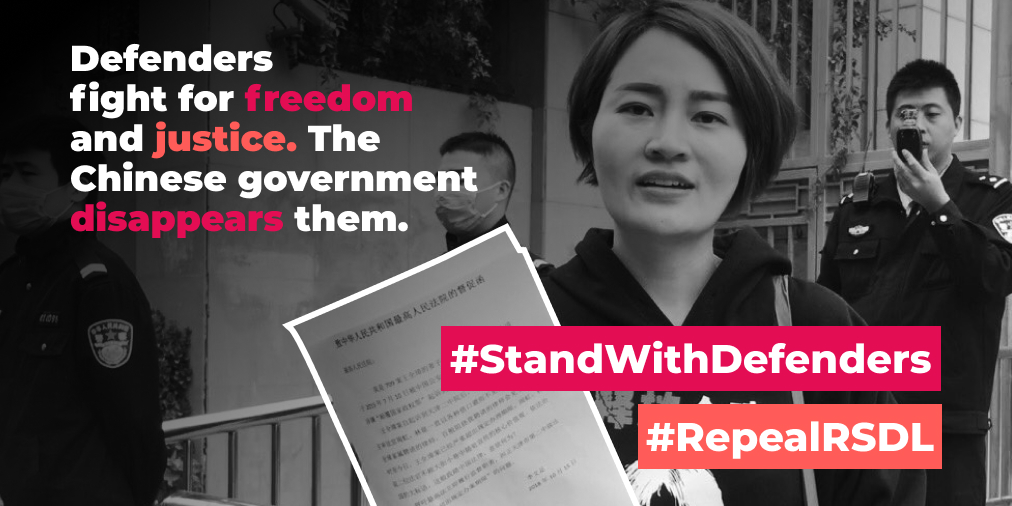
In China, brave activists are trying to improve the daily life of their fellow citizens and defend their rights to speak freely, to be treated on an equal footing with others, to protest peacefully, or to practice a religion. But the Chinese government fears that their actions will challenge its power and that their criticisms will undermine it. Like the Uyghur and Tibetan peoples, many who stand up for human rights are repressed and silenced, and the authorities have found a very effective way to do that: they disappear them.
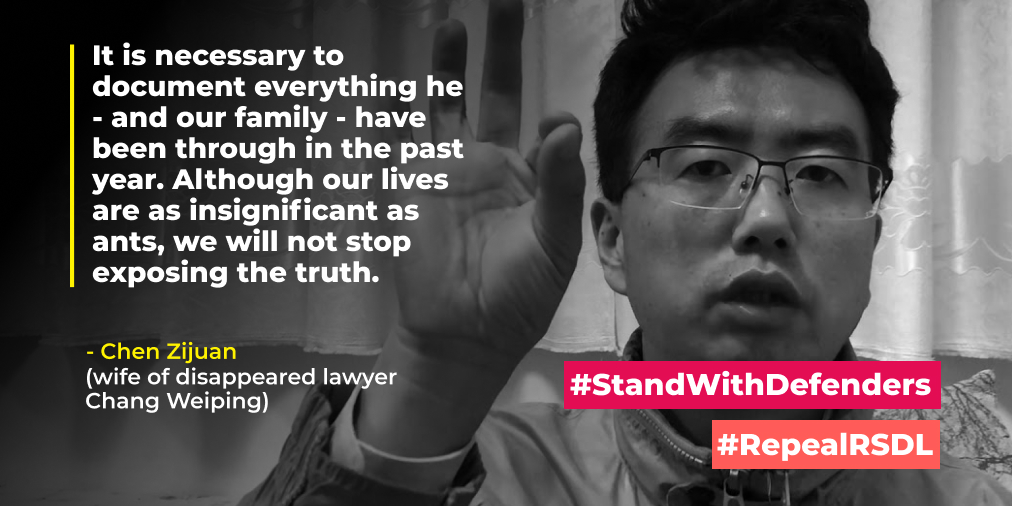
On 22 October 2020, exactly a year ago, lawyer Chang Weiping was disappeared under ‘Residential Surveillance at a Designated Location’ (or ‘RSDL’) for ‘inciting subversion of State power.’ Lawyer Chang is a human rights lawyer, who has bravely defended sensitive cases of victims of sexual harassment during China’s ‘Me Too’. He has also worked with victims of discriminatory practices due to their sexual orientation or HIV status, or targeted for speaking freely or practicing their religion. Ten days before his disappearance, he had published a video denouncing torture he had endured when he was first held under RSDL in January 2020, after attending a meeting with other activists a month earlier. UN experts have publicly called for his release. No one knows where he is held. [see also: https://www.trueheroesfilms.org/thedigest/laureates/2e6ec951-79e7-4a36-b077-76bfe05e3817]
Since 2012, China’s rubber-stamp legislative body passed and amended several articles in its Criminal Procedure Law that give police the power to take people into custody without disclosing where they will be held: this is called ‘Residential Surveillance at a Designated Location’. When this happens, people are denied all contact with the outside world, even with their family or a lawyer, for up to six months. No one knows where they are. They are interrogated and often tortured to extract confessions. Meanwhile, despite the barriers and risks they have to overcome, their families persist in seeking knowledge about their loved one’s fate and justice for what they suffered.
Many human rights activists have stopped promoting dignity, peace and justice in their communities because they fear to be disappeared by the police. This practice – enforced disappearance – is absolutely wrong and prohibited under international law. Everyone should be able to speak their mind and participate in the life of their communities.
ISHR, Safeguard Defenders, The Rights Practice and The 29 Principles are mobilising the international community to put pressure on China to #RepealRSDL and end enforced disappearances against human rights defenders.
They want the Chinese government to repeal RSDL (articles 74 to 79 of China’s Criminal Procedure Law), and to bring truth and justice to victims.
RSDL should be high on the agenda of any human rights exchange with the Chinese government. We want governments worldwide to speak out and use all bilateral and multilateral channels to press the Chinese government to #RepealRSDL. We want the UN to amplify its monitoring of RSDL in China, and to sustain its pressure on the authorities to respect international law and to #RepealRSDL.
Feeling supported is vital for disappeared defenders and their relatives. We want the media, human rights groups and activists across the world to pay closer attention to RSDL, to raise awareness around them, and to stand in solidarity with disappeared Chinese human rights defenders and their relatives.
How do we achieve this?
We are working hard to:
Increase the awareness and legal understanding of government officials and diplomats, UN experts, journalists, and human rights groups, there is a short document that explains clearly what UN experts have said about RSDL, and are spreading the word online and offline.
Mobilise diplomatic missions, through meetings and letters, and encourage them to speak out on RSDL at the UN and in other spaces;
Push UN experts to take up individual cases and pay a closer look at the use and impact of RSDL in light of China’s obligations under international human rights law ;
Encourage governments, activists, and concerned individuals to stand in solidarity with disappeared human rights defenders and their relatives
What can you do?
Stand in solidarity! Feeling supported is vital for disappeared defenders and their relatives. Send a solidarity message with Chen Zijuan, lawyer Chang’s wife: write a postcard, and share it with her on your social media by clicking on the image below. Don’t hesitate to personalise it before tweeting. Alternatively you can copy paste this link in your browser: https://ctt.ac/477cf
You can also raise awareness! Check out the informational and communication material in our ‘Campaign Toolbox’, and share it with your country’s ministry of foreign affairs, a journalist you know, your friends or your social media followers – and remember to tag @ISHRglobal, and #StandWithDefenders #RepealRSDL.
On 1 February last year, the military seized power over Myanmar/Burma by overturning the election results and detaining State Counsellor Aung San Suu Kyi. The military is still controlling power by force and uses brutal violence against human rights defenders, civil society groups, and journalists in order to silence all forms of protest and dissent. More than 1,500 people have been killed by the military and over 8,000 people have been arrested.
Despite the military’s brutal response, people have come together to fight the dictatorship. Nationwide protests, boycotts, strikes, and coordinated civil disobedience movements have taken place. Journalists across the country have continued their work despite severe attacks by the military.
A new report by Athan looks at how the military coup has affected journalists’ work and press freedom in the country. Throughout the country’s history, military coups have led to severe attacks on press freedom and the 2021 coup is no exception. Since the launch of the coup, 141 journalists have been arrested and 13 have been sentenced to prison. On 10 December, photojournalists Ko Soe Naing and Ko Zaw Tun were arrested while taking photos of a nationwide silent strike. Ko Soe Naing was tortured to death at the interrogation centre four days later. Just a couple of weeks after that, editor of the Federal Journal, A Sai Kay (Aka) Sai Win Aung, was shot dead by the military in Lay Kay Kaw. See also: https://humanrightsdefenders.blog/2021/05/11/three-democratic-voice-of-burma-journalists-and-two-activists-risk-refoulement-by-thailand/
According to Athan, the attacks on press freedom since the 2021 military coup have been the worst the country has seen. “Journalists and news media require continuous support to sustain local media and its journalists in order to secure journalists’ careers and their safety, and to enable an environment for journalistic professionals and the industry,” says a representative from Athan about the report.
On the one-year anniversary of the military coup in Myanmar, the High Representative on behalf of the European Union and the Foreign Ministers of Albania, Australia, Canada, New Zealand, Norway, Republic of Korea, Switzerland, the United Kingdom, and the United States, have made the following declaration:
….The European Union is deeply concerned by the continuing escalation of violence and the evolution towards a protracted conflict with regional implications. Since the military coup, the situation has continuously and gravely deteriorated. A large part of the population is now in a highly precarious situation, experiencing poverty, food shortages, displacement, and violence. ..
The European Union condemns in the strongest terms continuing grave human rights violations including torture, sexual and gender-based violence, the continued persecution of civil society, human rights defenders, and journalists, attacks on the civilian population, including ethnic and religious minorities by the Myanmar armed forces. Therefore, the EU calls for full accountability of the leaders responsible for the coup as well as of the perpetrators of violence and human rights violations. The EU also reiterates its firm demand for the immediate and unconditional release of all prisoners arbitrarily detained in relation to the coup and the return to power of democratically elected leaders.
As a matter of priority, the EU reiterates its calls for an immediate cessation of all hostilities, and an end to the disproportionate use of force and the state of emergency. The military authorities must ensure rapid, safe, and unhindered humanitarian access to all displaced persons and people in need, in all parts of the country. The European Union will continue to provide humanitarian assistance, in accordance with the principles of humanity, neutrality, impartiality, and independence and reiterates its call for the full and immediate respect of international humanitarian law…
In view of the escalating violence in Myanmar, increased international action is required in line with the already existing EU arms embargo on Myanmar. Since the military coup on 1 February 2021, the EU has imposed targeted sanctions on the Myanmar military, its leaders, and entities. In the absence of any swift progress of the situation in Myanmar, the EU stands ready to adopt further restrictive measures against those responsible for undermining democracy and the serious human rights violations in Myanmar.
“It is a failed coup,” said Yanghee Lee, co-founder of the Special Advisory Group on Myanmar and former UN special rapporteur for human rights in the country in a CNN report of 1 February. “The coup has not succeeded in the past year. And that is why they are taking even more drastic measures to finish out the coup.” He reported on problems for human rights defenders already in 2015, see: https://humanrightsdefenders.blog/2015/03/19/myanmar-backsliding-by-prosecuting-human-rights-defenders-instead-of-perpetrators/
On 26 January 2022 four major NGOs made a strong joint statement on India:
We, the undersigned civil society organizations, are deeply concerned about the ongoing harassment of 18 human rights defenders under the Unlawful Activities (Prevention) Act (UAPA) in reprisal for their advocacy work against the Citizenship (Amendment) Act (CAA) 2019. Thirteen of those arrested under the UAPA are currently in Rohini, Tihar, and Mandoli jails, New Delhi. We call for the immediate and unconditional release of all the human rights defenders arrested, and the dismissal of all charges against them.
The CAA has been widely criticized by activists, human rights defenders, civil society organizations, students and the international community for being openly sectarian and discriminatory against Muslims. After the CAA’s adoption, protesters across the country took the street to voice their concerns against the legislation, which goes against India’s Constitutional principles of secularism and equality. Police authorities responded by arresting human rights defenders and activists who spoke up against the CAA. Most of them were student activists and human rights defenders from the minority Muslim community.
The arrests of human rights defenders began in February 2020 and are still ongoing. Many of them had multiple First Information Reports (FIR) registered against them and were charged with serious offenses, including under UAPA. Of those arrested, only five human rights defenders – Natasha Narwal, Devangana Kalita, Safoora Zargar, Asif Iqbal Tanha, and Md. Faizan Khan – were released on bail. Thirteen others – Sharjeel Imam, Umar Khalid, Khalid Saifi, Tahir Hussain, Saleem Malik, Mohd. Saleem Khan, Meeran Haider, Shadab Ahmed, Tasleem Ahmed, Shifa Ur Rehman, Athar Khan, and women human rights defenders Ishrat Jahan and Gulfisha Fatima– remain in jail. Despite prolonged incarceration, the trial for their case has not commenced yet.
On 24 January 2022, a Delhi court framed charges against human rights defender Sharjeel Imam while rejecting his application for bail. The charges include Sections 124A (“sedition”), 153A (“promoting enmity between different groups on grounds of religion), 153B (“imputations, assertions prejudicial to national integration”), 505 (“statements conducing to public mischief”), along with Section 13 (“punishment for unlawful activities”) of the UAPA.
Khalid Saifi, Ishrat Jahan, and Gulfisha Fatima have reported custodial violence and torture by the Delhi police. There has been no effective investigations into these allegations or responsibility taken for their treatment. Shifa Ur Rehman, who has been in detention since 26 April 2020, suffers from severe kidney disease and has been denied access to adequate medical care in prison.
We express our deep concern over the harassment and arbitrary detention of human rights defenders that appear to be in retaliation to their peaceful activism and the legitimate expression of dissent against a discriminatory law. Despite the risks, human rights defenders have raised their voice for those oppressed by the CAA and in support of the Constitutional values that represent India.
We call on the Indian authorities to protect those defending human rights values and principles enshrined in national laws and to uphold international human rights commitments. We stand in solidarity with those who cannot speak out due to their incarceration, threats by Indian authorities, or due to a prevailing sense of fear. The treatment of these human rights defenders highlights a pattern of perpetrated abuse and violence, which is also exerted through legal mechanisms. This is especially concerning given India’s membership in the United Nations Human Rights Council and its pledge to preserve and protect human rights.
We urge the relevant authorities in India to:
1. Immediately and unconditionally release all human rights defenders arrested for protesting against the CAA, dismiss all charges, and cease all forms of harassment against them. 2. Guarantee under all circumstances that the arrested human rights defenders are not subjected to any form of torture and other ill-treatment while in police custody, and guarantee their access to adequate medical care and treatment. 3. Initiate a thorough judicial review of the Unlawful Activities (Prevention) Act and the Citizenship (Amendment) Act in genuine consultation with independent civil society organizations and human rights defenders, with a view to aligning these laws with India’s obligations under international human rights law. 4. Guarantee in all circumstances that all human rights defenders in India are able to carry out their legitimate human rights activities without fear of reprisals, and free of all restrictions—including police and judicial harassment.
Please inform us of any actions that may be taken with regard to the above case.
-FIDH · Civicus: · Front Line Defenders · World Organisation Against Torture (OMCT)
On 25 January 2022 important Research by Jon Vrushi and Roberto Martínez B. Kukutschka of Transparency International (which just published it 2021 Corruption Perceptions Index) shows a perhaps not surprising but undoubted link between human rights and corruption. They say: Corruption enables both human rights abuses and democratic decline. In turn, these factors lead to higher levels of corruption, setting off a vicious cycle.
…While all states have a responsibility to respect, protect and fulfil the human rights of all people, the presence of corruption can weaken a government’s ability to do so by undermining the overall functioning of the state – from the delivery of public services, to the dispensation of justice and the provision of safety for everyone.
More specifically, the duty to respect means that the state must not act in violation of human rights, for example, by using violence against peaceful demonstrators. Corruption can undermine this obligation when, for example, the government instrumentalises the police or judiciary to unfairly detain, arrest or intimidate opponents or dissidents. Corruption in law enforcement can jeopardise people’s safety and victims’ access to justice. On the one hand, corruption in law enforcement can drive human right violations such as ill-treatment or torture in the hands of officers including in detention settings or through police practices. In other cases, corruption might permeate the administration of justice including by slowing investigations into human rights violations and affecting due process.
What is more, corruption and impunity contribute to an unsafe climate for human rights defenders to operate in. Having examined the data collected by Frontline Defenders, we found that out of the 331 cases of murdered human rights defenders in 25 countries in 2020, 98 per cent of those deaths occurred in 23 countries with high levels of public sector corruption, or a CPI score below 45. Moreover, at least 20 of all cases were registered as killings of human rights defenders dealing with anti-corruption issues.
The second state obligation, to protect, means that governments should ensure that no one infringes the rights of its people. Corruption can also undermine this obligation. Organised criminal groups routinely murder journalists and human rights defenders and the state often fails to protect their safety. Similarly, private actors can rely on bribery and/or personal connections to ensure that the state turns a blind eye to human rights abuses. If the state fails to prevent a company, which has made a large campaign donation, from polluting a water source on which people depend on and puts their health at risk, the state is effectively failing in its obligation to protect.
Finally, corruption can directly undermine a government’s ability to fulfil its human rights obligations to take positive actions to guarantee the enjoyment of basic human rights. When states allow the embezzlement of public funds meant to be spent on providing healthcare or when rigged public procurement processes fail to deliver the necessary goods and services for education, states fail in their responsibility to fulfil the rights to health and education.
While all three obligations are equally important, state failure to respect human rights can lead to catastrophic consequences for democracy and the rule of law, as it can subvert fundamental rights which are critical for government accountability, such as freedom of expression, assembly and association. This, in turn, makes it harder to keep corruption in check and can lead to a vicious cycle of corruption, human rights abuses, and democratic decline.
The graph below shows how corruption and abuse of civil liberties go hand-in-hand. The civil liberties score, a dimension of the Democracy Index from the Economist Intelligence Unit, contains indicators on freedom of expression, association, assembly, personal safety and access to justice, among others. What we observe is that there is a strong and positive correlation between good governance and the respect of human rights and that very few countries have managed to establish effective control of corruption without also respecting human rights. This relationship holds even when controlling for the level of development (see Annex).
Keeping corruption out of the public eye is essential to ensure that those who participate in it face no consequences. Restricting freedoms of expression, association and assembly is thus a popular tactic to weaken societal checks on corruption, reducing the chances of being denounced for engaging in corruption and facing consequences. Simultaneously, this helps to perpetuate corrupt networks and practices. To ensure they face no legal consequences, in some cases corrupt officials also capture the judiciary and independent oversight institutions. To prevent loss of their privileges, corrupt and their cronies often resort to oppressive measures, curtailing civil liberties.
Take Nicaragua, for example, where President Daniel Ortega has ruled since 2007 and the country has experienced democratic decline, along with restrictions to fundamental freedoms and rampant corruption. Nicaragua is one of the significant decliners on the 2021 CPI, having dropped from a score of 29 in 2012 to 20 in 2021.
Nicaragua now ranks in the bottom 20 countries on the Index. At the same time, Nicaragua’s scores on V-Dem’s “Freedom of Expression”, “Freedom of Association” and “Access to Justice” indicators have dropped to record low levels. Corruption in the justice system and total capture of the courts by the executive means that human rights abuses go unchecked, providing no access to justice or remedy for victims in the country. At the same time, politically motivated corruption charges against opposition figures.
further impinge on political rights and liberties while government officials face virtually no accountability for acts of corruption. This climate of total impunity allows the government to further restrict fundamental rights, like freedom of expression, association and assembly. In some cases, they become direct attacks.
In 2019, one of the oldest newspapers in Nicaragua, El Nuevo Diario, reported that it was forced to close after authorities prevented it from obtaining newsprint and ink. Furthermore, between March and July 2020, Nicaragua’s Observatory of Aggressions on the Independent Press reported 351 attacks including unjust prosecutions, arbitrary detentions and harassment of media workers and their families. Human rights abuses continue, including bans on protests, attacks on freedom of expression, and the stigmatisation and persecution of journalists and human rights defenders.
Attacks on checks and balances as well as on civil liberties do not only occur in countries with systemic corruption and weak democratic institutions, but also in consolidated democracies. Hungary serves as a cautionary tale where following corruption and full capture of the state, the country has fallen to the lowest score in the Freedom in the World Index since the end of the communist regime in 1989. The abuse of media, civic space and the judiciary by democratic governments alleged to be involved in corruption has also been prevalent in Czechia, Slovenia and Brazil, among others.
What is more, not everyone is equally able to challenge corruption. Repressive officials or those seeking to silence anti-corruption campaigners are less likely to fear being held to account when they target individuals from marginalised groups. People from discriminated groups are therefore more exposed to potential backlashes and human rights abuses when they try to make their voices heard. The enhanced level of danger also applies to anti-corruption campaigners who champion the cause of discriminated groups, such as Transparency International’s chapter in Guatemala, which seeks to uncover and challenge acts of collusive corruption between state officials and mining companies that harm Indigenous Peoples.
Transnational corruption as enabler of human rights abuses
Various actors in the top-scoring countries are all too eager to help authoritarian and kleptocratic regimes clean their reputations – not just their money.
The case of Kazakhstan and the United Kingdom shows this corrupt backscratching at work. The heavy-handed response to protests in the country in early January made international headlines, echoing events of the Zhanaozen massacre from 10 years ago. Nursultan Nazarbayev, the country’s president at that time turned to the UK’s former prime minister Tony Blair to help him with his image. In a leaked letter Blair reportedly advised and provided Nazarbayev with talking points on how to handle critical questions about Zhanaozen. Months later, the government jailed an opposition leader for allegedly orchestrating the events. Blair continued to defend Kazakhstan’s regime on various occasions.
More international coordination is needed to ensure that foreign dictators and western enablers do not circumvent anti-money laundering and sanctions regimes.
Transnational corruption enables human rights abuses and exacerbates repression by allowing autocrats to:
Enjoy looted funds and reward cronies. Without the help of professional enablers like complicit bankers, lawyers, accountants, real-estate brokers etc, kleptocrats would not be able to enjoy their funds and pay off those who support them. In turn this means that they can stay in power by buying support and dispensing patronage to cronies.
Launder their reputation abroad. By employing western public relations firms, lobby professionals and even funding universities kleptocrats and autocrats ensure that little pressure will come to bear from the international community on their human rights abuses record.
Evade accountability. By hiding their financial transactions, autocrats make it almost impossible for law enforcement or judicial bodies, at home or abroad, to find traces of their malfeasance, ensuring they stay in power and unscathed. They can also bypass sanctions regimes, such as those aimed directly at human rights abusers through the Global Magnitsky Act or similar legislation.
In 2017, the Azerbaijani Laundromat investigations found how a network of slush funds financed Azerbaijan’s bribe-induced foreign policy and reputation. Three Spanish delegates to the Parliamentary Assembly of the Council of Europe (PACE) are suspected of benefiting from the Laundromat. In return, they allegedly watered down the human rights body’s criticism of events in Azerbaijan under the country’s repressive authoritarian regime. In 2021, authorities in Germany expanded their previous investigations into the Azerbaijani Laundromat. Another (now former) German parliamentarian is under investigation for similar reasons. Transnational corruption schemes allowed the Azerbaijani government to conduct a type of caviar diplomacy, bribing abroad and shoring up support from cronies at home.
Effects on democracy and corruption
Civil and political rights including freedom of expression, freedom of association and assembly, as well as access to justice are integral to healthy democracies. They guarantee the participation of citizens and groups in democratic and policy processes and can help keep corruption in check. The current wave of autocratisation is not primarily driven by coups and violence, but rather by efforts to undermine democracy gradually. The descent into authoritarianism usually begins with violations to people’s civil and political rights, attacks on civil and political rights, efforts to undermine the autonomy of oversight undermining election management bodies, and trying to control or directly attack the media to help disseminate the regime’s ideology while supressing criticism.
The case of Belarus, which this year fell 6 points in the CPI score this year, perfectly illustrates the limits of this top-down model and how the apparent successes in controlling corruption can quickly prove illusory where they are subject to the whims of a dictator or a regime that does not allow criticism, opposition or political competition. The country also serves as a cautionary tale for similar regimes.
While examples of successful top-down anti-corruption reforms exist in countries like China, Cuba and Singapore. These efforts are few and far apart. Furthermore, some of the most successful anti-corruption reforms that started with top-down interventions, eventually had to incorporate more bottom-up approaches to ensure their sustainability. Hence, sustainable anti-corruption strategies go hand in hand with the protection of universal human rights and fundamental freedoms.
For these reasons, in its Strategy 2030, Transparency International recognises that corruption cannot be countered without fundamental human freedoms to organise, associate, access information and speak up as well as a free and independent media.
To end the vicious cycle of corruption, human rights violations and democratic decline, people should demand that their governments:
Uphold the rights needed to hold power to account. Governments should roll back any disproportionate restrictions on freedoms of expression, association and assembly introduced since the onset of the pandemic. Ensuring justice for crimes against human rights defenders must also be an urgent priority.
Restore and strengthen institutional checks on power. Public oversight bodies such as anti-corruption agencies and supreme audit institutions need to be independent, well- resourced and empowered to detect and sanction wrongdoing. Parliaments and the courts should also be vigilant in preventing executive overreach.
Combat transnational forms of corruption. Governments in advanced economies need to fix the systemic weaknesses that allow cross-border corruption to go undetected or unsanctioned. They must close legal loopholes, regulate professional enablers of financial crime, and ensure that the corrupt and their accomplices cannot escape justice.
Uphold the right to information in government spending. As part of their COVID-19 recovery efforts, governments must make good on their pledge contained in the June 2021 UNGASS political declaration to include anti-corruption safeguards in public procurement. Maximum transparency in public spending protects lives and livelihoods.
The Berlin-based nongovernmental organisation surveys business leaders and experts to assign scores to 180 countries and territories on their perceived levels of public sector corruption. Using a scale from 0 to 100 (with 100 being very clean and 0 ranking as highly corrupt), the 10th annual report found that two-thirds of countries scored below 50. The average score was 43 out of 100. Overall, the fight against corruption is having mixed results – with some nations making gains and others falling behind. “Since 2012, 25 countries significantly improved their scores, but in the same period 23 countries significantly declined,” the report said.
It also found that despite increased momentum to end the abuse of anonymous shell companies, many high-scoring countries with relatively clean public sectors continue to enable corruption. A shell company does not have a physical location, employees, products or revenue. It is used to store money, help facilitate tax avoidance and, in some cases, deal in illegal activity such as money laundering. Some high-ranking countries such as Switzerland have been called tax havens in part due to their tolerance of shell companies.
This International Day of Education, Amnesty International has launched Rights Arcade, a free human rights game app which aims to educate the next generation of human rights defenders about rights such as freedom of expression and freedom of peaceful assembly.
Rights Arcade is designed to strengthen the human rights movement through action-oriented education. The games will boost players’ knowledge about human rights and encourage people to take action on human rights issues.
One of Rights Arcade’s key features is a self-paced approach that allows players to learn, reflect and take action at their own pace while navigating through the game’s stories.
“This game has been designed to empower and encourage people everywhere, but especially younger audiences, to learn about human rights in an engaging manner,” said Agnès Callamard, Amnesty International’s Secretary General.
“Young people are pivotal in setting the human rights agenda, today and for the future. Reaching them in the spaces they inhabit, or with which they engage regularly, is key to enabling new generations of activists and empowering them to fight for, and protect, human rights – now and in the future.”
The game’s stories, which are fictionalized experiences inspired by real world events, are driven by a player’s choices.
The player gets to play the role and navigate the experiences of the three central characters, making decisions based on their own understanding of human rights and unpacking how human rights concepts apply in daily life.
People around the world will be able to access a collection of three games currently available in four languages: English, Simplified Chinese, Thai and Korean.
Rights Arcade can be downloaded on iOS and Android devices, ensuring its accessibility in regions with poor internet connectivity.
Rights Arcade will be regularly updated to accommodate learning in more languages, and with new game offerings in the months and years to come.
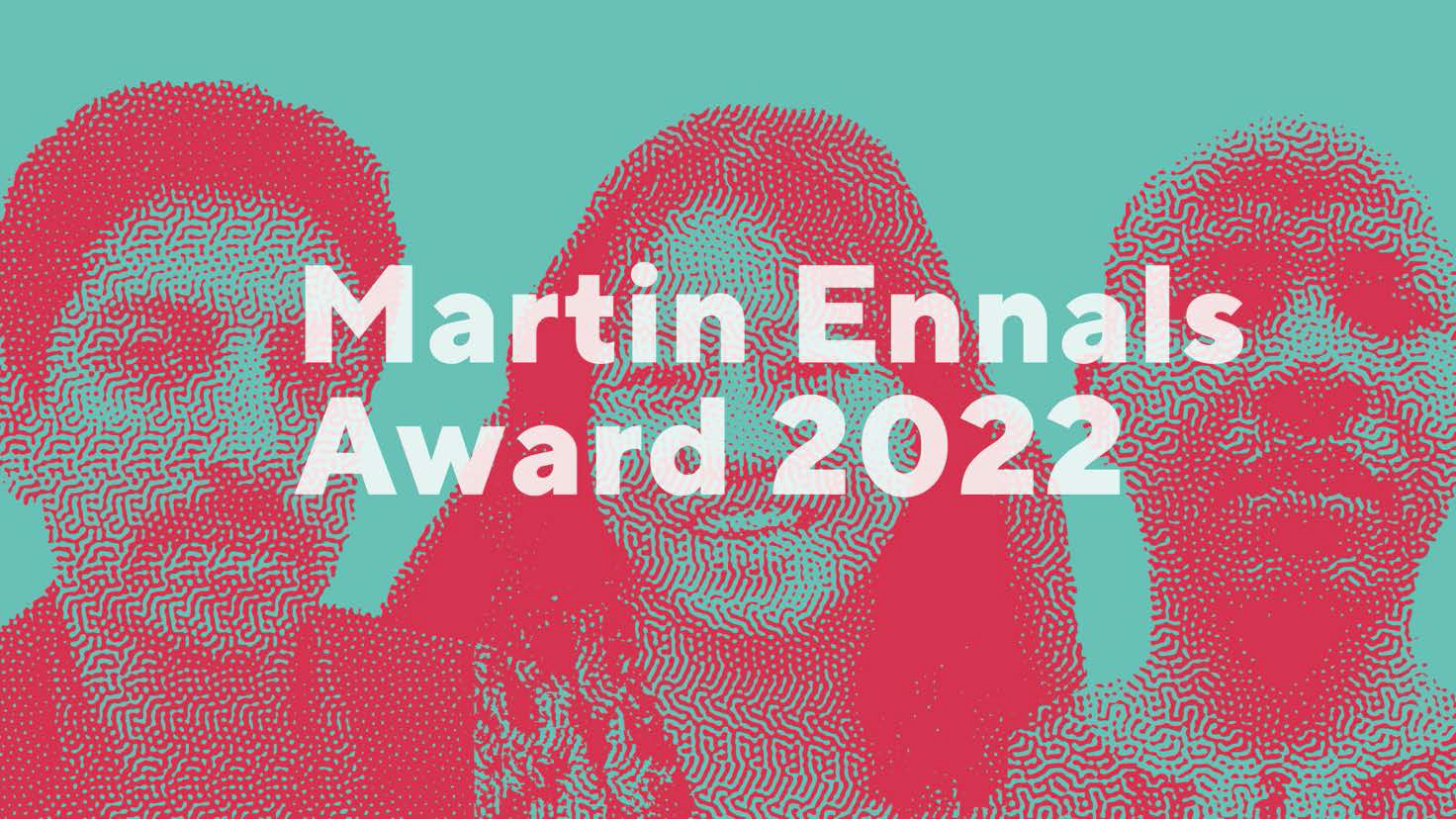
This morning, 19 January 2022, at a virtual press conference in Geneva three driving forces of the human rights movement were announced as the Laureates of the 2022 Martin Ennals Award for Human Rights Defenders. For more on the Martin Ennals Award and its laureates, see: https://www.trueheroesfilms.org/thedigest/awards/043F9D13-640A-412C-90E8-99952CA56DCE
Pham Doan Trang is a leading journalist, editor and democracy advocate in Vietnam, where the Communist Party has left little room for opposition voices to flourish. She directed several independent media outlets to raise awareness amongst Vietnam’s citizens of their fundamental rights galvanising many other journalists and human rights defenders to speak up. She was one of the most hunted activists in her country before being arrested in October 2020. On 14 December 2021, Pham Doan Trang was sentenced to nine years in prison for “conducting propaganda against the state”. There are growing concerns about her health. [see also: https://www.trueheroesfilms.org/thedigest/laureates/fe8bf320-1d78-11e8-aacf-35c4dd34b7ba]
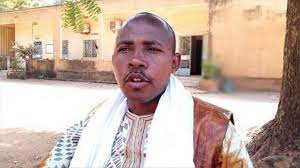
Dr. Daouda Diallo is a trained pharmacist-turned-human rights activist in Burkina Faso. The founder of the civil society coalition CISC, he dedicatedly documents human rights violations in a country rocked by violent crossfires between government forces, local paramilitary groups and Islamist factions. He carries the torch for justice and accountability to victims of the violence and their families. Dr. Diallo’s message of unity amongst different ethnic groups and faiths.
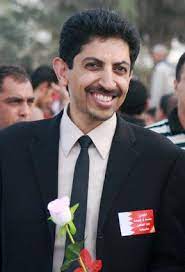
Abdul-Hadi Al-Khawaja is a charismatic architect of Bahrain’s human rights movement and a leader of the 2011 protests calling for democracy and greater freedom in the Gulf region. Al- Khawaja is not only an activist, but also a social entrepreneur who founded some of the first human rights research and defence organizations in the region, which still exist today. He inspires future generations in Bahrain to continue to fight despite his now decade-long imprisonment. See also: https://www.trueheroesfilms.org/thedigest/laureates/4d45e316-c636-4d02-852d-7bfc2b08b78d
It was also announced that due to the COVID-19 pandemic, the Award Ceremony is postponed until 2 June 2022. “As a city of human rights, Geneva is committed to supporting international cooperation on critical issues. Throughout the pandemic, many organizations have persisted in their human rights missions, demonstrating tremendous resilience. In this spirit, we are proud to co-organise another edition of the Martin Ennals Award ”, said Member of the City Executive Alfonso Gomez. (https://www.martinennalsaward.org/committed-to-a-better-world/)
AS Chair of the Martin Ennals Award Jury, I mentioned that the Jury had selected “three galvanizers of the human rights movement and that courage is the connecting dot between them ”.
On 13 January 2022 Brian Dooley devoted a blog post for Human Rights First to the US’ State Department’s efforts to draft HRD Guidelines:
Ten years ago, I testified in the US Congress for Human Rights First on why the US government should issue guidelines to its embassies on engaging with human rights defenders.
We then spoke to State Department bureaucrats in many months of negotiations too soporific to recount here, and by March 2013 they finally produced some useful guidelines for US diplomats, modelled largely on those adopted by European countries a decade before.
It’s a great idea – US government officials were offered specific advice on how and why to engage with Human Rights Defenders, and the hope was that the guidelines would set minimum standards for US embassies all over the world.
Engagement with human rights defenders by US diplomats tends to patchy – some embassies do it well, others hardly do it at all. HRDs in countries which are antagonistic to Washington tend to enjoy relatively easy access to US diplomats who share their criticism of the local government, whereas HRDs in countries ruled by dictators who are allies of the US complain about a lack of support from US embassies.
The guidelines encouraged officials to maintain regular contact with HRDs, or possibly to attend their trials or visit them in detention, and otherwise explore ways to support and protect them. All good in principle, but the State Department failed to adequately encourage its embassies to implement the suggestions.
So five years ago I was back in the US Congress, testifying that the guidelines “haven’t been properly promoted or widely translated …[and that] protecting HRDs is too important a job to do half-heartedly.”
Those US guidelines were pretty good, but the problem was so few people ever heard about them. When I mentioned them to human rights NGO staff, to officials of other governments, to human rights defenders, to people in the UN, to American ambassadors in the Middle East, even to State Department officials in the Bureau of Democracy, Rights and Labor, I was generally met with a “Huh?”
The good news is that, after more years of advocacy by ourselves, Earthrights, and others, the State Department has now released updated guidelines, complete with an assurance that “The Biden-Harris Administration is committed to putting human rights and democratic principles at the center of our foreign policy.” All nice enough, though these commitments to support HRDs should be institutionalized long term and not dependent on a particular administration.
The content is strong, advising sensible courses of action including that US officials “Encourage investigations and prosecution of those who harass and attack human rights defenders,” and that US officials “seek the consent of human rights defenders before taking any actions on their behalf and take precautions in communicating with them online and offline.”
The guidelines could act a great starting point for US officials at any embassy who want to connect with local civil society and activists. The challenge is to prevent these new standards from getting left on the shelf like the last ones.
To guard against that, we and others are hoping Congress will pass legislation aimed at keeping the State Department focused on protecting HRDs, including requiring US embassies to post the guidelines on their websites in relevant languages in an invitation to local HRDs to engage with them.
This engagement and support is currently horribly inconsistent. For instance, last week the US embassy in Niger issued a short public statement in support of local HRDs, which is great. But the US embassy in Cairo has for years been mortifyingly silent about the extensive attacks on local HRDs by Egyptian authorities.
The US government should use its power much more often to protect human rights defenders, not least at a local level where its embassies can offer much more consistent support to human rights defenders, and not just in countries that are adversaries of the US, but with its allies too.