The National Investigation Agency (NIA) of India arrested on Monday, 22 November 2021 prominent human rights defender Khurram Parvez after a day of extensive searches at his residence and office in Jammu and Kashmir capital Srinagar. He is an internationally recognized human rights defender, see: https://www.trueheroesfilms.org/thedigest/laureates/81468931-79AA-24FF-58F7-10351638AFE3
A family member told TheWire that Khurram’s residence in the city’s Sonawar locality was raided by NIA officials who were accompanied by local police and paramilitary troopers, on Monday morning. Another raid was carried out later in the day at his office in the Amira Kadal locality.
The raids were carried out in connection with a case (RC 30/2021) filed by the agency earlier this year.
Sources said the investigators confiscated Khurram’s mobile phone, laptop, some books and documents from his office and residence before taking him to the agency’s camp office in Srinagar’s Church Lane on Monday afternoon. “In the evening, we got a call to bring his clothes,” said a family member, adding that his wife and their son went to the office and handed his clothes to the officials there.
The NIA has not so far issued any statement on the arrest of Khurram, who is also the chairman of Asian Federation Against Involuntary Disappearances. Sources said his family was handed the arrest memo on Monday evening and he is likely to be flown to New Delhi on Tuesday.
The United Nations said it was disturbed by the reports of Khurram’s arrest, “I’m hearing disturbing reports that Khurram Parvez was arrested today in Kashmir & is at risk of being charged by authorities in #India with terrorism-related crimes. He’s not a terrorist, he’s a Human Rights Defender,” Mary Lawlor, UN Special Rapporteur on Human Rights Defenders, tweeted. David Kaye, a former UN Special Rapporteur, said Khurram’s arrest under terrorism charges was “yet another extraordinary abuse in Kashmir.”
World Organisation Again Torture (OMCT), a Geneva based non-profit which works with groups across the world to fight for human rights, said it was “deeply concerned” by Khurram’s arrest, “We are deeply concerned about the high risk of torture while in custody. We call for his immediate release,” OMCT said in a tweet. One of the most prominent rights defenders from Kashmir, Khurram has extensively worked on documenting the abuses allegedly committed both by security forces and militants in Kashmir as coordinator of Jammu Kashmir Coalition of Civil Society (JKCCS), a rights group based in Srinagar. See also: https://humanrightsdefenders.blog/2016/12/01/human-rights-defender-khurram-parvez-reluctantly-released-in-india/
The JKCCS has published more than a dozen reports on human rights abuses in Kashmir and its last report, ‘Kashmir’s Internet Siege’ focused on the mass detentions and the reported breakdown of the judicial system in Jammu and Kashmir in the aftermath of the reading down of Article 370. See also: https://humanrightsdefenders.blog/2020/02/09/forgotten-kashmir-something-has-to-be-done/
Khurram’s last tweet on August 30 this year was about a programme organised by Asian Federation Against Involuntary Disappearances and its members countries across Asia who pledged “that truth will not be buried, disappeared won’t be ever forgotten & perpetrators will never be forgiven.”
However, India’s government resists any notion of having acted wrongly:
Ministry of External Affairs (MEA) spokesperson Arindam Bagchi said that the [UN] statement makes “baseless and unfounded allegations” against Indian security forces. “It also betrays a complete lack of understanding on the part of the OHCHR of the security challenges faced by India from cross-border terrorism and its impact on the most fundamental human right ‘the Right to Life’ of our citizens, including in Jammu and Kashmir,” he said.
Asserting that all actions are undertaken in accordance with the law, he said, “We urge the OHCHR to develop a better understanding of the negative impact of terrorism on human rights.”
A committee of 5 human rights experts has selected a shortlist of 12 human rights defenders from among the nominees for 2021; since then an independent jury composed of 5 members has select 3 candidates from this shortlist. The Minister of Foreign Affairs will now choose a winner from the three remaining candidates:
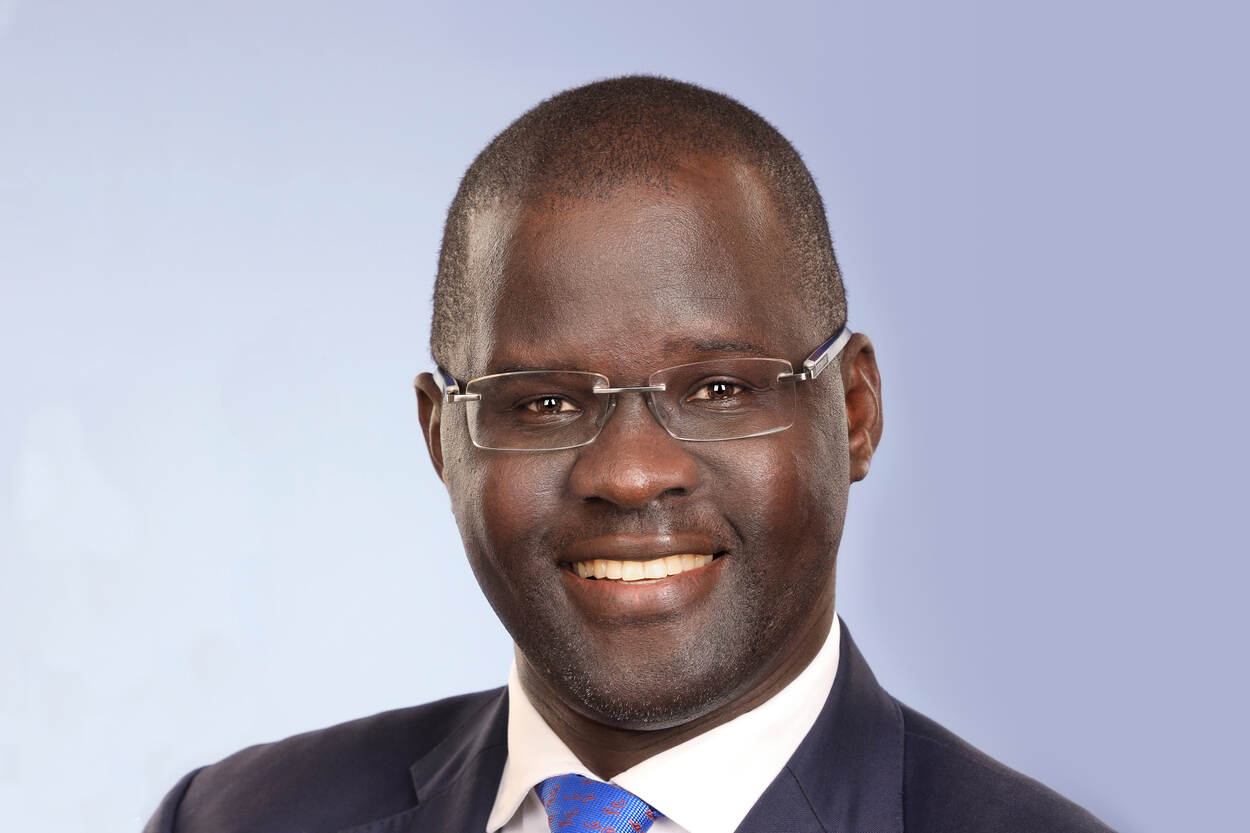
Human rights activist and lawyer in Uganda
As a child, he grew up in the epicentre of a brutal war between the Lord Resistance Army and government forces. Today, working as a human rights lawyer, he is being threatened, spied on and shadowed. This is his story.
Nicholas Opiyo.
As a human rights lawyer, Ugandan Nicholas Opiyo is not afraid to take on sensitive cases. He challenged the law that gave the police the right to ban public gatherings. He led the campaign for the enactment of a law criminalizing torture and drafted the initial bill that was enacted by parliament in 2012. He, alongside other brave Ugandan activists, successfully challenged Uganda’s anti-gay law in 2014. He has provided legal representation to the gay community in Uganda.
Nicholas is executive director of Chapter Four Uganda, an NGO that works to protect civil liberties and improve universal observance of human rights. He defends human rights activists who are being persecuted in Uganda. He also stands up for people who are in trouble with the government and lack the resources to defend themselves. See: https://www.trueheroesfilms.org/thedigest/laureates/6743A94B-BA1A-AA2A-AC6C-592EBD981EDA
Surviving war
Nicholas grew up on the outskirts of the northern Ugandan city of Gulu. His village was repeatedly attacked by the Lord’s Resistance Army (LRA), a rebel group that used child soldiers. Unlike many young people abducted into the ranks of the rebels, he survived abductions. The rebels kidnapped his father and sister, who managed to return after several months in captivity. To avoid being kidnapped, Nicholas walked several kilometres every day so he could sleep in the city. It was safer in a church compound or on the pavement in front of shops than in his village.
Government soldiers detained Nicholas’ father as part of an operation to eliminate traitors. The soldiers took all men 18 and older to a stadium where they were held for days without food. Looking through a crack in the stadium wall, Nicholas could see his father being beaten. Nicholas’ father was released after three days because he was innocent. Unable to forget these events, Nicholas decided to become a lawyer. ‘First I wanted to be a journalist so I could speak about [mistreatment],’ he said in an interview met Buzzfeed News. ‘But I thought … I can go to court and change things.’
Nicholas’ work often gets him in trouble with the state. He is being threatened, spied on and shadowed. In December 2020, in the run-up to the elections, he was arrested and imprisoned. Although he was charged with money laundering, the government presented no evidence. He spent Christmas and New Year’s Eve in jail. Human rights activists see the charges against Nicholas as a way to hinder his work as a human rights lawyer. Even in jail, he used his time to talk to prisoners who sought advice. In fact, he says, his arrests give him the energy to do even more. [see also: https://humanrightsdefenders.blog/2020/12/23/ugandan-human-rights-defender-nicholas-opiyo-arrested-like-a-criminal/]
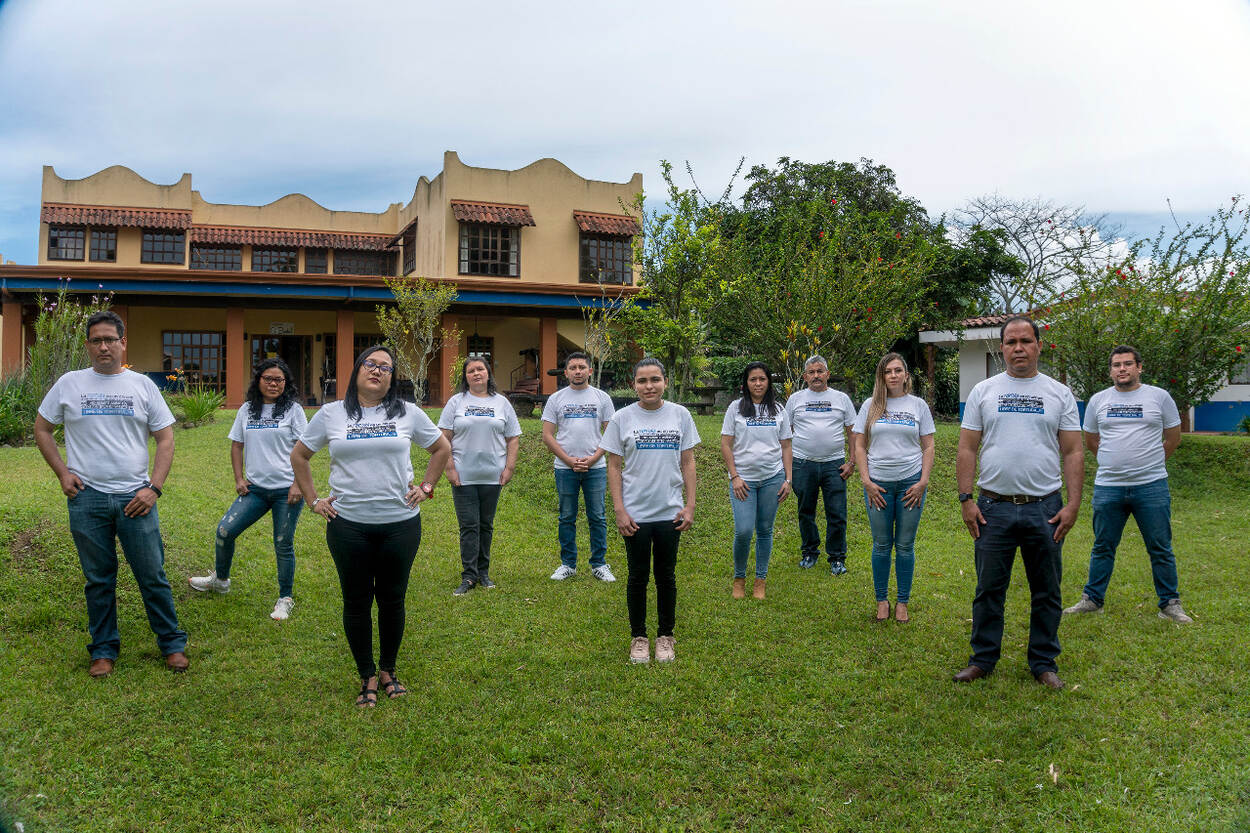
Nunca Más: they had to flee from Nicaragua, but their struggle continues
Banished from Nicaragua, a target of cyberattacks: despite all these setbacks, the activist collective Nunca Más is continuing to work for human rights in Nicaragua. This is their story.
Nunca Más.
‘When Daniel Ortega became president of Nicaragua, his supporters said that there was no longer any reason for us to exist. That human rights work in Nicaragua was a thing of the past. But that can never happen! Anyone who exercises power is capable of abusing it.’ So said human rights defender Gonzalo Carrión Maradiaga in an interview with the Nicaraguan magazine Envío. For 14 years he had been legal adviser of the Nicaraguan Center for Human Rights (CENIDH), which combats impunity and human rights violations.
In December 2018 the Ortega government closed CENIDH by force. The human rights defenders on its staff were expelled from Nicaragua. Gonzalo and his colleagues fled to Costa Rica, where they continued their work and in 2019 founded Nicaragua Nunca Más. Nunca Más reports on torture and other human rights violations in Nicaragua, in the interests of justice and to discourage new violations. They offer legal and psychosocial support to victims and their family members, journalists and human rights defenders, and conduct human rights training courses. They also work at international level on behalf of victims of human rights violations. At the moment, justice cannot be sought through the Nicaraguan legal system, as it is under influence of the president. Nonetheless, gathering evidence is crucial to ensure justice for human rights violation in the future.
It was not easy to make a fresh start in a new country, but the founders of Nunca Más have managed to recover. Between 2019 and 2021 the group documented over 400 cases of serious human rights violations. The collective has now issued five reports, including information on victims who have been tortured, humiliated and arbitrarily imprisoned. The reports also contain information about extrajudicial executions and denial of the right to organise. Such reports are crucial in the absence of free press.
Under pressure
The Nicaraguan government have not been pleased with Nunca Más’ reports, and are subjecting the organisation to severe pressure. Its website has been the target of repeated cyberattacks. Extra digital security measures have enabled the collective to safeguard personal data and sensitive digital information. Despite these difficult conditions, including being forced to live far from their familiar surroundings, its human rights defenders are persisting bravely with their struggle. Gonzalo has not seen his wife or one of his daughters for 18 months. ‘But the time will come. One day I’ll go back,’ he said resolutely in the interview with Envío.
It was not easy to make a fresh start in a new country, but the founders of Nunca Más have managed to recover. Between 2019 and 2021 the group documented over 400 cases of serious human rights violations. The collective has now issued five reports, including information on victims who have been tortured, humiliated and arbitrarily imprisoned. The reports also contain information about extrajudicial executions and denial of the right to organise. Such reports are crucial in the absence of free press.
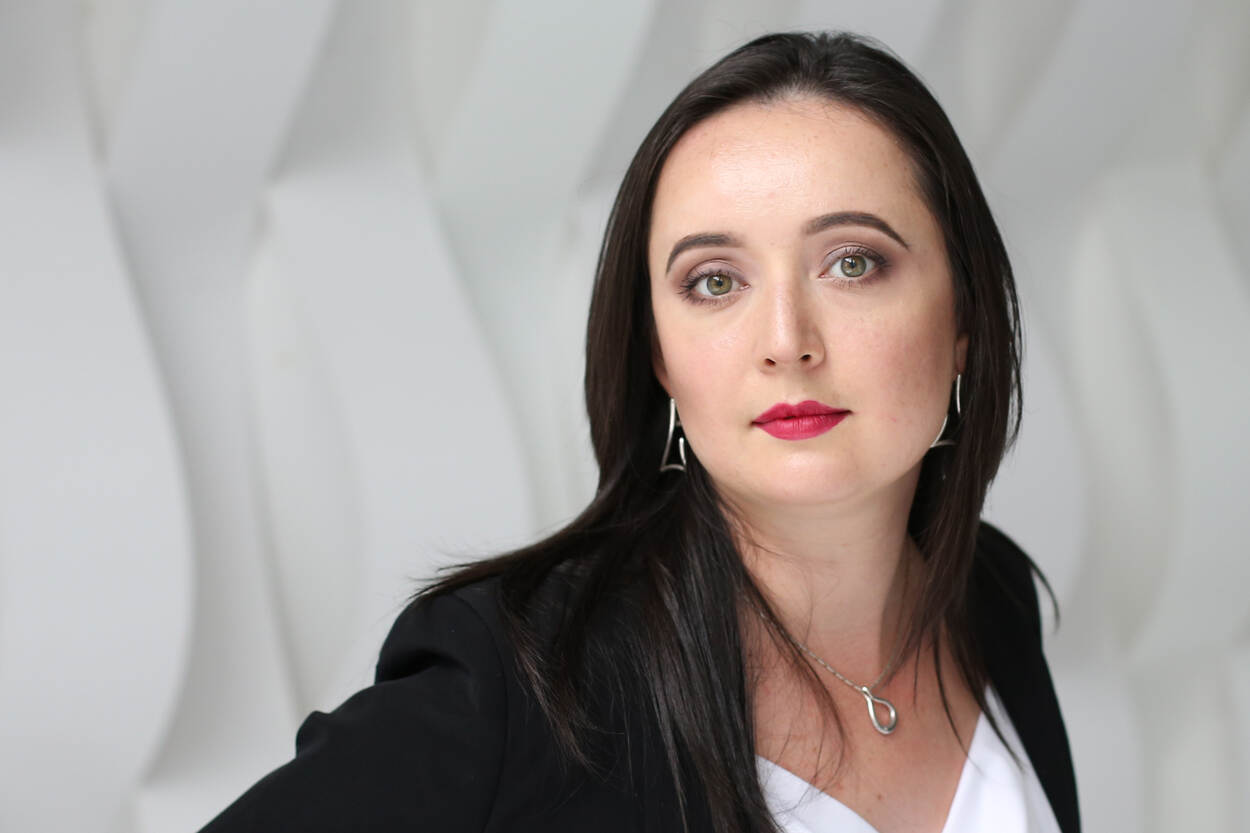
Mari Davtyan, lawyer in Russia, opposes domestic violence
The Russian police do not always respond to domestic violence complaints. Sometimes their failure to act has fatal results. Lawyer Mari Davtyan has been working for years now to change this situation. This is her story.
Mari Davtyan.
In December 2017 Margarita Gracheva’s husband chopped her hands off with an axe. She had asked the police for help several times in the preceding months – in vain. Mari Davtyan was Margarita’s lawyer. Now Mari is working on the case of three teenage sisters who killed their father on 28 July 2018, when they could no longer bear his many years of physical and sexual abuse. Their mother had reported the violence to the police, but was ignored. Domestic violence is seen in Russia as a ‘family issue’, and outside interference is viewed as meddling, Mari noted in an interview with Voice of America. Mari’s strong defence for the teenage sisters has sparked a debate in Russian society on domestic violence and conservative family values.
Since 2017 domestic violence is no longer a serious offence in Russia, but a misdemeanour. Perpetrators are fined, have to do community service or are served with a training order. They are only taken to court in cases of repeated violence or serious injuries. This law is meant to preserve the ‘unity of the family’; according to this logic, fathers don’t belong in jail. Mari has been fighting for years now to change this law, ‘because it has been proven dangerous for the safety of thousands of women in Russia’, Mari said in an interview with Marina Pisklakova-Parker of the Anna Center in Moskou. Fighting and winning cases like this has ‘helped the government understand that we are not dealing with violence in the right way,’ said Mari in an interview with the Washington Post. Growing numbers of people are putting pressure on the courts and government to reflect on how they are treating victims.
Mari is also the head and legal expert of the Consortium of Women’s NGOs, which works to protect victims of domestic violence in Russia. The organisation gives courses on women’s rights to lawyers and the police and helps victims with their legal cases. ‘We have more than 100 lawyers working with us today, this year we have more than 150 cases, and I think about 1,000 consultations with individual women,’ said Mari in an interview with the European Human Rights Advocacy Centre (EHRAC). She sees that women are becoming more confident and more often have the courage to seek her out. ‘They are finding the power to ask for help and they’re starting to understand what a healthy relationship should look like,’ she said in her interview with Voice of America.
Redress, an NGO campaigning for the return of Nazanin, says the award “recognises the injustice Nazanin has suffered as a pawn of international diplomacy”.
It comes after ended his second hunger strike, this time for 21 days, to try and break the political impasse to bring Nazanin home.
“Nazanin was very pleased to hear of this award, for herself but also for all the others detained in Iran that you don’t get to hear about,” her husband Richard Ratcliffe said.“The Iranian regime gets away with terrible crimes that thrive in darkness where accountability should be.”
He added: “All our family are very proud of this award.”
Since Richard’s hunger strike, Boris Johnson has said it is “worth considering” paying a £400m historic debt to Iran by sending a plane full of cash to Tehran.
Nazanin, 43, mother of a seven-year-old girl, was arrested in Tehran in 2016 after being accused of plotting to overthrow the Iranian government – charges always denied and widely refuted.
William Browder, head of the Global Magnitsky Justice Campaign, said: “Nobody should ever be put in a situation like this, but in spite of the pressure, she has proven how powerful she can be even in the most powerless situation. Her hostage takers should understand that their crimes won’t go unpunished.”
Accepting the “courage under fire” award on her behalf at the event in London on Thursday evening, Gabriella read her mother’s words.
Jailed Bahraini human rights defender Abdulhadi al-Khawaja has started a hunger strike after being informed that he has been banned from receiving calls from family, his daughter Zaynab said on Tuesday 16 November 2021.
“My father, Abdulhadi al-Khawaja, has started a hunger strike today. The prison administration informed him that he is not allowed to make any calls. Having had no visitation rights for the past two years, these calls were his only communication with us,” Zaynab al-Khawaja wrote on Twitter.
Khawaja, who turned 60 in April, is a prominent human rights defender and the former president of the Bahrain Centre for Human Rights. He has been in prison for 10 years, serving a life sentence for “organising and managing a terrorist organisation”, among other charges. See: https://www.trueheroesfilms.org/thedigest/laureates/4d45e316-c636-4d02-852d-7bfc2b08b78d
His case was one of the first high-profile arrests following the beginning of pro-democracy protests in 2011 that sparked a widespread government crackdown in Bahrain. Tens of thousands of people poured out onto the streets at the time, calling for democratic reforms, an end to discrimination against the majority Shia Muslim population and, eventually, the end of the 245-year rule of the Khalifa monarchy.
“He’s serving a life sentence in prison for peacefully defending the rights of others,” Lawlor said.
Earlier this year, Khawaja’s other daughter, Maryam, told Middle East Eye that his family’s access to him had been sporadic.
“You can never expect what’s going to happen; you might have a call this week but then next week there isn’t a call. So nothing is ever set in stone,” she said during an interview in February.
Maryam has herself become one of the most prominent voices internationally for the Bahraini democracy movement. It’s a profile that has forced her to live in exile due to a sentence she received in absentia for allegedly assaulting a police officer.
“What we see today is what you could call a stalemate, but it goes beyond that because it’s a situation that cannot continue the way that is it. There is absolute control over everything with regards to public space, access to freedoms and so on,” she said at the time.
A report compiled in February by the London-based campaign group Bahrain Institute for Rights and Democracy for the 10th anniversary of the uprising said that, since 2011, at least 51 people had been sentenced to death in Bahrain.
According to the report, mass trials have become “commonplace” in the country, with 167 people sentenced in a single day in February 2019. Hundreds of activists have seen their citizenship stripped by the kingdom, with an estimated 300 currently denaturalised.
Scholars at Risk (SAR) announced on 9 November 2021 that Dr. Ahmadreza Djalali is the recipient of its Courage to Think Award for 2021. Dr. Djalali, a prominent scholar of disaster medicine sentenced to death in Iran, is being recognized for his struggle for academic freedom and connection to the international academic community. For more on the Courage to Think Award see: https://www.trueheroesfilms.org/thedigest/awards/165B4CC5-0BC2-4A77-B3B4-E26937BA553C.
Dr. Djalali’s wife, Vida Mehrannia, will accept the award on Dr. Djalali’s behalf at SAR’s virtual symposium, Free to Think 2021, on December 9. Information and registration for the free, online event is available here <https://www.scholarsatrisk.org/event/free-to-think-2021-and-courage-to-think-award/> . Dr. Djalali is an Iranian-Swedish scholar who has held academic positions at Karolinska Institute, in Sweden; the Università del Piemonte Orientale, in Italy; and Vrije Universiteit Brussel, in Belgium. In December 2020, he was awarded a Scholars at Risk Fellowship at Harvard University, in the United States. “The continued imprisonment, extreme sentence, and mistreatment of Dr. Djalali in custody should be of grave concern for anyone who cares about the ability of scholars to work safely,” said Rob Quinn, executive director of SAR. “No scholar should face a death sentence, solitary confinement, and withholding of medical care for their academic or scientific work.” Not only has Dr. Djalali helped the development of the field of disaster medicine at higher education institutions, but he has also put his expertise into practice by supporting communities impacted by crises. Dr. Djalali provided medical aid, health services, and education to communities impacted by floods, earthquakes, and other disasters in Iran, including the 2003 Bam earthquake. While at the Center for Research and Training in Disaster Medicine, Humanitarian Aid, and Global Health (CRIMEDIM), in Italy, Dr. Djalali dedicated his research to resilience and performance of health systems, hospitals, and medical and rescue staff, and trained hundreds of humanitarian and medical staff around the world. Dr. Djalali was arrested in April 2016 during a trip to Iran to participate in a series of academic workshops. It is strongly believed that he was targeted because of his ties to the international academic community, and the belief that he might trade his freedom in exchange for working for the Iranian intelligence service. On October 21, 2017, Dr. Djalali was sentenced to death for “corruption on earth,” based on unsubstantiated allegations that he had provided intelligence to a foreign government. Dr. Djalali was denied the right to appeal the conviction and sentence and has suffered from torture, ill-treatment, and a growing number of medical complications while in state custody. On November 24, 2020, Iranian authorities moved Dr. Djalali to solitary confinement in preparation to carry out his death sentence. Dr. Djalali spent five nightmarish months in solitary confinement, awaiting imminent execution, until April 14, 2021, when authorities transferred him to a multiple-occupancy cell. See also: https://humanrightsdefenders.blog/2020/11/26/as-iran-prepares-to-execute-ahmadreza-djalali-the-world-reacts/ For years, Dr. Djalali has been denied access to appropriate medical care for numerous health complications that worsened while he was in solitary confinement. These include leukemia, severe weight loss, chronic gastritis, low heart rate, and hypotension, gallstones, partial paralysis of the right foot, indirect inguinal hernia, hemorrhoid and fissures, low blood cell count, low levels of calcium and vitamin D, malnutrition, dyspepsia, and depression. Authorities continue to deny Dr. Djalali access to his lawyer and his family in Iran, and from making calls to his wife and children in Sweden.
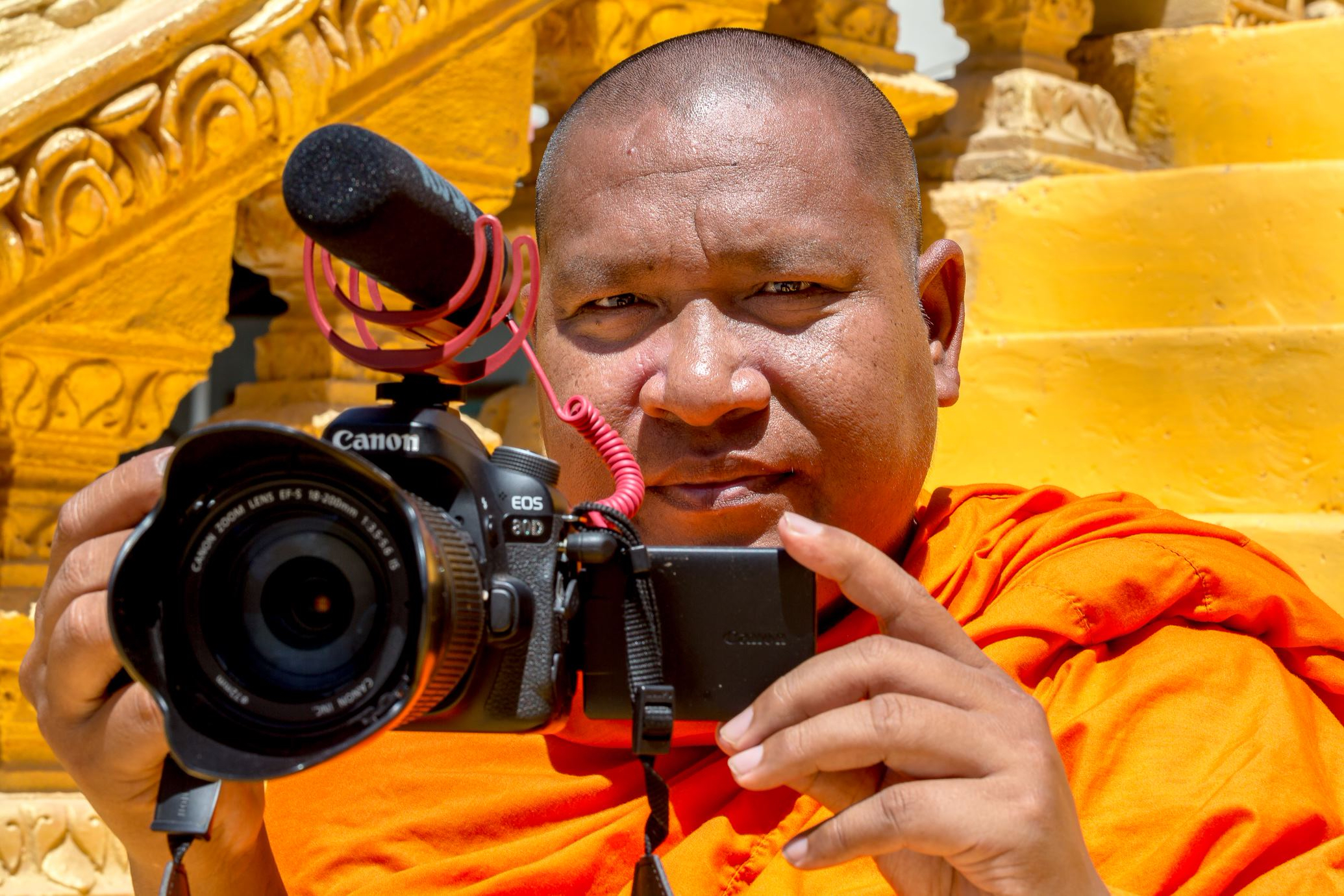
Venerable Sovath is a Buddhist monk and human rights activist from Siem Reap, Cambodia. In March 2009 he witnessed the forced eviction of his family and fellow villagers from their homes, without reason and in most cases without compensation. This unfortunate event pushed him towards human rights activism.
Venerable Sovath was compelled to flee his native Cambodia in May of 2020, after fake videos and accusations appearing on Facebook served as the bases for a decision to ‘de-frock’ him of his monk’s robes. In retaliation for his advocacy against land grabbing and in favour of human rights, Venerable Sovath and his loved ones have suffered years of threats and reprisals by the authorities of Cambodia. Finally, the prospect of losing his religious freedom convinced Venerable Sovath that his position in Cambodia was untenable and he sought a temporary safe haven in Switzerland.
Because the fake evidence used against Venerable Sovath circulated on Facebook, the case also has critical lessons for the role of social media in upholding human rights. During his segment, he will discuss the story of how he became a human rights activist, and how social media can be a double-edged sword in the fight for human rights; as it gives visibility to the defenders but also puts them at risk. He will focus on social media as a tool of liberation and repression; and also discuss how a lack of accountability by these social media companies can play a role in the repression of human rights defenders. See also: https://humanrightsdefenders.blog/2020/11/02/bbc-podcast-on-the-framing-of-video-monk-luon-sovath/
This master class is hosted by the Martin Ennals Foundation and the Geneva Center for Business and Human Rights.
Date: Tuesday, November 23, 2021 Time: 12:30 – 14:00 Location: UniMail, MS 150
Registration for this master class will open on November 11 with limited places available. COVID certificate is required.
The Aurora Humanitarian Initiative has announced the end of the nomination period for the seventh Aurora Prize for Awakening Humanity. Hundreds of people from across the globe have nominated 592 unique candidates. Nominations officially opened on April 24, 2021, the Armenian Genocide Remembrance Day, following the announcement of five 2021 Aurora Humanitarians, chosen by the Aurora Prize Selection Committee for their courage, commitment and impact. Overall, a total of 633 submissions have been received for the 2022 Aurora Prize, hailing from 62 countries including Armenia, Brazil, Czech Republic, Georgia, India, Nigeria, Pakistan, Rwanda, USA and Ukraine, the Aurora Humanitarian Initiative’s press office said in a statement.
“As someone who has just been honoured with the Aurora Prize, it makes me very happy to know that so many deserving candidates have been nominated this year. The Prize reflects a cycle of kindness that brings a message of peace, solidarity, and support to the world and, most importantly, to all these people who work around the clock. And now, they have a chance to be named the 2022 Aurora Prize Laureate and make an even bigger difference in the world,” said 2021 Aurora Prize Laureate Julienne Lusenge [see: https://humanrightsdefenders.blog/2021/10/11/congolese-julienne-lusenge-wins-1-million-2021-aurora-prize/].
“In the midst of the dreadful challenges the world has faced over the past year and a half, extraordinary individuals such as the 2022 Aurora Prize nominees provide a source of inspiration and motivation in the selfless and courageous work they undertake. Alongside my fellow members of the Selection Committee, there is always much impassioned discussion and debate in selecting the Aurora Humanitarians and ultimately the Laureate, seeking to distinguish between so many remarkable acts of kindness, resilience and compassion. The process, however, is also most gratifying and a great privilege to be able to shine a light on some incredible, life-changing endeavours” noted Lord Ara Darzi, Chair of Aurora Prize Selection Committee and Co-Director of the Institute of Global Health Innovation at Imperial College London.
The names of the 2022 Aurora Humanitarians will be revealed on April 24, 2022, and the 2022 Aurora Prize for Awakening Humanity will be awarded on behalf of the survivors of Armenian Genocide and in gratitude to their saviours later in 2022.
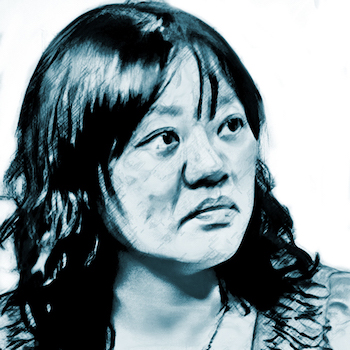
On 30 October 2021 AFP reported that a group of UN human rights experts called for the immediate release of Vietnamese activist Pham Doan Trang (pic), who is awaiting trial after a year in detention. The prominent Vietnamese author, who campaigns for press freedom and civil rights, was arrested in October last year. [see: https://www.trueheroesfilms.org/thedigest/laureates/fe8bf320-1d78-11e8-aacf-35c4dd34b7ba]
Trang has pushed for change on a host of controversial issues, including land grabs and LGBTQ rights. “Pham Doan Trang is only the latest victim of the authorities’ use of vaguely-defined propaganda charges to persecute writers, journalists and human rights defenders,” the experts said in a statement.
The UN experts said the charges against her stem from at least three human rights reports she co-authored, plus interviews with foreign media. They accuse the authorities of “criminalising the exercise of their right to freedom of opinion”.
“We urge the authorities to immediately and unconditionally release Ms Pham Doan Trang.“
The UN experts included the special rapporteurs on the right to freedom of opinion, on human rights defenders, and on the right to physical and mental health.
When Guerline Jozef, co-founder and executive director of the San Diego-based Haitian Bridge Alliance, learned that she had won this year’s RFK award, she wanted to celebrate in another way. She brought the ceremony to the border and led a group, including Robert F. Kennedy Human Rights staff and musician Wyclef Jean, to the Tijuana Immigration Shelter and then to the Otaimesa Detention Center, which houses detainees at the Immigration and Customs Department.
“We wanted to bring this award to people on both sides of the border and let them know that it was for them,” Joseph said. “We hear them. We see them. We keep fighting for them.”
“We went to the border because we heard there were Haitians,” she said in a speech outside the detention center, recalling the early days of her organization’s activities in Tijuana. “We went for the Haitians, but we stayed for everyone, and we continue to fight for everyone.
Kerry Kennedy, daughter of Robert F. Kennedy and president of Robert F. Kennedy Human Rights, has known Ms Joseph for three years since working together to help Haiti and Cameroon immigrants in Tijuana.
“The great thing about Guerline is that she’s tackling a big problem. She works in a crucible of poverty, race and immigrants,” Kennedy said. “
According to Joseph, her parents gave up a comfortable life in Haiti to move to the United States after the coup. Back in Haiti, they had a big house and her father was the mayor. In the United States, the father became a taxi driver and the mother became a housekeeper. Both worked long hours to take care of their families.



 Hans Thoolen on Human Rights Defenders and their awards