As part of DefendDefenders’ 20th anniversary commemorations, it has gathered 15 stories that reflect the impact of its work over the past two decades. Through interviews with human rights defenders (HRDs), key partners, and friends, these stories highlight our journey as told by those we have worked with, stood alongside, and served. They include reflections from those present at our founding 20 years ago, as well as from partners who have walked this path with us. We are deeply grateful for the personal experiences shared, and we celebrate the memories and milestones we have achieved together. We are because you are.
Posts Tagged ‘DefendDefenders’
Profile of Human Rights Defender Pamela Angwench Judith from Uganda
March 12, 2024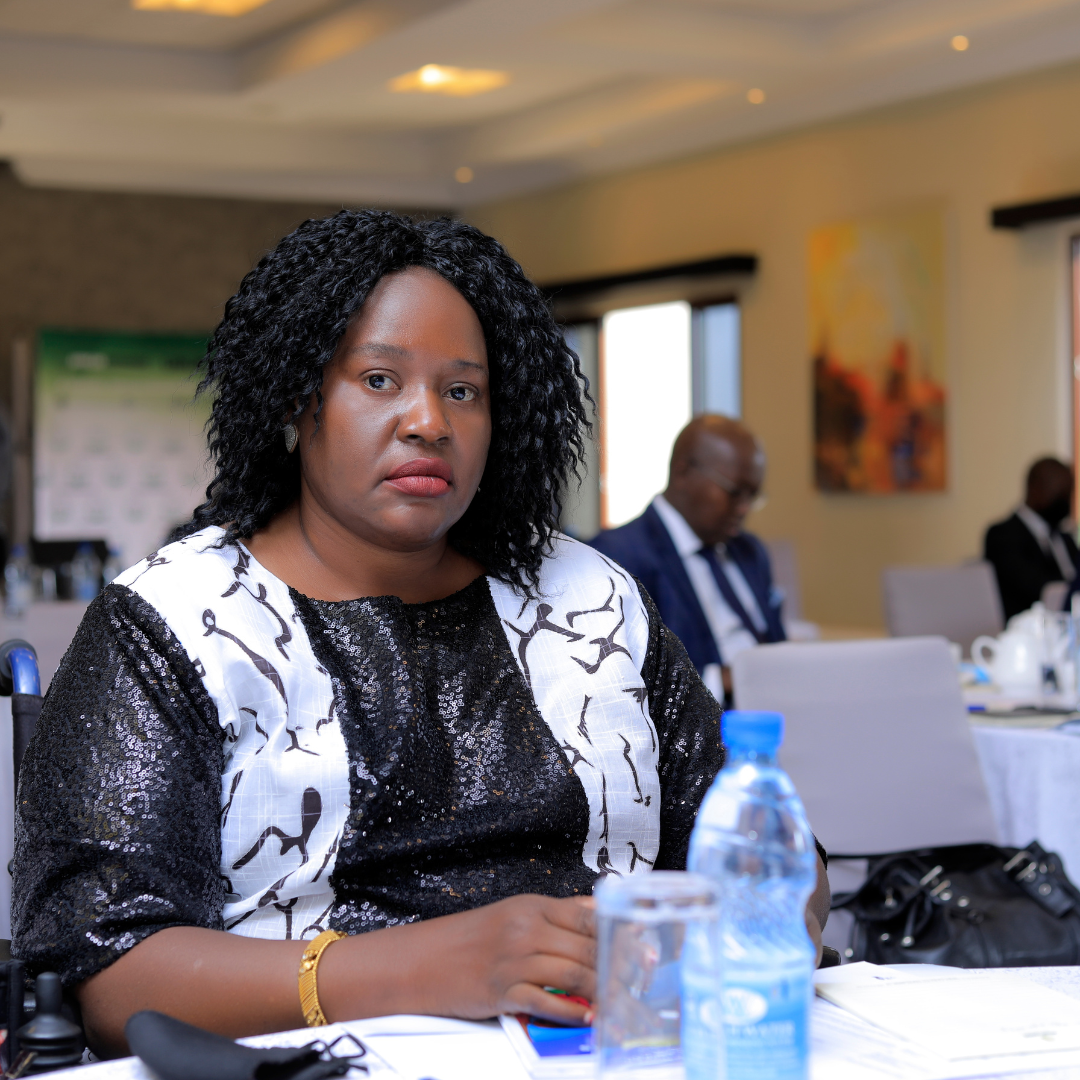
DefendDefenders in January 2024 has chosen as HRDs of the Month Pamela Angwech from Uganda.
For most of her life, Pamela Angwech’s existence has always been a defiant and simultaneous act of survival and resistance. In 1976 when she was born, the anti-Amin movement was gathering pace, and her family was one of the earliest victims in Northern Uganda. Her father, a passionate educationist in Kitgum district was one of the most vocal critics of the dictatorship’s human rights excesses, which made him an obvious target of the state’s marauding vigilantes. Fearing for his life and that of his young family, he escaped North, to Sudan, leaving behind his wife, then pregnant with Pamela, to follow him as soon as she could. It was on the treacherous journey to rejoin her father that Pamela was born, somewhere between Uganda and Sudan, and named Angwench, an Acholi word to mean “on the run,” in keeping with the circumstances of her birth.
Unfortunately, those precarious circumstances would continue to define most of Angwech’s childhood. Although Amin was eventually overthrown, paving way for her family’s return home, the immediate post-Amin years were equally tumultuous, and when President Museveni’s National Resistance Army took power in 1986, Northern Uganda was immediately engulfed in a civil war by the Lord’s Resistance Army(LRA) rebels that would rage on for the next 20 years, bringing wanton anguish and suffering to the region’s people and communities.
Angwench navigated those precarious circumstances to pursue an education, convinced that only then could she impact her community for the better. At University, she studied Gender and Women Studies and immediately returned home to seek work with the UN’s World Food Program Office in Gulu, determined to join the relief effort to alleviate the suffering of her people in Internally Displaced People’s (IDP)Camps.
Initially, they told me there was no job. But I was determined to work with the UN and nowhere else. So, I camped at their office for 14 straight days. Sometimes, I would volunteer as a gatekeeper when the substantive gatekeeper was away, and other times, I would sit at the front patch of the Office Head the whole day. When they realized I was determined not to leave, they allowed me to start officially volunteering with them. “I would go with them to distribute food in the IDP camps, until later, I was formally integrated as official staff.
Yet, despite her dogged stubbornness and resilience, she was not prepared for the heart-rending experience of life in the IDPs, particularly the plight of women and girls.
“I started to notice that after picking their food rations, women and children would start picking residue beans from the floor, to take for either their little children or their elderly parents who could not queue. One other time, I noticed a visibly tired woman carrying a baby on her back, being pushed out of the queue by others. I called her to the front and assured her that I would give her a special ration but asked her to first untie her baby from the back, so she could protect her from the sun and breastfeed her. When she untied her baby, I noticed that the baby’s neck was twisted – it had suffocated and died! That changed me, forever,”
From Humanitarian to Human Rights Activist
Angwech realized that like a balm, humanitarian work could only soothe the suffering of her people but fell short of tackling the root causes of the same suffering. “So I decided that someone had to speak up about the heartbreaking indignity and human rights violations surrounding the conflict in Northern Uganda. I turned full scale, from a humanitarian to a human rights activist, particularly championing the rights of women who were most vulnerable “she says.
Angwech would move on the streets rallying women to stand up for their rights, holding placards signaling injustices against women in IDP camps like molestation and rape. Overtime, she won followers: Emboldened by her courage and audacity, other women started to show up and speak up against the conflict and related violence. Angwech mobilized grassroot women groups to pursue LRA leader Joseph Kony in Congo’s Garamba forest, to dramatize their cries for peace, under UN resolution 13/25 which provides for women’s participation in peace processes.
In 2004, Angwech started Gulu Women’s Economic Development & Globalization (GWED-G) to rehabilitate victims of the war, from victims of conflict-related sexual and gender-based violence to those physically harmed by the conflict. Since then, Angwech says GWED-G has rehabilitated over 1700 war victims through physical rehabilitation projects, giving them prosthesis, among other forms of support. It has also continued to sensitise and organise grassroot women into human rights defenders’ groups, through which they can report and address GBV cases, issues of women economic rights among others. Today, Angwech says there are about 600 of these groups across Gulu, Lamwo, Amuru and Kitgum, each with a membership of 30 -40 members.
Today, GWED-G is arguably the largest grassroots human rights organisation in Northern Uganda. It has also expanded to cover other social and economic causes, including environmental protection advocacy. Angwech says the environment is the local communities’ last refugee, and yet deforestation and charcoal burning are threatening it. “For post-conflict communities like us in Northern Uganda, land is our primary resource. It is the land from which people make an income to feed their families, send their children to school, and access medical care. War destroyed everything else. So, if we don’t protect the environment, our land will be degraded, rainy seasons will begin to change which will affect food production and bring back hunger,” she says.
https://defenddefenders.org/human-rights-defender-of-the-month_pamela_angwench_judith
Human Rights Defender, Jane Naini Meriwas, from Kenya, defends the young women of the Samburu community
March 15, 2023
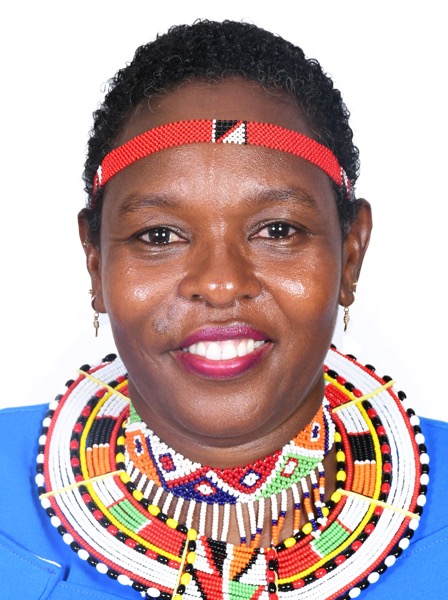
The regional NGO DefendDefenders highlights every month a “Human Rights Defender of the month”. In January 2023 it was Jane Naini Meriwas. Like many African societies, The Samburu community in Northern Kenya is a gerontocracy – a very hierarchical community in which elders hold sway over almost all private and public matters. Among these predominantly pastoral nomads, very little importance is attached to the young – especially young girls, who are barely given a chance at education and often married off before their first menstrual cycle, but not before they undergo mandatory Female Genital Mutilation (FGM).
It is in this community that Jane Naini Meriwas was born 46 years ago, in Kipsing village, Oldonyiro Subcounty, Isiolo County. When she was 16, her mother passed on, and she watched with great trepidation as her father planned to marry another wife, not sure what that would mean for her or her ambitions for school. As it turned out, fate was on her side. When her father uncharacteristically asked what she thought of his plans, Jane seized the opportunity to stand up for herself and interests:
“I told him that if he wants to go ahead and remarry, he should give me my mother’s share of livestock to support my education since I know I would have no one looking out for me going forward,” says Meriwas. Simultaneously shocked and touched by his daughter’s candidness, Meriwas’ father decided to give the idea of remarrying more thought. By the time Meriwas returned home at the end of the school term, she found that her father had abandoned the idea altogether, and decided to support her to finish school. “I was surprised and elated in equal measure. It also encouraged me to always be confident and speak my mind, assured that I had a father who would always listen to me,” she says. At University, Meriwas studied Community Development, after which she worked with a catholic mission in her community. But her passion to empower more women in her community would not let her rest. “Issues like FGM, girl child beading, forceful abortion, early marriages, wife beating, were still holding my community back and I could not just pursue a personal career and pretend everything was right. I had to do something,” she says. Meriwas teamed up with five other women, with whom they would every month, organise groups of women and sensitise them to resist and push back against these harmful cultural practices. Overtime, they also started engaging with men, encouraging them to educate girl children, using Meriwas’ father as an example. Won over by his daughter’s dedication, Meriwas’ father would tag along to some of these meetings, to testify on the benefits of educating a girl-child. “From a reluctant patriarchal man, he had become a champion of girl-child empowerment,” says Meriwas.Jane Naini Meriwas
Encouraged by the growing consciousness and awareness her and her colleagues’ efforts were igniting in her community, Meriwas, in 2006 resigned her formal job to start Samburu Women Trust, a not-for-profit organisation devoted to the empowerment of Samburu’s indigenous women and girls. Here, the Trust offers pyscho-social support to women who have been abused by their husbands, runs campaigns against FGM, supports girls denied an opportunity to go to school by their parents, and engages local and opinion leaders on the consequences of some of the community’s harmful cultural practices to influence mindset change.
Today, Samburu Women Trust has 50 women and girls of different ages, including a Chief Government Officer, who have been empowered to successfully resist FGM and are instead now local champions against the practice. Over the years, the community’s women and girls who previously never owned land have been empowered to start asserting their rights to land, so much that when the Kenyan Government came to issue land tittles to the Samburu Community last year, of the 1000 land tittles issued, 600 were issued to women.
These gains have marked Meriwas out for hateful threats and profiling by especially the patriarchal elders and local politicians afraid of losing their power and social influence thanks to the emerging social consciousness in the community. At one time, she was trailed and pursued by two men and only managed to escape them by running to the nearest police station.
Still, Meriwas will not relent. Together with her team they are now drafting an anti-beading law for tabling in the Samburu County assembly, to outlaw the culture of girl-child beading. The practice involves the community’s warrior men known as Morans marking out young girls between 9 -15years with beads around their necks and proceeding to have involuntary sexual relations with them, as a way of preparing them for marriage. Since the morans and their beaded girls are always from the same clan, marriage is prohibited, and in the event of a pregnancy, it is terminated through forceful abortion carried out by the community’s women elders. “It is a very abusive practice in so many ways, and it is only the Samburu that practice it. So, we are determined to end it,” she says.Jane Naini Meriwas
Asked about what drives her, she says it is the urge to push the ladder back. “I went to school by a chance, I overcame all the obstacles as an indigenous woman to be where I stand today as a respected woman leader in my community and country. So I feel I have an obligation to empower other young girls and women like me to emerge.”
https://defenddefenders.org/human-rights-defender-of-the-month-jane-naini-meriwas/
Ubuntu Hub in Accra will serve as a safe haven for Human Rights Defenders
March 28, 2022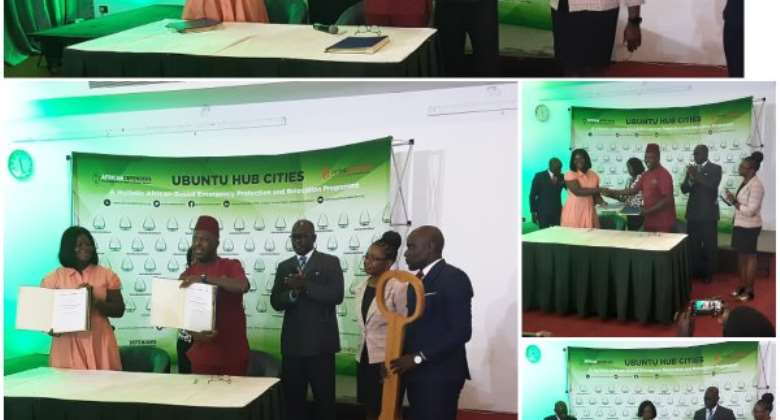
An interesting example of what African NGOs can do in their own region for human rights defenders:
The Gender Centre for Empowering Development (GenCED) and African Defenders, a Pan-African Human Rights Defenders (HRDs) Network, have signed a Memorandum of Understanding (MoU) to set up the 7th Ubuntu Hub in Accra.
The Hub will serve as a safe haven for Human Rights Defenders and in some instances, their families within the continent who are subjected to attacks, threats, violence, and extreme pressure as a consequence of their human rights works.
The MoU would ensure that such victims are given medical, social, educational and psychosocial support in Accra or another African country if they so will, to ensure their wellbeing and development.
Mr Shire said it was prudent for Africa to stay alive and support each other to close the gaps such as threatening, torturing, murmuring, and crying caused as a result of the lack of protection of its people.
A feasibility study conducted by the parties proved that Accra in Ghana was the most suitable host for the initiative as its political, security, and human rights records gave the idea that the city provided an appropriate environment for the relocation of at-risk HRDs, he said.
“Why do human rights defenders need to travel to Finland, just to seek a safe haven, why can’t we seek one from another country within our own continent,” he said.
He explained that the cost of relocating African HRDs at risk to another continent was prohibitory expensive, and the HRDS often faced cultural displacement, stigmatization and cultural and language barriers, hence, finding themselves unable to actively continue their human rights activism when relocated outside of the continent.
In 2019, he said the African Defenders, therefore, launched the Ubuntu Hub Cities, with the aim of providing at-risk African HRDs, with options for safe internal and external temporary relocation without having to leave their home continent.
The initiative since its inception has created a Hub in Kampala, Abidjan, Tunis, Johannesburg, Pretoria, and Cape Town.
Through their diverse local partnerships, Mr Dire said relocation also provided an opportunity for HRDs at risk to learn and share experiences, so that, they could have a positive impact on the host community and return home with enhanced capacities to protect and promote human rights.
Under the Ubuntu Hub Cities Initiative, he mentioned HRDs, Journalists, Writers and Scholars, Trade Union Workers, Human Right Lawyers and Artists as some of the groups they supported.
Ms Esther Tawiah, the Executive Director, GenCED, said African leaders had to stay true to the power and give voice to the ordinary citizen who gave them the mandate.
https://www.modernghana.com/news/1147846/accra-set-to-house-threatened-african-human-rights.html
Good example of broadcast on Human Rights Day
December 15, 2021At the occasion of International Human Rights Day, Ugandan NTV Uganda broadcast on 13 December 2021 a talk show: “DEFEND DEFENDERS: Human rights defenders’ voices at the centre”.
I am referring to this as it is a remarkable use of mainstream media by human rights groups. at national leval. See also: https://humanrightsdefenders.blog/2021/12/10/human-rights-day-2021/.
Sandra Aceng, profile of a woman human rights defender from Uganda
March 19, 2021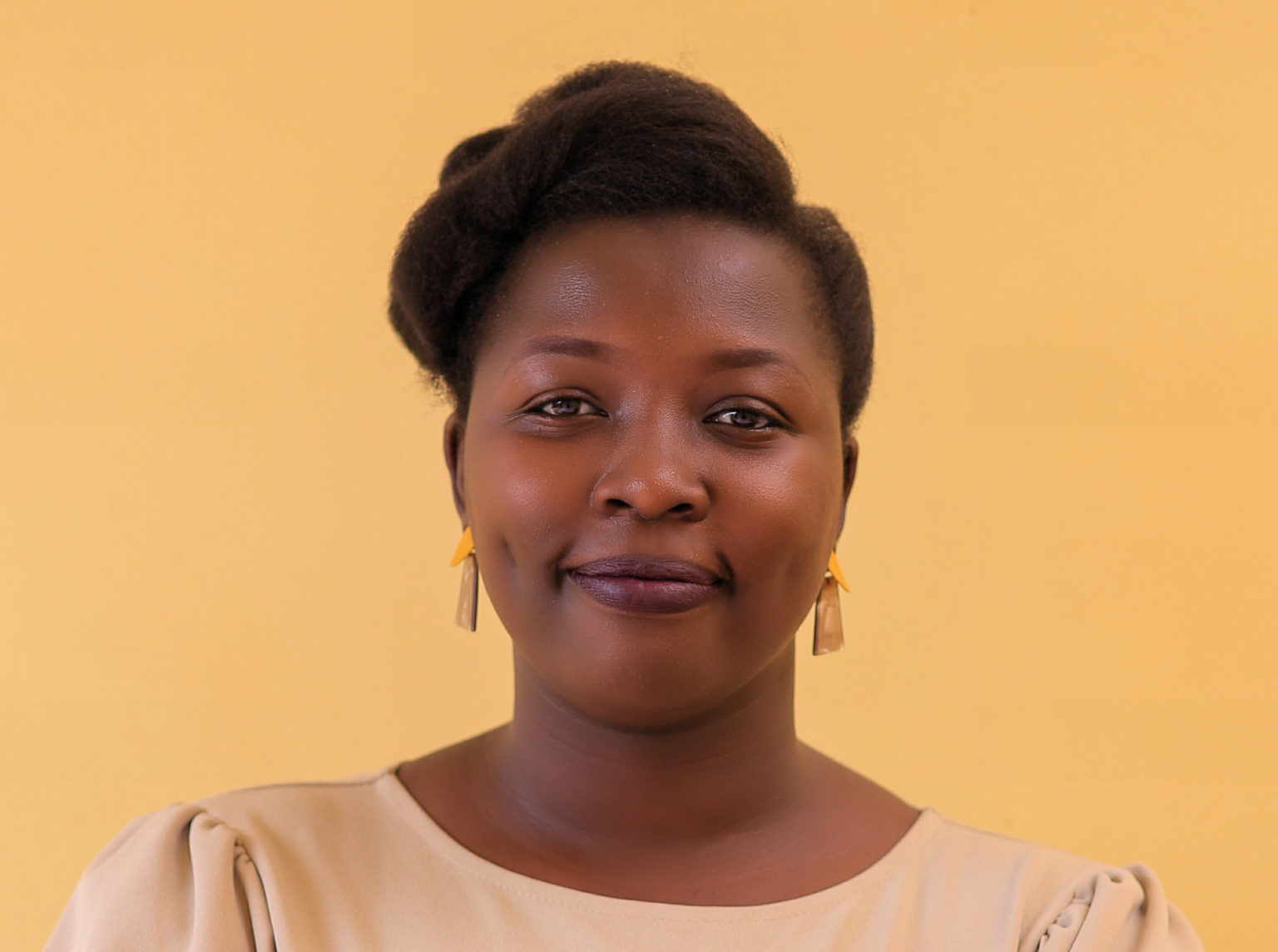
In February 2021 Defenddefenders announced Sandra Aceng as Human Rights Defender of the Month Sandra Aceng is an outspoken and energetic woman human rights defender (WHRD). She is a gender and ICT researcher and policy analyst for Women of Uganda Network (WOUGNET) where she coordinates the Women ICT Advocacy Group, advocating for internet access for all. In addition, she writes on various platforms such as Global Voices, Freedom House, and Impakter Magazine. Her regular contributions to Wikimedia Uganda often focus on profiling WHRDs, female politicians, and journalists. “After Uganda’s January [2021] elections, many female politicians joined parliament. We want to increase their online visibility. For example, most of the profiles on Wikipedia are on men, so we need to close the gender digital divide,” Sandra says.
After Uganda’s January [2021] elections, many female politicians joined parliament. We want to increase their online visibility. For example, most of the profiles on Wikipedia are on men, so we need to close the gender digital divide.
Having grown up in the digital age, the 27-year-old is a digital native and mainly focuses on defending women’s rights online. Her employer WOUGNET empowers women through the use of ICT for sustainable development. Their three main pillars are information sharing and networking, gender and ICT policy advocacy, and providing technical support to WOUGNET staff, beneficiaries, and members. As a Programme Manager, Sandra analyses internet and ICT policies to ensure that they are gender inclusive. She has noticed that oppressive patriarchal structures are shifting and perpetuating online. Part of her work is to document women’s rights violations and gather evidence, but she has also learned that it’s not enough to just talk about statistics. To truly understand the problems, it is important to talk to the victims and listen to find out what they face, she says.
Having experienced some forms of online gender-based violence (GBV) herself, she knows how stressful and draining it can be. On top of receiving non-consensual content, she also felt pressure to keep quiet, women are not supposed to complain, she says. As a WHRD, she is used to the subtle pressure that women not abiding by patriarchal gender norms experience. A continuous trickling of seemingly small questions can be rather stressful: “Why are you so loud and outspoken as a woman? When will you get married? How will you take care of your family if the authorities come for you? These kinds of questions make me feel uncomfortable, they make me wonder if I am doing the right thing,” Sandra shares, “but if we want online GBV to end we also need to end these harmful gender stereotypes. Establishing women’s rights is a slow process and keeping quiet won’t speed it up.”
Why are you so loud and outspoken as a woman? When will you get married? How will you take care of your family if the authorities come for you? These kinds of questions make me feel uncomfortable, they make me wonder if I am doing the right thing.
There is still a lot of work ahead of Sandra and her fellow Ugandan women’s rights activists. She recently researched digital rights violations during the COVID-19 pandemic and struggled to find female interviewees. Female journalists reporting on politically sensitive topics experienced reprisals like rape, but due to stigma and worries how this will affect their future, they were not willing to speak out. While male journalists on the other hand expressed themselves freely: men are often perceived as bold and brave, making it easier to speak out on reprisals and rights violations they endured.
But the more women speak out, the easier it gets, Sandra is convinced. “It really motivates me when I see that other women have faced the same kind of challenges with online violence, and they have dealt with it. Whatever I go through, it’s not the end of life. Hearing other stories helps me to keep working hard, to be a better version of myself and to go beyond the difficulties.” Fighting the digital gender divide is Sandra’s way to make sure that it gets easier for women to speak out and be loud.
https://defenddefenders.org/human-rights-defender-of-the-month-sandra-aceng/
In memoriam Diallo Abdul Gadiry from Guinea
October 29, 2020On Wednesday 28 October 2020 Hassan Shire Sheikh, Executive Director of DefendDefenders, wrote the following obituary in memory of Diallo Abdul Gadiry

On behalf of AfricanDefenders (Pan African Human Rights Defenders Network) & DefendDendefenders (East and Horn of Africa Human Rights Defenders Project) I would like to pay a tribute to a friend we honour and respect. His great love of people was rooted in his faith.
As African human rights defenders fraternity, our hearts are filled with sorrow as we mourn Diallo’s death. Loosing someone we love is nothing easy, Diallo’s passing is even more painful to us. Knowing that we were part of his life, we can realize that we were blessed to have been able to share in his life.
Diallo was a founding member of the West African Human Rights Defenders Network, a Steering committee member of AfricanDefenders and the Forum for the Participation of NGOs to the ACHPR Sessions. We can’t weigh the energy he invested, the enthusiasm and dedication he put to promote and protect human rights in West Africa. Given the difficulties of travelling within the continent, Diallo would often times cross rivers or ocean move through the desert, and use many inter-regional connections to attend sessions of the African Commission on Human and People’s Rights to raise awareness or simply for solidarity with others.
We note numerous sacrifices and risks he made for the protection of the vulnerable. This courageous intellectual was an investigative journalist in West Africa who never shied away from controversial topics. Diallo leaves behind a legacy of enriched human rights defenders across West Africa and his loss will be felt deeply by many, especially those for whom he secured justice.

May the soul of our departed friend rest in eternal peace.
https://www.seneweb.com/news/Necrologie/guinee-deces-du-president-des-droit-de-l_n_332120.html
DefendDefenders seeks TECHNOLOGY PROGRAMME MANAGER for Kampala office
October 29, 2020DefendDefenders (the East and Horn of Africa Human Rights Defenders Project) seeks to strengthen the work of human rights defenders (HRDs) in the East and Horn of Africa sub-region by reducing their vulnerability to the risk of persecution and by enhancing their capacity to effectively defend human rights. DefendDefenders focuses its work on Burundi, Djibouti, Eritrea, Ethiopia, Kenya, Rwanda, Somalia (and Somaliland), South Sudan, Sudan, Tanzania, and Uganda.
DefendDefenders is recruiting a Technology Programme Manager for its work in supporting HRDs. Under the overall supervision of the Director of Programmes and Administration, the Executive Director, and in direct partnership with other staff members, the Technology Programme Manager shall be responsible, but not limited to the following duties:
Key Responsibilities
- Manage and give direction to the Technology Programme and projects;
- Empower and mentor the team to take responsibility of their tasks and encourage a spirit of teamwork within the team;
- Manage overall operational and financial responsibilities of the team against project plans and manage the team’s day-to-day activities;
- Participate in management meetings and contribute grants, proposal design and implementation for the Technology Programme;
- Ensure proper adoption and usage of internal IT tools and organisation systems by designing training programmes for staff and streamlining /recommending systems that can improve operational efficiency;
- Communicate regularly with other managers, Director of Programmes & Administration and the Executive Director within the organisation. Ensure that the team works closely with other departments;
- Plan budgets and work plans from inception to completion;
- Work with partners, consultants, and service providers to ensure delivery of project goals;
- Design and implement the IT policy, security protocols and best practice guides for the organisation and partner organisations; and
- Represent DefendDefenders and the Technology Programme externally, develop partnerships, and attract funding and resources
Working conditions
- Full-time position based in Kampala, Uganda;
- The selected applicant must be able to relocate to Kampala immediately, or within a short timeframe; and
- Health insurance (in Uganda) and travel insurance are provided.
Requirements
- Previous experience in managing a team;
- Strong communication and presentation skills;
- Strong interpersonal skills and the ability to establish and maintain effective working relationships in a culturally diverse environment;
- Willingness to travel;
- Self-motivated, organised, and the ability to meet deadlines with minimal supervision;
- Resourcefulness and problem-solving aptitude; and
- Bachelor’s degree in Computer Science, Information Technology or related discipline, plus professional certifications.
Languages
Fluency in English is a must (spoken and written). Fluency in French is a strong asset, and in Arabic an asset.
Location
The position will be based in Kampala, Uganda, with frequent travels within and out of the country. Applicants should be eligible to work in Uganda without restriction.
Applicants should send a letter of motivation, CV, and contacts of three references to: jobs@defenddefenders.org by 15 November 2020. Do not send scanned copies of certificates. Interviews will be held in person (in Kampala, Uganda), or online late in November.
The subject line of the email should read “Application for Technology Programme Manager position.”
Questions about the position can be directed to jobs@defenddefenders.org
8 March 2020 International Women’s Day
March 9, 2020This week, the International Women’s Day 2020 (8 March) celebrates the remarkable work carried out by women human rights defenders worldwide. However, the work of women human rights defenders is often accompanied by intimidation, violence, imprisonment, and threats. In the 2019 report on the situation of women human rights defenders by the UN Special Rapporteur on the situation of human rights defenders, Michel Forst, it is stated that “women defenders are often perceived as challenging traditional notions of family and gender roles in society, a perception that can generate hostility from State actors, and from the public, the media, and other non-State actors.”
Many organisations, especially NGOs, used the occasion of International Women’s Day 2020 to highlight work carried out by women human rights defenders. See also: https://humanrightsdefenders.blog/2020/02/27/women-human-rights-defenders-in-focus-at-43rd-human-rights-council/. Here one example: Civil Rights Defenders and DefendDefedners:
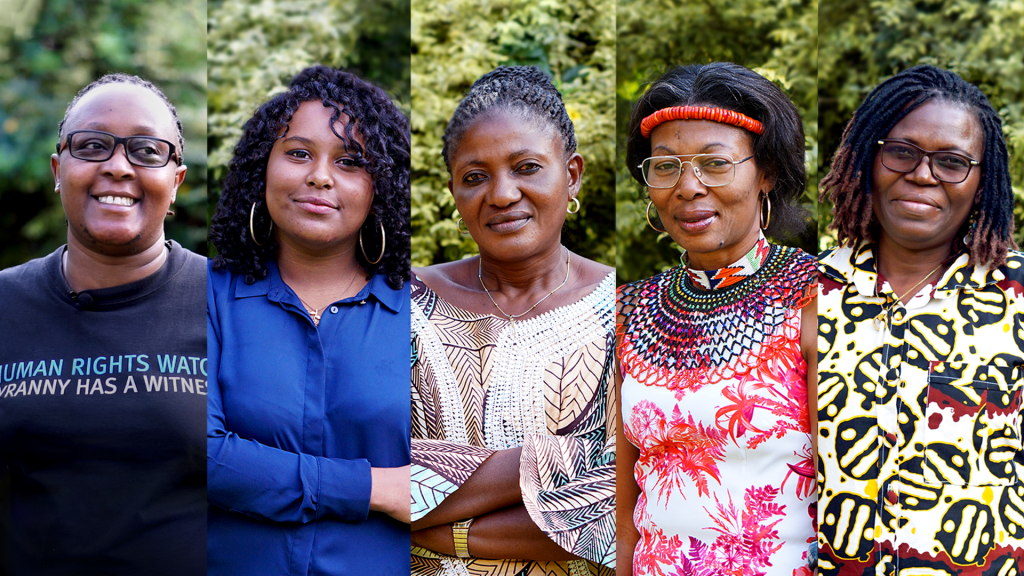
Women human rights defenders Diane Bakuraira, Maysaa Osama, Bernadette Ntumba, Maximilienne Ngo Mbe, and Mélanie Sonhaye Kombate. Photos: Civil Rights Defenders.
Civil Rights Defenders and DefendDefenders highlight individual women human rights defenders who, despite threats and challenges, continues their fight for human rights in Africa.
- Mélanie Sonhaye Kombate, Togo: “I need to move forward“.
- Diane Bakuraira, Uganda: “We live in a patriarchal society“.
- Maximilienne Ngo Mbe, Cameroon: “We want change“.
DefendDefenders seeks Communications Officer for office in Kampala
January 15, 2020DefendDefenders (East and Horn of Africa Human Rights Defenders Project) is a regional NGO based in Kampala, Uganda, that seeks to strengthen the work of human rights defenders throughout the sub-region by reducing their vulnerability to the risk of persecution and by enhancing their capacity to effectively defend human rights. DefendDefenders works in Burundi, Djibouti, Eritrea, Ethiopia, Kenya, Rwanda, Somalia/Somaliland, South Sudan, Sudan, Tanzania, and Uganda. DefendDefenders is seeking a highly motivated, self-starting, detail oriented, and well organised Communications Officer to support and promote the work of the organisation. The Communications Officer will be responsible for developing and distributing content on the organisation’s work and maintaining its public profile. The successful candidate must be able to work effectively under pressure, be a good team player, and be willing to travel occasionally, as required.
Apply by email in a single submission with the following documents: a letter of motivation, a CV, and two references, as well as unedited writing sample between 1000-1500 words, on the human rights situation in one of our mandate countries, to jobATdefenddefenders.org no later than Sunday 19 January 2020.
https://www.brightermonday.co.ug/job/communications-officer-6kr6pg
 Hans Thoolen on Human Rights Defenders and their awards