Archive for the 'UN' Category

16 NGOs call on UN to convene special session on crackdown in Belarus

August 27, 2020
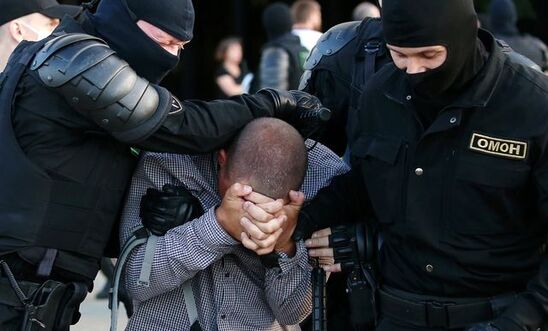
Police officers detaining a protester in Minsk on 10 August © Natalia Fedosenko/TASS

An open letter has been signed by: Article 19, Assembly of Pro-Democratic NGOs of Belarus, Barys Zvozskau Belarusian Human Rights House, Belarusian Association of Journalists, Belarusian Helsinki Committee, Civil Rights Defenders, Human Constanta, Human Rights House Foundation, Human Rights Watch, International Federation for Human Rights (FIDH), La Strada International, Legal Initiative, Legal Transformation center (Lawtrend), Viasna Human Rights Center and World Organisation Against Torture (OMCT).

The UN Human Rights Council must urgently convene a special session to address the human rights crisis in Belarus. The joint letter expresses the organisations’ “utmost concern” over “widespread violations of human rights, including arbitrary arrests, prosecutions under trumped-up charges, and torture and other ill-treatment”.

The letter calls on the council to adopt a resolution requesting the UN High Commissioner for Human Rights to monitor and report on human rights abuses in Belarus with “a view to ensuring full accountability”.

See also: https://humanrightsdefenders.blog/2020/08/13/what-can-we-do-about-the-result-of-the-belarussian-election-on-line-discussion-today-at-14h00/

[In the three days after the 9 August presidential election, the authorities in Belarus confirmed the arrest of at least 6,700 protesters. According to Viasna Human Rights Center, at least 450 of the detainees reported being tortured or otherwise ill-treated – including through severe beatings, being forced to perform humiliating acts, being threatened with rape and other forms of violence – while held in incommunicado detention for up to ten days.

Since 12 August, the authorities have taken steps to de-escalate the situation, refraining from mass arrests and releasing those detained. However, the threats against peaceful protesters recently made by President Alyaksandr Lukashenka and his subordinates together with the recent deployment of the armed forces in the country’s capital Minsk and elsewhere, signal a possible new spiral of violence and accompanying human rights violations.]

Here the Letter in full:

Click to access civil-society-organizations-call-on-the-united-nations-human-rights-council-to-convene-a-special-session-on-belarus.pdf

The killing of “Randy” Echanis and Zara Alvarez put the Philippines under more pressure

August 22, 2020

The Philippines government’s practice of ” red tagging” – i.e.  labelling HRDs as communists or terrorists – has been repeatedy criticised by human rights defenders, NGOs, government and the UN.  “We are saddened and appalled by the ongoing violence and threats against human rights defenders in the Philippines, including the killing of two human rights defenders over the past two weeks,” said Liz Throssell, a spokesperson for the Office of the UN High Commissioner for Human Rights (OHCHR).  Randall “Randy” Echanis, an agrarian reform advocate and peace consultant, was killed in his home in Quezon City, located just outside capital Manila, on 10 August, added the OHCHR spokesperson, noting that reports indicated that he suffered brutal treatment before he died, including blunt force trauma to the head and stab wounds. On 17 August, the day that Mr. Echanis was buried, another long-standing human rights defender, Zara Alvarez, was shot dead in Bacolod City on Negros Island, some 490 kilometres south east of Manila. Investigations into both cases are underway.

According to OHCHR, both Mr. Echanis and Ms. Alvarez had been repeatedly “red-tagged” – labelled as communists or terrorists – in relation to their work. Ms. Alvarez’s name appeared, for example, on a list of 649 people that the Government sought to designate as terrorists on 28 March 2020. “While the list was later truncated, many who were removed from the list, including Ms. Alvarez, continued to report harassment and threats, as highlighted in the High Commissioner’s human rights report on the Philippines published in June this year,” added Ms. Throssell.

Ms. Alvarez’s photo also appeared in a publicly displayed poster purporting to depict terrorists. She was pictured alongside two other human rights defenders who had been killed – Benjamin Ramos Jr. and Bernardino Patigas, both of whose murder cases remain unsolved. She had also spent two years in prison on murder charges before she was acquitted in March for lack of evidence. Following the murder of Ms. Alvarez, her colleague Clarizza Singson, received a death threat on Facebook warning her that she would be next. “This is particularly worrying as Ms. Singson’s name also appeared on the abovementioned list of suspected terrorists and her photo is included in the same poster,” added Ms. Throssell.

“We have raised our concerns with the Government and the Commission on Human Rights on these cases, and look forward to continuing to engage with them,” said Ms. Throssell.

Eighty-nine cases involving the deaths of human rights activists from 2017 to 2019 are now being investigated by the Commission on Human Rights (CHR), an official said Friday. “The data that we have from 2017 to 2019, we have a total of 89, not to include the ones happening now. We call them human rights defenders,” CHR commissioner Leah Armamento said over ABS-CBN News Channel when asked about the number of killings of activists and members of progressive groups being investigated by the commission.

‘The endless killings of activists in the Philippines have become systematic in Duterte’s regime, and demonstrate the continuing impunity in the country. The government should end these killings immediately and take genuine steps towards ensuring justice for victims and their family members,’ said Shamini Darshni Kaliemuthu, Executive Director at FORUM-ASIA.

What can we do about the result of the Belarussian “election”? On line discussion

August 13, 2020
The Human Rights House Foundation, in partnership with Barys Zvozskau Belarusian Human Rights House, will host on THURSDAY, AUGUST 13, 2020 AT 14 PM an on -line  panel discussion with individuals closely following events on the ground. It will investigate what the European Union, United Nations, and individual states must do immediately to prevent further violence and seek a political solution to this growing crisis and how the international community should continue to occupy this space once this crisis moves off of the front pages.
On August 9, Belarusian President Alyasandr Lukashenka claimed a landslide re-election victory. This claim was widely anticipated, condemned by the political opposition, and met with large-scale peaceful protests across the country. Belarusian authorities responded with what international organisations label disproportionate violence against protesters. Since Monday, local human rights organisations report thousands detained, many of them arbitrarily, and facing further violence and abuse while in detention. More than 60 journalists – both domestic and foreign – have been arrested with the whereabouts of several unknown. In many ways, these early days of the post-election environment point towards a more violent crackdown than the country faced following the last presidential elections in 2010.
What can and should the international community do to pressure Belarusian authorities to cease their violent attacks on protesters and human rights defenders?
Speakers:
Anaïs Marin
UN Special Rapporteur on the human rights situation in Belarus

Oleg Kozlovsky

Amnesty International
Franak Viačorka
Vice President of the Digital Communication Network
Hanna Liubakova
Journalist, Outriders

Valiantsin Stefanovic

Viasna. Human rights in Belarus

and

Tanya Lokshina
Associate director, Europe and Central Asia, Human Rights Watch
Moderation by Dave Elseroad, Human Rights House Foundation.
Also today, 13 August 2020, 5 UN human rights experts strongly criticised Belarus for police violence against peaceful protesters and journalists and large scale detention following a controversial presidential election, and called on the international community to put pressure on Belarus to stop attacking its own citizens: https://yubanet.com/world/belarus-must-stop-attacking-peaceful-protesters-un-human-rights-experts-say/

Nobel Laureate Denis Mukwege under threat in Congo

August 5, 2020

Nobel Peace Prize Laureate, Dr Denis Mukwege, says his family has been intimidated and threatened since he denounced the recent massacre in Kipupu in Mwenga territory in South Kivu of Congo. Mukwege, who is the founder and Medical Director of Panzi Hospital and Foundations, said in a statement on Monday 3 August 2020 that since 2012 and even after two assassination attempts, he had continued to receive death threats [see also; https://humanrightsdefenders.blog/2018/10/05/breaking-news-see-which-other-awards-the-2018-nobel-peace-prize-laureates-won-already/].

“Since my tweet on Sunday, July 26 denouncing the recent massacre in Kipupu in Mwenga territory in South Kivu, I have received various hate mails, and members of my family have been intimidated and threatened,” he said.

“Since then[ 22 years ago], I have not ceased to campaign for the search for truth and the application of justice, without which we cannot hope for lasting peace,” he said.

While calling for peace, the Nobel Peace Prize Laurel made a case for the examination of the mapping report carried out by the United Nations High Commissioner for Human Rights, adding that the report contained a compilation of war crimes, crimes against humanity, and genocides detailed from 1993 to 2003. “Without analyzing these crimes-which mark the history of the Congo-and without justice being rendered for these crimes, no people involved in these conflicts will be able to recover or live in peace,” he said. He further said it seemed that advocating for the creation of a special jurisdiction to try crimes in the Congo scares some people who pour out their hatred on social media by pitting one against the other, often on the basis of lies. However, he said reconciliation between peoples and the establishment of reparations for the victims could not be achieved without our relentless search for the truth. “No intellectual malfeasance, no threat, no intimidation, will prevent me from expressing myself on the reality of the atrocities experienced by the populations of my country and the consequences of which I treat every day in my hospital in Bukavu,” he said.

See also: https://humanrightsdefenders.blog/2019/03/12/djimon-hounsou-set-to-play-congolese-nobel-prize-winner-denis-mukwege-in-new-film/

Read more: https://www.dailytrust.com.ng/my-family-under-threat-over-congo-massacre-tweet-peace-laureate-mukwege.html

Iranian Tehran Times on HRDs: a lot missing

August 5, 2020

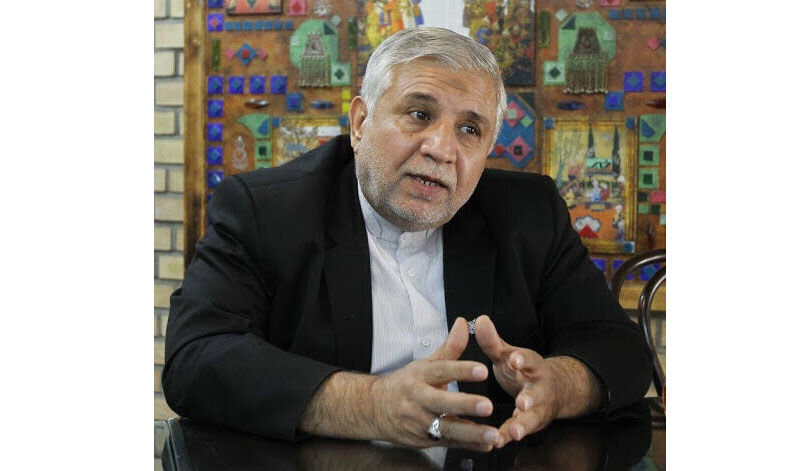
My eye was drawn to a post in the Tehran Times of 4 August 2020 entitled: “Ex-diplomat urges intl. community not to keep silent over U.S. violation of human rights“

Mohsen Pakaeen, the former Iranian ambassador to Azerbaijan, has urged the international community not to keep silent over the United States’ violation of the human rights when the world is battling the coronavirus pandemic. The aricle then continues to list some international statements in support of lifting sanctions:

“The international community must respond to the United States’ behavior and make this country fulfil its duties regarding respect for human rights,” Pakaeen told IRNA in an interview published on Tuesday. He also said, “In a situation in which all countries in the world and international institutions, even [the United Nations] High Commissioner for Human Rights, stress the necessity of removing sanctions on countries battling the coronavirus, we are witnessing the United States’ healthcare terrorism against our country.”

On March 31, a UN human rights expert called for lifting international sanctions against countries ranging from Iran to North Korea and Venezuela in coronavirus crisis, according to Reuters.

“The continued imposition of crippling economic sanctions on Syria, Venezuela, Iran, Cuba, and, to a lesser degree, Zimbabwe, to name the most prominent instances, severely undermines the ordinary citizens’ fundamental right to sufficient and adequate food,” Hilal Elver, UN special rapporteur on the right to food, said in a statement.

In a letter to the G-20 economic powers on March 24, UN Secretary-General Antonio Guterres called for rolling back international sanctions regimes around the world.  Guterres said sanctions are heightening the health risks for millions of people and weakening the global effort to contain the spread of the new coronavirus, Foreign Policy reported.

Michelle Bachelet, the UN high commissioner for human rights, also said on March 24 that “At this crucial time, both for global public health reasons, and to support the rights and lives of millions of people in these countries, sectoral sanctions should be eased or suspended,” .

The Tehran Times is known as an English-language mouthpiece of the regime {see e.g. https://humanrightsdefenders.blog/2018/02/13/dreams-about-a-referendum-to-end-the-mullahs-regime-in-iran/]. Its selectivity is almost amazing when one does a search on the term “human rights defenders” which yields 50 hits. None of them are about HRDs in Iran itself. The best it can do is – not surprisingly – reporting on the plight of HRDs in Bahrain and Saudi Arabia. Still, there would be enough to report on in Iran, see e.g. https://humanrightsdefenders.blog/tag/iran/

https://www.tehrantimes.com/news/450879/Ex-diplomat-urges-intl-community-not-to-keep-silent-over-U-S

Roadmap to Women, Peace and Security (WPS) agenda 2020

August 3, 2020

Trough Reliefweb NGOWG posted on 14 July 2020 the following: In October 2020, women activists, peacebuilders, and human rights defenders along with UN Member States and agencies, will celebrate the 20th anniversary of the adoption of UN Security Council Resolution 1325 (2000) and the establishment of the WPS agenda.

20 years since the adoption of Resolution 1325, despite the fact that conflicts disproportionately impact the health, safety, and human rights of women and girls, they remain excluded from decision-making processes that determine their future. Specific provisions on women and gender were almost universally absent from ceasefire and peace agreements resulting from UN-led or co-led processes in 2018. Nearly five years since the three peace and security reviews in 2015, only 50% of the recommendations on WPS directed towards the UN have progressed, and only two recommendations out of 30 were fully implemented (S/2019/800). Meanwhile, within the very bodies tasked with protecting human rights and maintaining international peace and security, we have witnessed increasing and direct attacks on core principles of international humanitarian and human rights law, including as they apply to sexual and reproductive rights, and sexual orientation, gender identity, gender expression or sex characteristics (SOGIESC).

As we highlighted in our Policy Brief 2018, the Security Council is far from meeting its WPS obligations 20 years since the inception of the agenda. Despite some progress, WPS is often tokenized and only addressed at the most superficial of levels.

  • The continued ad hoc and inconsistent implementation of the WPS agenda over the last two decades by the Security Council reflects a selective approach to WPS and a lack of accountability for meaningful implementation of the agenda. Without civil society briefers raising WPS issues in their statements, our analysis shows that there would be far fewer references to WPS and that those references would be less substantive. We found a clear correlation between civil society briefers raising specific WPS issues, and those issues being addressed by Council members.
  • The Security Council continues to make decisions based on information that is mostly gender-blind. Less than 10% of WPS references in reports of the Secretary-General could be considered “analytical” — failure to embed intersectional, gender-sensitive conflict analysis in reports of the Secretary-General is contrary to guidance provided on reporting and internal good practice.
  • Women’s experiences tend to be instrumentalized at the Security Council, and violations of women’s rights are used to illustrate the seriousness of specific conflict situations and justify certain Council actions, rather than to meaningfully promote protection of women’s rights. Women’s participation in peace and security processes is also instrumentalized by use of the argument that their participation is necessary in order to make peace processes more effective, rather than that women have a right to equal participation in all areas of decision-making.

Over the last 20 years, several studies have found that gender inequality is a key predictor of conflict and instability — gender inequality increases the likelihood of conflict, and countries with weak human rights standards “are more likely to have militarized and violent interstate disputes.” A recent analysis found that 79% of armed conflict in situations for which there is data on gender equality took place in contexts with medium, high or very high levels of gender discrimination. Relatedly, strong feminist movements are also predictors of, and contributors to, efforts that reduce gender inequality. Addressing gender equality, as well as inequality more broadly, is therefore essential to preventing conflict, and requires, at its core, protection and promotion of human rights and efforts to address discriminatory structures and institutions.

In addition, as has been widely recognized and as we highlighted in our article on why women’s rights must be central to responses to COVID-19, the current pandemic is amplifying existing gender, racial, economic and political inequalities, and impacting those most marginalized, including people with diverse SOGIESC, people with disabilities, the elderly, the poor, and the displaced. Women are impacted due to their role as primary caregivers or healthcare workers, and are often less likely to be able to meet their own needs due to structural inequalities. As for women and girls in conflict-affected communities, COVID-19 is likely to hit them harder — as recognized by the UN Secretary-General, there has been an alarming surge in gender-based violence (GBV); combined with restrictions to essential services, such violence compounds existing risks for women and girls. The current pandemic underlines why preventing all forms of GBV against women requires ensuring the autonomy of those who are targeted and the full scope of their human rights, as well as the importance of enabling them to lead and contribute to the solutions to the crisis, rather than only seeking to protect them from violence.

The upcoming anniversary of the WPS agenda must be a call to action to the UN, Security Council and Member States to redouble their commitment to fully implement and advance the WPS agenda, defend the full scope of human rights, and galvanize efforts to address clearly identified gaps.

As a coalition dedicated to peace, gender equality and women’s rights, we firmly believe that the following 6 principles should guide any action:

  • Every conflict and crisis has specific gendered dimensions; there is no situation in which gender equality and women’s rights are not relevant. We advocate for the systematic incorporation of gender analysis and WPS obligations, including as enshrined in the ten WPS resolutions, in all conflict and crisis work, particularly within the country-specific discussions on the Security Council’s agenda, not only in thematic discussions on WPS.
  • Gender equality and human rights are legal obligations in conflict-affected situations, and violation of these rights must be recognized as an early warning sign and a root cause of conflict. The WPS agenda is both a peace and security issue, and a critical part of the human rights agenda. We therefore advocate for a rights-based approach to addressing all dimensions of the WPS agenda and for clear and outspoken leadership by the UN, Security Council and Member States on the importance of gender equality and human rights in maintaining peace and security.
  • We cannot achieve sustainable peace without the full, equal and meaningful participation and leadership of diverse women in all levels of decision-making. There is no substitute for direct participation of women in all aspects of peace and security, yet civil society continues to be regularly consigned to observer or other ad hoc roles despite the Global Study on the Implementation of Security Council 1325 (2000) specifically calling for an end to this practice. In addition, although parity in representation is an important first step in addressing gender inequality, it is not the fulfillment of feminist leadership, nor is it a substitute for fully implementing all components of the WPS agenda. Ensuring meaningful participation also requires dismantling the barriers to participation for the majority of women, not just supporting a small number of women to reach leadership positions.
  • An intersectional approach to gender equality is fundamental to the WPS agenda, and to the NGO Working Group’s (NGOWG) work. We recognize that race, ethnicity, religion, class, SOGIESC, age, marital status, pregnancy status, disability, migratory status, geographic location, economic status and other characteristics can be sources of both oppression and resilience, and intersecting forms of discrimination reflected in structural barriers must be recognized and addressed in order to achieve gender equality and the vision of the WPS agenda. Yet women are primarily referred to as a monolithic group throughout the work of the Security Council — our analysis showed that the experiences of particular groups of women and girls comprised less than 7% of all references in outcome documents and 6% of all references in reports of the Secretary-General in 2019, reflecting little acknowledgment of the unique challenges they face. Enabling the participation of diverse women — representative of a range of backgrounds and identities, including women with disabilities, women of diverse sexual orientation and gender identities, as well as women of diverse ethnic, cultural and religious backgrounds — is critical in order to ensure gender equality, and that “women” are not treated as a homogenous group.
  • Civil society, including conflict-affected communities, peacebuilders, women-led and women’s rights organizations, and human rights defenders, are an integral part of the WPS agenda. Ensuring full and meaningful participation of diverse civil society organizations and representatives requires timely, systematic, transparent, inclusive, and substantive consultation in formal and informal processes in order to ensure that any action addresses clearly identified gaps and delivers real change to communities affected by conflict.
  • Without real accountability, there can be no real progress. As was highlighted by all three peace and security reviews undertaken in 2015 and reinforced by the independent assessment commissioned by the UN in 2019, greater accountability of all actors, particularly senior UN leadership and Member States, is a requirement for real progress on the WPS agenda. This requires fundamental recognition that addressing gender inequality is both an international legal obligation and a collective responsibility of the UN. Prioritizing and resourcing for women’s human rights, establishing clear standards for performance and implementation, as well as raising the cost of failure to implement, are essential for driving forward the WPS agenda.

With the above principles in mind, below we share concrete recommendations on how the UN, Security Council and Member States can advance WPS in five key areas in advance of the 20th anniversary of the adoption of Resolution 1325.

1. Prevention of conflict. Take decisive action to prevent conflict, end violence and avert crisis, including by addressing gendered drivers of conflict and instability.
2. Women’s meaningful participation. Ensure women’s full, equal, and meaningful participation in all aspects of peace and security.
3. Human rights defenders, peacebuilders and civil society space. Defend the legitimacy of the work of all human rights defenders and peacebuilders and their role in promoting peace and security, and effectively prevent and address attacks against them.
4. Gender equality and the human rights of all women and girls, including access to comprehensive sexual and reproductive health and rights (SRHR), must be central to maintaining international peace and security.
5. Accountability for implementation. In addition to ensuring implementation by Member States, promoting system-wide accountability of the UN for implementation of the WPS agenda.

http://Download report (PDF | 602.25 KB)

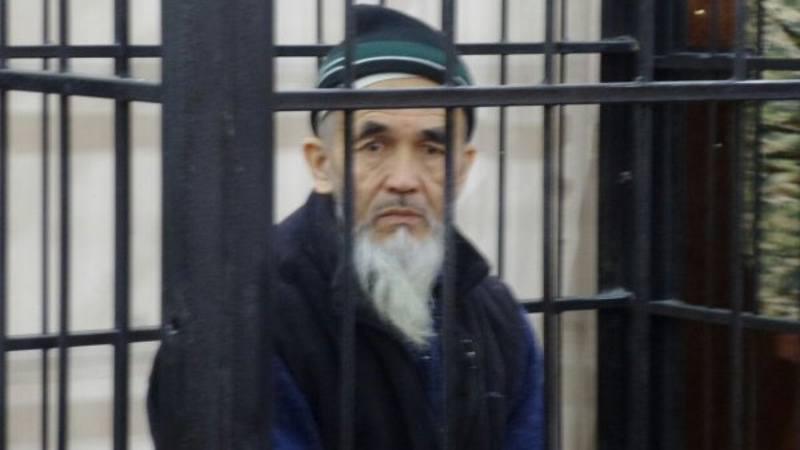
Mary Lawlor calls death of human rights defender Askarov a stain on Kyrgyzstan’s reputation,

July 31, 2020

The death in prison of human rights defender Azimjan Askarov, who for 10 years had unsuccessfully challenged his life sentence, shows a cruel disregard for human rights in Kyrgyzstan, says said Mary Lawlor, UN Special Rapporteur on the situation of human rights defenders.[see: https://humanrightsdefenders.blog/2020/07/26/kyrgyzstan-activist-askarov-dies-in-prison-after-decade-battling-tainted-conviction/

“I was deeply saddened to hear the news of Mr. Askarov’s death, despite multiple requests for his release on humanitarian grounds as his health deteriorated significantly in prison,”

Although the Kyrgyz Government shared detailed information on court proceedings and medical care afforded to Askarov, she criticized the government for not taking concerns about his health seriously.

“We learned in June that, in the midst of COVID-19, and despite his age and pre-existing conditions, Mr. Askarov did not qualify for early release under Kyrgyz law,” Lawlor said. “I now question whether more could have been done to protect his health.”

In the days before Askarov’s death, his lawyer made a number of urgent medical appeals to authorities after the 69-year-old fell ill with a cough, fever, aches and pains, and had difficulty eating and walking. It was only on 24 July 2020, when he had already been sick for 10 days, that he was transferred to a prison medical facility, where he died the following day.

“Mr. Askarov’s case should act as a reminder to all states of the serious and grave threat that prisoners in at-risk categories face during the COVID-19 pandemic,” she said. She stressed that human rights defenders and all those detained without sufficient legal basis, or most at risk of the virus, should be released…

Lawlor’s call has been endorsed by the Special Rapporteur on minority issues, Fernand de Varennes; the Special Rapporteur on the independence of judges and lawyers, Diego García-Sayán; and the Special Rapporteur on torture and other cruel, inhuman or degrading treatment or punishment, Nils Melzer.

https://akipress.com/news:646397:Death_of_human_rights_defender_Azimjan_Askarov_a_stain_on_Kyrgyzstan_s_reputation,_says_UN_expert/

Christof Heyns discusses new UN Comment on Right of Peaceful Assembly

July 30, 2020

On 29 July, 2020 Just Security published a lengthy interview of World Justice Project Executive Director Elizabeth Andersen with Christof Heyns, Professor of Human Rights Law at the University of Pretoria and member of the United Nations Human Rights Committee. This is particularly important as a new new General Comment was issued just this week by the United Nations Human Rights Committee providing guidance on this topic at a critical moment, with protest movements on the rise across the globe, and many countries grappling with the appropriate response—something that has become even more complicated with the COVID-19 pandemic and public health restrictions on large gatherings.

The audio podcast is available at WJP. For those who pefere to read there is text version in the link below. Here a teaser:

Christof Heyns [00:13:17] I think the main idea is that peaceful assemblies are a legitimate use of the public and other spaces. If one thinks on a very sort of practical level, streets are used for vehicles, but they also are used for marathons and for markets and so forth. And they’re closed off on a Saturday or whatever the case may be for that purpose. And peaceful assemblies, like these other social gatherings, are a legitimate use of space. So a number of domestic courts–Spain and Israel and others–have said the public space “is not only for circulation but it’s also for participation”. And I like that quote; even in the translation it comes across. So that’s the underlying idea. It is, as you say, part of democracy.

It is also part of the message of the General Comment that peaceful assembly is an individual right. So one should not in the first place think about the entire assembly exercising the right — and is it violent or is it not, or does it cause damage, and as a result that everybody’s responsible — the focus is on the individual. And even if there are some individuals in a larger group who are, in an isolated way, engaged in violence, this cannot be attributed to the group as a whole. Every individual has that right. As far as possible, they should be treated as individuals.

I think also the underlying philosophy is to say that the right of peaceful assembly should be dealt with by the authorities in a “content neutral” way. As you will know, this idea is strongly present in the US jurisprudence, for example. So the idea is, even if those who are engaging in assemblies are your political opponents or you don’t like their particular message for whatever reason, they are still allowed to do so. There may be some exceptions and maybe we can talk about that. But in principle, the approach should be content neutral.

People should be allowed also to exercise the right “within sight and sound” of their target. So by doing that, they can demonstrate to others that they feel strongly enough about this to gather around this. But they can also, for themselves, see what is the support that they have. So if you organize an assembly, if you think you’re going to have a million people and it’s only yourself who shows up, that’s a message to yourself about the popularity and the support for your idea. In fact, Gandhi had this idea that what he did were “experiments with truth”. And I think to some extent that’s true for peaceful assemblies today. It’s a way of testing ideas and then seeing what is the response. Putting your toe in the water, putting up a trial balloon. And in many cases, this can diffuse a situation. So the society as a whole can take note and they can internalize the fact that there are people who feel very strongly about a certain cause and then they can do something about it. So it’s almost the idea of precaution. Even if I’m not persuaded, now, I know that these people feel like that, and I can do something about it instead of it blowing up into a massive problem.

….

Elizabeth Andersen [00:21:06] Well, it’s certainly an ambitious project you undertook and covers a lot of ground, with lots of standards and recommendations detailed. I think it’s interesting to think about how that all plays out in a concrete setting. And so you mentioned the Black Lives Matter movement and current protests, particularly here in the United States where I’m from. I’d be interested if you can share with our listeners how you see the Committee’s guidance helping us evaluate the response to that protest movement here in the United States. What’s appropriate? What’s not?

Christof Heyns [00:21:53] Well, I think a number of the themes of the General Comment are relevant in the United States and in other societies now as well. So the starting point is that this is an individual right. If there are members of a particular group of an assembly who are engaging in violence, this cannot be attributed to all members. In some cases, interventions are needed, not only permitted but actually required, if there is danger to the lives of people, for example, or to property. The state has a duty to protect, but that should be targeted as far as possible to the individuals concerned. These should be targeted interventions

I think the other overriding issue is the one of de-escalation. There are two approaches. One is to escalate the situation and to show superior force, so to speak. And, of course, if that’s done by the state, the other side also tries to show superior force, and it escalates. But the police themselves, and also the politicians, have a duty of de-escalation and to accommodate, to tolerate, some level of disruption, and to work towards preventing the situation from getting out of hand.

Perhaps more particularly, the General Comment also focuses on the use of military staff to do law enforcement – and I think much of that applies to paramilitaries as well. We don’t say this can never be done. But if it’s done, it is under exceptional circumstances, if there is no other way of doing it, and it should be on a temporary basis. And those who are involved must have the necessary training, including the human rights training, because, of course, the training of police and military staff differs very much. And then in the last place, they are bound by human rights standards. So the same standards that apply to the police also apply to military and paramilitary staff.

There’s also the issue of plainclothes police officers and the question of wearing identification. The General Comment emphasizes that law enforcement officials must wear clear identification. This is important for accountability purposes. If plainclothes police are used — and again, it’s not completely excluded, it may be the only way to have a positive intervention — before they use any force or arrest anybody, they have to identify themselves…..

https://www.justsecurity.org/71736/interview-with-christof-heyns-unhrc-general-comment-37-on-the-right-of-peaceful-assembly/
Mandela Prize 2020 awarded to Greek and Guinean humanitarians

July 22, 2020
Home

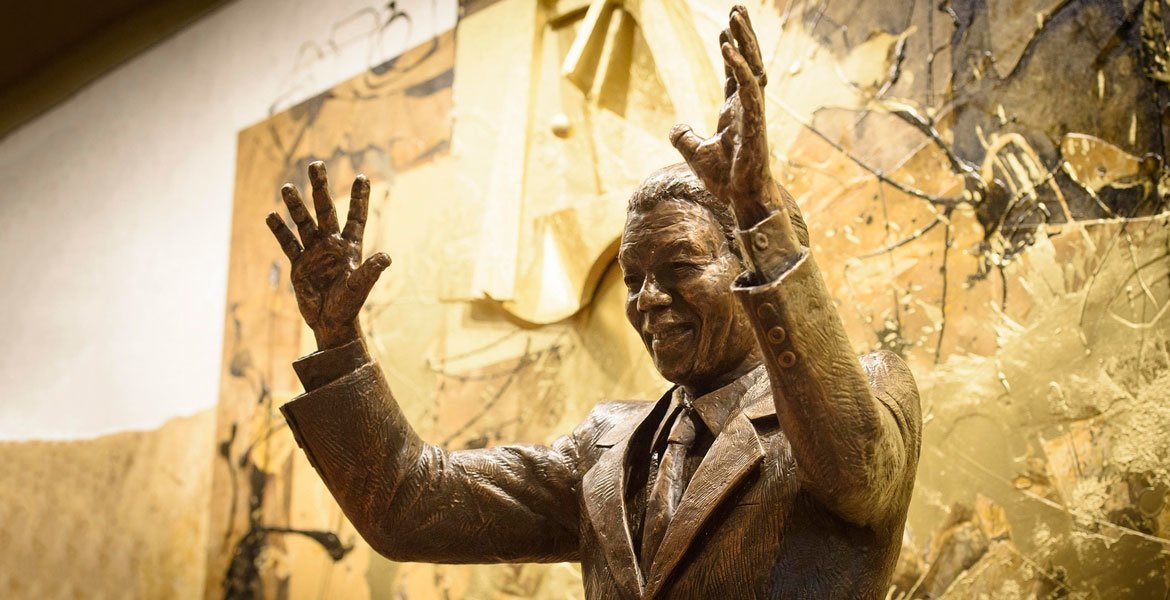
UN Photo/Ariana LindquistUnveiling Ceremony of Nelson Mandela Statue from South Africa 17 July 2020

The 2020 Nelson Mandela Prize {SEE: http://www.trueheroesfilms.org/thedigest/awards/nelson-mandela-prize-un] is awarded every five years and recognizes those who dedicate their lives to the service of humanity, will go to Marianna Vardinoyannis, of Greece, and Doctor Morissana Kouyaté, of Guinea, it was announced on Friday.

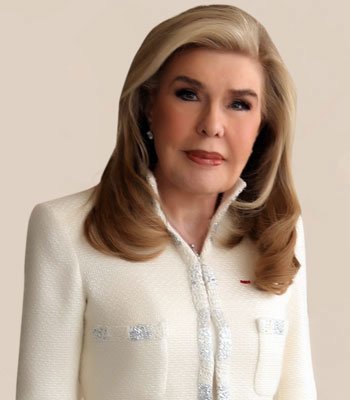
United Nations Marianna V. Vardinoyannis, female laureate of the 2020 United Nations Nelson Rolihlahla Mandela Prize.

The President of the General Assembly, Tijjani Muhammad-Bande, made the announcement, and will recognize the laureates during a virtual ceremony on 20 July, in light of the COVID-19 pandemic. An in-person award ceremony will take place at a later date, at UN Headquarters in New York.

Ms. Vardinoyannis is the founder and president of two foundations dedicated to children: the “Marianna V. Vardinoyannis Foundation” and “ELPIDA Friends’ Association of Children with cancer.”

She has been involved in the fight against child cancer for some 30 years and, thanks to her work, thousands of children have been cured. Notably, the ELPIDA association was instrumental in setting up the first bone marrow transplant unit in Greece, in 1999, and the country’s first oncology hospital for children, in 2010.

Her foundation also supports programmes for the medical care of refugee children and other vulnerable social groups, human rights education, programmes, and the fight against human trafficking. Ms. Vardinoyannis has been a UNESCO Goodwill Ambassador since 1999.

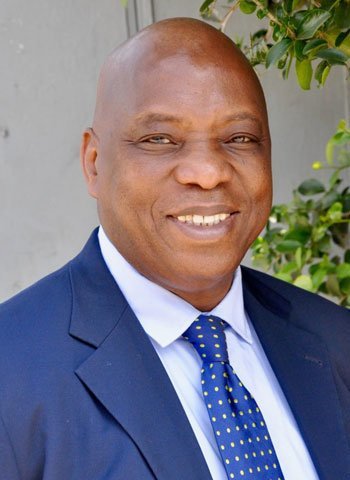
United Nations Morissanda Kouyate, male laureate of the 2020 United Nations Nelson Rolihlahla Mandela Prize.

As Executive Director of the Inter-African Committee on Harmful Traditional Practices (IAC), Dr. Kouyaté is a leading figure in efforts to end violence against women in Africa, including Female Genital Mutilation (FGM). He has received several international humanitarian awards for his work.

Dr. Kouyaté created IAC in 1984 in Dakar, Senegal, at a time when FGM was a highly controversial and sensitive issue for discussion. The organization aims, through education, to change attitudes towards the practice, and allow all African women and children to fully enjoy their human rights, free from the consequences of FGM, and other harmful practices. 

It is a partner organization with the UN reproductive rights agency (UNFPA), the World Health Organization (WHO), and UN childrens’ agency (UNICEF).

“I am pleased to join you to celebrate the life and achievements of Nelson Mandela – one of the greatest leaders of our time, a moral giant whose legacy continues to guide us today”, Secretary-General António Guterres said in his message to the virtual General Assembly commemoration.

Quoting Madiba Mr. Guterres said: “As long as poverty, injustice and gross inequality persist in our world, none of us can truly rest”.

Maintaining that “inequality damages everyone”, the UN chief said it was “a brake on human development and opportunities”.

“The answer lies in a New Social Contract, to ensure economic and social justice and respect for human rights”, stressed the UN chief.

https://news.un.org/en/story/2020/07/1068721

https://news.un.org/en/story/2020/07/1068571

Burundi after the “election”: UN and HRW follow up

July 21, 2020

Lisa Schlein reported on 14 July 2020 that UN Investigators are skeptical of reform promises by new President, while HRW sent a letter to the new President Ndayishimiye

Burundi's President Evariste Ndayishimiye gestures to the crowd after his inauguration in Gitega, Burundi Thursday, June 18,…

The U.N. Commission of Inquiry on Burundi is doubting that promises of reform made by Burundi’s newly-elected president will result in hoped-for improvements in the country’s human rights situation. The commission has submitted its report on prevailing conditions in the country to the U.N. Human Rights Council.

The three-member panel welcomes promises of political reconciliation, judicial reform and protection of the population made by President Ndayishimiye, in his inaugural address. But, the chair of the U.N. commission, Doudou Diene, says the president’s comments were full of ambiguities and contradictions. 

For example, he notes the president’s remarks seemed to justify the imposition of restrictions on some public liberties such as freedom of expression, information and assembly under the guise of preserving Burundian culture. 

Speaking on a video link from Paris, he said, “Such remarks are concerning, especially given that the new president’s policies will be implemented by a government composed primarily of the old guard of the late President Nkurunziza’s regime — some of whom are under sanctions for their involvement in grave human rights violations.” 

Burundi's President Pierre Nkurunziza queues at a polling station during the presidential, legislative and communal council…
FILE – Burundi’s President Pierre Nkurunziza queues at a polling station during elections, under the simmering political violence and the growing threat of the coronavirus, in Ngozi, Burundi, May 20, 2020.

President Pierre Nkurunziza died of cardiac arrest on June 8, after a brief hospitalization, while his wife was in Kenya undergoing medical treatment. A number of news outlets report he died of the coronavirus. 

Commission chair Diene says gross, widespread human rights violations continue in Burundi and that it would be premature to make any pronouncements on the possible evolution of the situation under the new government. 

He said, “We solemnly urge the new president of the republic to demonstrate his willingness for change by fully cooperating with the international human rights mechanisms. The immediate release of the four journalists of Iwacu, of human rights defenders … would be a significant gesture of this.” {see: https://humanrightsdefenders.blog/2020/02/05/burundi-elections-start-with-convicting-4-journalists/]

Burundi’s ambassador to the United Nations in Geneva, Renovat Gabu, rejects the commission’s report. He accuses the commission of interfering in the domestic affairs of his country and of slandering and insulting public authorities with the blessing of the U.N. council. 

Human Rights Watch

Letter to President Ndayishimiye: Protecting Human Rights in Burundi, 13 July, 2020

Re: Protecting Human Rights in Burundi

… We have reported on human rights concerns in Burundi since 1995. We are writing to raise important concerns and share our recommendations on steps your government should take to advance and protect human rights in Burundi. We hope that you will address these issues and make the protection and promotion of human rights a top priority throughout your presidency. We urge you to work to make systemic changes to end the violence and abuse, fueled by widespread impunity, that have plagued the country for far too long, especially since 2015.

While we regret the former administration’s withdrawal of Burundi from the International Criminal Court, which took effect in 2017, we are encouraged by the commitments stated in your inaugural speech to reform the judiciary and ensure that all government or other officials who commit offenses are held accountable. Your assurances that measures will be taken to protect victims and witnesses are critical to delivering this promise, as is your commitment to ensuring that corruption will not be tolerated….

To address these challenges and demonstrate a real commitment to promoting rights and turning the page on decades of violence, abuse, mismanagement, and impunity, we urge you to take the following steps during your first year in office:

  1. Remove from security services posts and other executive branches, officials who have been credibly implicated in serious human rights violations, according to reports by the United Nations Commission of Inquiry on Burundi, the UN Human Rights Council, the African Commission on Human and Peoples’ Rights’ fact-finding mission report, and Burundian and international human rights organizations. Ensure that no one who may be subject to criminal or other investigation into human rights abuses is in a position to influence that investigation.
  2. Instruct the security forces, the local administrators, and the Imbonerakure to stop extortion, the use of forced labor, beatings, arbitrary arrests, threats, harassment, and collection of contributions for state-led projects. Order the Imbonerakure and other officials to dismantle all unauthorized roadblocks.
  3. Direct the Justice Ministry to thoroughly and impartially investigate past grave violations of human rights with a view to appropriately prosecuting current and former state security officers and government officials who were responsible for serious criminal offenses. These include National Defense Force and police extrajudicial executions of 47 civilians, members of armed groups and other suspected opponents between December 30, 2014, and January 3, 2015 in Cibitoke province; police use of excessive force in a crackdown on protests in 2015; violence against suspected opponents after the protests; allegations of extrajudicial executions by members of the security forces on December 11, 2015 ; torture and ill treatment of suspected opponents by national intelligence agents and police in since 2015; and extrajudicial executions, enforced disappearances, and arbitrary arrests of suspected opponents by national intelligence agents, police, and Imbonerakure members since 2015, including during the periods leading up to the constitutional referendum in 2018 and the elections held earlier this year.
  4. Ensure a thorough and independent investigation into the crimes and abuses committed by the Imbonerakure. These investigations should lead to fair and transparent prosecutions, and your government should ensure that your party’s youth league is disarmed and not used for any official state security or similar duties.
  5. End all political interference in the judicial system, facilitate victims’ access to justice, and ensure progress on emblematic cases. This should include the immediate and unconditional release of all political prisoners and prisoners jailed for exercising their fundamental rights, including Germain Rukuki, Nestor Nibitanga, Christine Kamikazi, Agnès Ndirubusa, Egide Harerimana, and Térence Mpozenzi
  6. Fully protect everyone’s rights to freedom of expression, assembly, and association in accordance with international standards. Lift the suspension on the operations of independent media and human rights organizations, and ensure journalists and human rights activists who are in exile can return safely. Members and supporters of political parties, Burundian and international journalists, and Burundian and international human rights defenders should be able to conduct their work freely, criticize government policies, and organize peaceful protests without fear of intimidation, reprisals, harassment, arrests, or the excessive use of force by the security forces.
  7. Cooperate with and support regional and international human rights mechanisms and treaties, and act to ensure that Burundian law adequately reflects international human rights commitments. This should include full cooperation with the UN Human Rights Council’s special procedures, including giving the UN Commission of Inquiry on Burundi unfettered access to the country; the resumption of cooperation with the Office of the High Commissioner for Human Rights; finalization of a memorandum of understanding with the African Union’s human rights observer mission and ensuring the observers get unfettered access to the country and its detention facilities; and allow international NGOs to operate without interference.
  8. Ratify the Rome Statute and align national legislation provisions to cooperate promptly and fully with the International Criminal Court as a court of last resort. Cooperate with the ongoing ICC investigations into alleged crimes against humanity committed in Burundi or by nationals of Burundi outside Burundi until 26 October 2017.

https://www.voanews.com/africa/un-investigators-skeptical-reform-promises-new-burundi-president

https://www.hrw.org/news/2020/07/15/letter-president-ndayishimiye-protecting-human-rights-burundi